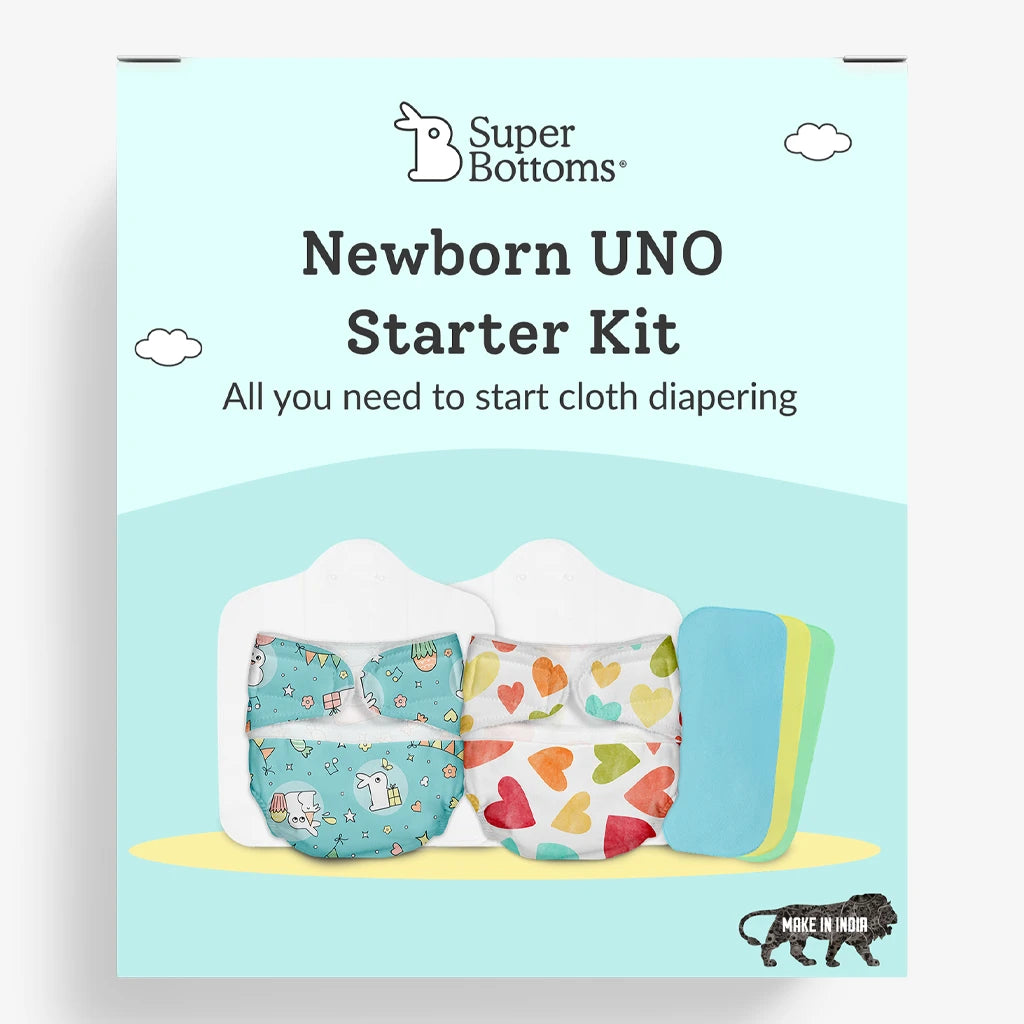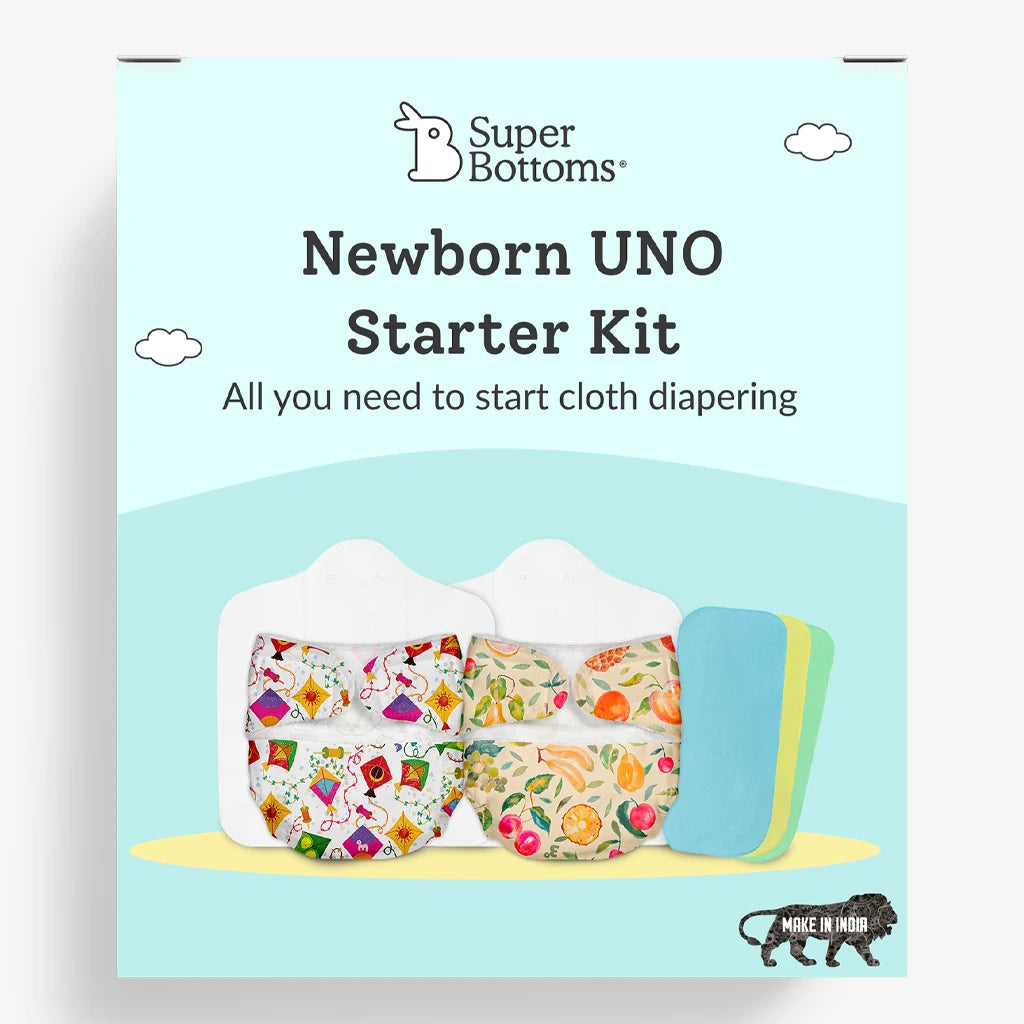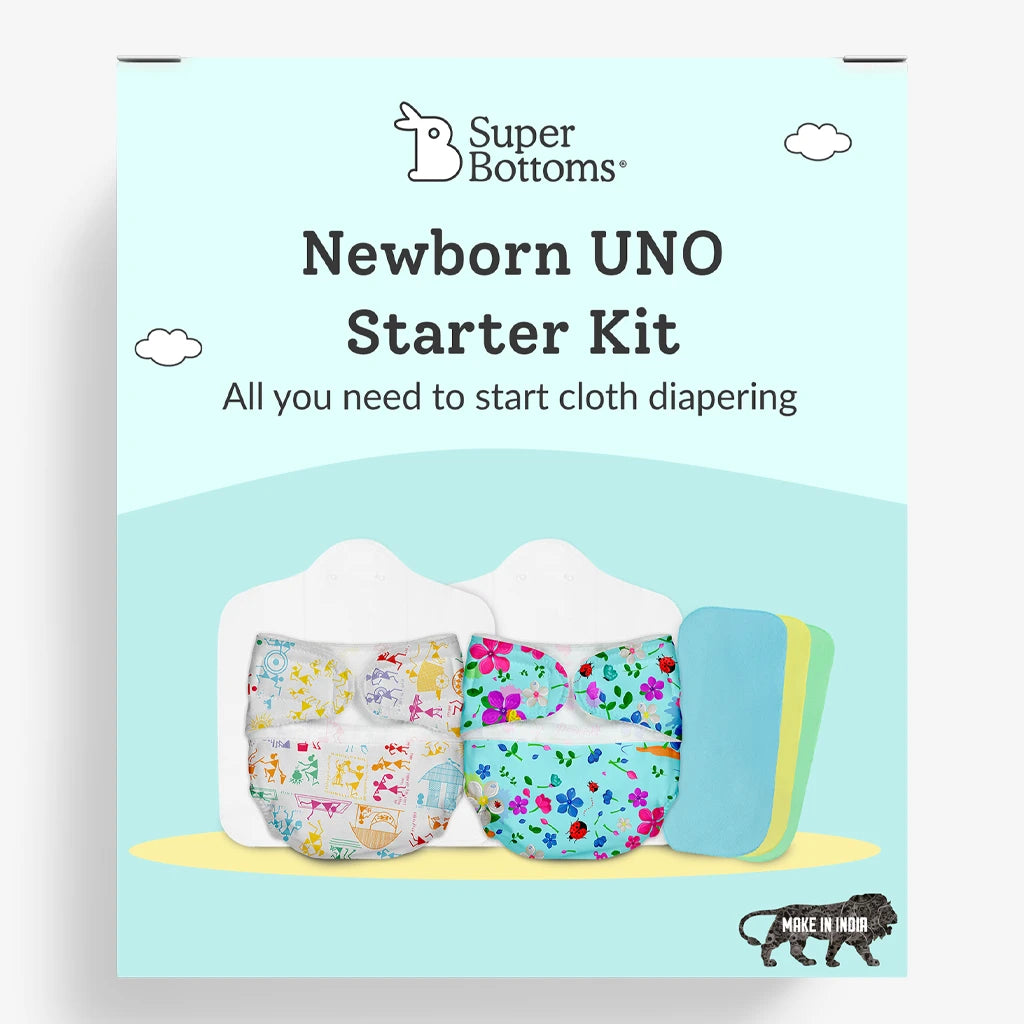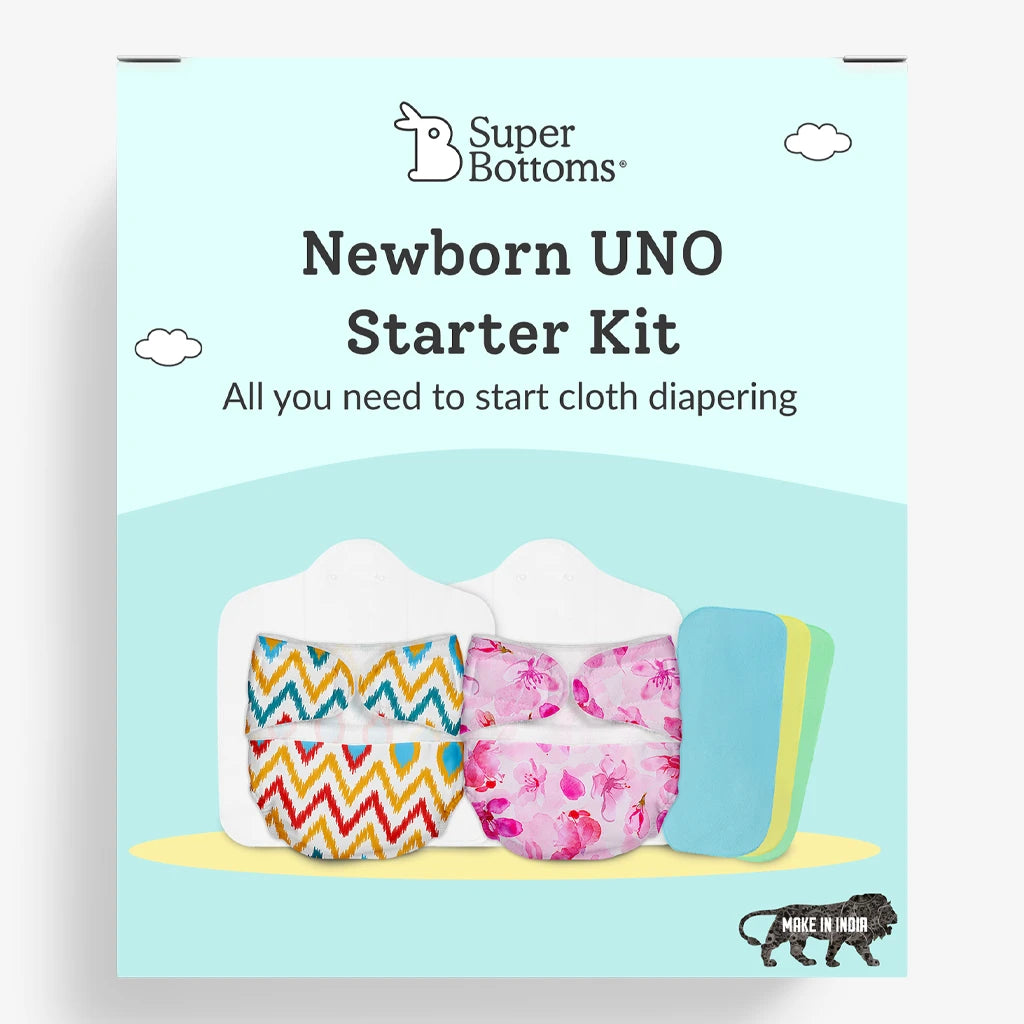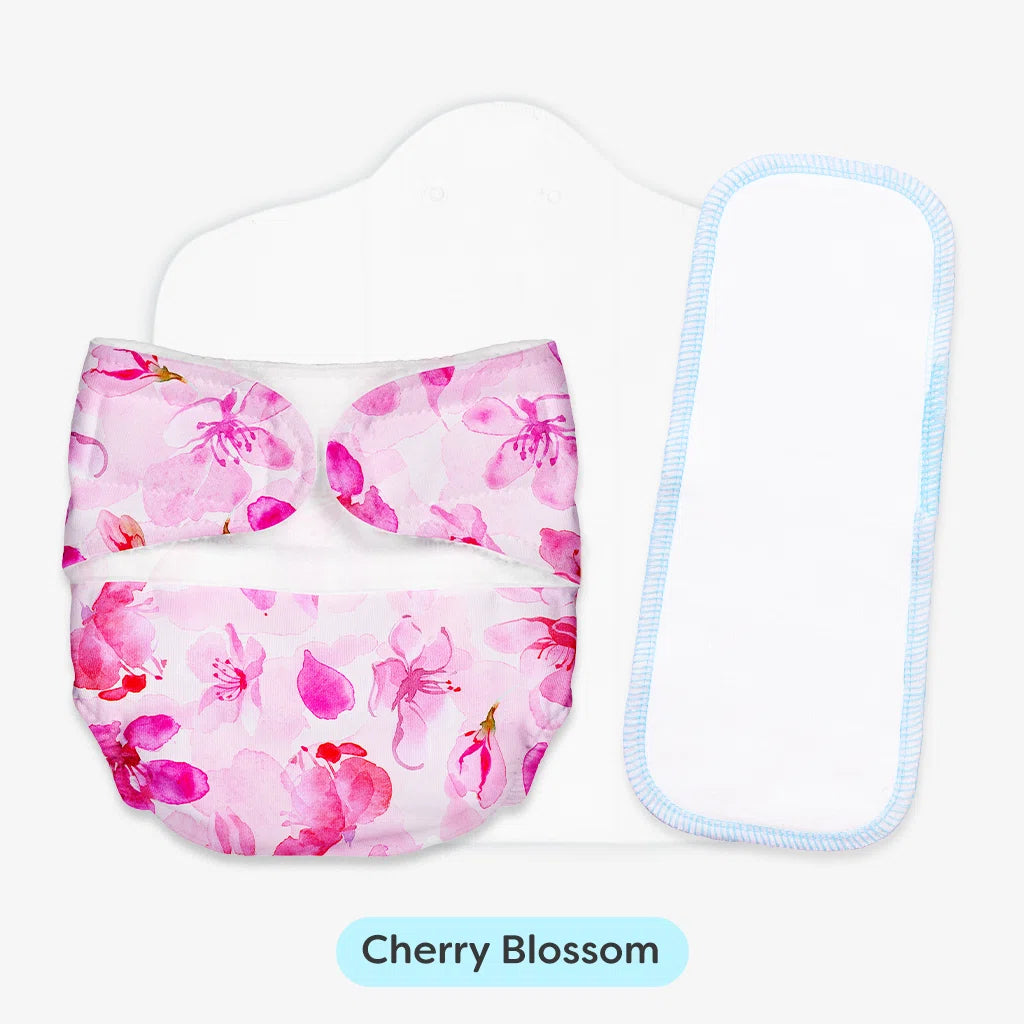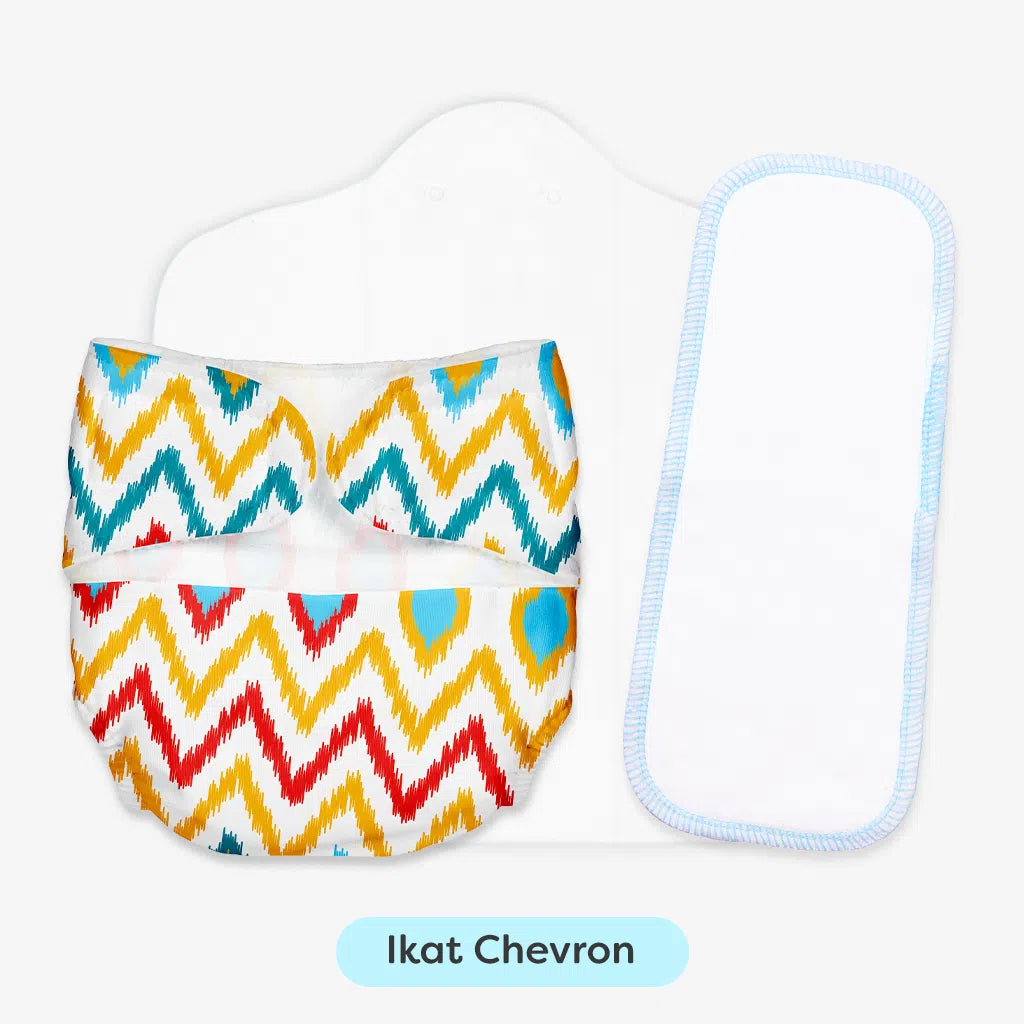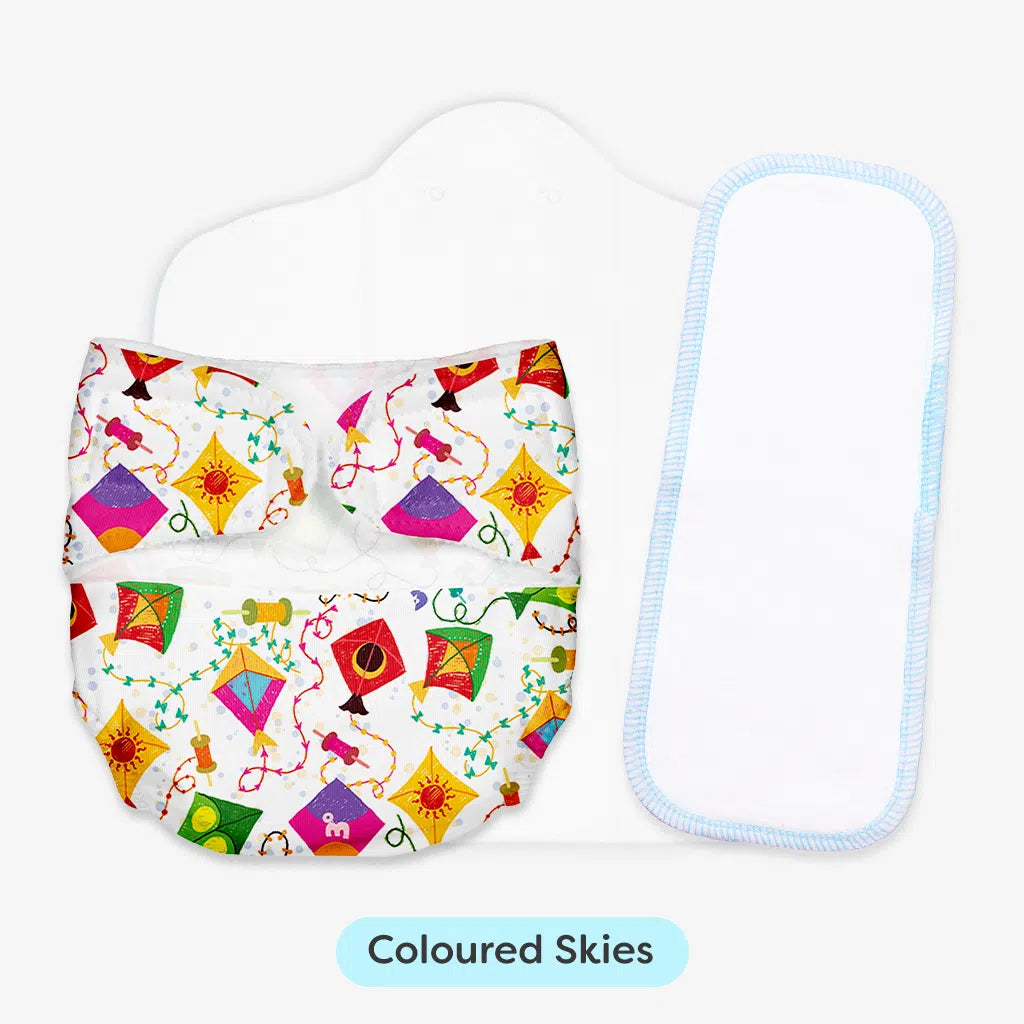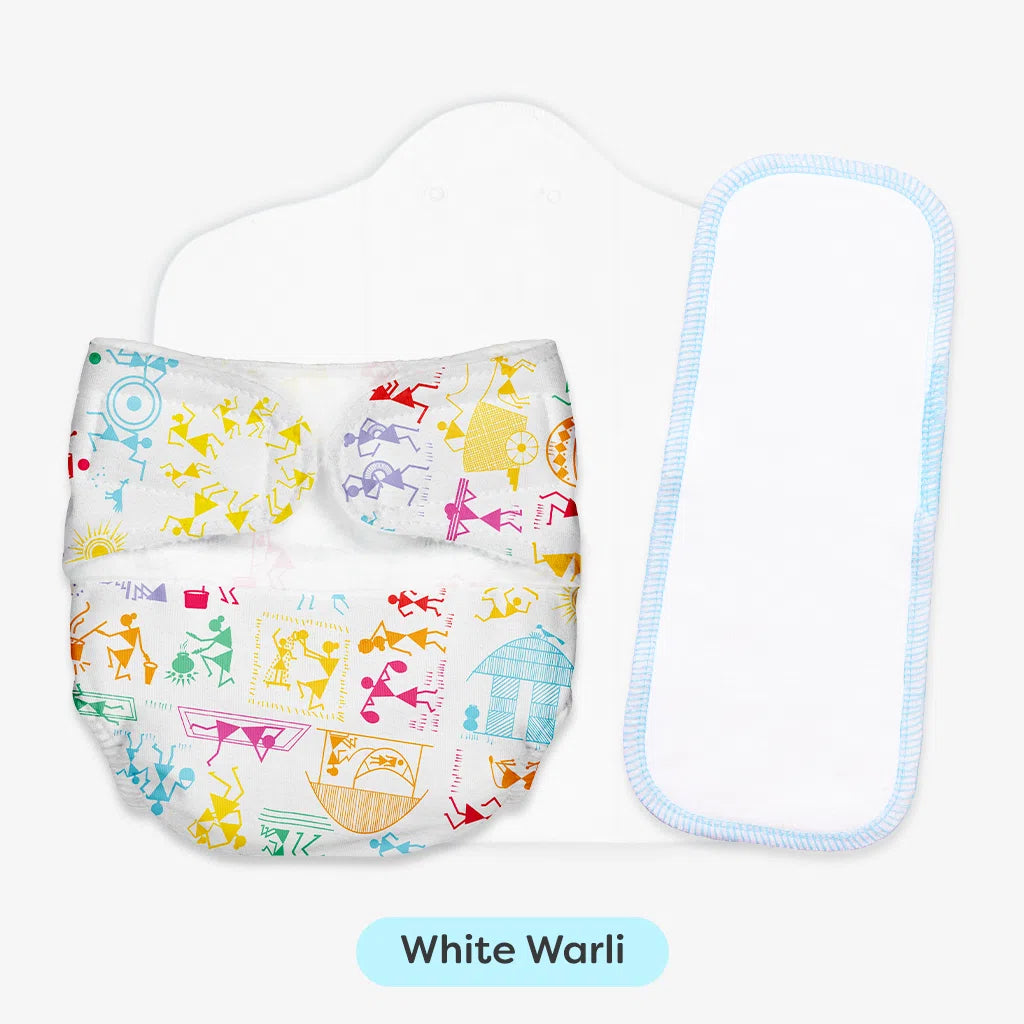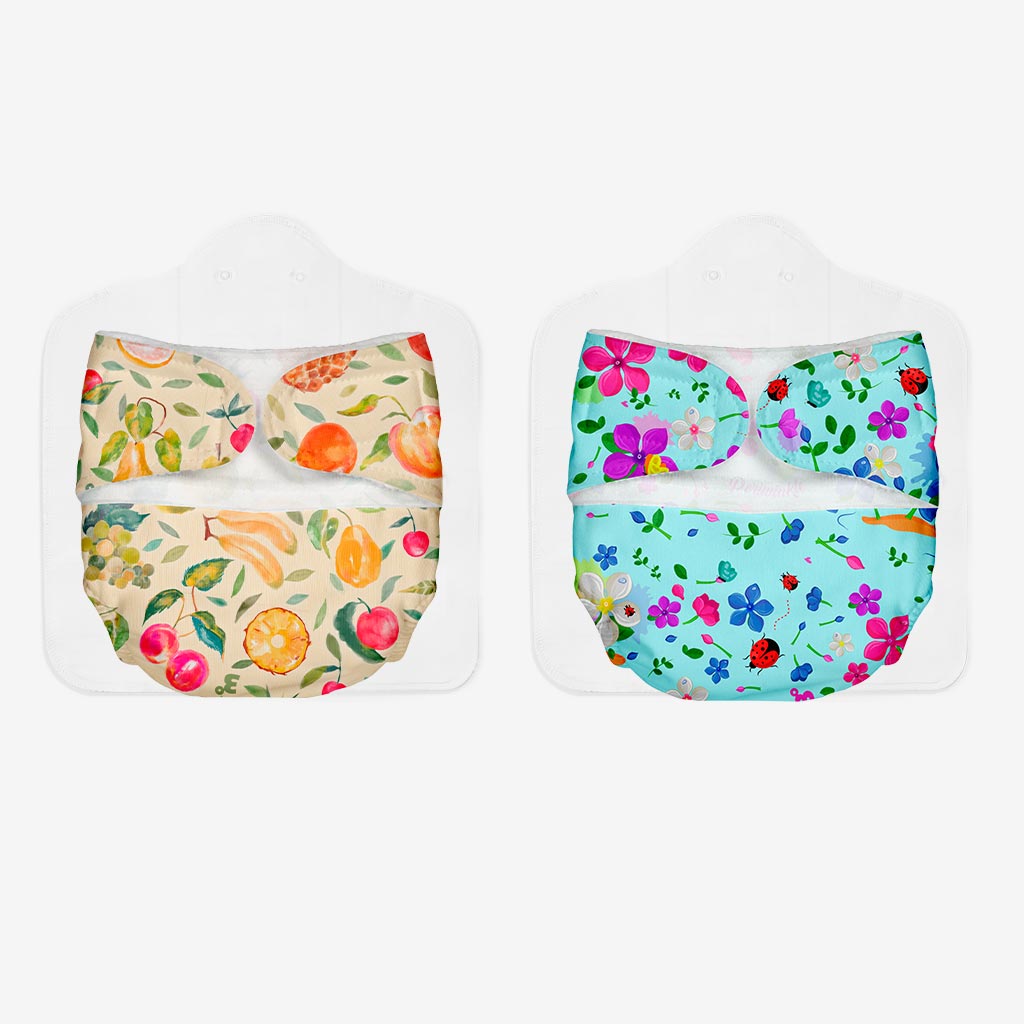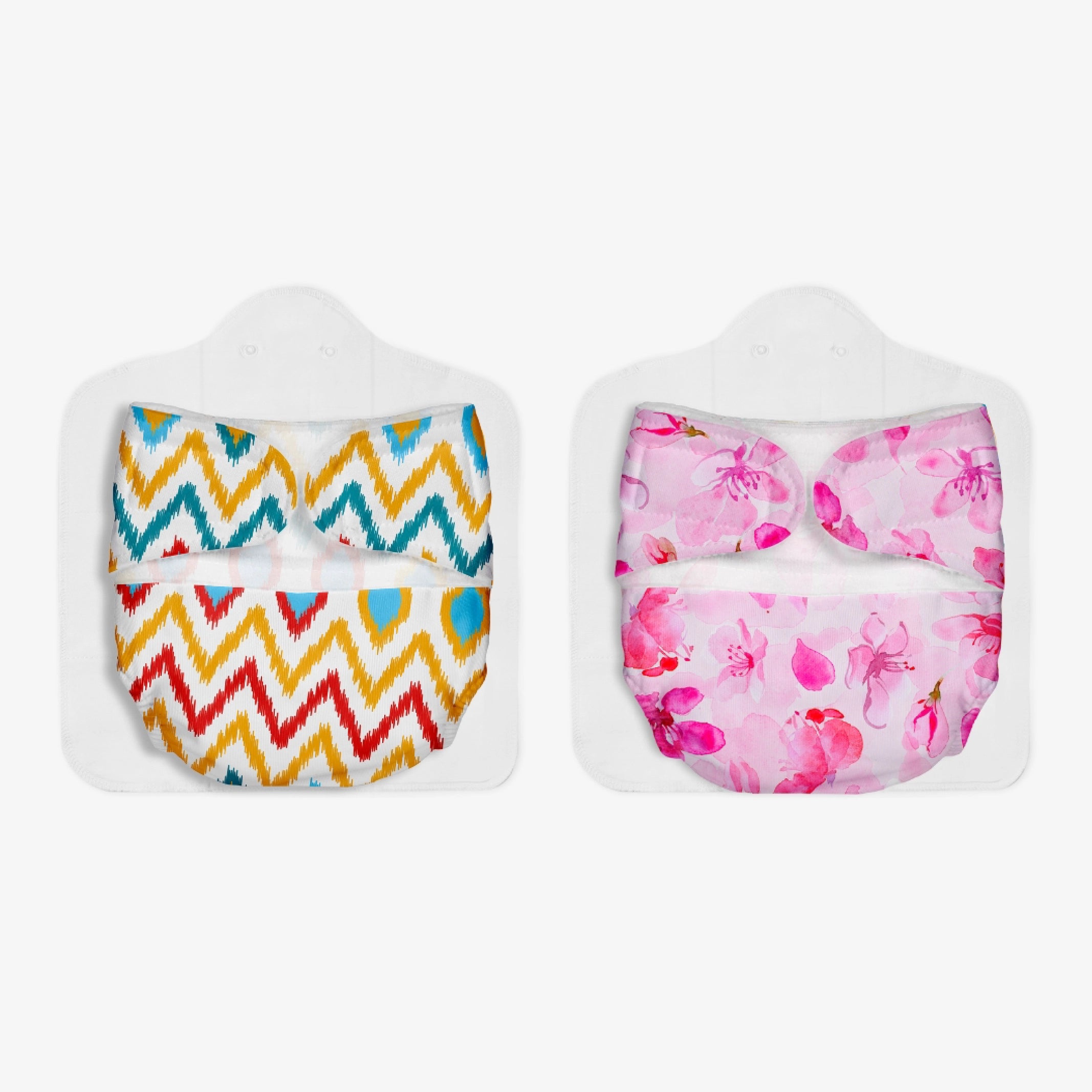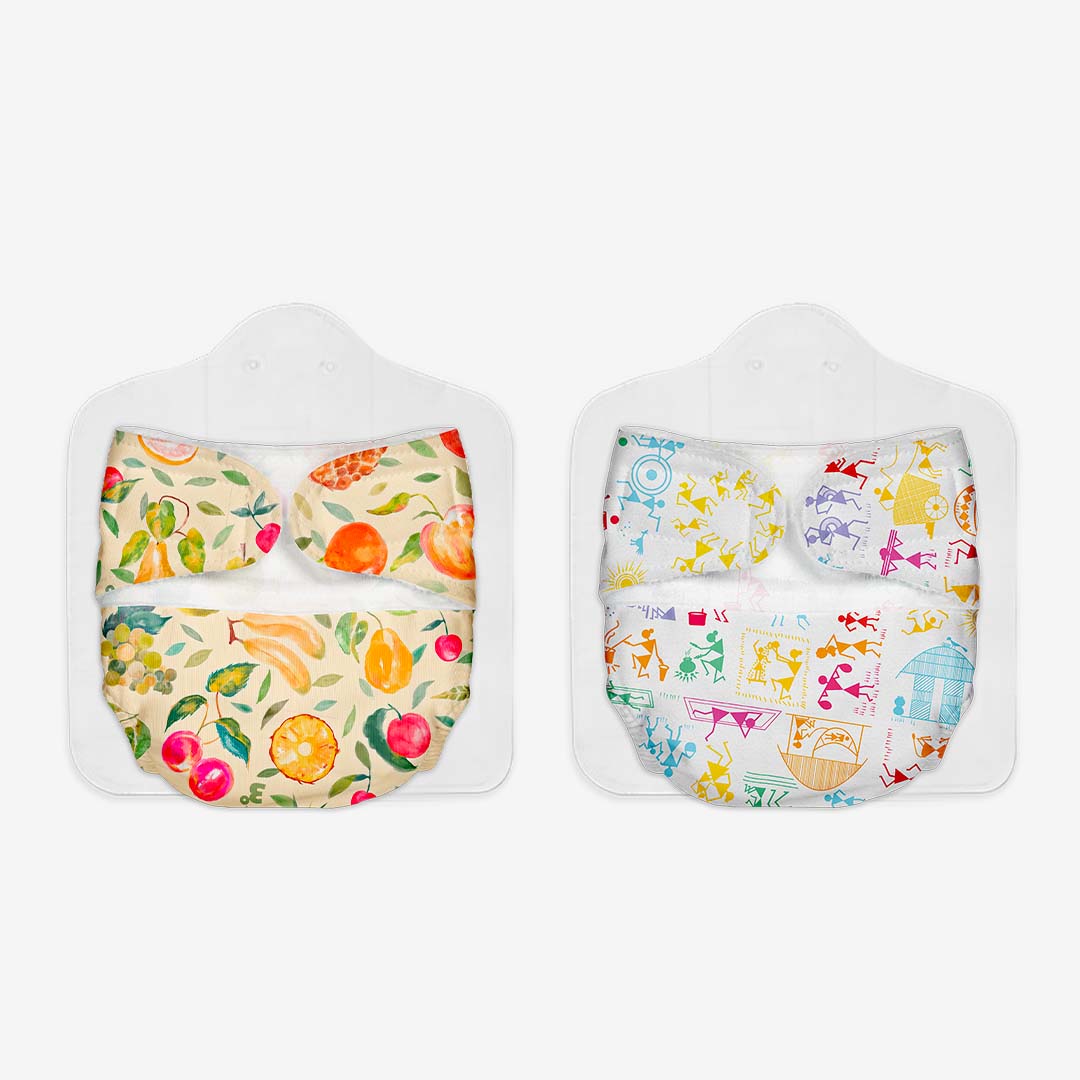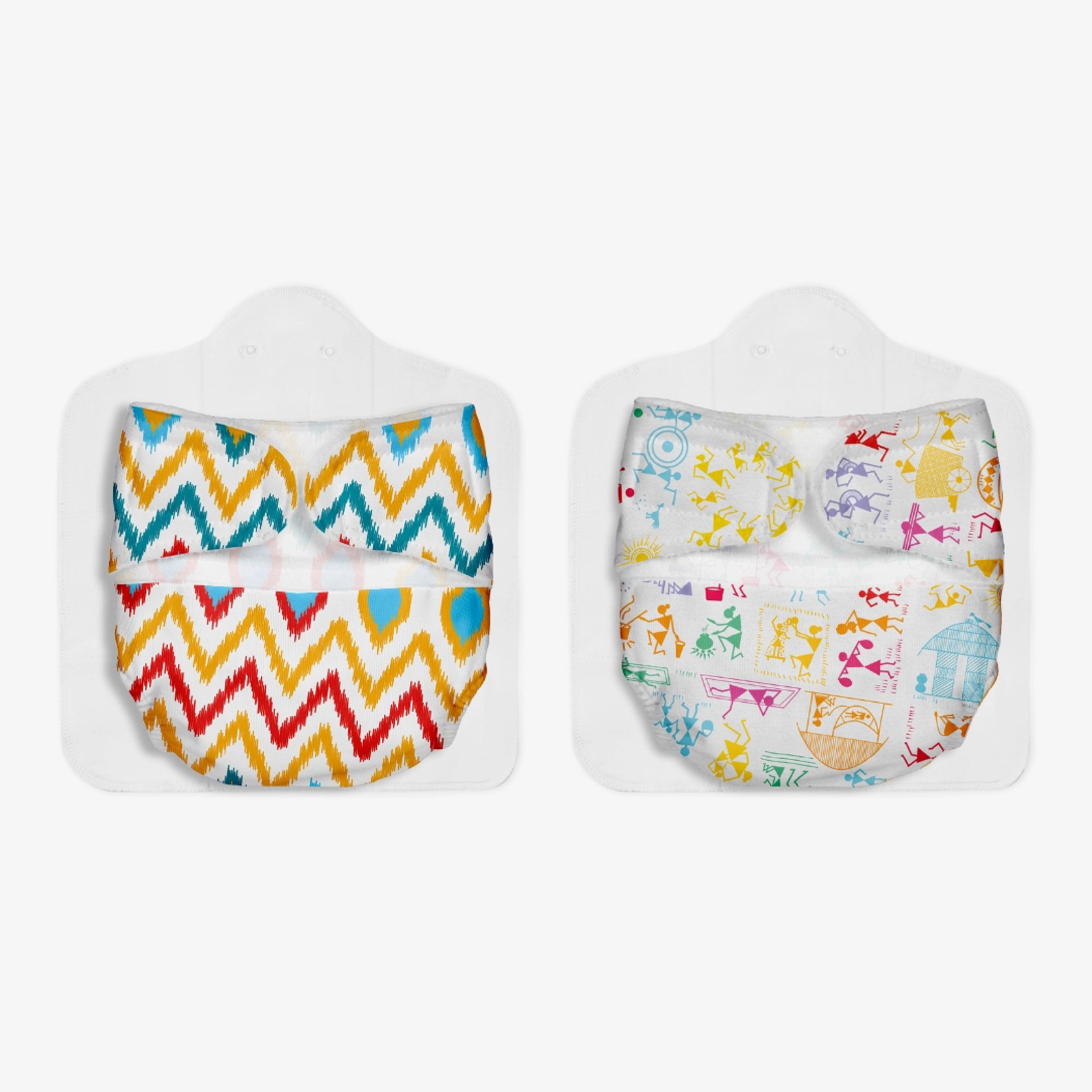






Parents often worry about diaper rash, skin irritation, and the long-term cost of diapering. This article explains the health benefits of cloth diapers, compares reusable and disposable options, and outlines what to look for when choosing a baby cloth diaper. It also explores skin safety, comfort, breathability, and practical considerations to help families make informed diapering decisions.
- Why are parents switching to cloth diapers?
- What health benefits do cloth diapers offer?
- Do cloth diapers help reduce diaper rash?
- How do cloth diapers compare with disposable diapers?
- What should I look for when choosing a cloth diaper?
- Is It Worth Switching to Cloth Diapers?
- Where Can Parents Buy Cloth Diapers Online in India?
- Key Takeaways
- FAQs
- Message from SuperBottoms
- References
Parents today have more diapering options than ever before. While disposable diapers remain popular for convenience, many families in India are exploring reusable cloth diapers because of concerns about skin sensitivity, comfort, cost, and sustainability.
The question isn't simply whether cloth diapers are better than disposables. The better question is:
Which diapering option best supports your baby's comfort, skin health, and your family's lifestyle?
Let's explore the evidence and practical considerations.
Why Are Parents Switching to Cloth Diapers?
Many parents choose cloth diapers because they want greater control over the materials touching their baby's skin.
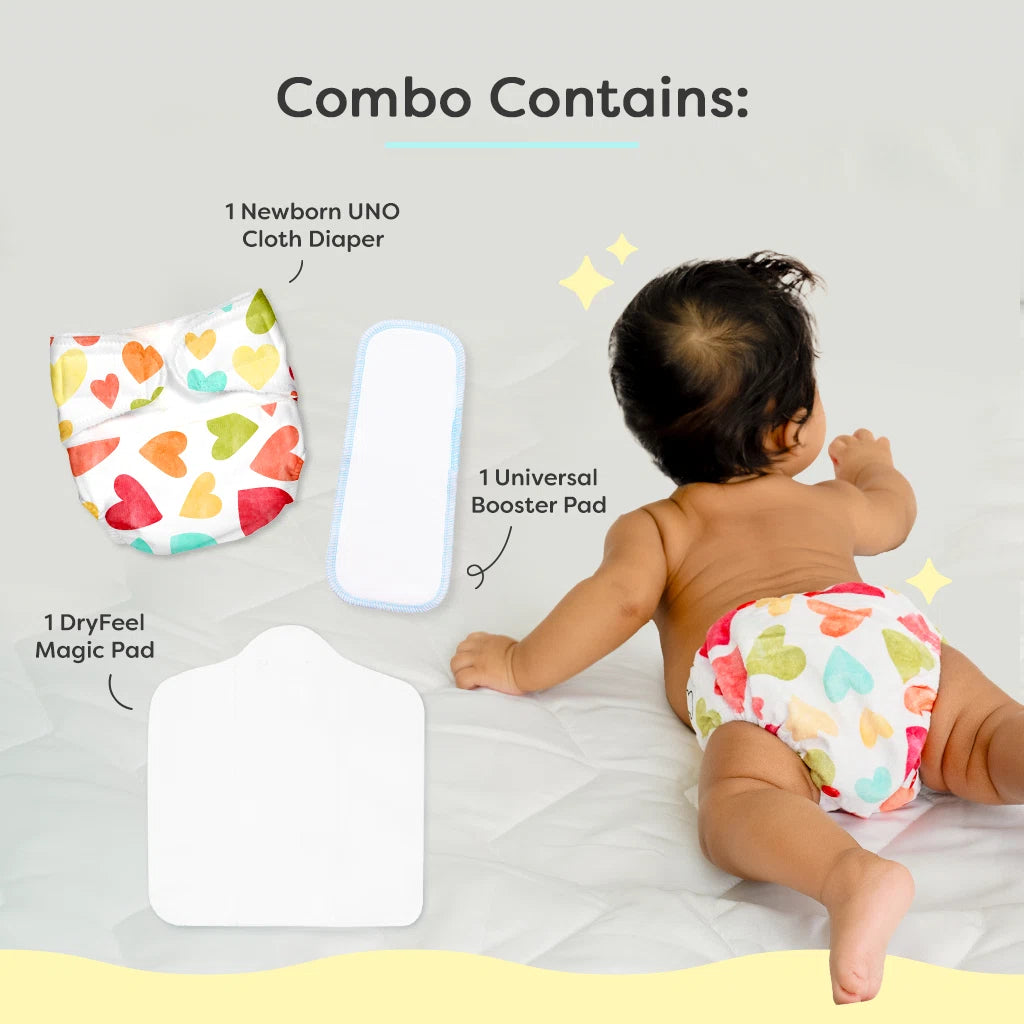
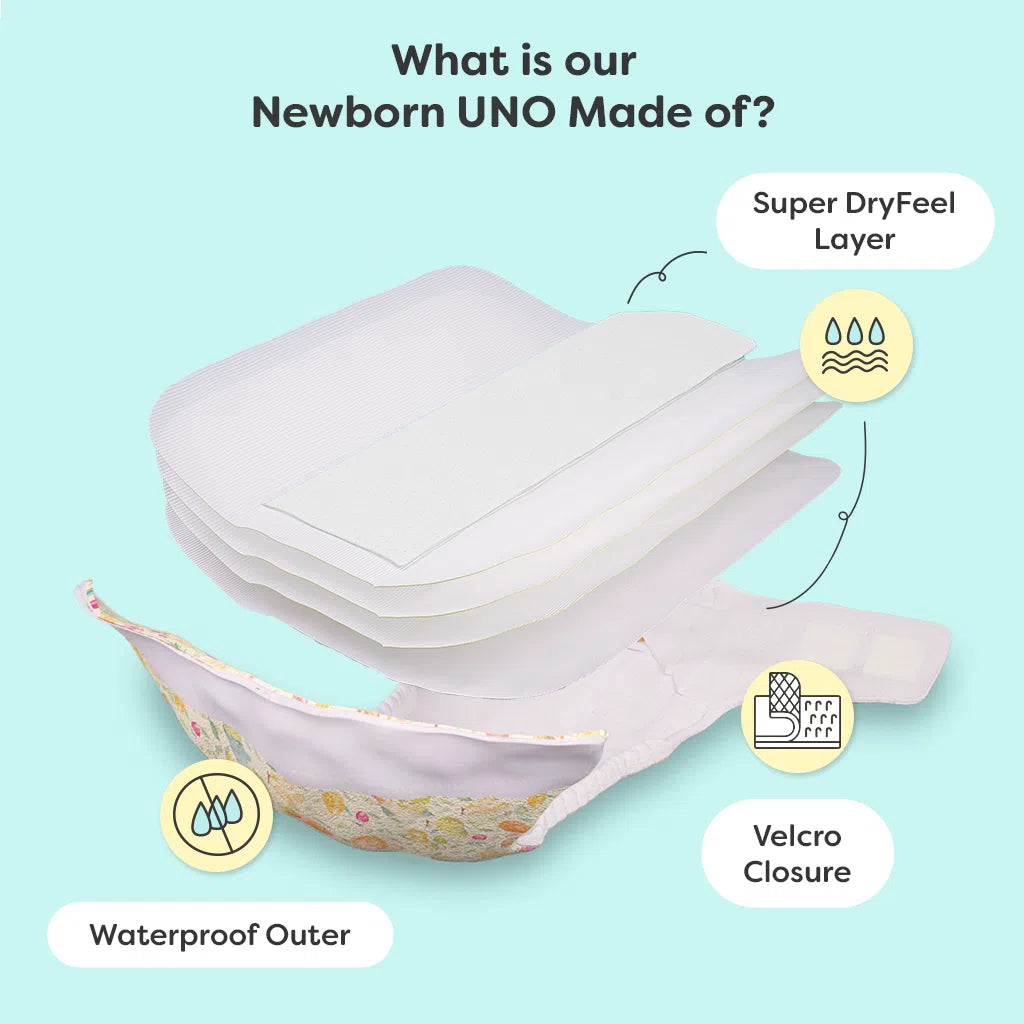
Modern cloth diapers differ significantly from the folded cotton nappies used by previous generations. Today's designs include:
- Soft inner layers
- Adjustable sizing
- Leak-proof outer layers
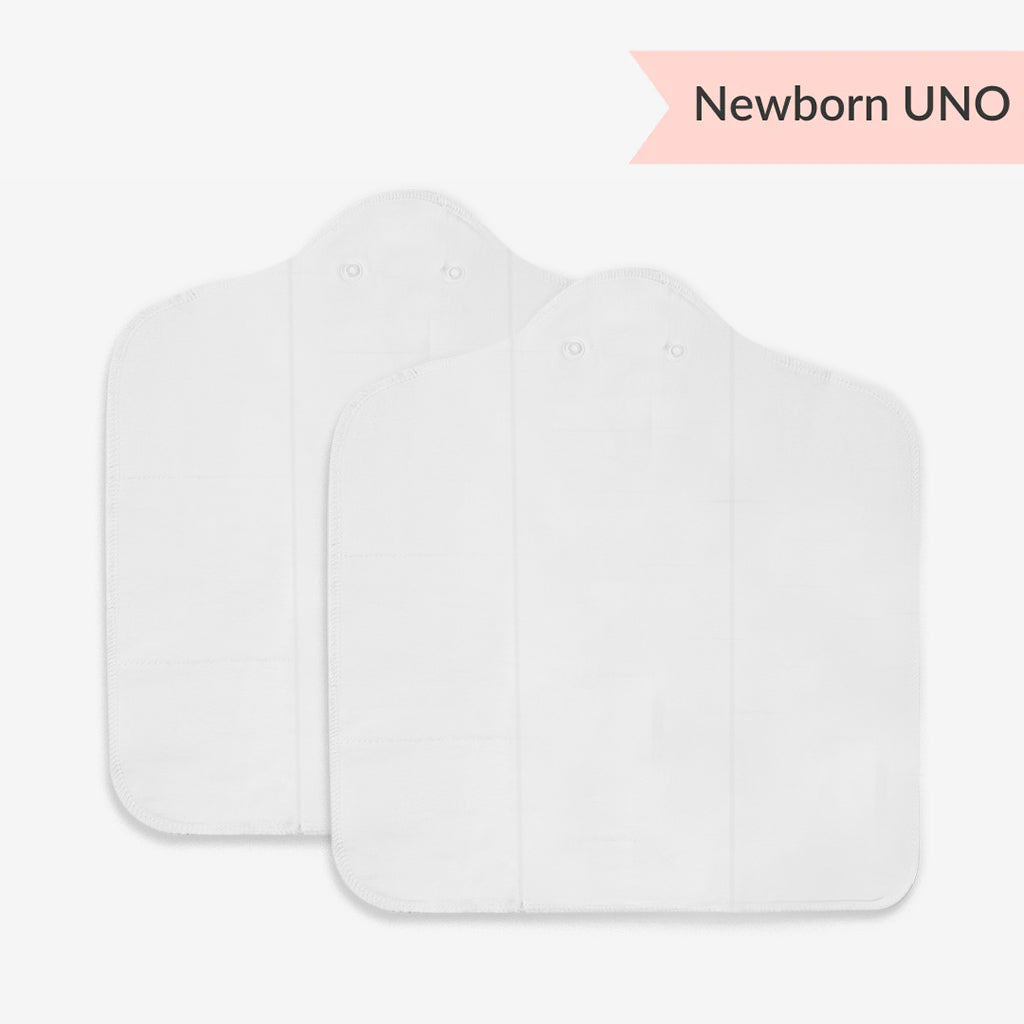
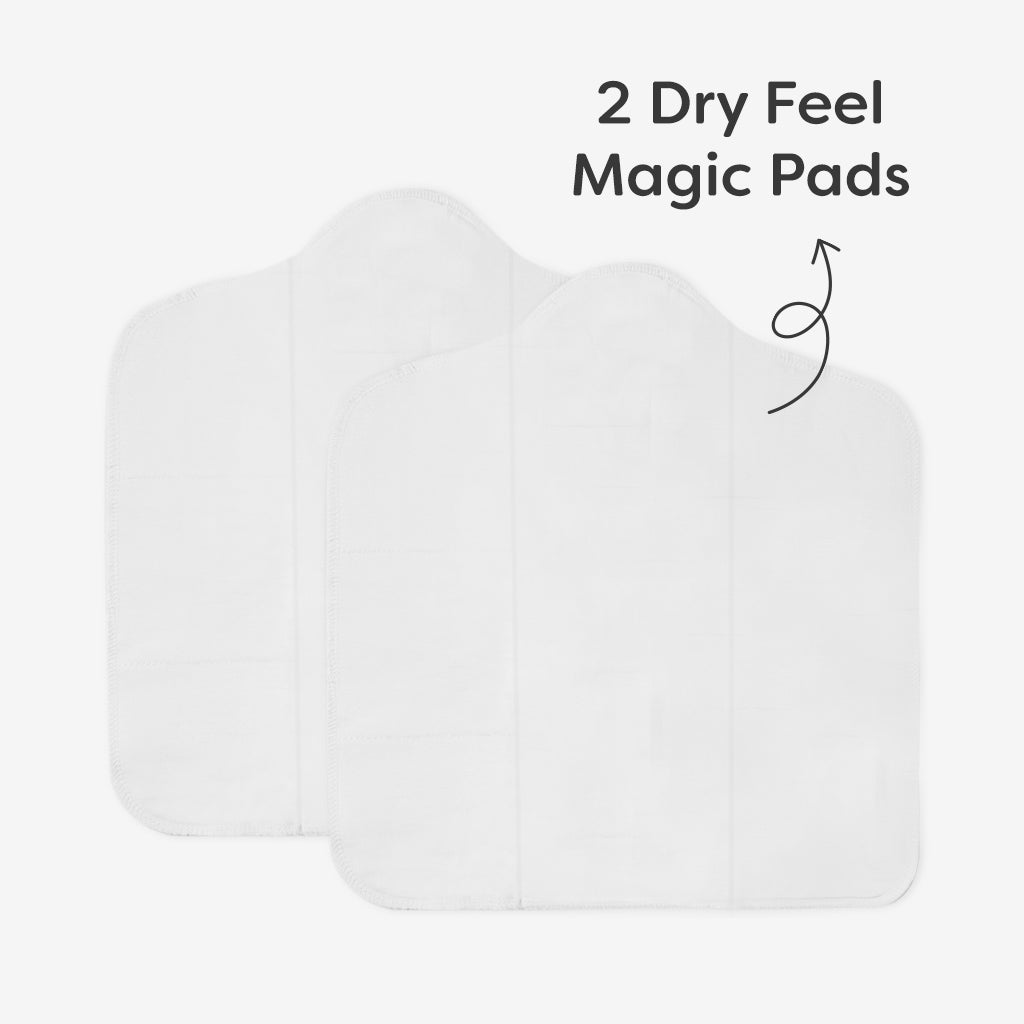
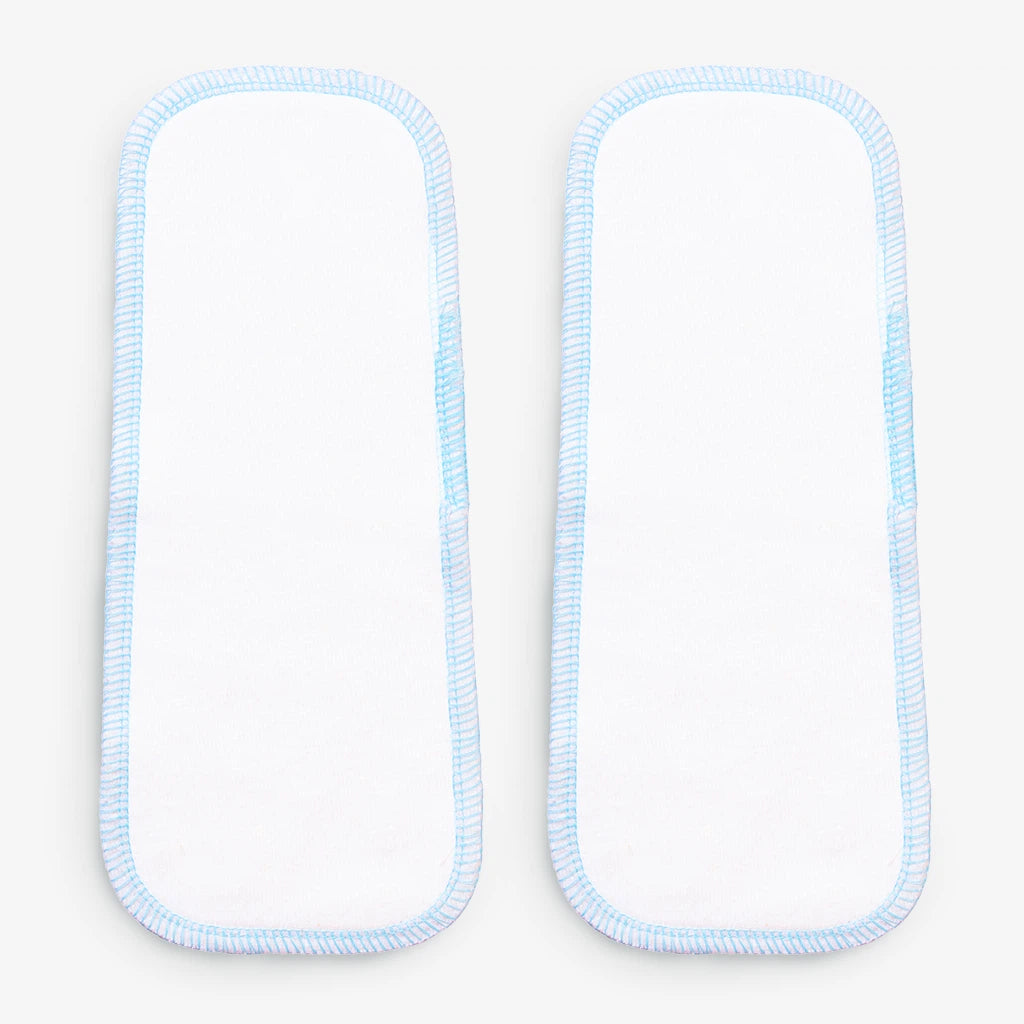
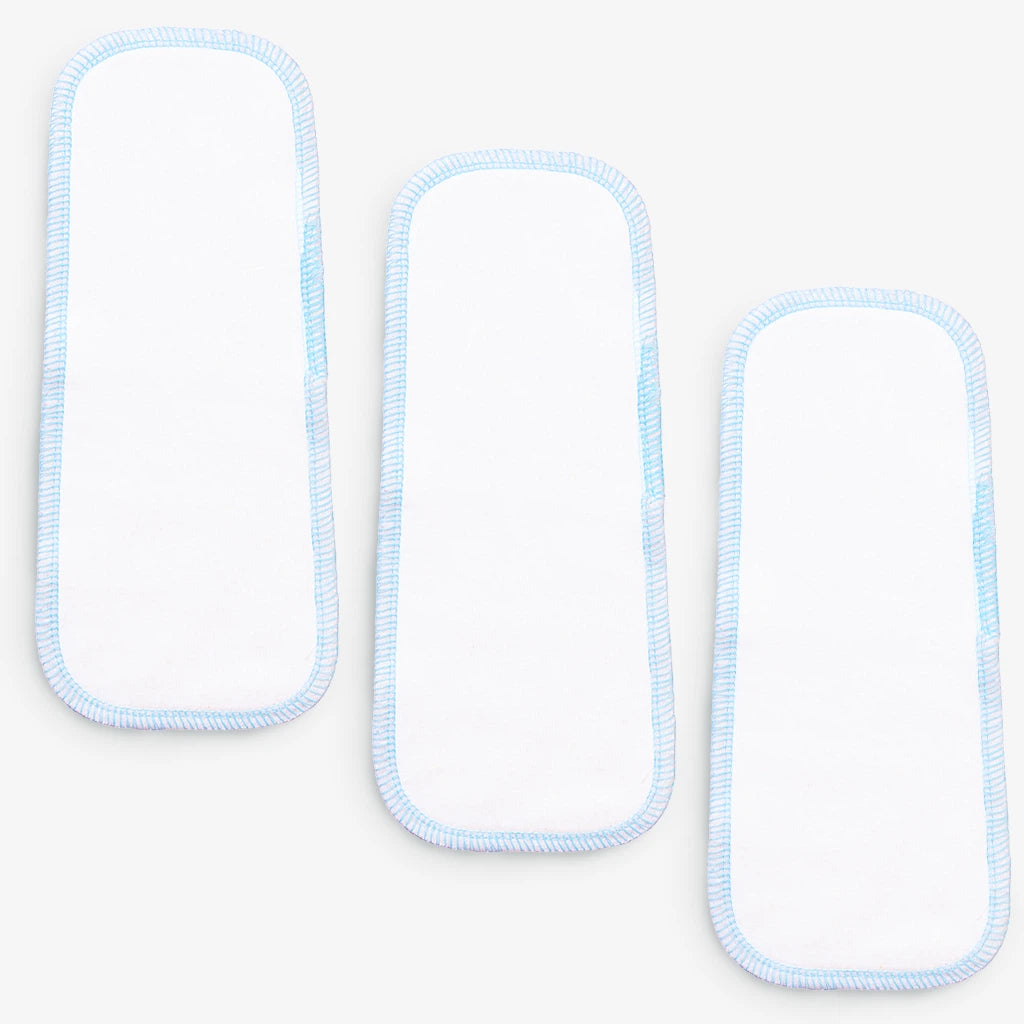
- Customizable absorbency inserts
These improvements have made reusable diapering more practical for modern families.
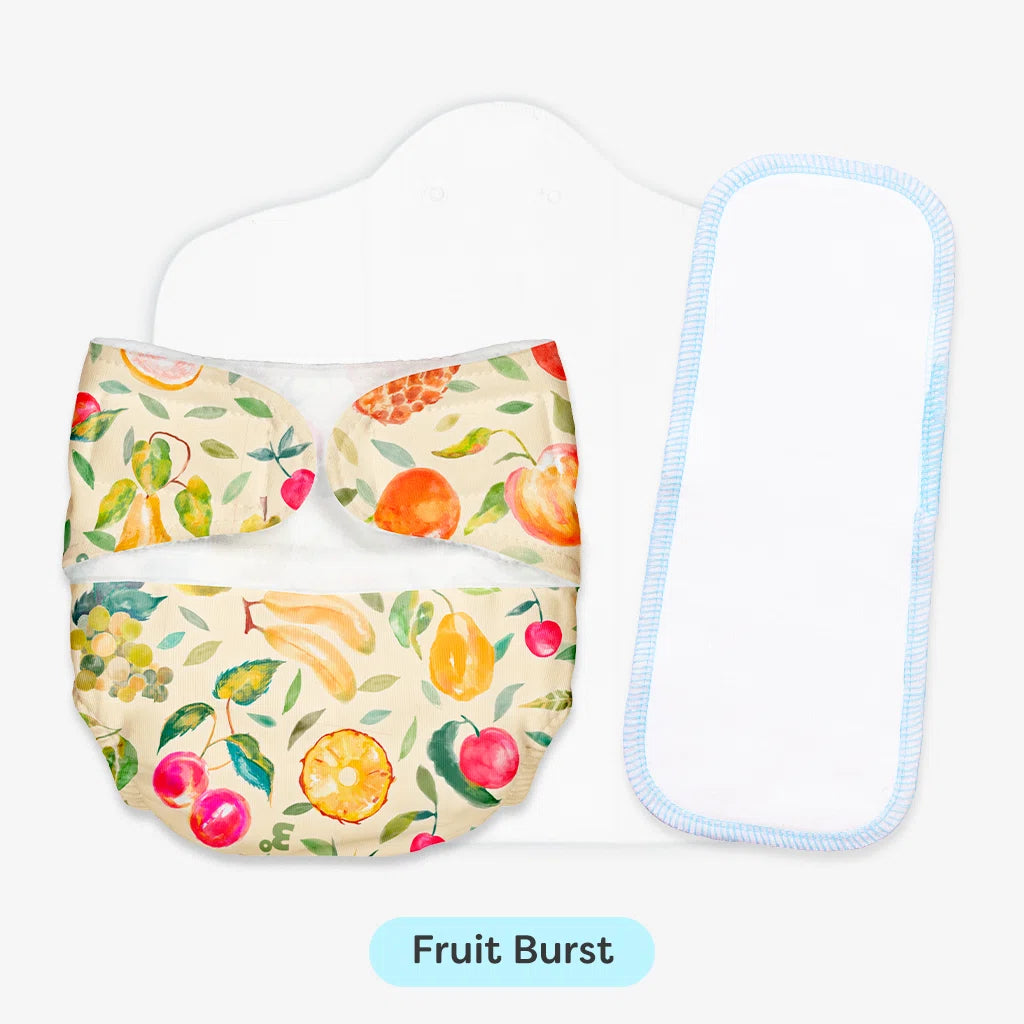
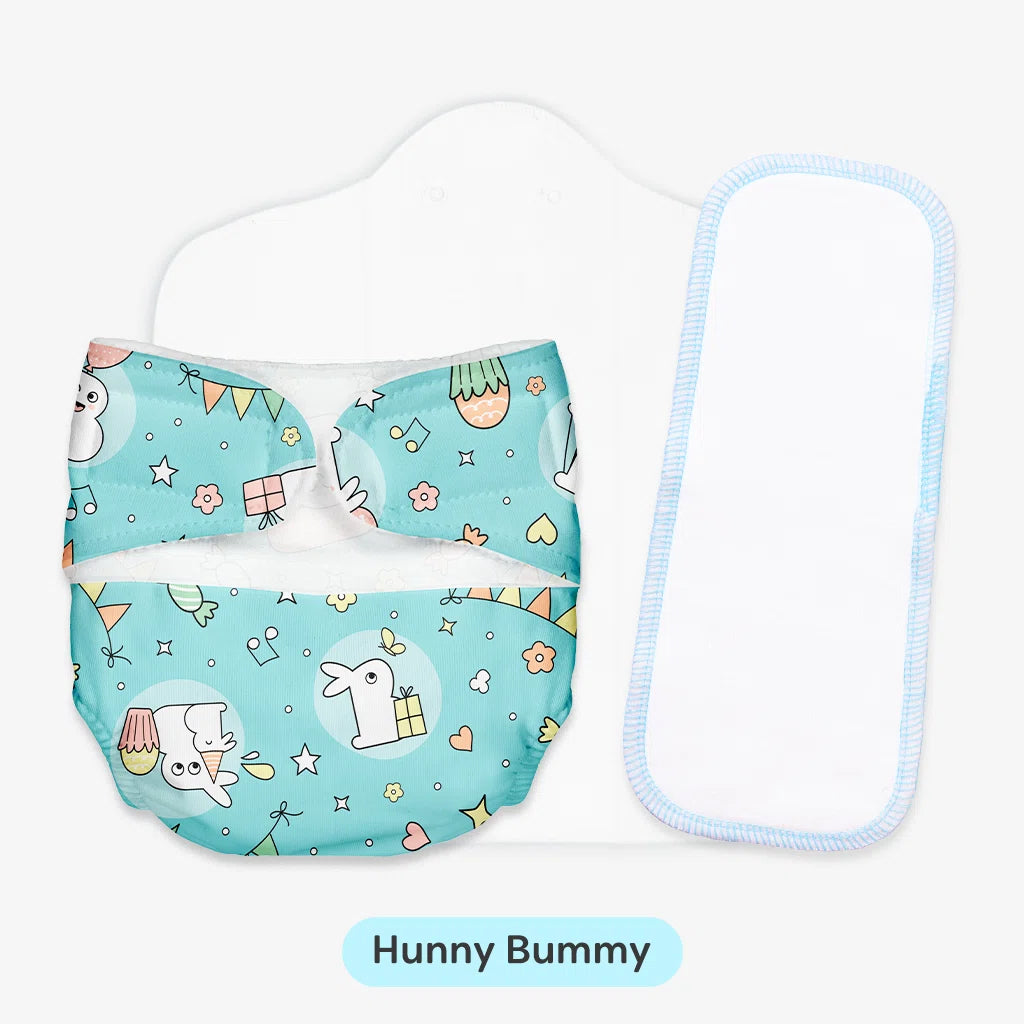
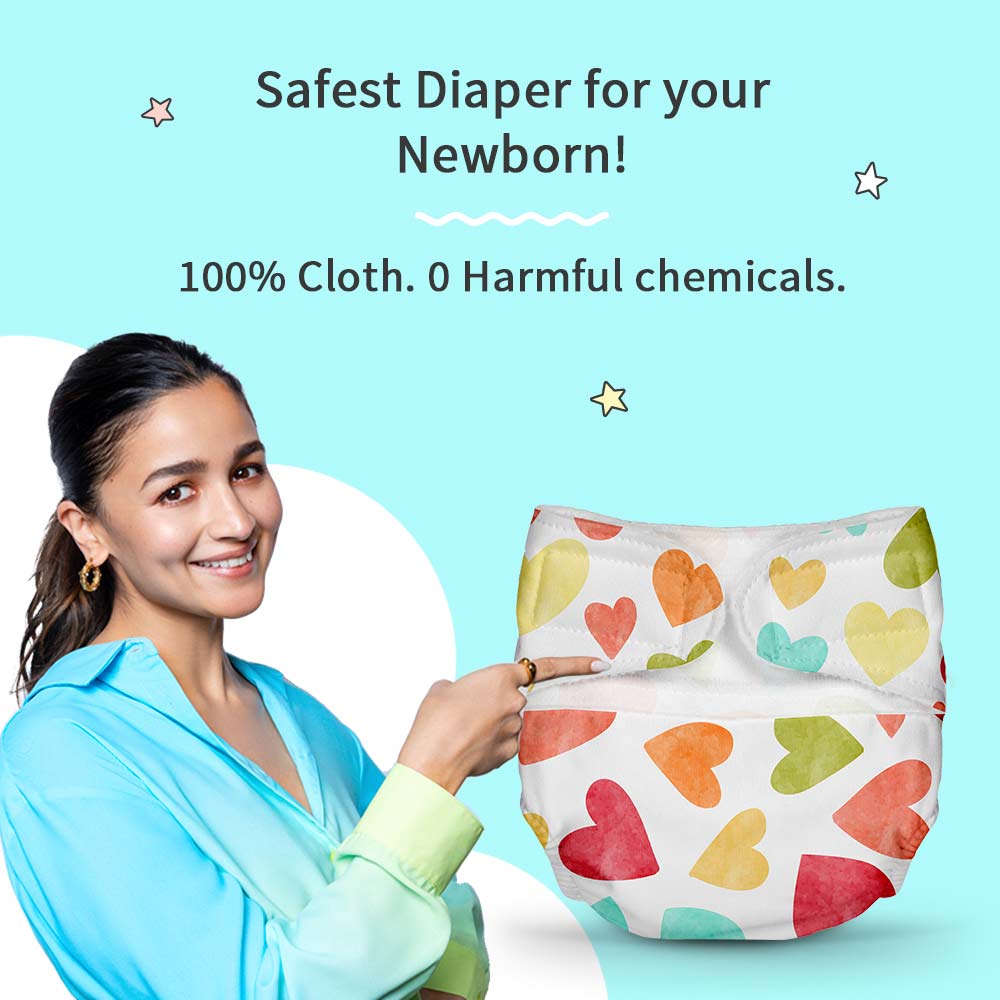
Cloth diapers are reusable diaper systems made with absorbent fabrics and washable waterproof layers. Their primary advantages are reduced waste, long-term cost savings, and the ability to choose skin-friendly materials based on a baby's needs.
What Health Benefits Do Cloth Diapers Offer?
The biggest health-related advantage of cloth diapers is control over what comes into contact with your baby's skin.
1. Better Breathability
Natural fabrics such as cotton and bamboo generally allow more airflow than many disposable alternatives.
Improved airflow may help reduce heat and moisture buildup, two common contributors to diaper-area discomfort.
2. Fewer Added Fragrances and Chemicals
Many parents prefer cloth diapers because they can select fabrics without fragrances or lotions.
While disposable diapers are regulated and considered safe for use, some babies with sensitive skin may respond better to simpler fabric-based diapering systems.
3. Gentle for Sensitive Skin
Babies prone to irritation often benefit from breathable fabrics and frequent diaper changes.
According to the UK's National Health Service, keeping the diaper area clean and dry is one of the most important factors in preventing diaper rash.
4. Greater Awareness of Wetness
Some parents report that cloth diapering encourages more frequent changing because wetness is easier to notice.
This can support healthy skin care habits throughout infancy.
Dr Tanya Altmann, MD, FAAP, paediatrician and parenting expert, emphasises that maintaining a clean, dry diaper area and changing diapers regularly is key to preventing diaper rash.
Do Cloth Diapers Help Reduce Diaper Rash?
The short answer is: they can help, but they are not a guarantee.
Diaper rash is usually linked to:
- Prolonged moisture exposure
- Friction
- Sensitive skin
- Infrequent diaper changes
- Infection
Regardless of diaper type, regular changes remain the most important prevention strategy.
No diaper completely prevents diaper rash. Babies wearing cloth diapers still need timely changes, proper washing routines, and occasional diaper-free time to support healthy skin.
One Indian parent shared that switching to cloth diapers during daytime use helped reduce skin irritation, while disposable diapers were reserved for overnight convenience. Individual experiences vary depending on the baby's skin sensitivity and changing routine.

How Do Cloth Diapers Compare with Disposable Diapers?
Cloth Diapers vs Disposable Diapers
| Criteria | Cloth Diapers | Disposable Diapers |
|---|---|---|
| Reusability | High | Single use |
| Upfront Price | Higher | Lower |
| Long-Term Cost | Lower | Higher |
| Breathability | Generally higher | Varies |
| Convenience | Requires washing | Ready to use |
| Waste Generation | Lower | Higher |
| Customizable Absorbency | Yes | Limited |
| Suitable for Sensitive Skin | Often preferred | Depends on baby |
Where Does SuperBottoms Fit?
| Option | Skin-Friendly Fabrics | Leak Protection | Reusability | Value Over Time |
|---|---|---|---|---|
| Traditional Cloth Nappies | Good | Moderate | High | High |
| Disposable Diapers | Varies | High | None | Moderate |
| SuperBottoms UNO | High | High | High | High |
This comparison reflects product design characteristics rather than medical superiority.
What Should I Look for When Choosing a Cloth Diaper?
The best cloth diapers in India are not necessarily the most expensive ones.
Focus on these factors first:
Absorbency
Can absorbency be adjusted for daytime and nighttime use?
Skin Safety
Look for soft, breathable fabrics that suit your baby's skin.
Ease of Use
Parents are more likely to continue cloth diapering if diaper changes are quick and simple.
Leak Protection
A leak-proof inner layer and secure fit are essential.
Value
Consider total use over months or years rather than just the purchase price.
When evaluating cloth diapers, prioritise absorbency, skin comfort, ease of washing, fit, and long-term value. A diaper that performs consistently is often a better choice than one that simply has the lowest price.
Is It Worth Switching to Cloth Diapers?
For many families, yes.
The decision often comes down to balancing convenience with long-term benefits.
Parents who choose cloth diapers commonly cite:
- Reduced recurring purchases
- Less household waste
- Better control over diaper materials
- Reusability across multiple children
However, cloth diapering does require a washing routine and planning.
There is no one-size-fits-all answer.
Many Indian families successfully use a hybrid approach:
- Cloth diapers during the day
- Disposables overnight or while travelling
Where Can Parents Buy Cloth Diapers Online in India?
Parents looking to buy cloth diapers online have several options today.
Before purchasing, compare:
- Product features
- Cloth diaper price versus long-term value
- Absorbency options
- Customer support
- Washing guidance
Choosing a reusable system that grows with your baby can often provide better value than repeatedly purchasing single-use diapers.
For parents researching the best cloth diapers in India, reading product specifications and understanding wash care requirements is just as important as comparing prices.
Many parents explore cloth diapers because they want a diapering solution that is gentle on their baby's skin, economical over time, and reusable.
The health benefits of cloth diapers largely come from breathable fabrics, customizable materials, and encouraging frequent diaper changes. While no diaper can completely prevent skin irritation, choosing a well-designed reusable system and maintaining a good changing routine can support healthy diapering habits.
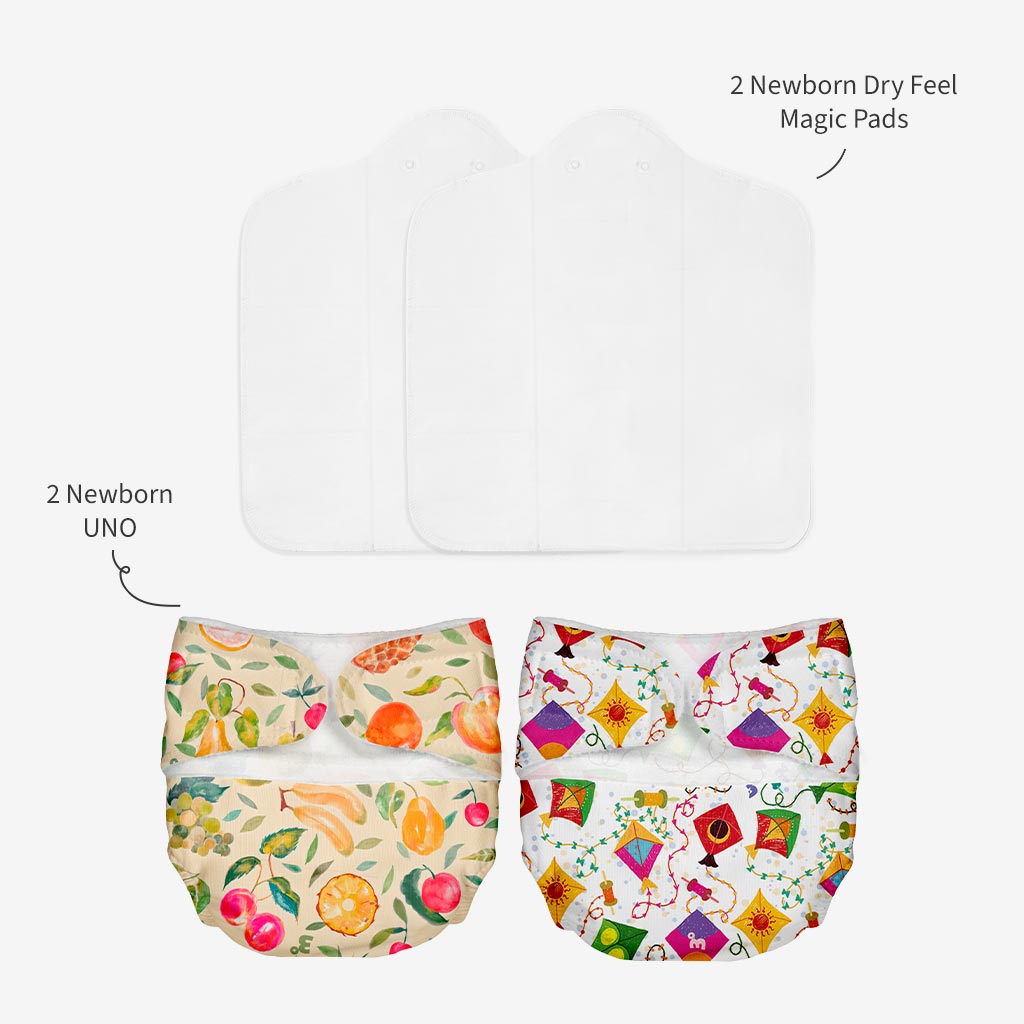
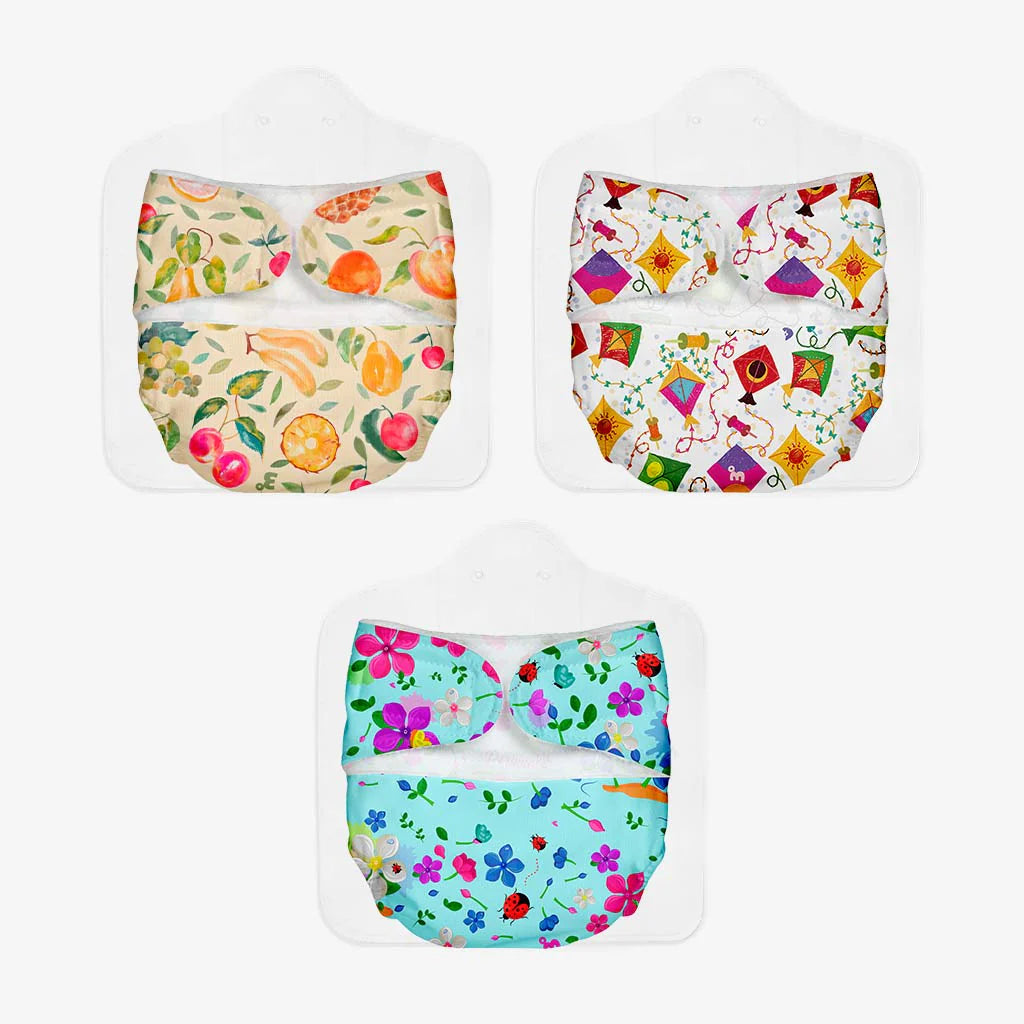
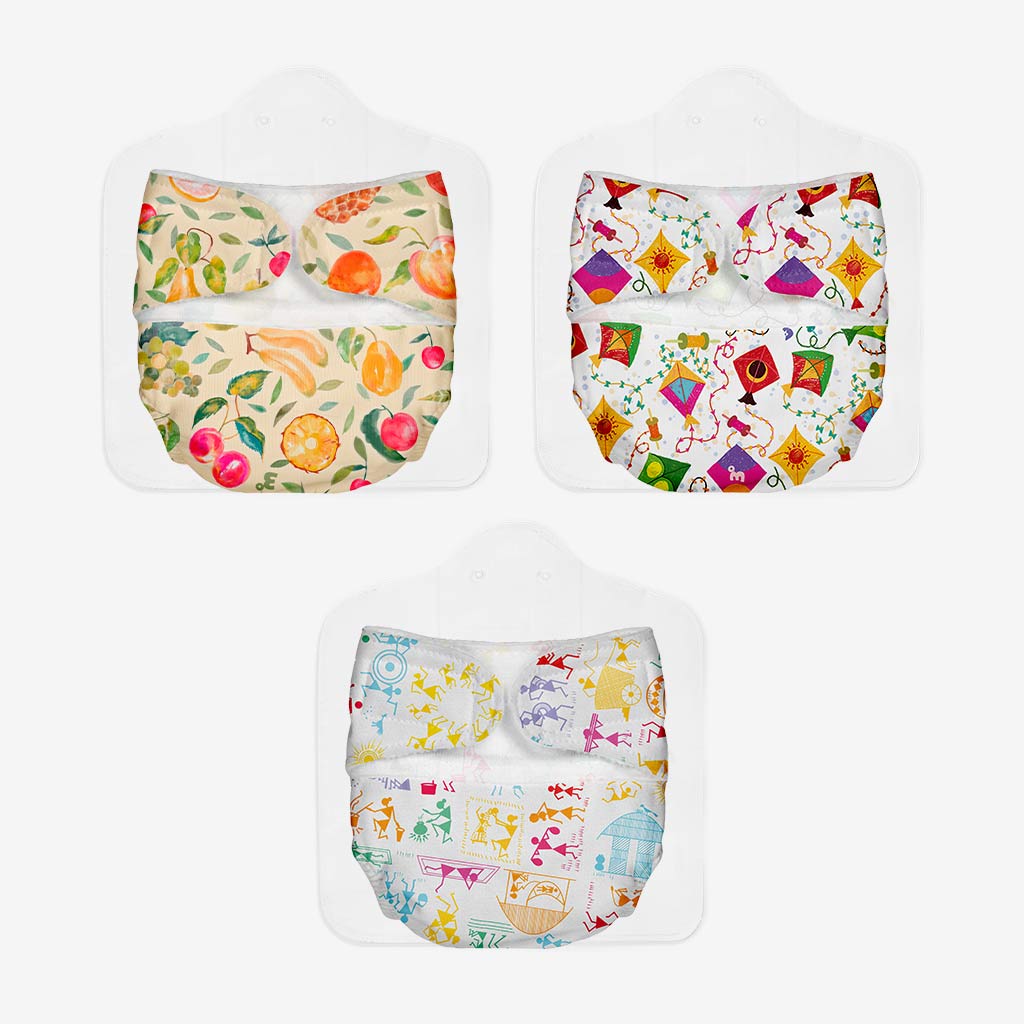
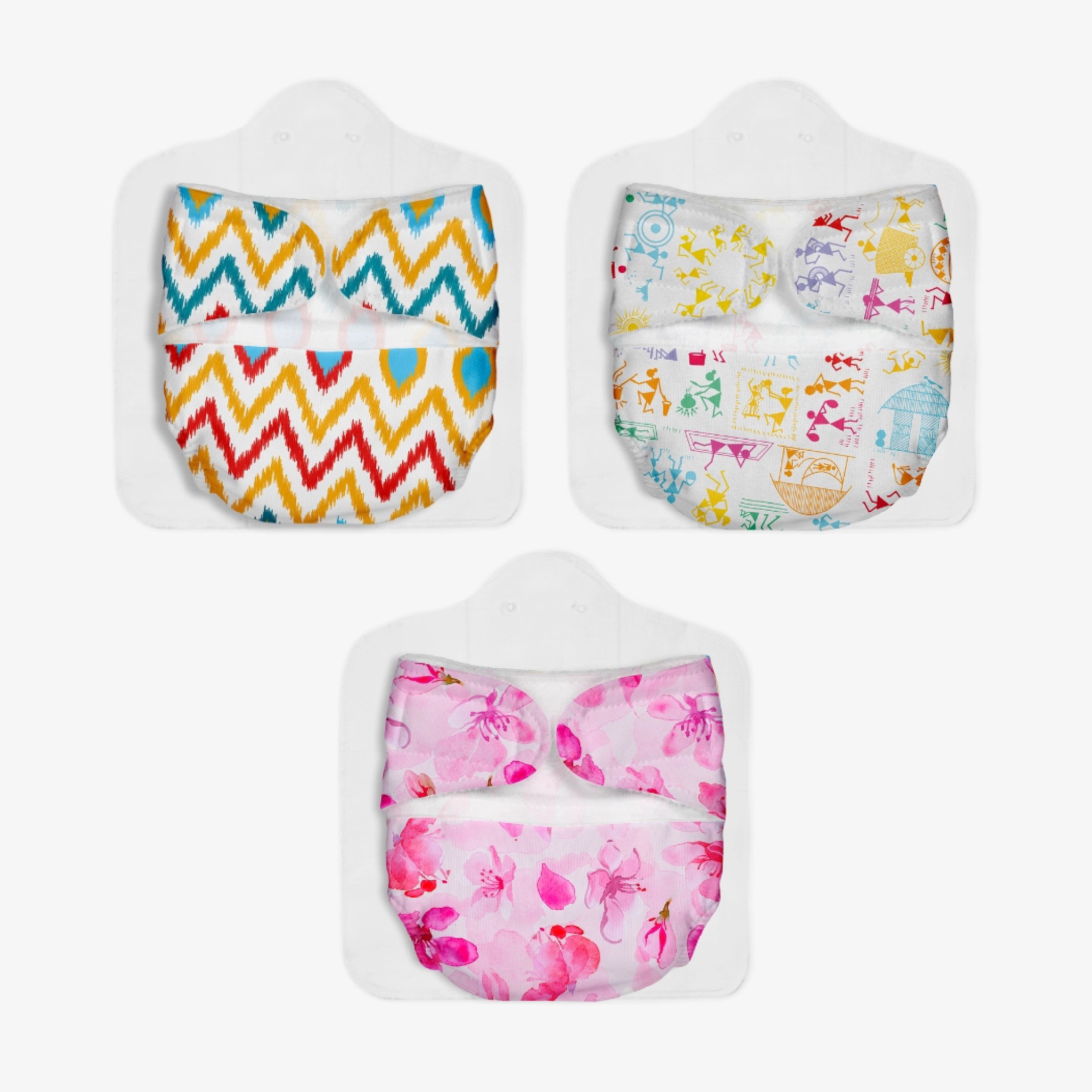
If you're looking for a reusable diaper that balances absorbency, comfort, and long-term value, SuperBottoms UNO Cloth Diaper is worth considering.
Find the right fit → Shop SuperBottoms UNO.
|
Limited Time Offers + Special Gift Sets! Now or never Super SALE is live on the SuperBottoms website! Take advantage of unbeatable value deals on our UNO Cloth Diapers, Baby Essentials, and more. Looking for the perfect present for a newborn or a toddler? Explore our thoughtfully curated Gift Sets & Combos - safe, skin-friendly, and oh-so-cute! A bundle of love for little ones and a delight for parents. HURRY - Deals and Gift Packs are live only till stocks last. Don’t miss the chance to stock up and share the joy! |
Key Takeaways
- Cloth diapers may support skin comfort through breathable fabrics and customizable materials.
- Regular diaper changes remain the most important factor in reducing diaper rash risk.
- Modern reusable diapers can offer strong long-term value while reducing reliance on single-use products.
FAQs
1. Are cloth diapers healthier than disposable diapers?
Neither option is universally healthier. Cloth diapers may offer breathable fabrics and fewer added materials, while disposable diapers provide convenience and high absorbency.
2. Do cloth diapers reduce diaper rash?
They may help some babies, particularly when combined with frequent diaper changes and good hygiene practices.
3. What are the health benefits of cloth diapers?
Potential benefits include improved breathability, customizable materials, and reduced exposure to fragrances or lotions.
4. Which cloth diapers are best for newborns?
The best option depends on fit, absorbency, ease of use, and your baby's skin needs.
5. Are cloth diapers worth the price?
Many parents find the higher upfront price worthwhile because cloth diapers can be reused for months or years.
6. Can cloth diapers be used overnight?
Yes. Many modern systems allow additional inserts or boosters for longer wear.
7. Where can I buy cloth diapers online in India?
Parents can buy cloth diapers online through brand websites and major baby-care marketplaces. Compare features, reviews, and long-term value before purchasing.
8. Is SuperBottoms UNO suitable for everyday diapering?
SuperBottoms UNO is designed for daily reusable diapering with adjustable sizing and absorbency options for different stages of growth.
Hi there, new parents! SuperBottoms brings you doctor-recommended cloth diapers - the best rash-free diapering solution for your baby's sensitive and delicate skin. Unlike disposable diapers loaded with chemicals, our newborn cloth diapers, when used and washed properly, can help eliminate the risk of diaper rashes. SuperBottoms offers a wide range of safe, skin-friendly essentials for the whole family - including Reusable Cloth Diapers, Diaper Pants, DryFeel langots for diaper-free time, Padded Underwear for potty training, SuperSoft Underwear for everyday comfort, Joggers for playful days, and Period Underwear for women. Not just for everyday use, SuperBottoms products also make the best gifting choice for babies - thoughtful, eco-friendly, practical, and loved by parents. Now available on Amazon, Myntra, Flipkart, FirstCry, Zepto, Swiggy and Blinkit.