






This article will help you understand:
- Spot toilet readiness signs.
- Build a stress-free routine.
- Avoid common beginner mistakes.
- Choose the right training essentials.
- Support confident potty learning.
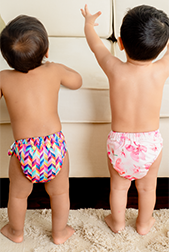
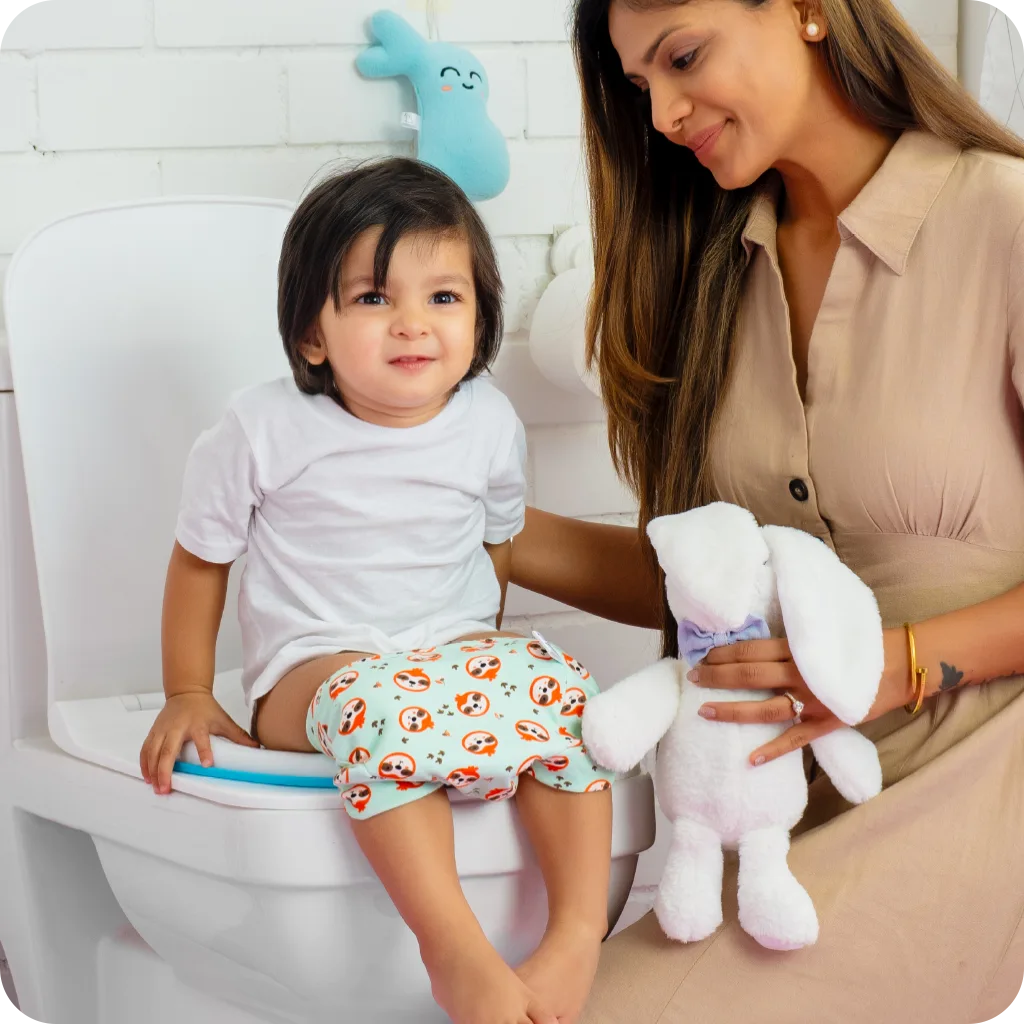
Potty training is a major milestone, but it doesn't have to be stressful. The key is to start when your child is ready, stay patient, and use the right approach. This guide shares practical potty training tips for beginners, explains the signs of readiness, and helps you decide when padded underwear for potty training can support your child's transition from diapers to underwear.
Table of Contents
- When should you start potty training?
- How do you know your child is ready?
- How can you prepare before you begin?
- What are the most important potty training tips for beginners?
- Which mistakes should parents avoid?
- What should you use during potty training?
- How do padded underwear and diapers compare?
- FAQs
When Should You Start Potty Training?
The best time to begin is when your child shows signs of readiness, not when they reach a particular age.
Most toddlers are ready sometime between 18 months and 3 years, but every child develops differently. Starting too early can lead to frustration, while waiting for readiness often makes potty training smoother.
Ask yourself:
- Can your child stay dry for a couple of hours?
- Can they communicate basic needs?
- Are they interested in the toilet?
- Can they pull their pants up and down?
If the answer is "yes" to most of these, it's a good time to begin.
What Parents Should Know
Avoid comparing your child with siblings or friends. Potty training is a developmental milestone, and every child progresses at their own pace.
How Do You Know Your Child Is Ready?
Instead of focusing on age, look for a combination of physical, behavioural, and emotional signs.
Physical Signs
- Staying dry for 2–3 hours
- Predictable bowel movements
- Walking independently
- Pulling clothes up and down
Behavioural Signs
- Showing curiosity about the toilet
- Telling you before or after peeing
- Disliking wet diapers
- Copying older siblings or parents
Emotional Signs
- Following simple instructions
- Showing interest in learning
- Cooperating during daily routines
Your child doesn't need to show every sign. A combination of these usually indicates they're ready to start.
Expert Answer
Potty training works best when it's based on your child's readiness rather than age. A calm routine, patience, and positive reinforcement usually lead to better long-term success than rushing the process.
How Can You Prepare Before You Begin?
A little preparation can make potty training much easier.
Choose the Right Time
Avoid beginning during major changes like moving homes, welcoming a new sibling, starting daycare, or travelling. Children learn better when routines feel stable.
Create a Routine
Encourage your child to sit on the potty:
- After waking up
- After meals
- Before bedtime
Regular practice helps build familiarity, even if they don't use the potty every time. For more guidance, explore these practical potty training tips.
Keep Clothing Simple
Dress your toddler in elastic-waist shorts or loose-fitting bottoms that they can pull up and down independently.
Keep It Positive
Read potty-training books, sing songs, and celebrate small successes. A positive environment builds confidence and reduces pressure.
What to Look For
Before buying any potty training product, prioritise comfort, independence, skin-friendly fabrics, and age-appropriate support over maximum absorbency alone.
Current child development guidance continues to recommend a child-led approach to potty training. For families in India, breathable clothing, consistency, and patience can make the transition more comfortable, especially during warmer months.
What Are the Most Important Potty Training Tips for Beginners?
Potty training is most successful when it's consistent, positive, and suited to your child's pace. These simple tips can help make the journey smoother for both of you.
1. Don't Rush the Process
Start only when your child is ready. If they resist using the potty or seem frustrated, take a break and try again later. Potty training is a skill that develops over time—not a race to meet a milestone.
2. Build a Daily Routine
Encourage your toddler to sit on the potty at regular times, such as:
- After waking up
- After meals
- Before naps
- Before bedtime
A predictable routine helps children understand when to use the potty.
3. Praise Effort, Not Just Success
Celebrate every step forward, whether it's sitting on the potty, telling you they need to go, or washing their hands afterwards.
Simple encouragement like "Well done for trying!" builds confidence and keeps the experience positive.
What Parents Should Know
Accidents are part of learning. Stay calm, reassure your child, and avoid punishment. Positive reinforcement is far more effective than criticism.
4. Encourage Independence
Teach your child to:
- Pull their pants up and down
- Wash their hands
- Flush the toilet (if they're interested)
- Change into clean clothes after an accident
These everyday skills build confidence alongside toilet training.
5. Dress for Success
Choose clothing that's easy to remove, such as elastic-waist shorts or leggings. Avoid tight clothing, belts, or complicated fasteners that can delay reaching the toilet.
6. Expect Accidents
Accidents are normal, even after your child seems trained. Treat them as learning opportunities rather than setbacks.
7. Stay Consistent
Use the same potty routine and language at home, daycare, and with other caregivers. Consistency makes it easier for children to understand expectations.
Expert Answer
Short, regular potty breaks throughout the day are usually more effective than asking children to sit on the potty for long periods.

What Common Mistakes Should Parents Avoid?
Avoiding these common mistakes can make potty training less stressful:
- Starting too early: Wait until your child shows readiness signs.
- Comparing your child with others: Every toddler learns at a different pace.
- Punishing accidents: Stay calm and encourage them to try again.
- Changing methods too often: Stick to one routine for a few weeks before making changes.
- Expecting overnight success: Night-time dryness usually develops later than daytime dryness.
What Should You Use During Potty Training?
As your child begins recognising toilet cues, choosing the right product can make the transition easier.
|
Product |
Best For |
|---|---|
|
Disposable diapers |
Naps, nighttime, early potty exposure |
|
Regular underwear |
Children with very few accidents |
|
Padded underwear for potty training |
Daytime toilet learning |
|
Disposable training pants |
Travel and occasional outings |
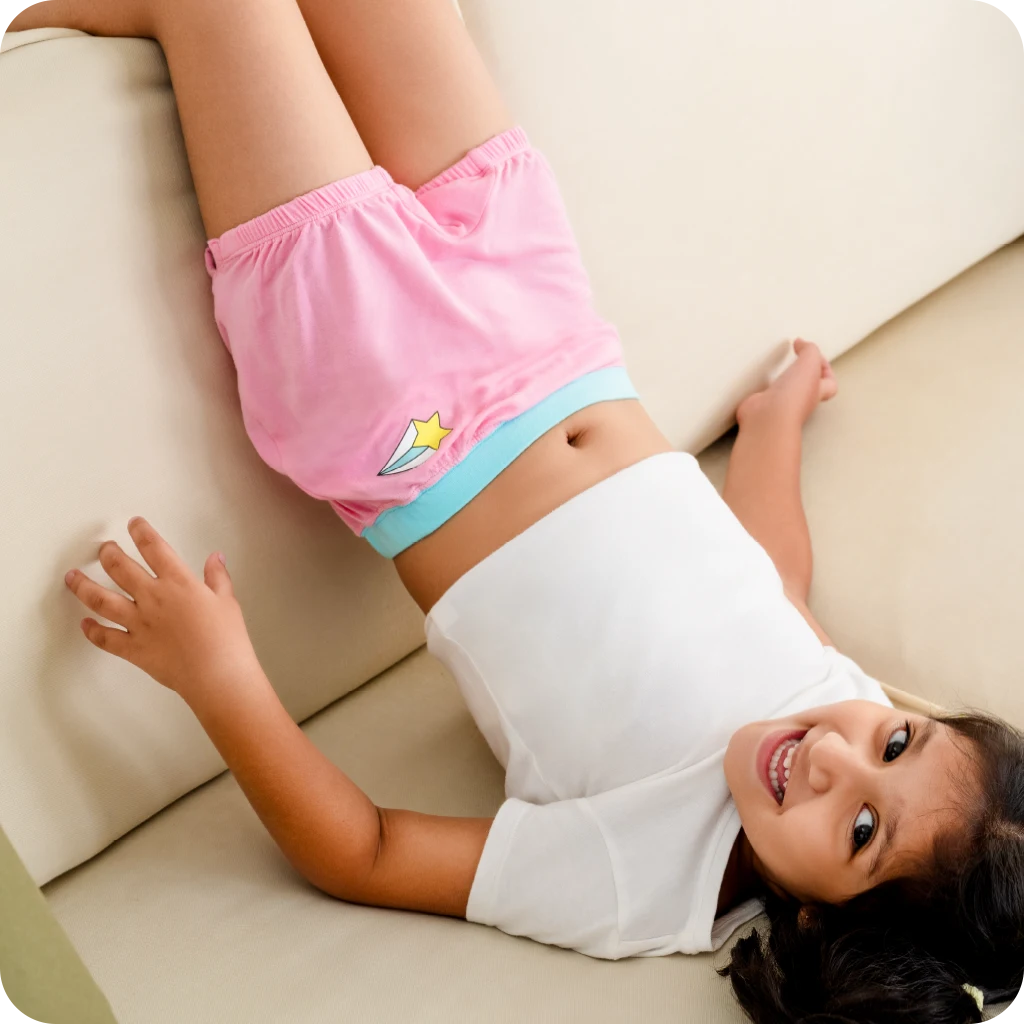
For many families, padded underwear for toddlers offers the ideal middle ground. It absorbs small accidents while allowing children to feel wetness—an important part of learning when it's time to use the toilet.
💡 SuperBottoms Pick: Once your toddler is ready to transition from diapers, SuperBottoms Padded Underwear offers soft cotton comfort, light absorbency, and an easy pull-on design that encourages independence.
Explore the range → SuperBottoms Padded Underwear
How Do Padded Underwear and Diapers Compare?
As your child progresses through potty training, their needs change. The table below can help you choose the most suitable option for each stage.
|
Feature |
Regular Underwear |
Disposable Diapers |
SuperBottoms Padded Underwear |
|---|---|---|---|
|
Suitable for potty training |
⭐⭐⭐ |
⭐⭐ |
⭐⭐⭐⭐⭐ |
|
Absorbs small accidents |
❌ |
✅ |
✅ |
|
Helps child feel wetness |
✅ |
❌ |
✅ |
|
Encourages independence |
✅ |
❌ |
✅ |
|
Pull-on design |
✅ |
Limited |
✅ |
|
Reusable |
✅ |
❌ |
✅ |
|
Best for |
Nearly trained children |
Night-time & naps |
Daytime potty training |
If your child is ready to move beyond diapers but still has occasional accidents, padded underwear for potty training offers a practical balance between protection and learning.
Is It Worth Switching to Padded Underwear?
Once your toddler starts recognising toilet cues, padded underwear for kids can help make the transition to regular underwear smoother. Unlike diapers, it allows children to notice wetness while offering light protection against small accidents.
When choosing the best padded underwear, look for:
- Soft, breathable fabric
- Light absorbency
- Comfortable waistband
- Easy pull-on design
- Reusable construction
These features encourage independence while keeping your child comfortable.
What to Look For
The best potty training underwear supports learning—not by absorbing everything like a diaper, but by offering enough protection while helping children recognise when they need the toilet.
Potty training is a journey, and every child learns at their own pace. Starting when your child is ready, following a consistent routine, and responding with patience can make the experience much more positive.
As your child transitions from diapers, padded underwear for toddlers provides light accident protection while encouraging independence and wetness awareness. If you're looking for padded underwear India options, choose one that's soft, breathable, reusable, and designed specifically for potty training.
➡️ Ready to make potty training easier? Explore SuperBottoms Padded Underwear and find the right fit for your little one.
|
Limited Time Offers + Special Gift Sets! Now or never Super SALE is live on the SuperBottoms website! Take advantage of unbeatable value deals on our UNO Cloth Diapers, Baby Essentials, and more. Looking for the perfect present for a newborn or a toddler? Explore our thoughtfully curated Gift Sets & Combos - safe, skin-friendly, and oh-so-cute! A bundle of love for little ones and a delight for parents. HURRY - Deals and Gift Packs are live only till stocks last. Don’t miss the chance to stock up and share the joy! |
Key Takeaways
- Follow your child's readiness signs rather than focusing on age.
- Stay patient, consistent, and positive throughout the potty training journey.
- The right training essentials, including padded underwear for potty training, can make the transition from diapers to underwear easier.
Frequently Asked Questions (FAQs)
1. What is the best age to start potty training?
Most children are ready between 18 months and 3 years, but readiness signs are more important than age.
2. How long does potty training take?
It varies. Some children learn in a few weeks, while others may need several months.
3. What are the biggest potty training mistakes?
Starting too early, punishing accidents, comparing children, and changing routines too often.
4. When should I switch from diapers to padded underwear?
When your child begins recognising toilet cues and is ready for daytime toilet learning, padded underwear for potty training can help bridge the gap.
5. What makes the best padded underwear?
The best padded underwear is breathable, comfortable, lightly absorbent, easy to pull on, and reusable.
6. Can padded underwear replace diapers?
Not immediately. Most children continue using diapers during naps and nighttime until they stay dry consistently.
7. Where can I buy padded underwear in India?
If you're wondering where to buy padded underwear, you can explore the SuperBottoms website for reusable potty training underwear, sizing guidance, and care instructions.
Message from SuperBottoms
Hi there, new parents! SuperBottoms brings you doctor-recommended cloth diapers - the best rash-free diapering solution for your baby’s sensitive and delicate skin. Unlike disposable diapers loaded with chemicals, our newborn cloth diapers, when used and washed properly, can help eliminate the risk of diaper rashes. SuperBottoms offers a wide range of safe, skin-friendly essentials for the whole family - including Reusable Cloth Diapers, Diaper Pants, DryFeel langots for diaper-free time, Padded Underwear for potty training, SuperSoft Underwear for everyday comfort, Joggers for playful days, and Period Underwear for women. Not just for everyday use, SuperBottoms products also make the best gifting choice for babies - thoughtful, eco-friendly, practical, and loved by parents. Now available on Amazon, Myntra, Flipkart, FirstCry, Zepto, Swiggy and Blinkit.