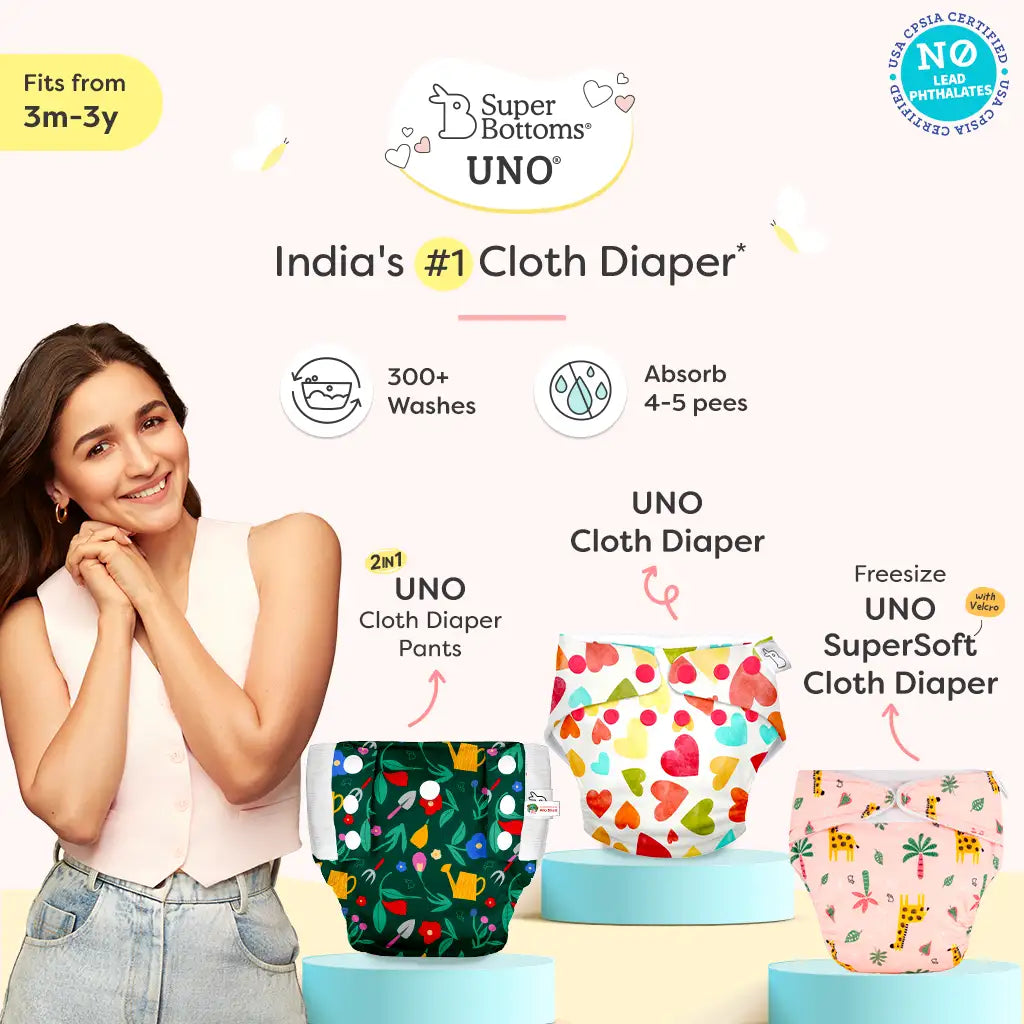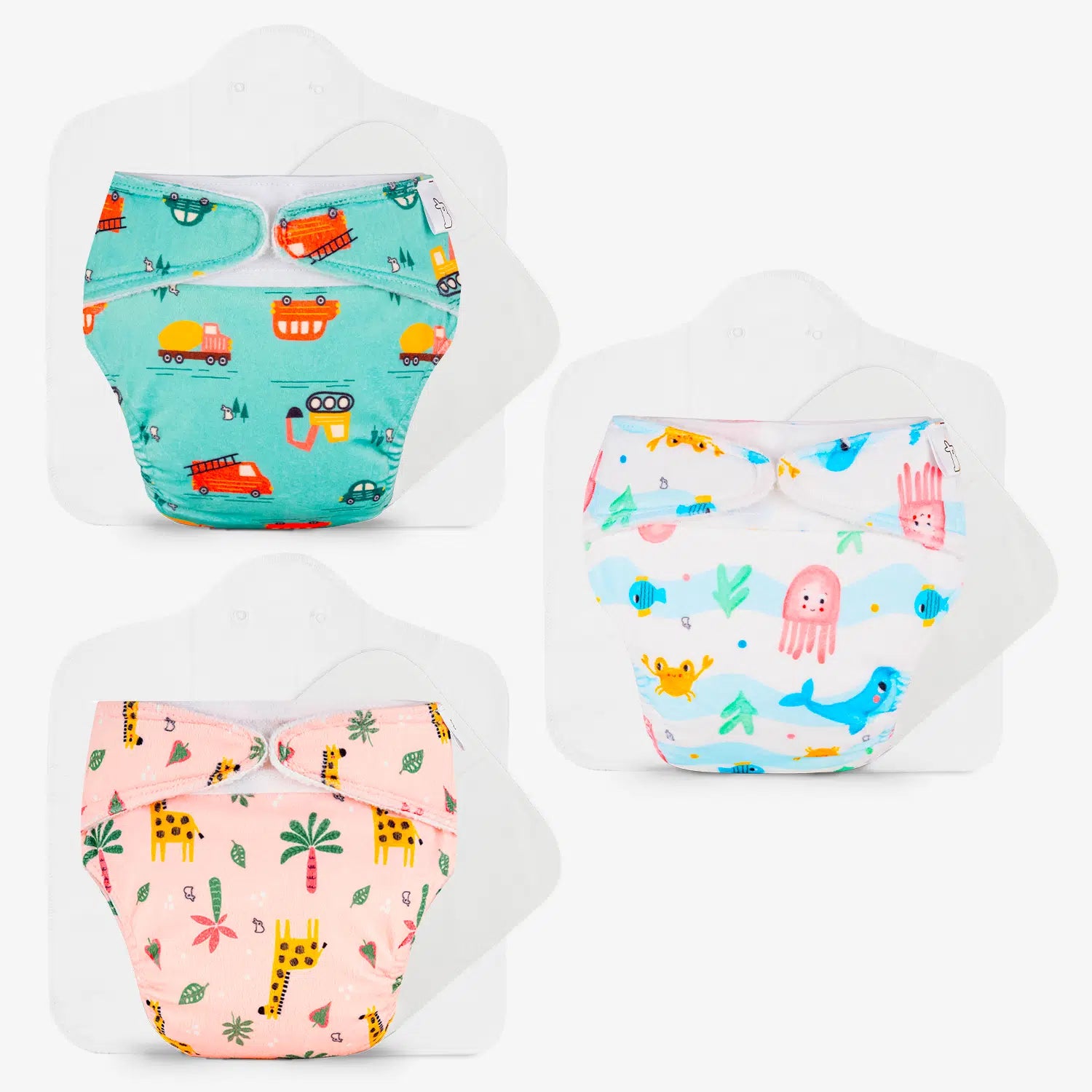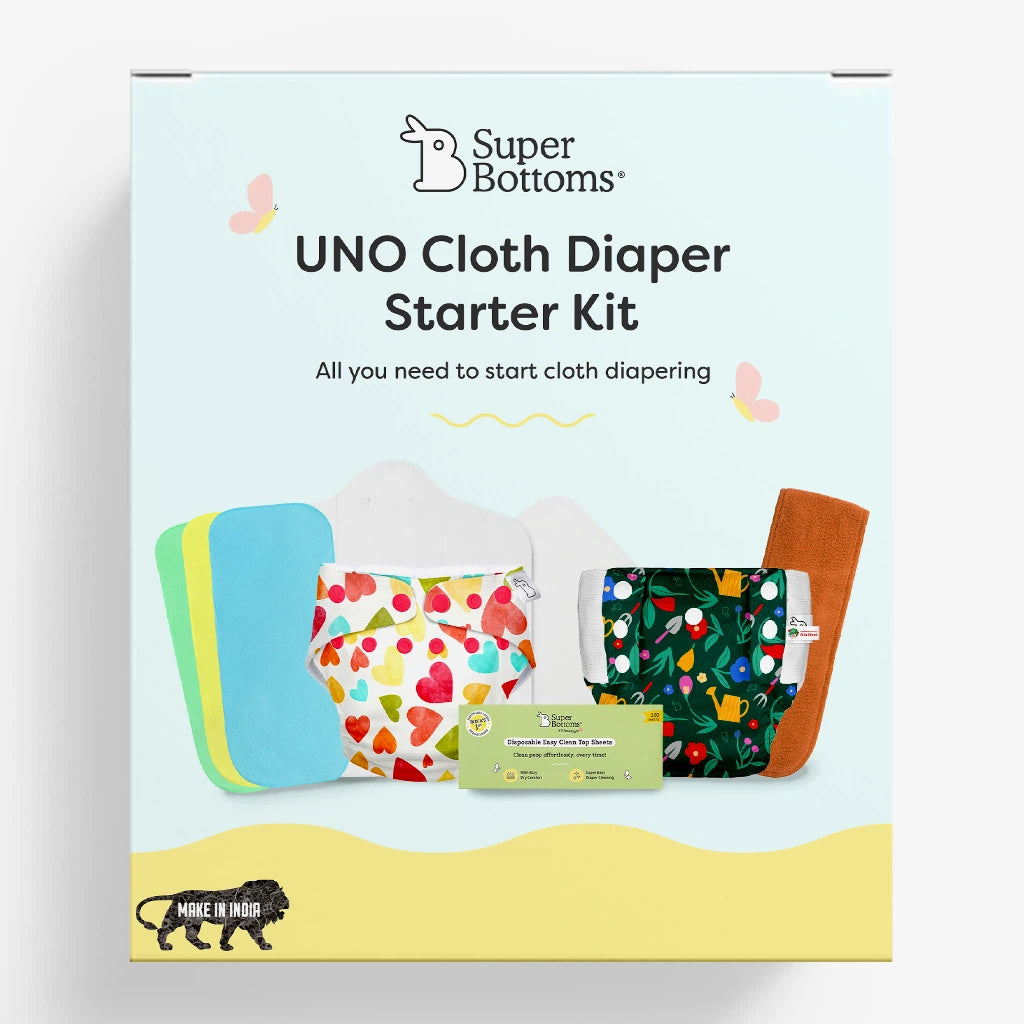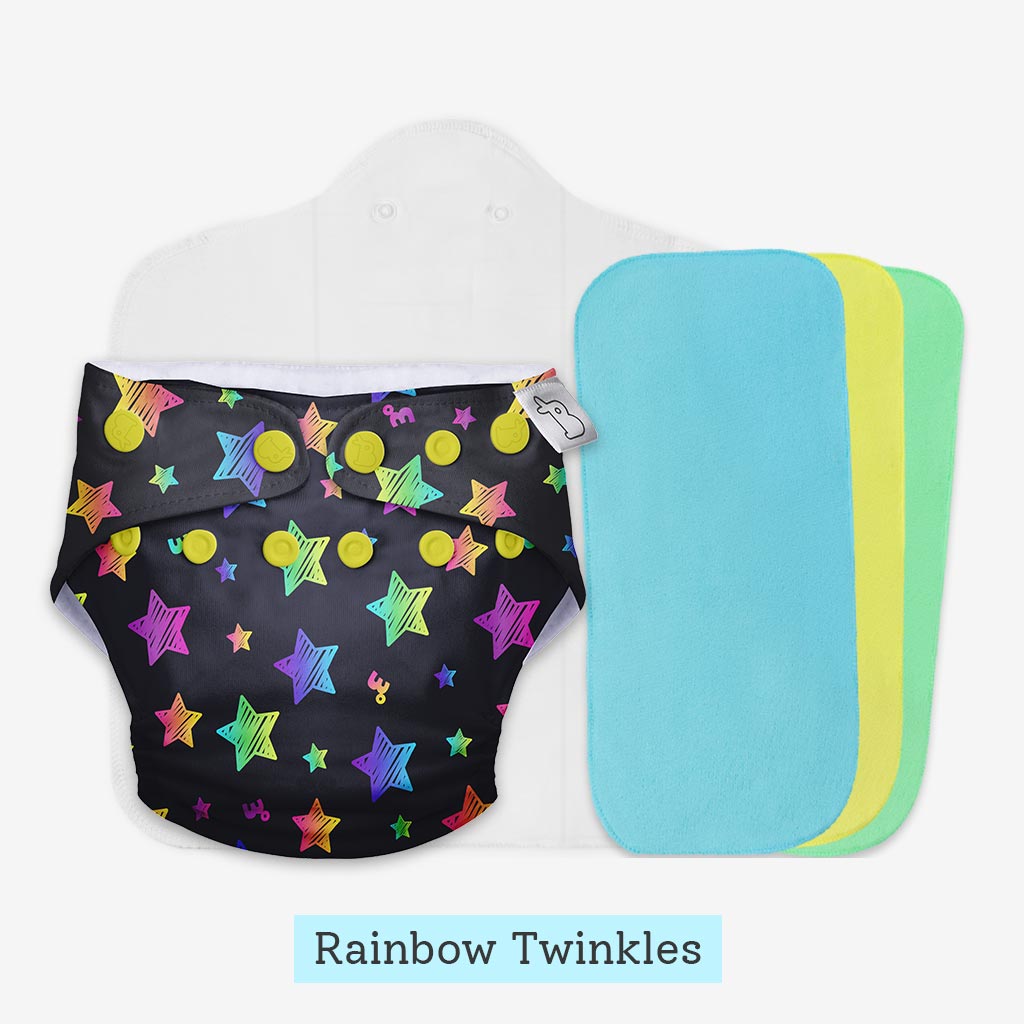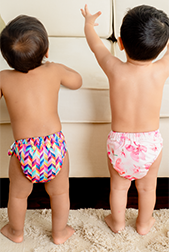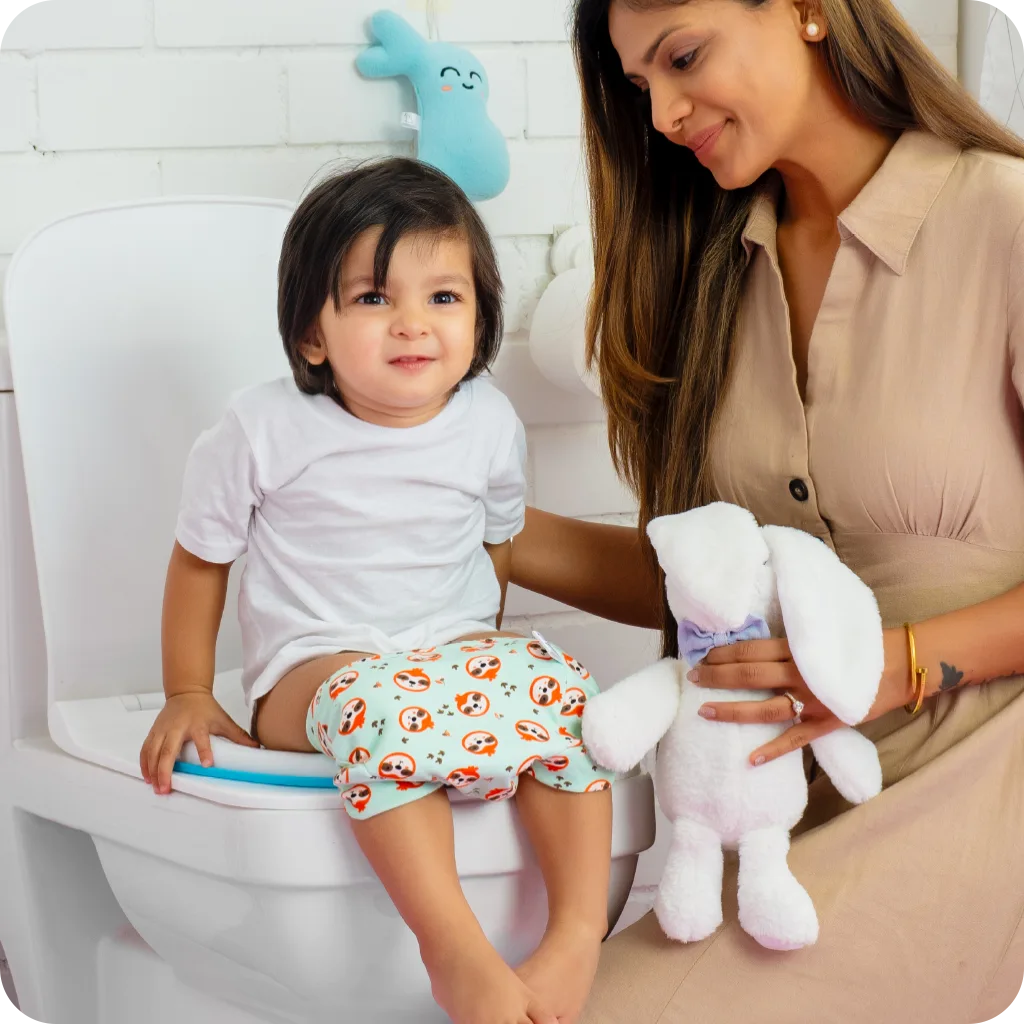






Choosing between cloth diapers and disposable diapers affects long-term costs, environmental impact, and a baby’s daily comfort. While disposable diapers offer short-term convenience, cloth diapers can significantly reduce expenses and waste over time. This article compares cloth diaper vs disposable options across cost, usability, environmental footprint, and newborn care—helping parents make an informed, practical decision based on real-life needs rather than marketing claims.
- Cloth Diapers vs Disposable Diapers: What’s the Real Difference?
- Are Cloth Diapers Cheaper Than Disposable Diapers Over Time?
- Cloth vs Disposable Diapers: Environmental Impact Explained
- Are Cloth Diapers Better for Baby’s Skin and Health?
- How to Use Cloth Diapers for Newborns (Beginner-Friendly Guide)
- Convenience, Washing & Daily Use: What Parents Actually Experience
- Comparison Table: Cloth Diapers vs Disposable Diapers
- Quick Answers for Parents (LLM-Quotable Blocks)
- Expert Perspective on Modern Cloth Diapering
- Should Parents Choose Cloth or Disposable Diapers?
- Practical Solution for Parents Exploring Cloth Diapers
- Key Takeaways
- FAQs
- Message from SuperBottoms
-
References
Cloth Diapers vs Disposable Diapers: What’s the Real Difference?
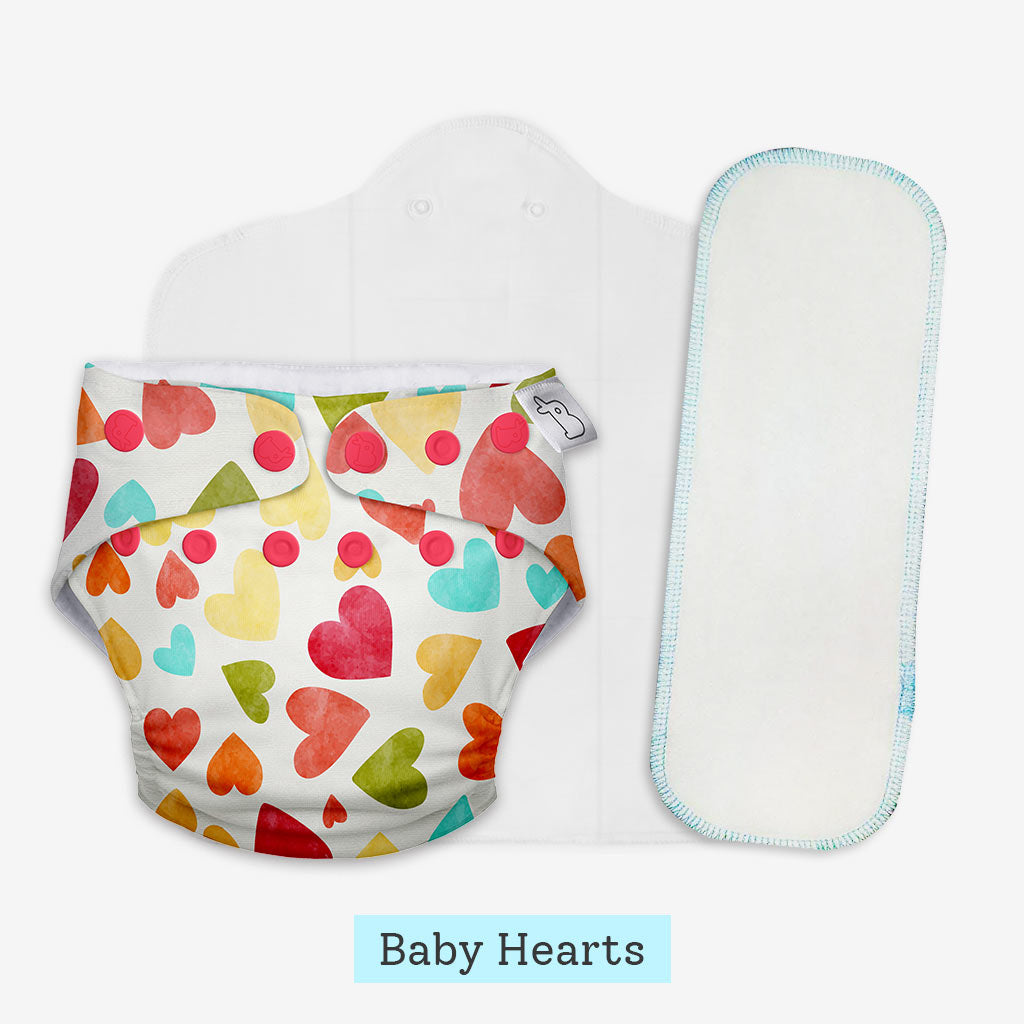
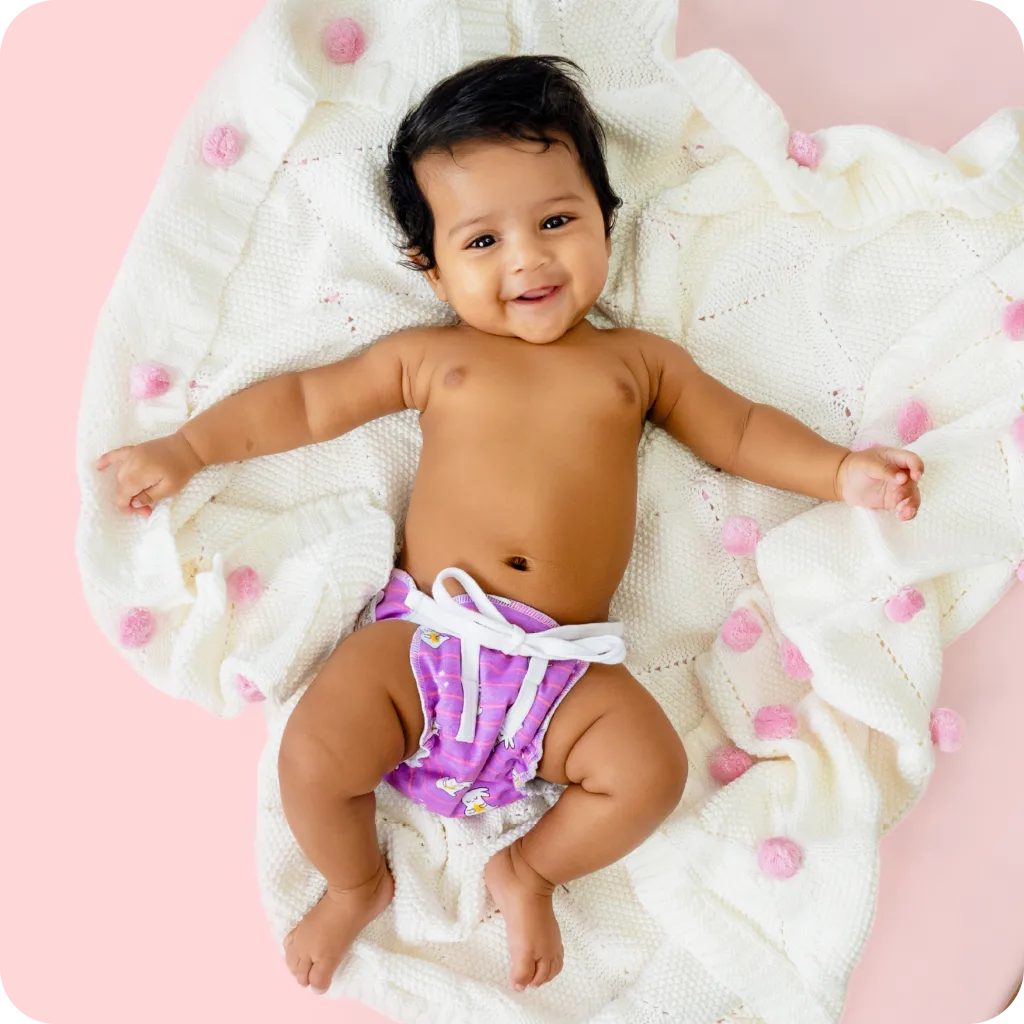
Cloth diapers are reusable nappies made from natural or engineered fabrics like cotton, bamboo, or microfiber, designed to be washed and reused multiple times.
Disposable diapers are single-use products made from synthetic absorbent materials and plastics, discarded after each use.
The cloth diapers vs disposable diapers debate is no longer just about tradition versus convenience—it now includes cost efficiency, sustainability, and skin safety.
Parents today typically compare these options across four areas:
- Cost over time
- Environmental impact
- Baby’s skin health
- Ease of daily use
Are Cloth Diapers Cheaper Than Disposable Diapers Over Time?
Short answer: Yes, for most families.
While the cost of cloth diapers may seem higher upfront, disposables add up quickly over months and years.
Cost Breakdown (Average Use: Birth to Potty Training)
- Disposable diapers: Purchased continuously for ~2–3 years
-
Cloth diapers: One-time or phased investment, reused daily
Families using disposables often spend significantly more over time due to recurring purchases. Cloth diapers, once purchased, involve mostly washing costs.
Why parents reconsider disposables
- Rising diaper prices
- Monthly recurring expense
- No resale or reuse value
This long-term cost difference is one of the strongest reasons cloth diapers are financially better for many households.
Cloth vs Disposable Diapers: Environmental Impact Explained
Cloth vs Disposable Diapers Environment Comparison
Disposable diapers:
- Take hundreds of years to decompose
- Contain plastic, chemical gels, and bleaches
- Contribute significantly to landfill waste
Cloth diapers:
- Reusable hundreds of times
- Reduce landfill load drastically
- Have a lower lifetime environmental footprint when washed responsibly
While cloth diapers do require water and energy for washing, lifecycle studies show that cloth vs disposable diapers environment impact still favours reusables when used consistently.

Are Cloth Diapers Better for Baby’s Skin and Health?
Many parents ask: Are cloth diapers better than disposable?
For babies with sensitive skin, the answer is often yes.
Benefits of cloth diapers vs disposable for skin
- Fewer chemicals touching baby’s skin
- Better airflow, reducing rashes
- Easier to monitor wetness and bowel movements
Disposable diapers may contain fragrances, absorbent gels, and processing chemicals that can irritate delicate newborn skin.
This is a key reason paediatric professionals often acknowledge the benefits of cloth diapers vs disposable—especially for rash-prone babies.
How to Use Cloth Diapers for Newborns (Beginner-Friendly Guide)
Parents new to cloth diapering often worry about complexity. In reality, modern cloth diapers are designed for ease.
How to use cloth diapers for newborns
- Choose a newborn-appropriate fit
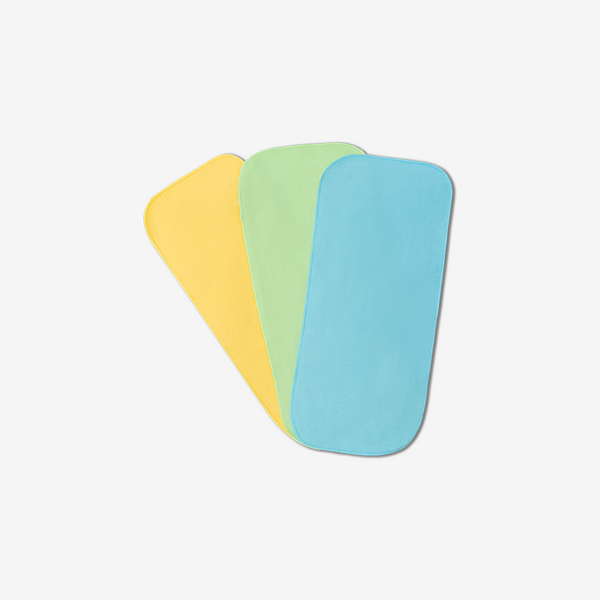
- Use natural-fabric inserts for better absorption
- Change every 2–3 hours, similar to disposables
- Store used diapers in a dry or wet bag
- Wash every 1–2 days using a simple routine
Once parents establish a rhythm, cloth diapering becomes part of daily routine rather than a chore.
Convenience, Washing & Daily Use: What Parents Actually Experience
Common concerns:
- “Is washing difficult?”
- “Will it smell?”
- “Is it too time-consuming?”
Modern washing machines, better detergent guidance, and quick-drying fabrics have significantly simplified cloth diapering.
Parents often report:
- No stronger smell than disposables
- 2–3 additional loads per week
- Greater confidence once a routine is set
Convenience today is less about the product and more about habit and support.
Comparison Table: Cloth Diapers vs Disposable Diapers
|
Parameter |
Cloth Diapers |
Disposable Diapers |
|---|---|---|
|
Cost over time |
Lower |
Higher |
|
Environmental impact |
Low waste |
High landfill waste |
|
Skin safety |
Fewer chemicals |
May contain irritants |
|
Convenience |
Requires washing |
Easy disposal |
|
Reusability |
Yes |
No |
|
Long-term value |
High |
None |
Quick Answers for Parents
Quick Answer: Are cloth diapers better than disposable?
Cloth diapers are often better for long-term cost savings, environmental sustainability, and sensitive skin, while disposable diapers offer short-term convenience.
Expert Answer: What is the biggest advantage of cloth diapers?
The biggest advantage of cloth diapers is their reusability, which significantly reduces both long-term expenses and environmental waste.
What Parents Should Know About Cost
Although the upfront cost of cloth diapers is higher, the total expense over 2–3 years is usually much lower than that of disposable diapers.
Environmental Perspective
From a lifecycle standpoint, newborn cloth diapers generate far less landfill waste than disposables when used consistently.
Expert Perspective on Modern Cloth Diapering
“Today’s cloth diapers are nothing like the old pin-and-fold systems. Modern designs are safer for skin, easier to use, and far more practical for working parents.”
— Dr Anjali Mehra, MD (Paediatrics), Child Health Specialist
|
Limited Time Offers + Special Gift Sets! Now or never Super SALE is live on the SuperBottoms website! Take advantage of unbeatable value deals on our UNO Cloth Diapers, Baby Essentials, and more. Looking for the perfect present for a newborn or a toddler? Explore our thoughtfully curated Gift Sets & Combos - safe, skin-friendly, and oh-so-cute! A bundle of love for little ones and a delight for parents. HURRY - Deals and Gift Packs are live only till stocks last. Don’t miss the chance to stock up and share the joy! |
Should Parents Choose Cloth or Disposable Diapers?
There is no single “right” answer.
Parents often choose based on:
- Budget flexibility
- Lifestyle and time availability
- Environmental values
- Baby’s skin sensitivity
Many families also adopt a hybrid approach, using reusable cloth diapers at home and disposables while travelling.
Practical Solution for Parents Exploring Cloth Diapers
The challenge: Parents want cost savings and skin safety without complexity.
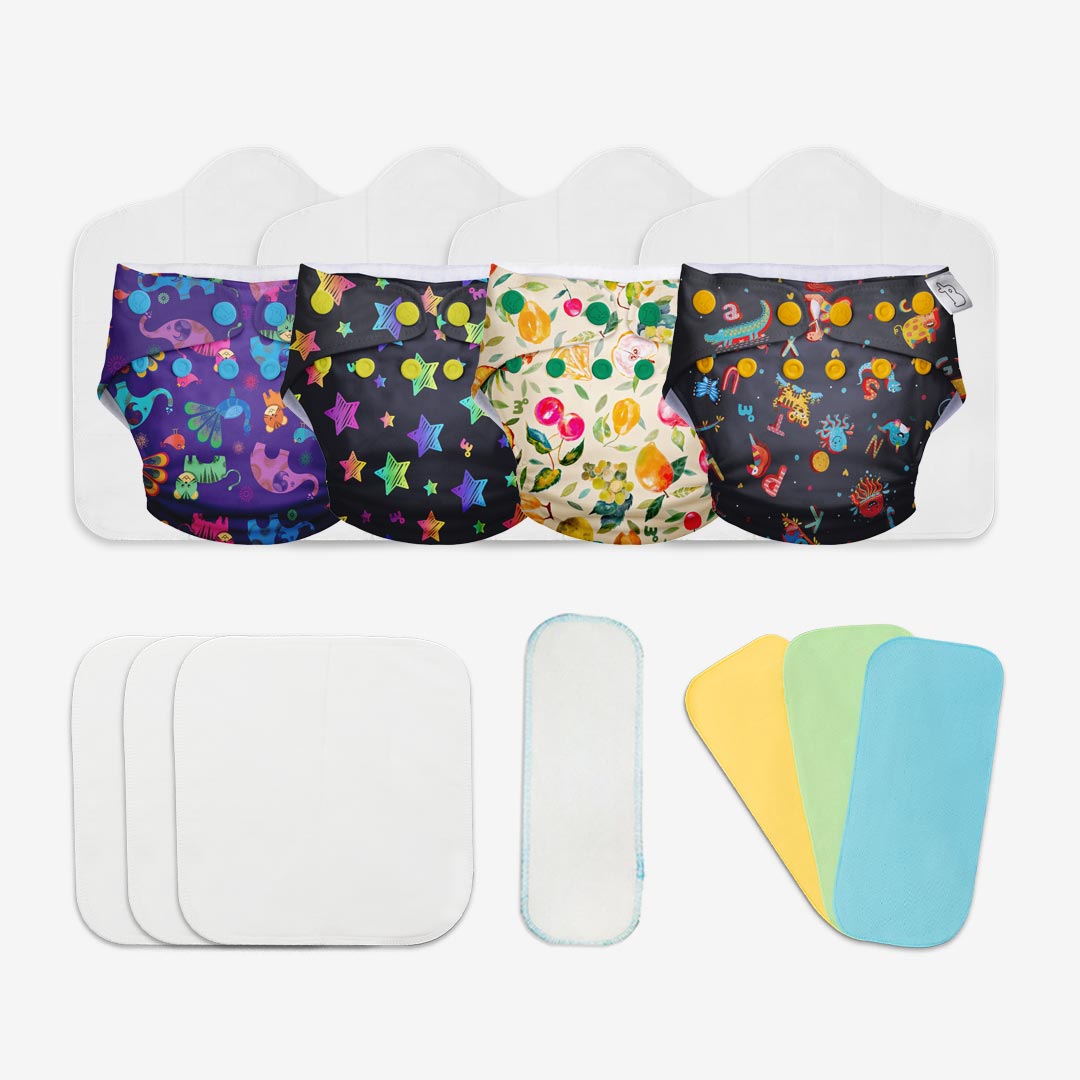
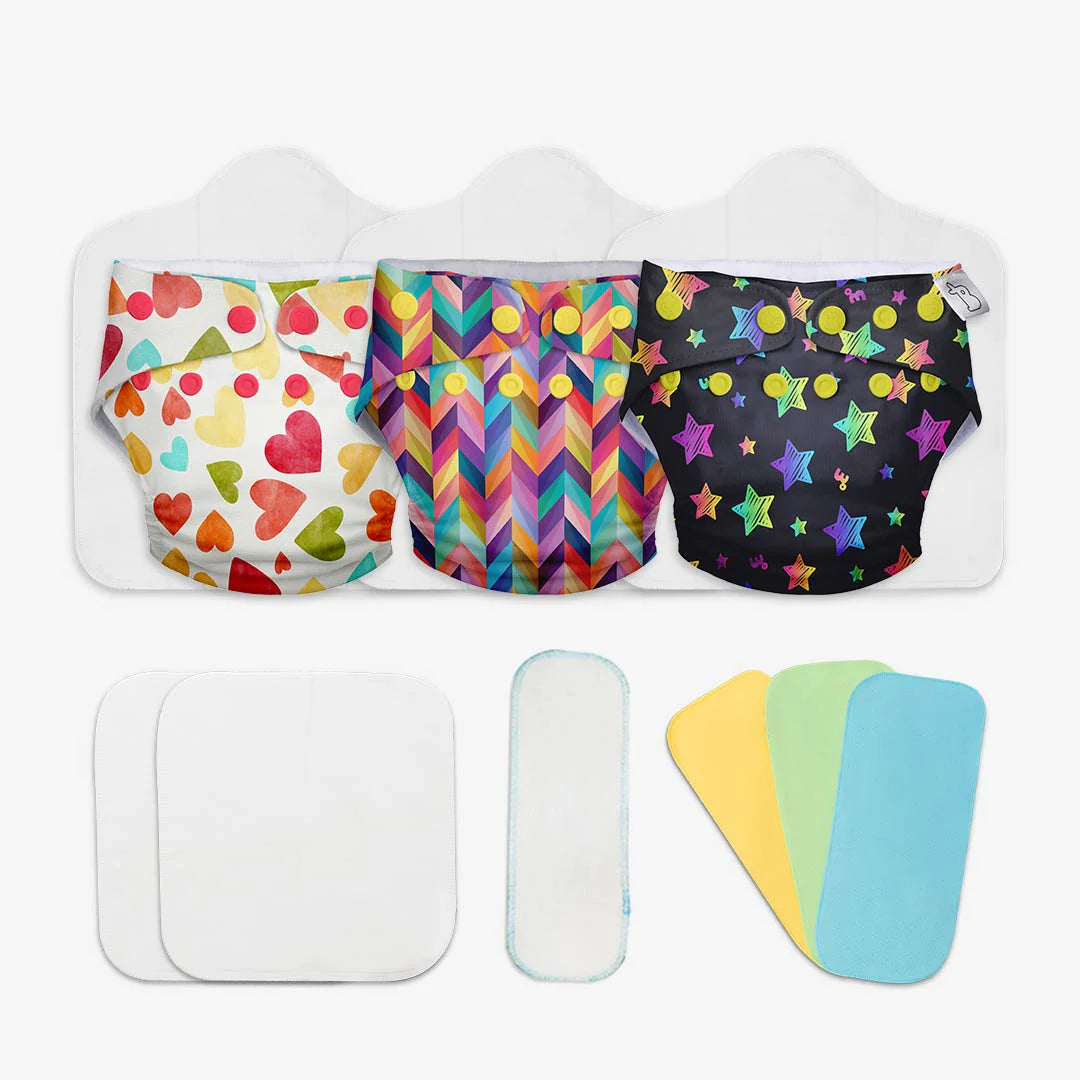
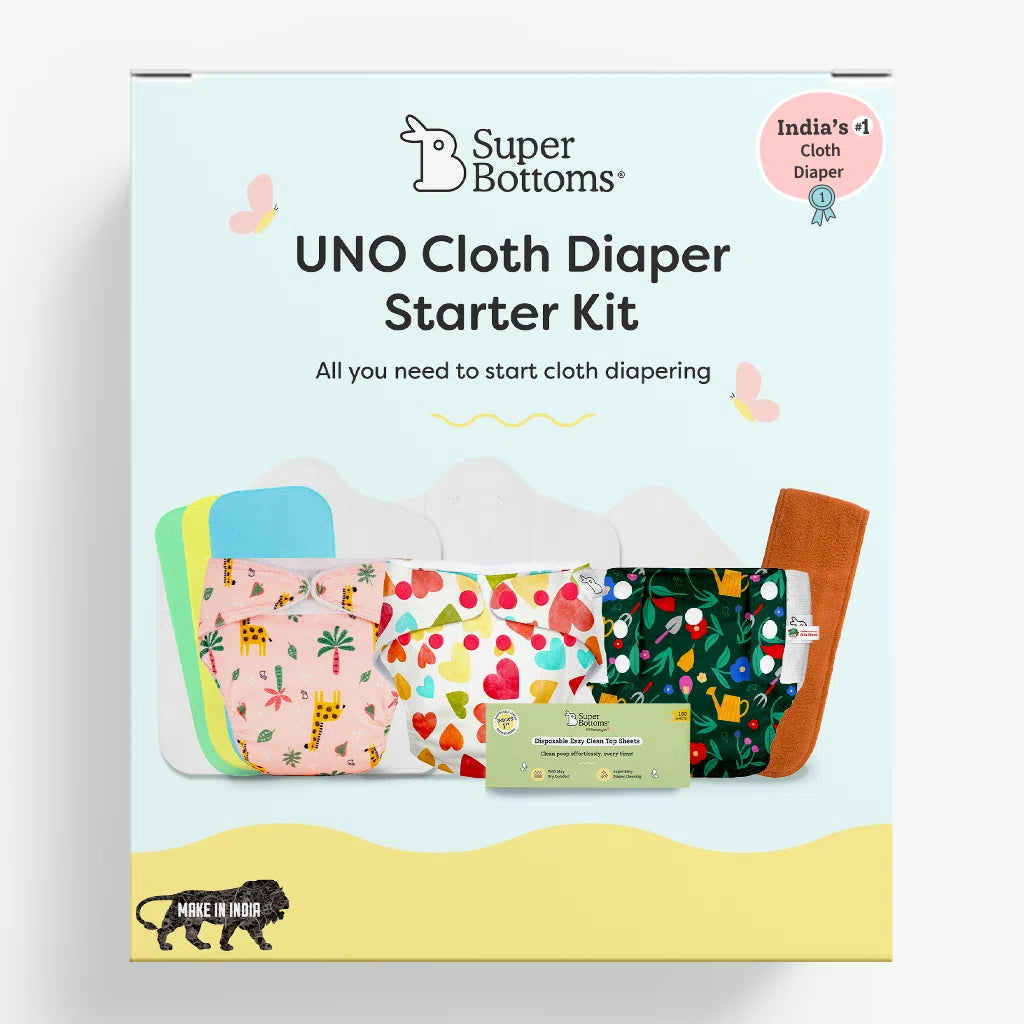
The solution: Start with beginner-friendly cloth diaper systems designed for ease of use, adjustable sizing, and straightforward washing routines.
For parents exploring reusable options, well-designed modern cloth diapers can simplify the transition without overwhelming first-time users.
Key Takeaways
- Cloth diapers are significantly more cost-effective over time
- Cloth vs disposable diapers environment impact favours reusables
-
Cloth diapers are often gentler on sensitive baby skin
FAQs
1. Are cloth diapers suitable for newborns?
Yes, when properly sized and changed frequently, cloth diapers work well for newborns.
2. How many cloth diapers does a baby need?
Most families start with 18–24 diapers for full-time use.
3. Do cloth diapers cause more leaks?
Proper fit and absorbency prevent leaks, similar to disposables.
4. Is washing cloth diapers hygienic?
Yes, when washed using recommended temperatures and detergents.
5. What is the biggest downside of cloth diapers?
They require regular washing and drying.
6. Can cloth diapers be used at night?
Yes, with higher absorbency inserts.
7. Are cloth diapers better for the environment?
Yes, they significantly reduce landfill waste compared to disposables.
8. Which parents benefit most from cloth diapers?
Parents seeking long-term savings, eco-friendly choices, and gentler skin contact.
Message from SuperBottoms
Hi there, new parents! SuperBottoms brings you doctor-recommended cloth diapers - the best rash-free diapering solution for your baby’s sensitive and delicate skin. Unlike disposable diapers loaded with chemicals, our newborn cloth diapers, when used and washed properly, can help eliminate the risk of diaper rashes. SuperBottoms offers a wide range of safe, skin-friendly essentials for the whole family - including Reusable Cloth Diapers, Diaper Pants, DryFeel langots for diaper-free time, Padded Underwear for potty training, SuperSoft Underwear for everyday comfort, Joggers for playful days, and Period Underwear for women. Not just for everyday use, SuperBottoms products also make the best gifting choice for babies - thoughtful, eco-friendly, practical, and loved by parents. Now available on Amazon, Myntra, Flipkart, FirstCry, Zepto, Swiggy and Blinkit.