





Dry fruits in pregnancy offer essential nutrients that support fetal growth, boost maternal energy, and improve overall health. This trimester-wise guide explains which dry fruits are good in pregnancy, the right time to eat them, and safe portion sizes.
- What Are the Benefits of Eating Dry Fruits in Pregnancy?
- Can I Eat Dry Fruits in Pregnancy?
- Dry Fruits in Pregnancy First Trimester – What to Eat?
- Best Dry Fruits in Pregnancy (2nd Trimester)
- Which Dry Fruits Are Good in Pregnancy During the 3rd Trimester?
- Best Time to Eat Dry Fruits During Pregnancy
- Which Dry Fruits to Avoid During Pregnancy?
- How to Eat Dry Fruits During Pregnancy Safely?
- Key Takeaways
- FAQs
- Message from SuperBottoms
What Are the Benefits of Eating Dry Fruits in Pregnancy?
Dry fruits are nutrient-dense, making them ideal additions to a pregnancy diet. They pack essential vitamins, minerals, antioxidants, and natural sugars that help support fetal growth and maternal health.
Some dry fruits good for pregnancy include almonds, walnuts, dates, raisins, and figs—each offering unique benefits, such as improved digestion, strengthened immunity, and better energy levels.
Key Nutrient Table
|
Dry Fruit |
Key Nutrients |
Pregnancy Benefits |
|---|---|---|
|
Almonds |
Protein, Vit E, Calcium |
Brain & bone development |
|
Walnuts |
Omega-3 |
Fetal brain development |
|
Dates |
Iron, Fibre |
Prevent anaemia, relieve constipation |
|
Raisins |
Natural sugar, Iron |
Healthy weight gain, prevents fatigue |
|
Figs |
Calcium, fibre |
Bone health, constipation relief |
Can I Eat Dry Fruits in Pregnancy?
Yes, absolutely! Most dry fruits are safe and highly recommended during pregnancy. They are natural, preservative-free, nutrient-rich, and easy to digest when consumed in moderation.
However, stick to unsweetened, unroasted, and non-salted varieties. If you often experience acidity, constipation, or nausea, soaked dry fruits may help.
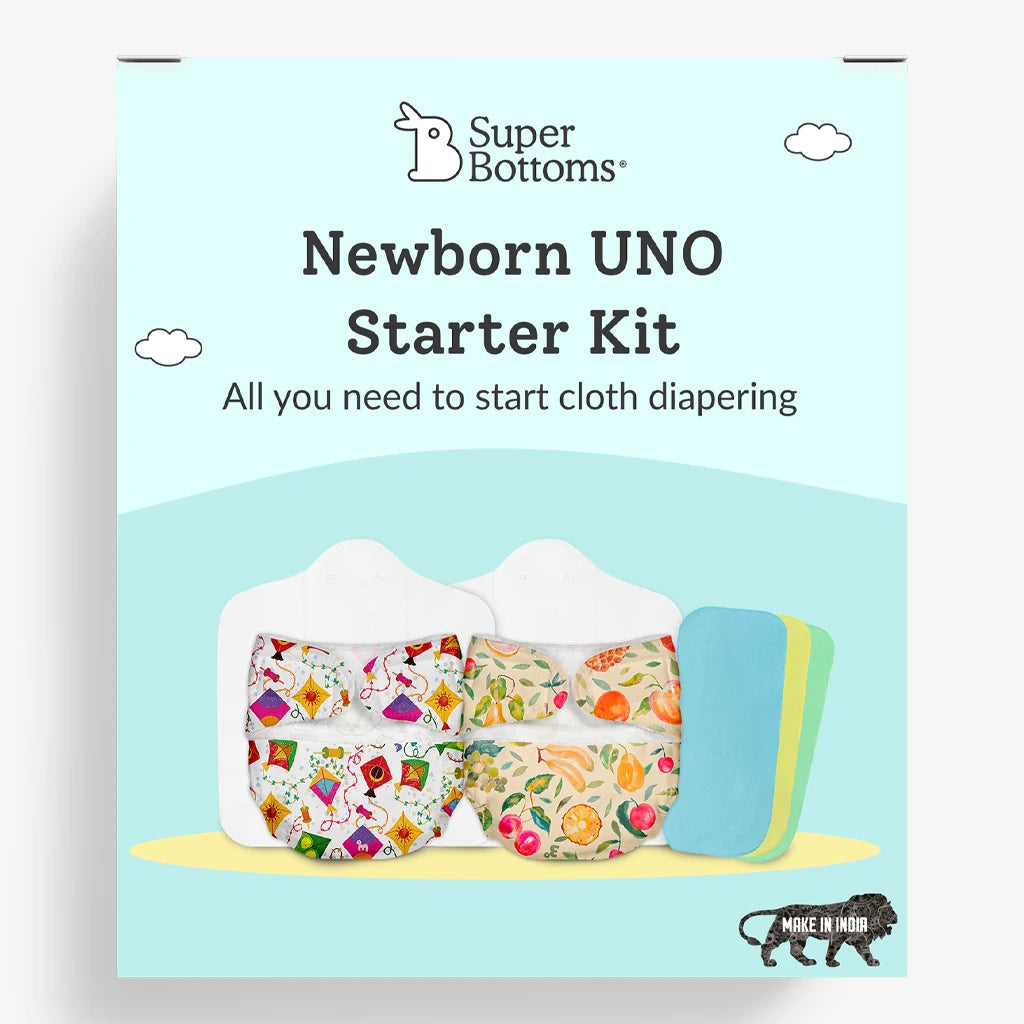
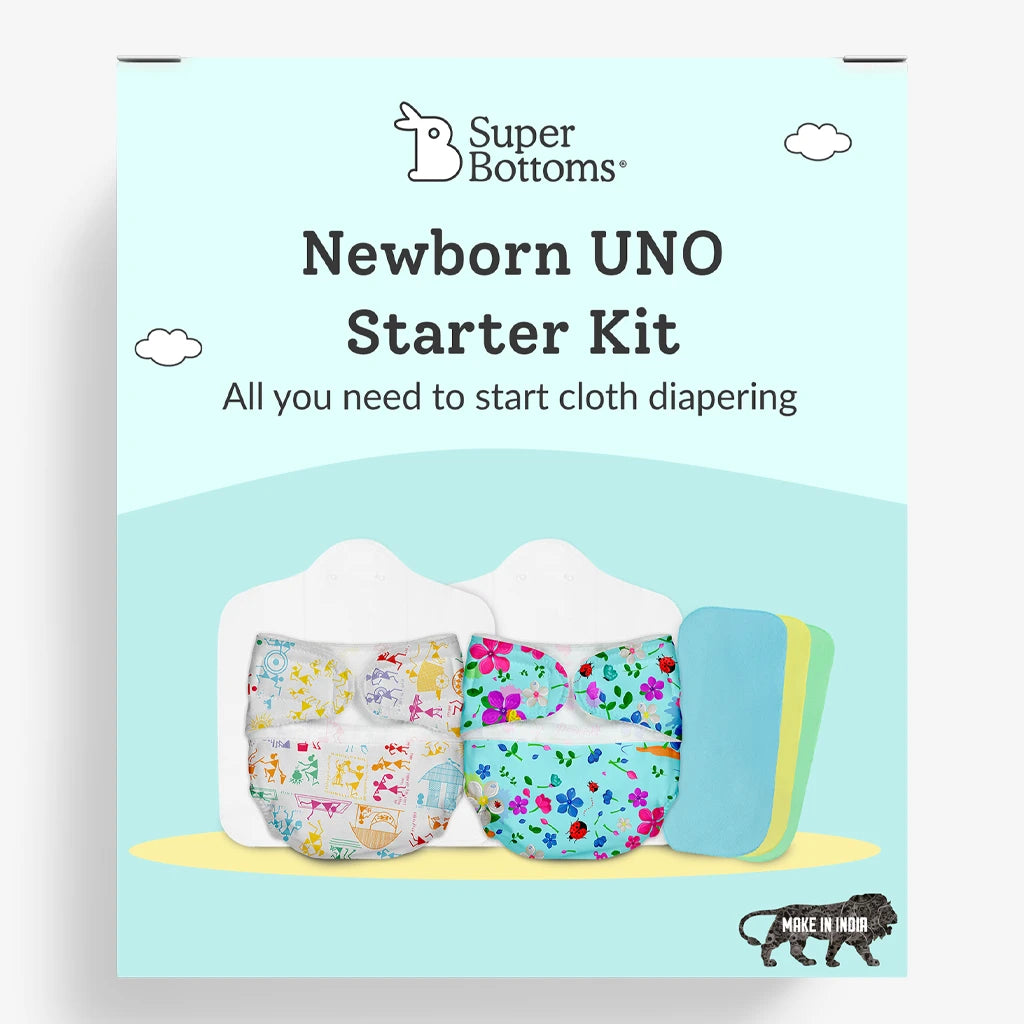
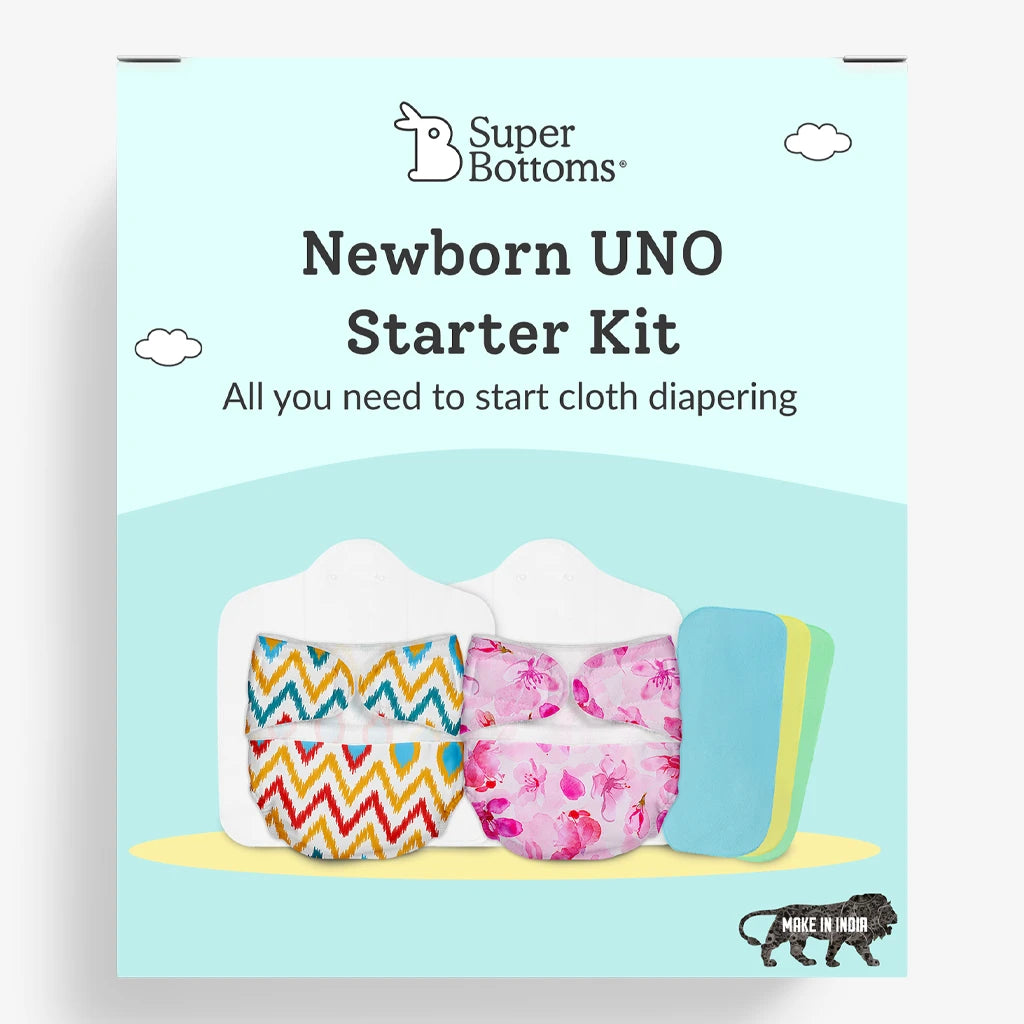
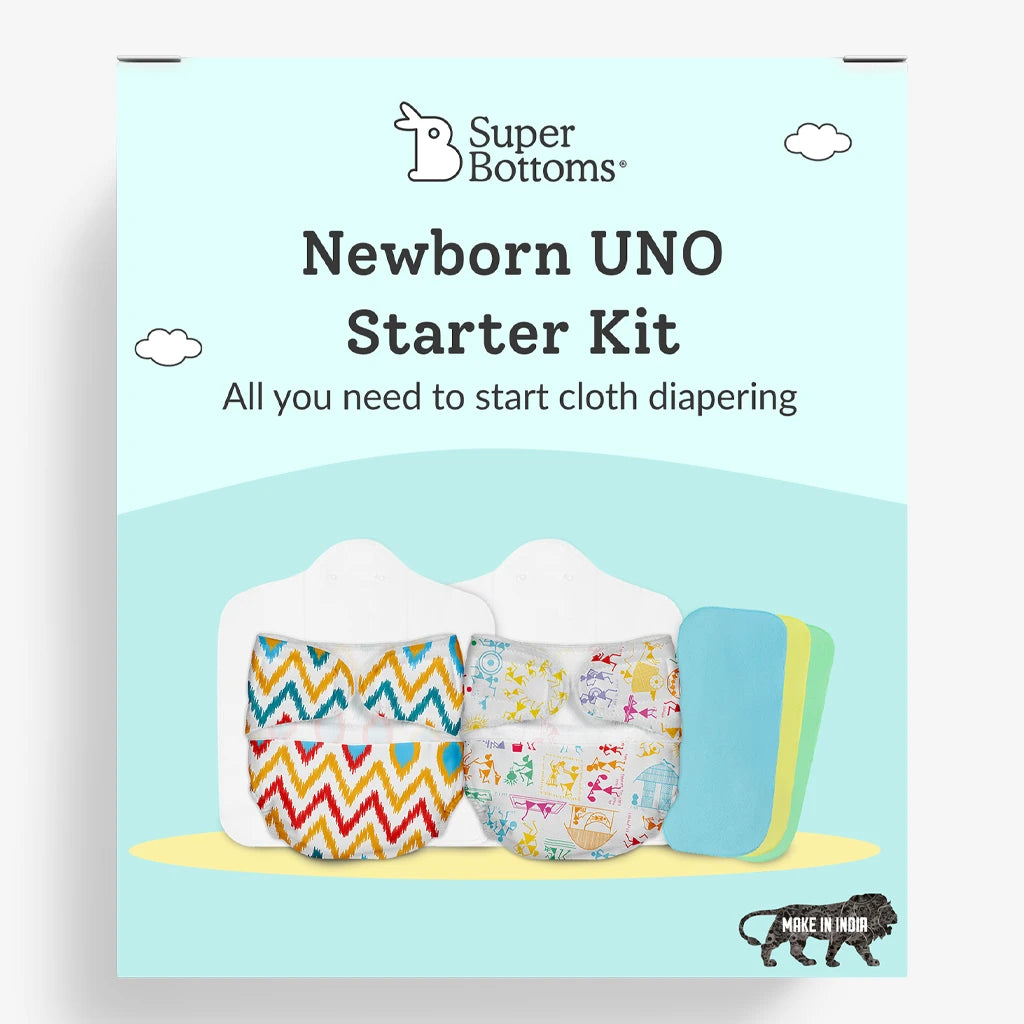
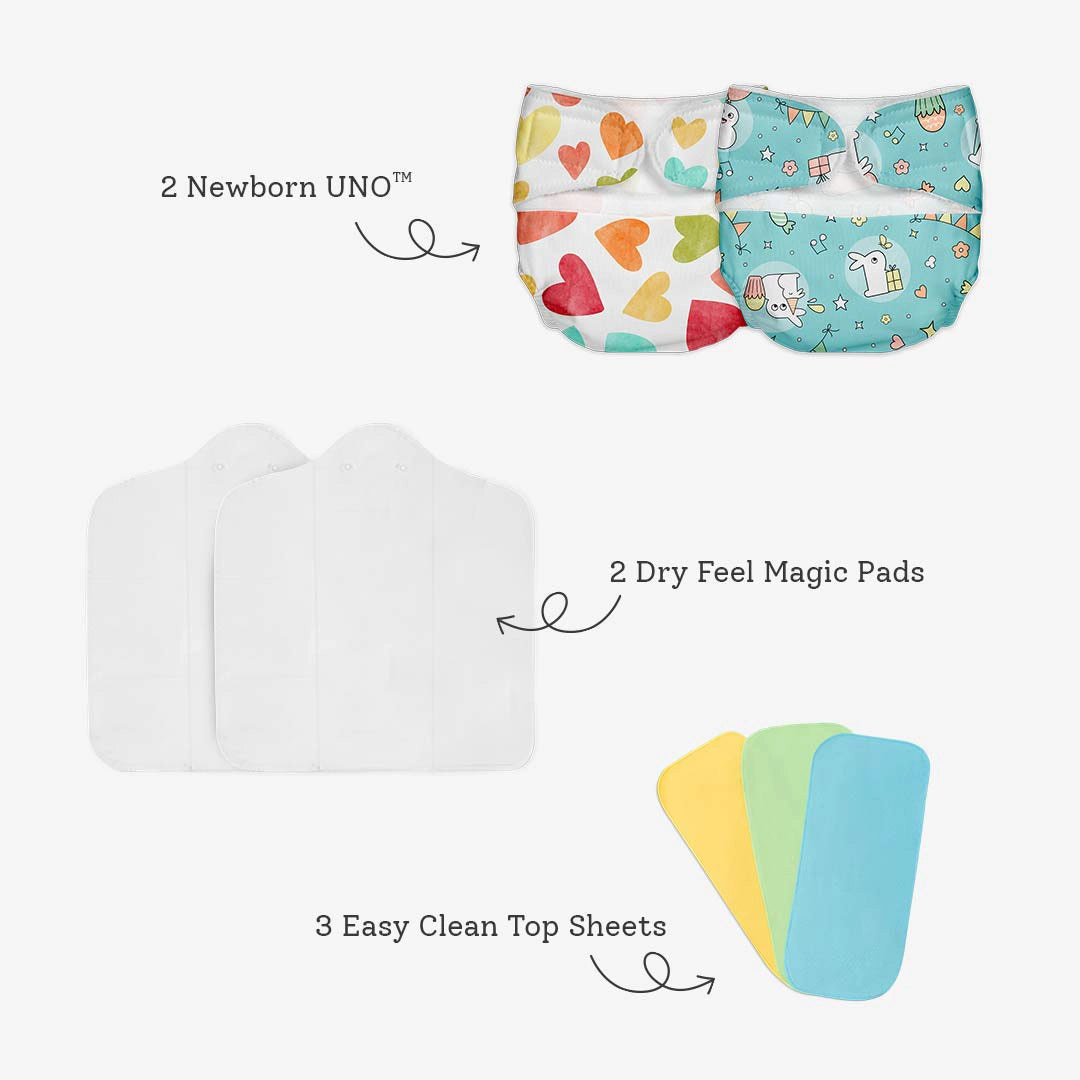
Tip for Moms-to-Be: Keep a small dry fruit snack pack in your hospital bag along with essentials like SuperBottoms Newborn UNO Cloth Diaper — extremely useful for the first few weeks after birth.
Dry Fruits in Pregnancy First Trimester – What to Eat?
The first trimester brings nausea, fatigue, and food aversions. Choosing the right dry fruits can support fetal organ development while boosting your energy.
Recommended Dry Fruits
- Almonds – Vitamin E & protein for fetal tissue growth
- Walnuts – Omega-3 fatty acids for early brain development
- Dates (2–3 pieces) – Iron to reduce fatigue
-
Raisins (4–5 pieces) – Helps with morning sickness
Why These Work
They are mildly sweet, easy on the stomach, and rich in micronutrients needed during rapid organ formation.
A Gentle Note on Newborn Preparedness 🤍👶Pregnancy is the perfect time to prepare for your baby’s first essentials—so you’re not rushing after delivery🍼✨. Many parents today prefer planning their newborn baby gifts early, and SuperBottoms makes this easier with thoughtfully designed newborn essentials that are practical, safe, and reusable🌱. Whether you’re curating a baby shower🎉, choosing a meaningful gift for newborn baby, or planning your own baby’s must-haves, SuperBottoms offers sustainable baby gifts for newborn—from soft cloth diapers, langots & muslin essentials to gentle baby-care products🤍. These well-planned newborn baby gifts help parents feel confident and prepared right from day one. At SuperBottoms, we believe early preparation during pregnancy leads to a calmer start to parenthood👶💫—with products that are not only useful as gifts for a newborn baby, but also kinder to your baby and the planet🌍. |
Best Dry Fruits in Pregnancy (2nd Trimester)
The second trimester is considered the most stable phase, often allowing women to expand their diet.
Best Dry Fruits for This Stage
- Figs – Improve digestion & calcium absorption
- Dried Apricots – Rich in vitamins A & C
- Cashews (4–5 pieces) – Healthy fats for weight gain
-
Pistachios (unsalted) – Protein & antioxidants
These support increased blood volume, strengthening the baby’s bones and muscles.
Which Dry Fruits Are Good in Pregnancy During the 3rd Trimester?
This phase requires more energy, iron, and fibre to support final fetal growth and manage common discomforts.
Highly Recommended
- Dates – Helps relieve constipation and maintain energy
- Walnuts – Support the baby’s developing nervous system
-
Almonds – Helps prevent muscle cramps due to magnesium
These dry fruits help prepare your body for labour and support fetal fat accumulation.

Best Time to Eat Dry Fruits During Pregnancy
The best time to eat dry fruits during pregnancy is in the morning, preferably on an empty stomach or with breakfast. This maximises nutrient absorption and helps kick-start metabolism.
Recommended Times
- Morning: Soaked almonds, walnuts, raisins
- Midday Snack: Dates, figs
- Before Bed: 1–2 soaked figs to relieve constipation
Avoid eating too many dry fruits late at night if you are prone to heartburn.
Which Dry Fruits to Avoid During Pregnancy?
Although most dry fruits are safe, some should be consumed cautiously or avoided.
Dry Fruits to Limit or Avoid
- Salted/Roasted Nuts – Increase swelling and blood pressure
- Dry fruit mixtures with added sugar – Lead to unnecessary weight gain
- Excess cashews – Can cause bloating
- Sulphite-preserved raisins or apricots – May cause allergies
If you have gestational diabetes, limit dates and raisins; always ask your doctor first.
How to Eat Dry Fruits During Pregnancy Safely?
To get the most out of dry fruits, it’s important to consume them correctly.
Best Ways
- Soaked overnight – Almonds, raisins, figs for better digestion
- As mid-meal snacks – Helps avoid overeating
- In milk – Warm milk with dates for better sleep
-
With breakfast – Add chopped nuts to porridge or smoothies
Daily Safe Intake
|
Dry Fruit |
Daily Limit |
|---|---|
|
Almonds |
5–8 pieces |
|
Walnuts |
1–2 halves |
|
Raisins |
4–5 pieces |
|
Dates |
2–3 pieces |
|
Figs |
1–2 pieces |
Since dry fruits improve digestion, metabolism, and energy levels, it's wise to prepare for baby’s arrival early.
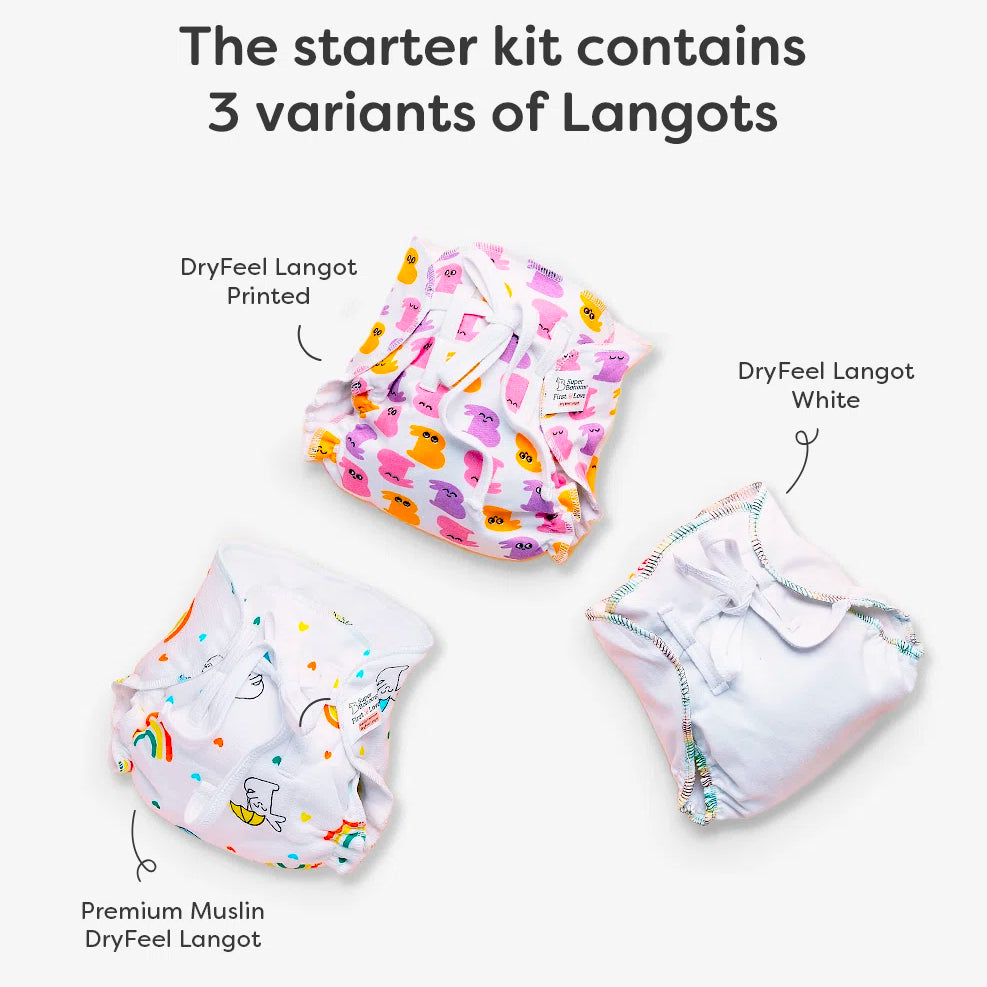
Keep SuperBottoms Newborn Essentials like Langots, Newborn UNO Diapers & Mustard Seed Pillow ready in your hospital bag to avoid last-minute stress.
Dry fruits in pregnancy are an excellent way to add natural nutrients, healthy fats, and energy to your daily diet. Whether it’s the first trimester or the third, choosing the right dry fruits at the right time can significantly improve your pregnancy health.
Just remember to stay moderate, choose high-quality preservative-free dry fruits, and consume them according to your body’s needs. With mindful eating and prenatal care, you can enjoy a healthy, nourishing pregnancy.
|
Limited Time Offers + Special Gift Sets! Now or never Super SALE is live on the SuperBottoms website! Take advantage of unbeatable value deals on our UNO Cloth Diapers, Baby Essentials, and more. Looking for the perfect present for a newborn or a toddler? Explore our thoughtfully curated Gift Sets & Combos - safe, skin-friendly, and oh-so-cute! A bundle of love for little ones and a delight for parents. HURRY - Deals and Gift Packs are live only till stocks last. Don’t miss the chance to stock up and share the joy! |
Key Takeaways
- Almonds, walnuts, dates, raisins, and figs are among the best dry fruits in pregnancy.
- The best time to eat dry fruits during pregnancy is in the morning or as a healthy mid-meal snack.
- Avoid salted, sweetened, or sulphite-laden dry fruits for safety.
Frequently Asked Questions (FAQs)
1. Are dry fruits good for pregnancy?
Yes, dry fruits are rich in nutrients like iron, omega-3, fibre, calcium, and antioxidants that support fetal growth and maternal health.
2. Which dry fruits to eat during pregnancy for energy?
Dates, raisins, and cashews provide natural energy and help manage fatigue.
3. Can I eat dry fruits in pregnancy if I have morning sickness?
Yes—raisins and soaked almonds are gentle on the stomach and may ease nausea.
4. Which dry fruits to avoid during pregnancy?
Avoid sugary dry fruit mixes, salted nuts, and sulphite-preserved raisins or apricots.
5. How many dry fruits should I eat per day?
5–8 almonds, 1–2 walnuts, 4–5 raisins, and 2–3 dates are generally safe portions.
6. Are soaked dry fruits better during pregnancy?
Yes, soaking enhances nutrient absorption and reduces bloating.
7. Which dry fruits are good in pregnancy for fetal growth?
Walnuts (omega-3), almonds (vitamin E), and dates (iron) aid fetal development.
8. What products should I keep ready before the baby arrives?
Along with healthy dry fruits, keep SuperBottoms Newborn UNO Diapers, DryFeel Langots, DryFeel Swaddle Wrap, and Mustard Seed Pillow ready in your hospital bag to avoid last-minute hassle. These essentials ensure comfort and safety for your newborn from day one.
Message from SuperBottoms
Hi there, new parents! SuperBottoms brings you doctor-recommended cloth diapers — the best rash-free diapering solution for your baby’s sensitive and delicate skin. Unlike disposable diapers loaded with chemicals, our newborn cloth diapers, when used and washed properly, can help eliminate the risk of diaper rashes. SuperBottoms offers a wide range of safe, skin-friendly essentials for the whole family — including Reusable Cloth Diapers, Diaper Pants, DryFeel langots for diaper-free time, Padded Underwear for potty training, SuperSoft Underwear for everyday comfort, Joggers for playful days, and Period Underwear for women. Not just for everyday use, SuperBottoms products also make the best gifting choice for babies — thoughtful, eco-friendly, practical, and loved by parents. Now available on Amazon, Myntra, Flipkart, FirstCry, Zepto, Swiggy and Blinkit