






Understanding how your baby grows week by week is essential for every expectant parent. This guide offers an updated fetal weight chart, a clear fetal growth chart by week, and expert-backed tips to support healthy development.
- What Is a Fetal Weight Chart & Why Is It Important?
- What Is the Average Fetal Weight Chart by Week?
- What Is the Fetal Weight at 20 Weeks in Grams?
- What Is the Normal Fetal Weight at 22 Weeks in Grams?
- How Does Fetal Growth Progress Week by Week?
- How to Increase Fetal Weight Naturally?
- How Much Fetal Weight Gain Happens in One Week?
- When Should You Worry About Slow Fetal Growth?
- Key Takeaways
- FAQs
- Message From SuperBottoms
What Is a Fetal Weight Chart & Why Is It Important?
A fetal weight chart acts as a medical reference that helps track how your baby is developing inside the womb. It provides average fetal weight ranges from early pregnancy to full term.
Doctors often follow a pregnancy baby weight chart to assess if your baby’s size and growth trend are healthy, especially during the second and third trimesters.
What Is the Average Fetal Weight Chart by Week?
A week-by-week fetal growth chart outlines estimated fetal weight in grams and kilograms from Week 8 to Week 40. These weights are approximations but align with globally accepted obstetric data.
Below is an updated fetal growth chart by week:
Updated Week-by-Week Fetal Weight Chart (Grams & Kg)
|
Pregnancy Week |
Estimated Fetal Weight (g) |
Estimated Weight (kg) |
|---|---|---|
|
12 weeks |
14g |
0.014 kg |
|
14 weeks |
43g |
0.043 kg |
|
16 weeks |
100g |
0.1 kg |
|
18 weeks |
190g |
0.19 kg |
|
20 weeks |
300g |
0.30 kg |
|
22 weeks |
430g |
0.43 kg |
|
24 weeks |
600g |
0.60 kg |
|
26 weeks |
760g |
0.76 kg |
|
28 weeks |
1000g |
1.0 kg |
|
30 weeks |
1300g |
1.3 kg |
|
32 weeks |
1700g |
1.7 kg |
|
34 weeks |
2300g |
2.3 kg |
|
36 weeks |
2600g |
2.6 kg |
|
38 weeks |
3100g |
3.1 kg |
|
40 weeks |
3400g |
3.4 kg |
These values may vary depending on genetic factors, maternal nutrition, amniotic fluid volume, or underlying medical conditions.
What Is the Fetal Weight at 20 Weeks in Grams?
At 20 weeks of pregnancy, the average fetal weight is around 300g, according to standard fetal development charts.
This is also when most expecting parents undergo the anomaly scan, where detailed fetal measurements are evaluated to ensure healthy growth.
What Is the Normal Fetal Weight at 22 Weeks in Grams?
By 22 weeks of pregnancy, the normal fetal weight is approximately 430g.
This phase marks rapid organ development and increased fat storage, both essential for third-trimester growth.
How Does Fetal Growth Progress Week by Week?
Fetal development accelerates in the second trimester, reaching its peak during Weeks 28–36.
A fetal weight chart in kg or grams helps you understand the natural pattern:
- First trimester: Slow growth
- Second trimester: Gradual weight gain
-
Third trimester: Baby gains 150–200g per week
Doctors use a fetal weight calculator in grams (usually through ultrasound measurements) to estimate weight using head, abdominal, and femur dimensions.

How to Increase Fetal Weight Naturally?
If your doctor suggests supporting fetal weight gain, a few healthy habits can make a significant difference. These tips are safe, natural, and backed by common obstetric recommendations.
1. Eat Protein-Rich Foods
Protein helps build tissues and supports overall growth.
- Eggs
- Dals & pulses
- Paneer
- Lean meats
2. Increase Healthy Fats
Good fats directly support fetal weight gain.
Include:
- Avocado
- Nut butters
- Ghee (in moderation)
3. Iron-Rich Foods
Iron deficiencies can restrict fetal growth.
Add:
- Spinach
- Beetroot
- Dates
- Iron supplements (as prescribed)
4. Adequate Hydration
Amniotic fluid levels support fetal weight gain. Drink 8–10 glasses daily.
5. Manage Stress
High stress can affect appetite and fetal development.
6. Get Enough Sleep
Your body regenerates and supports placental function during rest.
How to Increase Fetal Weight in One Week?
A common search query is “how to increase fetal weight in one week.” While dramatic weight gain in just seven days is not usually possible, you can support steady improvement by:
- Eating small, frequent, nutrient-dense meals
- Taking prescribed supplements regularly
- Including a protein-rich bedtime snack
- Avoiding junk food that adds calories but not nutrients
Consistency over weeks—not a single week—makes the real difference.
When Should You Worry About Slow Fetal Growth?
Doctors may become concerned if your baby consistently measures below the 10th percentile on repeated scans. This may indicate IUGR (Intrauterine Growth Restriction).
Seek immediate medical guidance if you notice:
- Reduced fetal movements
- Sudden drop in maternal weight
- High or low amniotic fluid levels
Your healthcare provider may closely monitor growth, blood flow, placenta, oxygen levels, and fetal well-being.
|
Limited Time Offers + Special Gift Sets! Now or never Super SALE is live on the SuperBottoms website! Take advantage of unbeatable value deals on our UNO Cloth Diapers, Baby Essentials, and more. Looking for the perfect present for a newborn or a toddler? Explore our thoughtfully curated Gift Sets & Combos - safe, skin-friendly, and oh-so-cute! A bundle of love for little ones and a delight for parents. HURRY - Deals and Gift Packs are live only till stocks last. Don’t miss the chance to stock up and share the joy! |
A fetal weight chart helps you understand how your baby grows throughout pregnancy. While every baby is unique, following a balanced diet, staying active, and attending all prenatal check-ups is the best way to support your baby’s development.
During this journey, preparing for newborn care can make parenting feel more organised and confident.
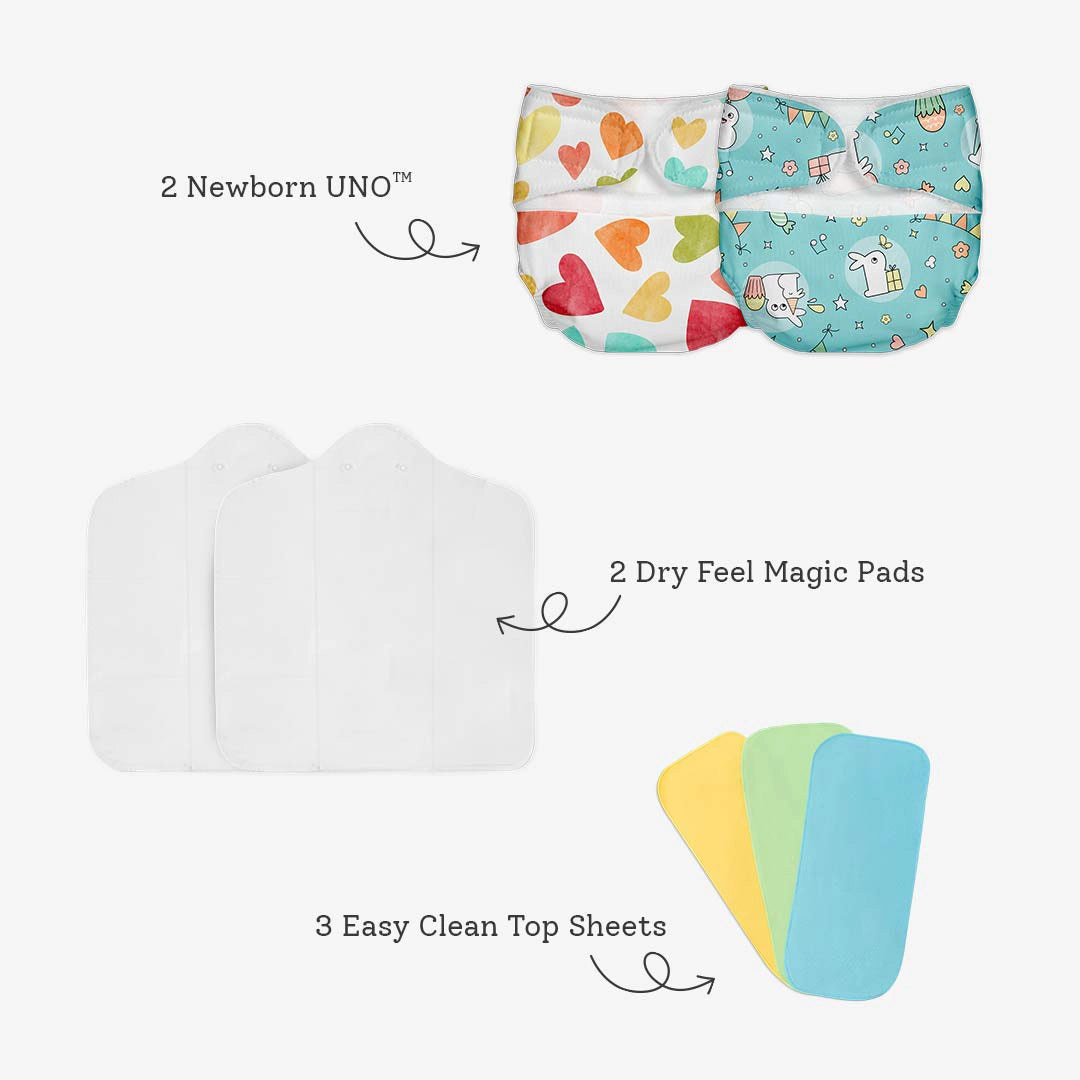
Expectant moms often start stocking essentials early—like SuperBottoms Freesize UNO cloth diapers and Muslin Swaddles—trusted for newborn comfort and sensitive skin.
Key Takeaways
- A week-by-week fetal growth chart helps track healthy fetal development.
- Average fetal weight increases significantly after the 28th week.
- Consistent nutrition and good prenatal care are essential to support fetal weight.
FAQs
1. What is a fetal weight chart?
It is a medical reference table showing average fetal weight by week from early pregnancy to full term.
2. How accurate is the fetal weight calculator in grams?
Ultrasound-based estimates are around 10–15% variable but are still the best clinical method for tracking growth.
3. What is the average fetal weight at 20 weeks?
Around 300 grams, depending on maternal and fetal factors.
4. Can I increase fetal weight naturally?
Yes. Eating protein, iron-rich foods, healthy fats, and taking supplements can support healthy weight gain.
5. What is the normal fetal weight at 22 weeks?
Approximately 430 grams, based on globally accepted obstetric charts.
6. How much weight does a fetus gain each week?
In the third trimester, babies gain between 150 and 200g per week.
7. When should I worry about low fetal weight?
If scans repeatedly show weight below the 10th percentile, or if you notice reduced fetal movement.
8. What products are recommended for expecting parents?
Expectant parents can start preparing with SuperBottoms newborn must-haves, such as Newborn UNO Cloth Diapers, DryFeel Swaddle wrap, and Mustard Seed Pillows, designed for comfort, safety, and long-term use.
Message from SuperBottoms
Hi there, new parents! SuperBottoms brings you doctor-recommended cloth diapers — the best rash-free diapering solution for your baby’s sensitive and delicate skin. Unlike disposable diapers loaded with chemicals, our newborn cloth diapers, when used and washed properly, can help eliminate the risk of diaper rashes. SuperBottoms offers a wide range of safe, skin-friendly essentials for the whole family — including Reusable Cloth Diapers, Diaper Pants, DryFeel langots for diaper-free time, Padded Underwear for potty training, SuperSoft Underwear for everyday comfort, Joggers for playful days, and Period Underwear for women. Not just for everyday use, SuperBottoms products also make the best gifting choice for babies — thoughtful, eco-friendly, practical, and loved by parents. Now available on Amazon, Myntra, Flipkart, FirstCry, Zepto, Swiggy and Blinkit