




In this article, we will discuss:
- Hospital bag checklist for delivery
- Labour and postpartum essentials
- Newborn hospital bag checklist
- C-section packing considerations
- Practical maternity bag tips
Packing your hospital bag is an exciting milestone, but deciding what you will actually need can feel overwhelming. The trick is to prepare for labour, recovery and your newborn's first days without carrying your entire home to the hospital.
This hospital bag checklist for delivery in India covers the essentials for you, your baby and your birth partner, with practical tips to help you pack confidently.
When should you pack your hospital bag?
Ideally, have your hospital bag ready by 32–34 weeks of pregnancy, or earlier if your doctor advises it or you are expecting multiples. This gives you time to organise everything without rushing if labour starts earlier than expected. The NHS also recommends packing ahead of the due date.
A simple way to stay organised is to divide your supplies into three groups:
- Labour essentials: Documents, comfortable clothing, toiletries and items you may need during labour.
- Post-delivery essentials: Maternity pads, feeding supplies, comfortable clothes and personal care items.
- Baby essentials: Clothing, nappies, muslin cloths and a going-home outfit.
Check your hospital's admission instructions before packing. Some hospitals provide baby clothing, nappies or postpartum supplies, while others expect you to bring your own.
What should you pack in your hospital bag for yourself?
Your maternity hospital bag should prioritise comfort, hygiene, recovery and easy access to important documents.
1. Medical documents and admission essentials
Keep these together in a waterproof folder:
- Antenatal records, ultrasound reports and recent test results
- Hospital registration documents and doctor's prescriptions
- Government-issued identification
- Health insurance or cashless admission documents, if applicable
- Your birth plan, if you have prepared one
- A list of current medicines and relevant medical information
Keep your hospital file and identification near the top of the bag so your birth partner can find them quickly.
2. Clothing and personal care
Pack comfortable clothes that allow you to move without restriction and make feeding easier.
- Two or three front-opening nightgowns or loose pyjama sets
- A comfortable going-home outfit
- Nursing bras, if you plan to breastfeed
- Several pairs of loose, comfortable underwear
- Slippers or flip-flops
- Socks and a light layer, depending on the weather
- Towels, toothbrush, toothpaste, soap and shampoo
- Lip balm, hair ties, a hairbrush and basic toiletries
Choose clothes that feel comfortable around your abdomen, especially if you have a planned C-section.
3. Postpartum hygiene and recovery
After delivery, you may experience vaginal bleeding, known as lochia, regardless of whether you have a vaginal birth or a C-section. Pack heavy-flow maternity pads and enough comfortable underwear for your anticipated stay.
Also consider:
- Breast pads, if needed
- A comfortable feeding pillow, if you prefer using one
- A water bottle
- A small bag for used clothing
- Any prescribed medicines, as advised by your healthcare team
What parents should know
Postpartum bleeding is expected, but very heavy bleeding, sudden worsening or symptoms such as dizziness require prompt medical attention. Ask your maternity team what amount of bleeding is expected and when to seek urgent help.
What should you pack in your newborn's hospital bag?
Newborns need fewer belongings than many parents expect. Focus on clean clothing, nappies, feeding support and suitable layers for the weather.
1. Newborn clothing
Pack two or three changes of clothes, depending on the hospital's recommended stay.
Include:
- Soft cotton jhablas, bodysuits or sleepsuits
- One or two going-home outfits
- Socks or booties, if needed
- A light cap, if recommended by your care team
- A muslin cloth or burp cloth
- A blanket or shawl suitable for the season
Consider packing two outfit sizes if you are unsure which will fit your baby. Wash new clothing before use, and avoid overdressing your newborn.

2. Nappies and changing essentials
Check whether your hospital supplies nappies. If not, pack enough disposable or reusable options for your expected stay, along with a few extras.
You may also need:
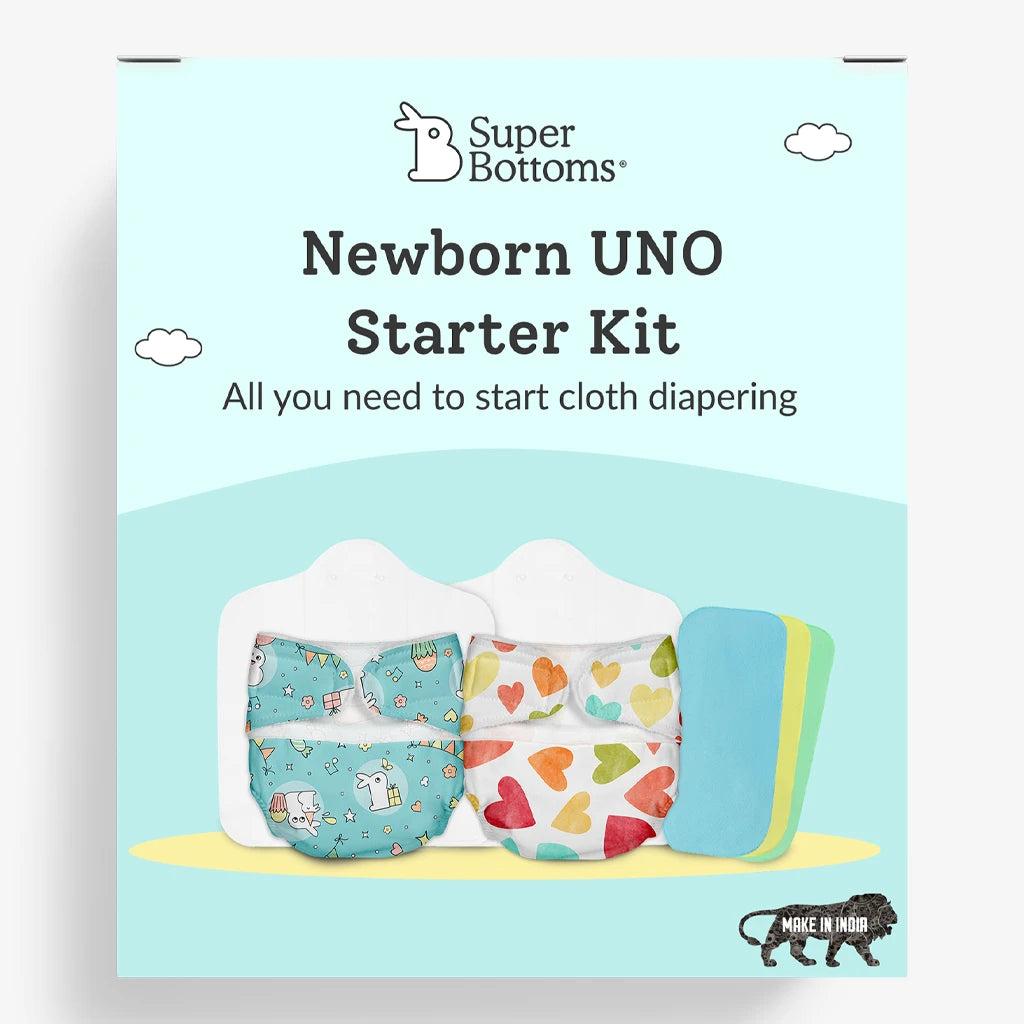
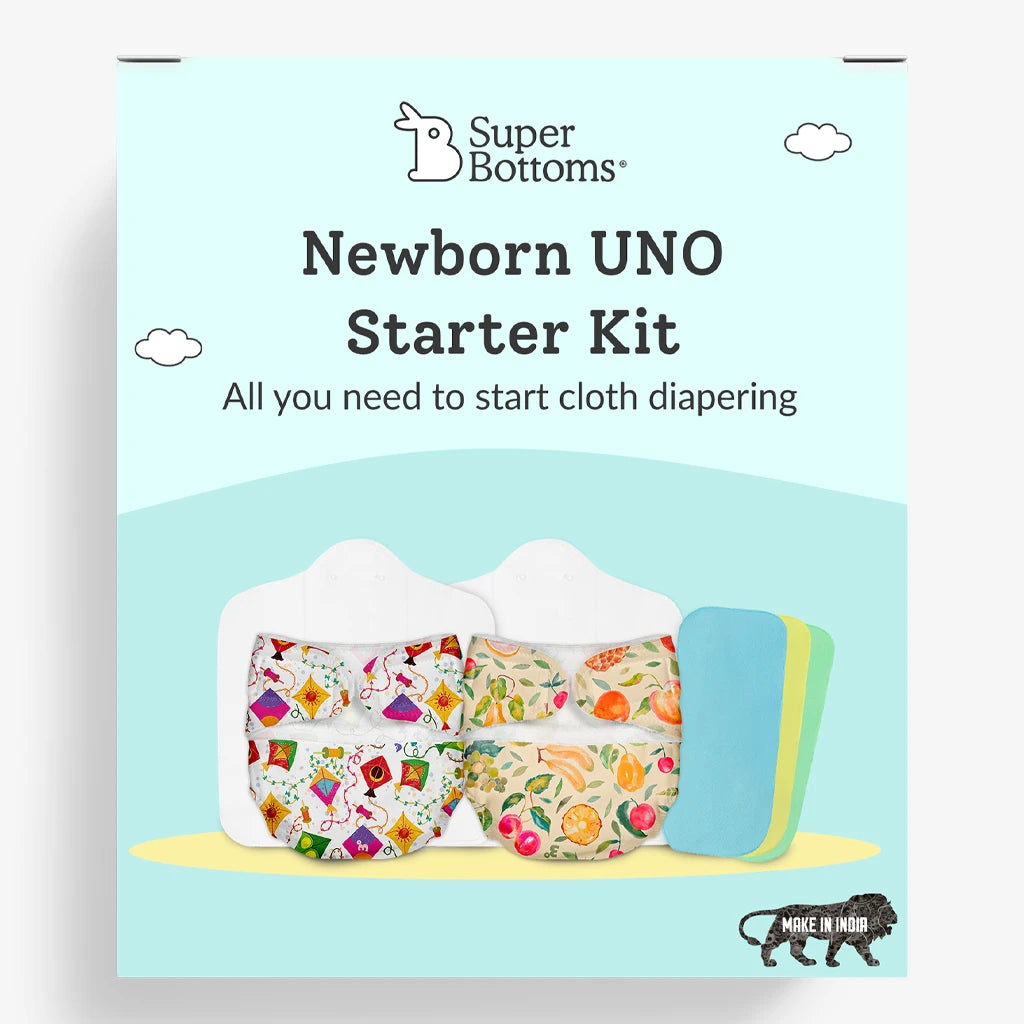
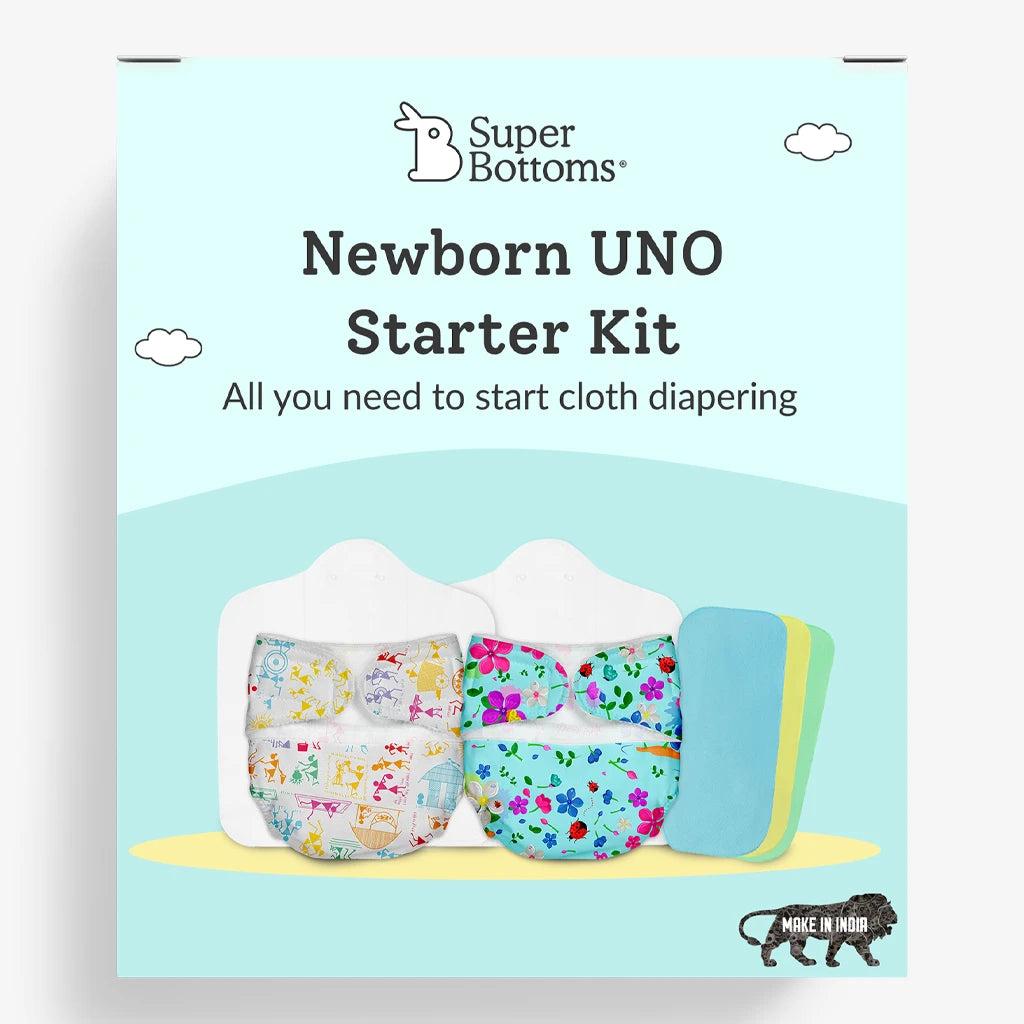
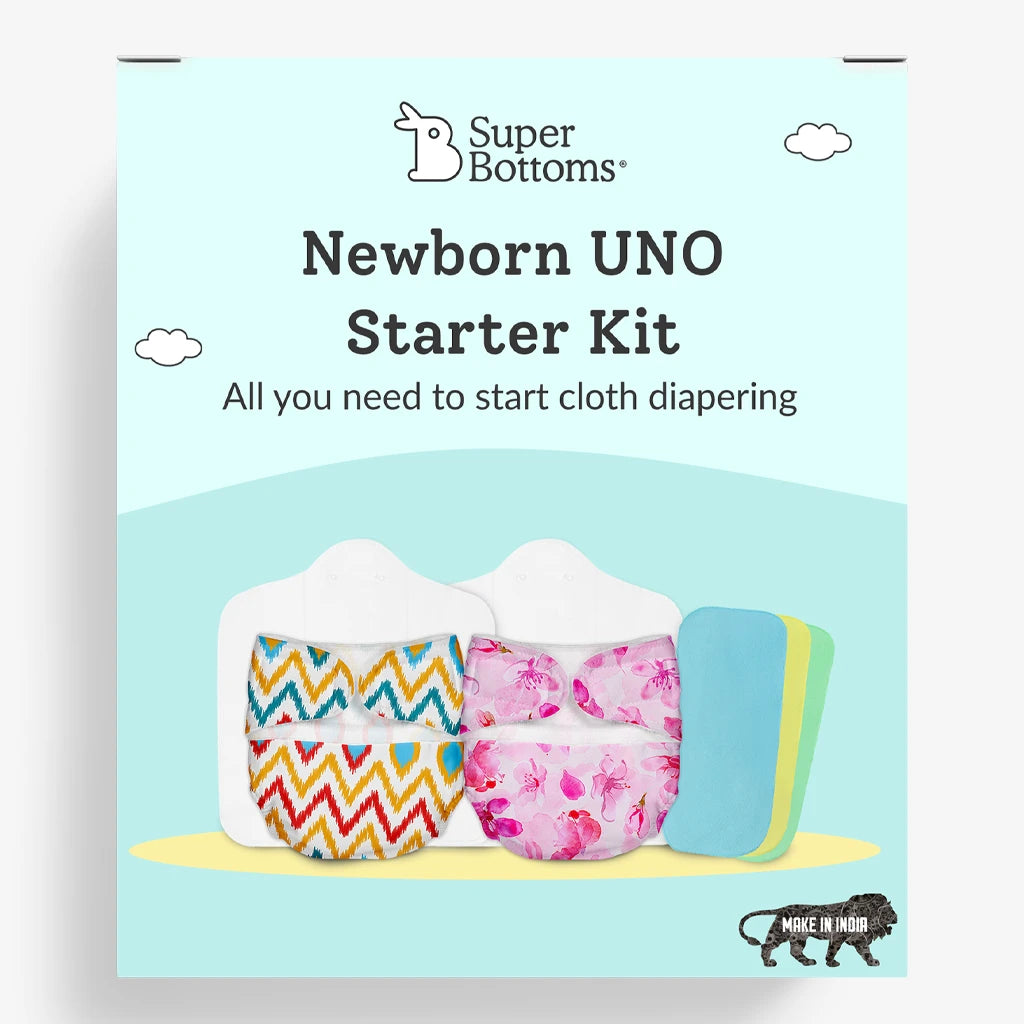
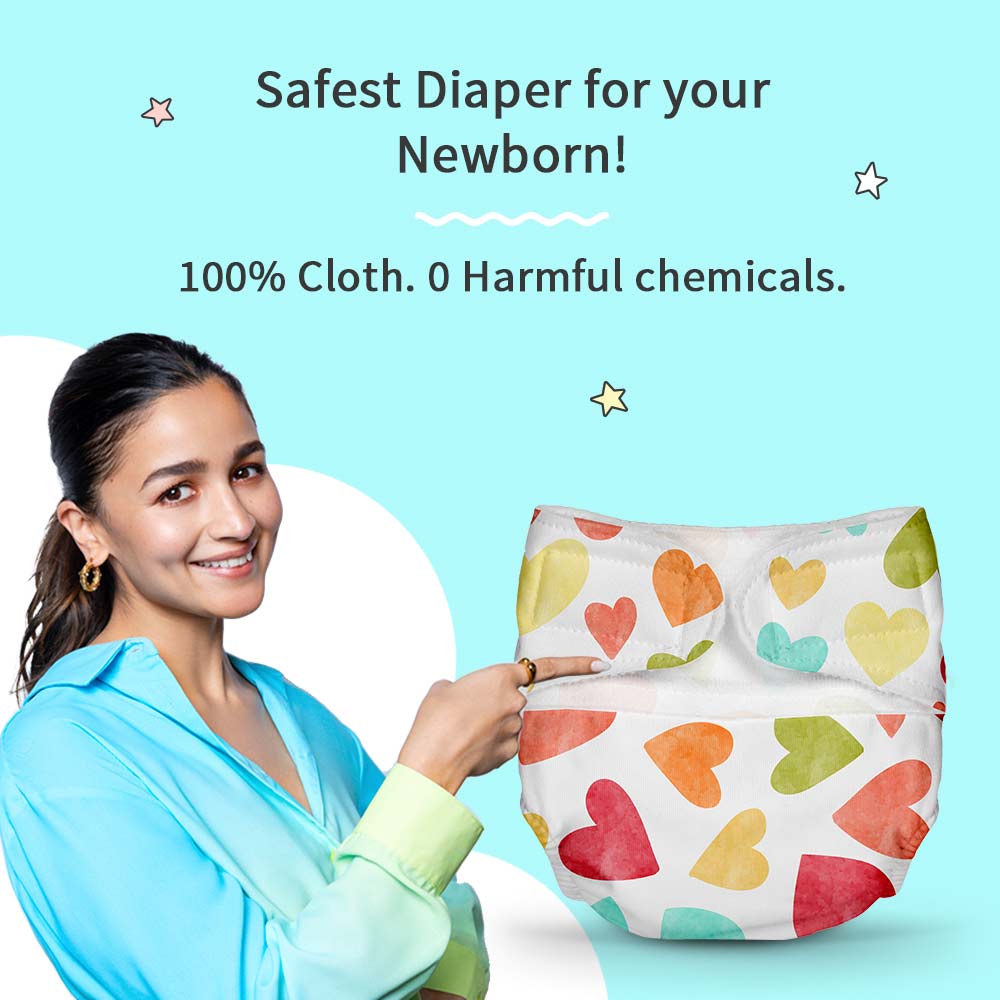
- Newborn Cloth Diapers
- Cotton wool or suitable baby wipes
- A changing mat
- A spare waterproof bag for soiled clothes
- A few extra muslin cloths
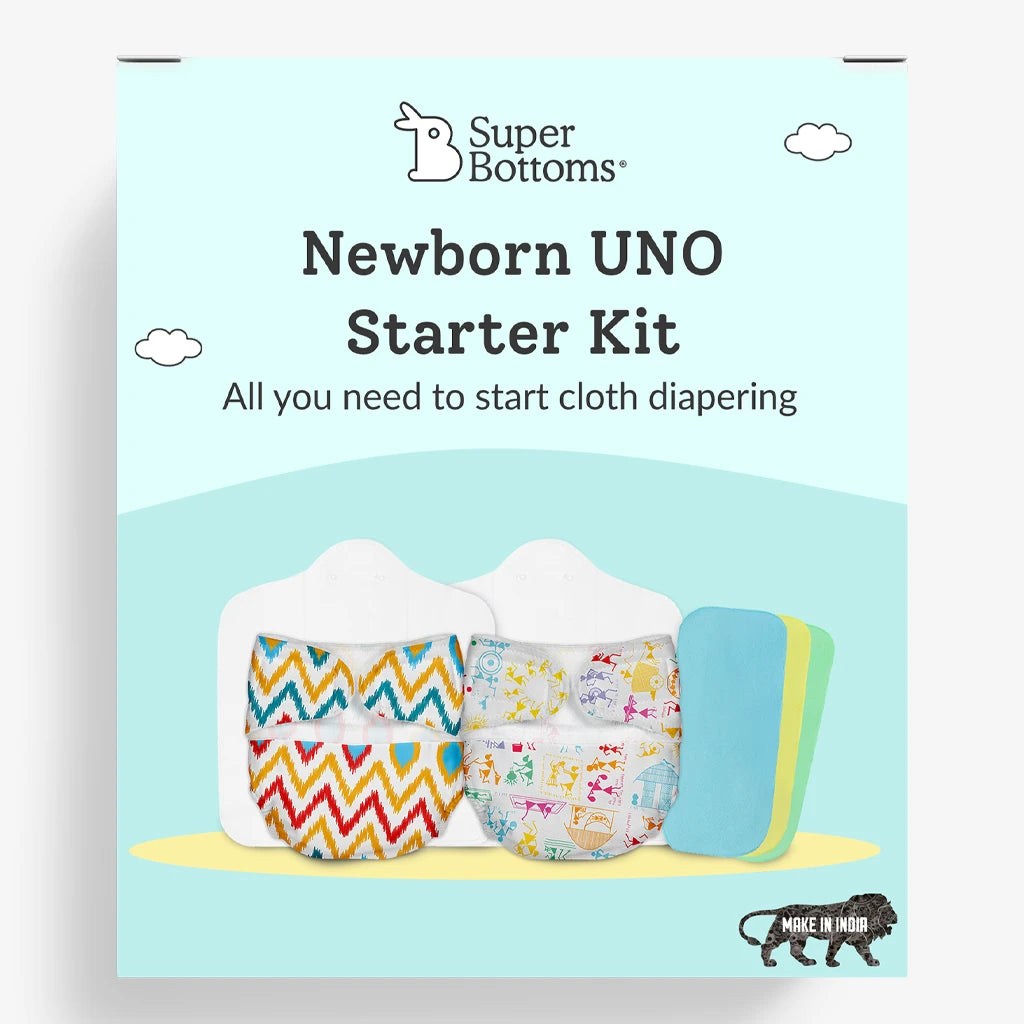
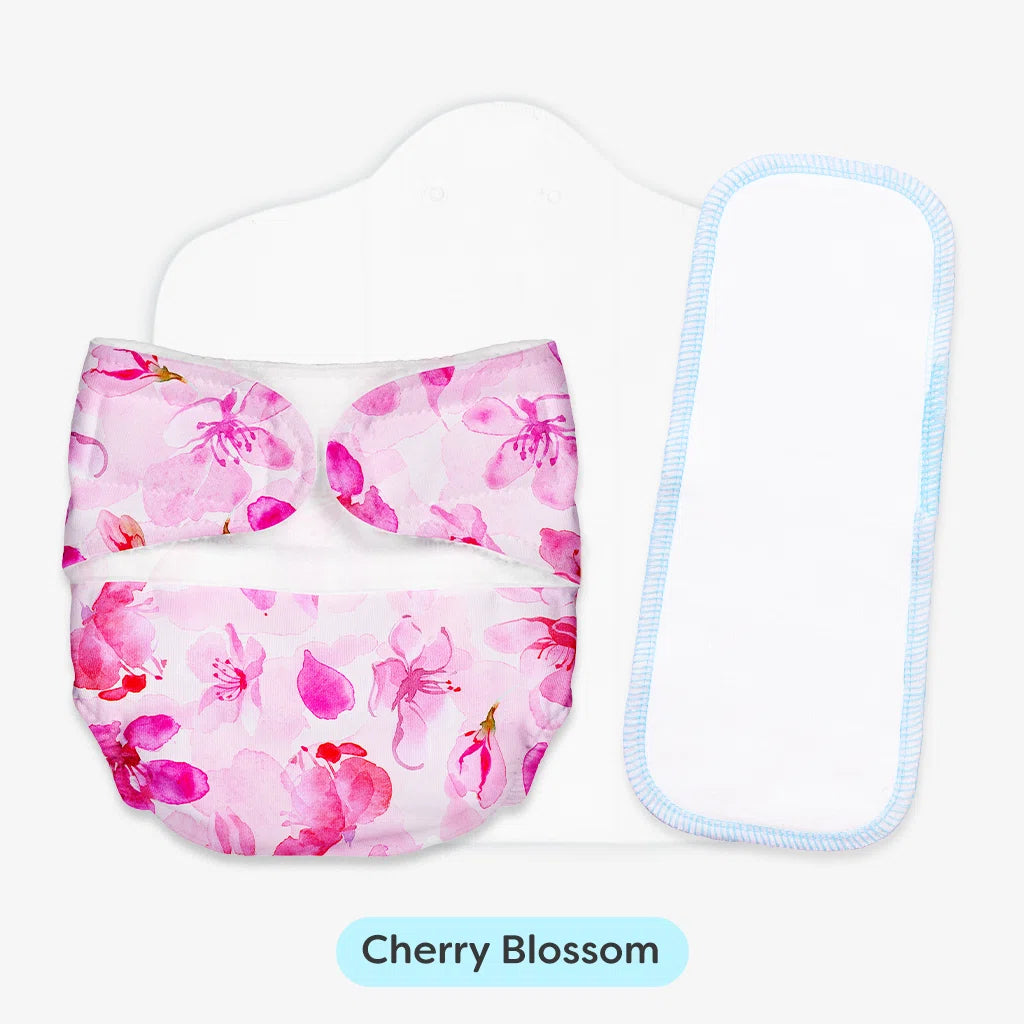
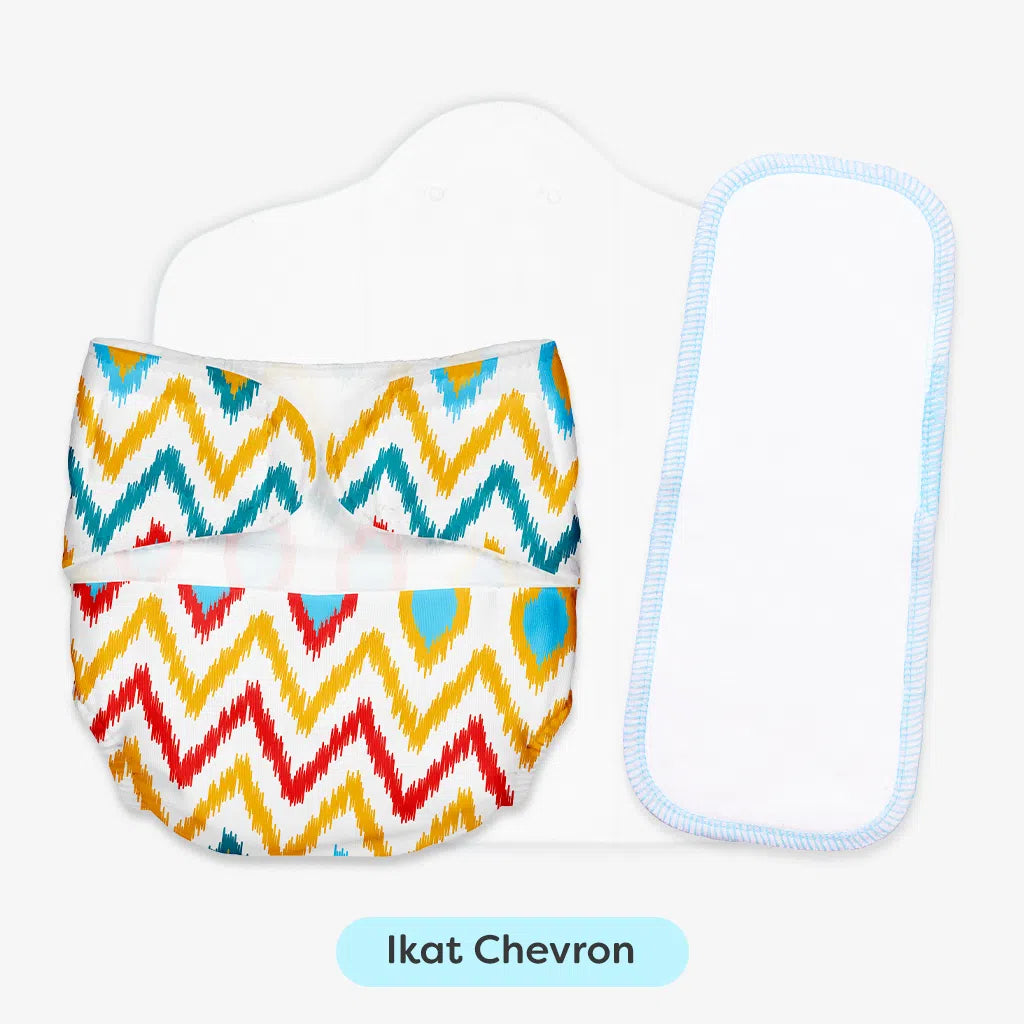
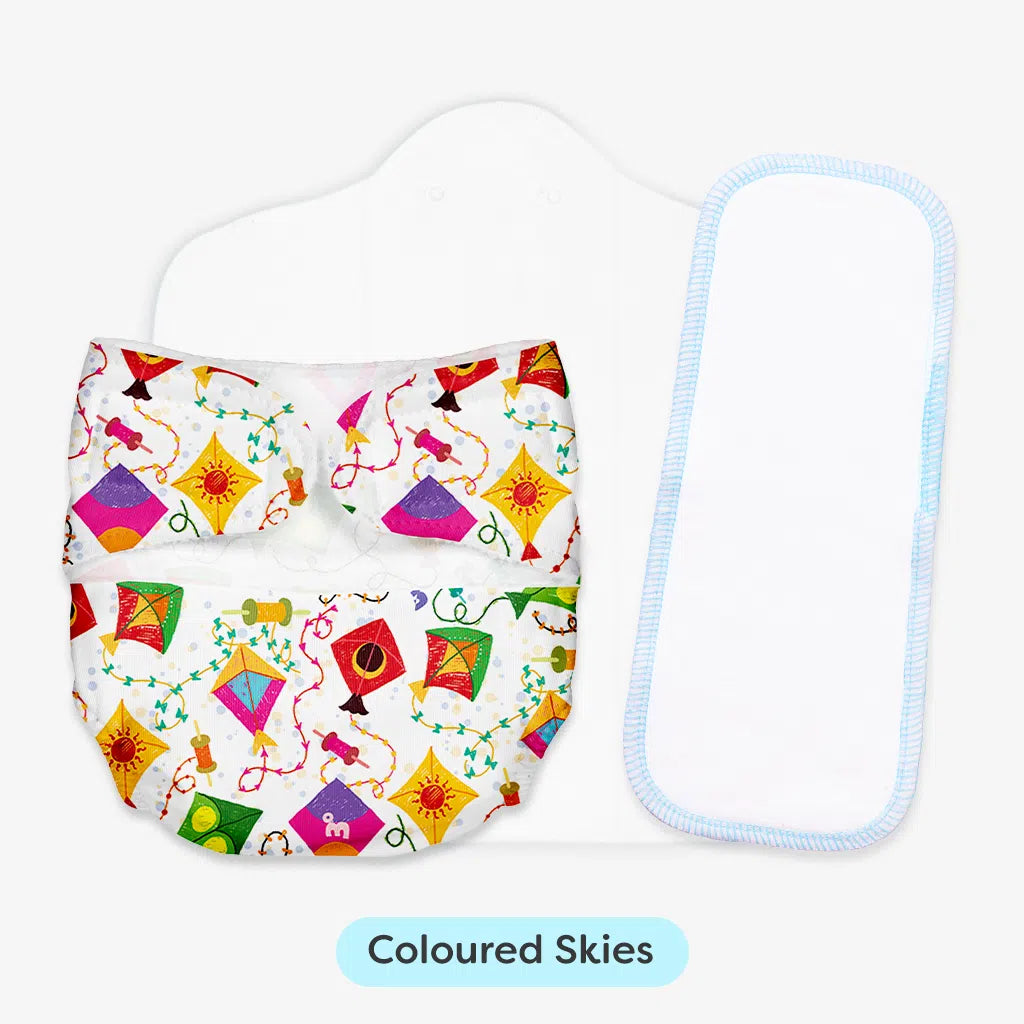
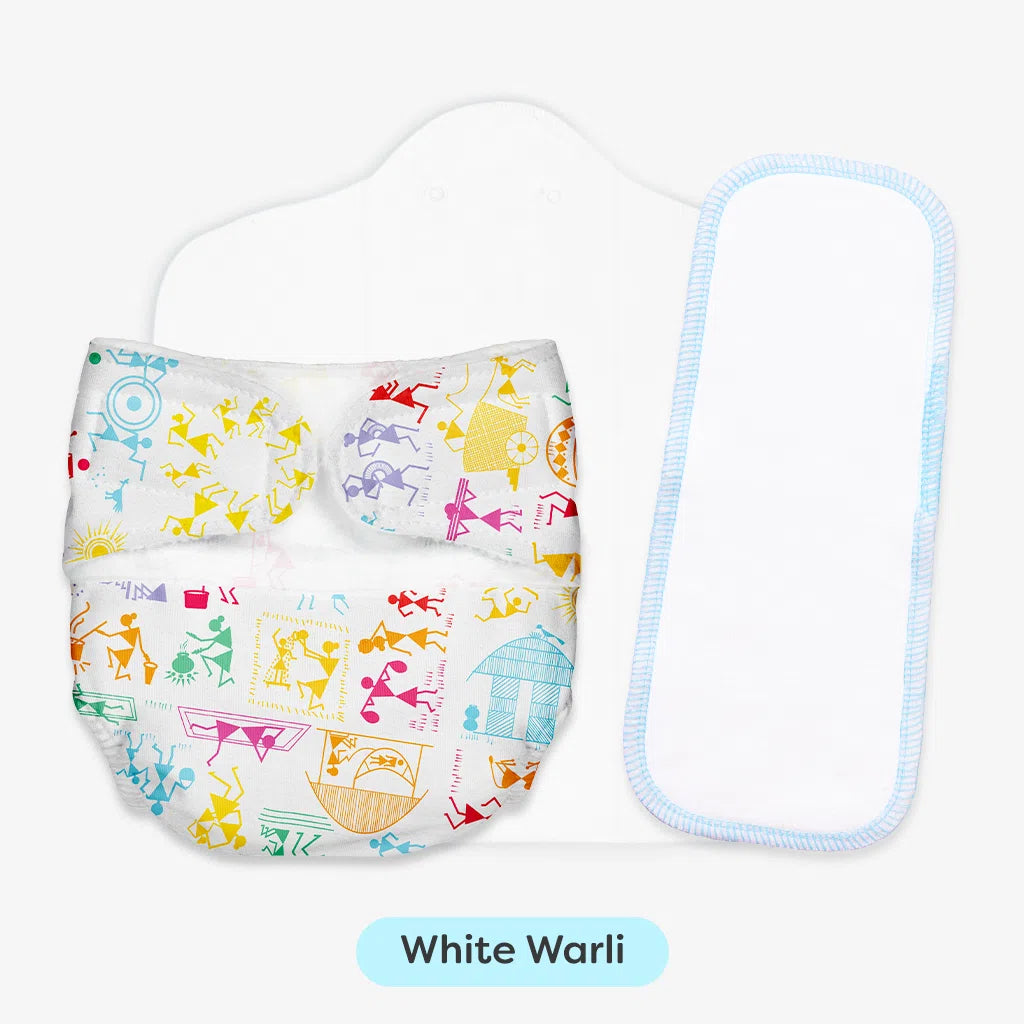
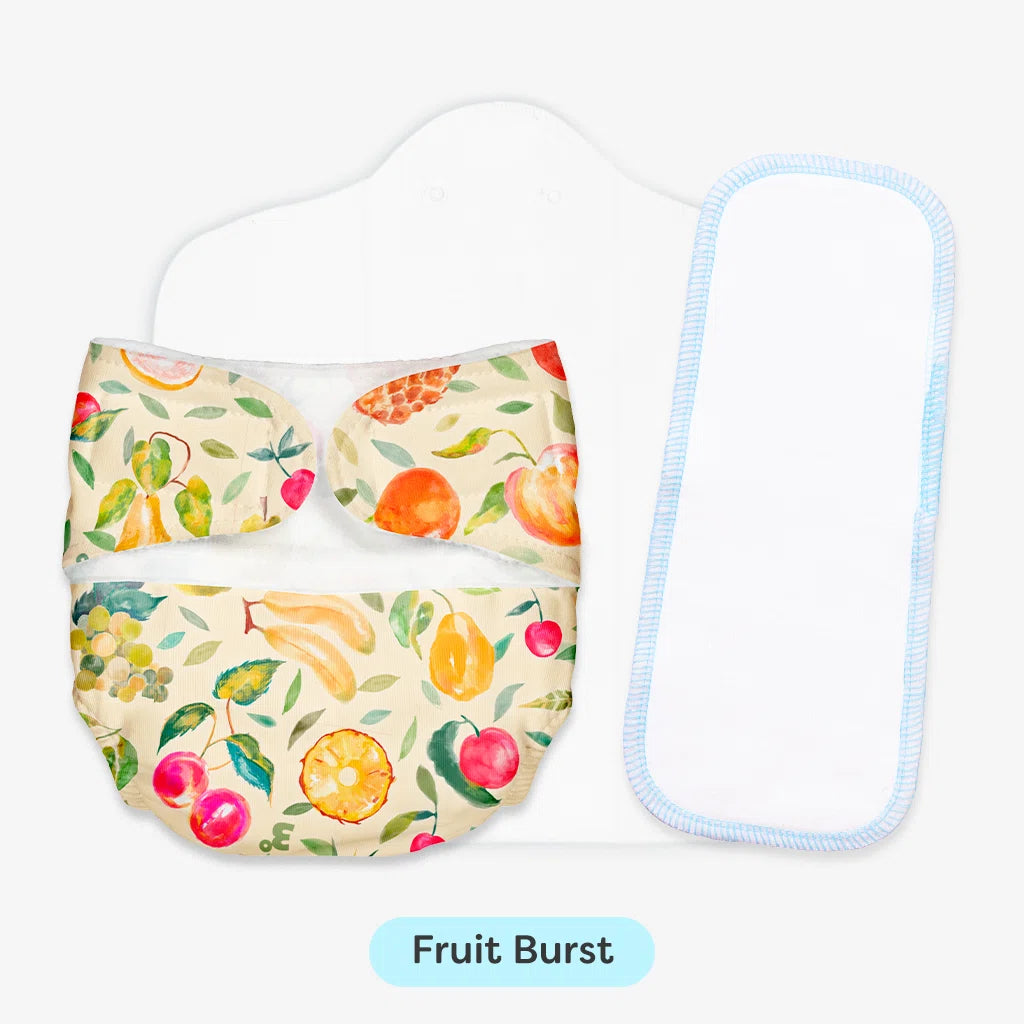
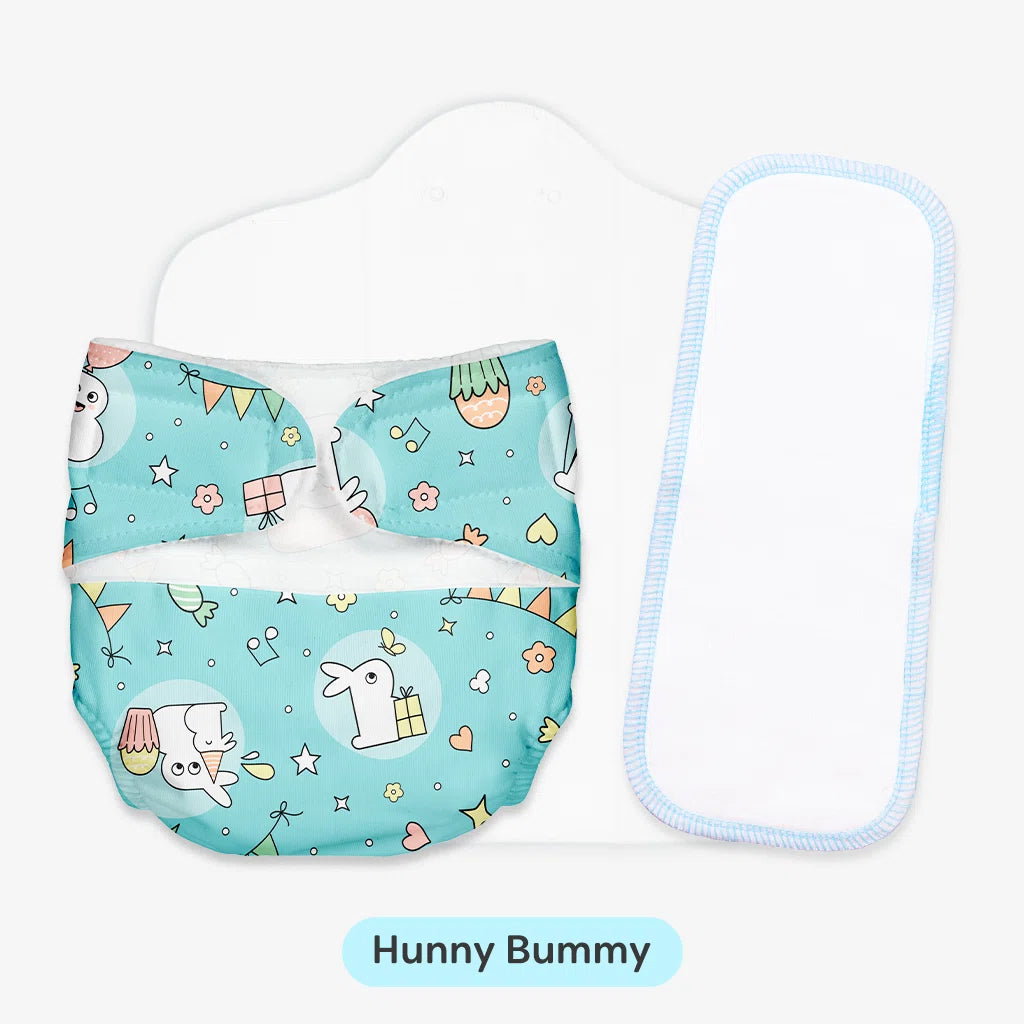
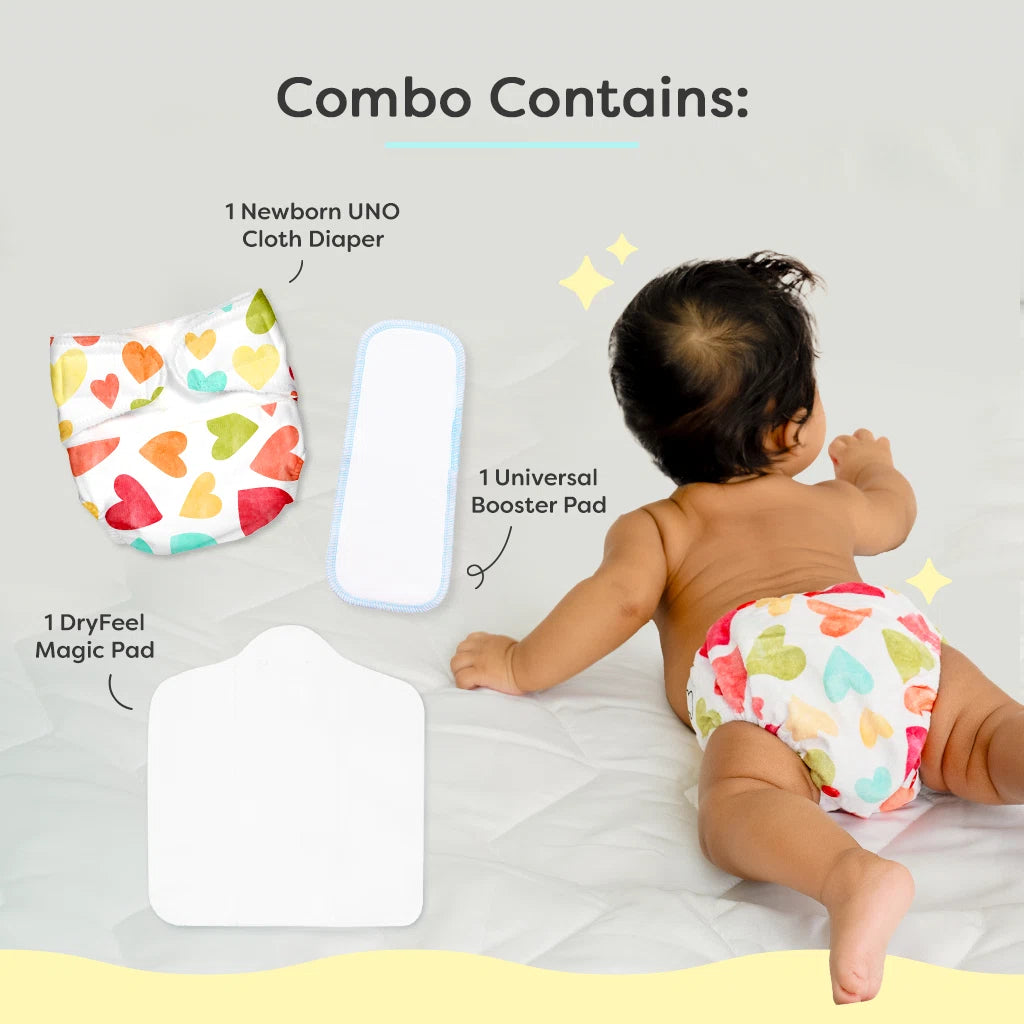
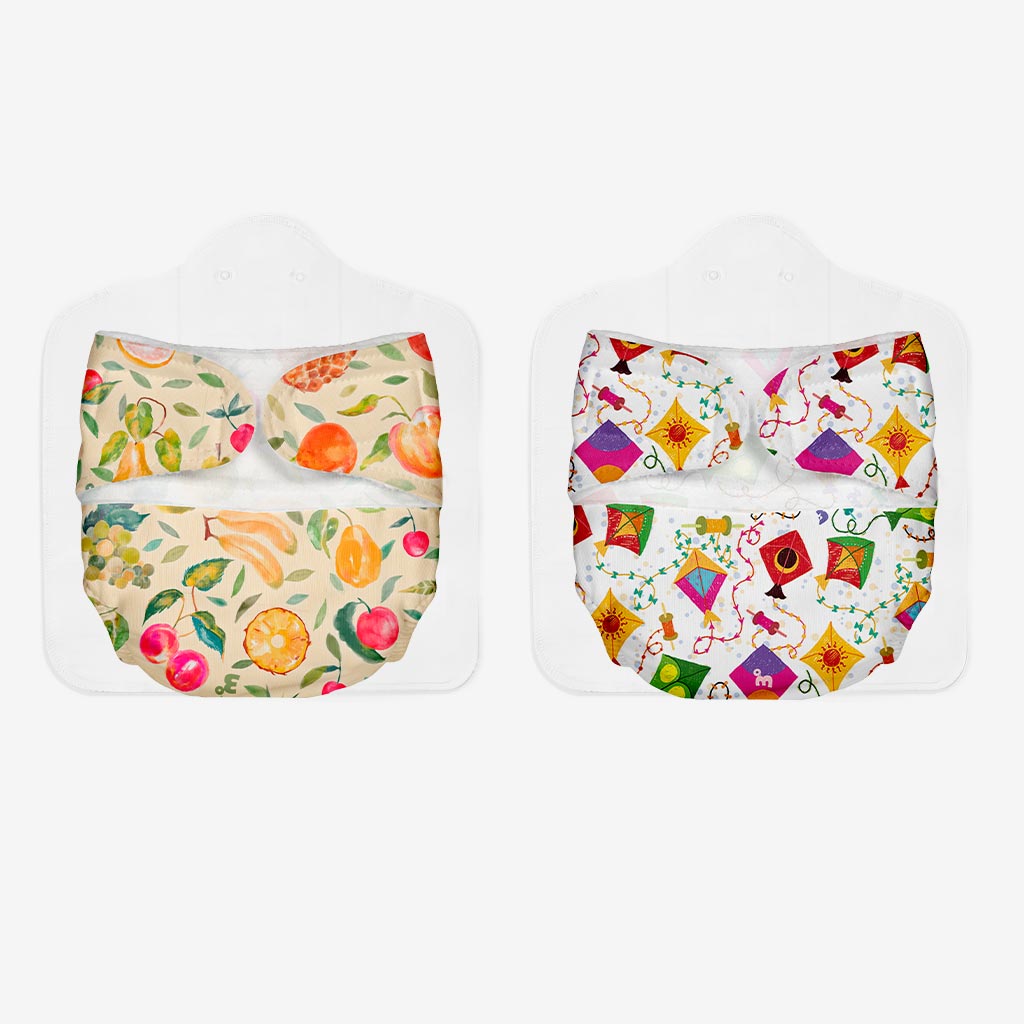
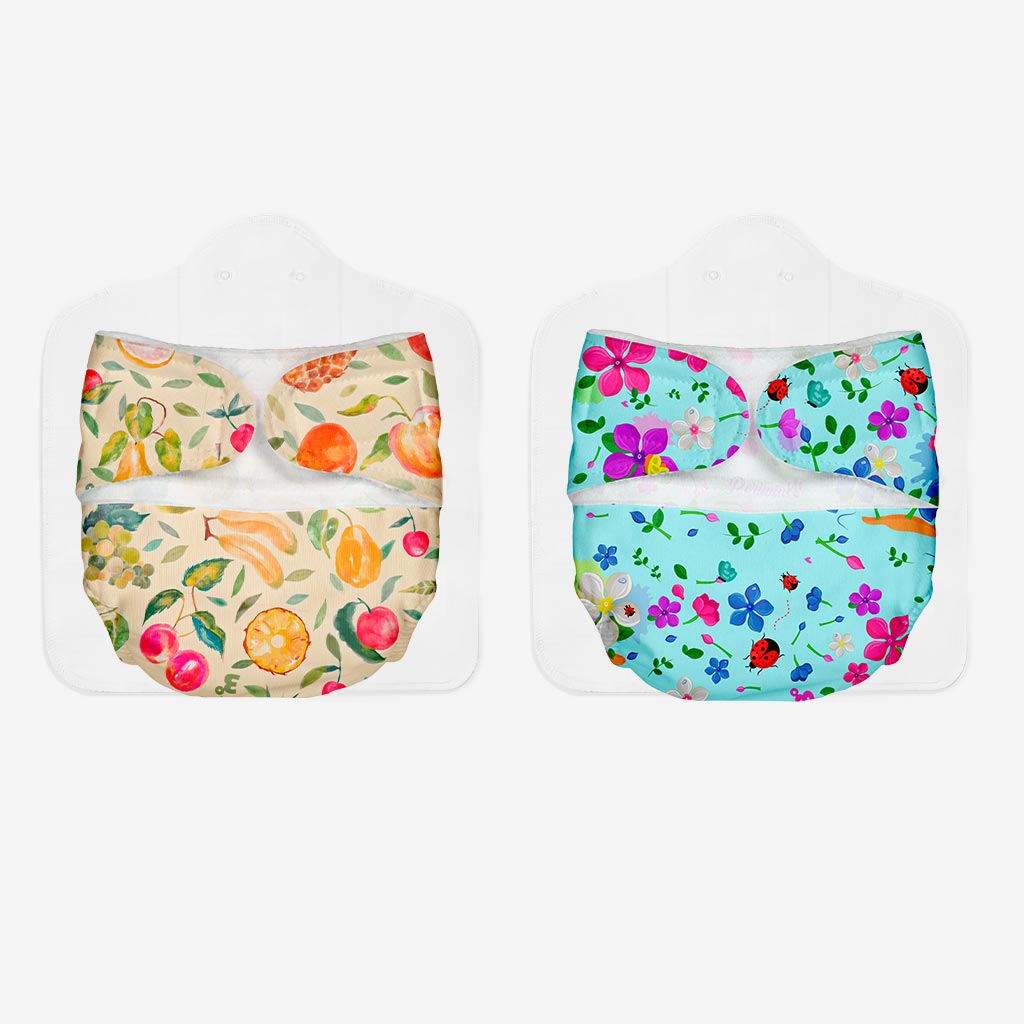
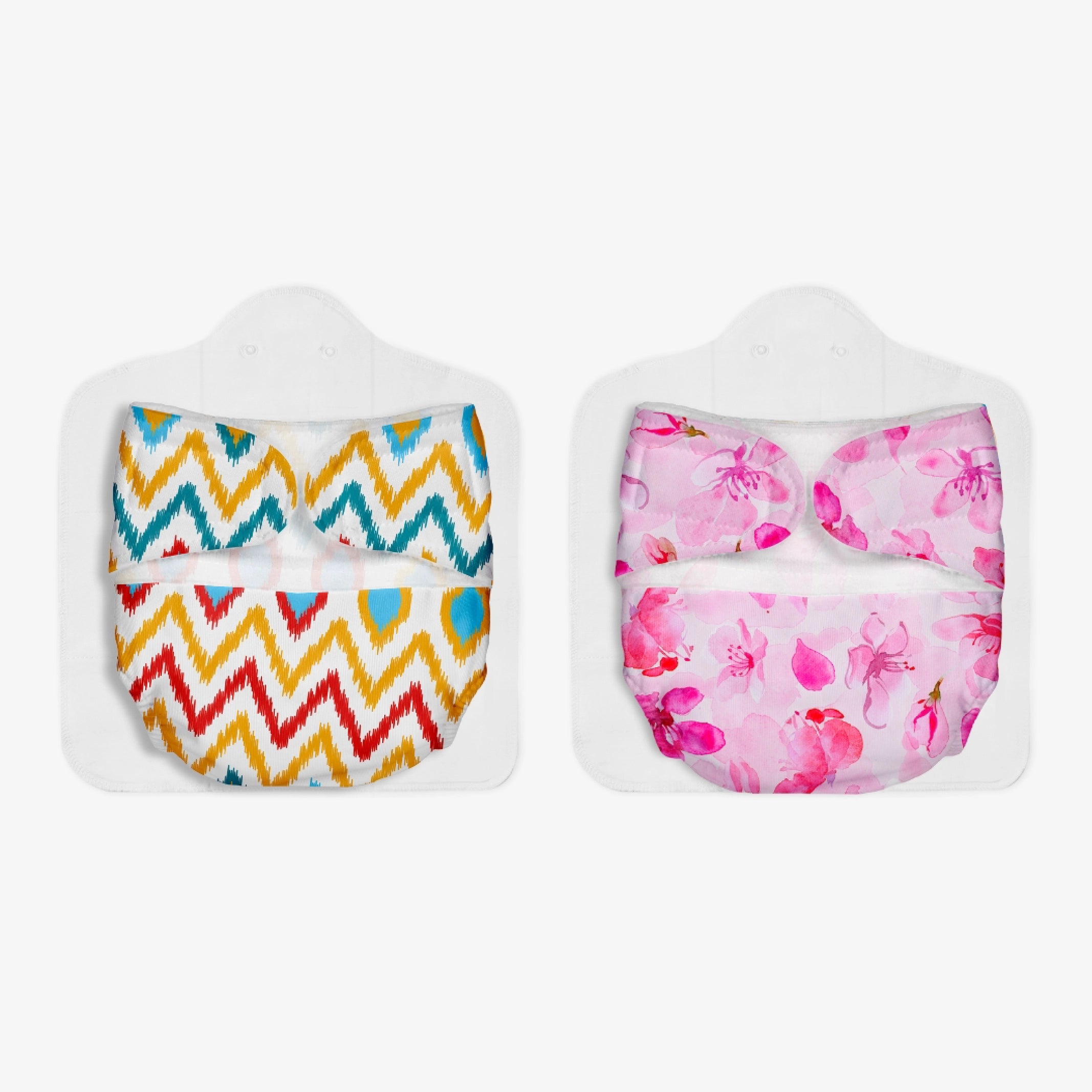
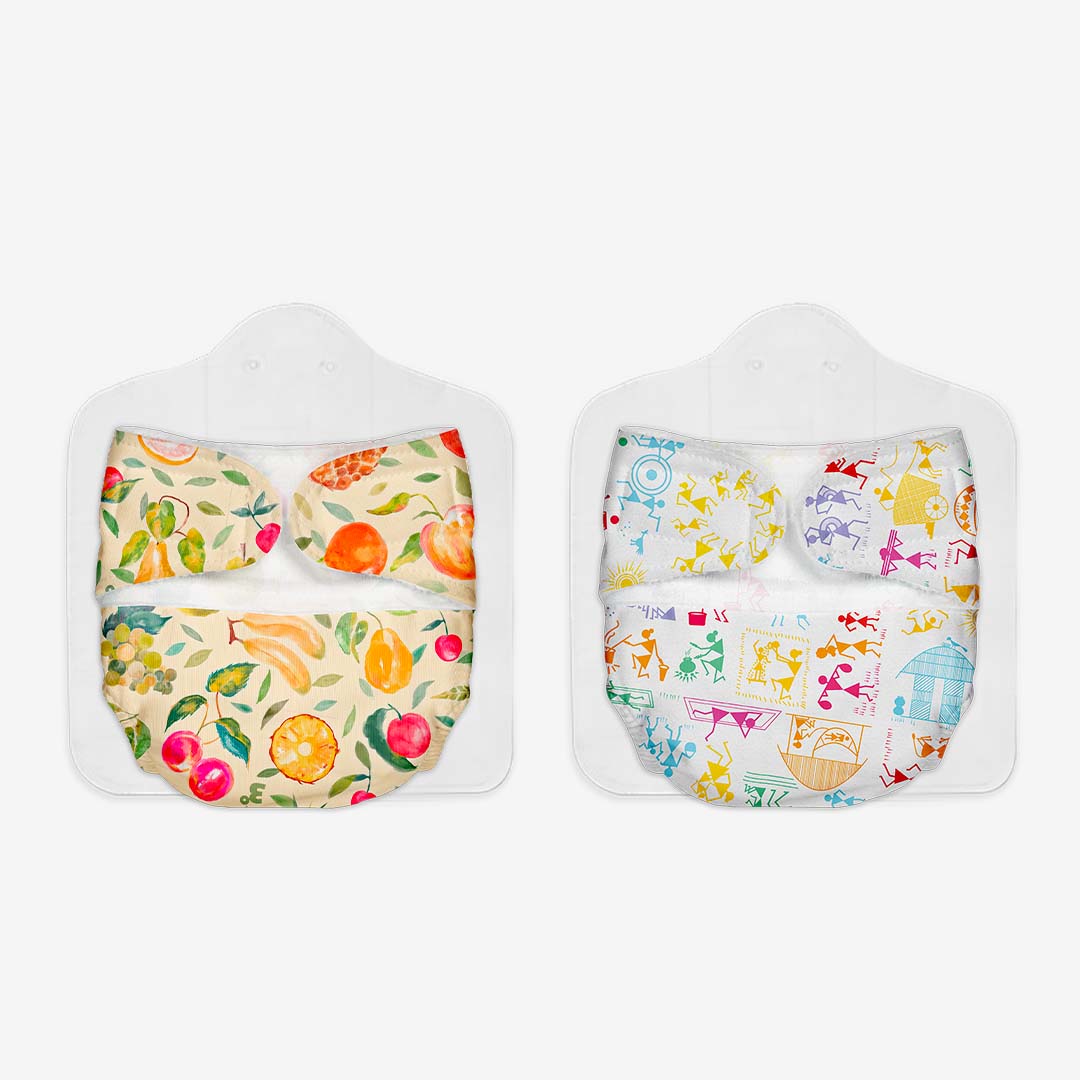
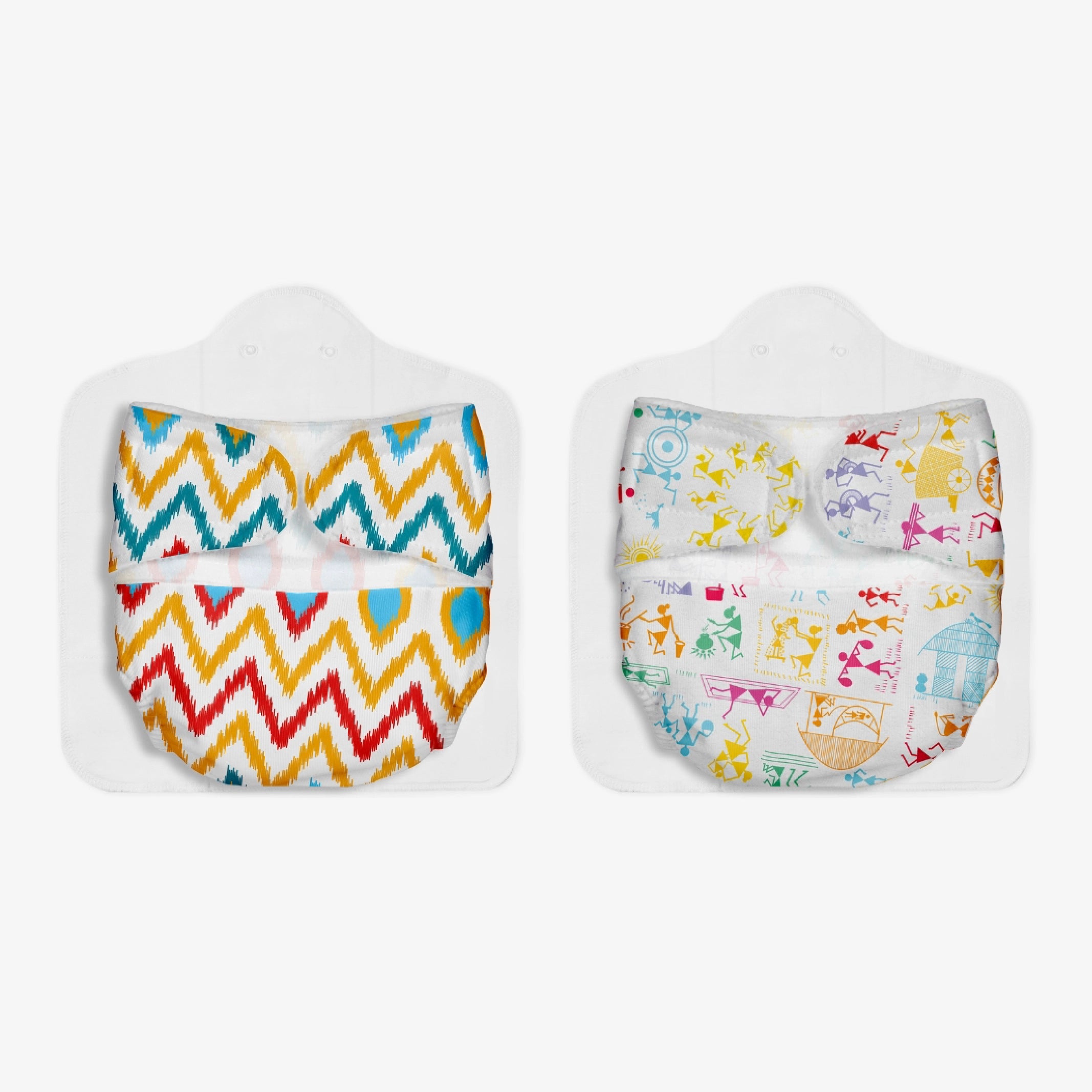
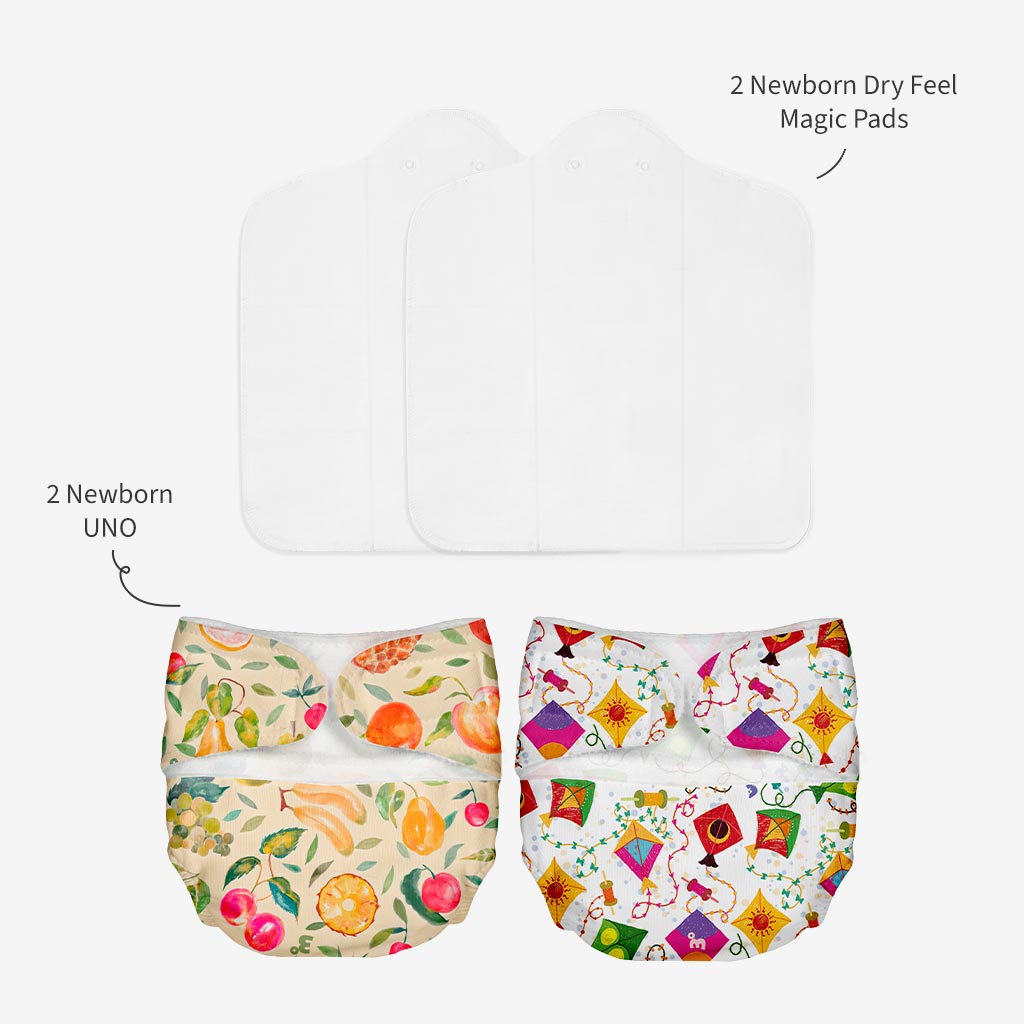
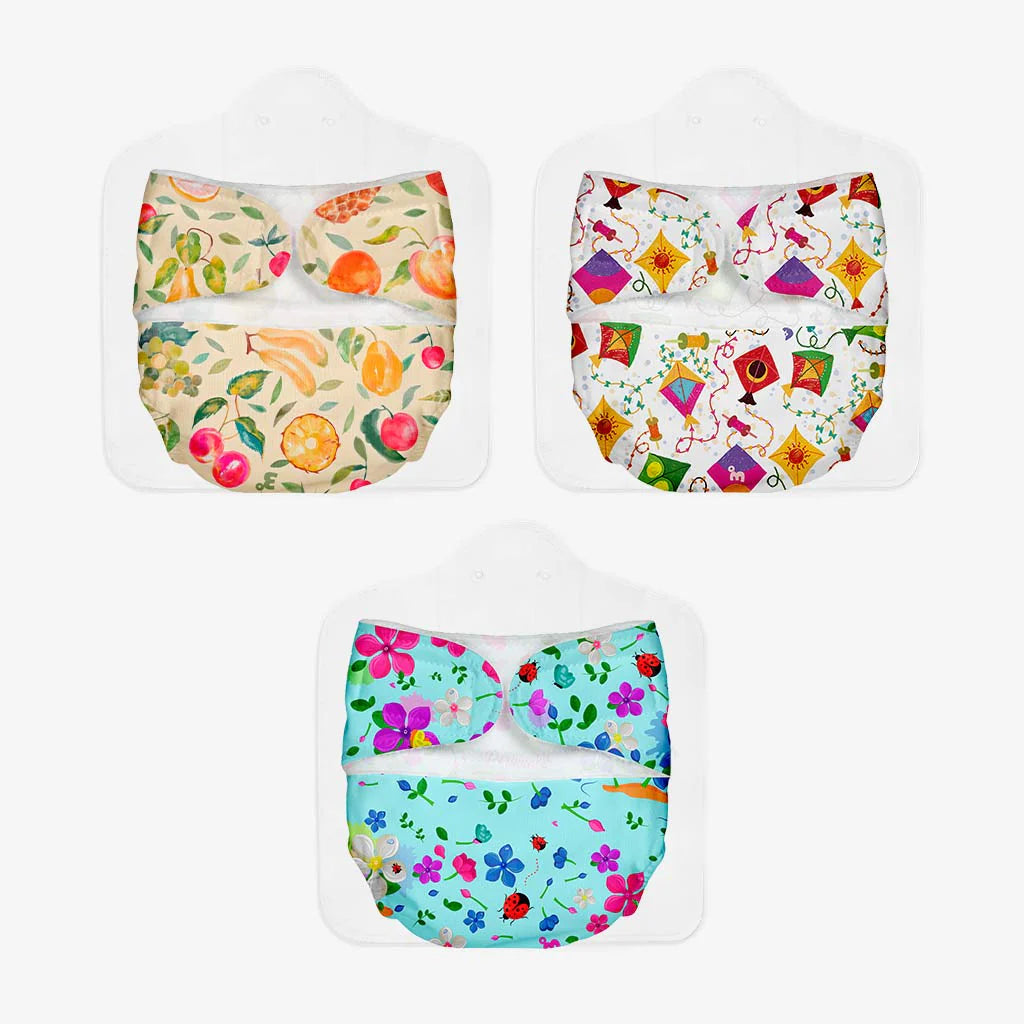
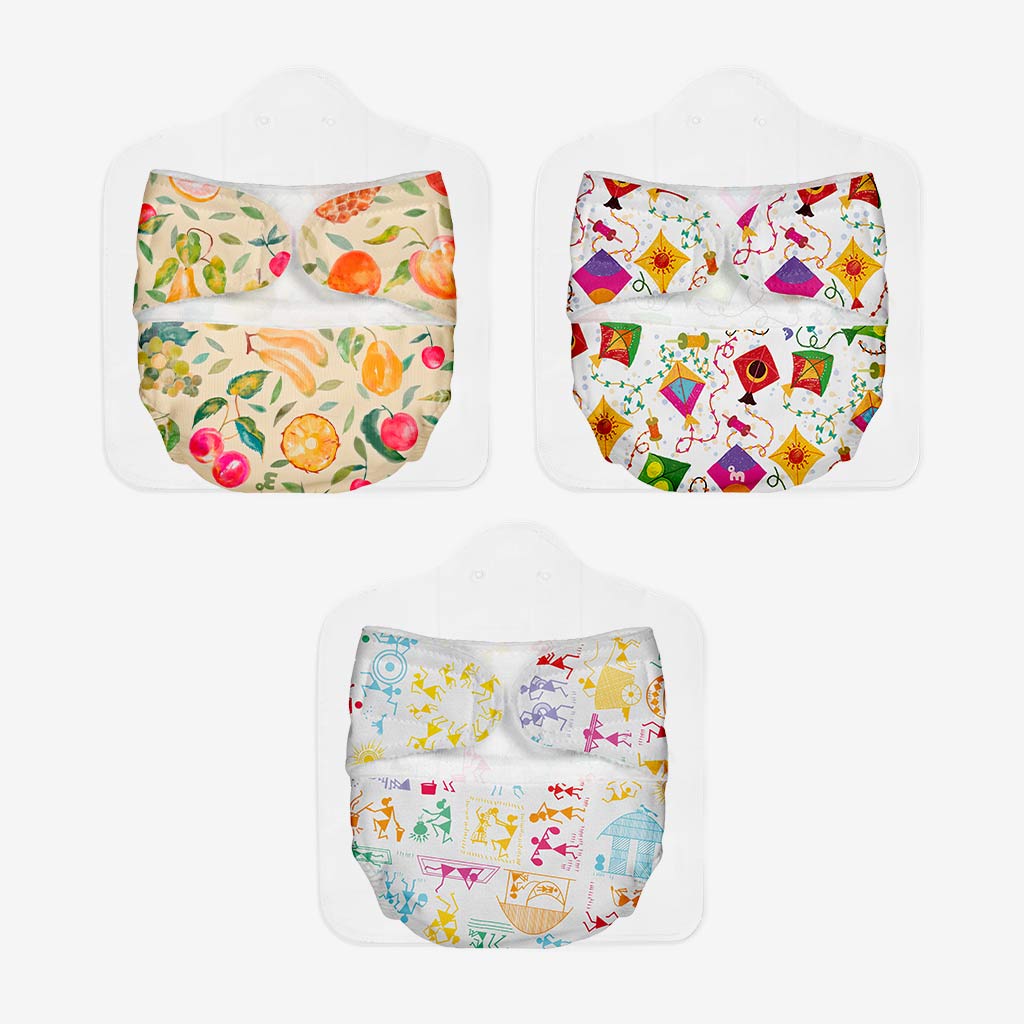
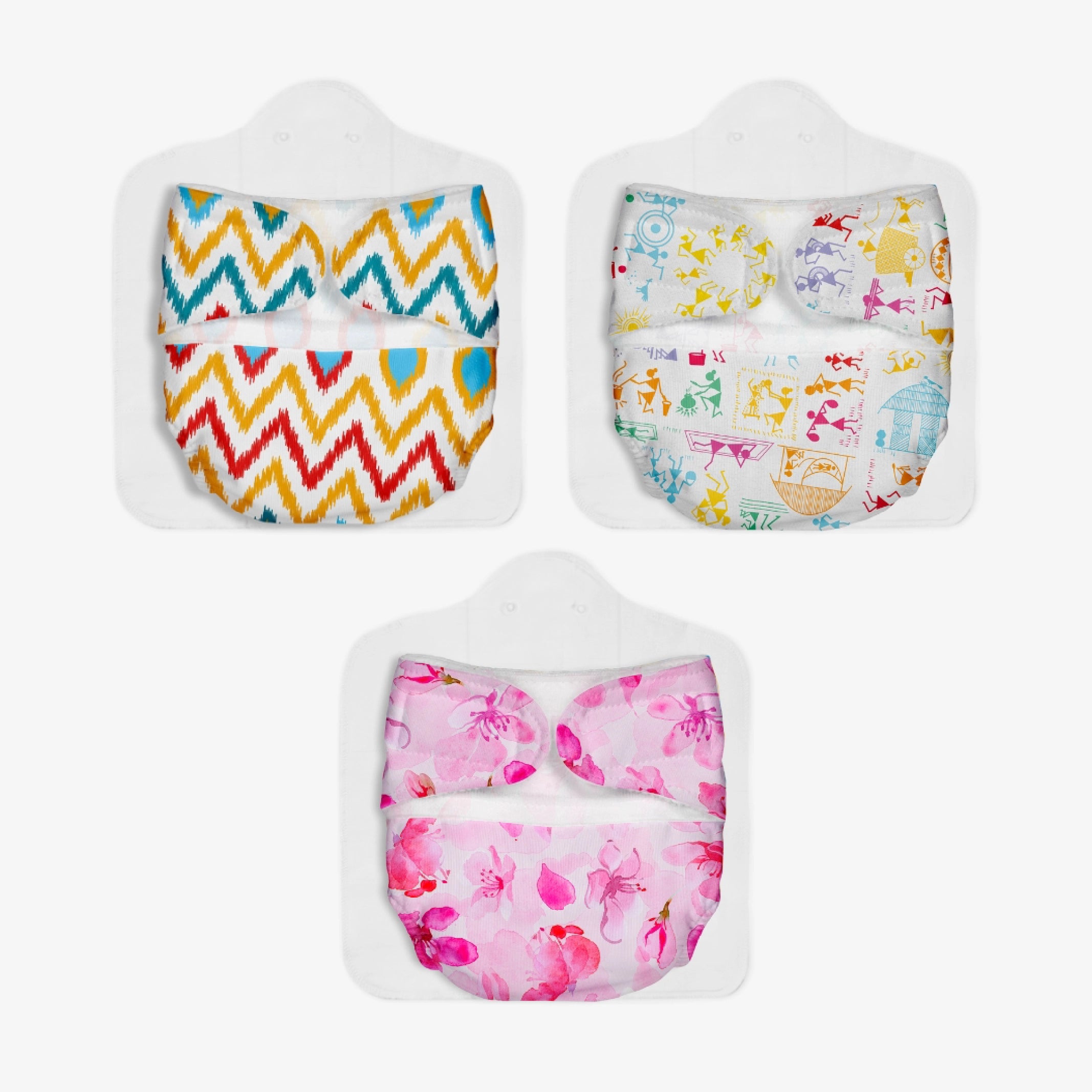
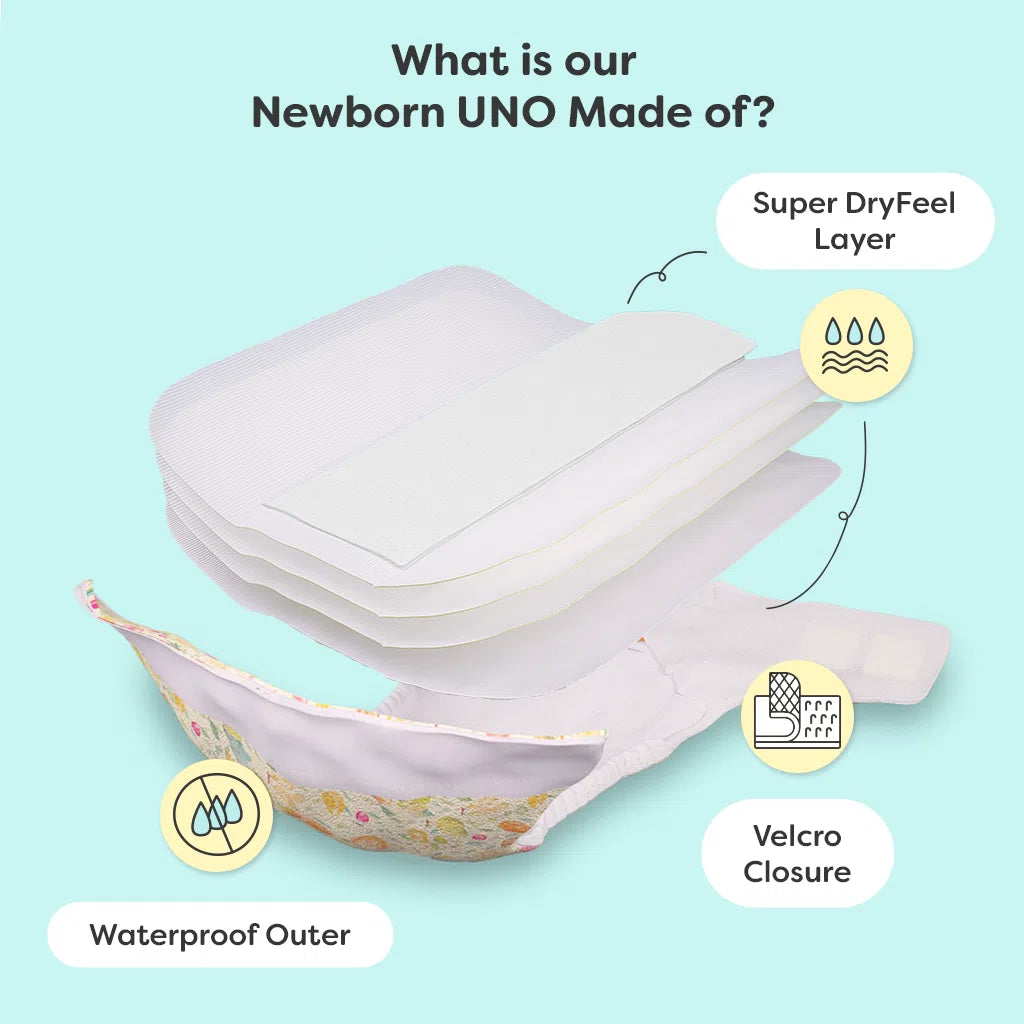
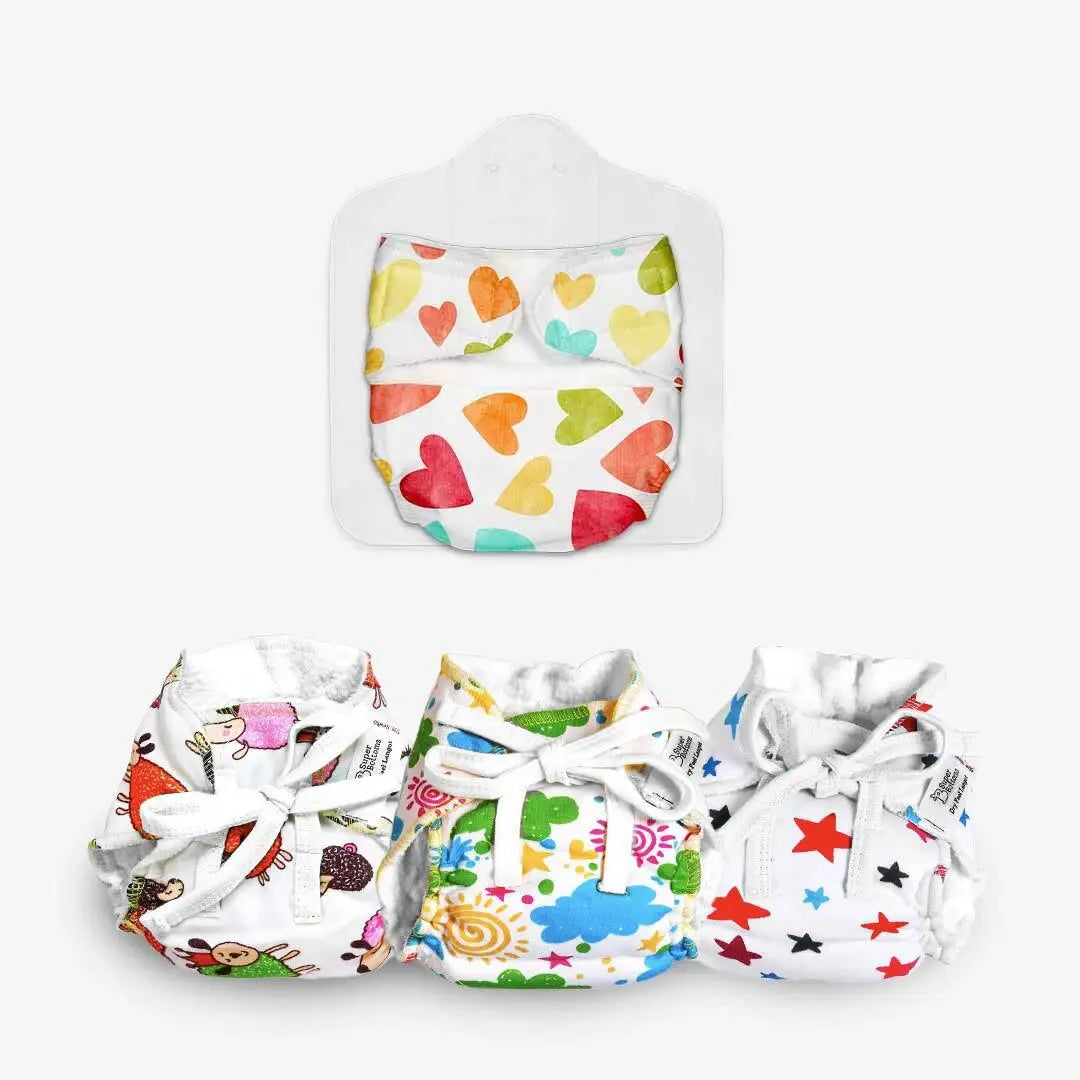
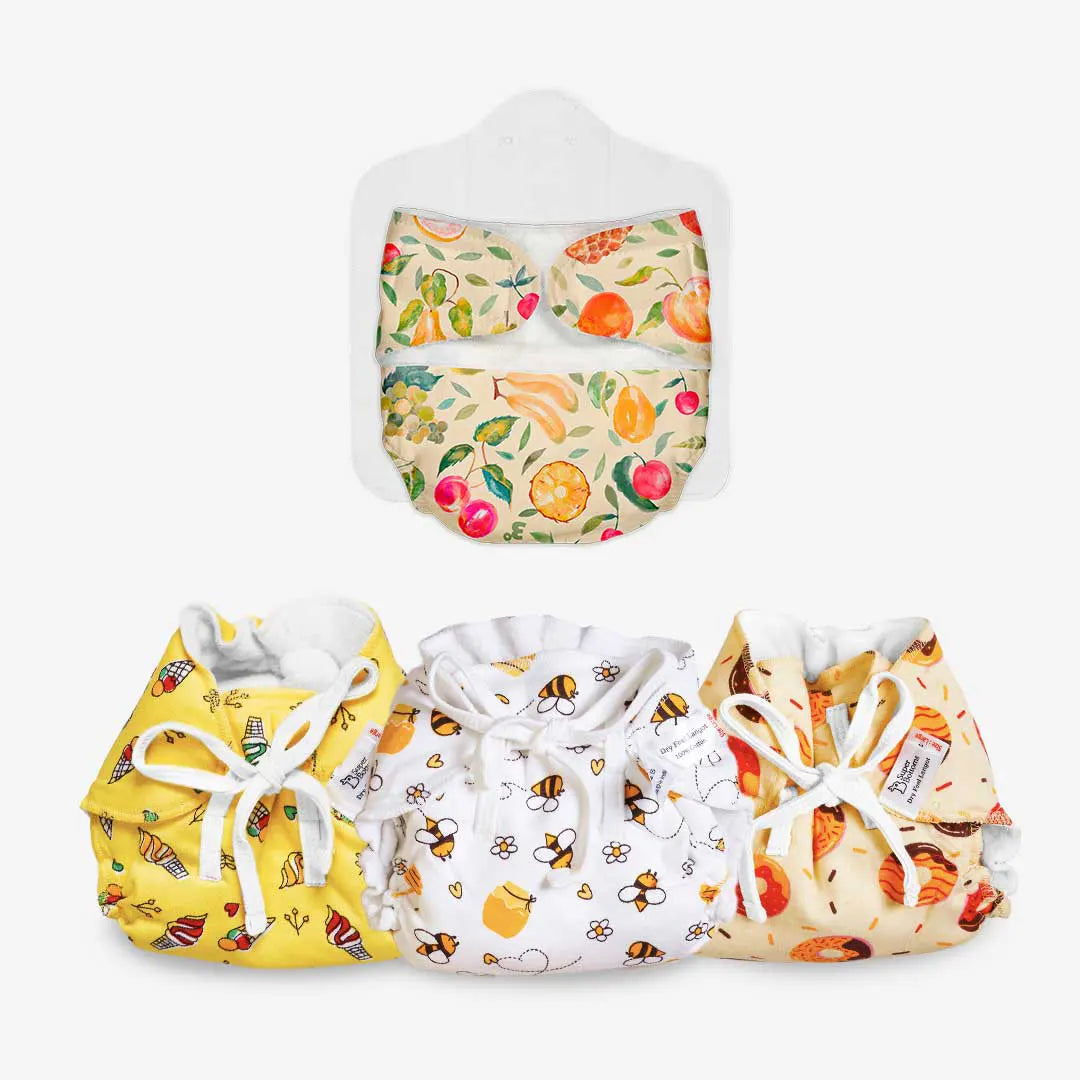
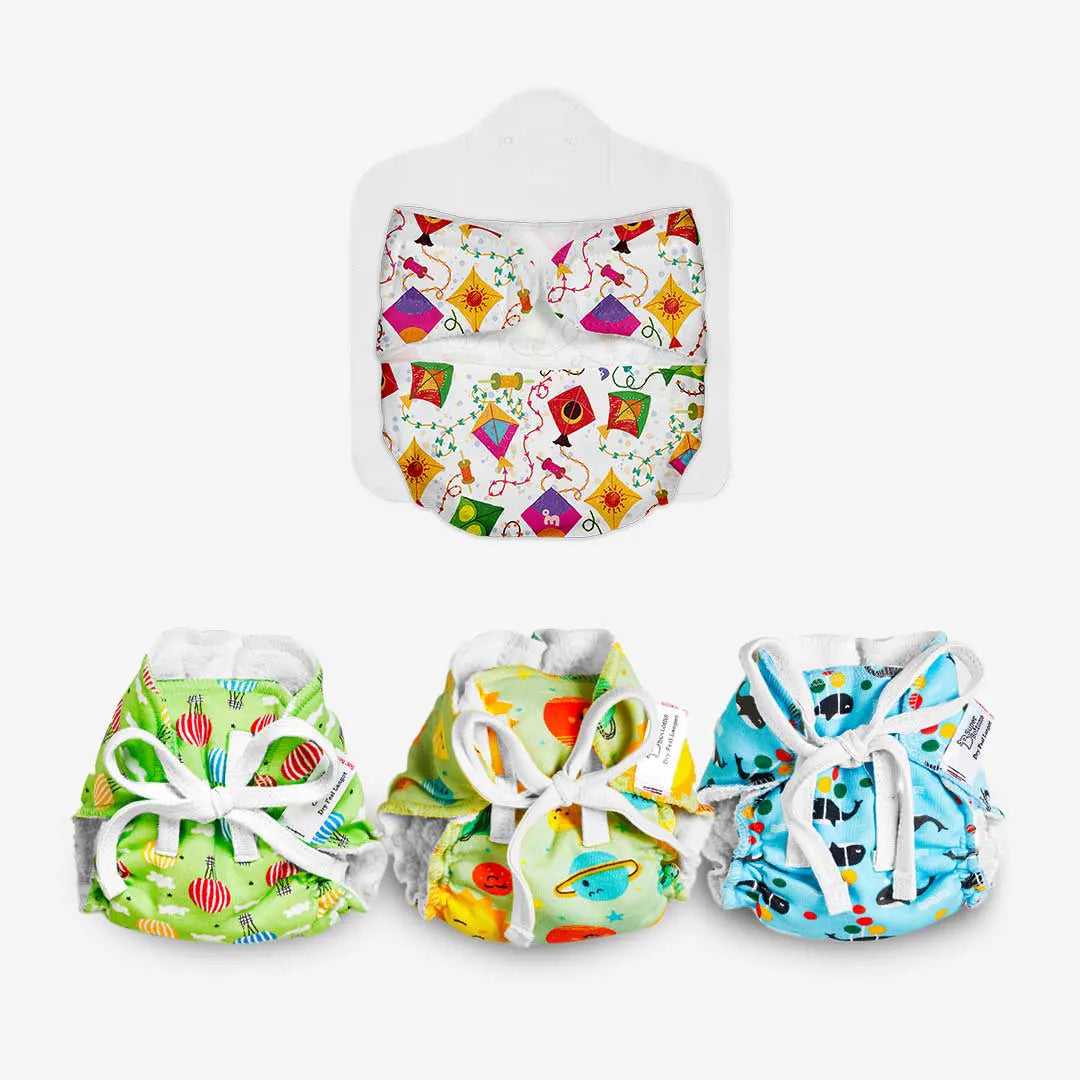
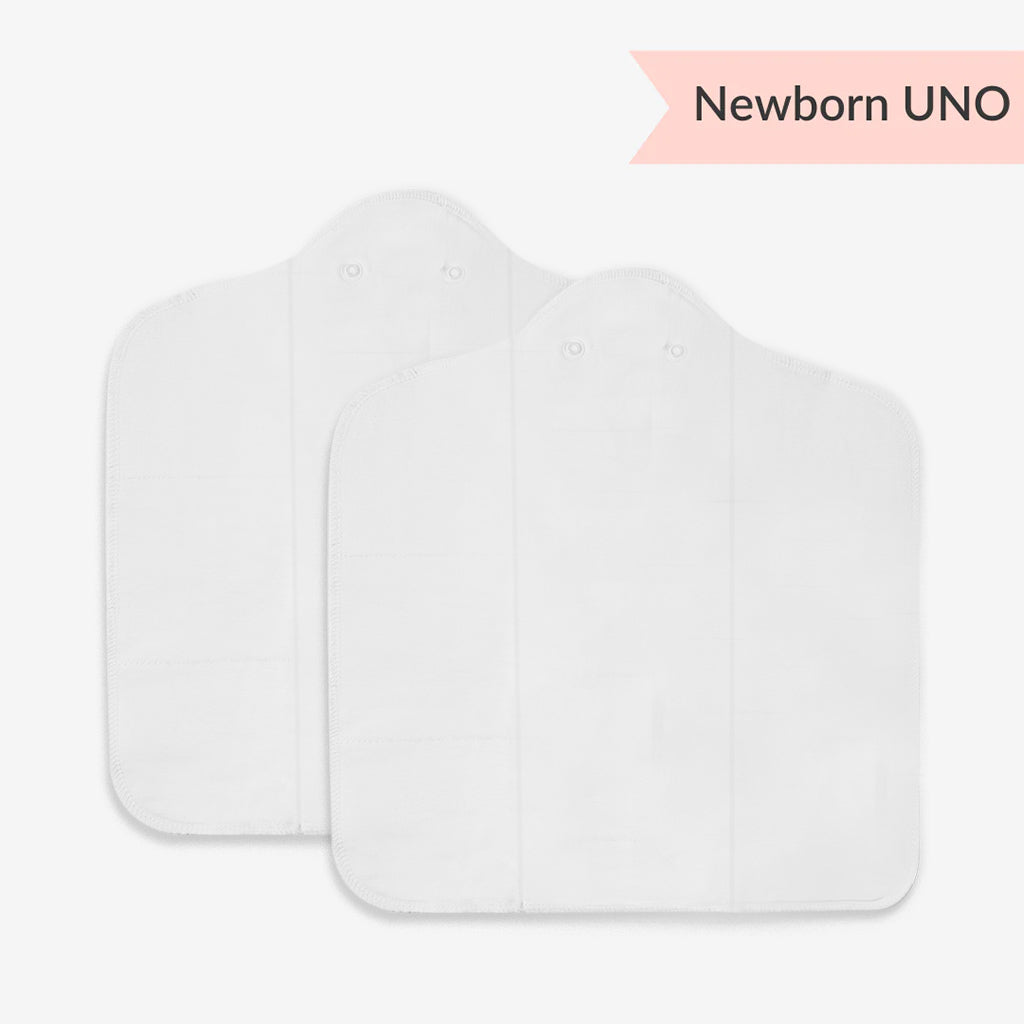
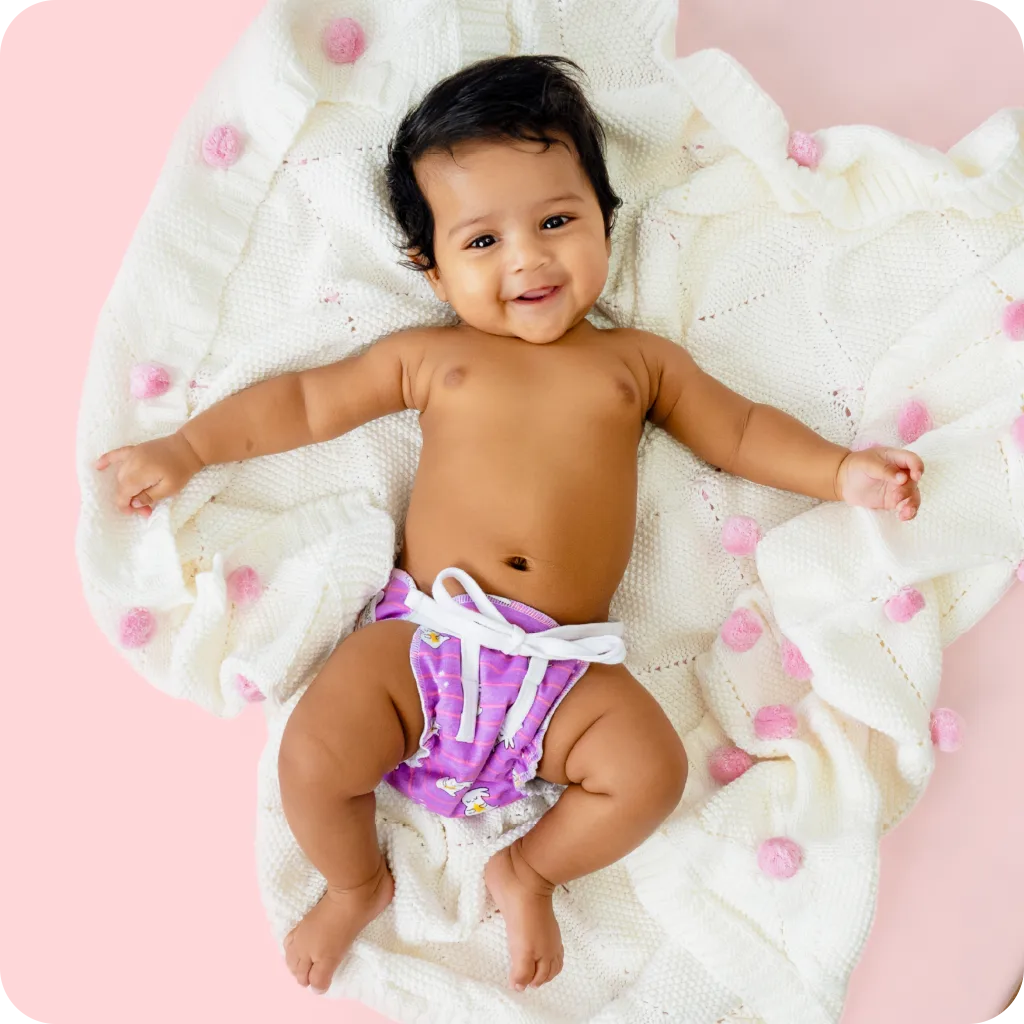
Parents planning to use reusable nappies can carry a small number of ready-to-use options. For instance, SuperBottoms Newborn UNO Luxe is designed for the newborn stage, approximately 0–3 months. It is an optional diapering choice, not a hospital requirement. Check your hospital's diapering policy and follow its guidance for changing and handling used nappies.
3. Feeding and everyday baby care
Pack only what you expect to use and what your hospital asks you to bring.
- Burp cloths or muslin squares
- Any feeding equipment specifically requested by your hospital
- Prescribed or recommended baby-care products, if applicable
If you plan to breastfeed, you generally do not need to pack formula or feeding bottles unless your healthcare team or hospital asks you to. If supplementation is required, follow your paediatrician's advice on the appropriate feeding method and supplies.
Avoid packing unnecessary cosmetics, perfumes or multiple skincare products for a newborn.
Expert guidance
The NHS recommends newborn clothing, nappies, wipes or cotton wool, muslin squares and a going-home outfit among the basic baby essentials. Your hospital's own instructions should determine any additional items.
What should your birth partner carry?
A birth partner may spend many hours at the hospital and can help keep documents, supplies and communication organised.
Their bag can include:
- One or two changes of clothes
- Toiletries and personal medicines
- Phone, charger and power bank
- Drinking water and permitted snacks
- Wallet, payment cards and some cash
- A list of important phone numbers
- Glasses or contact lenses, if needed
- A small notebook for instructions or questions
Check the hospital's rules before bringing outside food, electronic equipment or additional bedding.
Does a C-section need a different hospital bag checklist?
Most essentials are the same for vaginal and caesarean deliveries. However, a planned or unexpected C-section may involve additional recovery needs and a longer hospital stay, depending on your circumstances.
|
Item |
Vaginal delivery |
C-section |
|
Loose clothing |
Essential |
Choose clothing that does not press on the incision |
|
Maternity pads |
Usually needed |
Usually needed if experiencing vaginal bleeding |
|
Comfortable underwear |
High-waisted or loose styles may help |
Choose a waistband that sits comfortably away from the incision |
|
Feeding supplies |
As needed |
As needed |
|
Extra clothes and toiletries |
Pack for the expected stay |
Consider additional changes in case of a longer stay |
|
Recovery support |
Follow your care team's advice |
Ask your team about movement, wound care and any recommended support aids |
What parents should know
You do not need to buy a completely separate set of supplies for a C-section. Prioritise loose clothing, incision-friendly waistbands and any items your obstetrician recommends. Avoid using abdominal support garments unless your healthcare team advises that they are appropriate.
What should parents look for when choosing baby essentials?
The best hospital bag items are practical, comfortable and suited to your baby's needs rather than simply attractive.
Consider these four factors before buying newborn essentials:
- Comfort: Choose soft fabrics and clothing without irritating seams or unnecessary embellishments.
- Fit: Newborns vary in size. Make sure clothing and nappies fit appropriately without restricting movement or pressing against the umbilical stump.
- Practicality: Look for items that are easy to put on, remove and clean.
- Quantity: Buy enough for the hospital stay and initial days, but avoid overstocking before you know your baby's size and needs.
Reusable products may also be worth considering if you intend to continue using them at home. However, a hospital stay is not the time to feel pressured to introduce a new routine. Follow your hospital's policies and choose whatever is practical for your family.
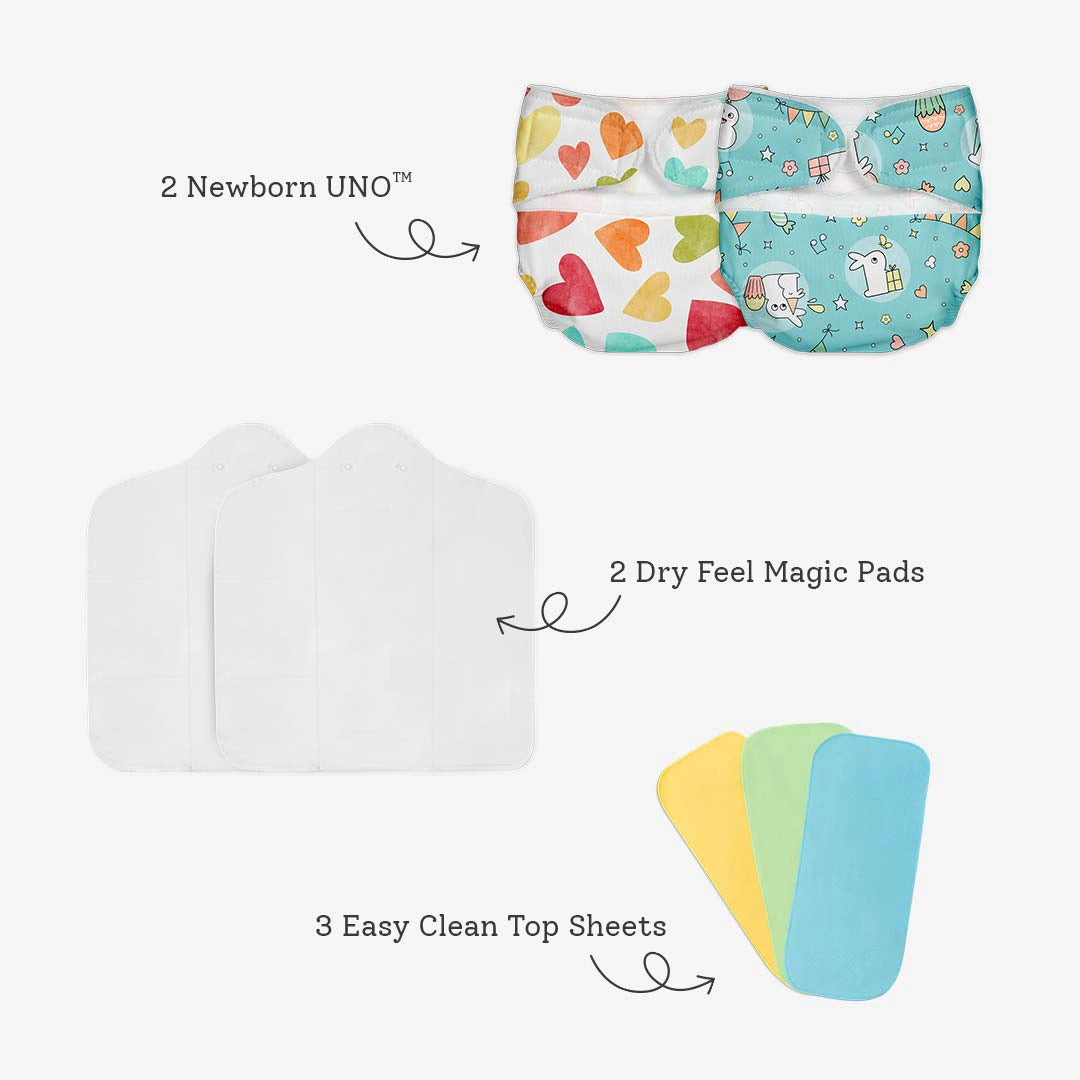
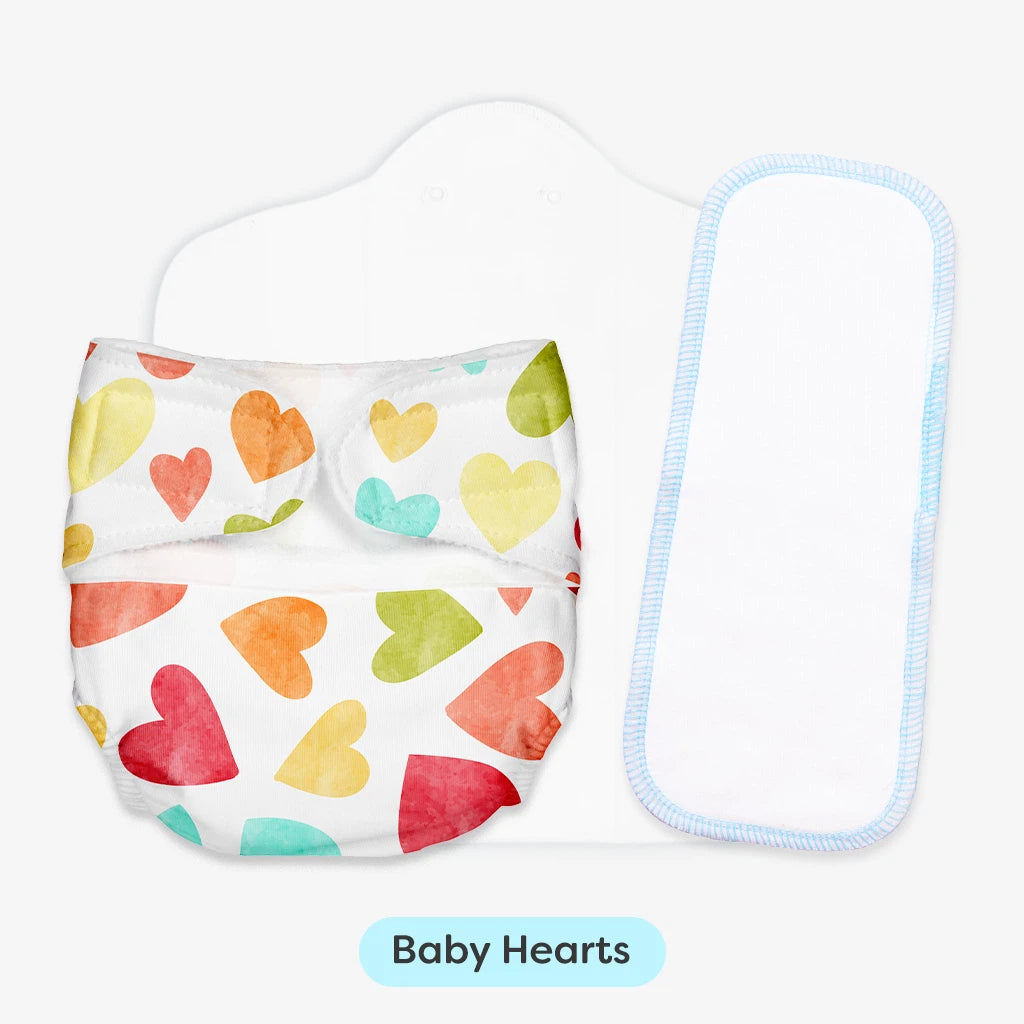
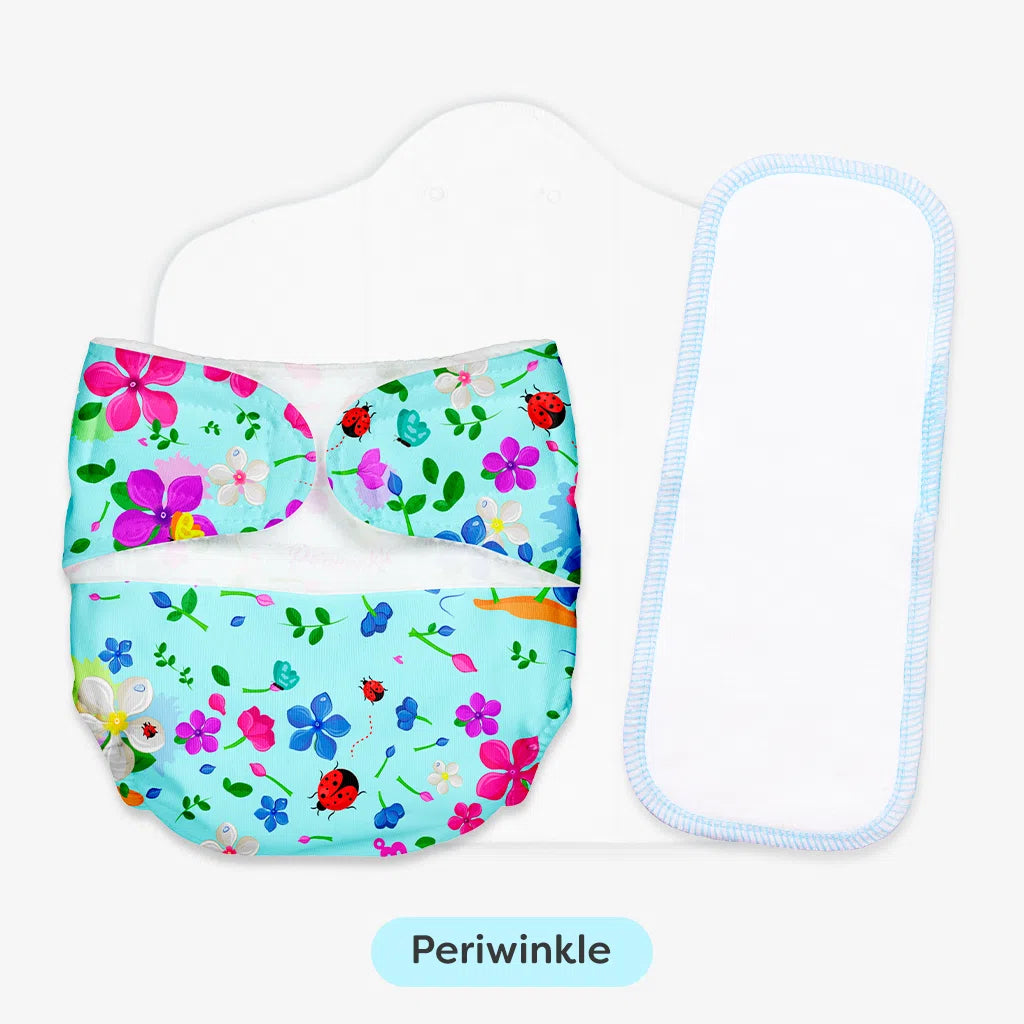
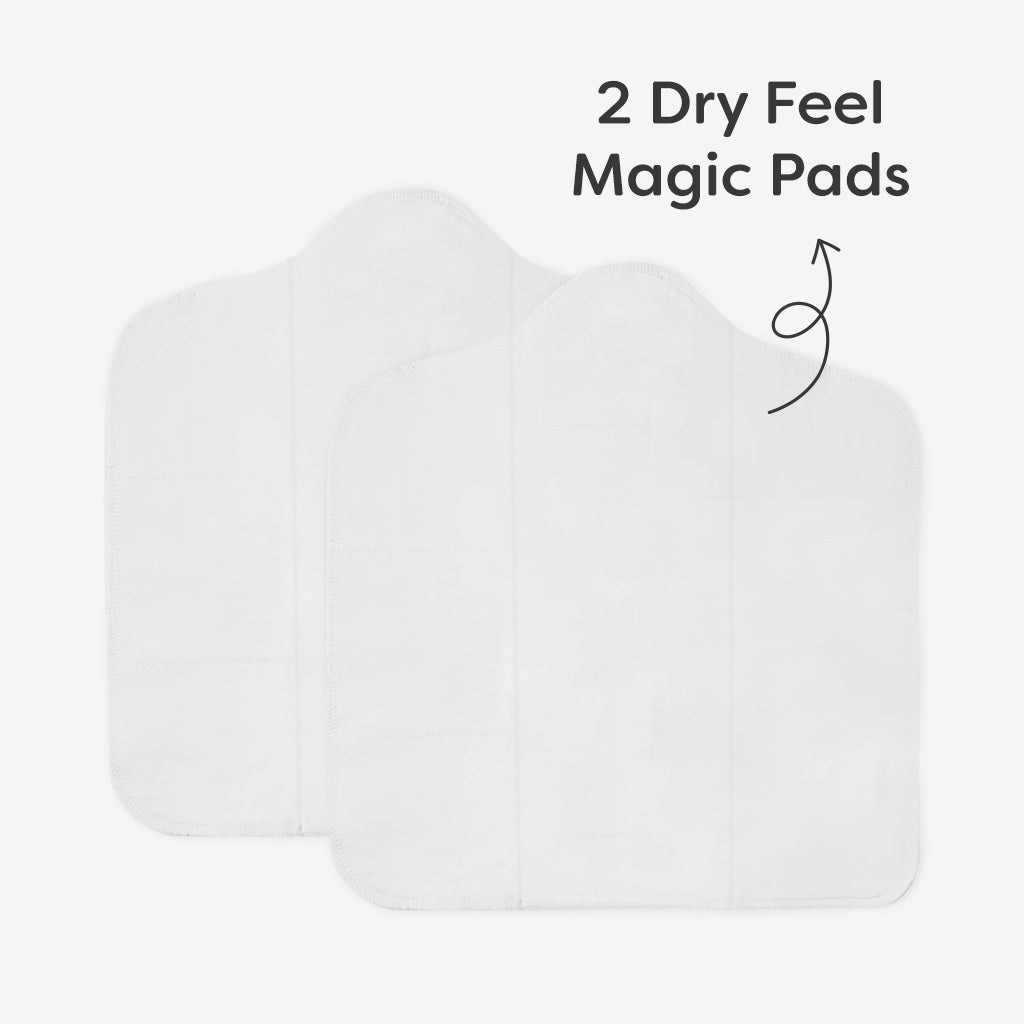
💡 SuperBottoms Pick: Newborn UNO LuxeIf you are planning to use reusable cloth nappies, Newborn UNO Luxe is one option designed for babies in the newborn stage. Its two-part design includes a waterproof outer and a DryFeel Magic Pad. |
It may suit parents who want to begin reusable diapering early. Before packing it, check whether your hospital supports reusable nappies and ask how used nappies should be stored until you return home.
What is the practical solution to last-minute packing stress?
Problem: Essential documents or everyday supplies can get overlooked when everything is packed into one large bag.
Solution: Pack separate pouches for medical documents, postpartum care and baby essentials, and label each pouch clearly.
Why it helps: Your birth partner can find what is needed without unpacking the entire bag, especially during admission or discharge.
Final hospital bag checklist
Use this checklist for a final review before your due date.
For the mother
- Antenatal records, ID and insurance documents
- Comfortable clothes and a going-home outfit
- Underwear, nursing bras and breast pads, if needed
- Maternity pads
- Toiletries, towels and slippers
- Prescribed medicines and medical information
- Phone, charger and water bottle
For the newborn
- Two or three changes of clothes
- Going-home outfit
- Nappies and changing supplies
- Muslin cloths or burp cloths
- Weather-appropriate blanket or shawl
- Feeding supplies requested by the hospital
- Infant car seat, if travelling home by car and required for your journey
For the birth partner
- Change of clothes and toiletries
- Phone, charger and power bank
- Snacks and water, if permitted
- Wallet, payment methods and emergency contacts
- Personal medicines
A well-packed hospital bag is about being prepared, not carrying everything you own. Start with your hospital's instructions, organise essentials into separate pouches and leave room for any additional needs your healthcare team identifies.
Once your bag is ready, keep it somewhere accessible and make sure your birth partner knows where the important documents and essentials are stored.
Key takeaways
- Pack your hospital bag by 32–34 weeks, or earlier if advised.
- Prioritise medical documents, postpartum care and newborn basics.
- Follow your hospital's instructions and pack for your expected stay.
FAQs
1. How many days before delivery should I pack my hospital bag?
Aim to have it ready by 32–34 weeks of pregnancy. Pack earlier if your doctor recommends it or you are expecting multiples.
2. What should I pack in a hospital bag for delivery in India?
Carry your antenatal records, identification, comfortable clothes, maternity pads, toiletries, newborn clothing, nappies and feeding supplies requested by your hospital.
3. Do I need to pack a separate hospital bag for my baby?
Not necessarily. You can use one suitcase with clearly labelled pouches or separate bags for yourself and your baby, depending on what is easiest to organise.
4. Can I use cloth nappies for my newborn in the hospital?
Possibly, but check the hospital's policy first. If permitted, carry clean, ready-to-use nappies and a suitable plan for storing used ones until you can wash them.
Message from SuperBottoms
Hi there, new parents! SuperBottoms brings you doctor-recommended cloth diapers, a trusted rash-free diapering solution specially designed for your baby's sensitive, delicate skin.
From Newborn UNO and Regular UNO to UNO Luxe, SuperBottoms offers reusable diapering solutions for every stage of your child's growth.
Our range also includes Diaper Pants, DryFeel langots for diaper-free time, Padded Underwear for potty training, as well as SuperSoft Underwear, Cycling Shorts and Joggers for growing kids.
Our collection also includes Period Underwear and bladder-leak solutions for women, along with everyday baby-care essentials.
SuperBottoms products also make thoughtful gifts for babies and new parents - practical, reusable and designed around the real needs of parents.
SuperBottoms products are now available on Amazon, Flipkart, FirstCry, Myntra, Nykaa, Blinkit, and Zepto.