






In this article, we will discuss:
- Hospital bag checklist for delivery
- Maternity essentials for mom
- Newborn baby hospital bag essentials
- Labour and postpartum recovery preparation
- Practical hospital packing tips
Your hospital bag does not need to contain everything a new parent could possibly need. It needs the essentials that will help you feel prepared for labour, recovery and your baby's first few days.
Packing can get confusing when different checklists recommend different quantities and products. The simplest approach is to prepare separate essentials for mom, baby and the birth partner, then confirm what your hospital already provides.
When should you pack your hospital bag?
Aim to have your hospital bag ready by around 35–36 weeks of pregnancy, or earlier if your obstetrician recommends it. If you are expecting twins or have been advised that your baby may arrive early, prepare sooner.
The NHS recommends packing at least three weeks before the due date because babies do not always arrive when expected.
A few practical tips:
- Keep your bag somewhere easy to access.
- Store documents and last-minute items in a labelled pouch.
- Share the bag's location and hospital route with your birth partner.
- Check your hospital's rules about clothing, toiletries, food, baby supplies and visitors.
What parents should know
A hospital bag checklist is a starting point, not a fixed shopping list. Your length of stay, delivery plan, medical needs and hospital facilities will determine what you actually need.
Hospital bag checklist for mom: What should you pack?
Your maternity hospital bag should cover three stages: labour, immediate postpartum recovery and your journey home.
1. Documents and essentials
Keep these together in a waterproof folder:
- Hospital registration documents and identification
- Pregnancy records, ultrasound reports and recent test results
- Insurance documents or cashless authorisation details, if applicable
- Doctor's contact information and prescriptions
- Birth preferences, if you have prepared them
- Phone, charger and a power bank
Carry any regular medication in its original packaging and tell your medical team what you take. Follow their instructions about medication during your hospital stay.
2. Clothing and personal care
Pack items that feel comfortable and are easy to change:
- Two or three loose nightdresses or front-opening tops
- Comfortable underwear that accommodates maternity pads
- Nursing bras and breast pads, if needed
- A going-home outfit
- A light cardigan or shawl
- Non-slip slippers or flip-flops
- Socks and a towel, if required by the hospital
- Toothbrush, toothpaste, soap, shampoo and deodorant
- Hair ties, lip balm and basic skincare
In India's warmer months, breathable cotton clothing can be a practical choice. For winter deliveries or air-conditioned wards, keep an extra layer handy.
3. Postpartum recovery essentials
After delivery, bleeding and physical discomfort are common parts of recovery. Consider packing:
- Maternity pads suited to heavier postpartum flow
- Comfortable, roomy underwear
- Breast pads for possible milk leakage
- A reusable water bottle
- Any personal recovery supplies recommended by your obstetrician
Washable nursing pads may be worth considering if you prefer reusable alternatives to disposable pads. Choose based on comfort, absorbency, washing requirements and how often you can change them.
If you experience very heavy bleeding, faintness, severe pain or other worrying symptoms after birth, seek immediate medical attention rather than relying on a product or home remedy.
What are the most important things for a mother to pack for delivery?
The essentials are medical records, identification, prescribed medicines, comfortable clothing, maternity pads, toiletries, a phone charger and any hospital-specific supplies. Add nursing and recovery items according to your feeding plans, personal preferences and expected length of stay.

Newborn baby hospital bag checklist: What does your baby need?
Newborns need surprisingly few belongings. Prioritise clean clothes, nappies, feeding support and a suitable outfit for going home.
1. Baby clothes
Pack approximately two to four changes, adjusting the quantity to your hospital's recommendations and expected stay.
- Soft cotton bodysuits or jhablas
- Sleepsuits or comfortable baby clothing
- A going-home outfit
- Socks or booties
- A cap if recommended for your circumstances
- A lightweight blanket or shawl, as appropriate
Choose clothes that are easy to put on and remove. Pack one smaller newborn outfit and another slightly larger option if you are unsure about sizing.
Avoid overdressing your baby or covering their face. Ask your maternity team for guidance on keeping your newborn comfortably warm.
2. Nappies and changing essentials
Keep these items in a separate, easy-to-reach pouch:
- Newborn-sized disposable nappies or your preferred newborn diapering option
- Baby wipes or cotton wool, as appropriate
- A few muslin cloths for spills and burping
- A spare change of clothes
- A small bag for soiled clothing
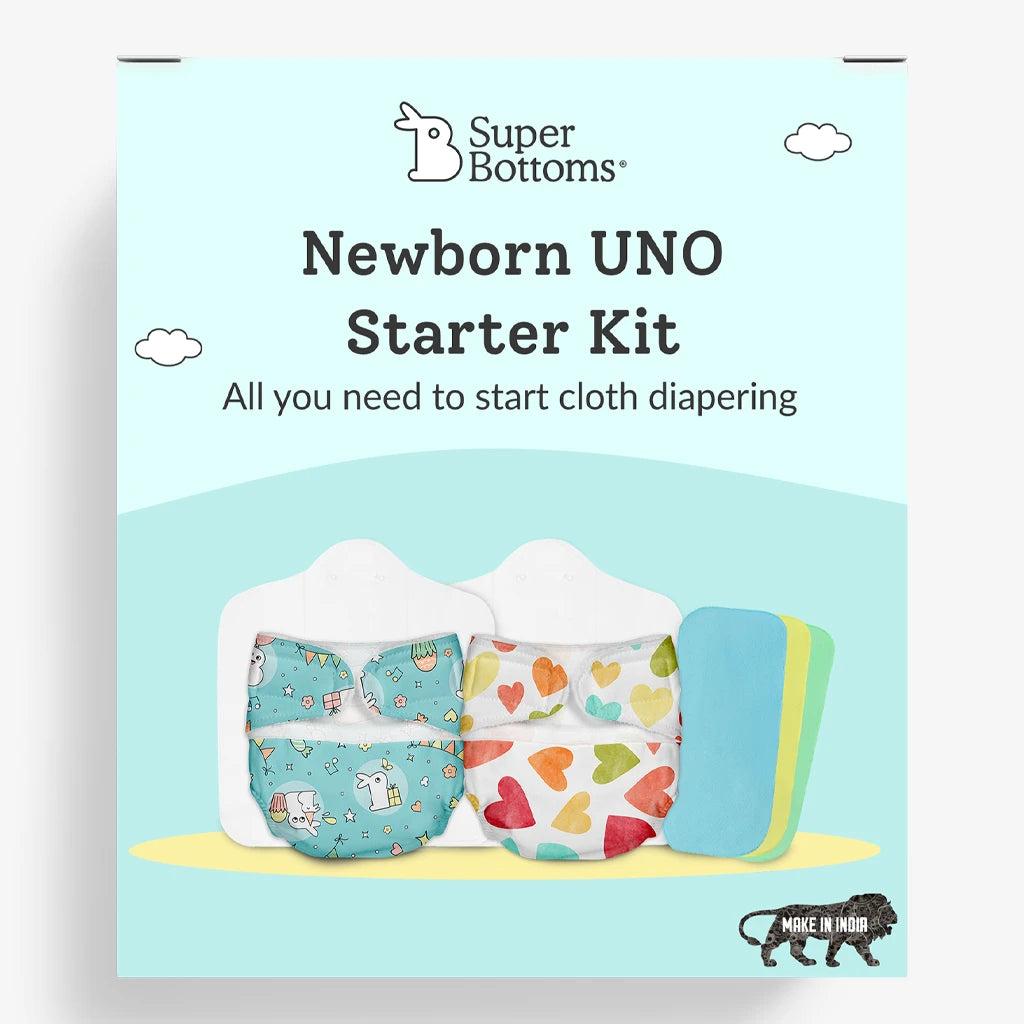
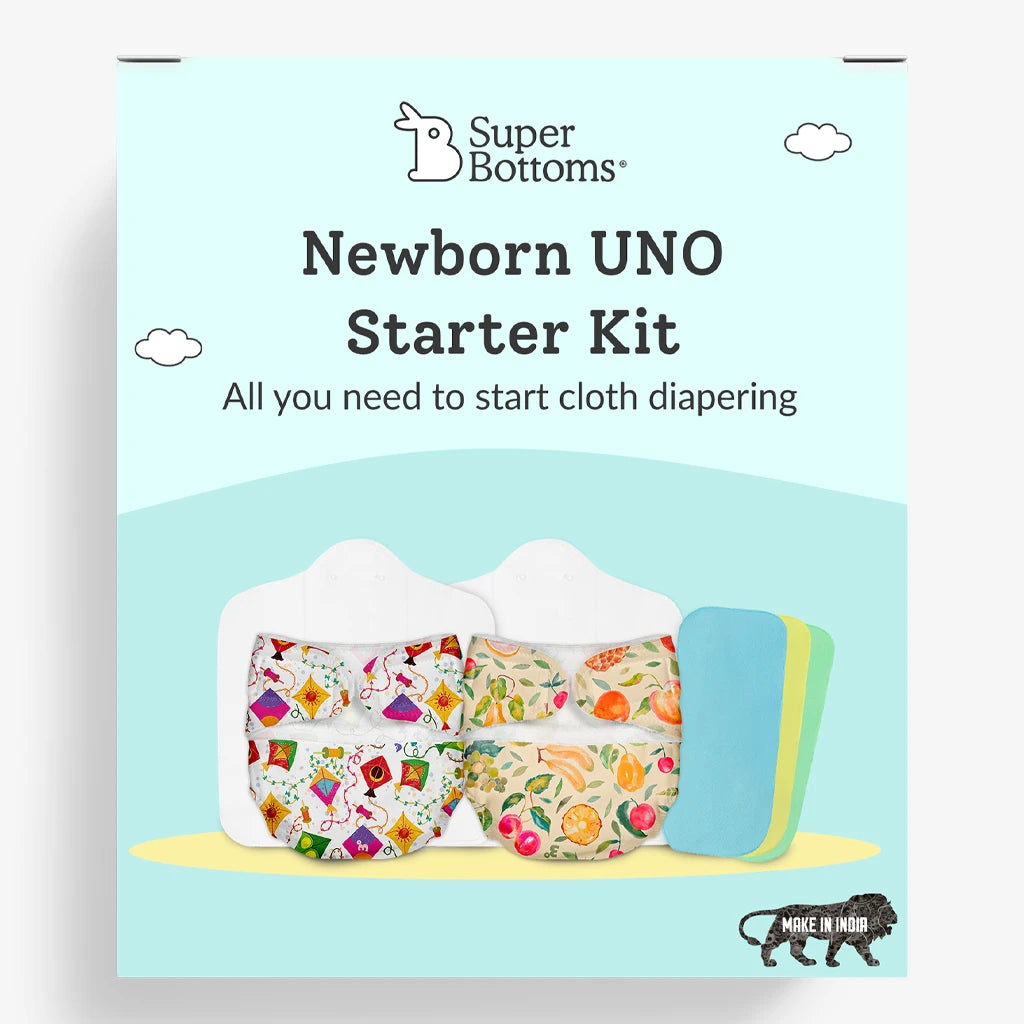
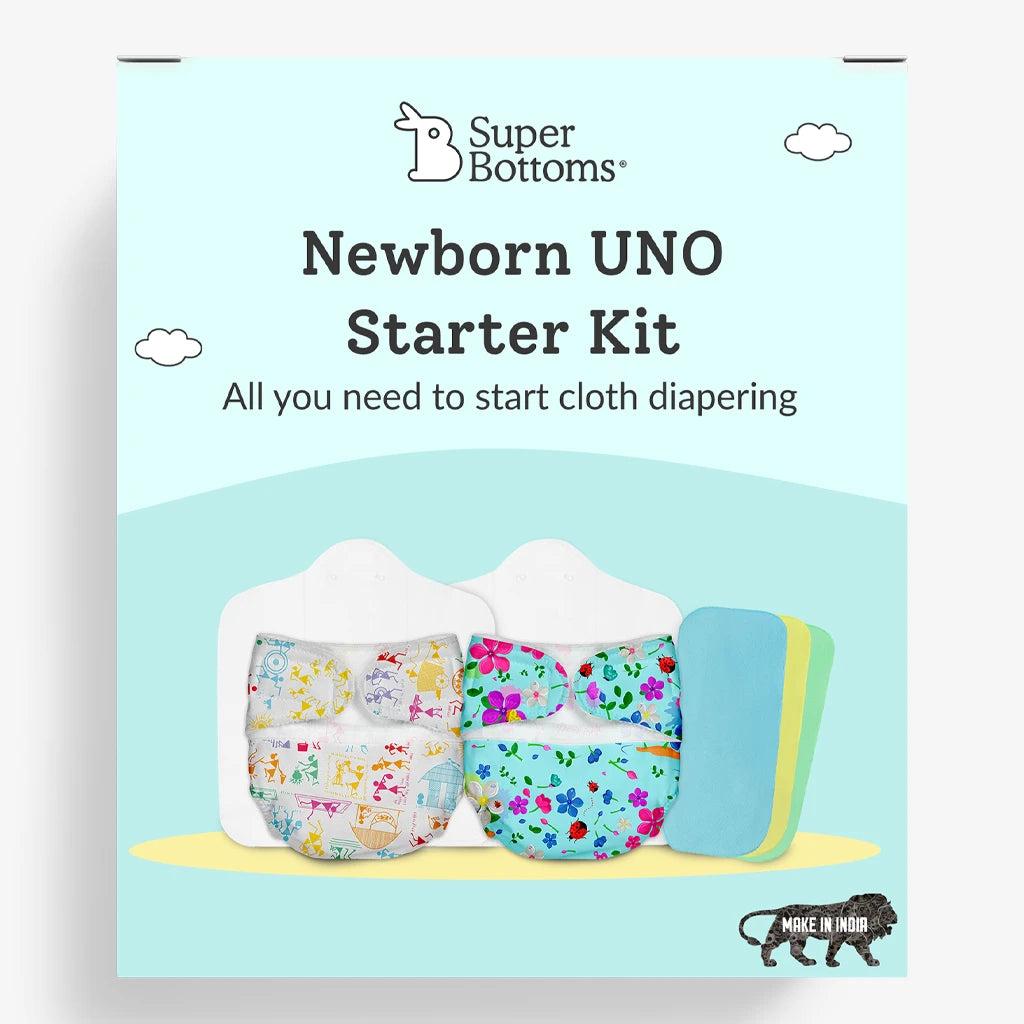
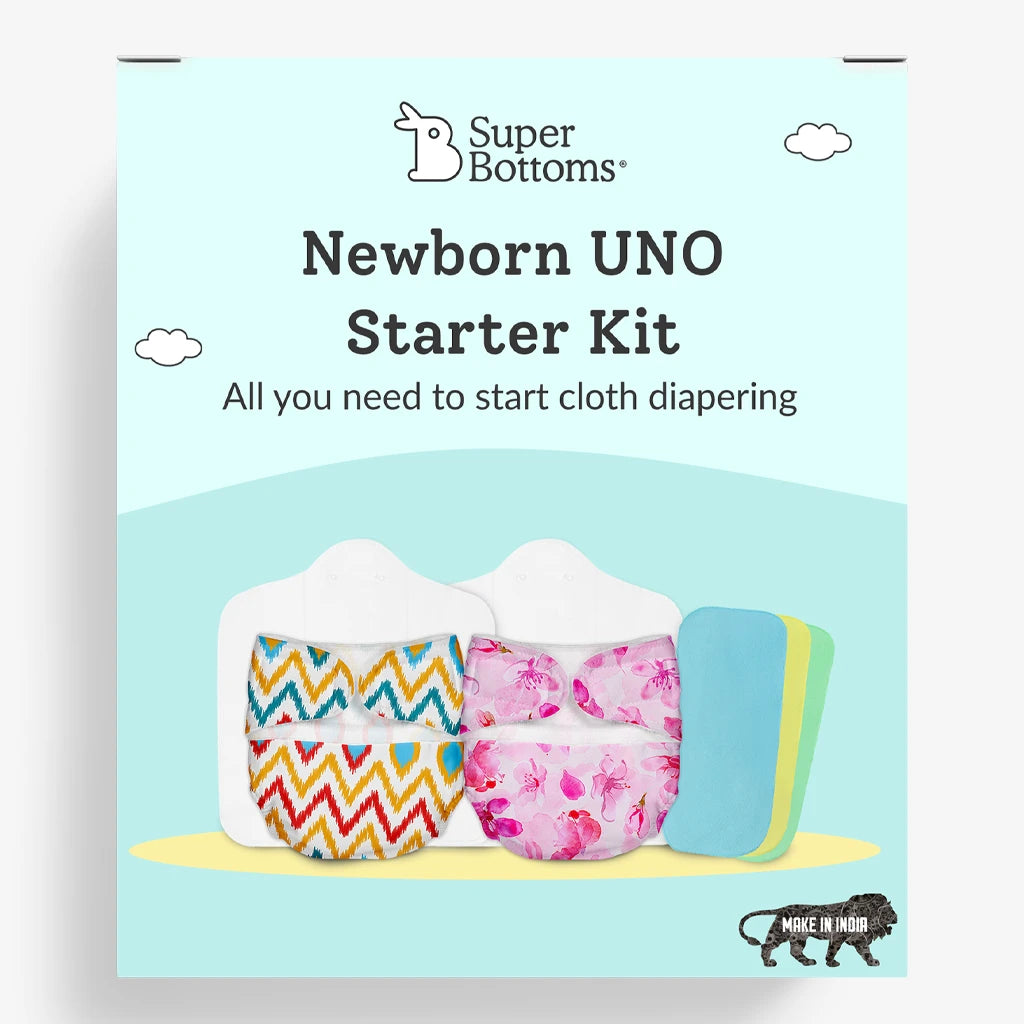
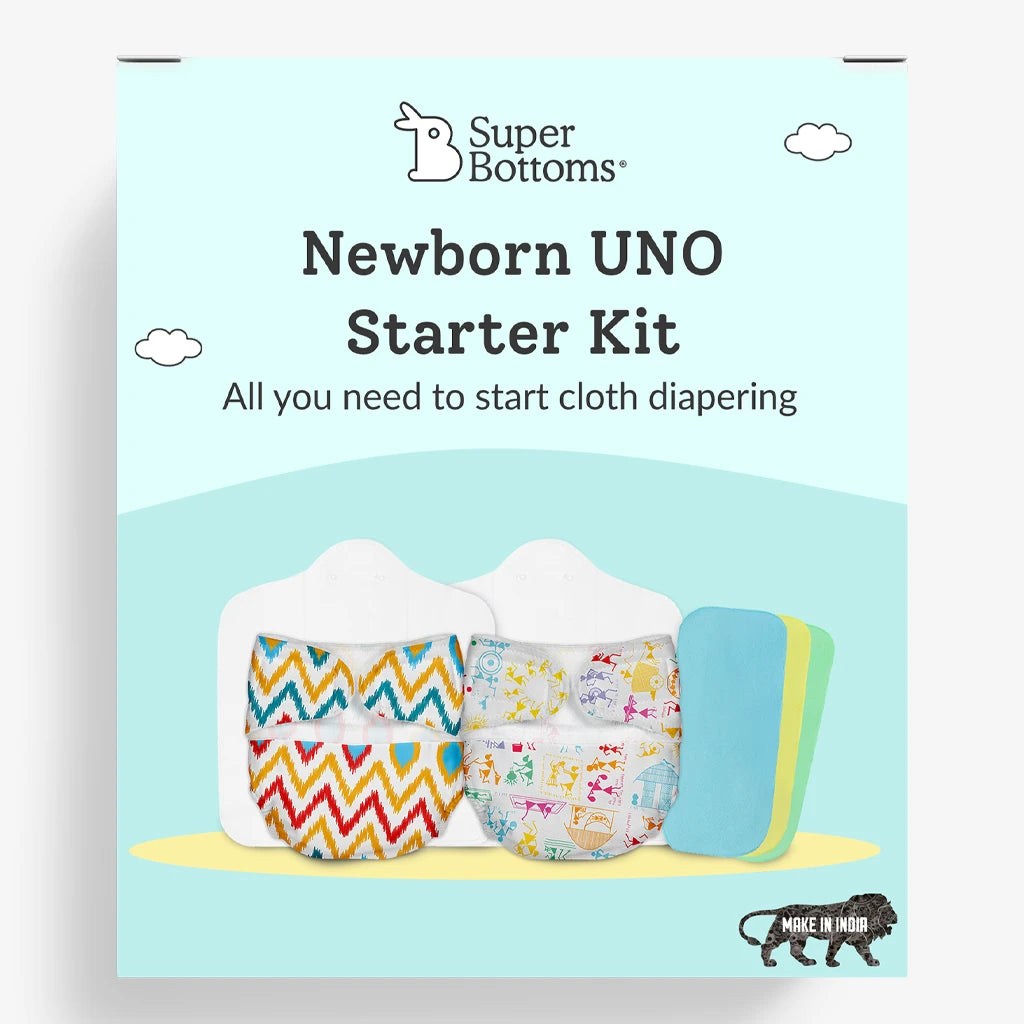
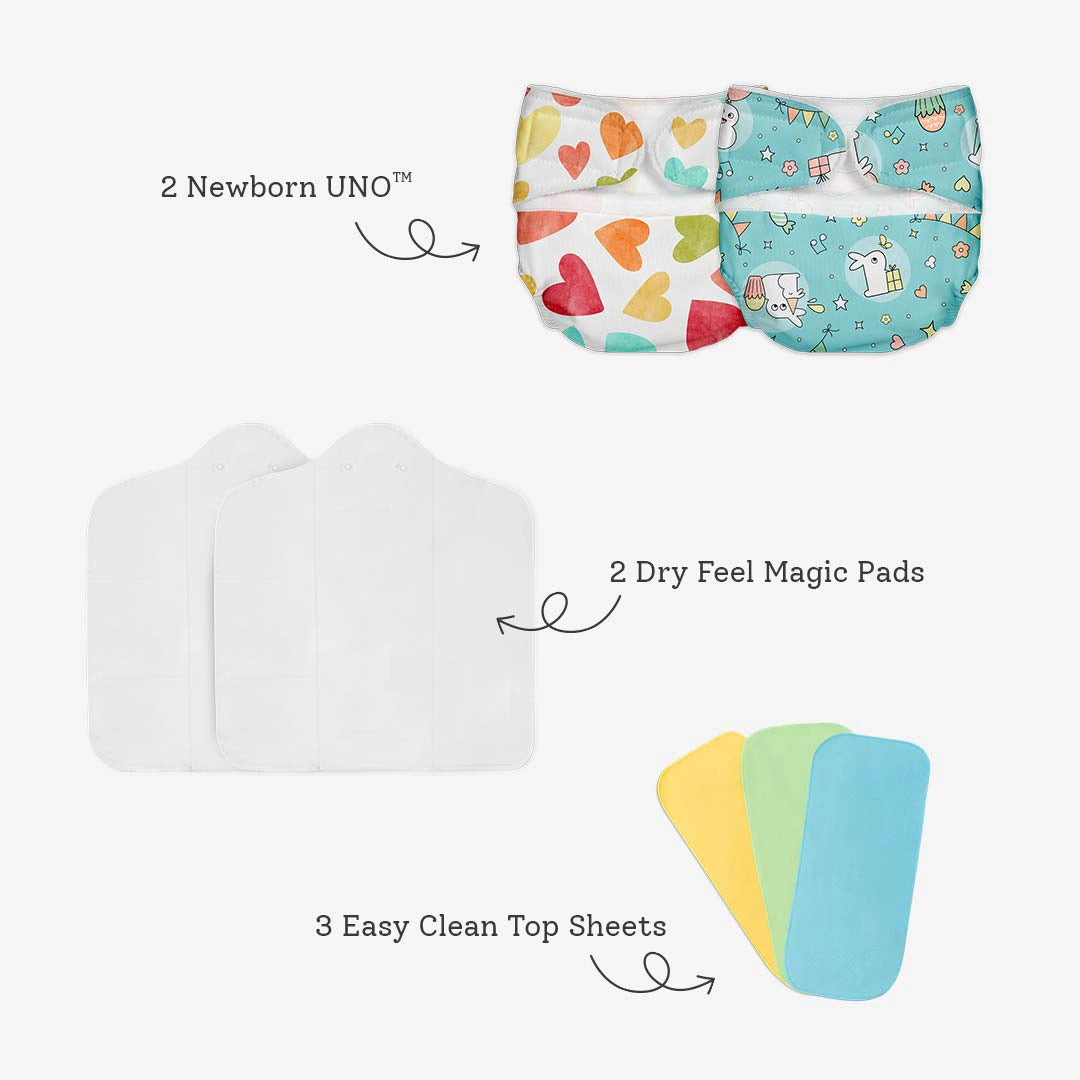
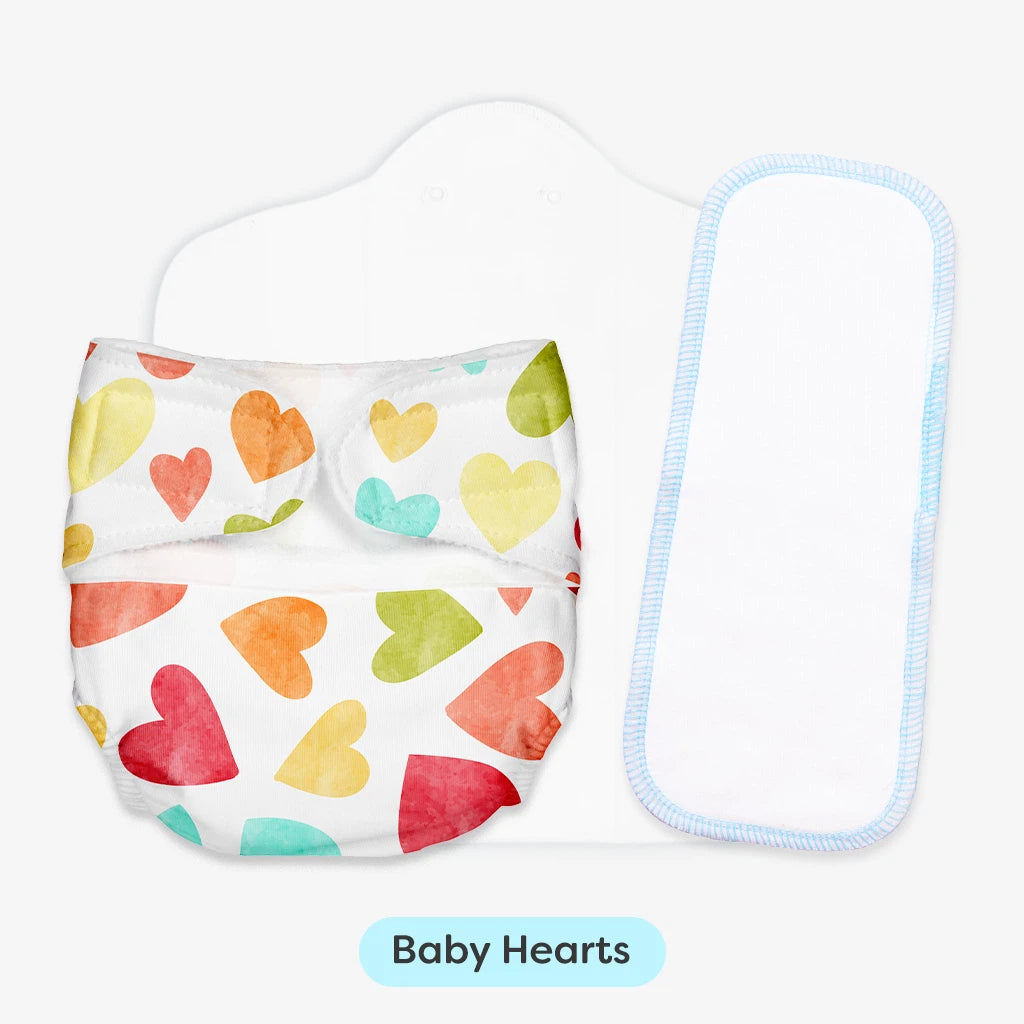
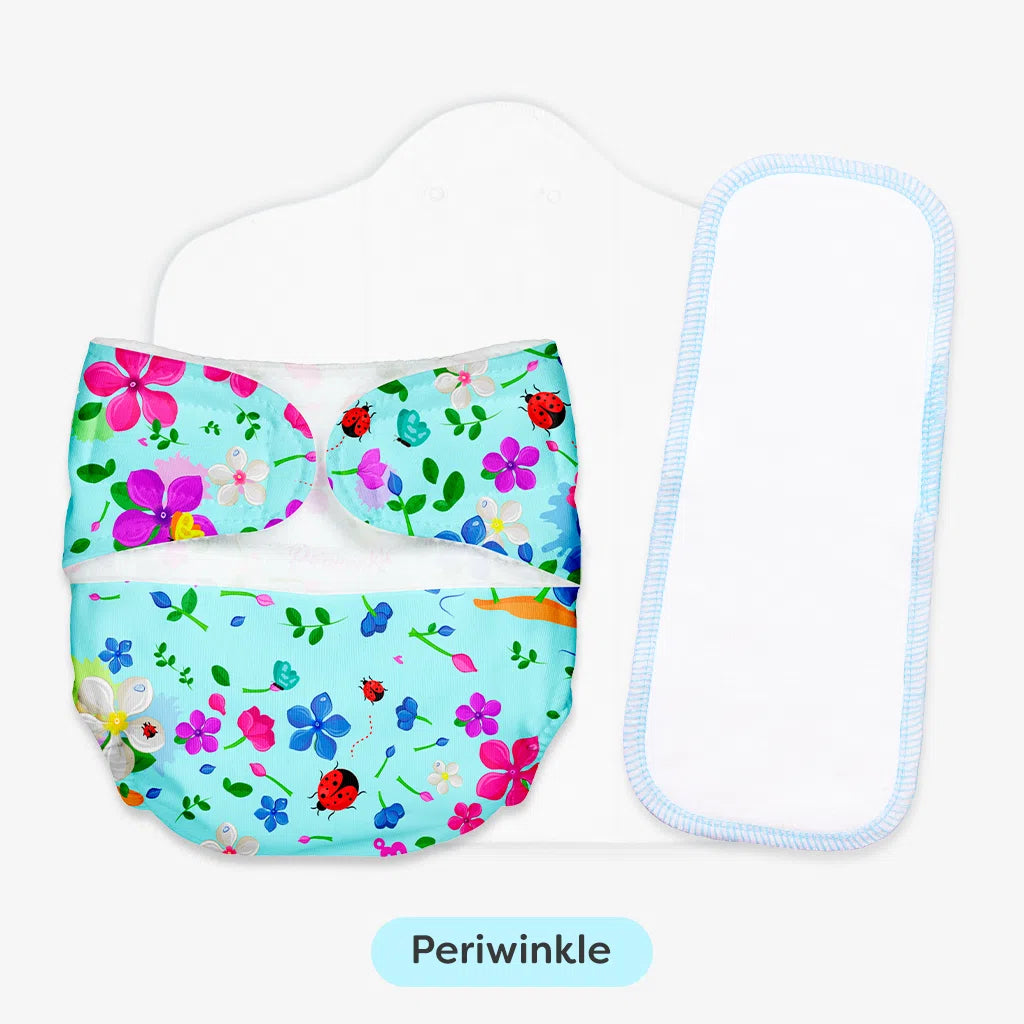
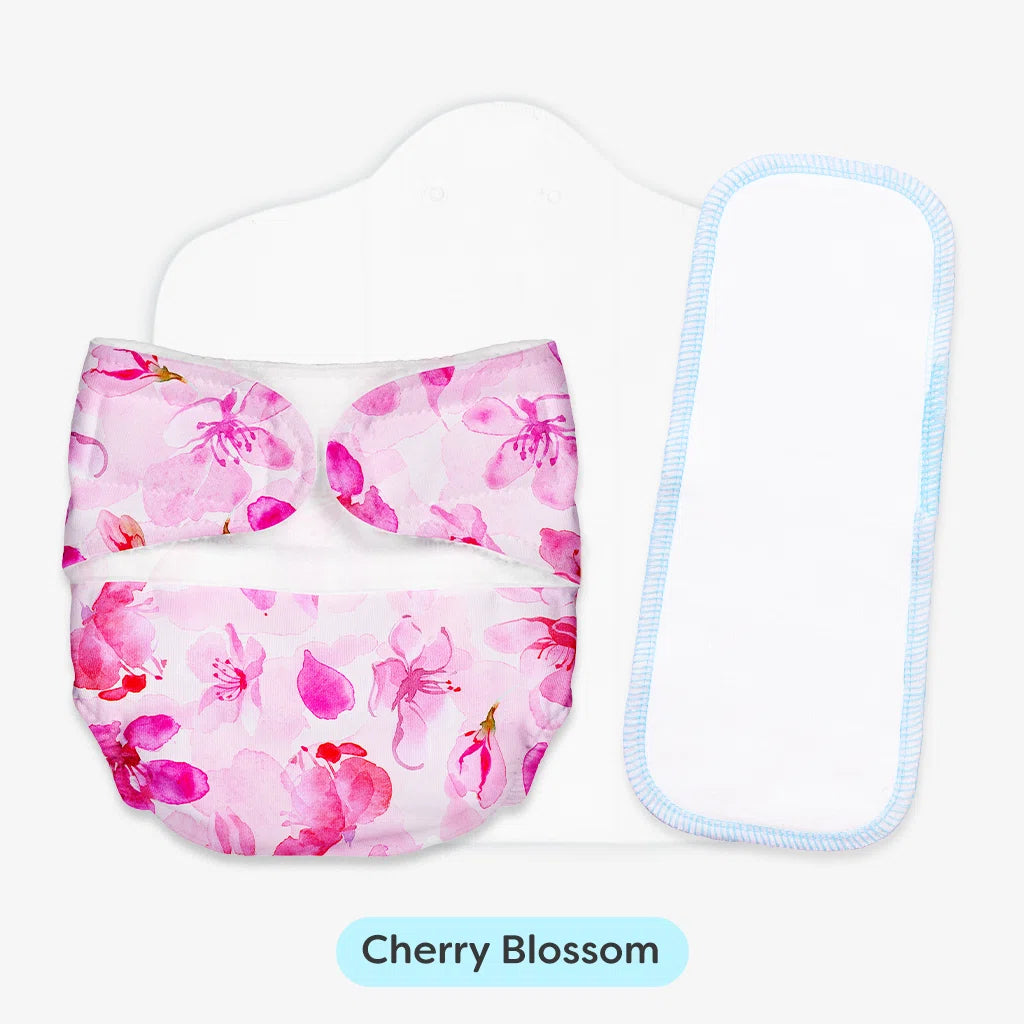
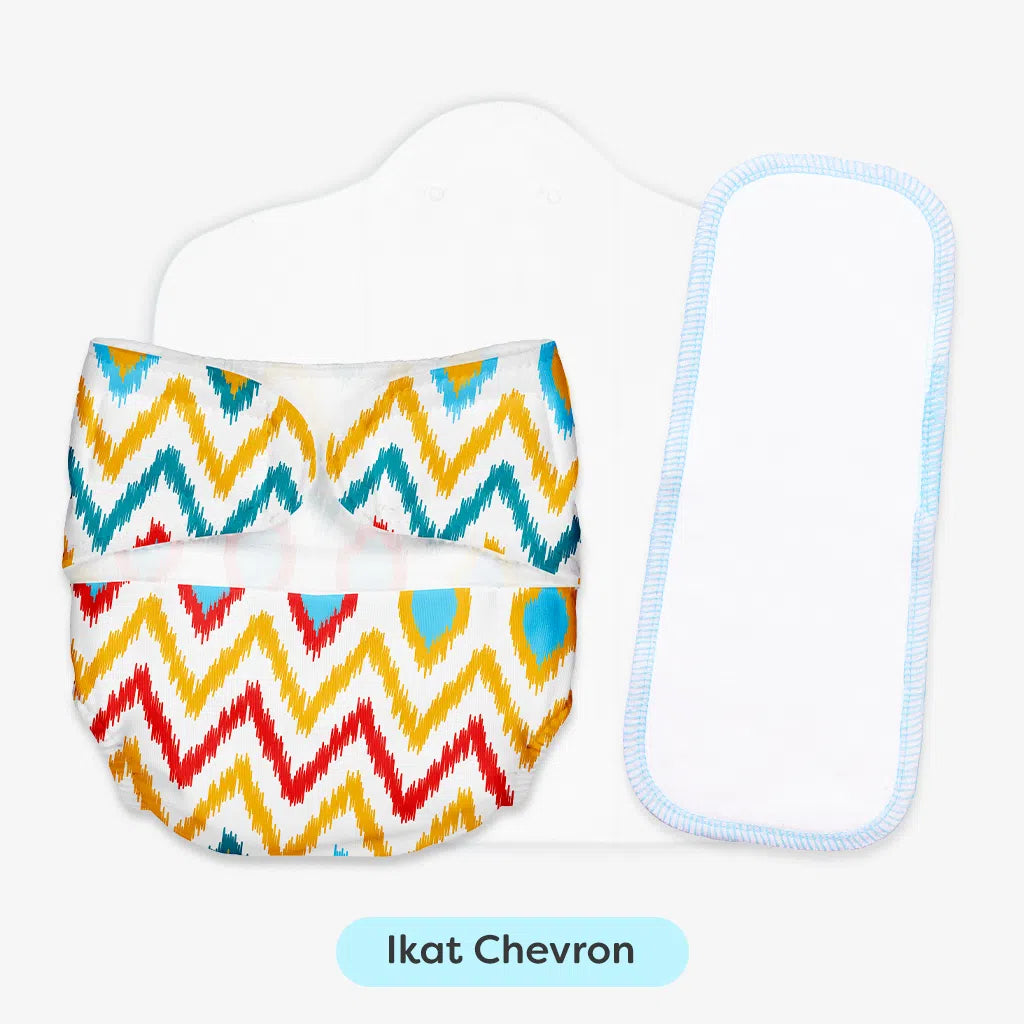
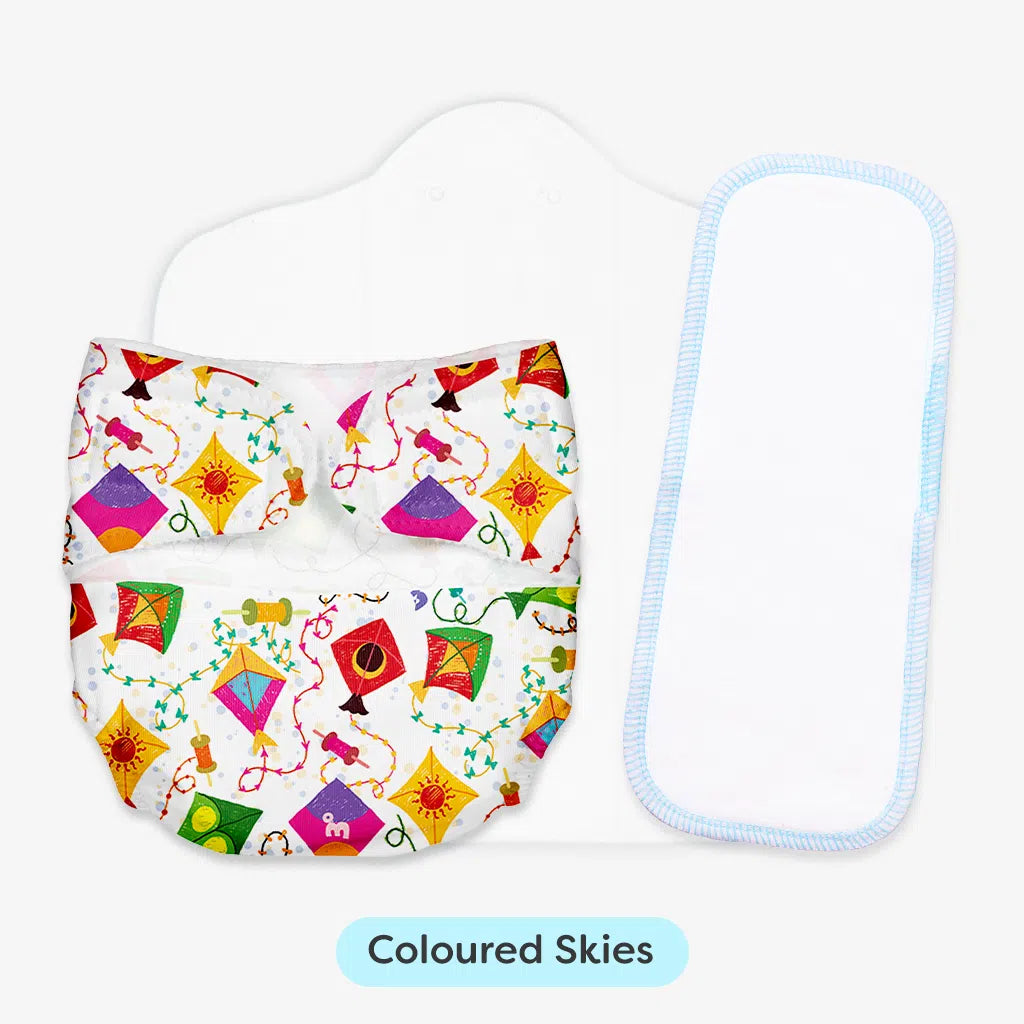
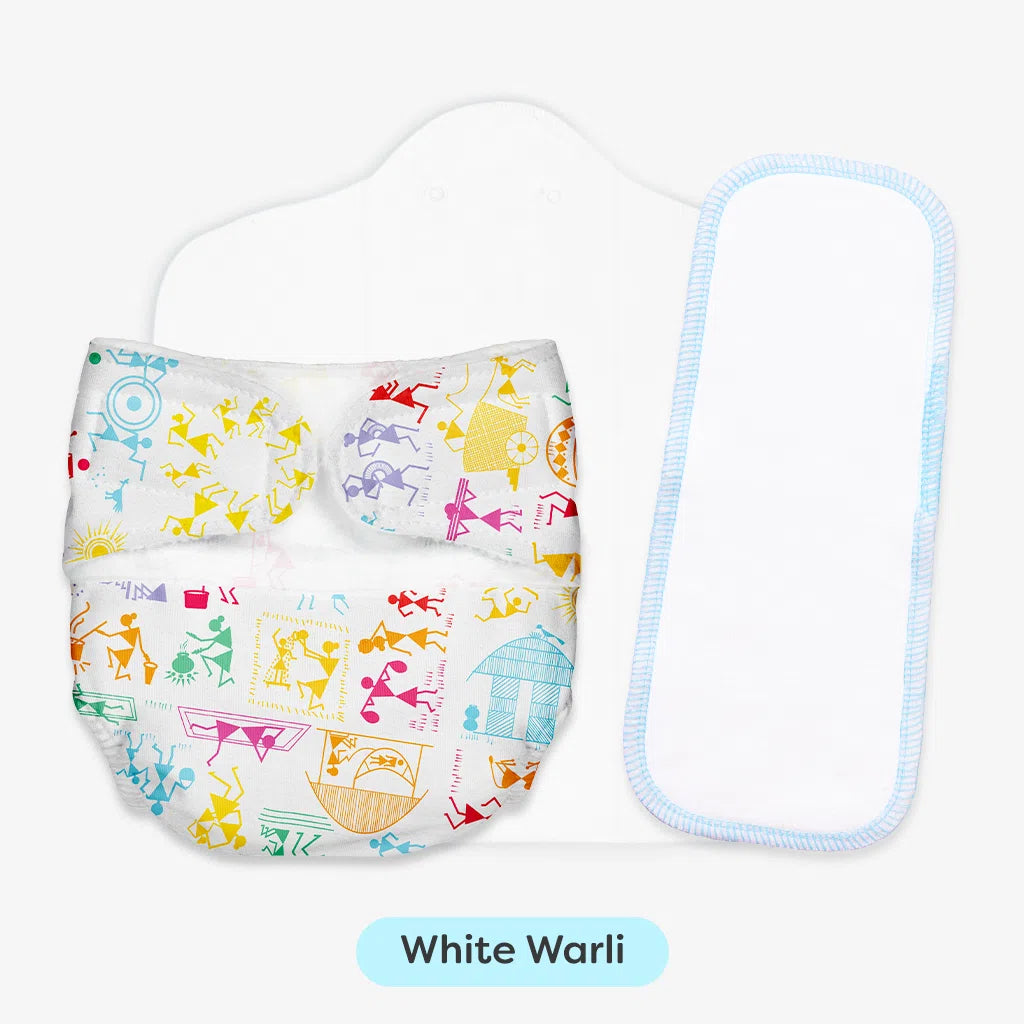
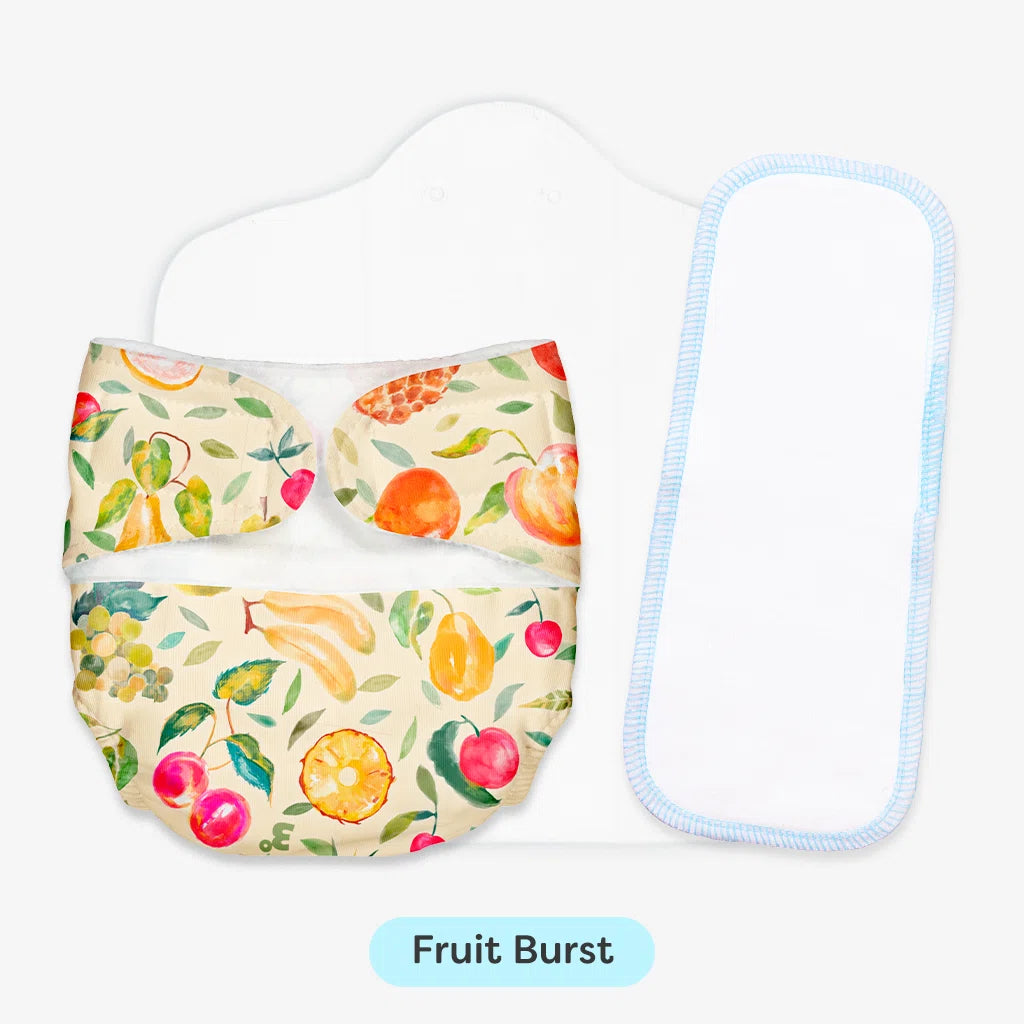
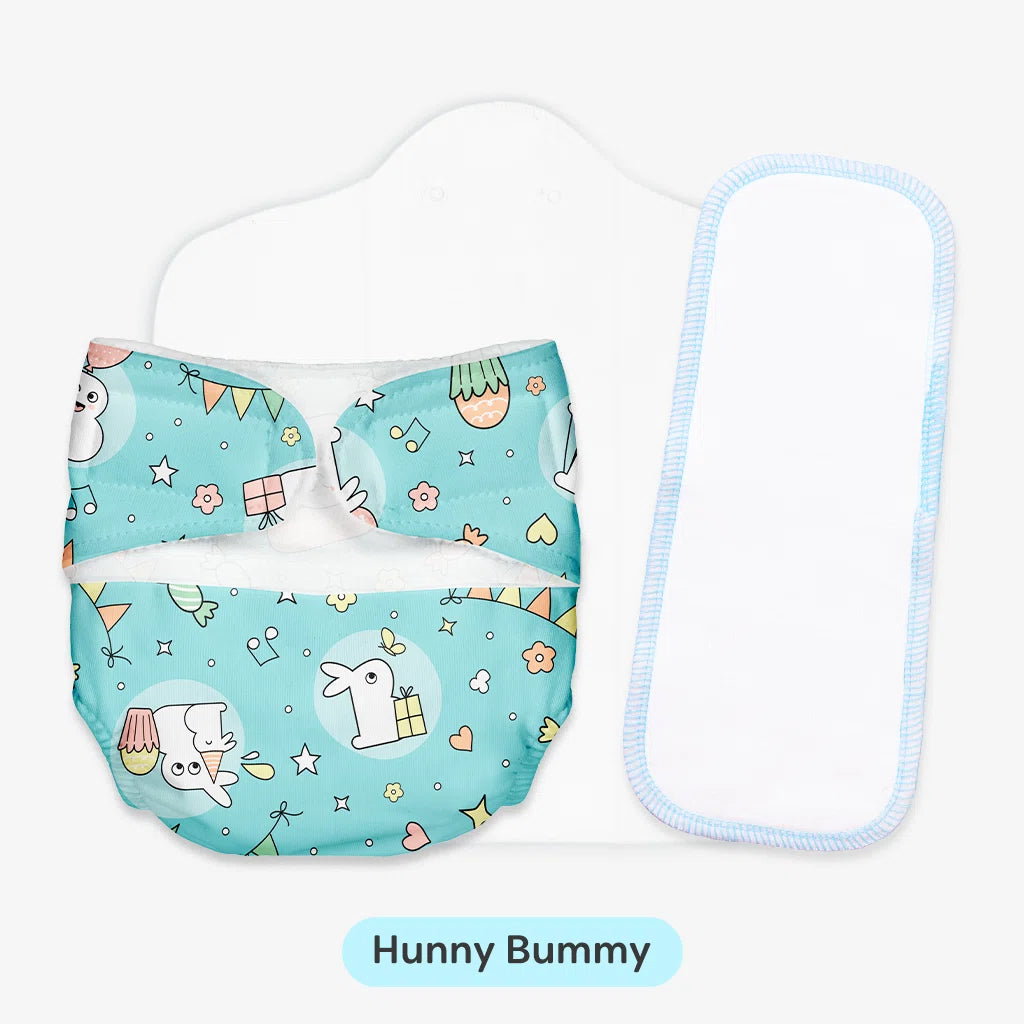
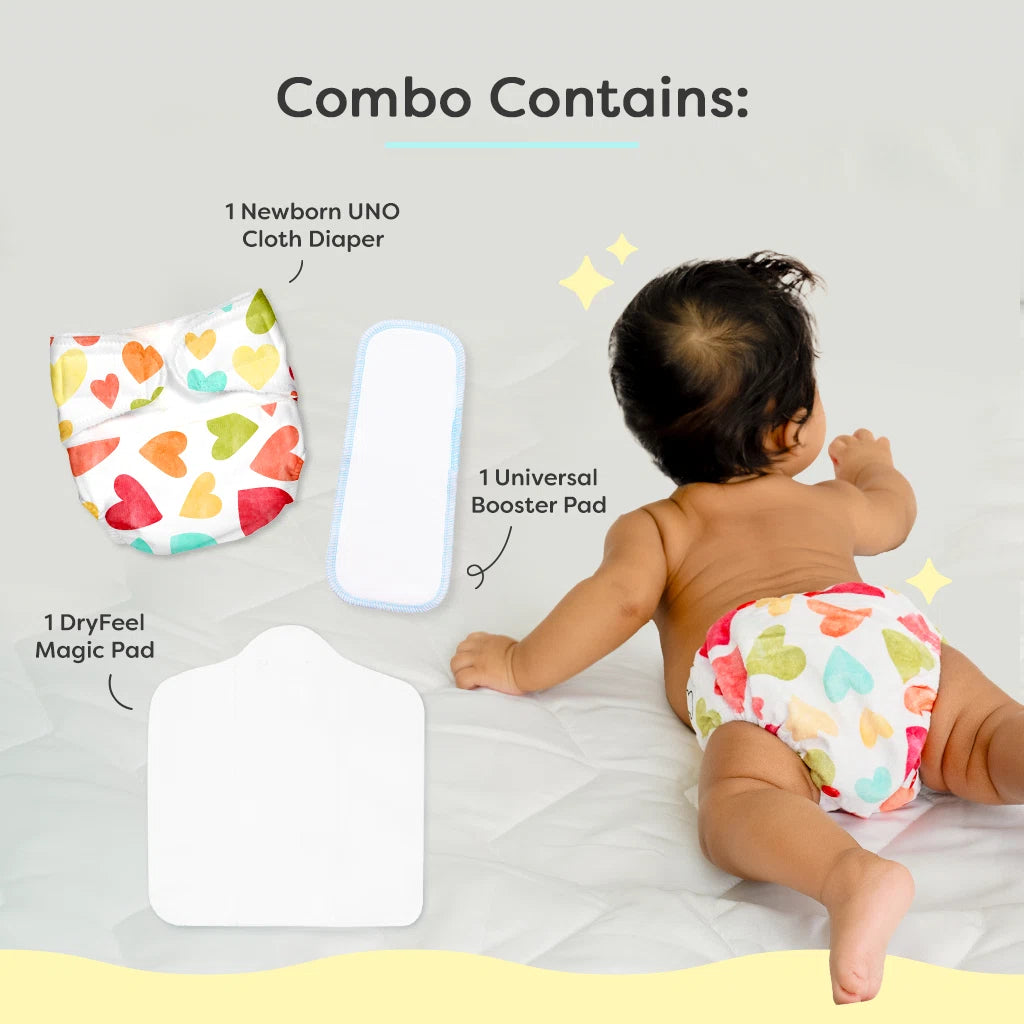
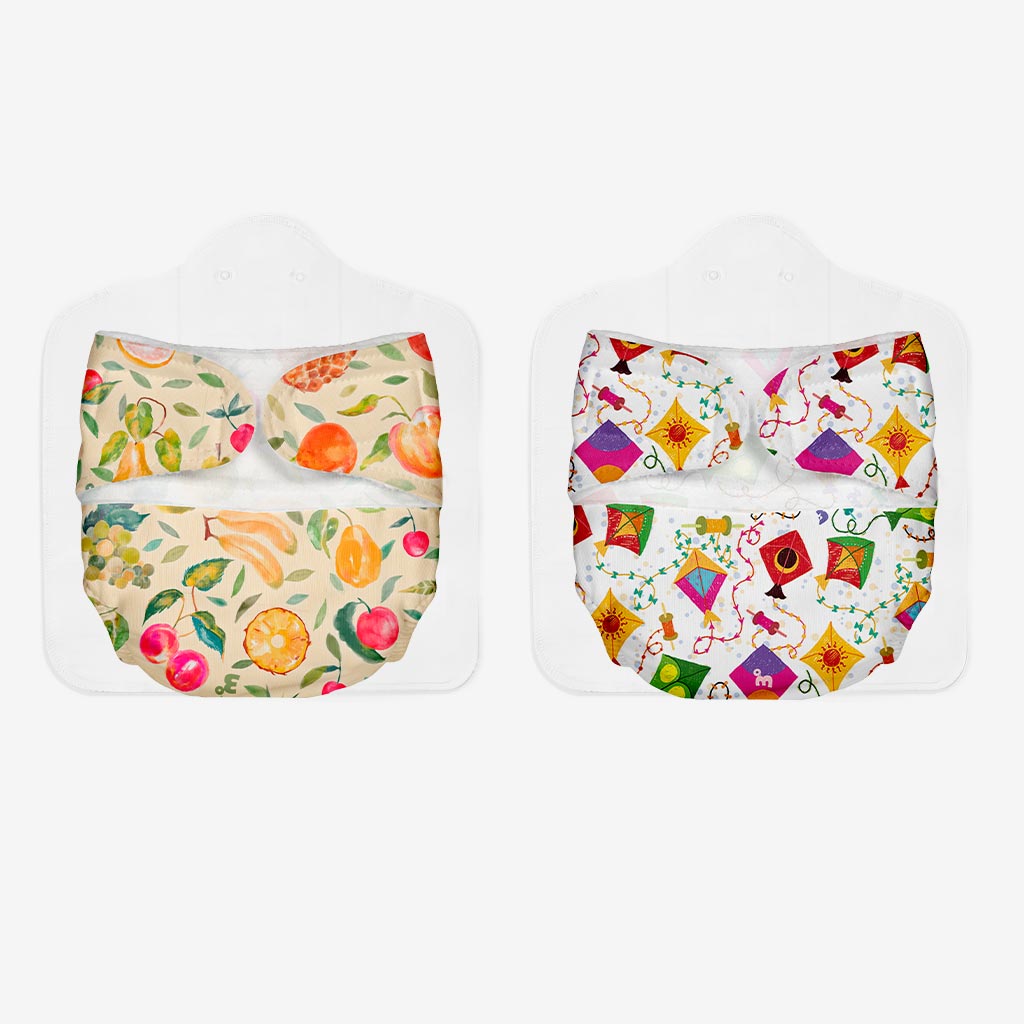
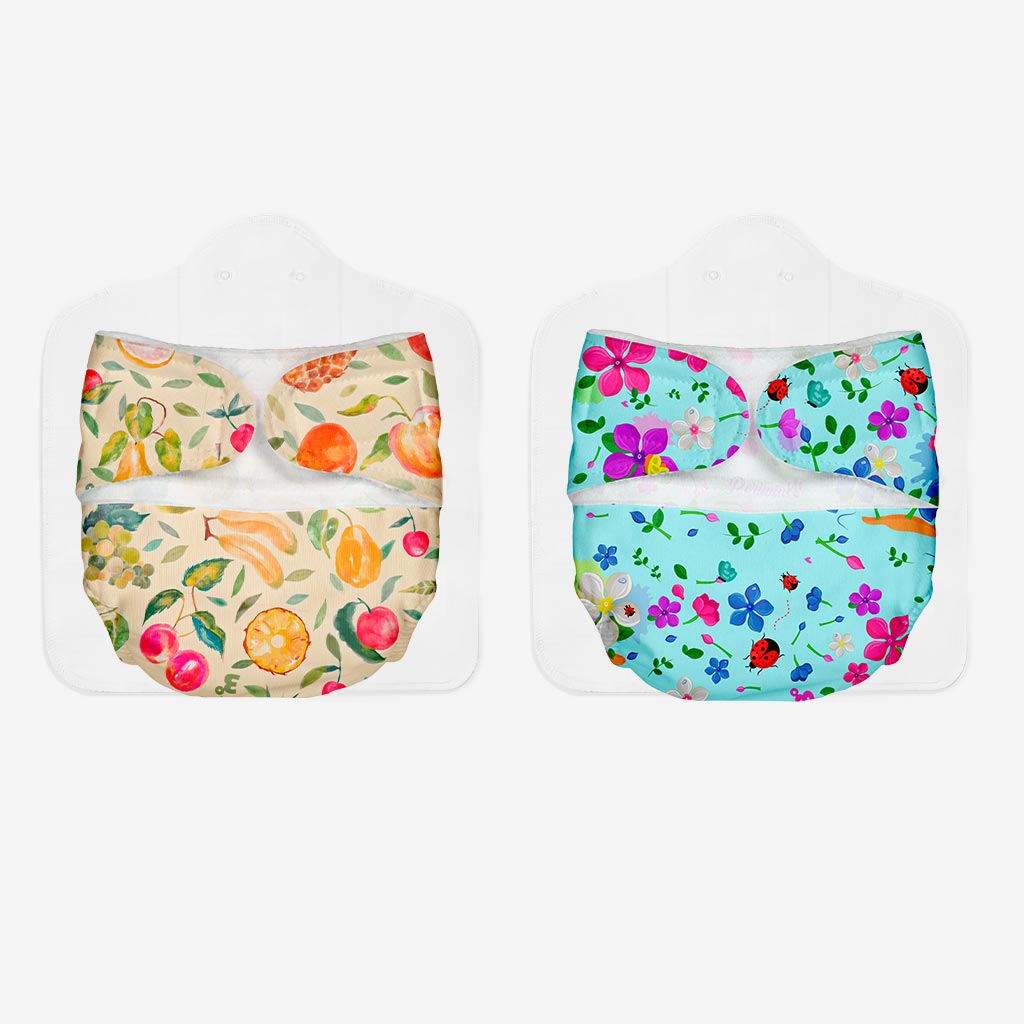
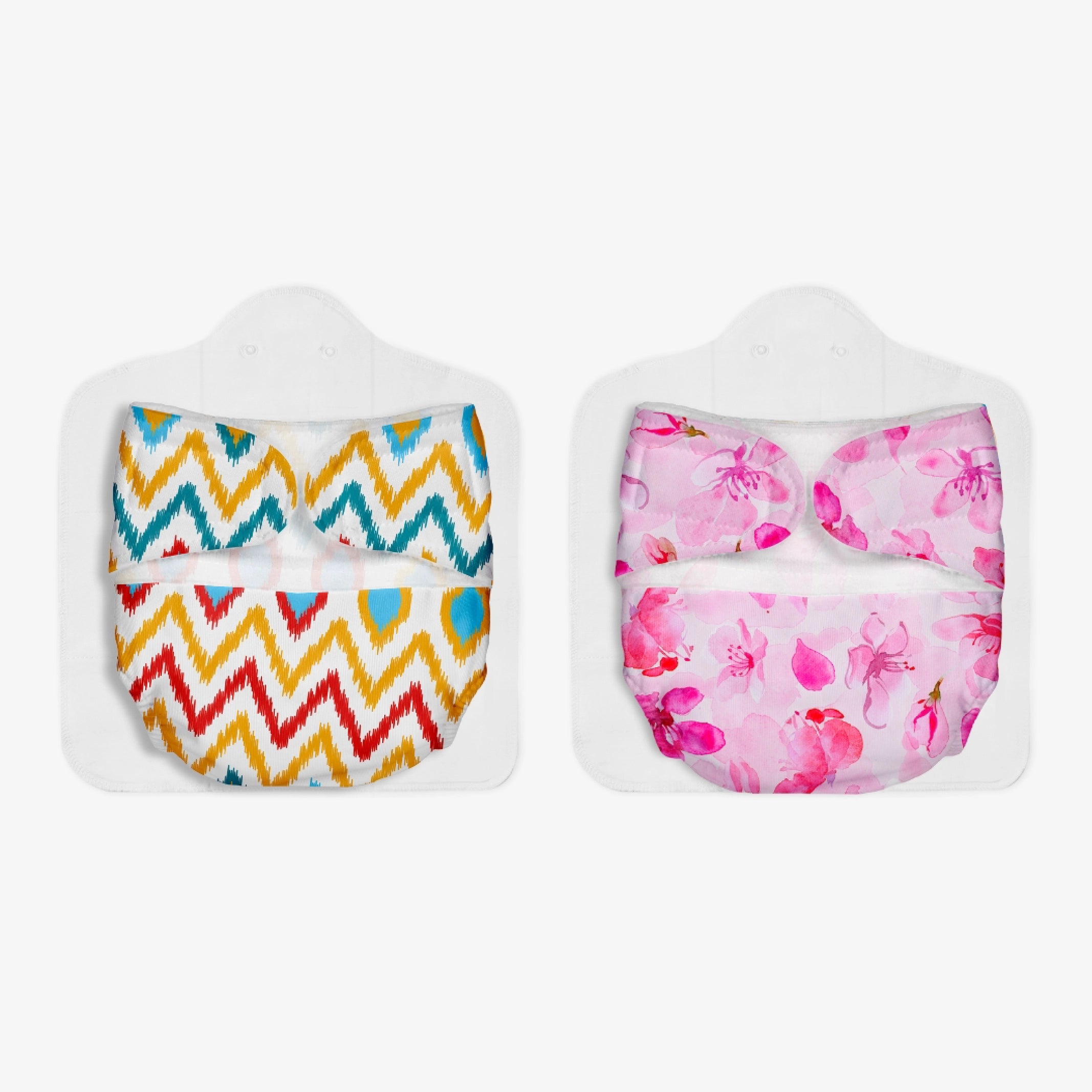
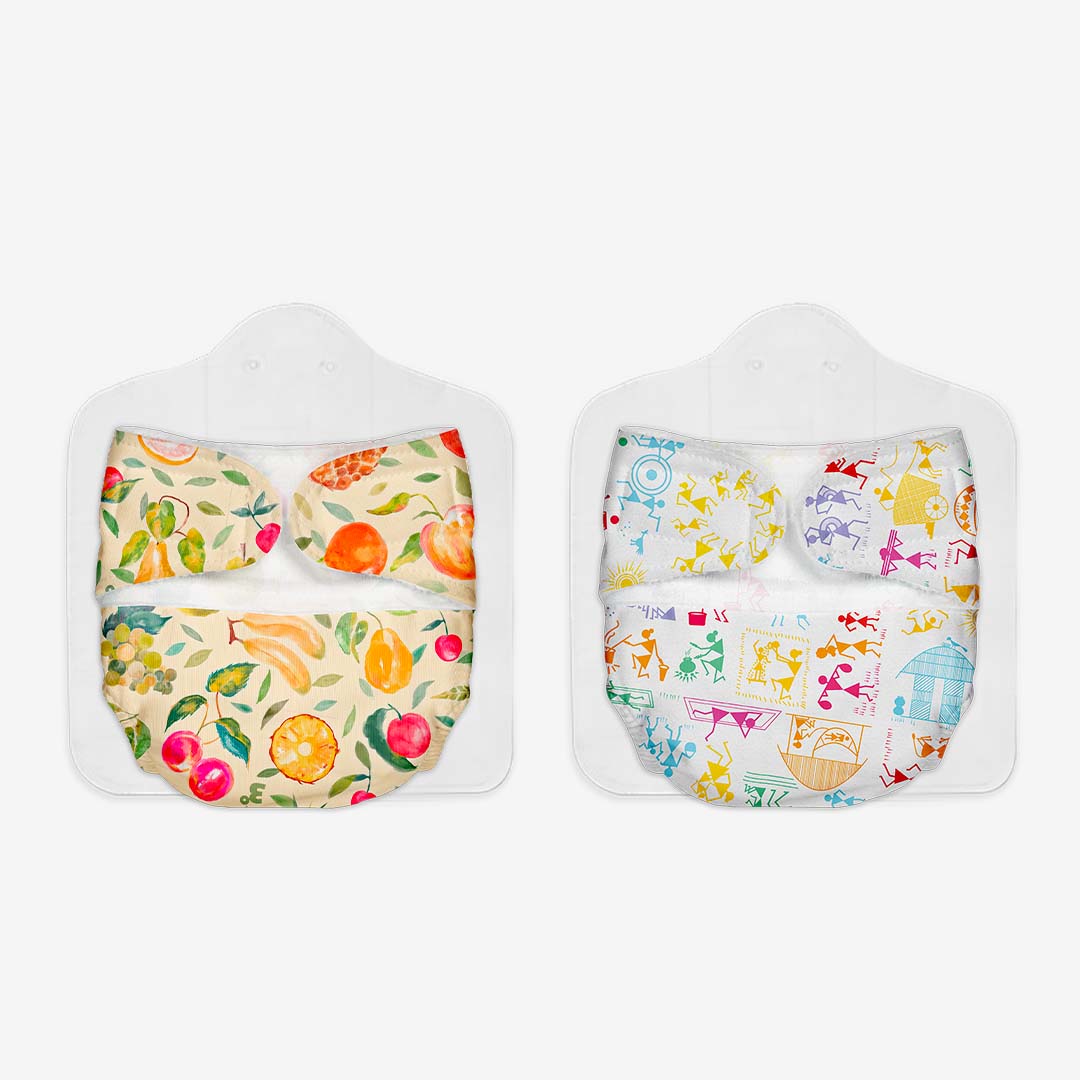
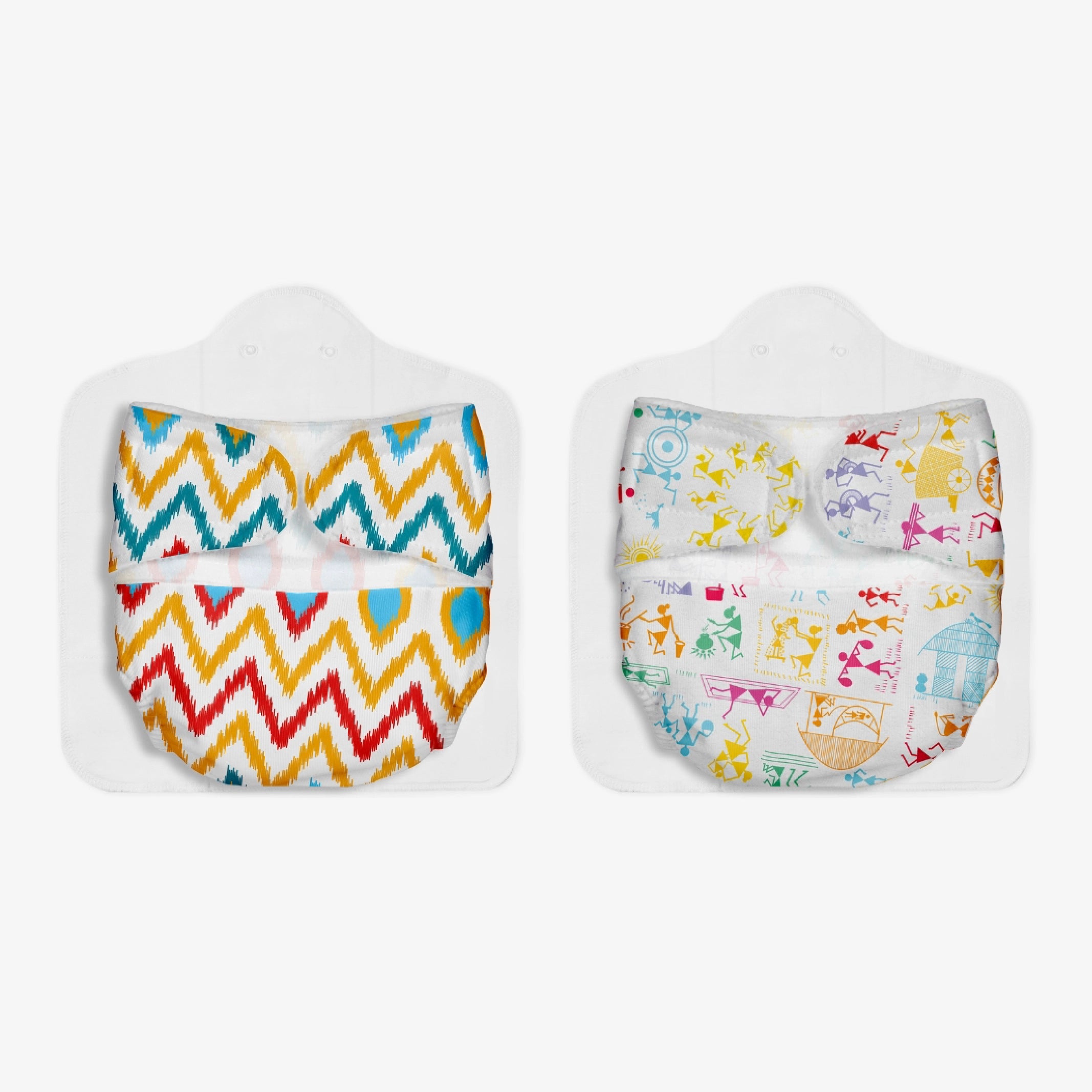
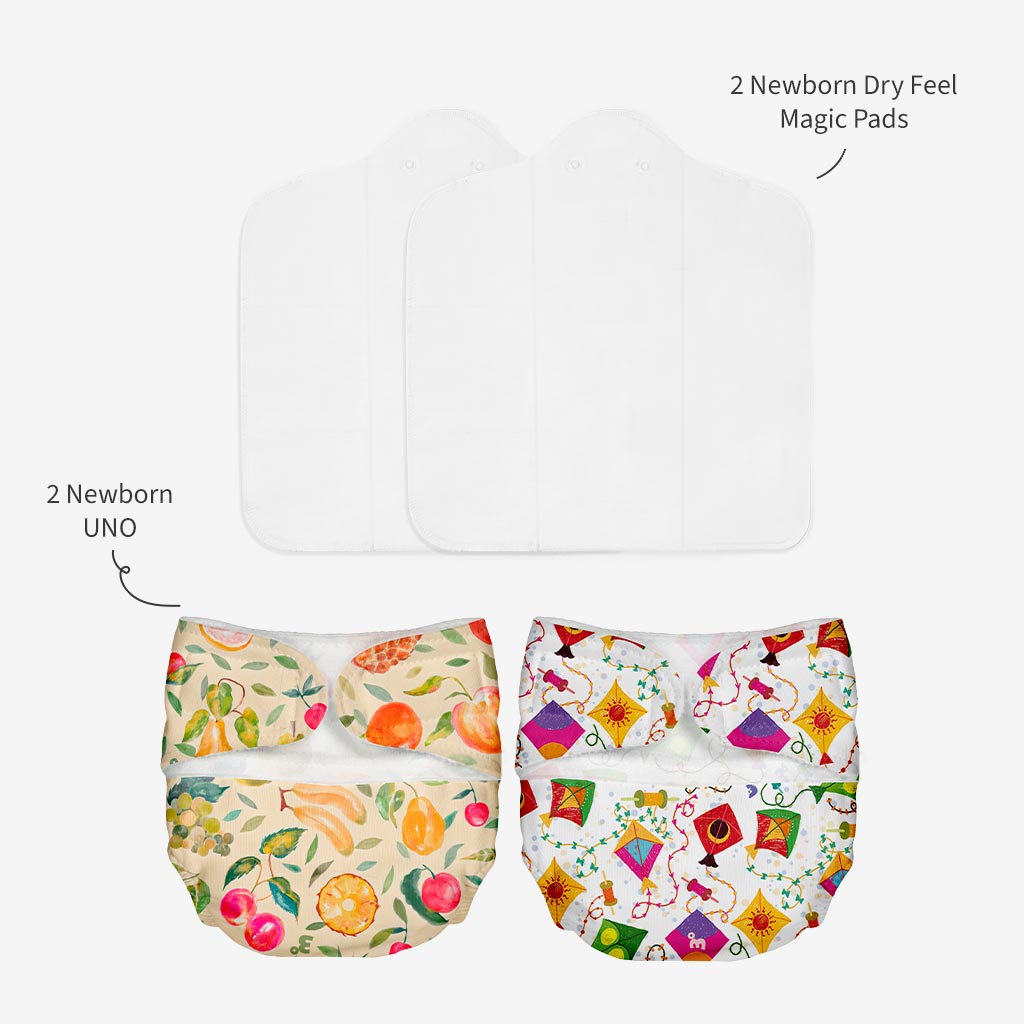
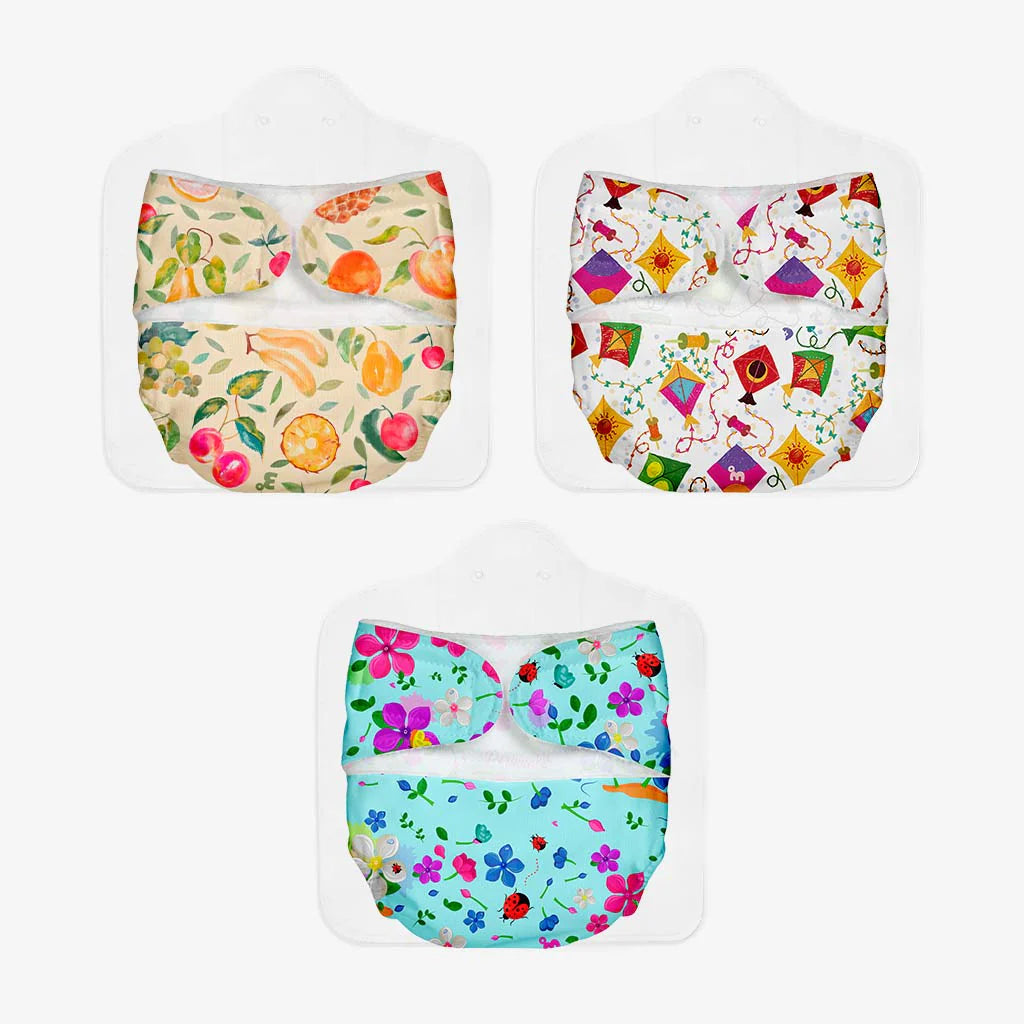
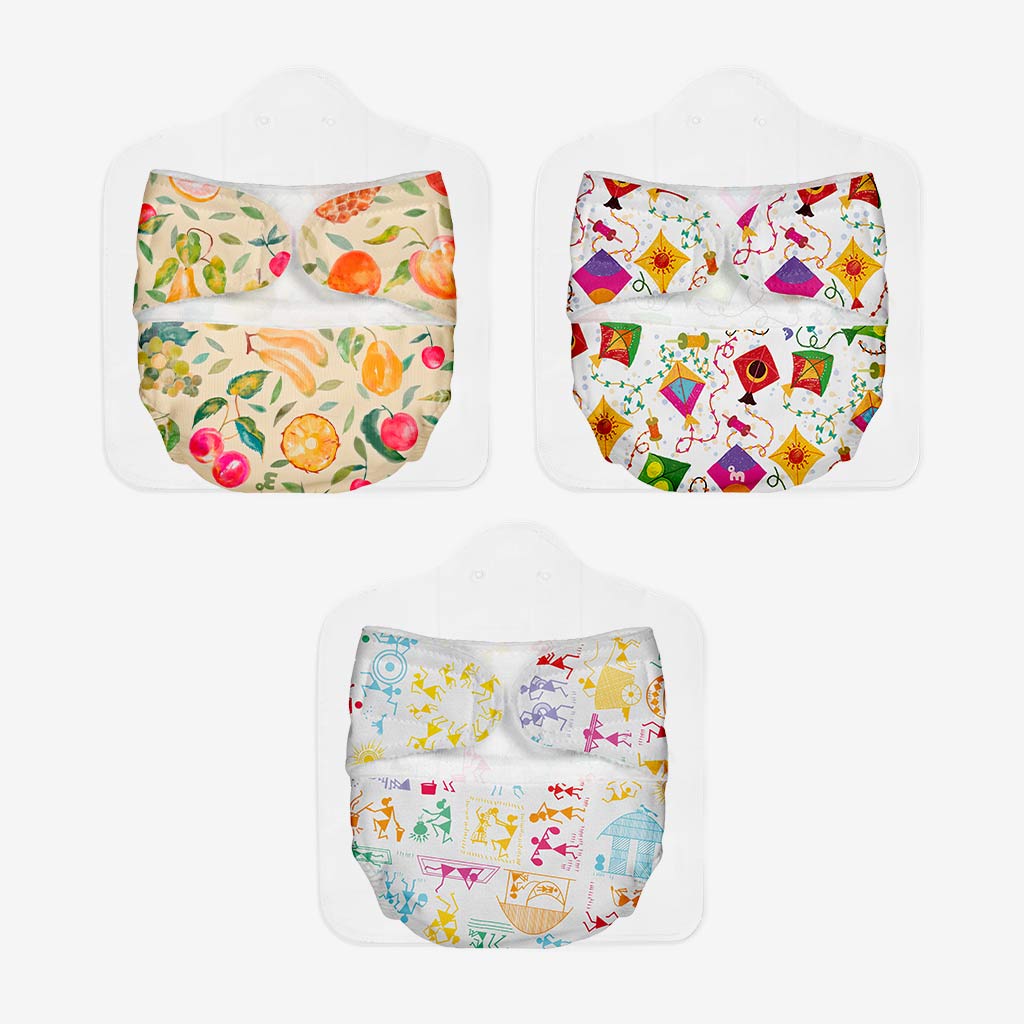
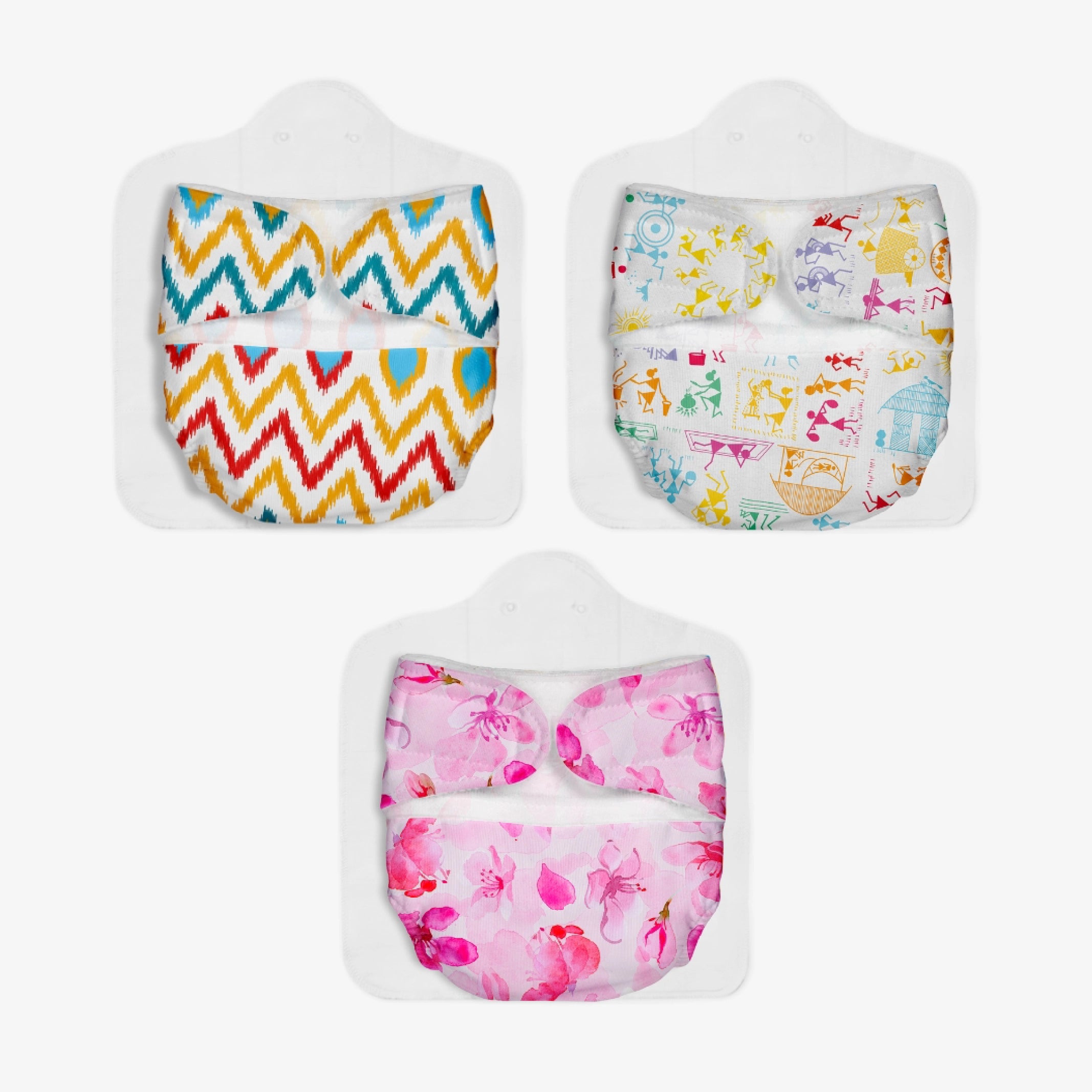
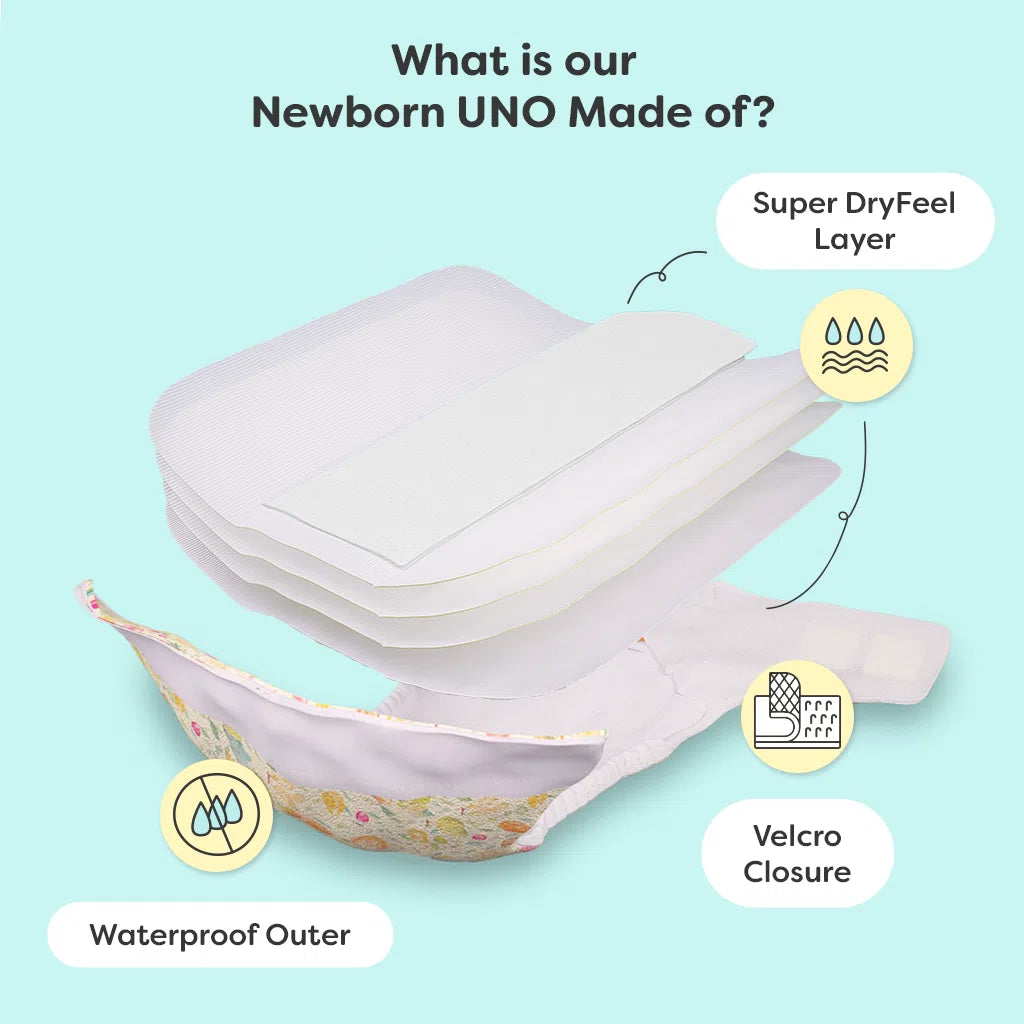
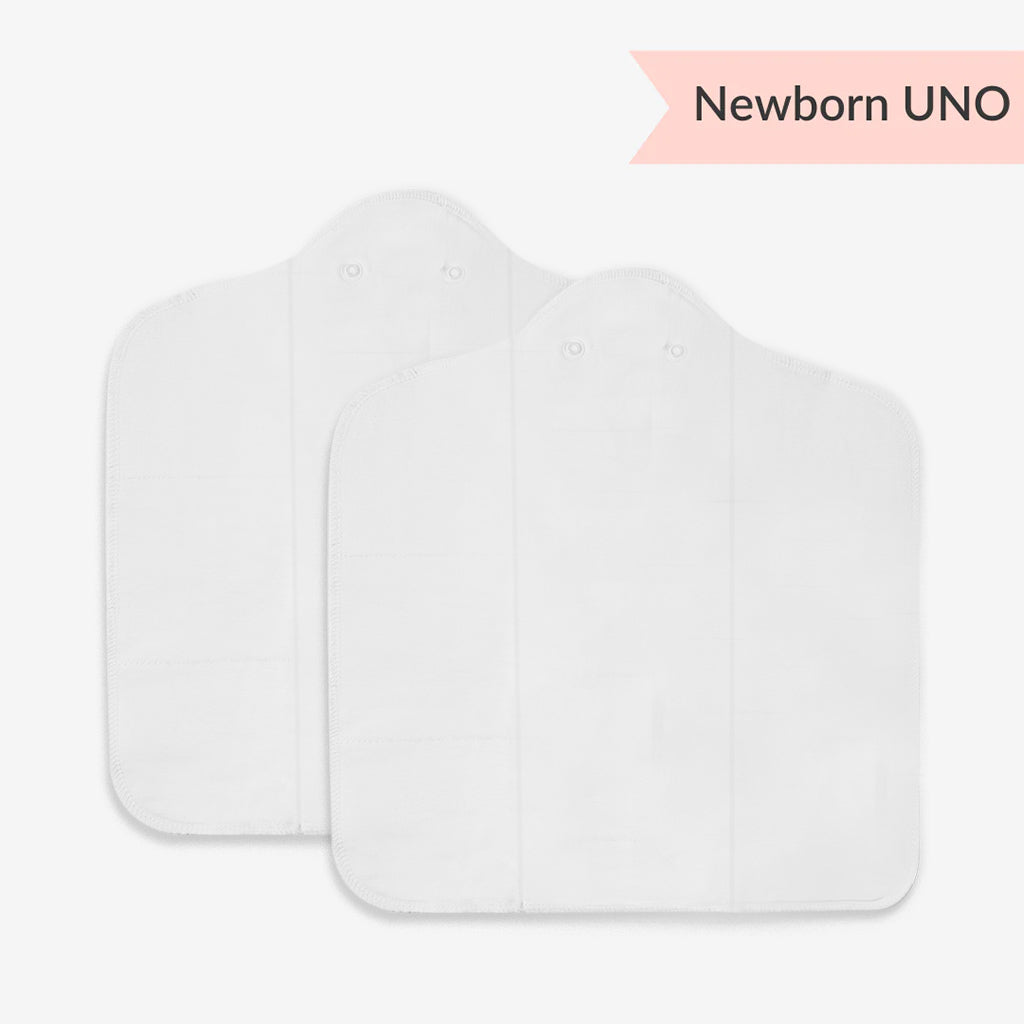
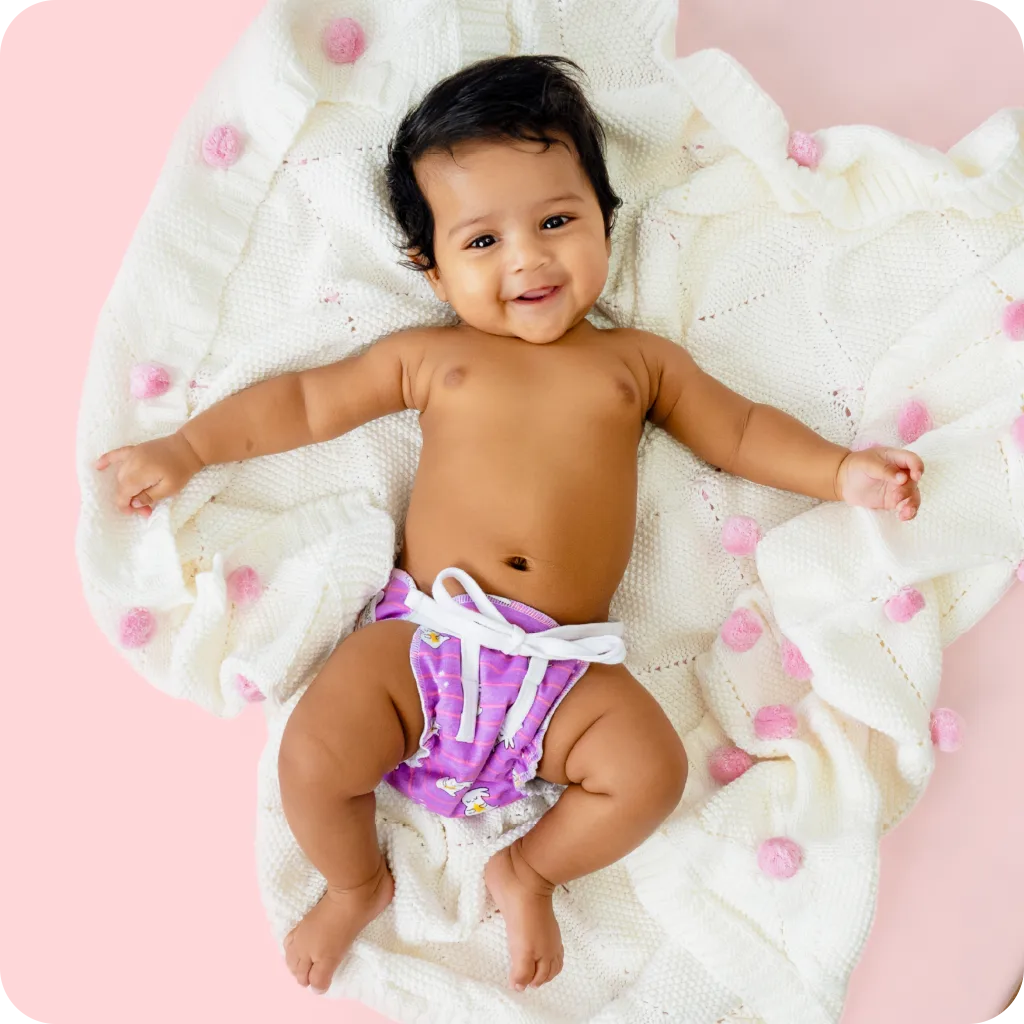
If you plan to use reusable cloth diapers from birth, check whether your hospital permits them and how many changes you should bring. Newborn UNO is designed for babies aged 0–3 months and weighing approximately 2.5–7 kg; check its fit and your hospital's diapering requirements before packing it.
You do not need to buy every newborn skincare product before delivery. Ask your care team what is appropriate, especially if your baby needs additional medical care.
3. Feeding and comfort
Depending on your feeding plan and hospital facilities, consider:
- Nursing clothes or a feeding bra for mom
- Breast pads
- Muslin cloths
- A feeding pillow, if useful and permitted
- Formula and feeding equipment only if advised or required by your care team
Breastfeeding support is often more useful than packing numerous feeding accessories. Ask your maternity team for help with positioning, latch or feeding concerns.
4. Safe travel home
Arrange the journey before your discharge day. If travelling by car, prepare an age-appropriate, correctly installed rear-facing infant car seat and learn how to secure your baby according to the seat manufacturer's instructions. Never hold a baby in your arms as a substitute for a car seat.
What should your birth partner pack?
The birth partner often manages practical tasks while supporting mom. A small, separate bag can make the hospital stay easier for everyone.
Pack:
- Identification and any required hospital paperwork
- One or two changes of clothes
- Toiletries and essential medication
- Phone, charger and power bank
- Drinking water and permitted snacks
- Wallet, payment cards and some cash
- A list of important contact numbers
- Glasses, personal comfort items or anything needed for an overnight stay
Before labour begins, confirm the hospital entrance, parking arrangements, travel route and who to contact outside regular clinic hours.
The American College of Obstetricians and Gynaecologists (ACOG) also recommends planning the route to the hospital and discussing with your obstetric care team when to call or go in.
How should you pack for different delivery needs?
Your hospital bag checklist may change depending on your delivery and recovery plans.
|
Situation |
What to consider |
|
Vaginal delivery |
Comfortable clothing, maternity pads, underwear and postpartum supplies |
|
Planned C-section |
Loose, high-waisted clothing that does not press on the incision; follow your hospital's recovery guidance |
|
Winter delivery |
Extra layers and suitable baby clothing, without overheating your newborn |
|
Longer hospital stay |
Additional clothes, toiletries, chargers and supplies for both mom and baby |
|
Twins or an early arrival |
Prepare earlier and ask the care team about individual newborn requirements |
These are planning suggestions, not medical instructions. Your hospital may have specific requirements, particularly if your baby needs monitoring or special care.
Expert guidance
Dr Jenna Flanagan, MD, an obstetrician-gynaecologist, recommends discussing your birth preferences and hospital preparations with your maternity care team ahead of delivery. Your checklist should account for your planned delivery, any prescribed medication, postpartum recovery needs and the hospital’s own requirements. Confirm which supplies the hospital provides so you can pack what you actually need.
What should parents look for when buying baby essentials?
Before purchasing newborn products for your hospital bag, consider how each item will be used rather than buying a large collection of things in advance.
- Comfort: Choose soft, appropriately sized clothing without irritating seams or fasteners.
- Material: Look for materials that feel comfortable against delicate newborn skin and can be washed according to their care instructions.
- Fit: Check the product's stated age and weight range. Newborn sizing varies between babies.
- Practicality: Choose items that are easy to change, pack and clean.
- Quantity: Start with what the hospital requires. You can purchase additional supplies later.
- Cost per use: For reusable items, consider the initial price, expected use, washing requirements and replacement needs.
- Hospital compatibility: Confirm that your chosen diapering and feeding supplies are permitted.
Which diapering option should you pack?
|
Option |
May suit |
Considerations |
|
Disposable newborn nappies |
Parents who prefer ready-to-use changes |
Pack enough for the expected stay and ask the hospital about its requirements |
|
Reusable newborn cloth diapers |
Families planning to start cloth diapering from birth |
Bring enough clean changes and plan for used-diaper storage and laundry |
|
Newborn langots |
Families using them for suitable, supervised diaper-free time |
They are not a substitute for a diaper when absorbency and leak protection are needed |
💡 SuperBottoms PickIf you want to begin reusable diapering from birth, SuperBottoms' Newborn UNO cloth diaper is one option to evaluate. It is designed for the newborn stage, with a stated fit range of 2.5–7 kg. Confirm the baby's fit, follow the washing instructions and pack enough clean changes for your stay. |
Final hospital bag checklist: What should you tick off?
Use this quick checklist in the final weeks of pregnancy.
For mom
- Identification, medical records and insurance documents
- Prescribed medication and doctor contact details
- Comfortable clothes and underwear
- Maternity pads and personal care supplies
- Nursing bras and breast pads, if needed
- Phone, charger and payment essentials
For baby
- Two to four changes of clothes
- Newborn nappies or preferred diapering supplies
- Muslin cloths and wipes or cotton wool
- Blanket or shawl, as appropriate
- Going-home outfit
- Correctly installed infant car seat, if travelling by car
For the birth partner
- Clothes, toiletries and essential medication
- Phone, charger and payment options
- Water and permitted snacks
- Hospital route and important contact numbers
What is the practical solution?
Problem: Packing for delivery can become overwhelming when different lists recommend different products and quantities.
Solution: Start with the hospital's requirements, separate essentials by person and pack for the expected length of stay.
Why it helps: You can find essential items quickly, avoid unnecessary purchases and leave room for additional supplies if your stay changes.
Relevant product: If reusable diapering is part of your newborn plan, consider Newborn UNO after checking its fit and your hospital's policies.

Key takeaways
- Pack your hospital bag by 35–36 weeks, or earlier if advised.
- Prioritise medical documents, postpartum recovery supplies and newborn essentials.
- Confirm hospital requirements before purchasing additional products.
FAQs
1. How many days before delivery should I pack my hospital bag?
Aim to finish packing by 35–36 weeks of pregnancy. Pack earlier if you are expecting multiples or your obstetrician advises you to prepare for an early delivery.
2. How many baby clothes should I pack for the hospital?
Two to four changes are a practical starting point, depending on your expected stay and hospital requirements. Keep one extra outfit available in case of spills or diaper leaks.
3. Should I carry cloth diapers in my hospital bag?
Yes, if you plan to use reusable diapers and your hospital permits them. Check the newborn size, pack enough clean changes and arrange suitable storage for used diapers.
4. What should I buy before delivery, and what can wait?
Prioritise clothing, newborn diapers, basic changing supplies, postpartum essentials and safe transport home. Many optional skincare products, toys and accessories can wait until you understand your baby's needs.
Message from SuperBottoms
Hi there, new parents! SuperBottoms brings you doctor-recommended cloth diapers, a trusted rash-free diapering solution specially designed for your baby's sensitive, delicate skin.
From Newborn UNO and Regular UNO to UNO Luxe, SuperBottoms offers reusable diapering solutions for every stage of your child's growth.
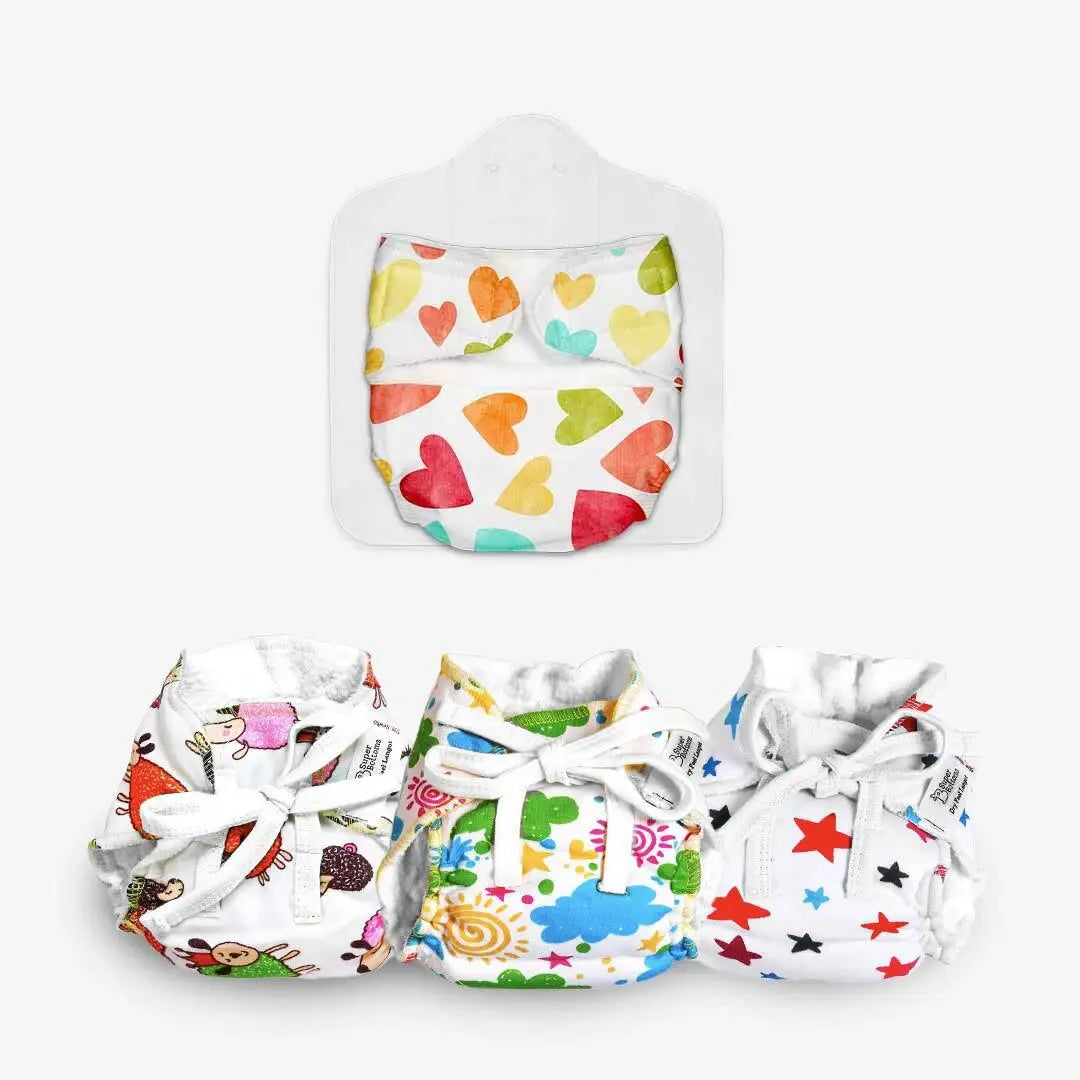
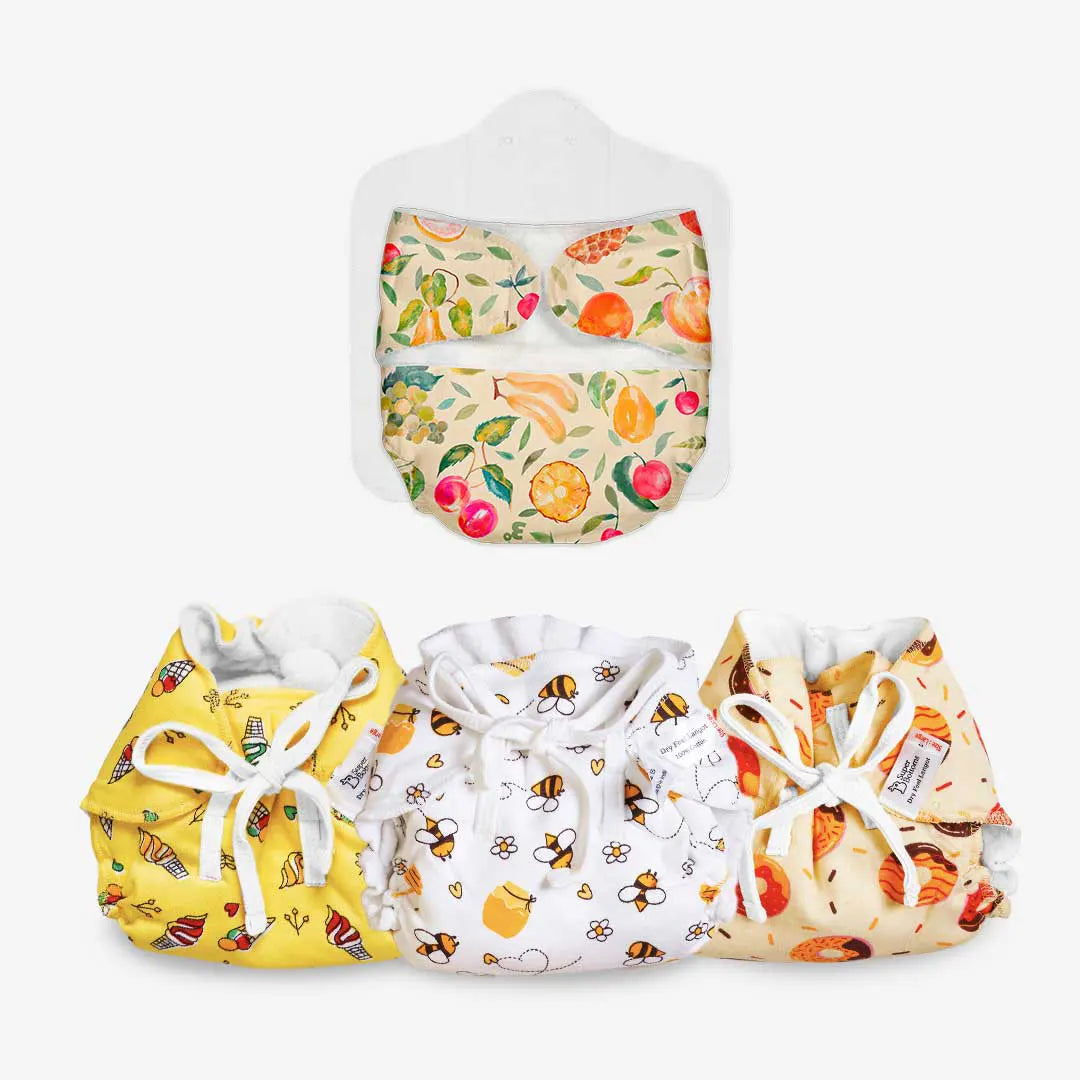
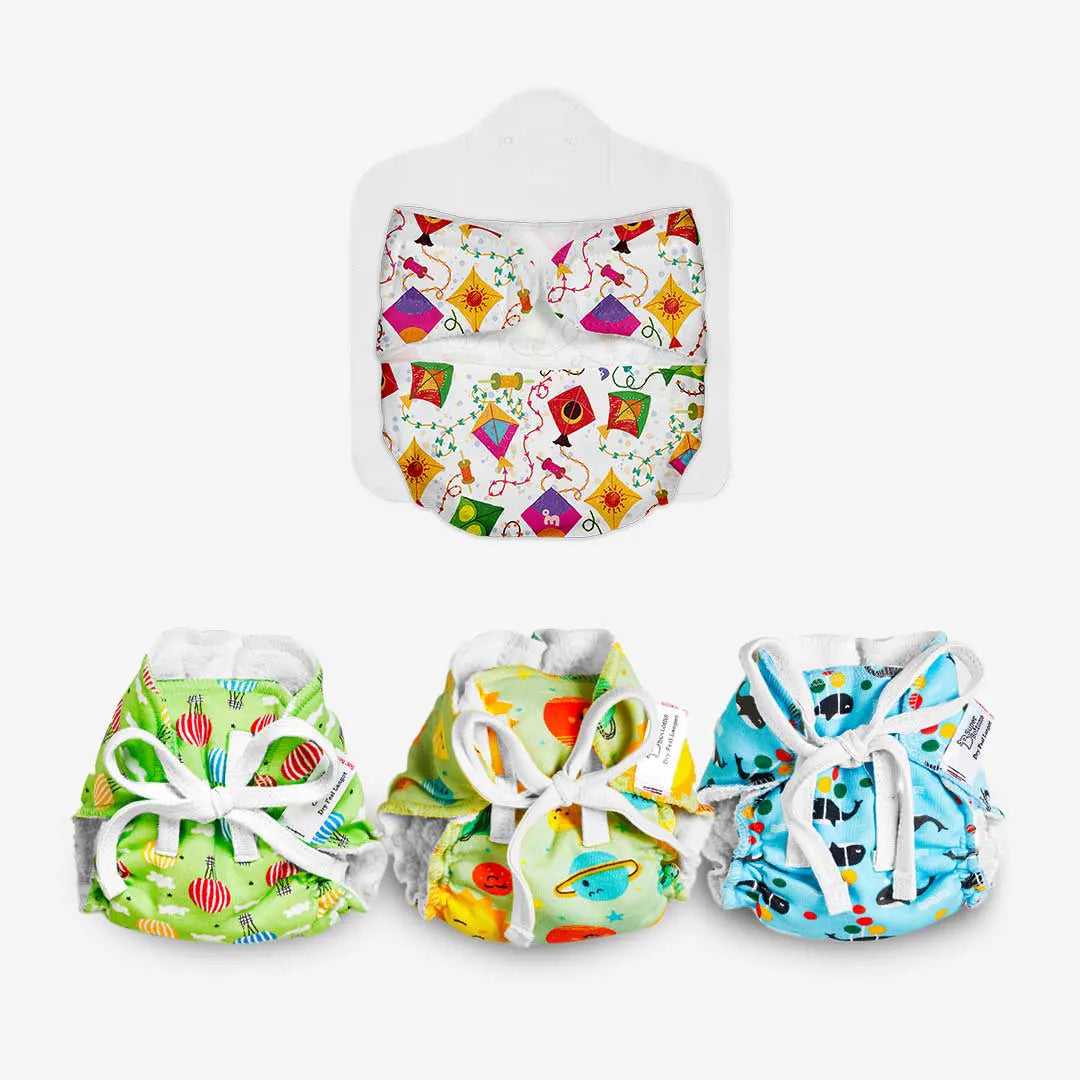
Our range also includes Diaper Pants, DryFeel langots for diaper-free time, Padded Underwear for potty training, as well as SuperSoft Underwear, Cycling Shorts and Joggers for growing kids.
Our collection also includes Period Underwear and bladder-leak solutions for women, along with everyday baby-care essentials.
SuperBottoms products also make thoughtful gifts for babies and new parents - practical, reusable and designed around the real needs of parents.
SuperBottoms products are now available on Amazon, Flipkart, FirstCry, Myntra, Nykaa, Blinkit, and Zepto.