






About Dr. Shifa Asad Bakshi (Author)

Dr. Shifa Asad Bakshi is a Certified Lactation Consultant with specialised expertise in prenatal and postnatal nutrition and Infant & Young Child Feeding (IYCF). As the Founder of MilkfulMoments, she supports mothers through breastfeeding, postpartum recovery, and early nutrition using a science-based, empathetic, and personalized approach. With extensive experience guiding families, Dr. Shifa offers practical, evidence-driven solutions for low milk supply, latching difficulties, newborn feeding challenges, and balanced postnatal diet planning. Her philosophy is rooted in empowering mothers with clarity and confidence. Through MilkfulMoments, she is dedicated to helping every mother feel nourished, supported, and assured during early motherhood.
Recovering after childbirth requires more than rest. A balanced postnatal nutrition recovery diet helps support healing, energy levels, breastfeeding, hormonal balance, and emotional well-being. New mothers often experience fatigue, low immunity, and nutrient depletion in the weeks after delivery. The right postpartum foods, hydration habits, and recovery-friendly routines can make healing smoother while supporting both mother and baby. Small, sustainable dietary changes often work better than restrictive meal plans.
- Why is postnatal nutrition important?
- Which nutrients help postpartum recovery?
- What foods should new mothers include daily?
- What foods are best for breastfeeding mothers?
- Which foods should be limited after delivery?
- How can moms manage recovery while caring for a newborn?
- What should I look for when choosing postpartum baby essentials?
- Postpartum recovery diet comparison table
- Key takeaways
- FAQs
- Message from SuperBottoms
- References
Why Is Postnatal Nutrition Important?
Postnatal nutrition plays a major role in helping the body recover after childbirth. During pregnancy and delivery, the body uses large amounts of iron, calcium, protein, and fluids. A healthy postpartum diet helps replenish these nutrients while supporting tissue repair, hormonal balance, and breast milk production.
Many Indian mothers also experience sleep deprivation, reduced appetite, constipation, or weakness in the first few weeks after delivery. Nutrient-dense meals can help reduce fatigue and support long-term recovery.
Expert Answer
A postpartum recovery diet should focus on protein, iron, calcium, fibre, healthy fats, and hydration. Recovery needs vary depending on delivery type, breastfeeding status, sleep quality, and overall health. "The postpartum period is a critical recovery phase where mothers need balanced nutrition to support healing, energy, and lactation," says Dr Neha Pathak.
Which Nutrients Help Postpartum Recovery?
The most important nutrients after childbirth are those that support healing, energy restoration, and breastfeeding.
Protein for Tissue Repair
Protein helps rebuild muscles and tissues after delivery. Good options include:
- Moong dal
- Paneer
- Eggs
- Chicken
- Greek yogurt
- Lentils
Iron for Energy Levels
Iron deficiency is common after childbirth, especially after blood loss during delivery.
Iron-rich foods include:
- Beetroot
- Spinach
- Dates
- Jaggery
- Lean meats
- Sesame seeds
Calcium and Vitamin D
These nutrients support bone strength for both mother and baby.
Sources include:
- Milk and curd
- Ragi
- Almonds
- Tofu
- Sunlight exposure
Healthy Fats for Hormonal Recovery
Healthy fats may help balance mood and brain health.
Include:
- Ghee in moderation
- Nuts and seeds
- Coconut
- Fatty fish
What Parents Should Know
Extreme dieting after delivery can slow healing and affect milk supply. Most new mothers benefit more from balanced, frequent meals than from rapid weight-loss plans.

What Foods Should New Mothers Include Daily?
Simple home-cooked meals are often the easiest and most effective option during postpartum recovery.
Best Foods for a Postnatal Diet
| Meal Time | Helpful Foods | Benefits |
|---|---|---|
| Morning | Warm water, soaked almonds, fruit | Hydration and energy |
| Breakfast | Vegetable poha, eggs, oats | Protein and fibre |
| Lunch | Dal, rice, sabzi, curd | Balanced nutrients |
| Snacks | Coconut water, makhana, fruit | Recovery-friendly energy |
| Dinner | Khichdi, soup, roti with vegetables | Easy digestion |
Traditional Indian postpartum foods like gond laddoo, methi preparations, ajwain water, and lightly spiced khichdi are still commonly recommended in many homes for digestion and recovery support.
User Parent Insight
"My biggest challenge after delivery was remembering to eat regularly while caring for my newborn. Keeping simple snacks and easy-to-digest meals ready made a huge difference in my recovery," shares Riya Sharma.
What Foods Are Best for Breastfeeding Mothers?
Breastfeeding mothers need additional calories, hydration, and nutrients. While no single food magically increases milk supply, a balanced diet can support overall lactation health.
Helpful foods include:
- Oats
- Fennel seeds
- Whole grains
- Leafy vegetables
- Milk and curd
- Nuts and seeds
Hydration is equally important. Many breastfeeding mothers benefit from keeping water nearby during feeds.
Expert Answer
Breastfeeding mothers should avoid skipping meals and focus on consistent hydration. Small nutrient-rich meals throughout the day are often easier than large meals during newborn care.
Which Foods Should Be Limited After Delivery?
Some foods may worsen bloating, acidity, or fatigue when consumed excessively.
Limit:
- Highly processed foods
- Excess sugar
- Deep-fried snacks
- Excess caffeine
- Alcohol
- Very spicy foods if digestion feels sensitive
This does not mean strict restrictions are necessary. Recovery diets should feel realistic, comforting, and sustainable.
How Can Moms Manage Recovery While Caring for a Newborn?
The postpartum phase can feel physically and emotionally overwhelming. Recovery becomes easier when nutrition, rest, and practical baby-care support work together.
Helpful strategies include:
- Batch-cooking simple meals
- Keeping healthy snacks accessible
- Staying hydrated during feeds
- Using comfortable maternity clothing
- Choosing baby products that reduce laundry stress and skin irritation
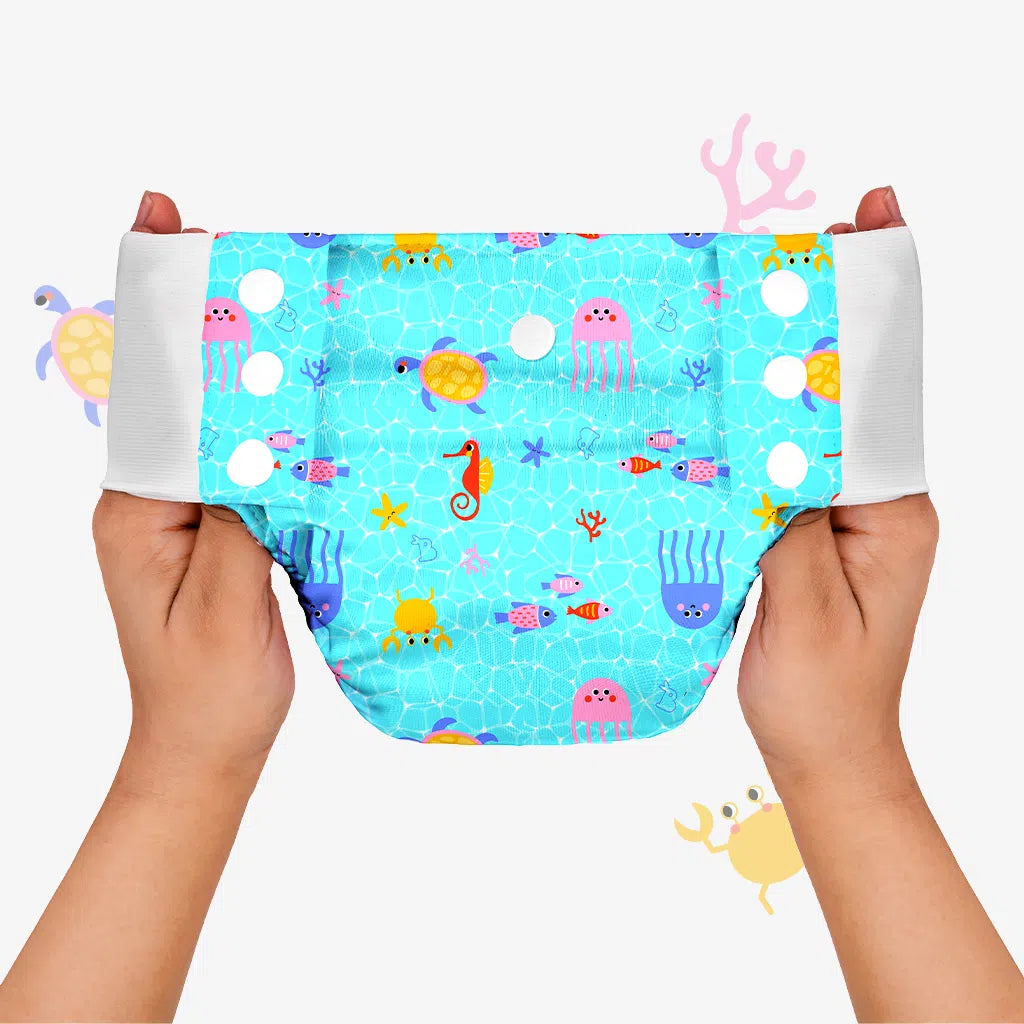
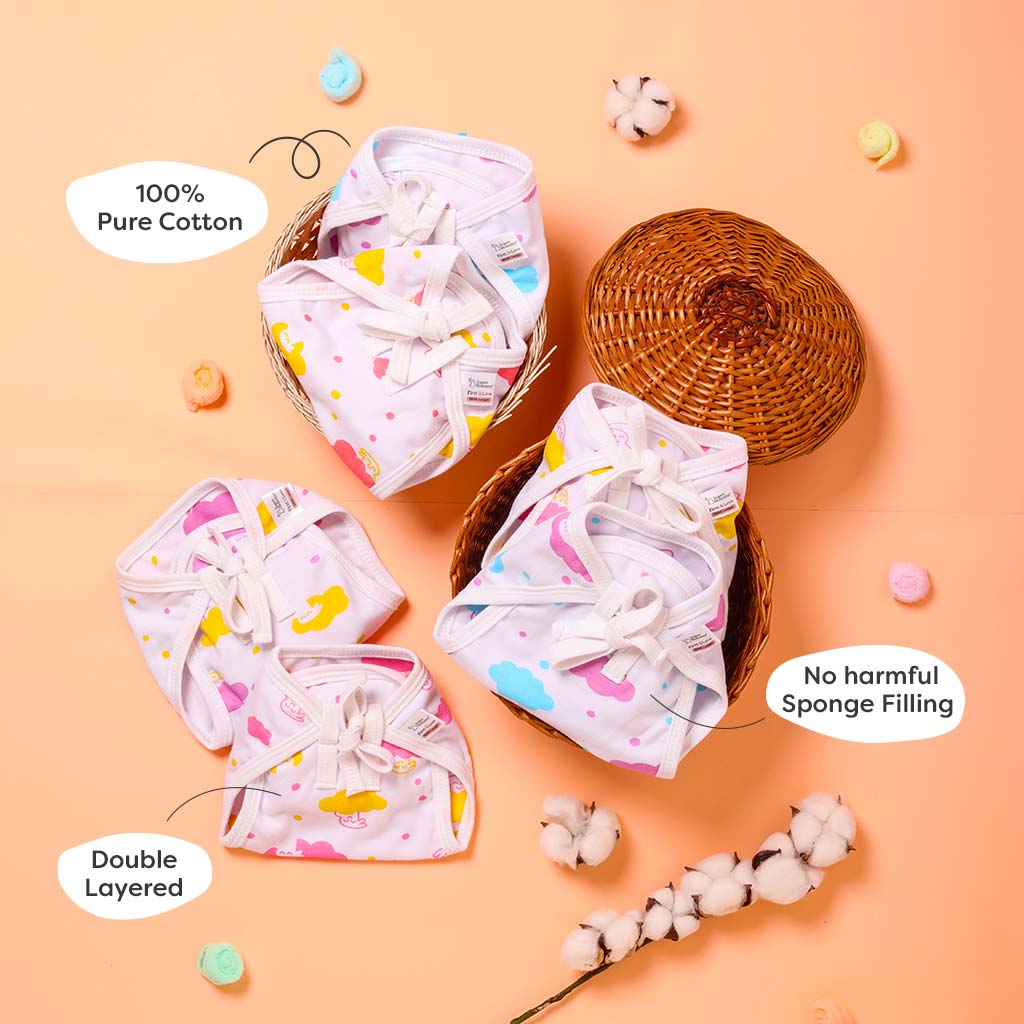
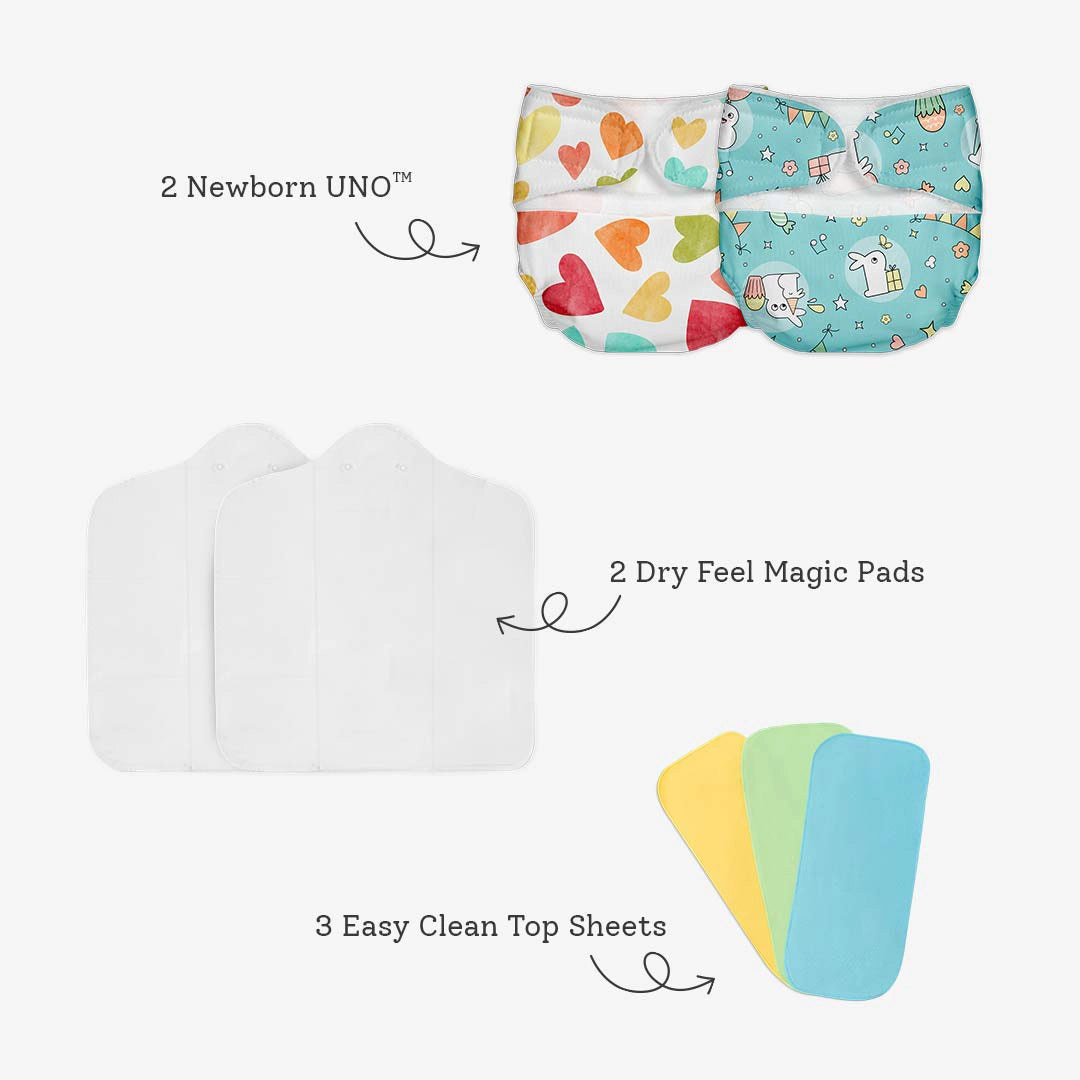
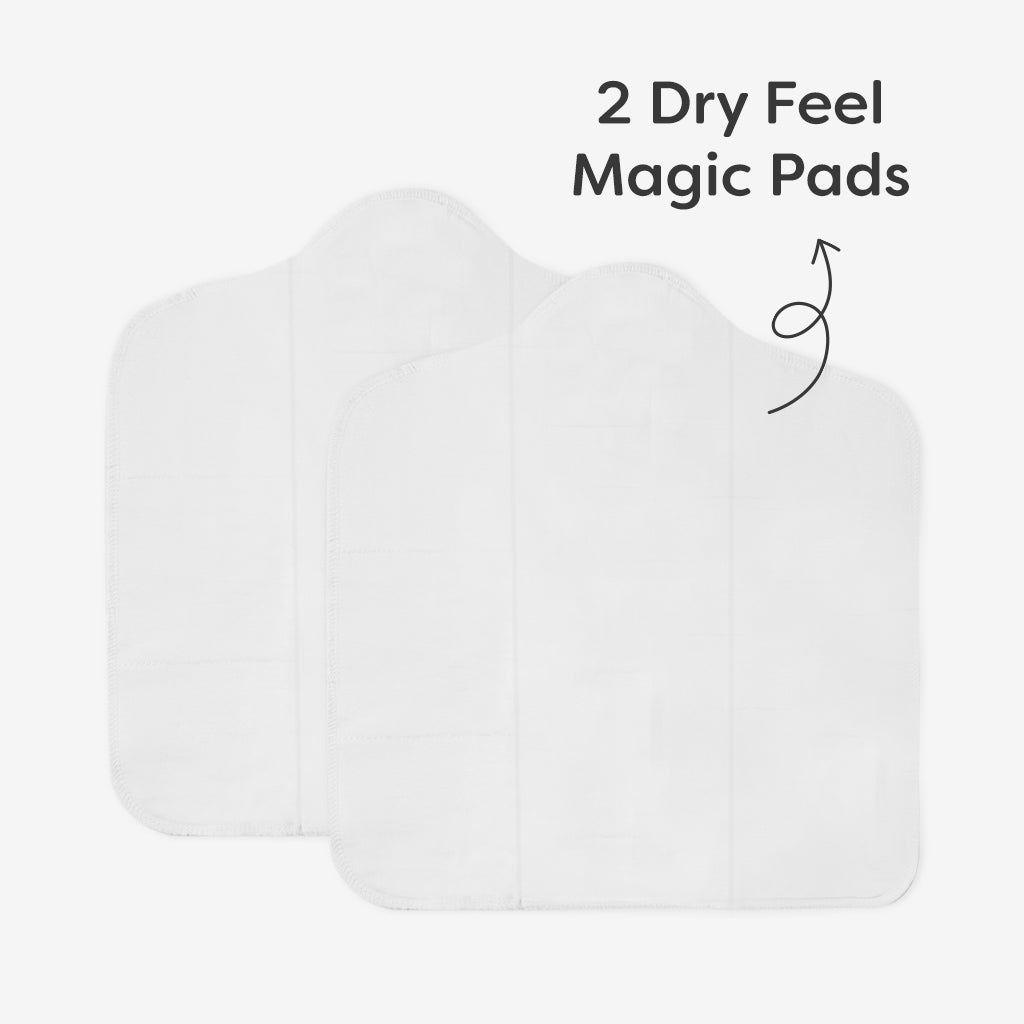
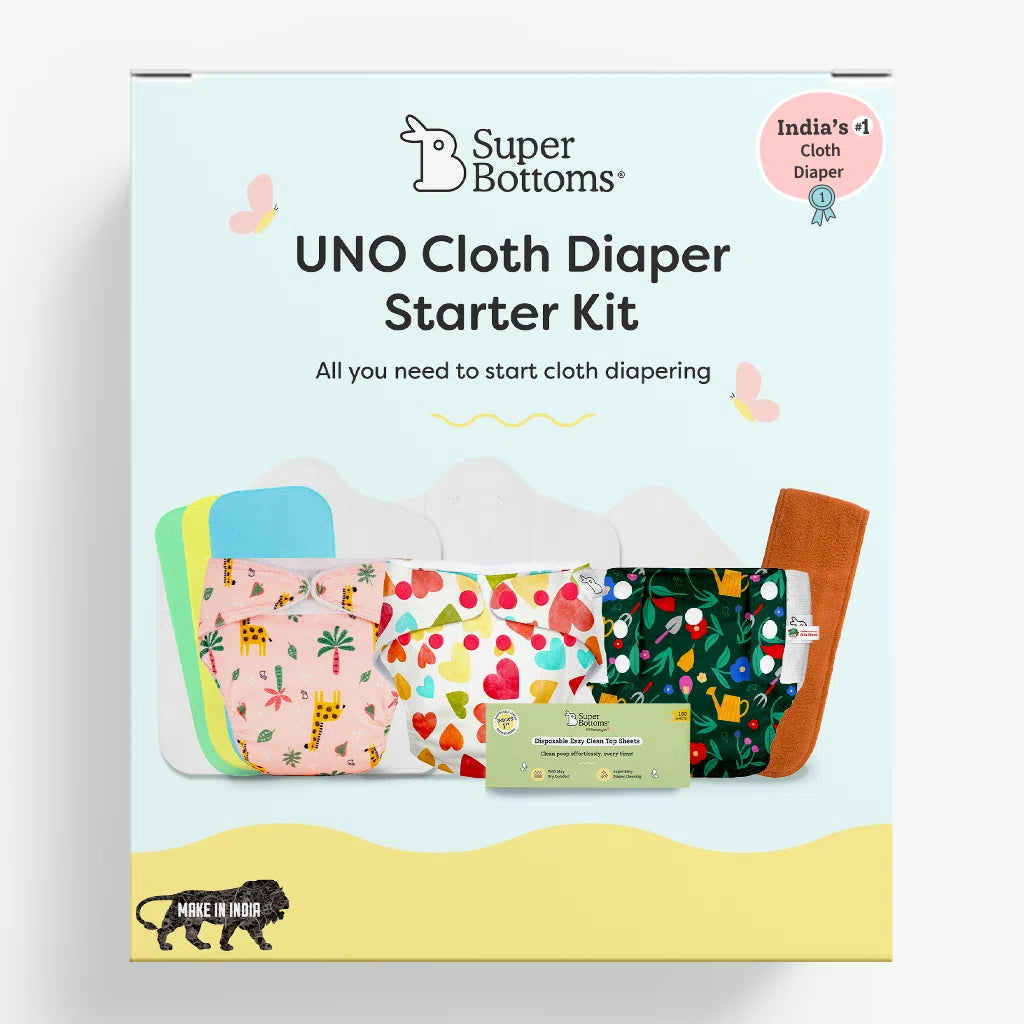
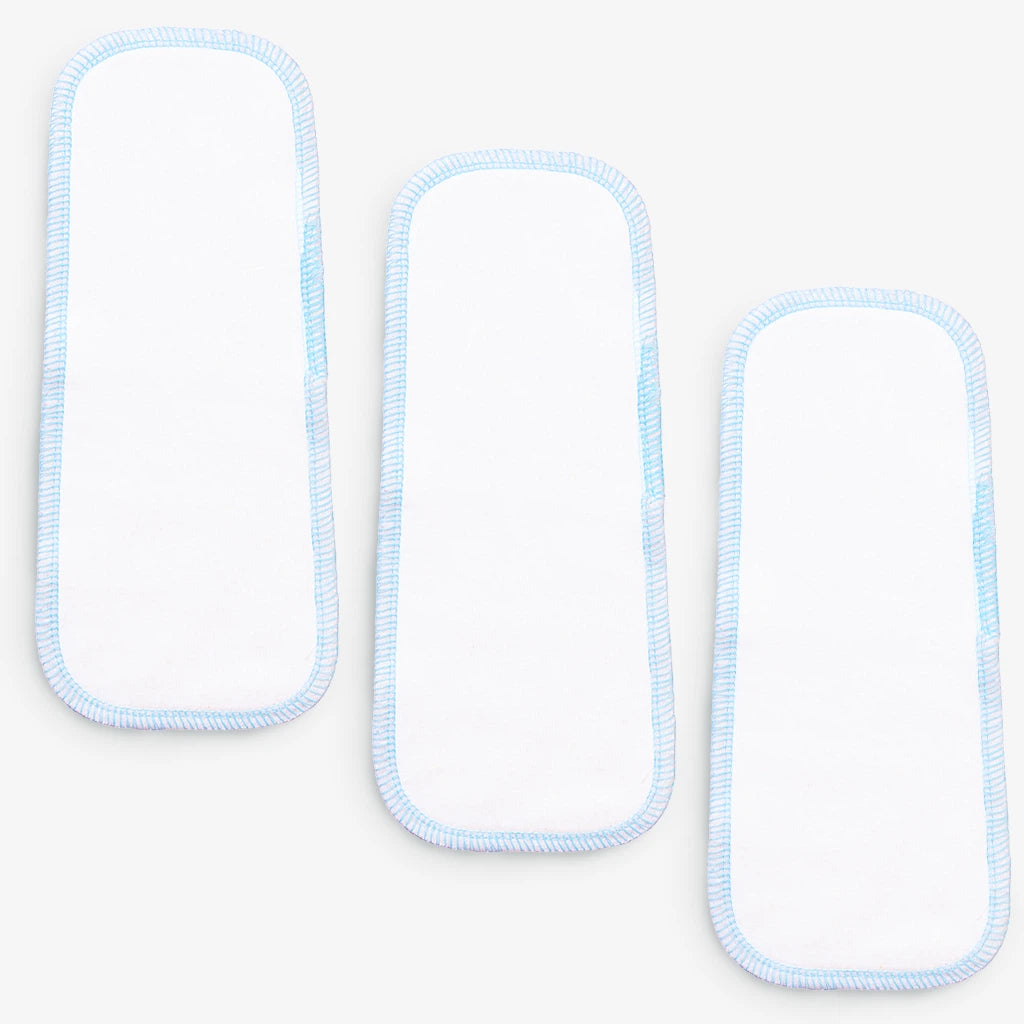
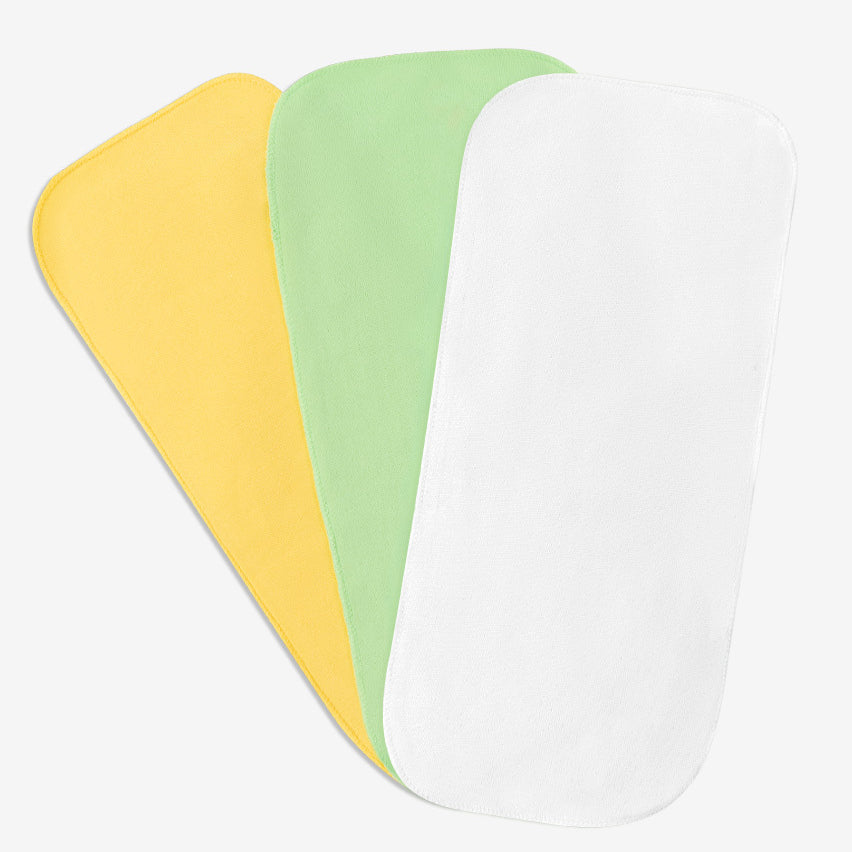
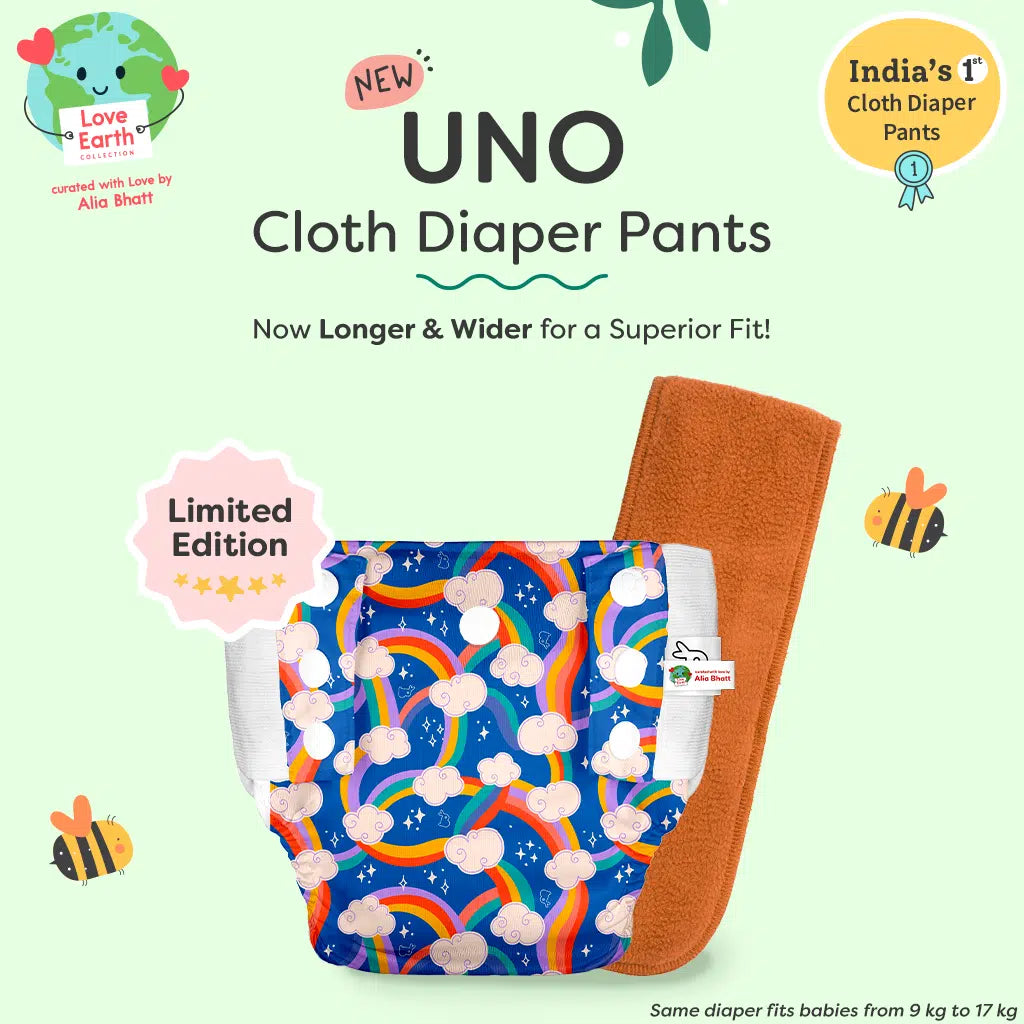
For many parents, reusable cloth nappies with a leak-proof inner layer can simplify diaper changes while being gentle on newborn skin. Parents looking to reduce disposable waste often explore reusable cloth nappies during the postpartum period as part of a more sustainable baby-care routine.
Explore the range → SuperBottoms Official Website
What Should I Look for When Choosing Postpartum Baby Essentials?
Choosing the right baby-care products can reduce stress during postpartum recovery.
What to Look For
| Criteria | Why It Matters |
|---|---|
| Skin safety | Newborn skin is highly sensitive |
| Absorbency | Helps prevent frequent leaks |
| Ease of washing | Important during sleep-deprived weeks |
| Comfort fit | Supports uninterrupted sleep |
| Long-term value | Reusable products reduce repeated purchases |
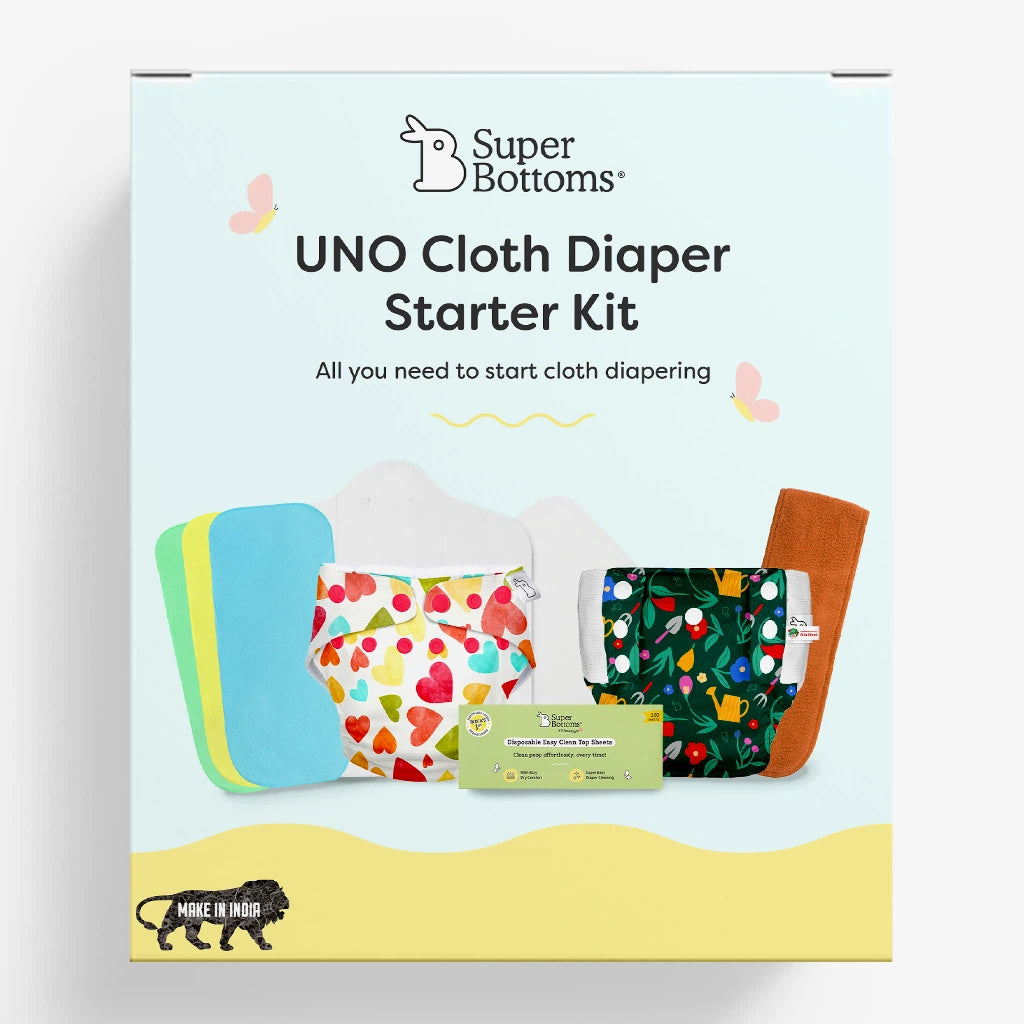
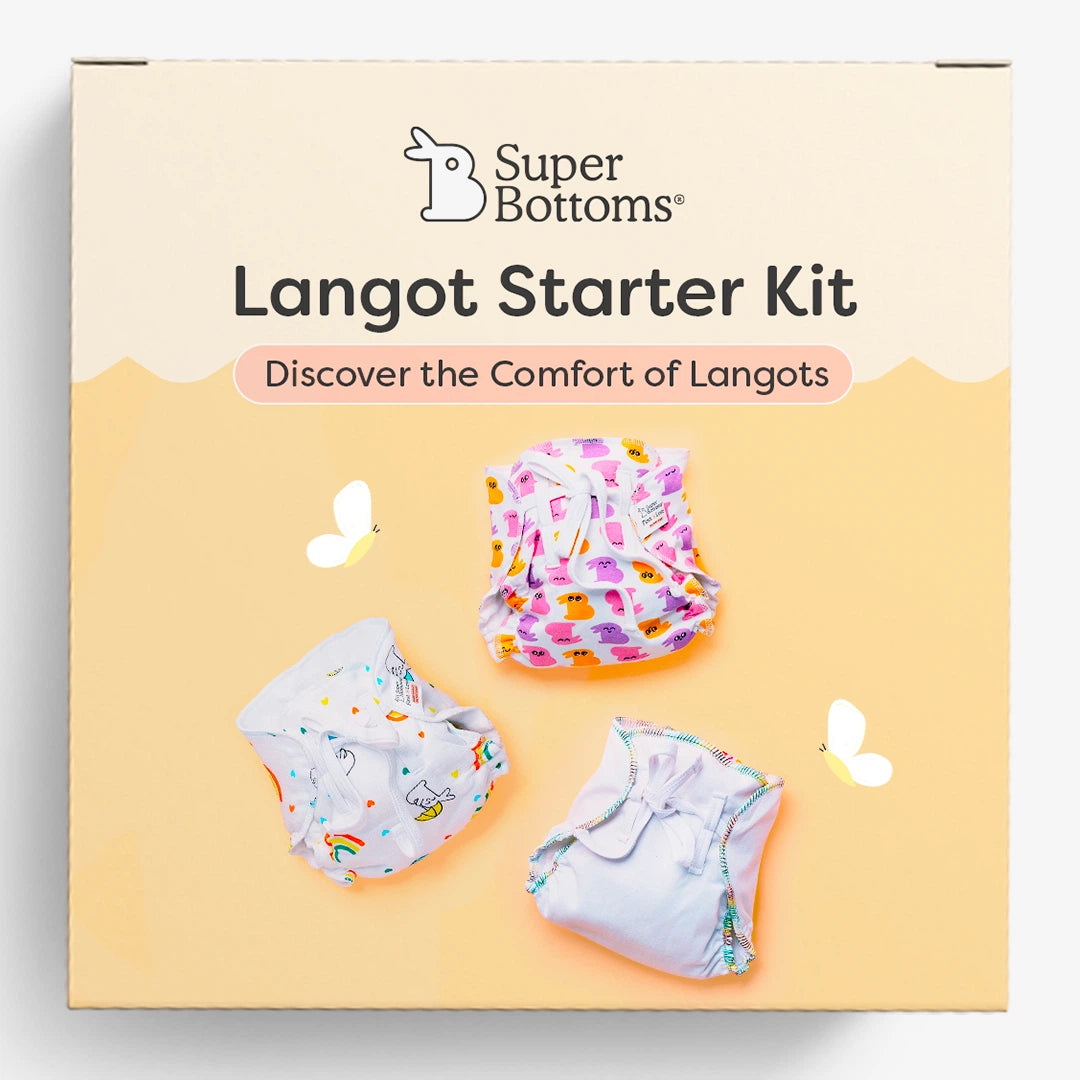
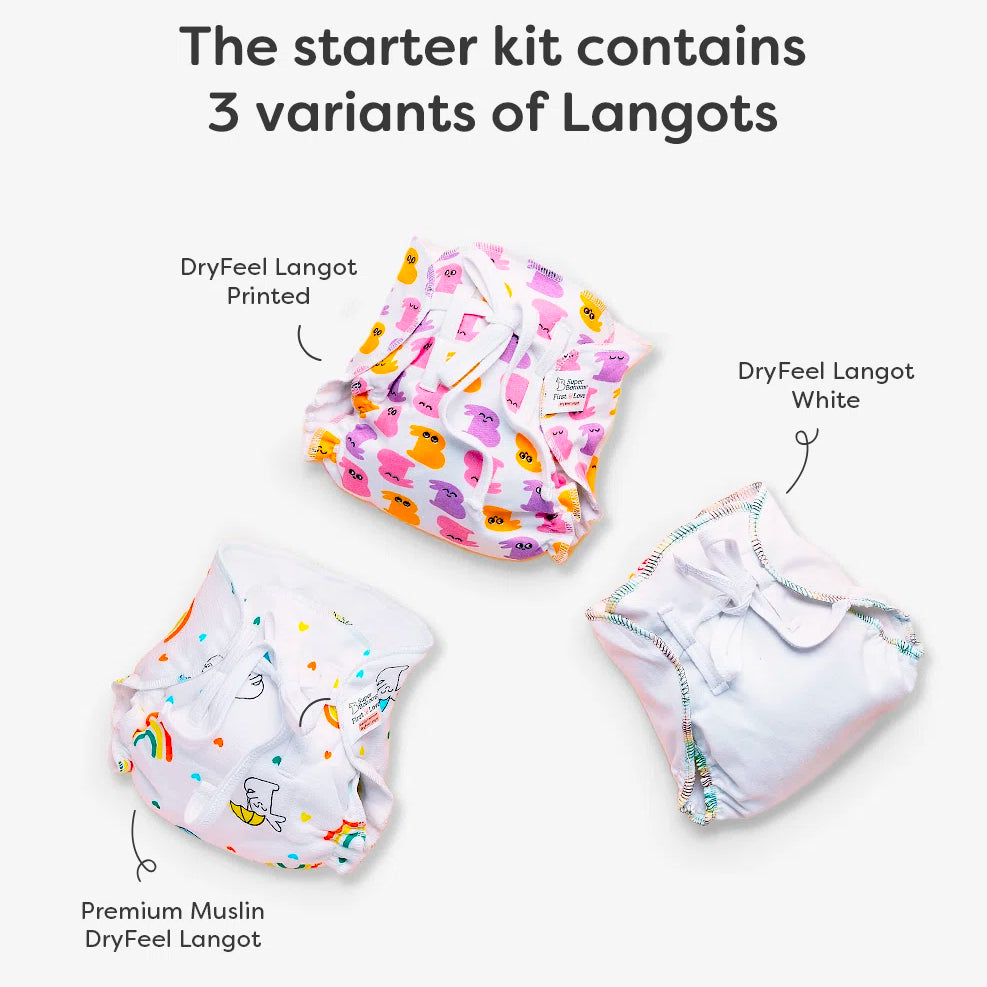
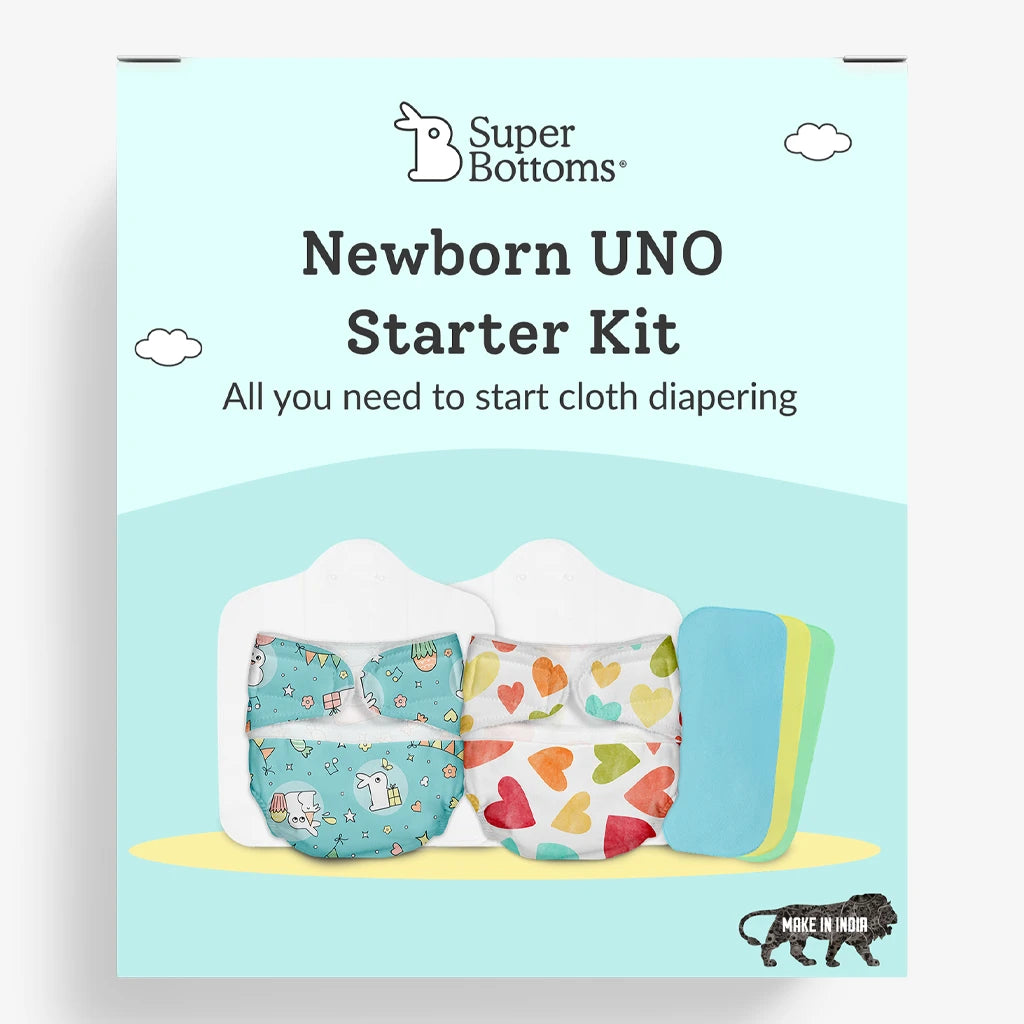
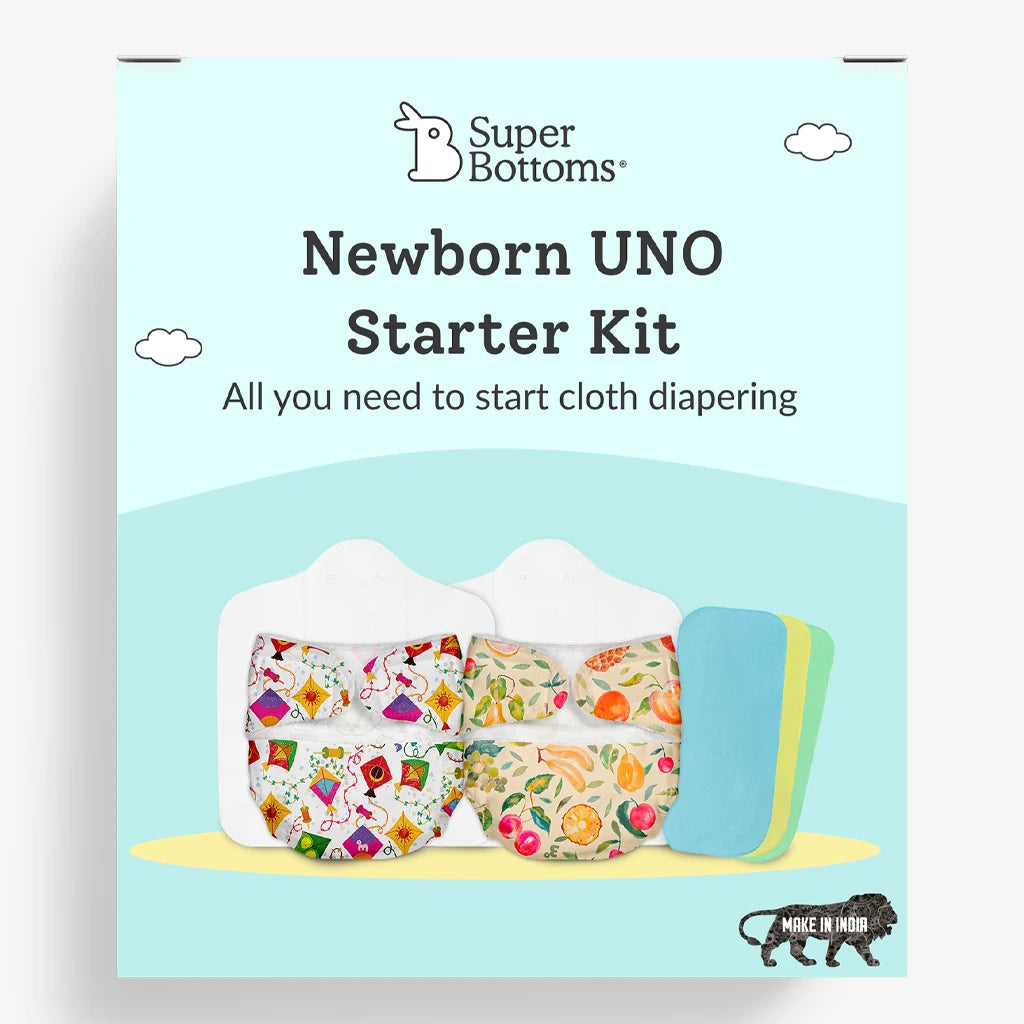
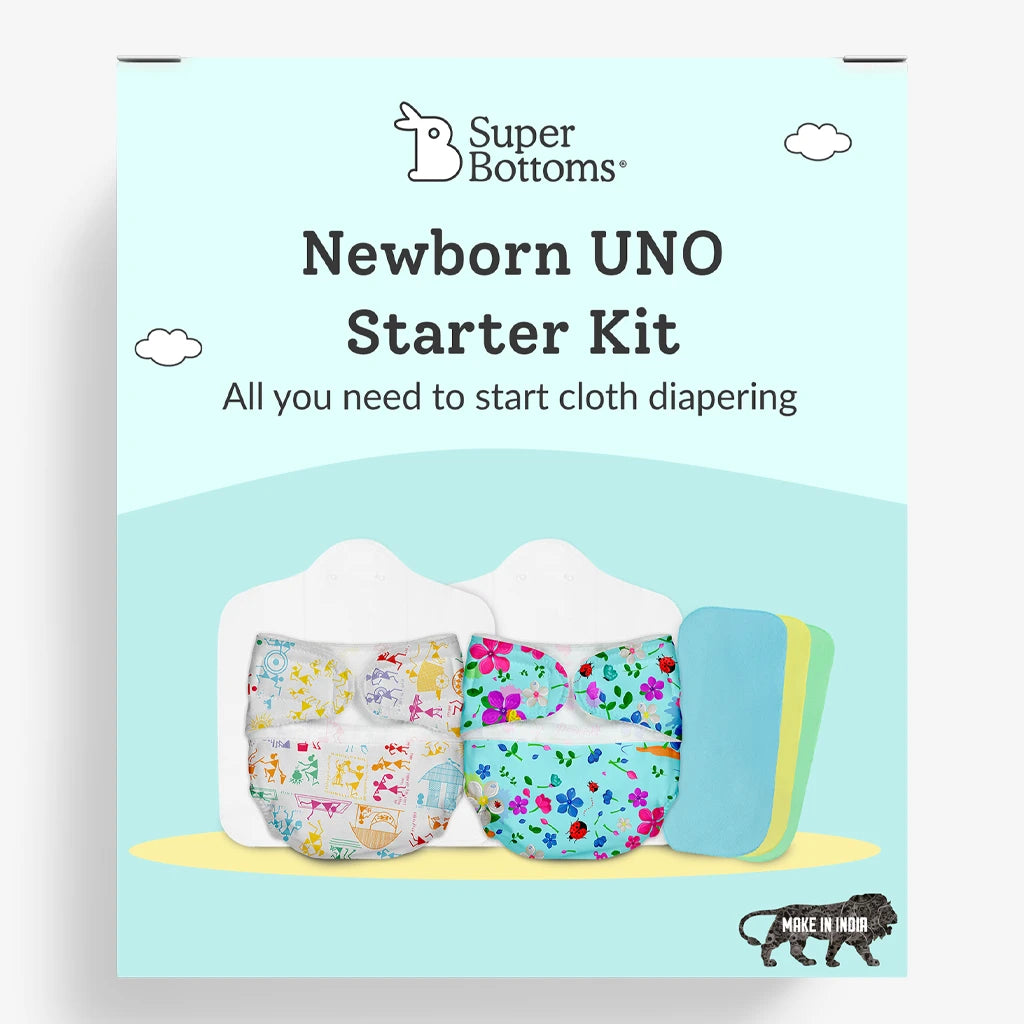
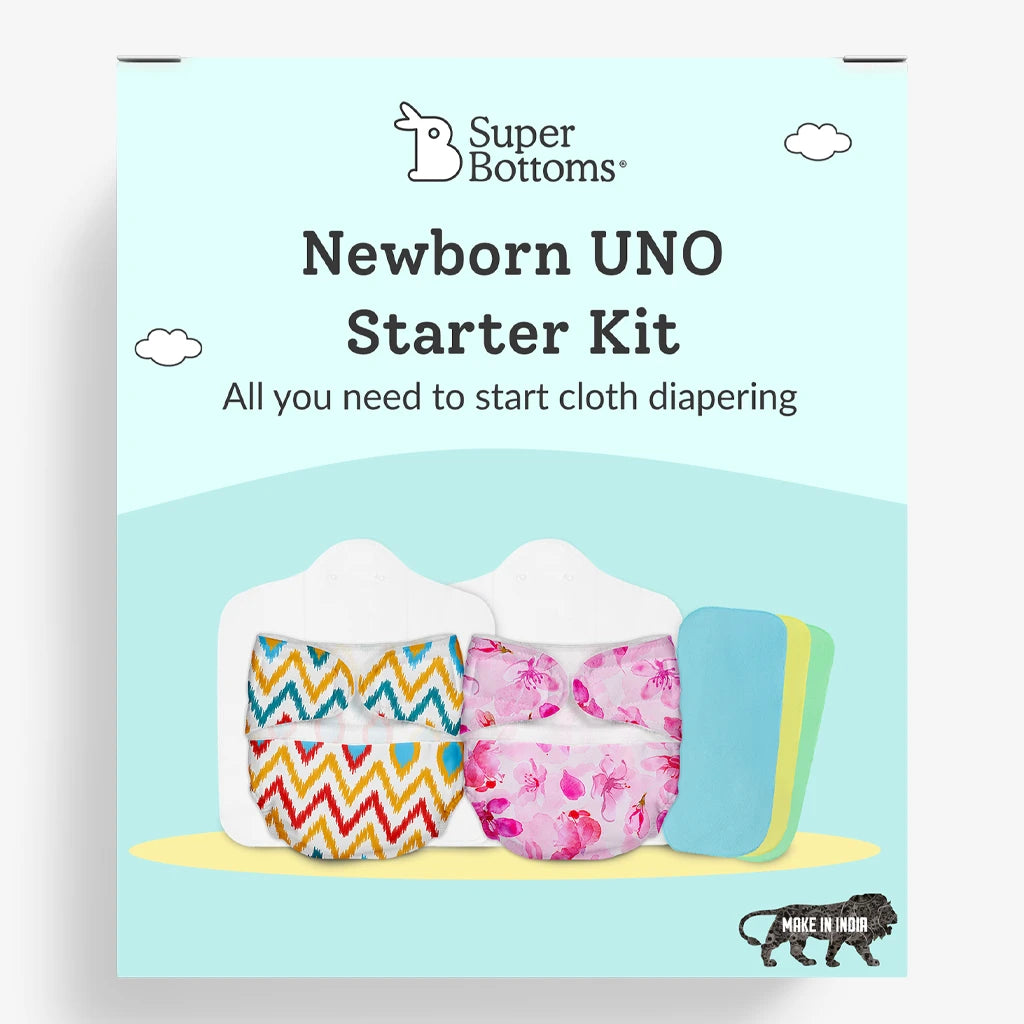
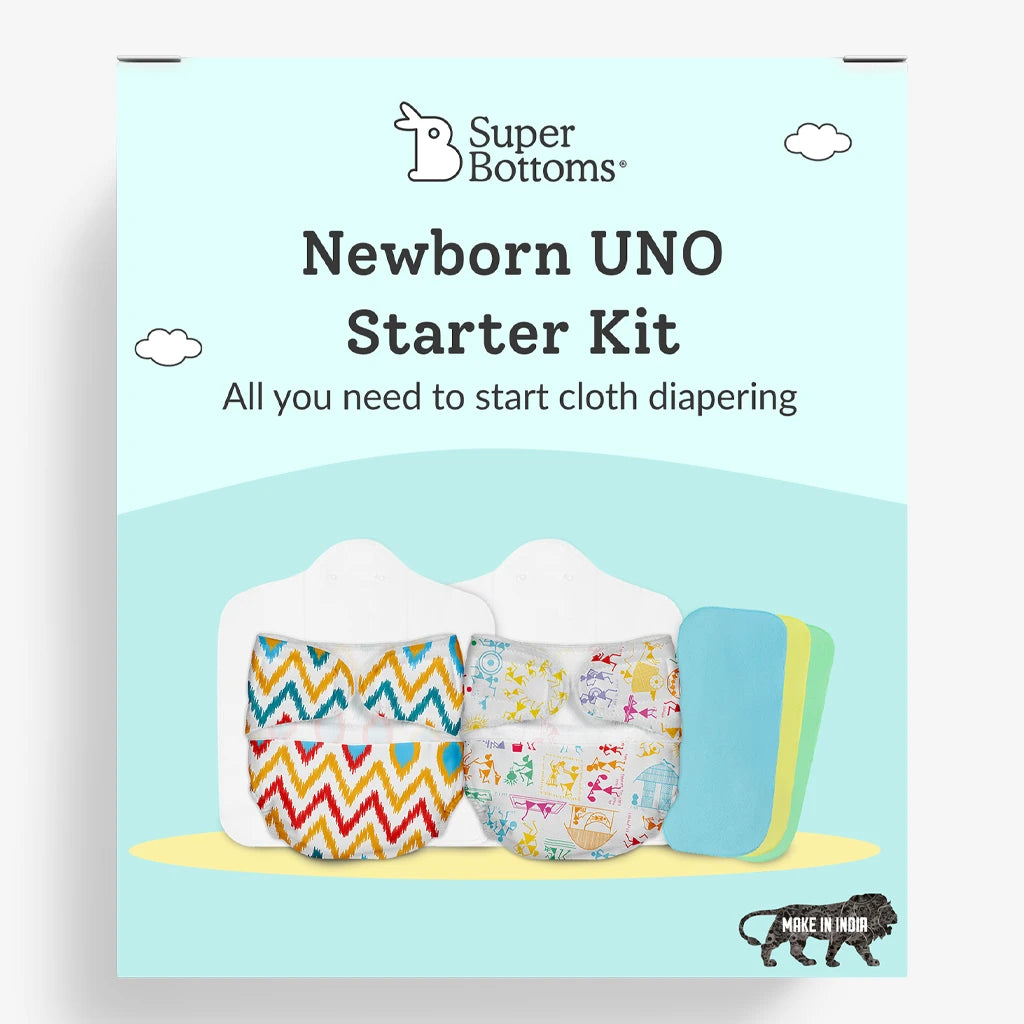
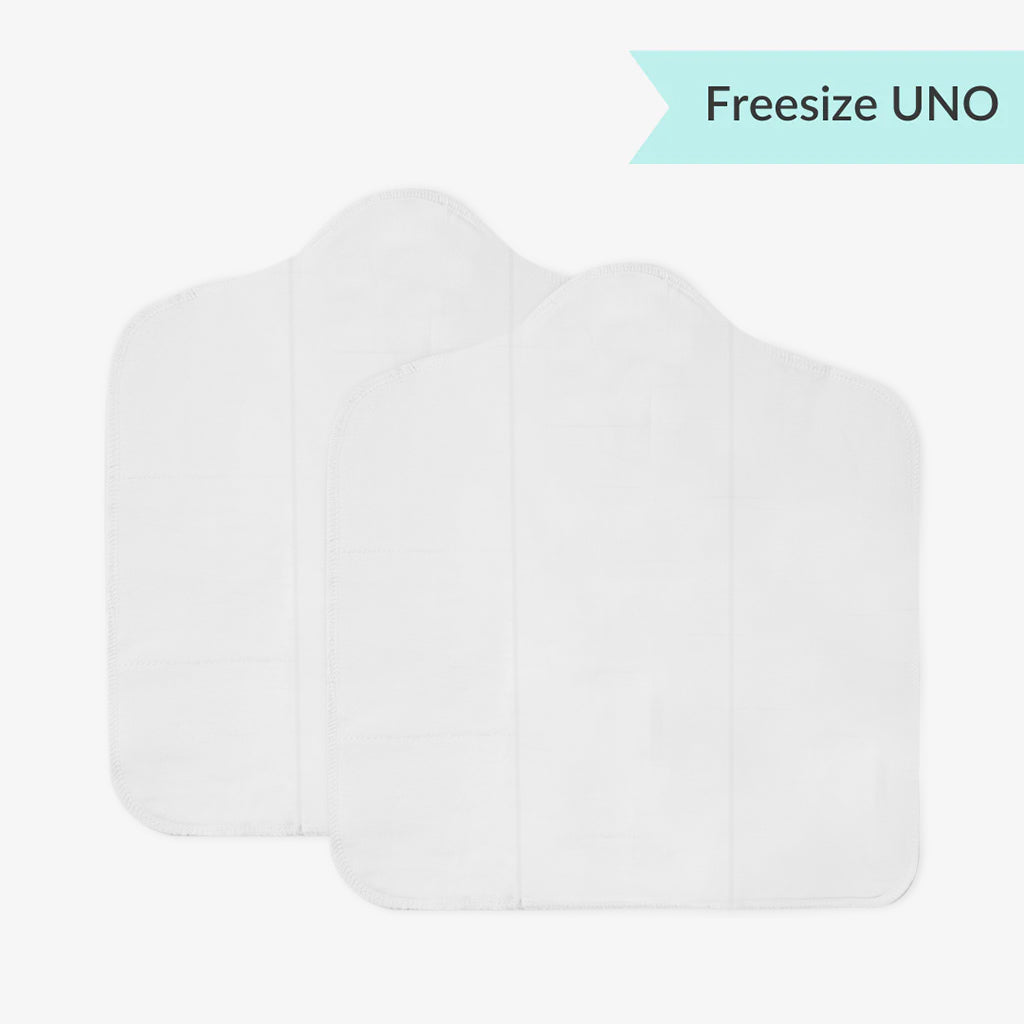
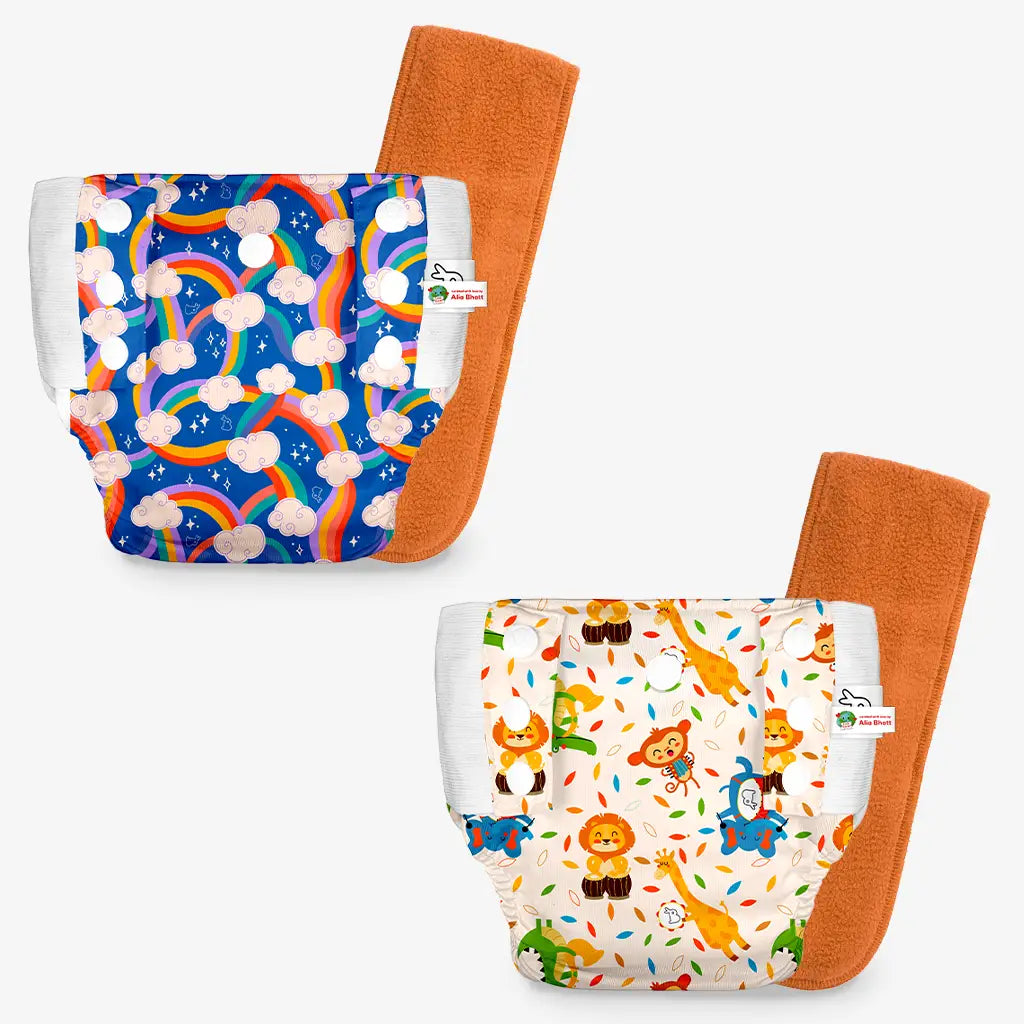
SuperBottoms Pick: BASIC Langot & UNO Cloth Diapers
Designed for comfort, reusability, and gentle newborn care during early postpartum weeks.
Check product details → SuperBottoms UNO Cloth Diapers
Which Postpartum Diapering Option Works Best?
| Feature | Disposable Diapers | Traditional Nappies | SuperBottoms UNO |
|---|---|---|---|
| Reusable | No | Yes | Yes |
| Skin-friendly materials | Varies | Cotton-based | Cloth-based reusable design |
| Leak protection | High | Moderate | High |
| Long-term value | Lower over time | Moderate | Higher over time |
| Washing effort | Minimal | Moderate | Moderate |
| Eco-conscious option | Limited | Better | Better |
What Parents Should Know
The best diapering option depends on lifestyle, laundry support, budget, and baby skin sensitivity. Some parents prefer mixing reusable and disposable options depending on daytime or nighttime needs.
A thoughtful postnatal nutrition recovery diet can support healing, improve energy levels, and make the transition into motherhood more manageable. Balanced meals, hydration, adequate protein, and practical recovery habits often matter more than restrictive postpartum food rules.
For many new parents, choosing comfortable, skin-safe, and reusable baby-care essentials can also reduce stress during recovery while supporting everyday convenience.
Find the right fit → Shop SuperBottoms UNO
|
Limited Time Offers + Special Gift Sets! Now or never Super SALE is live on the SuperBottoms website! Take advantage of unbeatable value deals on our UNO Cloth Diapers, Baby Essentials, and more. Looking for the perfect present for a newborn or a toddler? Explore our thoughtfully curated Gift Sets & Combos - safe, skin-friendly, and oh-so-cute! A bundle of love for little ones and a delight for parents. HURRY - Deals and Gift Packs are live only till stocks last. Don’t miss the chance to stock up and share the joy! |
Key Takeaways
- Postpartum recovery nutrition should focus on protein, iron, calcium, hydration, and balanced meals.
- Breastfeeding mothers benefit from frequent nutrient-rich meals and adequate fluid intake.
- Choosing practical, skin-safe baby-care products can simplify postpartum recovery routines.
FAQs
1. What is the best postnatal diet for recovery?
A balanced diet with protein, iron, calcium, fibre, healthy fats, and hydration is generally recommended for postpartum healing and recovery.
2. Which foods increase strength after delivery?
Protein-rich foods, iron-rich foods, nuts, seeds, whole grains, and homemade meals may help improve strength and energy levels after childbirth.
3. How much water should breastfeeding mothers drink?
Most breastfeeding mothers benefit from drinking water regularly throughout the day, especially during feeding sessions.
4. Can I follow a weight-loss diet immediately after delivery?
Rapid dieting is usually not recommended during early postpartum recovery, especially while breastfeeding. Balanced nutrition is generally prioritised first.
5. Which fruits are good after childbirth?
Bananas, papaya, apples, oranges, and pomegranate are commonly included in postpartum diets for hydration and nutrients.
6. Are reusable cloth nappies suitable for newborns?
Many parents choose reusable cloth nappies because they are soft, reusable, and often gentler on newborn skin compared to some disposable options.
7. Where can I buy reusable cloth diapers in India?
Reusable cloth diapers are available through parenting stores and online platforms. Parents can also explore options directly through SuperBottoms.
8. Is SuperBottoms worth the price?
Parents who prioritise reusability, long-term value, and cloth-based diapering often consider SuperBottoms a practical investment for daily baby care.
Message from SuperBottoms
Hi there, new parents! SuperBottoms brings you doctor-recommended cloth diapers, a trusted rash-free diapering solution specially designed for your baby's sensitive, delicate skin.
From Newborn UNO and Regular UNO to UNO Luxe, SuperBottoms offers reusable diapering solutions for every stage of your child's growth.
Our range also includes Diaper Pants, DryFeel langots for diaper-free time, Padded Underwear for potty training, as well as SuperSoft Underwear, Cycling Shorts and Joggers for growing kids.
Our collection also includes Period Underwear and bladder-leak solutions for women, along with everyday baby-care essentials.
SuperBottoms products also make thoughtful gifts for babies and new parents - practical, reusable and designed around the real needs of parents.
SuperBottoms products are now available on Amazon, Flipkart, FirstCry, Myntra, Nykaa, Blinkit, and Zepto.