








At 36 weeks pregnant, the baby is considered late preterm and preparing for birth by gaining fat, strengthening reflexes, and settling lower into the pelvis. Many mothers experience pelvic pressure, Braxton Hicks contractions, and nesting urges during this stage. The focus now shifts from pregnancy discomfort management to labour readiness, hospital preparation, and newborn essentials planning. The final weeks are best spent balancing rest, symptom awareness, and practical baby preparation.
- What Happens at 36 Weeks Pregnant?
- How Big Is Your Baby at 36 Weeks?
- What Symptoms Are Common at 36 Weeks?
- Are Labour Signs Starting Now?
- What Tests Happen During Week 36?
- What Should Be on Your Hospital Bag Checklist?
- Which Baby Essentials Should You Buy Before Delivery?
- Is It Worth Switching to Reusable Newborn Diapers?
- Comparison Table: Diaper Options for Newborns
- Key Takeaways
- FAQs
- Message from SuperBottoms
- References
What Happens at 36 Weeks Pregnant?
At 36 weeks, pregnancy enters its final stretch. Your baby is almost ready for life outside the womb, and your body begins active preparation for labour.
Common changes this week include:
- Baby dropping lower into the pelvis (lightening)
- Cervix beginning to soften
- Increased vaginal discharge
- More frequent Braxton Hicks contractions
- Stronger pelvic and lower back pressure
- Sleep disruption and fatigue
Many parents feel both excited and physically drained at this stage.
Expert Answer
"By 36 weeks, fetal lung maturity is significantly improved, and maternal monitoring focuses more closely on labour signs and fetal positioning."
— Dr Jennifer Ashton, MD, Board-Certified OB-GYN
How Big Is Your Baby at 36 Weeks?
At 36 weeks pregnant, your baby is approximately:
- Length: 18–19 inches
- Weight: 2.6–2.9 kg (around 5.7–6.4 pounds)
The baby now looks very much like a newborn.
Baby development at 36 weeks includes:
- Stronger sucking reflex
- Fat accumulation for temperature regulation
- Improved immune support from maternal antibodies
- Fingernails and toenails are fully formed
- Skin is becoming smoother and less wrinkled
Many babies are now head-down, ready for birth.
What Symptoms Are Common at 36 Weeks Pregnant?
A direct answer: discomfort usually increases now because the baby is larger and lower.
Common symptoms of 36 weeks pregnant include:
1. Pelvic Pressure
Baby dropping lower can make walking uncomfortable.
2. Frequent Urination
Less room for your bladder means more bathroom visits.
3. Braxton Hicks Contractions
These "practice contractions" may feel tighter and more noticeable.
4. Back Pain
Lower back strain is common from posture changes and baby weight.
5. Swelling
Feet, ankles, and fingers may swell more by evening.
What Parents Should Know
Are Labour Signs Starting at 36 Weeks?
Yes, some early labour signs can begin around now, though many parents still deliver closer to weeks 39–40.
Watch for:
- Bloody show
- Mucus plug discharge
- Regular contractions
- Water breaking
- Persistent lower back cramping
- Diarrhoea or nausea before labour
Call your doctor immediately if you notice:
- Reduced fetal movement
- Heavy bleeding
- Severe headache or blurred vision
- Sudden swelling in the face/hands
- Fluid leakage
What Tests Happen During Week 36?
Your prenatal appointment may include:
- Blood pressure check
- Weight tracking
- Fundal height measurement
- Fetal heartbeat monitoring
- Baby position check
- Group B Strep (GBS) screening
This test helps doctors decide whether antibiotics are needed during labour.
What Should Be in Your Hospital Bag?
By 36 weeks, your hospital bag should ideally be ready.
For mom:
- ID and insurance documents
- Comfortable nightwear
- Nursing bras
- Toiletries
- Slippers
- Phone charger
- Maternity pads
For baby:
- Newborn clothes
- Swaddle
- Cap and mittens
- Blanket
- Car seat
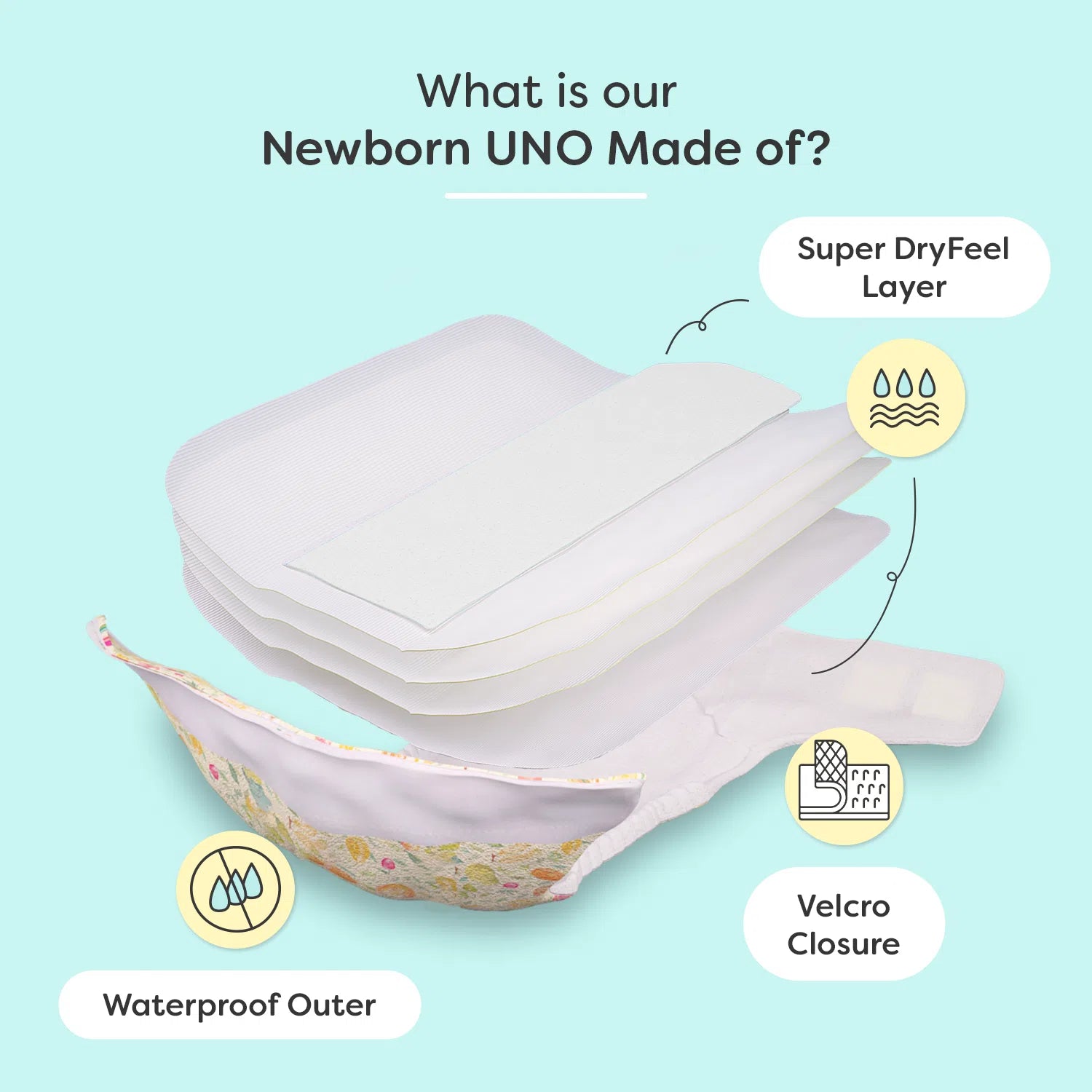
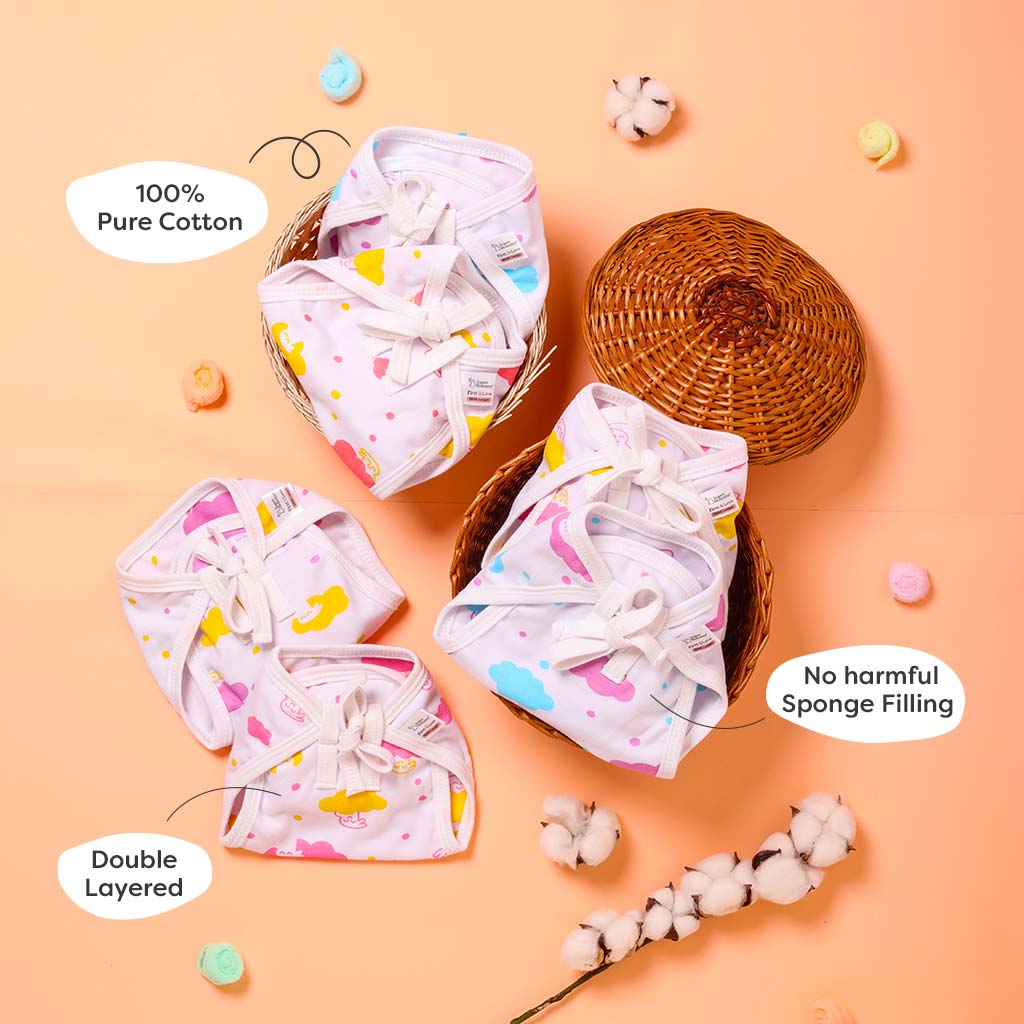
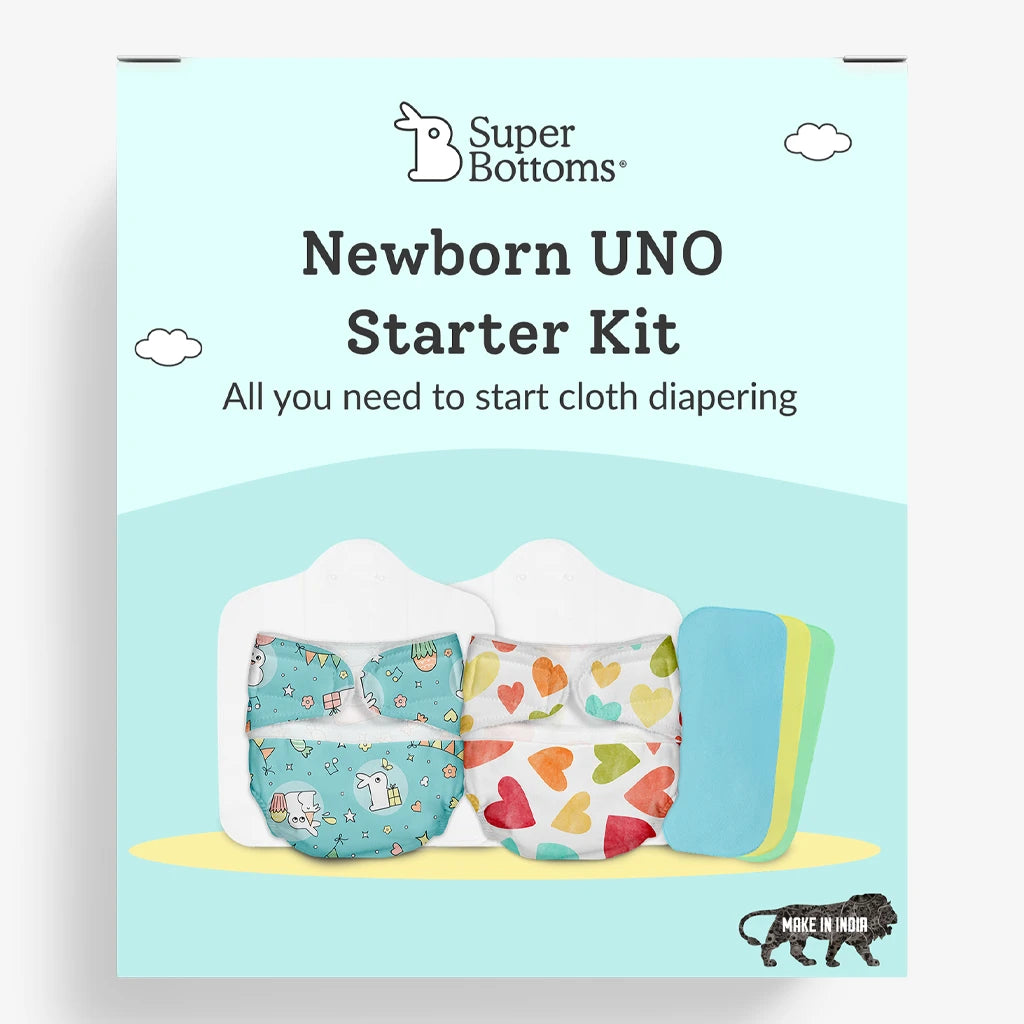
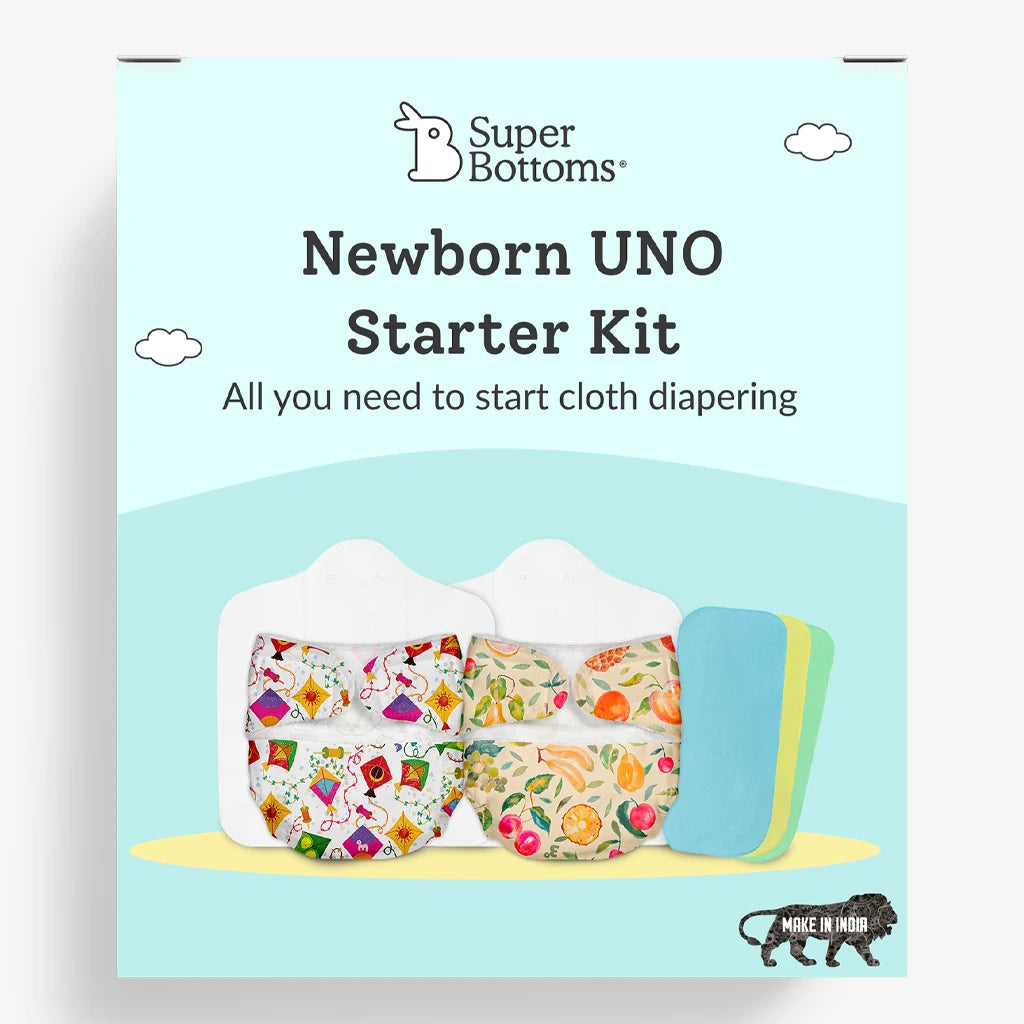
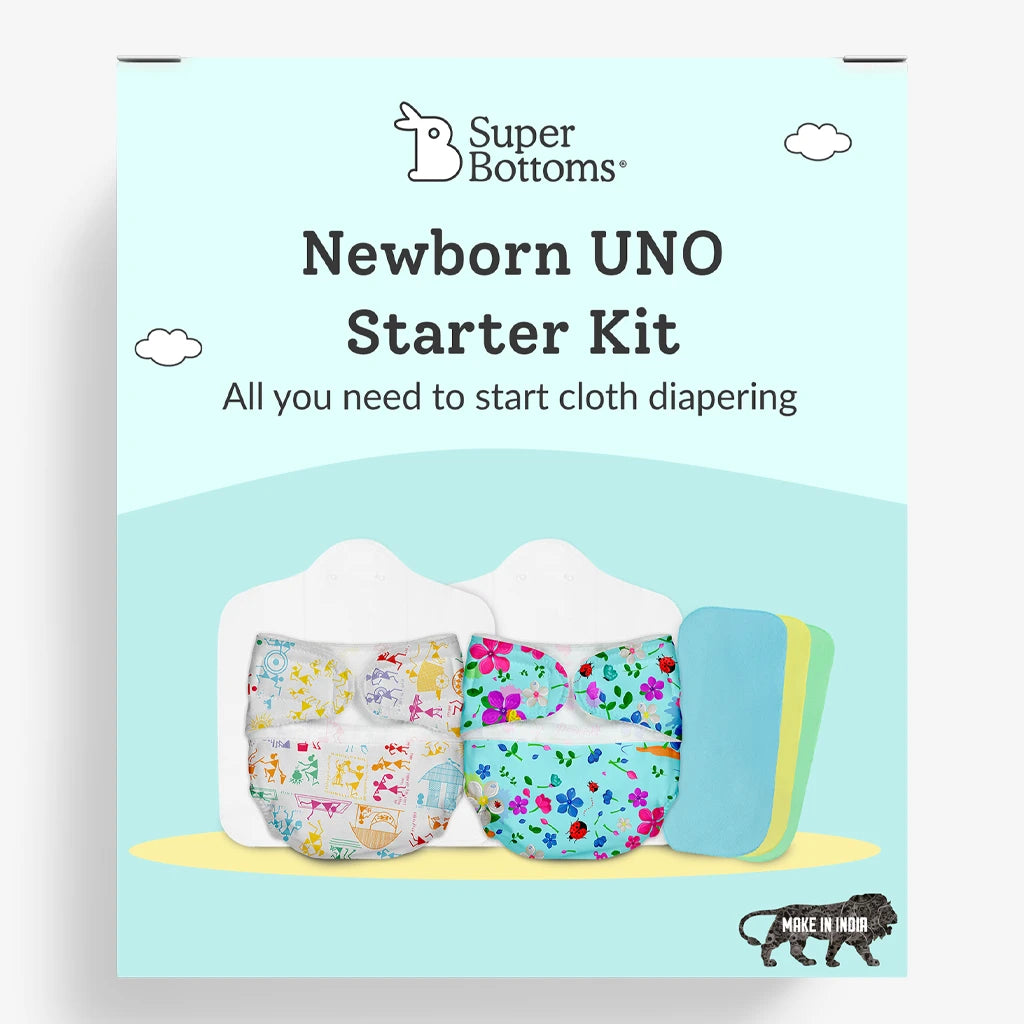
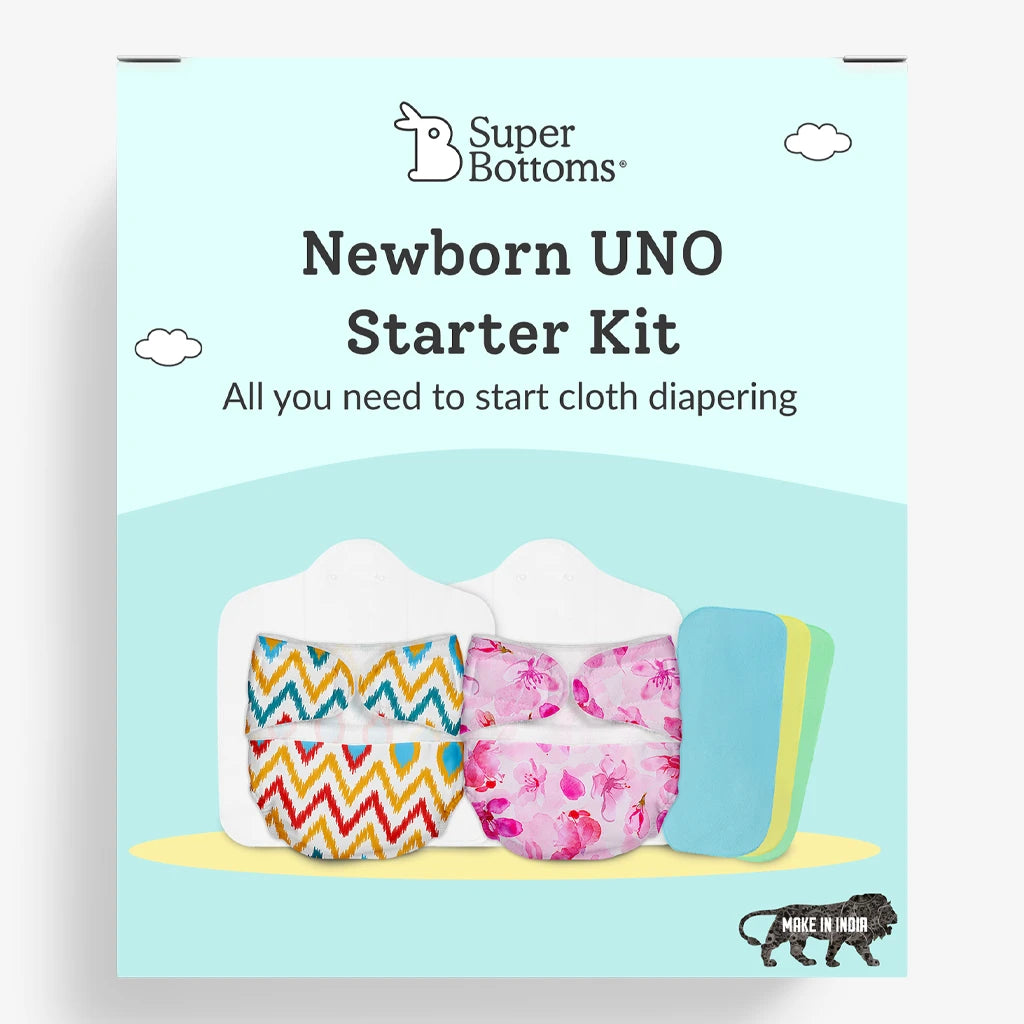
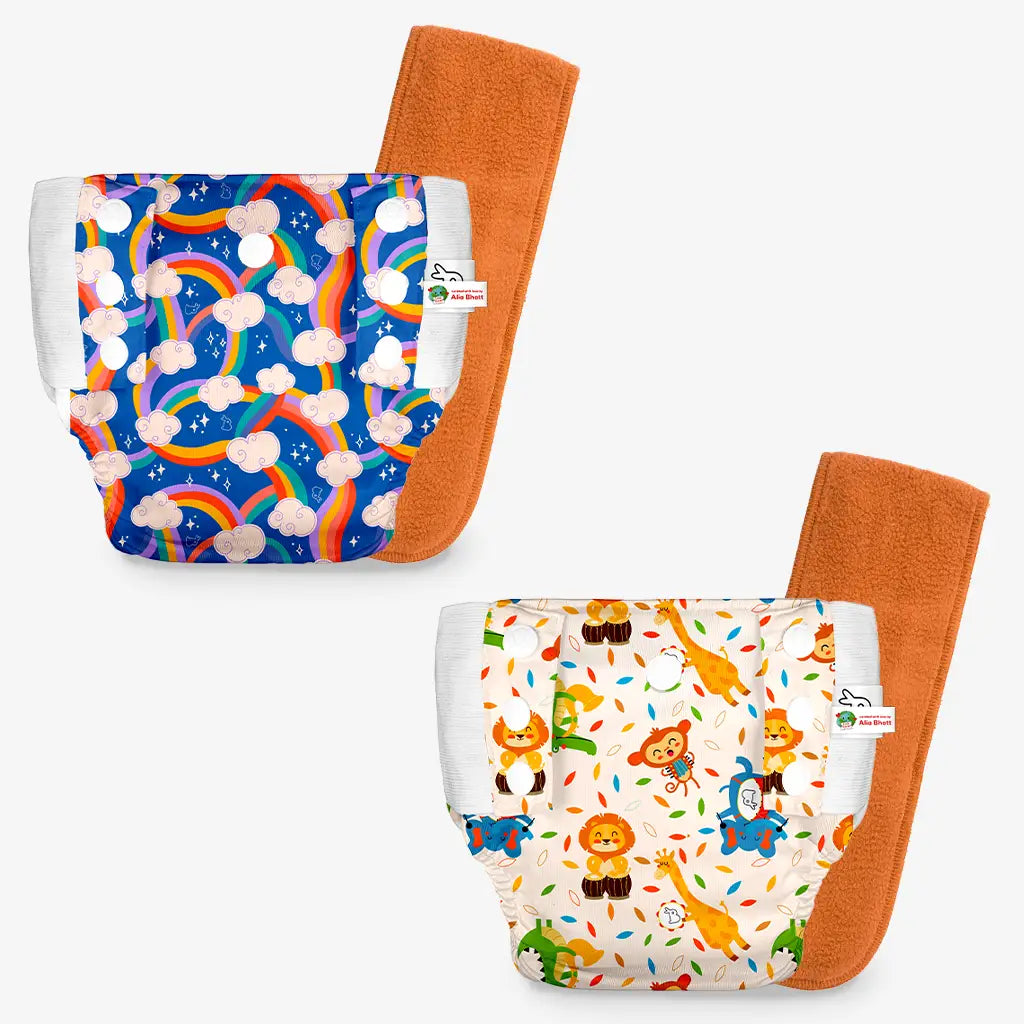
- Cloth Diapers
For postpartum comfort:
- Water bottle
- Snacks
- Lip balm
- Adult diapers or postpartum underwear

Which Baby Essentials Should You Buy Before Delivery?
This is when buying intent usually peaks: parents start final newborn shopping.
Before buying, evaluate:
What to Look for When Choosing Newborn Diapers?
Choose based on:
- Absorbency
- Skin safety
- Breathability
- Ease of changing
- Cost over the first 3–6 months
- Waste generation
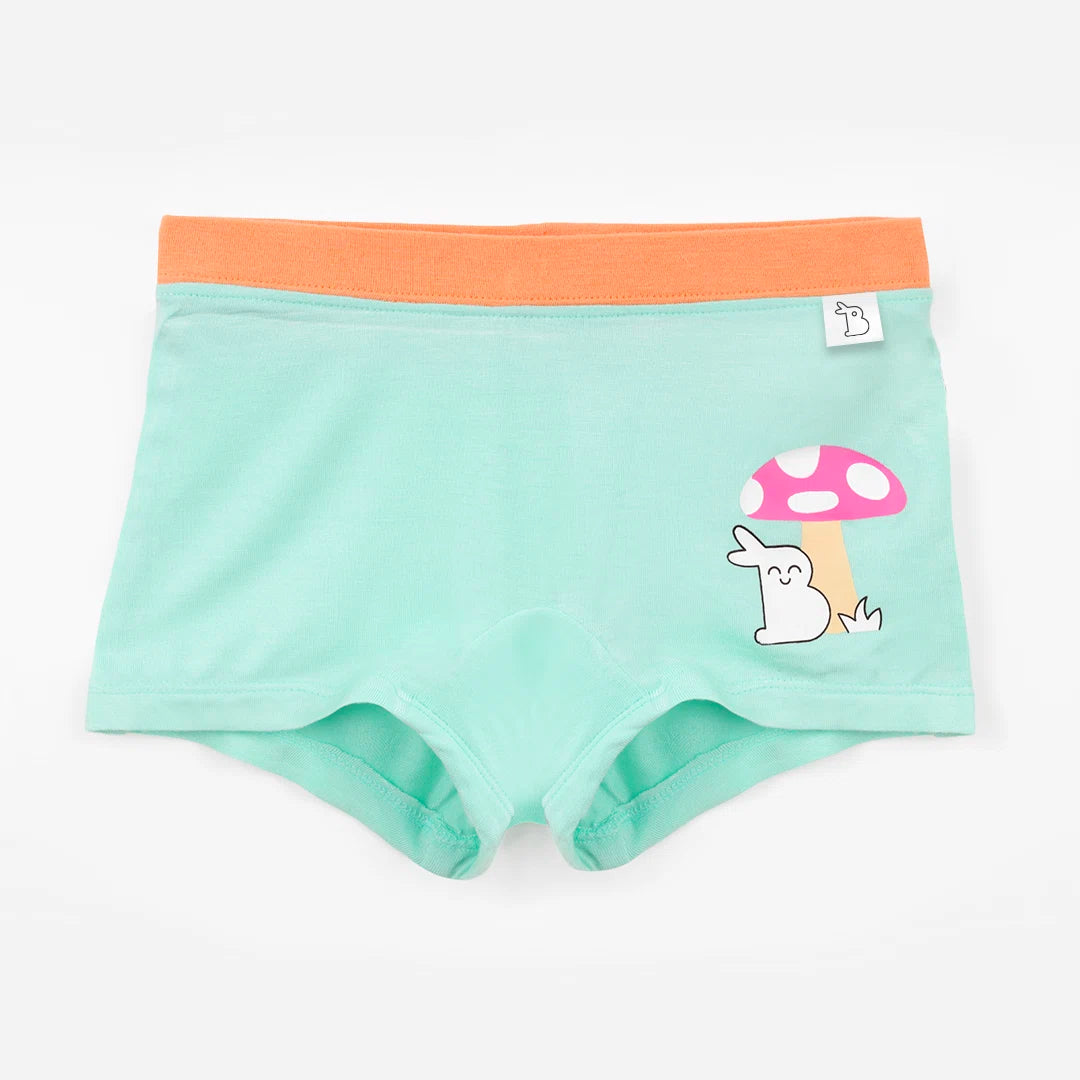
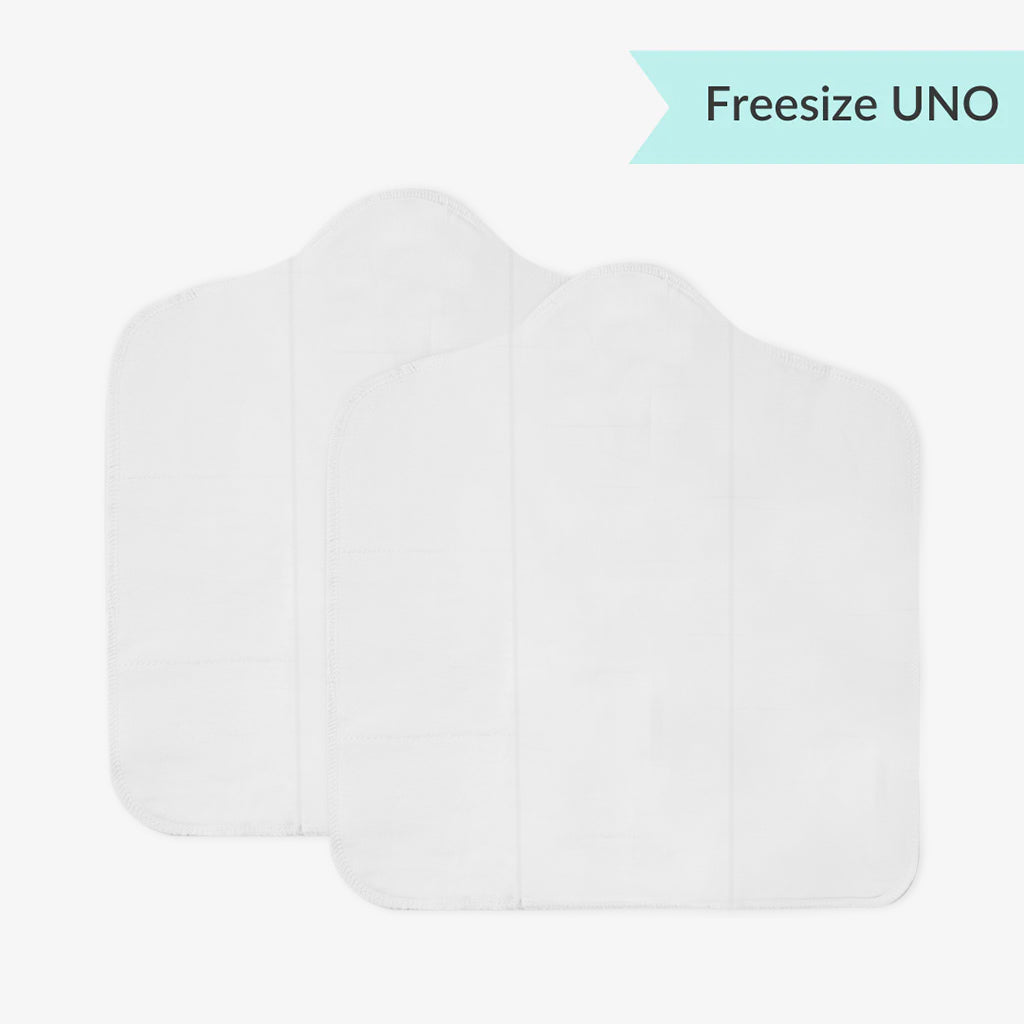
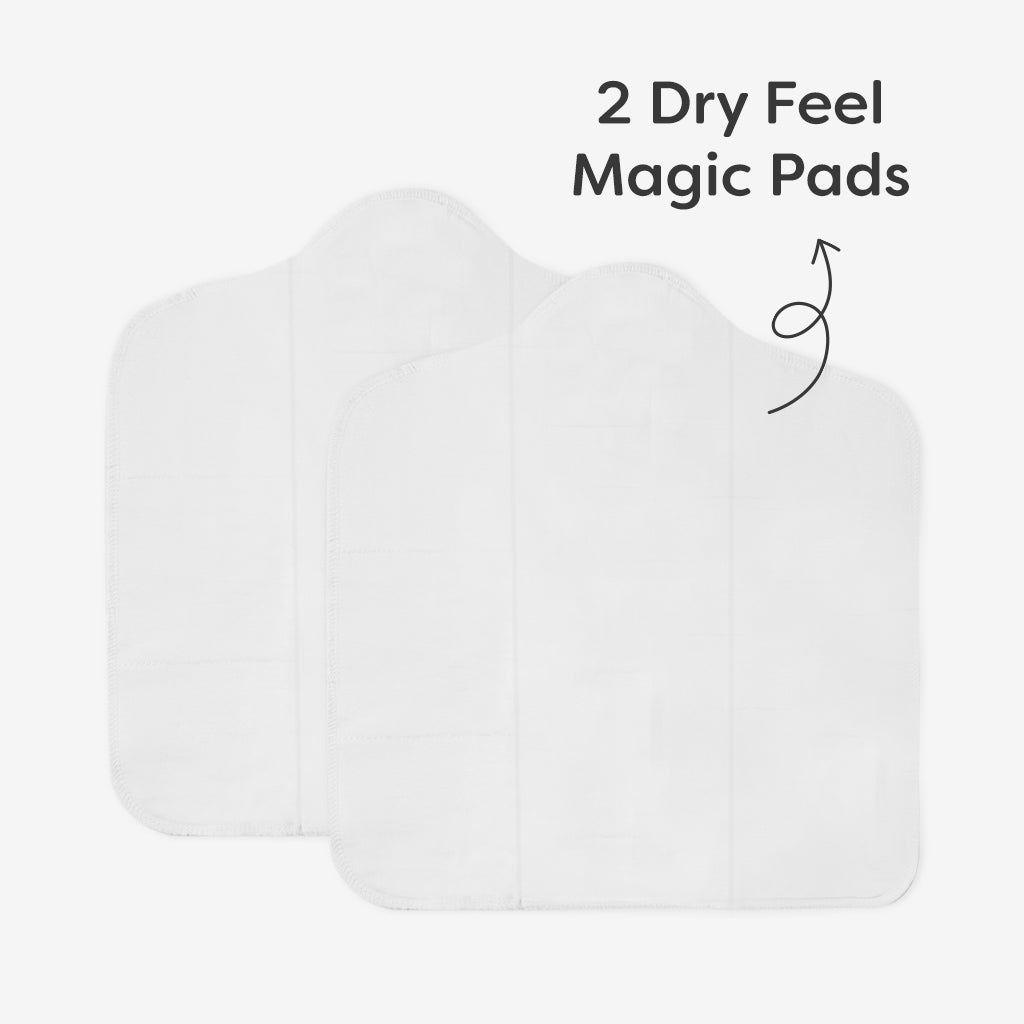
What to Look For
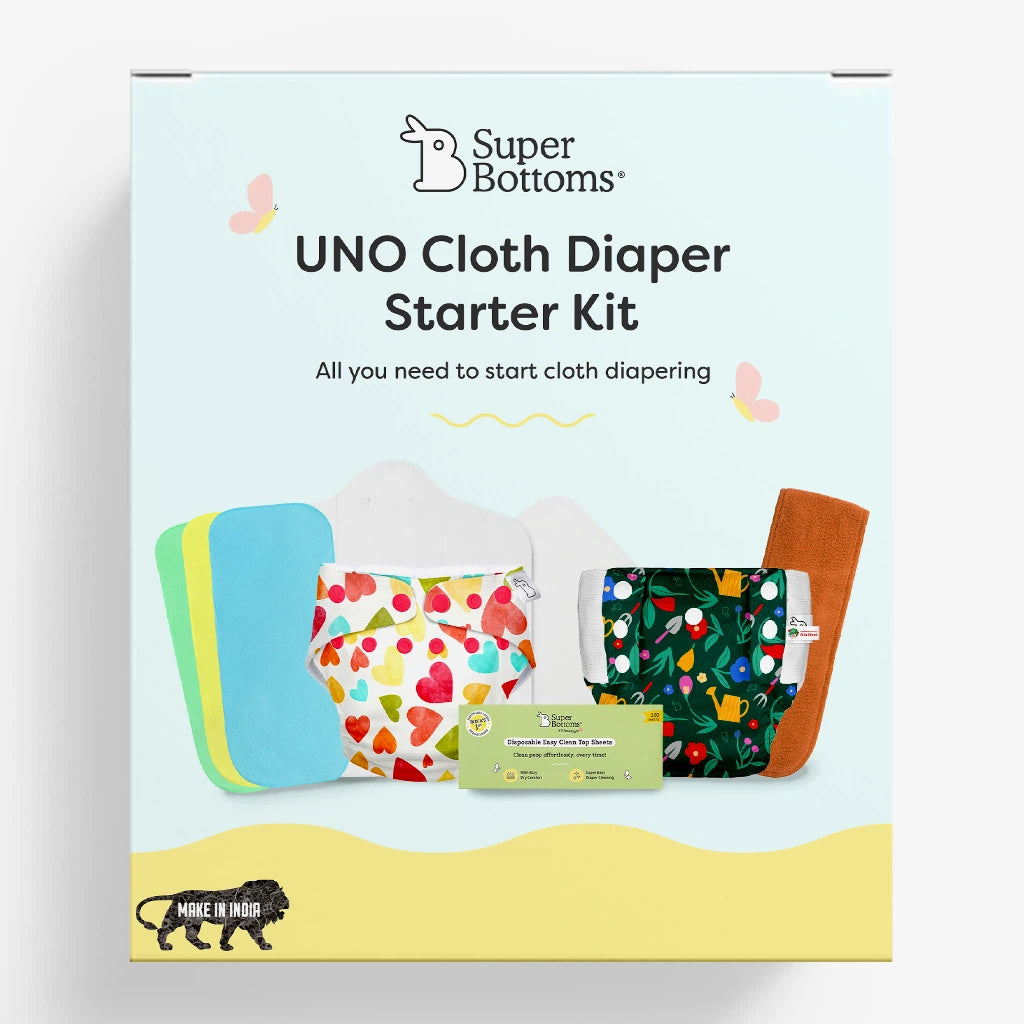
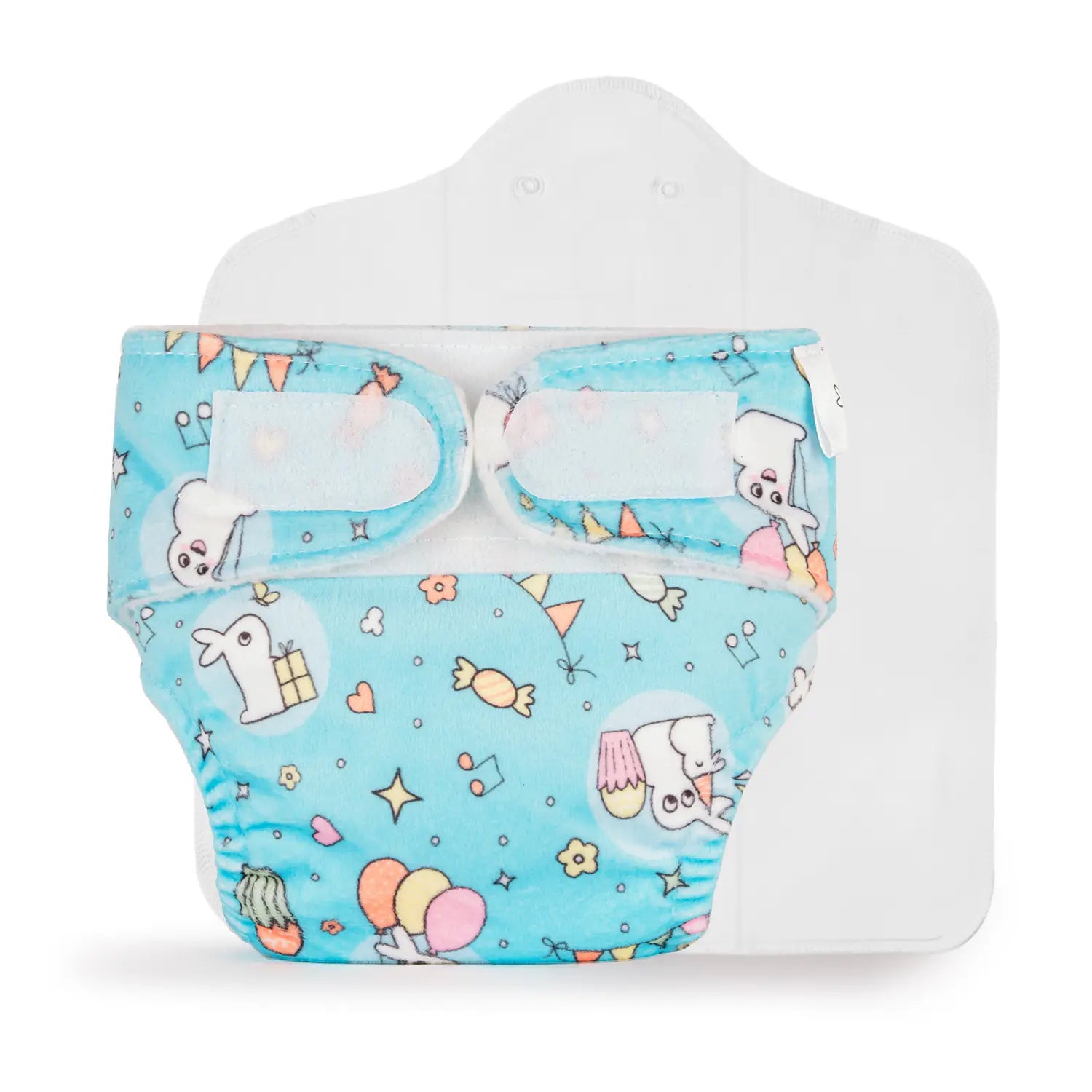
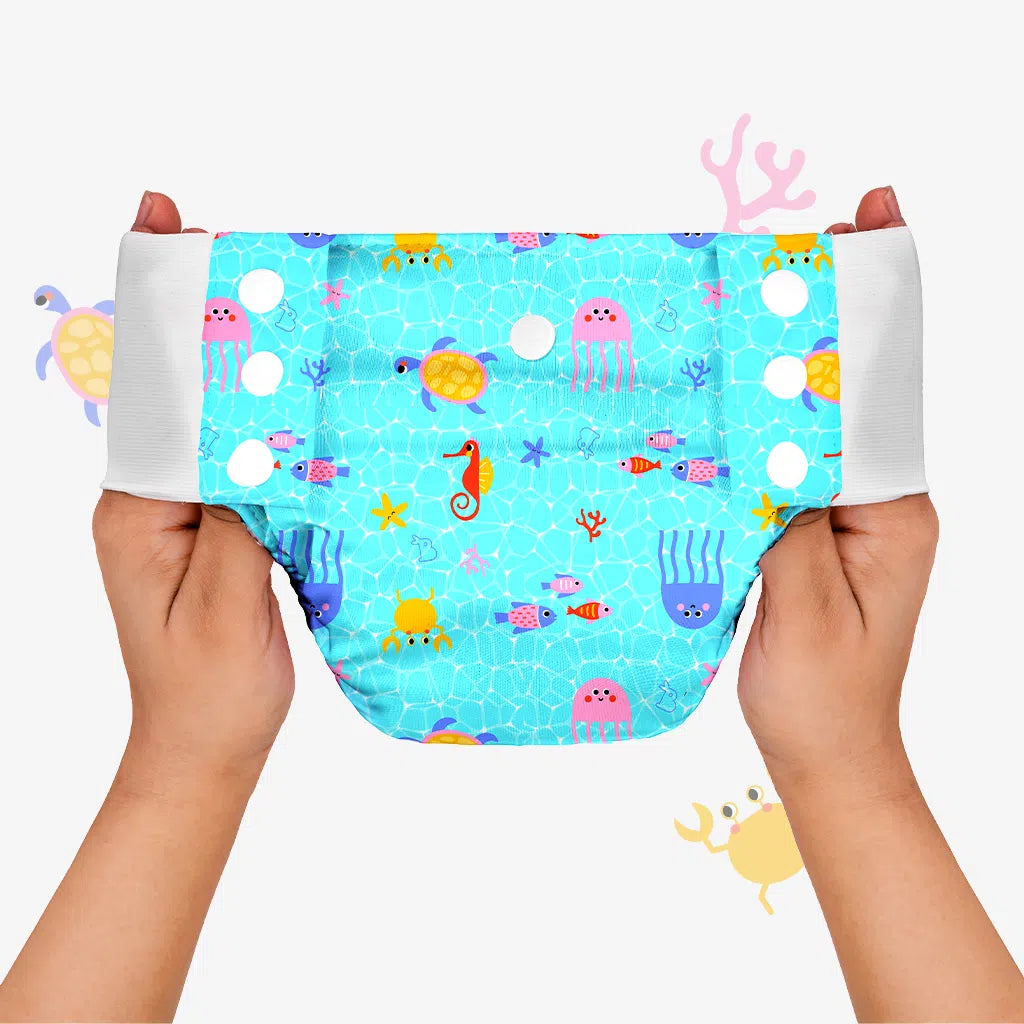
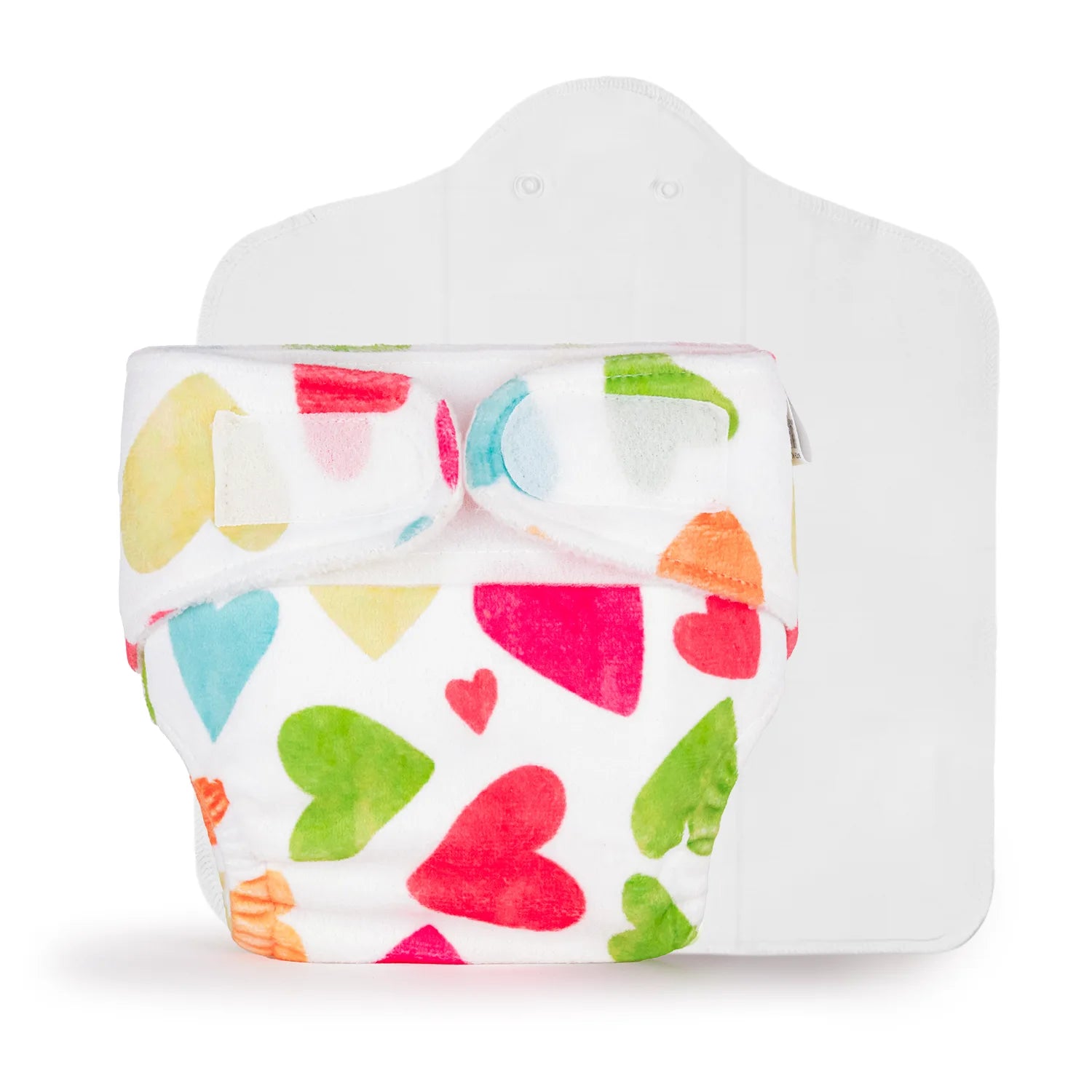
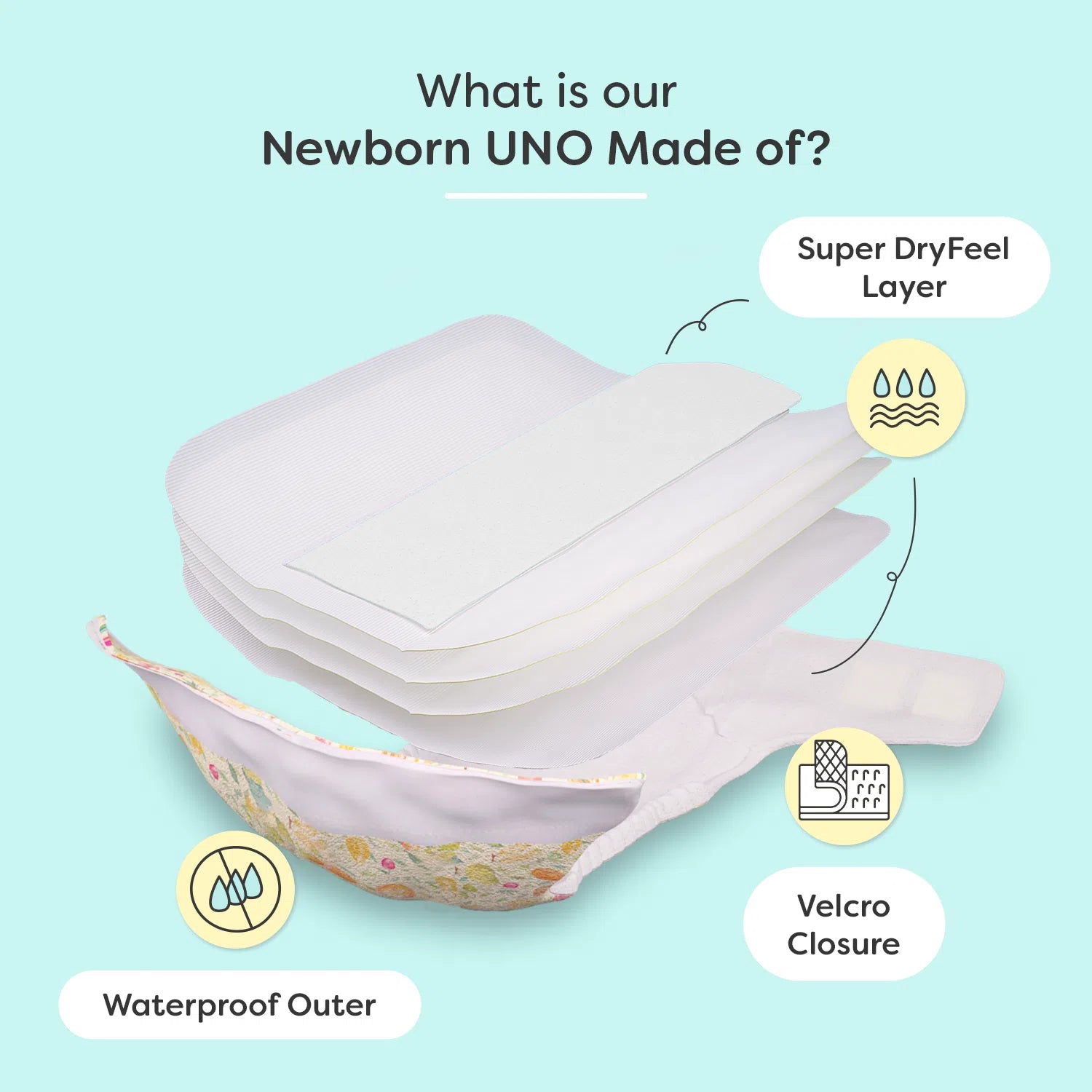
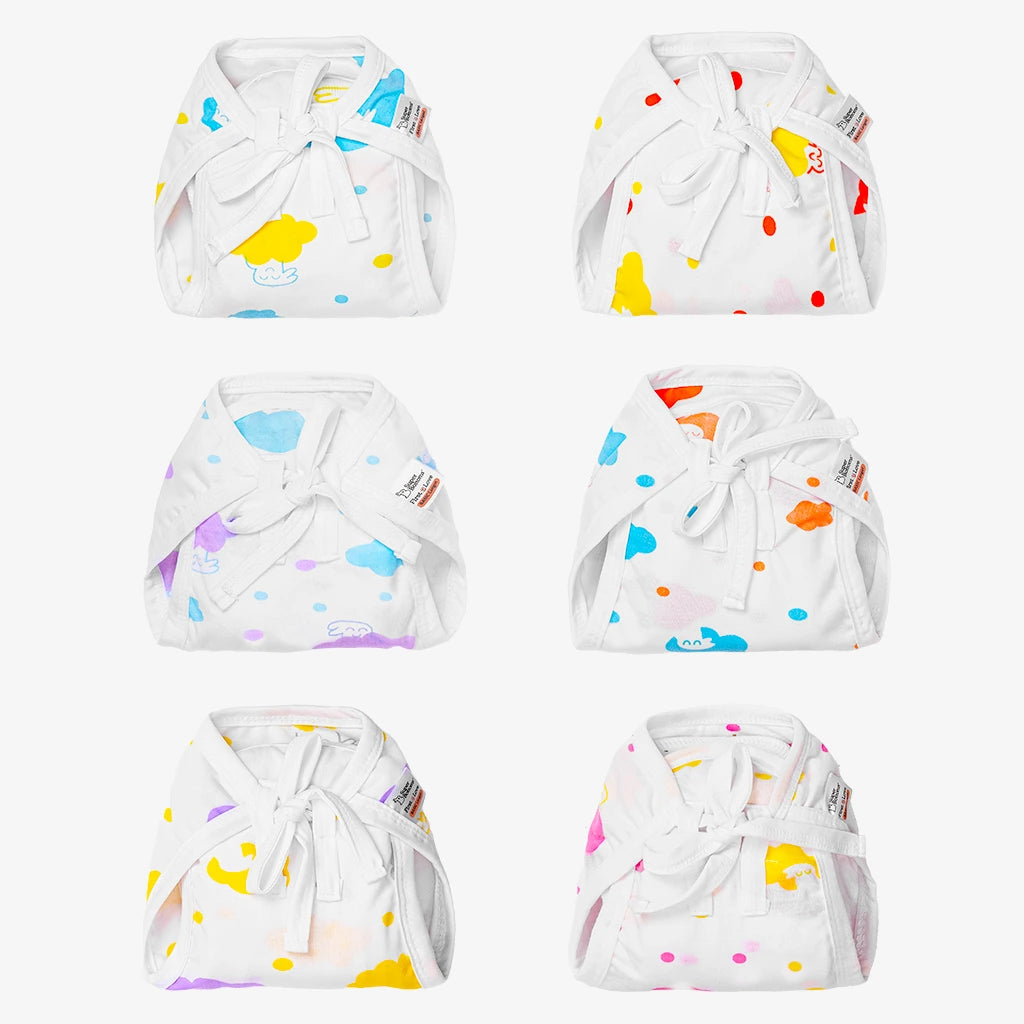
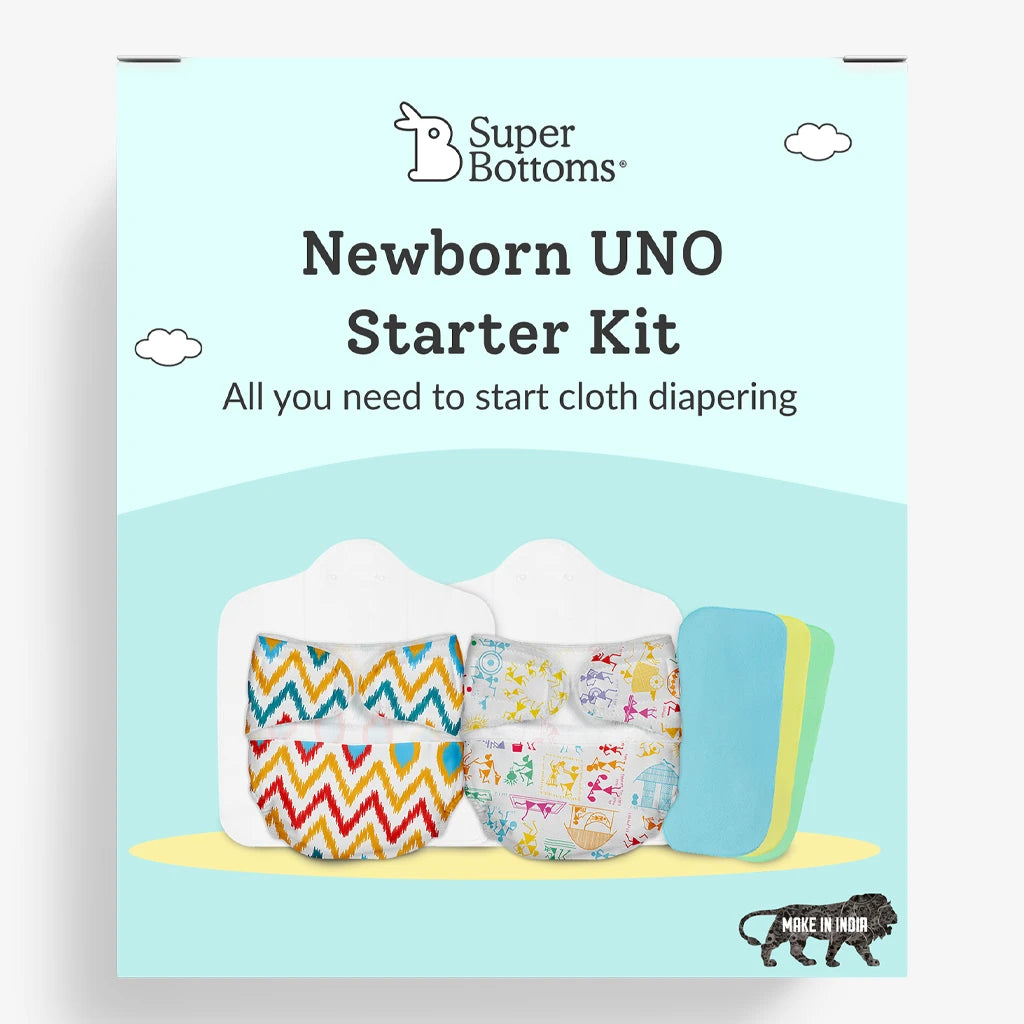
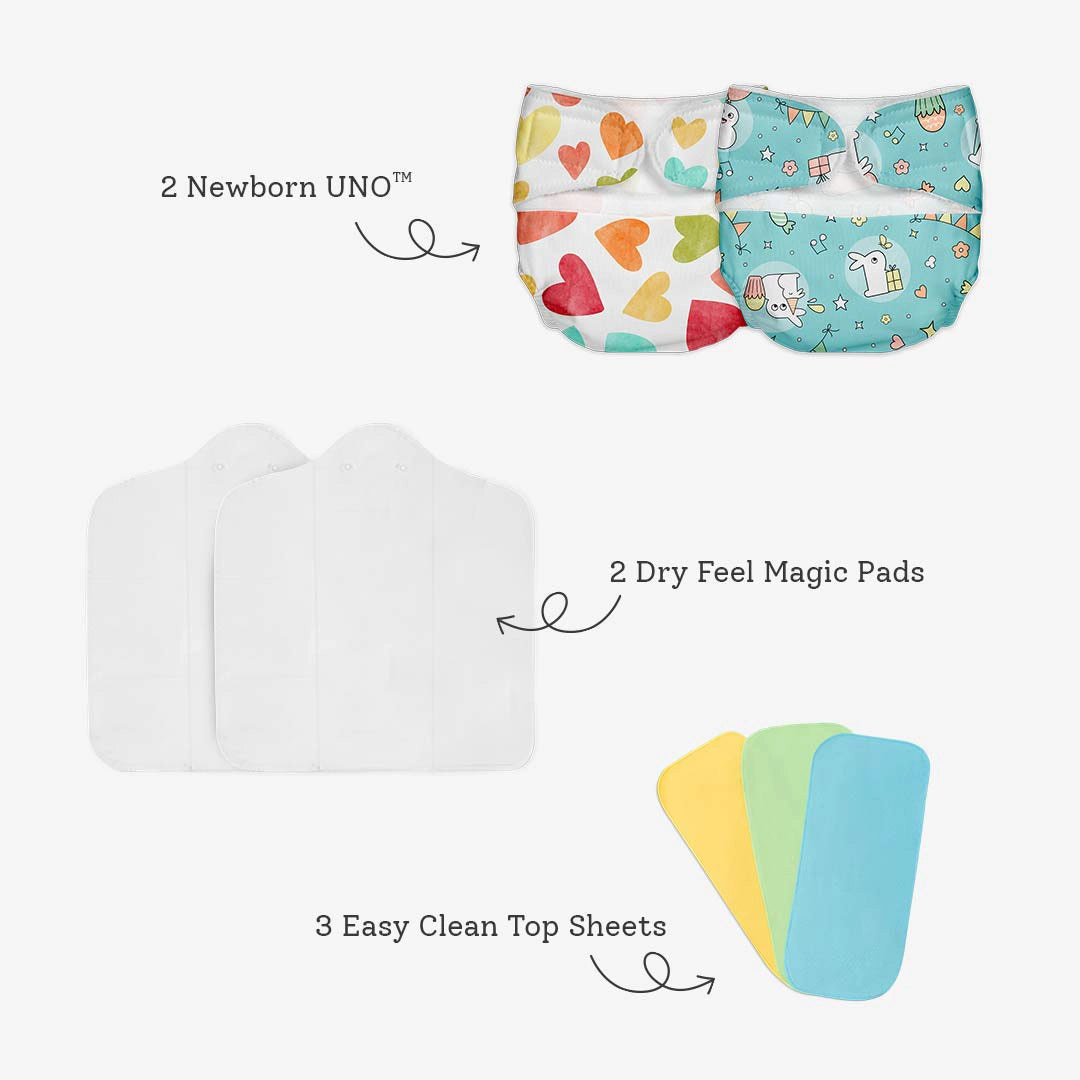
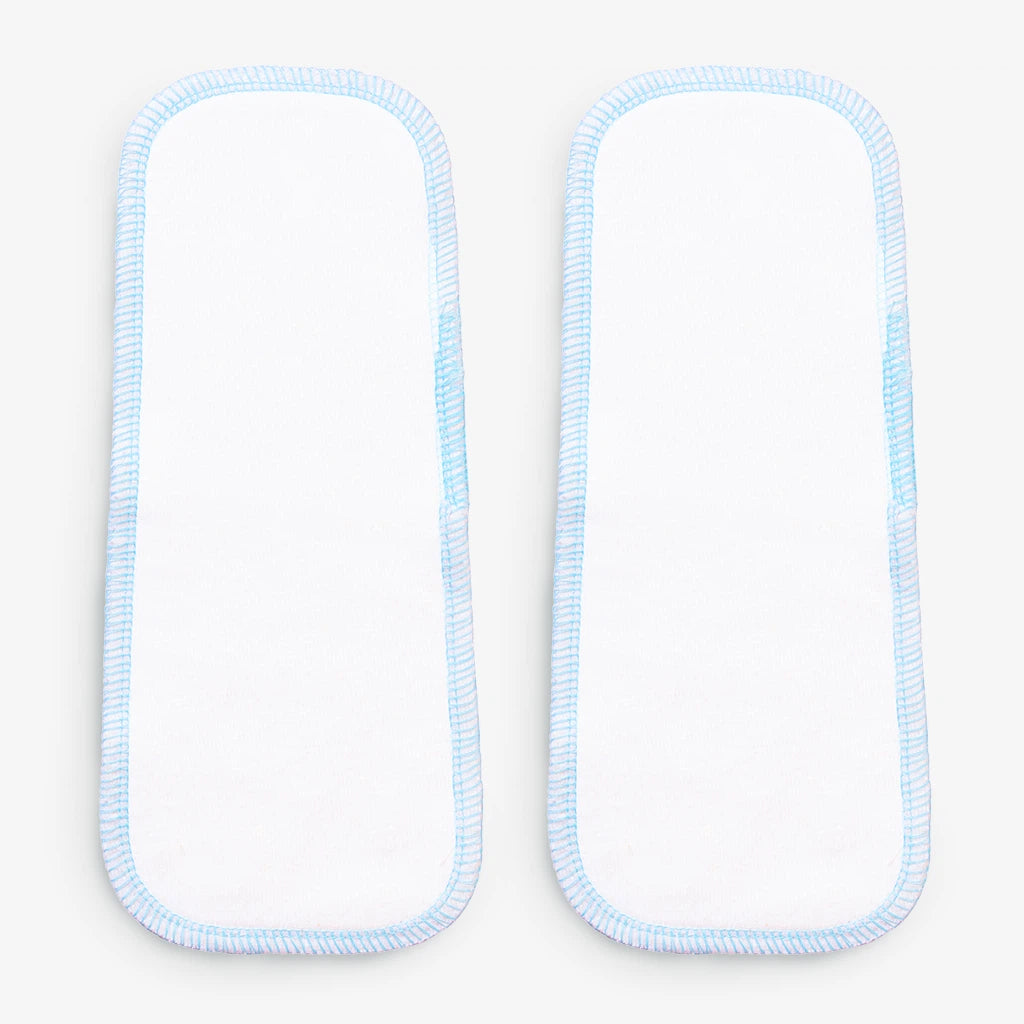
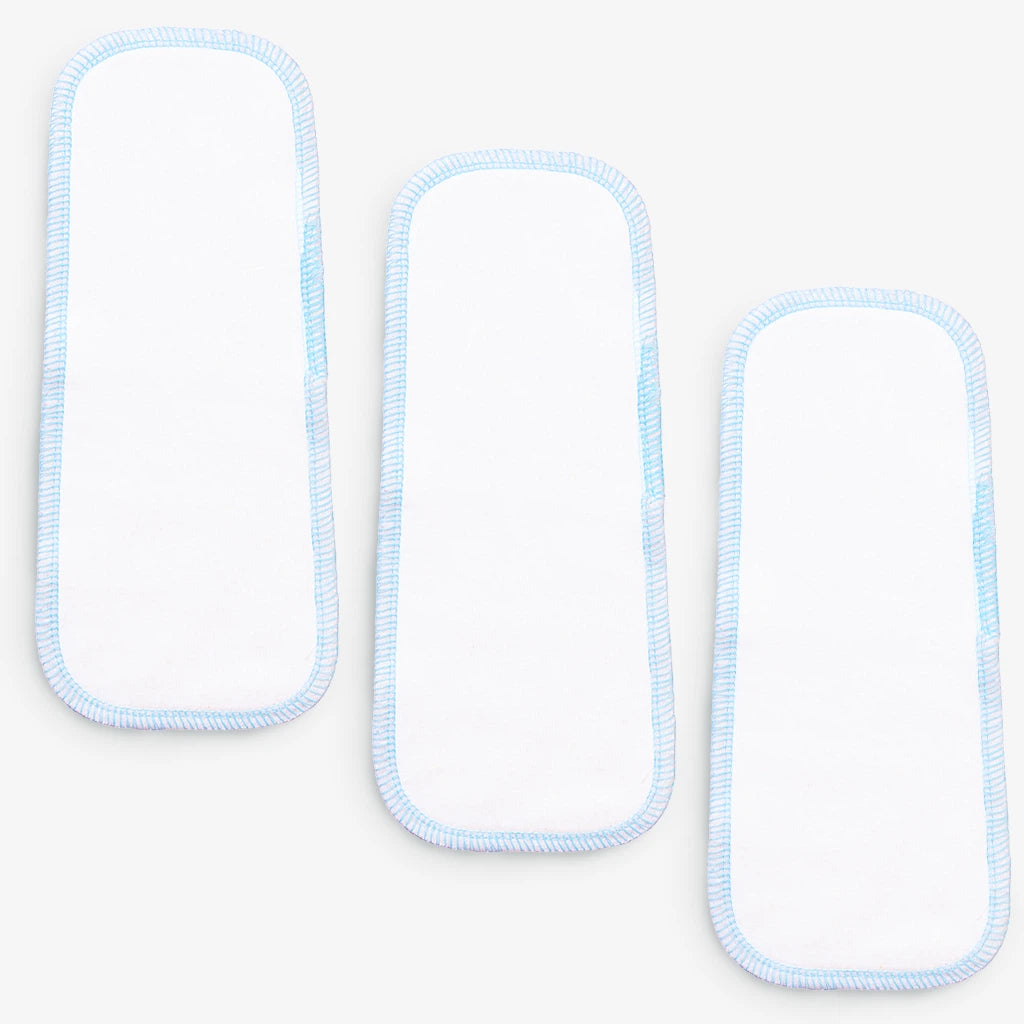
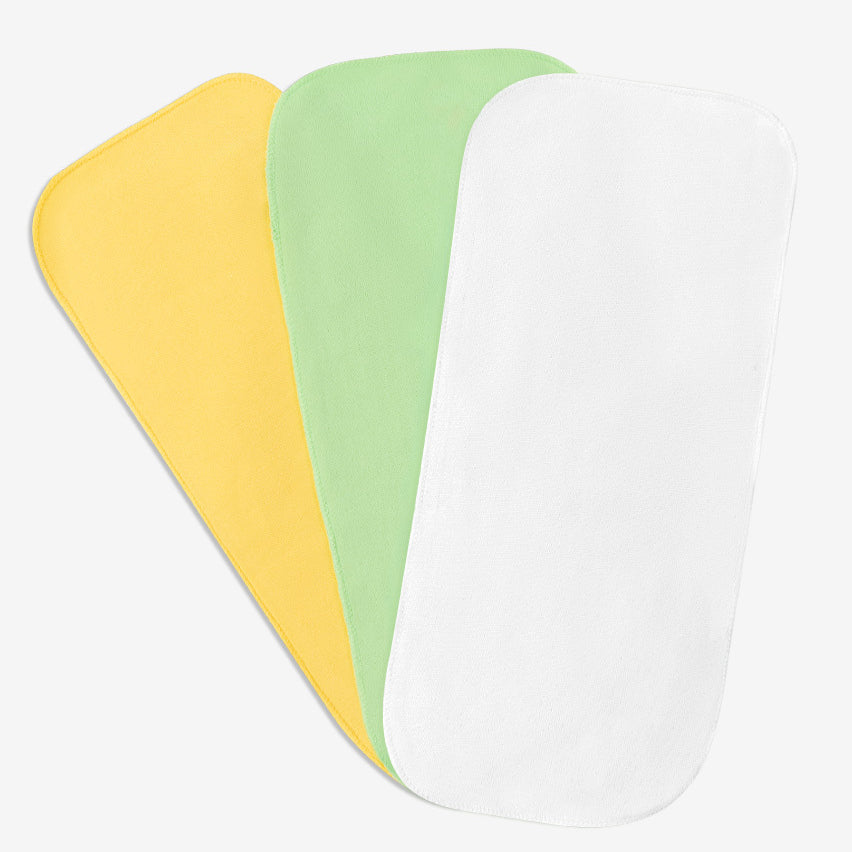
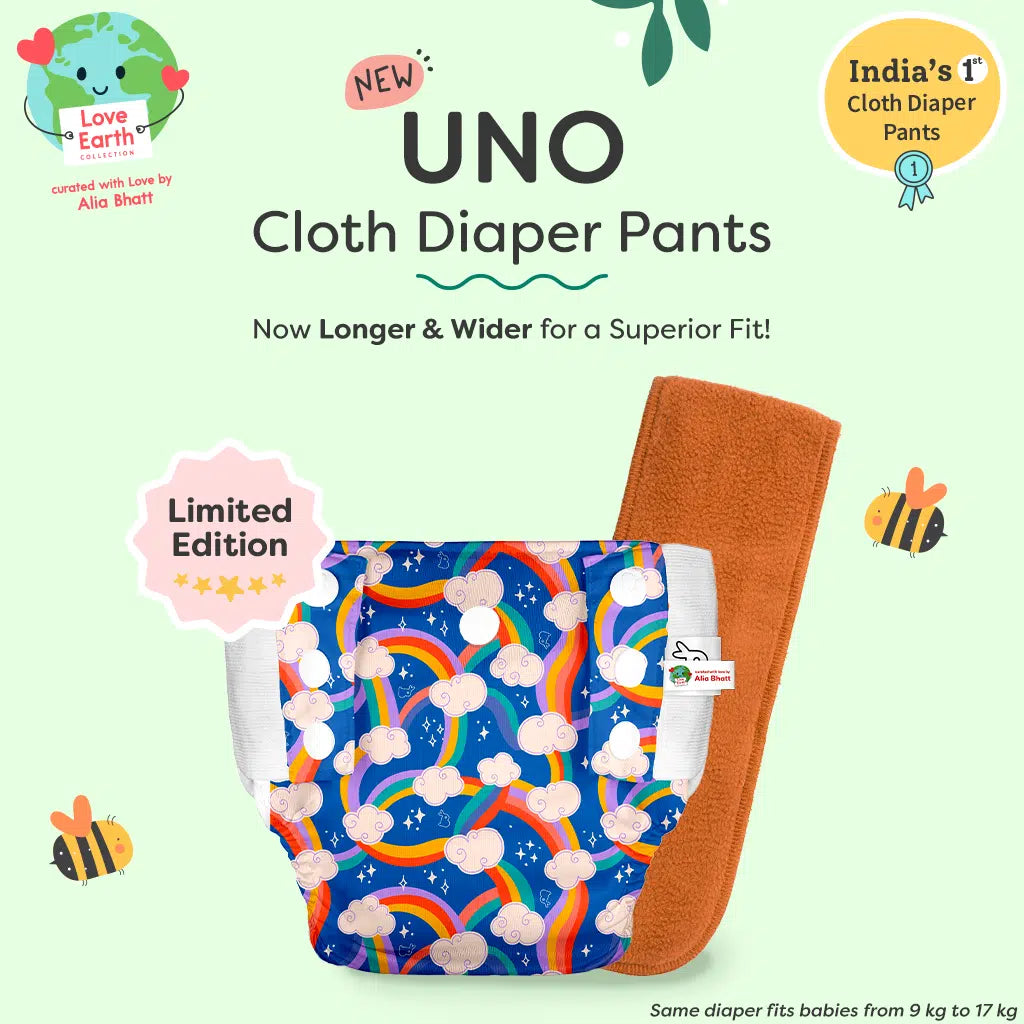
SuperBottoms Pick
Explore the range →
A practical benefit: parents buying before delivery often prefer starter options to avoid emergency newborn shopping after birth.
Is It Worth Switching to Reusable Newborn Diapers?
For many families, yes, especially if prioritising skin safety, cost savings, and sustainability.
Benefits of reusable cloth diapers:
- Reduced diaper rash risk
- Breathable cotton contact
- Lower long-term cost
- Less landfill waste
Potential challenges:
- Washing routine required
- Learning curve initially
What Parents Should Know
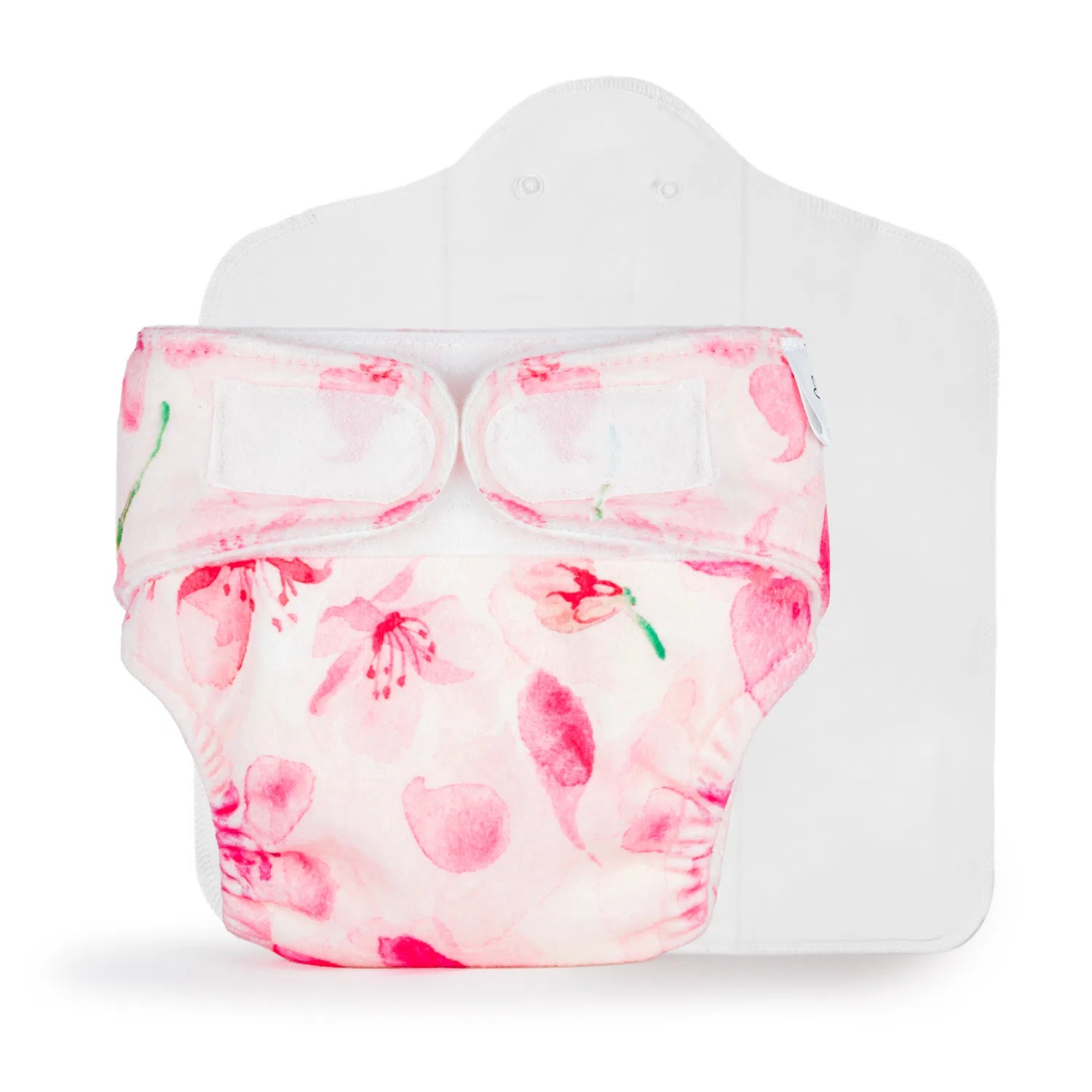
Check product details → SuperBottoms Newborn Diaper Range
Comparison Table: Newborn Diaper Options
| Criteria | Disposable Diapers | Traditional Cloth Nappies | SuperBottoms UNO |
|---|---|---|---|
| Convenience | High | Moderate | Moderate-High |
| Skin Breathability | Moderate | High | High |
| Leak Protection | High | Moderate | High |
| Reusability | No | Yes | Yes |
| Cost Over 6 Months | High recurring cost | Low | Moderate upfront, lower long-term |
| Eco-Friendly | Low | High | High |
| Ease for New Parents | Easy | Moderate | Easy-moderate |
Customer Insight
— Aarushi, first-time mom, Bengaluru
At 36 weeks pregnant, the focus shifts from baby growth to birth readiness. Managing discomfort, understanding labour signs, packing your hospital bag, and preparing newborn essentials can make the final weeks less stressful.
If your goal is to reduce newborn skin irritation while planning for daily diapering, reusable newborn options can be worth considering.
|
Limited Time Offers + Special Gift Sets! Now or never Super SALE is live on the SuperBottoms website! Take advantage of unbeatable value deals on our UNO Cloth Diapers, Baby Essentials, and more. Looking for the perfect present for a newborn or a toddler? Explore our thoughtfully curated Gift Sets & Combos - safe, skin-friendly, and oh-so-cute! A bundle of love for little ones and a delight for parents. HURRY - Deals and Gift Packs are live only till stocks last. Don't miss the chance to stock up and share the joy! |
Key Takeaways
- At 36 weeks, increased pressure, contractions, and nesting are common and usually expected.
- Hospital bag packing and labour preparation should be completed now.
- Choosing newborn diapering systems before birth can reduce postpartum decision fatigue.
FAQs
1. Is 36 weeks full term?
No. Full term begins at 39 weeks, though 36 weeks is considered late preterm.
2. Can labour start at 36 weeks?
Yes, labour can begin now, but many pregnancies continue to weeks 39–40.
3. How much should the baby move at 36 weeks?
Movement may feel different, but should remain regular and noticeable.
4. Is pelvic pressure normal at 36 weeks?
Yes, especially if the baby has dropped lower into the pelvis.
5. What size is the baby at 36 weeks?
Around 18–19 inches and approximately 2.6–2.9 kg.
6. What should I pack in my hospital bag?
Essentials for labour, postpartum recovery, and newborn clothing/feeding.
7. Where can I buy reusable newborn diapers in India?
Reusable newborn diapers are available through baby care brands, maternity stores, and direct brand websites, including SuperBottoms.
8. Is SuperBottoms worth the price?
Families looking for reusable cloth nappies often find value in reduced repeat purchases, better skin comfort, and reusability over months.
Hi there, new parents! SuperBottoms brings you doctor-recommended cloth diapers - the best rash-free diapering solution for your baby's sensitive and delicate skin. Unlike disposable diapers loaded with chemicals, our newborn cloth diapers, when used and washed properly, can help eliminate the risk of diaper rashes. SuperBottoms offers a wide range of safe, skin-friendly essentials for the whole family - including Reusable Cloth Diapers, Diaper Pants, DryFeel langots for diaper-free time, Padded Underwear for potty training, SuperSoft Underwear for everyday comfort, Joggers for playful days, and Period Underwear for women. Not just for everyday use, SuperBottoms products also make the best gifting choice for babies - thoughtful, eco-friendly, practical, and loved by parents. Now available on Amazon, Myntra, Flipkart, FirstCry, Zepto, Swiggy and Blinkit.