






This article covers:
- Why potty training older kids is different
- Signs your child is ready
- Effective potty training techniques
- Common mistakes parents make
- Choosing the right potty training pants
- When to seek professional help
Potty training an older child can feel challenging, especially if earlier attempts haven't worked. The good news is that with patience, consistency, and the right approach, most children develop independent toilet habits. This guide shares practical techniques, common pitfalls, and expert-backed tips to help parents make potty training a positive experience.
Before You Start...
If your child is older than the typical potty-training age, it's natural to feel worried.
Every child develops at their own pace. Delays don't always indicate a problem. Instead of comparing your child with others, focus on readiness, encouragement, and building confidence.
Table of Contents
- Why is potty training harder for older kids?
- Signs your child is ready
- Step-by-step potty training techniques
- Common mistakes to avoid
- Choosing the right potty training pants
- Parent checklist
- When should you consult a doctor?
- Conclusion
- FAQs
Why Is Potty Training Older Kids Different?
Most children begin potty training between 18 months and 3 years. However, some children may not feel emotionally or physically ready until later.
Older kids often understand instructions better but may also be more independent, stubborn, or anxious about change. School routines, fear of accidents, previous unsuccessful attempts, or major life changes like a new sibling can also delay progress.
The key is to avoid pressure. A calm, consistent routine usually works better than forcing toilet training.
Signs Your Older Child Is Ready
Successful potty training starts with readiness rather than age.
Your child may be ready if they:
- Stay dry for two to three hours.
- Tell you when they need to pee or poop.
- Dislike wearing a wet diaper.
- Can pull their underwear up and down independently.
- Show interest in using the toilet.
- Follow simple instructions.
If most of these signs are present, it's a good time to begin.
Step-by-Step Potty Training Techniques
1. Create a Predictable Routine
Take your child to the toilet at regular times, such as after waking up, before bedtime, and after meals. Consistency helps build healthy habits.
2. Make the Bathroom Comfortable
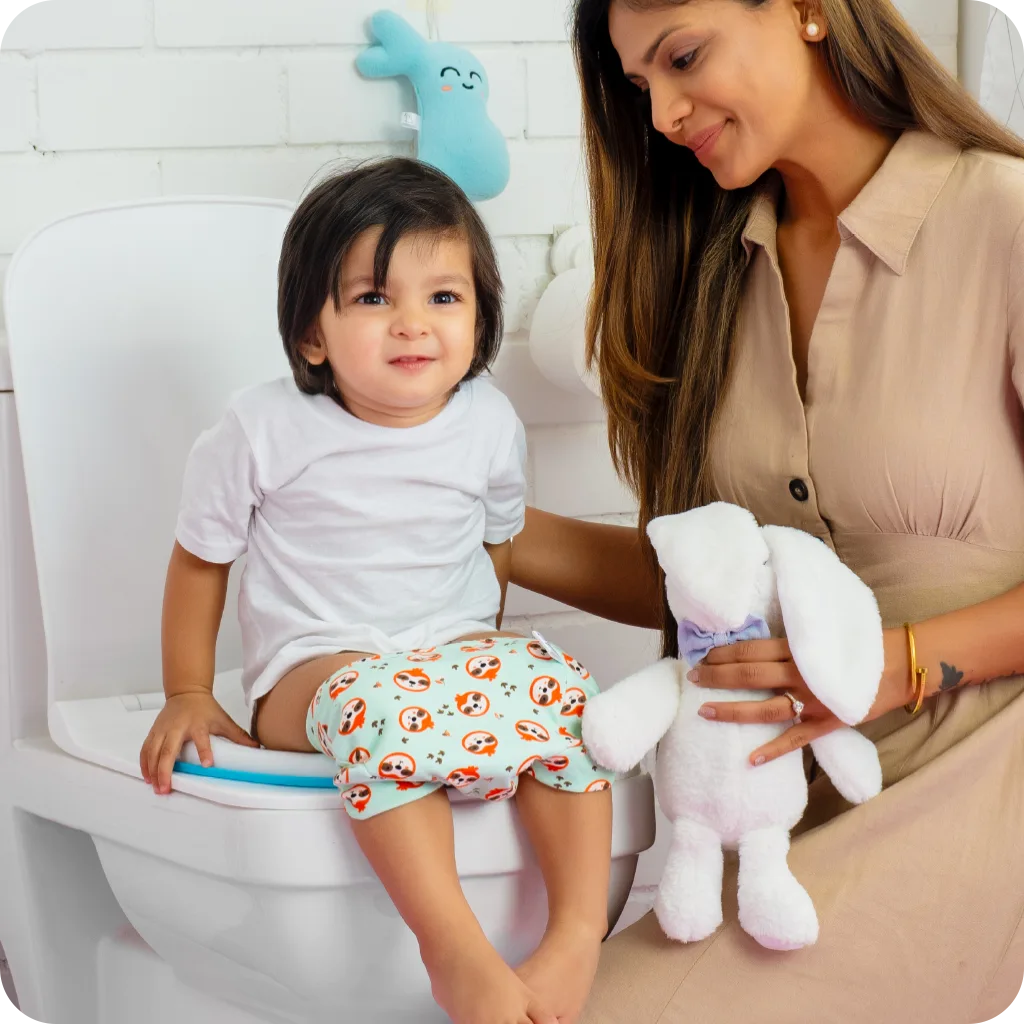
Use a child-friendly toilet seat or step stool so your child feels secure. A comfortable bathroom encourages confidence and reduces fear.
3. Switch to Training Pants
Moving away from diapers helps children recognise the sensation of being wet.
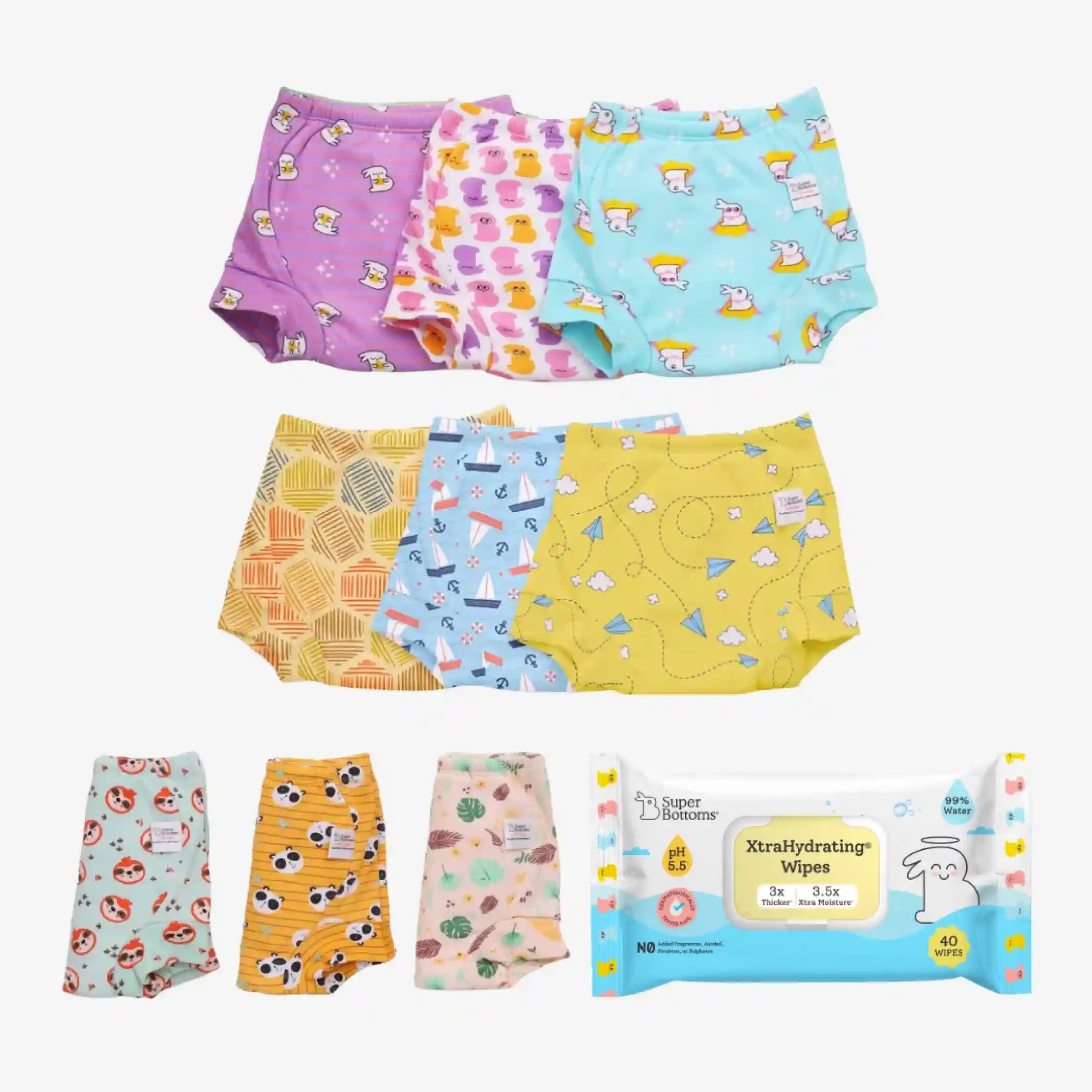
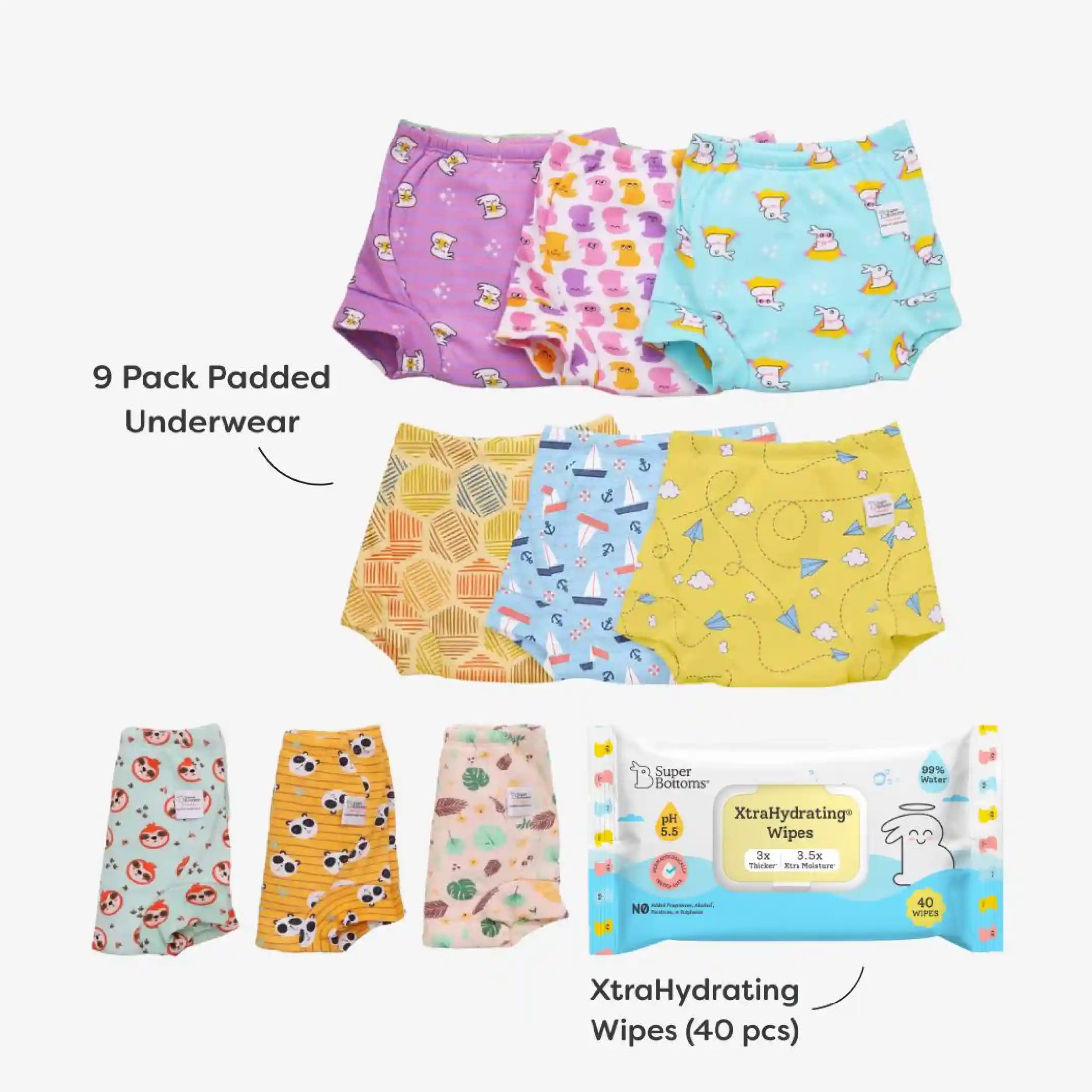
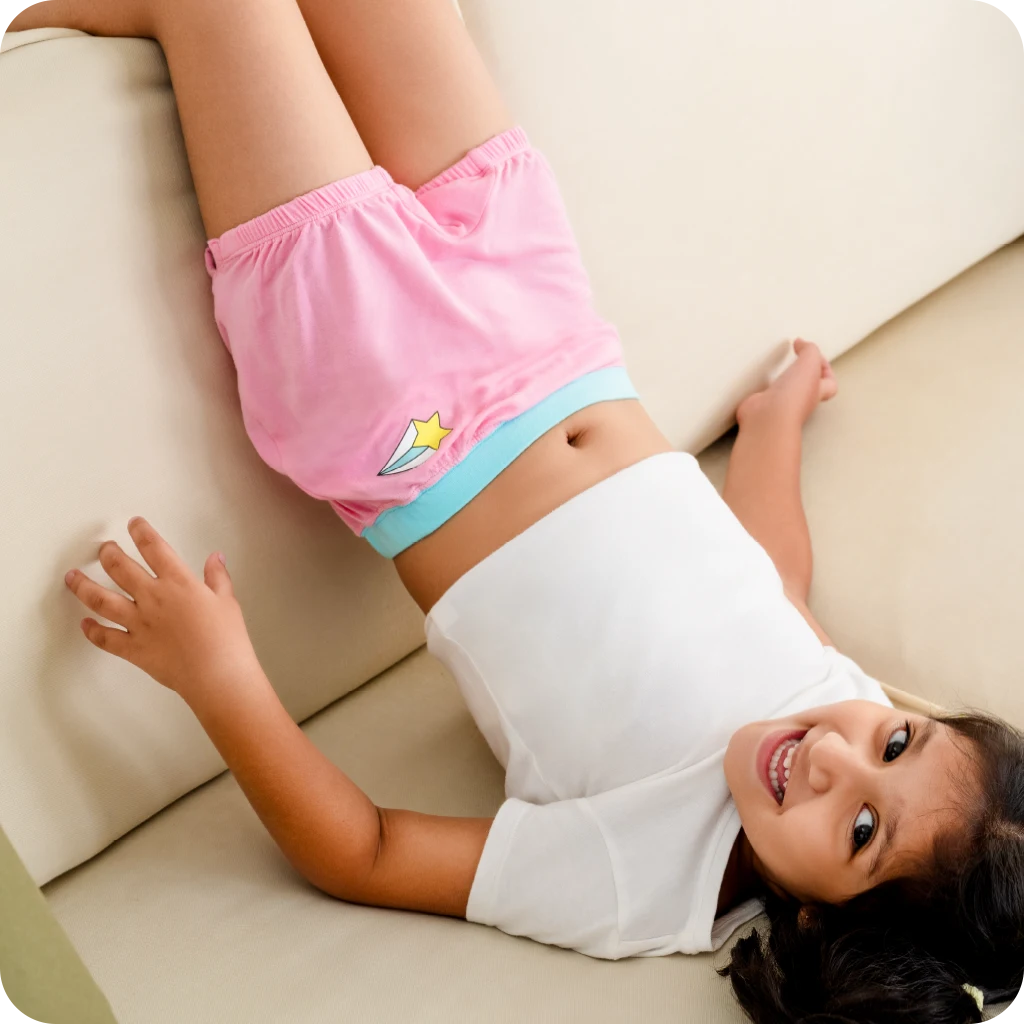
Many parents prefer reusable options like SuperBottoms Padded Underwear, which absorbs small accidents while still helping children understand when they've had an accident. It feels closer to regular underwear and encourages independence.
4. Celebrate Small Wins
Praise every success, even if it's simply sitting on the toilet.
Sticker charts, verbal encouragement, or extra story time often work better than expensive rewards.
5. Handle Accidents Calmly
Accidents are a normal part of learning.
Avoid scolding or punishment. Instead, reassure your child, clean up together, and remind them to try again next time.
6. Encourage Independence
Teach your child to flush, wash hands, and pull their clothes up independently.
Simple responsibilities make children feel confident and involved.
Common Mistakes to Avoid
Even well-meaning parents can make mistakes that slow down potty training.
Avoid these common pitfalls:
- Starting before your child is ready.
- Comparing your child with siblings or friends.
- Punishing accidents.
- Switching between diapers and underwear too often.
- Expecting overnight success.
Remember, every child learns at a different pace. Patience and consistency are far more effective than pressure.

Older Kids vs Younger Kids: Potty Training
|
Younger Children |
Older Children |
|---|---|
|
Learn mainly through routine |
Learn through routine and conversation |
|
Need frequent reminders |
Can recognise body signals better |
|
Respond to simple rewards |
Value independence and encouragement |
|
May need potty seats |
Can usually use a regular toilet with support |
|
Wear diapers more often |
Transition well with Padded Underwear or training pants |
What Should You Look for in Potty Training Pants?
The best potty training pants should help children feel independent while managing small accidents. They should not replace toilet learning like diapers do.
When choosing potty training underwear, look for:
- Soft, breathable fabric
- Comfortable fit
- Absorbency for minor accidents
- Easy for children to pull up and down
- Reusable and easy to wash
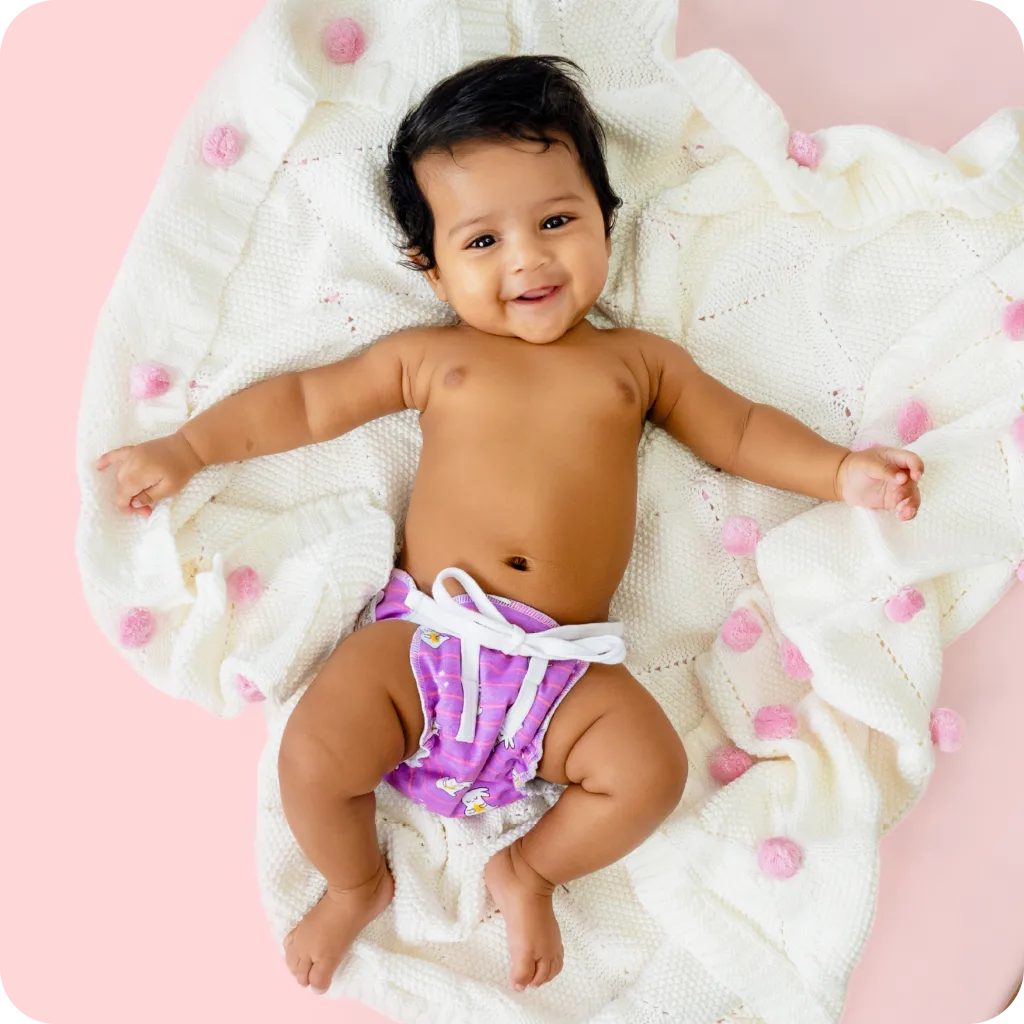
Many parents choose SuperBottoms Padded Underwear for babies because it offers light absorbency while feeling similar to regular underwear. This helps children recognise wetness, encouraging them to use the toilet instead of depending on diapers.
For school, travel, or short outings, Padded Underwear for kids can also give children extra confidence while they continue learning.
Parent Checklist Before You Begin
Use this simple checklist before starting potty training.
✔ Your child stays dry for 2–3 hours.
✔ They can communicate when they need the toilet.
✔ They can pull their clothes up and down.
✔ You're ready to follow a consistent routine.
✔ You've chosen comfortable training pants like Padded Underwear for babies for small accidents.
✔ Everyone caring for the child follows the same approach.
When Should You Consult a Doctor?
Some delays are completely normal. However, speak with your paediatrician if your child:
-
Is over 5 years old and shows no interest in toilet training.
-
Complains of pain while urinating.
-
Frequently holds back urine or stool.
-
Experiences severe constipation.
-
Has repeated urinary tract infections.
-
Suddenly starts having accidents after being toilet trained.
Early guidance can identify any medical or developmental concerns and help your child get the right support.
Potty training older kids may take time, but it doesn't have to be stressful. Focus on your child's readiness instead of age, celebrate small milestones, and stay consistent through setbacks.
Supportive routines, positive encouragement, and practical essentials like SuperBottoms Padded Underwear for kids can help children build confidence while learning this important life skill. Every small step brings them closer to becoming independent.
|
Limited Time Offers + Special Gift Sets! Now or never Super SALE is live on the SuperBottoms website! Take advantage of unbeatable value deals on our UNO Cloth Diapers, Baby Essentials, and more. Looking for the perfect present for a newborn or a toddler? Explore our thoughtfully curated Gift Sets & Combos - safe, skin-friendly, and oh-so-cute! A bundle of love for little ones and a delight for parents. HURRY - Deals and Gift Packs are live only till stocks last. Don’t miss the chance to stock up and share the joy! |
Key Takeaways
- Every child learns at their own pace.
- Readiness is more important than age.
- Positive reinforcement works better than punishment.
- Comfortable training options like Padded Underwear for babies can support the transition.
- Seek medical advice if toilet training delays are accompanied by pain or other health concerns.
Frequently Asked Questions (FAQ)
1. At what age should an older child be potty trained?
Most children are toilet trained by 3–4 years, but some may need more time. Focus on readiness rather than comparing your child's progress with others.
2. Why is my older child refusing to use the toilet?
Fear, previous negative experiences, constipation, major life changes, or a desire for independence can all contribute. A calm, supportive approach is usually more effective than pressure.
3. Do potty training underwear help older kids?
Yes. Potty training pants with light absorbency can help children manage small accidents while encouraging them to recognise wetness. Options like SuperBottoms Padded Underwear provide confidence without replacing toilet learning.
4. How long does potty training take?
Every child is different. Some learn within a few weeks, while others may take a few months. Consistency and patience are key.
5. Is regression normal?
Yes. Temporary accidents are common after starting preschool, travelling, welcoming a sibling, or other major changes. Continue following your routine and offer reassurance.
6. Should I wake my child at night to use the toilet?
Not usually. Night-time bladder control develops later than daytime control. Consult your paediatrician if bedwetting continues beyond the expected age or causes concern.
7. When should I seek professional help?
If your child has persistent pain, constipation, repeated urinary infections, or shows no progress despite consistent efforts, speak with a healthcare professional.
Message from SuperBottoms
Hi there, new parents! SuperBottoms brings you doctor-recommended cloth diapers - the best rash-free diapering solution for your baby’s sensitive and delicate skin. Unlike disposable diapers loaded with chemicals, our newborn cloth diapers, when used and washed properly, can help eliminate the risk of diaper rashes. SuperBottoms offers a wide range of safe, skin-friendly essentials for the whole family - including Reusable Cloth Diapers, Diaper Pants, DryFeel langots for diaper-free time, Padded Underwear for potty training, SuperSoft Underwear for everyday comfort, Joggers for playful days, and Period Underwear for women. Not just for everyday use, SuperBottoms products also make the best gifting choice for babies - thoughtful, eco-friendly, practical, and loved by parents. Now available on Amazon, Myntra, Flipkart, FirstCry, Zepto, Swiggy and Blinkit.