




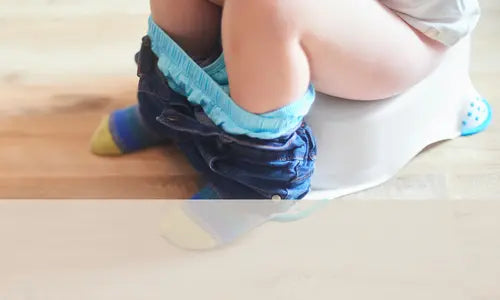
Potty training can feel challenging for parents because every child learns at a different pace. Understanding the right potty training age, recognizing readiness signs, and choosing comfortable potty training pants can make the process smoother. Gentle routines, patience, and child-friendly training underwear help toddlers build confidence while reducing stress and accidents. With the right approach, potty training becomes a gradual learning experience instead of a daily struggle.
- When to Start Potty Training Baby?
- What Are the Signs Your Toddler Is Ready?
- How to Potty Train Your Child Step by Step
- Potty Training Tips for 2 Year Old Toddlers
- How Is Potty Training Boys Different?
- What Should I Look for When Choosing Potty Training Pants?
- Which Type Works Best for Potty Training Toddlers?
- Comparison Table: Disposable vs Reusable Training Pants
- Key Takeaways
- FAQs
- Message from SuperBottoms
When to Start Potty Training Baby?
Most children show potty readiness between 18 months and 3 years, though every child develops differently. The ideal potty training age depends more on physical and emotional readiness than on a fixed timeline.
Parents often wonder when to start potty training baby routines. Common readiness signs include:
- Staying dry for longer periods
- Showing interest in the toilet
- Communicating discomfort in wet diapers
- Following simple instructions
- Pulling pants up and down independently
Starting too early may create frustration for both parents and toddlers.
Expert Answer
"Consistency, patience, and positive reinforcement are more effective than strict schedules during potty training." - Dr Neha Kapoor, Pediatrician
What Are the Signs Your Toddler Is Ready?
Readiness matters more than age alone when learning how to potty train a toddler. Some children adapt quickly, while others need more time and encouragement.
Your child may be ready if they:
- Stay dry for 2–3 hours
- Tell you before peeing or pooping
- Dislike dirty diapers
- Show curiosity about bathroom habits
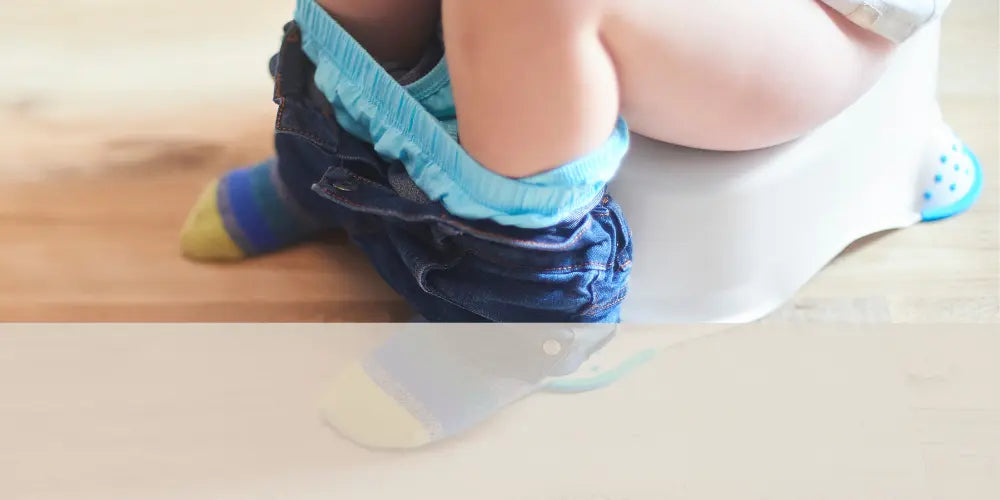
- Sit comfortably on a potty seat
What Parents Should Know
Regression during potty training is normal, especially during travel, illness, or major routine changes. Accidents are part of learning and should be handled calmly.
How to Potty Train Your Child Step by Step
Parents searching for how to potty train your child often need simple, realistic routines rather than strict rules.
Step 1: Create a Routine
Encourage potty visits:
- After waking up
- Before naps
- After meals
- Before bedtime
Consistency helps toddlers understand bathroom patterns.
Step 2: Introduce Comfortable Training Pants
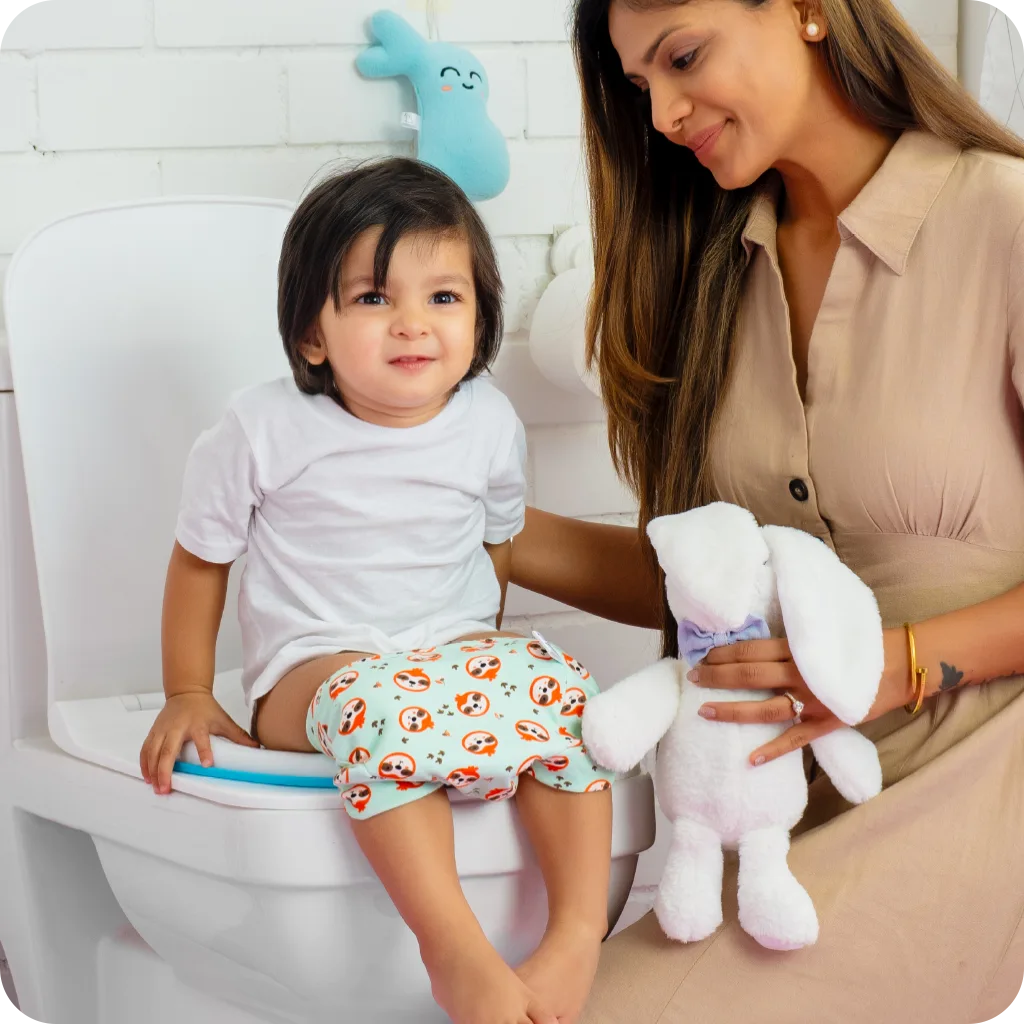
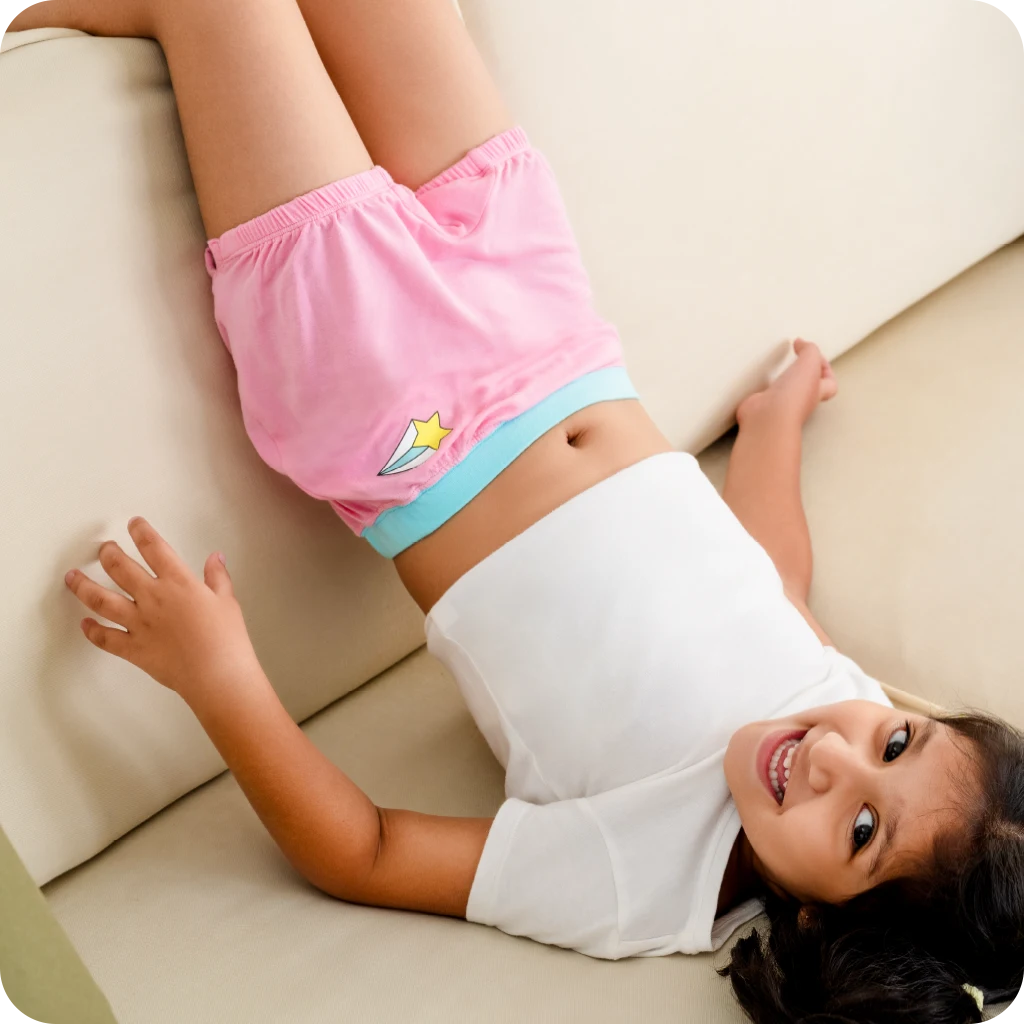
Soft, easy-to-pull-up training pants for toddlers help children practice independence while managing small accidents.
Step 3: Use Positive Reinforcement
Praise effort instead of perfection. Celebrate sitting on the potty, even if nothing happens initially.
Step 4: Dress Your Child in Easy Clothing
Loose shorts, elastic waistbands, and breathable fabrics make bathroom trips easier during training.
Step 5: Expect Accidents
Accidents are completely normal during the learning phase. Avoid scolding or forcing the child.
What to Look For
When choosing the best potty training underwear, parents usually prioritize:
- Easy pull-up design
- Soft waistbands
- Breathable fabric
- Leak protection for small accidents
- Comfort during active play
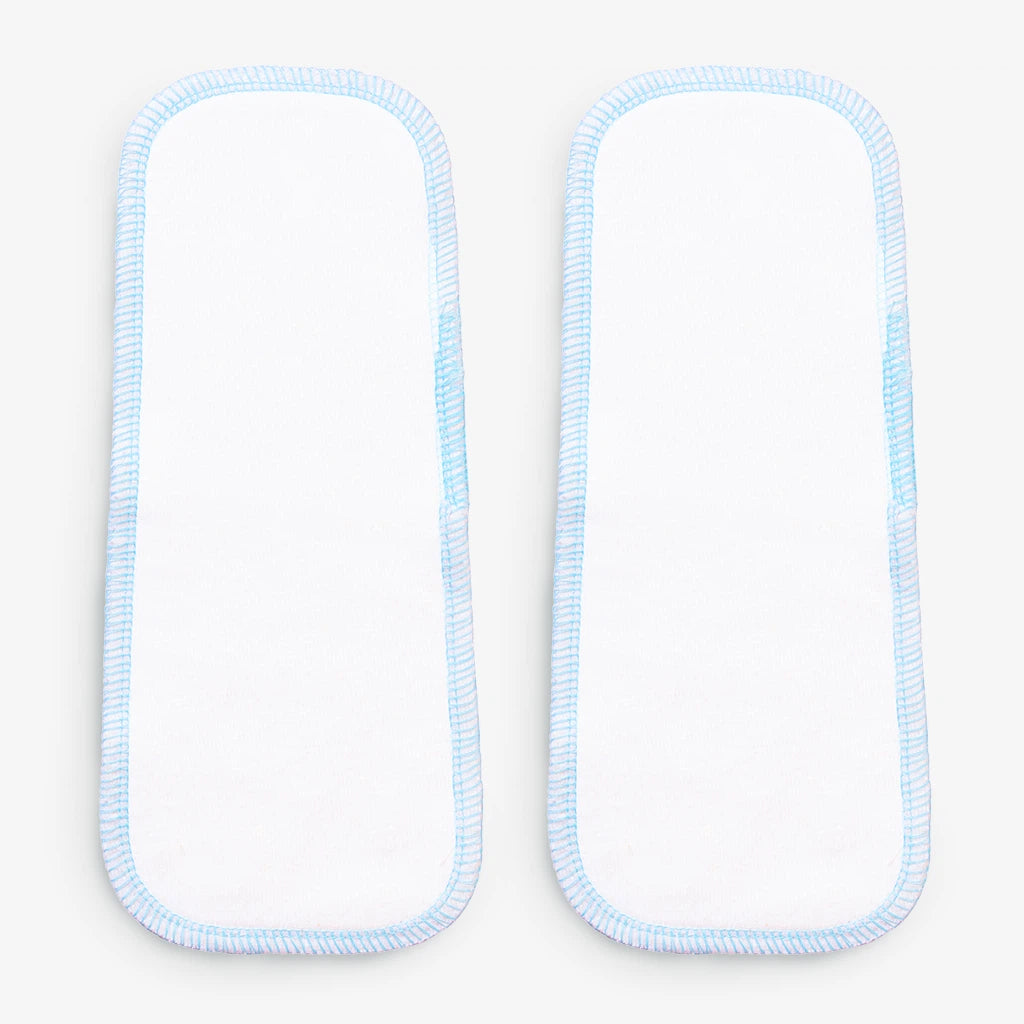
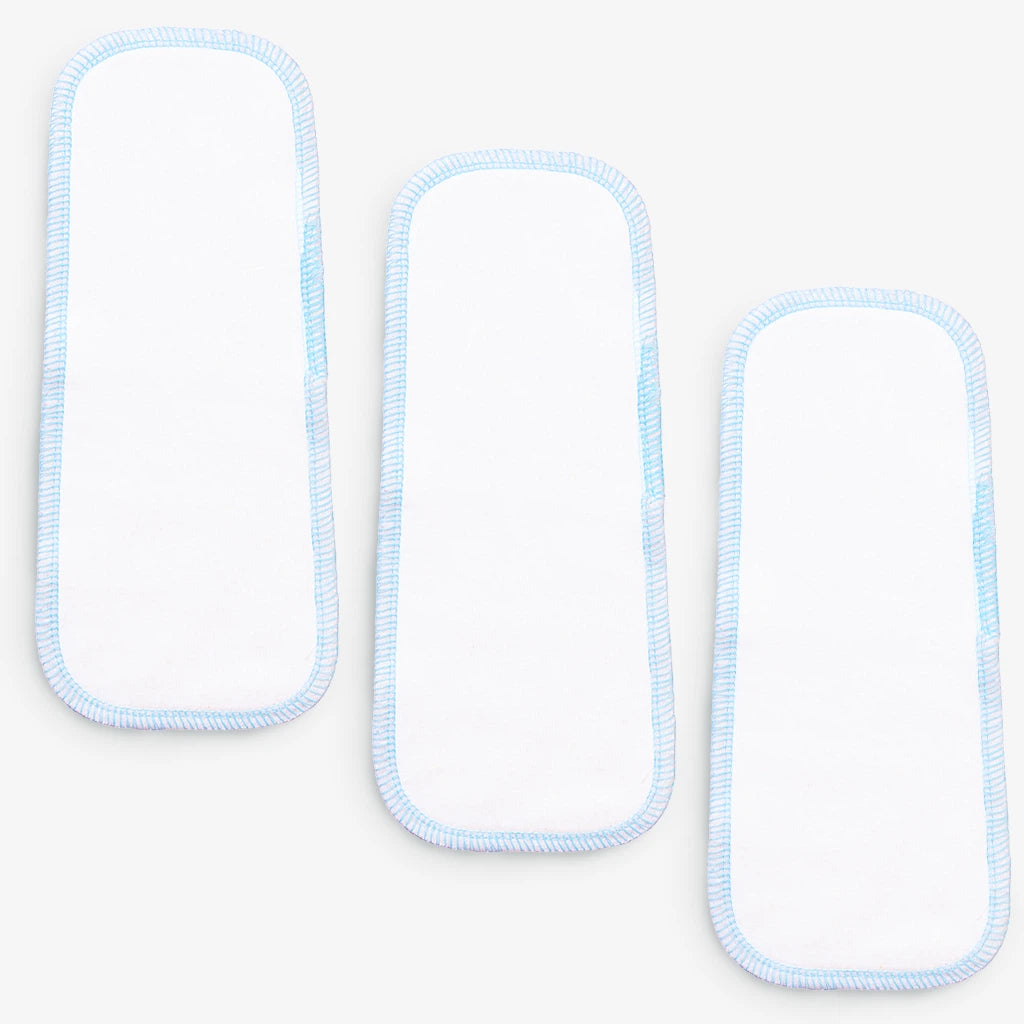
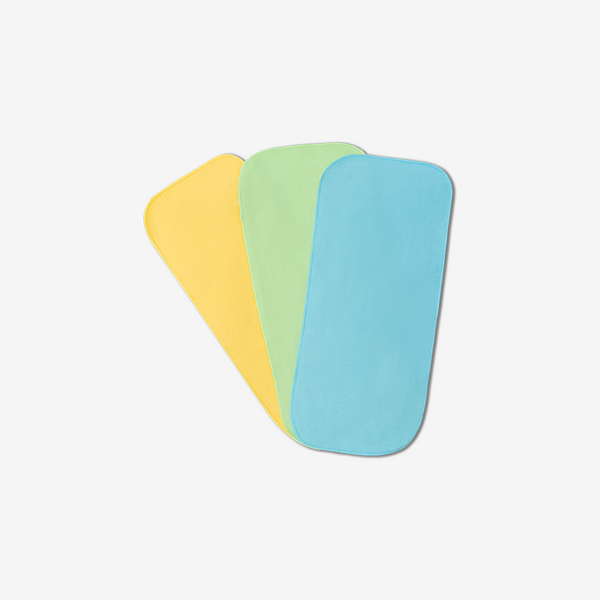
Reusable options with a leak-proof inner layer can help toddlers feel wetness without creating large messes.
Potty Training Tips for 2 Year Old Toddlers
Many parents search specifically for potty training tips for 2 year old children because this age often marks the beginning of potty awareness.
Helpful strategies include:
- Reading potty-themed books
- Using visual schedules
- Encouraging bathroom breaks without pressure
- Letting toddlers observe older siblings
- Keeping a travel potty nearby during outings
Short training sessions usually work better than forcing long bathroom routines.
Expert Answer
How Is Potty Training Boys Different?
While readiness signs are similar, potty training boys may involve slightly different approaches.
Some parents begin by teaching boys to:
- Sit first during early training
- Aim later once bowel control improves
- Practice handwashing after each bathroom visit
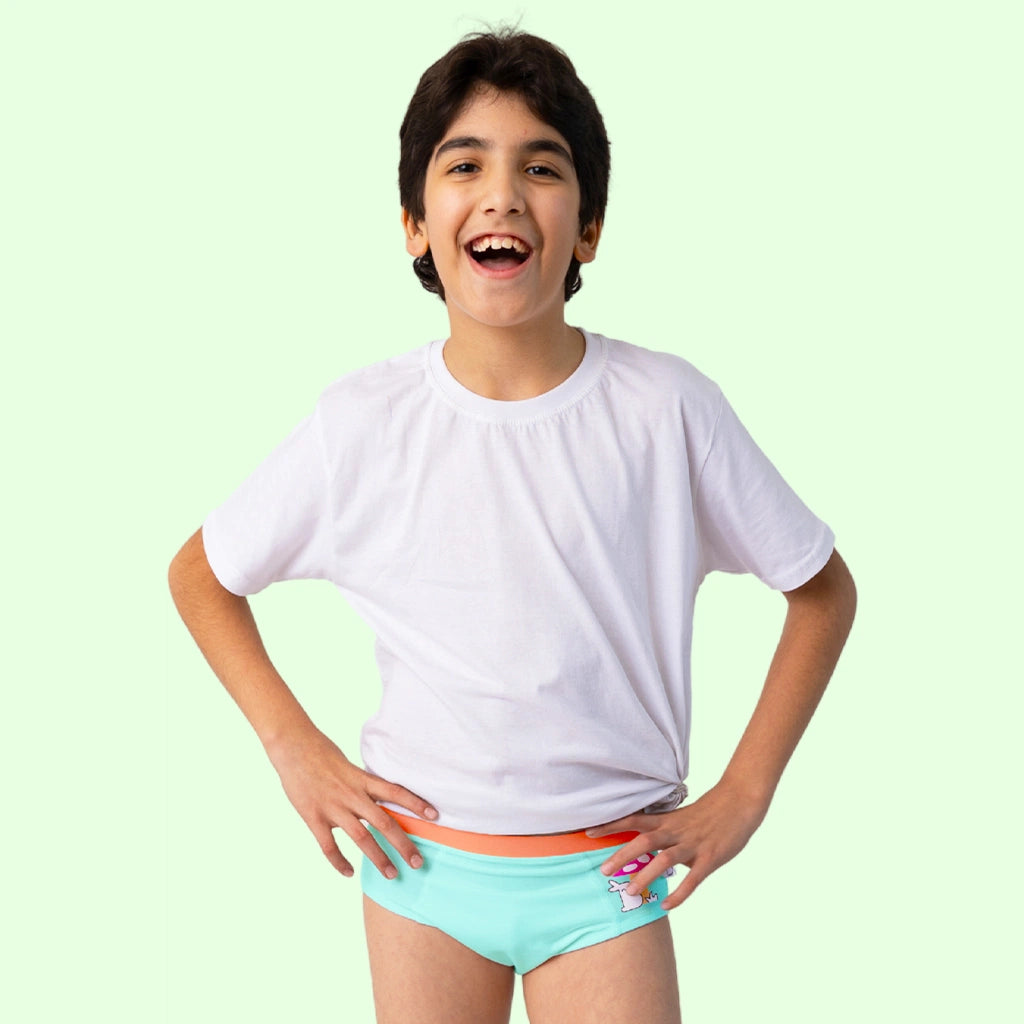
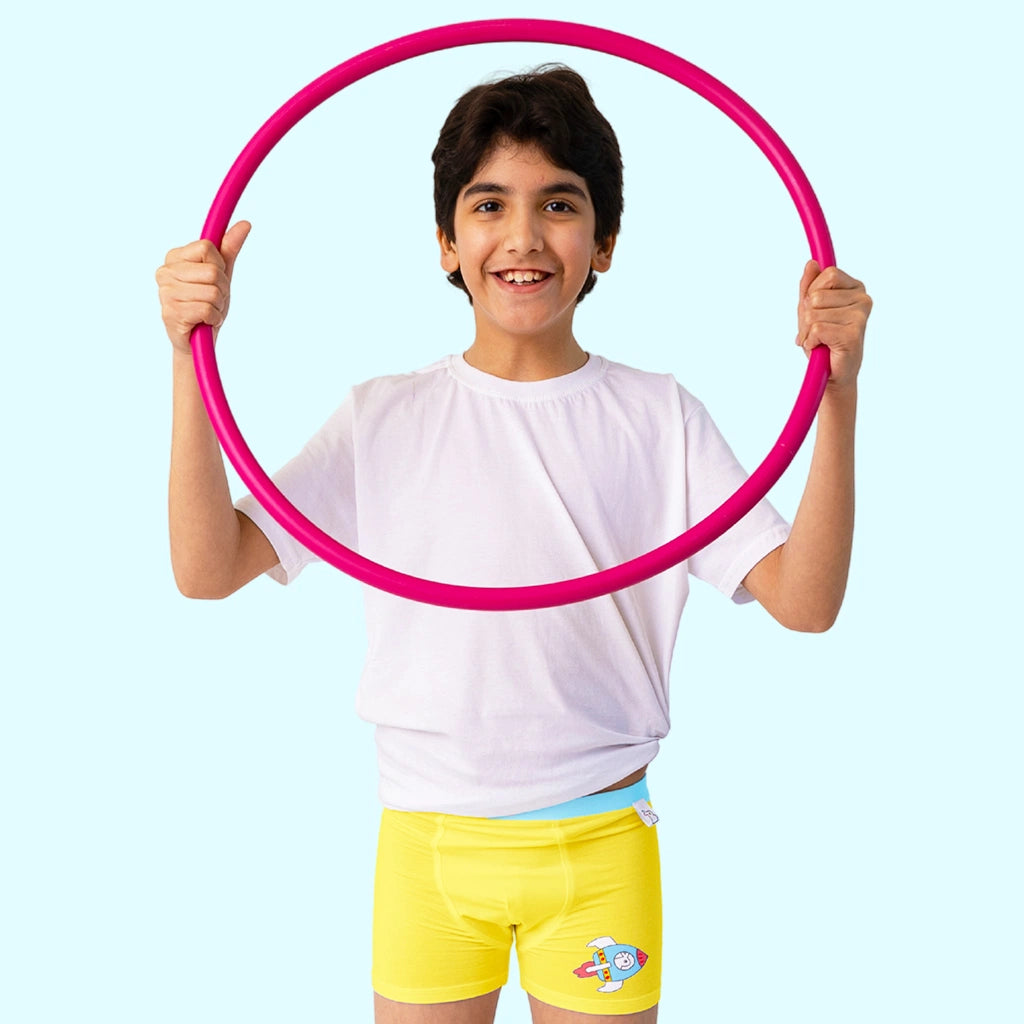
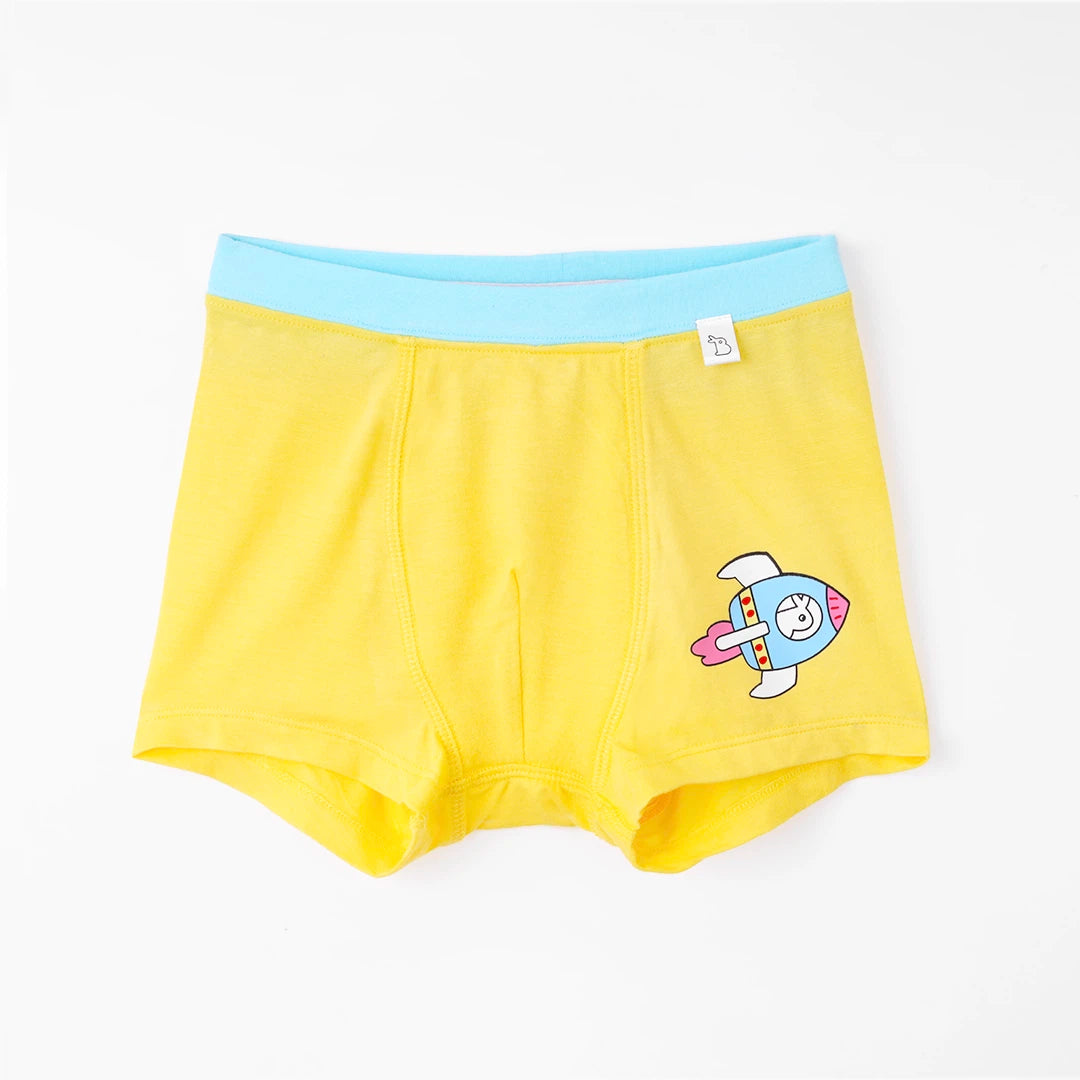
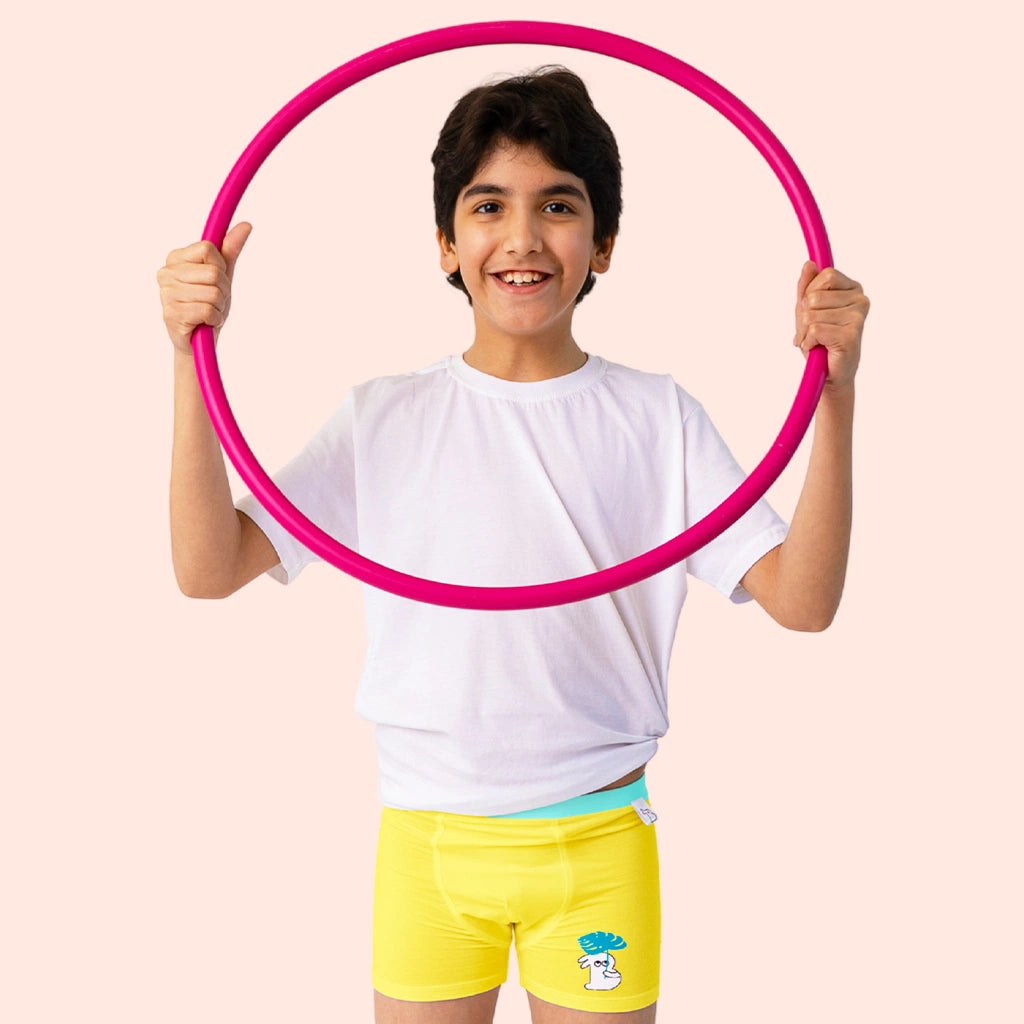
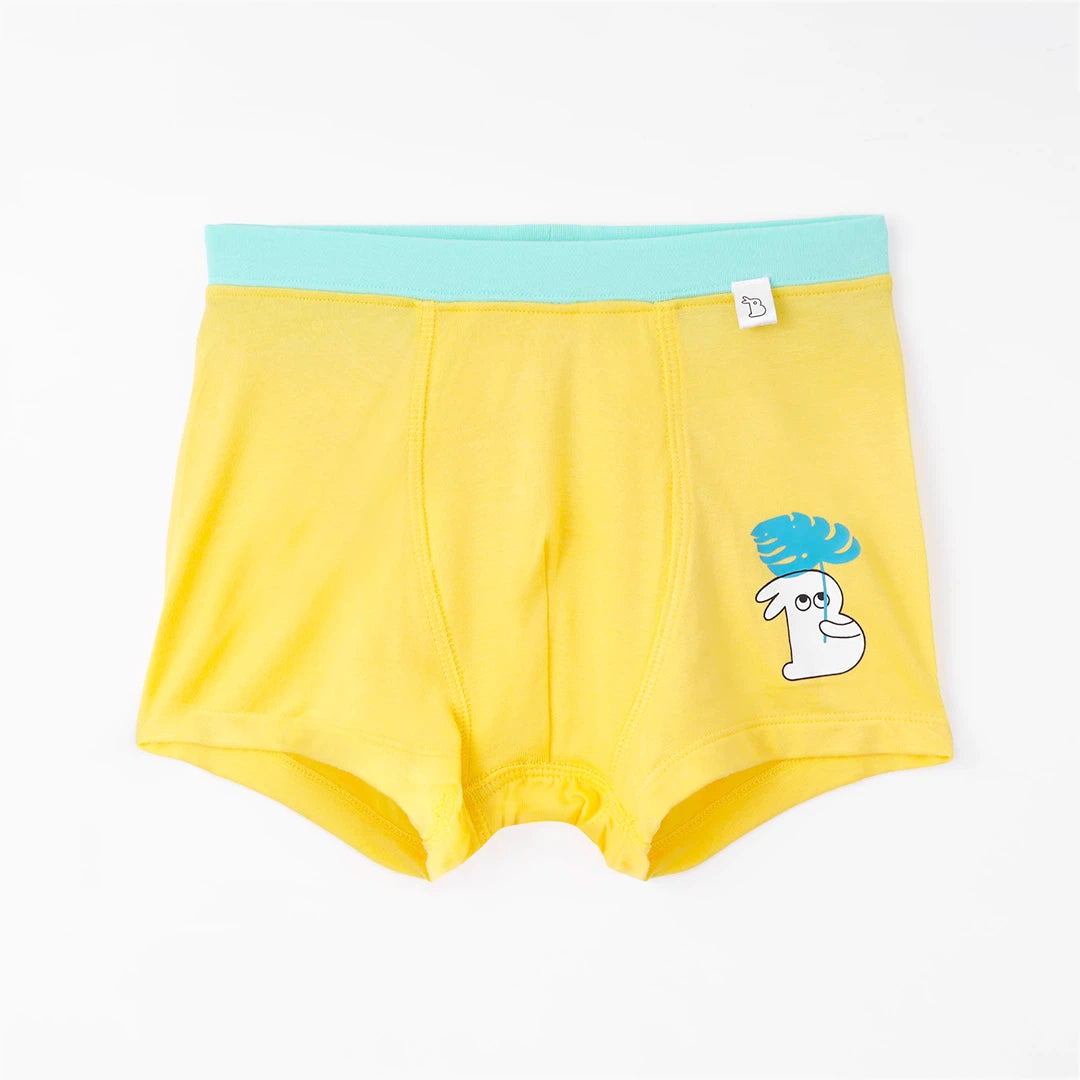
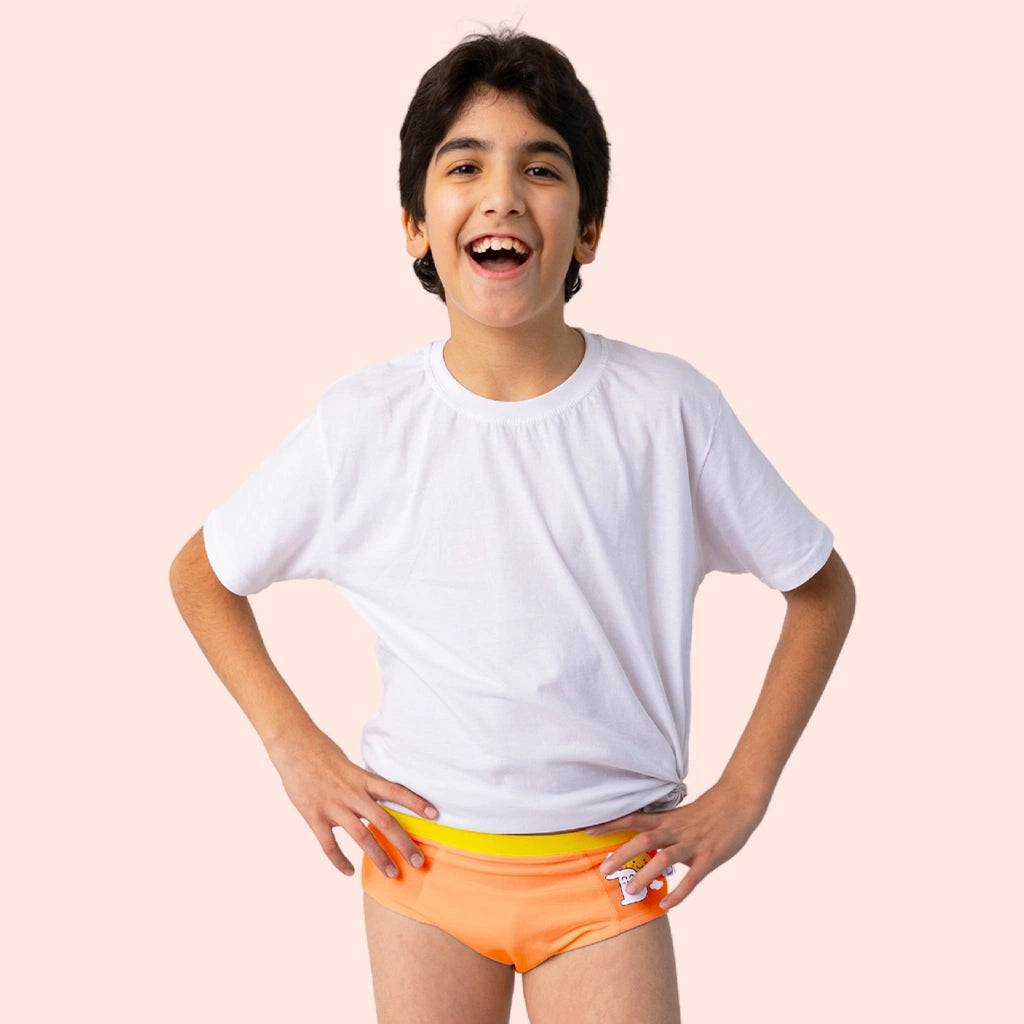
Parents also often look for comfortable training underwear for boys that allows easy movement and quick changes during active play.
Parent Insight

What Should I Look for When Choosing Potty Training Pants?
The right potty training pants can support independence while reducing cleanup stress for parents.
Important features include:
- Soft and breathable fabric
- Comfortable fit
- Gentle elastics
- Easy pull-up design
- Light absorbency for minor leaks
Toddlers should feel slightly wet after accidents to understand the learning process, unlike fully absorbent disposable diapers.
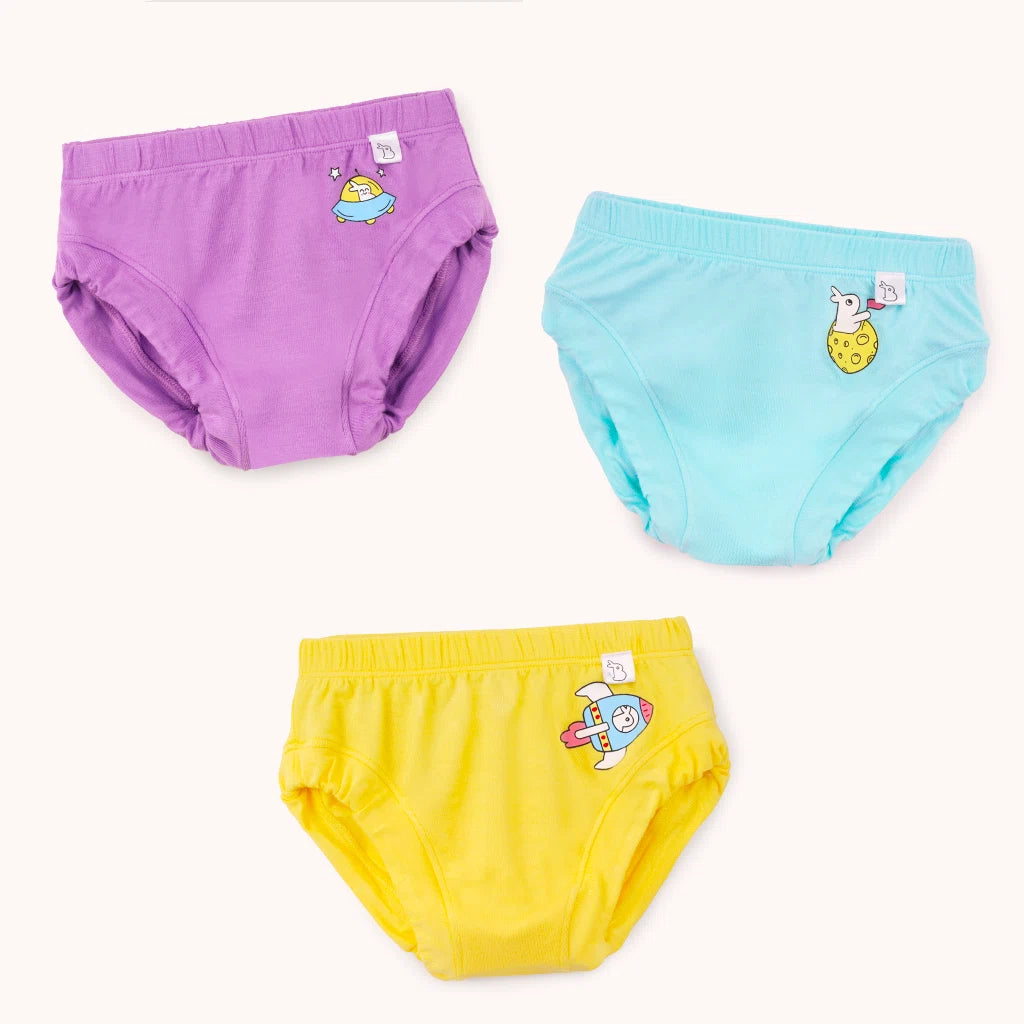
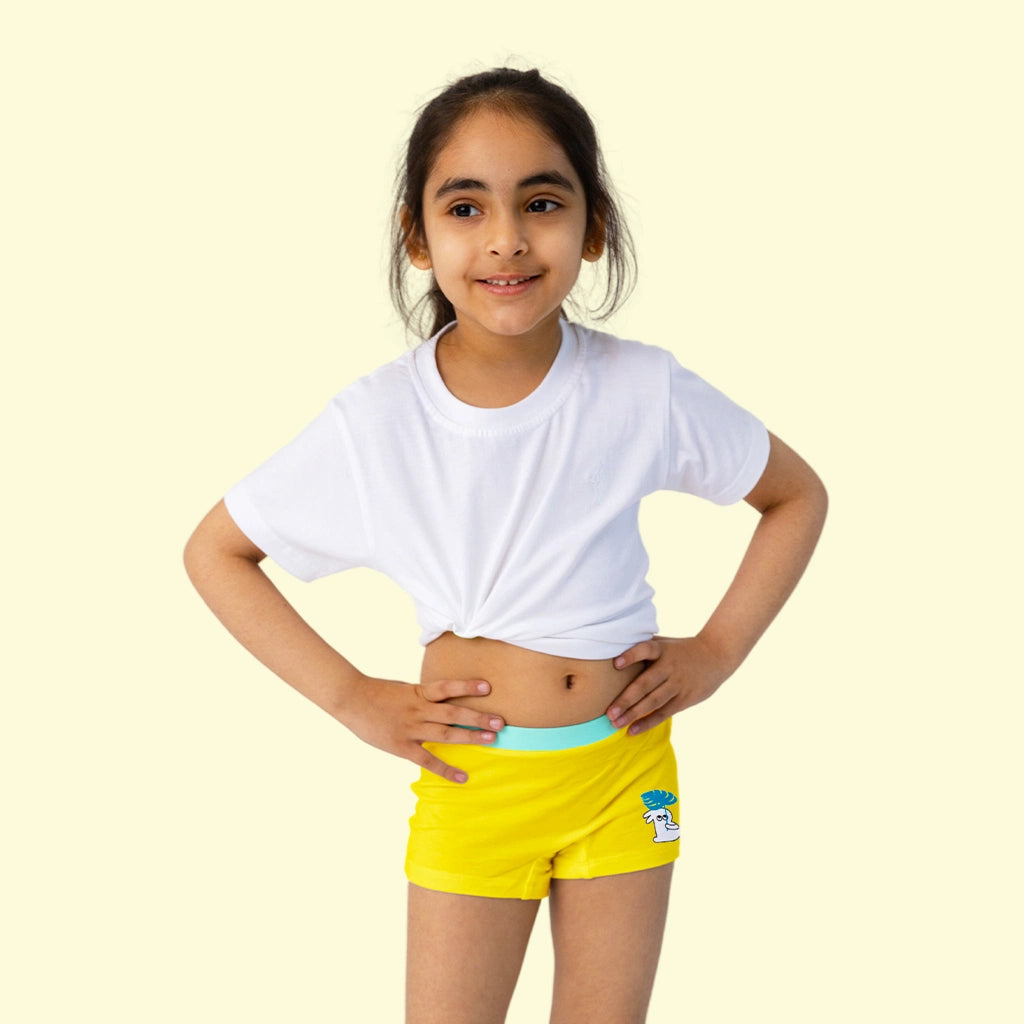
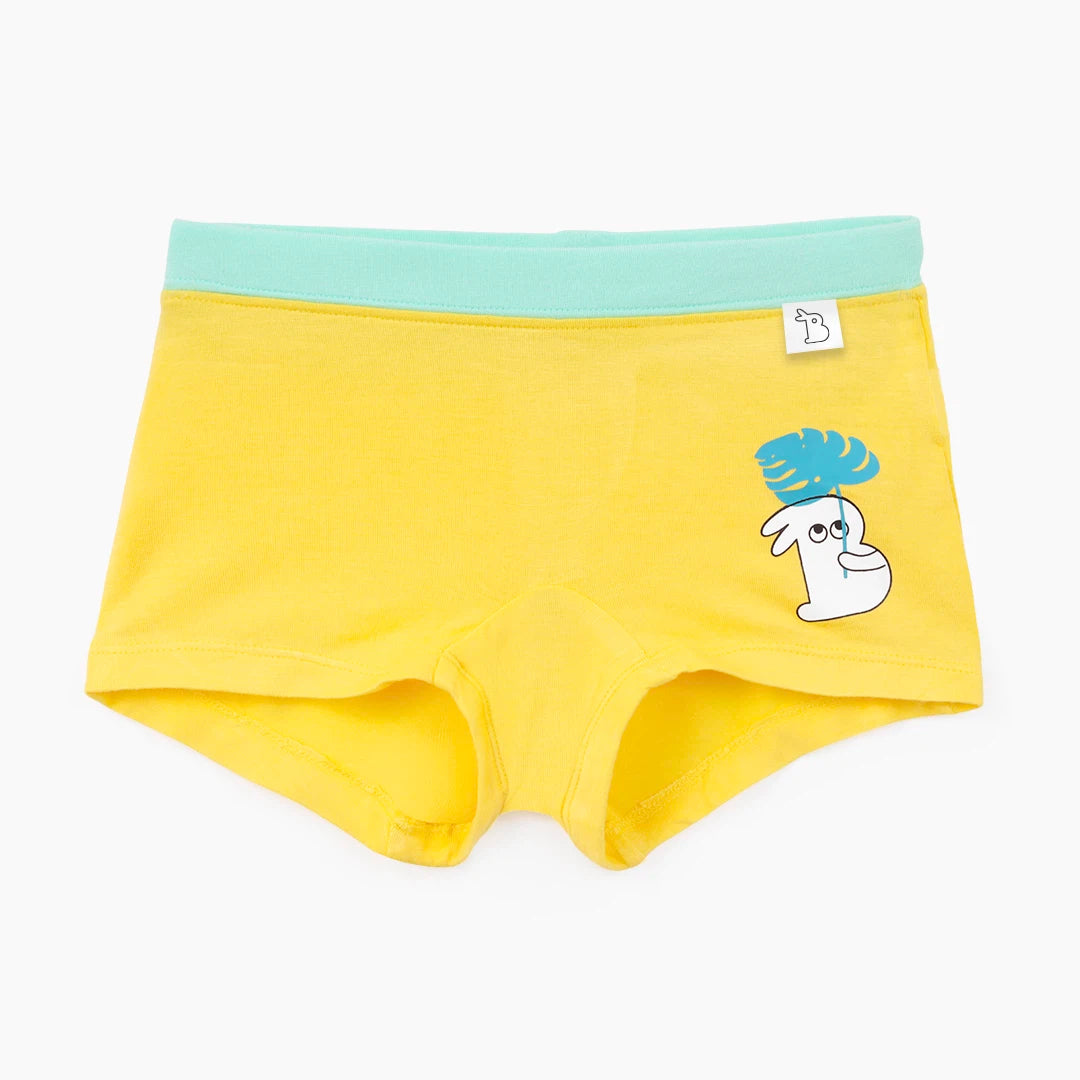
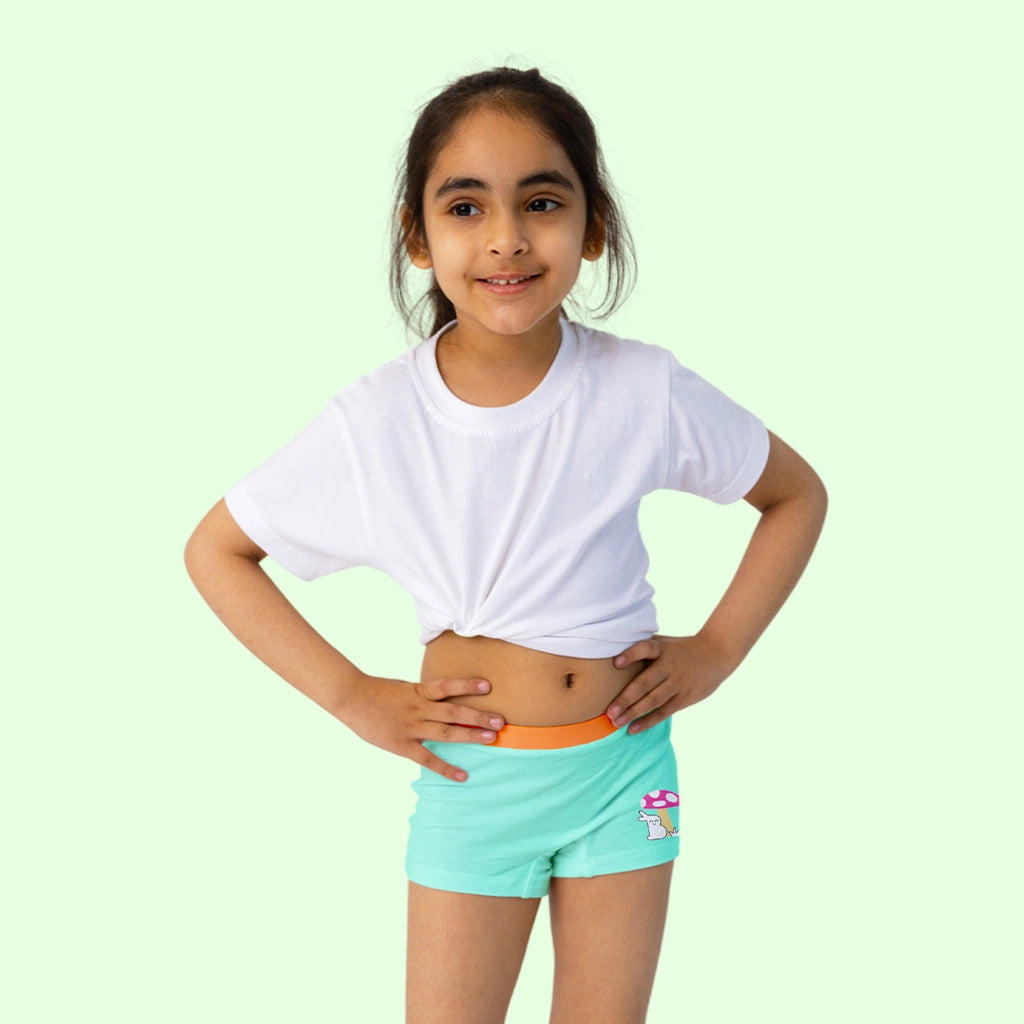
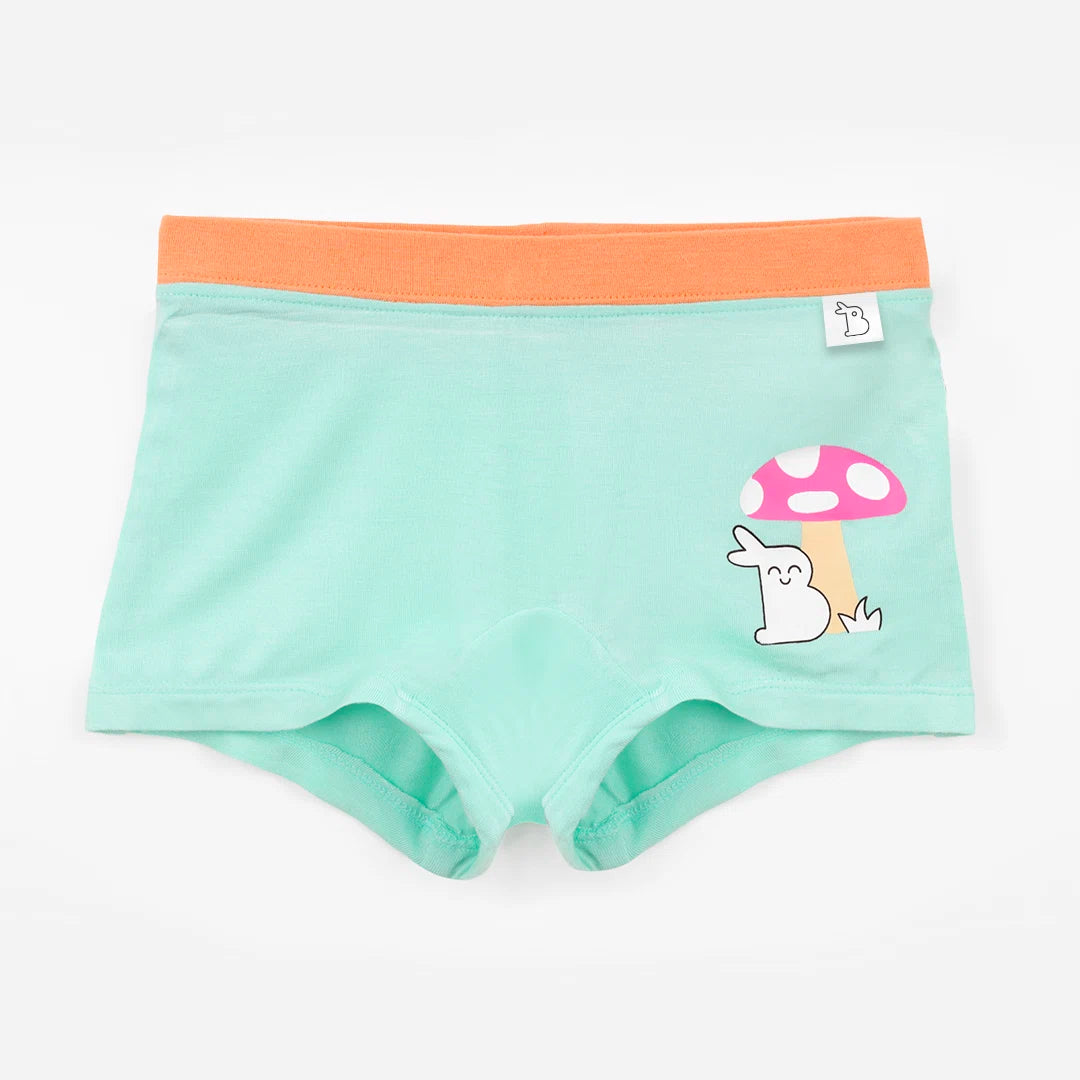
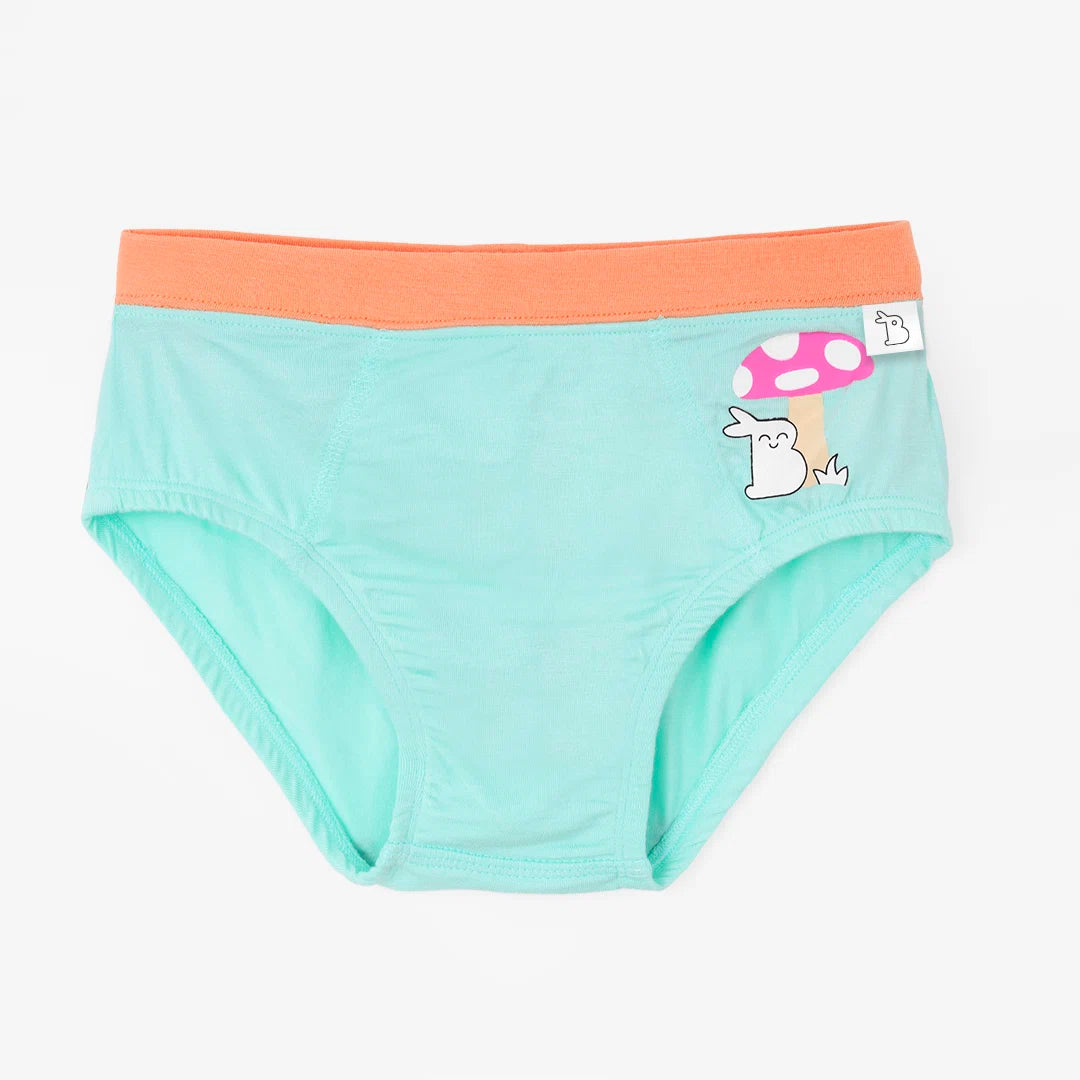
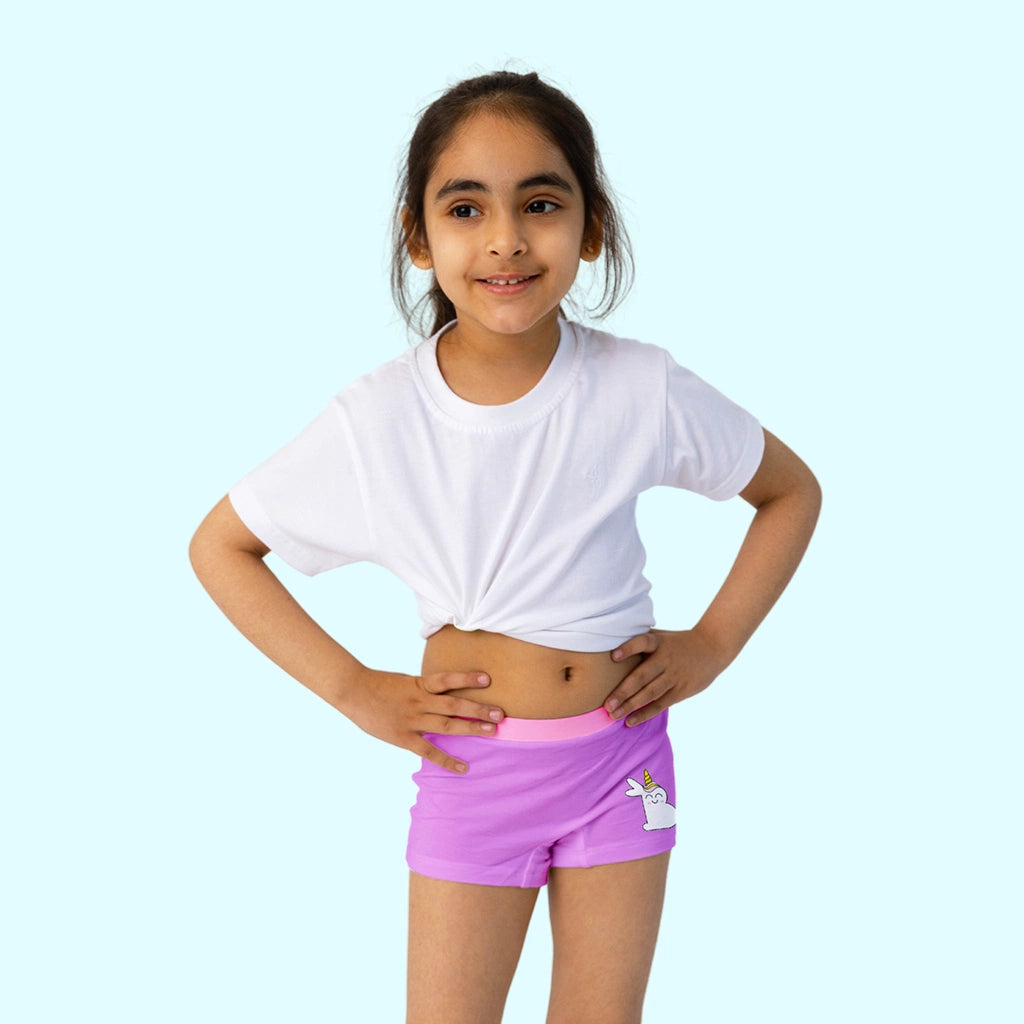
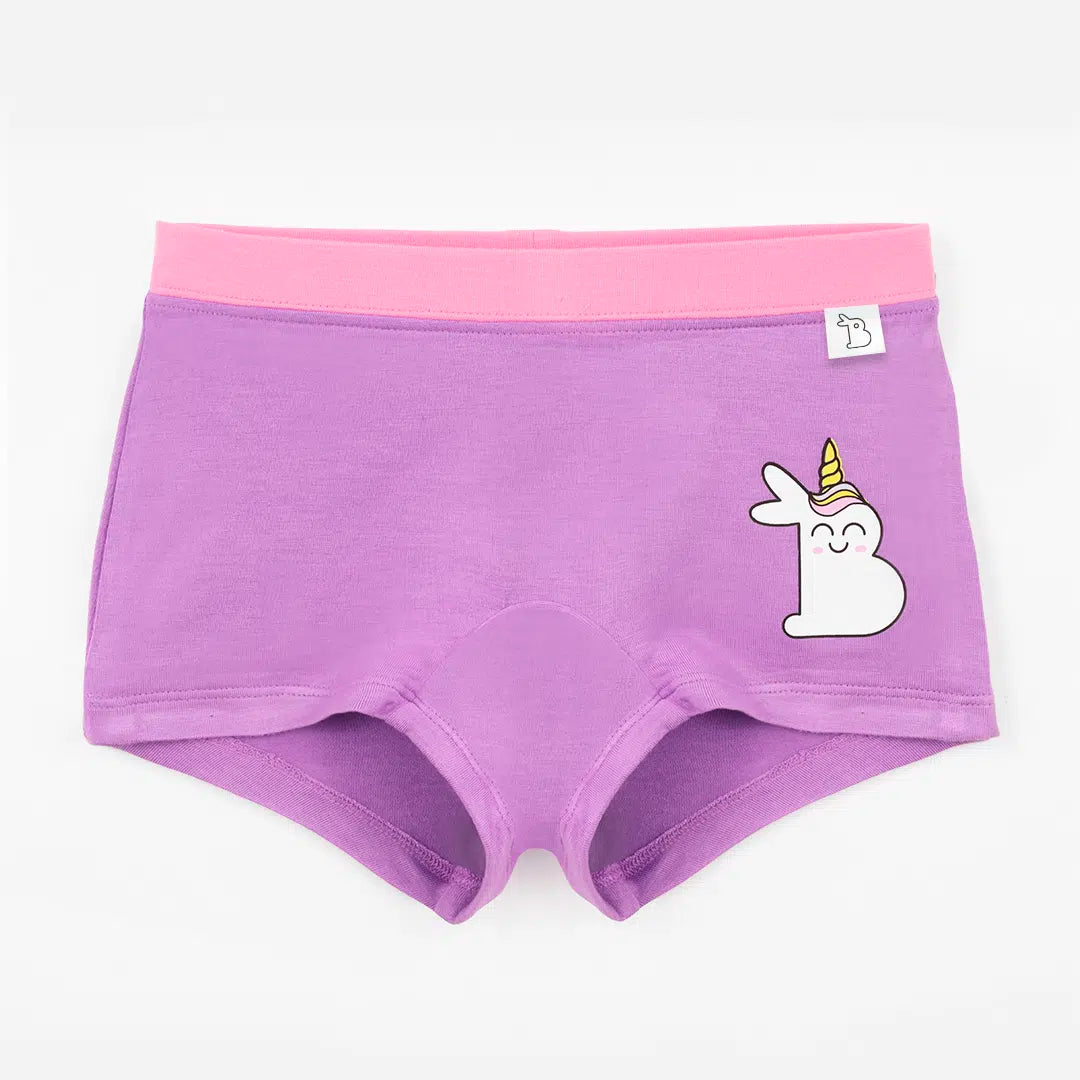
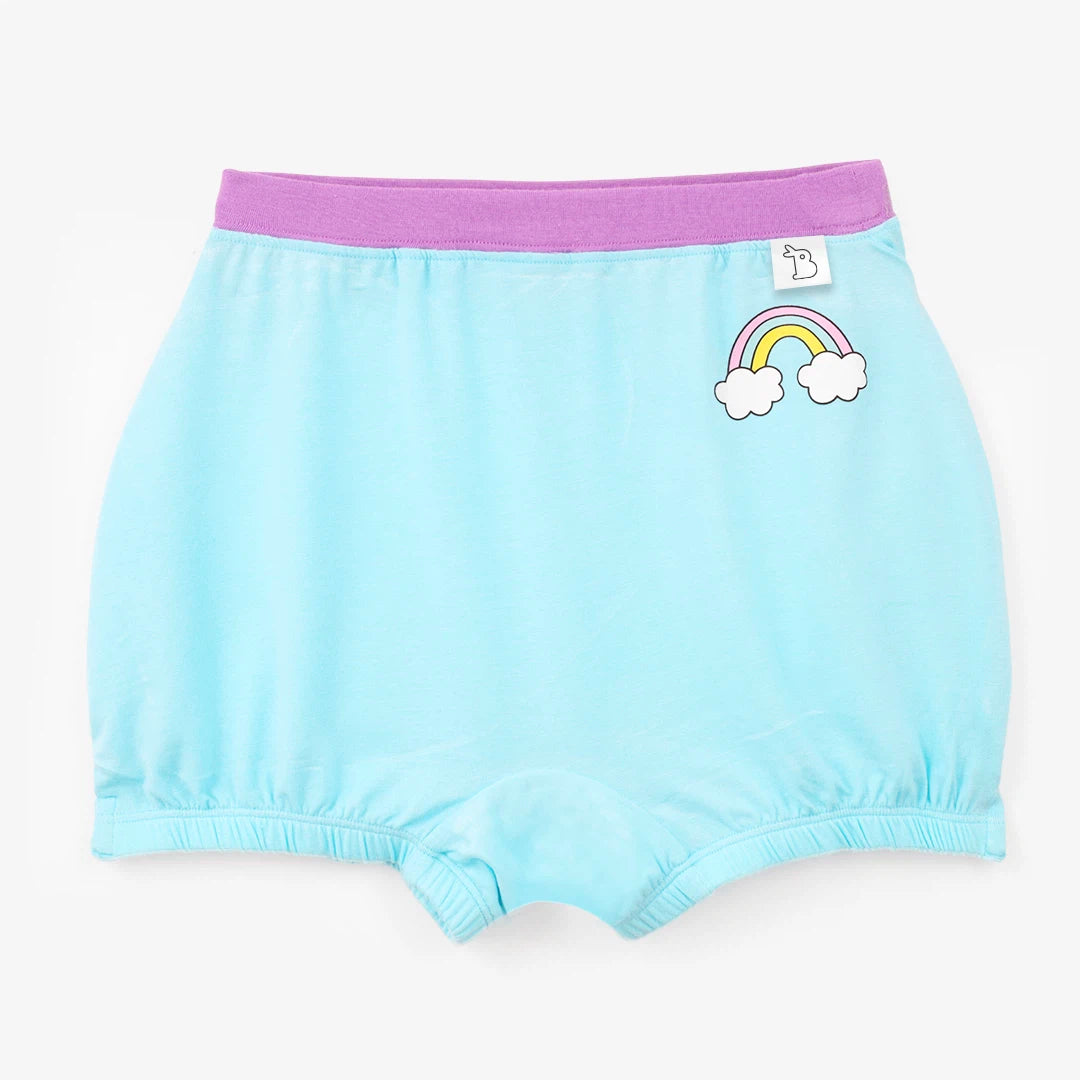
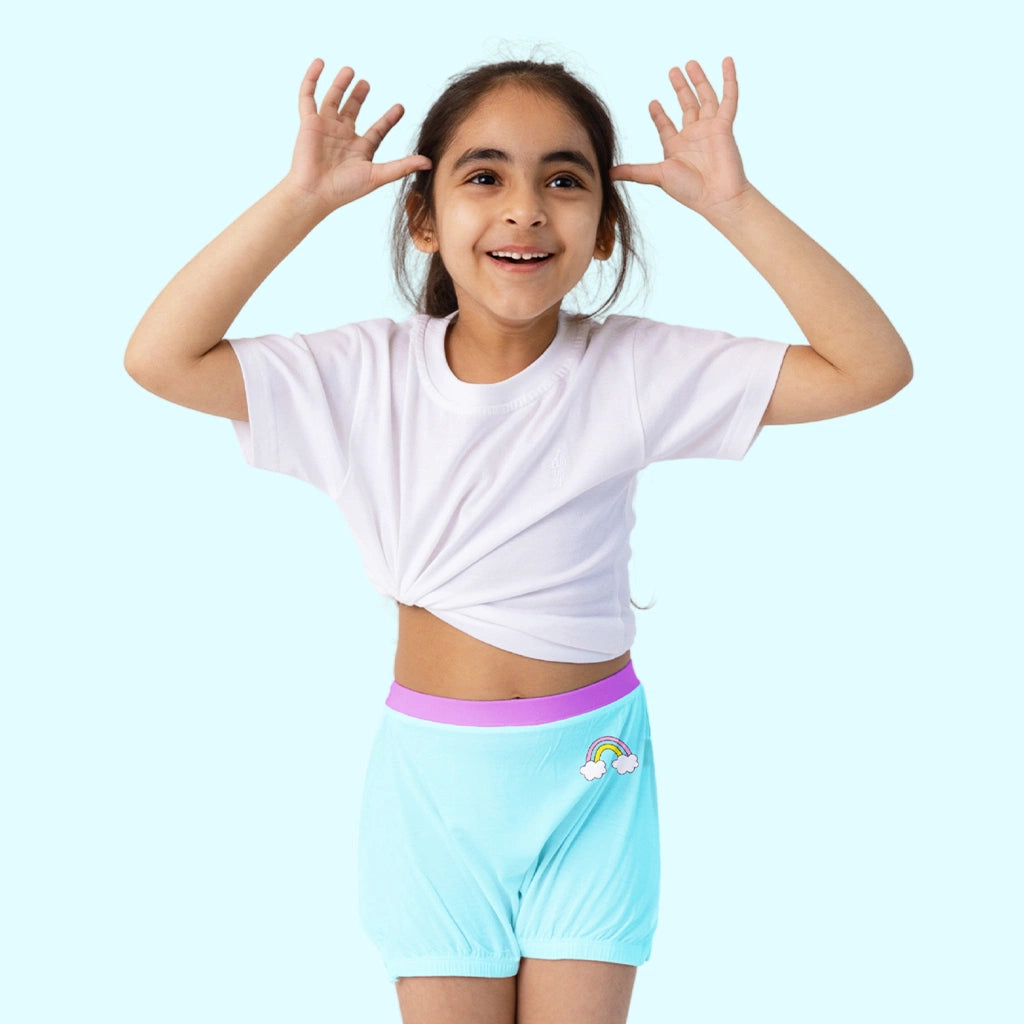
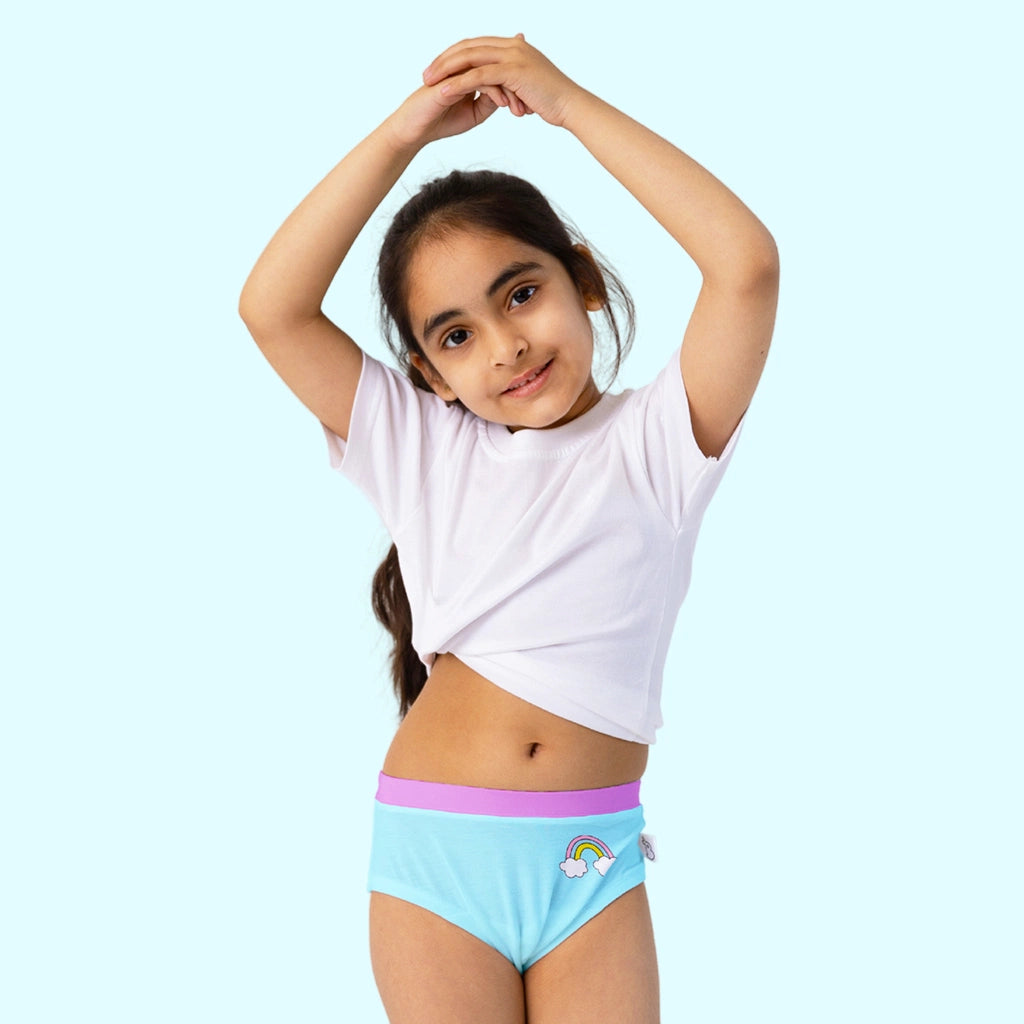
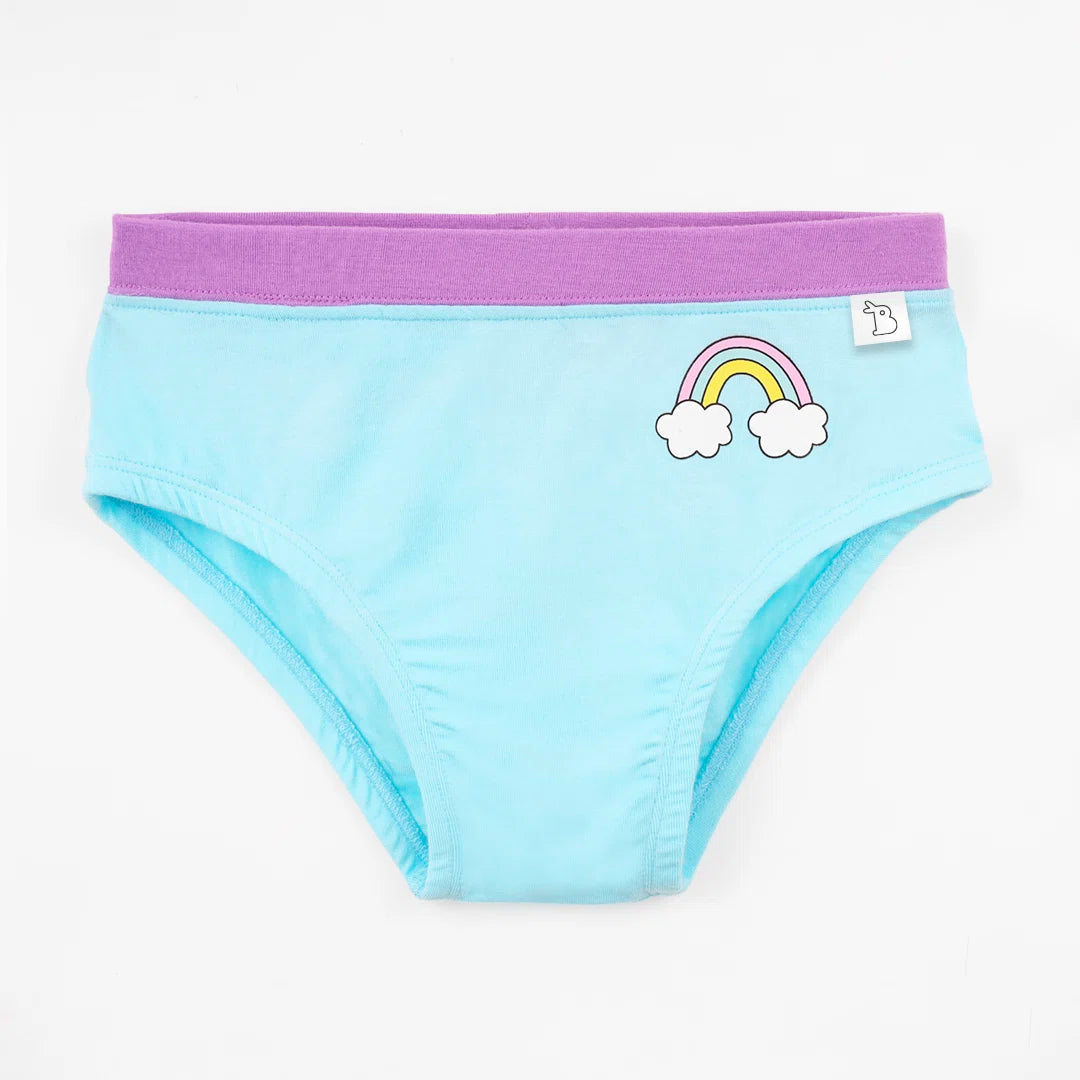
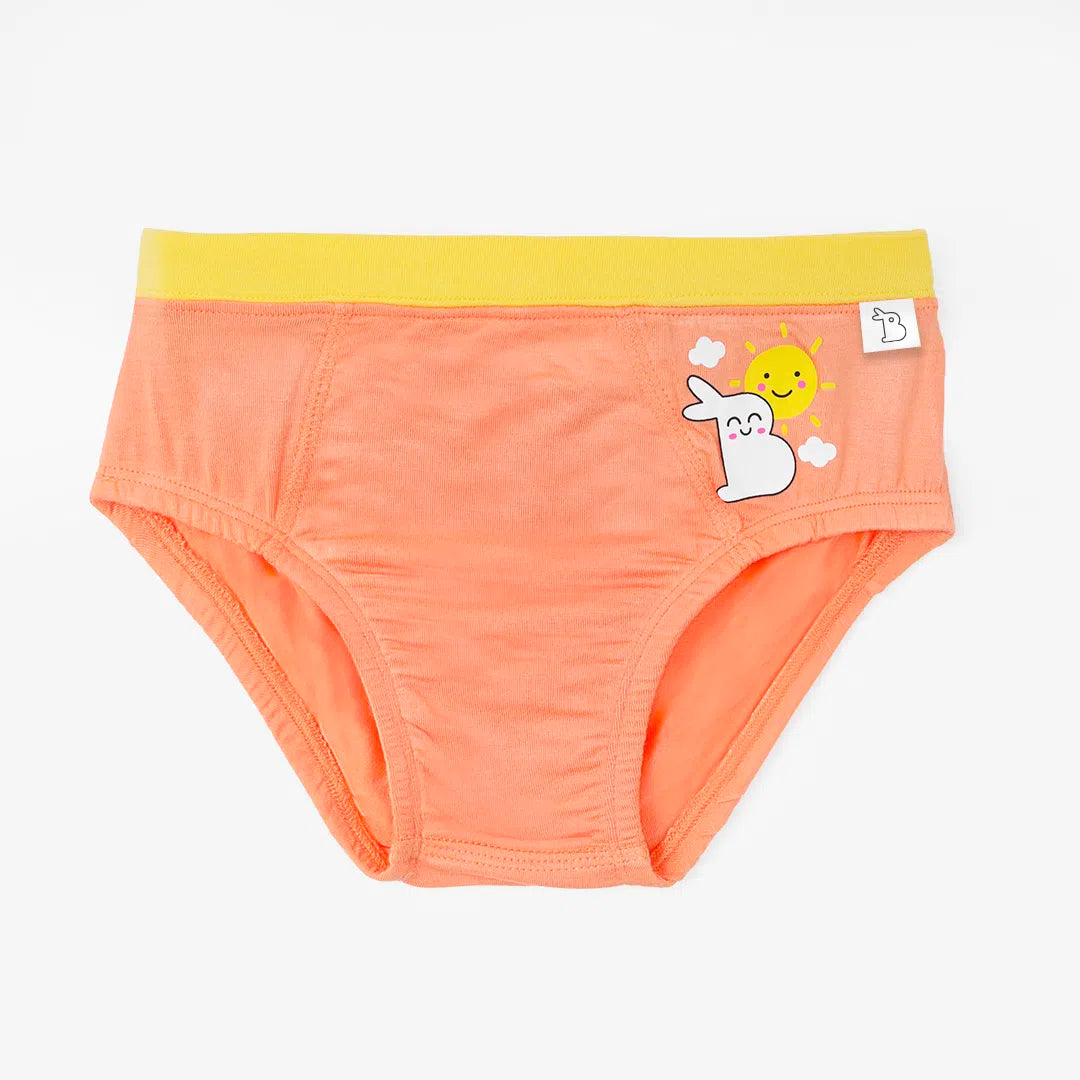
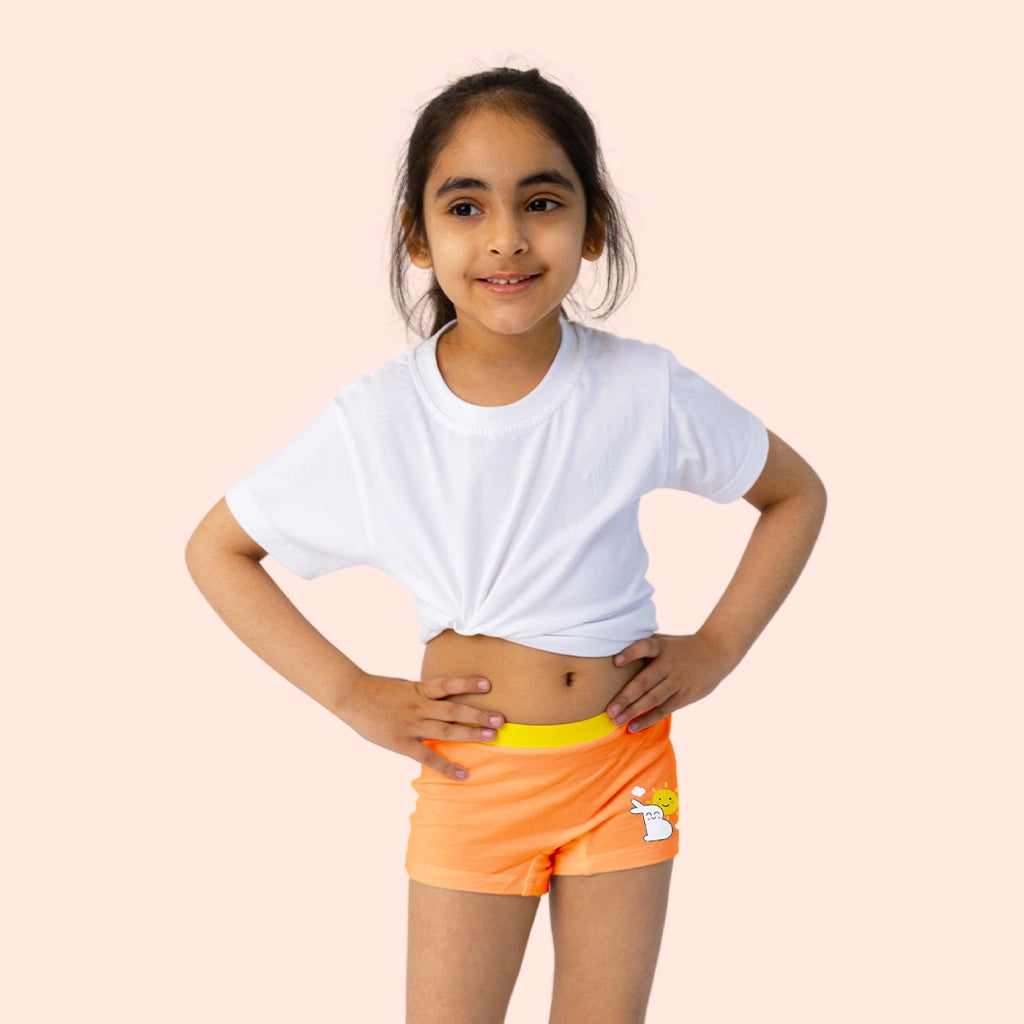
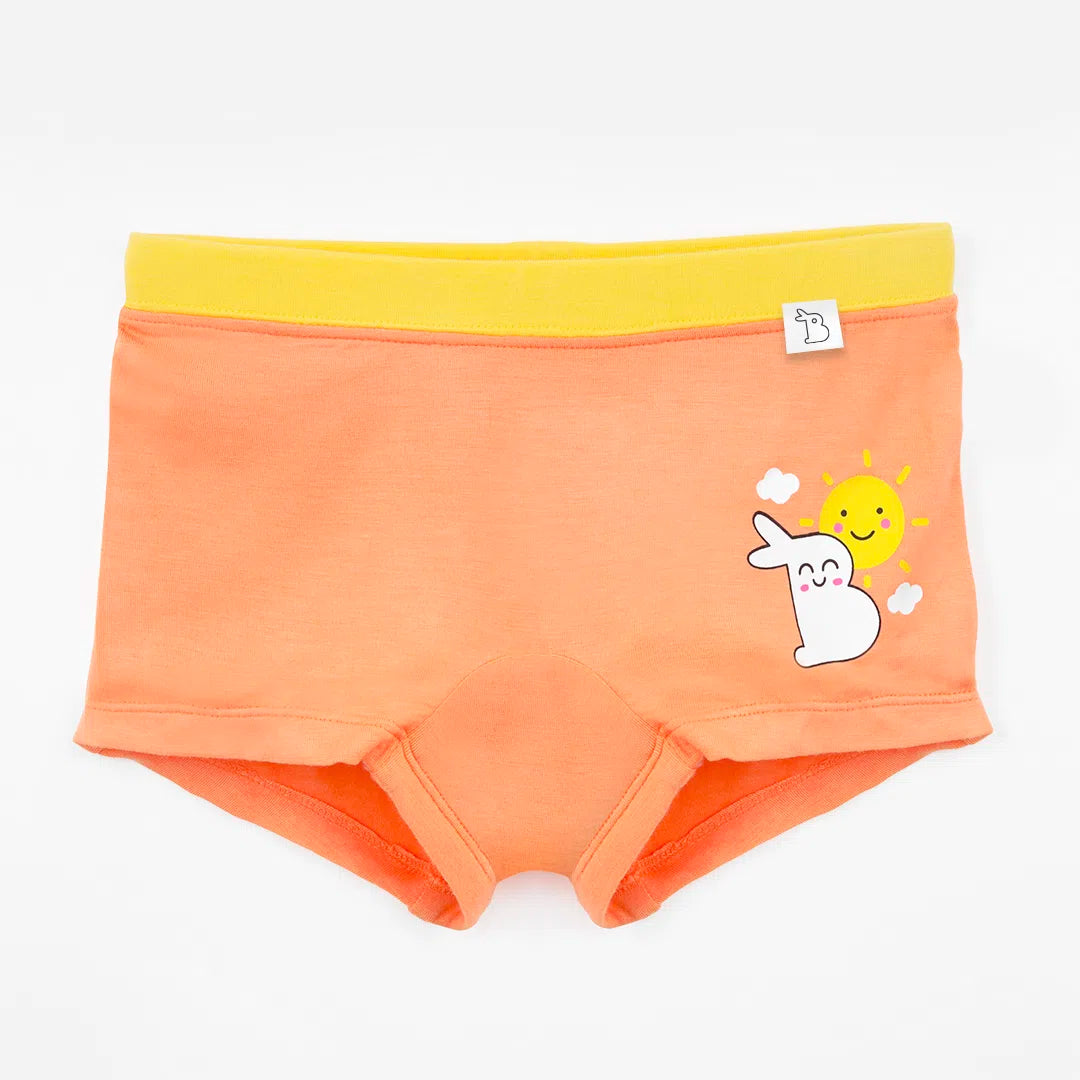
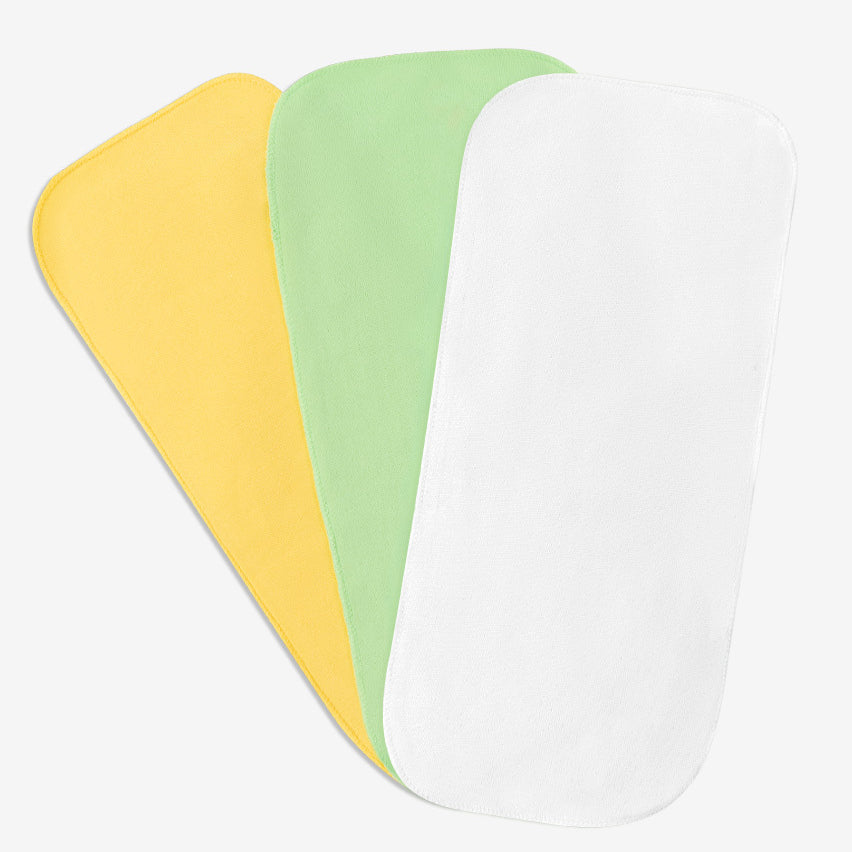
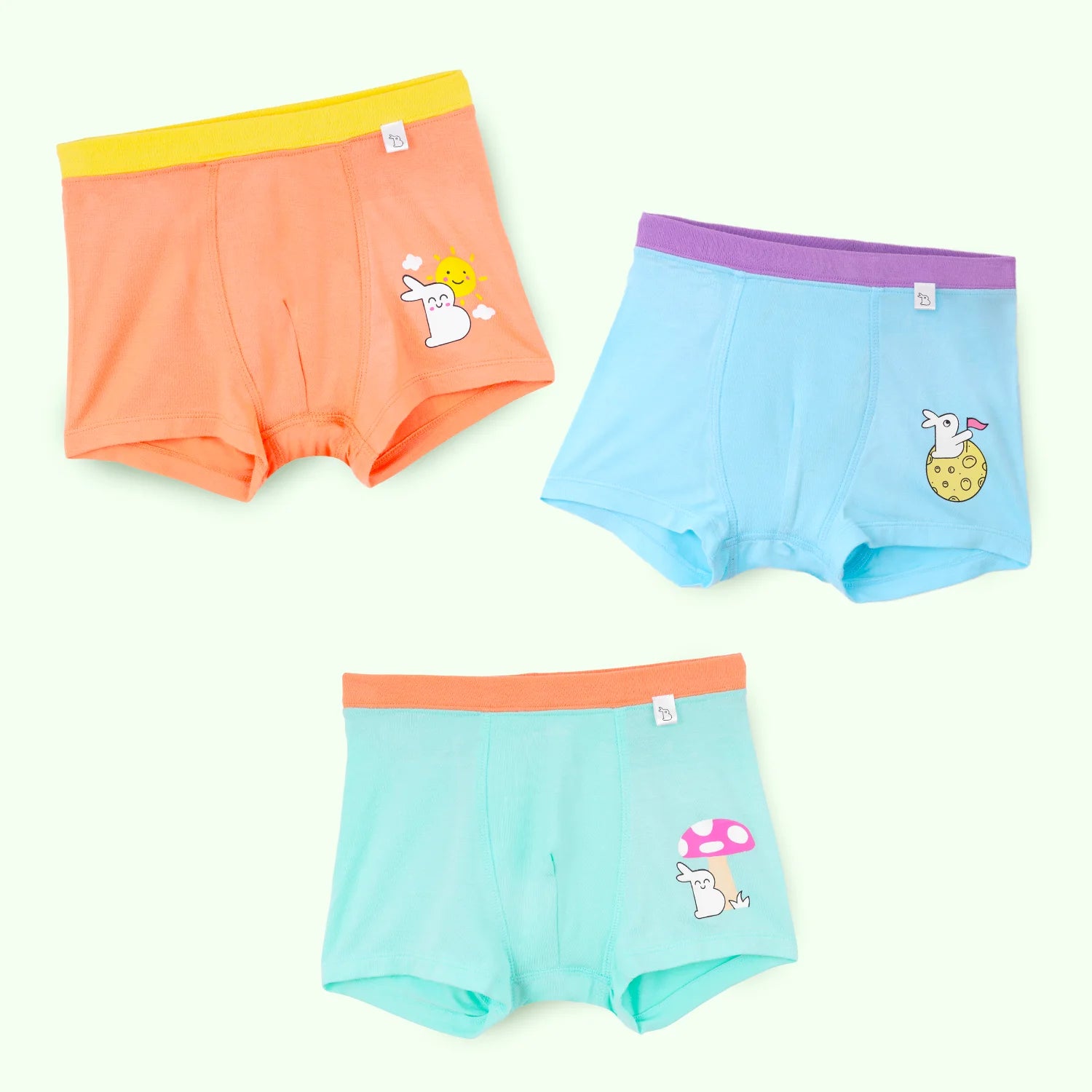
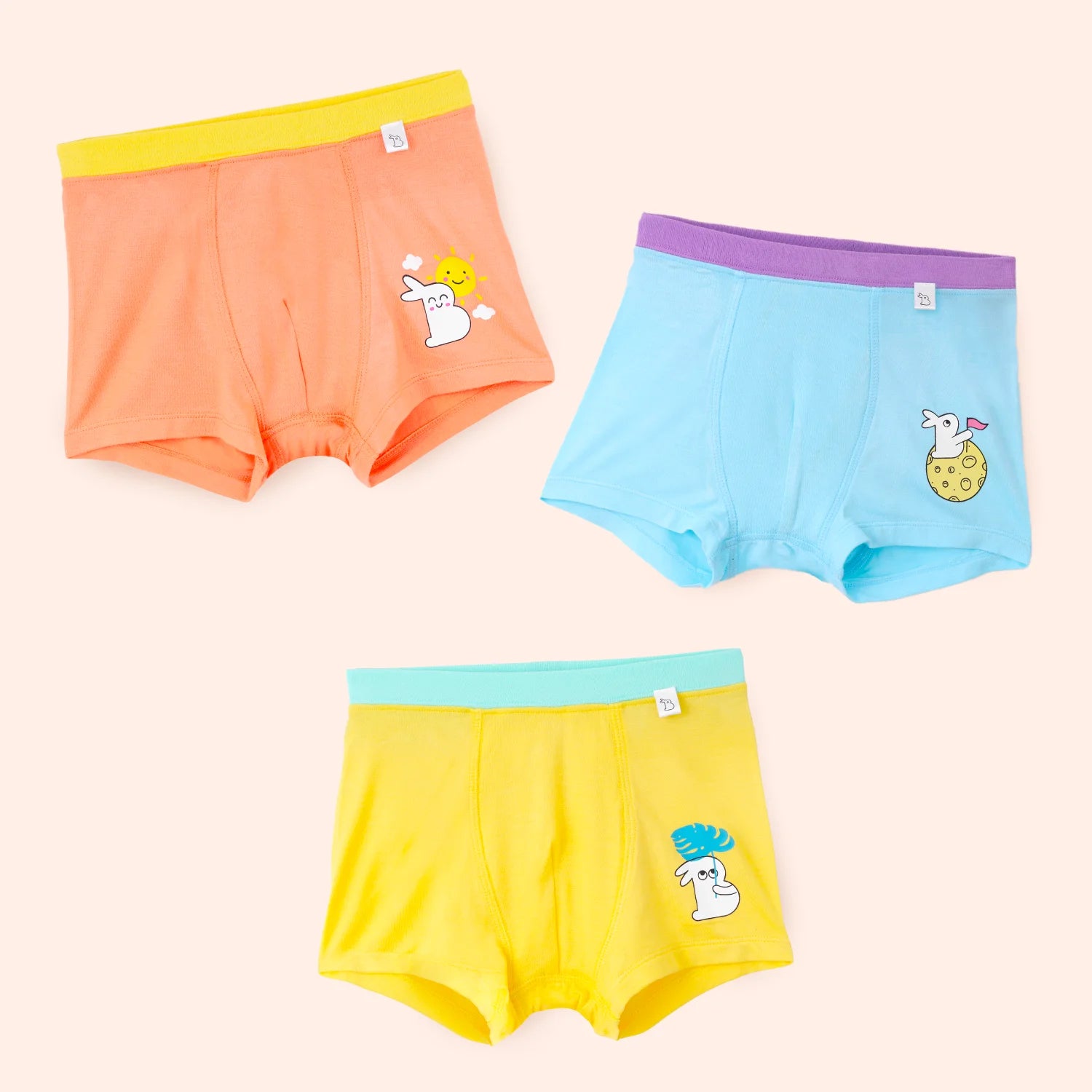
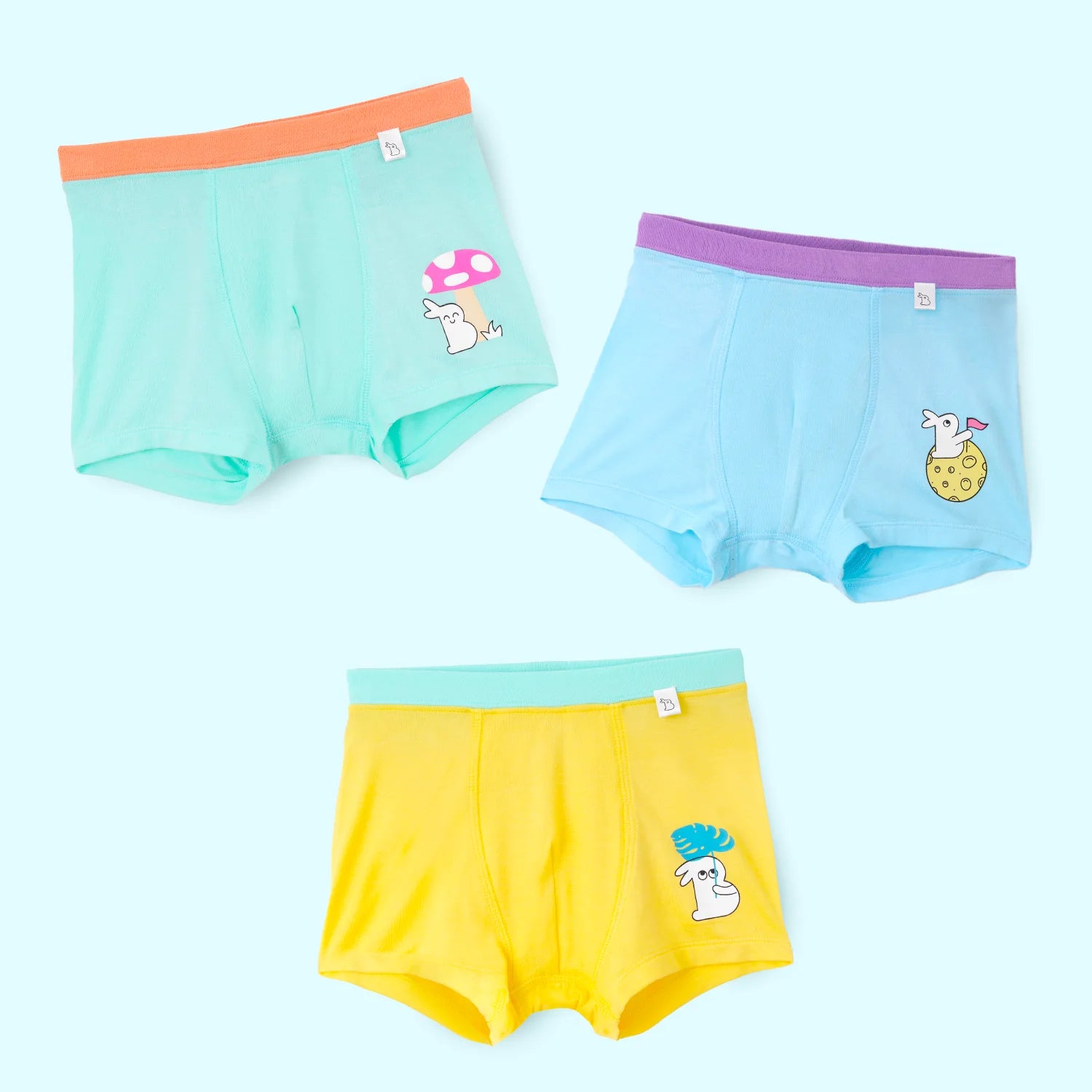
SuperBottoms Pick: SuperBottoms Padded Underwear — Designed for potty training toddlers with soft fabric and light absorbency for small accidents.
Which Type Works Best for Potty Training Toddlers?
Parents often compare disposable pull-ups with reusable training pants during the potty training phase.
The best option depends on:
- Child comfort
- Budget
- Ease of washing
- Skin sensitivity
- Training goals
Reusable training underwear may help toddlers recognize wetness faster while remaining comfortable for daily use.
What Parents Should Know
Overly absorbent products can sometimes delay awareness during potty training because children may not notice accidents immediately.
Check product details → SuperBottoms Training Essentials
Comparison Table: Disposable vs Reusable Potty Training Pants
| Feature | Disposable Pull-Ups | Reusable Training Pants | SuperBottoms Padded Underwear |
|---|---|---|---|
| Reusability | No | Yes | Yes |
| Feel Wetness Awareness | Lower | Better | Designed for training awareness |
| Skin Breathability | Moderate | Good | Soft breathable fabric |
| Long-Term Cost | Higher recurring cost | Cost-effective | Reusable over time |
| Ease of Pulling Up | Yes | Yes | Toddler-friendly design |
| Suitable for Minor Leaks | Yes | Yes | Light absorbency |
Is It Worth Switching to Reusable Potty Training Underwear?
Many parents switch to reusable options because they combine comfort, independence, and practical absorbency during the learning phase.
Reusable training pants may offer:
- Better wetness awareness
- Reduced diaper dependence
- Comfortable fabric feel
- Long-term value
The right choice depends on your child's comfort level and your family's routine.
Learning how to potty train a toddler takes patience, consistency, and realistic expectations. Every child develops differently, and small steps matter more than perfect results.
Choosing soft, easy-to-use training pants for toddlers can support independence while reducing stress during accidents. Comfortable reusable options may also help toddlers recognize wetness more naturally during the learning process.
Find the right fit → Shop SuperBottoms Padded Underwear
|
Limited Time Offers + Special Gift Sets! Now or never Super SALE is live on the SuperBottoms website! Take advantage of unbeatable value deals on our UNO Cloth Diapers, Baby Essentials, and more. Looking for the perfect present for a newborn or a toddler? Explore our thoughtfully curated Gift Sets & Combos - safe, skin-friendly, and oh-so-cute! A bundle of love for little ones and a delight for parents. HURRY - Deals and Gift Packs are live only till stocks last. Don’t miss the chance to stock up and share the joy! |
Key Takeaways
- Potty training readiness matters more than age alone.
- Positive routines and patience help toddlers learn faster.
- Soft reusable potty training pants may support independence and wetness awareness.
FAQs
1. What is the best potty training age?
Most toddlers begin potty training between 18 months and 3 years, depending on readiness signs.
2. How to potty train your child without stress?
Use positive reinforcement, predictable routines, and comfortable training pants instead of punishment or pressure.
3. What are effective potty training tips for toddlers?
Consistency, scheduled potty breaks, easy clothing, and praise for effort are helpful during training.
4. Which are the best potty training underwear options?
Good potty training underwear should be soft, breathable, easy to pull up, and lightly absorbent for minor leaks.
5. Are training pants for toddlers better than diapers?
Training pants may help toddlers become more aware of wetness while encouraging independence.
6. What are useful potty training tips for 2 year old children?
Short potty routines, praise, visual reminders, and patience usually work well for 2-year-olds.
7. What should parents know about potty training boys?
Many parents start with sitting during early potty training boys routines before teaching standing later.
8. Where can I buy potty training pants in India?
Parents can explore reusable potty training solutions and padded underwear options from trusted baby care brands like SuperBottoms.
References
- Potty training: How to get the job done
- Toilet Training
- Potty Training Methods: Which Is Right for Your Child?
Hi there, new parents! SuperBottoms brings you doctor-recommended cloth diapers - the best rash-free diapering solution for your baby's sensitive and delicate skin. Unlike disposable diapers loaded with chemicals, our newborn cloth diapers, when used and washed properly, can help eliminate the risk of diaper rashes. SuperBottoms offers a wide range of safe, skin-friendly essentials for the whole family - including Reusable Cloth Diapers, Diaper Pants, DryFeel langots for diaper-free time, Padded Underwear for potty training, SuperSoft Underwear for everyday comfort, Joggers for playful days, and Period Underwear for women. Not just for everyday use, SuperBottoms products also make the best gifting choice for babies - thoughtful, eco-friendly, practical, and loved by parents. Now available on Amazon, Myntra, Flipkart, FirstCry, Zepto, Swiggy and Blinkit.