






In this article, you will learn:
- Spot toddler potty training readiness
- Choose a suitable training method
- Handle accidents without pressure
- Choose potty training underwear
- Build confident toilet habits
Potty training is less about finding the “perfect” age and more about recognising when your toddler is developmentally ready. The goal is not simply a dry diaper—it is helping your child recognise body signals, understand what they mean, and gradually become independent.
When should you start potty training?
There is no single right potty training age. Many children begin during the toddler years, but readiness varies. The American Academy of Paediatrics notes that children generally develop bladder and bowel control around 18–24 months, while the cognitive, motor and communication skills needed for independent toilet use develop progressively.
What Parents Should Know
Age can indicate a general window, but behaviour is more useful than a birthday. Starting when your toddler can recognise bodily cues and participate in the routine can make learning more positive.
What are the signs of potty training readiness?
Look for several potty training readiness signs rather than waiting for one “magic” signal:
- Stays dry for around two hours
- Notices when they are peeing or pooping
- Shows discomfort with a wet or dirty diaper
- Follows simple instructions
- Can walk to the bathroom
- Can help pull pants up or down
- Shows interest in the potty or toilet
- Uses words, gestures or expressions to communicate the need
- Wants to imitate adults or older children
These signs reflect physical, cognitive, motor and emotional readiness—not just bladder control.

Which potty training method works best?
There is no universally best potty training method. Choose an approach that matches your toddler's temperament and your family's routine.
|
Approach |
Best suited for |
How it works |
|---|---|---|
|
Readiness-led |
Children who need time |
Start when several readiness signs appear |
|
Routine-based |
Predictable toddlers |
Offer regular potty opportunities |
|
Intensive |
Families able to focus |
Concentrated practice over a shorter period |
Whichever method you choose, keep instructions simple, praise attempts and avoid turning accidents into a source of shame.
Expert perspective
Paediatrician Ari Brown, MD, FAAP, an American Academy of Paediatrics spokesperson, emphasises that potty training should be viewed as a learning process rather than a measure of a child's intelligence or success.
How should you handle potty training accidents?
Accidents are a normal part of learning. Your toddler is still developing the ability to connect a physical sensation with an action and reach the toilet in time.
Try this approach:
- Stay calm.
- Use neutral words such as “You had a pee accident.”
- Help your child change and clean up.
- Remind them where the potty is.
- Praise communication and attempts—not just successful toilet trips.
If your child becomes strongly resistant, or major changes such as moving house or a new sibling are happening, consider pausing and trying again later.

What should you look for in potty training underwear?
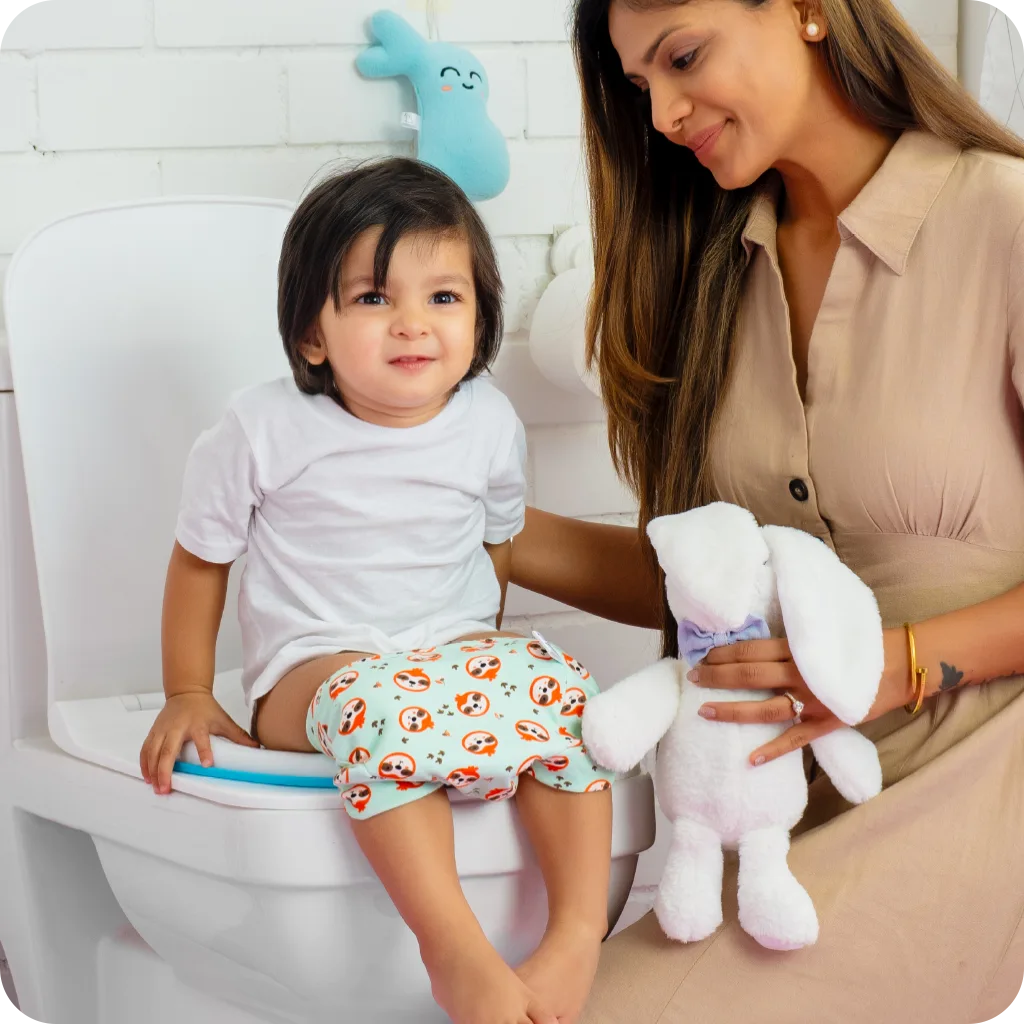
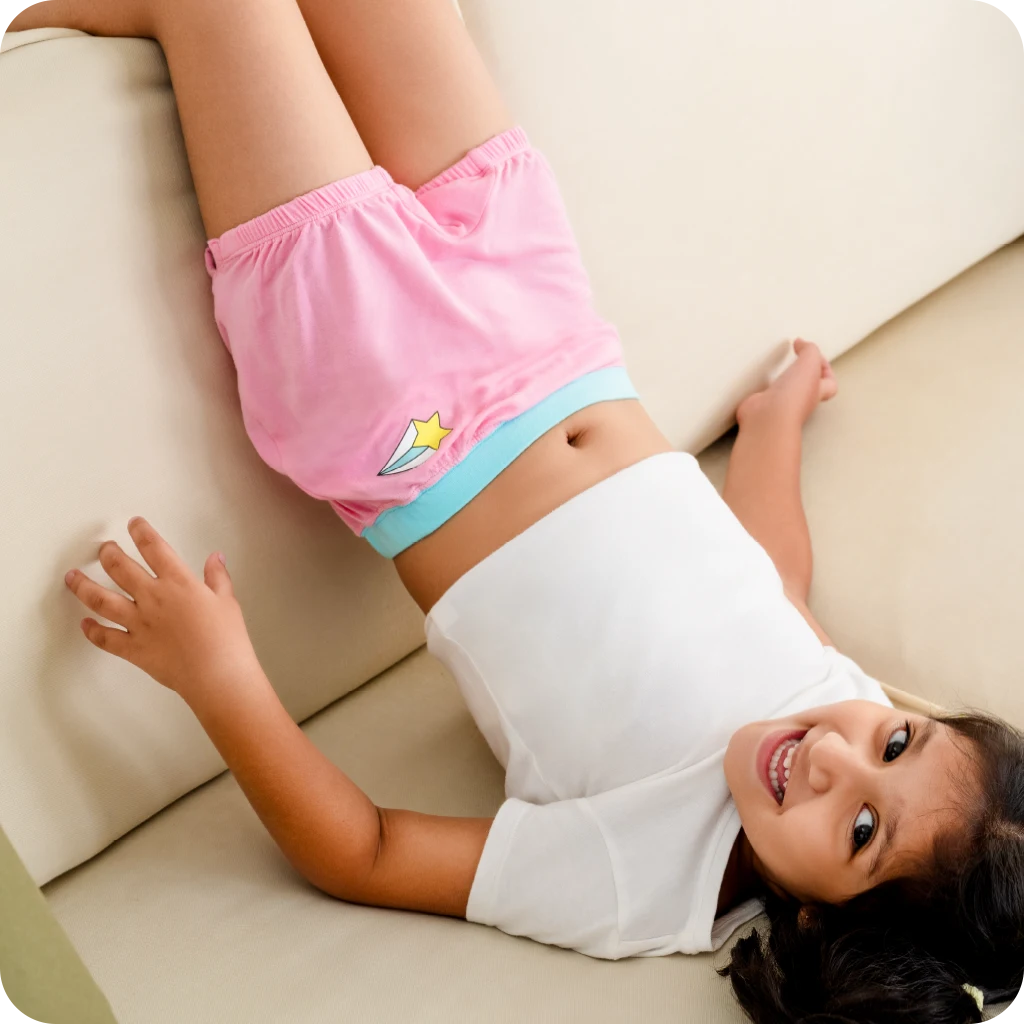
Once your toddler is ready for underwear, potty training pants can provide a useful middle step between diapers and regular underwear.
Look for:
- Comfortable, non-restrictive fit
- Easy pull-up/pull-down design
- Breathable, skin-friendly fabric
- Protection for small daytime accidents
- Enough padding without diaper-like bulk
- Easy washing and reuse
- Appropriate sizing for your child's body
What to Look For
Training underwear should support toilet learning, not replace it. The right option gives a toddler more independence while providing some protection when they do not reach the potty in time.
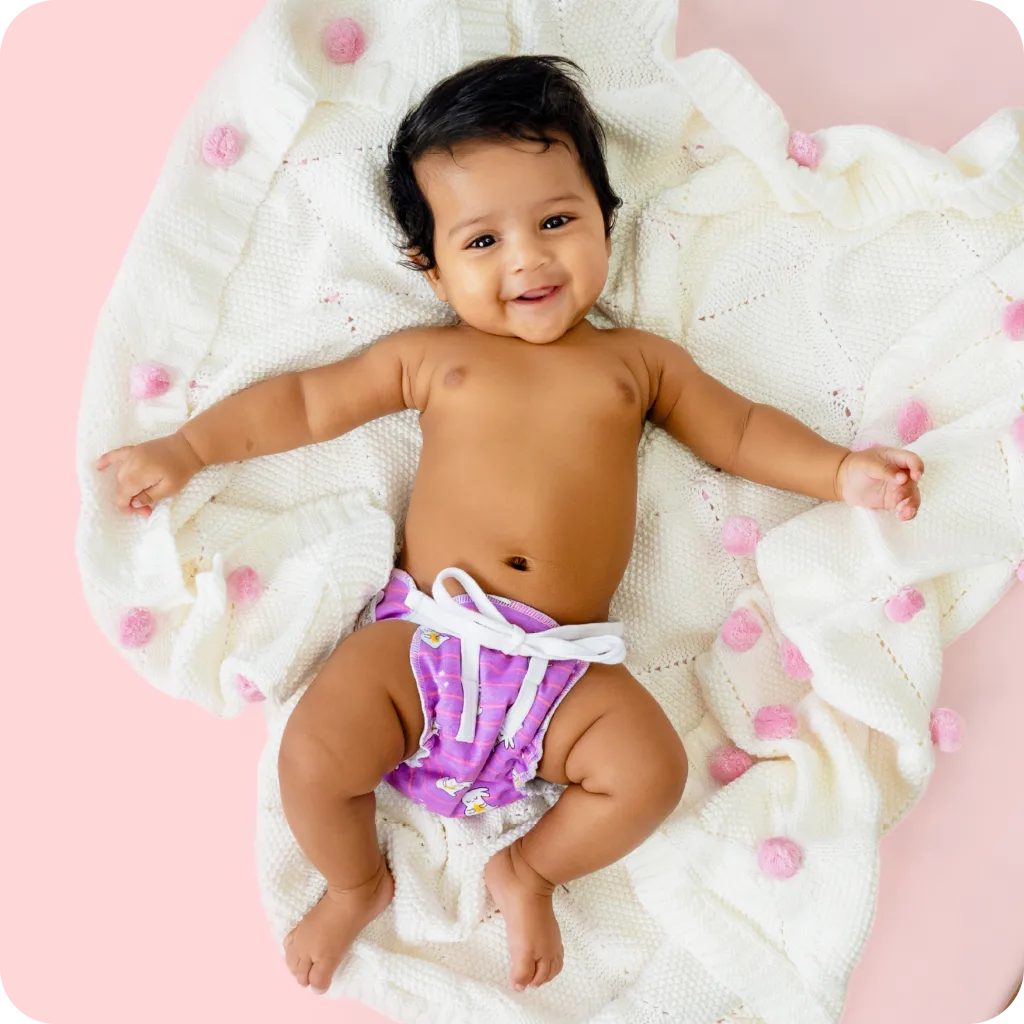
For parents looking for padded underwear for potty training, SuperBottoms Padded Underwear is designed for children aged 9 months to 4 years. It has three layers of cotton padding, a semi-waterproof outer layer and a pull-up design; the current product information recommends changing after one pee.
Explore SuperBottoms Padded Underwear
Parent checklist
☐ Check for multiple readiness signs
☐ Keep the potty accessible
☐ Practise at predictable times
☐ Choose easy-to-remove clothing
☐ Keep spare clothes nearby
☐ Stay calm after accidents
☐ Avoid comparing your child
☐ Keep nighttime expectations separate
Key takeaways
- Follow readiness, not a deadline.
- Keep potty learning positive and predictable.
- Use training underwear as support, not a replacement for practice.
FAQs
What is the best age to start potty training?
There is no universal age. Look for readiness signs such as body awareness, communication, mobility and interest in using the potty.
Are potty training pants useful?
Yes. They can protect against small daytime accidents while giving toddlers a more underwear-like experience and opportunities to develop independence.
Can padded underwear replace diapers?
Padded underwear is better suited to the potty-training and diaper-free stage than to replacing full-absorbency diapers, particularly overnight. SuperBottoms recommends changing its baby Padded Underwear after one pee.
What if my toddler refuses the potty?
Avoid forcing the issue. Take a break, keep the potty familiar and revisit training when your child shows greater readiness.