




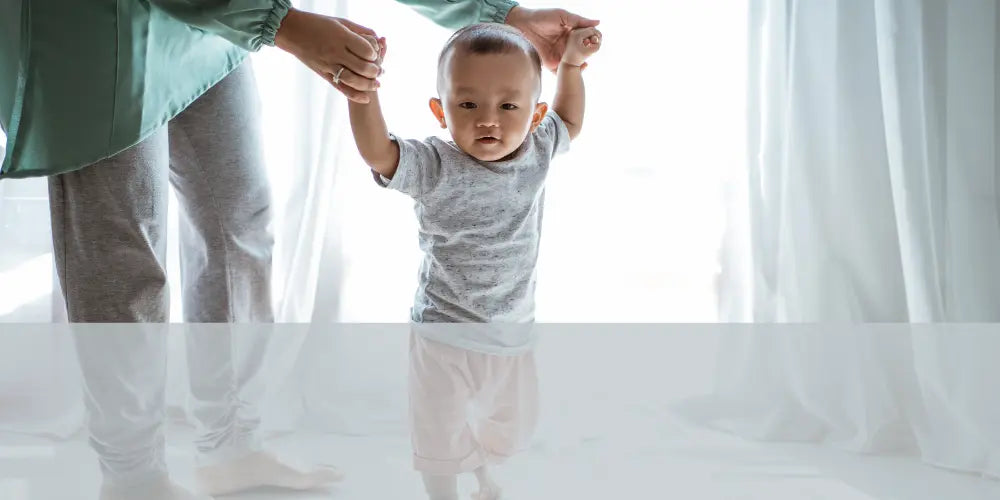

This guide explains baby milestones by month, helping parents track growth using a baby growth chart by month. It covers newborn baby development milestones, weekly progress, and key developmental stages. Parents can understand physical, emotional, and cognitive changes while identifying normal patterns and when to seek guidance. Whether you are a first-time parent or looking to compare with your previous experience, understanding newborn baby care essentials is the best place to start.
Many parents worry if their baby isn't rolling, smiling, or crawling "on time." But here's the truth — every baby develops at their own pace, and understanding the right baby milestones chart can ease a lot of unnecessary stress.
- What Are Baby Milestones?
- What Is the Newborn Age Range and Early Development?
- How Does Newborn Development Week by Week Progress?
- What Is a Baby Growth Chart by Month?
- Baby Milestones by Month (0–12 Months)
- What Are 3 Month Old Baby Milestones?
- What Factors Affect Baby Development Milestones?
- What Essentials Support Healthy Baby Development?
- What Should Parents Watch Out For?
- Conclusion
- FAQs
- References
What Are Baby Milestones?
Baby milestones are key developmental achievements like smiling, rolling, or walking. These baby development milestones help parents track growth across physical, emotional, and cognitive areas. Knowing what to expect at each stage — from the newborn care checklist phase all the way to toddlerhood — helps reduce anxiety and build confidence.
They are not strict deadlines but general indicators of healthy progress.
Baby milestones are developmental skills most babies achieve within a certain age range, helping track normal growth patterns.
What Is the Newborn Age Range and Early Development?
The newborn age range typically covers birth to 2 months. During this stage, babies rely on reflexes and sensory responses to interact with the world. These newborn baby development milestones include reflex movements (grasp, suck), responding to sound, and recognising caregiver voices.
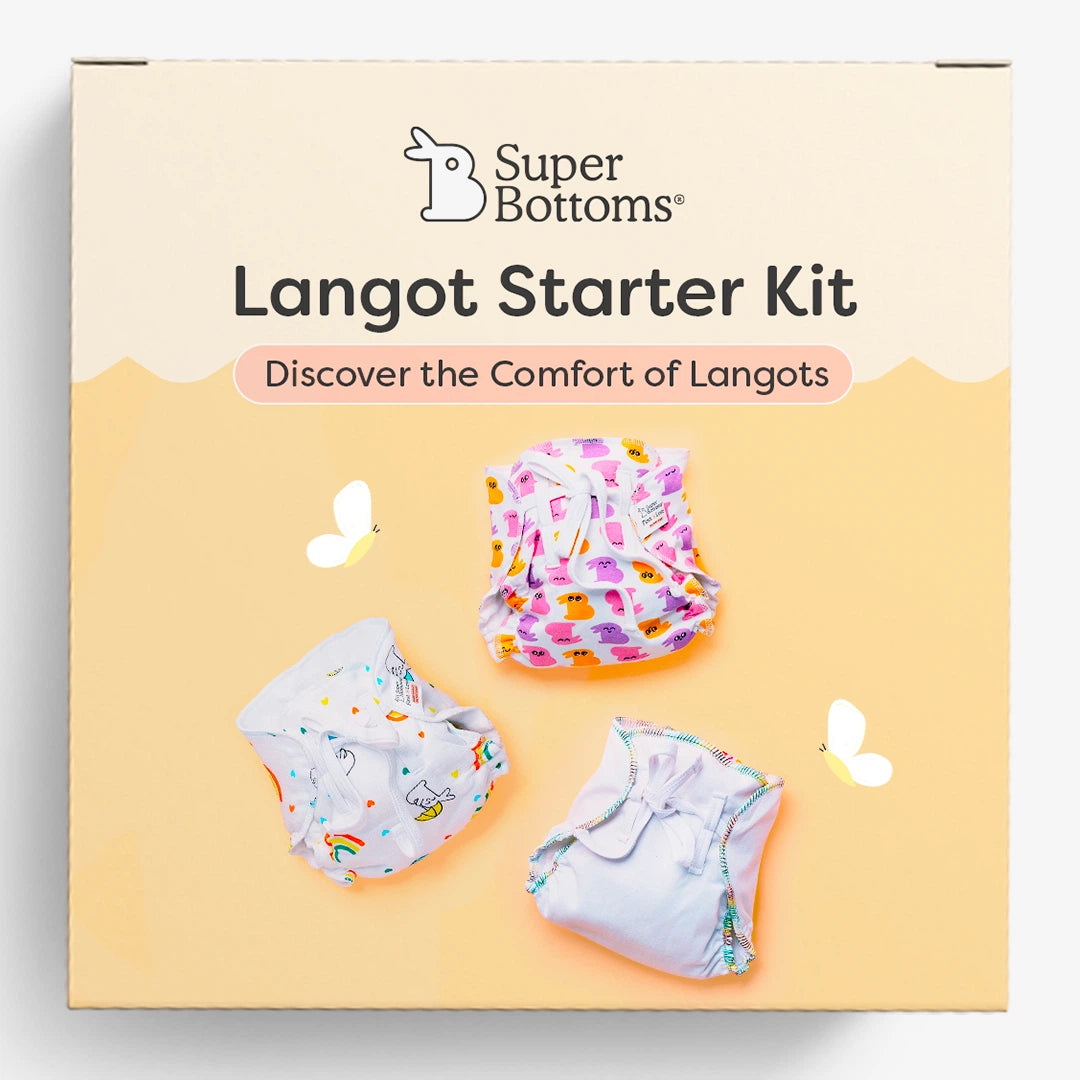
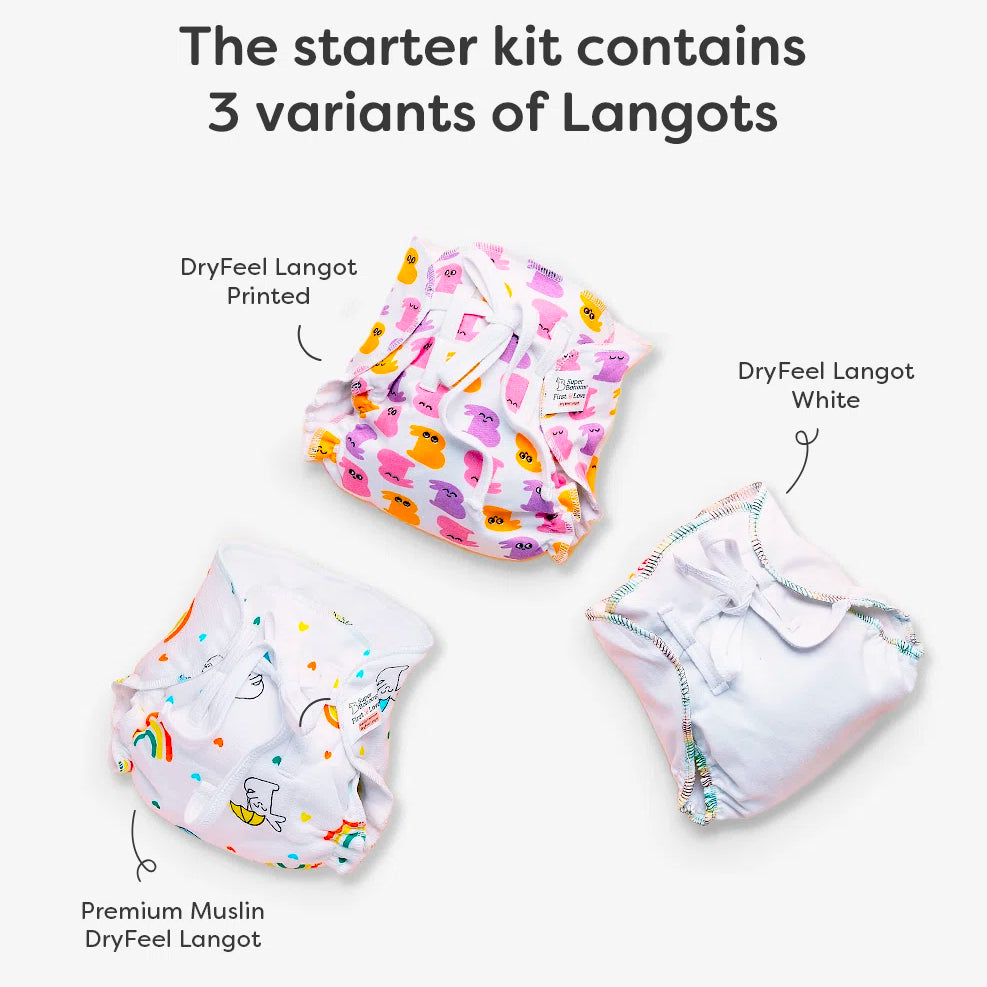
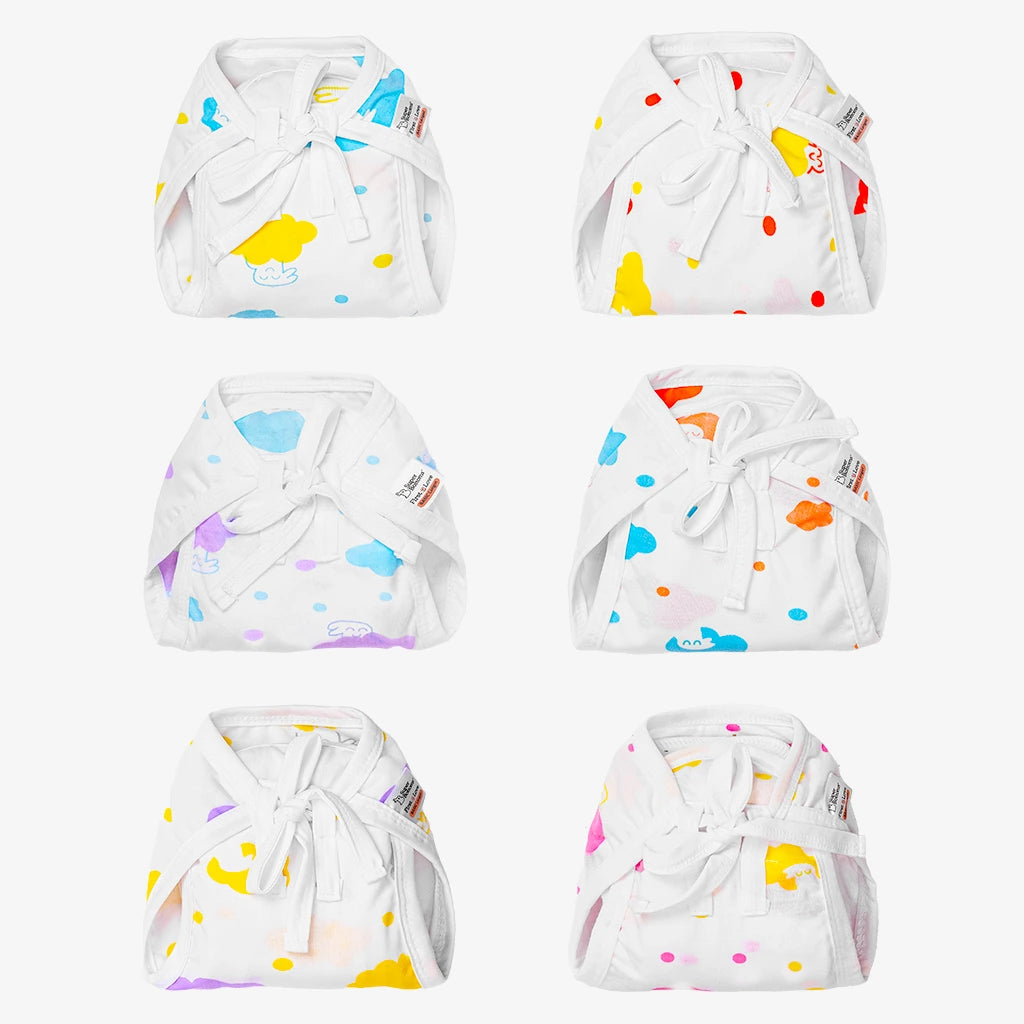
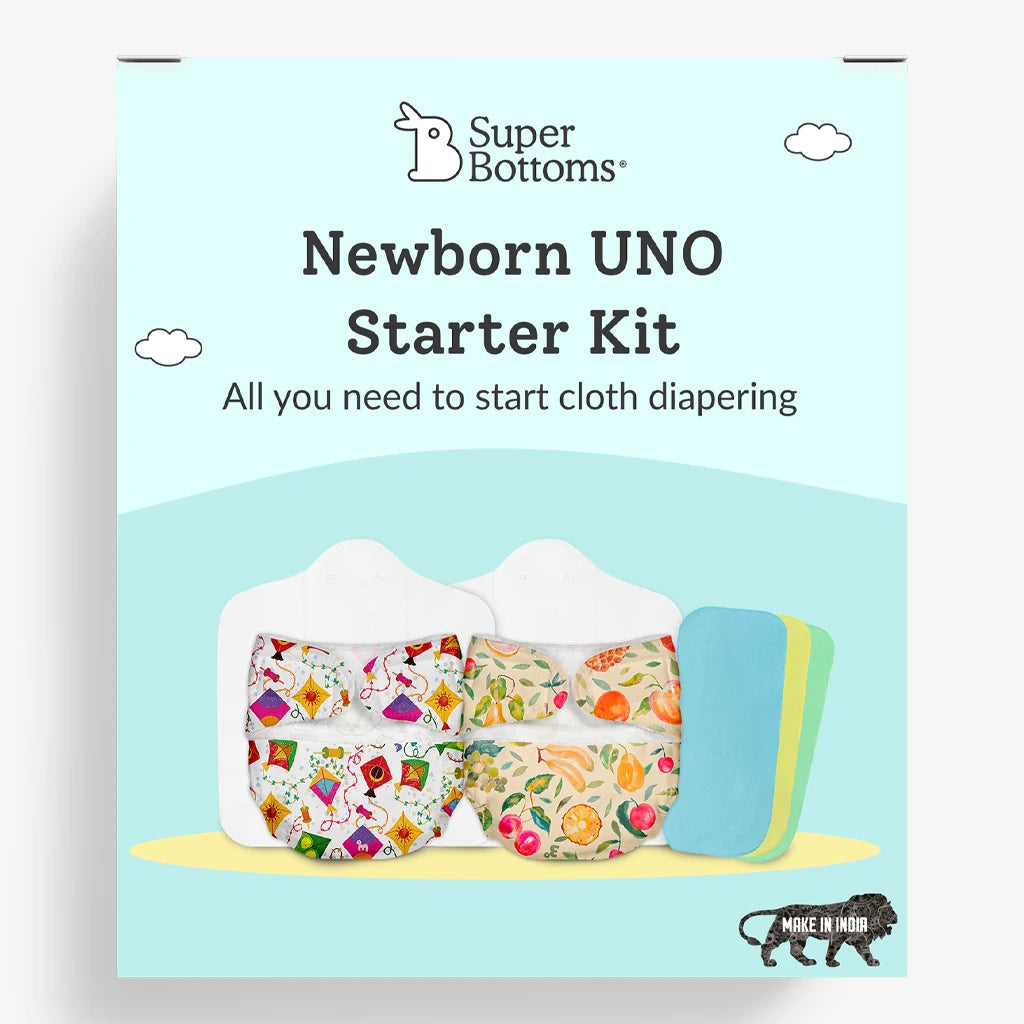
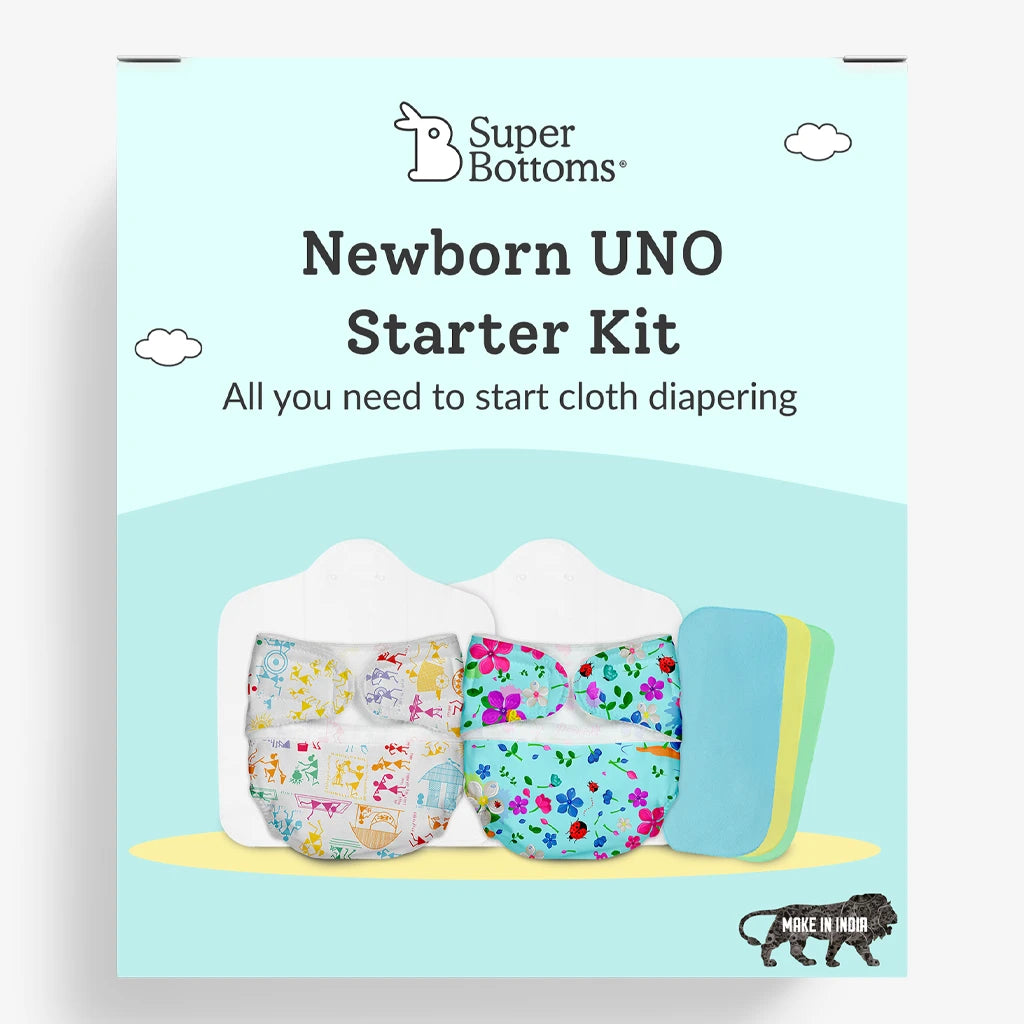
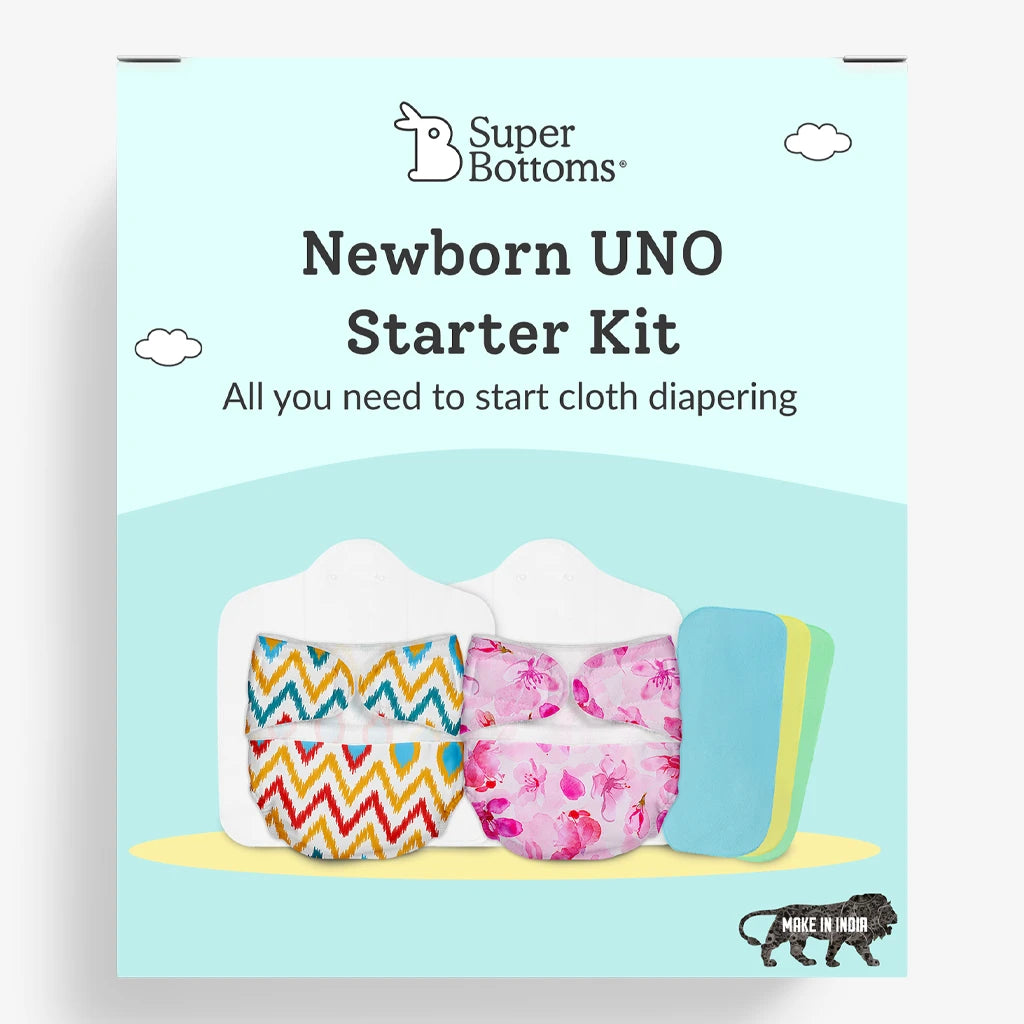
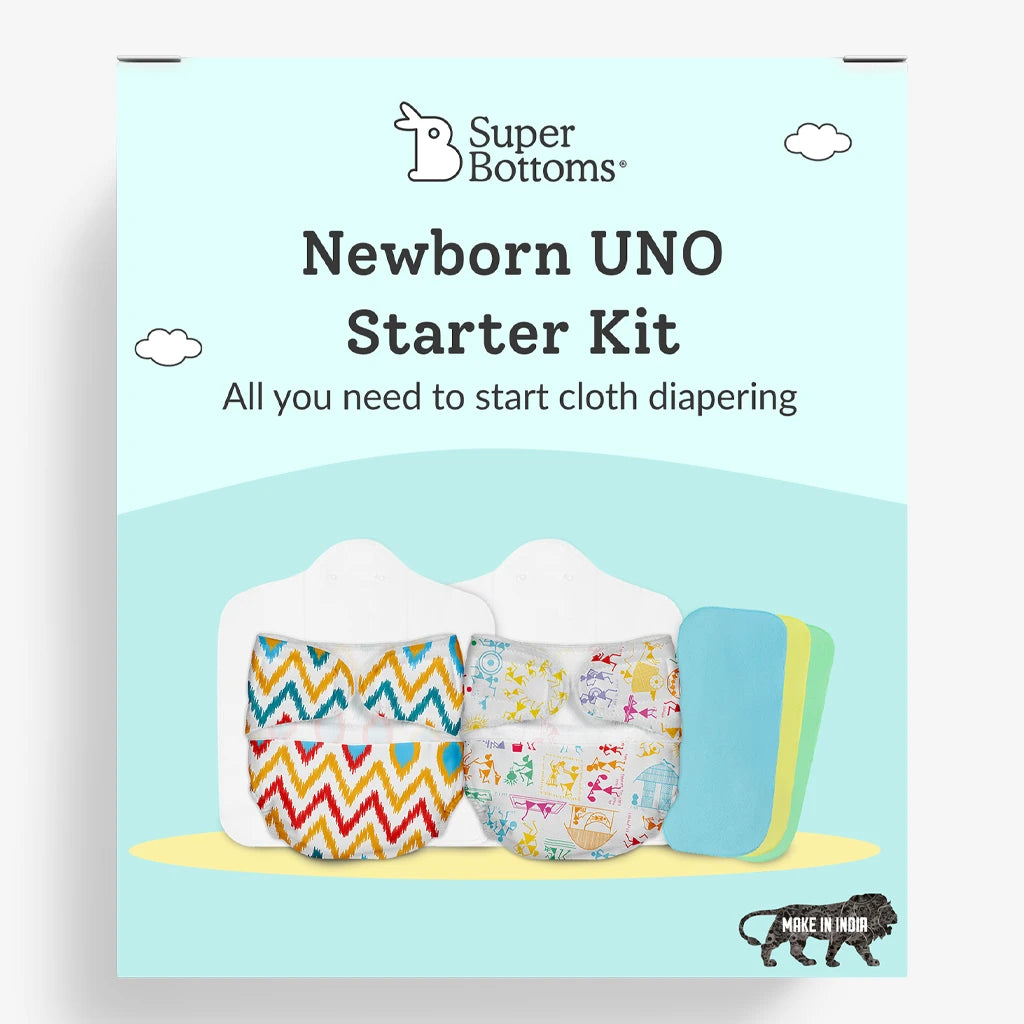
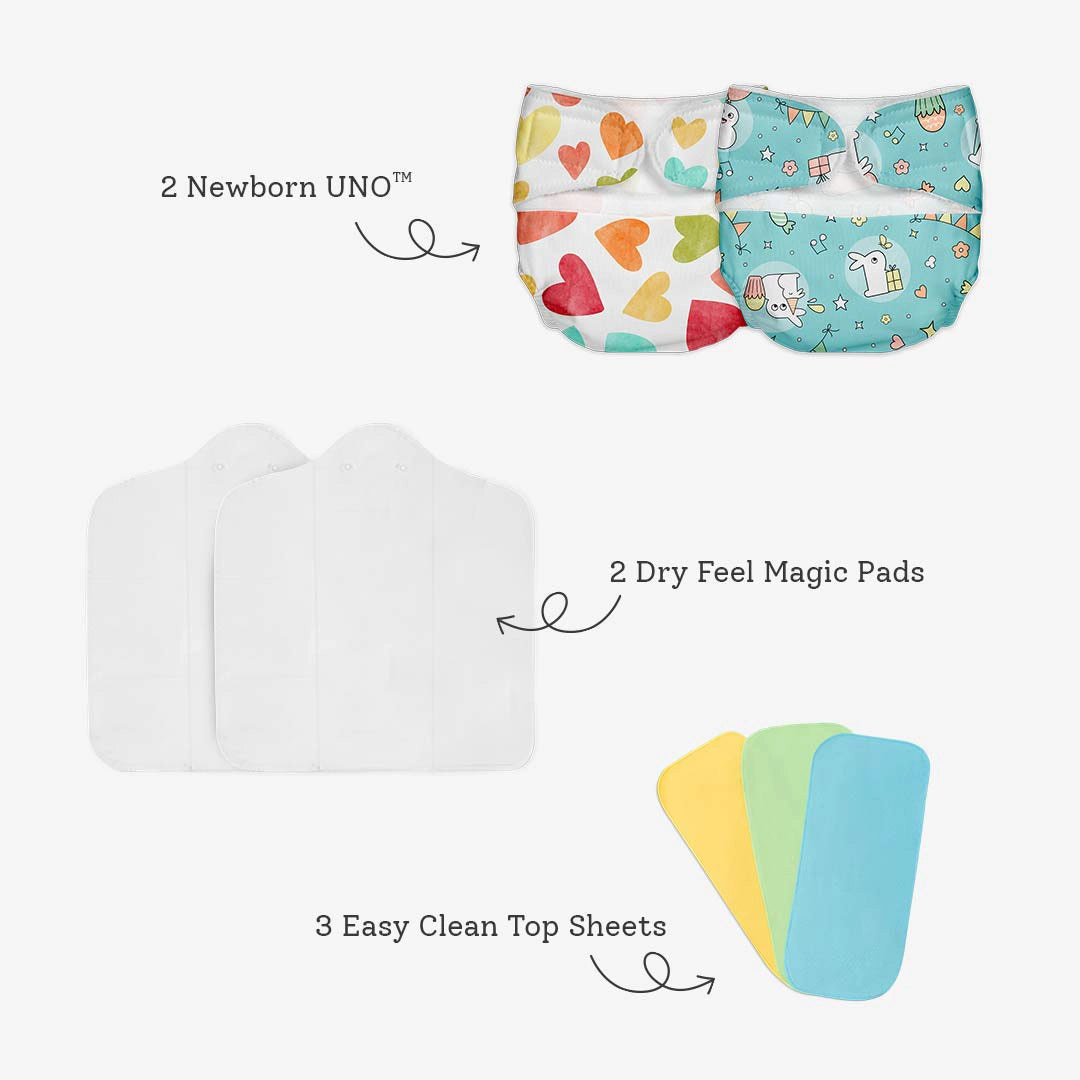
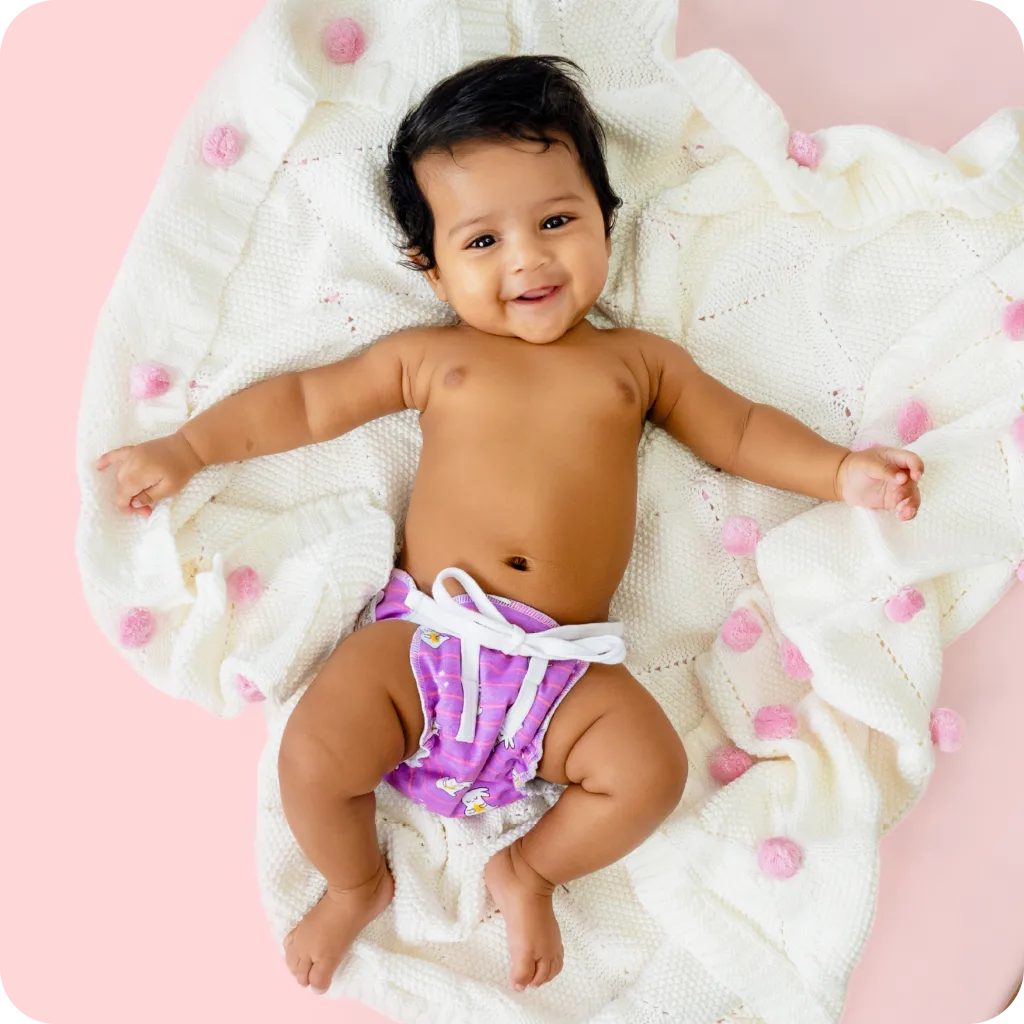
Making sure your newborn is comfortable during this foundational phase matters enormously. Skin-safe newborn cloth diapers and breathable DryFeel langots help keep irritation away so your baby can rest and grow without distraction.
Early newborn development focuses more on reflexes than voluntary actions. This stage builds the foundation for future skills.
How Does Newborn Development Week by Week Progress?
Newborn development week by week shows rapid but subtle changes. Tracking weekly changes helps parents notice small but important progress.
- Week 1–2: Sleeping, feeding, and reflexes dominate
- Week 3–4: Starts recognising voices and faces
- Week 5–8: Begins social smiling and better head control
During these early weeks, uninterrupted sleep is critical. Many parents choose swaddling techniques paired with soft muslin wraps to help their newborns settle into healthy sleep rhythms — a key support for developmental progress.
What Is a Baby Growth Chart by Month?
A baby growth chart by month helps track milestones like movement, communication, and social interaction. It provides a structured way to monitor physical growth, sensory development, and emotional bonding.
A baby milestones chart is a month-wise guide that helps parents track development patterns and identify progress. Pairing this chart with the right newborn essentials creates a comfortable environment for your baby to thrive in every stage.

Baby Milestones by Month (0–12 Months)
Here is a simplified baby milestones by month guide for Indian parents:
Month 1 – Newborn Stage
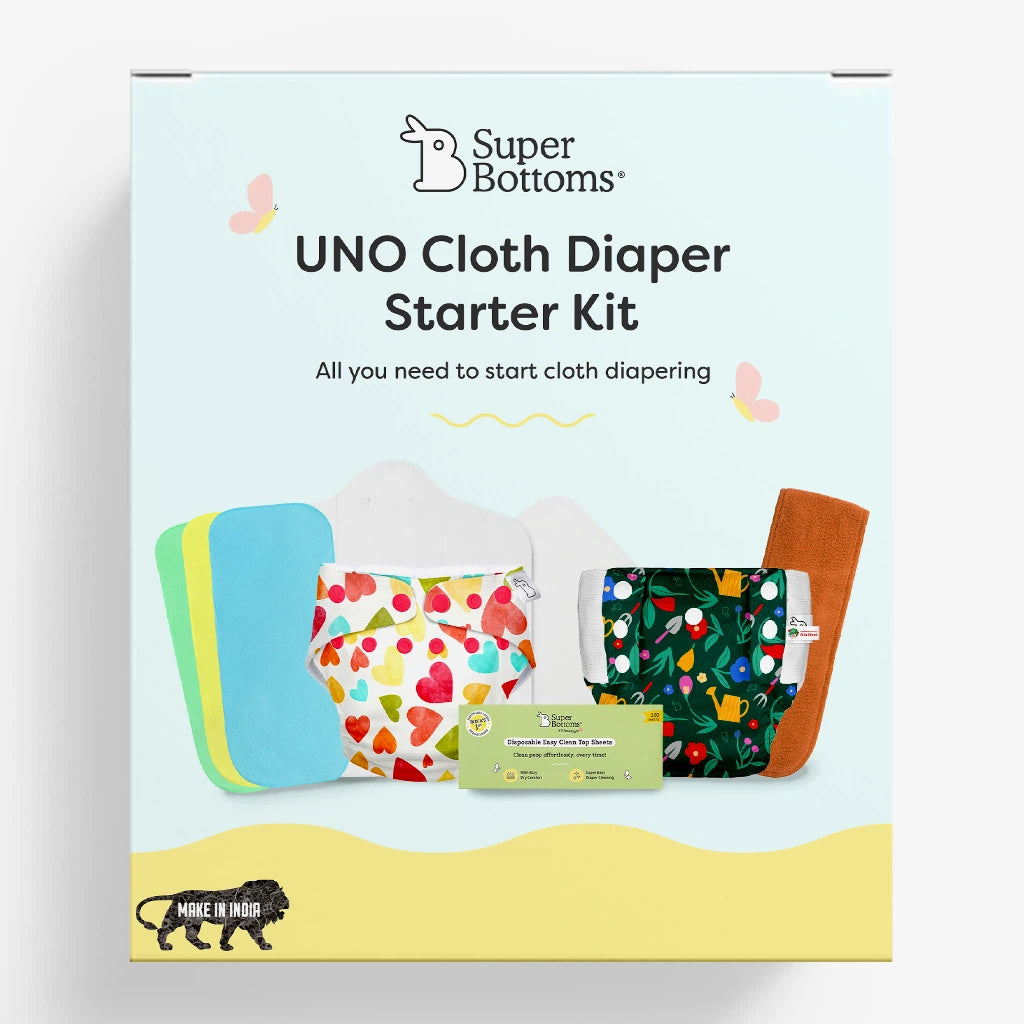
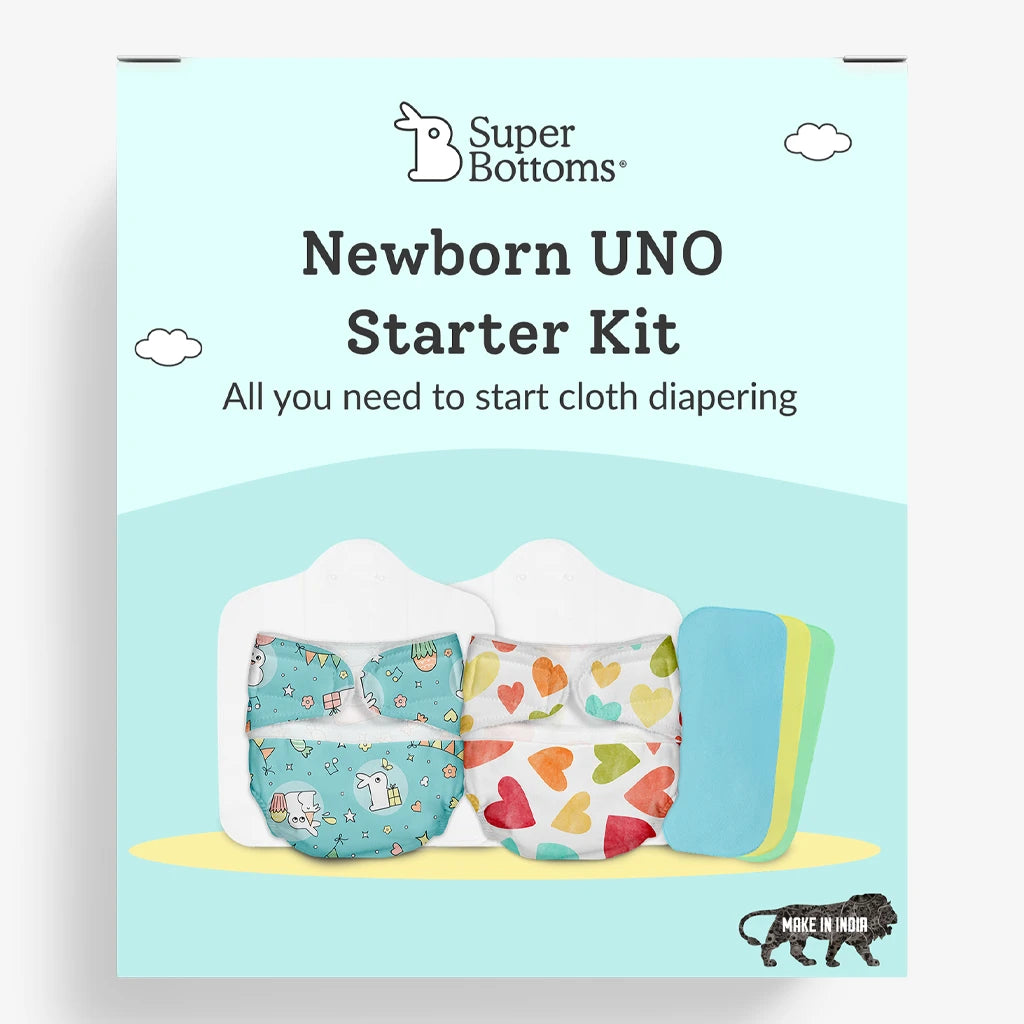
Focus on reflexes, limited vision, and basic responses. This is when the right diapering solution — like UNO Cloth Diapers — matters most, as a newborn's skin is ultra-sensitive and prone to rashes from chemical-laden disposables.
Month 2 – Awareness Begins
Better eye contact and early smiles appear. Your baby is starting to recognise your face and voice — cherish these moments of connection.
Month 3 – Social Baby Emerges
Improved head control and more interaction. This is also when many parents start transitioning from swaddles to SuperSoft everyday baby wear as their baby becomes more active.
Month 4–5 – Active Exploration
Rolling, grasping objects, and curiosity increase. Movement milestones like these need comfortable, non-restrictive clothing. Breathable joggers for babies allow full freedom of movement without bunching or tightness.
Month 6 – Sitting & Babbling
Independent sitting and vocal sounds begin. Nutrition becomes central at this stage as solid foods are introduced alongside breastfeeding. A comfortable, rash-free baby is also a more alert and engaged baby — making skin-safe diapering doubly important.
Month 7–8 – Movement Phase
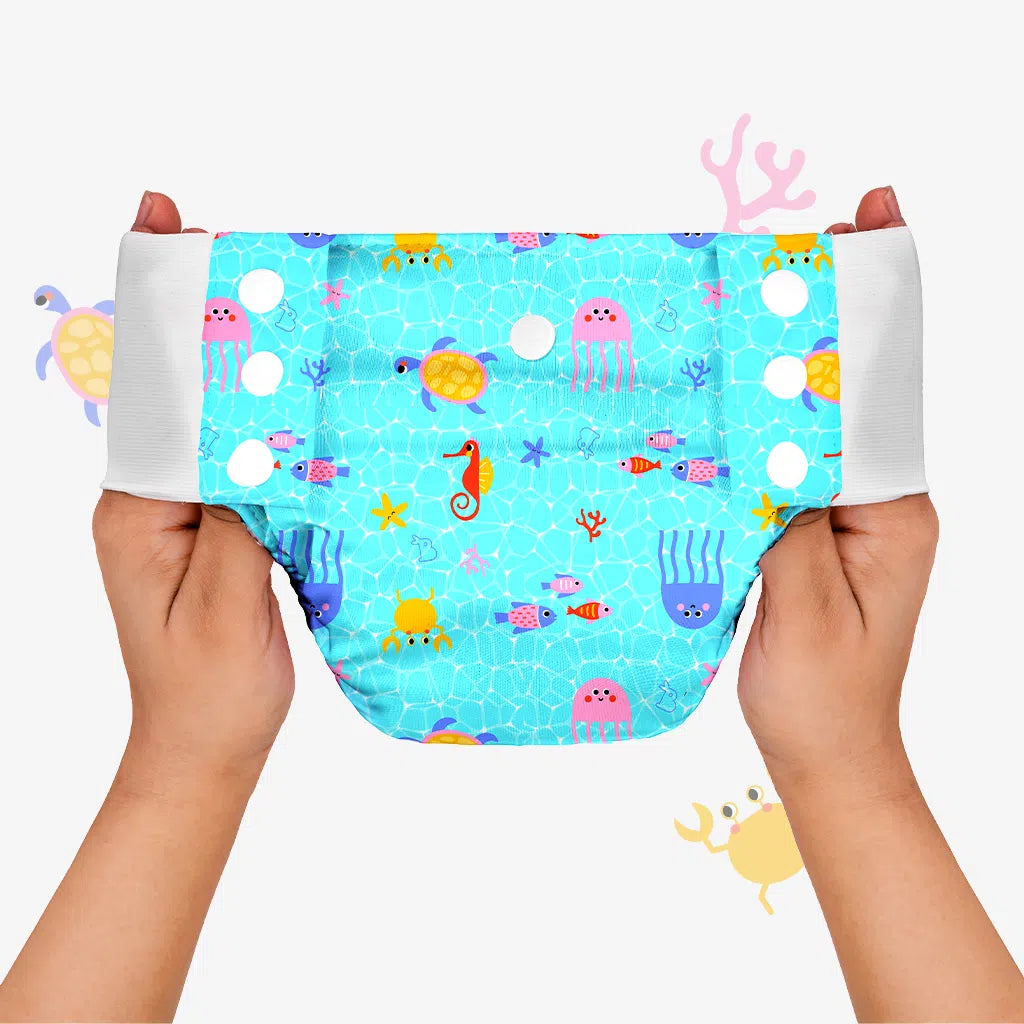
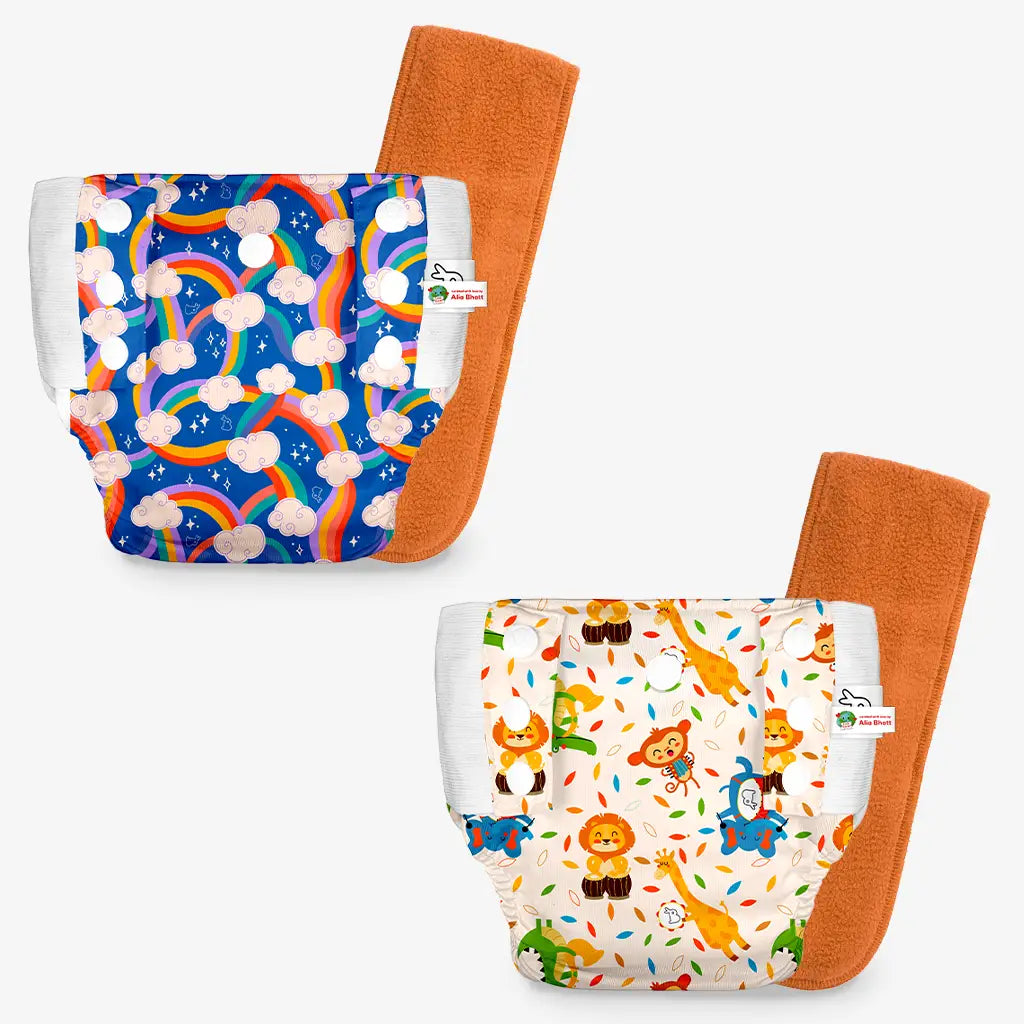
Crawling and exploring surroundings. As your baby spends more time on the floor exploring, reusable diaper pants offer a snug, flexible fit that moves with them without leaks.
Month 9–10 – Standing & Interaction
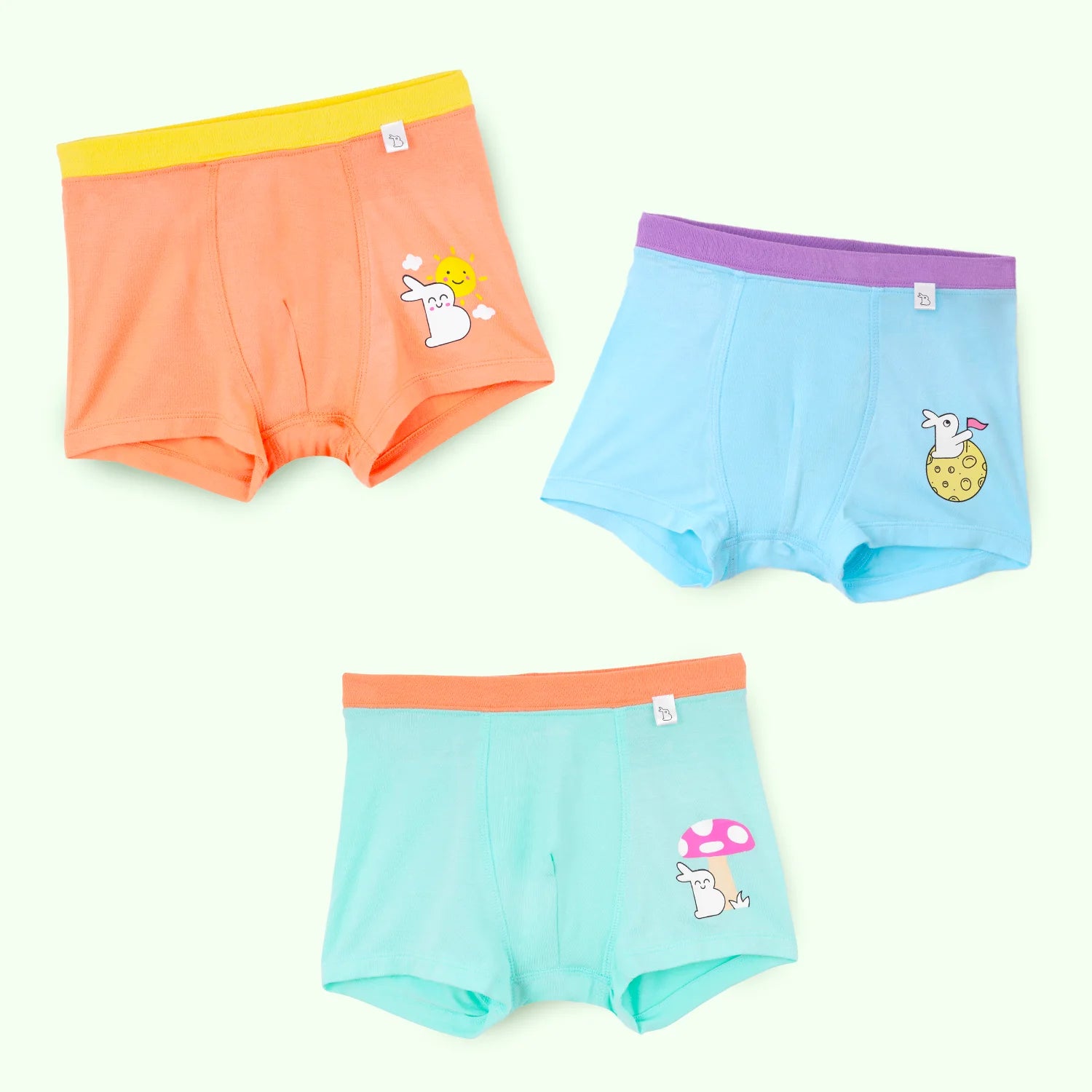
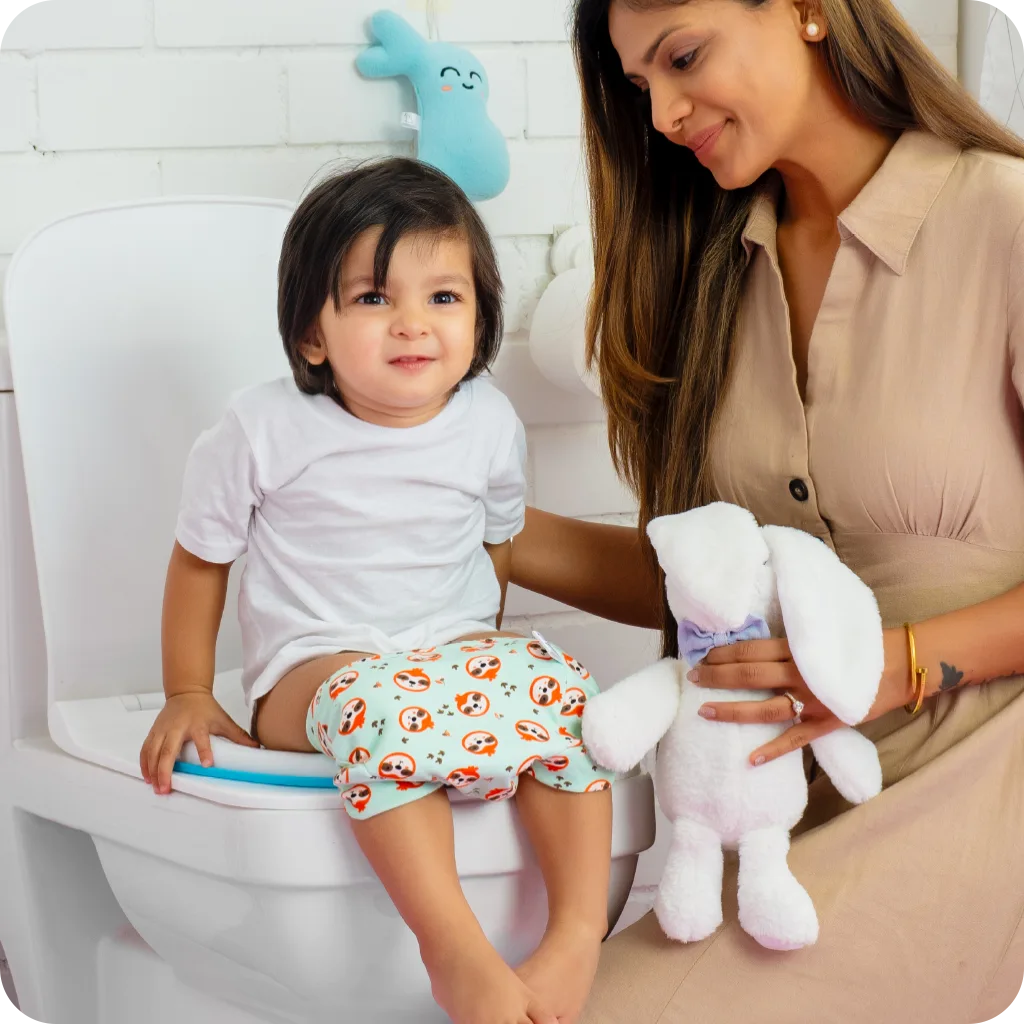
Pulling up and understanding simple words. Your baby is becoming a little communicator! This is often when parents start thinking about potty training pants as early preparation for the next big transition.
Month 11–12 – First Steps
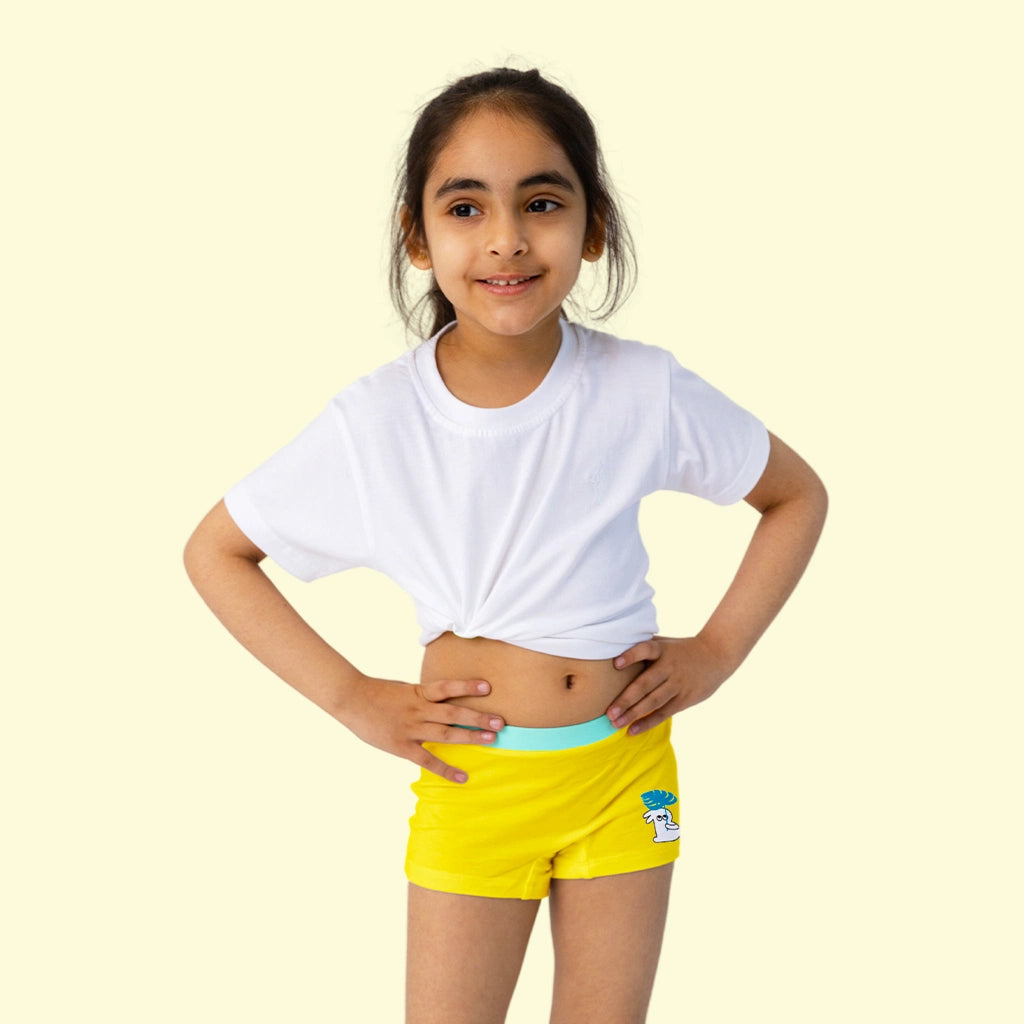
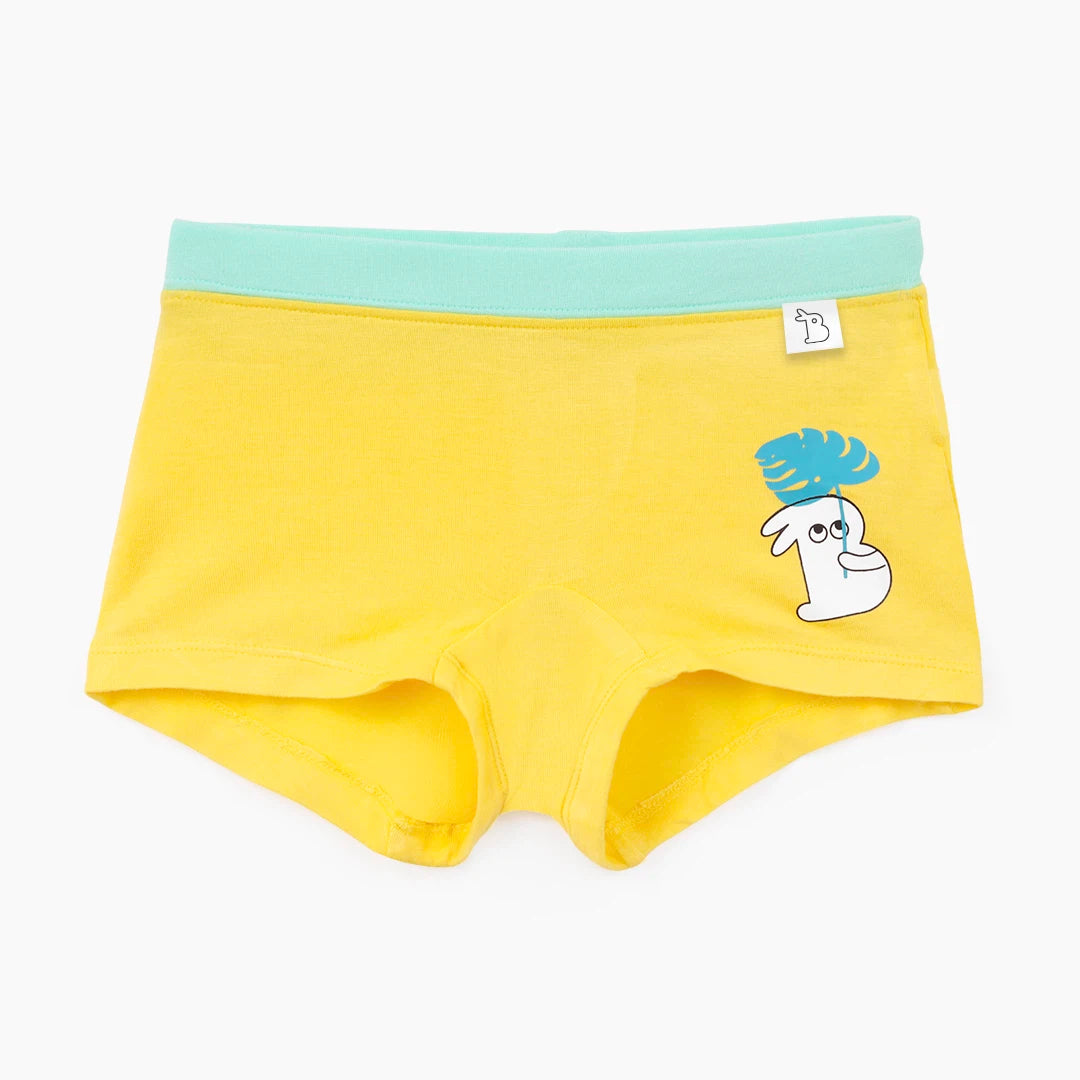
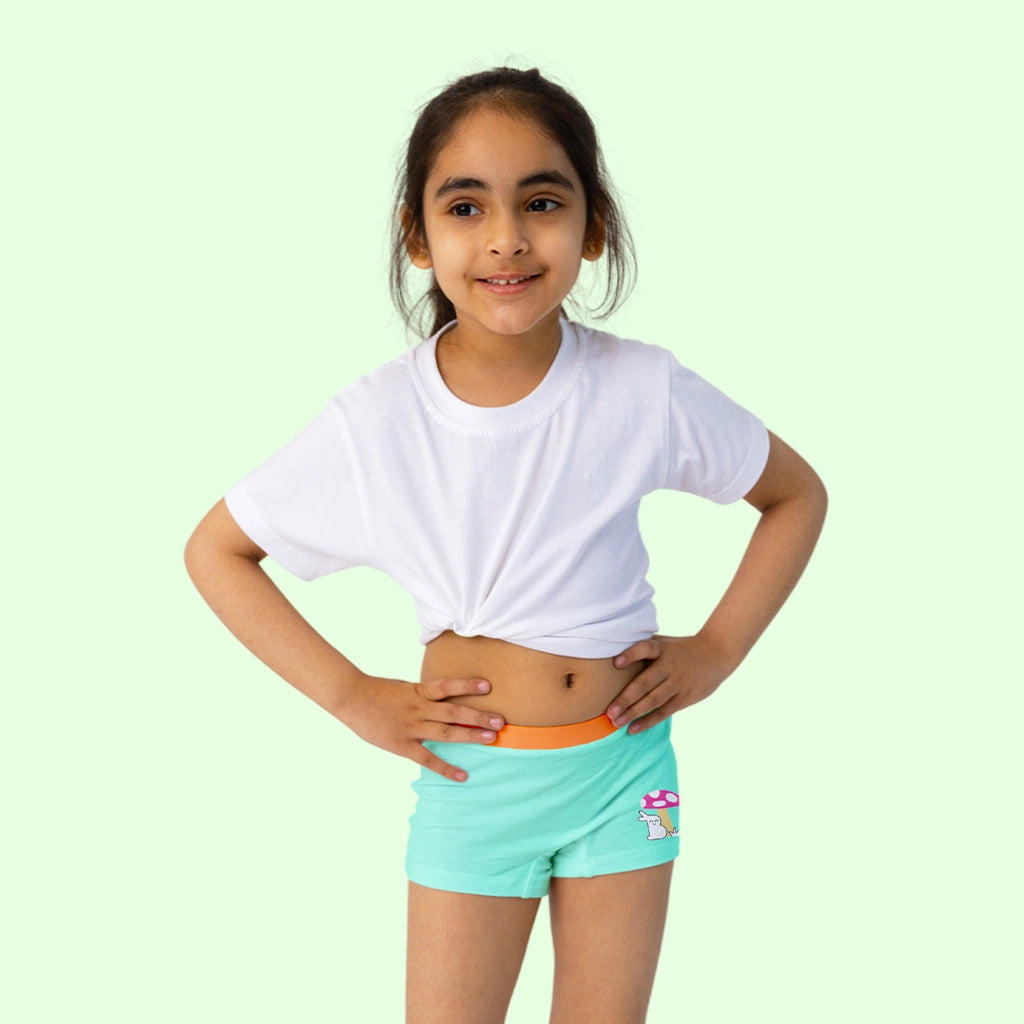
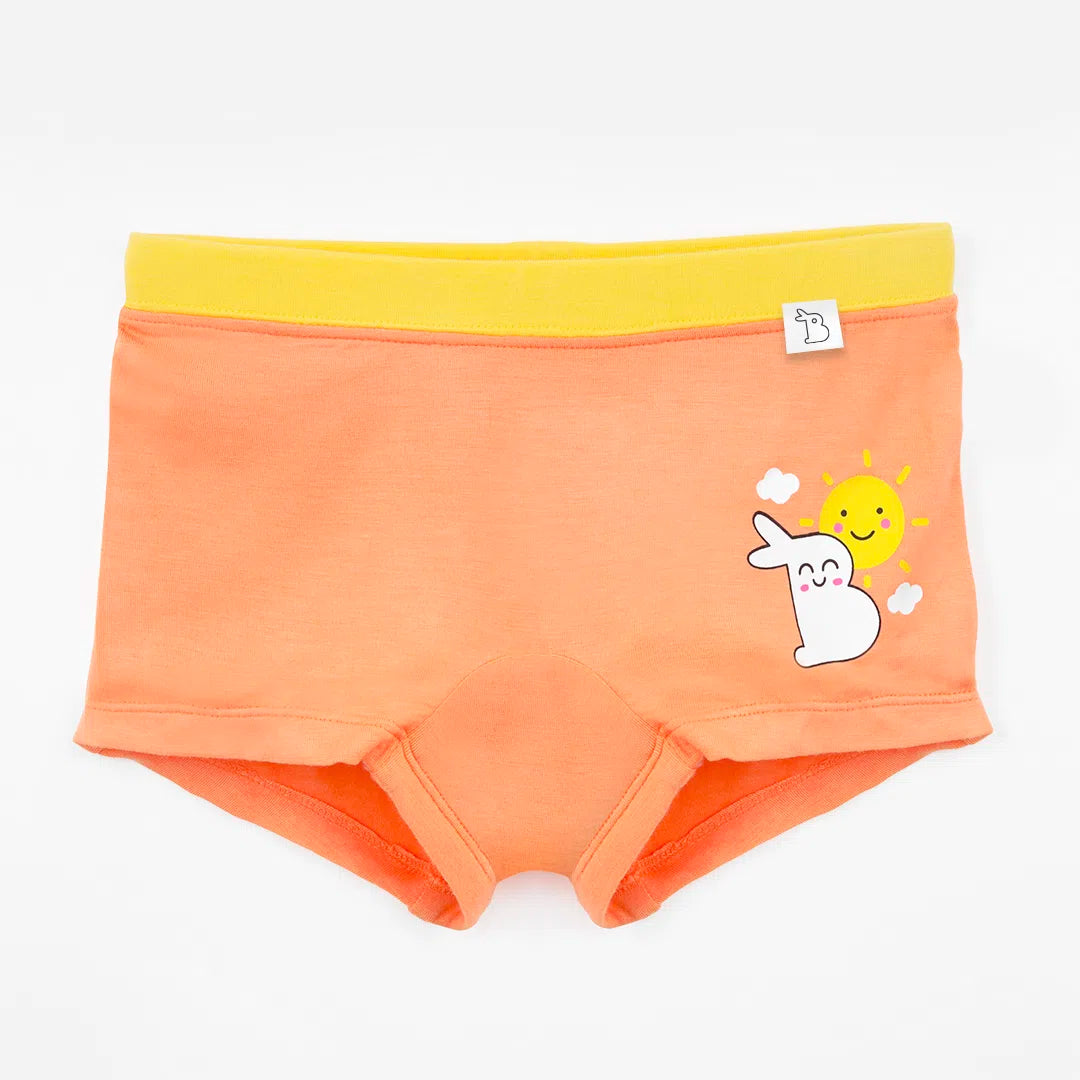
Walking attempts and strong emotional bonding. These first steps are a milestone every parent treasures. Supporting your toddler's independence with the right essentials — from padded underwear to breathable clothing — keeps them comfortable as they explore the world on their own two feet.
What Are 3 Month Old Baby Milestones?
At 3 months, babies show noticeable development. Key 3 month old baby milestones include holding the head steady, smiling and cooing, and following objects with the eyes.
This stage marks the shift from reflex-based actions to intentional movements and social engagement. According to the baby development milestones guide, parents should look for purposeful reaching and grasping as key signs of healthy 3-month development.
What Factors Affect Baby Development Milestones?
Not all babies follow the same timeline. Factors influencing baby stages include genetics, nutrition, environment, and interaction with caregivers.
Skin comfort is one often-overlooked environmental factor. A baby experiencing diaper rash or clothing irritation is a fussier, less settled baby — which directly impacts sleep and interaction quality. This is one reason cloth diapers vs disposable diapers is such an important comparison for Indian parents to understand early.
What Essentials Support Healthy Baby Development?
Creating a comfortable and safe environment supports better milestone achievement.
Helpful Baby Essentials
- Soft, breathable clothing for comfort
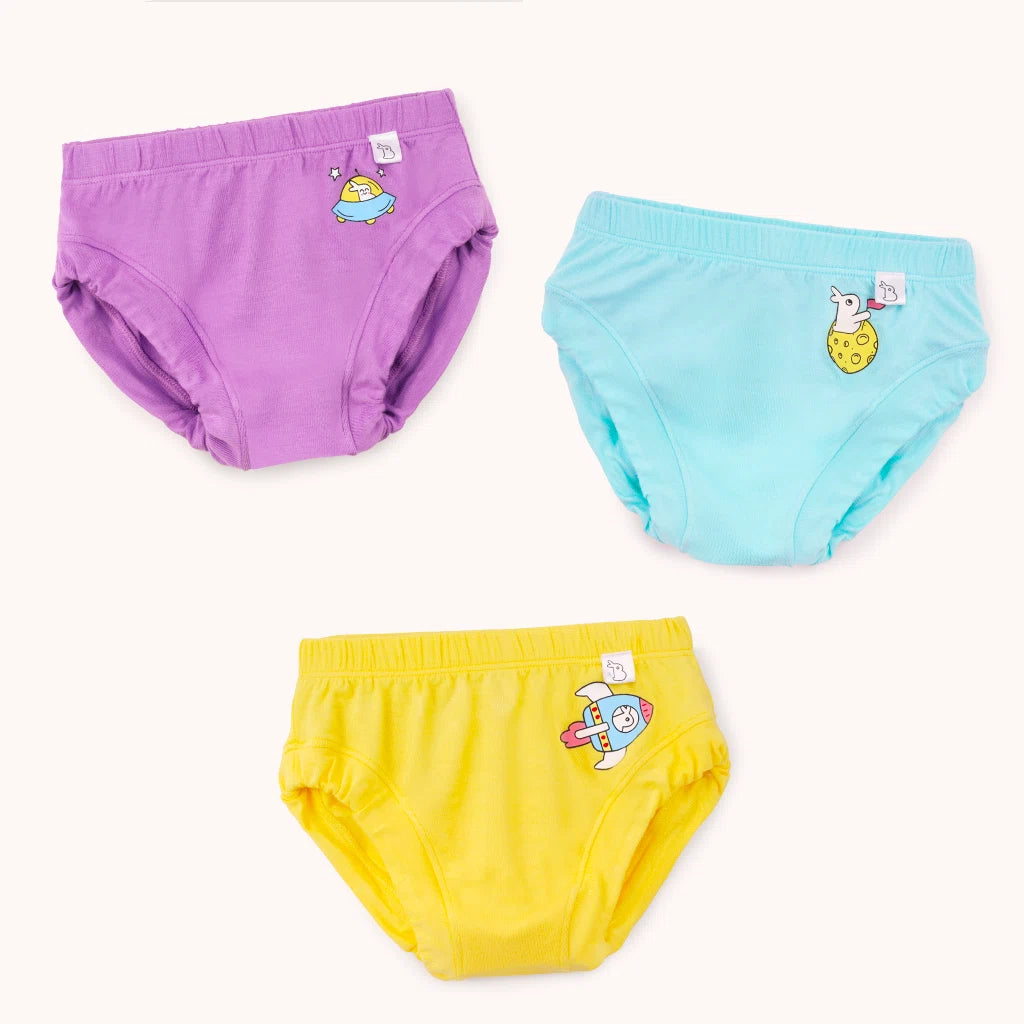
- Skin-safe diapering solutions to avoid irritation
- Swaddles for better sleep patterns
- Reusable cloth diapers that support skin health
Many parents now prefer reusable cloth diapers and padded underwear as they are gentle, toxin-free, and eco-friendly. SuperBottoms UNO Cloth Diapers adapt as your baby grows, supporting comfort across different baby stages while preventing rashes. As noted by Mayo Clinic's infant development guide, a baby's comfort and physical environment directly influence the quality and pace of developmental progress.
Comparison: Development Support Essentials
| Feature | Disposable Diapers | Cloth Diapers |
|---|---|---|
| Skin Safety | Moderate | High |
| Breathability | Low | High |
| Reusability | No | Yes |
| Eco-Friendly | No | Yes |
| Comfort for Milestones | Moderate | High |
What Should Parents Watch Out For?
While variations are normal, there are a few signs worth noting across different baby development milestones. Early attention and gentle stimulation can make a real difference.
✔ No eye contact by 2 months
✔ No head control by 4 months
✔ No babbling by 6 months
If you notice any of these signs, consult a paediatrician early. Timely intervention is always beneficial.
Conclusion
Understanding baby milestones by month helps parents confidently support their child's growth. From newborn baby development milestones to walking and talking, each stage is unique and meaningful. Using a structured baby growth chart by month along with the right environment and essentials ensures your baby develops comfortably and naturally.
Pair your knowledge of baby milestones with thoughtful choices — from choosing newborn essentials that protect delicate skin, to exploring the full range of SuperBottoms gift sets as your baby grows through each precious stage.
|
Limited Time Offers + Special Gift Sets! Now or never Super SALE is live on the SuperBottoms website! Take advantage of unbeatable value deals on our UNO Cloth Diapers, Baby Essentials, and more. Looking for the perfect present for a newborn or a toddler? Explore our thoughtfully curated Gift Sets & Combos - safe, skin-friendly, and oh-so-cute! A bundle of love for little ones and a delight for parents. HURRY - Deals and Gift Packs are live only till stocks last. Don’t miss the chance to stock up and share the joy! |
Key Takeaways
- Every baby develops at their own pace — milestones are guidelines, not strict deadlines.
- Tracking using a baby milestones chart reduces anxiety and helps identify patterns early.
- Comfortable, skin-safe essentials like reusable cloth diapers support better development by eliminating rash-related discomfort.
FAQs
1. What is the newborn age range?
Birth to around 2 months is considered the newborn stage. During this period, babies are primarily reflex-driven and rely on caregivers for all their needs.
2. How can I track baby milestones effectively?
Use a baby milestones chart and observe behaviours regularly. Keeping a simple journal of your baby's new skills each week is a great way to stay on top of progress.
3. Are delays in milestones normal?
Yes, slight variations are common. Every child is different. However, if you have consistent concerns, consult your paediatrician for guidance.
4. What are important 3 month old baby milestones?
Head control, social smiling, cooing sounds, and visual tracking are the key milestones to watch for at this stage.
5. Can I speed up baby development?
No, but you can support it through interaction, responsive caregiving, and ensuring physical comfort through skin-safe products and a stimulating environment.
6. Why is a baby growth chart by month useful?
It helps track progress patterns and identify early if a baby may need additional support, making paediatrician visits more productive.
7. What products help during baby development stages?
Breathable clothing, reusable cloth diapers, DryFeel langots, and safe baby essentials all contribute to a comfortable and development-friendly environment.
References
- Cleveland Clinic – Baby Development Milestones
-
Mayo Clinic – Infant Development Guide
- HealthyChildren – Developmental Milestones
Hi there, new parents! SuperBottoms brings you doctor-recommended cloth diapers - the best rash-free diapering solution for your baby's sensitive and delicate skin. Unlike disposable diapers loaded with chemicals, our newborn cloth diapers, when used and washed properly, can help eliminate the risk of diaper rashes. SuperBottoms offers a wide range of safe, skin-friendly essentials for the whole family - including Reusable Cloth Diapers, Diaper Pants, DryFeel langots for diaper-free time, Padded Underwear for potty training, SuperSoft Underwear for everyday comfort, Joggers for playful days, and Period Underwear for women. Not just for everyday use, SuperBottoms products also make the best gifting choice for babies - thoughtful, eco-friendly, practical, and loved by parents. Now available on Amazon, Myntra, Flipkart, FirstCry, Zepto, Swiggy and Blinkit.