





About Nandhini Elango (Author)

Nandhini Elango is a passionate Wellness Instructor, Yoga Educator, Prenatal & Postnatal Specialist, Sound Healing Practitioner, and Nutritionist. Her approach to maternal wellness is deeply holistic, guiding mothers from pregnancy onwards by supporting both body and mind throughout the journey—right up to childbirth and beyond. She conducts specialised yoga classes, workshops, and sessions focused on labor management, breastfeeding, and postnatal recovery, while also supporting parents in navigating fertility challenges through natural approaches. By thoughtfully integrating yoga, sound healing, nutrition, and mindful practices, she ensures that both mother and baby are nurtured, healthy, and well-balanced.
Her mission is simple yet powerful: to empower mothers with the right knowledge, compassionate care, and holistic tools, enabling them to embrace pregnancy, birth, and parenthood with confidence, strength, and serenity.
C-section and vaginal birth recovery differ in healing time, pain levels, mobility, and postpartum care needs. Vaginal birth recovery is usually quicker but may involve perineal discomfort, while C-section recovery requires incision healing and more physical restrictions. The best recovery approach depends on medical history, delivery experience, and support systems. Choosing gentle postpartum essentials can make recovery more manageable and comfortable.
- What Is the Difference Between C-Section and Vaginal Birth Recovery?
- Which Recovery Is Usually Faster?
- What Are the Biggest Challenges After a C-Section?
- What Makes Vaginal Birth Recovery Difficult?
- How Can New Mothers Make Postpartum Recovery Easier?
- Which Postpartum Essentials Are Worth Buying?
- Comparison Table: C-Section vs Vaginal Birth Recovery
- Key Takeaways
- FAQs
- Message from SuperBottoms
- References
What Is the Difference Between C-Section and Vaginal Birth Recovery?
The main difference is that vaginal birth recovery involves healing after childbirth, while C-section recovery includes healing from major abdominal surgery.
After vaginal delivery, the body recovers from:
- Vaginal soreness
- Perineal tears or stitches
- Pelvic floor weakness
- Bleeding (lochia)
- Breastfeeding adjustment and fatigue
After a C-section, recovery includes:
- Surgical incision pain
- Abdominal soreness
- Restricted movement
- Longer hospital stay
- Higher dependency on help during early postpartum weeks
A vaginal birth usually focuses on tissue recovery and pelvic healing, while a C-section adds surgical healing on top of normal postpartum changes.
Which Recovery Is Usually Faster?
In most uncomplicated cases, vaginal birth recovery is faster.
Typical timelines:
| Recovery Area | Vaginal Birth | C-Section |
|---|---|---|
| Hospital stay | 1–2 days | 3–5 days |
| Walking comfortably | Few days | 1–3 weeks |
| Pain duration | 1–3 weeks | 4–8 weeks |
| Exercise clearance | ~6 weeks | 8–12 weeks |
| Full abdominal recovery | Not applicable | Several months |
However, a difficult vaginal birth with severe tearing or assisted delivery may feel harder than a planned C-section.
Expert Answer
There is no universally "easier" birth recovery. A straightforward vaginal birth often heals faster, but complicated vaginal deliveries can be more painful than expected. A planned C-section may feel more predictable, but requires surgical recovery.
"Recovery is highly individual. The healthiest birth is the safest one for mother and baby." — Dr Neha Gupta, Obstetrician & Gynaecologist
What Are the Biggest Challenges After a C-Section?
C-section recovery can feel more demanding in the first few weeks.
Common struggles include:
1. Pain while moving
Getting out of bed, standing up, laughing, coughing, or holding the baby may hurt initially.
2. Incision care
Keeping the incision clean, dry, and protected is essential.
3. Delayed mobility
Mothers are often advised to avoid:
- Lifting heavy objects
- Climbing excessive stairs
- Intense exercise
4. Sleep disruption
Sleeping comfortably can be difficult because of abdominal pain and breastfeeding positions.
What Parents Should Know
A C-section does not mean "less real" childbirth or an easier postpartum experience. Recovery often requires more physical support, emotional patience, and practical help at home.

What Makes Vaginal Birth Recovery Difficult?
Vaginal recovery is often quicker, but not always easy.
Challenges may include:
Perineal pain
Tearing, episiotomy stitches, or swelling can cause sitting discomfort.
Pelvic floor weakness
Many mothers experience:
- Urinary leakage
- Pressure or heaviness
- Weak core muscles
Bleeding and discharge
Lochia can last 4–6 weeks regardless of delivery type.
Haemorrhoids or constipation
Common after labor and pushing.
A mother recovering from vaginal delivery may be physically more mobile, but still exhausted and sore.
How Can New Mothers Make Postpartum Recovery Easier?
Recovery improves when mothers focus on comfort, hygiene, rest, and minimising unnecessary stress.
Helpful strategies:
- Accept help with household work
- Stay hydrated
- Eat protein-rich, fibre-rich meals
- Wear loose breathable clothing
- Use comfortable maternity or postpartum underwear
- Keep baby essentials nearby
Many new parents also find that simplifying diaper changes reduces mental and physical load during recovery.
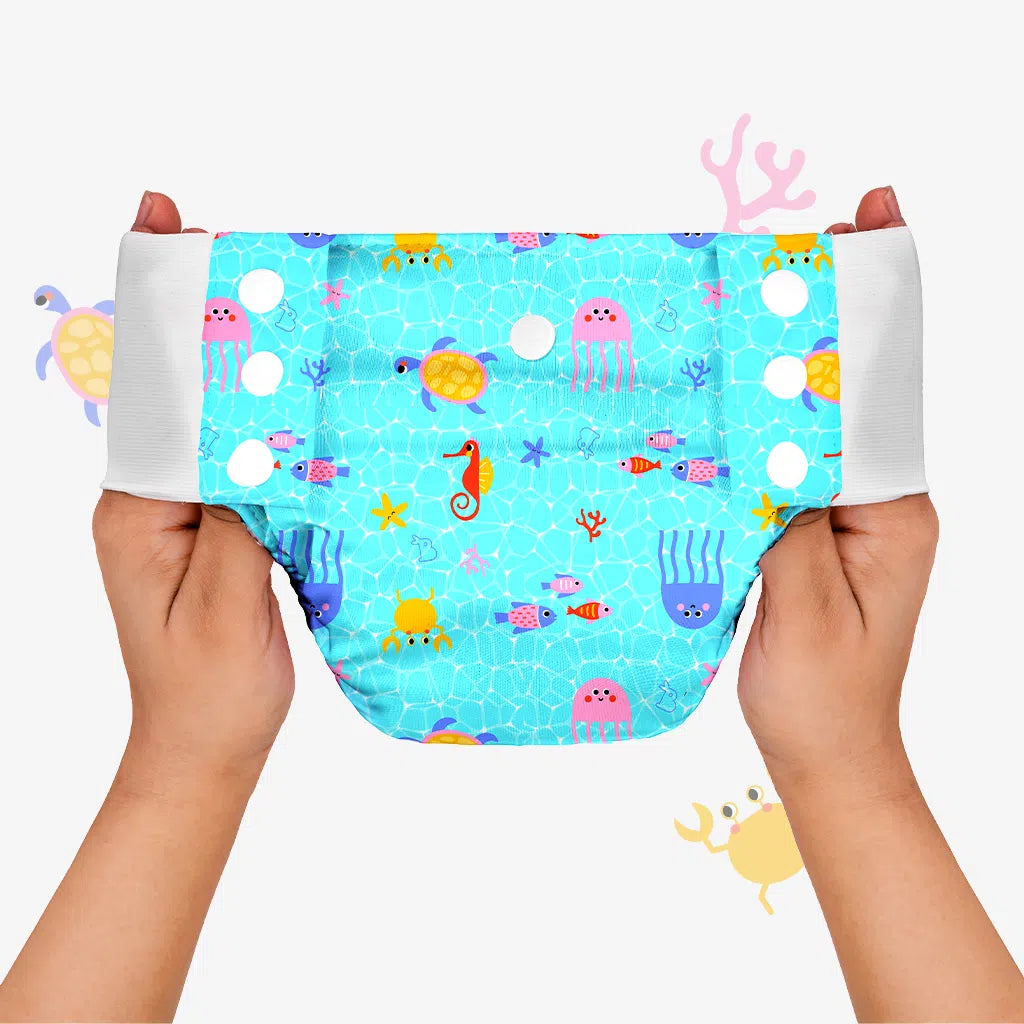
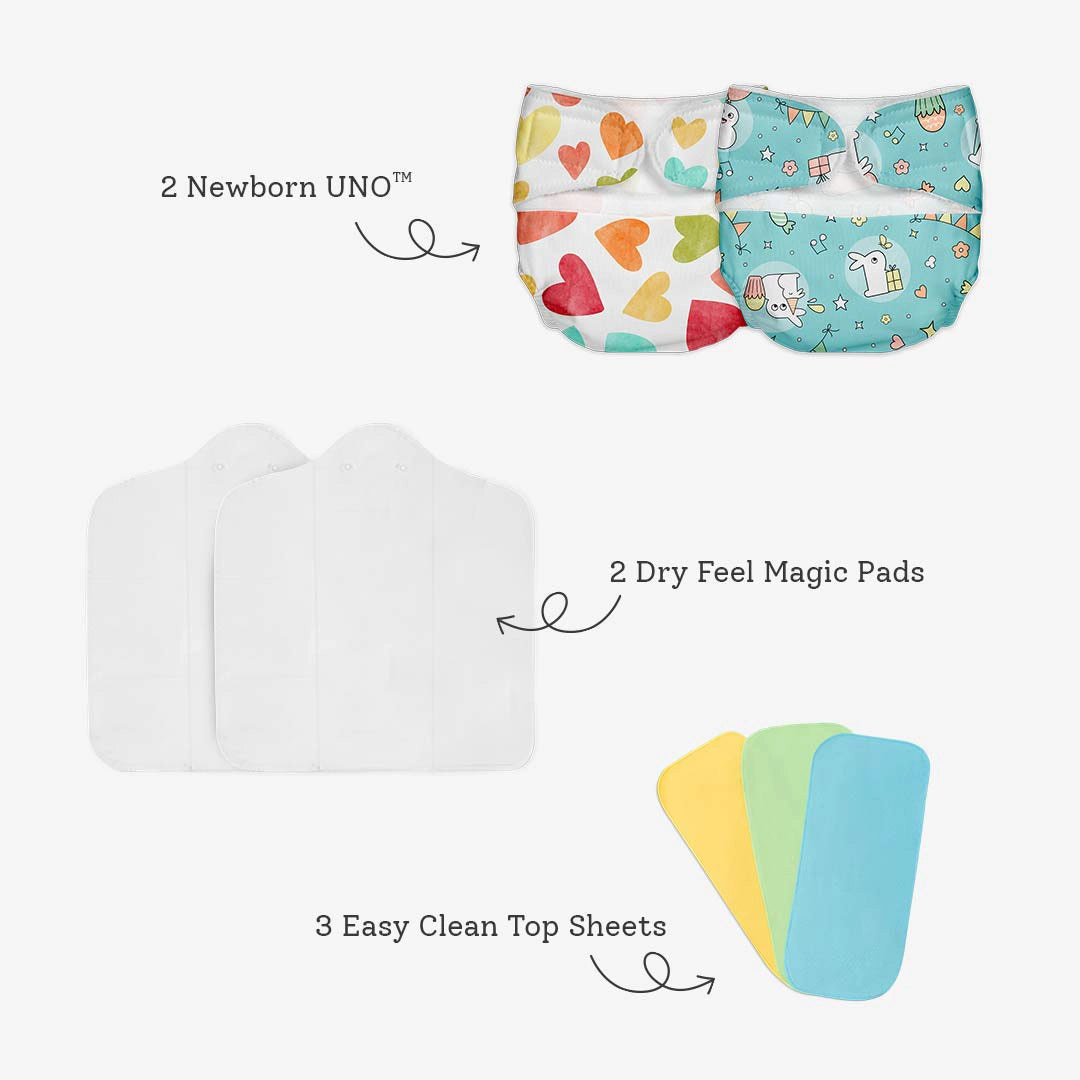
If frequent laundry or diaper leaks feel overwhelming in early postpartum weeks, many families choose reusable cloth nappies with a leak-proof inner layer to reduce mess and nighttime disruptions.
Explore the range → SuperBottoms newborn essentials.
Which Postpartum Essentials Are Worth Buying?
Before buying postpartum products, focus on these criteria:
What to Look For
Choose products based on:
- Skin safety
- Ease of washing
- Soft materials
- Leak protection
- Cost over repeated use
- Comfort during long sitting or night feeds
This matters especially when recovery energy is low.
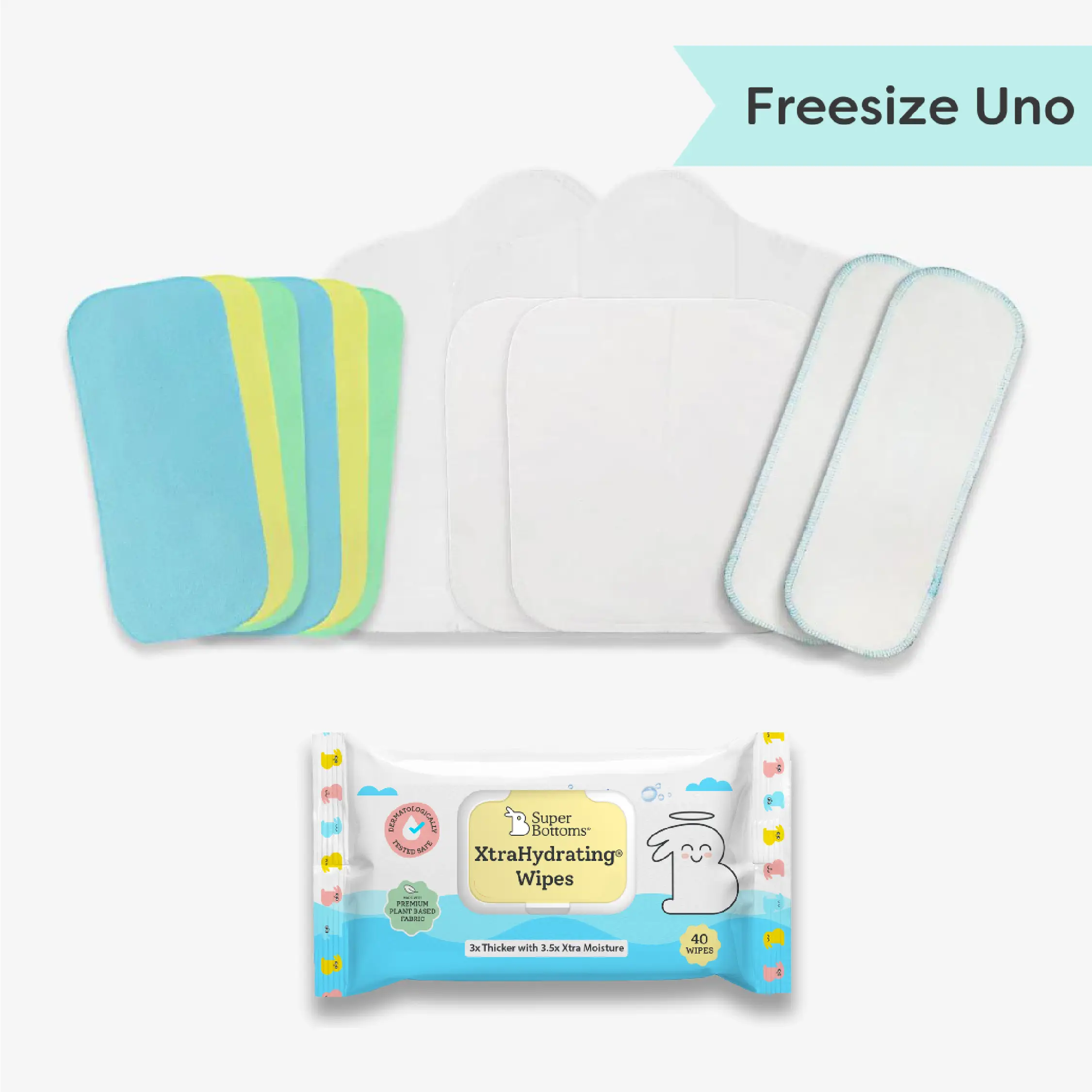
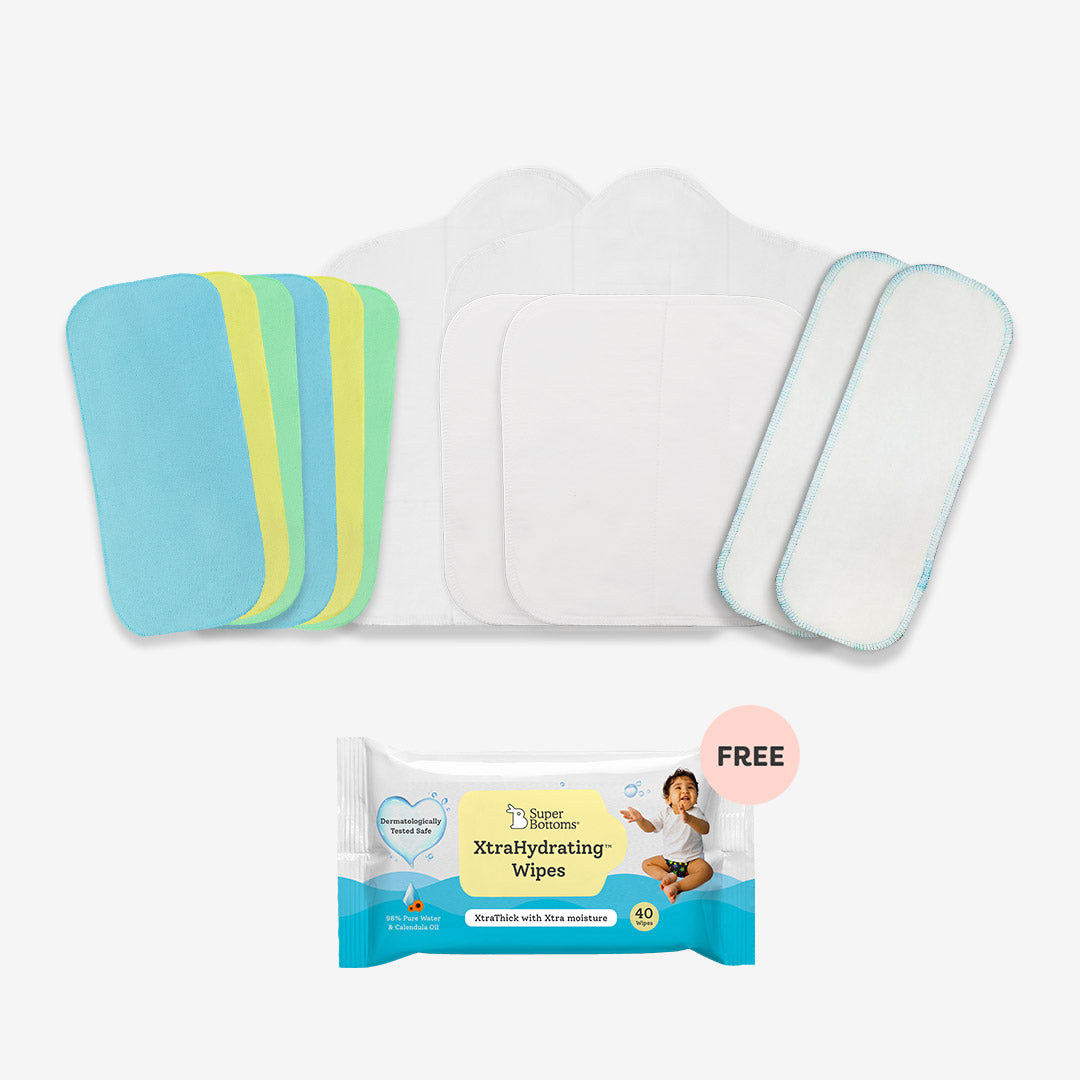
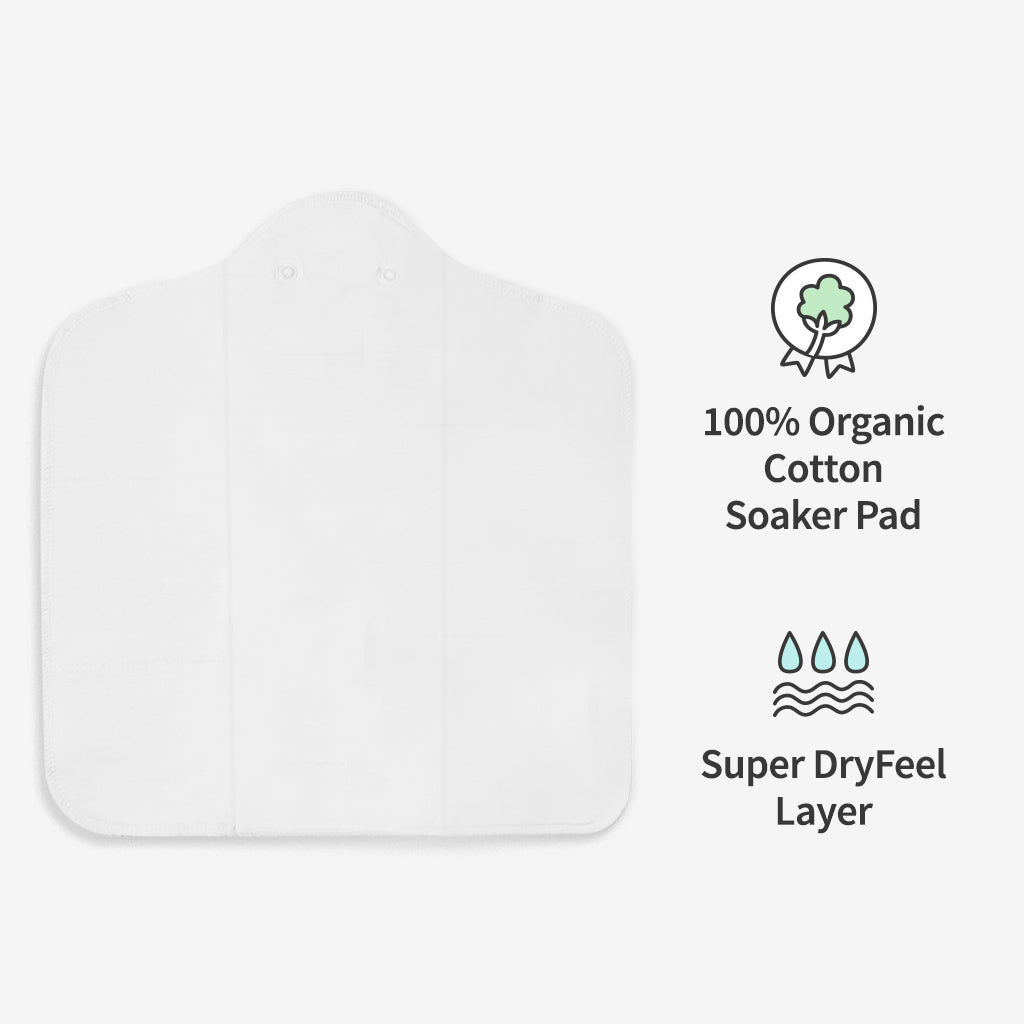
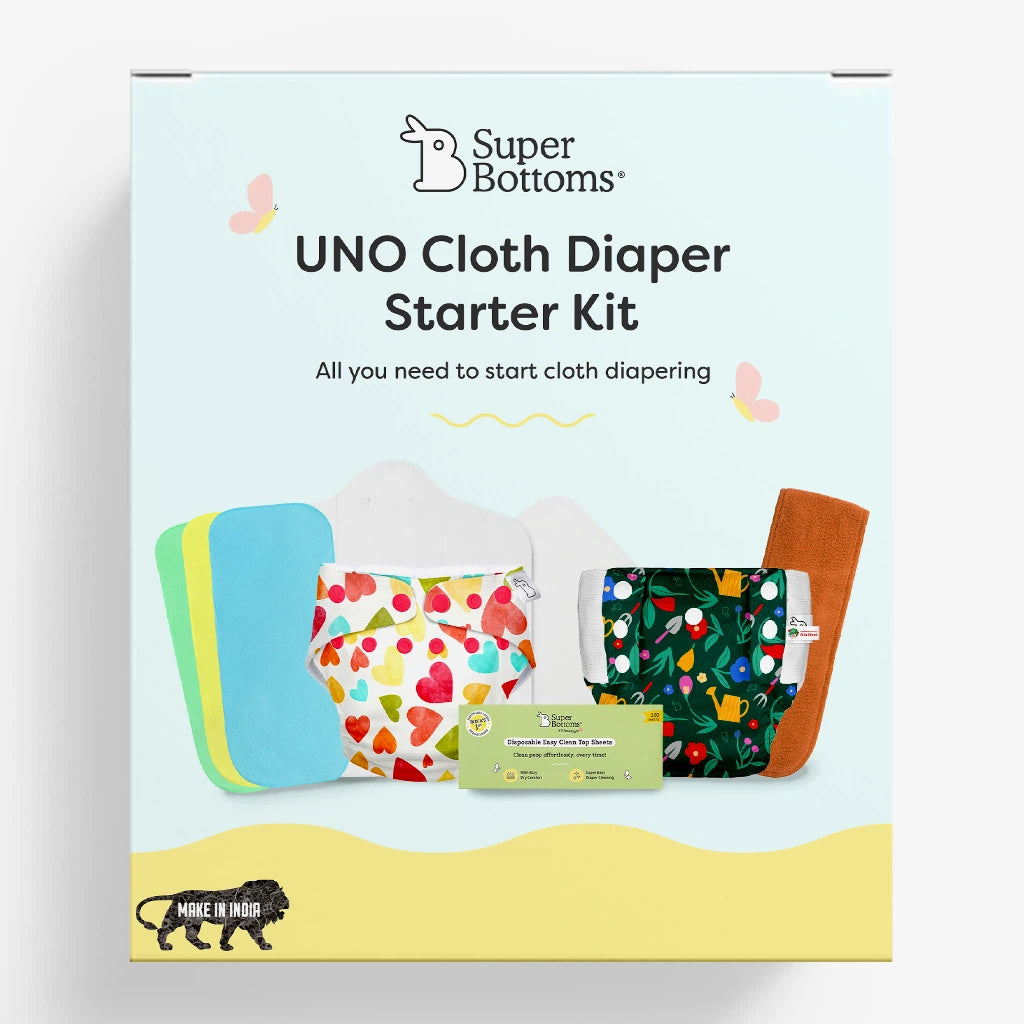
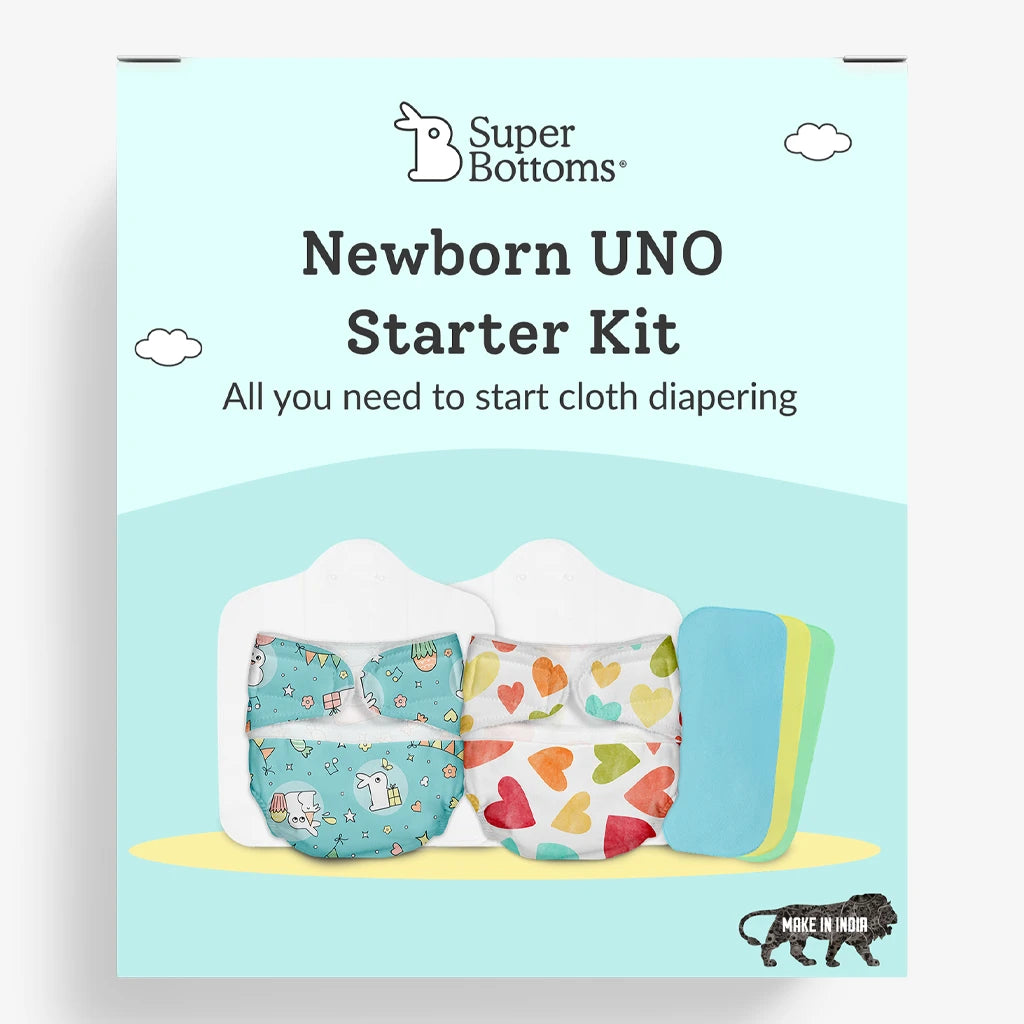
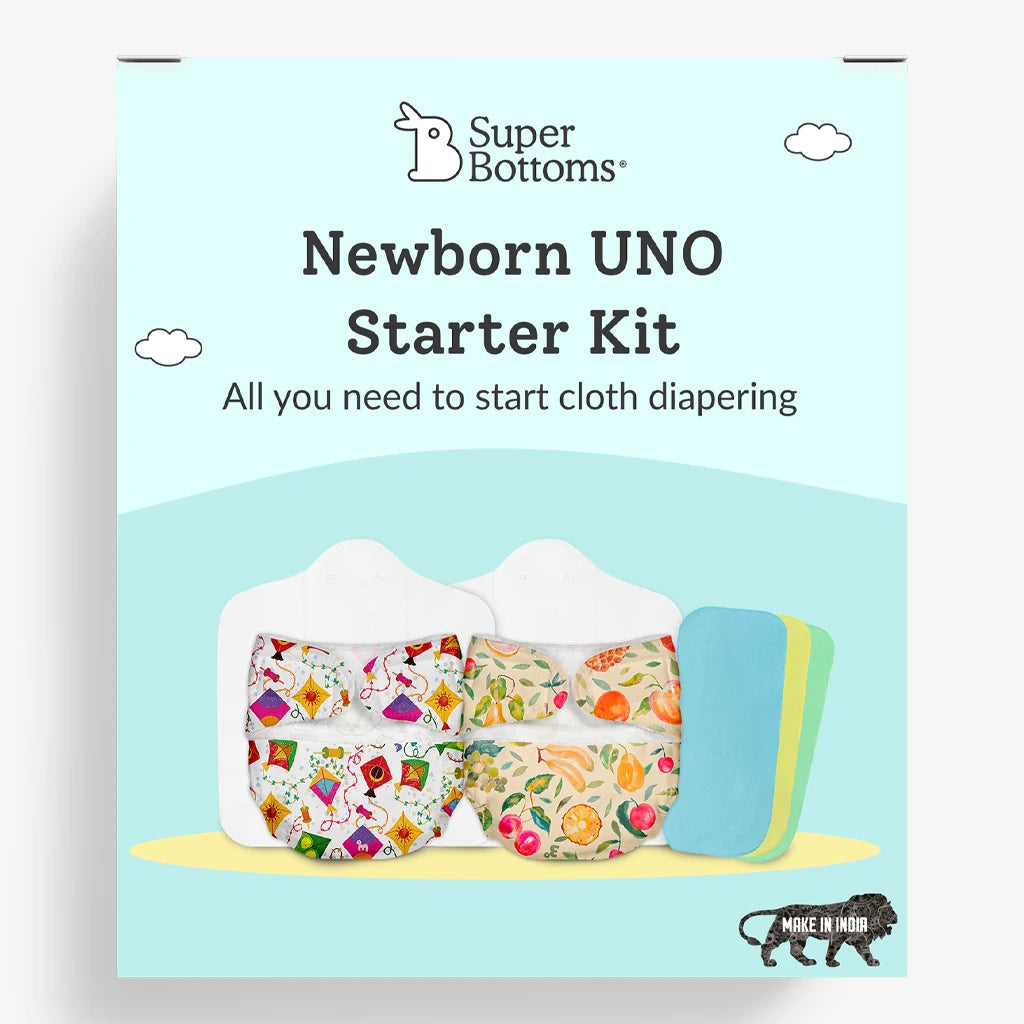
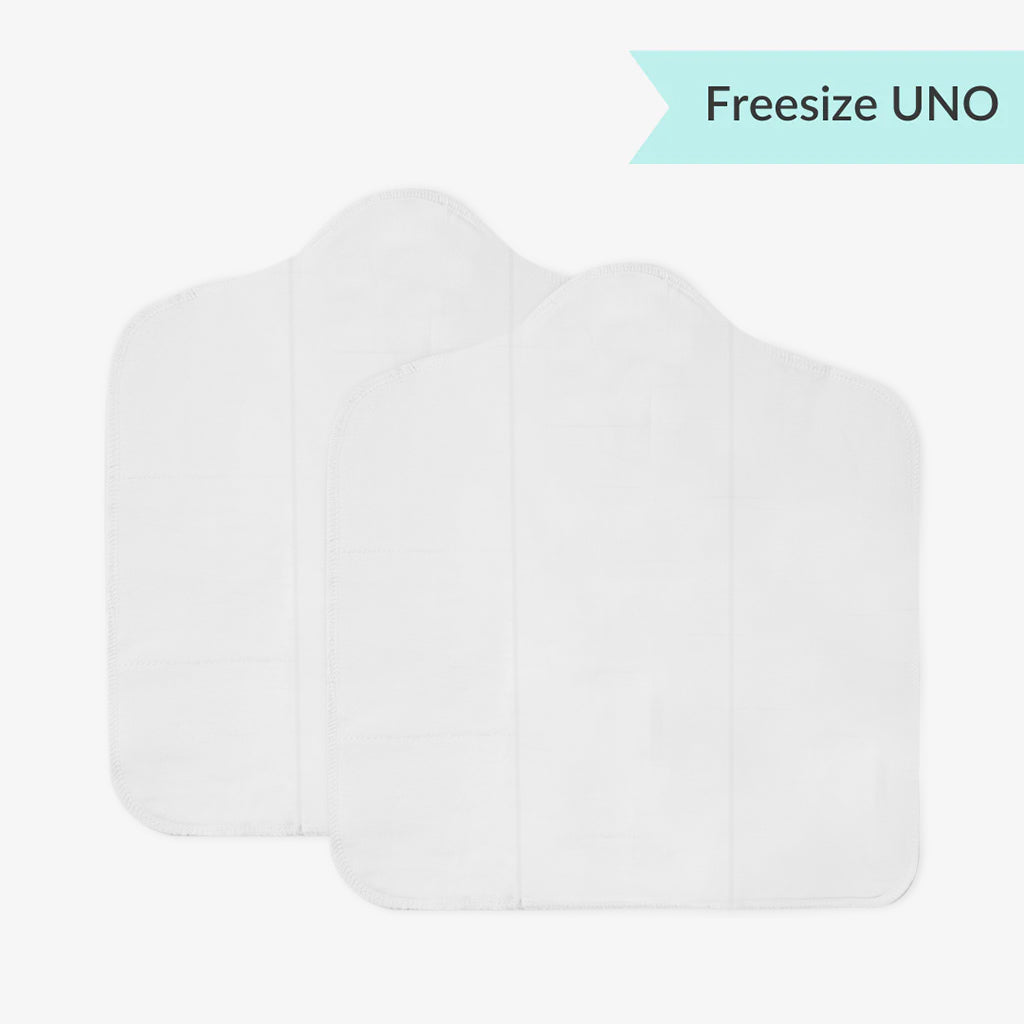
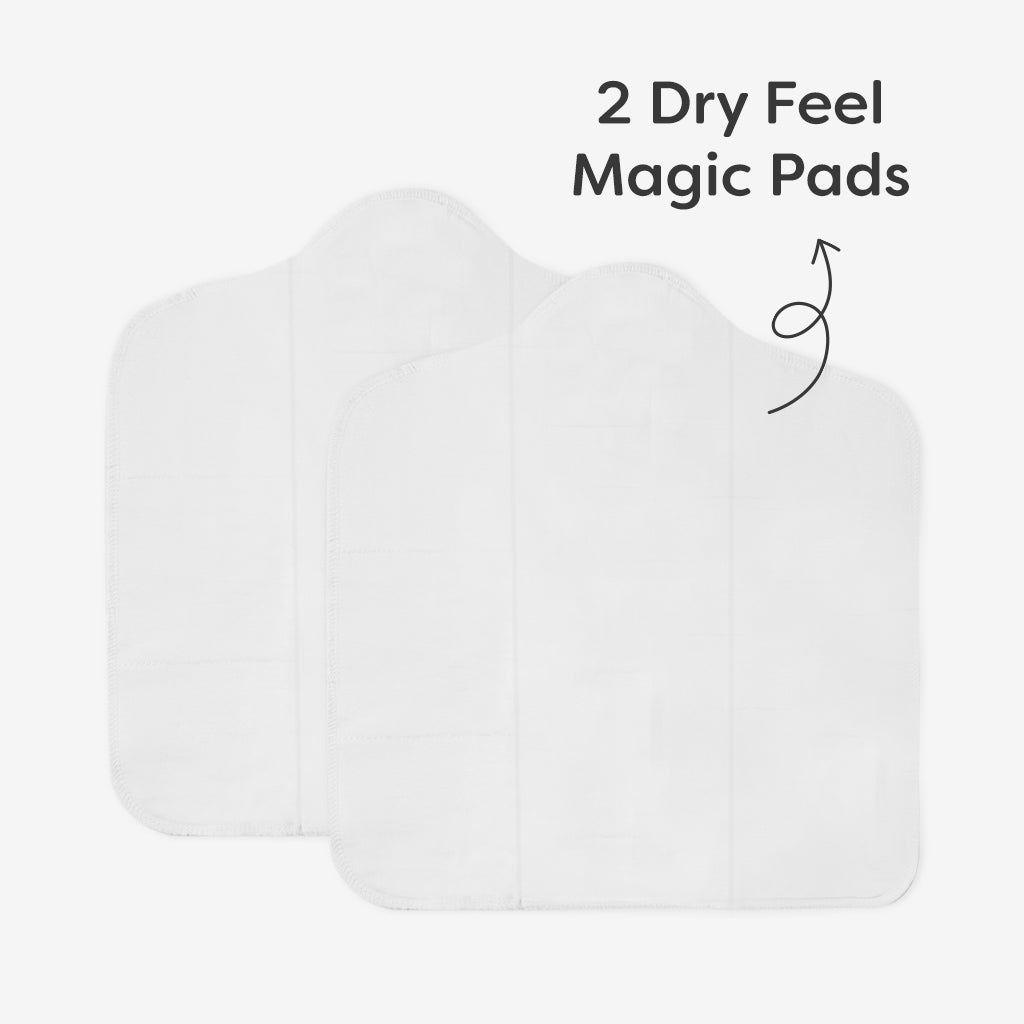
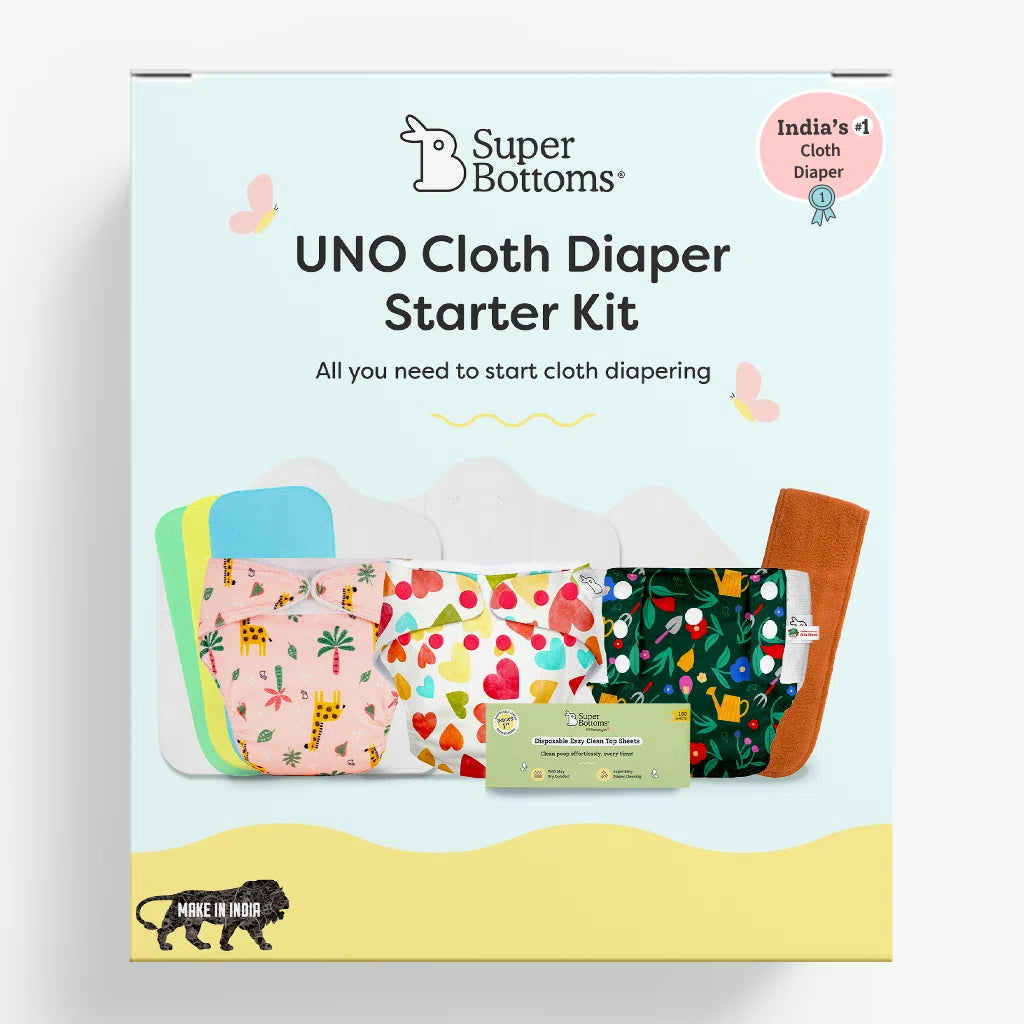
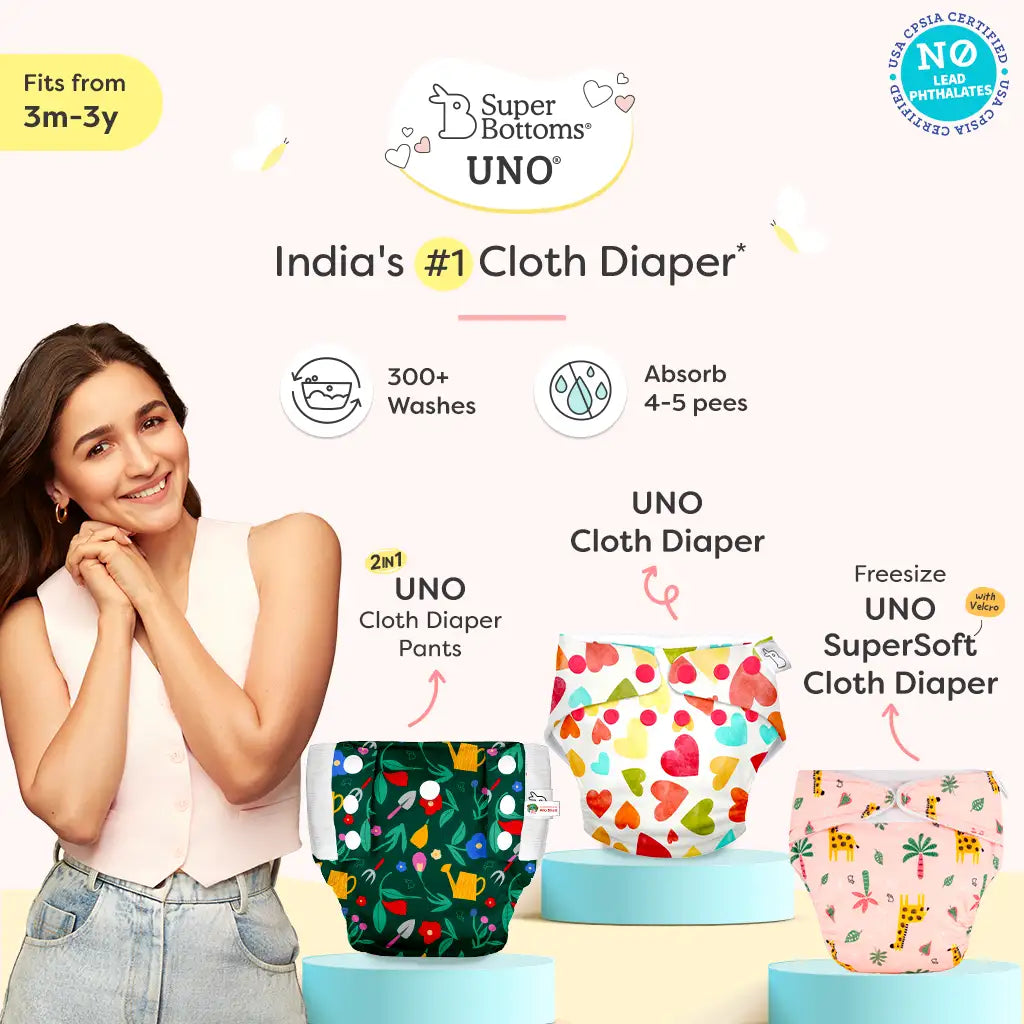
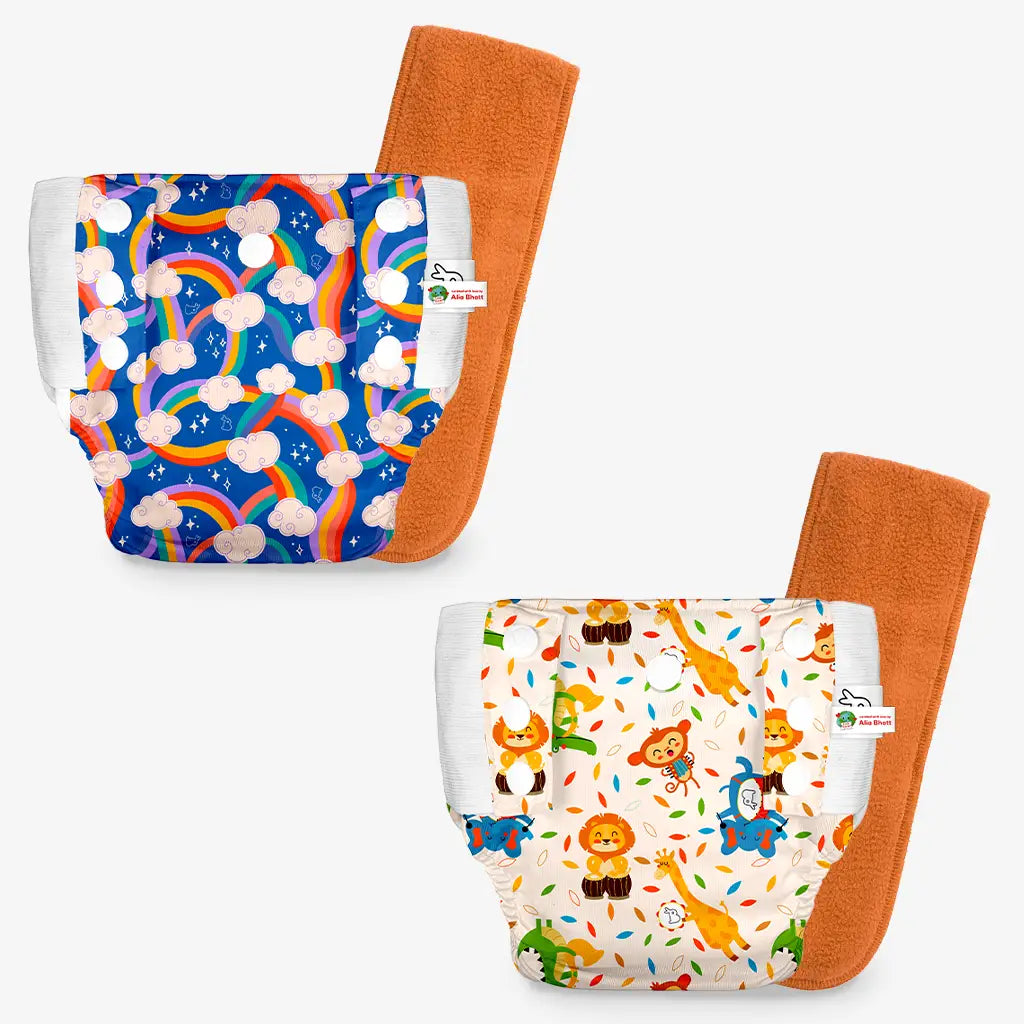
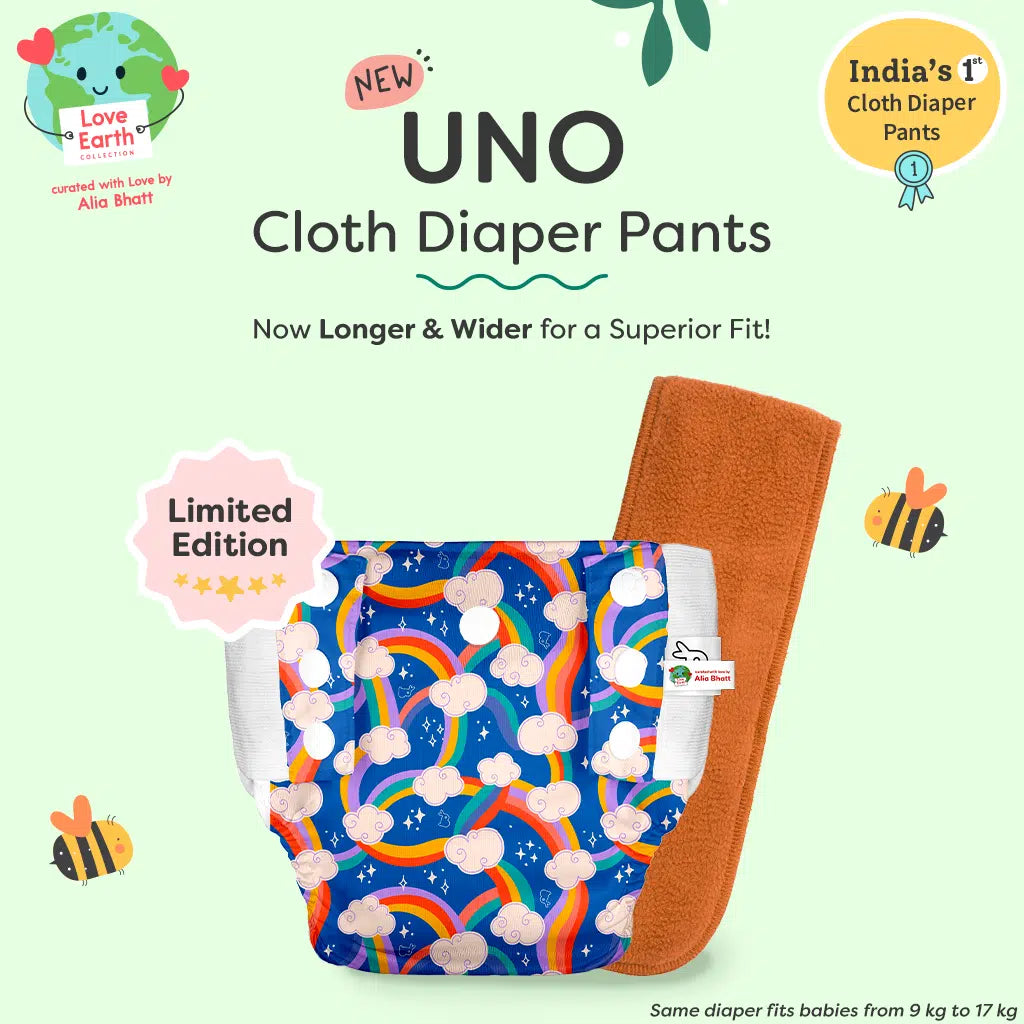
💡 SuperBottoms Pick: Freesize UNO Cloth Diaper - helps reduce diaper laundry stress with reusable, absorbent, leak-protection support for everyday baby care.
Parents recovering from either birth type often appreciate products that:
- Reduce diaper blowouts
- Lower disposable waste
- Feel gentle on newborn skin
- Work for daytime and nighttime use
Real Parent Insight
"After my C-section, bending repeatedly for outfit and diaper changes was exhausting. Having easy, reliable diapering options reduced one daily stress." — New mom, Mumbai
Is It Worth Switching to Reusable Cloth Diapers After Delivery?
For many families, yes, especially after the newborn stage.
Benefits include:
- Lower long-term diaper costs
- Fewer harsh chemicals touching baby skin
- Reusability
- Better value for frequent changes
Not every family wants reusable systems immediately, but many switch after initial postpartum chaos settles.
What to Look For
When choosing cloth diapers, evaluate:
- Absorbency
- Ease of cleaning
- Adjustable sizing
- Dry feel layers
- Value over 6–12 months
Comparison Table: Disposable vs Cloth Options
| Criteria | Disposable Diapers | Basic Cloth Nappies | SuperBottoms UNO |
|---|---|---|---|
| Reusability | No | Yes | Yes |
| Skin-friendly materials | Varies | Good | High |
| Leak protection | Moderate | Low–Moderate | High |
| Cost over time | High recurring cost | Low | Moderate upfront, better long-term |
| Newborn-friendly | Yes | Yes | Yes |
| Night use | Good | Limited | Good |
This comparison helps parents decide based on convenience, budget, and skin sensitivity rather than marketing claims.
Both vaginal birth and C-section recovery come with different physical and emotional challenges. The goal is not choosing the "easier" birth, but preparing for the recovery journey that follows.
New parents often benefit from reducing friction in daily baby care, especially during the first six weeks when sleep deprivation and healing overlap.
|
Limited Time Offers + Special Gift Sets! Now or never Super SALE is live on the SuperBottoms website! Take advantage of unbeatable value deals on our UNO Cloth Diapers, Baby Essentials, and more. Looking for the perfect present for a newborn or a toddler? Explore our thoughtfully curated Gift Sets & Combos - safe, skin-friendly, and oh-so-cute! A bundle of love for little ones and a delight for parents. HURRY - Deals and Gift Packs are live only till stocks last. Don’t miss the chance to stock up and share the joy! |
Key Takeaways
- Vaginal birth recovery is usually faster, but can still involve pain, bleeding, and pelvic healing.
- C-section recovery includes surgical healing, longer movement restrictions, and more physical support needs.
- Comfortable postpartum routines and practical baby essentials can reduce daily recovery stress.
FAQs
1. Is C-section recovery more painful than vaginal birth?
Usually, yes, in the early weeks because it involves surgery, but the pain experience varies.
2. How long does vaginal birth recovery take?
Initial recovery is often 2–6 weeks, depending on the tearing and complications.
3. How long does C-section recovery take?
Most women need 6–8 weeks for basic healing, with abdominal recovery taking longer.
4. Can I climb stairs after C-section?
Limited stair use is generally okay if approved by your doctor, but excessive movement should be avoided early on.
5. Which birth recovery is easier?
Uncomplicated vaginal birth is usually easier physically, but every recovery is unique.
6. What should I buy before delivery for postpartum recovery?
Comfortable clothing, maternity pads, nursing essentials, hydration tools, and practical baby diapering products.
7. Are reusable cloth diapers worth it?
For many parents, yes, especially for long-term savings, skin comfort, and reduced waste.
8. Where can I buy reusable cloth diapers in India?
Reusable cloth diapers are available on brand websites, baby stores, and online marketplaces across India.
References
Hi there, new parents! SuperBottoms brings you doctor-recommended cloth diapers - the best rash-free diapering solution for your baby's sensitive and delicate skin. Unlike disposable diapers loaded with chemicals, our newborn cloth diapers, when used and washed properly, can help eliminate the risk of diaper rashes. SuperBottoms offers a wide range of safe, skin-friendly essentials for the whole family - including Reusable Cloth Diapers, Diaper Pants, DryFeel langots for diaper-free time, Padded Underwear for potty training, SuperSoft Underwear for everyday comfort, Joggers for playful days, and Period Underwear for women. Not just for everyday use, SuperBottoms products also make the best gifting choice for babies - thoughtful, eco-friendly, practical, and loved by parents. Now available on Amazon, Myntra, Flipkart, FirstCry, Zepto, Swiggy and Blinkit.