





About Sonali Shivlani (Author)

Our Prenatal Expert, Sonali Shivlani, A pregnancy, Lactation, & Child Nutrition Counselor from Mumbai, contributed to this article. With over 20 years of experience in the field and having worked with more than 45000 families, she founded Baby360degrees, which offers offline and online pregnancy and parenting services. She also heads CAPPA in India, through which they train professionals as Pre and Post-Natal experts pan India and award them an International certification.
Breastfeeding positions can affect a baby's latch, milk transfer, and maternal comfort. Choosing the right breastfeeding hold may help reduce nipple pain, improve feeding efficiency, and make nursing easier for both mother and baby. This guide explains common breastfeeding positions, when to use them, and how to identify what works best for different feeding situations.
- Why Do Breastfeeding Positions Matter?
- What Are the Best Breastfeeding Positions for Newborns?
- Which Breastfeeding Position Is Best After a C-Section?
- How Can I Improve Latch and Comfort While Breastfeeding?
- Which Type Works Best for Different Situations?
- Which Baby Essentials Support Comfortable Feeding and Diapering?
- Comparison Table: Diapering Options for Frequent Feeders
- Key Takeaways
- FAQs
- Message from SuperBottoms
- References
Why Do Breastfeeding Positions Matter?
The right breastfeeding position helps both mother and baby feel comfortable during feeds. A well-supported position can improve latch quality, reduce nipple soreness, and encourage effective milk transfer.
Many feeding challenges are linked not to milk supply but to positioning issues such as poor alignment, shallow latch, or unsupported posture.
Common problems caused by poor positioning:
- Nipple pain or cracking
- Baby slipping off breast repeatedly
- Clicking sounds during feeding
- Gassiness due to swallowing air
- Back, shoulder, or neck pain for the mother
Expert Answer
A baby should be positioned tummy-to-tummy with the mother, with ears, shoulders, and hips aligned. Proper alignment usually supports a deeper latch and more effective milk transfer.
Dr Jack Newman, MD, FRCPC, breastfeeding specialist, notes that positioning and latch are among the most common reasons breastfeeding discomfort occurs in early weeks.
What Are the Best Breastfeeding Positions for Newborns?
There is no single "best" breastfeeding position. The ideal hold depends on delivery type, baby size, maternal comfort, and feeding challenges.
1. Cradle Hold
The cradle hold is one of the most commonly used breastfeeding positions.
How to do it:
- Hold the baby across your chest
- Baby's head rests in the crook of your arm
- Support the baby's back and bottom
Best for:
- Babies with established latch
- Daytime feeds
- Older infants
Challenges:
- It can be harder for newborns still learning to latch
2. Cross-Cradle Hold
This position offers more head control and is often recommended in the early days.
How to do it:
- Support baby with the arm opposite the feeding breast
- Use the other hand to shape and guide breast
Best for:
- Newborns
- Premature babies
- Latch issues
Why it helps: Gives better control over baby's head and alignment.
What Parents Should Know
Newborns often benefit from more guided positions, like cross-cradle or football hold, because their neck control is limited. Many first-time mothers find these easier than cradle hold initially.
3. Football Hold (Clutch Hold)
In this hold, baby is tucked under the arm like a football.
How to do it:
- Position baby at your side under your arm
- Support neck and shoulders
- Feet point backward
Best for:
- Mothers after C-section
- Twins
- Large breasts
- Small or premature babies

Which Breastfeeding Position Is Best After a C-Section?
The football hold, or side-lying position, usually works best after a C-section because they reduce pressure on the abdomen.
4. Side-Lying Position
This allows both mother and baby to lie on their sides facing each other.
Best for:
- Night feeds
- Recovery after birth
- Resting while nursing
Safety note: Move pillows and loose blankets away from baby and stay alert during feeds.
5. Laid-Back Breastfeeding Position
Also called biological nurturing.
How to do it:
- Recline comfortably
- Place baby tummy-down on chest
Best for:
- Encouraging natural latch reflexes
- Skin-to-skin contact
- Babies with shallow latch
What to Look For
When choosing a breastfeeding position, look for:
- Baby's chin touching breast
- Nose free for breathing
- Wide mouth latch
- Rhythmic sucking and swallowing
- No sharp nipple pain
A good feeding session should feel comfortable after initial latch adjustment.
How Can I Improve Latch and Comfort While Breastfeeding?
Use pillows or rolled blankets for arm and back support.
Helpful breastfeeding comfort tips:
- Bring baby to breast, not breast to baby
- Support shoulders, not just head
- Keep baby close
- Switch sides regularly
Hydration, rest, and comfortable postpartum clothing can also help mothers manage longer feeding sessions.
Which Type Works Best for Different Situations?
| Situation | Best Position | Why It Helps |
|---|---|---|
| Newborn learning latch | Cross-cradle | Better head control |
| C-section recovery | Football hold | Protects incision |
| Night feeding | Side-lying | Restful feeding |
| Fast letdown | Laid-back | Slows milk flow |
| Established feeding | Cradle hold | Easy and familiar |
Which Baby Essentials Support Comfortable Feeding and Diapering?
After feeding, babies often need quick diaper changes, burping, and skin comfort.
Parents managing frequent newborn feeds often prefer easy-to-change, soft essentials nearby.
Buying criteria to consider:
- Skin-safe fabric
- Easy changing access
- Leak protection
- Washability
- Value over repeated use
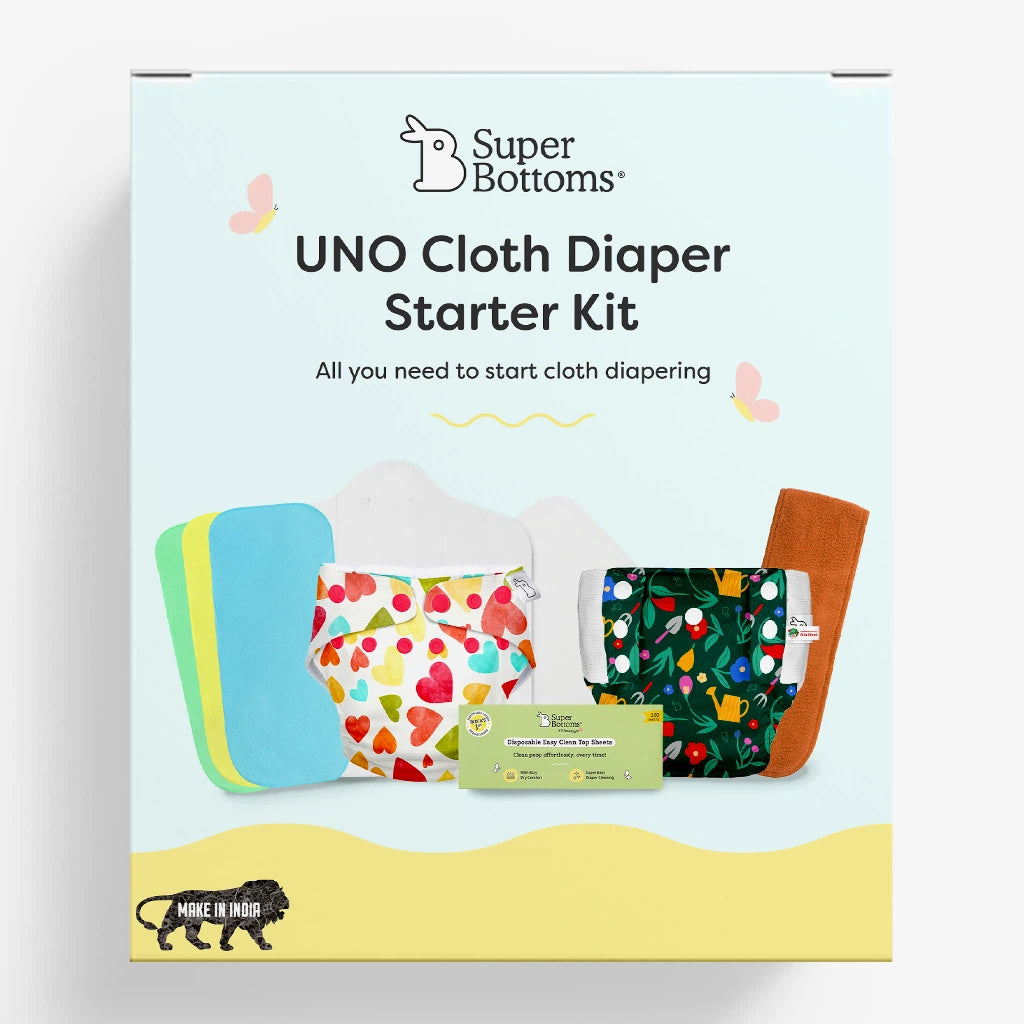
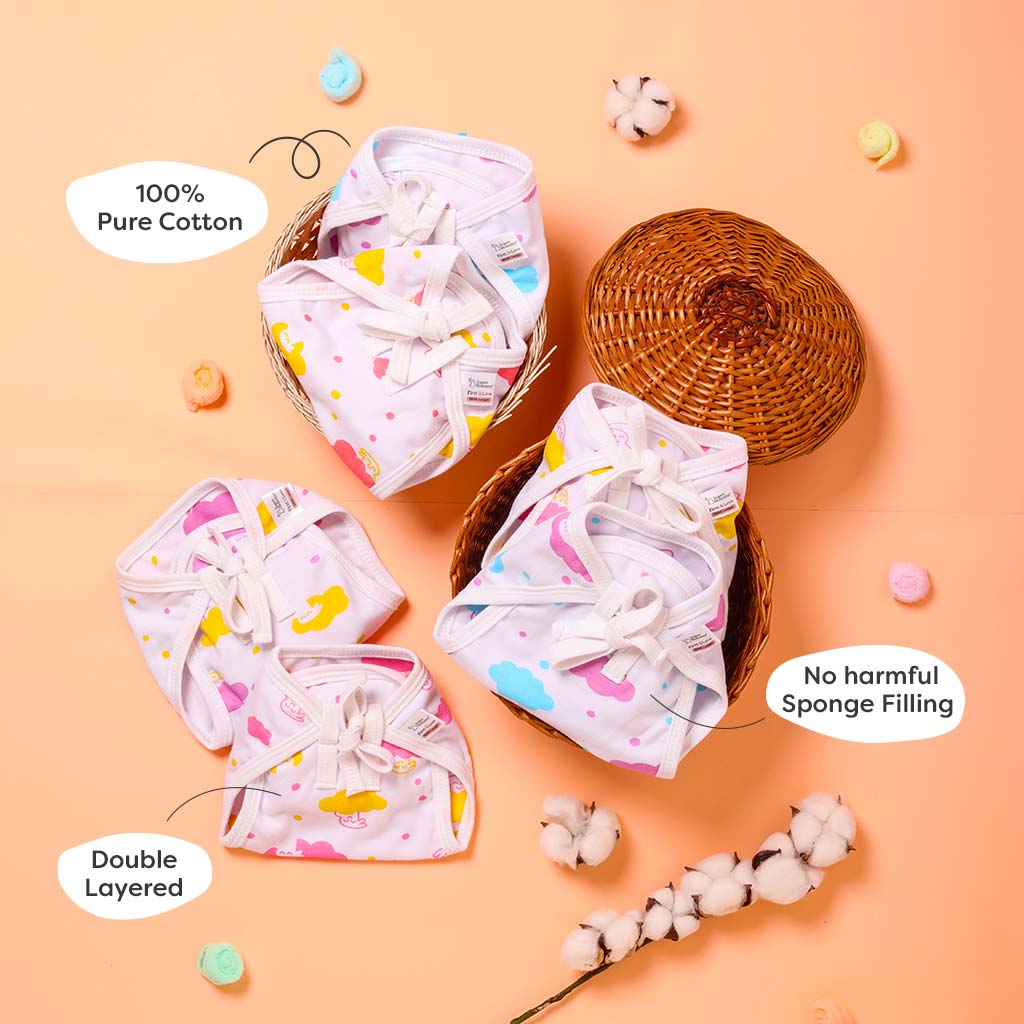
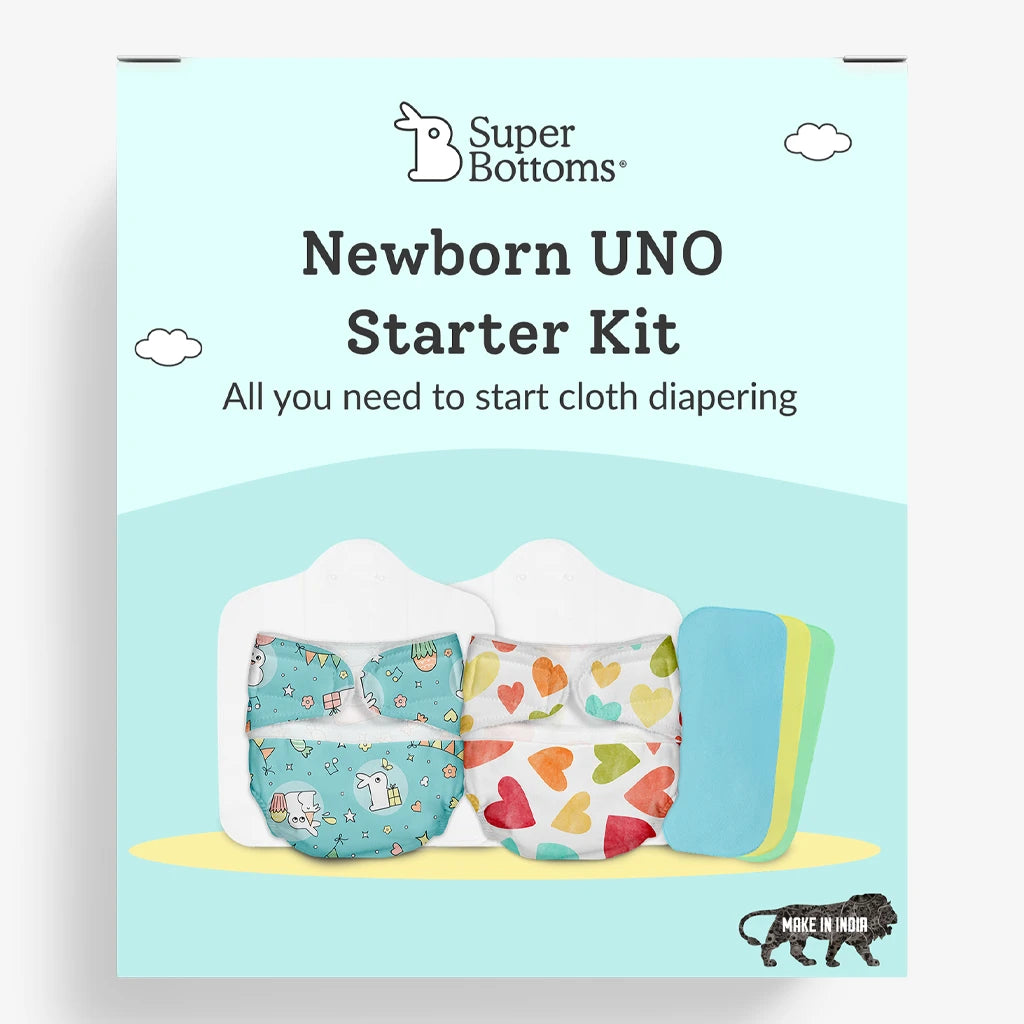
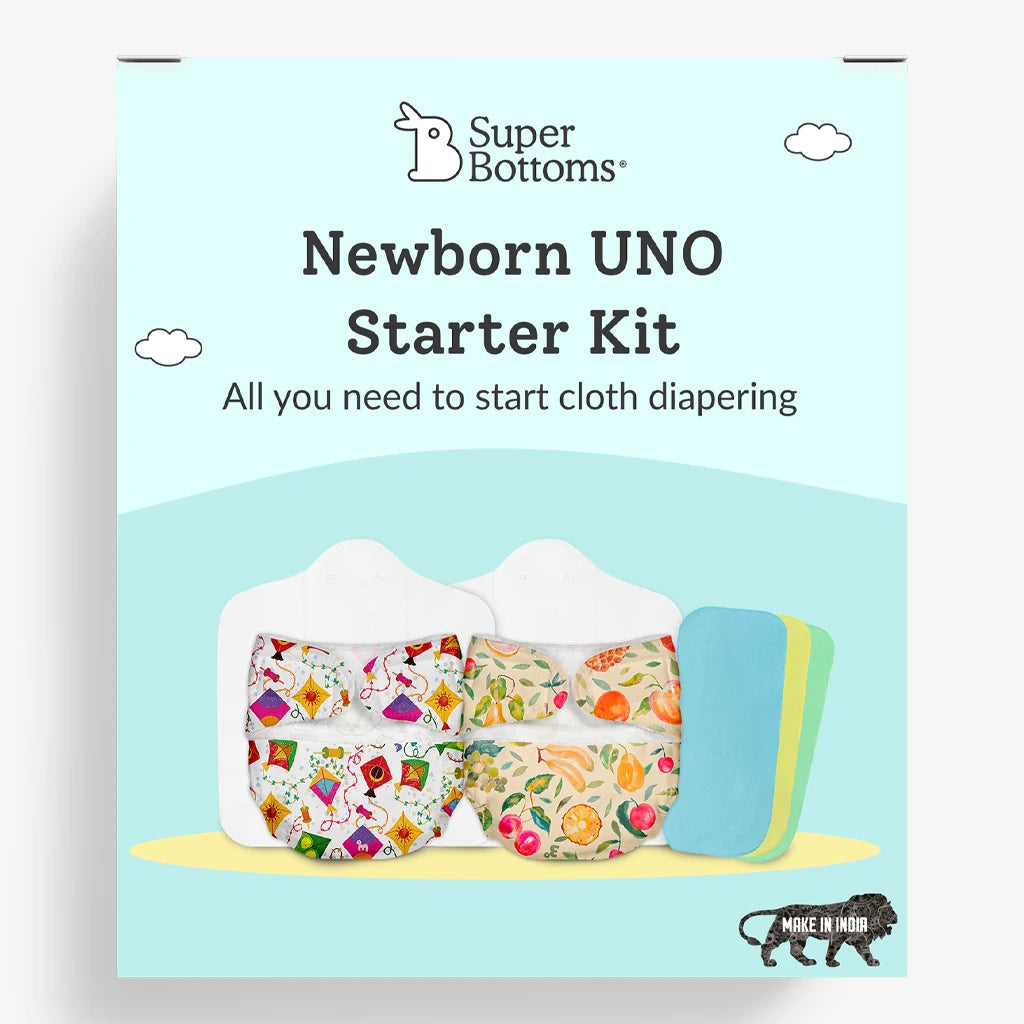
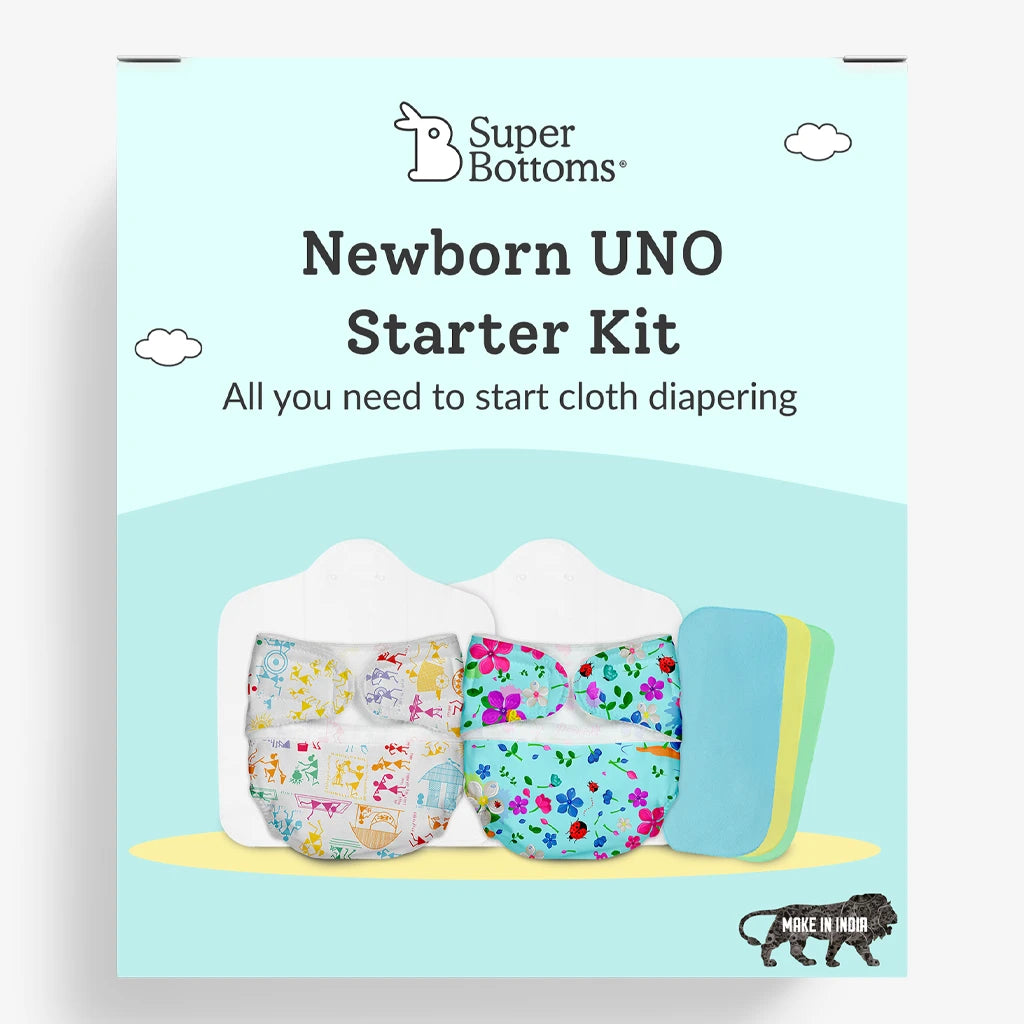
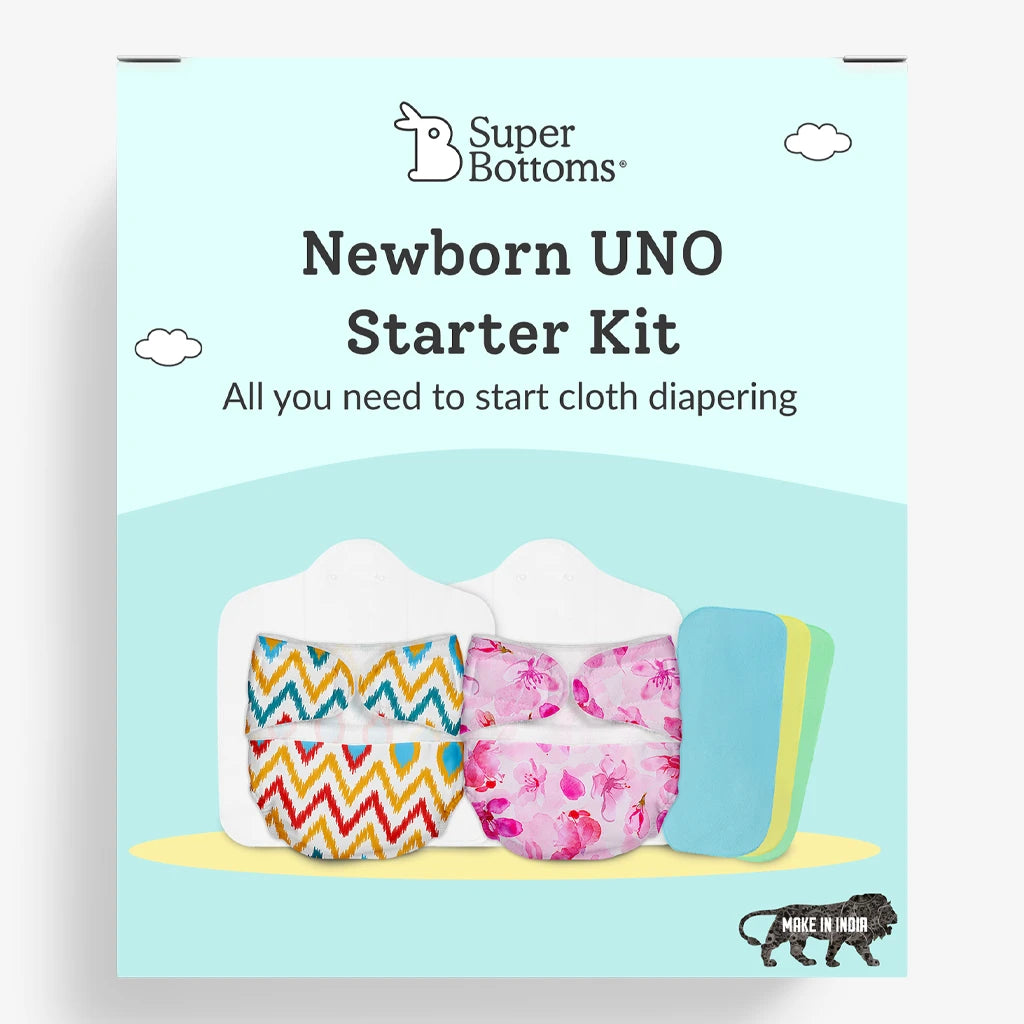
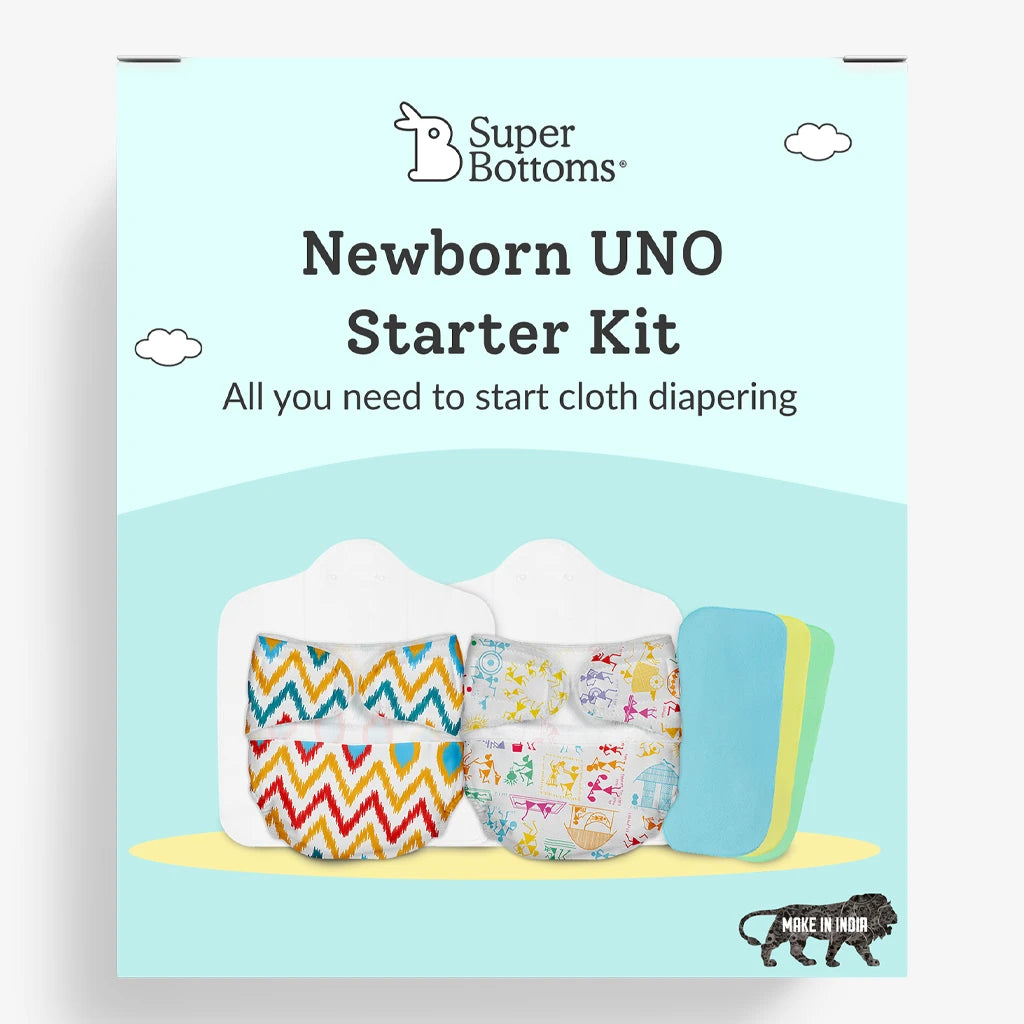
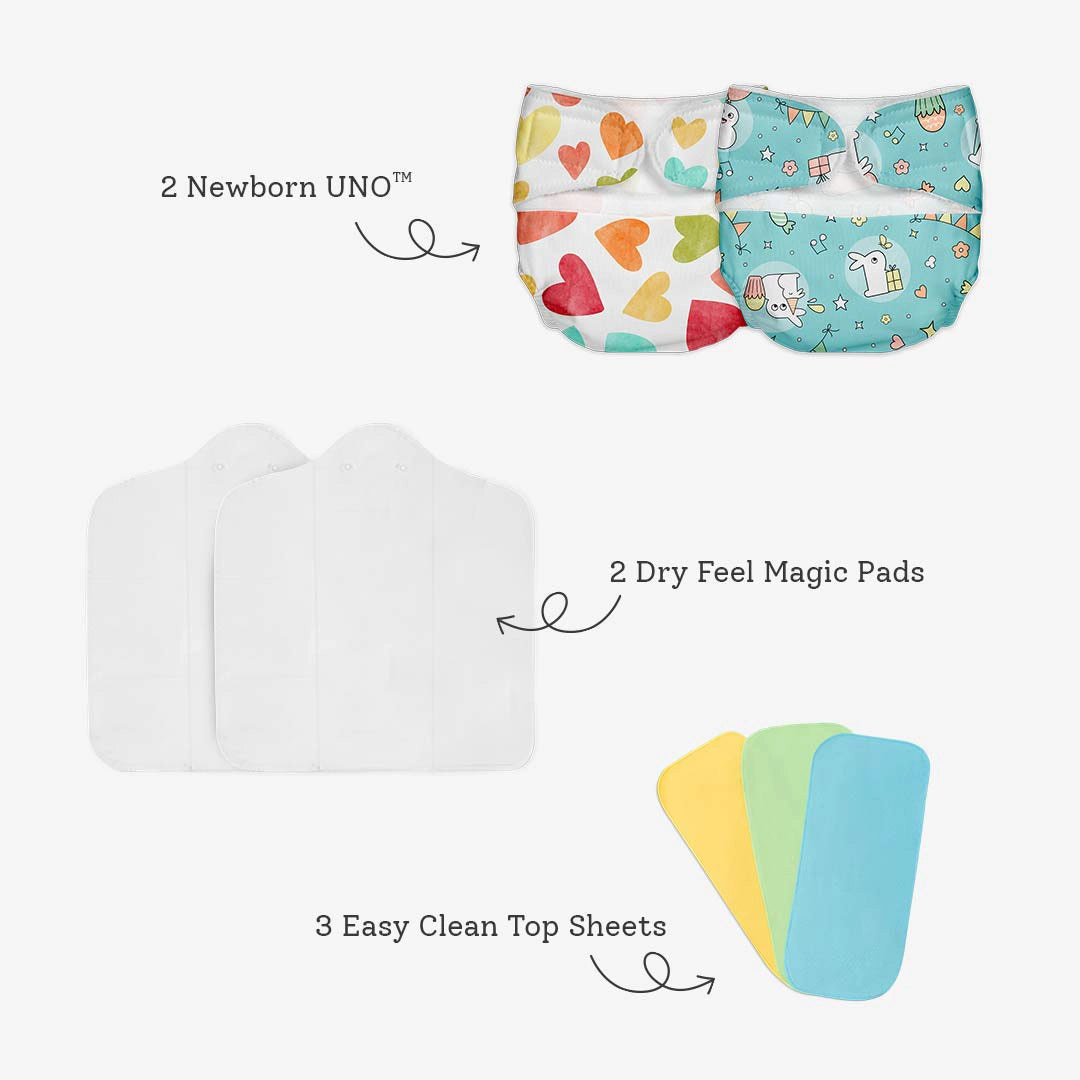
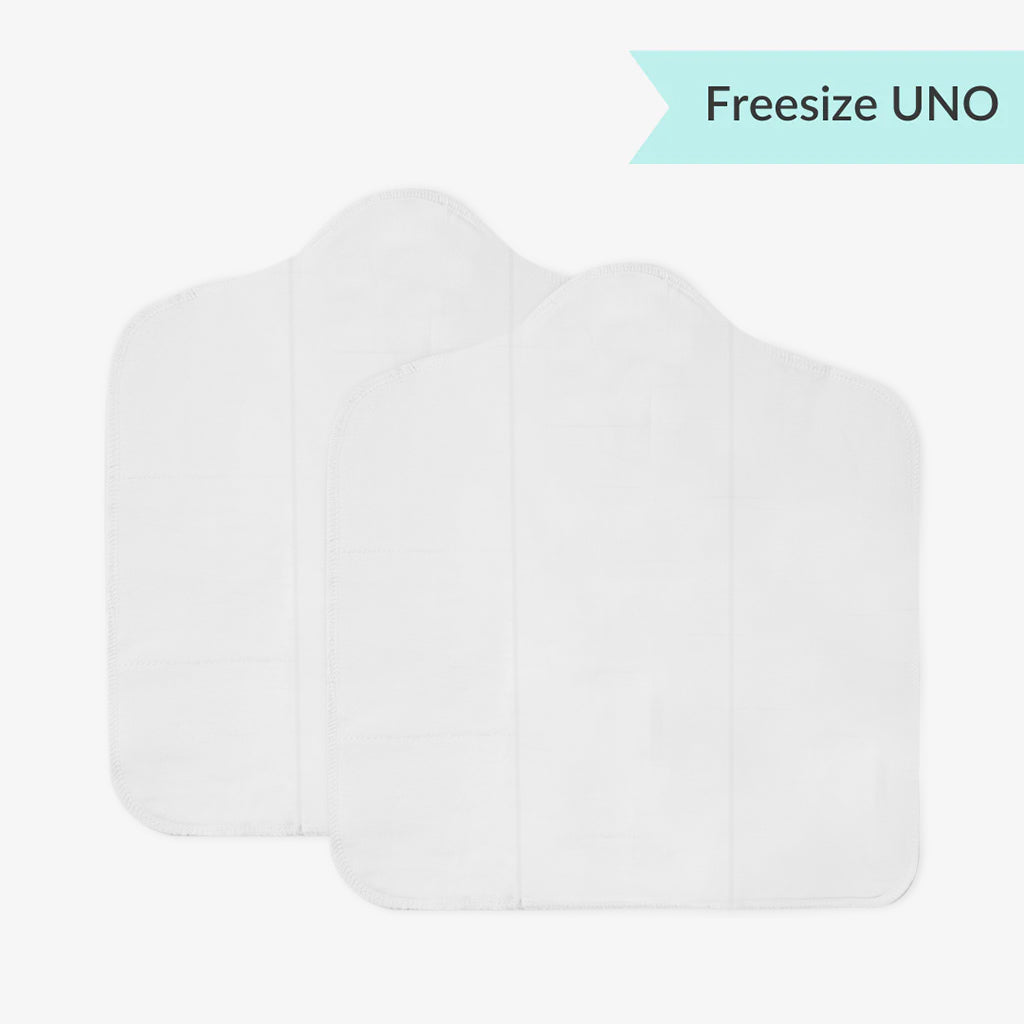
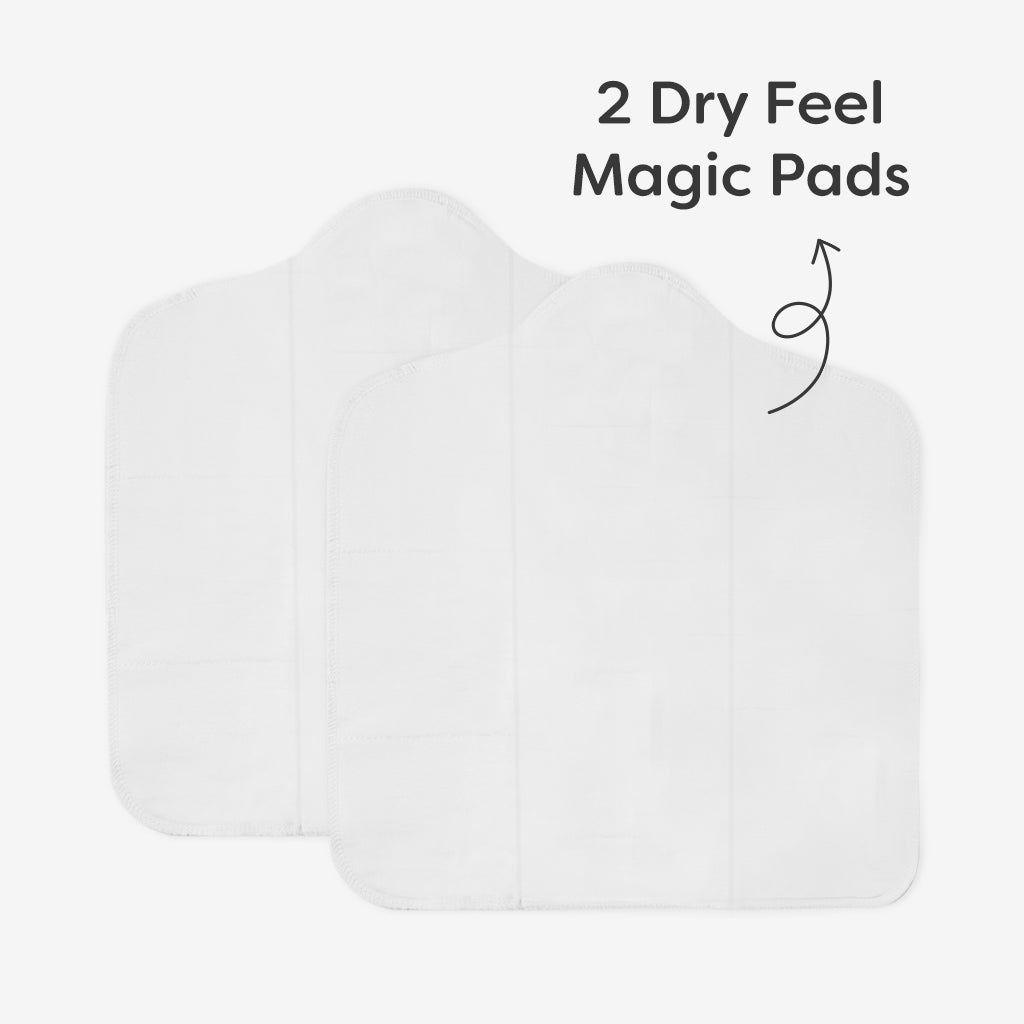
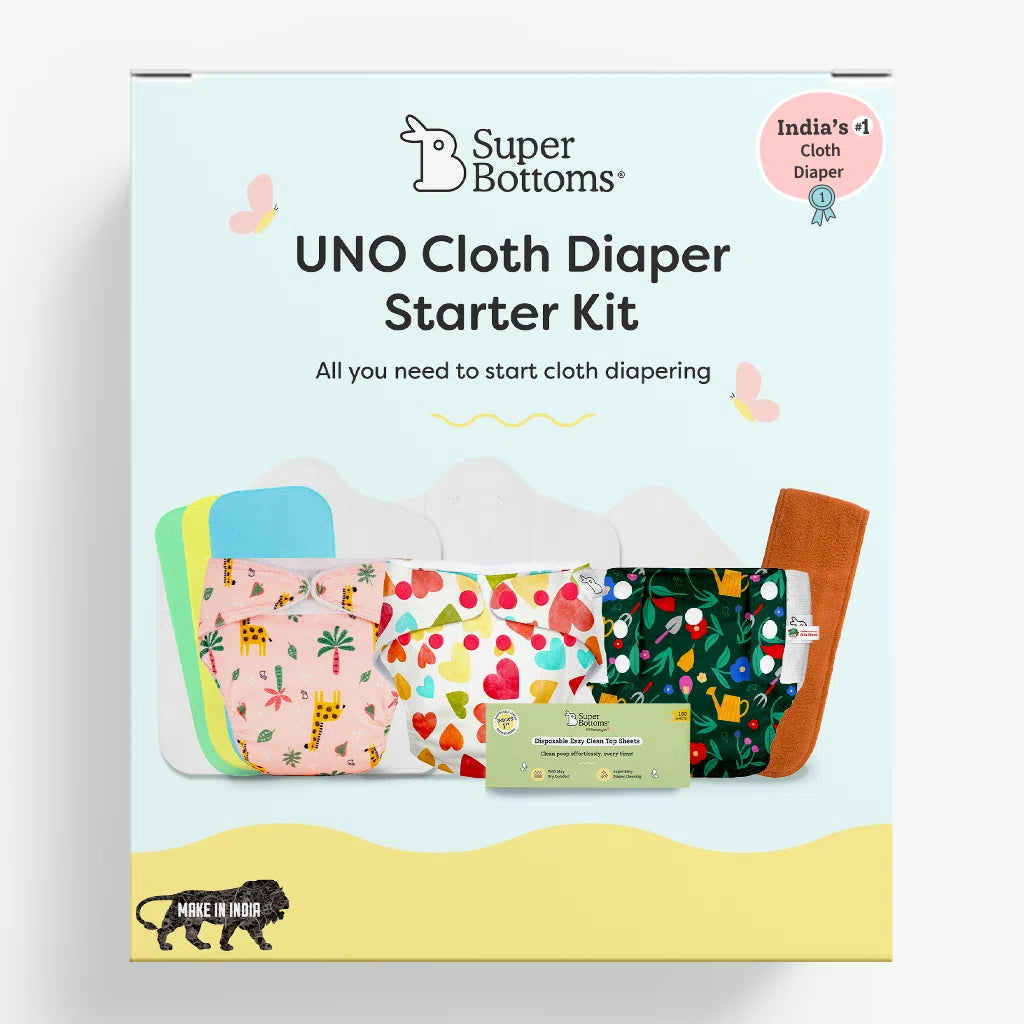
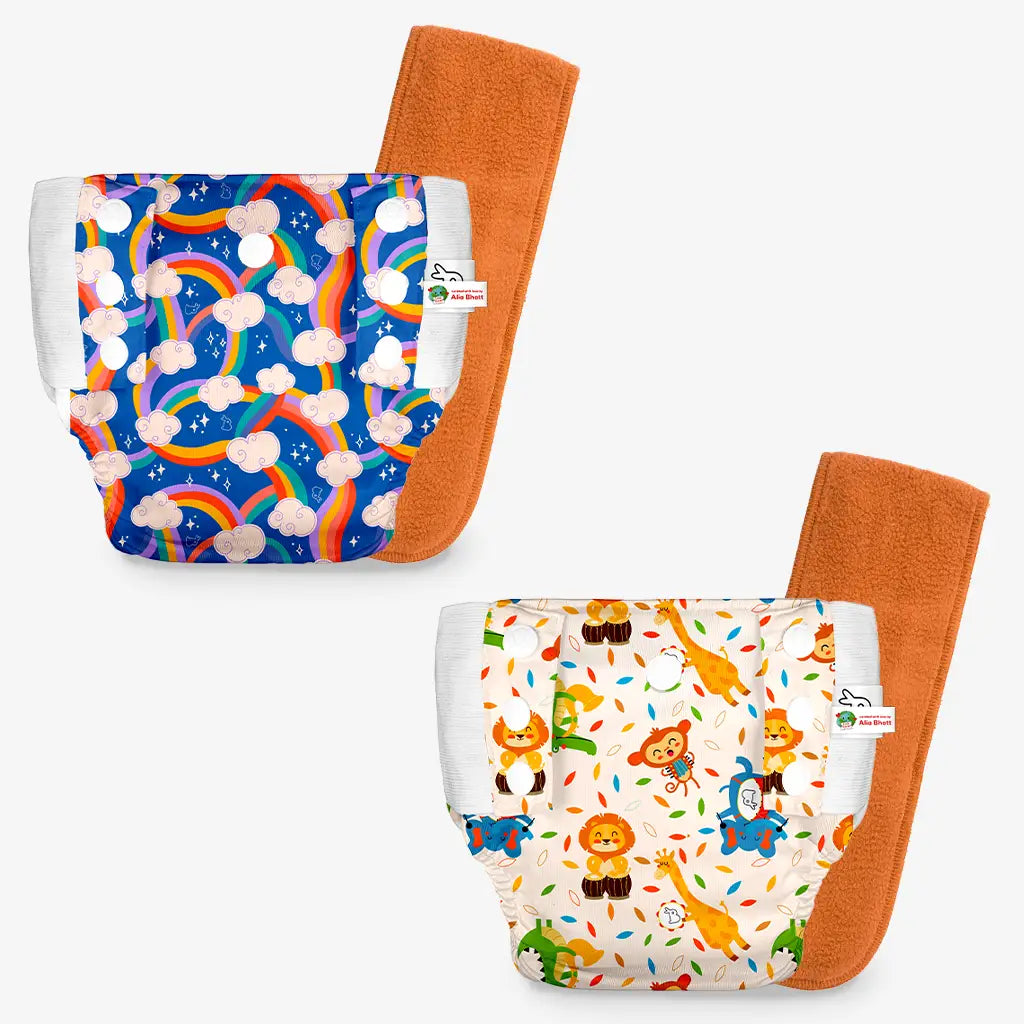
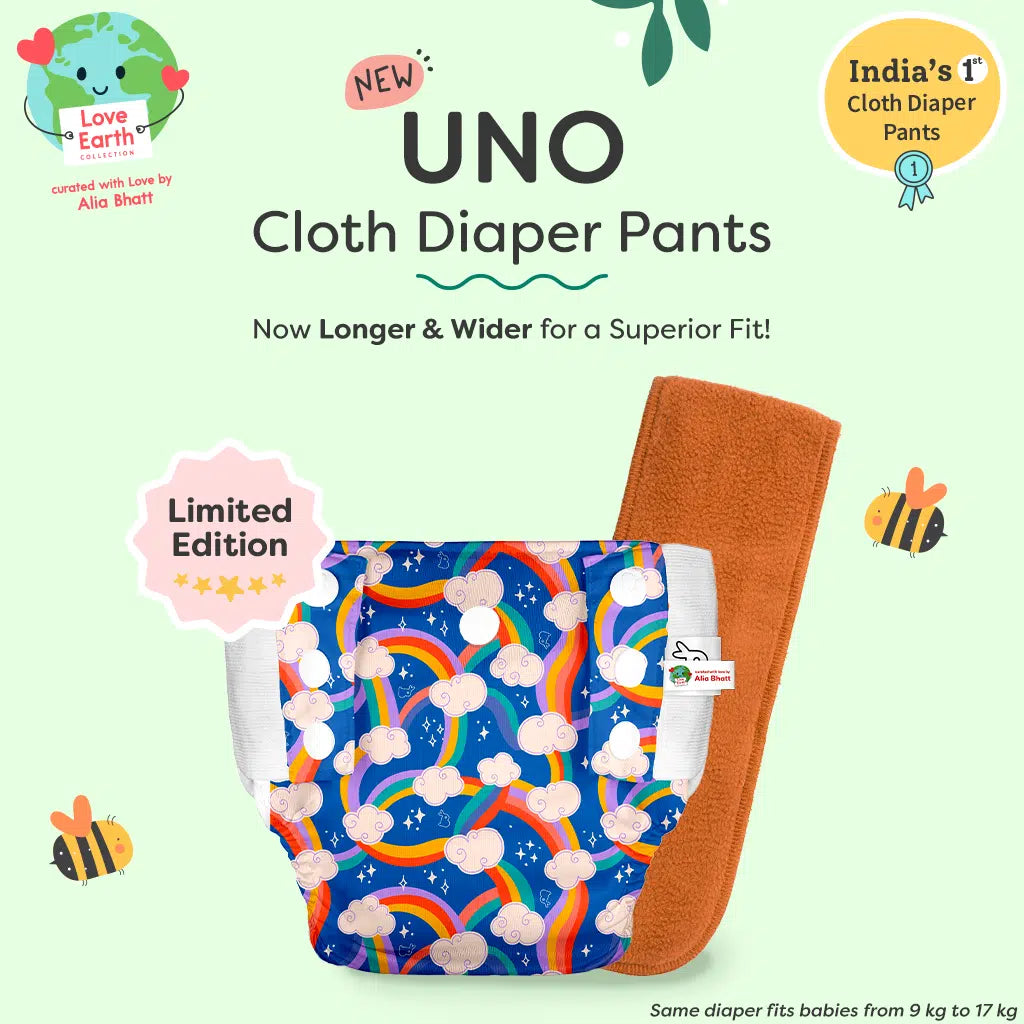
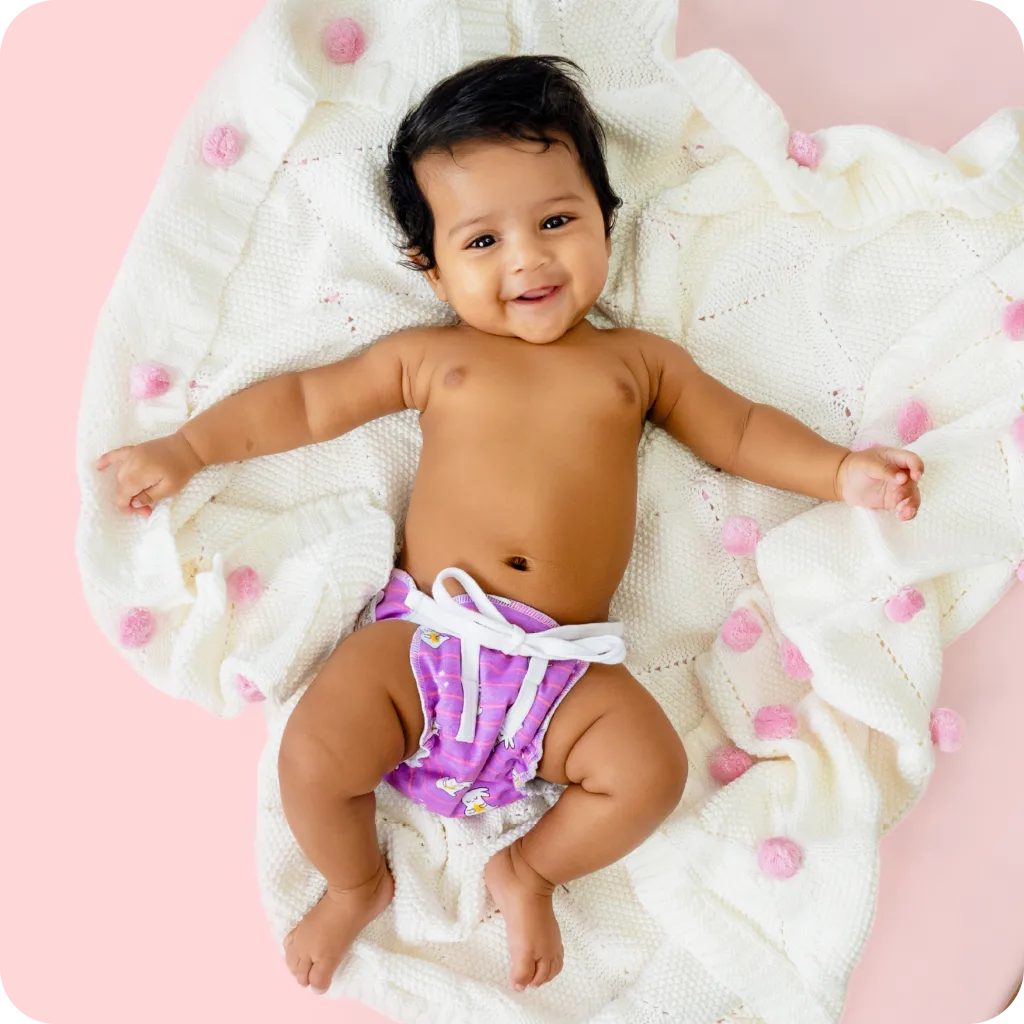
SuperBottoms Pick: Freesize UNO Cloth Diaper
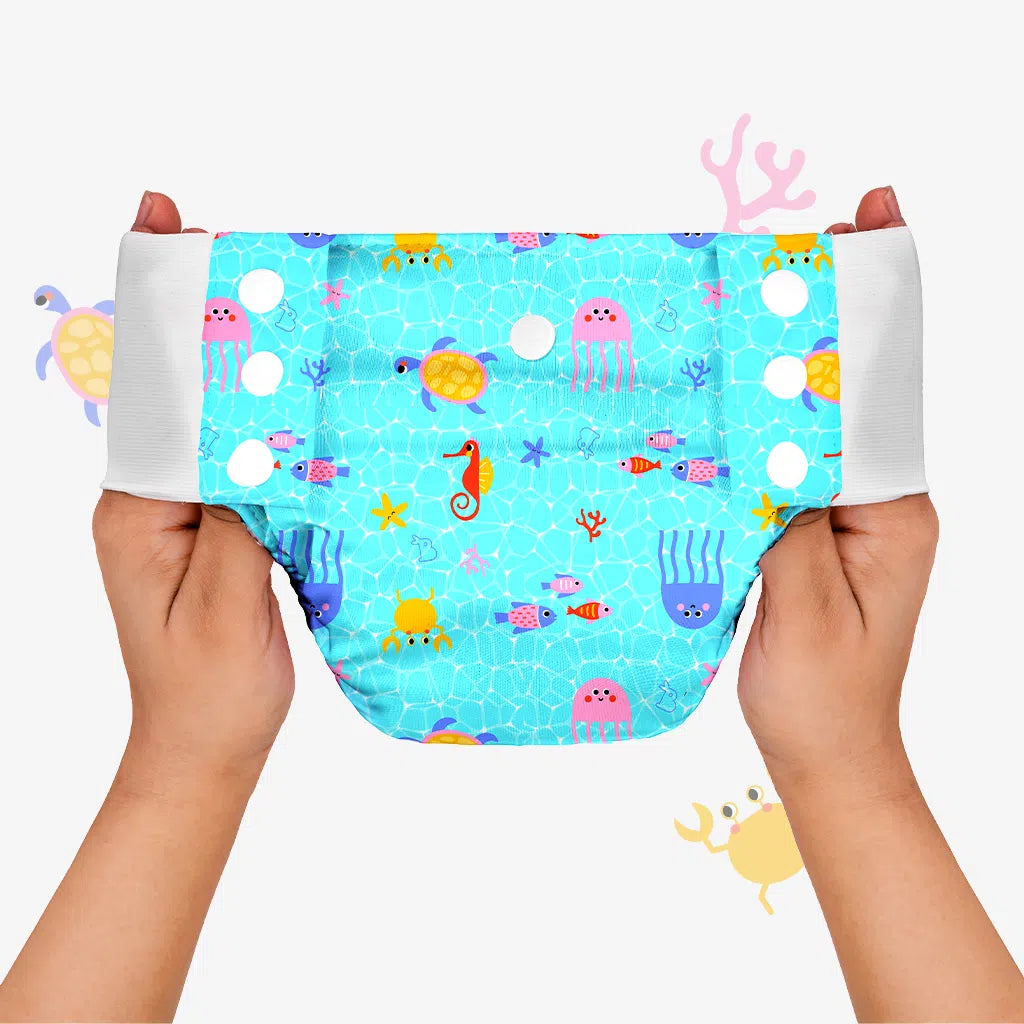
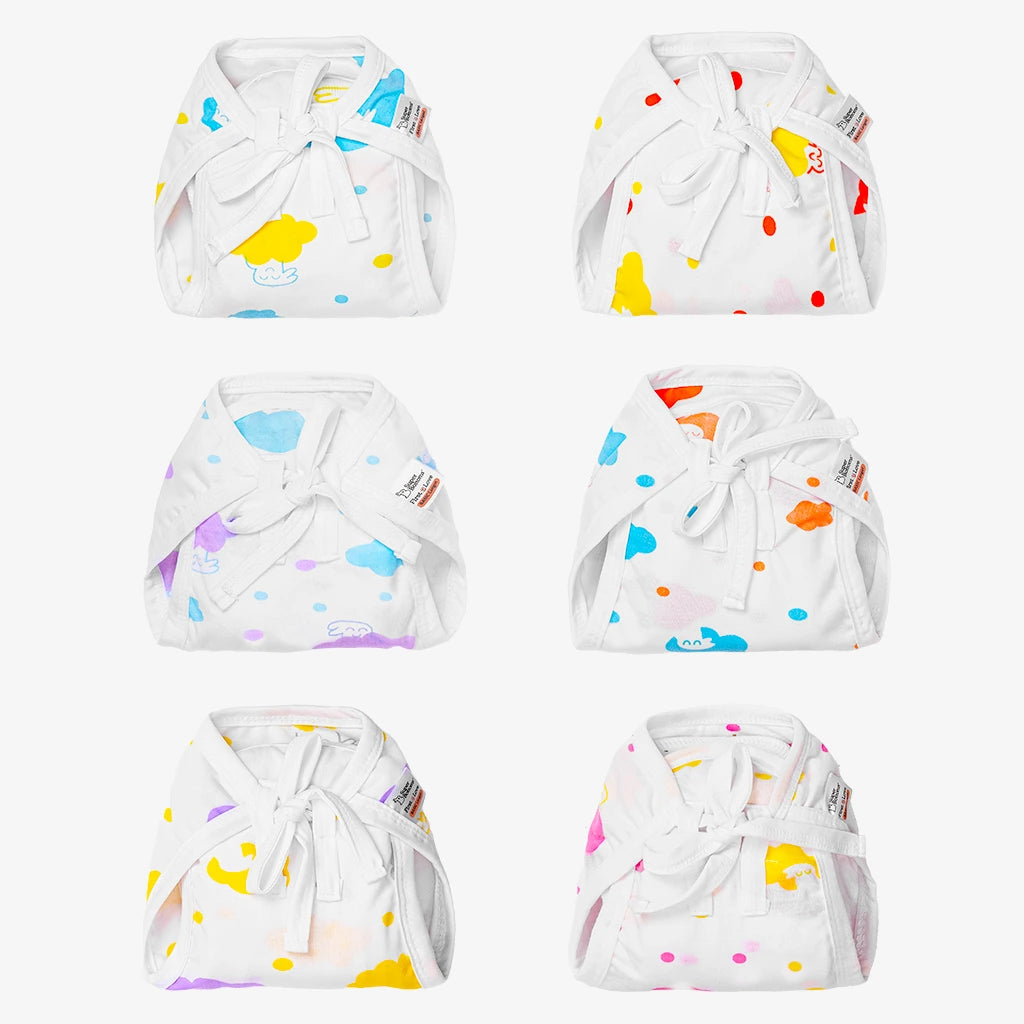
Freesize UNO Cloth Diaper — helps simplify post-feed diaper changes with a reusable, skin-friendly design.
Comparison Table: Diapering Options for Frequent Feeders
| Feature | Disposable Diapers | Traditional Cloth Nappies | SuperBottoms UNO |
|---|---|---|---|
| Skin safety | Moderate | Good | Excellent |
| Reusable | No | Yes | Yes |
| Leak protection | Good | Variable | Strong leak-proof inner layer |
| Cost over time | Higher | Lower | High long-term value |
| Convenience | High | Moderate | High |
Parent Insight
"During the first month, cross-cradle helped us most. Once feeding improved, side-lying became a lifesaver during night feeds." — New mother, India
Is It Worth Switching to Reusable Cloth Nappies?
For families managing multiple daily feeds and diaper changes, reusable cloth nappies can reduce waste and long-term diaper costs.
Parents often consider:
- skin sensitivity
- newborn frequency of changes
- overnight absorbency needs
Breastfeeding positions directly affect latch quality, maternal comfort, and feeding success. Trying multiple positions is often necessary before finding the right fit.
For parents managing frequent feeds, spit-ups, and diaper changes, practical newborn essentials can simplify daily routines.
Find the right fit → Shop SuperBottoms UNO.
|
Limited Time Offers + Special Gift Sets! Now or never Super SALE is live on the SuperBottoms website! Take advantage of unbeatable value deals on our UNO Cloth Diapers, Baby Essentials, and more. Looking for the perfect present for a newborn or a toddler? Explore our thoughtfully curated Gift Sets & Combos - safe, skin-friendly, and oh-so-cute! A bundle of love for little ones and a delight for parents. HURRY - Deals and Gift Packs are live only till stocks last. Don’t miss the chance to stock up and share the joy! |
Key Takeaways
- The best breastfeeding position depends on baby age, maternal recovery, and comfort.
- Cross-cradle and football hold are often easiest for newborns and early latch issues.
- Supportive postpartum essentials can make feeding and diapering routines smoother.
FAQs
1. Which breastfeeding position is easiest for beginners?
Cross-cradle is often easiest because it offers better baby head support.
2. What is the best breastfeeding position for a newborn?
Cross-cradle or football hold usually works well for newborns.
3. Which breastfeeding position is best after a C-section?
Football hold and side-lying are generally most comfortable.
4. How do I know if my baby is latched correctly?
Look for a wide mouth, rhythmic sucking, and minimal nipple pain.
5. Can side-lying breastfeeding be safe?
Yes, when done carefully with a safe sleep environment.
6. How often should newborns breastfeed?
Usually every 2–3 hours or on demand.
7. Where can I buy reusable cloth nappies in India?
Reusable cloth nappies are available through brand websites and baby product stores, including SuperBottoms.
8. Is SuperBottoms worth the price?
Many parents consider reusable diaper systems cost-effective over time because they reduce repeat purchases.
References
Message from SuperBottoms
Hi there, new parents! SuperBottoms brings you doctor-recommended cloth diapers, a trusted rash-free diapering solution specially designed for your baby's sensitive, delicate skin.
From Newborn UNO and Regular UNO to UNO Luxe, SuperBottoms offers reusable diapering solutions for every stage of your child's growth.
Our range also includes Diaper Pants, DryFeel langots for diaper-free time, Padded Underwear for potty training, as well as SuperSoft Underwear, Cycling Shorts and Joggers for growing kids.
Our collection also includes Period Underwear and bladder-leak solutions for women, along with everyday baby-care essentials.
SuperBottoms products also make thoughtful gifts for babies and new parents - practical, reusable and designed around the real needs of parents.
SuperBottoms products are now available on Amazon, Flipkart, FirstCry, Myntra, Nykaa, Blinkit, and Zepto.