






An ovulation calculator helps estimate fertile days and ovulation timing based on menstrual cycle length and the last period date. It is commonly used by people trying to conceive naturally and understand pregnancy timing better. While it does not guarantee pregnancy, it improves awareness of the fertile window and helps with cycle tracking. The key is combining timing with healthy habits and consistency.
- What Is an Ovulation Calculator?
- How Does an Ovulation Calculator Work?
- When Are You Most Fertile?
- How Accurate Are Ovulation Calculators?
- What Other Signs Help Track Ovulation?
- Which Type Works Best for Pregnancy Planning?
- What Should I Look for When Choosing Pregnancy Essentials?
- Comparison Table
- Key Takeaways
- FAQs
- Message from SuperBottoms
- References
What Is an Ovulation Calculator?
An ovulation calculator is a tool that estimates when ovulation may occur based on your last menstrual period and average cycle length.
Ovulation usually happens around 14 days before the next period, not necessarily on day 14 of every cycle. This is why people with 26-day, 30-day, or irregular cycles may ovulate on different days.
The calculator predicts:
- Likely ovulation day
- Fertile window (usually 5 days before ovulation + ovulation day)
- Best days to try for conception
For example:
If your cycle is 28 days, ovulation may happen around day 14, with fertile days typically between days 10–15.
How Does an Ovulation Calculator Work?
It uses two basic inputs:
- First day of your last period
- Average cycle length
Then it estimates your fertile window.
Example Calculation
| Input | Example |
|---|---|
| Last period start date | 1 May |
| Cycle length | 28 days |
| Estimated ovulation | 14 May |
| Fertile window | 9–14 May |
This makes an ovulation date calculator useful for:
- Family planning
- Trying to conceive
- Understanding cycle patterns
Expert Answer
Dr Jennifer Ashton, MD, OB-GYN, notes: "Cycle tracking tools improve awareness, but fertility timing is most accurate when multiple methods are used together."
When Are You Most Fertile?
You are most fertile during the fertile window, which includes:
- 5 days before ovulation
- Ovulation day
- Possibly 1 day after ovulation
Why? Sperm can survive inside the reproductive tract for up to 5 days, while the egg survives about 12–24 hours.
The best chances of conception often happen when intercourse occurs:
- 1–2 days before ovulation
- On ovulation day
How Accurate Are Ovulation Calculators?
Ovulation day calculators are helpful but have limitations.
They may be less accurate if you have:
- Irregular periods
- PCOS
- Recently stopped hormonal birth control
- Postpartum cycle irregularity
- Stress-related cycle changes
What Parents Should Know
This is also when comfortable postpartum recovery and baby essentials become a priority.
What Other Signs Help Track Ovulation?
In addition to an ovulation calculator, look for:
1. Cervical Mucus Changes
Egg-white, stretchy discharge often signals fertility.
2. Basal Body Temperature
A small rise in temperature may confirm that ovulation occurred.
3. Ovulation Predictor Kits
Detect LH surge before ovulation.
4. Mild Pelvic Pain
Some people feel one-sided ovulation discomfort.
What Parents Should Know

Which Type Works Best for Pregnancy Planning?
The best approach depends on your cycle.
| Method | Best For | Limitation |
|---|---|---|
| Ovulation calculator | Regular cycles | Prediction only |
| OPK strips | Accurate LH tracking | Ongoing cost |
| BBT charting | Confirming ovulation | Requires daily effort |
| Fertility apps | Convenience | Depends on user input |
For most people, combining:
- ovulation calculator
- OPK strips
- symptom tracking
works best.
What Should I Look for When Choosing Pregnancy Essentials?
If you're planning conception or early pregnancy, practical essentials matter too.
Look for:
- Skin-safe materials
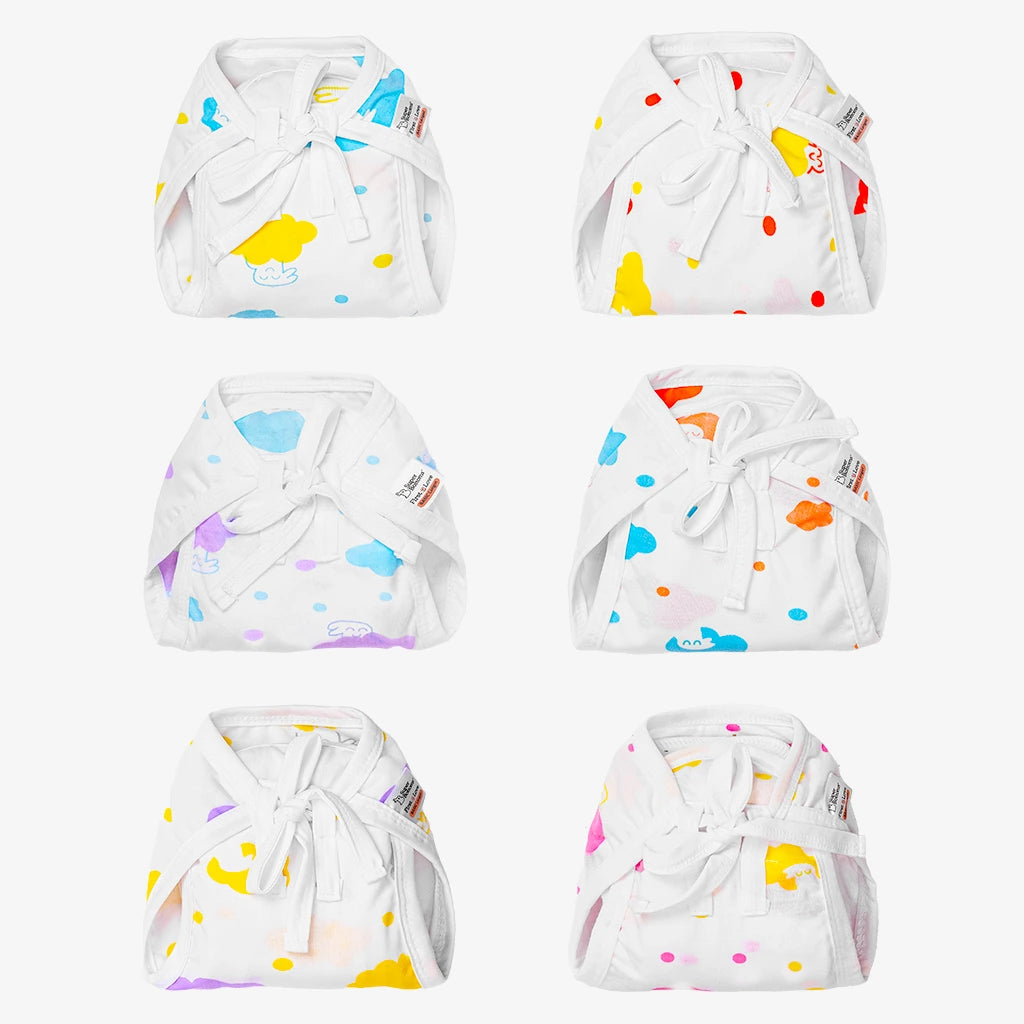
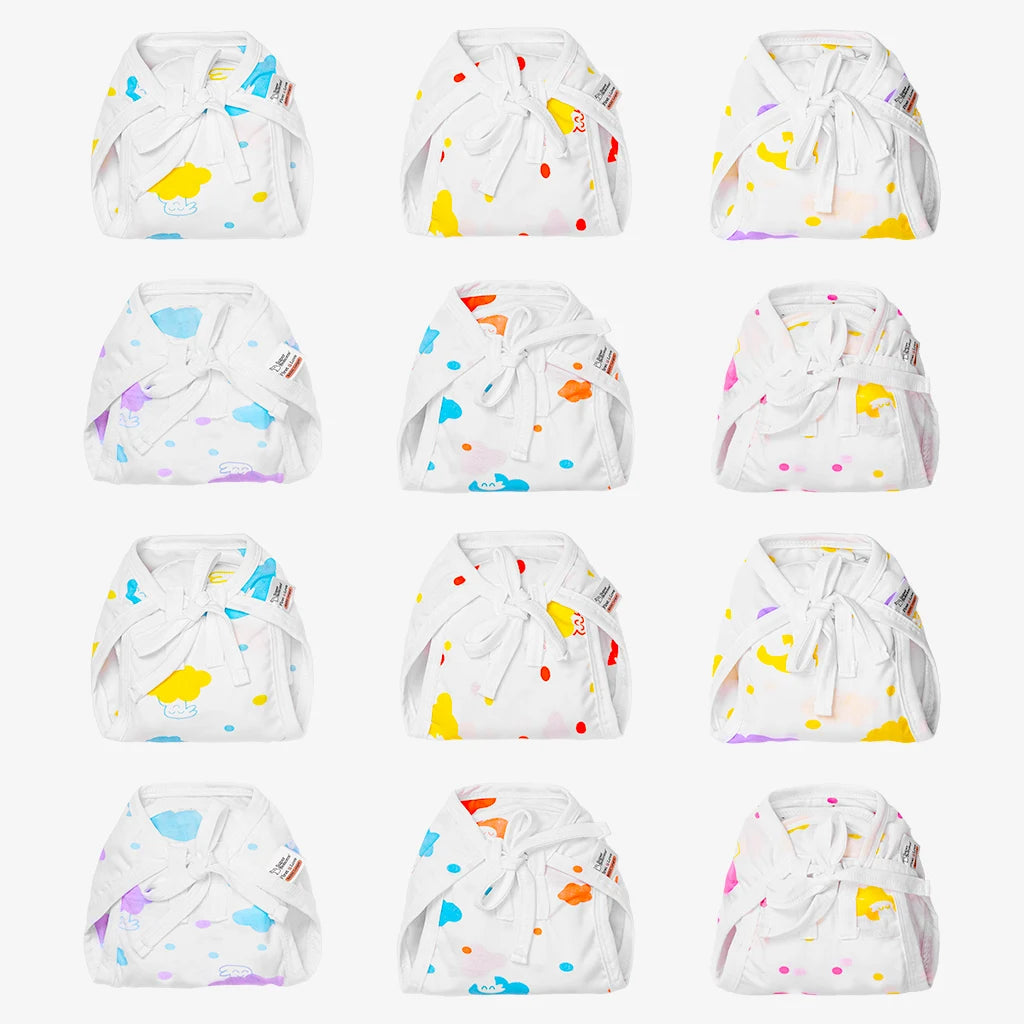
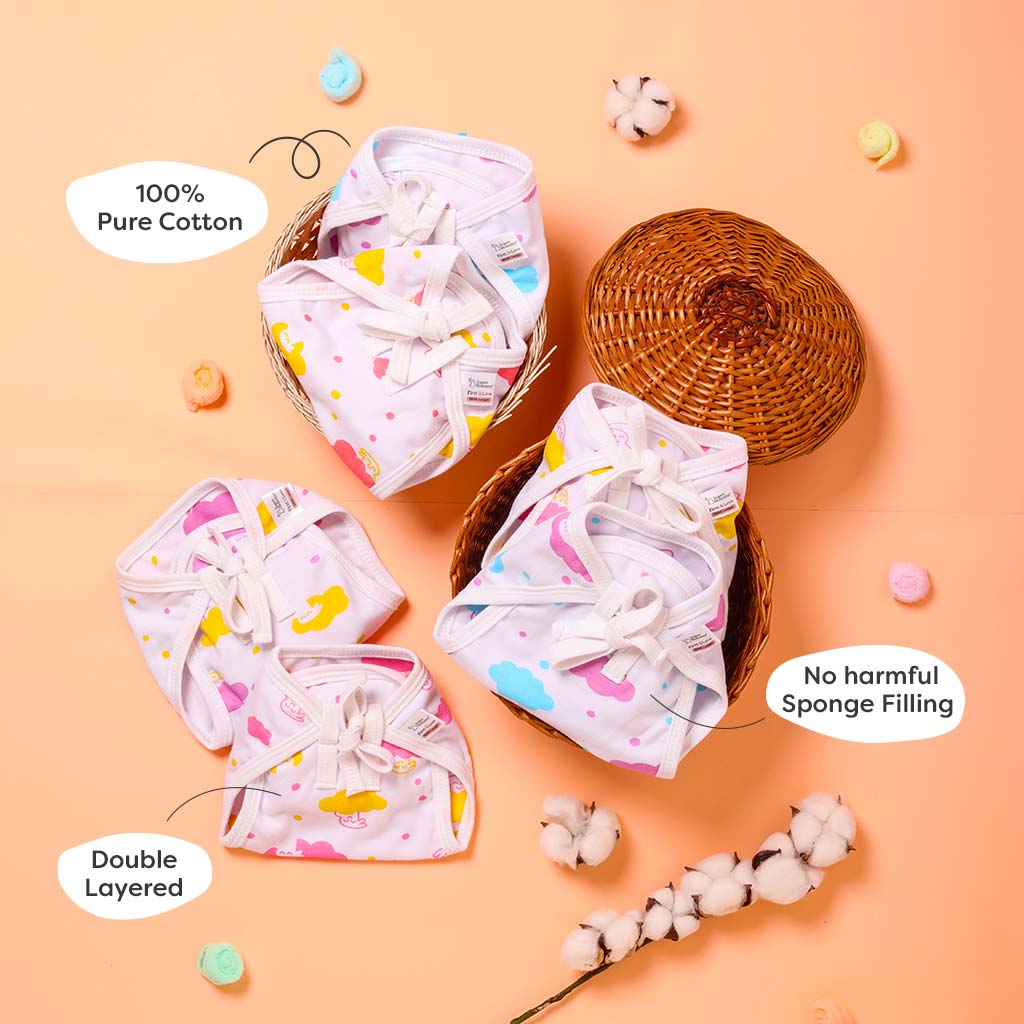
- Reusable cloth nappies
- Breathable fabrics
- Leak-proof inner layer
- Cost efficiency for newborn stages
Once pregnancy planning turns into newborn planning, many parents begin researching baby care products early.
What to Look For
— Absorbency: prevents frequent changes
— Skin safety: avoids irritation
— Ease of use: especially for night changes
— Value: reusable products reduce long-term costs
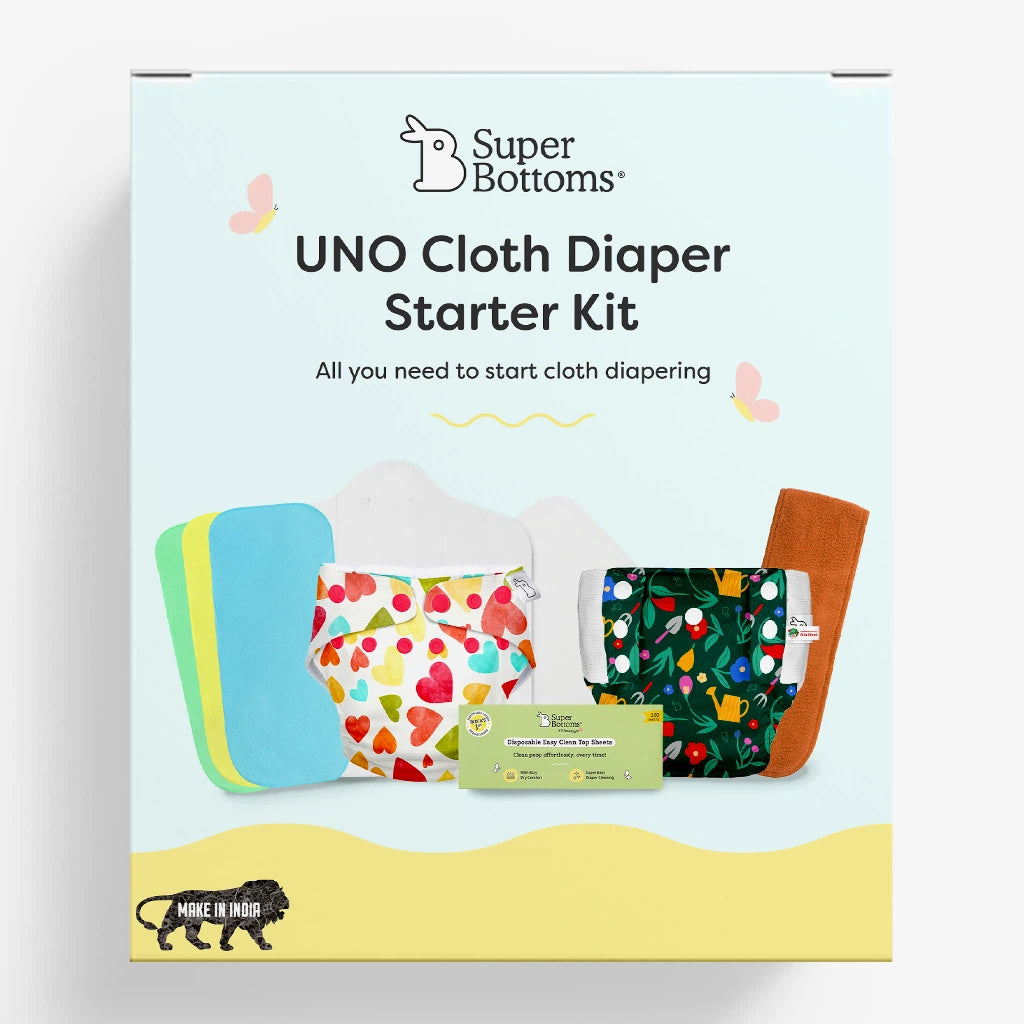
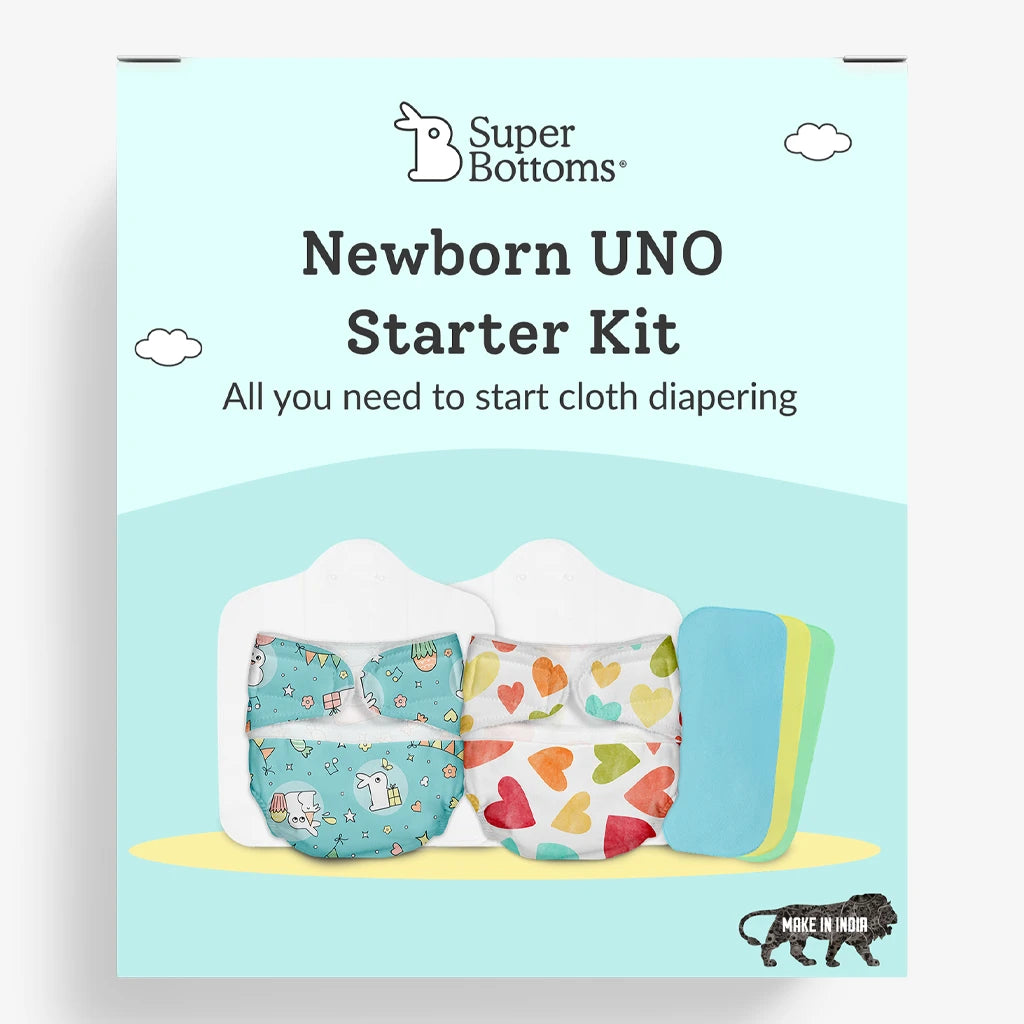
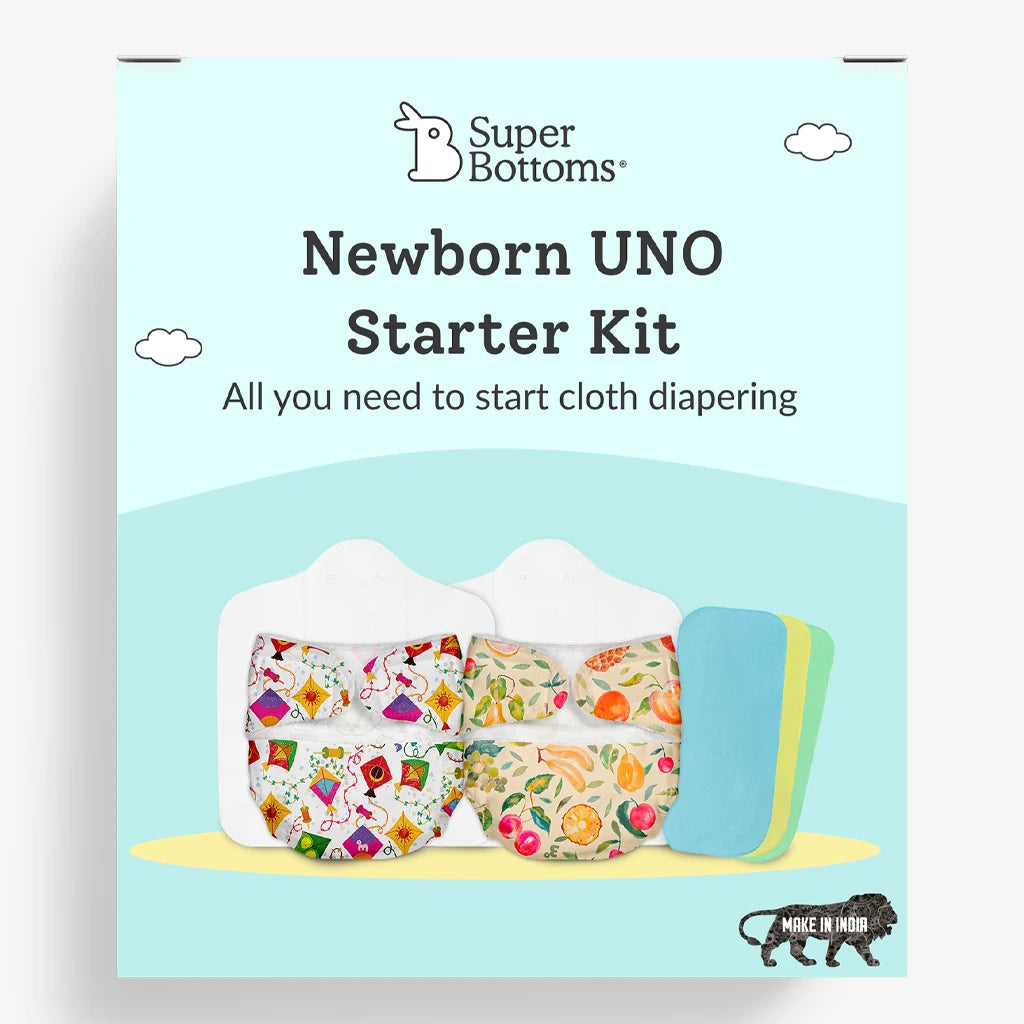
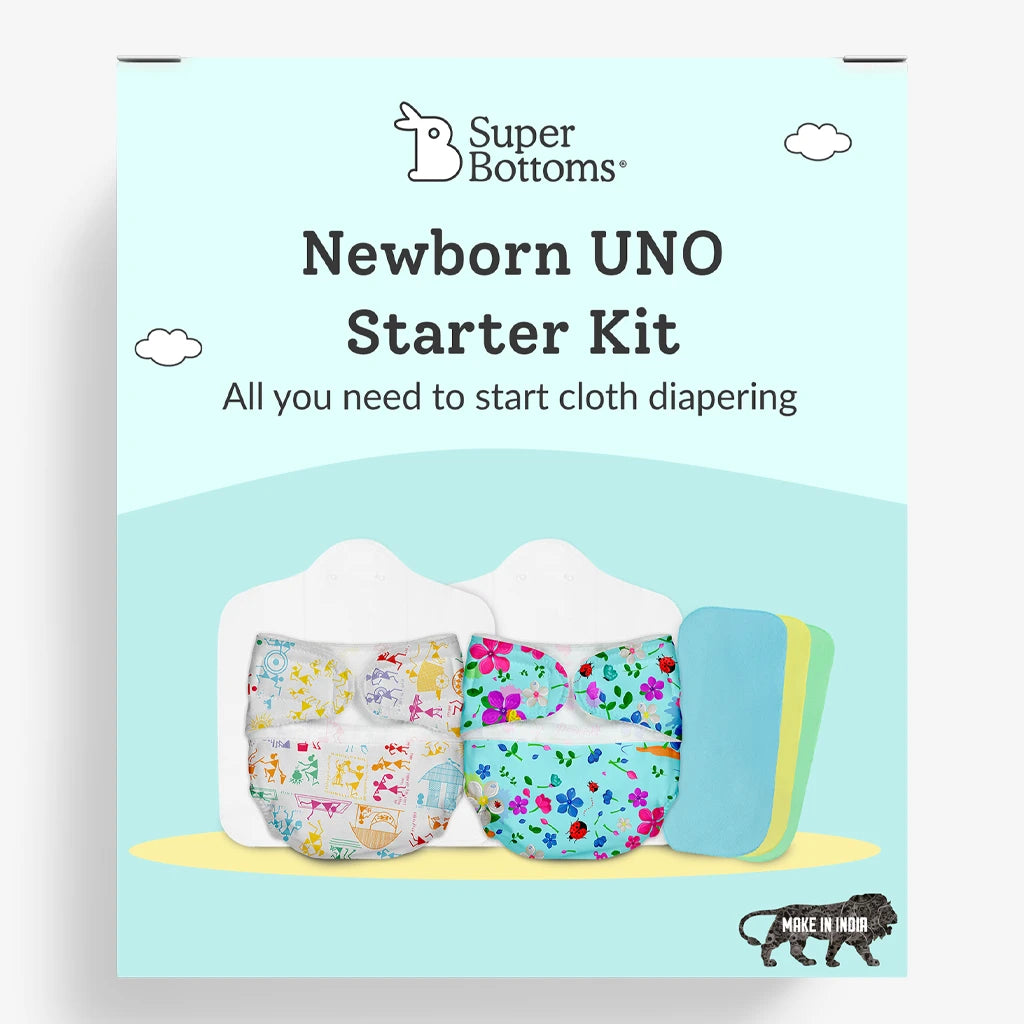
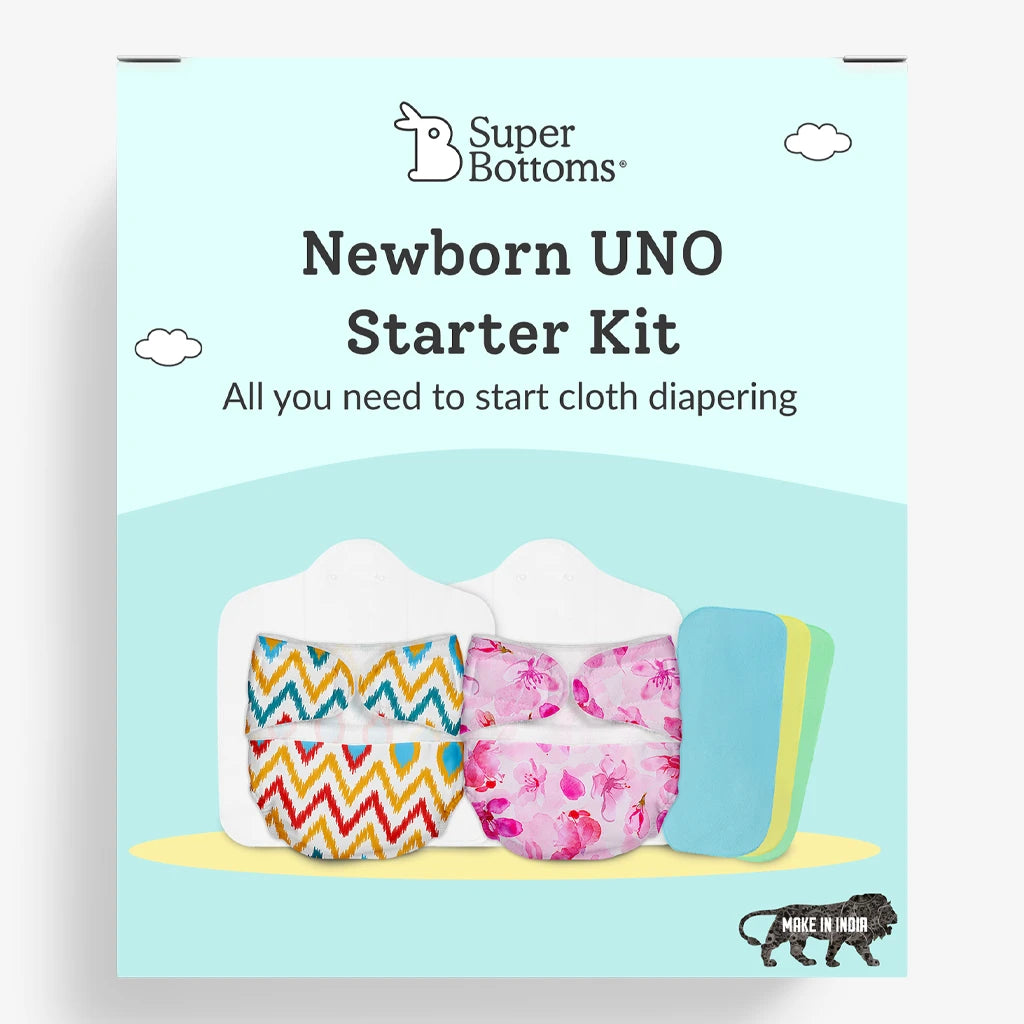
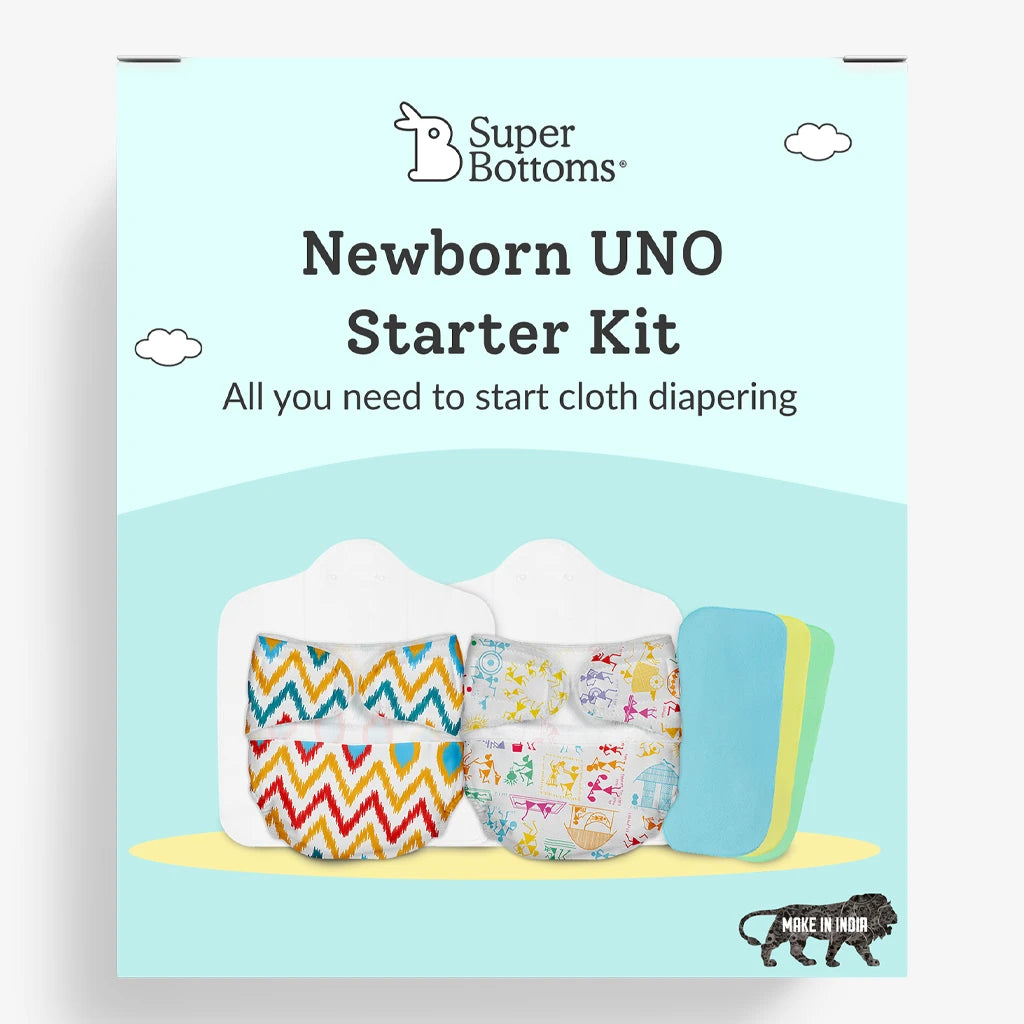
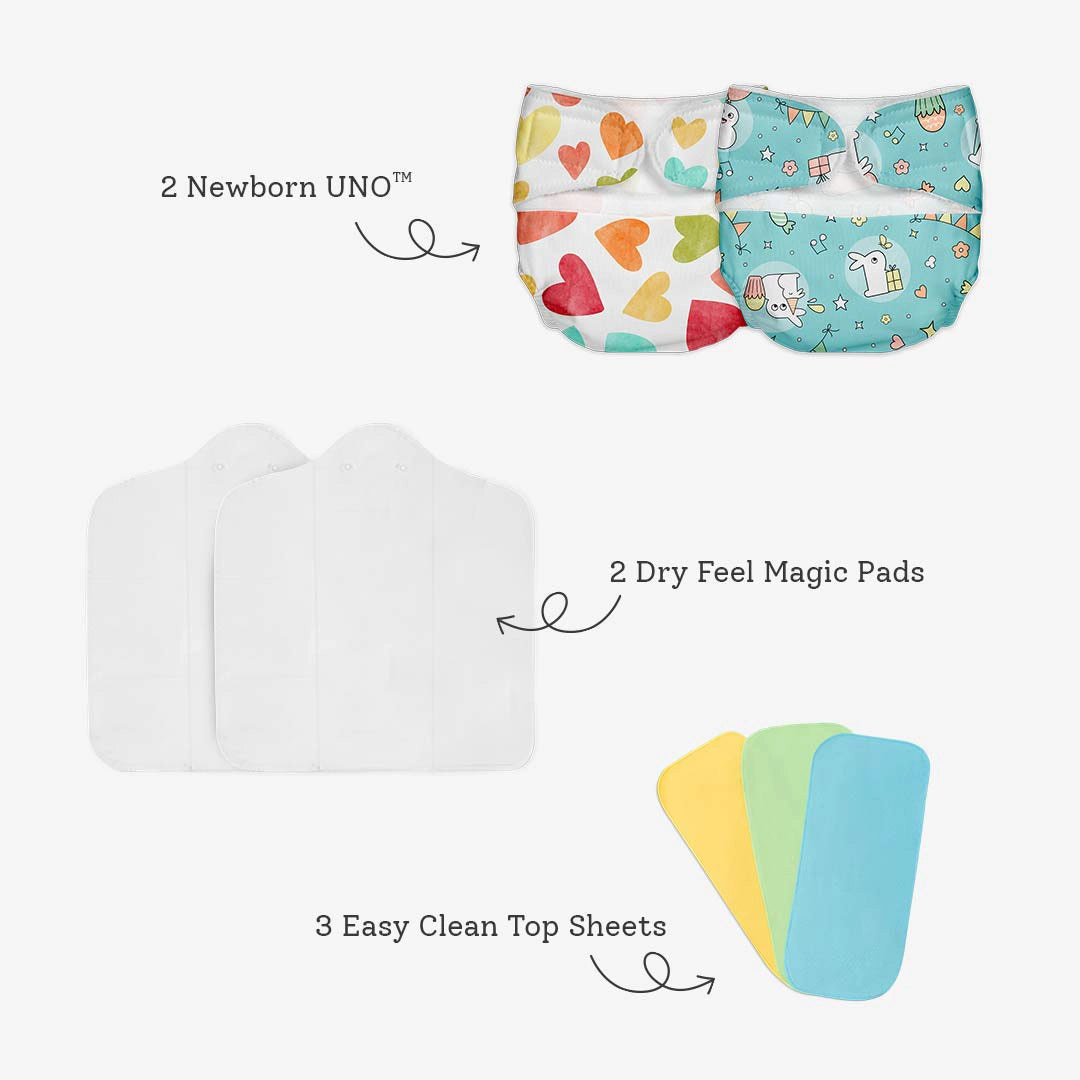
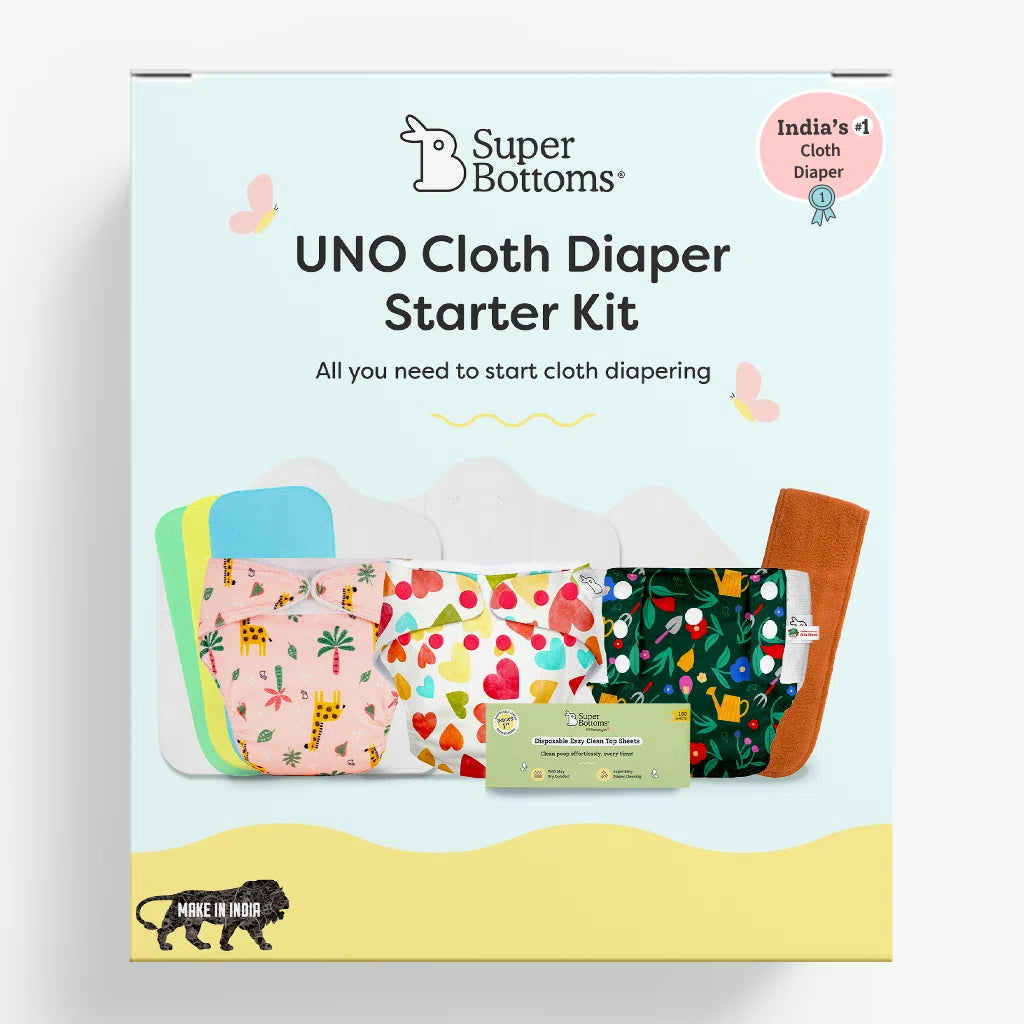
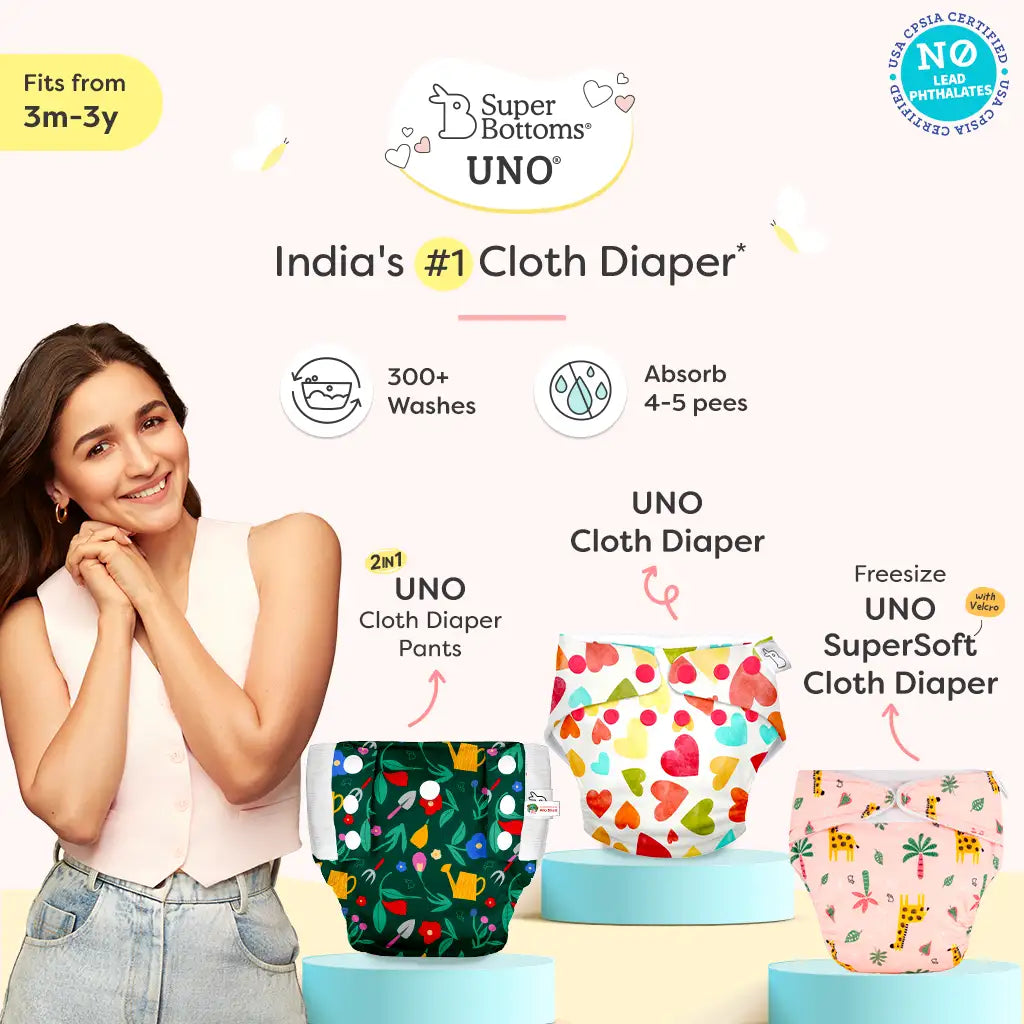
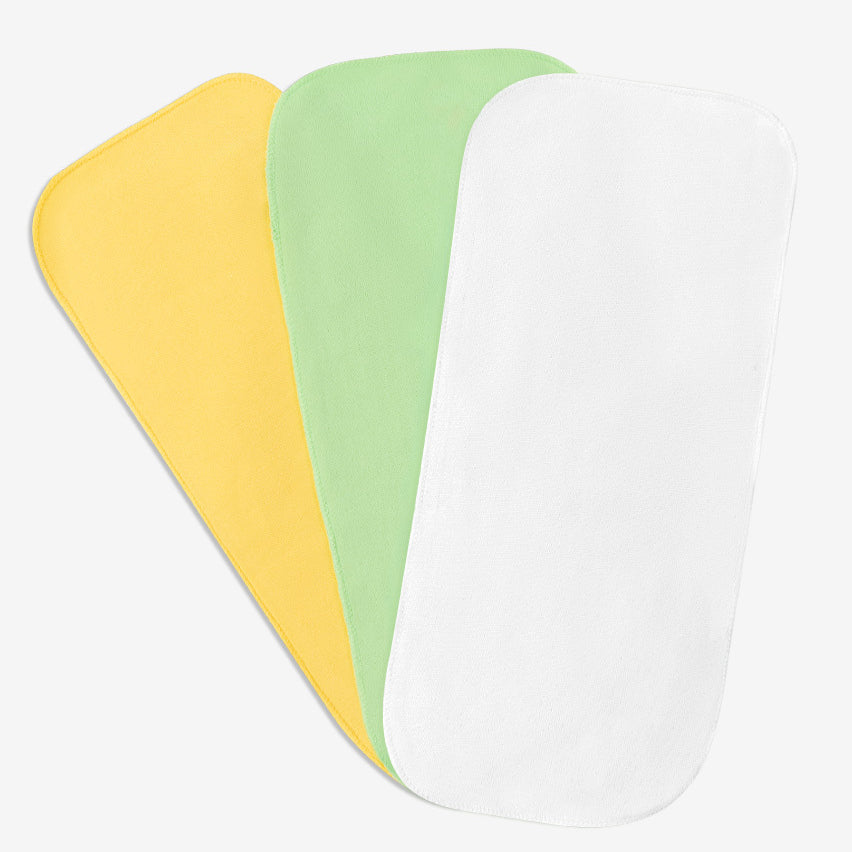
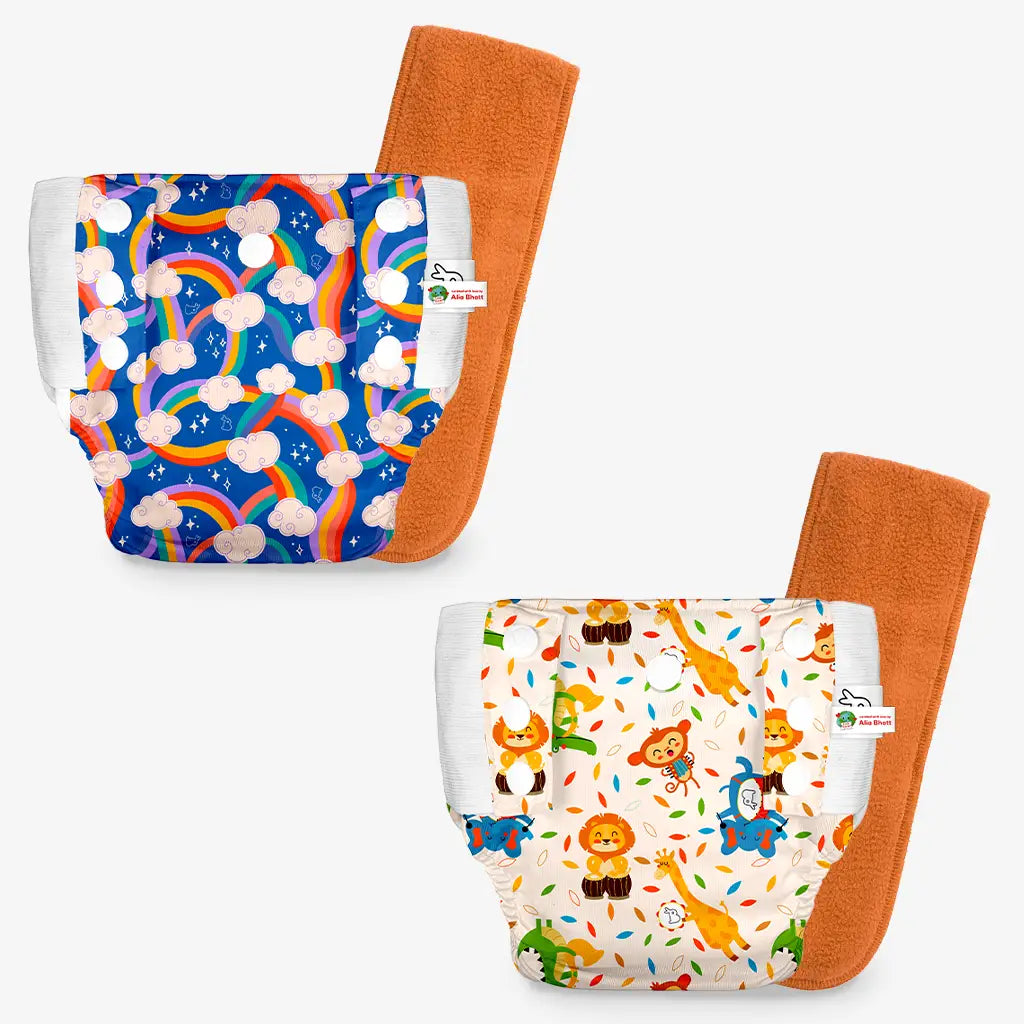
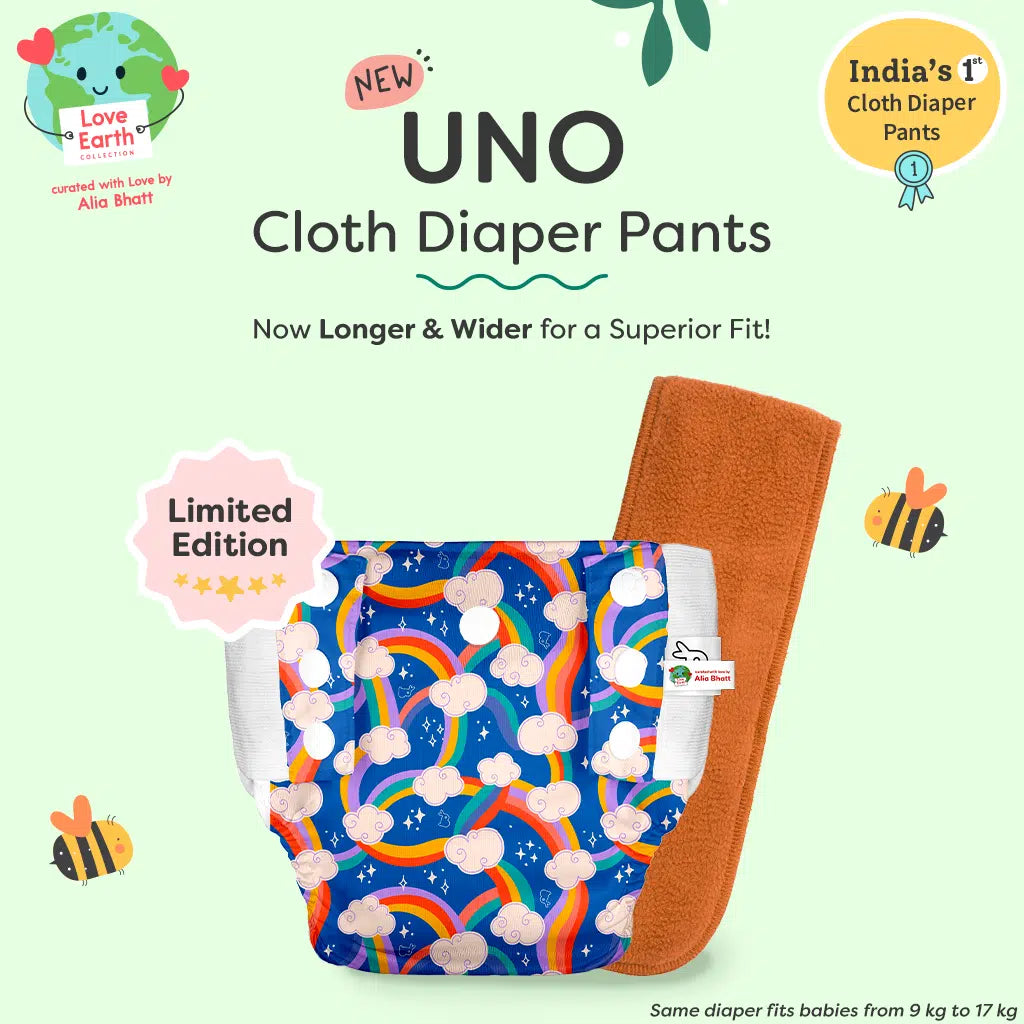
SuperBottoms Pick: UNO Cloth Diaper
Is It Worth Switching to Reusable Options?
Many expecting parents compare disposable vs reusable baby products during pregnancy.
Reusable options can help with:
- Long-term savings
- Reduced diaper waste
- Softer fabrics against baby skin
This is why many parents shortlist cloth diaper systems before delivery.
You can check product details → SuperBottoms reusable diaper guide.
Comparison Table: Baby Diaper Options
| Criteria | Disposable Diapers | Generic Cloth Nappies | SuperBottoms UNO |
|---|---|---|---|
| Reusable | No | Yes | Yes |
| Skin-friendly fabric | Moderate | Varies | High |
| Leak protection | High | Moderate | High |
| Long-term value | Lower | Moderate | High |
| Eco-friendly | Low | High | High |
| Ease of washing | N/A | Moderate | Easy system |
An ovulation calculator is a simple and useful starting point for identifying fertile days and planning conception. It works best when combined with cycle awareness, body signals, and healthy habits.
As you move from conception planning to newborn preparation, practical choices like reusable baby essentials can simplify the parenting journey.
Find the right fit → Shop SuperBottoms UNO.
|
Limited Time Offers + Special Gift Sets! Now or never Super SALE is live on the SuperBottoms website! Take advantage of unbeatable value deals on our UNO Cloth Diapers, Baby Essentials, and more. Looking for the perfect present for a newborn or a toddler? Explore our thoughtfully curated Gift Sets & Combos - safe, skin-friendly, and oh-so-cute! A bundle of love for little ones and a delight for parents. HURRY - Deals and Gift Packs are live only till stocks last. Don’t miss the chance to stock up and share the joy! |
Key Takeaways
- Ovulation calculators estimate fertile days using cycle length and period dates.
- Best conception chances are typically 1–2 days before ovulation and on ovulation day.
- Combining cycle tools with body signs improves accuracy.
FAQs
1. How many days after my period do I ovulate?
Usually 12–16 days before your next period, depending on cycle length.
2. Can I get pregnant outside my fertile window?
It is less likely but possible due to sperm survival and cycle variation.
3. Is ovulation always on day 14?
No. Ovulation timing depends on your individual cycle.
4. Can an ovulation calculator predict gender?
No, it only estimates fertile timing.
5. Are ovulation calculators accurate for irregular periods?
Less accurate. Additional tracking methods are recommended.
6. When should I use an ovulation calculator?
Start after recording 2–3 cycles for better prediction.
7. Where can I buy reusable cloth nappies in India?
Reusable cloth nappies are available through brand websites and marketplaces. SuperBottoms products can be purchased directly at superbottoms.com.
8. Is SuperBottoms worth the price?
For parents prioritising reusability, skin safety, and long-term savings, many find it cost-effective compared with repeated disposable purchases.
Message from SuperBottoms
Hi there, new parents! SuperBottoms brings you doctor-recommended cloth diapers, a trusted rash-free diapering solution specially designed for your baby's sensitive, delicate skin.
From Newborn UNO and Regular UNO to UNO Luxe, SuperBottoms offers reusable diapering solutions for every stage of your child's growth.
Our range also includes Diaper Pants, DryFeel langots for diaper-free time, Padded Underwear for potty training, as well as SuperSoft Underwear, Cycling Shorts and Joggers for growing kids.
Our collection also includes Period Underwear and bladder-leak solutions for women, along with everyday baby-care essentials.
SuperBottoms products also make thoughtful gifts for babies and new parents - practical, reusable and designed around the real needs of parents.
SuperBottoms products are now available on Amazon, Flipkart, FirstCry, Myntra, Nykaa, Blinkit, and Zepto.