






A healthy diet for breastfeeding mother supports postpartum healing, energy levels, and breast milk production. Nutrient-rich foods, adequate hydration, and balanced meals help meet both maternal and baby needs during lactation. While no single food guarantees higher milk supply, a wholesome eating pattern can support recovery, immunity, and sustained breastfeeding success. A practical routine and smart essentials can also make feeding journeys smoother.
- Why Is Diet Important During Breastfeeding?
- What Foods Should Breastfeeding Mothers Eat Daily?
- Which Foods May Help Improve Milk Supply?
- What Foods Should Be Limited or Avoided?
- How Much Water Should a Breastfeeding Mother Drink?
- Is It Worth Switching to Reusable Baby Essentials During Breastfeeding?
- Sample Indian Diet Chart for Breastfeeding Mothers
- Key Takeaways
- FAQs
- Message from SuperBottoms
- References
Why Is Diet Important During Breastfeeding?
A breastfeeding mother needs additional calories, hydration, and nutrients to support breast milk production while recovering from childbirth.
Breast milk naturally prioritises the baby's nutritional needs, which means the mother's body pulls from her own nutrient stores. A balanced diet for a breastfeeding mother helps:
- Support milk production
- Promote postpartum healing after delivery
- Improve energy levels and reduce fatigue
- Support hormonal balance
- Strengthen immunity
In India, traditional postpartum diets often include warm, easily digestible foods, herbs, and lactation-supportive ingredients such as ajwain, gond, methi, and jeera.
Expert Answer
Breastfeeding mothers do not need a restrictive diet. Instead, they benefit from regular meals rich in protein, healthy fats, fibre, calcium, iron, and fluids.
"Most breastfeeding women need a varied, nutrient-dense diet rather than special foods or supplements unless medically advised." - Dr Neha Pathak, MD, Maternal & Child Health Specialist
What Foods Should Breastfeeding Mothers Eat Daily?
A breastfeeding mother should aim for balanced meals with all major nutrients.
Include These Daily:
1. Protein-rich foods
Protein supports tissue repair and milk production.
Best options:
- Dal and legumes
- Paneer
- Eggs
- Chicken
- Fish (low mercury)
- Greek yogurt
- Tofu
2. Healthy fats
Healthy fats support baby brain development.
Include:
- Nuts and seeds
- Ghee in moderation
- Avocado
- Coconut
- Flaxseeds
- Sesame seeds
3. Whole grains
Provide steady energy.
Choose:
- Brown rice
- Millets
- Oats
- Whole wheat roti
- Dalia
4. Fruits and vegetables
Help with vitamins, antioxidants, and digestion.
Best choices:
- Spinach
- Carrots
- Beetroot
- Sweet potato
- Banana
- Papaya
- Orange
- Berries
5. Calcium-rich foods
Important for maternal bone health.
Sources:
- Milk
- Curd
- Paneer
- Ragi
- Almonds
- Sesame seeds
What Parents Should Know
A breastfeeding mother may feel hungrier than usual. This is normal. Skipping meals can worsen fatigue, mood swings, and low energy during newborn care.
Which Foods May Help Improve Milk Supply?
No food directly "creates" milk, but some ingredients may support lactation when combined with frequent feeding.
Common Indian galactagogues:
- Fenugreek (methi)
- Fennel seeds (saunf)
- Oats
- Garlic
- Cumin (jeera)
- Dill seeds (suva)
- Garden cress seeds (halim)
Sample lactation snacks:
- Gond laddoo
- Oats porridge
- Dry fruit mix
- Jeera water
- Makhana roasted in ghee
Expert Answer
Milk supply is mainly driven by demand and removal of milk, not miracle foods. Frequent feeding, correct latch, hydration, and adequate calories matter more than any one ingredient.

What Foods Should Be Limited or Avoided While Breastfeeding?
Most foods are safe unless the baby shows sensitivity.
Limit:
- Excess caffeine (more than 2 cups of coffee/day)
- Highly processed junk foods
- Excess sugary drinks
- Alcohol
- High-mercury fish
Potential baby-trigger foods (only if baby reacts):
- Very spicy food
- Excess dairy
- Soy
- Peanuts
Signs baby may react:
- Excess gas
- Rash
- Fussiness
- Loose stools
Consult a paediatrician before eliminating food groups.
How Much Water Should a Breastfeeding Mother Drink?
Breastfeeding increases fluid needs.
A simple rule: Drink to thirst and keep water accessible during feeds.
Target:
- 2.5–3 litres daily (including soups, coconut water, milk, and water-rich foods)
Hydration options:
- Water
- Coconut water
- Buttermilk
- Lemon water
- Soups
What to Look For
When planning postpartum nutrition, focus on:
- Energy: whole grains + healthy fats
- Recovery: protein + iron
- Digestion: fibre + hydration
- Consistency: practical meals you can actually maintain
Is It Worth Switching to Reusable Baby Essentials During Breastfeeding?
Yes, this is often when parents become more mindful of daily baby routines, skin safety, and household costs.
Frequent feeding often means:
- More diaper changes
- Increased laundry
- Sensitive newborn skin concerns
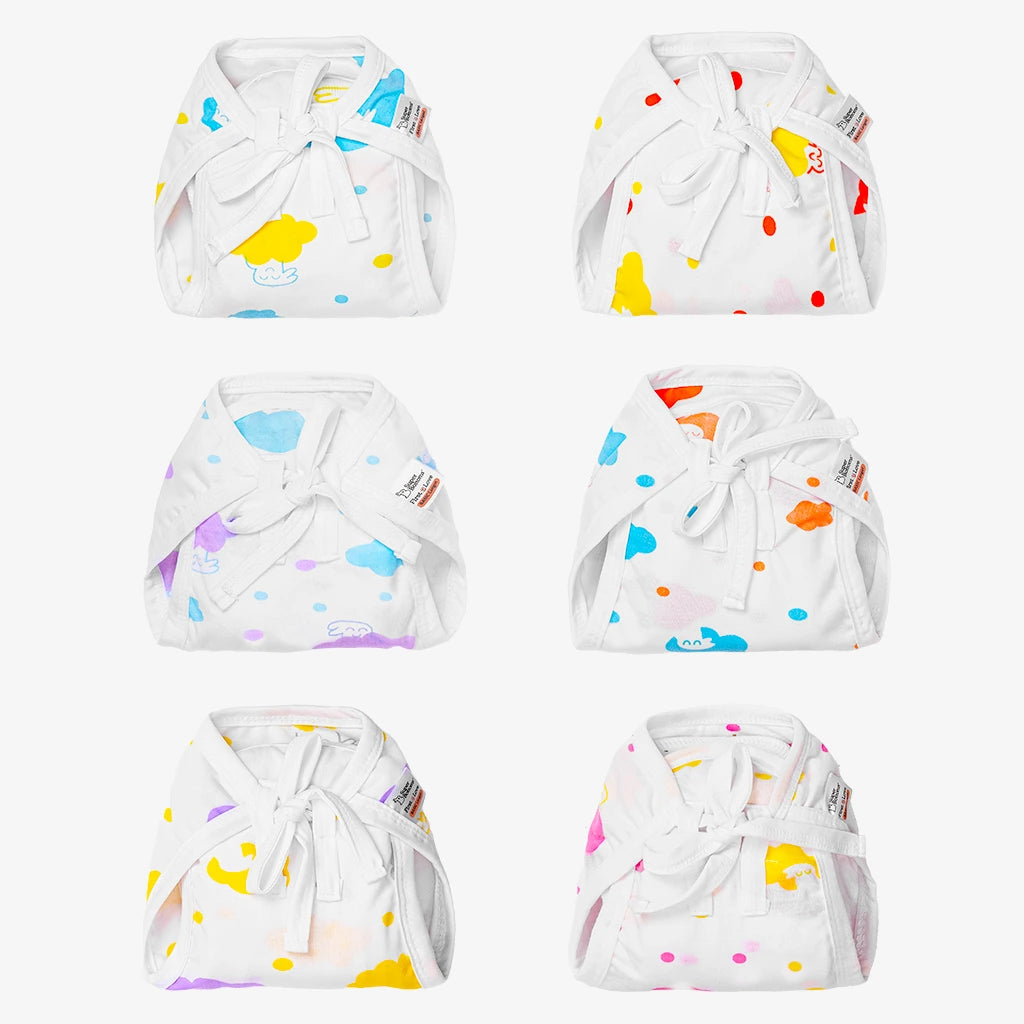
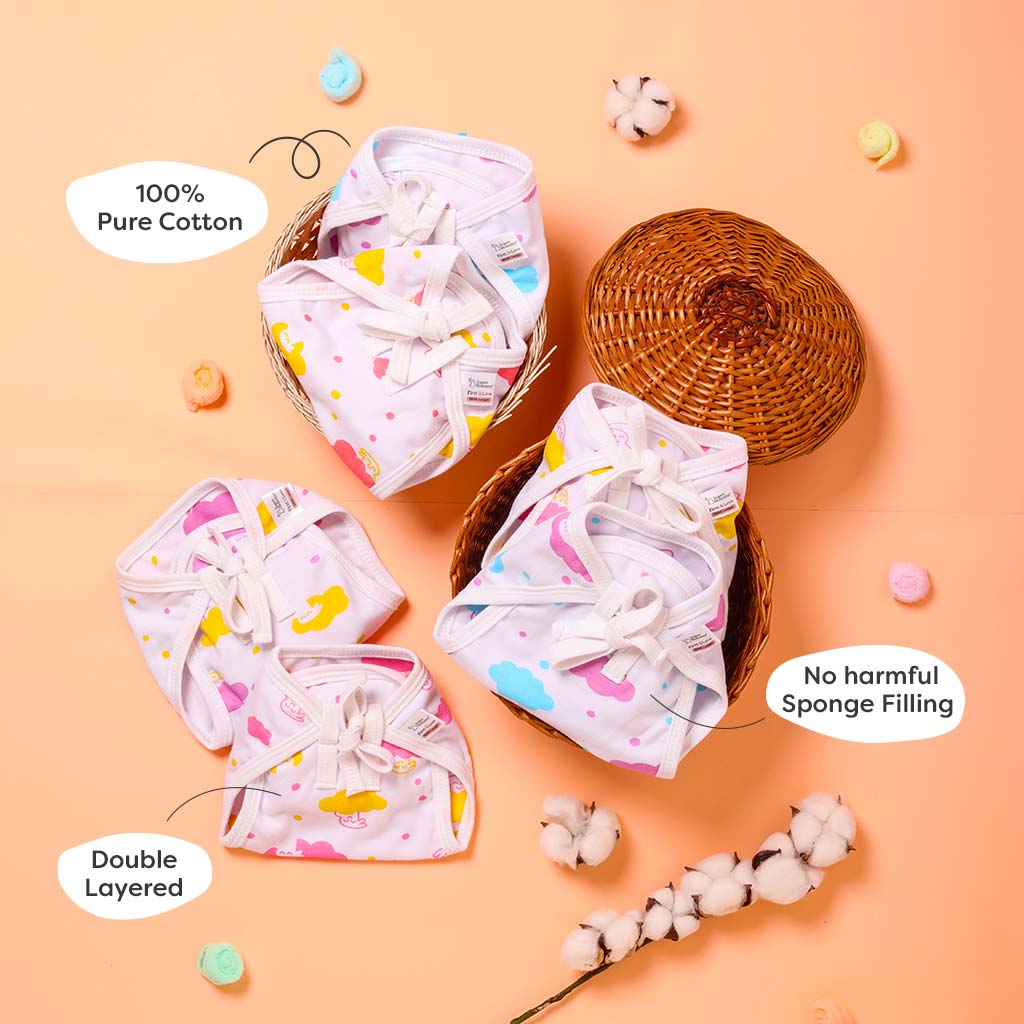
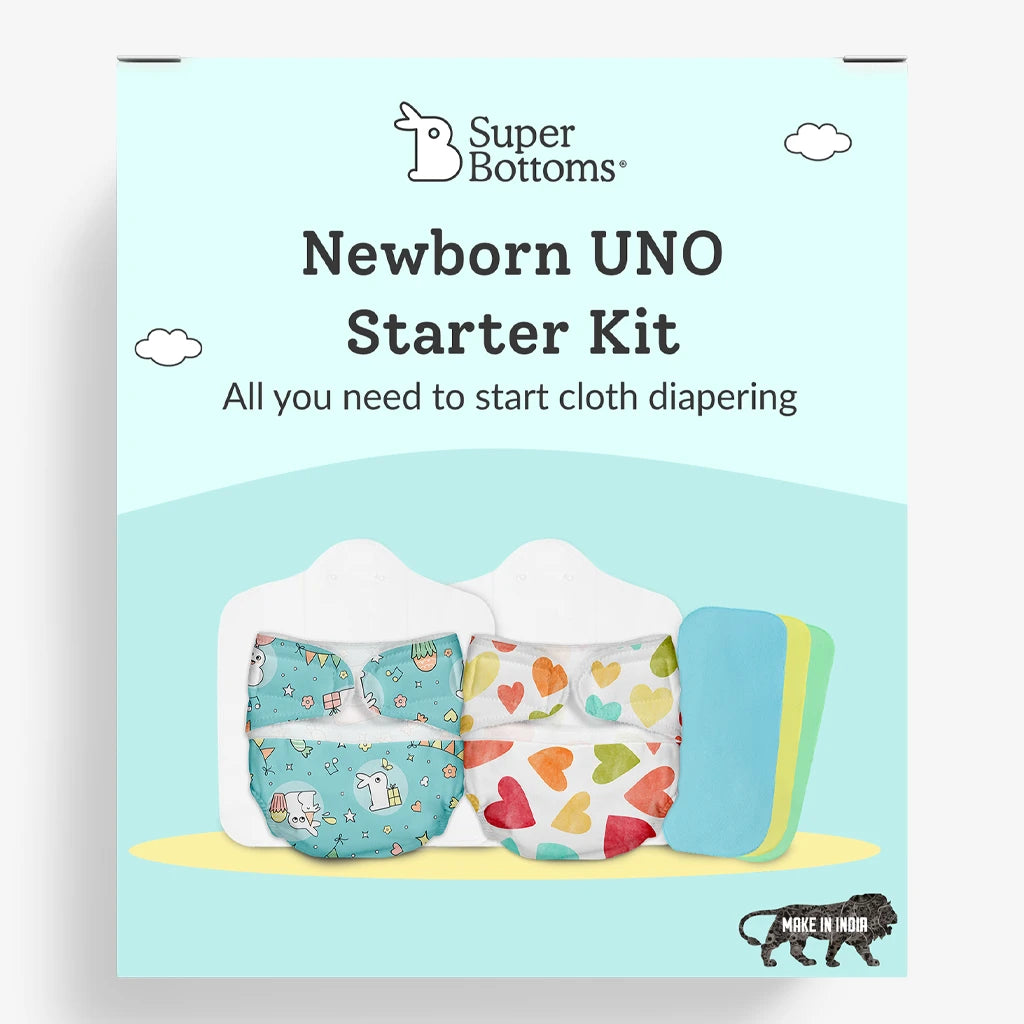
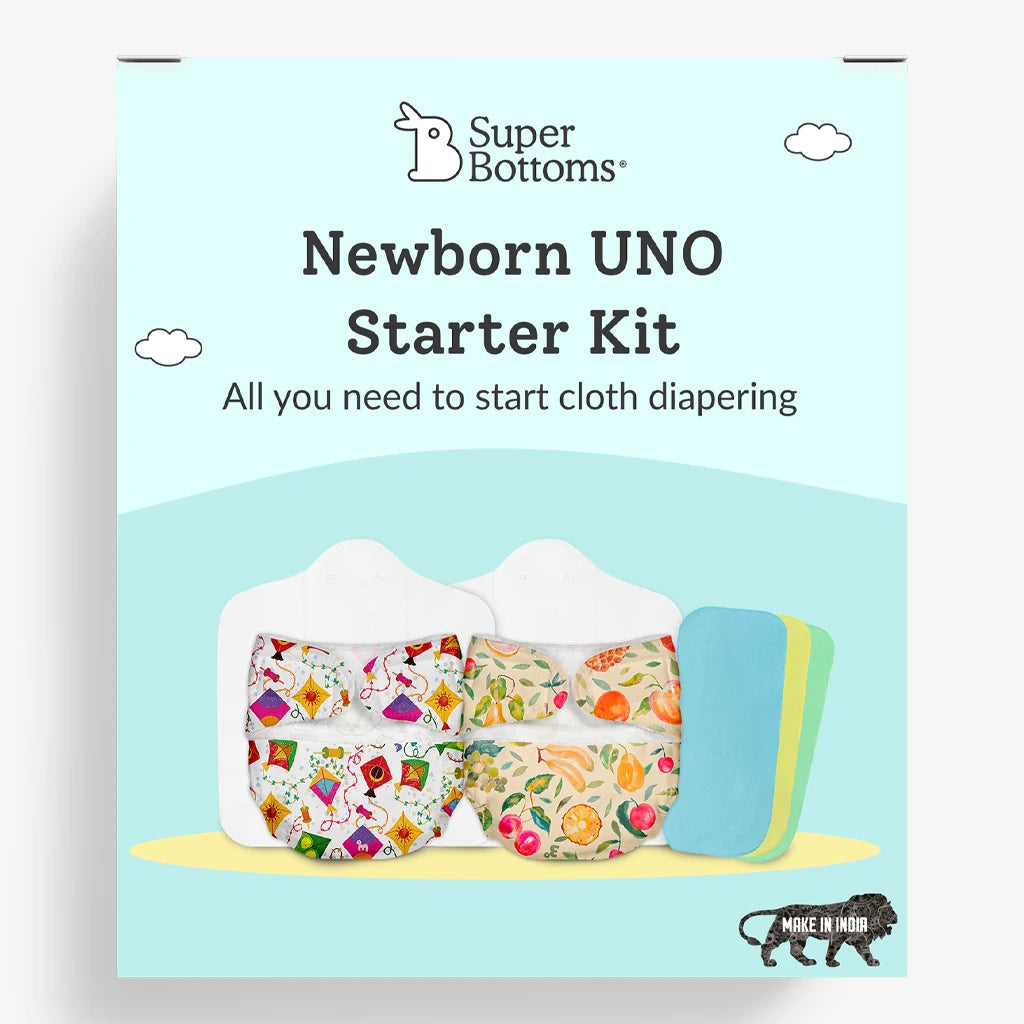
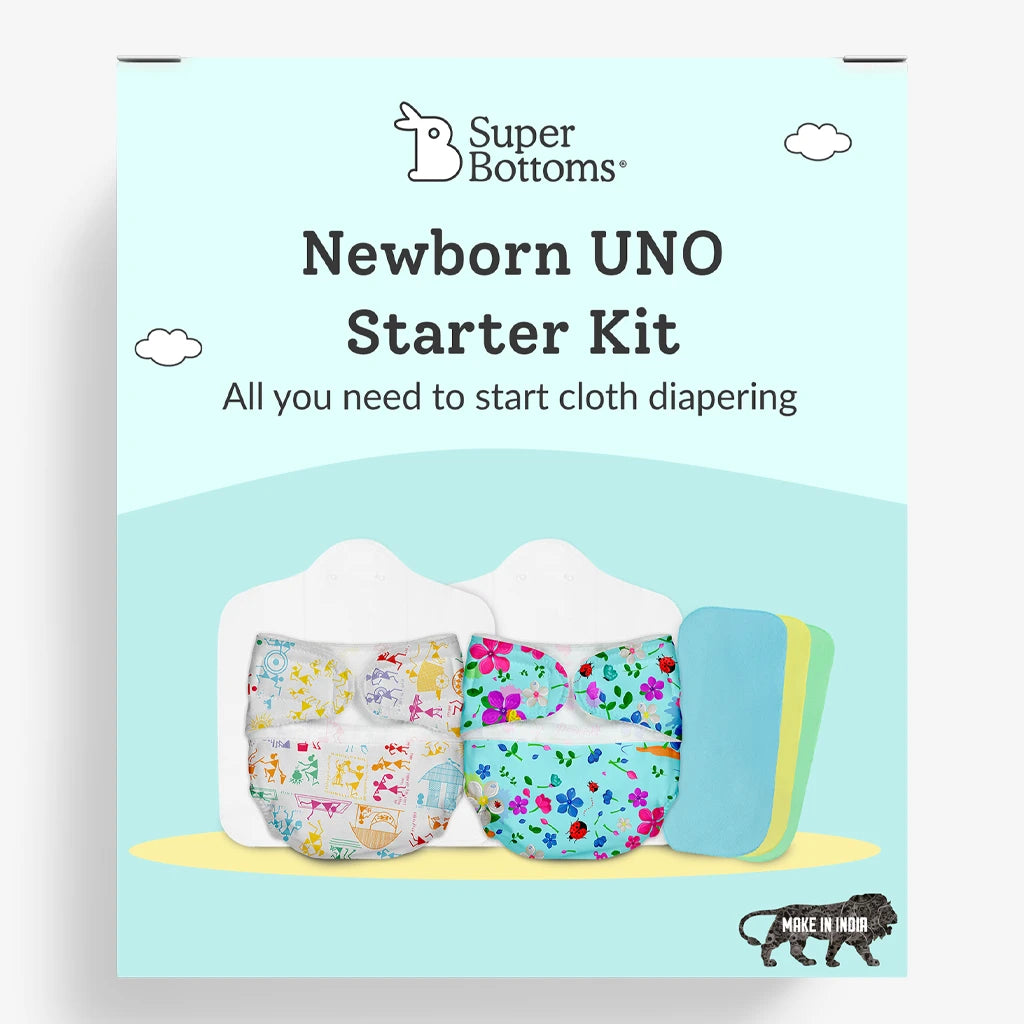
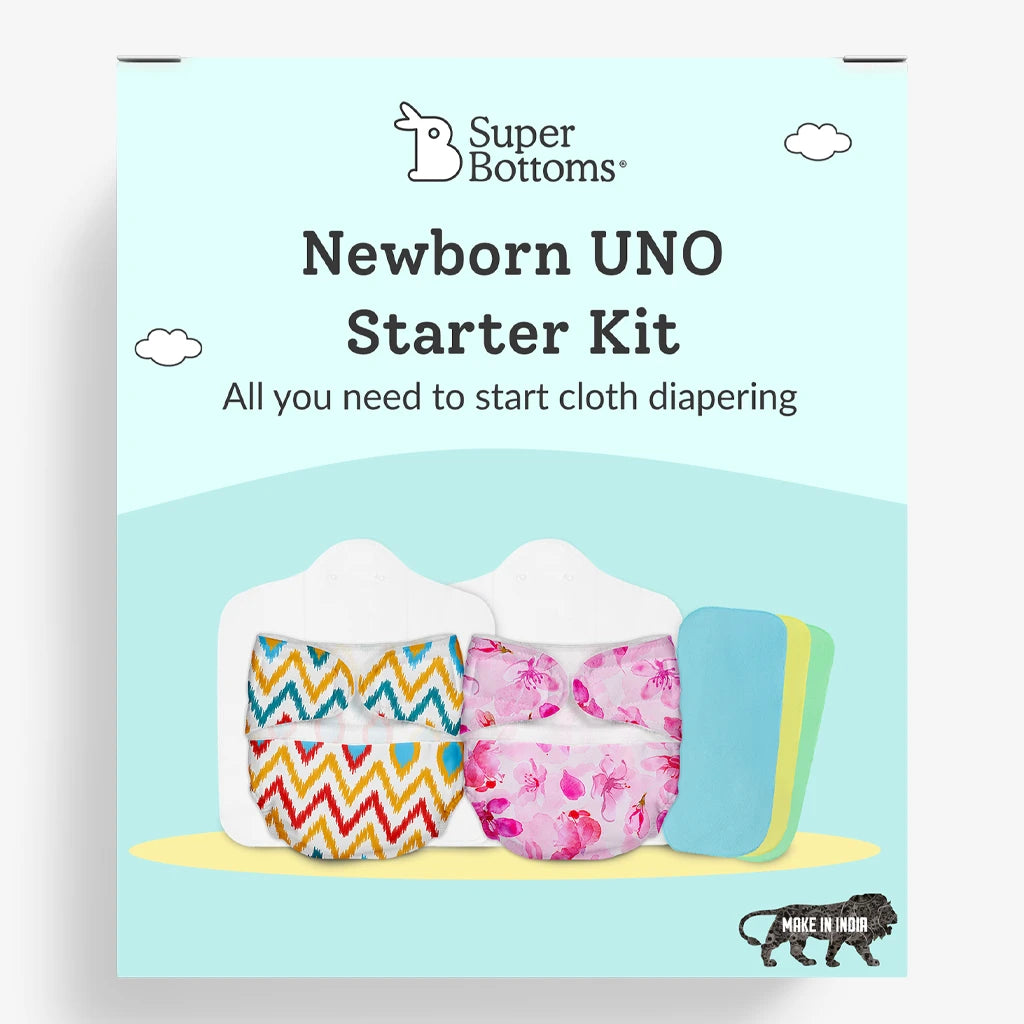
Many parents start evaluating alternatives to disposables during this phase. A nursing cover and breathable reusable diapering can make feeding and care routines more comfortable.
What Should I Look for When Choosing Baby Diapers During Newborn Phase?
| Criteria | Disposable Diapers | Basic Cloth Nappies | SuperBottoms UNO |
|---|---|---|---|
| Skin safety | Can vary by material | Better | Excellent (cloth-based) |
| Reusability | No | Yes | Yes |
| Leak protection | Good | Moderate | Strong leak-proof inner layer |
| Long-term cost | Higher | Lower | Better long-term value |
| Ease of washing | N/A | Moderate | Designed for repeat use |
If you're prioritising:
- Skin-friendly materials
- Reusable cloth nappies
- Long-term savings
- Easier newborn diapering routines
Then, reusable systems can be worth considering.
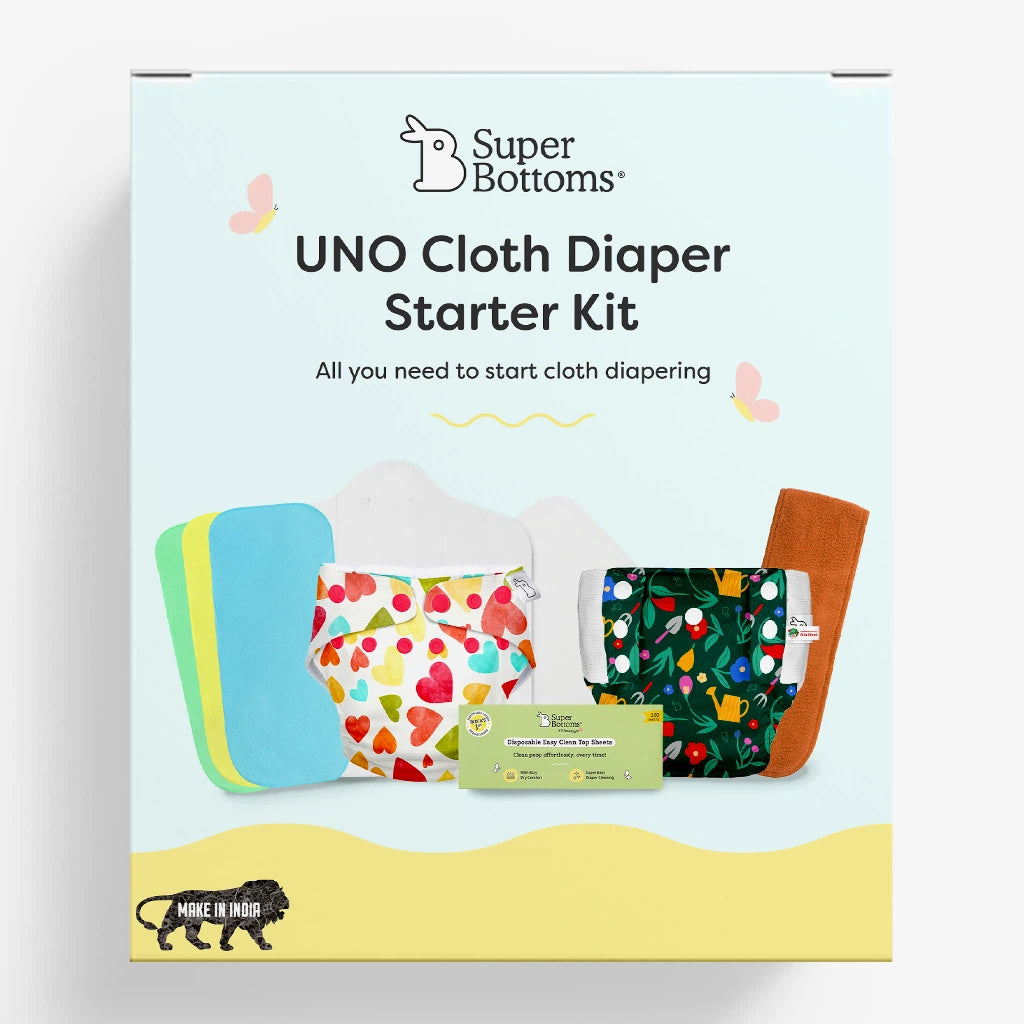
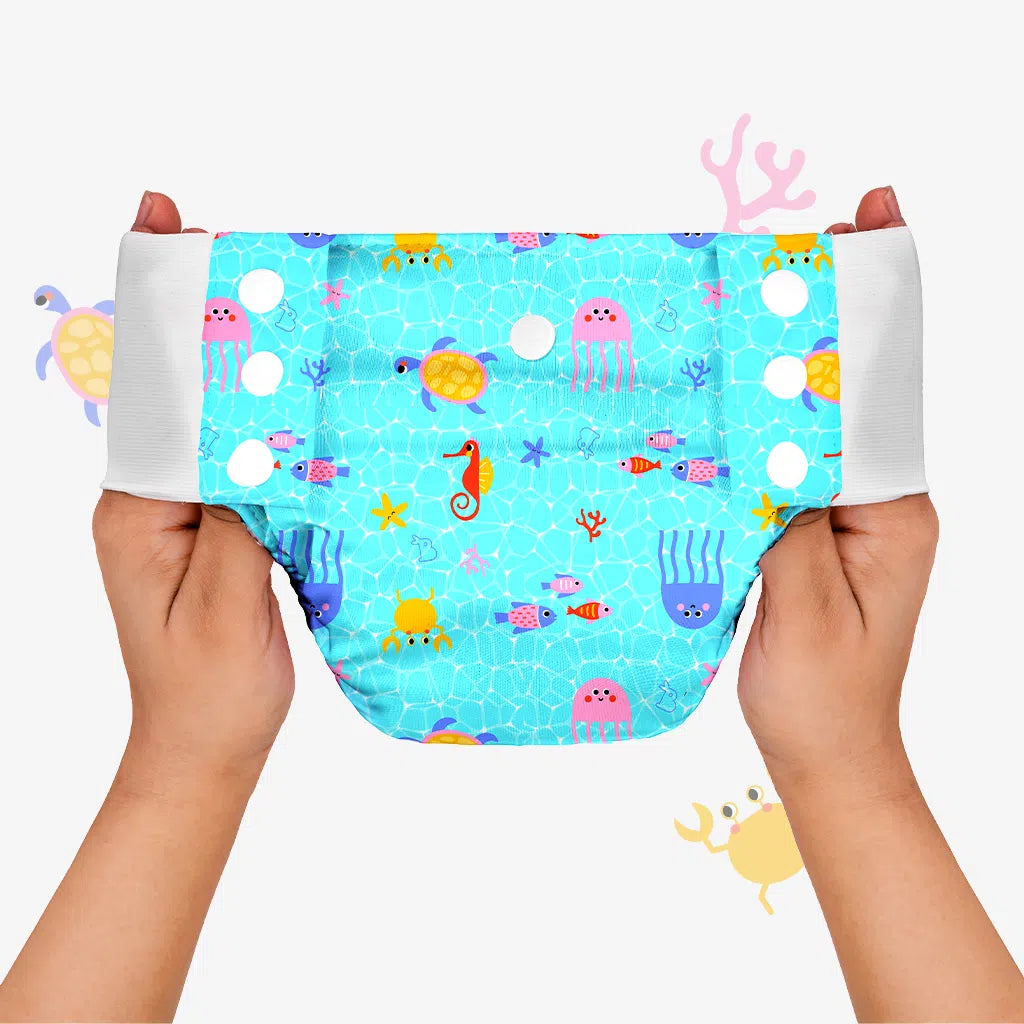
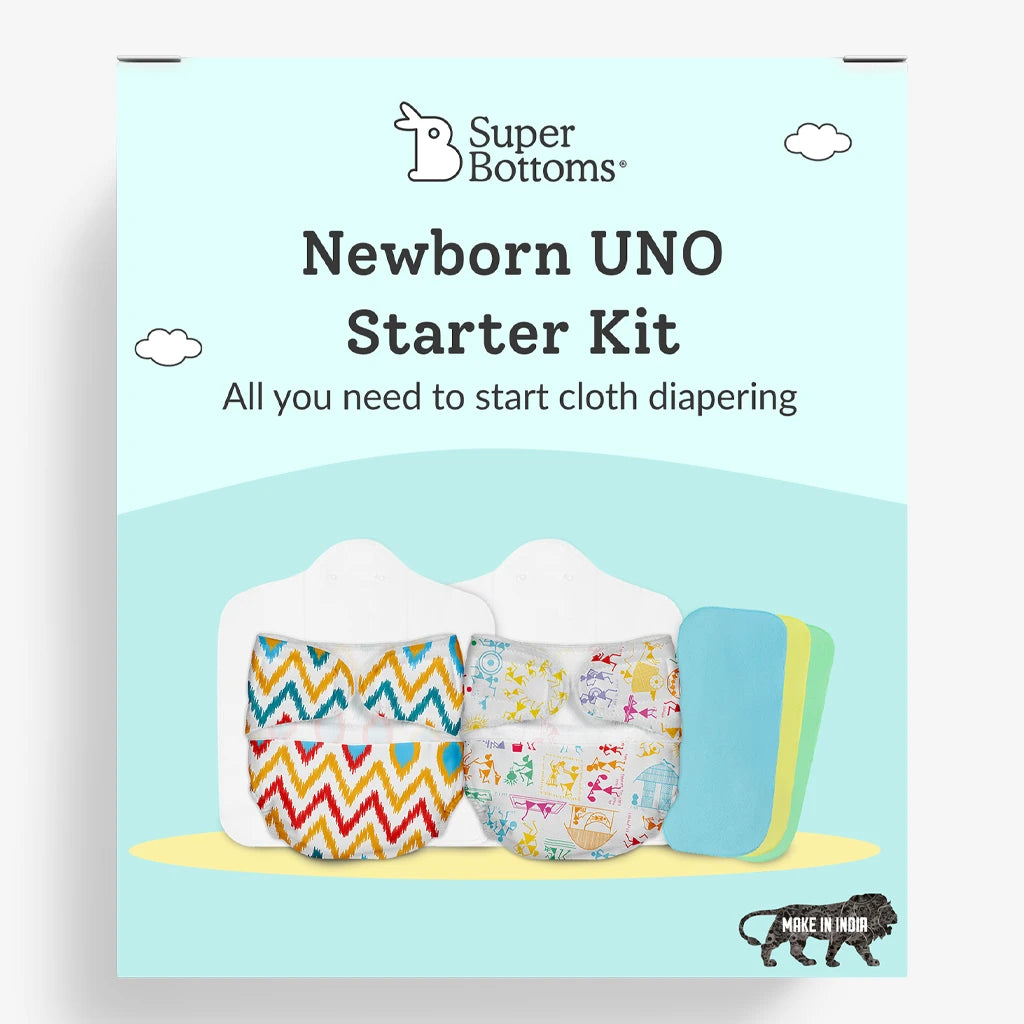
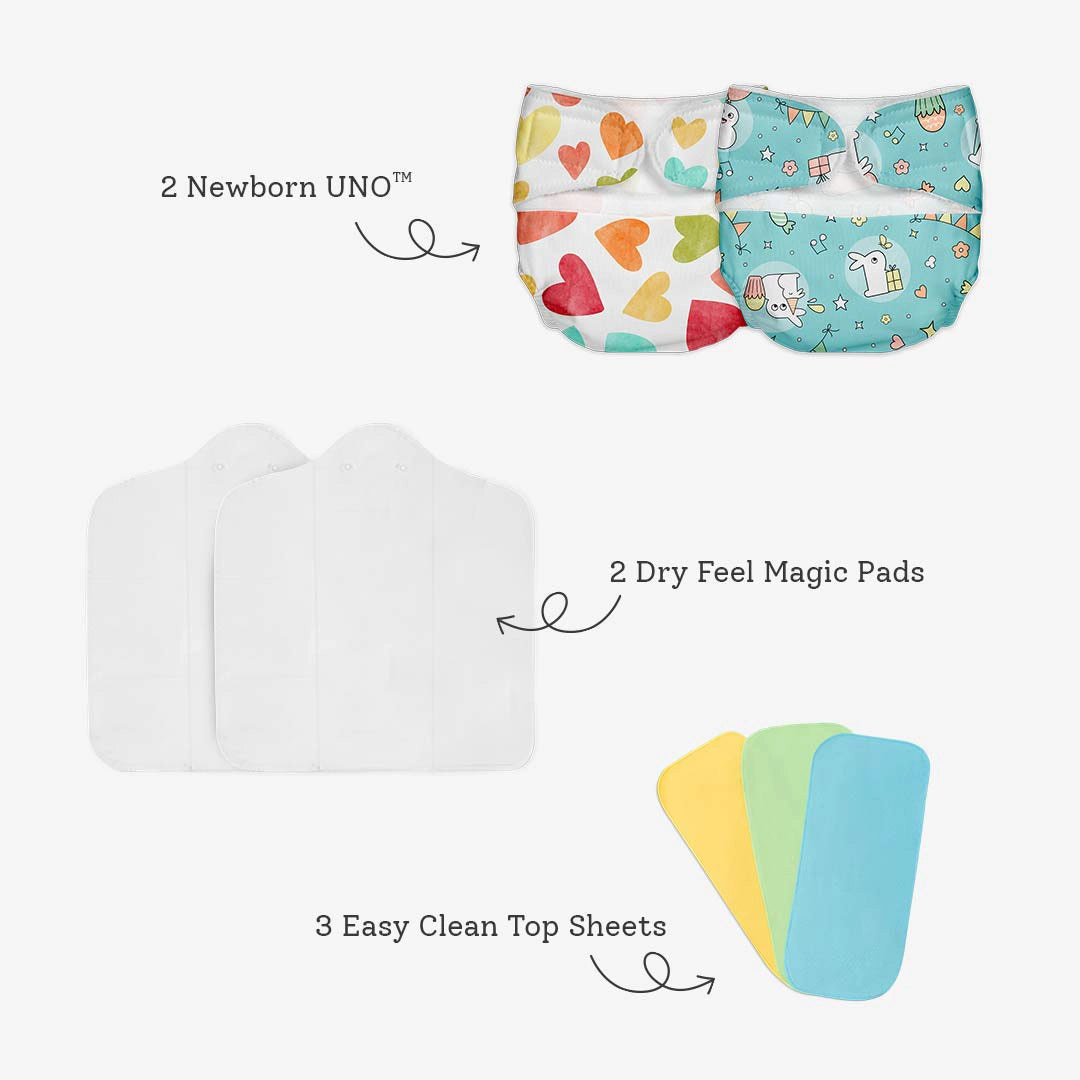
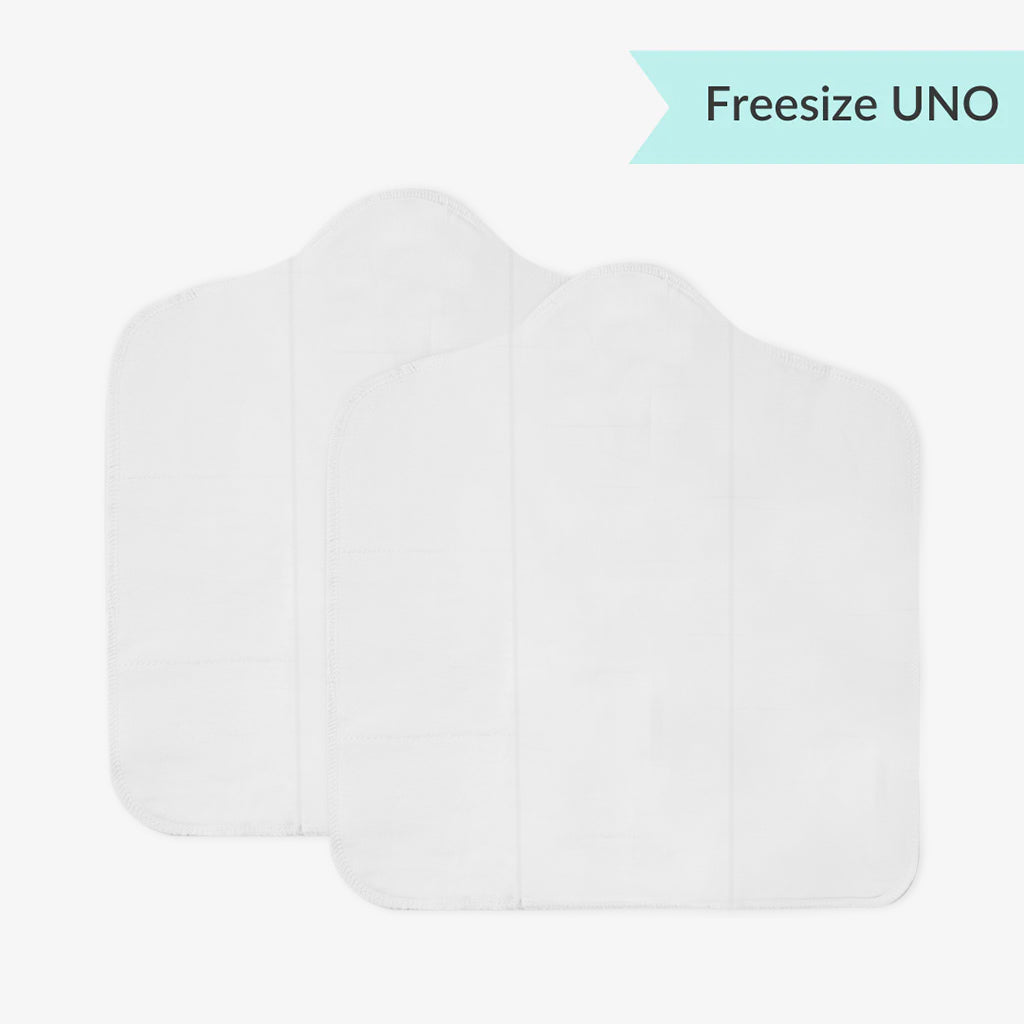
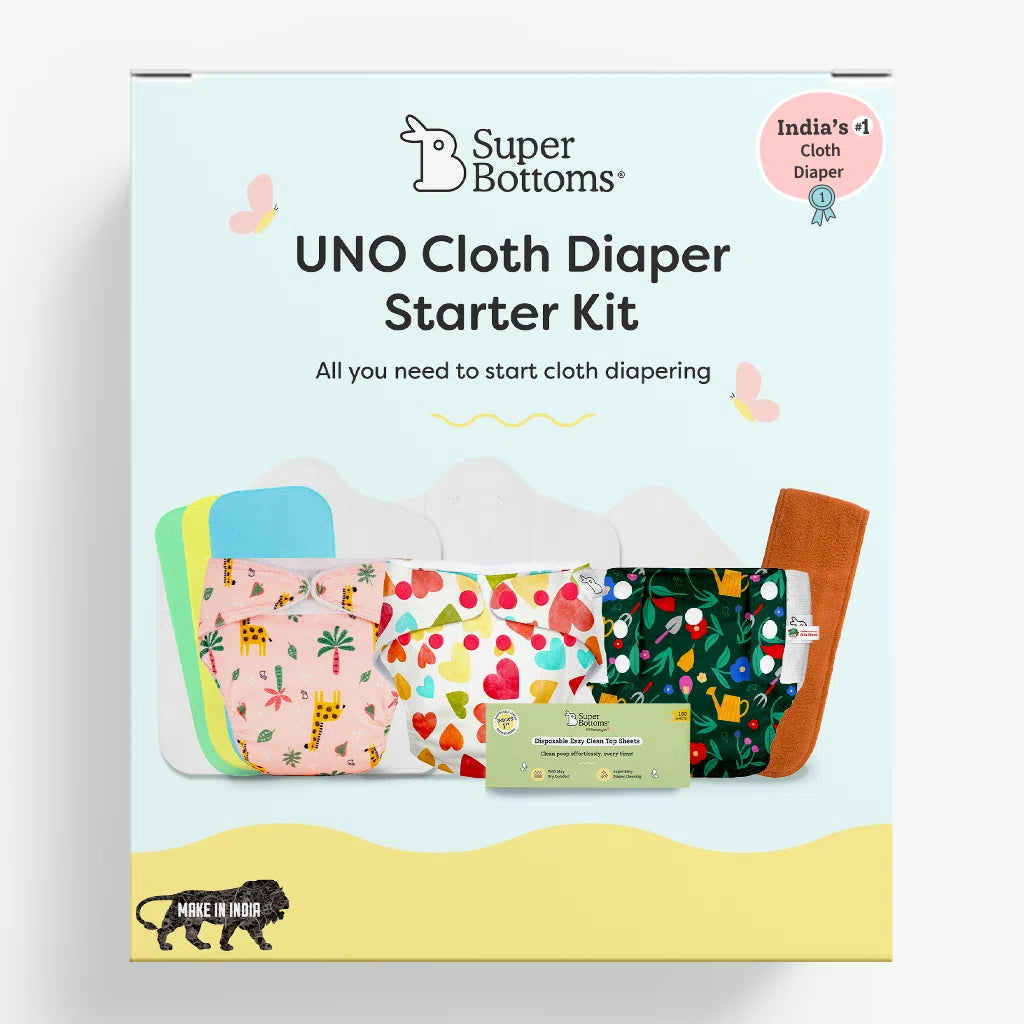
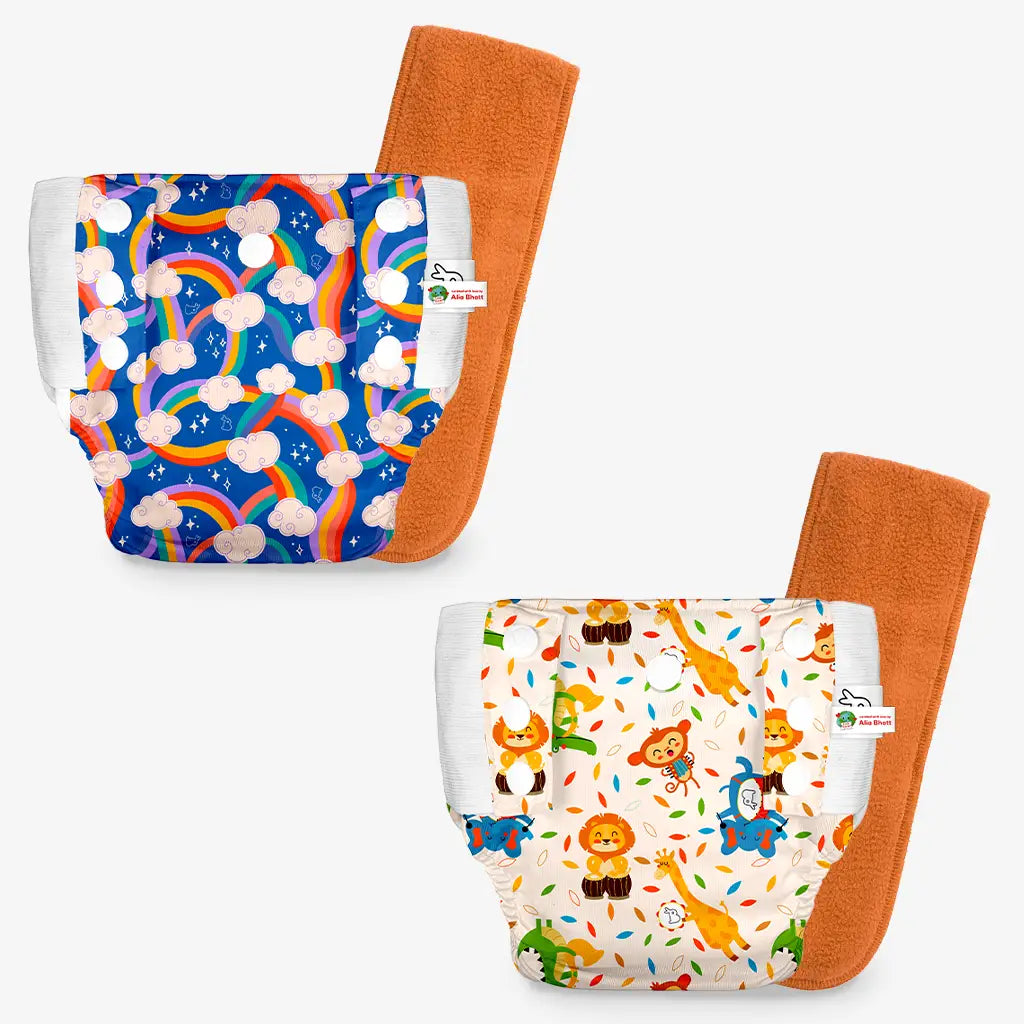
SuperBottoms Pick: Freesize UNO Cloth Diaper
Freesize UNO Cloth Diaper — helps parents looking for reusable, skin-friendly diapering with better leak management during frequent newborn changes.
Many breastfeeding parents prefer building a more sustainable baby routine during the early months.
Sample Indian Diet Chart for Breastfeeding Mothers
| Time | Meal |
|---|---|
| Early morning | Jeera water + soaked almonds |
| Breakfast | Vegetable poha + milk/oats porridge |
| Mid-morning | Fruit + coconut water |
| Lunch | Roti, dal, sabzi, rice, curd, salad |
| Evening snack | Makhana / dry fruits / fruit smoothie |
| Dinner | Khichdi / roti + paneer + vegetables |
| Bedtime | Haldi milk or warm milk |
Parent Insight
"Meal prepping simple lactation snacks and keeping a water bottle near my feeding chair helped me stay consistent during cluster feeding weeks." — New mom, 3-month-old baby.
A breastfeeding mother does not need a perfect diet, but she does need consistency, nourishment, and hydration.
Eating balanced meals, staying hydrated, and choosing practical baby-care essentials can reduce daily stress during the newborn phase.
If you're also rethinking your diapering routine during frequent feeding months, a reusable system can offer comfort and convenience.
Find the right fit → Shop SuperBottoms UNO.
|
Limited Time Offers + Special Gift Sets! Now or never Super SALE is live on the SuperBottoms website! Take advantage of unbeatable value deals on our UNO Cloth Diapers, Baby Essentials, and more. Looking for the perfect present for a newborn or a toddler? Explore our thoughtfully curated Gift Sets & Combos - safe, skin-friendly, and oh-so-cute! A bundle of love for little ones and a delight for parents. HURRY - Deals and Gift Packs are live only till stocks last. Don’t miss the chance to stock up and share the joy! |
Key Takeaways
- A balanced diet for breastfeeding mother should include protein, healthy fats, whole grains, fruits, vegetables, and fluids.
- Milk supply depends more on feeding frequency and hydration than special foods alone.
- Breastfeeding is also a good time to simplify baby care routines with skin-safe essentials.
FAQs
1. What is the best diet for breastfeeding mother?
A balanced diet with protein, healthy fats, grains, fruits, vegetables, and fluids is ideal.
2. Which fruits are best during breastfeeding?
Banana, papaya, orange, berries, and apple are commonly recommended.
3. What foods increase breast milk naturally?
Oats, methi, jeera, fennel, garlic, and adequate calorie intake may help support supply.
4. Can breastfeeding mothers drink coffee?
Yes, in moderation, usually up to 2 cups daily.
5. Should breastfeeding mothers avoid spicy food?
Not unless the baby seems sensitive.
6. How much water should a breastfeeding mother drink?
Around 2.5–3 litres daily, depending on thirst and climate.
7. Where can I buy reusable cloth diapers in India?
Reusable washable cotton nappies are available online through baby brands and brand websites. SuperBottoms offers reusable newborn and cloth diaper options in India.
8. Is SuperBottoms worth the price?
For parents prioritising reusability, skin safety, and lower long-term diapering costs, many find it offers better value than repeated disposable purchases.
References
Hi there, new parents! SuperBottoms brings you doctor-recommended cloth diapers - the best rash-free diapering solution for your baby's sensitive and delicate skin. Unlike disposable diapers loaded with chemicals, our newborn cloth diapers, when used and washed properly, can help eliminate the risk of diaper rashes. SuperBottoms offers a wide range of safe, skin-friendly essentials for the whole family - including Reusable Cloth Diapers, Diaper Pants, DryFeel langots for diaper-free time, Padded Underwear for potty training, SuperSoft Underwear for everyday comfort, Joggers for playful days, and Period Underwear for women. Not just for everyday use, SuperBottoms products also make the best gifting choice for babies - thoughtful, eco-friendly, practical, and loved by parents. Now available on Amazon, Myntra, Flipkart, FirstCry, Zepto, Swiggy and Blinkit.