



Parents often compare cloth diapers and langots to balance comfort, convenience, and leak protection. While langots are simple and breathable, modern cloth diapers offer better absorbency and ease of use. Choosing the right option depends on your baby’s age, routine, and your lifestyle.
The right pick is the one that keeps your baby dry, comfortable, and your day manageable.
Table of Content
- What Is a Langot and How Is It Used?
- What Is a UNO Cloth Diaper?
- UNO Diaper vs Langot: What’s the Difference?
- Which Type Works Best for Different Situations?
- What Should I Look for When Choosing Between Them?
- Is It Worth Switching to Cloth Diapers?
- Comparison Table: UNO vs Langot
- Key Takeaways
- FAQs
- Message from SuperBottoms
What Is a Langot and How Is It Used?
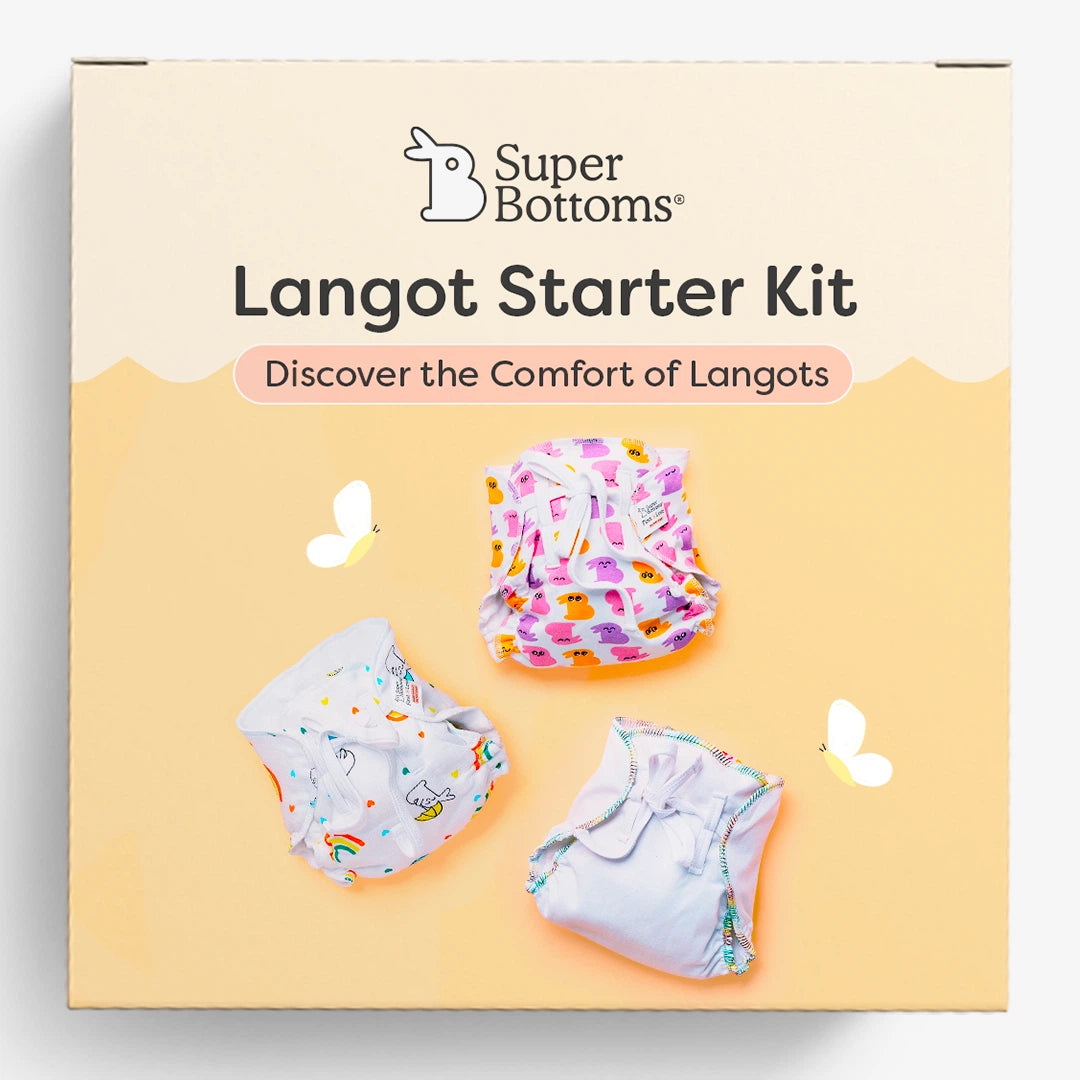
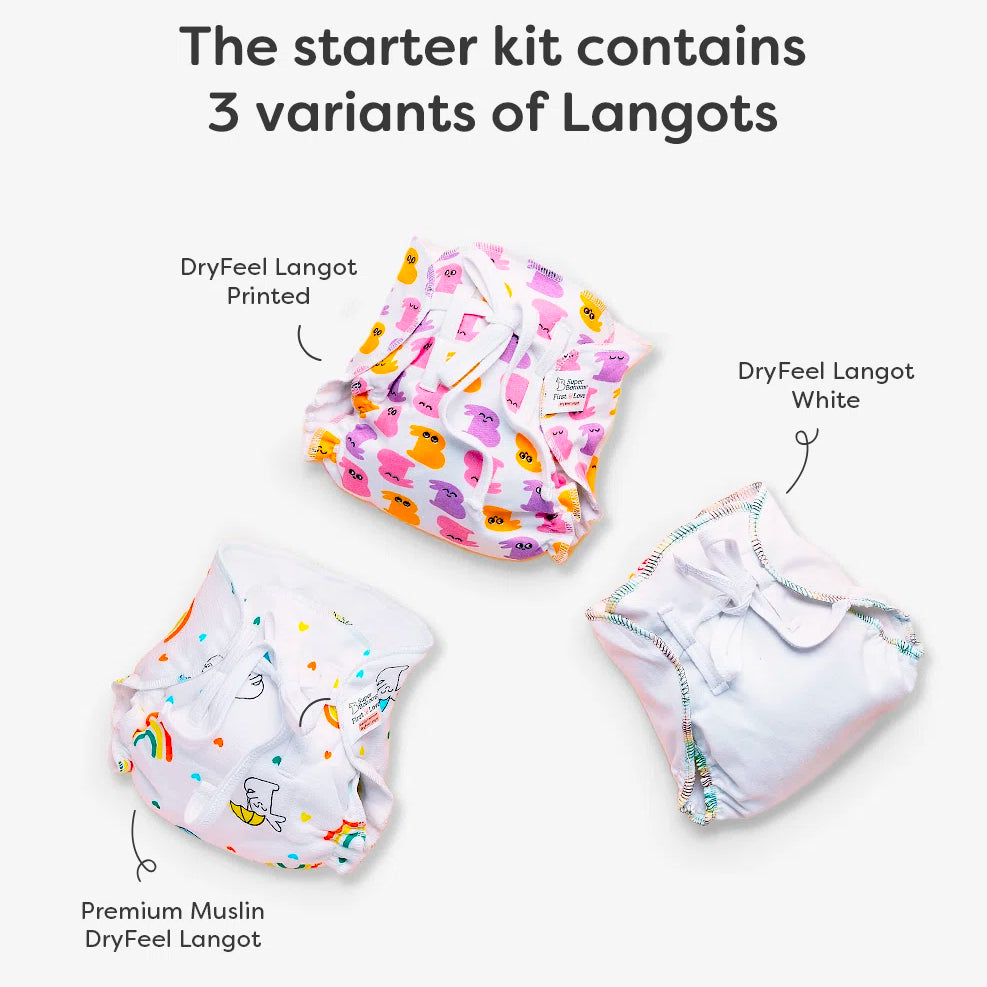
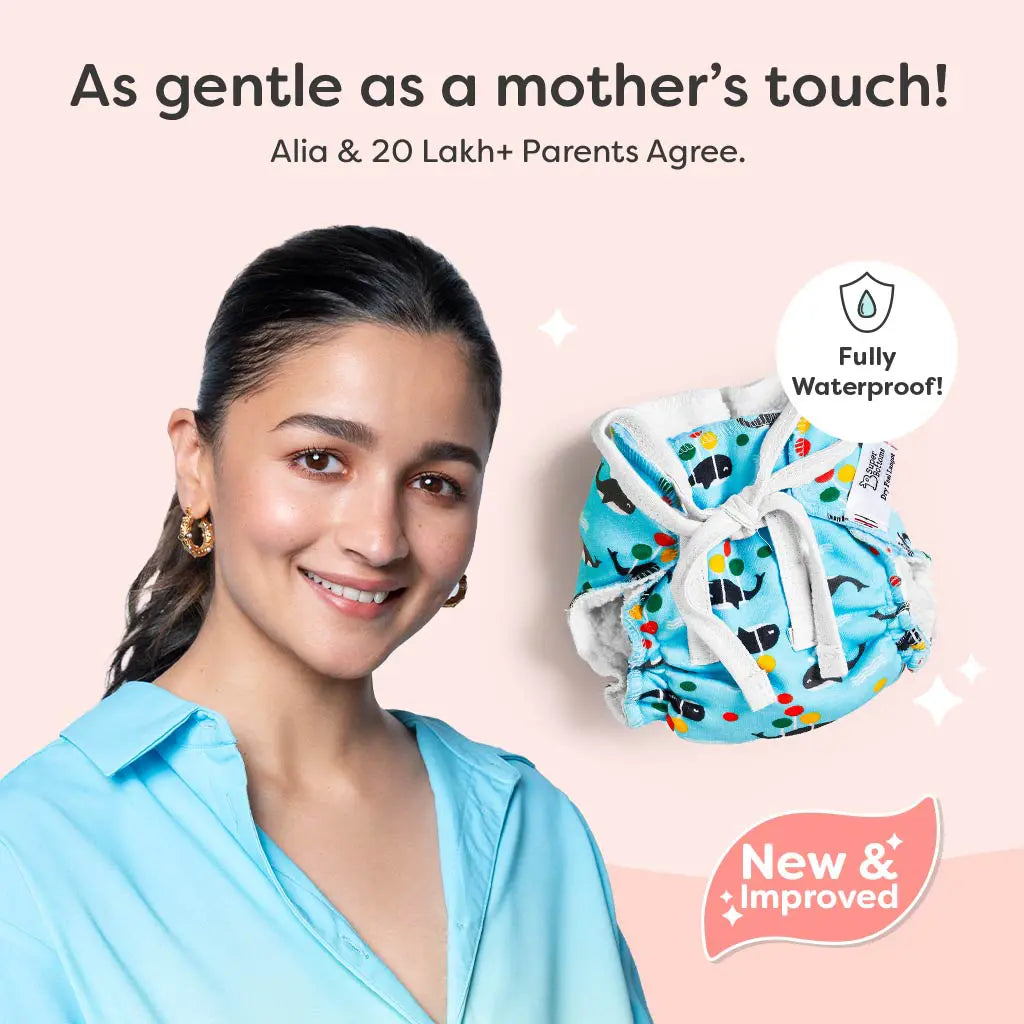
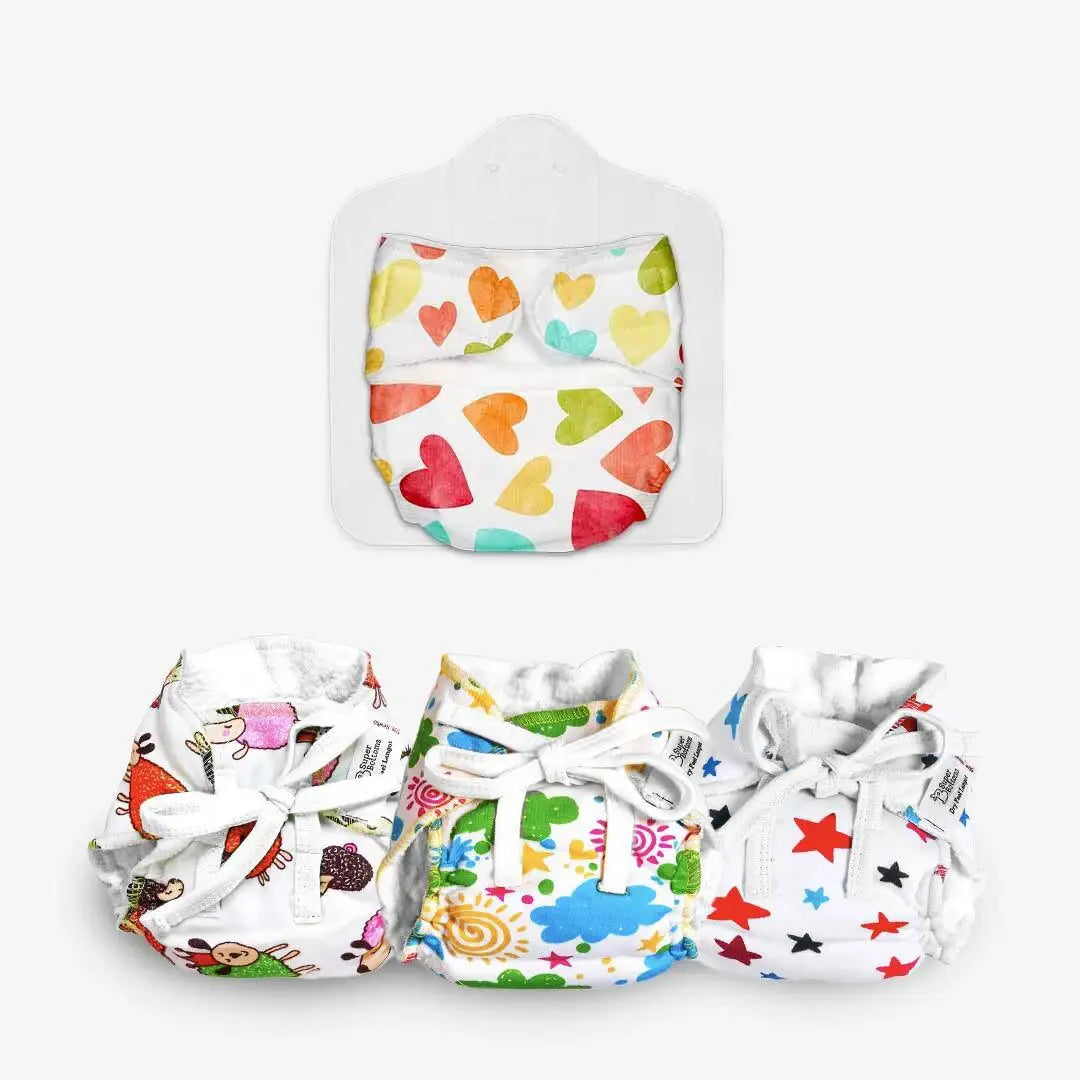
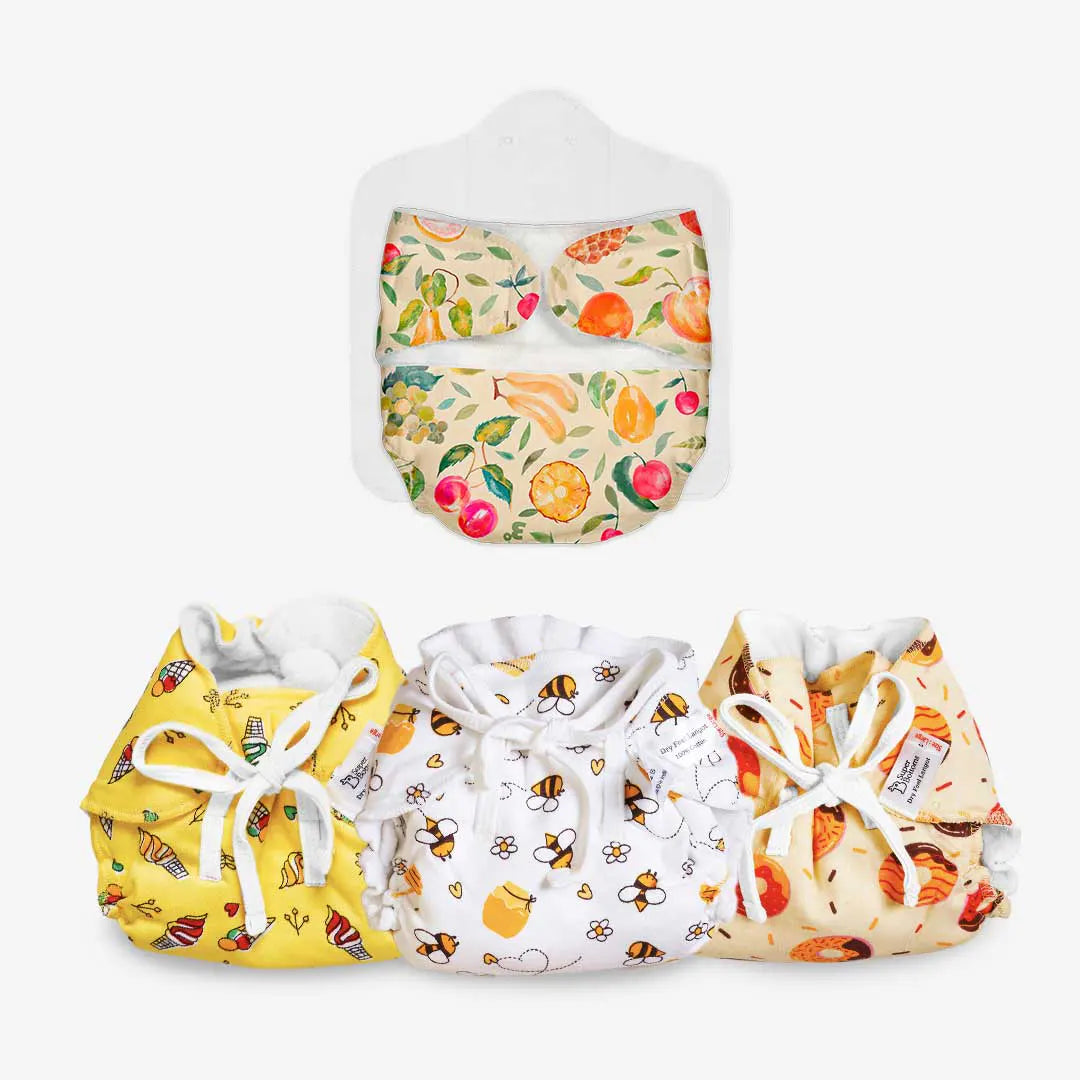
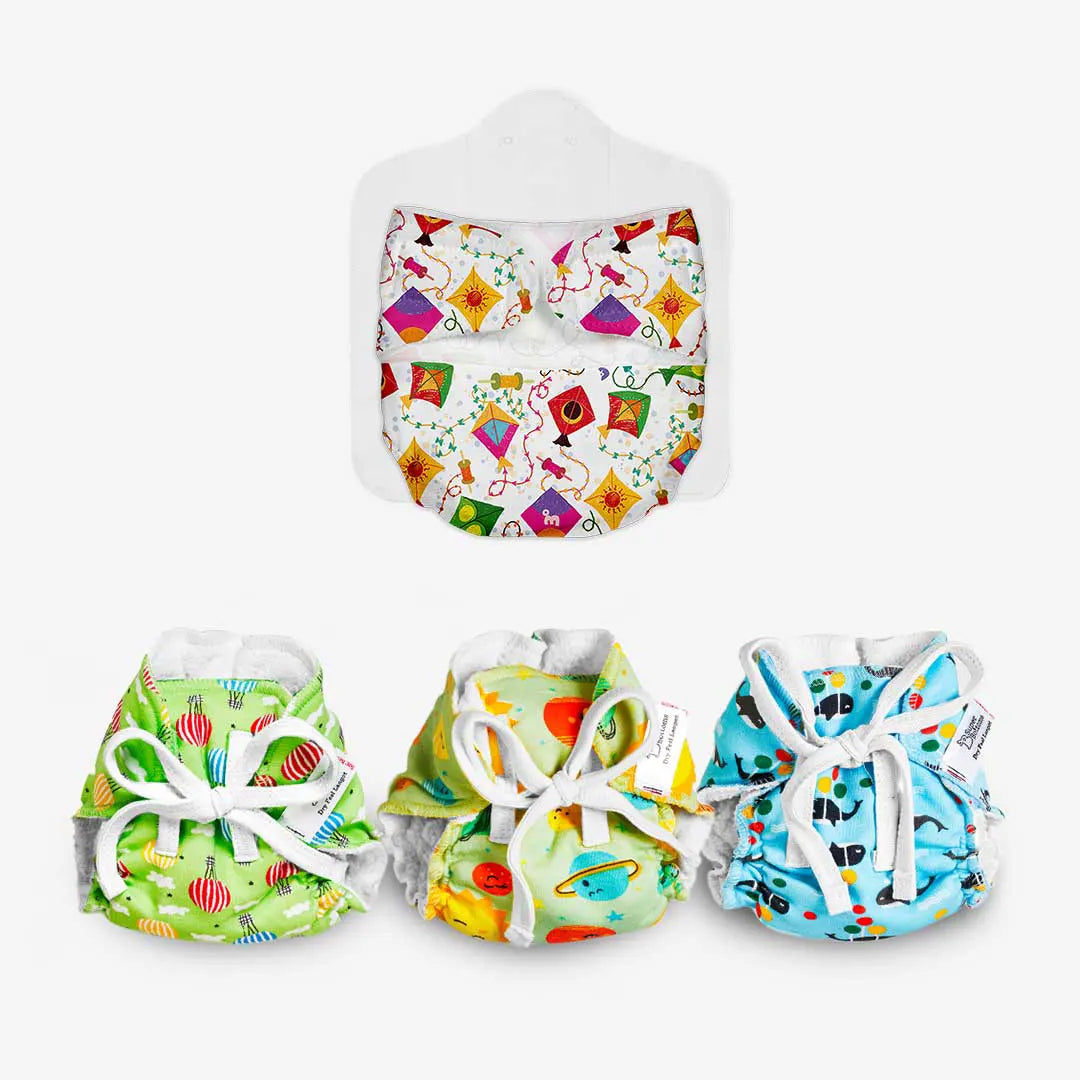
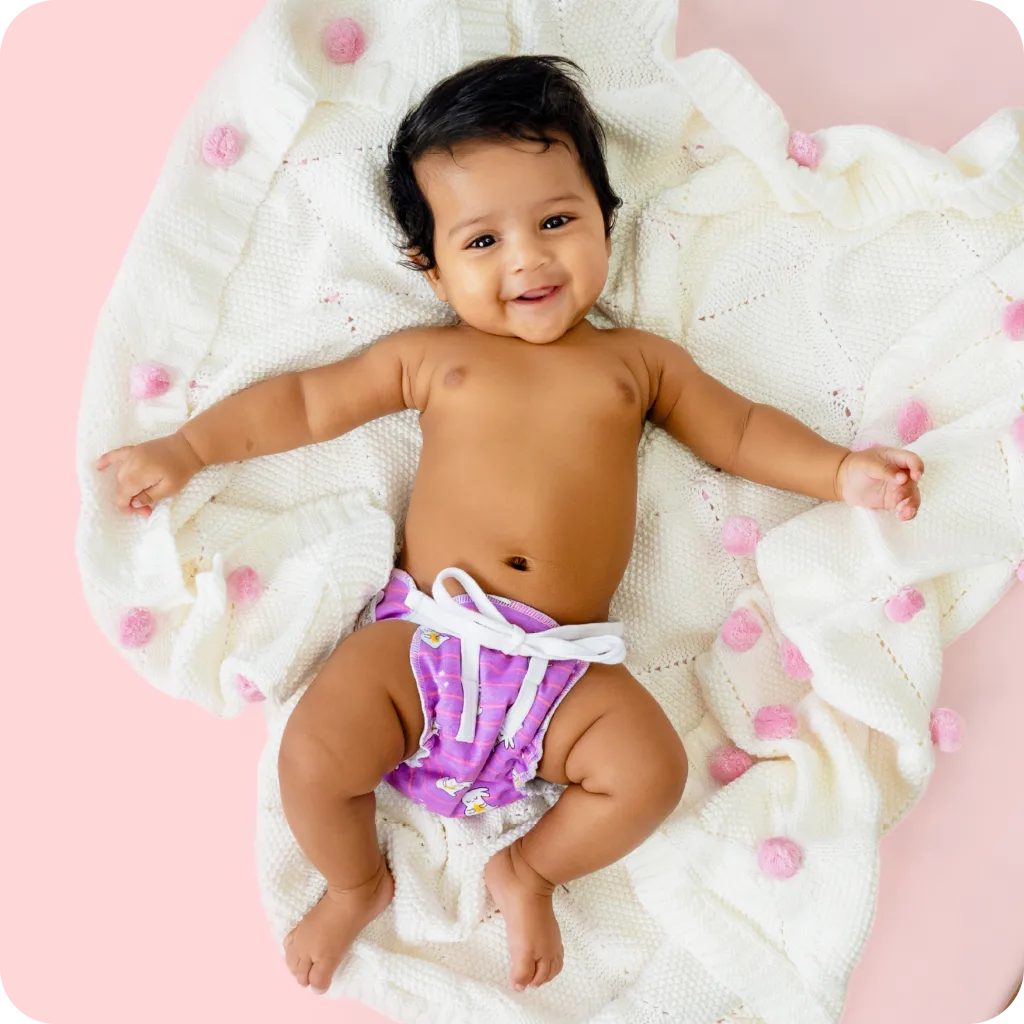
A langot is a traditional cloth nappy made from soft cotton, commonly used for newborns in India.
It’s tied around the baby’s waist and allows airflow, making it ideal for hot weather and delicate newborn skin. However, it has very low absorbency and needs frequent changing.
Langot vs. Diaper: Langots are reusable, lightweight, and allow good airflow, but require frequent changes and washing. Disposable diapers generally offer higher absorbency and longer wear, making them more convenient for travel, outings, and overnight use. The choice depends on your baby’s needs, comfort, and how often you can manage diaper changes.
Langots are best for short durations, newborn use, and when frequent diaper changes are manageable.
What Is a UNO Cloth Diaper?
A UNO cloth diaper is a reusable, modern cloth diaper designed with multiple layers for absorbency and a waterproof outer layer.
It typically includes:
- Adjustable sizing (freesize)
- Snap buttons or Velcro for ease
- Insert pads for customised absorbency
|
“Modern cloth diapers combine breathability with engineered absorbency, reducing leaks while maintaining skin health,” says Dr Ritu Sharma, PPaediatrician(MD Pediatrics). |
UNO Diaper vs Langot: What’s the Difference?
The main difference lies in absorbency, convenience, and usability over time.
Langots are minimal and breathable but require constant attention. UNO cloth diapers are designed for longer wear, making them more practical for today’s parents.
What Parents Should Know
If you’re stepping out, travelling, or managing night-time sleep, a higher-absorbency option becomes essential.
Which Type Works Best for Different Situations?
For Newborns (0–3 months)
Langots work well due to frequent urination and sensitive skin.
For Daytime Use
You can use either:
- Langots at home (with frequent changes)
- Cloth diapers when you need convenience
For Night-Time or Outings
UNO cloth diapers are more reliable due to:
- Higher absorbency
- Leak-proof design
- Fewer changes required
For Active Babies (6+ months)
UNO diapers are better as babies move more and need a secure fit.
What Should I Look for When Choosing Between Them?
Choosing between a langot and a cloth diaper depends on a few key criteria:
What to Look For
- Absorbency: Can it hold multiple pees?
- Skin Safety: Is the fabric gentle and breathable?
- Ease of Use: Is it easy to wear and change?
- Leak Protection: Does it prevent messes?
-
Value: Is it reusable and cost-effective?
Langots score high on breathability but low on convenience. Cloth diapers balance all factors better for daily use.

Is It Worth Switching to Cloth Diapers?
Yes, especially as your baby grows.
While langots are great initially, they become impractical over time due to:
- Frequent washing
- Constant monitoring
- Limited usability outside the home
Modern cloth diapers offer:
- Reusability (eco-friendly)
- Better cost efficiency over time
- Convenience for parents
💡 SuperBottoms Pick: Freesize UNO Cloth Diaper - All-in-one reusable solution for daily comfort & leak protection
Comparison Table: UNO Diaper vs Langot
|
Feature |
Langot |
UNO Cloth Diaper |
SuperBottoms UNO |
|---|---|---|---|
|
Absorbency |
Low |
Medium to High |
High with booster options |
|
Ease of Use |
Requires tying |
Adjustable snaps |
Easy snap/Velcro system |
|
Leak Protection |
Minimal |
Moderate |
Strong leak protection |
|
Skin Friendliness |
High (cotton) |
High |
Soft, safe inner layers |
|
Use Duration |
30–60 mins |
3–5 hours |
4–5+ hours (with inserts) |
|
Cost Over Time |
Low upfront |
Cost-effective long-term |
High-value reusable system |
|
Best For |
Newborns, home use |
Daily use |
All-day, outings, night use |
When Does Buying Intent Peak?
Most parents consider switching when:
- Night leaks disturb sleep
- Frequent changes become tiring
- They start stepping out more with the baby
That’s when a reliable, reusable diaper system becomes the practical next step → check details →
Final Thoughts
Both langots and cloth diapers have their place in a baby’s early months.
Langots are simple and breathable, making them ideal for newborn care at home. However, as babies grow and routines become busier, newborn cloth diapers offer a better balance of comfort, absorbency, and convenience.
Solution-Oriented Recommendation
If you’re struggling with frequent changes or leaks, switching to a reusable cloth diaper can simplify your routine while keeping your baby dry and comfortable.
Find the right fit → Shop SuperBottoms UNO.
|
Limited Time Offers + Special Gift Sets! Now or never Super SALE is live on the SuperBottoms website! Take advantage of unbeatable value deals on our UNO Cloth Diapers, Baby Essentials, and more. Looking for the perfect present for a newborn or a toddler? Explore our thoughtfully curated Gift Sets & Combos - safe, skin-friendly, and oh-so-cute! A bundle of love for little ones and a delight for parents. HURRY - Deals and Gift Packs are live only till stocks last. Don’t miss the chance to stock up and share the joy! |
Key Takeaways
- Langots are best for newborns and short-duration use
- Cloth diapers offer better absorbency and convenience
- Switching becomes useful as babies grow and routines change
FAQs
1. Is a langot better than cloth diapers for newborns?
Yes, langots can be ideal initially due to breathability and frequent changes.
2. How long can a cloth diaper be used?
Typically 3–5 hours, depending on absorbency and usage.
3. Do cloth diapers cause rashes?
No, when used correctly, they are gentle and breathable, often reducing rashes.
4. Are cloth diapers suitable for night use?
Yes, especially with added boosters for higher absorbency.
5. How many langots does a newborn need?
Usually 10–15 per day due to frequent changes.
6. Are cloth diapers worth the investment?
Yes, they are reusable and cost-effective over time.
7. Where can I buy cloth diapers in India?
You can explore reusable options online, including starter kits and freesize designs.
8. Which is better for outings: a langot or a cloth diaper?
Cloth diapers are more practical due to better leak protection and longer wear time.
Message from SuperBottoms
Hi there, new parents! SuperBottoms brings you doctor-recommended cloth diapers - the best rash-free diapering solution for your baby’s sensitive and delicate skin. Unlike disposable diapers loaded with chemicals, our newborn cloth diapers, when used and washed properly, can help eliminate the risk of diaper rashes. SuperBottoms offers a wide range of safe, skin-friendly essentials for the whole family - including Reusable Cloth Diapers, Diaper Pants, DryFeel langots for diaper-free time, Padded Underwear for potty training, SuperSoft Underwear for everyday comfort, Joggers for playful days, and Period Underwear for women. Not just for everyday use, SuperBottoms products also make the best gifting choice for babies - thoughtful, eco-friendly, practical, and loved by parents. Now available on Amazon, Myntra, Flipkart, FirstCry, Zepto, Swiggy and Blinkit.