





Switching from disposable to cloth diapers in India can feel overwhelming, but it's simpler with the right approach. Parents are choosing reusable cloth diapers for better skin comfort, lower long-term cost, and reduced waste. This guide explains when to start, how to transition step by step, what features to look for, and how to avoid common mistakes, helping you make a confident, practical shift to cloth diapering.
You've probably stood in the diaper aisle wondering if there's a better way. The monthly spend keeps adding up, rashes come and go, and the waste pile feels endless.
More parents in India are quietly making a shift, not overnight, but step by step, towards newborn cloth diapers. And once they figure out a system that works, it often feels surprisingly simple.
Why parents in India are switching to cloth diapers
Parents today aren't just choosing convenience, they're thinking long-term.
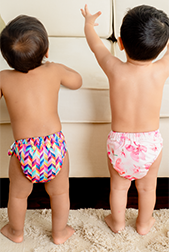
Cloth diapers in India are becoming popular because they balance comfort, cost, and sustainability. Unlike disposable diapers, reusable diapers can be used hundreds of times, significantly reducing waste and expense.
Hot and humid weather in India also plays a role. Breathable fabrics like cotton help reduce heat and moisture buildup, which can lower the chances of diaper rash.
The answer is yes, switching to cloth diapers in India is practical when done gradually. Start part-time, build a small stash, and scale up once you're comfortable.
When to start using cloth diapers
There's no single "perfect" cloth diapering age. It depends more on your comfort than your baby's.
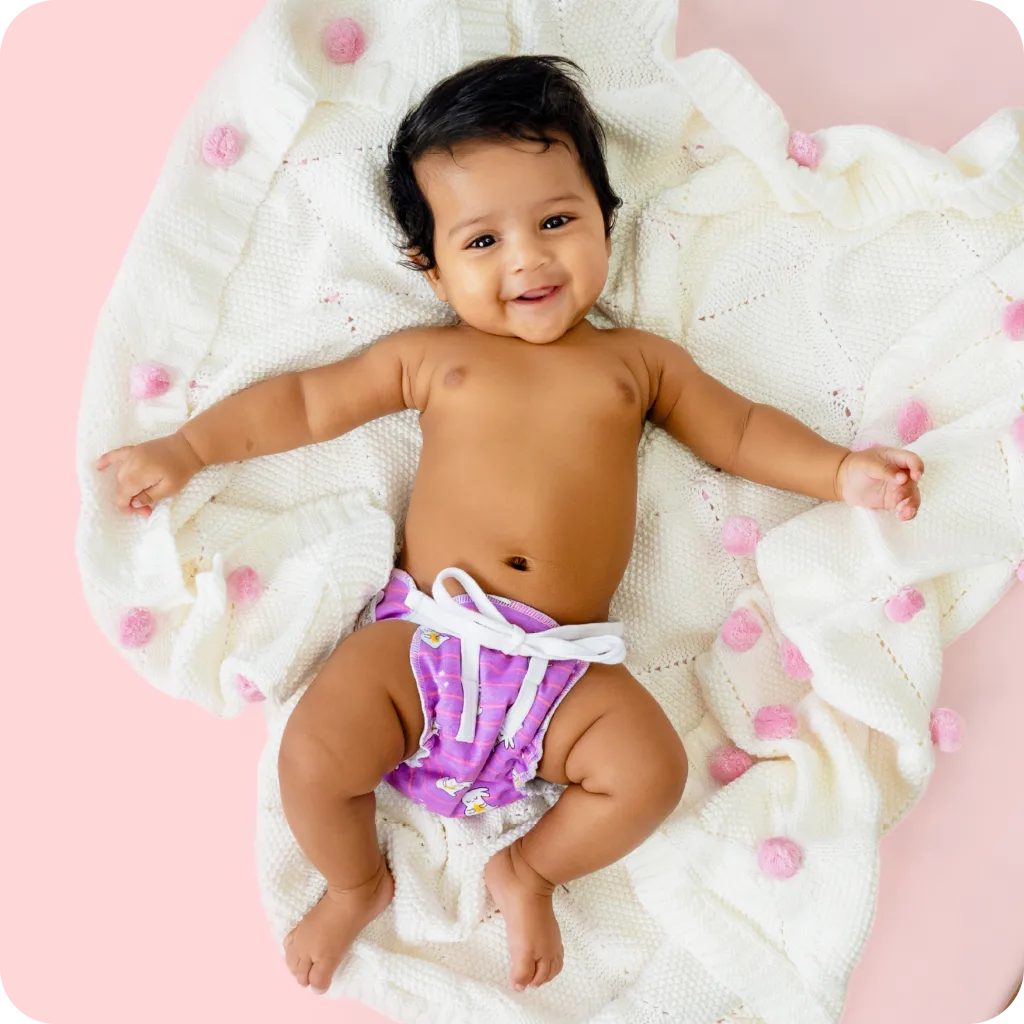
Some parents begin with a newborn baby cloth diaper from day one, while others start after the first few weeks when routines settle.
A practical approach is to begin during daytime use. This reduces pressure and gives you time to understand absorbency, fit, and washing cycles.
How to transition from disposable to cloth diapers
Switching doesn't have to be all-or-nothing. A phased approach works best.
Step 1: Understand your options
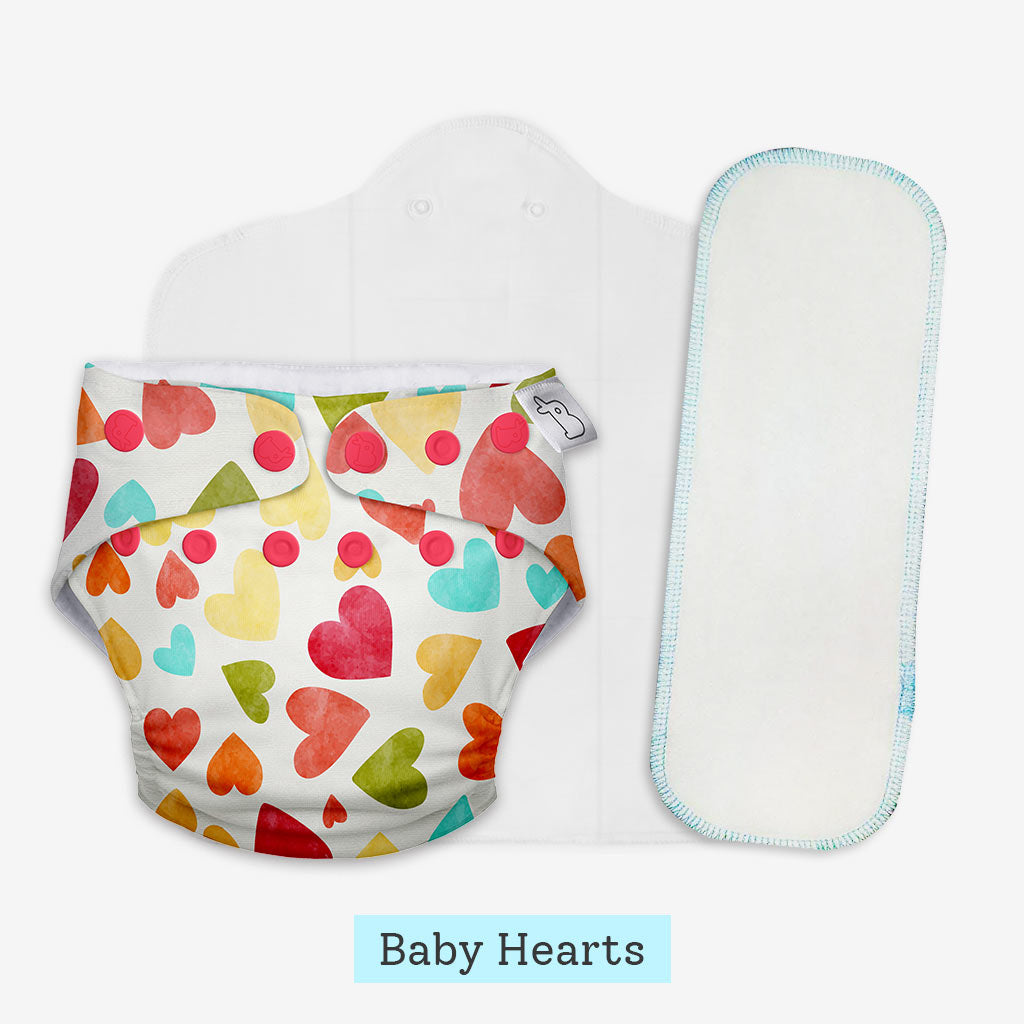
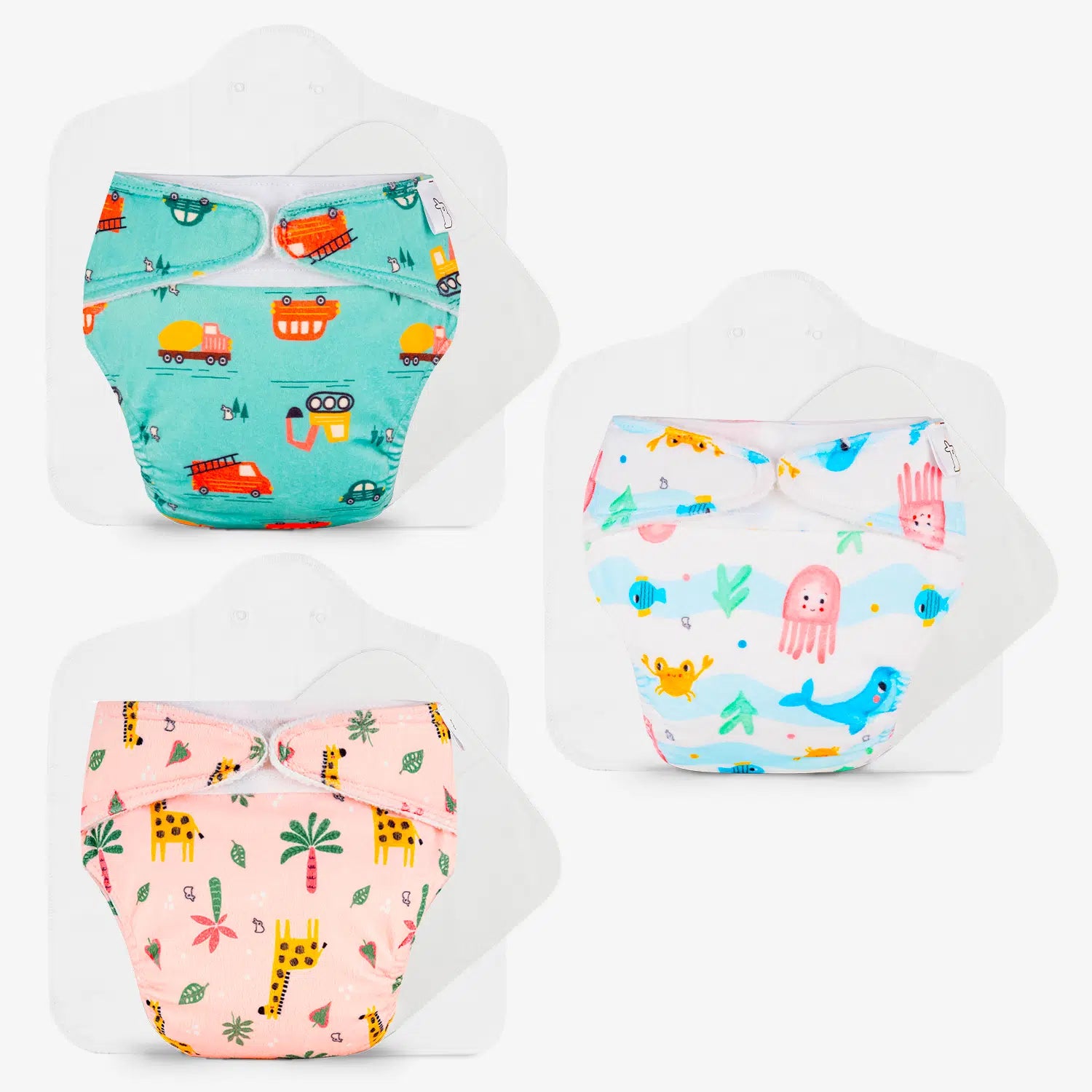
Modern washable diapers in India are very different from traditional langots. Options include all-in-one, pocket, and hybrid diapers, many designed to feel as simple as disposables.
Step 2: Build a small starter stash
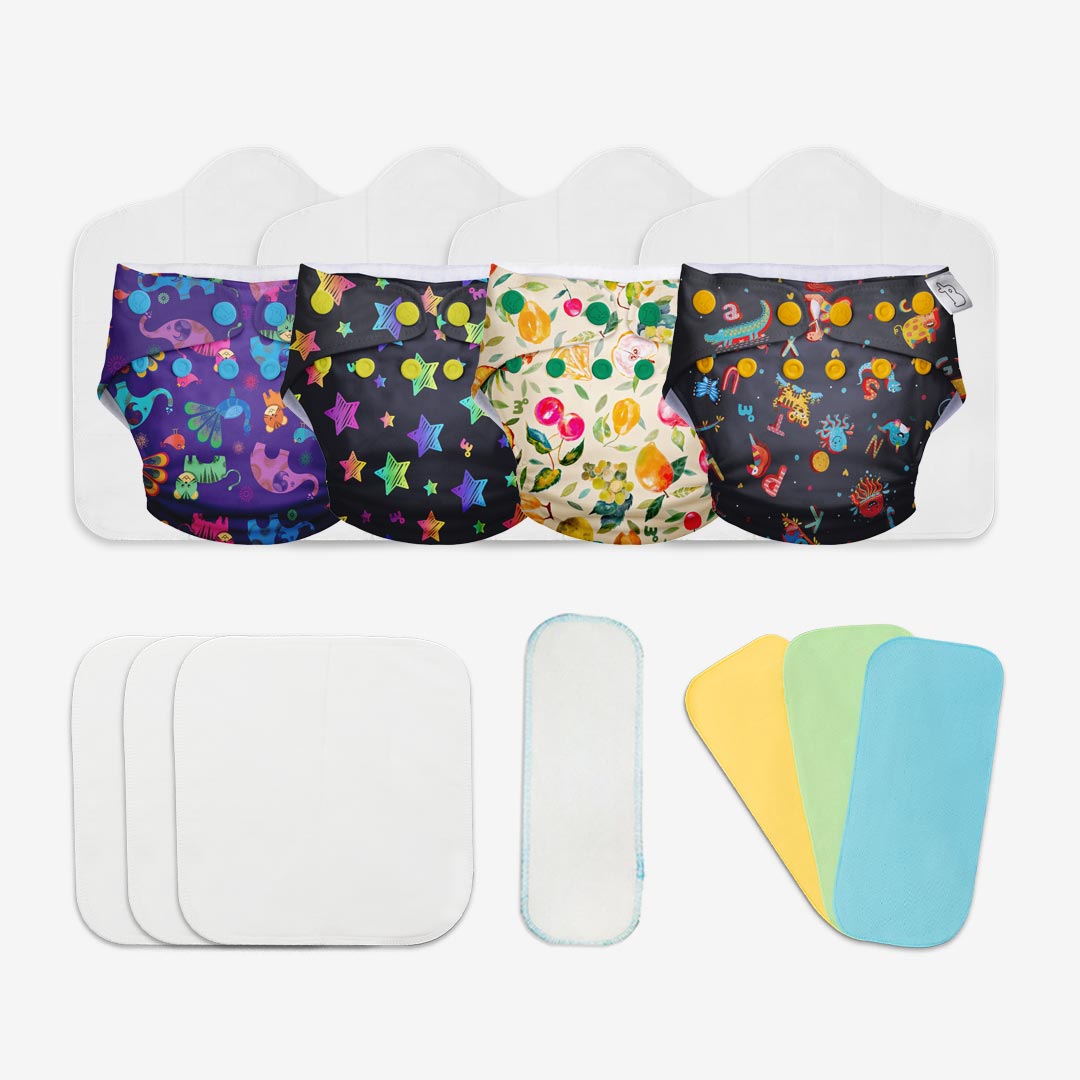
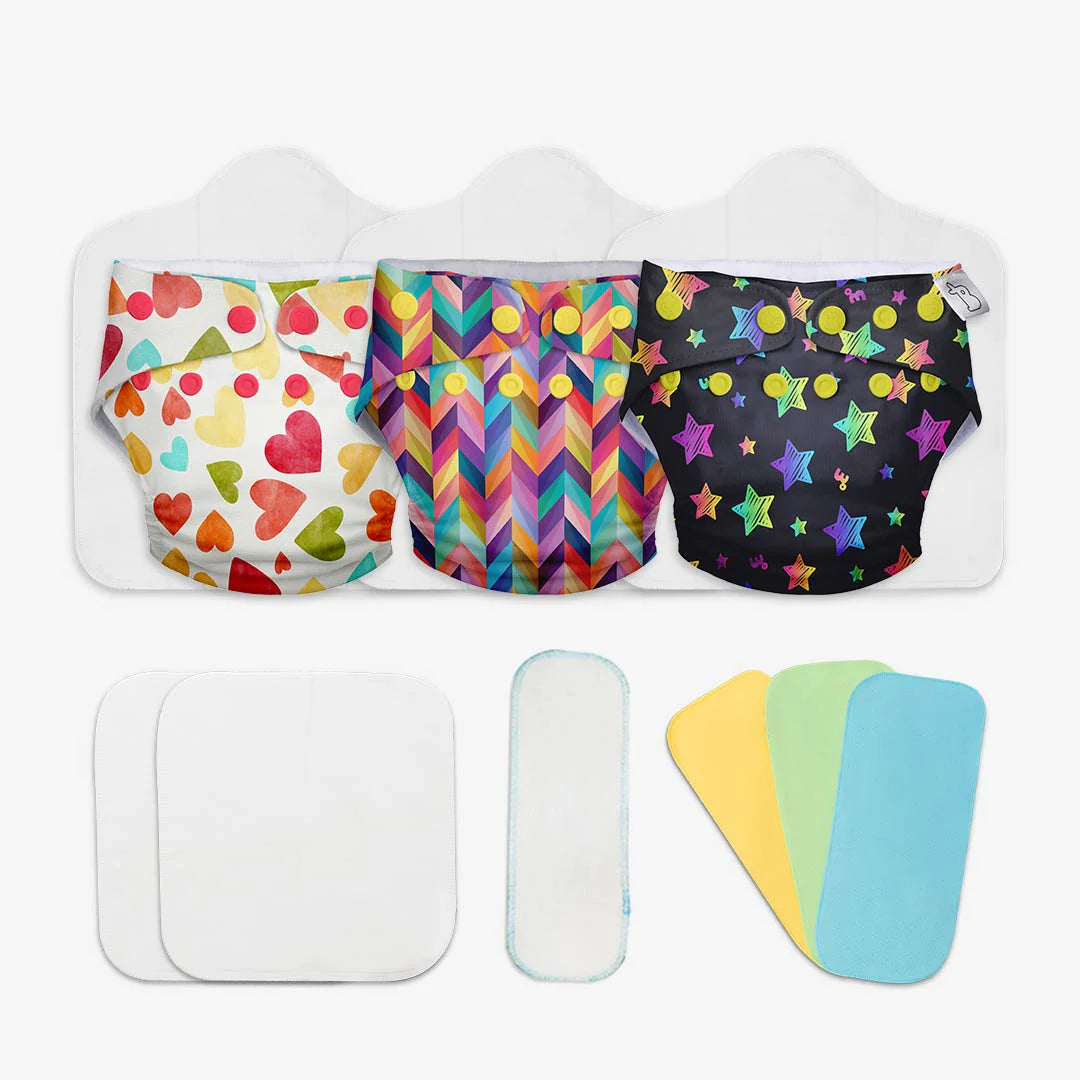
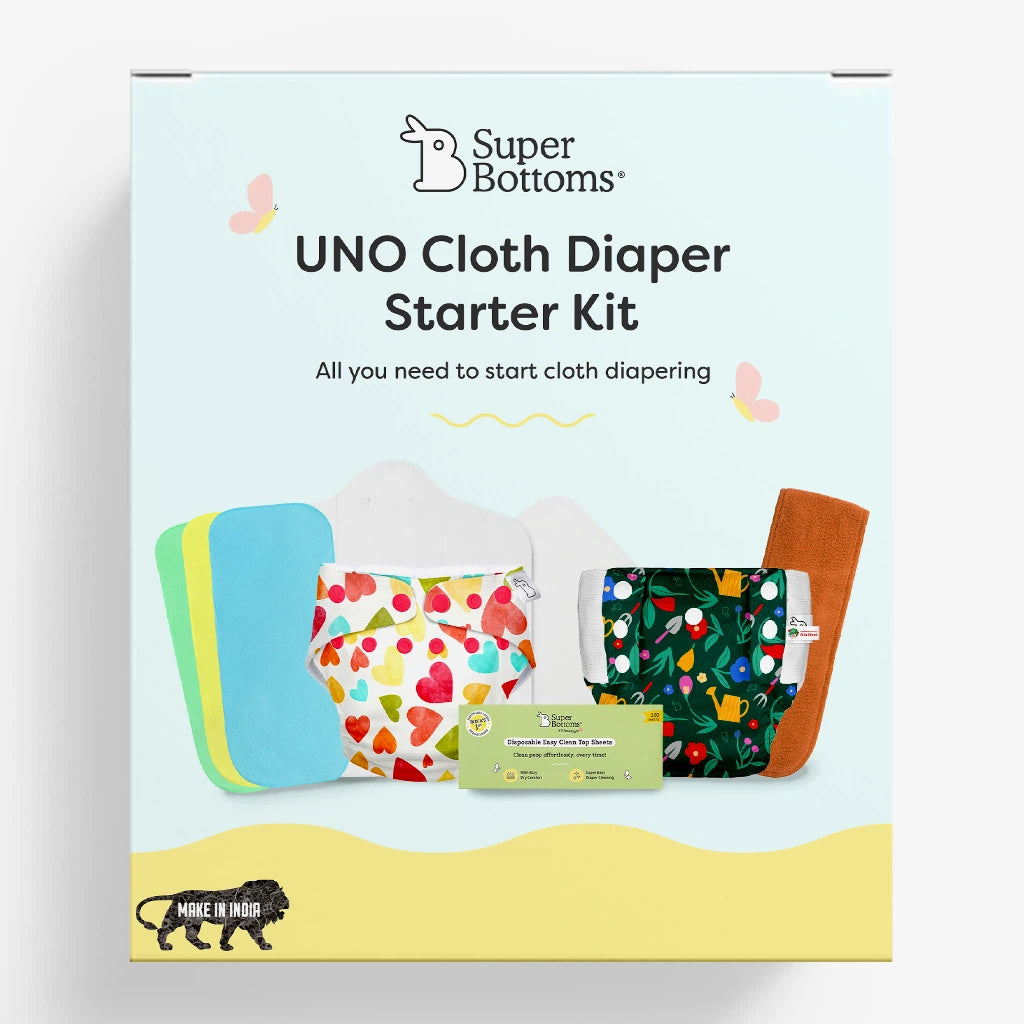
You don't need dozens. Start with 5–6 reusable cloth diapers and increase as you get comfortable.
Step 3: Start part-time
Use cloth diapers during the day and disposables at night. This reduces overwhelm.
Step 4: Learn a simple wash routine
Wash every 2–3 days using a baby-safe detergent. Once routine sets, it becomes just another laundry cycle.
Step 5: Scale gradually
As confidence grows, increase usage. Many parents naturally move to full-time use within weeks.

What to look for in the best cloth diapers in India
Choosing the right diaper makes the transition much easier.
1. Fabric quality
Look for breathable materials like cotton or bamboo. These are gentle on skin and suitable for Indian weather.
2. Absorbency
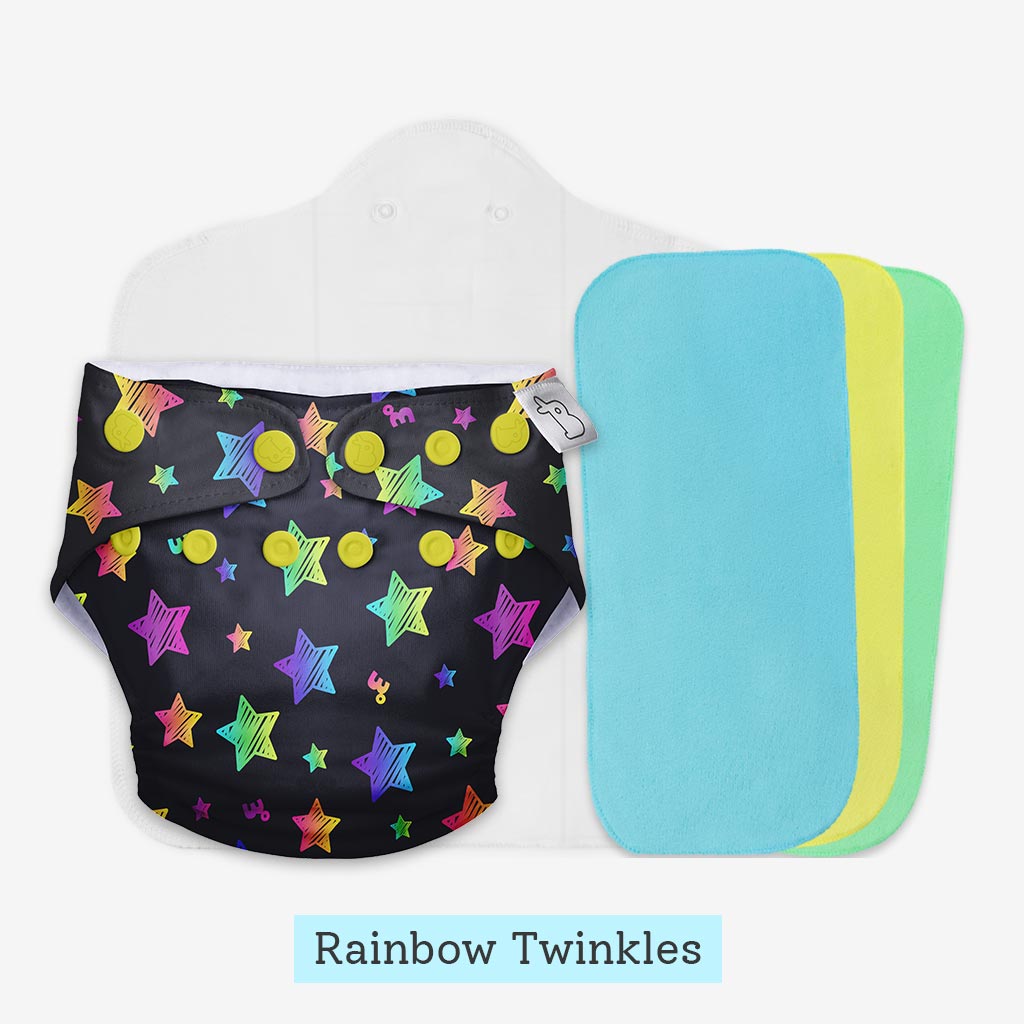
Multi-layered inserts or boosters help manage longer wear times.
3. Fit and adjustability
Free-size diapers with adjustable snaps grow with your baby.
4. Ease of use
Modern washable diapers in India are designed for quick changes, no complicated folding needed.
5. Skin safety
Choose products free from harmful chemicals and harsh additives.
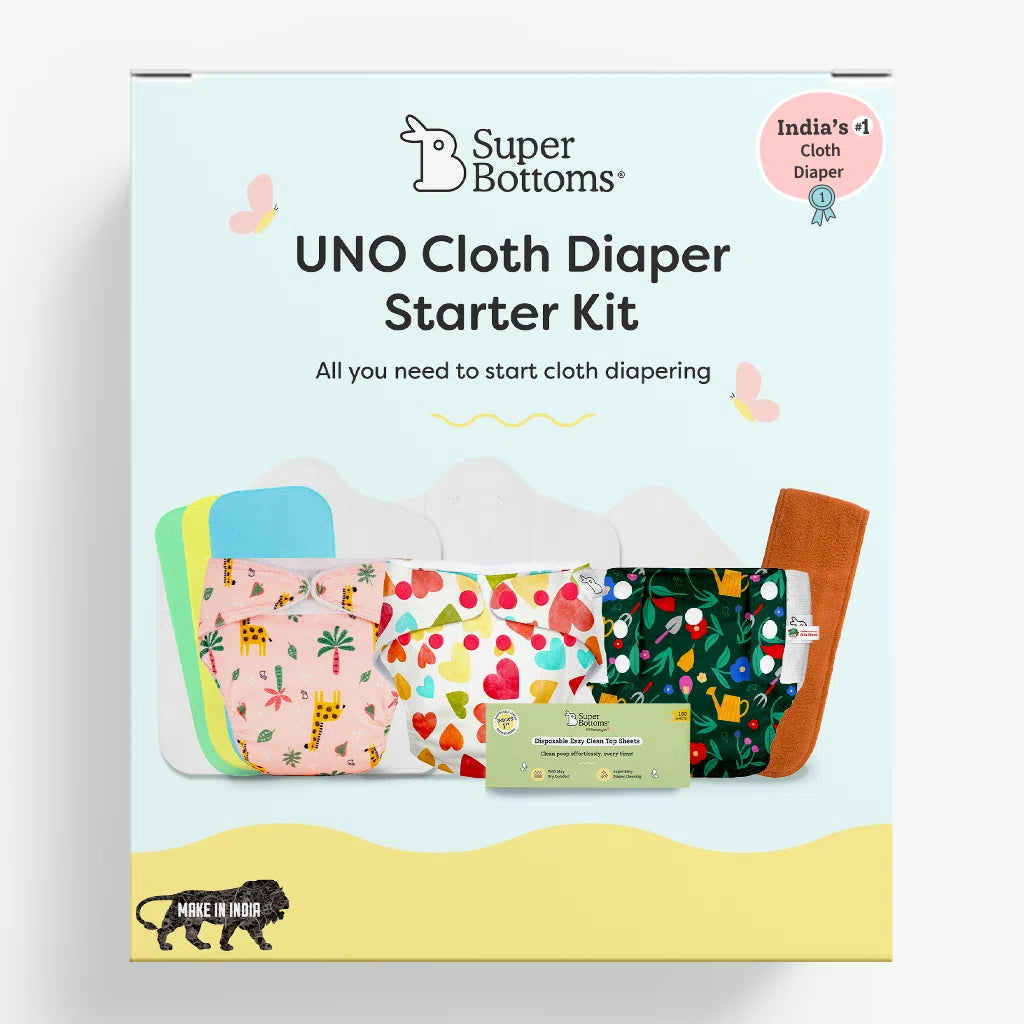
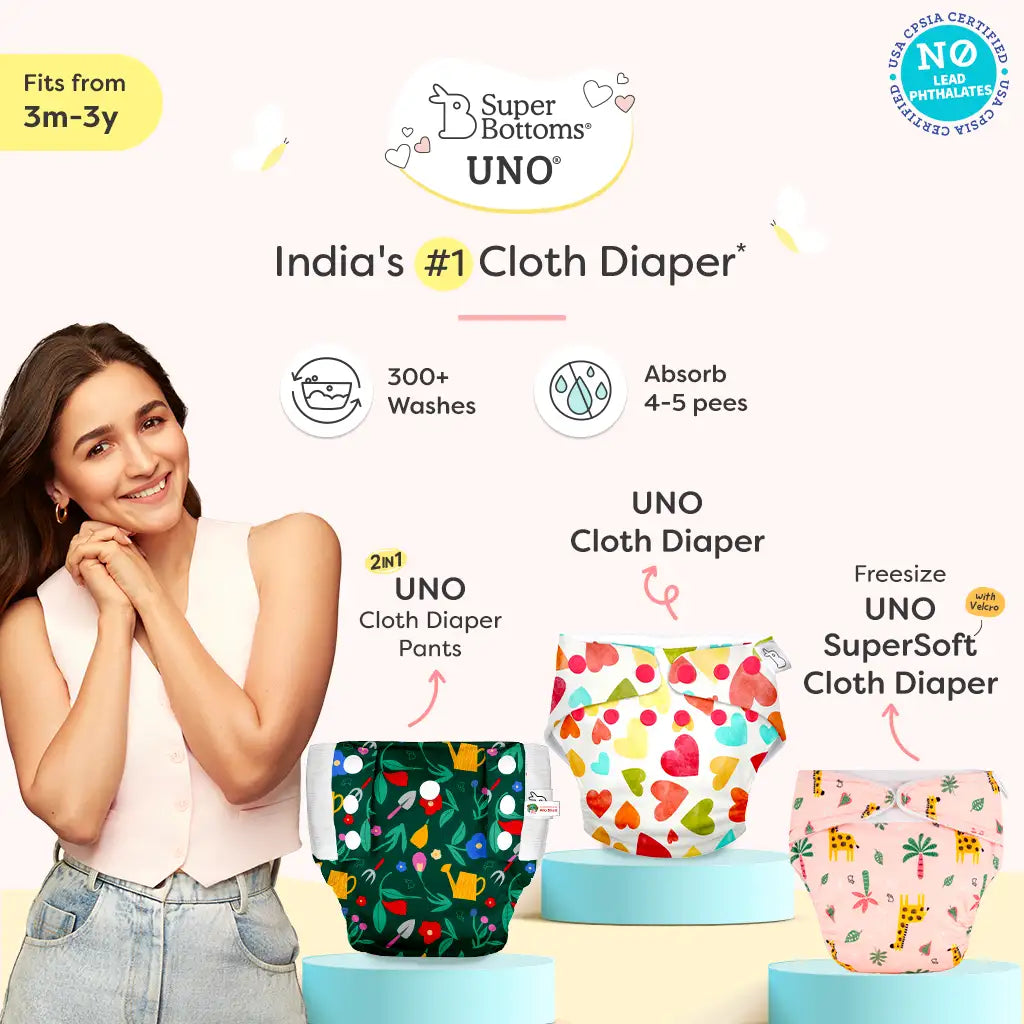
SuperBottoms Pick: SuperBottoms UNO — reusable cloth diaper with SuperDryFeel layer for day-long comfort.
Explore how reusable diapers can simplify your daily routine with fewer changes and more comfort.
Cloth diapers vs disposable diapers
| Feature | Cloth Diapers | Disposable Diapers |
|---|---|---|
| Cost over time | Lower (reusable) | Higher (recurring expense) |
| Skin comfort | Breathable, gentle | May trap heat |
| Environmental impact | Low waste | High landfill waste |
| Convenience | Requires washing | Easy disposal |
| Long-term value | High | Low |
Cloth diapers often win on long-term value and skin comfort, while disposables offer short-term convenience. Many Indian parents use a mix depending on the situation.
Common problems and simple solutions
Leaks
Usually caused by poor fit or low absorbency. Add boosters or adjust sizing.
Smell issues
Happen when washing is delayed or detergent is insufficient. Stick to a consistent wash routine.
Family resistance
Start small. Once results are visible, less rash, lower cost, acceptance improves.
Travel concerns
Carry a small wet bag. Many parents manage cloth diapering even while travelling.
Switching to cloth diapers in India doesn't have to be a big leap. It's a gradual shift that becomes easier with the right setup. Start small, focus on comfort, and build a routine that works for your lifestyle.
Over time, the benefits — less waste, better skin comfort, and long-term savings — become clear.
Explore simple, parent-friendly reusable diaper options designed for everyday ease.
Key Takeaways
- Start cloth diapering gradually, not all at once.
- Focus on fit, fabric, and absorbency when choosing your diaper.
- Build a simple wash routine early for long-term success.
|
Limited Time Offers + Special Gift Sets! Now or never Super SALE is live on the SuperBottoms website! Take advantage of unbeatable value deals on our UNO Cloth Diapers, Baby Essentials, and more. Looking for the perfect present for a newborn or a toddler? Explore our thoughtfully curated Gift Sets & Combos - safe, skin-friendly, and oh-so-cute! A bundle of love for little ones and a delight for parents. HURRY - Deals and Gift Packs are live only till stocks last. Don’t miss the chance to stock up and share the joy! |
FAQs
1. Are cloth diapers better than disposable diapers?
Cloth diapers are better for long-term cost, sustainability, and often for sensitive skin.
2. How many cloth diapers do I need in India?
Start with 5–6 and build up to 10–12 for full-time use.
3. Can cloth diapers be used for newborns?
Yes, newborn cloth diaper options are designed for delicate skin and frequent changes.
4. Do cloth diapers cause more work?
Initially yes, but once the routine is set, it becomes manageable.
5. What are the best cloth diapers in India?
Look for breathable, reusable diapers with adjustable sizing and good absorbency.
6. Can I use cloth diapers at night?
Yes, with added absorbency boosters.
7. Are washable diapers hygienic?
Yes, when washed properly every 2–3 days.
8. Which cloth diaper is best for beginners?
SuperBottoms UNO is a simple, ready-to-use option for first-time parents.
References
Hi there, new parents! SuperBottoms brings you doctor-recommended cloth diapers - the best rash-free diapering solution for your baby's sensitive and delicate skin. Unlike disposable diapers loaded with chemicals, our newborn cloth diapers, when used and washed properly, can help eliminate the risk of diaper rashes. SuperBottoms offers a wide range of safe, skin-friendly essentials for the whole family - including Reusable Cloth Diapers, Diaper Pants, DryFeel langots for diaper-free time, Padded Underwear for potty training, SuperSoft Underwear for everyday comfort, Joggers for playful days, and Period Underwear for women. Not just for everyday use, SuperBottoms products also make the best gifting choice for babies - thoughtful, eco-friendly, practical, and loved by parents. Now available on Amazon, Myntra, Flipkart, FirstCry, Zepto, Swiggy and Blinkit.