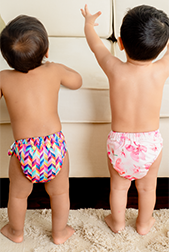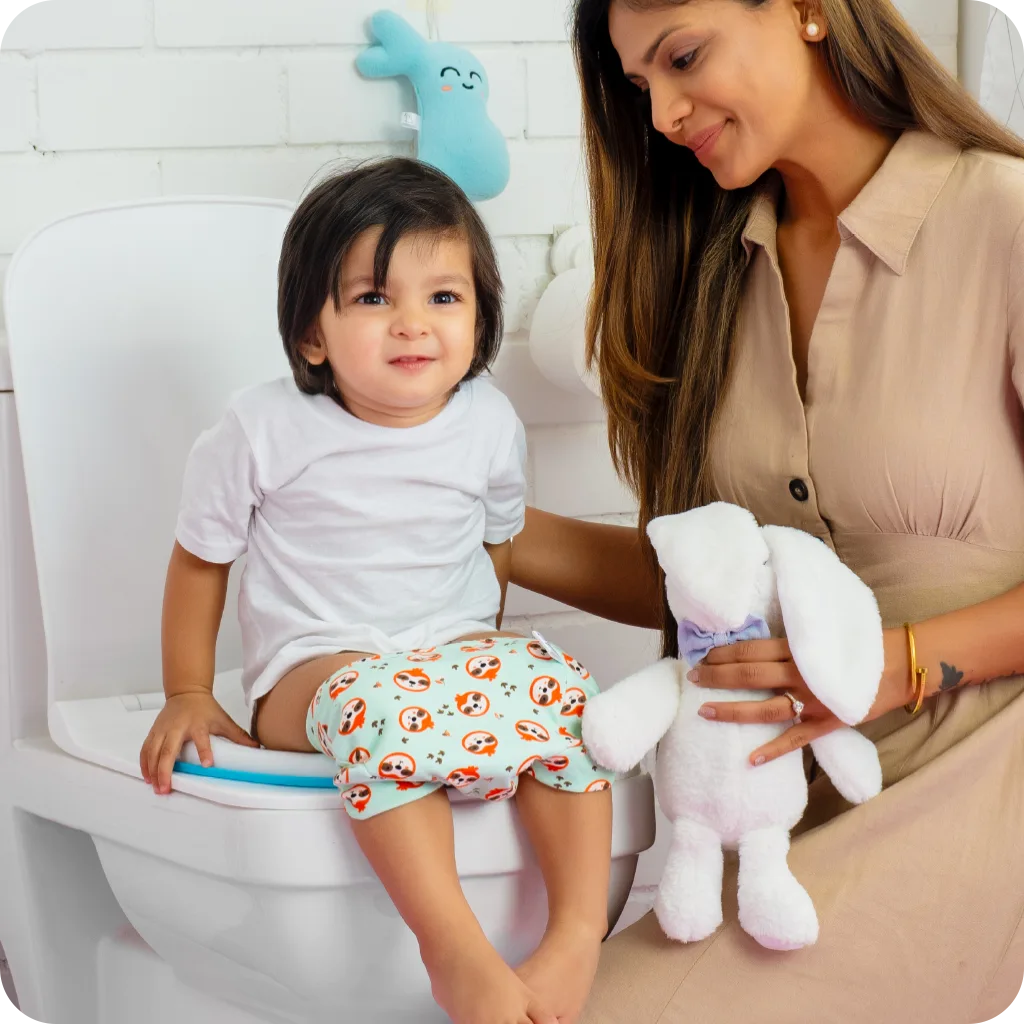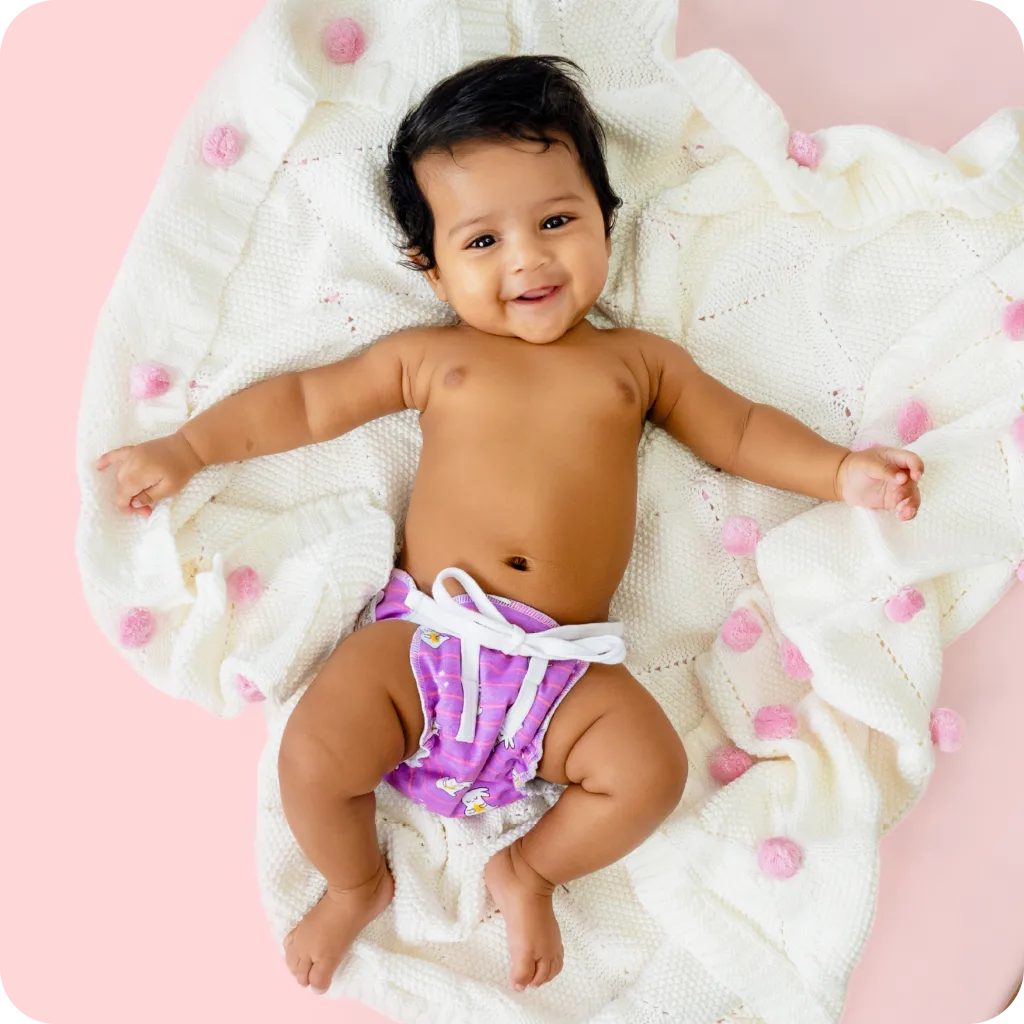






Parents comparing cloth diapers vs disposable diapers often want clarity on safety, cost, convenience, and long-term value. Both options have benefits and trade-offs, from skin health to environmental impact. This guide breaks down the real differences between cloth diapers and disposable options using expert insights and practical scenarios. If you’re unsure which direction to take, the right choice depends on your baby’s needs, lifestyle, and priorities.
Table of Contents
- What Is the Difference Between Cloth and Disposable Diapers?
- Is Cloth Diapers Better Than Disposable?
- What Are the Disadvantages of Disposable Diapers?
- Which Is More Cost-Effective in the Long Run?
- Which Type Works Best for Different Situations?
- What Should I Look for When Choosing Diapers?
- Comparison Table: Cloth vs Disposable Diapers
- Recommendation
- FAQs
- Message from SuperBottoms
- References
What Is the Difference Between Cloth and Disposable Diapers?
The main difference between cloth vs disposable diapers lies in reusability, materials, long-term cost, and environmental impact.
Cloth diapers are washable and reusable cloth diapers designed with absorbent layers and often a leak-proof inner layer. Disposable diapers are single-use products made from synthetic absorbent materials.
When comparing cloth diapers vs disposable, consider:
- Reusability: Cloth diapers can be used for years.
- Convenience: Disposable diapers are throw-and-go.
- Skin exposure: Cloth options typically contain fewer chemicals.
- Waste impact: Disposable diapers contribute significantly to landfill waste.
Many parents today explore cloth diapering after researching newborn diapers and discovering how much waste and cost accumulate over 2–3 years.
Cloth diapers are reusable and eco-conscious; disposable diapers are convenient but generate more waste and recurring costs. The better choice depends on lifestyle and priorities.
Is Cloth Diapers Better Than Disposable?
Cloth diapers can be better for skin sensitivity, cost savings, and sustainability — but convenience may favour disposables for some families.
This is one of the most searched questions: Are cloth diapers better than disposable? The truth is nuanced.
Skin Health
According to the American Academy of Paediatrics, diaper rash is often linked to prolonged exposure to moisture and irritants. Some disposable diapers contain fragrances or chemical gels that may irritate sensitive skin.
Dr Neha Sharma, MD (Paediatrics), explains:
“Babies with eczema or sensitive skin often respond well to breathable, reusable cloth diapers because they reduce prolonged exposure to synthetic absorbent gels.”
Environmental Considerations
The Environmental Protection Agency estimates that billions of disposable diapers enter landfills annually. Cloth diapering reduces solid waste but does require water and energy for washing.
Cloth Diapering Parent Insight
One SuperBottoms customer (mother of two, Mumbai) shares:
“I started with disposable or cloth diapers mix, but switched mostly to cloth after seeing fewer rashes and lower monthly spending.”
So, which is better cloth diapers or disposable?
It depends on your baby's skin, your budget, and how much laundry you're willing to manage.
Expert Answer
Cloth diapers may support better skin breathability and long-term savings, while disposable diapers offer unmatched convenience for travel or daycare.
What Are the Disadvantages of Disposable Diapers?
The main disadvantages of disposable diapers include recurring cost, environmental impact, and potential skin irritation.
When researching cons of disposable diapers, parents often cite:
-
Ongoing Expense – Monthly costs add up over 2–3 years.
-
Landfill Waste – Non-biodegradable components remain for decades.
-
Chemical Exposure – Some brands use fragrances or absorbent polymers.
-
Blowout Leaks – Fit inconsistencies can cause messes.
Understanding the disadvantages of disposable diapers helps parents make informed choices — especially for newborn diapers used round-the-clock.
What Parents Should Know
No diaper is 100% rash-proof. Frequent changes and correct sizing matter more than brand type.
Which Is More Cost-Effective in the Long Run?
Reusable cloth diapers typically cost less over time compared to disposables.
Average disposable diaper usage:
-
5–8 diapers daily
-
5,000–6,000 diapers by potty training
Even conservative estimates show that disposable spending can significantly exceed the cost of a one-time investment in reusable cloth nappies.
Cloth diapering cost includes:
-
Initial purchase
-
Washing expenses (water + detergent)
But most families break even within the first year.
If used consistently, newborn cloth diapers are generally more economical over 2–3 years.

Which Type Works Best for Different Situations?
Cloth diapers work best for daily home use, while disposables may suit travel or emergencies.
-
At Home: Reusable cloth diapers offer comfort and savings.
-
Night Use: Look for high absorbency inserts.
-
Travel: Some parents temporarily switch to disposable.
-
Newborn Stage: Both options work; fit and frequent changes are key.
Many Indian parents adopt a hybrid approach — cloth during the day, disposable at night.
What Should I Look for When Choosing Diapers?
Focus on absorbency, skin safety, fit, ease of washing, and long-term value.
What to Look For
✔ Breathable fabric
✔ Leak-proof inner layer
✔ Adjustable sizing
✔ Rash-safe materials
✔ Cost efficiency over time
After evaluating these criteria, you can compare options confidently.
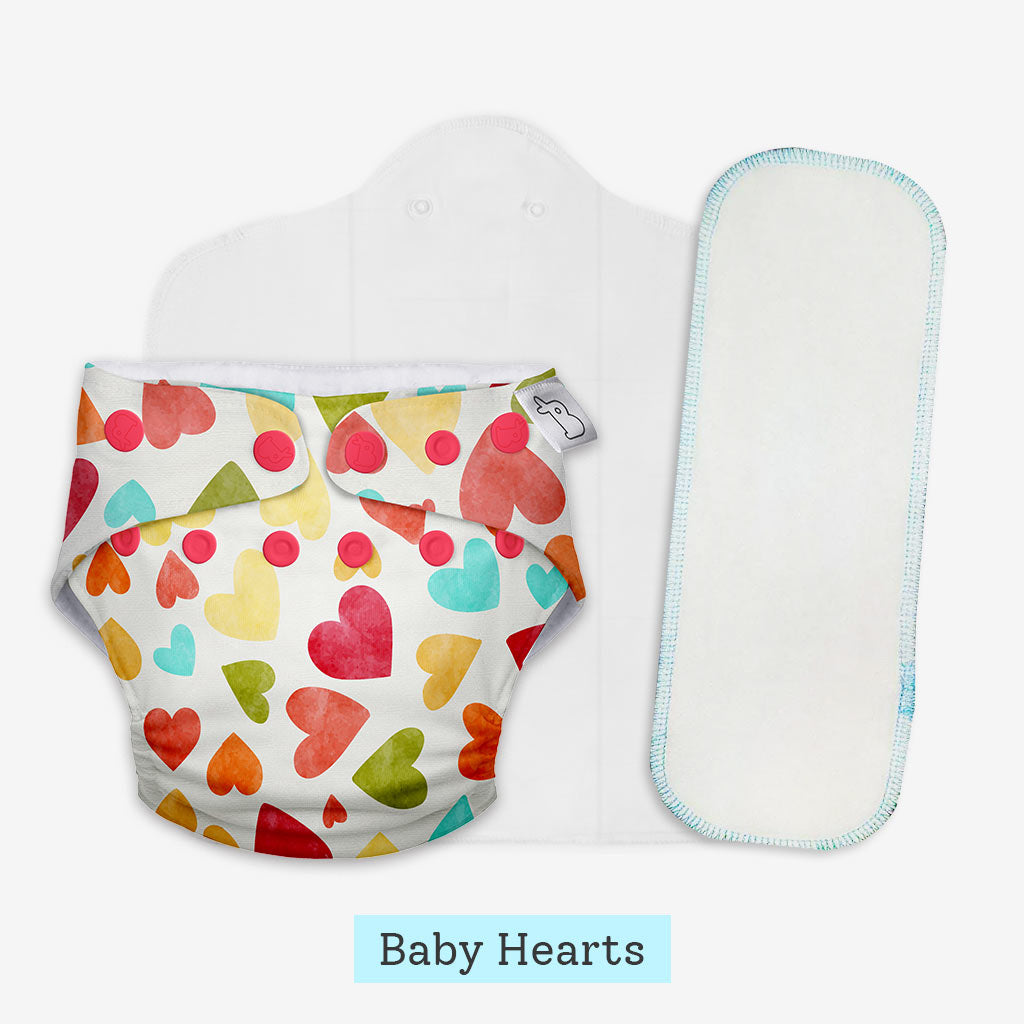
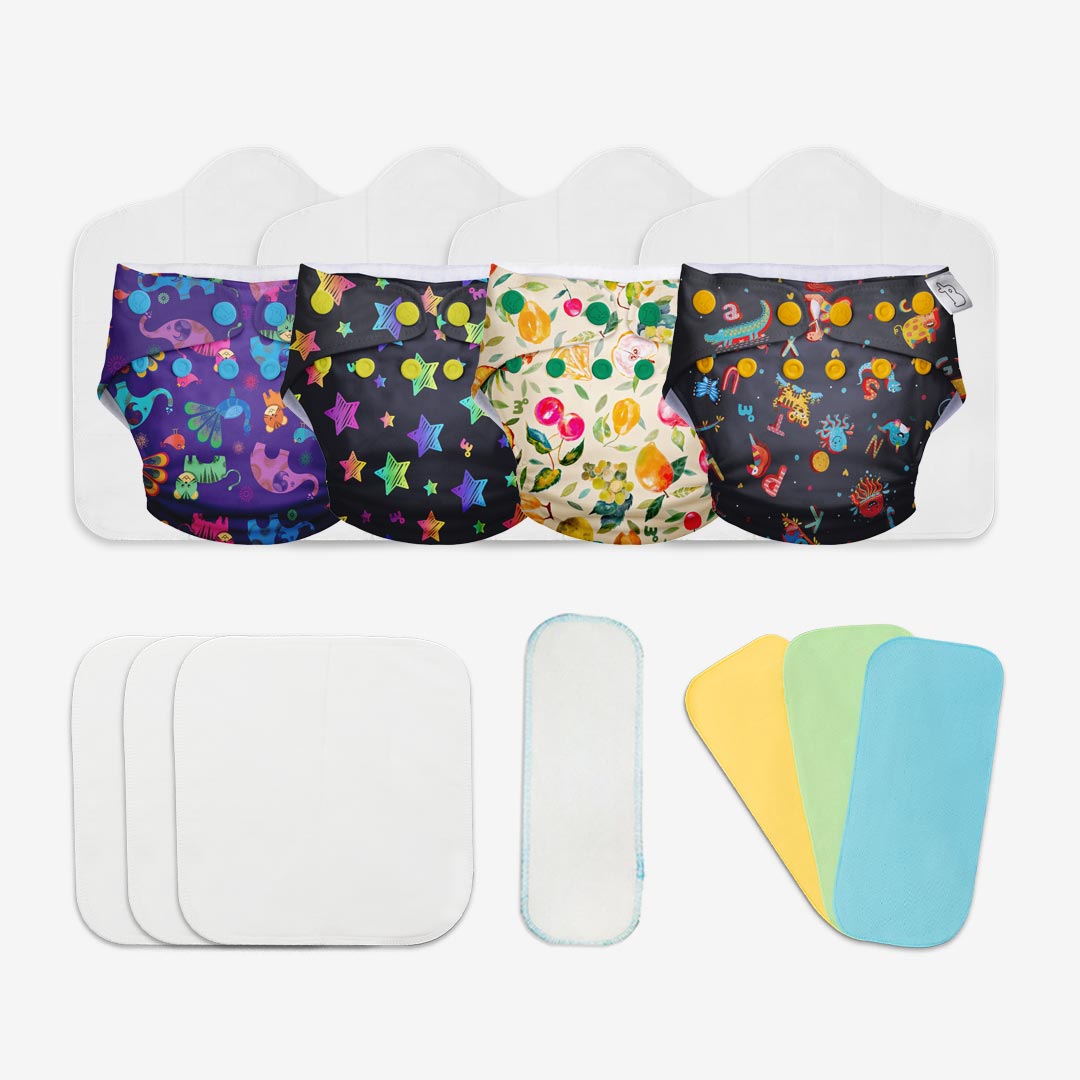
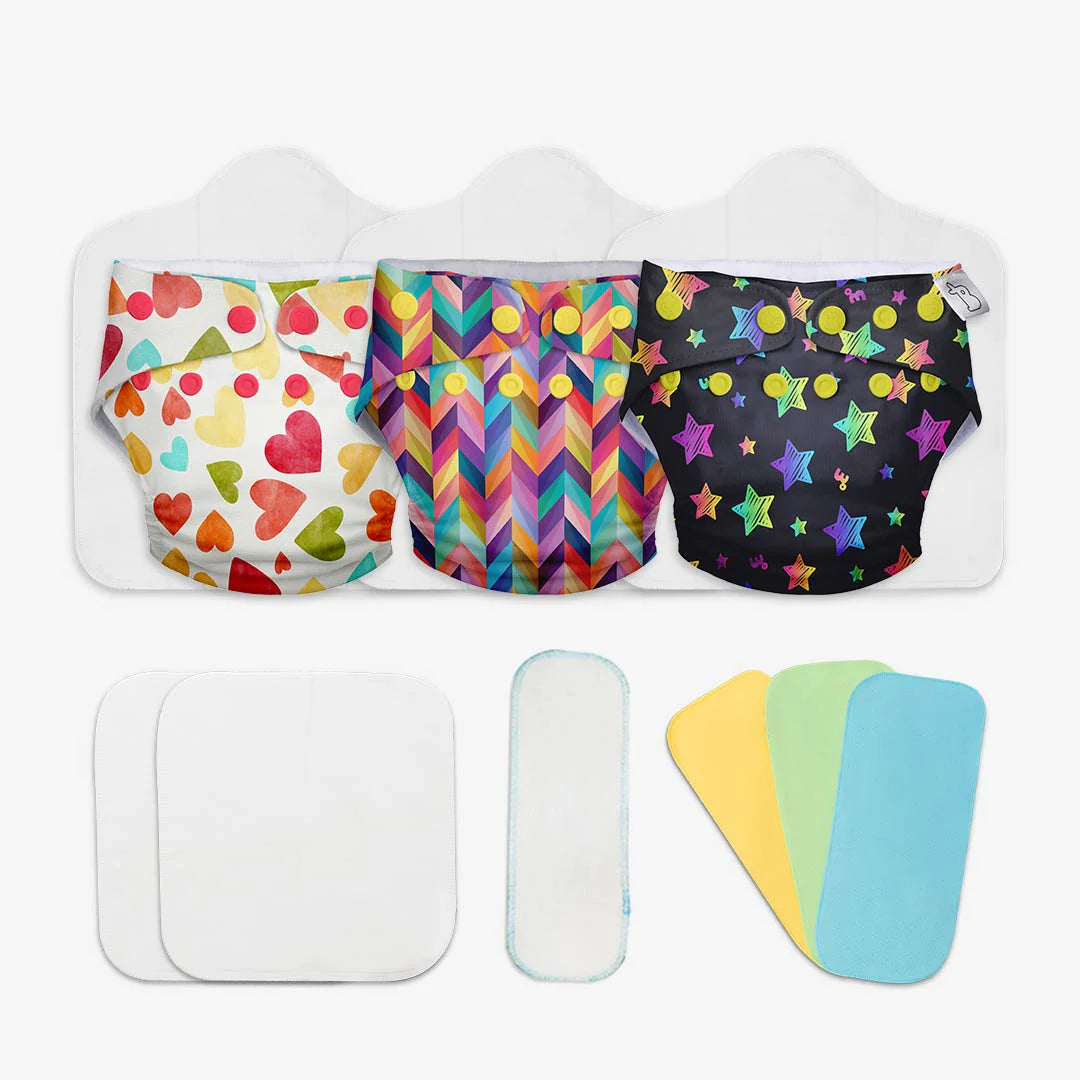
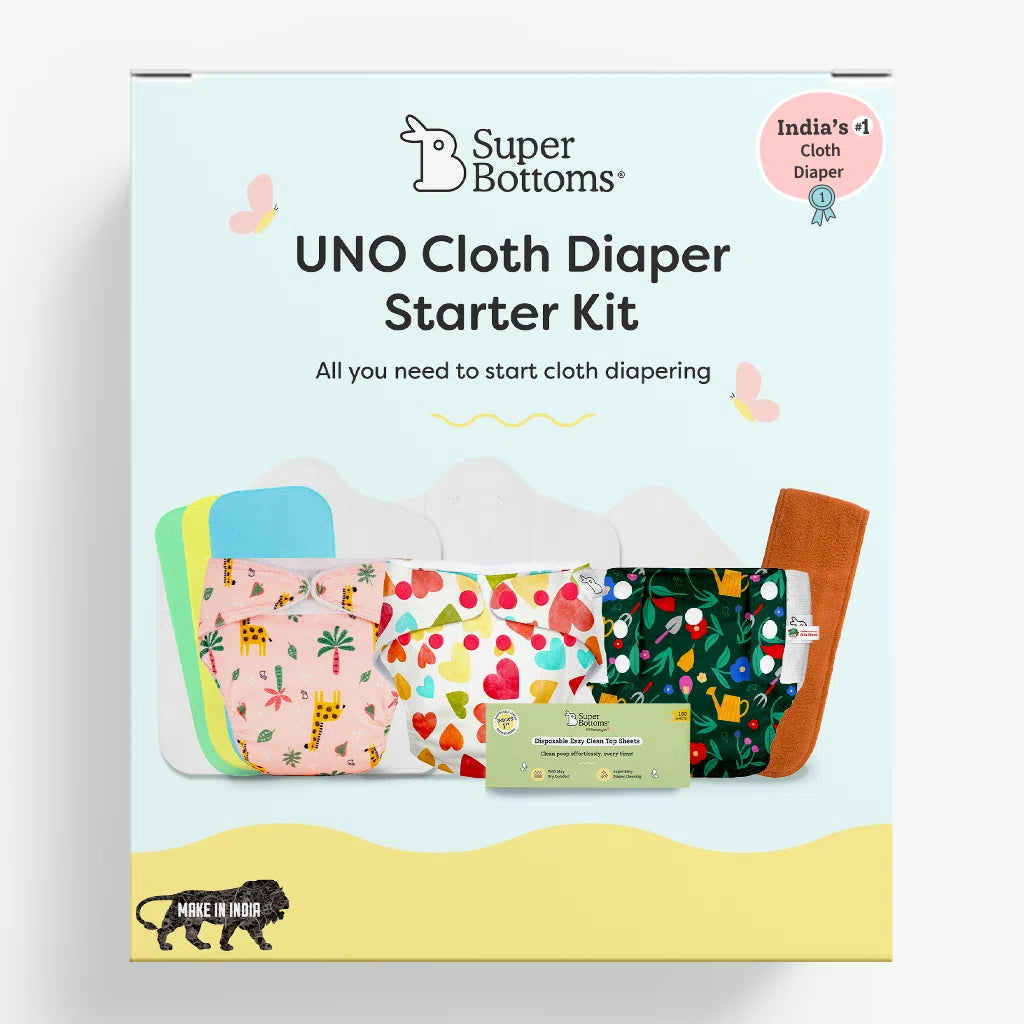
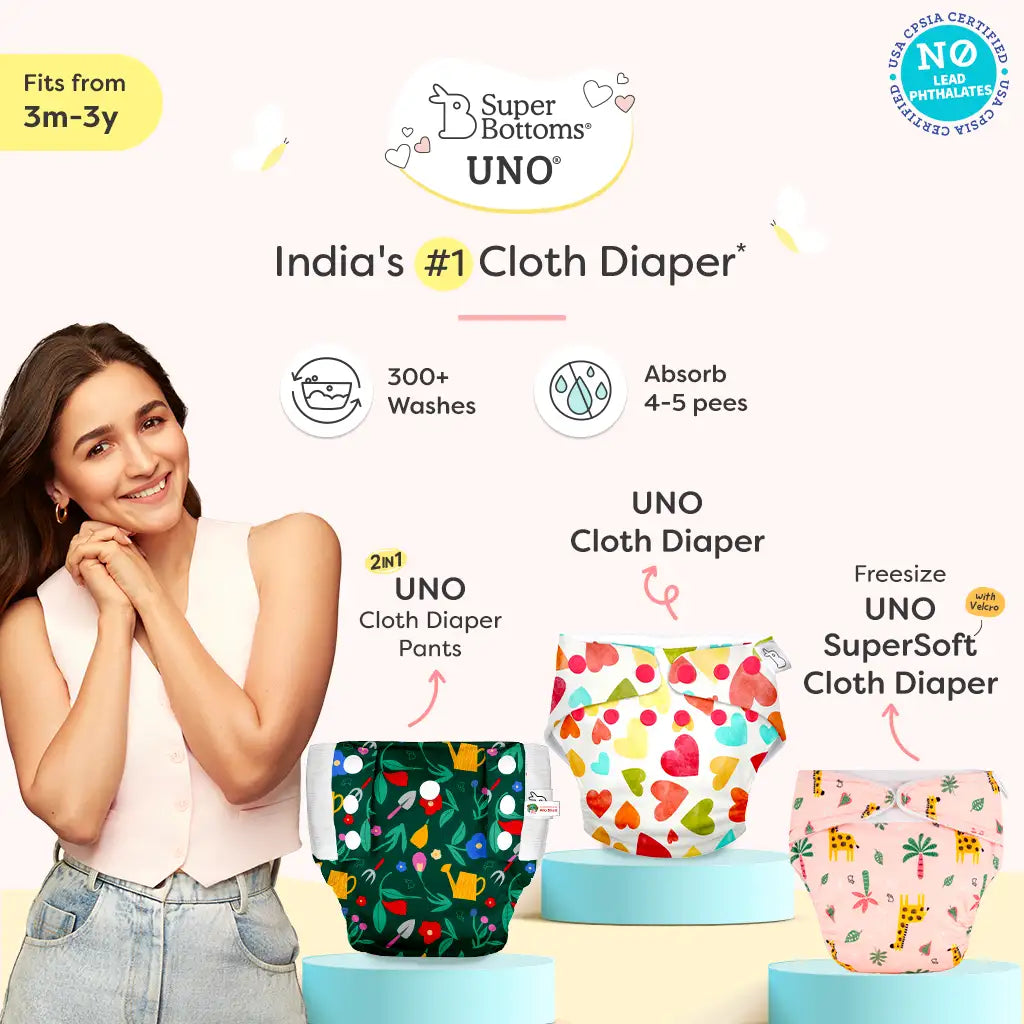
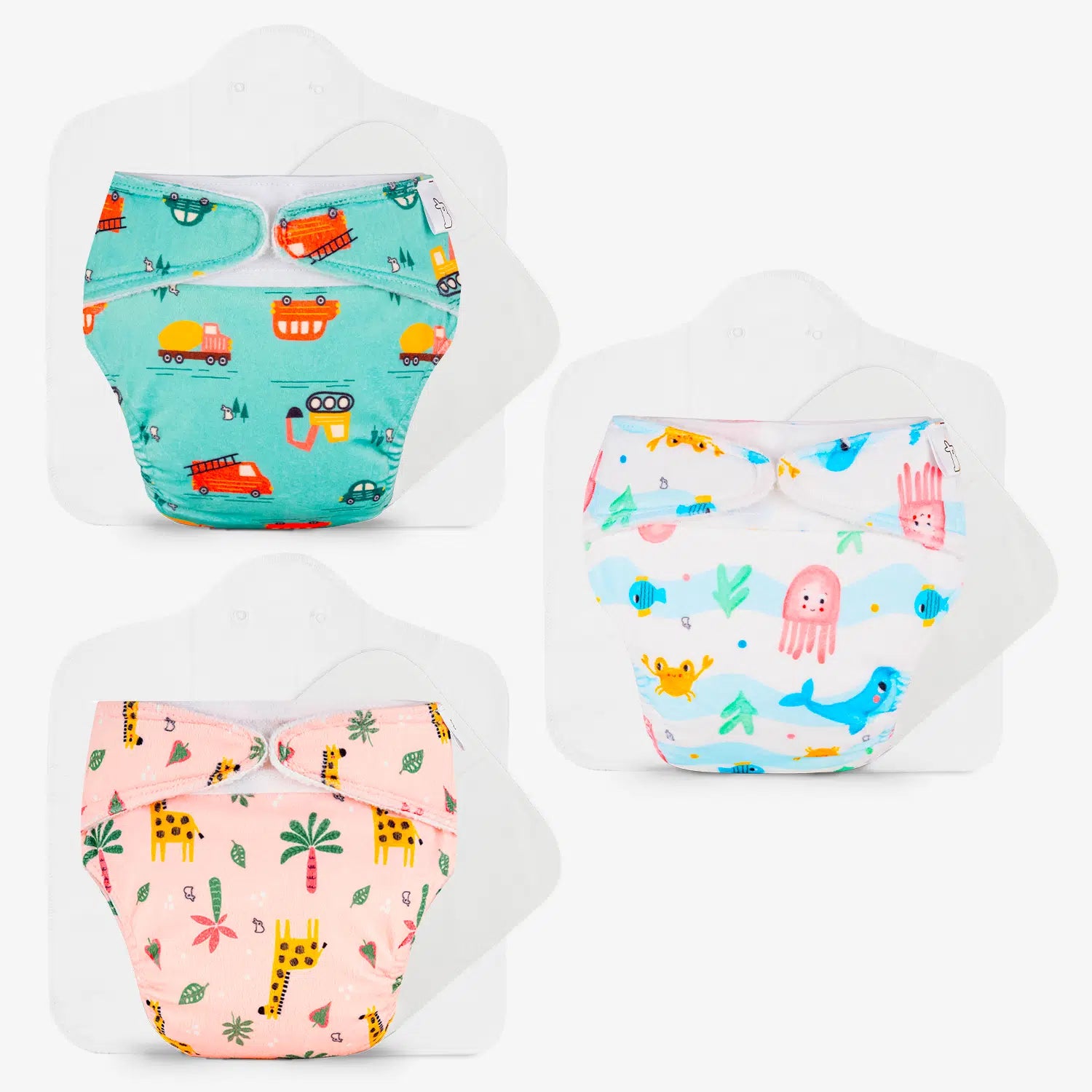
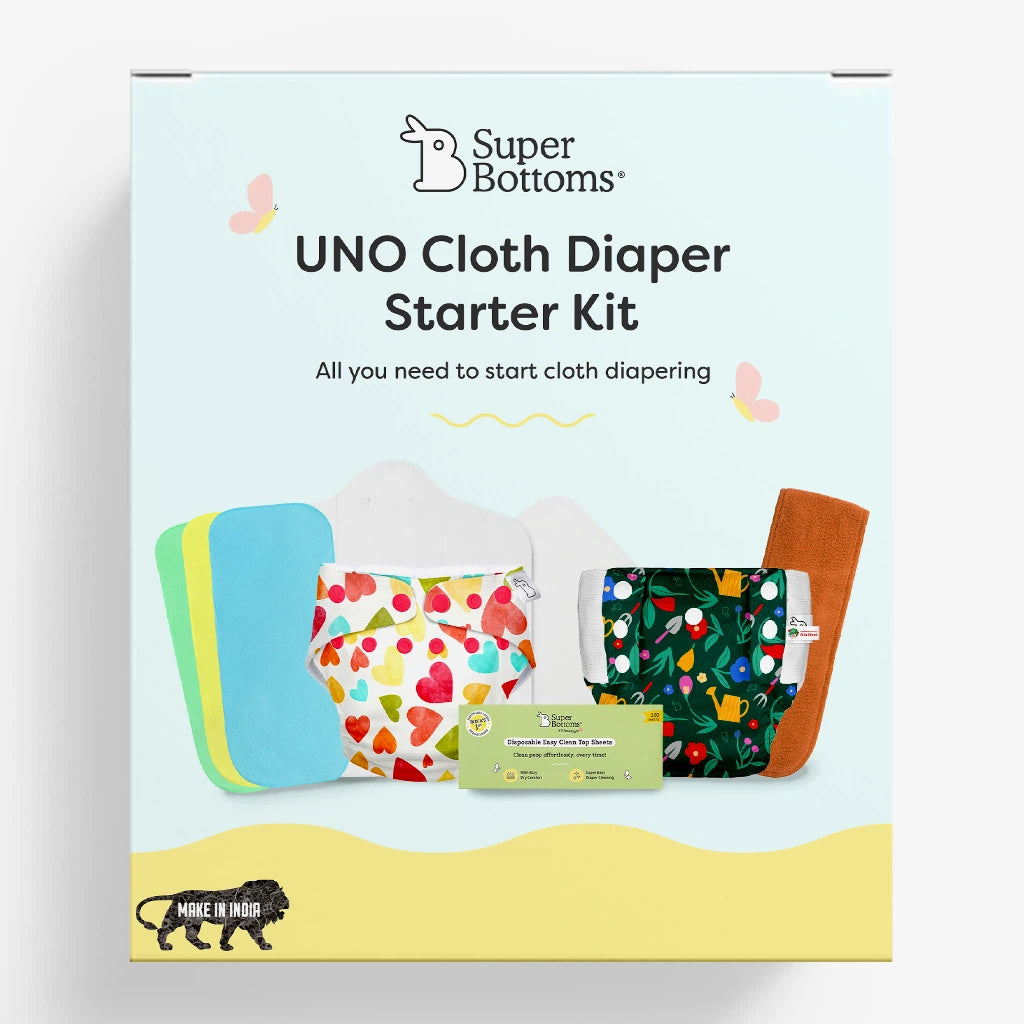
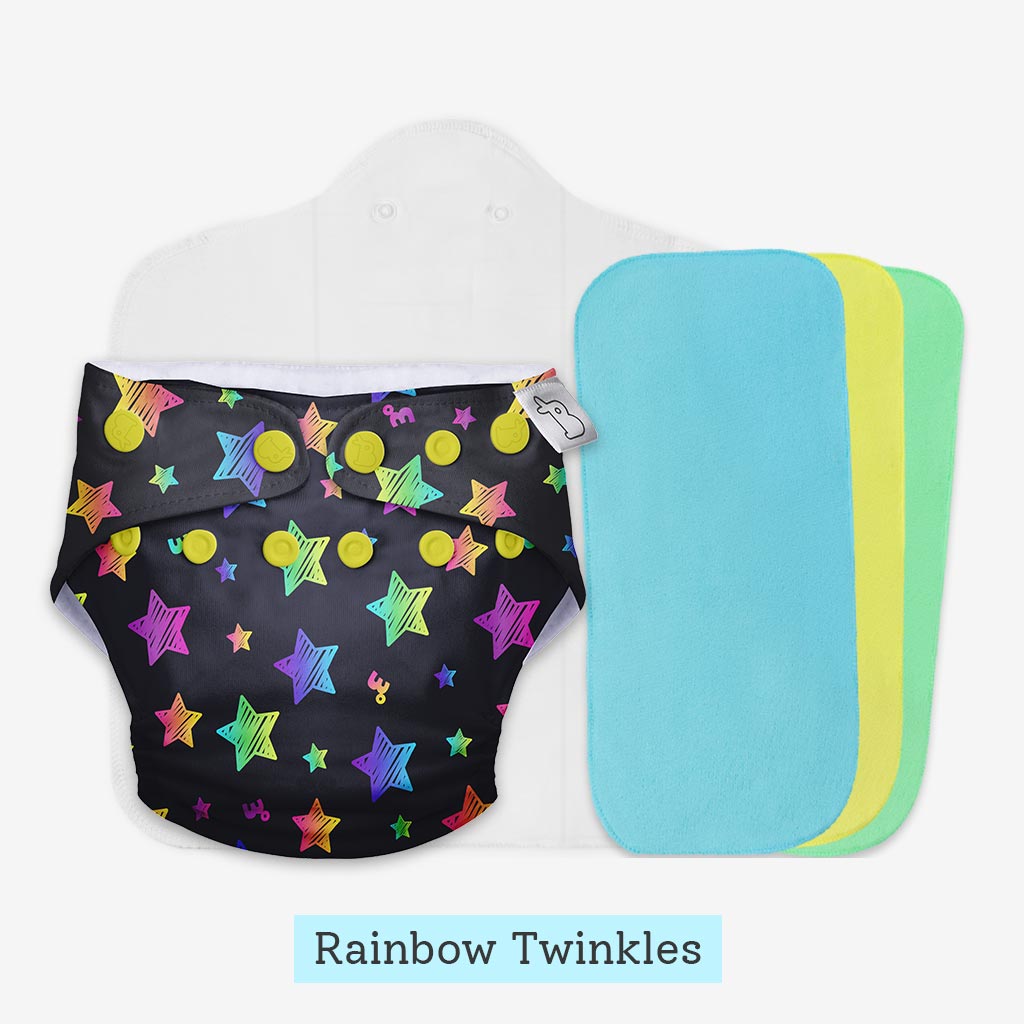
SuperBottoms Pick: Freesize UNO Cloth Diaper — Designed for leak protection & reusability
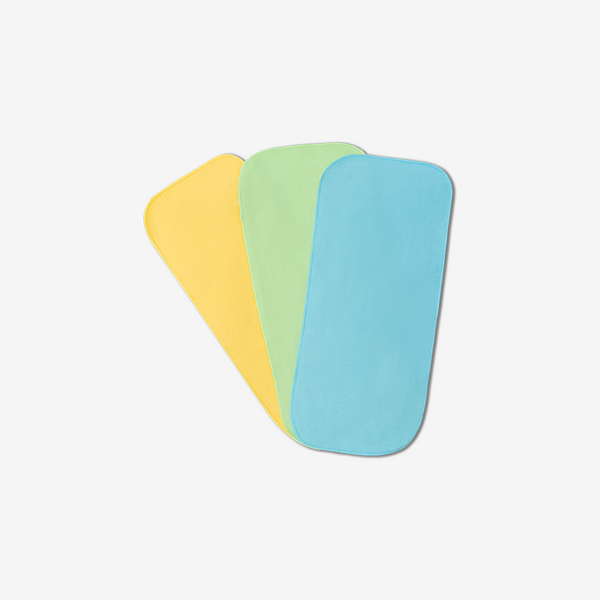
SuperBottoms UNO features adjustable sizing, a waterproof outer layer, and reusable absorbent pads — making it suitable from infancy to toddlerhood.
Comparison Table: Cloth Diapers vs Disposable Diapers
|
Criteria |
Cloth Diapers |
Disposable Diapers |
SuperBottoms UNO |
|---|---|---|---|
|
Reusability |
Yes |
No |
Yes |
|
Upfront Cost |
Moderate |
Low |
Moderate |
|
Long-Term Cost |
Lower |
Higher |
Lower |
|
Skin Breathability |
High |
Varies |
High |
|
Waste Generation |
Minimal |
High |
Minimal |
|
Convenience |
Medium |
High |
Medium-High |
|
Leak Protection |
Good (with inserts) |
Good |
Strong (adjustable pads) |
This makes the cloth diapers vs disposable diapers decision clearer based on lifestyle priorities.
Conclusion: Disposable or Cloth Diapers — What’s the Right Choice?
Choosing between cloth vs disposable diapers isn’t about right or wrong — it’s about fit for your family.
If your main concern is:
- Reducing long-term costs
- Minimising diaper rash triggers
- Cutting landfill waste
Then reusable cloth diapers may offer more value.
For parents seeking adjustable sizing, leak-proof design, and long-term savings, SuperBottoms UNO is worth considering.
Find the right fit → Shop SuperBottoms UNO.
|
Limited Time Offers + Special Gift Sets! Now or never Super SALE is live on the SuperBottoms website! Take advantage of unbeatable value deals on our UNO Cloth Diapers, Baby Essentials, and more. Looking for the perfect present for a newborn or a toddler? Explore our thoughtfully curated Gift Sets & Combos - safe, skin-friendly, and oh-so-cute! A bundle of love for little ones and a delight for parents. HURRY - Deals and Gift Packs are live only till stocks last. Don’t miss the chance to stock up and share the joy! |
Key Takeaways
- Cloth diapers are cost-effective and eco-conscious over time.
- Disposable diapers offer convenience but higher recurring expense.
- The best choice depends on your baby’s skin, routine, and budget.
FAQs
1. Which is better cloth diapers or disposable for newborns?
Both can work well. Ensure proper fit and frequent changes for newborn diapers.
2. Is cloth diapers better than disposable for rash prevention?
Cloth diapers may reduce chemical exposure, but rash prevention mainly depends on change frequency.
3. Are reusable cloth diapers hard to maintain?
Modern designs are washing-machine-friendly and simpler than traditional folding styles.
4. What are the biggest cons of disposable diapers?
Recurring cost, landfill waste, and possible chemical irritation.
5. Can I use cloth diapers at night?
Yes, with extra absorbent inserts for heavy wetters.
6. Is cloth diapering hygienic?
Yes, when washed properly using recommended detergent and drying methods.
7. Where can I buy reusable cloth diapers in India?
You can purchase them online through brand websites and major marketplaces.
8. Is SuperBottoms worth the price?
For families planning long-term diapering, the reusability and adjustable sizing often justify the upfront investment.
Message from SuperBottoms
Hi there, new parents! SuperBottoms brings you doctor-recommended cloth diapers - the best rash-free diapering solution for your baby’s sensitive and delicate skin. Unlike disposable diapers loaded with chemicals, our newborn cloth diapers, when used and washed properly, can help eliminate the risk of diaper rashes. SuperBottoms offers a wide range of safe, skin-friendly essentials for the whole family - including Reusable Cloth Diapers, Diaper Pants, DryFeel langots for diaper-free time, Padded Underwear for potty training, SuperSoft Underwear for everyday comfort, Joggers for playful days, and Period Underwear for women. Not just for everyday use, SuperBottoms products also make the best gifting choice for babies - thoughtful, eco-friendly, practical, and loved by parents. Now available on Amazon, Myntra, Flipkart, FirstCry, Zepto, Swiggy and Blinkit.