



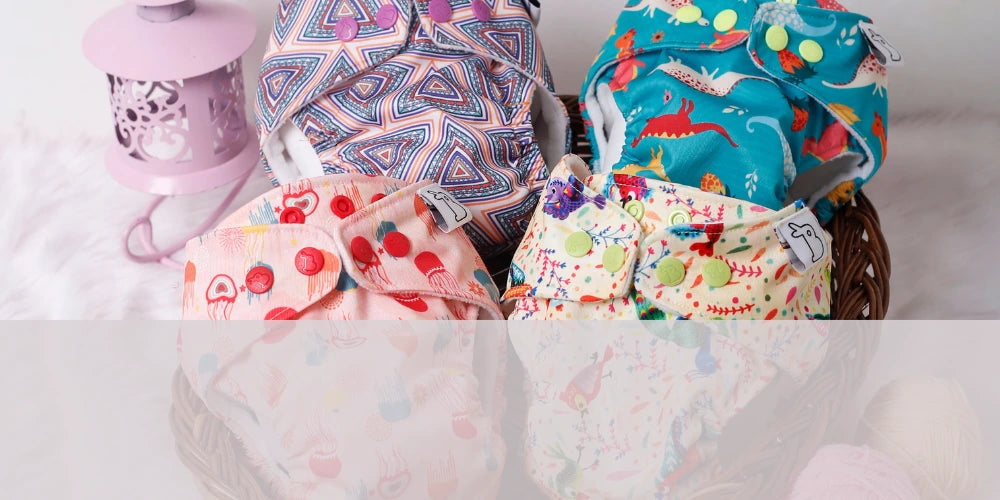

In this article, we will discuss:
- Modern cloth diapers are practical
- Proper washing supports hygiene
- Fit helps prevent leaks
- Cloth diapers can reduce waste
- Choose based on family needs
If you have heard that cloth diapers are messy, unhygienic, difficult to wash or guaranteed to leak, you are not alone. Many of these concerns come from older cloth-nappy experiences.
Modern reusable diapers are designed differently. But that does not mean every claim about cloth diapering is true. The right approach is to understand what cloth diapers can and cannot do, then choose based on your baby, routine and priorities.
Are Cloth Diapers Difficult to Use?
Short answer: Modern cloth diapers can be much simpler than traditional nappies. Adjustable fasteners, waterproof outer layers and removable absorbent inserts eliminate much of the folding and pinning associated with older cloth nappies.
For beginners, the main learning curve is understanding:
- How the diaper fits
- How much absorbency your baby needs
- When to change it
- How to wash and dry it properly
You also do not need to switch completely overnight. Starting with a few reusable diapers at home can help you establish a routine.
What Parents Should Know
Cloth diapering involves laundry, so it is not maintenance-free. However, modern designs can make wearing and changing considerably easier than traditional cloth nappies.
Are Cloth Diapers Hygienic?
Yes, reusable cloth diapers can be hygienic when they are handled, washed and dried correctly. Hygiene depends heavily on the changing and laundry routine rather than simply whether a diaper is cloth or disposable.
The CDC recommends disposing of stool into the toilet when using cloth diapers, storing used diapers appropriately and washing hands thoroughly after diaper changes. (CDC)
A practical routine includes:
- Remove stool before washing.
- Store used diapers in a suitable dry container.
- Wash them thoroughly with detergent.
- Ensure they dry completely before reuse.

Do Cloth Diapers Cause Rashes?
Cloth diapers do not automatically cause or prevent diaper rash. Rash can have several causes, including prolonged contact with moisture or stool, irritation, infection and a diaper that fits too tightly.
The American Academy of Paediatrics recommends changing diapers regularly and keeping the diaper area clean and dry. Its guidance also notes that cloth-diaper users need to pay attention to thorough laundering.
An Expert Perspective
Laura A. Jana, MD, FAAP, and Jennifer Shu, MD, FAAP, writing for the American Academy of Paediatrics, take a neutral approach to cloth versus disposable diapers and emphasise practical considerations rather than declaring one universally superior.
Expert Answer
There is no need to choose a diaper solely because you have heard it is “rash-free.” Focus instead on timely changes, appropriate fit, gentle cleaning and your baby's individual skin response.
Do Cloth Diapers Always Leak?
No. Leaks can happen with any diaper, and with cloth diapers they commonly point to a fit, absorbency or timing issue.
Check these factors first:
|
Possible issue |
What to check |
|---|---|
|
Poor fit |
Snug waist and leg fit |
|
Insufficient absorbency |
Appropriate insert or booster |
|
Delayed change |
Change when wet or soiled |
|
Insert placement |
Ensure correct positioning |
What Parents Should Know
A leak does not necessarily mean cloth diapering has failed. First check the fit, absorbency and changing routine before changing the entire diaper system.
Are Cloth Diapers Expensive?
The answer depends on how you calculate the cost. Reusable diapers generally require a higher upfront purchase, while disposable diapers involve a continuing cost every time a new diaper is used.
Your total cloth-diaper cost can include:
- Number of diapers purchased
- Washing and drying
- Detergent
- How long the diapers remain usable
- Whether they are reused for another child
This is why comparing the price of one cloth diaper with one disposable diaper does not give a meaningful long-term comparison.
For Indian families considering reusable diapers, the more useful question is: What will my total diapering cost be over months or years?
Are Cloth Diapers Better for the Environment?
This is another myth that needs nuance.
Reusable diapers reduce the number of single-use diapers entering the waste stream. However, they also require water, detergent and energy for washing and drying.
So, the environmental benefit depends partly on how often the diaper is reused and how it is laundered.
What Parents Should Know
Cloth diapering is not impact-free, but repeated reuse can reduce dependence on single-use products. Washing efficiently and using the diapers for as long as possible makes the reusable model more meaningful.
What Should You Look For?
Before buying baby cloth diapers, consider these five factors:
1. Fit: Adjustable sizing and secure leg openings can improve comfort and containment.
2. Absorbency: Choose an insert system appropriate for your baby's wetting pattern and the time of day.
3. Materials: Look for fabrics that feel comfortable against your baby's skin.
4. Ease of use: A system that caregivers can confidently put on and wash is more likely to become part of your routine.
5. Durability: Since the value of reusable diapers comes from repeated use, construction and wash durability matter.
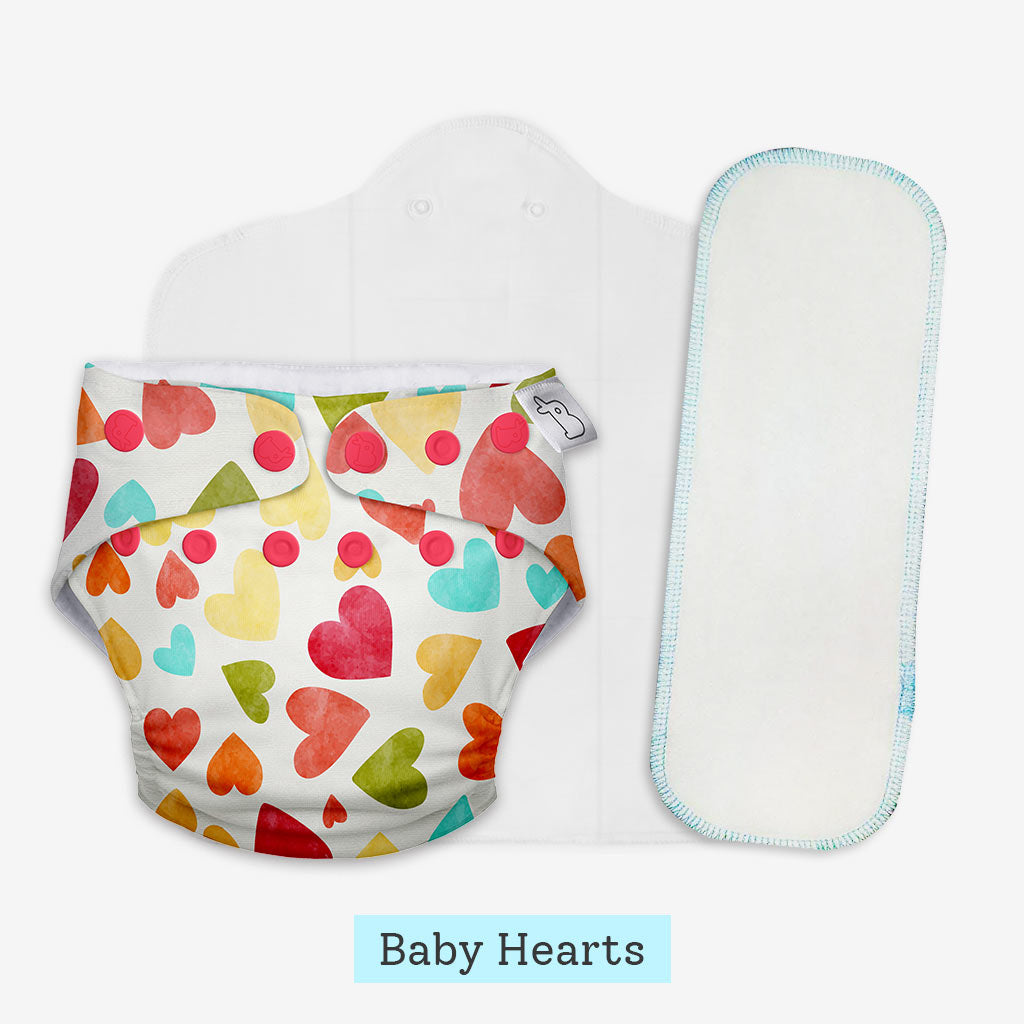
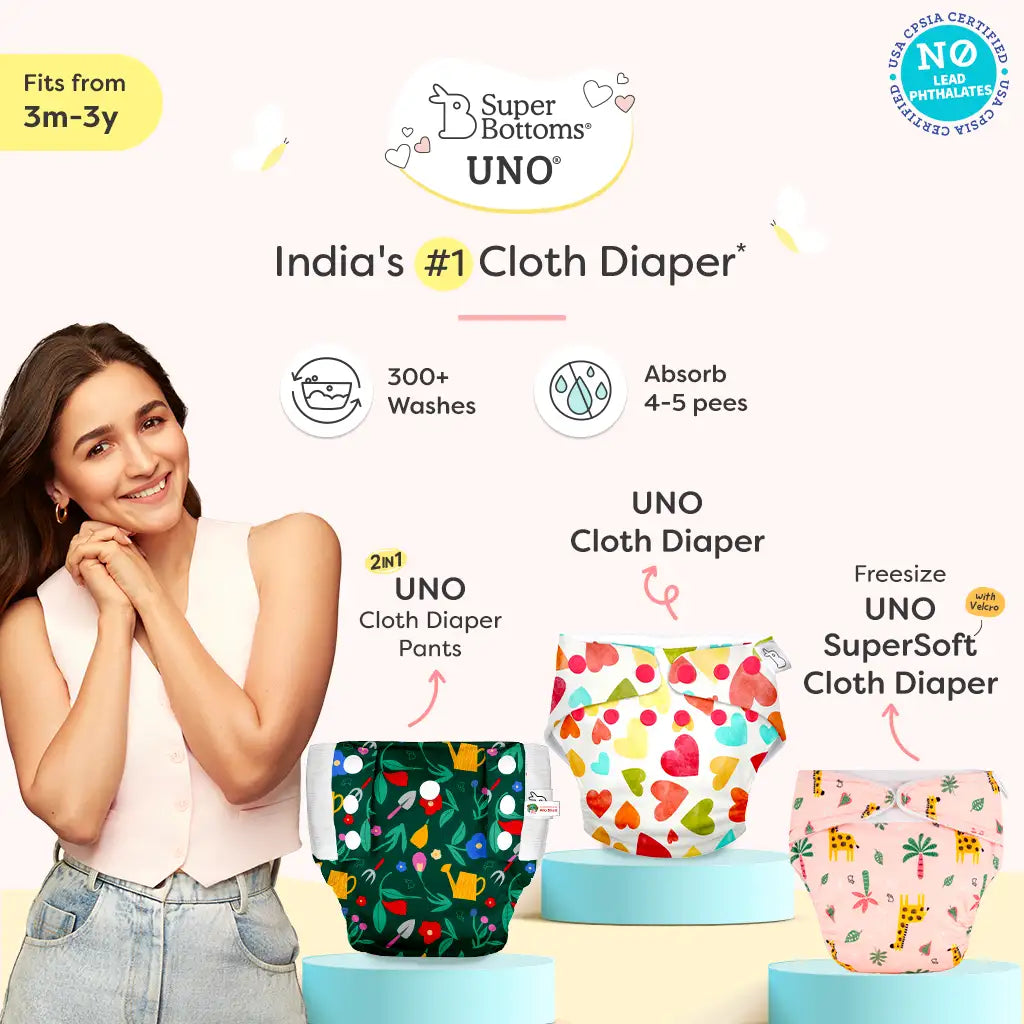
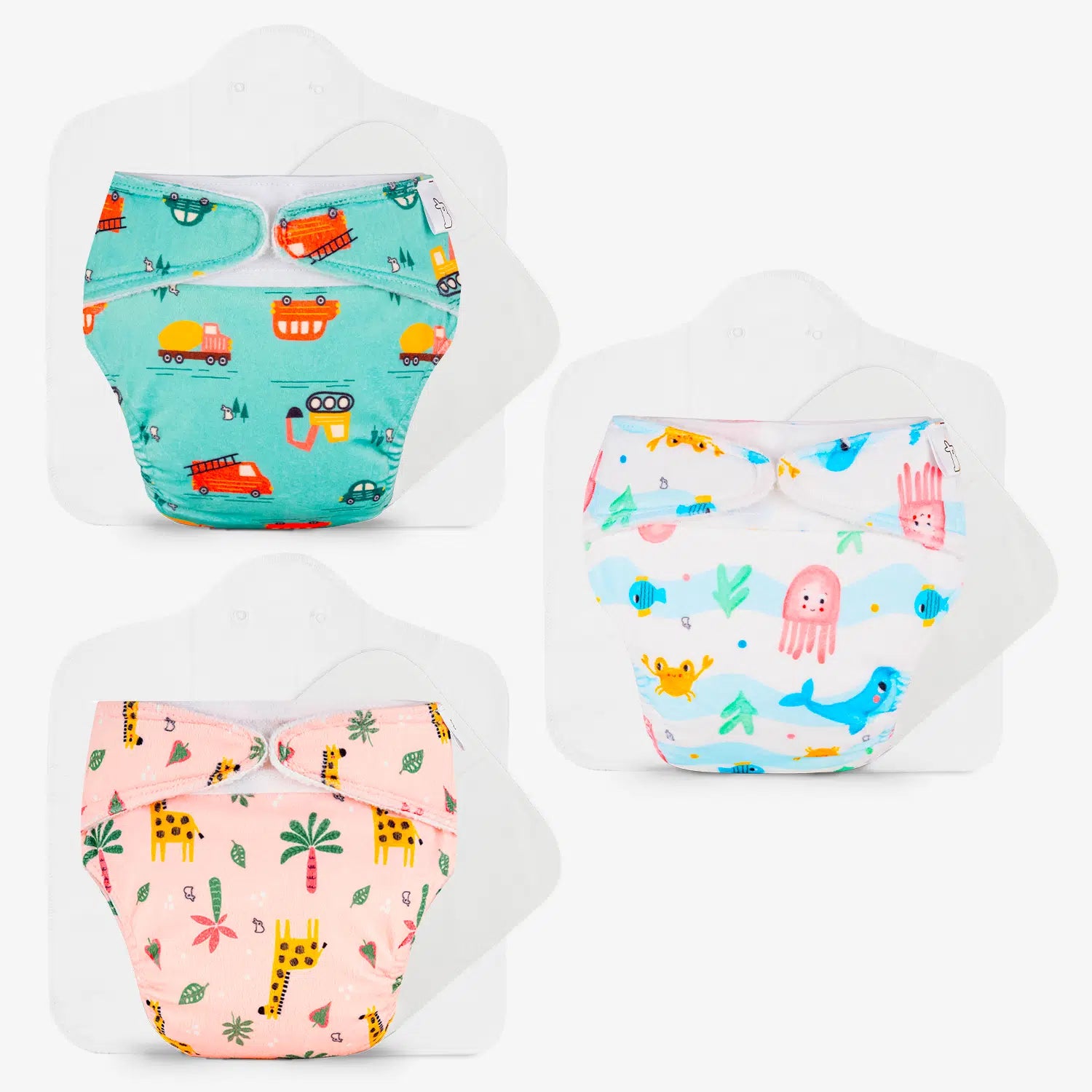
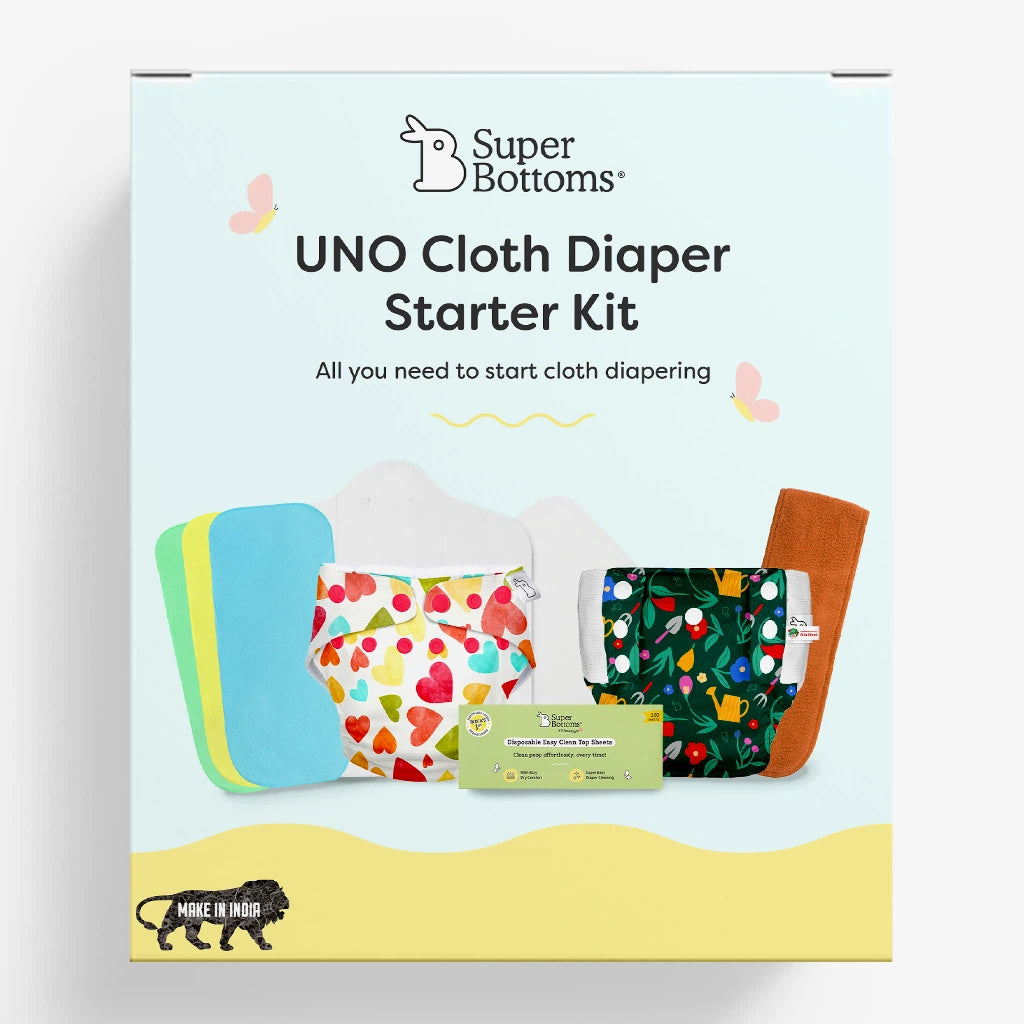
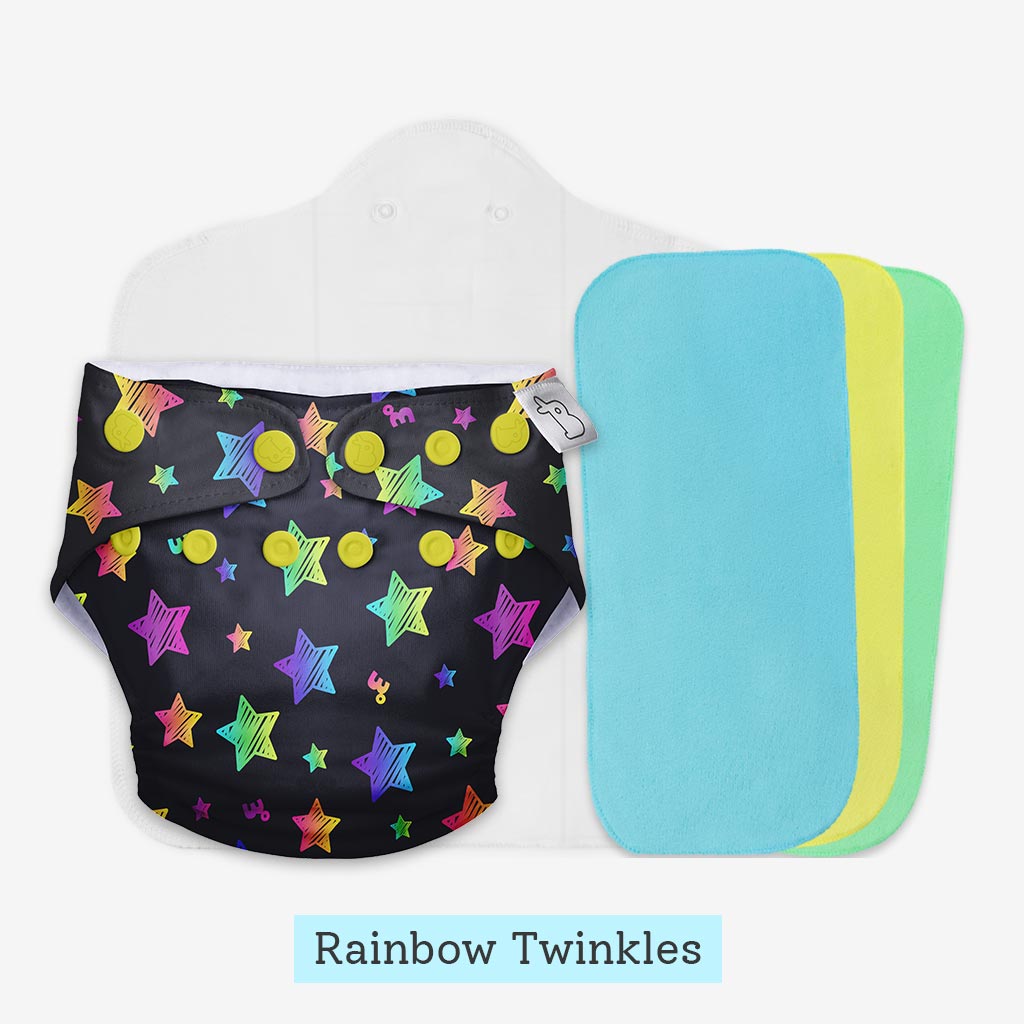
💡 SuperBottoms PickFor parents looking for a modern reusable system, SuperBottoms UNO combines an adjustable diaper shell with a Dry Feel Magic Pad and is designed for babies from around 3 months to 3 years, depending on weight and fit. |
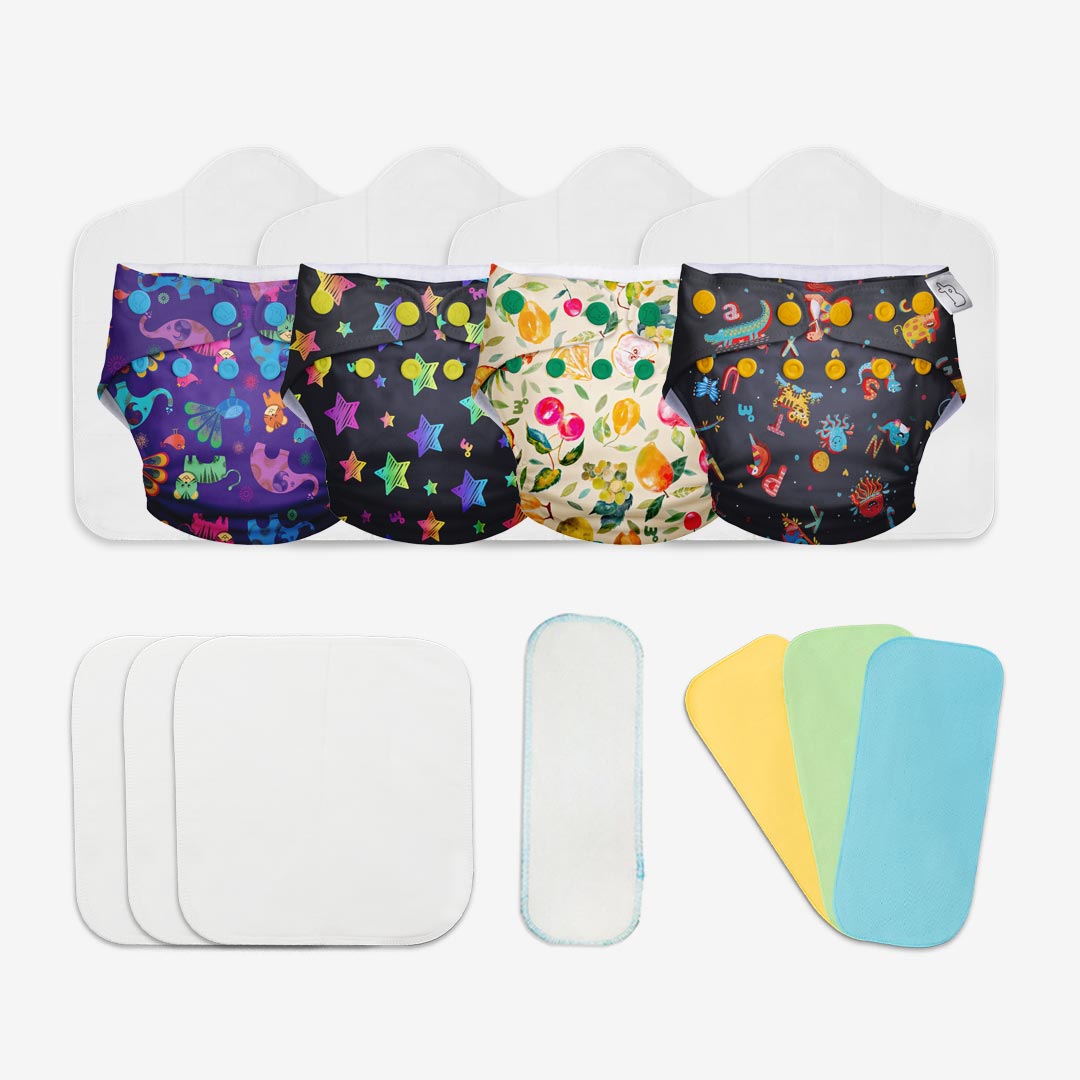
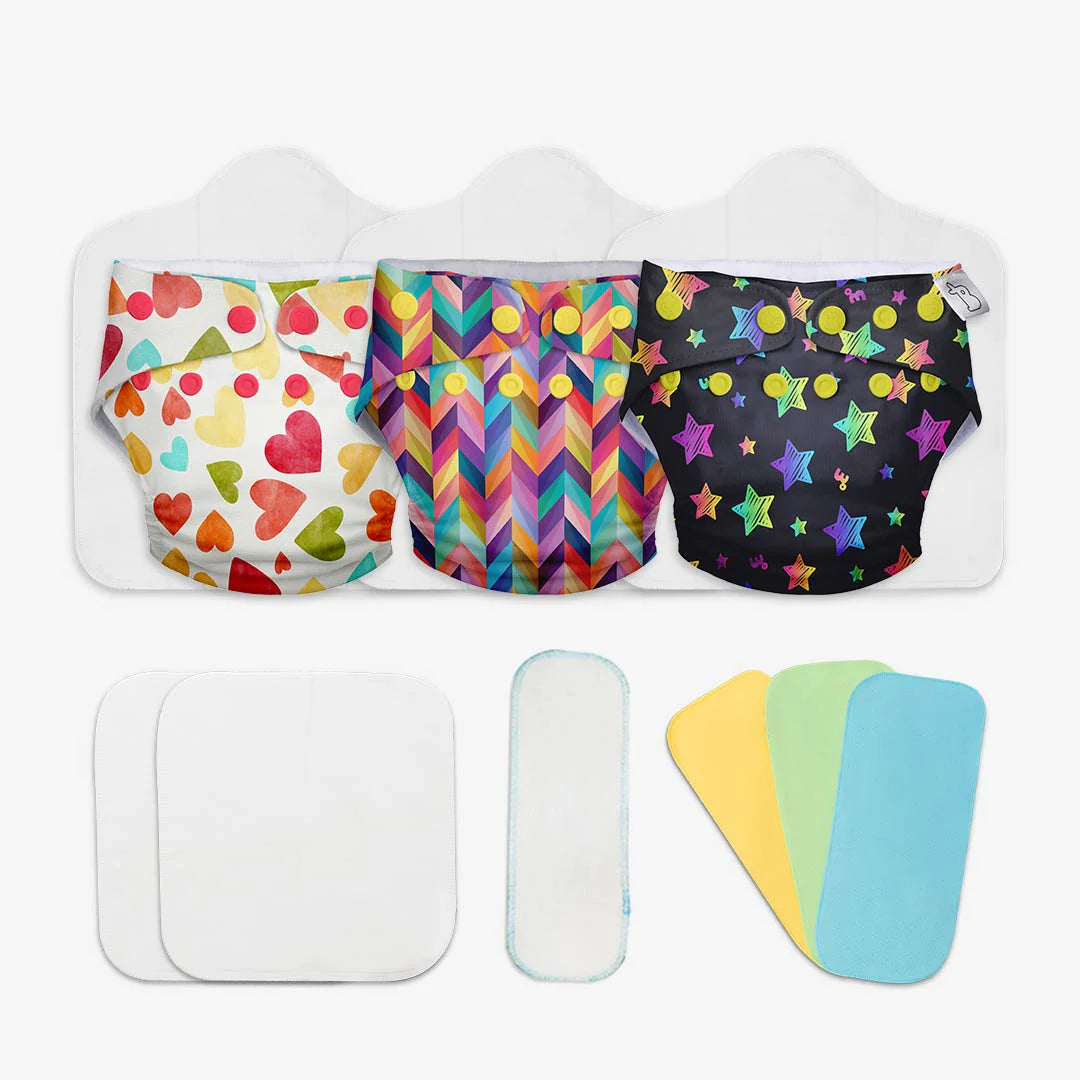
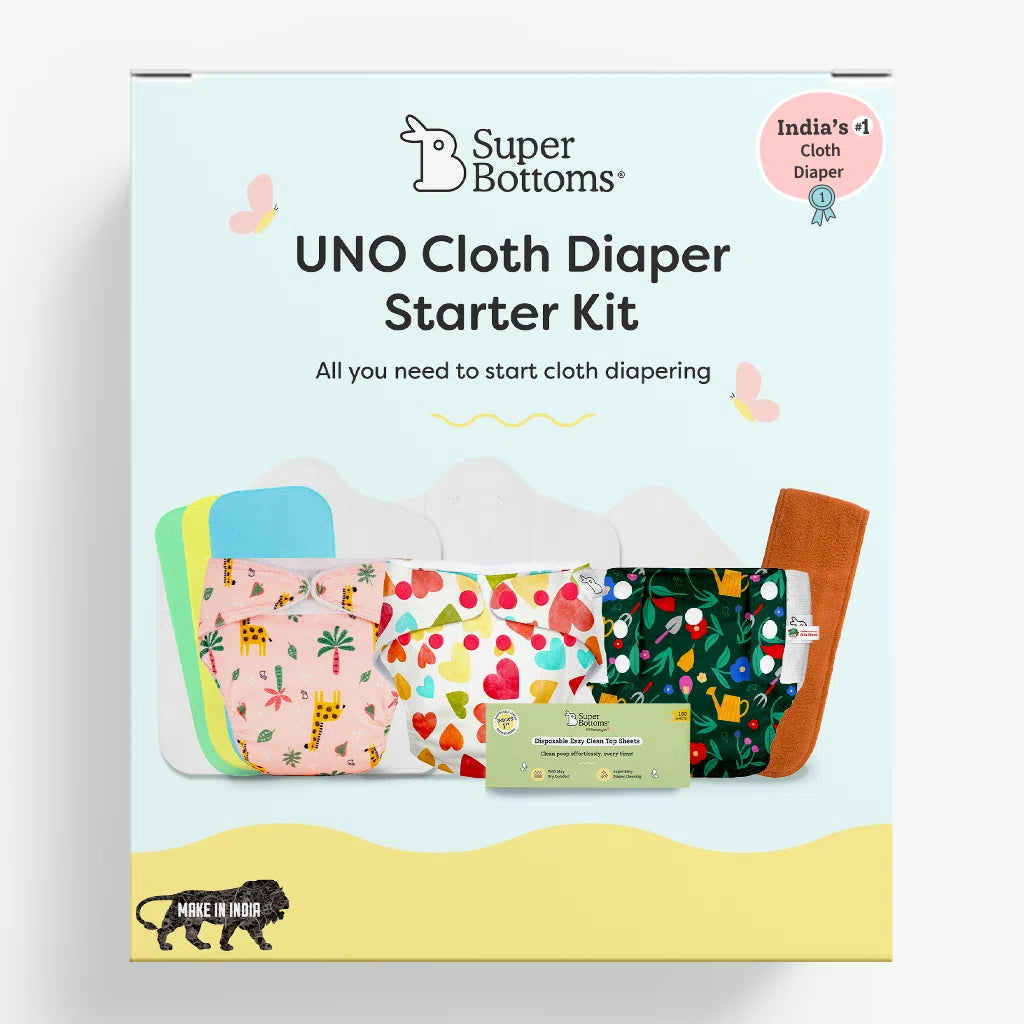
A starter kit can also be useful if you want to try cloth diapering without immediately building a larger stash.
Parent Checklist
Before switching to reusable diapers:
- ☐ Choose the correct size and fit
- ☐ Keep enough diapers for your wash cycle
- ☐ Understand the insert/absorbency system
- ☐ Set up a simple storage routine
- ☐ Wash and dry diapers thoroughly
- ☐ Change promptly when wet or soiled
- ☐ Keep a disposable option for situations where it works better
- ☐ Give yourself time to learn the routine
The biggest cloth diaper myths usually turn practical challenges into absolute statements: “They always leak,” “they cause rashes,” “they are unhygienic,” or “they are too difficult.”
The reality is more balanced. Modern cloth diapers can be convenient and reusable, but success depends on fit, timely changes, proper washing, adequate absorbency and a routine that works for your family.

Key Takeaways
- Fit and timely changes matter.
- Proper washing supports hygiene.
- Choose reusable diapers for your routine.
FAQs
1. Are cloth diapers hygienic for babies?
Yes, when they are handled, washed and dried correctly. Proper changing and hand hygiene are also essential.
2. Do cloth diapers cause diaper rash?
Not automatically. Rash prevention depends on factors such as timely changes, keeping skin clean and dry, proper fit and thorough laundering.
3. Why do cloth diapers leak?
Common reasons include incorrect fit, insufficient absorbency, poor insert placement or waiting too long between changes.
4. Are cloth diapers cheaper than disposable diapers?
They can cost less over time because they are reusable, but the actual savings depend on the purchase cost, washing expenses, lifespan and how frequently they are used.