




This article will discuss:
- Understand cloth diapering costs
- Choose reusable diapers wisely
- Save money on diaper care
- Build a practical diaper stash
Diapers are a regular expense for growing babies, and the costs can add up quickly. Cloth diapers offer a reusable alternative, but buying too many or choosing the wrong fit can make them feel expensive.
The smarter approach? Start with what your baby needs, choose durable products and build a routine that works for your family.
Do cloth diapers save money?
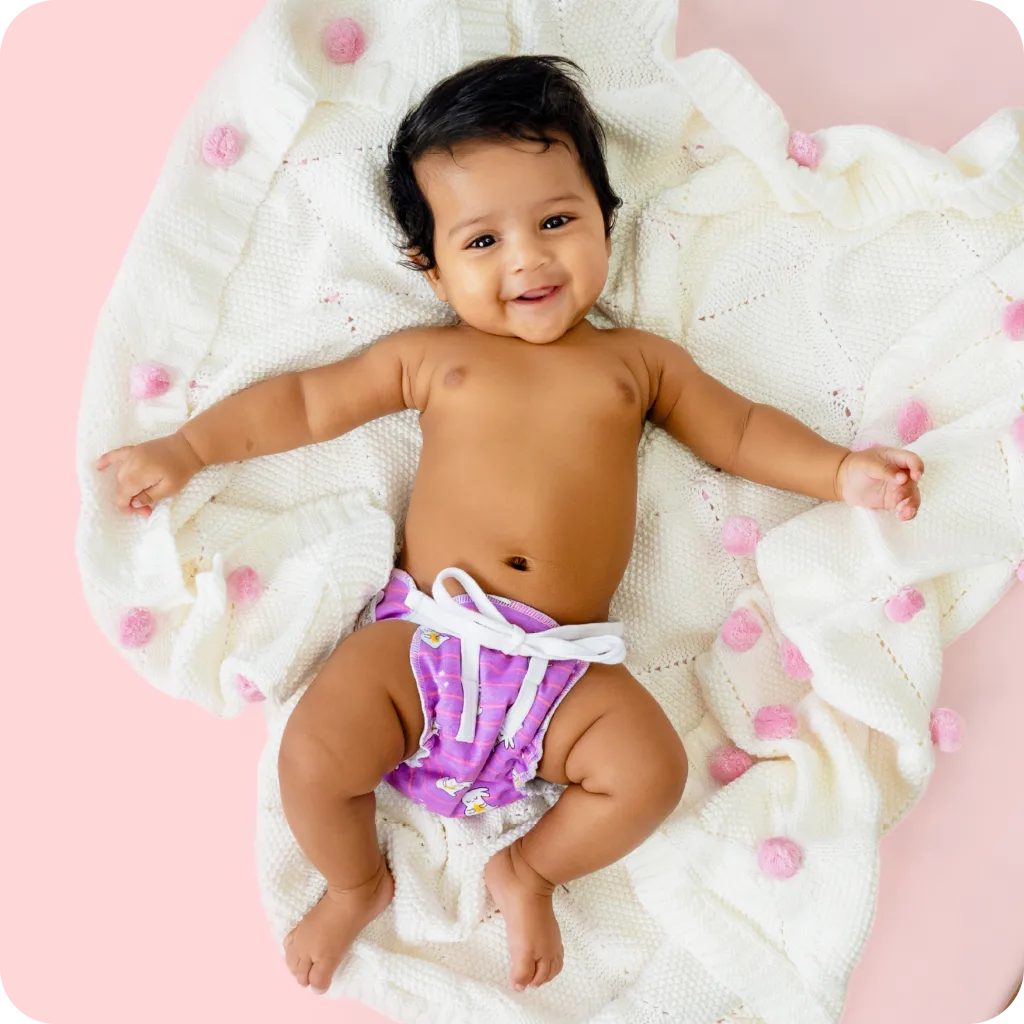
Yes, newborn cloth diapers can reduce long-term diapering costs when used consistently. Unlike disposables, reusable diapers can be washed and used repeatedly. However, actual savings depend on the initial purchase, number of diapers, washing expenses, drying time and how long the products last.
What parents should know
The goal is not to buy the cheapest diaper. It is to choose a reusable system that offers good value over repeated use.
Your savings depend on:
- How often you use cloth diapers.
- How many diapers you need in rotation.
- Whether the diapers remain durable after washing.
- Your water, electricity and detergent costs.
- Whether you use the same diapers for a younger sibling.
How to start cloth diapering on a budget
You do not need to buy an entire collection on day one. Start small, understand your baby's routine and add more as needed.
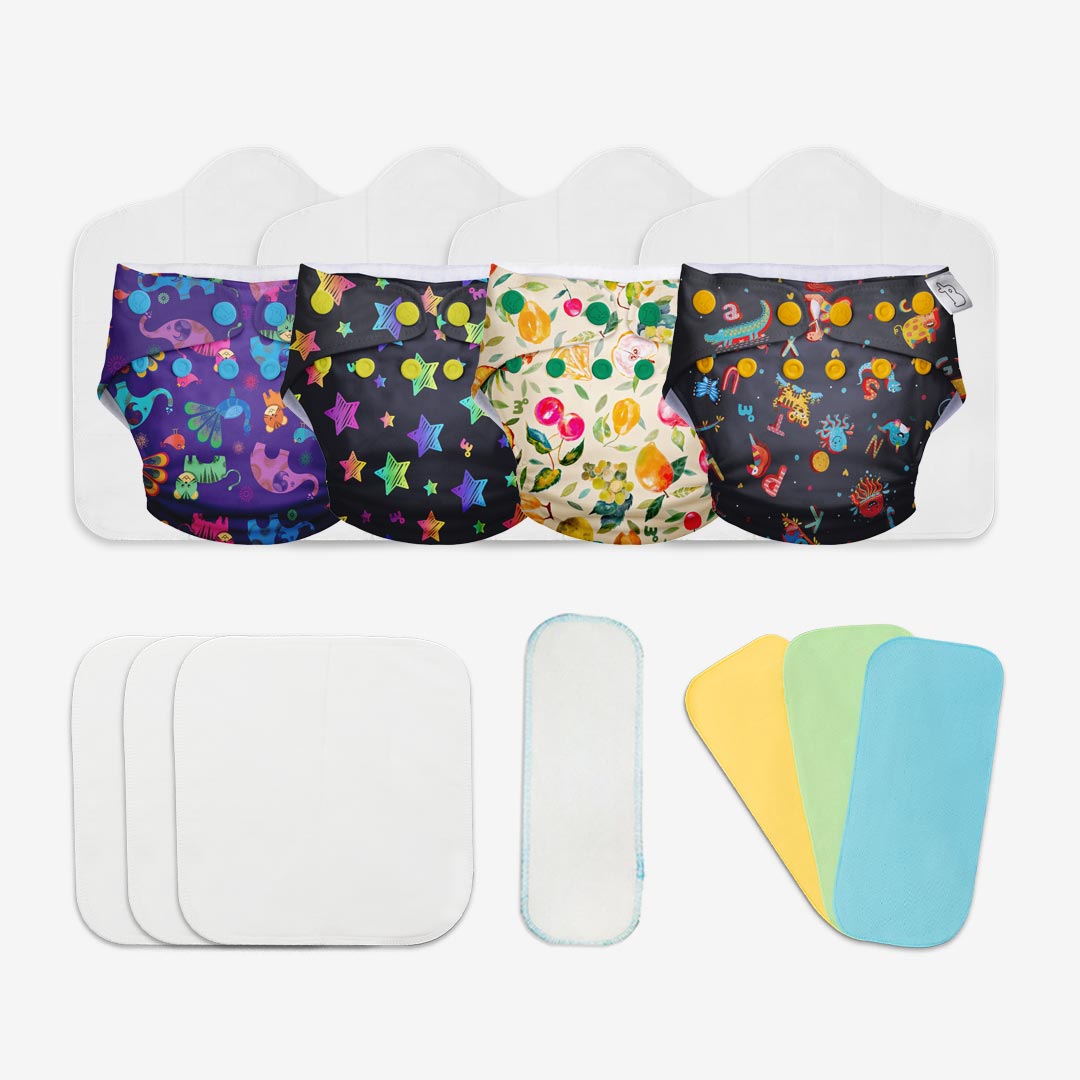
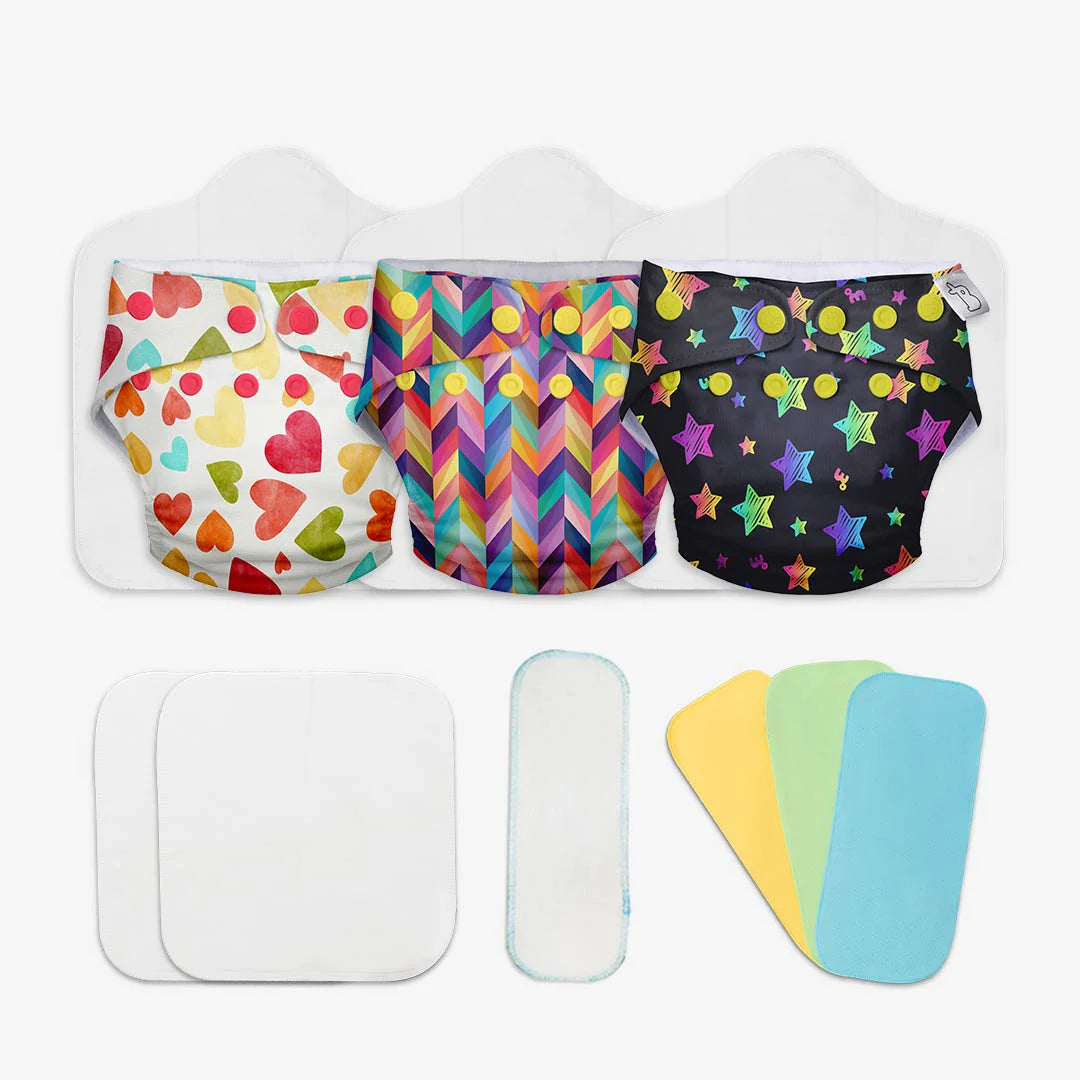
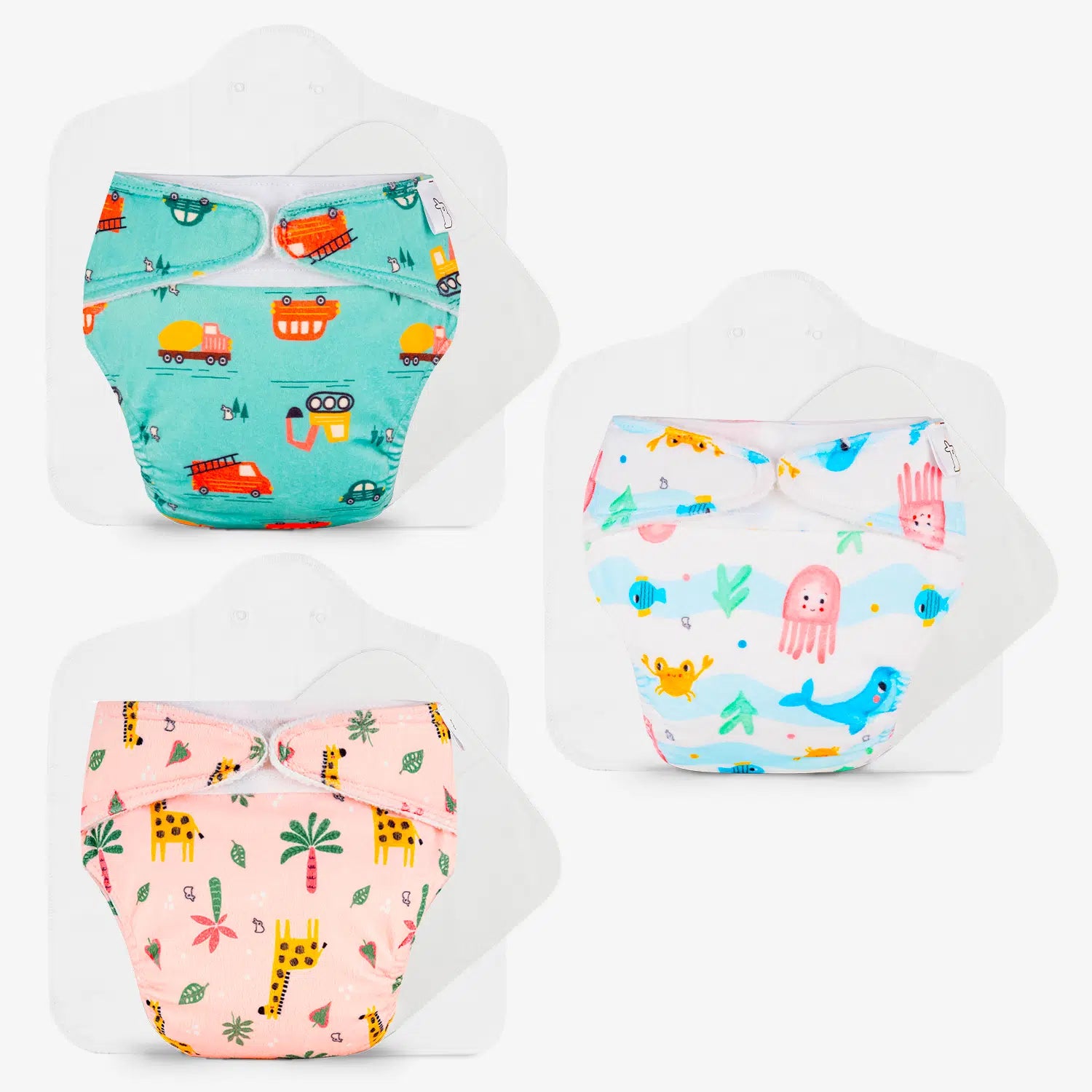
1. Build a practical diaper stash
A diaper stash is the number of reusable diapers and absorbent inserts you keep for regular use.
For beginners, consider:
- A small set for daytime use.
- Extra inserts or absorbent pads.
- A few spare diapers for busy days.
- Enough rotation for washing and drying.
Expert answer
A practical cloth diaper stash should match your baby's changing frequency and your laundry routine. Buying more than you can regularly wash, dry, and use may increase spending without improving convenience.

2. Choose reusable products with a longer life
Look for durable materials, reliable closures and products designed for repeated washing. A low-priced diaper that leaks or wears out quickly may cost more over time.
3. Use cloth diapers where they work best
Many families begin with daytime diapering, when changes and laundry are easier to manage. You can use disposable diapers for travel or situations where washing is difficult. A mixed routine can still help reduce recurring expenses.
Follow the product's washing instructions and avoid running unnecessarily small loads. Air drying can be a practical option when weather and space allow. Make sure diapers are completely dry before storing or using them.
How to choose budget-friendly cloth diapers
The right diaper balances cost, comfort and practical use. Before buying, consider these features:
|
Feature |
What to check |
|---|---|
|
Fit |
Suitable size and comfortable leg openings |
|
Absorbency |
Enough for your baby's wetting pattern |
|
Material |
Soft, comfortable and suitable for baby's skin |
|
Durability |
Designed for repeated washing |
|
Closures |
Simple snaps or Velcro for everyday changes |
|
Care |
Washing and drying requirements |
|
Value |
Cost over repeated use, not just purchase price |
Look for soft materials, a comfortable fit and a suitable leg opening. Change diapers regularly and keep baby's skin clean and dry to help manage moisture-related discomfort.
Which cloth diaper option suits your routine?
|
Option |
Best suited for |
|---|---|
|
Traditional cloth nappies |
Parents comfortable with frequent changes and washing |
|
Reusable cloth diapers |
Everyday diapering with a reusable system |
|
High-absorbency systems |
Longer stretches between changes, when suitable |
|
Disposable diapers |
Travel, emergencies or times when washing is difficult |
No single option works for every family. Choose based on your baby's needs, your routine and your budget.
6 cloth diapering tips to save more
1. Buy for your baby's current stage: Avoid purchasing too many diapers in advance. Your baby's size, wetting pattern and routine can change quickly.
2. Prioritise cost per use: A reusable diaper's value comes from how often it can be used comfortably and maintained properly. Consider durability, absorbency and washing requirements alongside the price.
3. Wash full loads when practical: Follow the product's washing instructions and avoid running unnecessarily small loads. This can help manage water and electricity use.
4. Dry diapers properly: Air drying can be a practical option in India's climate when weather and space allow. Make sure diapers are completely dry before storing or using them.
5. Avoid unnecessary accessories: Start with the essentials. Add boosters, extra inserts or other accessories only when your baby's needs call for them.
6. Keep a backup routine: A few disposable diapers can be useful for travel, unexpected laundry delays or emergencies. Cloth diapering does not have to be an all-or-nothing decision.
What is the practical solution for everyday diapering?
Problem: Disposable diapers create a recurring expense, while a large cloth diaper collection can require a high upfront investment.
Solution: Build a manageable reusable diaper stash with suitable absorbency, comfortable fit and easy washing.
Why it helps: Repeated use can reduce the need for frequent disposable purchases, while a practical rotation makes cloth diapering easier to maintain.
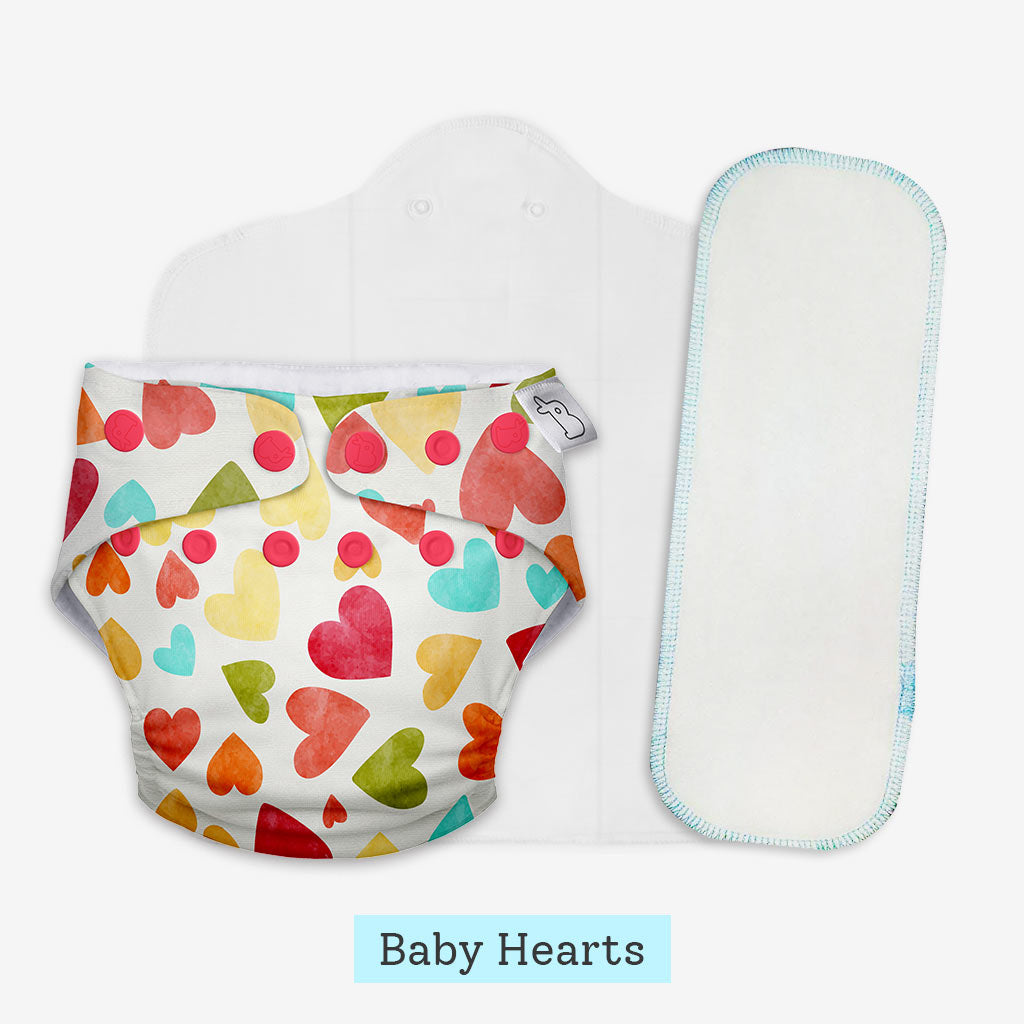
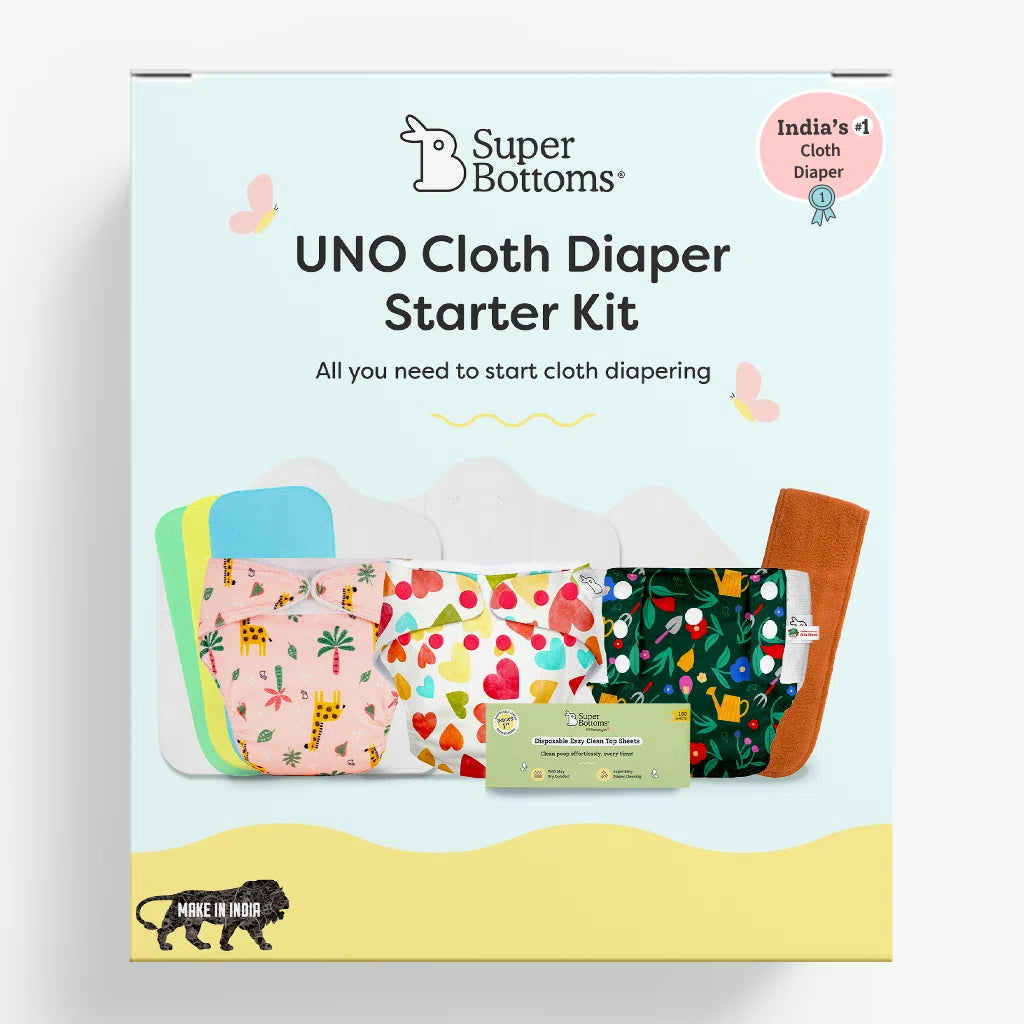
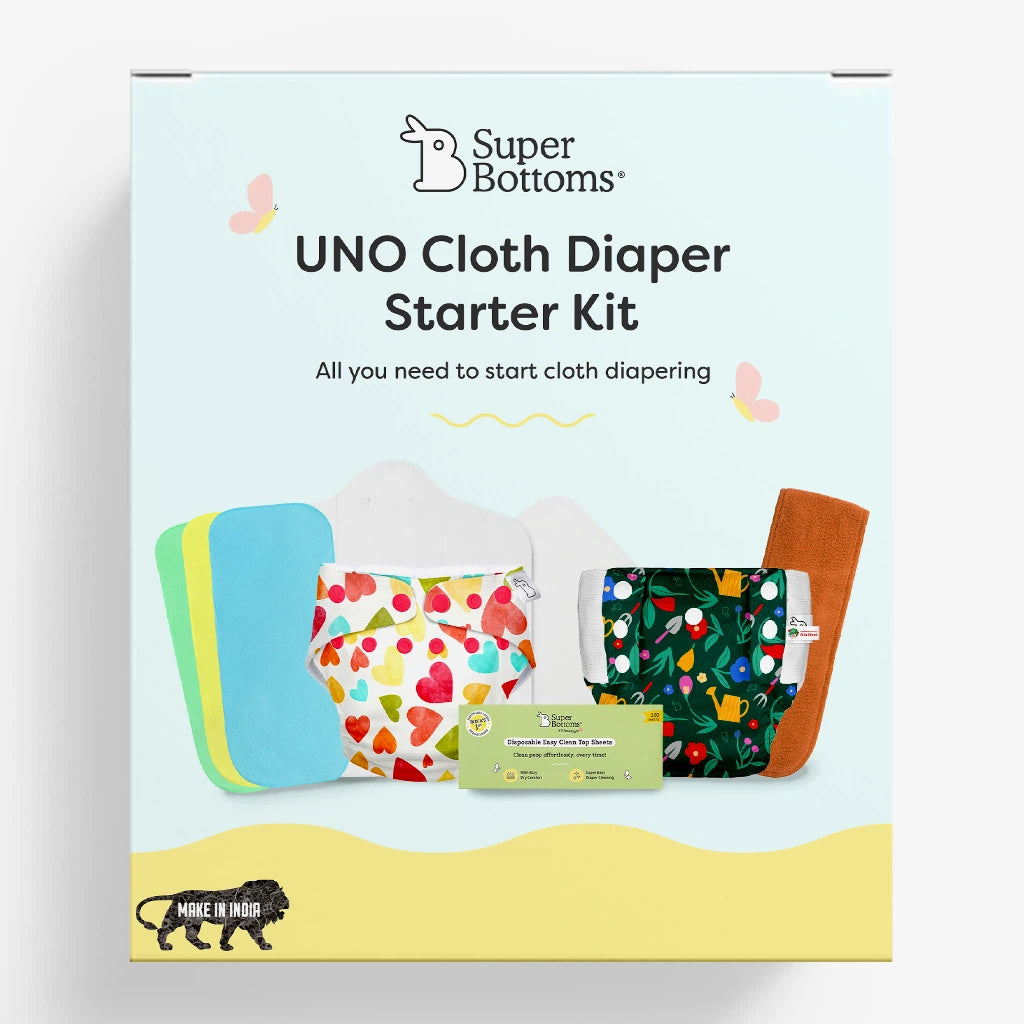
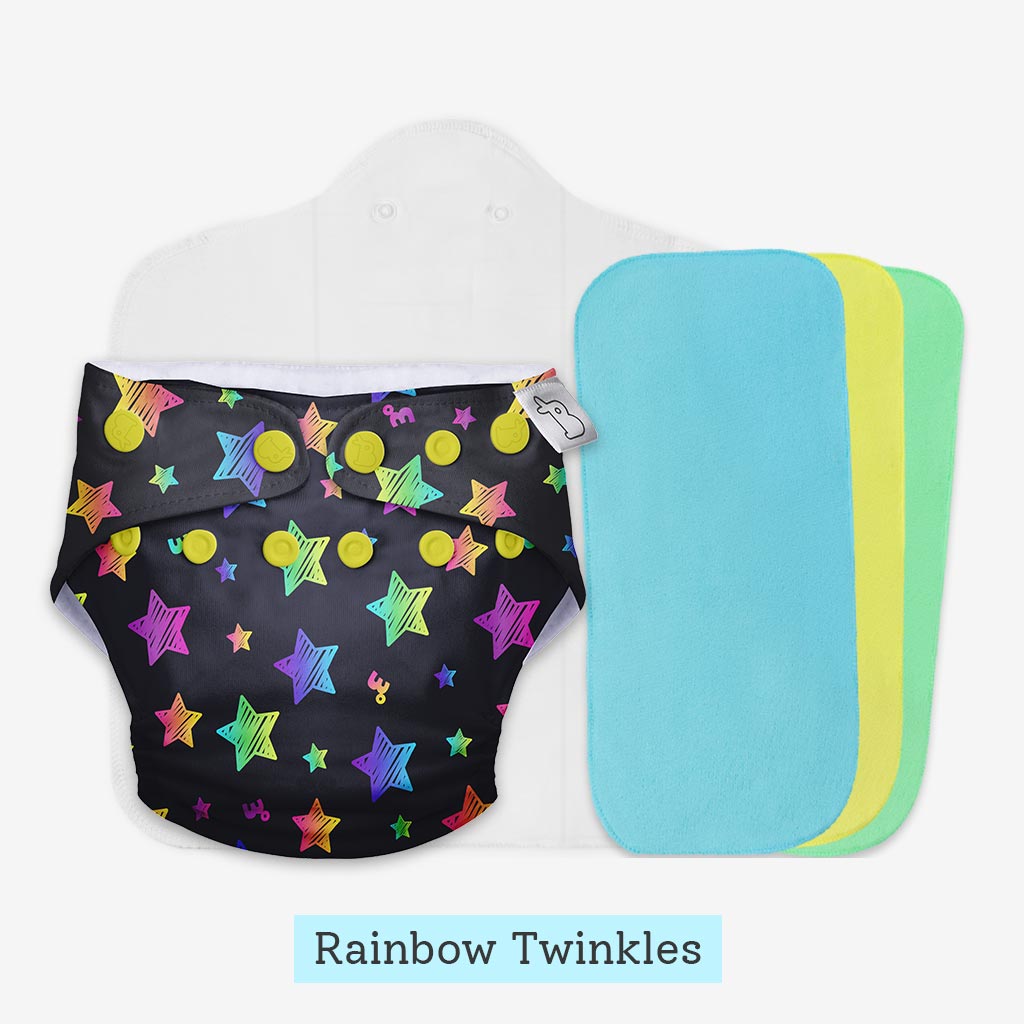
💡 SuperBottoms pick: UNO Cloth DiaperIf you're exploring reusable cloth diapers for everyday use, this is one option to consider. Its adjustable design, absorbent DryFeel Magic Pad and reusable construction are relevant for parents looking for a repeat-use diapering system. |
Explore and compare the features, fit and current price before buying.
Parent checklist
- Choose a suitable diaper size.
- Start with a practical stash.
- Check absorbency for daytime use.
- Follow washing instructions.
- Keep enough diapers for rotation.
- Have a backup option for travel.
- Track actual cost per use.
Key takeaways
- Cloth diapers can reduce long-term diapering expenses.
- Durability, fit and absorbency matter more than the lowest price.
- Start small and build a routine that suits your family.

FAQs
1. Are cloth diapers cheaper than disposables?
They can be cheaper over time because they are reusable. Savings depend on purchase cost, washing expenses and how long the diapers last.
2. How many cloth diapers should I buy?
Start with a practical rotation based on your baby's changes and laundry routine. You can add more as needed.
3. Are cloth diapers suitable for newborns?
Yes, provided the diaper is designed for newborn size and fits comfortably. Newborns may need frequent changes.
4. Can I use cloth diapers only during the day?
Yes. Many families use reusable diapers during the day and choose disposables for travel or other situations where washing is difficult.
5. How can I reduce cloth diaper washing costs?
Wash practical loads, follow the recommended care routine and air dry when suitable. Avoid buying more diapers than you can maintain.