




This article will discuss the following:
- Start cloth diapering gradually
- Choose fit and absorbency
- Build a simple wash routine
- Prevent leaks and skin irritation
Cloth diapering can feel like another skill to learn. You do not need a perfect system on day one. A small daytime trial can help you understand fit, absorbency and washing before building a larger stash.
Is cloth diapering realistic for first-time parents?
Yes. Modern cloth diapers can be beginner-friendly when introduced gradually. You can start with daytime changes, learn the fit and washing routine, and continue using disposables when travel, overnight use or laundry makes reusable diapering less practical for your family.
Expert Answer
Pediatrician Tanya Altmann, MD, FAAP, recommends frequent diaper changes and gentle cleaning to help prevent common diaper rash and limit prolonged contact with urine and stool.
For Indian families, climate matters too. Breathability can be useful in hot weather, while monsoons make drying time an important consideration.

What should you know before buying cloth diapers?
Do not build a large stash before testing what suits your baby. Consider how often you can wash, when you will use cloth and how much absorbency you need.
|
Type |
Best for |
Beginner level |
Limitation |
|---|---|---|---|
|
Prefold + cover |
Flexible routines |
Moderate |
More steps |
|
|
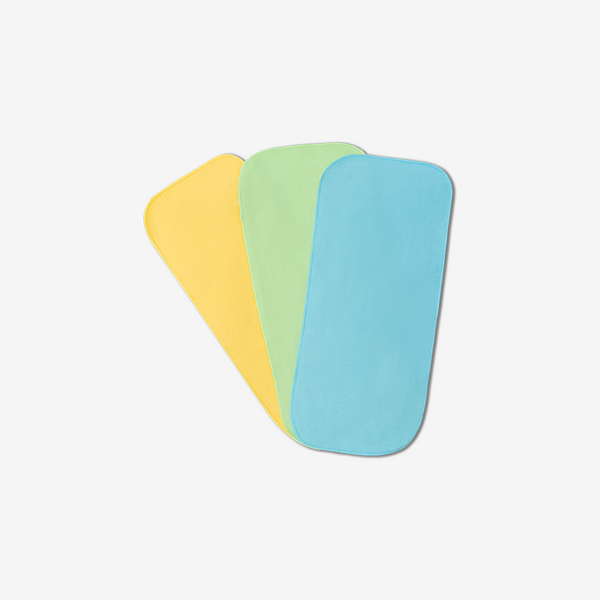
Adjustable absorbency |
Easy |
Inserts wash separately |
|
All-in-one |
Simplicity |
Very easy |
Can dry slowly |
|
Freesize |
Growing babies |
Easy |
Fit needs practice |
What Parents Should Know
There is no universally best cloth diaper. The right choice balances fit, absorbency, comfort, washing effort and your family's routine.
How many cloth diapers do you need?
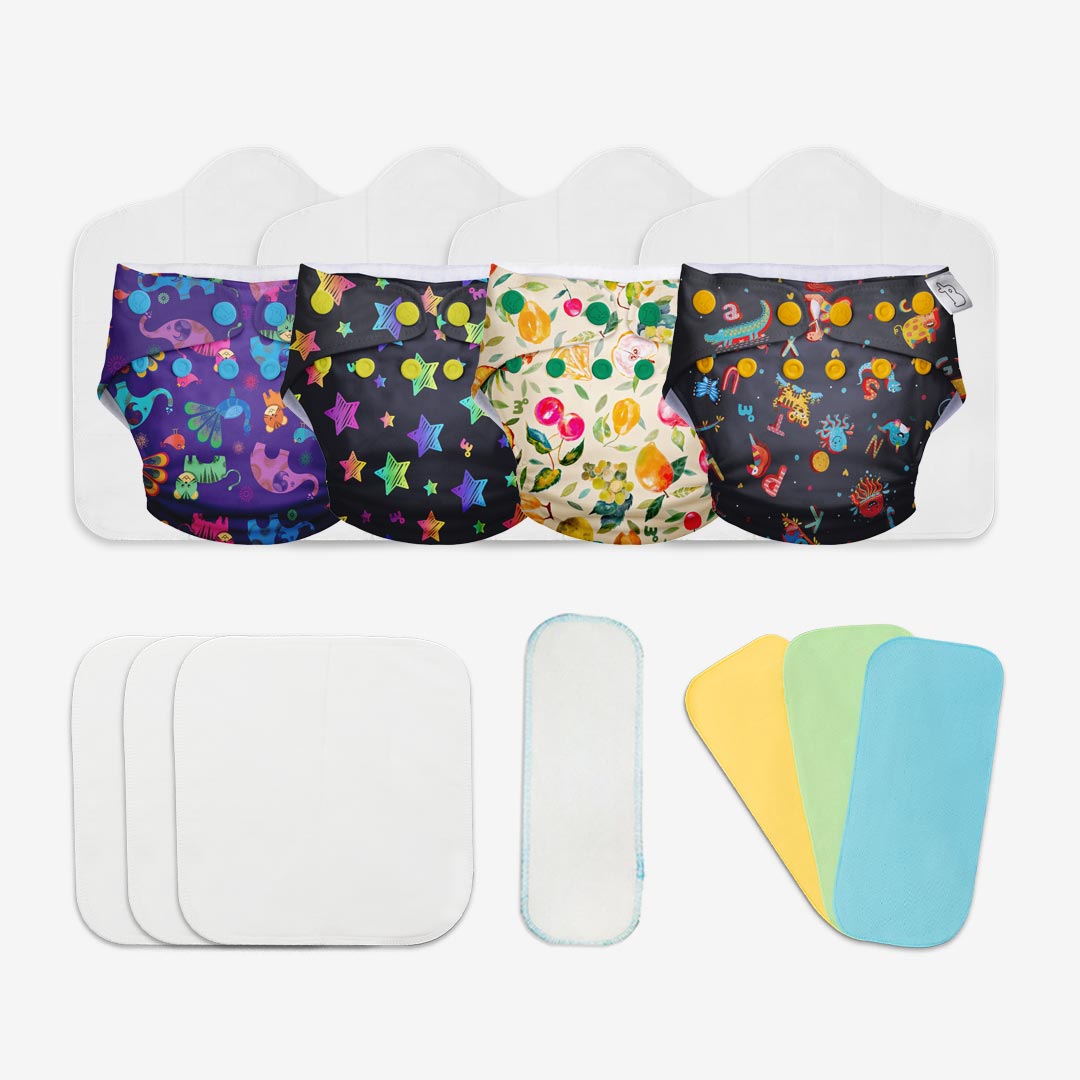
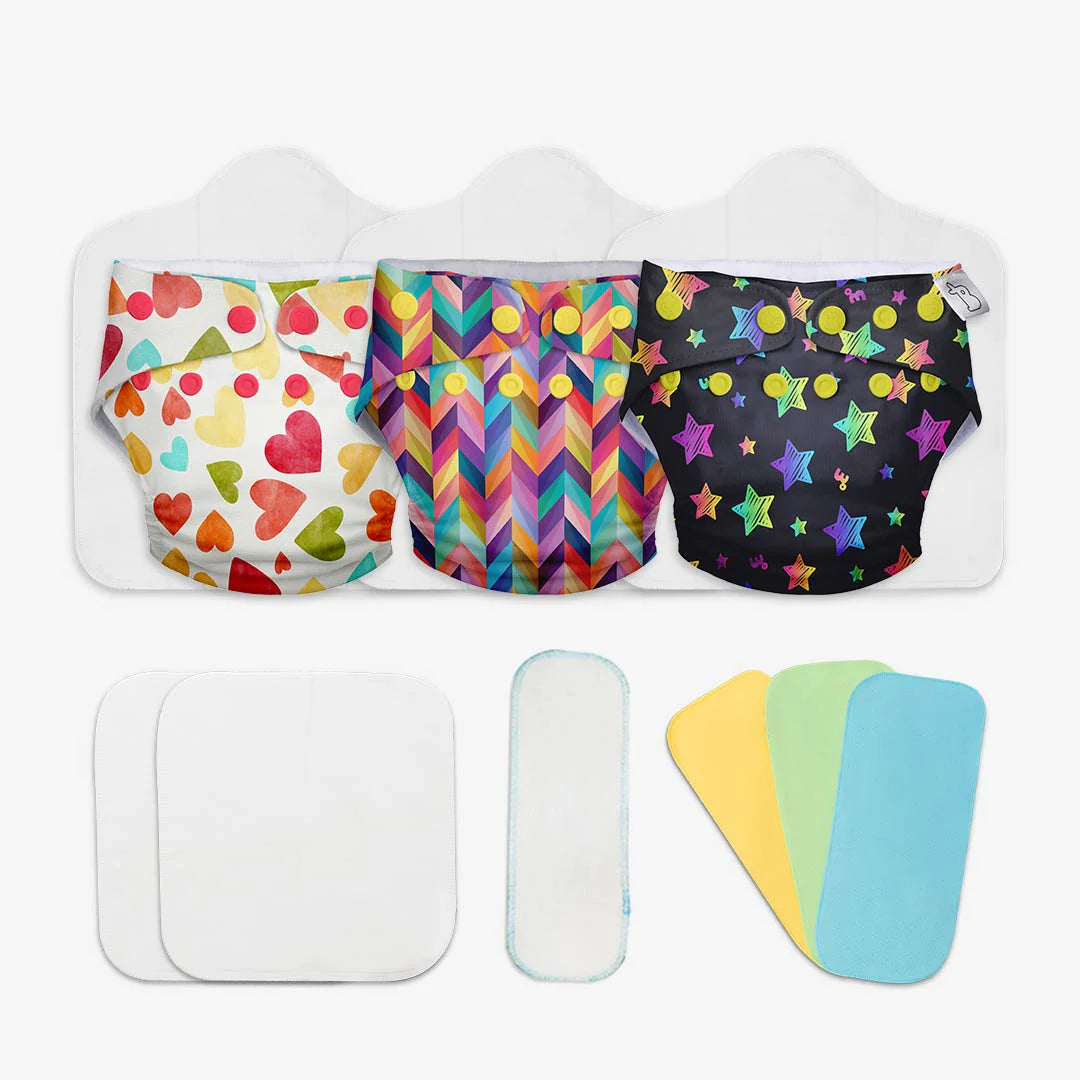
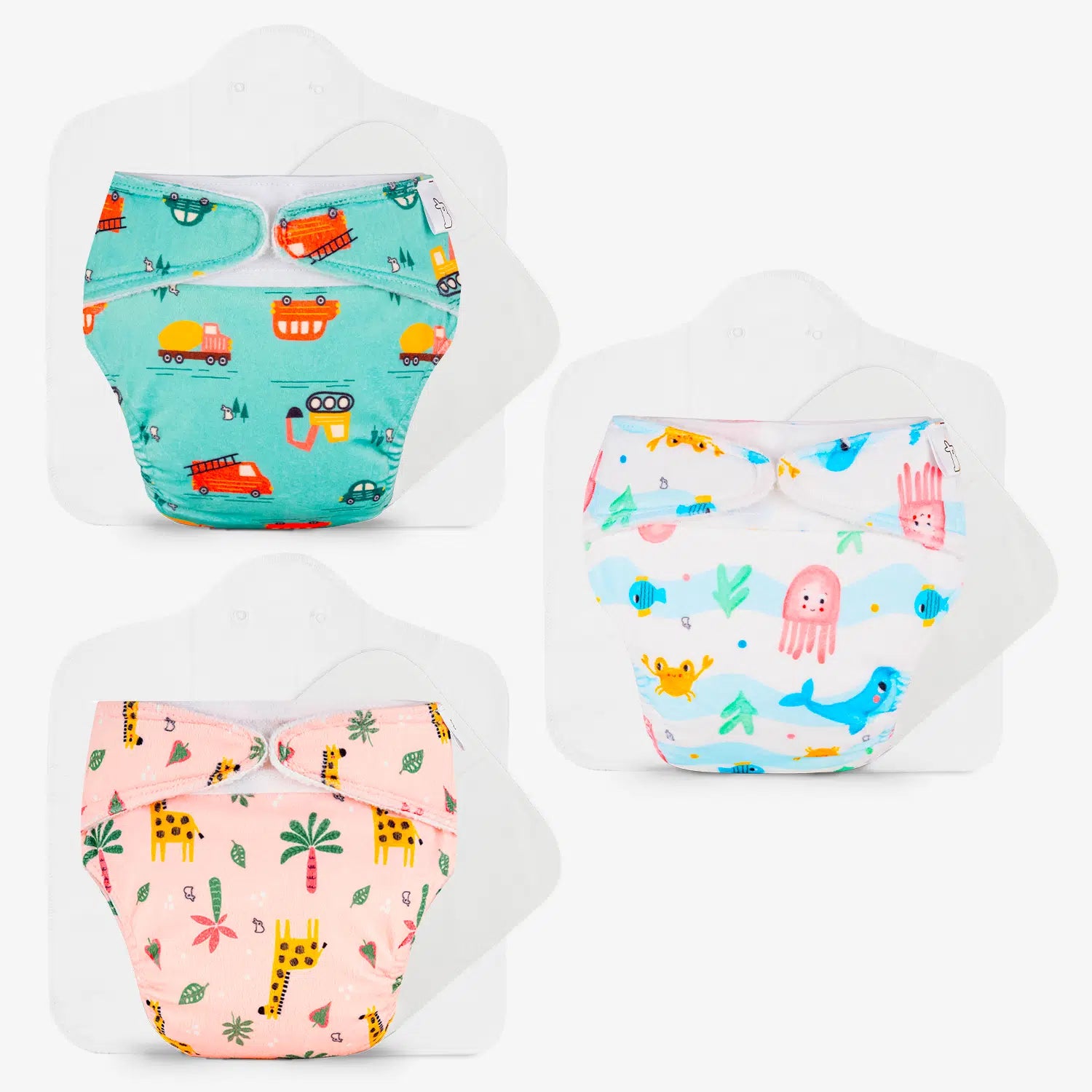
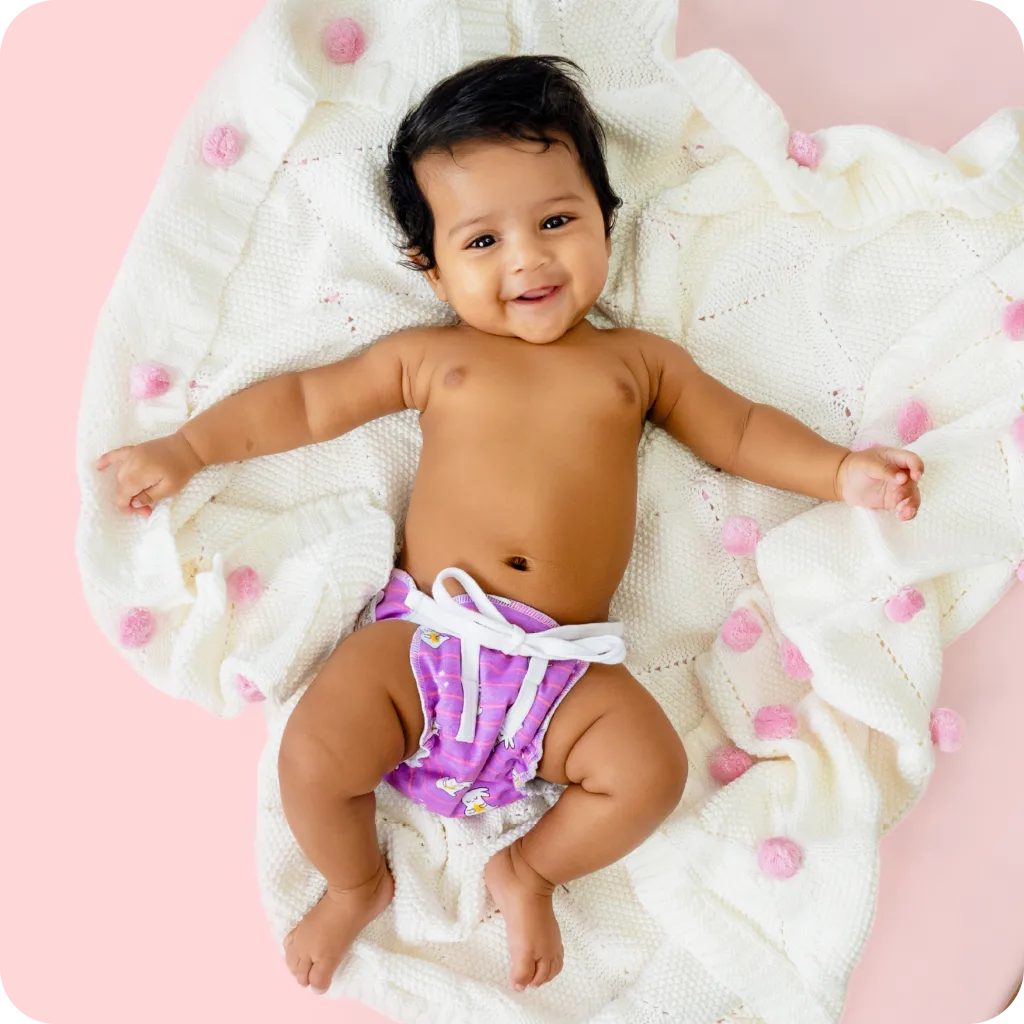
For a first-time parent, 6–10 newborn cloth diapers can work as a trial stash for part-time daytime use. Full-time cloth diapering needs more, depending on your baby's age, frequency of changes, washing schedule and how quickly diapers dry between uses.
- Start with 6–10 for daytime testing.
- Add pieces once the routine works.
- Keep extras for travel or delayed drying.
- Expect more frequent changes during the newborn stage.
How do you start cloth diapering?
Start during the day. This helps you learn the fit, identify leaks and understand your baby's wetting pattern.
What to Look For
A well-fitted diaper should stay secure without deep red marks. Check the waist and thighs, position absorbent material correctly, and change regularly.
A simple beginner plan
- Pre-wash new diapers as directed.
- Try them during daytime.
- Check fit after each change.
- Note leaks, drying time and absorbency.
- Expand your stash after testing.
When comparing cloth diapers online in India, check sizing, fastening, inserts and wash instructions—not just price.
How should you wash cloth diapers?
A consistent routine supports hygiene, odour control and absorbency. Follow the manufacturer's care instructions.
- Remove solid stool into the toilet.
- Store used diapers as directed.
- Run a pre-wash or rinse.
- Main-wash with suitable detergent and adequate water.
- Rinse as required.
- Dry completely.
Avoid fabric softeners because they can affect absorbency. Persistent smell or repelling may mean the wash routine needs reviewing.
The CDC recommends disposing of stool from cloth diapers in the toilet and washing hands thoroughly after diaper changes. (CDC)
How do you prevent leaks and rashes?
Leaks commonly come from fit, absorbency or waiting too long between changes. Adjust the fit, position inserts correctly and change according to your baby's wetting pattern.
The Indian Academy of Pediatrics recommends keeping the diaper area clean and dry and changing diapers frequently to help prevent diaper dermatitis.
If a rash is severe, persistent or worsening, consult your paediatrician.
What should you look for when choosing cloth diapers?
Prioritise:
- Fit: Secure without rubbing.
- Absorbency: Suits your baby's wetting pattern.
- Comfort: Soft materials and minimal friction.
- Ease: Simple fastening and insert handling.
- Laundry: Practical washing and drying.
- Value: Consider cost per use.
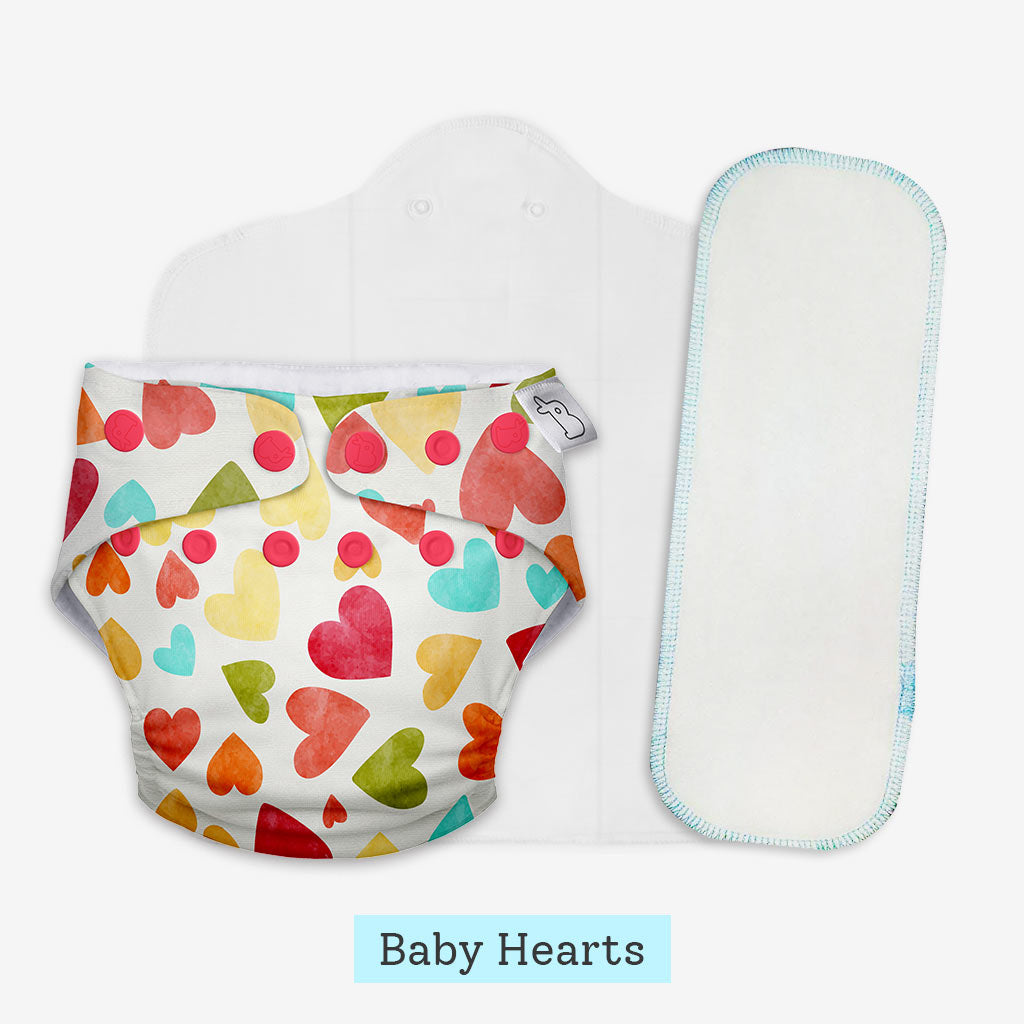
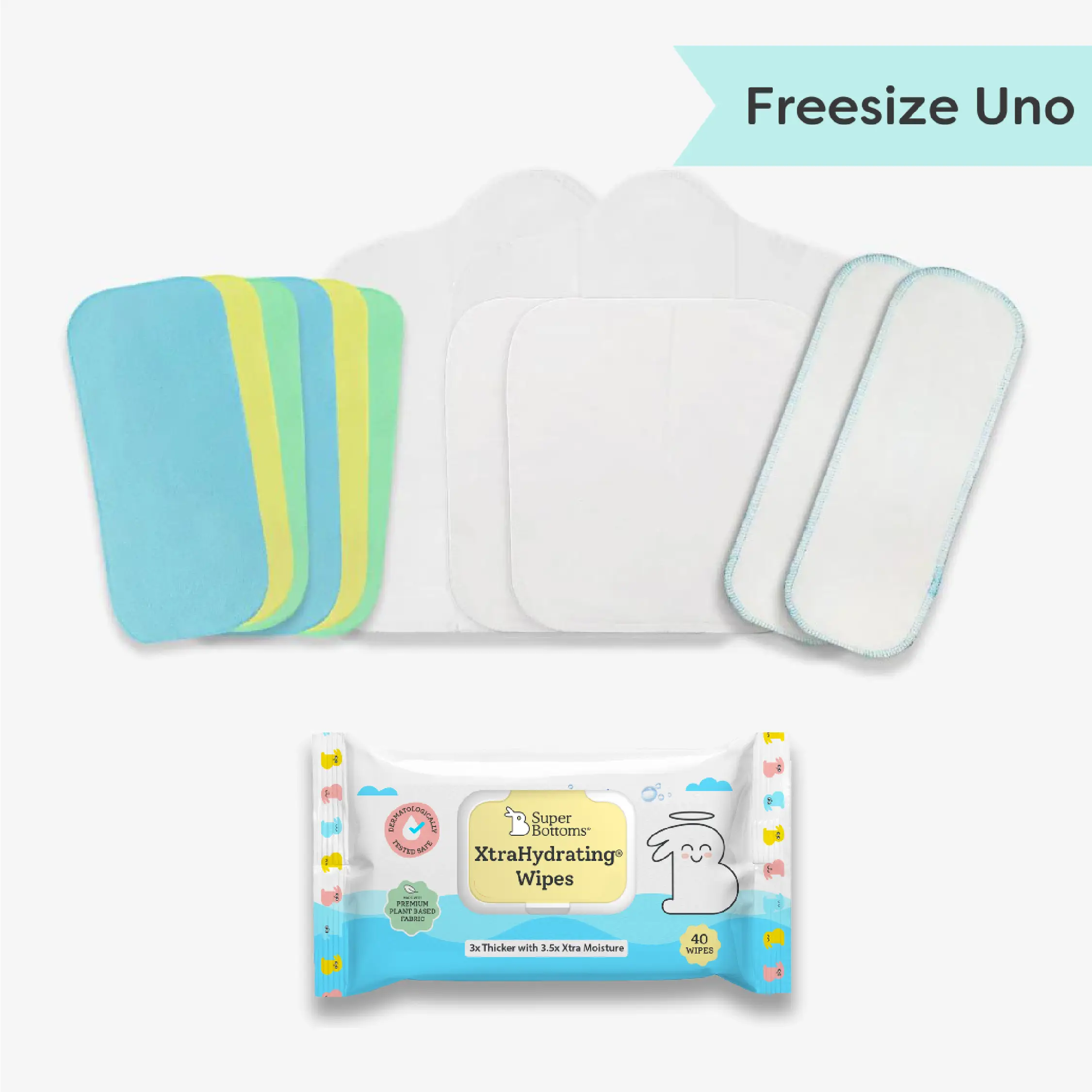
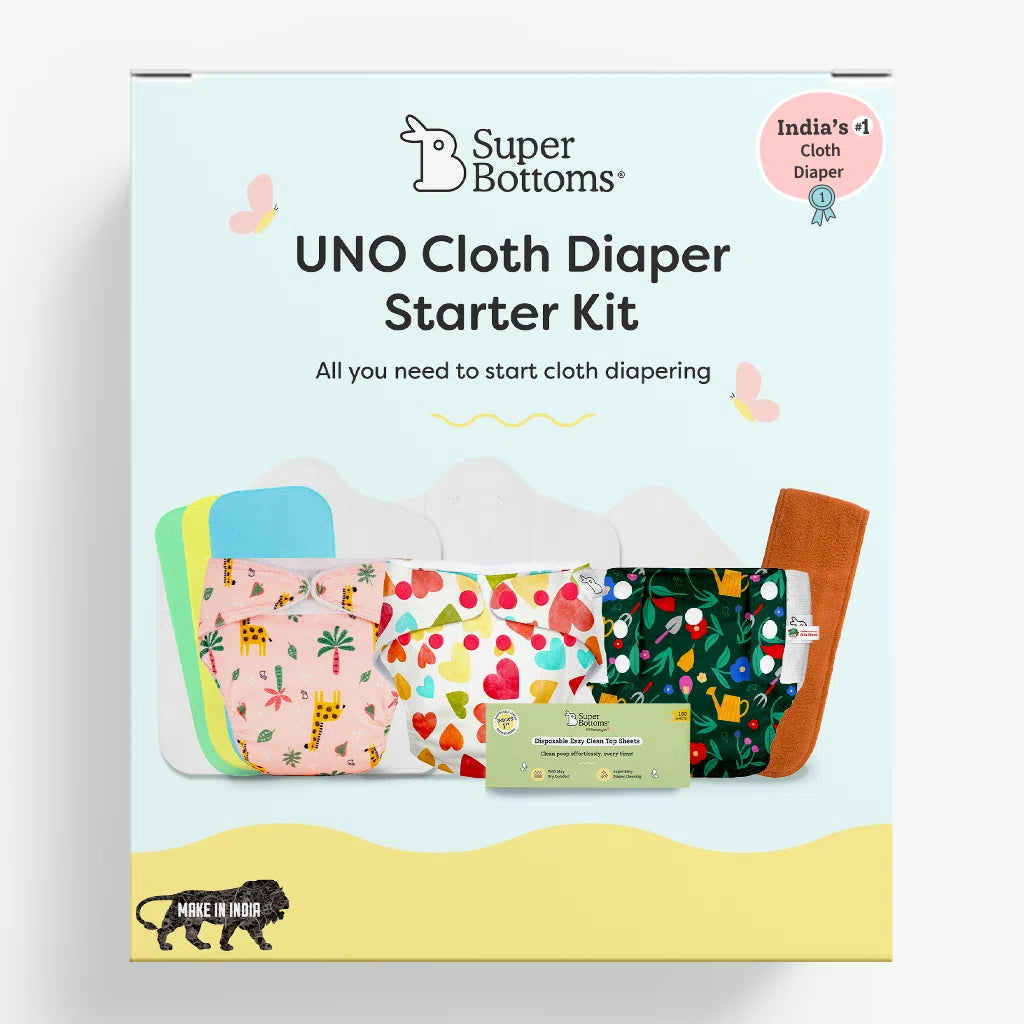
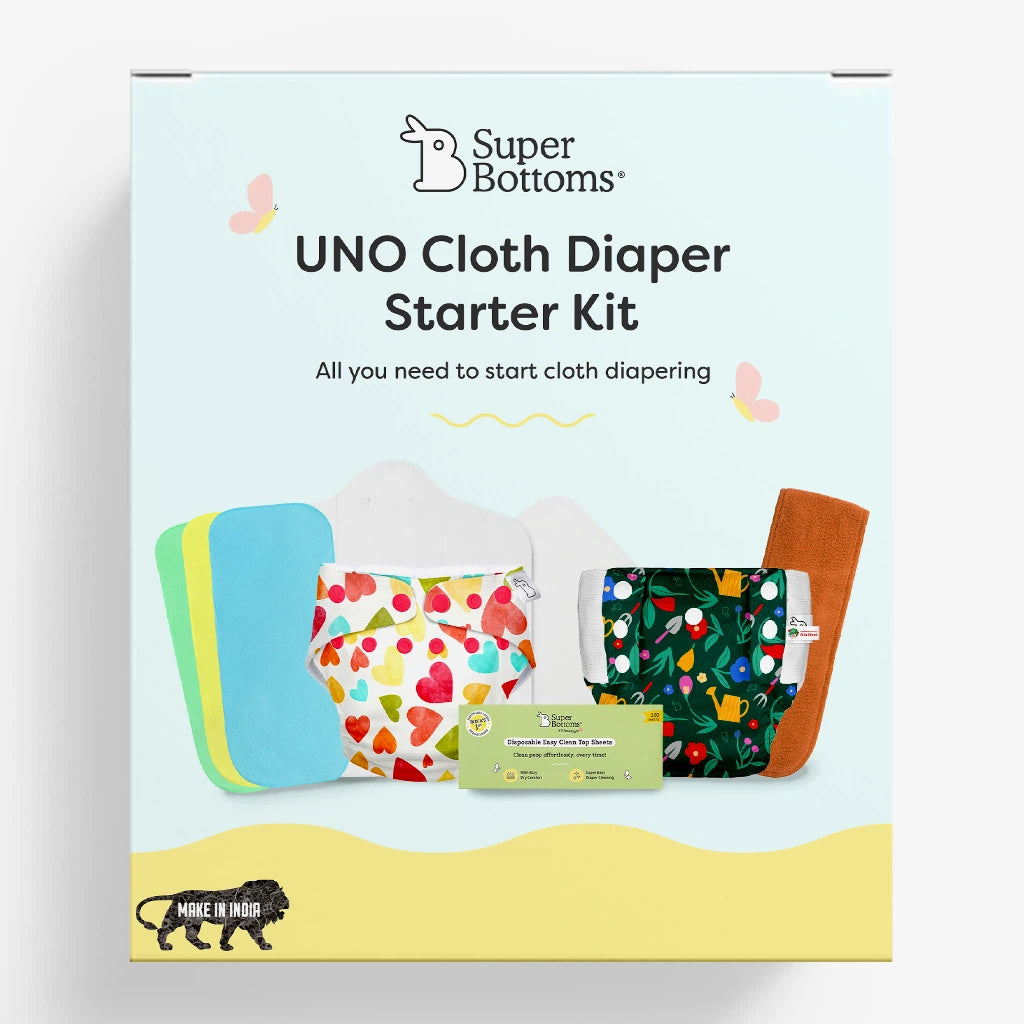
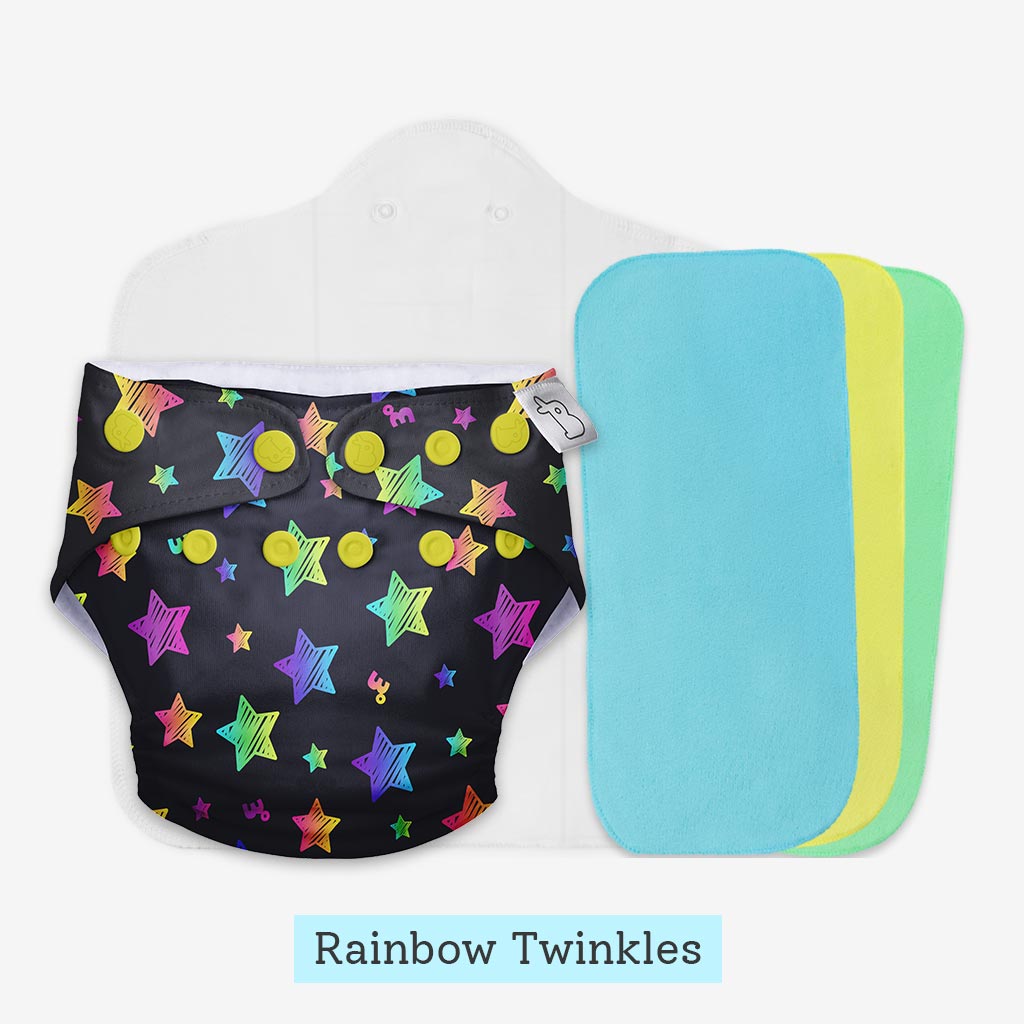
💡 SuperBottoms PickThe SuperBottoms Freesize UNO Cloth Diaper is an adjustable reusable option for everyday diapering. It can be considered by parents looking for a Freesize system, but the right choice still depends on your baby's size, wetting pattern and your laundry routine. |
What is the practical solution?
Problem: Every cloth diaper step feels new.
Solution: Start small, use cloth during the day, learn the fit and establish a repeatable wash routine.
Why it helps: You can identify absorbency, leak and drying needs before expanding your stash.
Parent Checklist
☐ Start with a small stash
☐ Pre-wash before use
☐ Learn the correct fit
☐ Change regularly
☐ Remove stool safely
☐ Follow care instructions
☐ Dry completely
☐ Keep a backup option
Key Takeaways
- Start small and learn the routine.
- Prioritise fit, comfort and absorbency.
- Keep washing consistent and thorough.

FAQs
Are cloth diapers good for newborns?
Yes, with an appropriately sized and fitted system. Newborns need frequent changes.
How many cloth diapers should a beginner buy?
Six to ten works for a part-time trial. Full-time use needs more based on laundry frequency and age.
Can cloth diapers be used overnight?
Yes, if the system provides enough absorbency for your baby's wetting pattern. Follow the manufacturer's guidance.
Are cloth diapers difficult to wash?
They need consistency, but storage, pre-wash, main wash and complete drying become manageable once established.