







Parents often look for diapering solutions that balance comfort, cost, and sustainability. Cloth diapers have emerged as a practical alternative to disposable diapers, offering reusable protection, skin-friendly materials, and long-term value. Understanding the benefits of cloth diapers can help families make an informed choice based on their baby's needs and lifestyle. One simple switch can reduce waste while supporting baby's comfort every day.
- What Are Cloth Diapers?
- What Are the Main Benefits of Cloth Diapers?
- Are Cloth Diapers Better for a Baby's Skin?
- How Do Cloth Diapers Save Money Over Time?
- Are Cloth Diapers Better for the Environment?
- Is It Worth Switching to Cloth Diapers?
- What Should I Look for When Choosing Cloth Diapers?
- Cloth Diapers vs Disposable Diapers: Comparison Table
- Expert Insights and Parent Experiences
- Key Takeaways
- FAQs
- Message from SuperBottoms
- References
What Are Cloth Diapers?
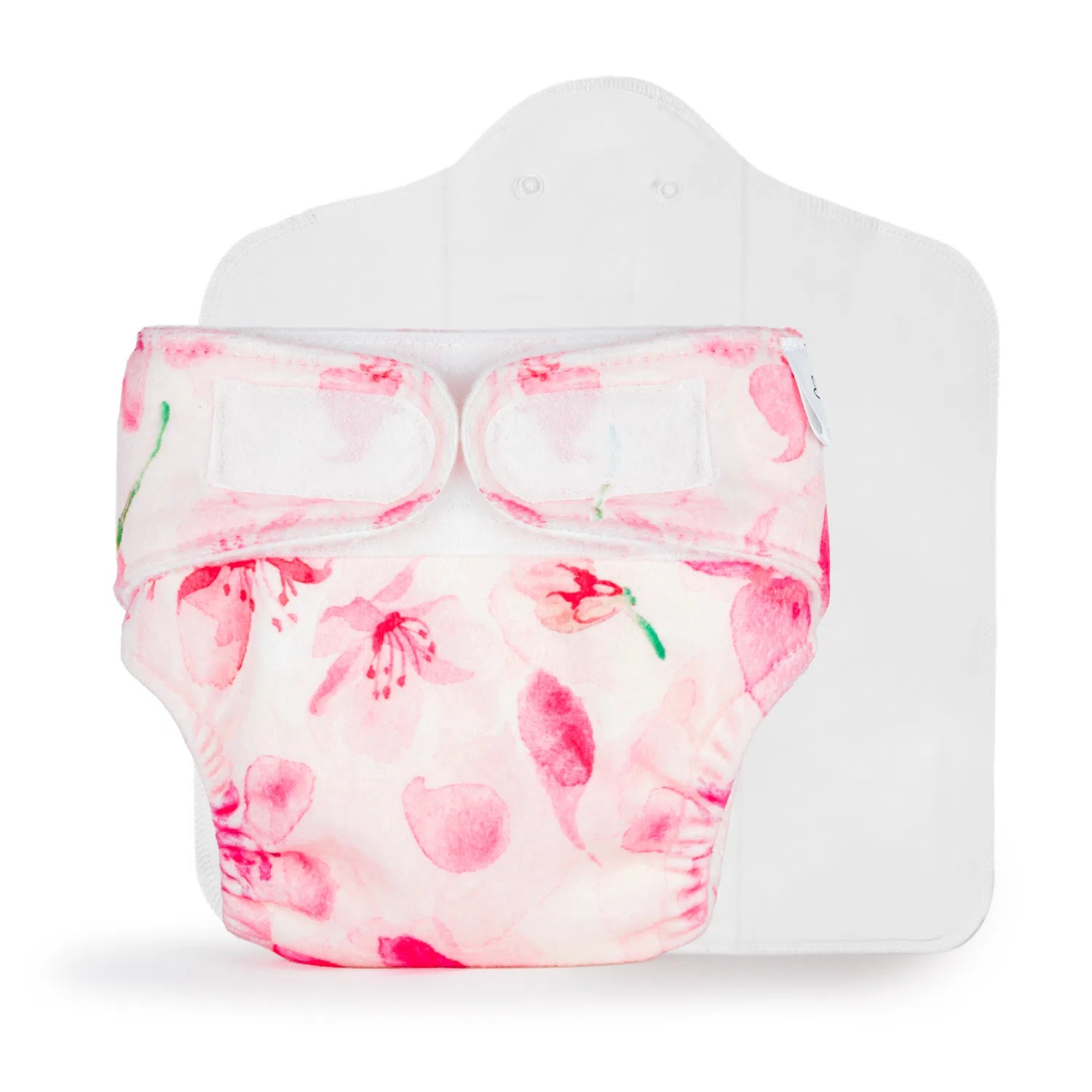
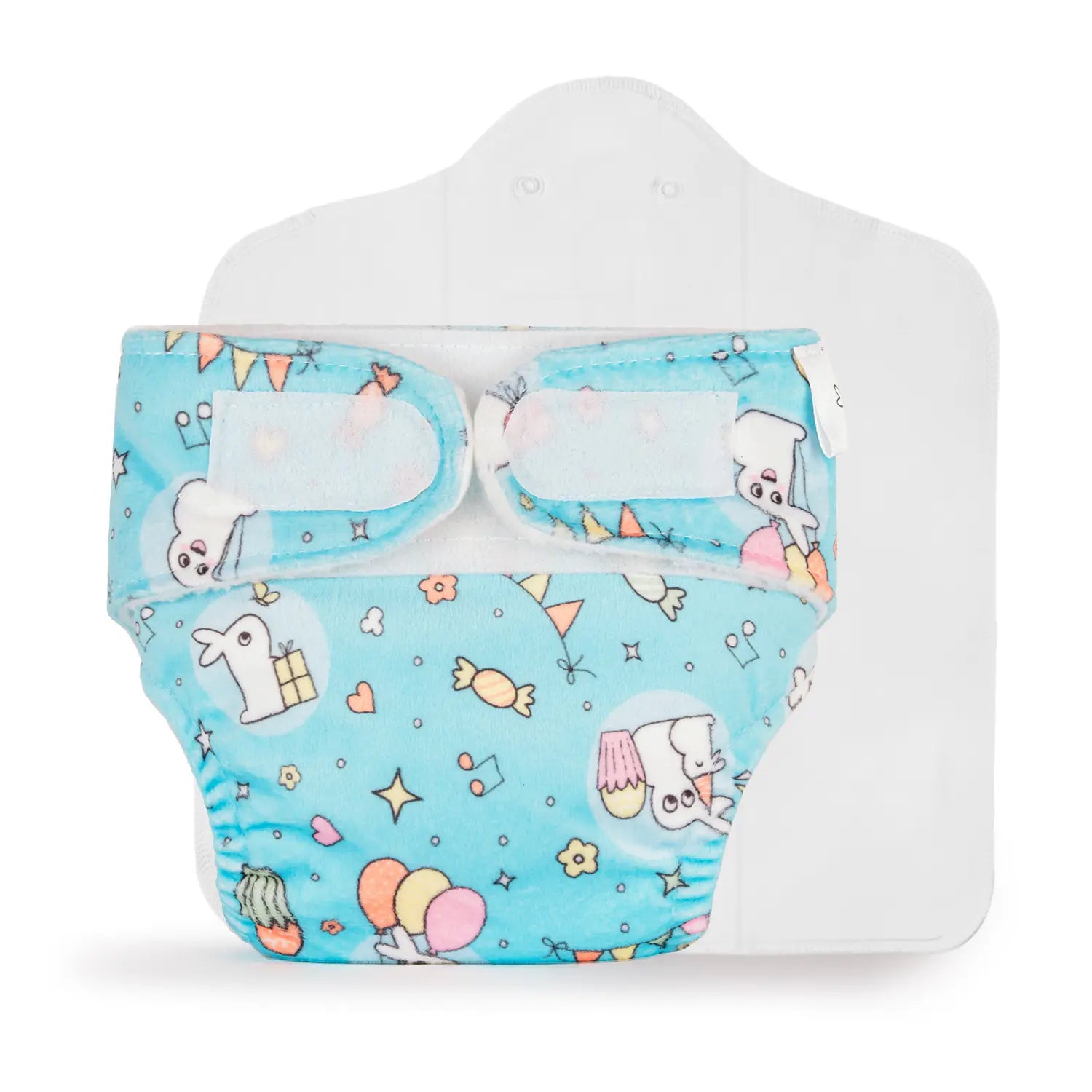
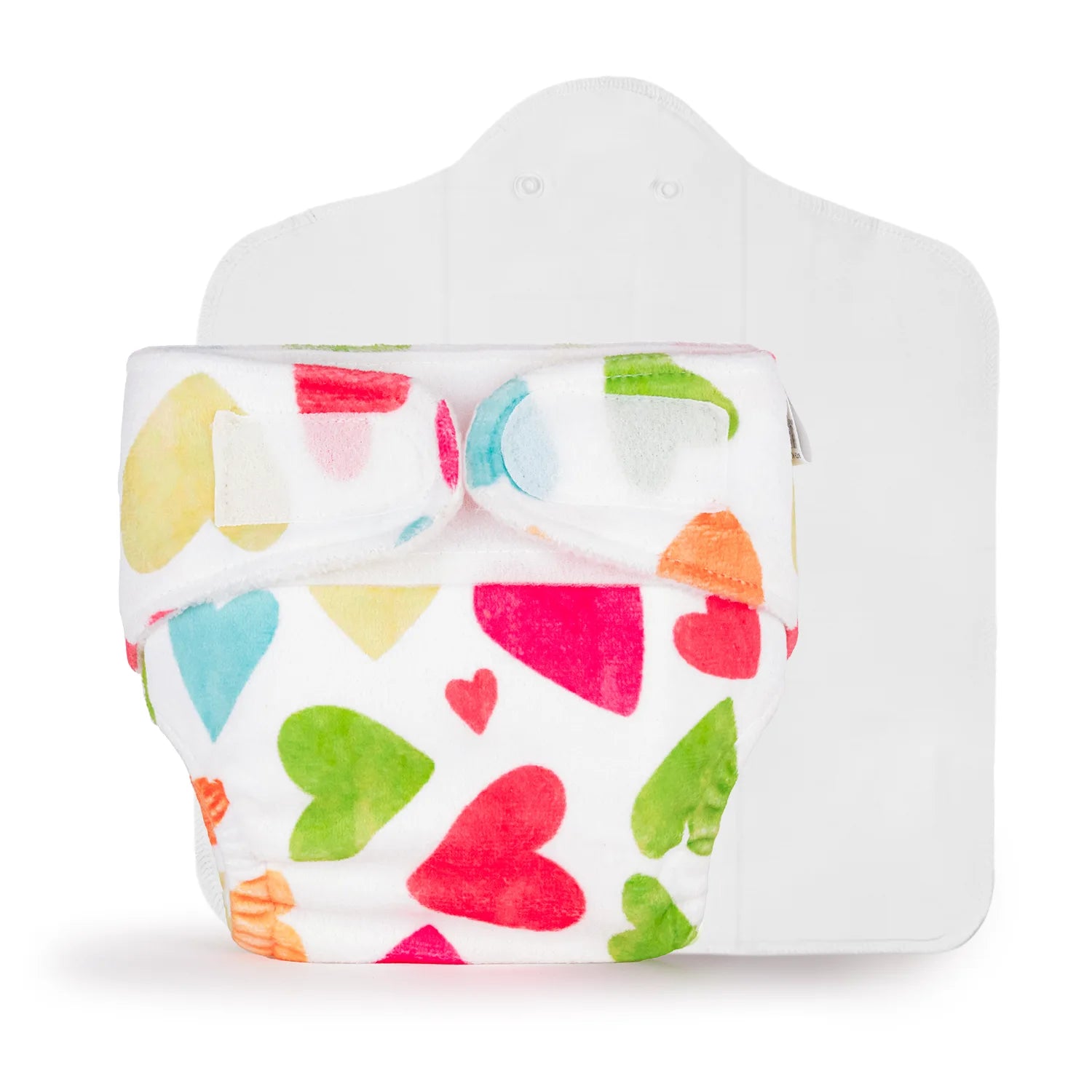
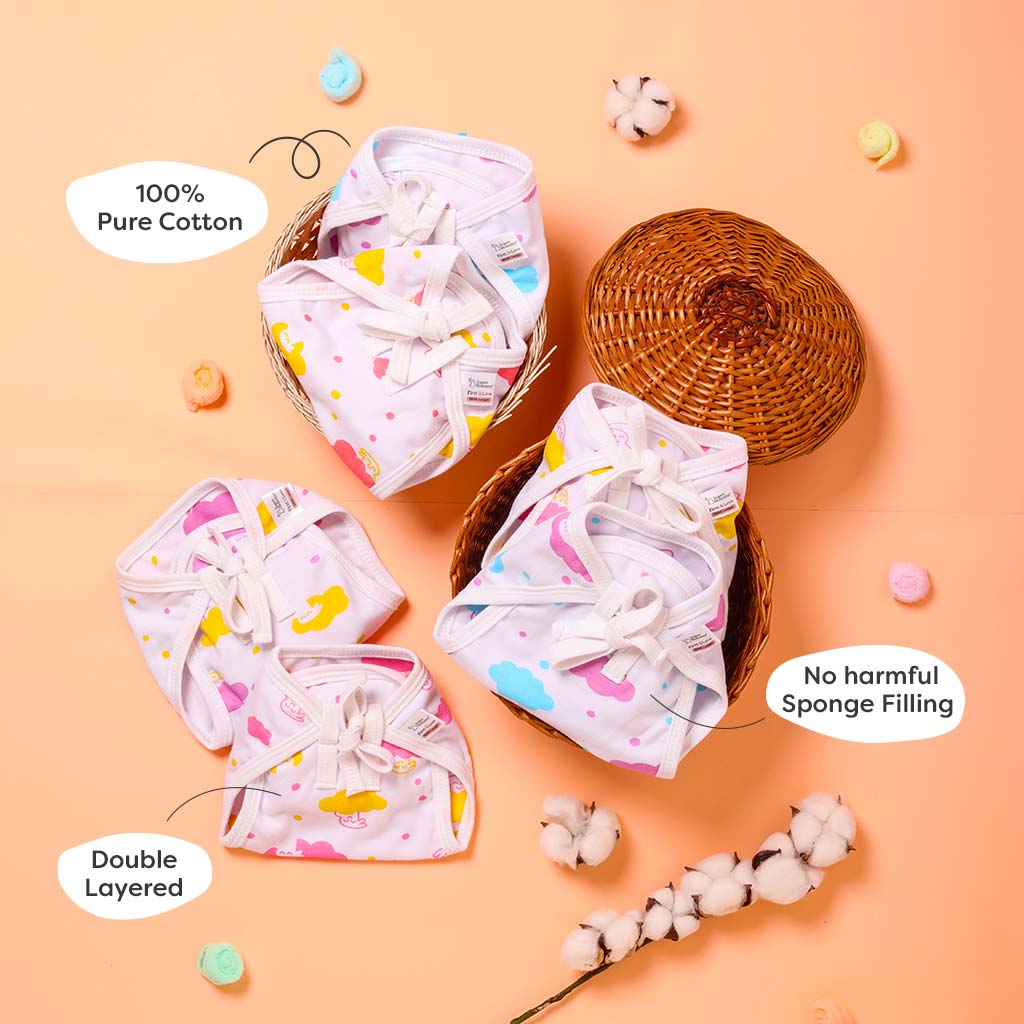
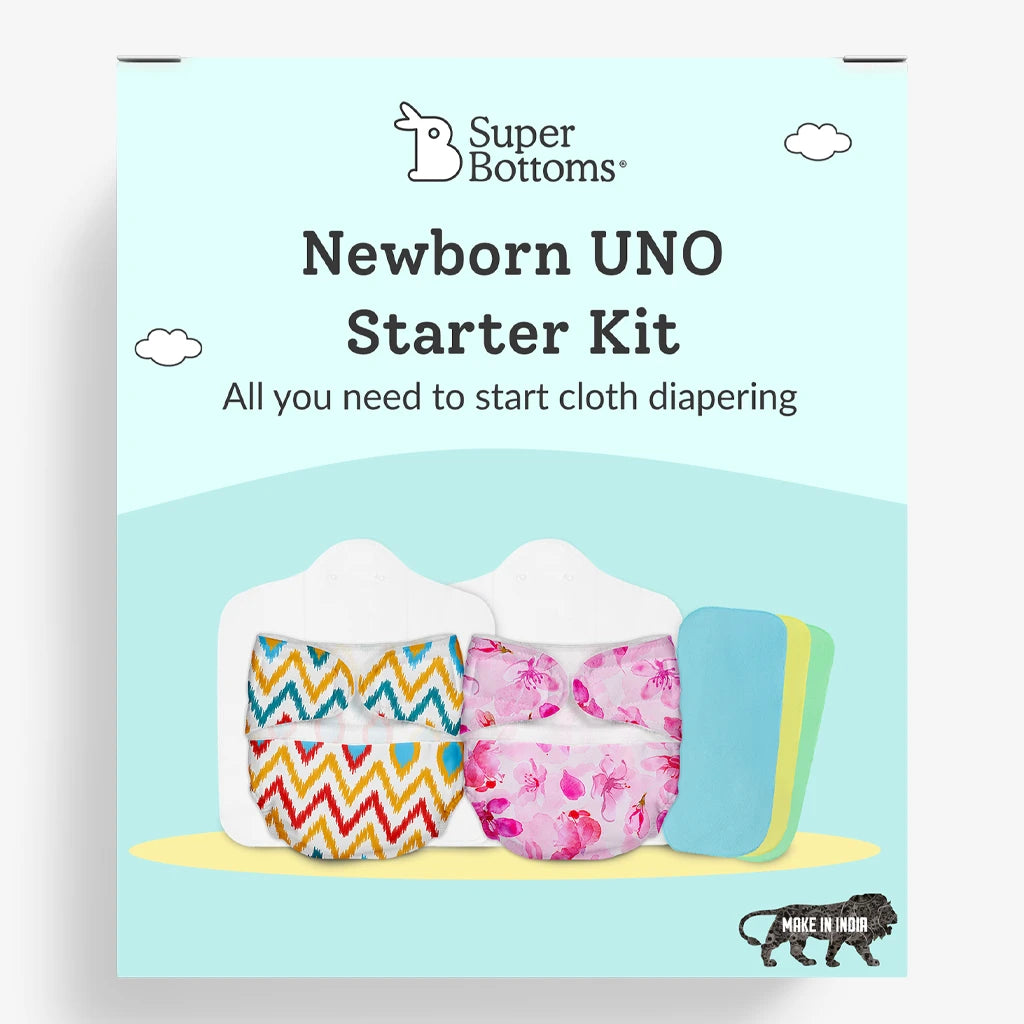
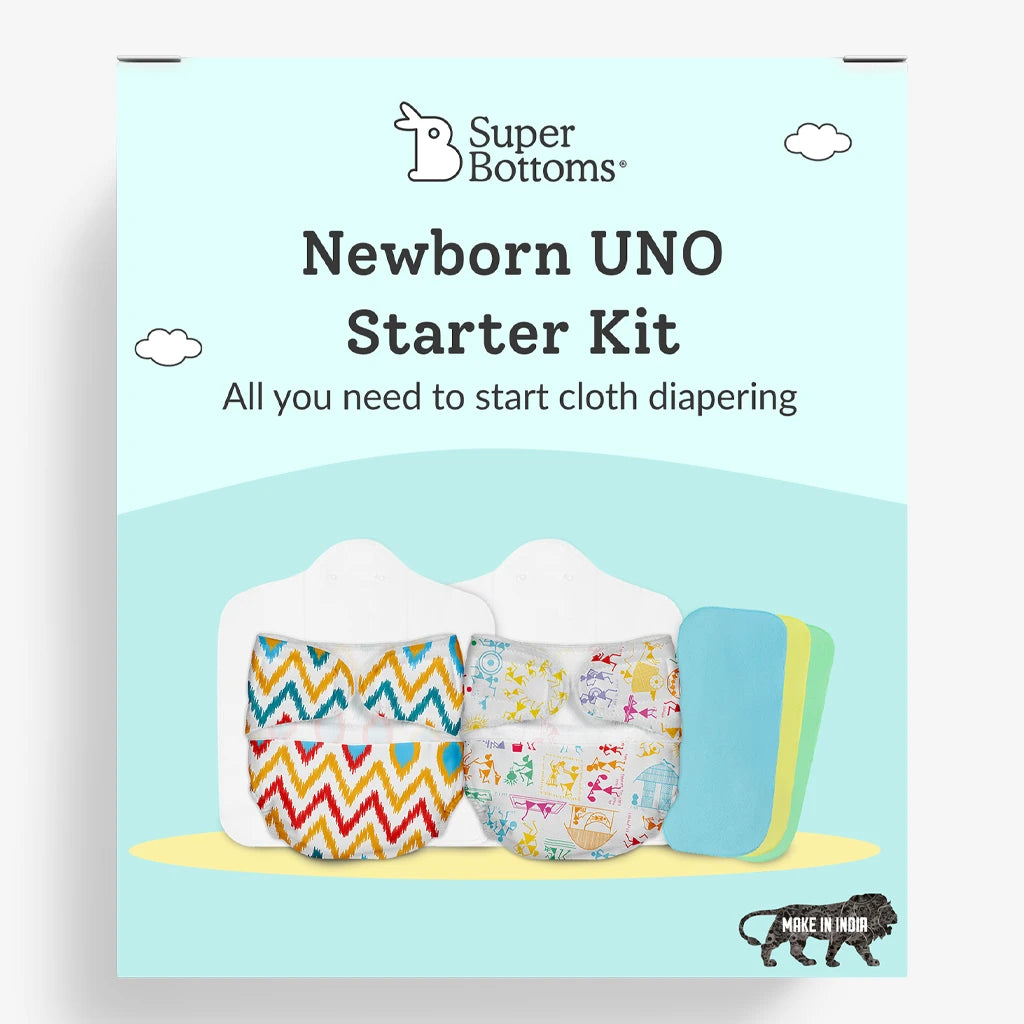
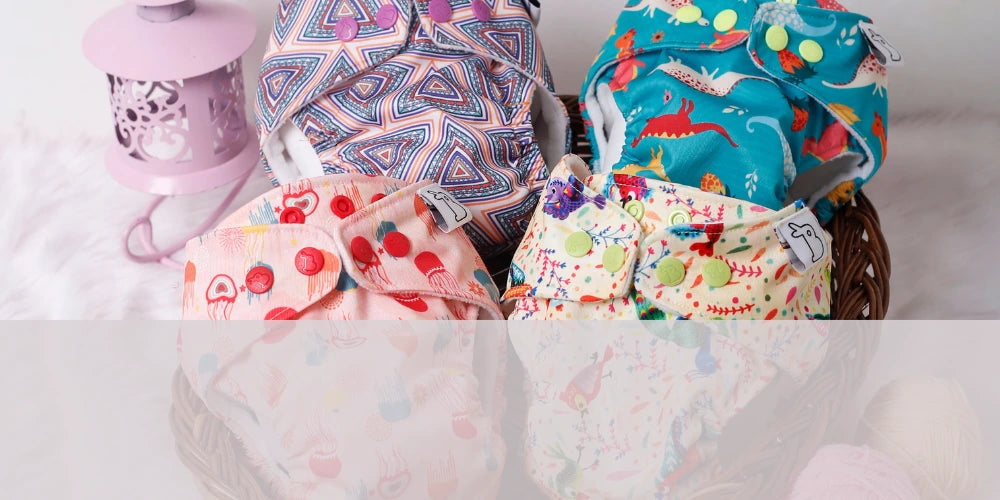
Cloth diapers are reusable diapers designed to absorb a baby's urine and contain messes while being washed and reused multiple times. Modern cloth diapers are very different from the traditional folded cloth nappies used decades ago.
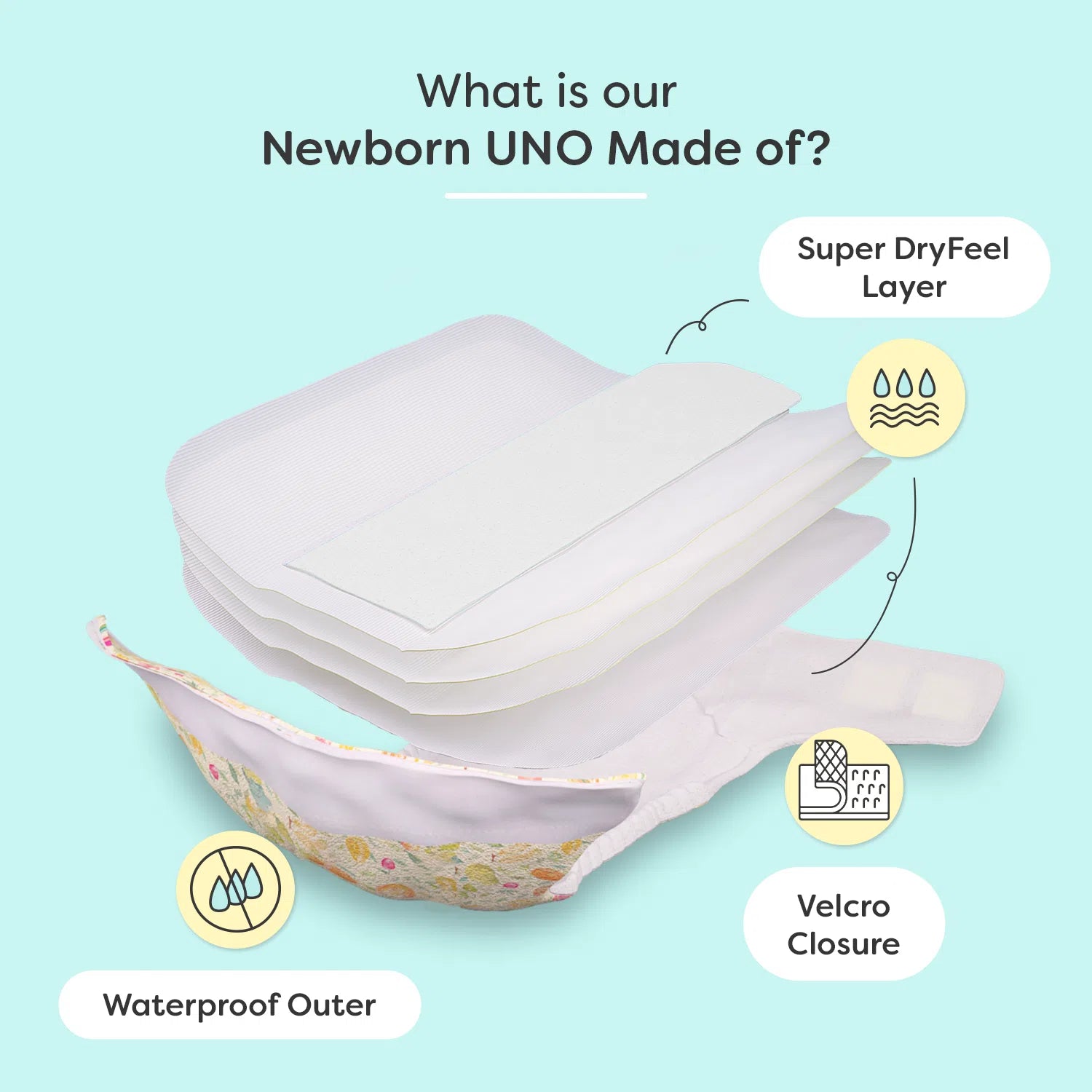
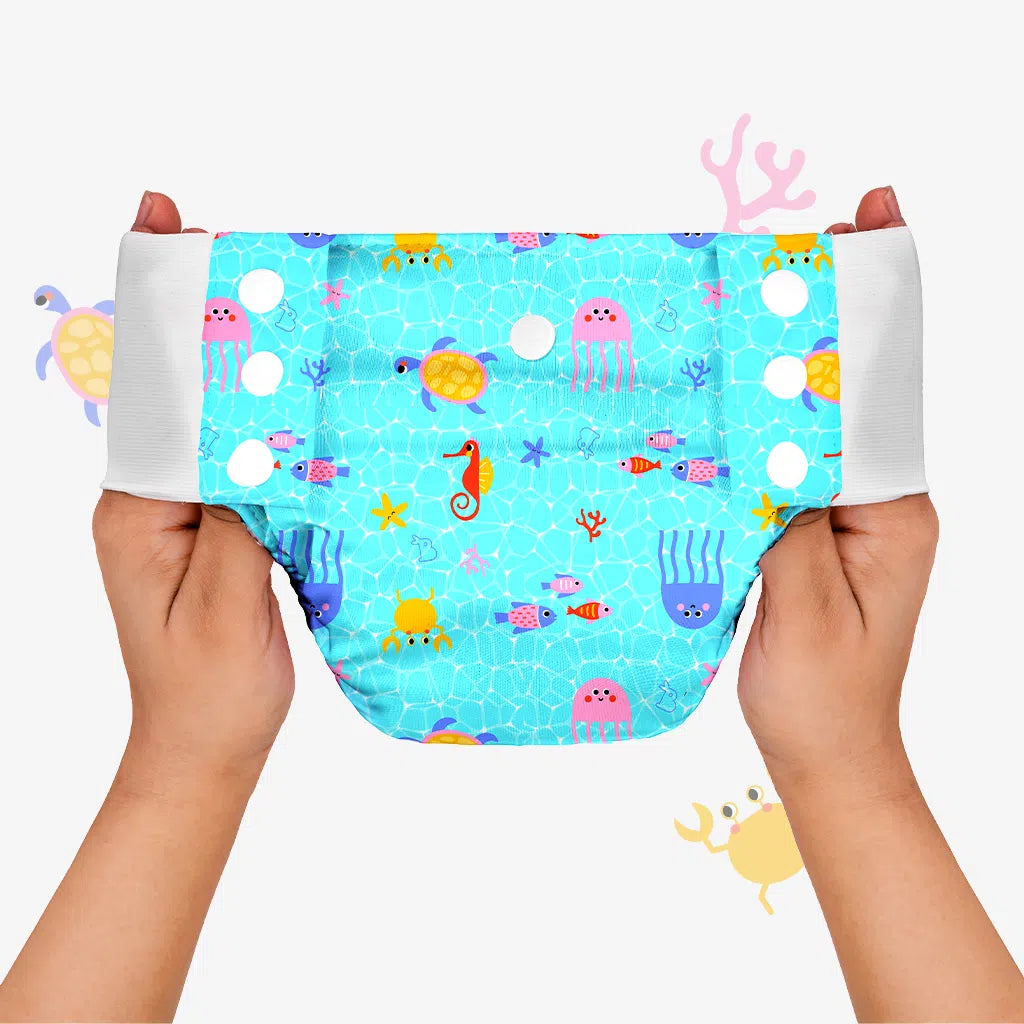
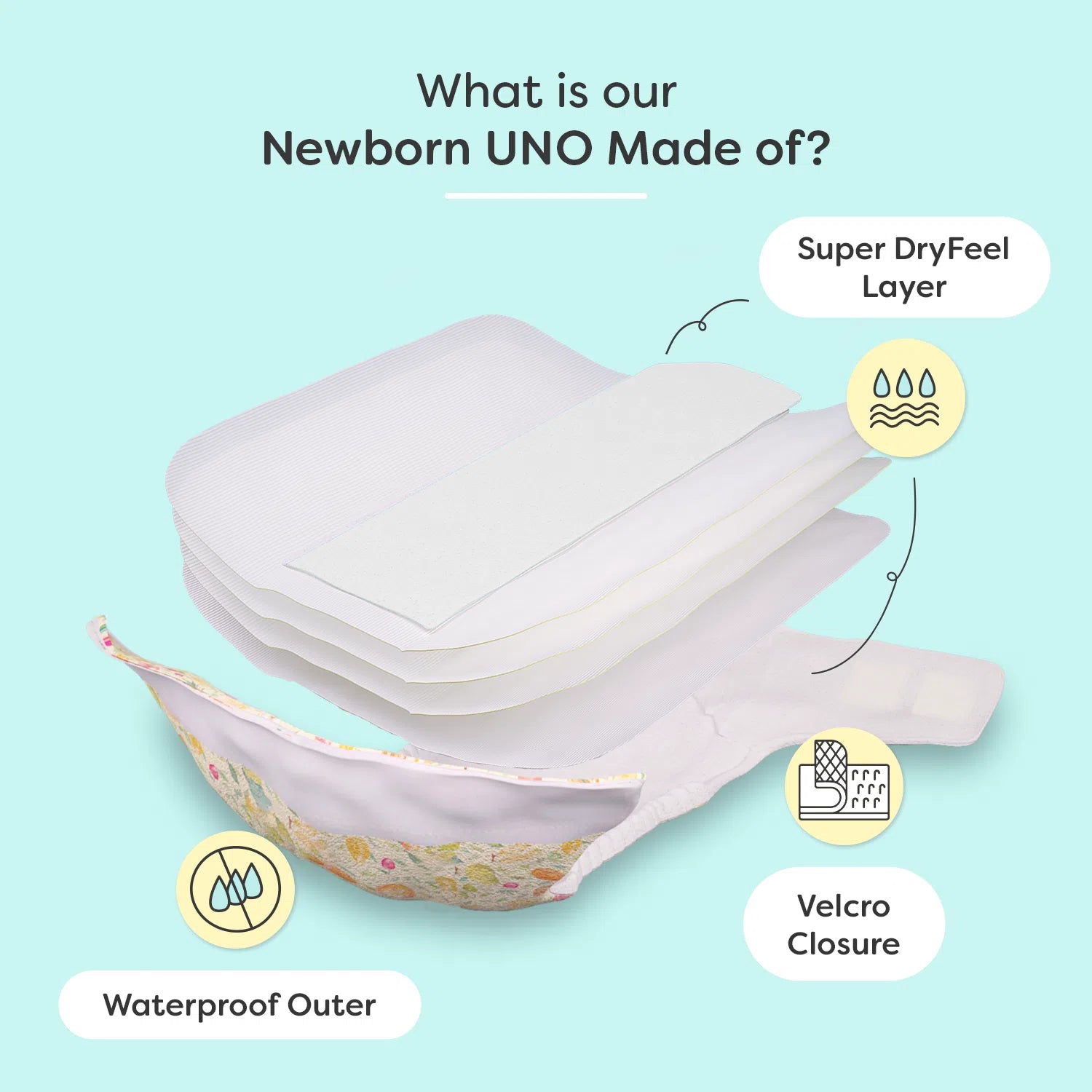
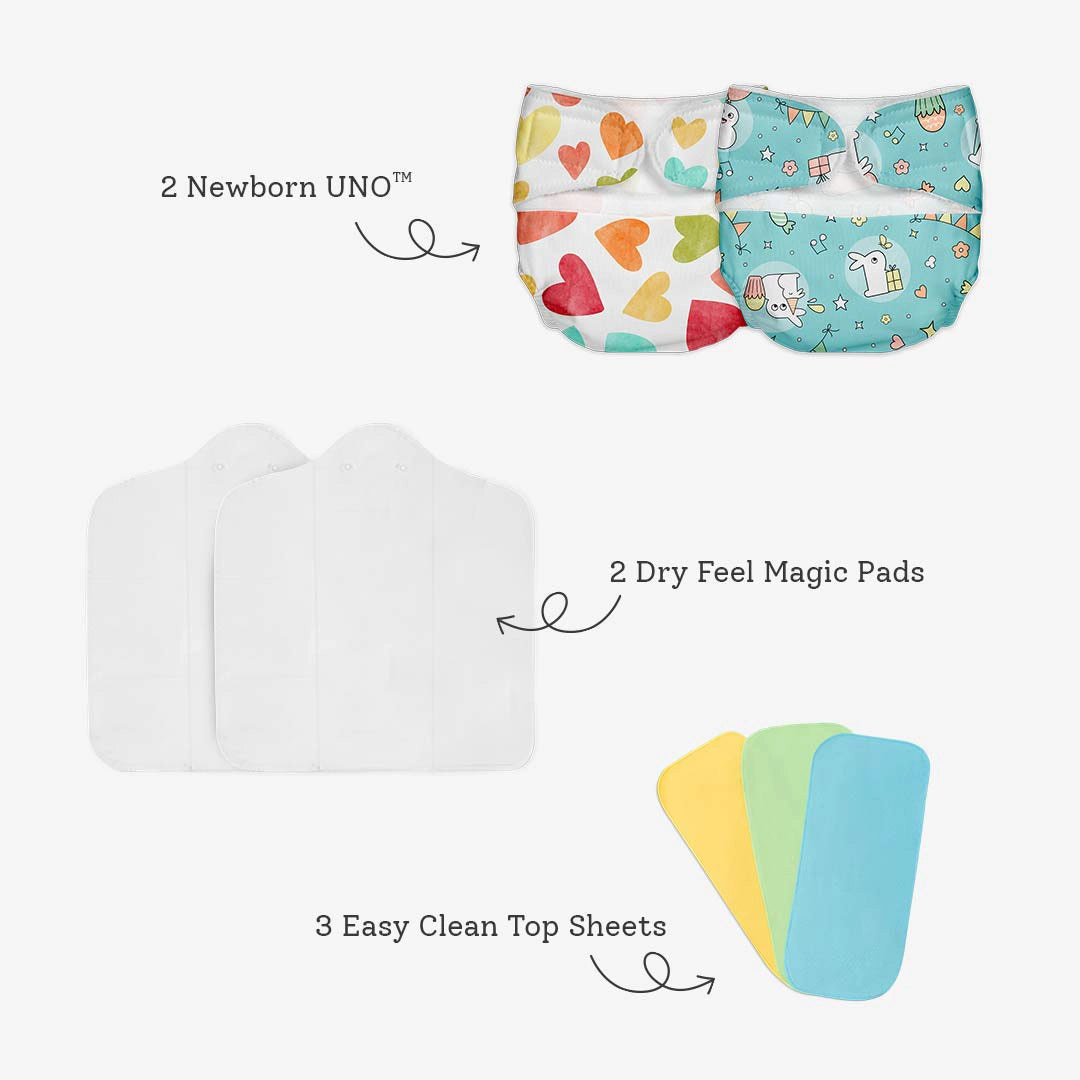
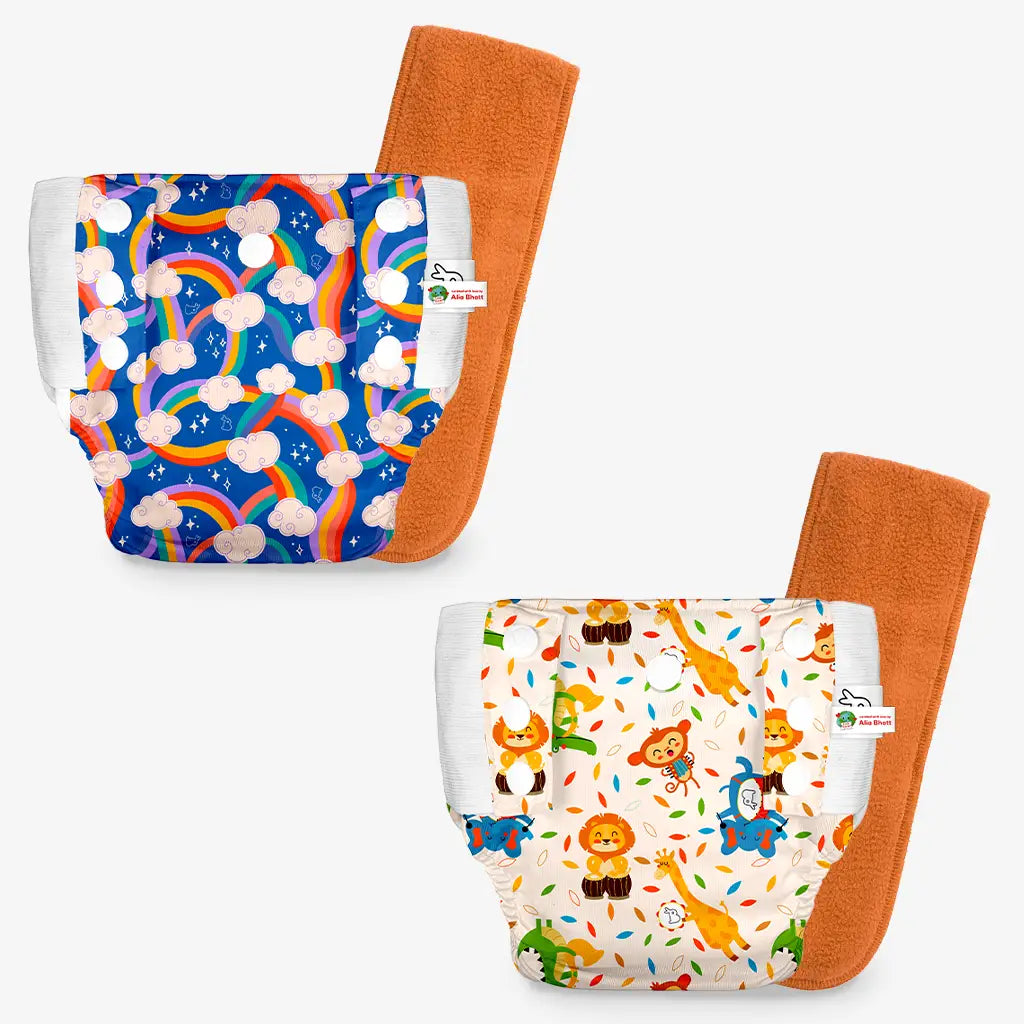
Today's cloth diapers often feature:
- Adjustable sizing
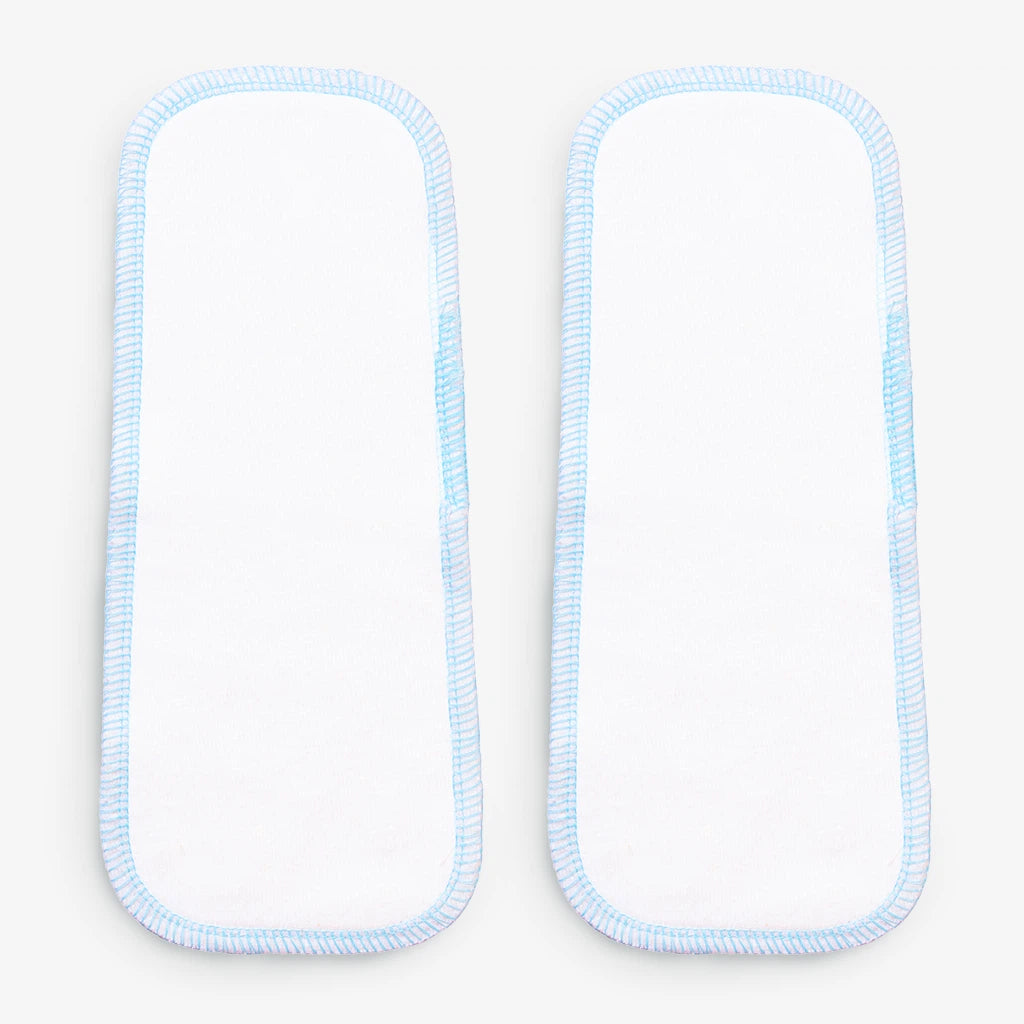
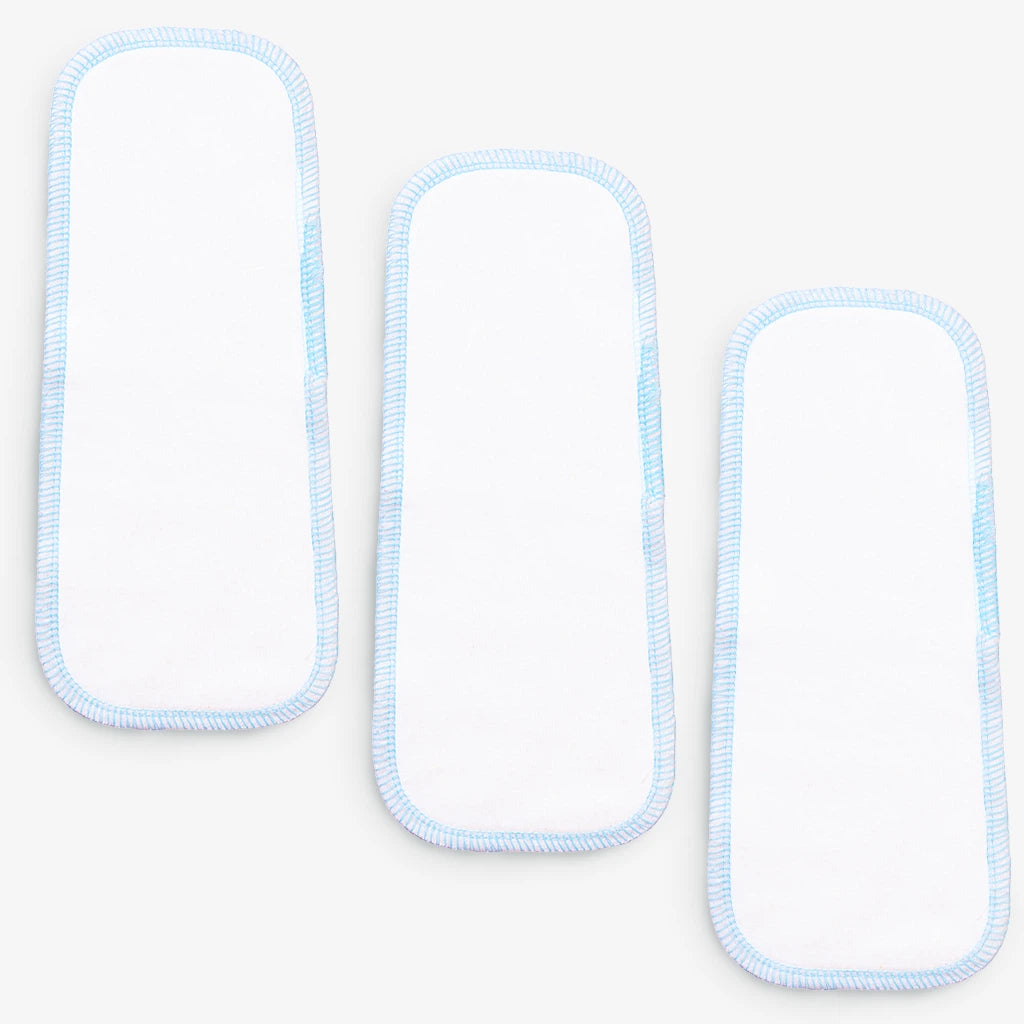
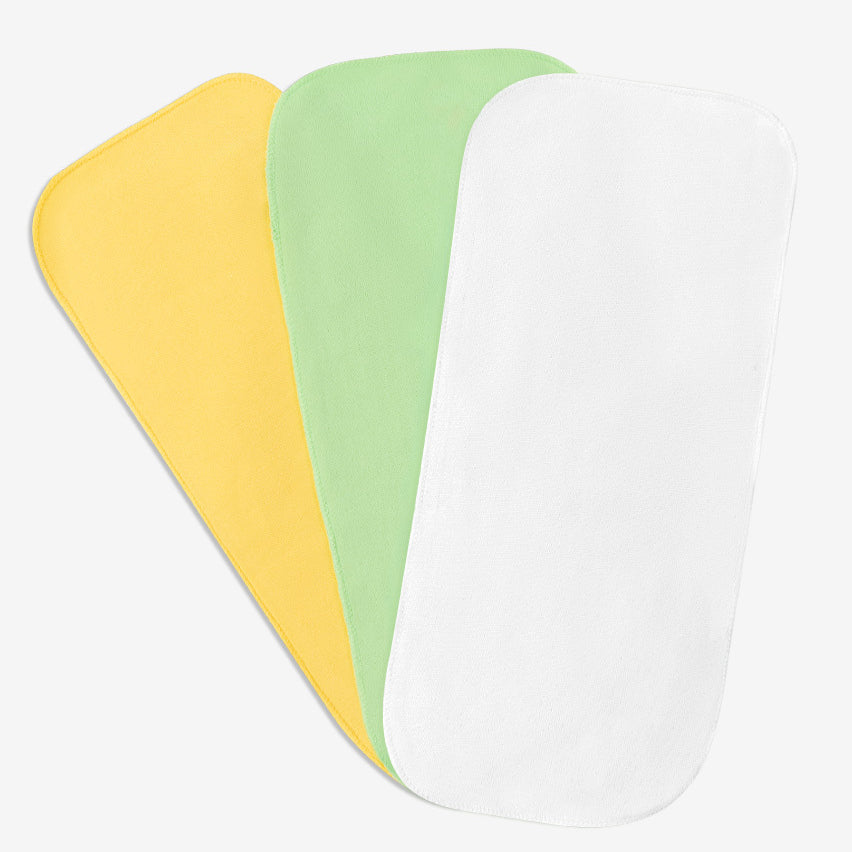
- Highly absorbent inserts
- Leak-proof inner layers
- Soft, skin-friendly fabrics
- Snap or hook-and-loop closures
Many parents now consider reusable cloth diapers because they offer convenience alongside long-term value.
What Are the Main Benefits of Cloth Diapers?
The biggest benefits of cloth diapers are reusability, cost savings, reduced waste, and gentle comfort for babies.
1. They Can Be More Economical Long-Term
Although cloth diapers require a higher initial investment, they can be reused for years and often across multiple children.
Instead of purchasing thousands of disposable diapers, families typically build a reusable diaper stash that lasts through several growth stages.
2. They Reduce Household Waste
Disposable diapers contribute significantly to household waste. Since cloth diapers are washed and reused, they help reduce the number of single-use products entering landfills.
3. They Offer Customizable Absorbency
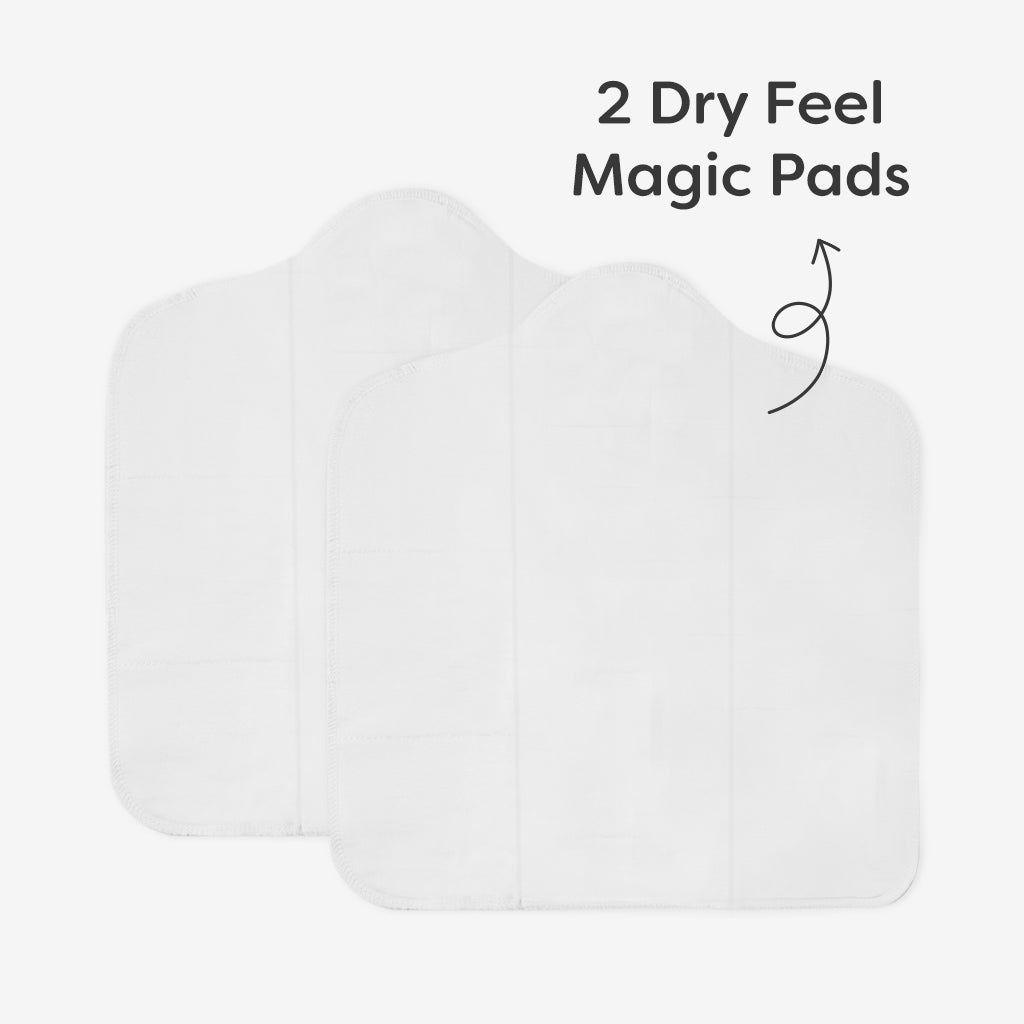
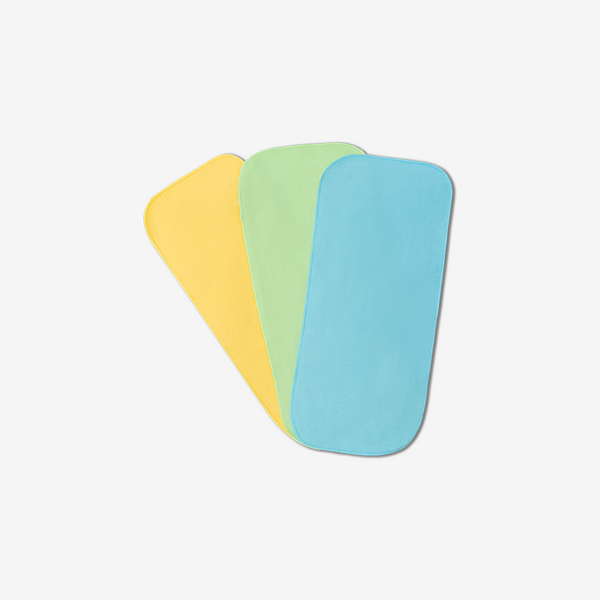
Many modern cloth diapers allow parents to add or remove inserts based on their baby's age, sleep patterns, and wetting habits.
4. They Encourage Conscious Parenting Choices
For families seeking sustainable lifestyle choices, cloth diapering aligns with efforts to reduce waste and make reusable products part of daily life.
Expert Answer
Are Cloth Diapers Better for a Baby's Skin?
In many cases, yes. Cloth diapers can be gentler on sensitive skin because they often contain fewer fragrances, dyes, and chemical additives compared to some disposable options.
Parents frequently choose cloth diapers when dealing with:
- Sensitive skin
- Mild diaper rash concerns
- Frequent redness
- Heat and humidity discomfort
Natural fabrics such as cotton and organic blends may improve breathability, especially in warm climates like India.
What Parents Should Know

How Do Cloth Diapers Save Money Over Time?
Cloth diapers generally cost more upfront, but can save money across a child's diapering journey.
| Expense Category | Cloth Diapers | Disposable Diapers |
|---|---|---|
| Initial Cost | Higher | Lower |
| Ongoing Purchases | Minimal | Continuous |
| Reusability | High | None |
| Use for Multiple Children | Possible | Not possible |
| Long-Term Cost | Often Lower | Usually Higher |
For many families, the savings become noticeable after several months of consistent use.
What Parents Should Know
Explore the range → SuperBottoms reusable diapering solutions designed for newborns and growing babies.
Are Cloth Diapers Better for the Environment?
Cloth diapers can help reduce single-use waste because they are designed for repeated use.
However, environmental impact depends on:
- Washing habits
- Water usage
- Energy consumption
- Number of times the diaper is reused
When maintained properly, cloth diapers can significantly reduce landfill contributions compared to disposable diapers.
Expert Answer
Is It Worth Switching to Cloth Diapers?
For many families, the answer is yes, especially if reducing recurring diaper expenses, minimising waste, or seeking reusable alternatives is a priority.
The transition doesn't have to be all-or-nothing.
Many parents choose:
- Cloth diapers during the day
- Disposable diapers during travel
- A mixed diapering approach initially
This flexibility often makes the switch easier and more sustainable.
Parent Insight
What Should I Look for When Choosing Cloth Diapers?
Before selecting any cloth diaper, evaluate these key criteria:
Absorbency
Look for diapers with customizable insert options that can handle naps, nighttime use, and heavy wetters.
Skin Safety
Choose soft, breathable materials suitable for sensitive baby skin.
Ease of Use
Modern designs with snaps, Velcro, or adjustable sizing simplify diaper changes.
Leak Protection
A good cloth diaper should offer effective leak barriers and secure leg elastics.
Value for Money
Consider how long the diaper can be used and whether it grows with your baby.
What to Look For
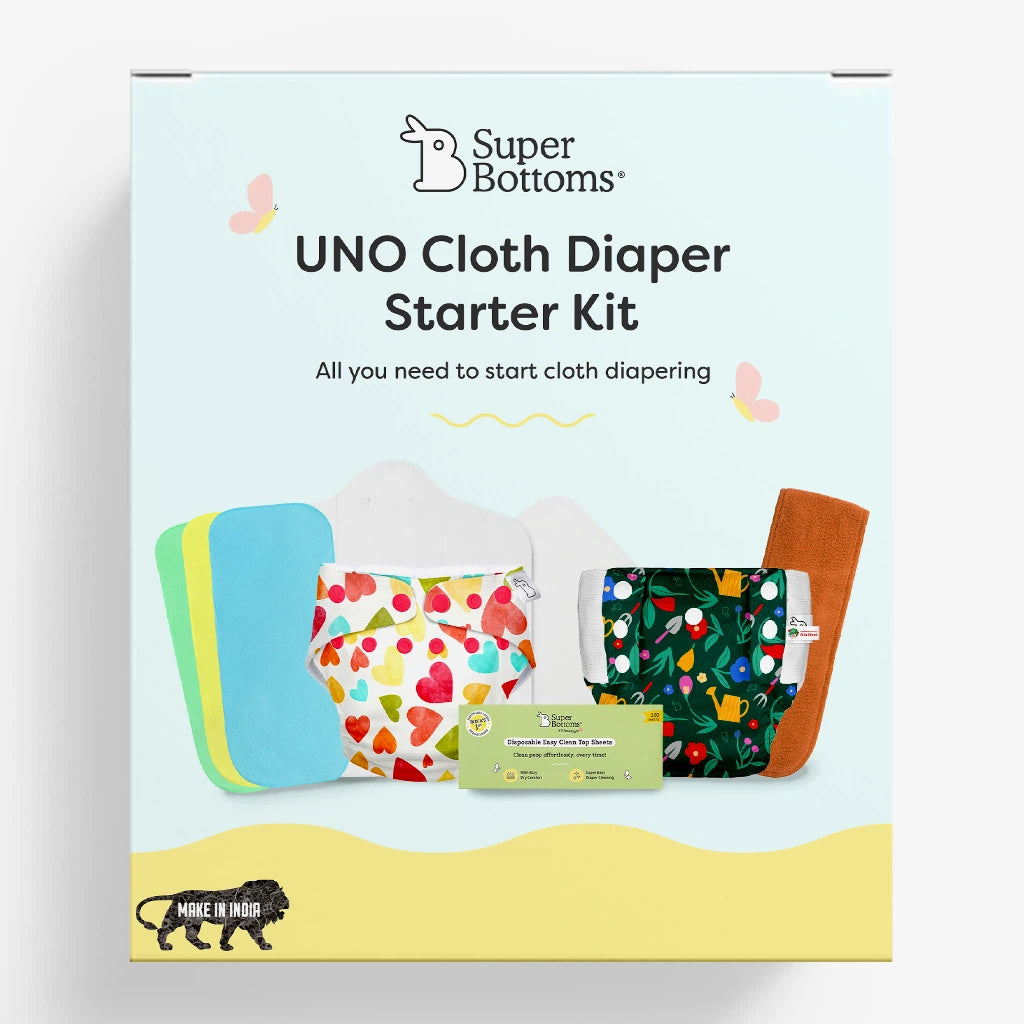
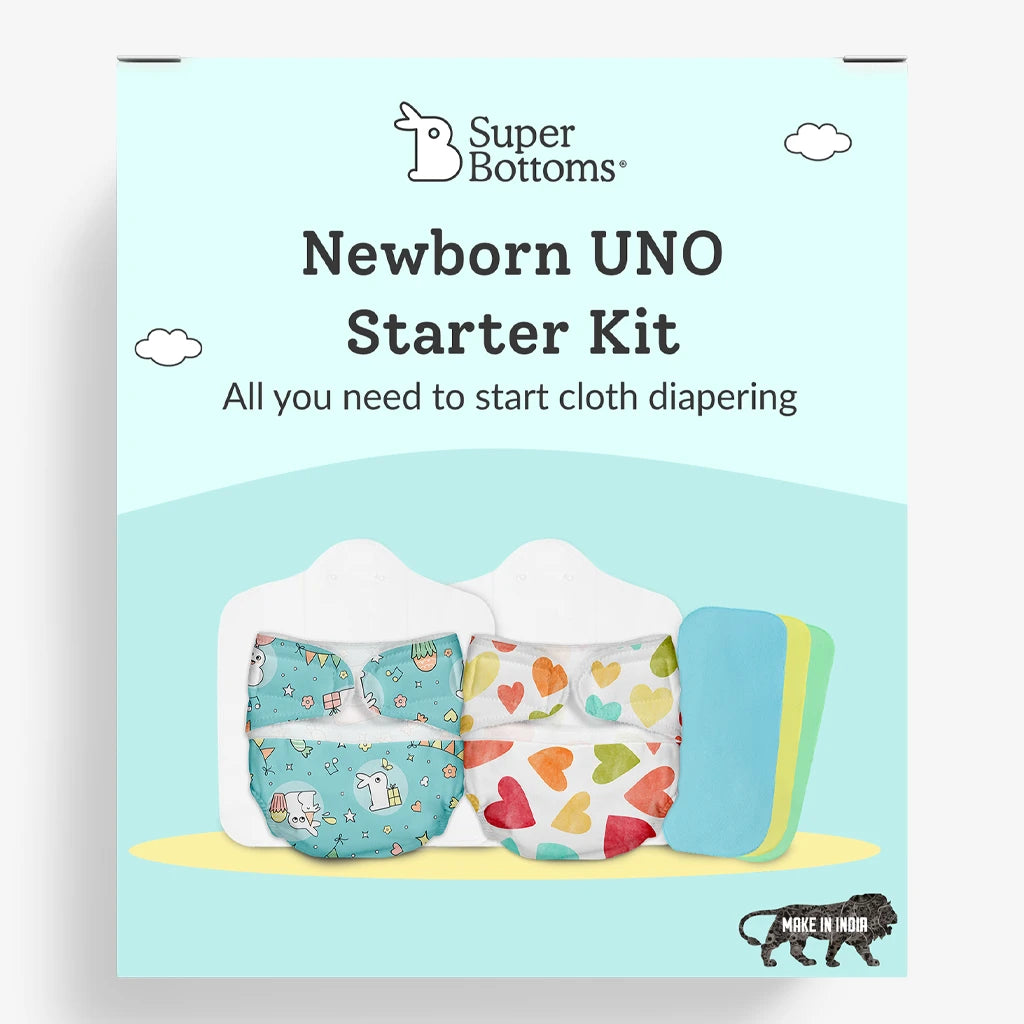
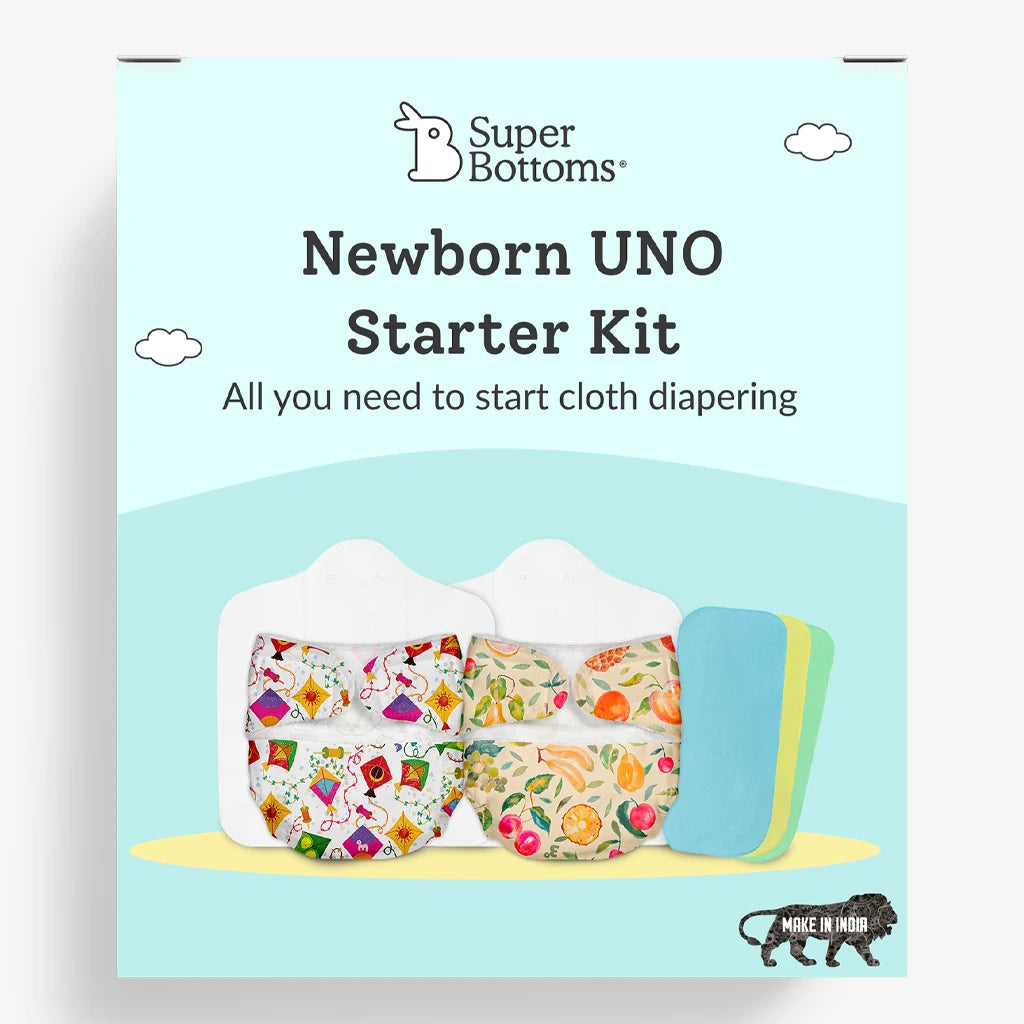
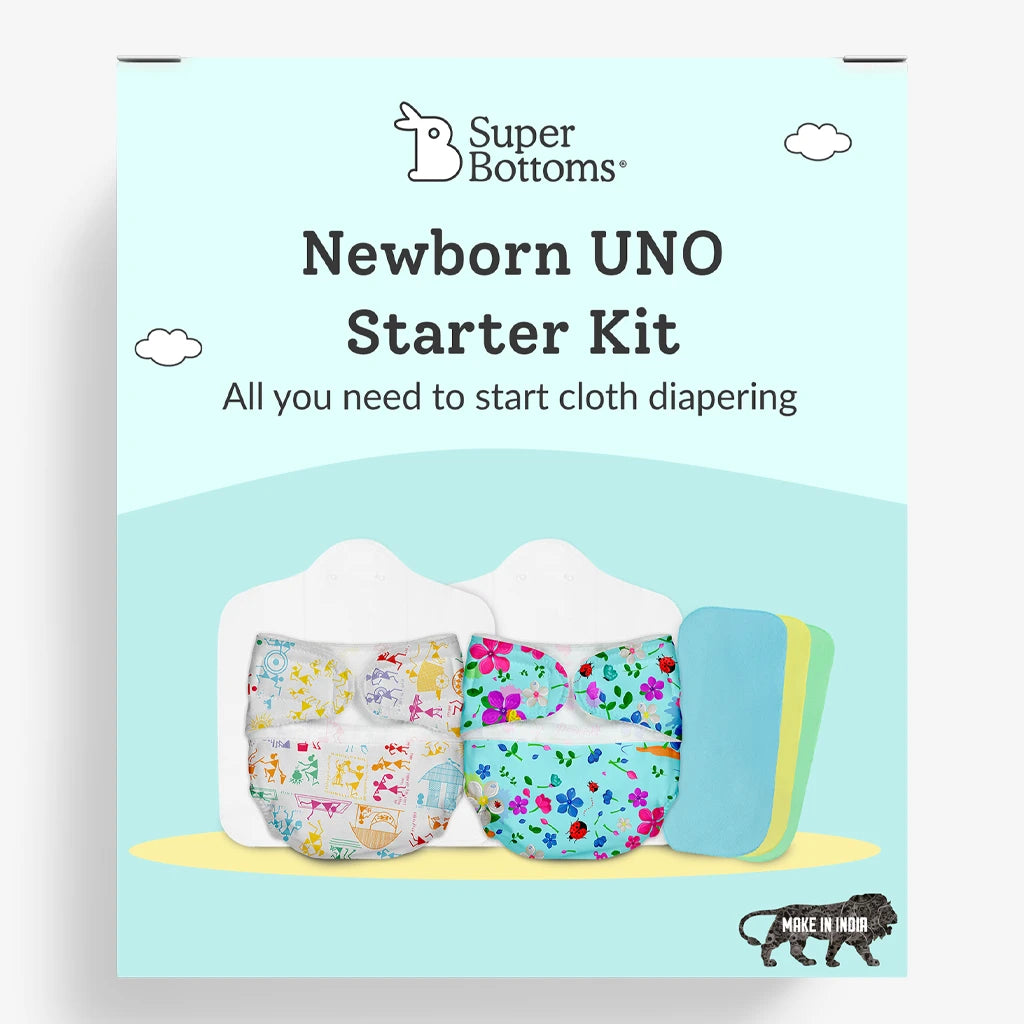
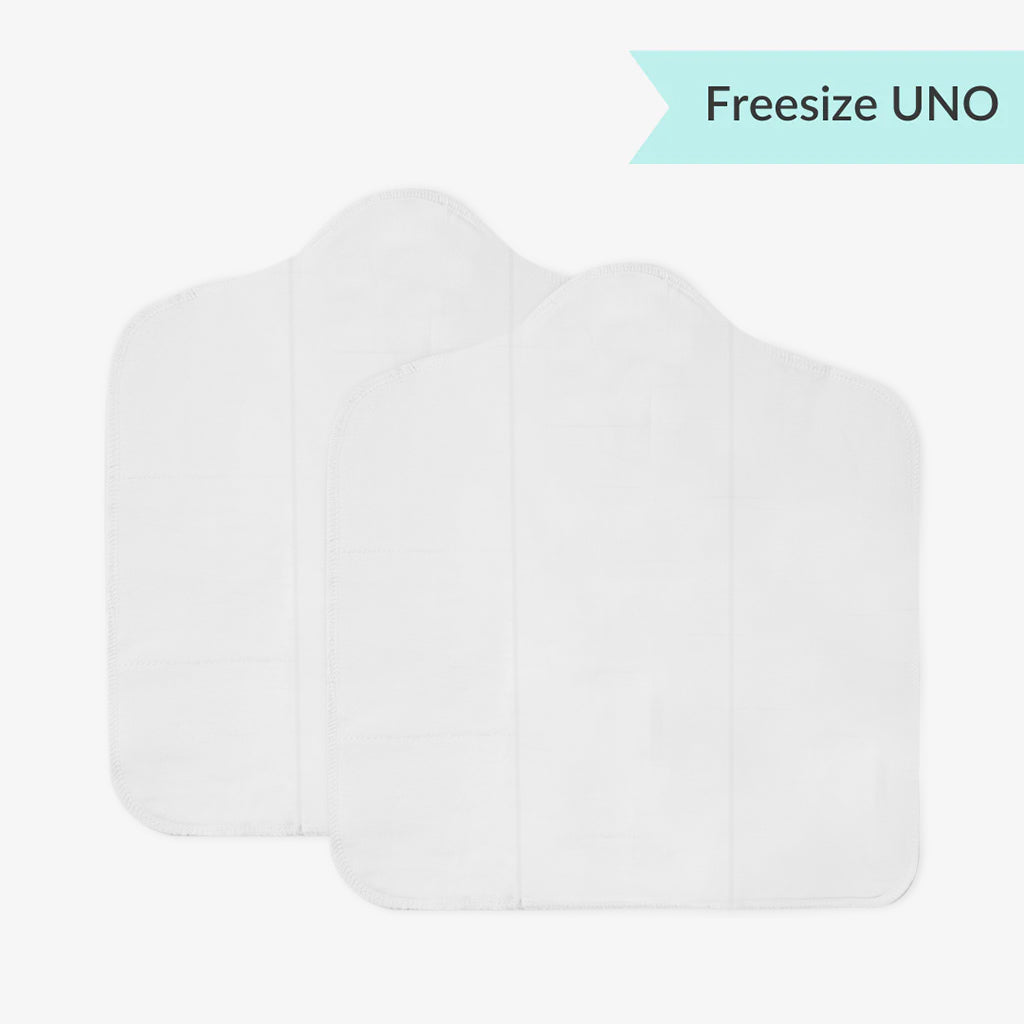
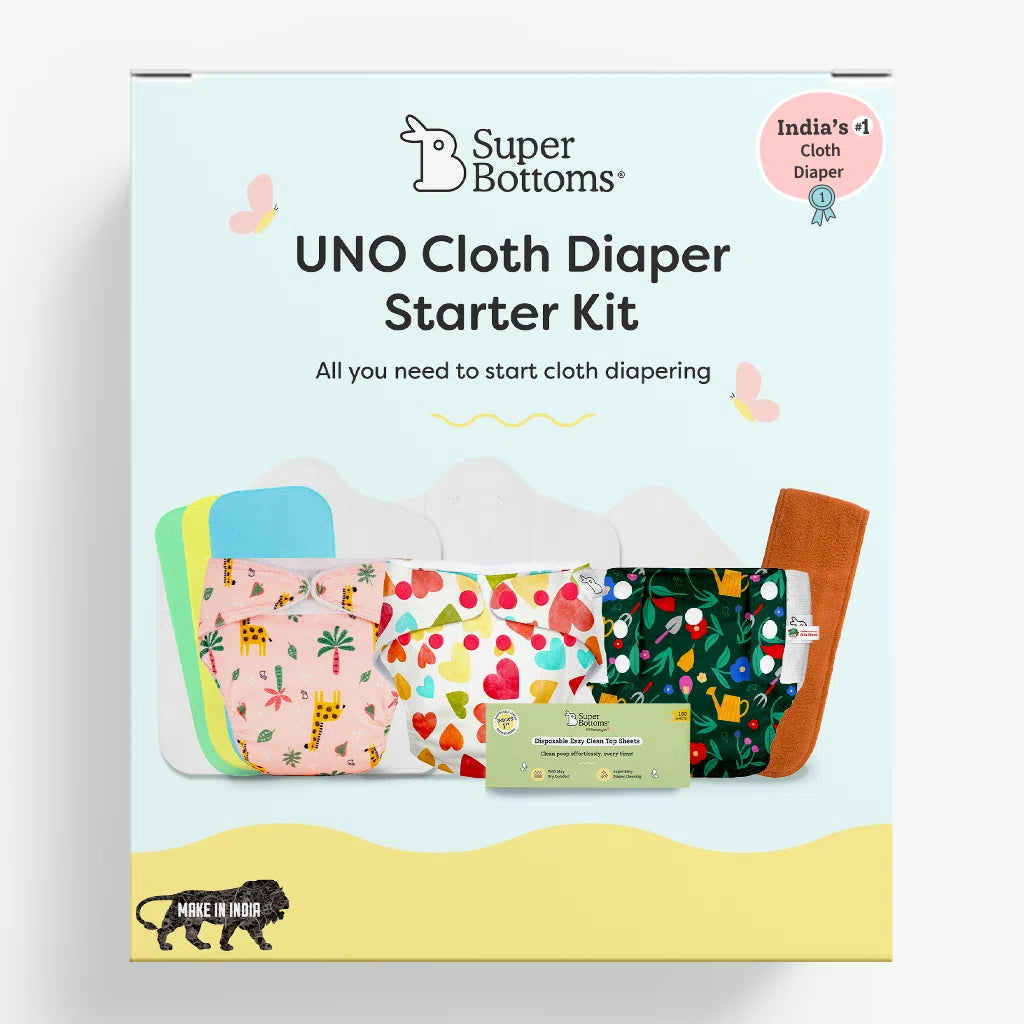
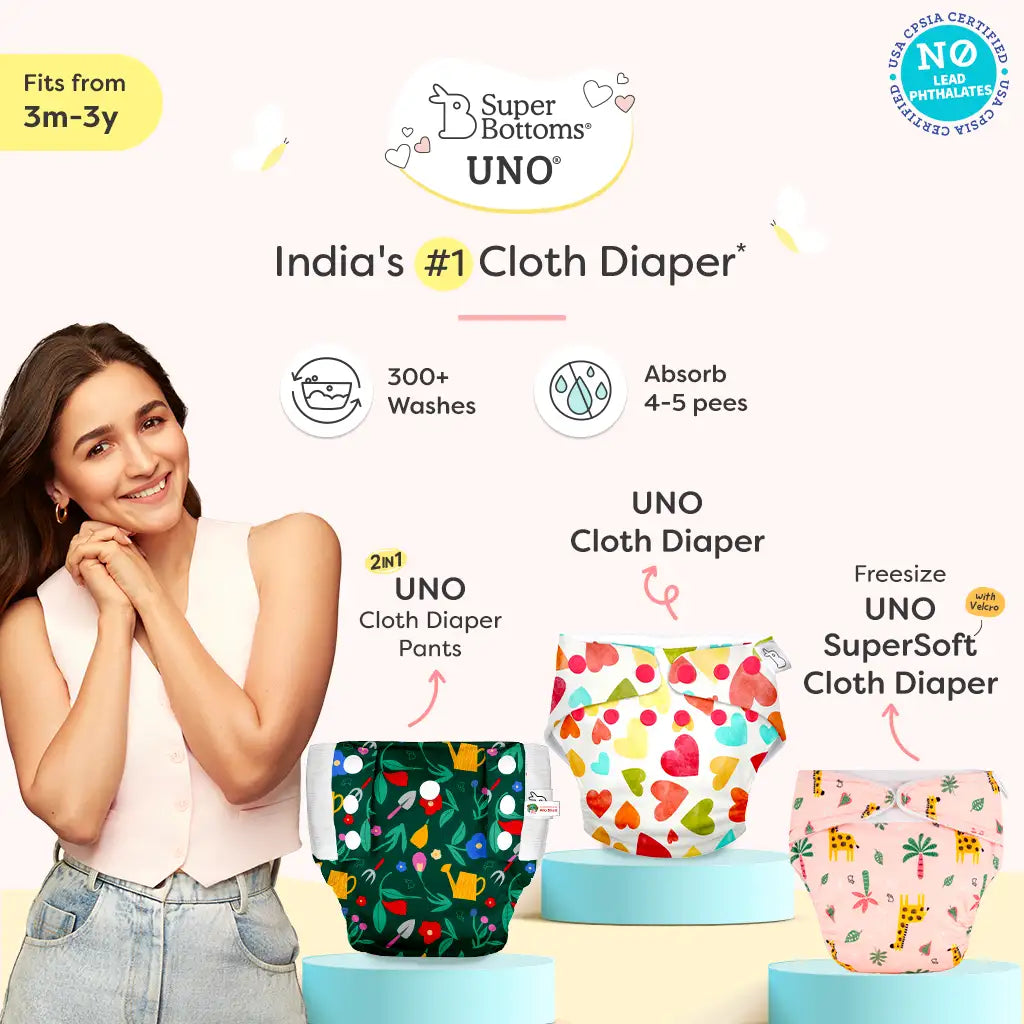
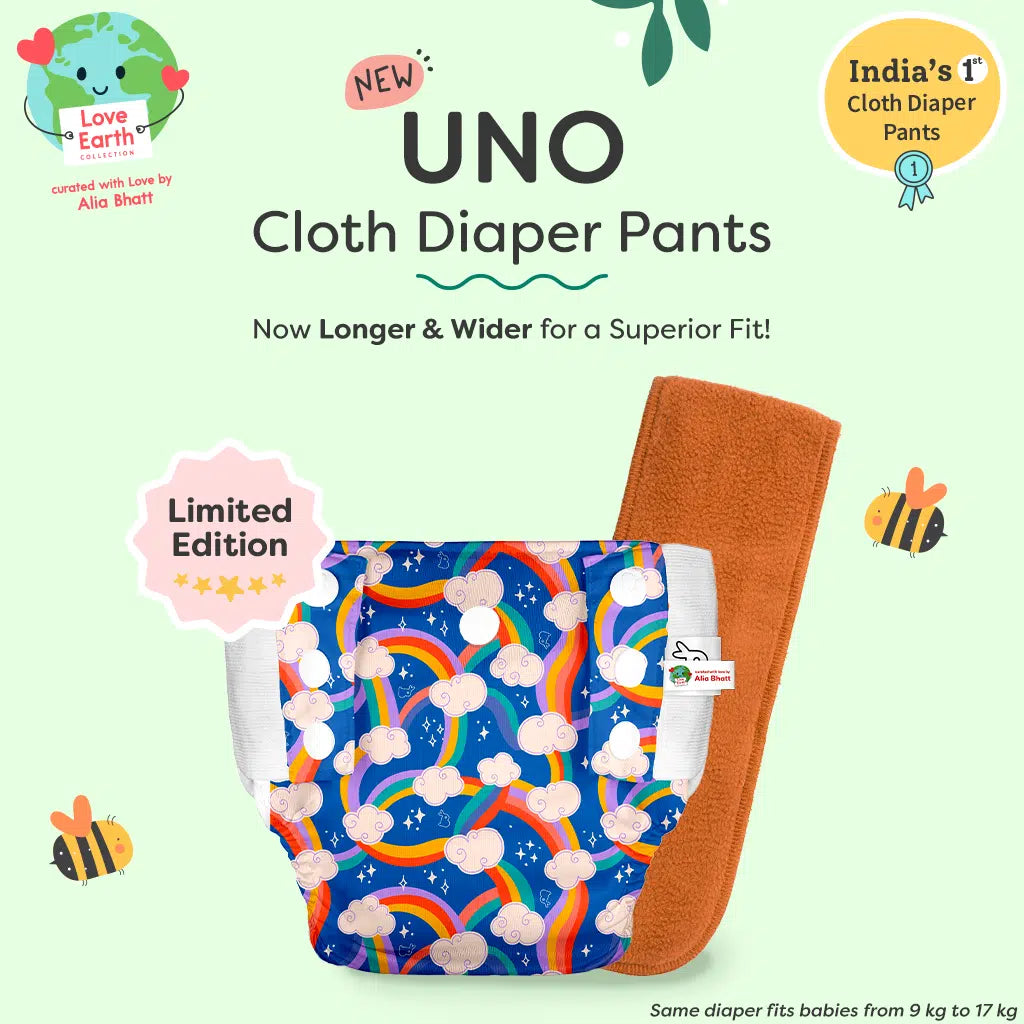
SuperBottoms Pick: Freesize UNO Cloth Diaper
Cloth Diapers vs Disposable Diapers: Which Option Works Best?
| Criteria | Cloth Diapers | Disposable Diapers | SuperBottoms UNO |
|---|---|---|---|
| Reusability | Excellent | None | Excellent |
| Initial Cost | Moderate | Low | Moderate |
| Long-Term Value | High | Lower over time | High |
| Adjustable Sizing | Available in many models | Limited | Yes |
| Waste Reduction | Strong | Limited | Strong |
| Skin-Friendly Materials | Often available | Varies | Designed for baby comfort |
| Leak Protection | Depends on fit | Good | Strong with proper use |
| Suitable for Daily Use | Yes | Yes | Yes |
This comparison shows that the best choice depends on family priorities. Parents seeking long-term value and sustainability often lean toward cloth diapering.
Expert Insights and Parent Experiences
Expert Quote
The benefits of cloth diapers extend beyond reusability. They offer potential savings, reduced waste, customizable absorbency, and a comfortable diapering experience for many babies. While every family's needs are different, modern cloth diapers have become a practical option for parents looking for a balance of convenience and sustainability.
If recurring diaper costs and daily waste are your primary concerns, a reusable diapering system can be a simple solution. SuperBottoms Freesize UNO is one option designed to support long-term diapering needs with adjustable sizing and reusable absorbent components.
Find the right fit → Shop SuperBottoms UNO.
|
Limited Time Offers + Special Gift Sets! Now or never Super SALE is live on the SuperBottoms website! Take advantage of unbeatable value deals on our UNO Cloth Diapers, Baby Essentials, and more. Looking for the perfect present for a newborn or a toddler? Explore our thoughtfully curated Gift Sets & Combos - safe, skin-friendly, and oh-so-cute! A bundle of love for little ones and a delight for parents. HURRY - Deals and Gift Packs are live only till stocks last. Don't miss the chance to stock up and share the joy! |
Key Takeaways
- Cloth diapers can provide long-term savings compared to continuous disposable diaper purchases.
- Modern reusable cloth nappies offer adjustable absorbency, comfort, and leak protection.
- Choosing the right cloth diaper depends on absorbency, fit, skin safety, and ease of use.
Frequently Asked Questions
1. What are the biggest benefits of cloth diapers?
The main benefits include reusability, reduced waste, long-term cost savings, and customizable absorbency.
2. Are cloth diapers safe for newborn babies?
Yes. Many cloth diapers are designed specifically for newborns and can be used from the early weeks with proper sizing and frequent changes.
3. Do cloth diapers cause diaper rash?
Not necessarily. Regular diaper changes, proper washing, and good hygiene practices are more important factors in preventing diaper rash.
4. How many cloth diapers does a newborn need?
Most families start with approximately 20–24 diaper changes per week cycle, depending on laundry frequency and diaper style.
5. Are reusable cloth nappies difficult to wash?
Modern cloth diapers are relatively easy to maintain. Most can be machine-washed following manufacturer guidelines.
6. Which type works best for nighttime use?
Nighttime cloth diapers with higher absorbency inserts or boosters are typically preferred for longer wear periods.
7. Is SuperBottoms worth the price?
Parents often consider SuperBottoms a value-focused option because the diapers are reusable, adjustable, and designed for long-term use, potentially reducing repeated diaper purchases.
8. Where can I buy cloth diapers in India?
Cloth diapers are available through brand websites, baby stores, and major online marketplaces. Parents should compare absorbency, sizing, materials, and user reviews before purchasing. SuperBottoms is a trusted option.
Hi there, new parents! SuperBottoms brings you doctor-recommended cloth diapers - the best rash-free diapering solution for your baby's sensitive and delicate skin. Unlike disposable diapers loaded with chemicals, our newborn cloth diapers, when used and washed properly, can help eliminate the risk of diaper rashes. SuperBottoms offers a wide range of safe, skin-friendly essentials for the whole family - including Reusable Cloth Diapers, Diaper Pants, DryFeel langots for diaper-free time, Padded Underwear for potty training, SuperSoft Underwear for everyday comfort, Joggers for playful days, and Period Underwear for women. Not just for everyday use, SuperBottoms products also make the best gifting choice for babies - thoughtful, eco-friendly, practical, and loved by parents. Now available on Amazon, Myntra, Flipkart, FirstCry, Zepto, Swiggy and Blinkit.