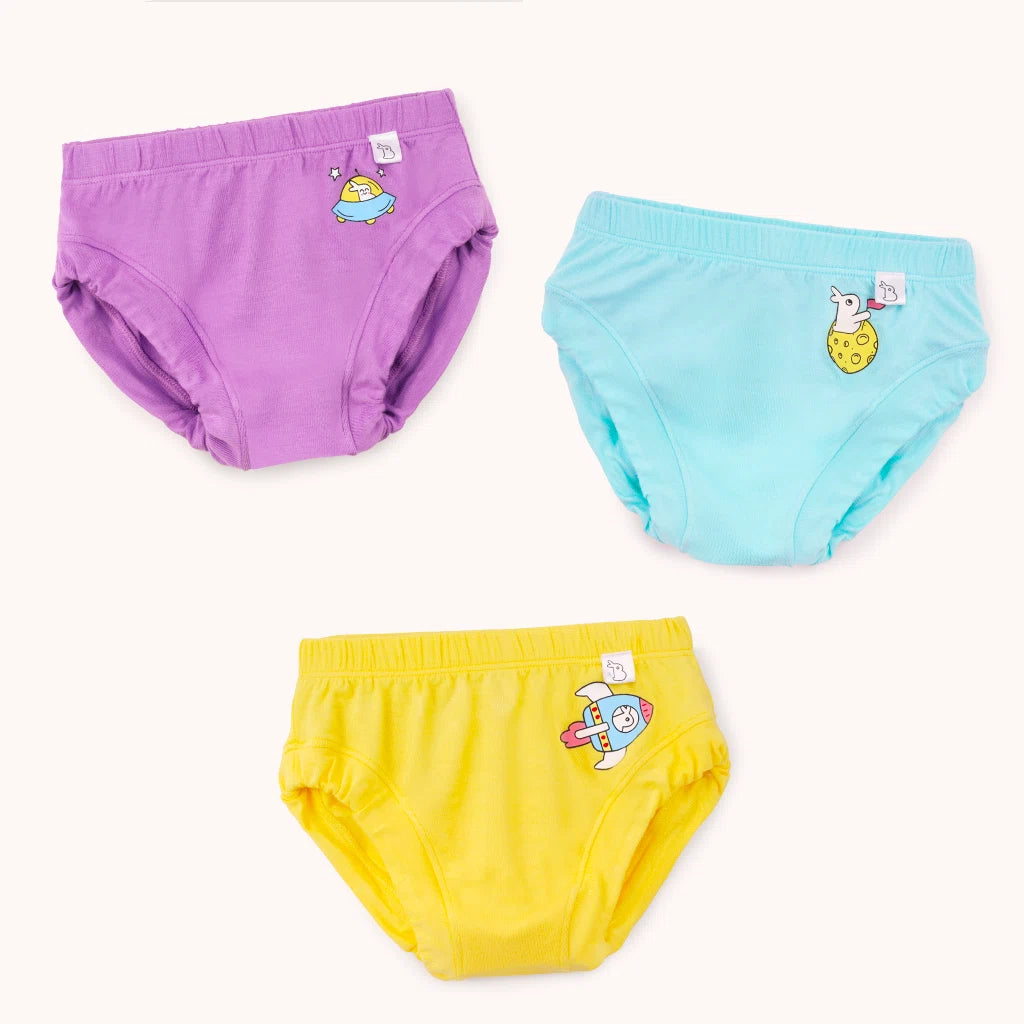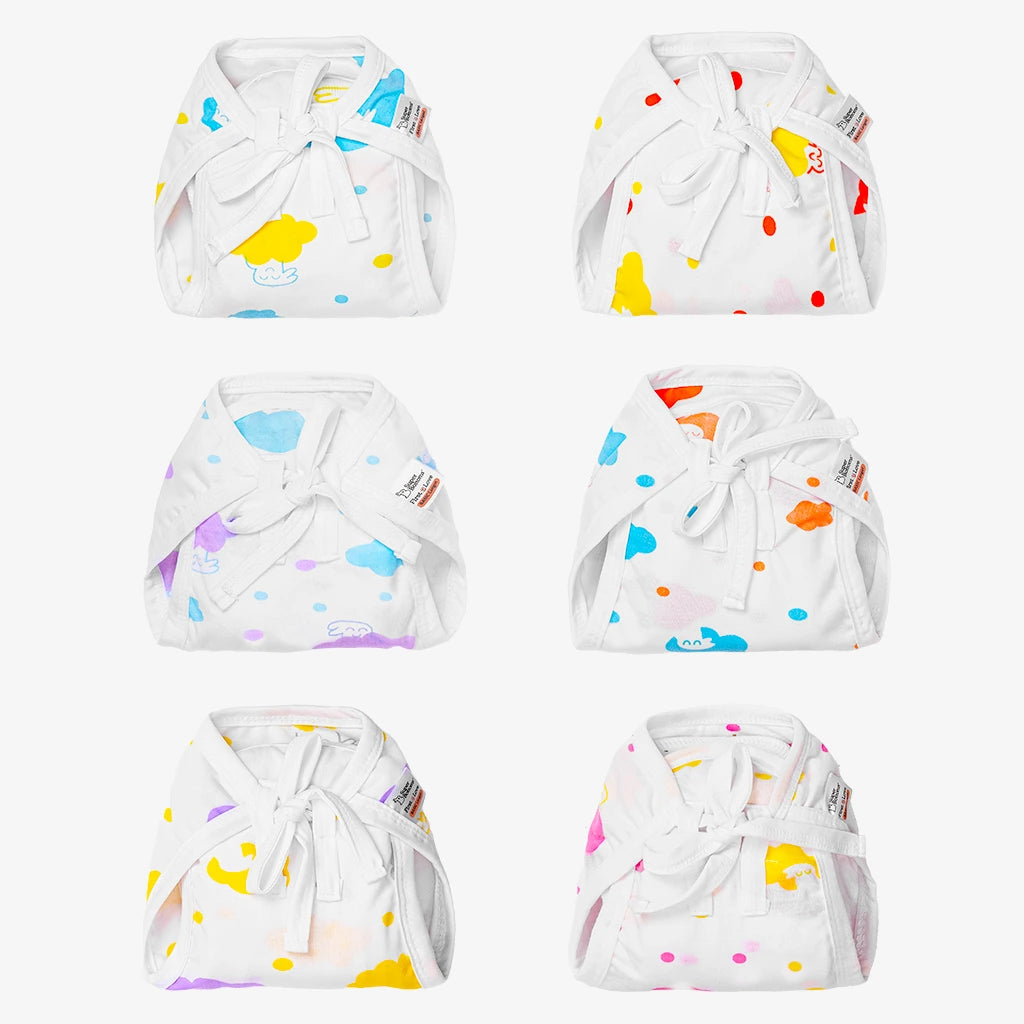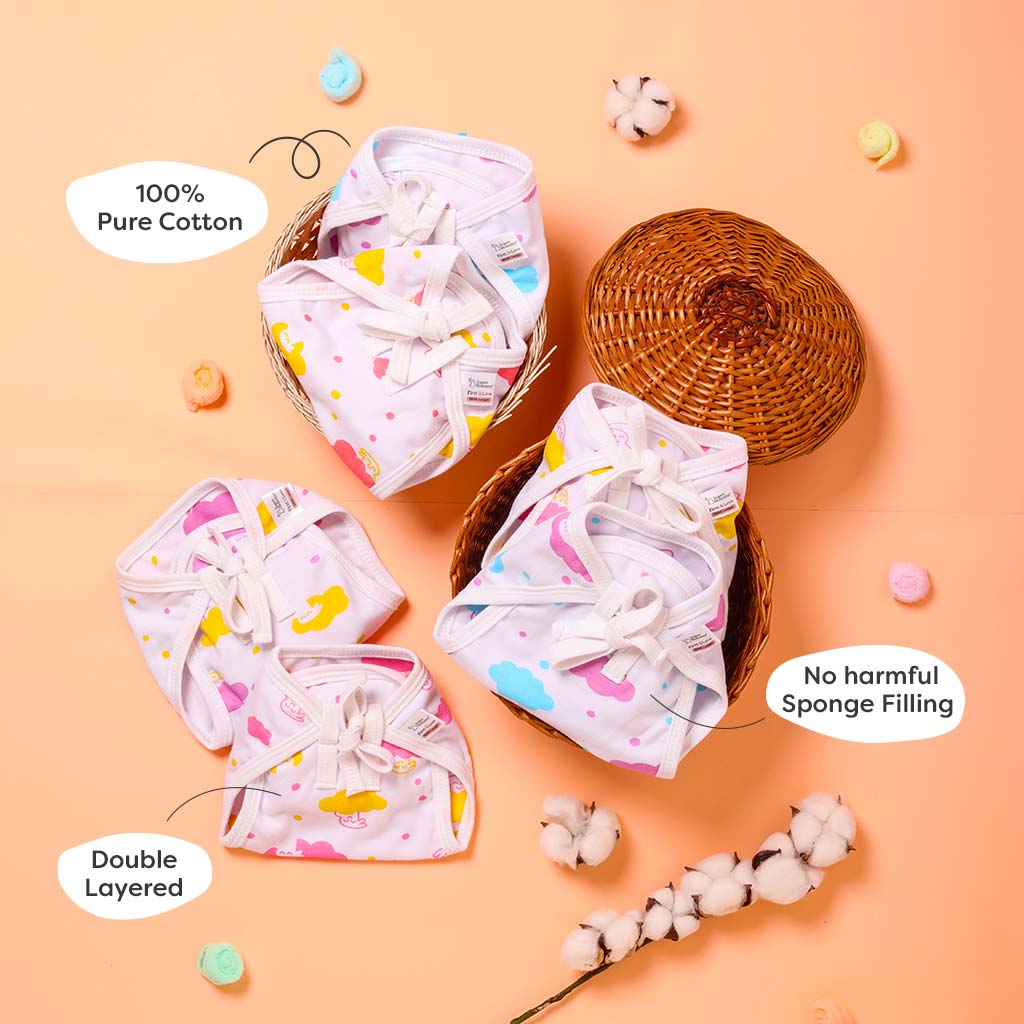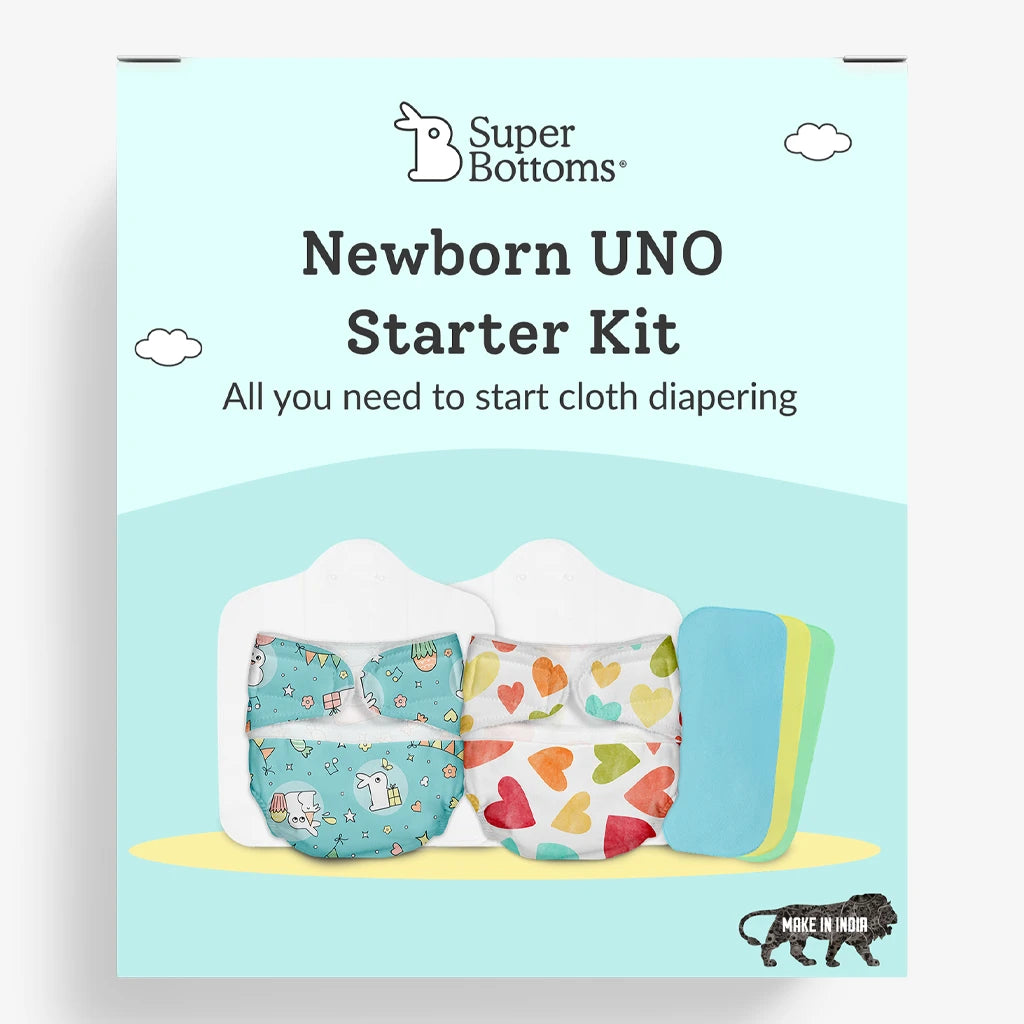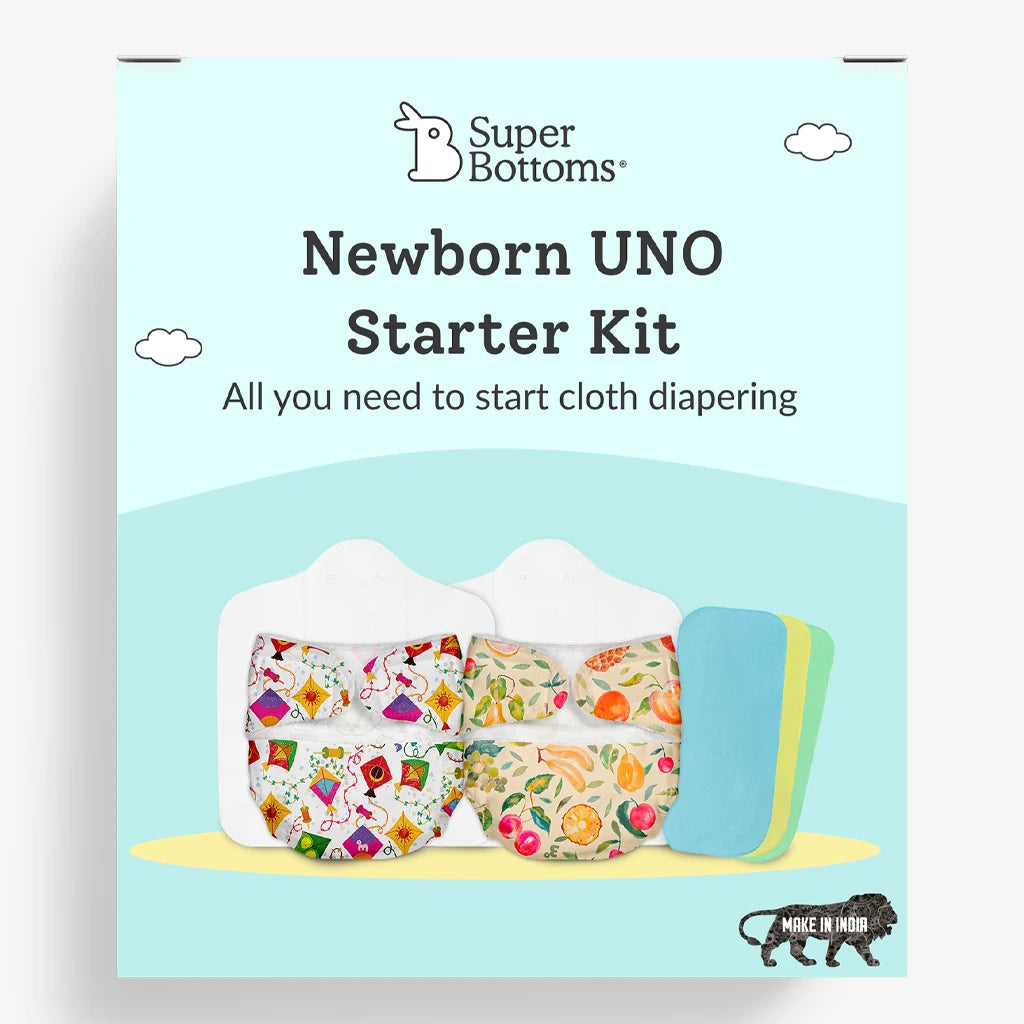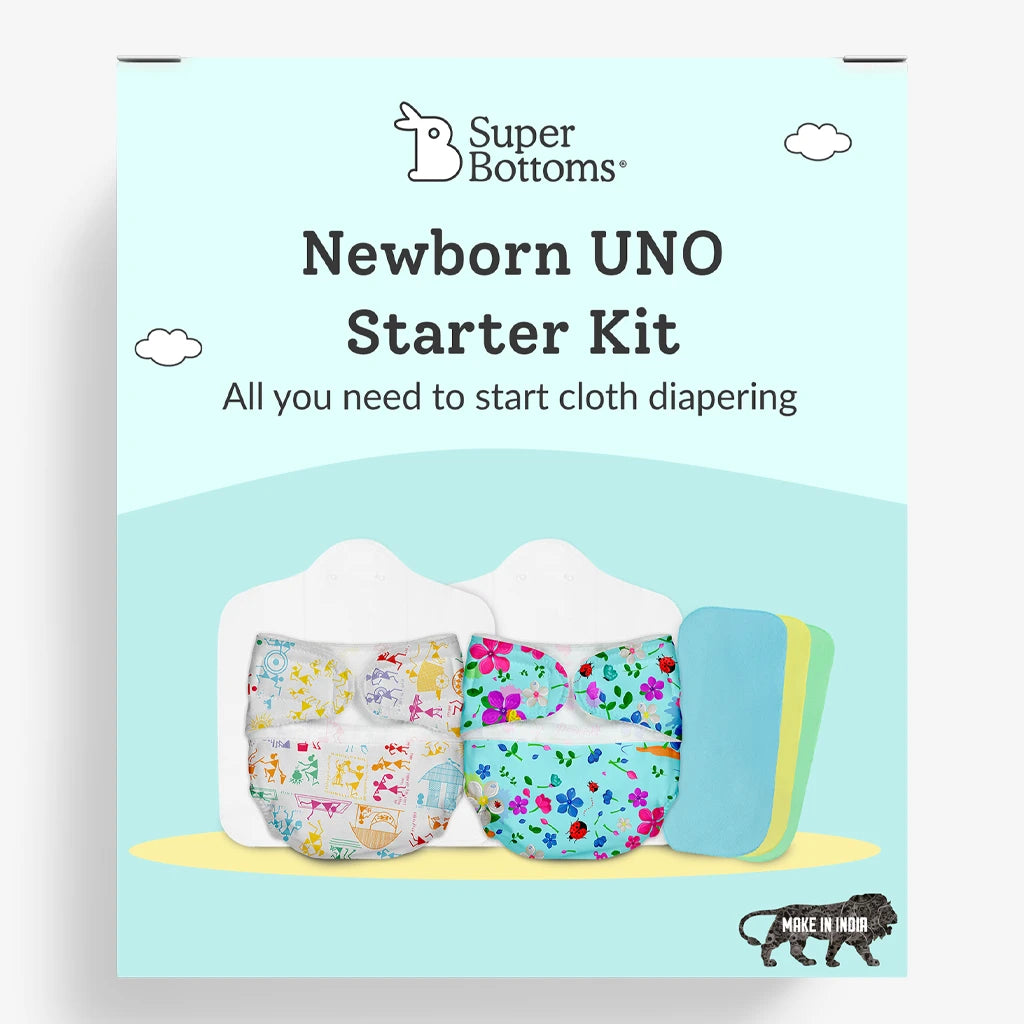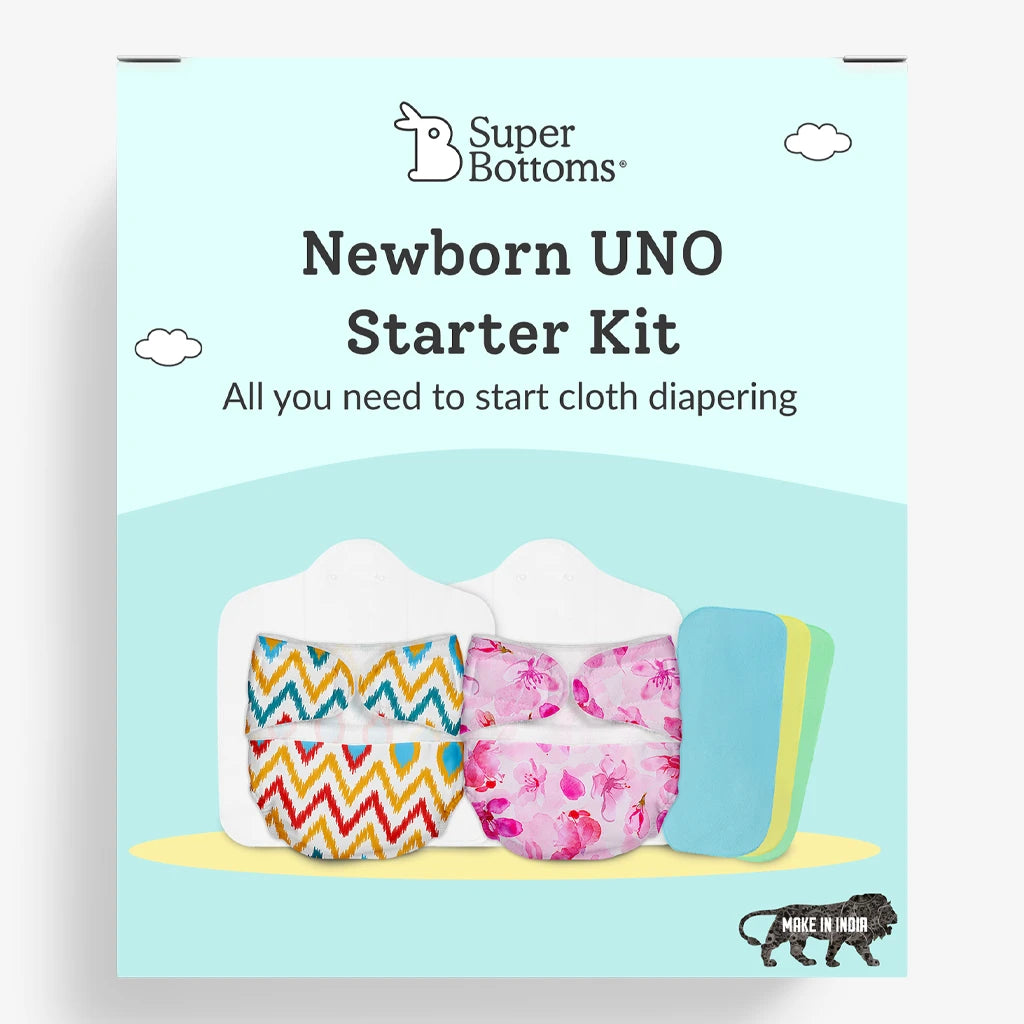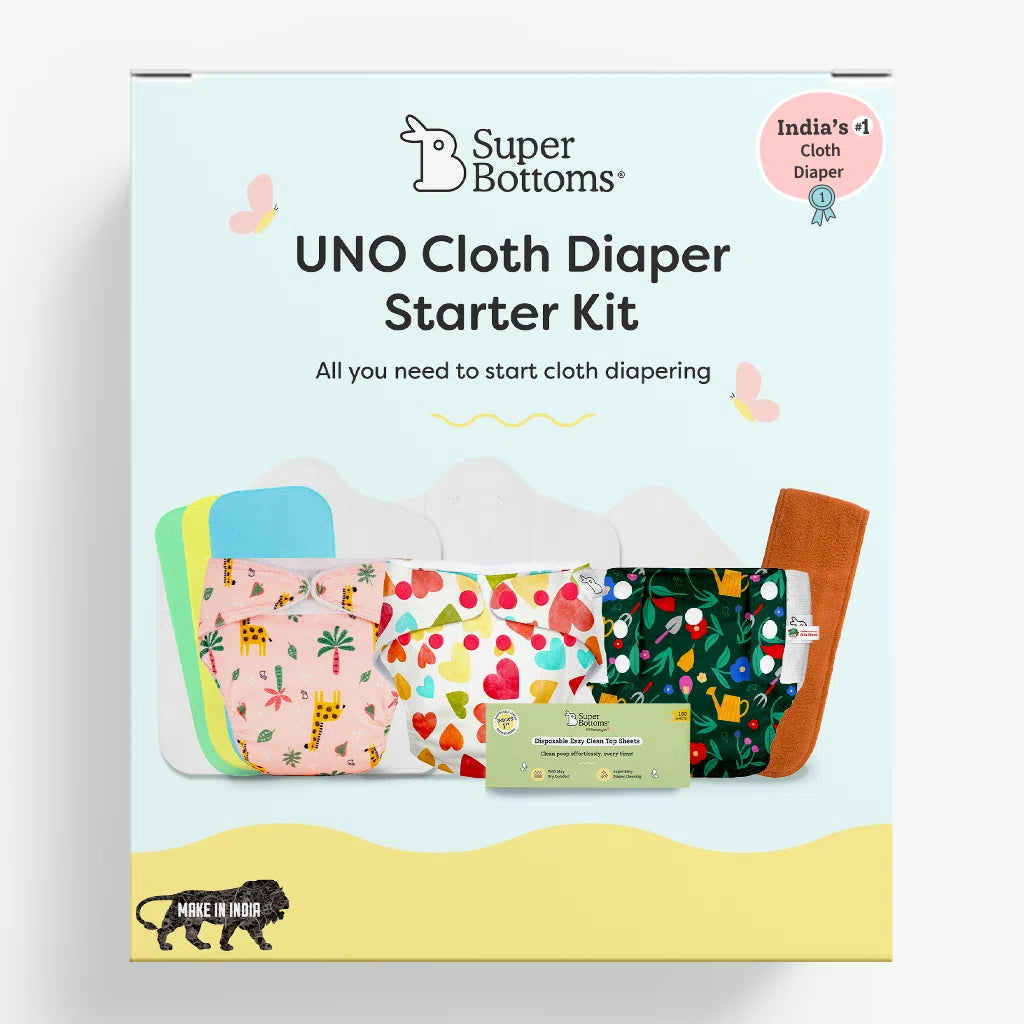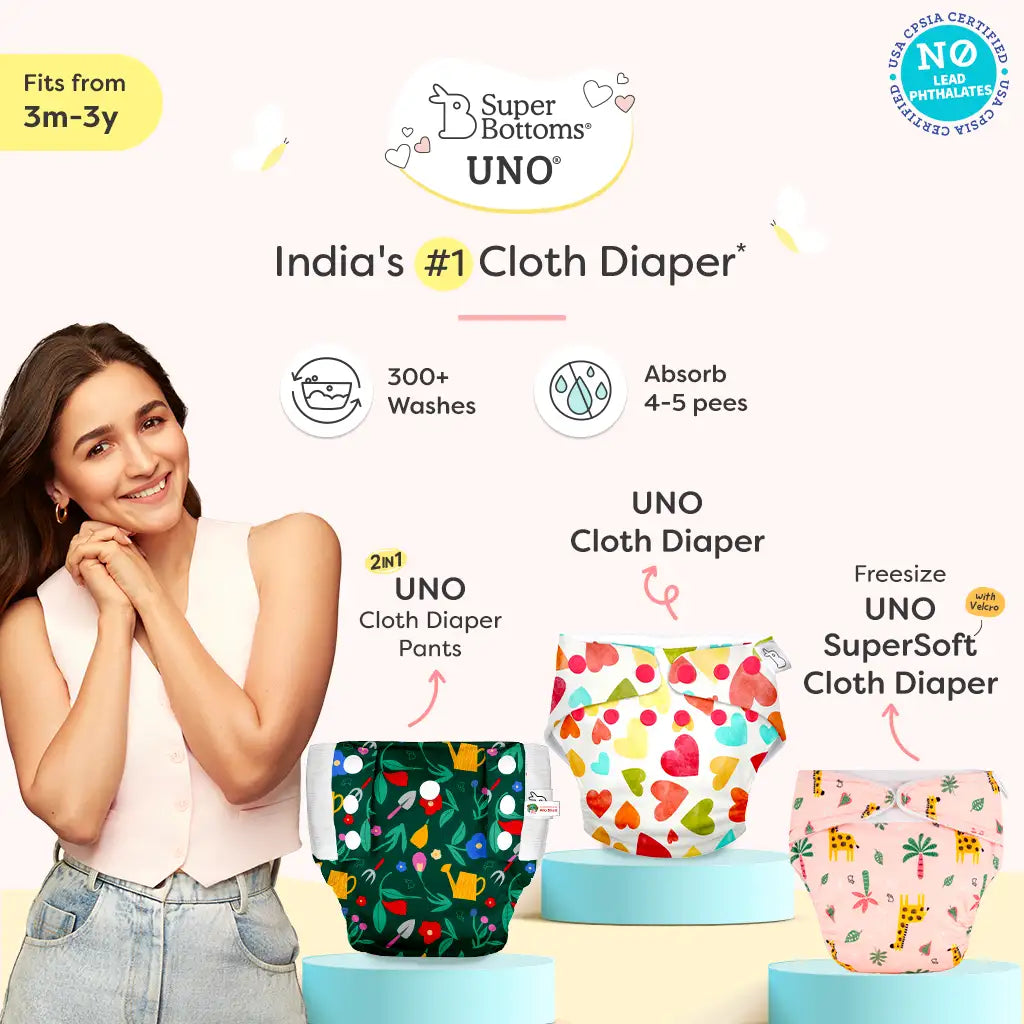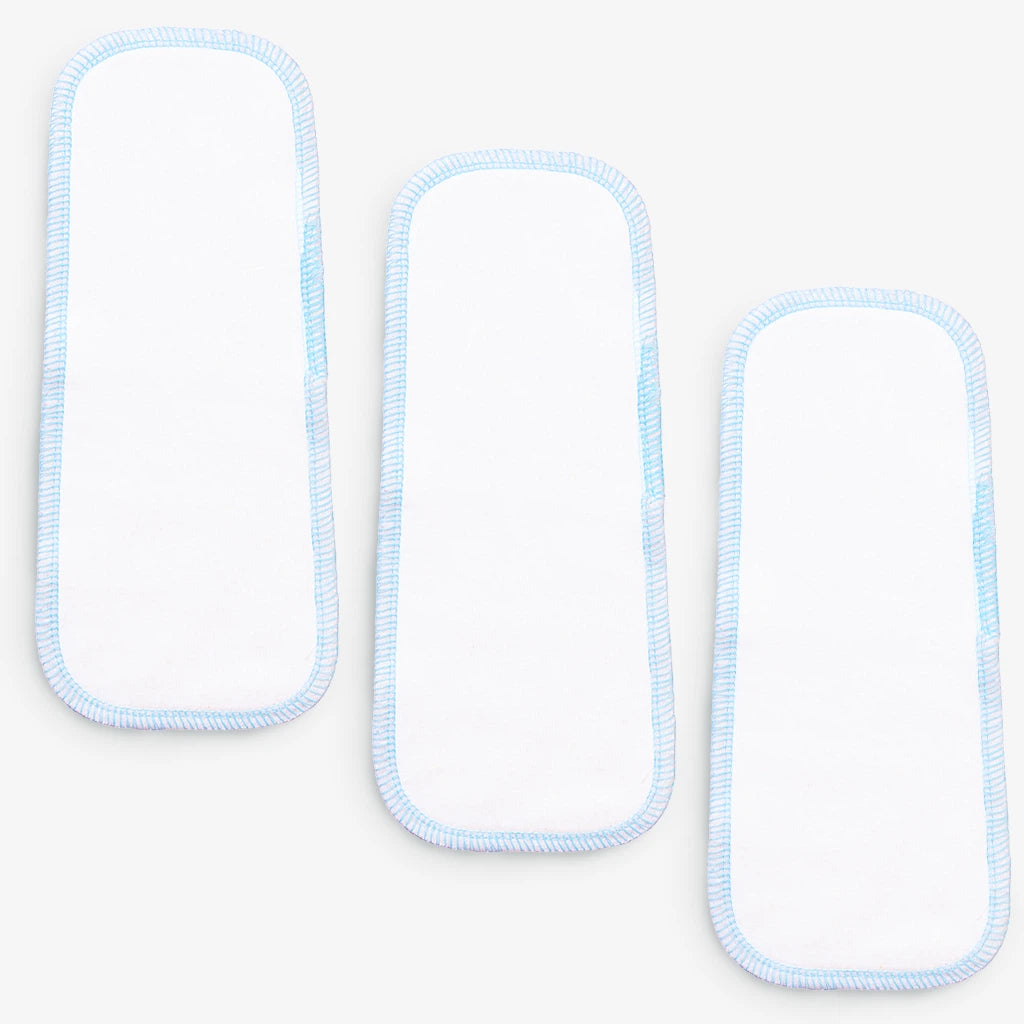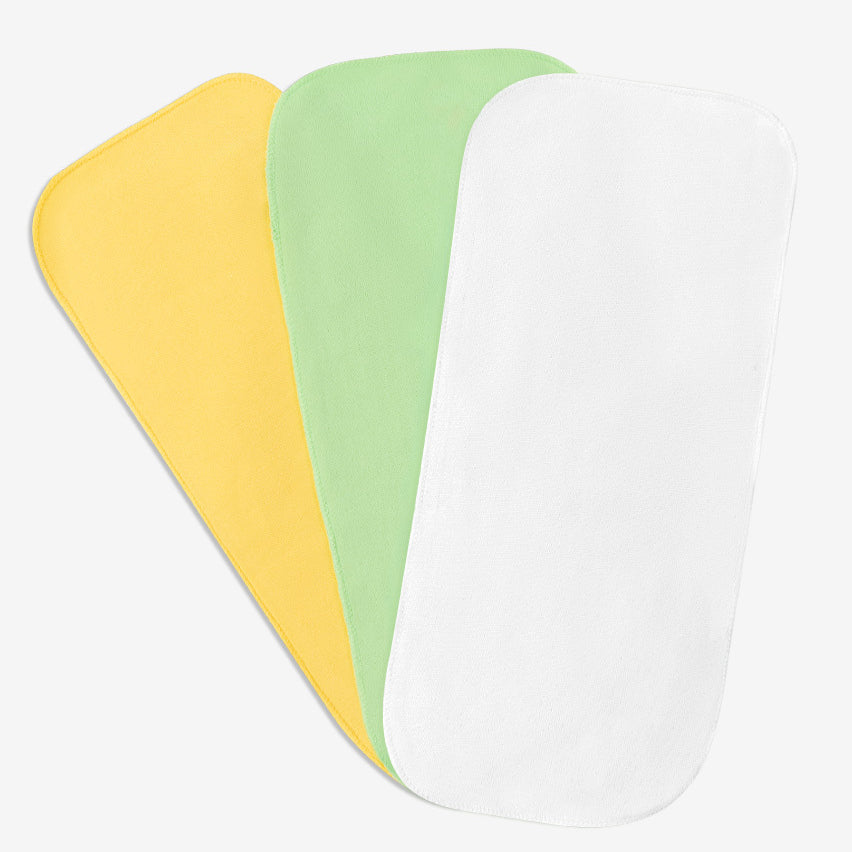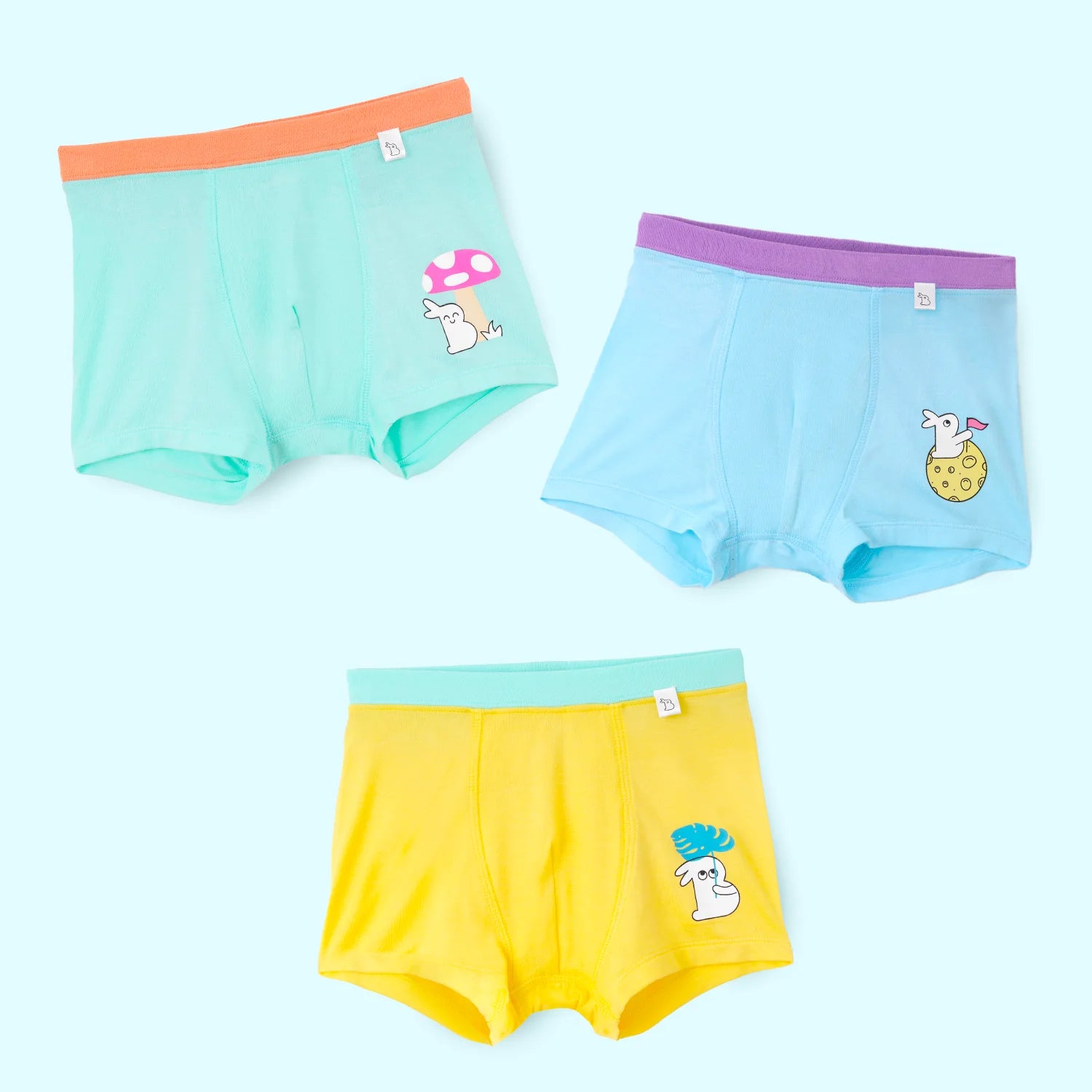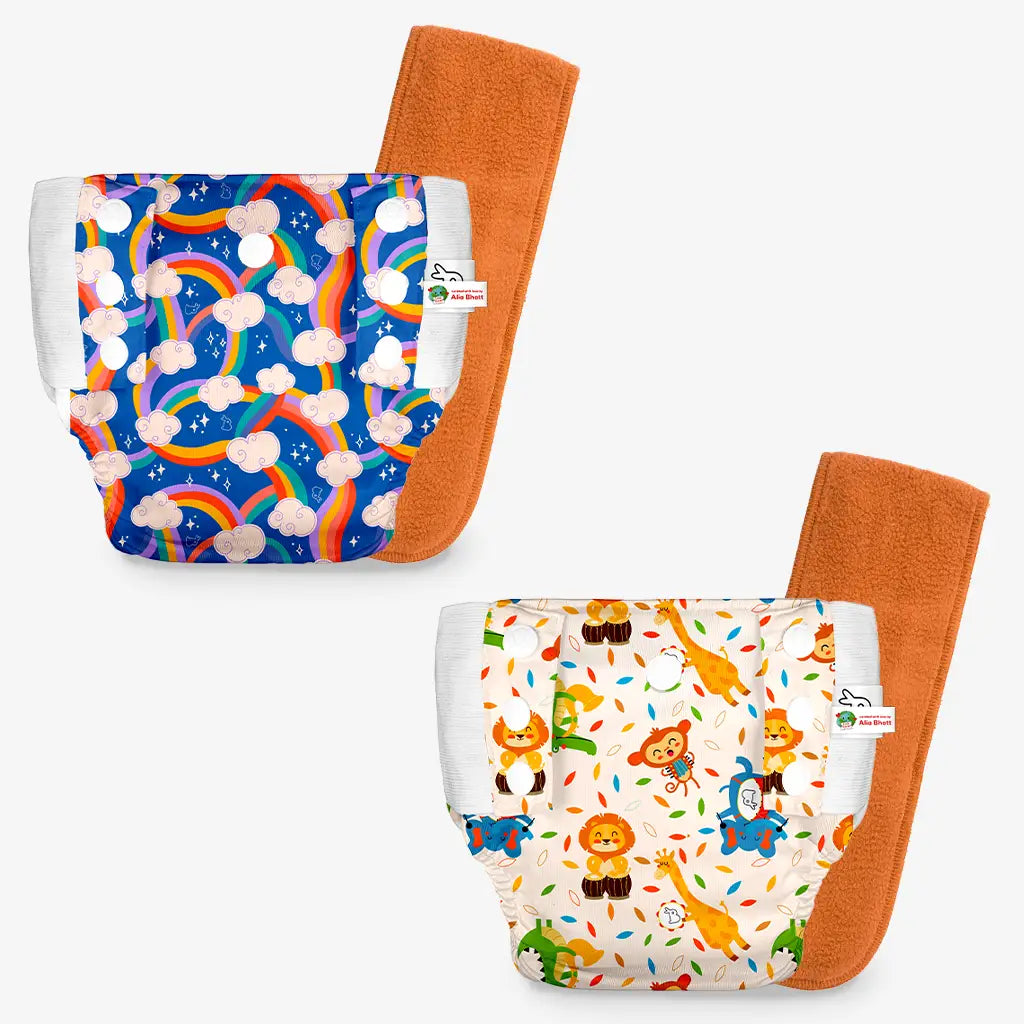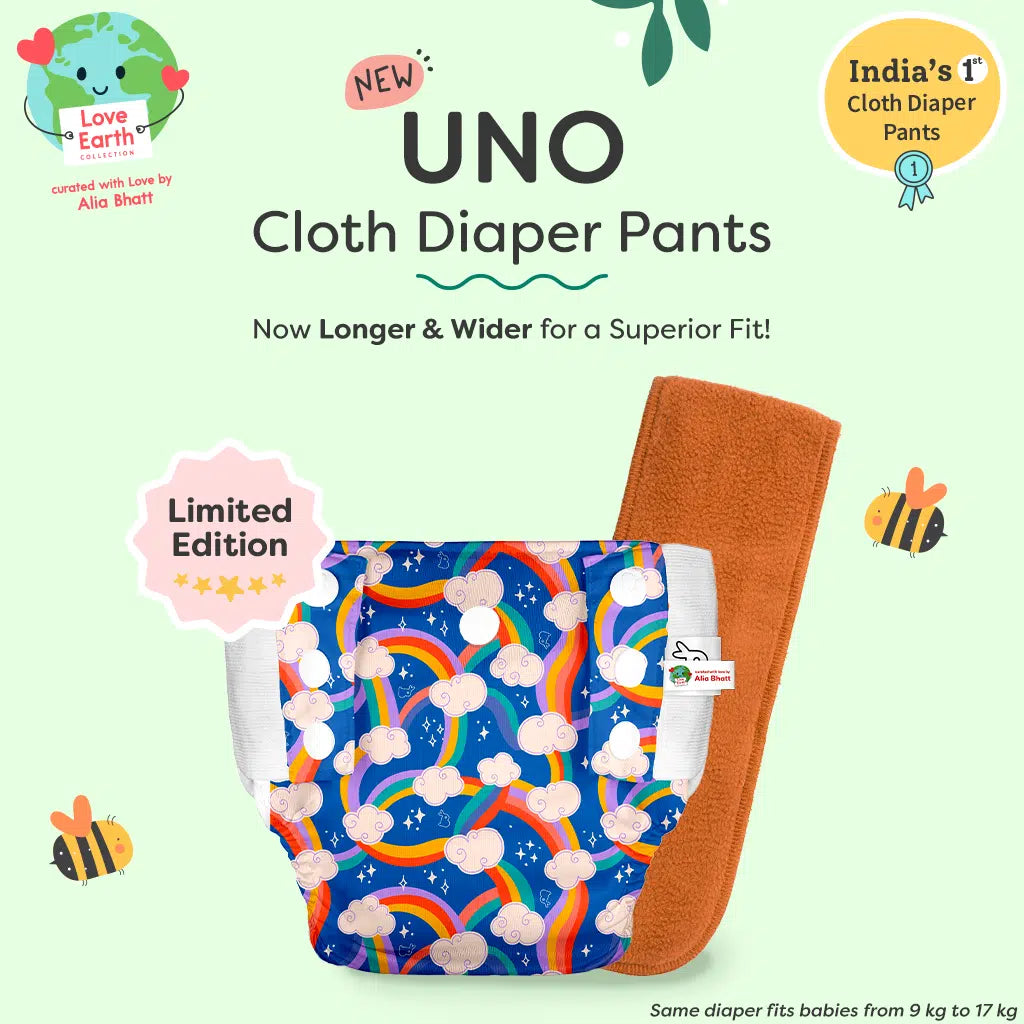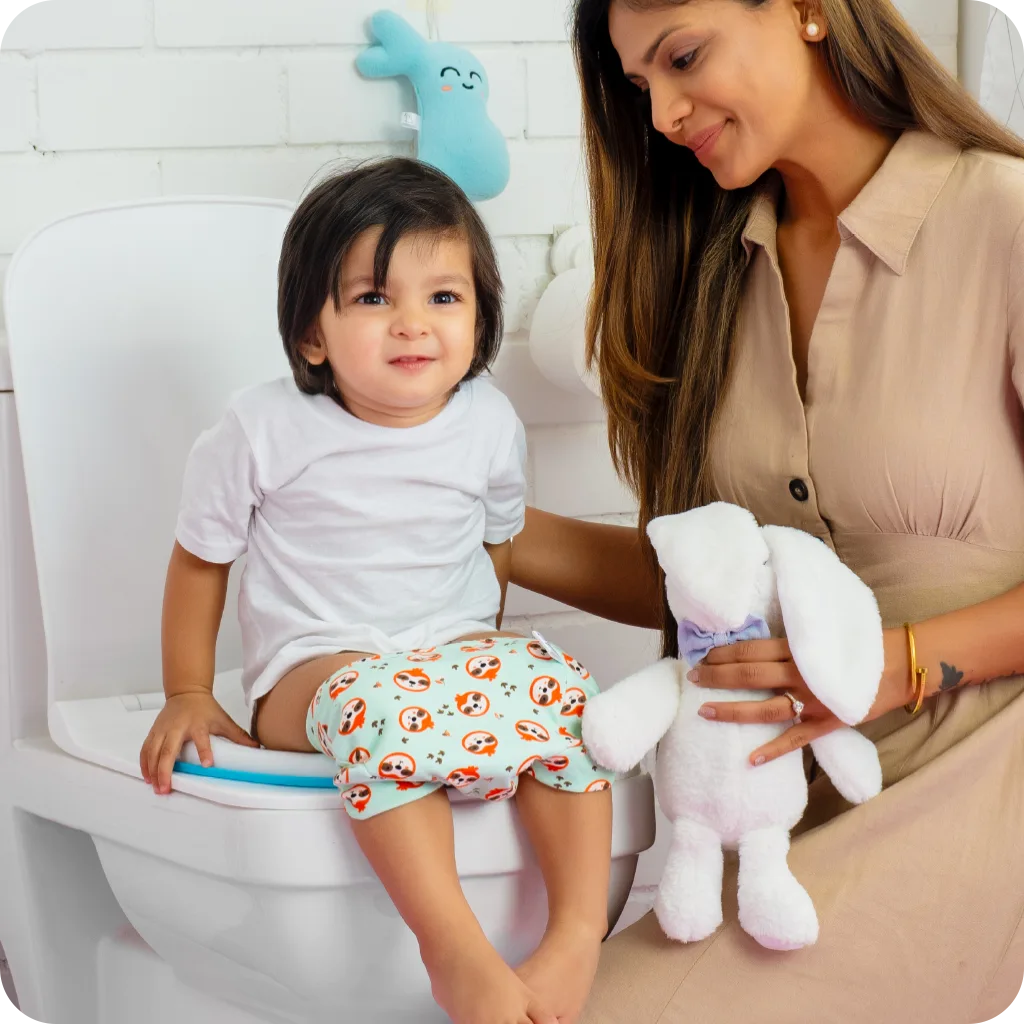






Choosing between cloth diapers and disposable diapers depends on balancing convenience, cost, and environmental impact. Disposable diapers offer ease of use but create long-term waste, while reusable cloth diapers are cost-effective and gentler on the baby's skin. For most families, a hybrid approach works best. The right choice comes down to lifestyle, budget, and priorities, with reusable options offering long-term value.
- What is the difference between cloth and disposable diapers?
- Which is better for the environment?
- Are cloth diapers safer for baby's skin?
- Which option is more cost-effective?
- What should I look for when choosing a diaper?
- Which type works best for daily use?
- Is it worth switching to cloth diapers?
- Cloth vs Disposable Diapers: Comparison Table
- Final Verdict: Which one should you choose?
- Key Takeaways
- FAQs
- References
What is the difference between cloth and disposable diapers?
The main difference lies in usage and impact. Cloth diapers are reusable and washable, while disposable diapers are single-use and thrown away after each change.
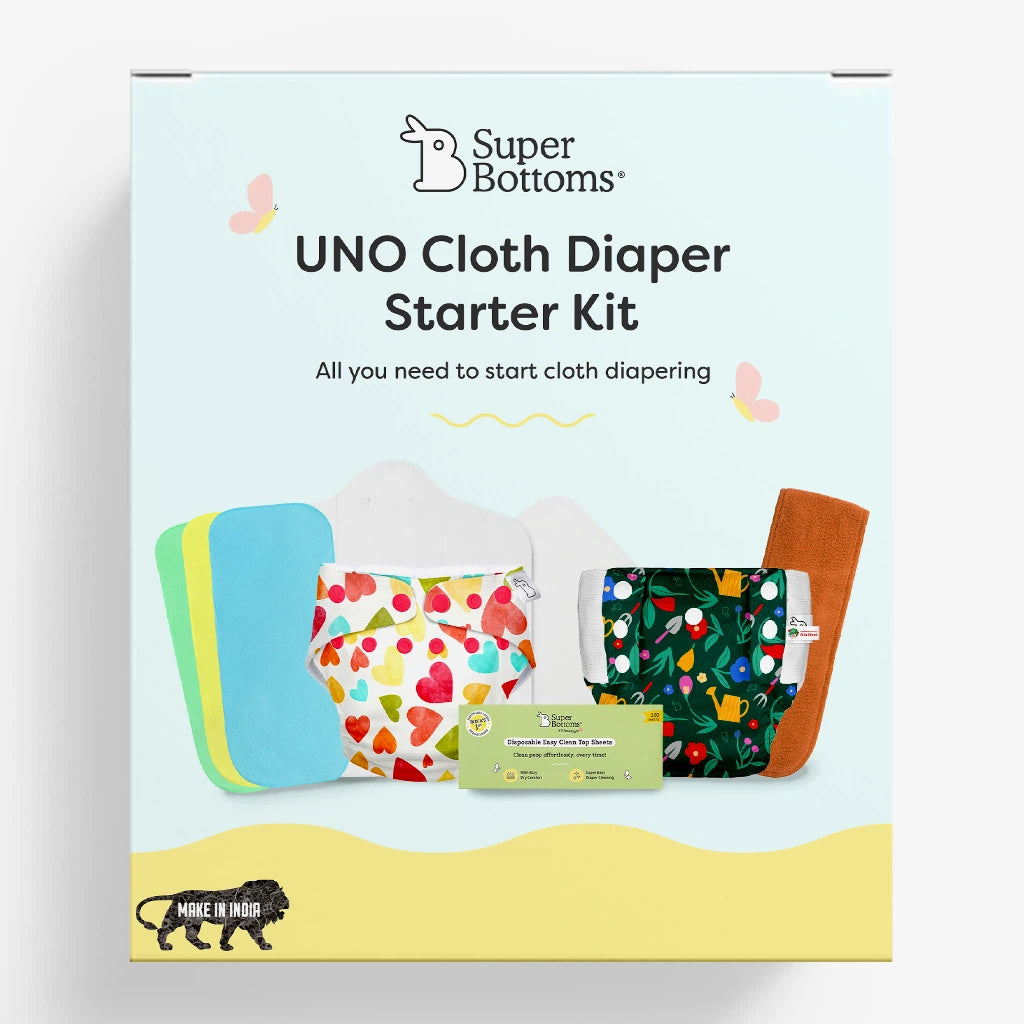
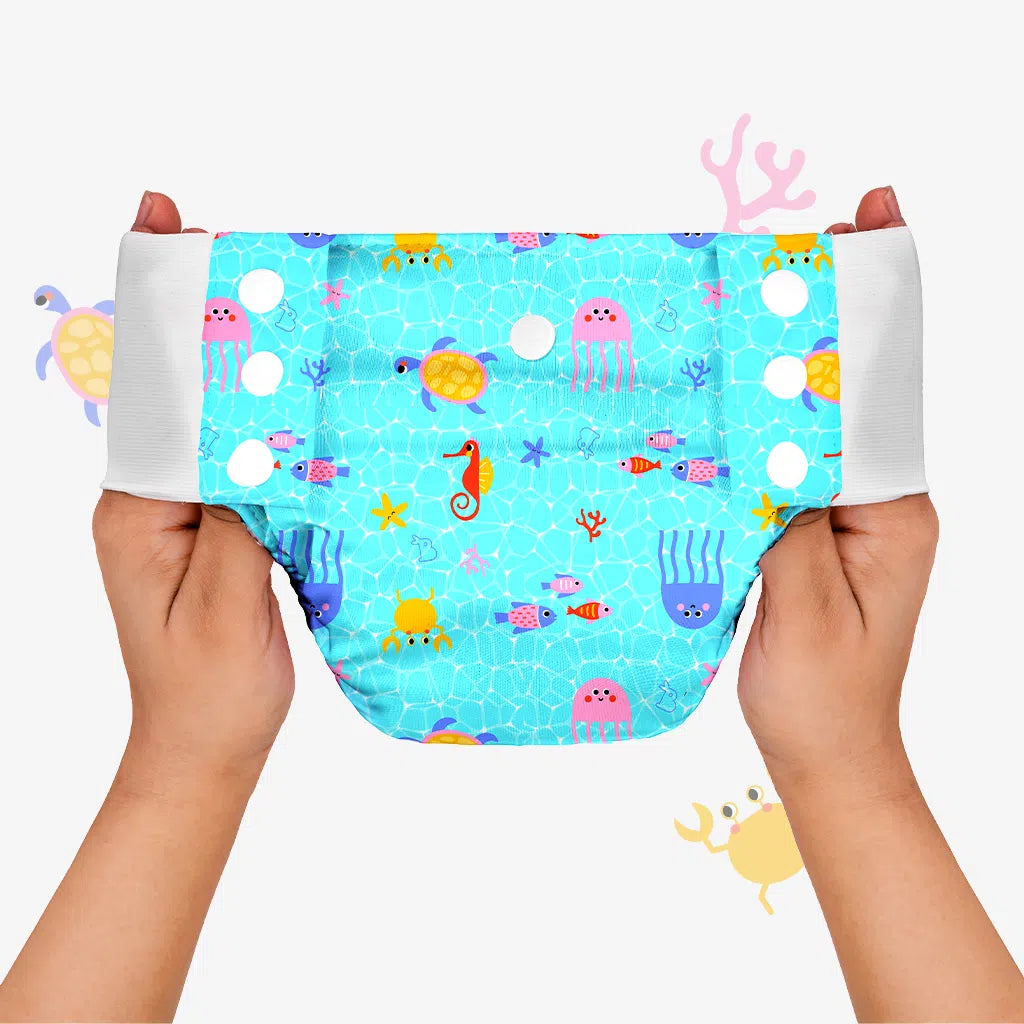
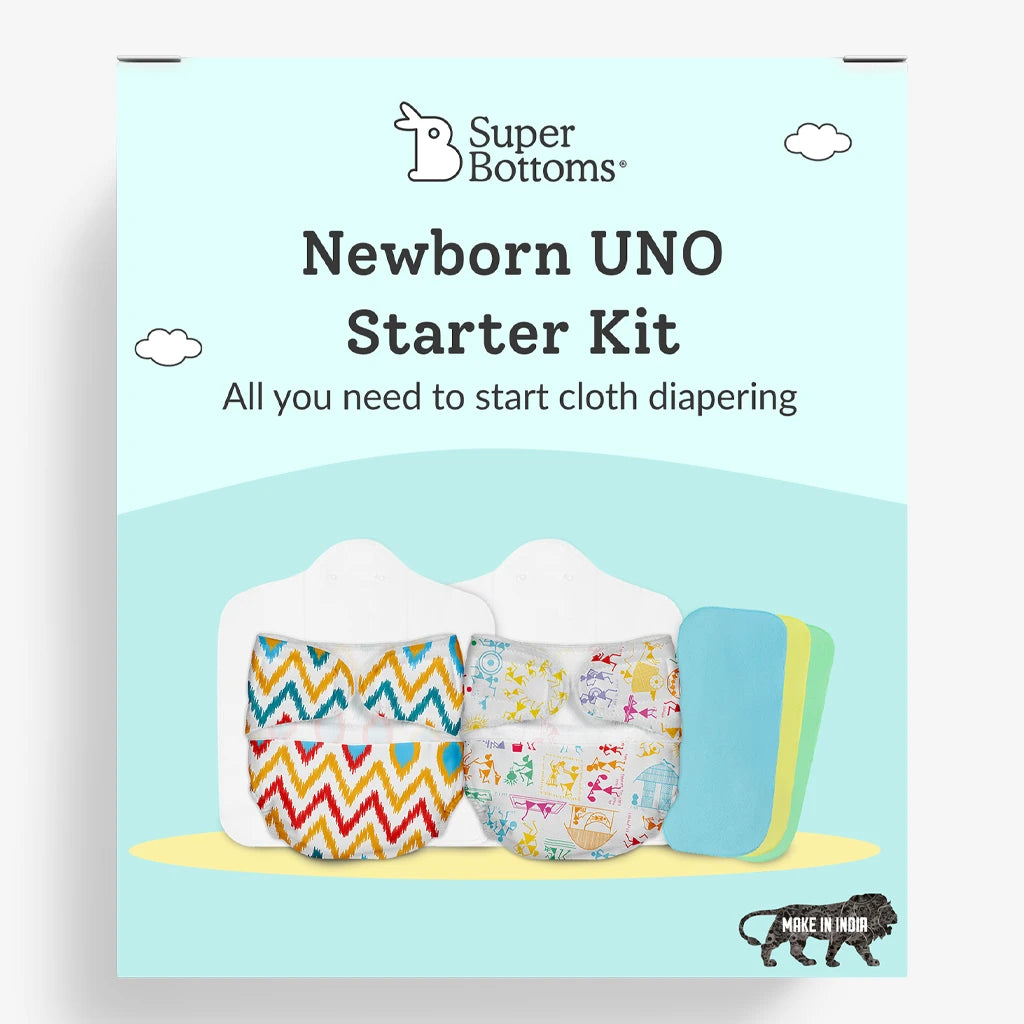
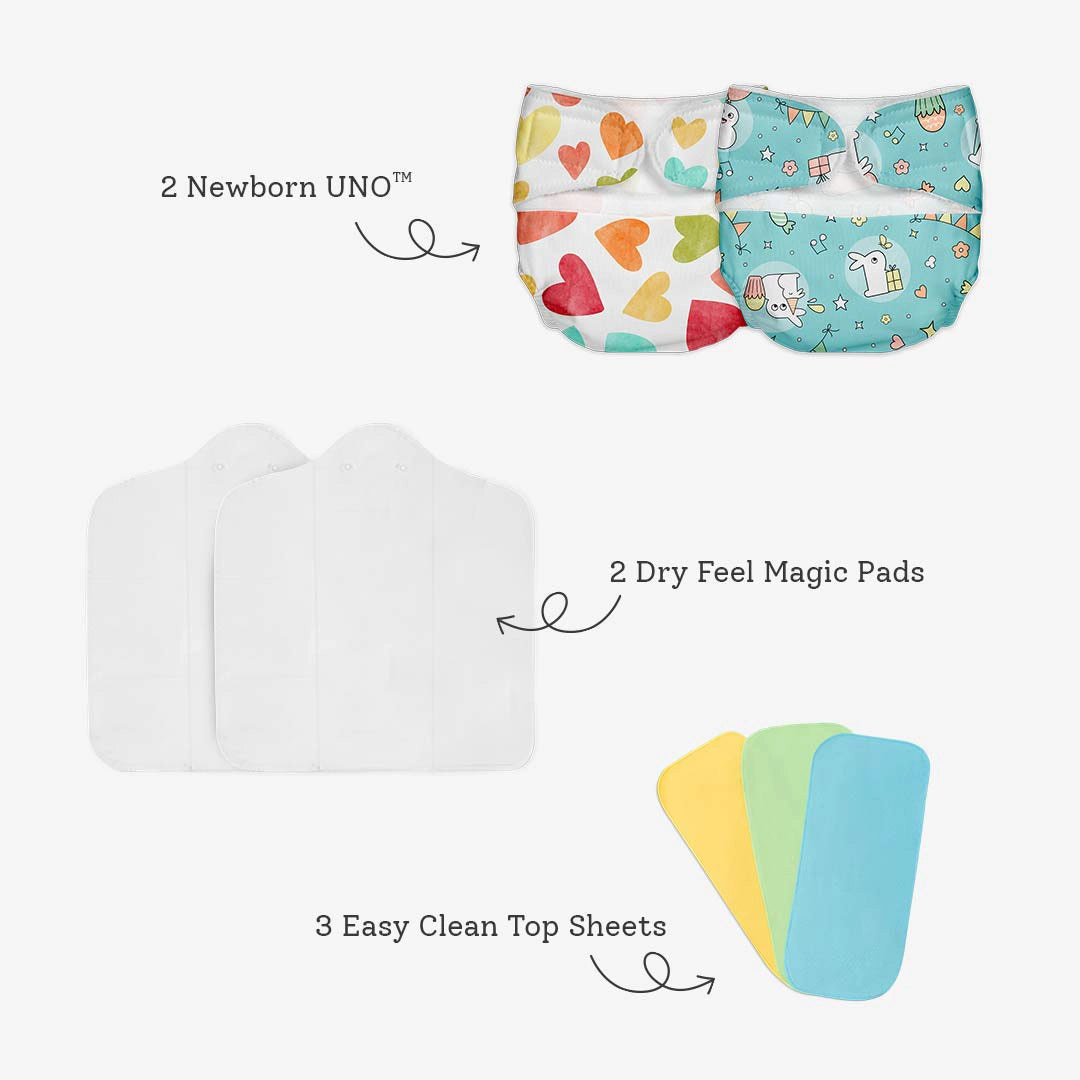
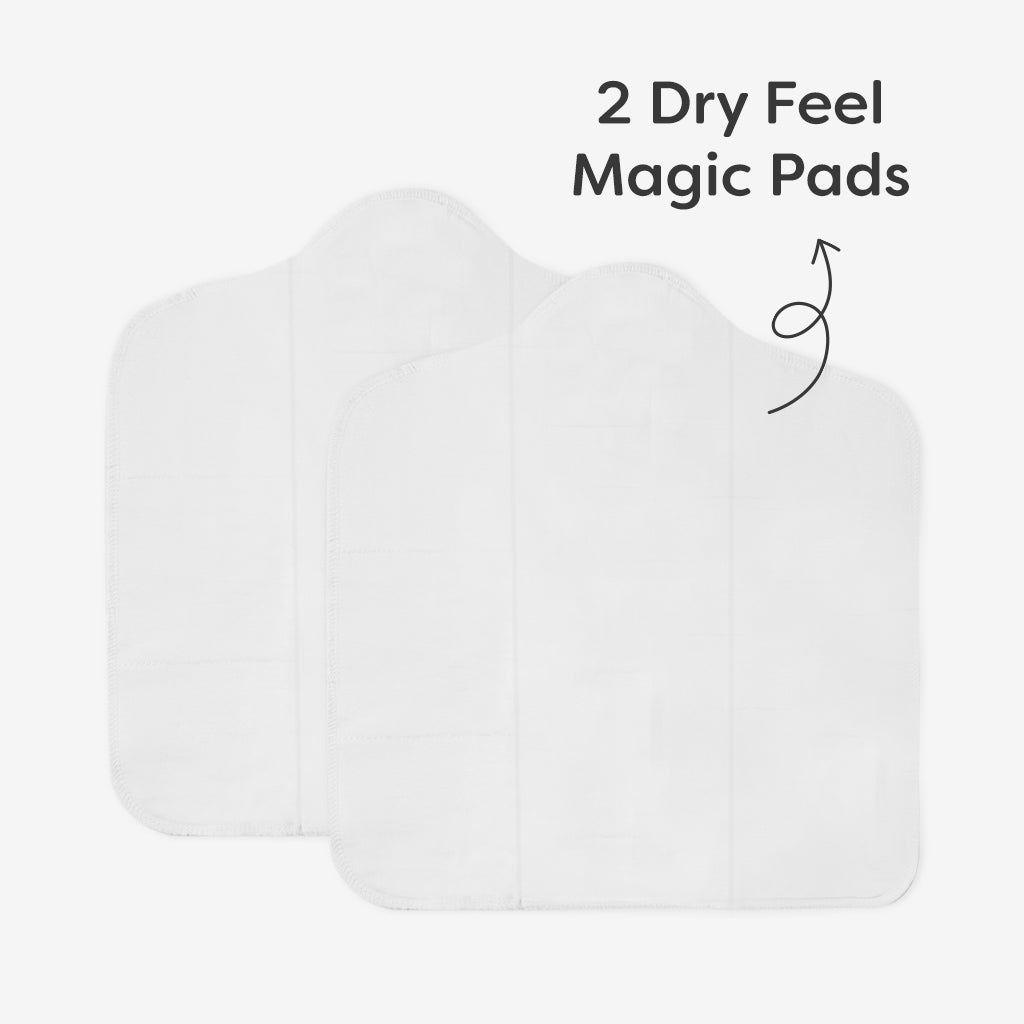
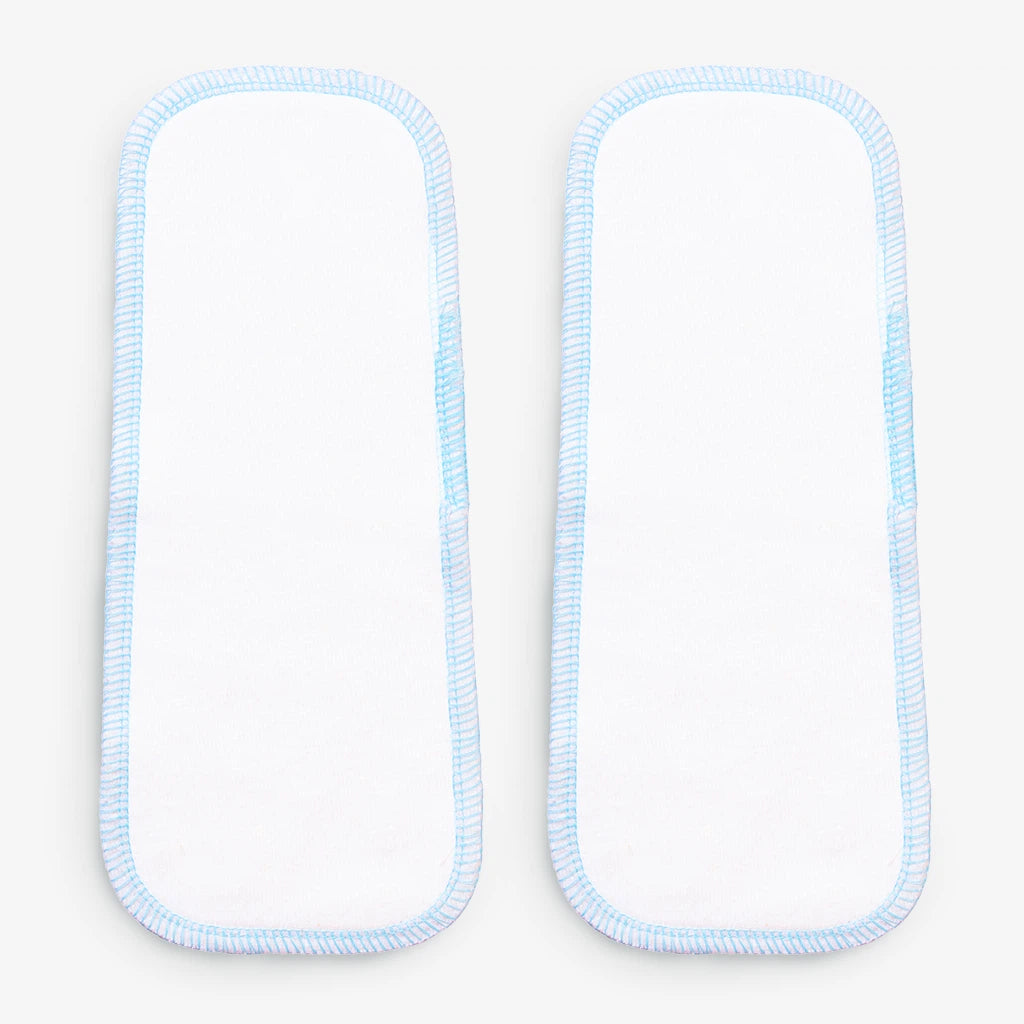
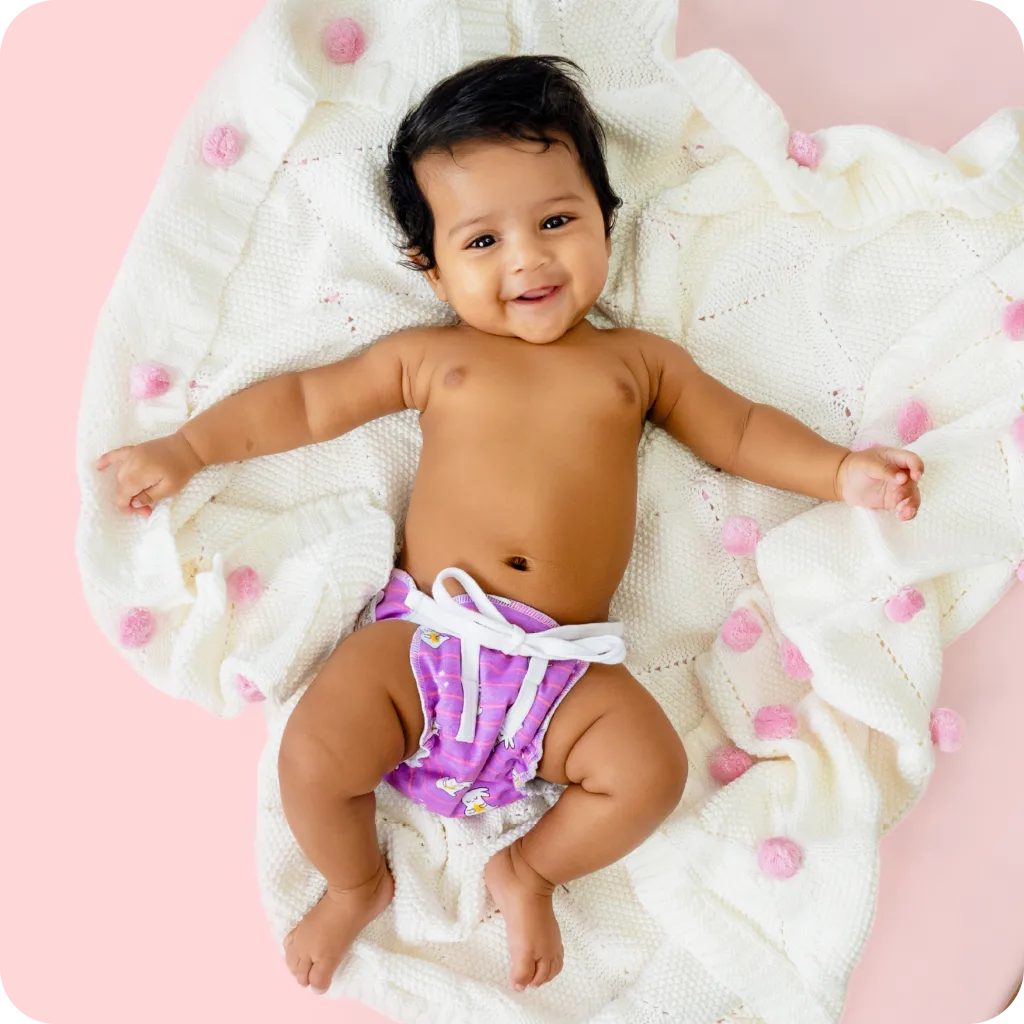
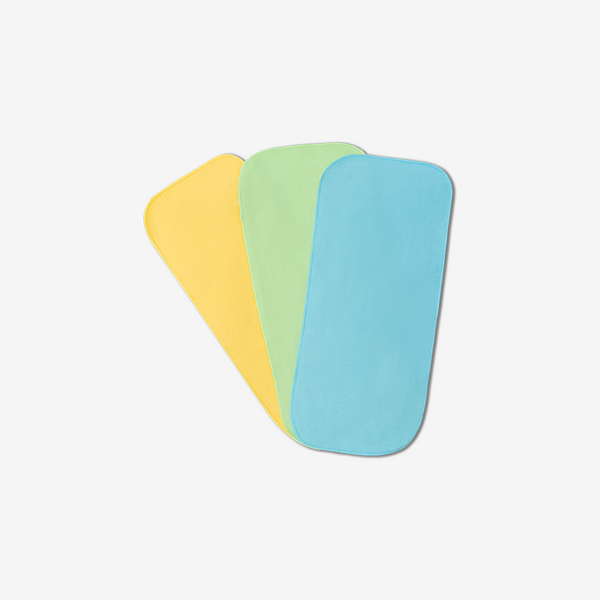
Today, cloth diapers are not the traditional nappies many imagine. Modern reusable cloth nappies come with leak-proof outer layers, adjustable sizing, and high absorbency inserts, making them comparable to disposables in performance.
Disposable baby diapers, on the other hand, are designed purely for convenience — to be used once and discarded.
Which is better for the environment?
Cloth diapers are significantly better for the environment when used efficiently.
Disposable diapers contribute heavily to landfill waste. A single baby can use over 5,000 diapers before potty training, and most take hundreds of years to decompose.
Cloth diapers reduce this waste drastically because they are reused multiple times.
Cloth diapers reduce landfill waste, while disposable diapers create a long-term environmental burden.
That said, cloth diapers do require water and energy for washing. However, when washed in full loads and air-dried, their overall footprint remains lower.
Are cloth diapers safer for baby's skin?
Yes, cloth diapers are generally gentler and more breathable.
Newborn cloth diapers are typically made from cotton or other soft fabrics that allow airflow. This reduces heat and moisture buildup, two major causes of diaper rash.
Disposable diapers may contain synthetic materials, fragrances, or absorbent gels that can irritate sensitive skin.
What Parents Should Know
Babies with sensitive skin often experience fewer rashes when switched to cloth diapers due to better breathability and fewer irritants.
Parent Insight: "We noticed redness reduced within a week of switching to cloth during the day," shares a mother of a 6-month-old.
Which option is more cost-effective?
Cloth diapers are far more economical over time. Disposable diapers may seem cheaper initially, but the recurring cost adds up significantly over 2–3 years.
Cloth diapers require an upfront investment but can be reused hundreds of times, and even for a second child. Cloth diapers cost more upfront but save significantly long-term.
What should I look for when choosing a diaper?
Before choosing, focus on these key criteria:
What to Look For
✅ Absorbency: Can it handle long hours or heavy wetting?
✅ Skin safety: Is it free from harsh chemicals?
✅ Ease of use: Is it beginner-friendly?
✅ Fit & comfort: Does it grow with your baby?
✅ Value for money: Long-term usability
Once these are clear, choosing becomes easier.
Which type works best for daily use?
A hybrid approach works best for most families. Using cloth diapers at home and disposables during travel or nighttime offers a practical balance.
This approach reduces environmental impact while maintaining convenience.
Is it worth switching to cloth diapers?
Yes, especially if you value long-term savings, sustainability, and skin safety.
Many parents hesitate due to concerns about washing or effort. But modern cloth diapers are designed to be simple and efficient.
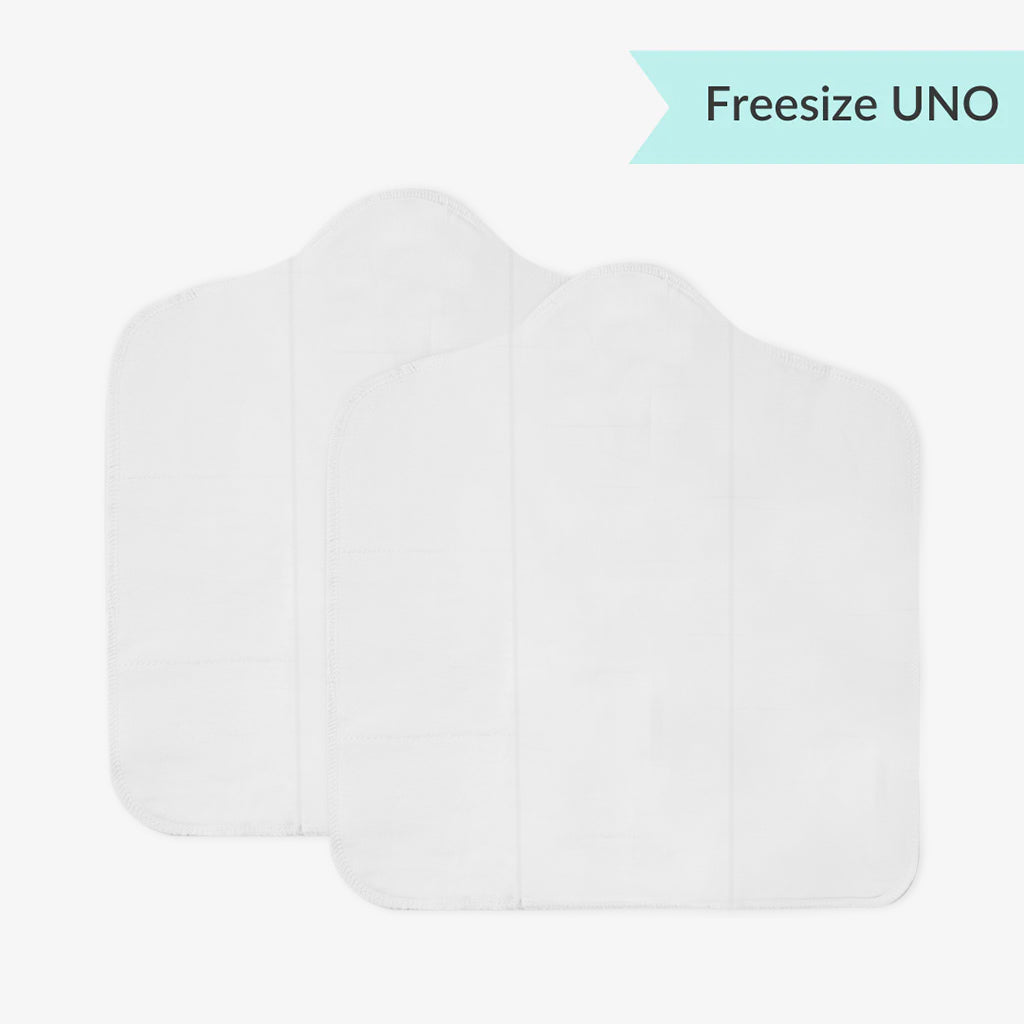
💡 SuperBottoms Pick: Freesize UNO — A reusable cloth diaper designed for comfort, absorbency, and ease.

Cloth vs Disposable Diapers: Comparison Table
| Factor | Cloth Diapers | Disposable Diapers | SuperBottoms UNO |
|---|---|---|---|
| Usage | Reusable | Single-use | Reusable |
| Environmental Impact | Low | Very high | Low |
| Skin Safety | High | Medium | High |
| Absorbency | Moderate–High | High | High (with inserts) |
| Cost (Long-term) | Low | High | Low |
| Ease of Use | Moderate | High | Beginner-friendly |
Final Verdict: Which One Should You Choose?
There's no single right answer, but there is a smarter approach. If your priority is convenience, disposable diapers may work better.
If you care about cost, sustainability, and your baby's skin, cloth diapers are the better choice.
For most parents, the ideal solution is a combination of both.
Solution-Oriented Recommendation
If you're struggling with diaper rashes, rising diaper costs, or environmental concerns, switching partially or fully to cloth diapers can help.
Modern reusable options offer comfort, leak protection, and long-term value without making parenting harder.
Key Takeaways
- Cloth diapers are better for the environment and long-term savings
- Disposable diapers offer convenience but create ongoing costs and waste
- A hybrid approach gives the best balance for modern parents
|
Limited Time Offers + Special Gift Sets! Now or never Super SALE is live on the SuperBottoms website! Take advantage of unbeatable value deals on our UNO Cloth Diapers, Baby Essentials, and more. Looking for the perfect present for a newborn or a toddler? Explore our thoughtfully curated Gift Sets & Combos - safe, skin-friendly, and oh-so-cute! A bundle of love for little ones and a delight for parents. HURRY - Deals and Gift Packs are live only till stocks last. Don’t miss the chance to stock up and share the joy! |
FAQs
1. Are cloth diapers really better than disposable diapers?
Yes, especially in terms of sustainability, cost, and skin safety.
2. Do cloth diapers cause more laundry?
Yes, but with a routine (washing every 2–3 days), it becomes manageable.
3. Can cloth diapers be used at night?
Yes, with proper absorbent inserts for a longer duration.
4. Are disposable diapers harmful to babies?
Not necessarily, but they may cause irritation in babies with sensitive skin.
5. How many cloth diapers do I need?
Typically, 12–16 diapers are enough for full-time use.
6. Are reusable cloth nappies hygienic?
Yes, when washed properly with baby-safe detergent.
7. Where can I buy cloth diapers in India?
You can explore reusable diapers online through trusted baby care brands.
8. Is SuperBottoms worth the price?
Yes, because it offers reusable, adjustable, and long-lasting diapers that reduce long-term costs.
References
Hi there, new parents! SuperBottoms brings you doctor-recommended cloth diapers - the best rash-free diapering solution for your baby's sensitive and delicate skin. Unlike disposable diapers loaded with chemicals, our newborn cloth diapers, when used and washed properly, can help eliminate the risk of diaper rashes. SuperBottoms offers a wide range of safe, skin-friendly essentials for the whole family - including Reusable Cloth Diapers, Diaper Pants, DryFeel langots for diaper-free time, Padded Underwear for potty training, SuperSoft Underwear for everyday comfort, Joggers for playful days, and Period Underwear for women. Not just for everyday use, SuperBottoms products also make the best gifting choice for babies - thoughtful, eco-friendly, practical, and loved by parents. Now available on Amazon, Myntra, Flipkart, FirstCry, Zepto, Swiggy and Blinkit.