






- Introduction
- Understanding the Optimal Timing
- How to Prepare Baby for Daycare
- Tips for a Smooth Transition
- Key Takeaways
- FAQs
- Message from SuperBottoms
The formative years of a child's life are crucial in shaping their cognitive, emotional, and social development. Early childhood experiences play a pivotal role in building a strong foundation for future learning and relationships. Kids daycare, as a structured environment, offers a unique opportunity for young children to engage in social interactions, cognitive activities, and emotional development.
While the prospect of placing a child in daycare may evoke anxiety in some parents, it's important to recognise the myriad benefits it offers. Early socialisation, cognitive stimulation, and the development of essential life skills are just a few of the advantages associated with daycare. This article by SuperBottoms aims to provide a comprehensive guide to help parents prepare their children for a smooth transition into daycare, addressing common concerns and offering practical tips.
Understanding the Optimal Timing
If you are wondering when do toddlers start daycare or the best time to start daycare for your child, the following section will help you understand this in detail:
When to Enroll Your Child
The ideal age to enrol your child in kids daycare can vary depending on individual circumstances. However, many experts suggest that early childhood, particularly between the ages of 18 months and 3 years, is an optimal time for socialisation and cognitive development. Consider factors such as your child's developmental milestones, your work schedule, and the availability of quality daycare options when deciding.
The Benefits of Early Enrollment
Early enrollment in kids daycare offers several advantages for young children:
1. Enhanced Social Skills: Kids daycare provides opportunities for children to interact with peers, learn to share, cooperate, and resolve conflicts.
2. Improved Language Development: Exposure to various language and communication styles can accelerate language acquisition.
3. Cognitive Stimulation: Daycare environments often offer a range of stimulating activities, such as puzzles, games, and art projects, that promote cognitive development.
4. Increased Independence: As children spend time in kids daycare, they learn to become more self-sufficient in tasks like eating, dressing, and using the toilet.
How to Prepare Baby for Daycare
A smooth transition to daycare requires careful preparation. Building a strong bond with the caregiver, establishing a consistent routine, and addressing potty training readiness are crucial steps to ensure a positive experience for your child. Here are some important daycare tips for first-time parents:
Building a Strong Bond with the Caregiver: Daycare Tips
1. Regular Visits: Encourage regular visits to the kids daycare center during the enrollment process. This familiarisation helps reduce anxiety and builds a positive association with the new environment.
2. Meet-and-Greets: Schedule one-on-one meet-and-greets with the caregiver to foster trust and rapport. A strong bond between your child and their caregiver can significantly ease the transition.
Establishing a Consistent Routine: Daycare Tips
1. Predictable Schedule: Create a predictable daily routine that includes nap times, meal times, and playtime. Consistency helps children feel secure and reduces stress.
2. Comfort Objects: Introduce a comfort object, such as a favourite toy or blanket, to provide a sense of security and familiarity.
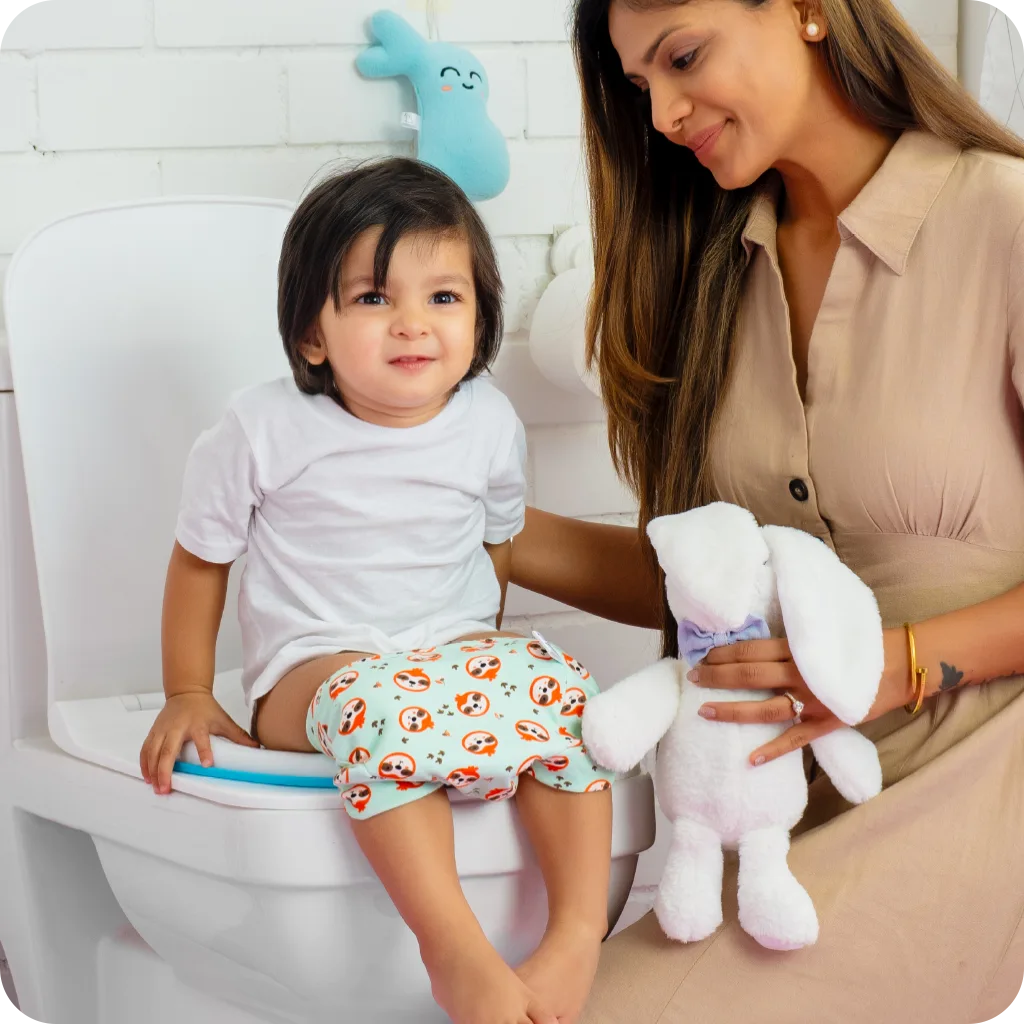
Potty Training Readiness: Daycare Tips
1. Collaborative Approach: Work closely with the daycare provider to develop a consistent potty training approach.
2. Home Practice: Practice potty training at home to build confidence and independence. Consider using training pants like SuperBottoms Padded Underwear for a comfortable and effective transition.

Tips for a Smooth Transition
A successful transition to daycare involves effective communication, careful preparation, and strategies to address potential challenges like separation anxiety.
Effective Communication with the Caregiver:
1. Share Insights: Provide detailed information about your child's preferences, routines, and any special needs or allergies to ensure their well-being and comfort.
2. Open Dialogue: Maintain open and regular communication with the caregiver. Share any concerns or observations, and be receptive to feedback.
Creating a Well-Stocked Diaper Bag:
1. Essential Items: Pack a well-stocked diaper bag with essential items like diapers, wipes, formula, snacks, and extra clothing.
2. Clear Labeling: Label all belongings clearly to avoid confusion and ensure your child's items are returned to you.
Addressing Separation Anxiety:
1. Reassurance and Positivity: Offer reassurance and positive reinforcement to help your child feel secure and loved.
2. Gradual Separation: Practice short separations at home to gradually build independence and reduce anxiety.
By following these guidelines and addressing potential challenges, parents can ensure a smooth and positive transition for their child into daycare. Remember, open communication with the caregiver, a well-prepared child, and a positive mindset are critical to a successful experience.
If you have any further questions or concerns, don't hesitate to consult with childcare professionals or experienced parents. Sharing your experiences and seeking advice from others can provide valuable insights and support.
|
Limited Time Offers + Special Gift Sets! Now or never Super SALE is live on the SuperBottoms website! Take advantage of unbeatable value deals on our UNO Cloth Diapers, Baby Essentials, and more. Looking for the perfect present for a newborn or a toddler? Explore our thoughtfully curated Gift Sets & Combos - safe, skin-friendly, and oh-so-cute! A bundle of love for little ones and a delight for parents. HURRY - Deals and Gift Packs are live only till stocks last. Don’t miss the chance to stock up and share the joy! |
Key Takeaways
1. The Importance of Early Socialization: Early childhood experiences significantly shape a child's social, emotional, and cognitive development. Daycare provides a structured environment that fosters these crucial skills.
2. The Benefits of Early Enrollment: Enrolling your child in daycare at an appropriate age offers numerous advantages, including improved social skills, language development, cognitive stimulation, and increased independence.
3. Preparing Your Child for a Smooth Transition: A well-prepared child is more likely to adapt smoothly to daycare. Key strategies include building a strong bond with the caregiver, establishing a consistent routine, addressing potty training needs, and practicing effective communication with the daycare provider.
FAQs
Q1 - When do kids start daycare?
Ans – The ideal age to start daycare can vary, but many experts suggest between 18 months and 3 years.
However, some parents choose to enrol their children earlier, while others wait until they are older. 1 Ultimately, the best time to start daycare depends on your child's individual needs and your family's circumstances.
Q2 – What are some tips for parents on how to prepare for daycare?
Ans – To prepare your child for daycare, focus on building a strong bond with the caregiver through regular visits and meet-and-greets. Establish a consistent daily routine, including nap times and meal times, and introduce a comfort object for security. Collaborate with the daycare provider on potty training and practice at home. Effective communication is key; share your child's preferences, routines, and any special needs with the caregiver. Pack a well-stocked diaper bag with labelled items. To address separation anxiety, offer reassurance and practice short separations at home.
Q3 - How can I prepare my child for separation anxiety?
Ans - To ease separation anxiety, gradually increase the time your child spends away from you. Start with short periods and gradually extend them. Offer reassurance, positive reinforcement, and a comforting object.
Message from SuperBottoms
Hi there, new parents! SuperBottoms brings you doctor-recommended cloth diapers - the best rash-free diapering solution for your baby’s sensitive and delicate skin. Unlike disposable diapers loaded with chemicals, our newborn cloth diapers, when used and washed properly, can help eliminate the risk of diaper rashes. SuperBottoms offers a wide range of safe, skin-friendly essentials for the whole family - including Reusable Cloth Diapers, Diaper Pants, DryFeel langots for diaper-free time, Padded Underwear for potty training, SuperSoft Underwear for everyday comfort, Joggers for playful days, and Period Underwear for women. Not just for everyday use, SuperBottoms products also make the best gifting choice for babies - thoughtful, eco-friendly, practical, and loved by parents. Now available on Amazon, Myntra, Flipkart, FirstCry, Zepto, Swiggy and Blinkit.