






In this article, we will discuss:
- Recognise toddler potty readiness
- Build a consistent potty routine
- Handle accidents without pressure
- Choose practical potty training pants
- Support confidence and independence
Potty training rarely follows a perfect timeline. A toddler may use the potty successfully one day and have several accidents the next—and that does not necessarily mean you are doing anything wrong.
The most effective approach is usually readiness + routine + patience, rather than trying to finish training by a fixed age.
When Should You Start Potty Training?
There is no single correct age to start potty training. Many children begin showing readiness between 18 and 24 months, but developmental readiness matters more than age. Look for signs that your toddler can recognise bodily cues, follow simple instructions and participate in dressing or undressing.
Look for these readiness signs:
- Stays dry for longer stretches
- Shows awareness of wet or dirty diapers
- Indicates they need to pee or poop
- Shows interest in the toilet
- Can follow simple instructions
- Can pull pants down and up
- Wants more independence
What Parents Should Know
Potty training is a developmental process involving physical, cognitive and emotional skills. Starting because a child has reached a certain birthday is less useful than watching for signs that they are ready to participate.
What Are the Best Potty Training Tips?
Start by making toileting predictable, comfortable and low-pressure. Children generally learn better when parents respond calmly to progress and accidents rather than using shame or punishment.
1. Create a simple routine
Offer potty opportunities at predictable times:
- After waking up
- After meals
- Before naps or bedtime
- Before leaving home
- When your child shows a cue
Avoid making your toddler sit for long periods. Short, relaxed attempts are enough.
2. Make the bathroom toddler-friendly
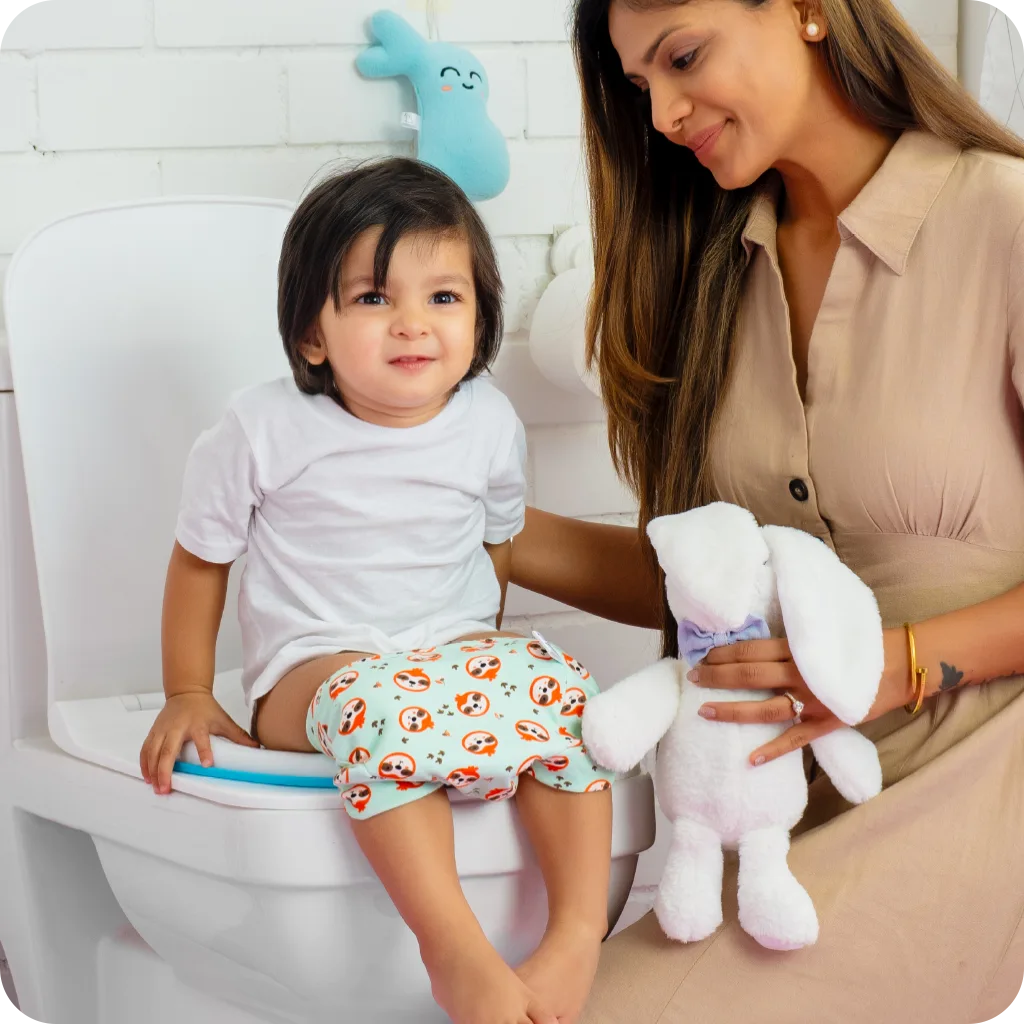
A child-sized potty, a toilet insert, and a step stool can make the process easier. Feet should be supported rather than dangling, particularly when your child is learning to poop.
3. Use simple, consistent words
Choose straightforward words such as pee, poop and potty. Explain what is happening without calling accidents “bad”, “dirty” or “naughty”.
4. Let your toddler practise independence
Easy-to-remove bottoms or pull-up potty training pants can help children practise pulling clothing down and up themselves.
5. Praise effort, not perfection
Celebrate useful steps: “You told me you needed to pee!”
This reinforces body awareness even if your child reaches the potty too late.
Expert guidance: Dr Mona Amin, DO, FAAP, a board-certified paediatrician, recommends a flexible, low-pressure approach centred on physical, motor and communication readiness rather than rushing the process.
How Should You Handle Potty Accidents?
Accidents are a normal part of learning. Respond calmly, help your child change and briefly remind them where pee or poop belongs. Avoid punishment, embarrassment or making the accident into a major event.
A useful response is: “Your pants are wet. Let’s get changed and try the potty next time.”
Expert Answer
Staying calm after accidents helps keep toileting from becoming a stressful parent-child conflict. If accidents are frequent alongside pain, constipation, unusual urination or significant distress, discuss the situation with your child's healthcare professional. (NHS.uk)
Nighttime dryness is also different from daytime potty training. Some children continue needing protection during sleep even after they are confidently using the toilet during the day.
Which Potty Training Pants Work Best?
Potty training pants can bridge the gap between diapers and regular underwear, particularly when a child is beginning to recognise wetness but still has occasional accidents.
|
Option |
Best for |
Main benefit |
Limitation |
|---|---|---|---|
|
Regular underwear |
Children with good daytime control |
Maximum independence |
No accident protection |
|
Potty training pants |
Early/active training |
Underwear feel + small-accident protection |
Not for heavy wetting |
|
Diapers |
Before readiness or heavy wetting |
Higher protection |
Less like regular underwear |
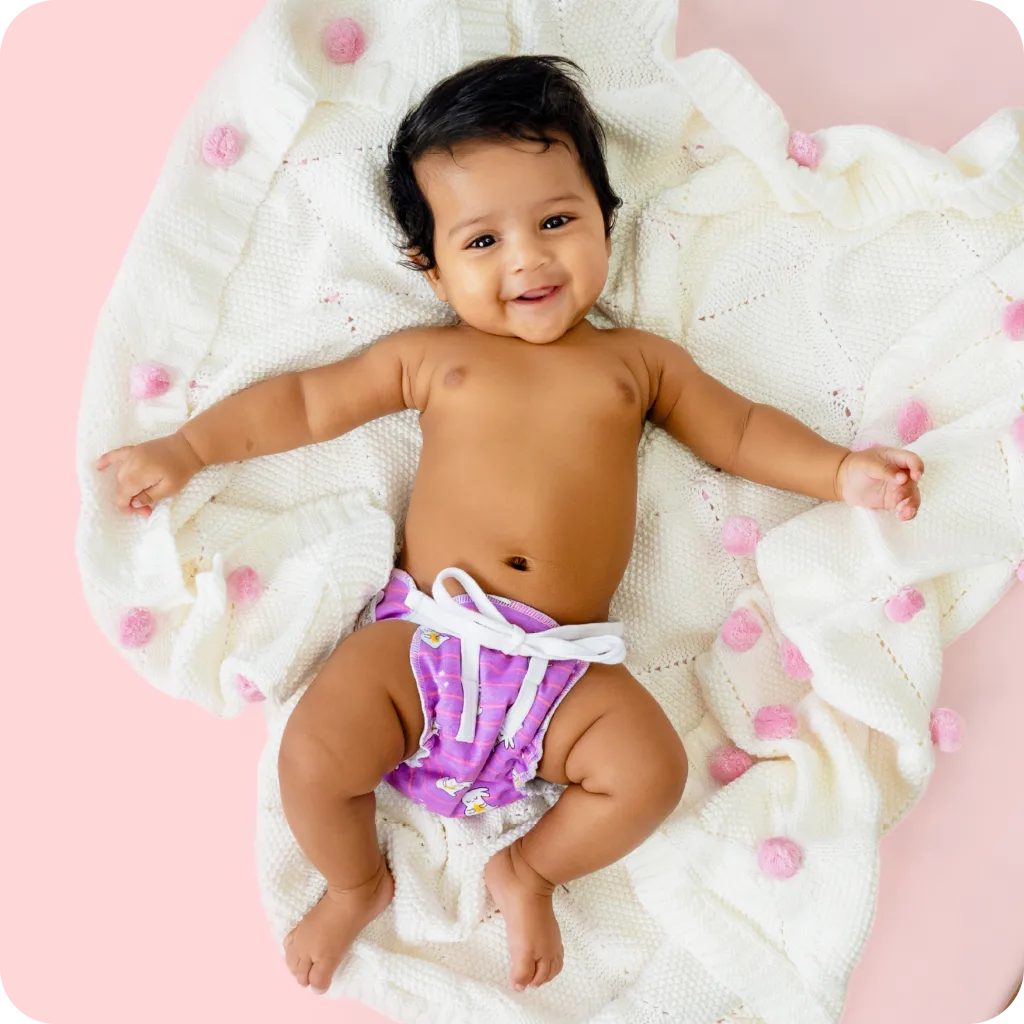
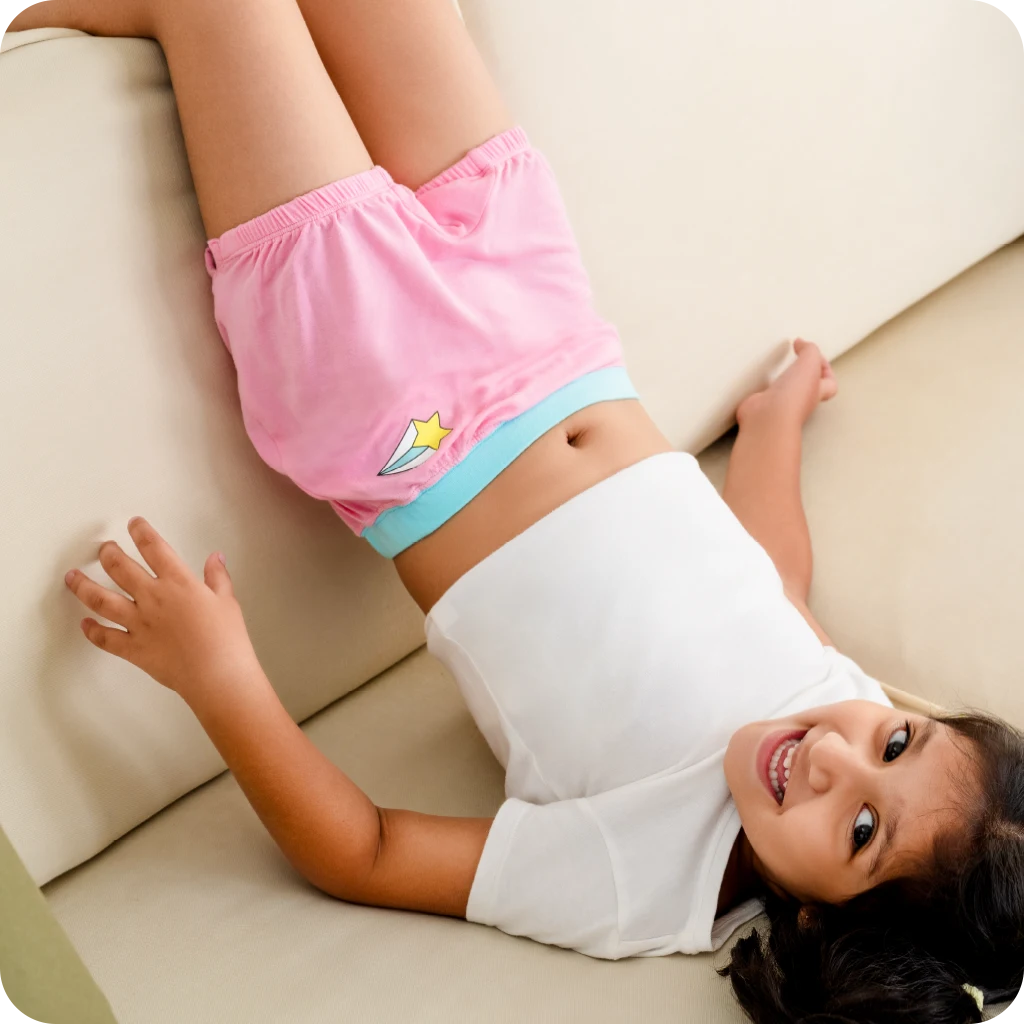
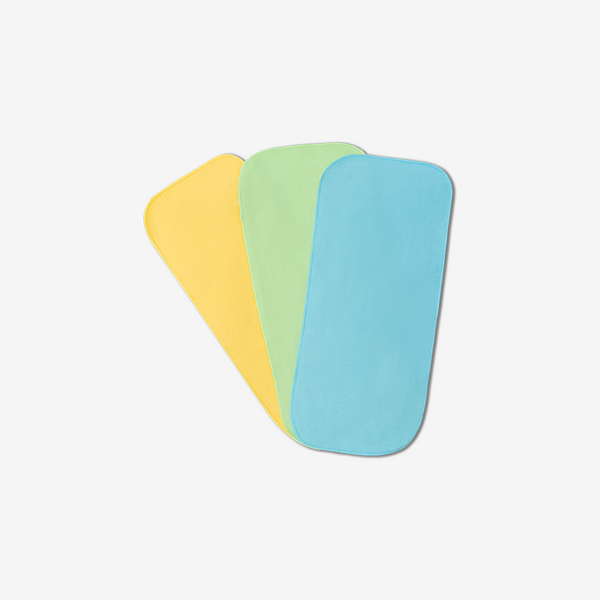
SuperBottoms Padded Underwear is designed for daytime potty training and diaper-free time. It has three layers of cotton padding, a pull-up design and a semi-waterproof outer layer, and is designed to hold up to one pee. It is available in sizes covering approximately 9 months to 4 years.
What Should Parents Look For?
Before you buy potty training pants, check:
- Fit: Snug without digging into the skin
- Comfort: Soft, breathable material
- Independence: Easy pull-up/pull-down design
- Accident protection: Appropriate for small daytime accidents
- Care: Washable and practical for repeated use
- Use case: Daytime training is different from overnight protection
What to Look For
The best potty training pants are not simply the most absorbent. They should balance comfort, independence and enough accident protection for the child's stage of training.
What Is the Practical Solution?
Problem: Your toddler is ready to practise but still has occasional daytime accidents.
Solution: Use regular potty routines alongside underwear or potty training pants suited to your child's stage.
Why it helps: Your child gets opportunities to practise independence without every accident becoming a clothing or floor-cleaning emergency.
SuperBottoms Pick: Padded Underwear
SuperBottoms Padded Underwear is a reusable option for daytime potty training. Its pull-up style supports independent dressing, while the padded, semi-waterproof construction is designed to manage up to one pee accident. It should not be treated as an overnight or heavy-wetting diaper.
Explore SuperBottoms Padded Underwear
Parent Checklist
☐ Check readiness signs
☐ Set up a comfortable potty
☐ Create predictable potty times
☐ Use simple bathroom words
☐ Dress your toddler for easy access
☐ Keep spare clothes nearby
☐ Stay calm after accidents
☐ Watch for constipation
☐ Avoid pressure and punishment
☐ Expect daytime and nighttime progress to differ
Key Takeaways
- Follow readiness, not age.
- Keep routines calm and consistent.
- Use training pants for practical daytime protection.
FAQs
When is the best age to start potty training?
Many children show readiness around 18–24 months, but there is no universal age. Developmental cues are more useful than a fixed birthday.
Are potty training pants the same as diapers?
No. Training pants are designed to feel more like underwear while providing limited protection for small accidents. They are not a replacement for a high-absorbency diaper.
Can potty training pants be used overnight?
It depends on the product, but daytime potty training pants are generally not designed for heavy overnight wetting. Check the manufacturer's intended use before relying on them overnight.
What if my toddler refuses to use the potty?
Avoid forcing the issue. Step back, keep the potty familiar and try again when your child is more receptive. Persistent pain, constipation or significant distress warrants advice from a paediatrician.