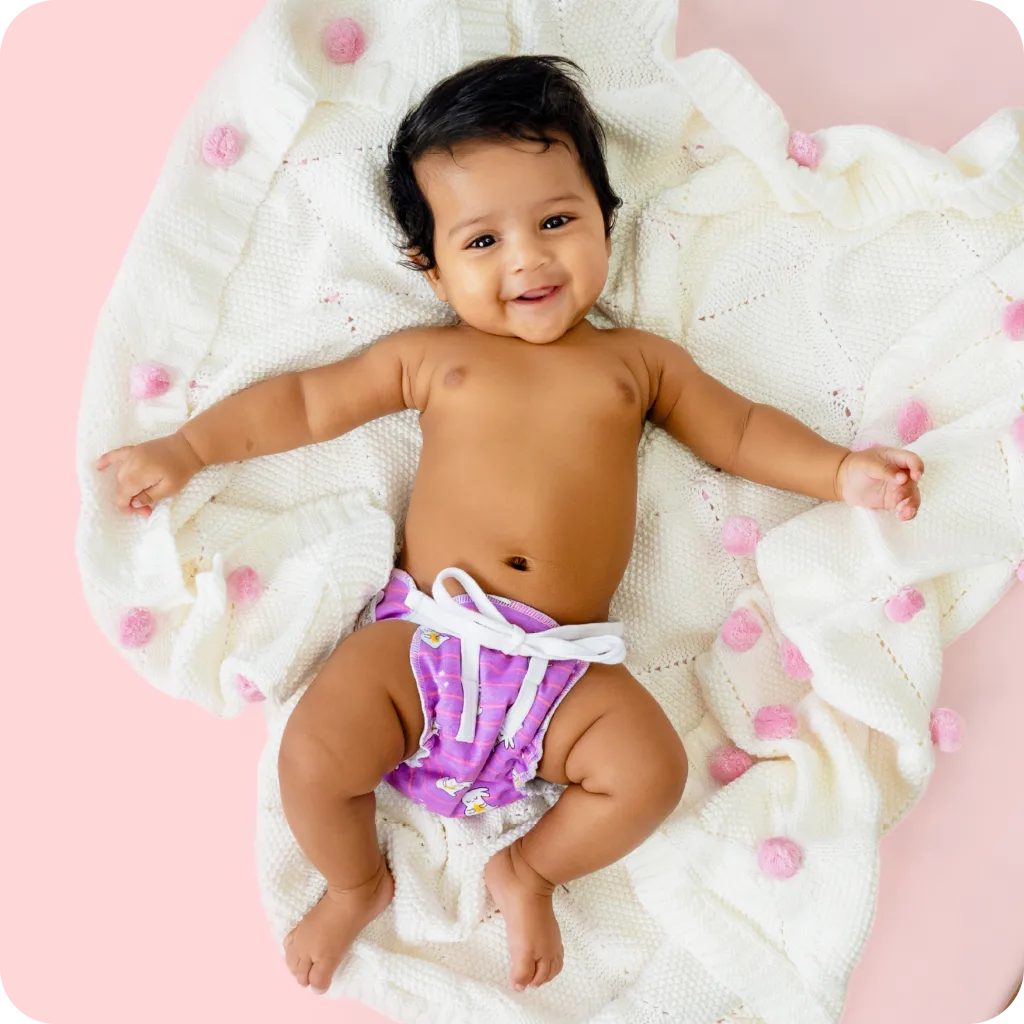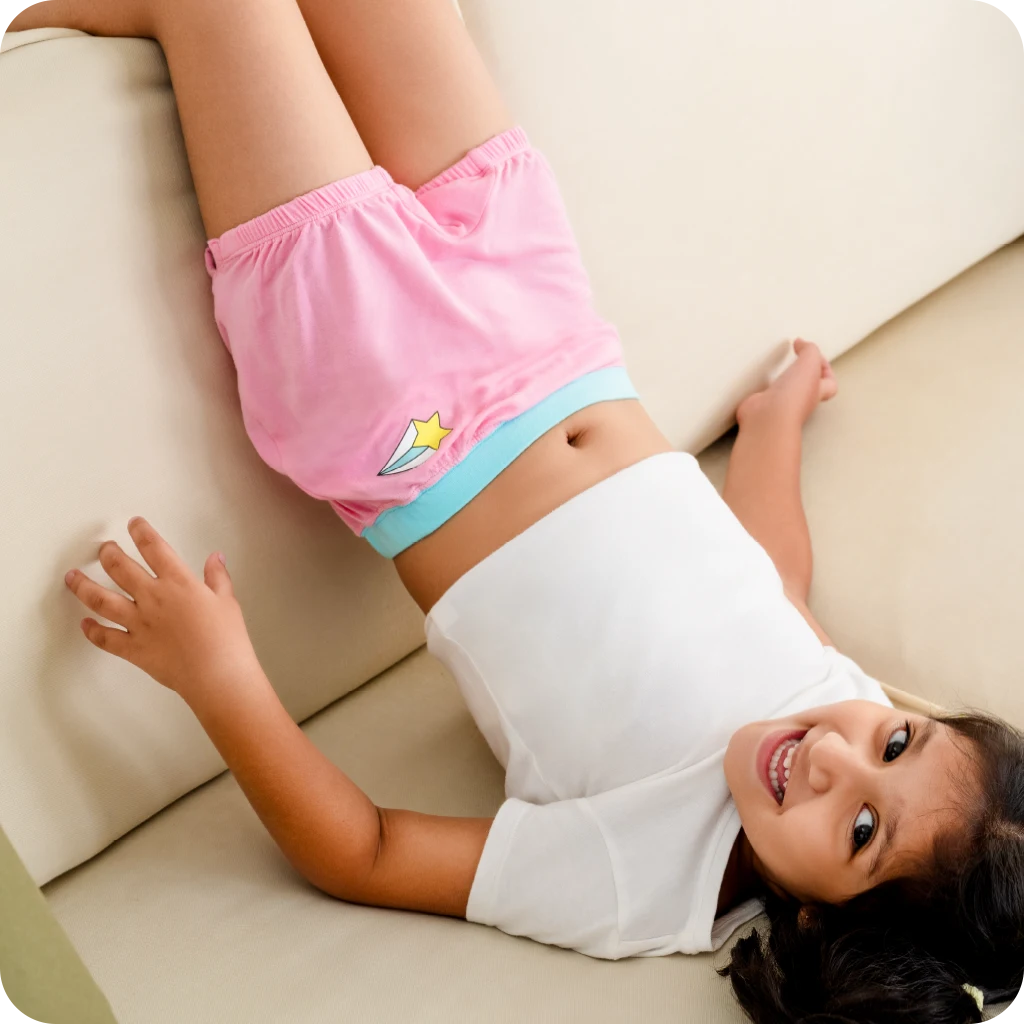







This article covers:
- When potty training should begin
- Toddler toilet training steps
- Older kids' challenges
- Choosing training essentials
- Managing accidents calmly
Potty training is an important milestone, but every child reaches it differently. Some toddlers show readiness early, while others need more time and encouragement. Older children may also need additional support if they struggle with toilet habits or experience setbacks.
The goal of potty training is not just leaving diapers behind. It is helping children understand their body signals, build independence and feel confident using the toilet.
With a consistent routine, positive reinforcement and the right essentials like padded underwear for potty training, parents can make this transition smoother.
Table of Contents
- When should you start potty training?
- What are the signs your child is ready?
- How do you potty train toddlers?
- How is potty training older kids different?
- What should you look for in training underwear?
- FAQs
When Should You Start Potty Training?
Start when your child shows readiness, not because they have reached a certain age.
Most children begin potty training between 18 months and 3 years, but there is no fixed timeline. Starting before a child is ready can create frustration, while waiting for readiness often makes the process easier.
Instead of comparing your child with others, look for signs that they understand their body, can communicate basic needs and are willing to participate.
For families in India, factors like home routines, daycare schedules and travel plans may influence when toilet training begins. The most important factor is consistency.
Expert Answer
Potty training works best when children are developmentally ready. Recognising body signals, communicating needs and following simple routines are better indicators than age alone.
What Are the Signs Your Child Is Ready for Potty Training?
The short answer: Look for physical, emotional and behavioural readiness signs.
Your child may be ready if they:
- Stay dry for longer periods during the day.
- Tell you before or after they pee or poop.
- Show curiosity about using the toilet.
- Can pull clothes up and down.
- Follow simple instructions.
- Dislike wearing a wet diaper.
- Show interest in wearing underwear.
Remember, readiness develops gradually. A child may understand the process but still need time to gain confidence.
What Parents Should Know
Potty training is a learning process, not a test. Encouragement, patience and regular routines help children develop confidence faster than pressure or punishment.
How Can You Prepare Before Potty Training Begins?
The short answer: Preparation helps children feel comfortable with the change.
Before starting, introduce the idea of toilet use through simple everyday habits:
- Keep a child-friendly potty seat ready.
- Create regular potty breaks.
- Use books or conversations to explain toilet habits.
- Dress your child in easy-to-remove clothes.
- Keep spare clothes available for accidents.
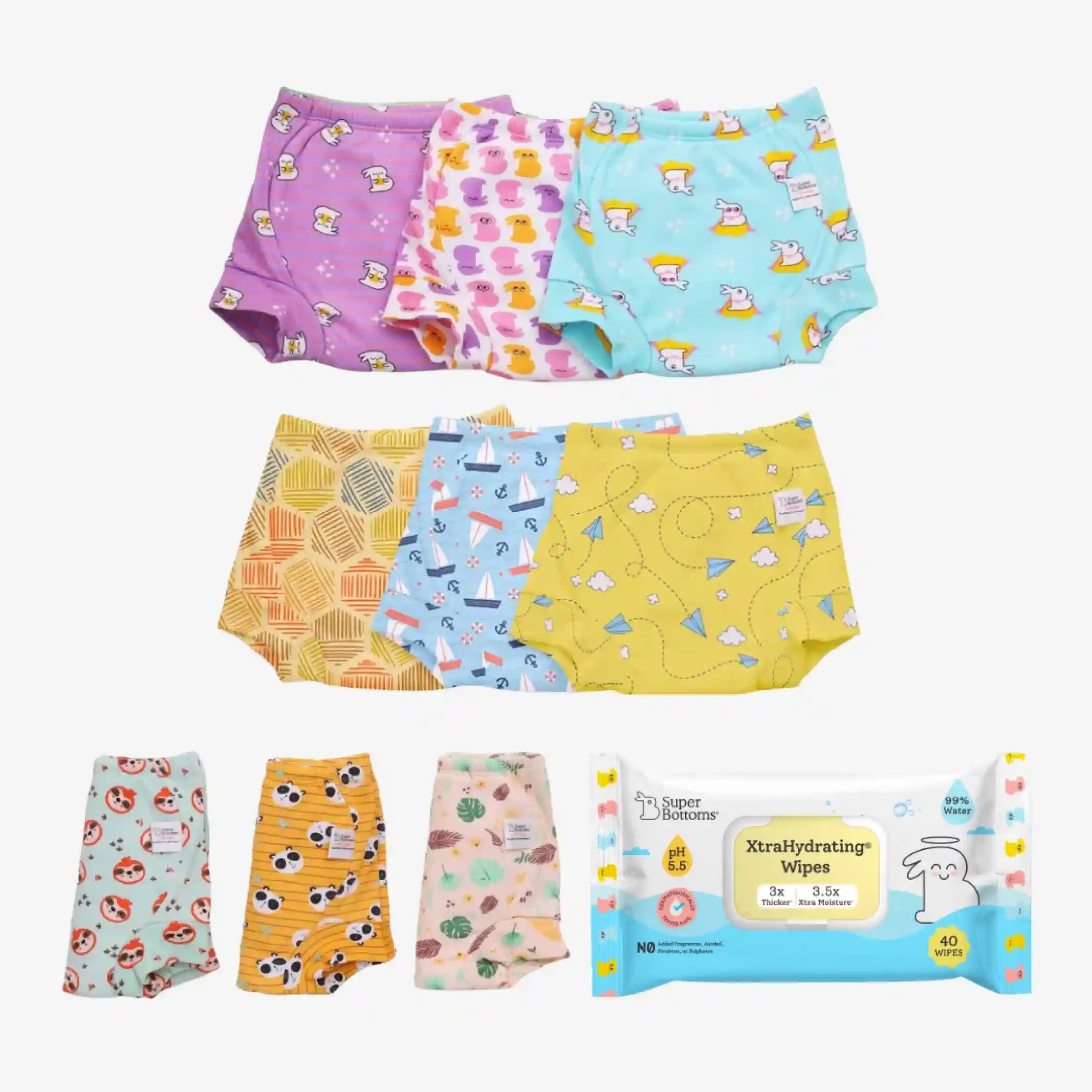
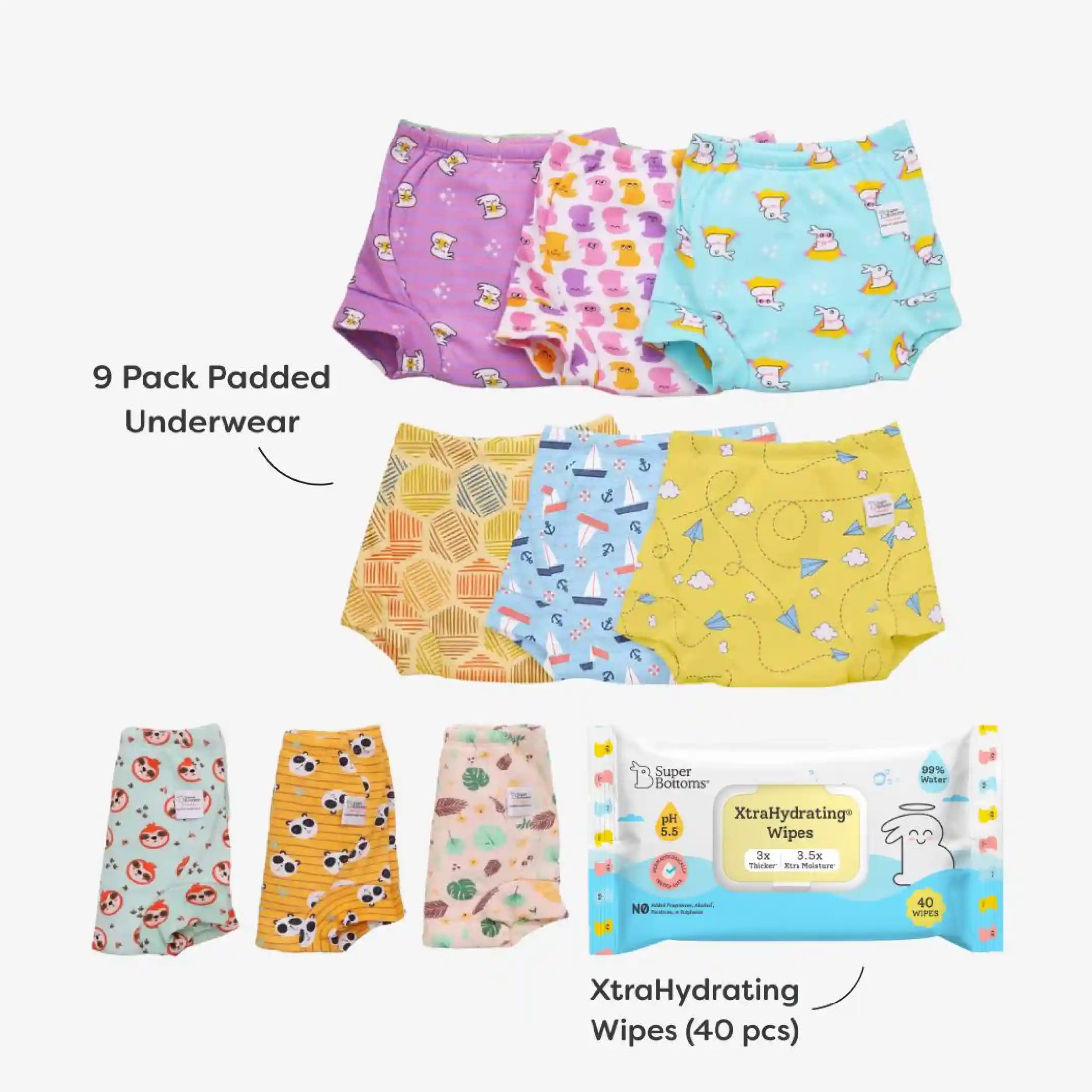
Choosing what your child wears during this stage also matters. Regular underwear does not provide accident protection, while diapers may reduce awareness of wetness. Many parents choose padded underwear for toddlers because it provides light protection while helping children understand when they are wet.
How Do You Potty Train Toddlers? A Step-by-Step Approach
Keep the process simple, consistent and positive.
Toddlers learn through repetition. The goal is to help them recognise their body signals and gradually become comfortable using the toilet.
1. Create a Routine
Take your child to the potty at predictable times:
- After waking up
- After meals
- Before naps
- Before bedtime
- Before leaving home
A consistent schedule helps children understand when it is time to try.
2. Encourage Independence
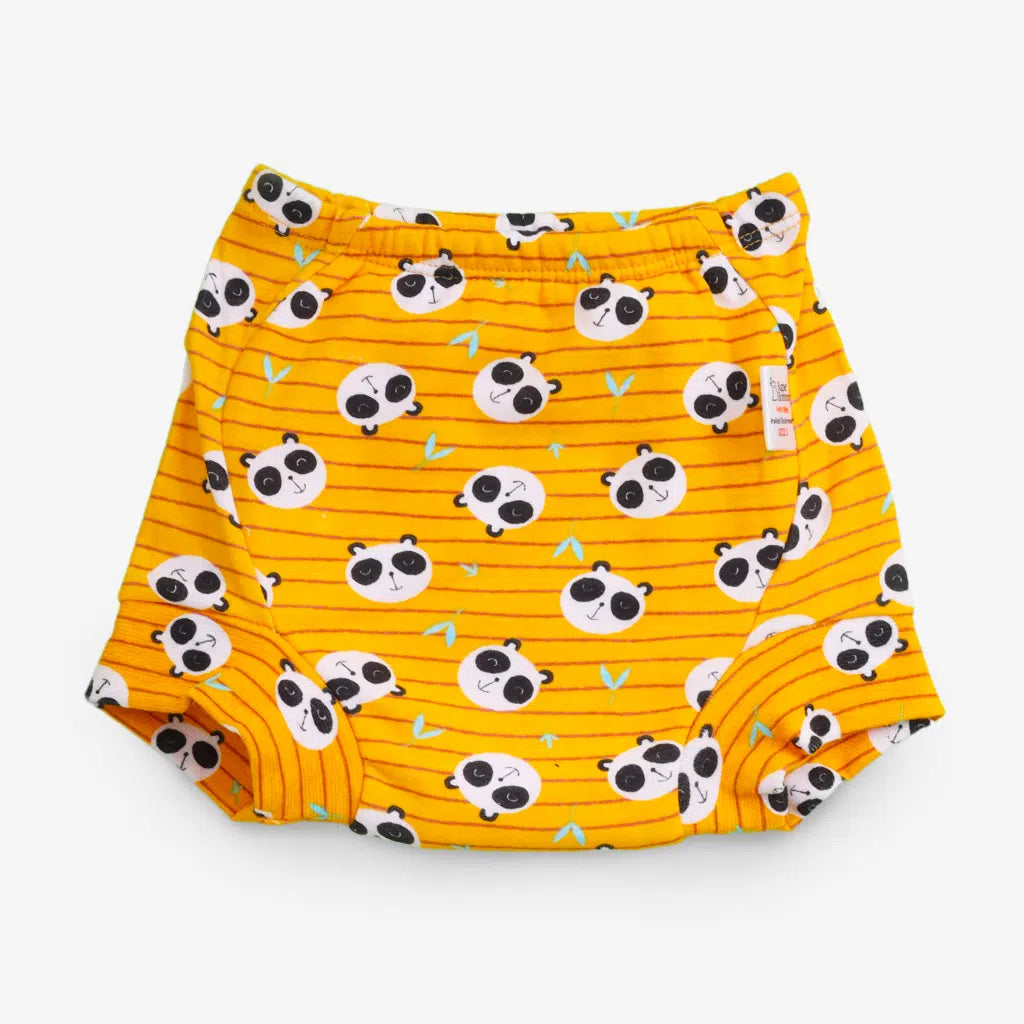
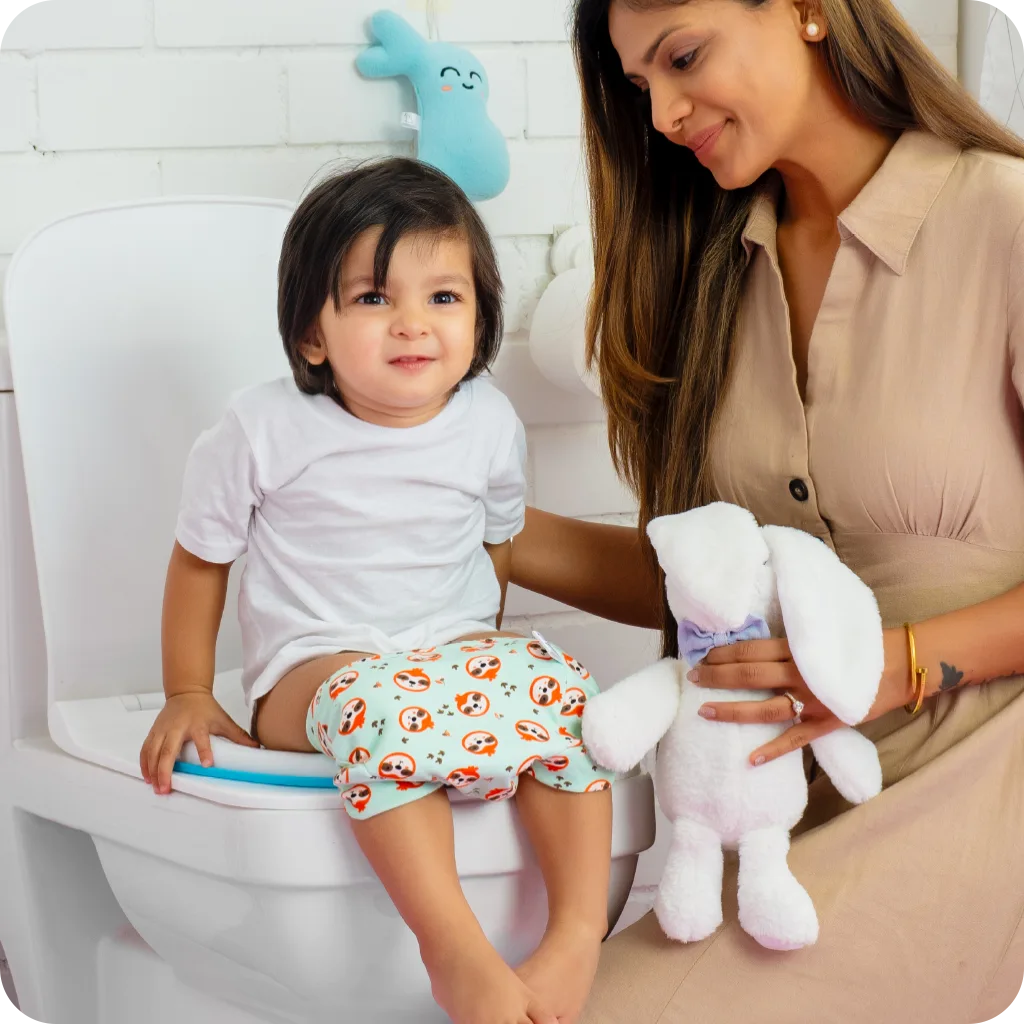
Choose clothing that your child can manage easily. During this stage, padded underwear for kids can help children transition from diapers to regular underwear by offering light accident protection while encouraging wetness awareness.
Unlike diapers that are designed to keep children dry, training underwear allows children to understand the connection between the feeling of being wet and using the toilet.
3. Handle Accidents Positively
Accidents are a normal part of learning. Avoid punishment or embarrassment. Instead:
- Stay calm
- Help your child change
- Remind them gently to try again next time
A supportive approach builds confidence and reduces anxiety.
How Is Potty Training Older Kids Different?
Older children may need emotional support along with practical guidance.
Potty training older kids is different because the challenge is often not understanding the process but overcoming habits, hesitation or fear.
Some reasons older children may struggle include:
- Fear of using the toilet
- Previous uncomfortable experiences
- Constipation or painful bowel movements
- Changes in routine
- Lack of confidence
Parents can support older children by:
- Creating a regular bathroom schedule
- Talking openly without embarrassment
- Celebrating progress
- Encouraging independence
- Consulting a paediatrician if concerns continue
Allowing children to choose their own underwear can also make them feel more involved in the transition.

What Should You Look for When Choosing Training Underwear?
Choose comfort, safety and the right level of absorbency.
The right training underwear should support learning without feeling like a replacement for diapers.
Before buying padded underwear, consider:
Soft, Breathable Fabric
Children wear underwear for several hours every day, so gentle and breathable materials improve comfort during active play.
Light Absorbency
Training underwear should manage small daytime accidents while still allowing children to notice wetness.
Easy Pull-On Design
Children should be able to pull them up and down independently, which supports confidence during toilet visits.
Comfortable Fit
A secure fit helps prevent minor leaks while allowing freedom of movement.
Reusable Value
Washable options can be practical for everyday potty training and provide better long-term value.
What to Look For
The best padded underwear balances comfort, absorbency and independence. It should help manage small accidents while allowing children to recognise wetness, which is an important part of toilet learning.
Which Option Works Best During Potty Training?
The best choice depends on your child's stage of learning.
|
Feature |
Diapers |
Regular Underwear |
Training Pants |
SuperBottoms Padded Underwear |
|---|---|---|---|---|
|
Small accident protection |
High |
Low |
Medium |
High |
|
Supports wetness awareness |
Low |
High |
Medium |
High |
|
Easy for children to pull up |
Medium |
High |
High |
High |
|
Reusable |
Some options |
Yes |
Yes |
Yes |
|
Suitable during potty training |
Limited |
Later stage |
Yes |
Yes |
For many families, reusable training underwear provides a practical middle step between diapers and regular underwear. It offers reassurance for parents while helping children build confidence.
💡 SuperBottoms Pick
SuperBottoms Padded Underwear is designed for children transitioning from diapers to regular underwear. It combines soft fabric, light absorbency and an easy pull-on style to support everyday potty training.
Common Potty Training Mistakes to Avoid
Even with the right approach, small challenges are normal. Avoid these common mistakes:
Starting Before Your Child Is Ready
Readiness matters more than age. Waiting for signs of interest can make the process smoother.
Expecting Overnight Success
Some children learn quickly, while others need more time. Progress happens gradually.
Pressuring After Accidents
Accidents are part of learning. Staying positive helps children feel comfortable trying again.
Changing Methods Frequently
Consistency helps children understand expectations and develop confidence.
Is It Worth Switching to Padded Underwear?
Yes, especially when your child is ready to move beyond diapers but still has occasional accidents.
Training underwear can be useful when your child:
- Shows signs of toilet readiness
- Can communicate basic needs
- Needs light accident protection
- Wants more independence
If you are searching for padded underwear in India, consider factors beyond just price. Fabric quality, comfort, durability and ease of washing matter for everyday use.
Parents looking for where to buy padded underwear should choose brands that provide clear sizing information, product details and support.
Parent Experience
"The transition from diapers was much easier once my daughter started wearing training underwear. Small accidents became manageable, and she felt more confident going to the toilet herself." - Aarti M., Bengaluru
Every child reaches the potty-training milestone at their own pace. The goal is not to avoid every accident but to help children understand their body signals, build confidence and become independent.
A calm routine, positive encouragement and the right learning essentials can make the transition from diapers to underwear easier. For children who are ready to take the next step, padded underwear for potty training can provide light accident protection while supporting wetness awareness.
Explore SuperBottoms Padded Underwear and find the right fit for your child's potty-training journey.
|
Limited Time Offers + Special Gift Sets! Now or never Super SALE is live on the SuperBottoms website! Take advantage of unbeatable value deals on our UNO Cloth Diapers, Baby Essentials, and more. Looking for the perfect present for a newborn or a toddler? Explore our thoughtfully curated Gift Sets & Combos - safe, skin-friendly, and oh-so-cute! A bundle of love for little ones and a delight for parents. HURRY - Deals and Gift Packs are live only till stocks last. Don’t miss the chance to stock up and share the joy! |
Key Takeaways
- Potty training works best when children show readiness rather than following a fixed age timeline.
- A consistent routine, encouragement and patience help children build toilet independence.
- The right padded underwear can support the transition by managing small accidents while encouraging wetness awareness.
Frequently Asked Questions (FAQs)
1. What is the best age to start potty training?
Most children begin potty training between 18 months and 3 years, but readiness matters more than age. Look for signs like staying dry for longer periods, showing interest in the toilet and communicating their needs.
2. How long does potty training usually take?
The timeline varies for every child. Some children learn within a few weeks, while others may take several months. A consistent routine and positive reinforcement can make the process easier.
3. Should I use diapers or padded underwear during potty training?
Once a child shows readiness, padded underwear for potty training can be a useful transition option. It provides light protection against small accidents while helping children recognise wetness.
4. Can older kids still be potty trained?
Yes. Older children can learn toilet habits with patience and support. Understanding the reason behind resistance, maintaining routines and avoiding pressure can help children gain confidence.
5. How many pairs of padded underwear do I need?
Most parents prefer having around 5–8 pairs during active potty training. The ideal number depends on how frequently your child has accidents and your laundry routine.
6. Which is the best padded underwear for toddlers?
The best padded underwear should have soft fabric, comfortable sizing, light absorbency, easy pull-on functionality and enough durability for regular washing.
7. Where can I buy padded underwear in India?
If you are wondering where to buy padded underwear, you can explore trusted baby brands online. Buying directly from the brand website can help you access complete size details, product guidance and customer support.
8. Is SuperBottoms Padded Underwear suitable for everyday potty training?
Yes. SuperBottoms Padded Underwear is designed for daytime potty training and everyday wear, offering comfort, reusability and light absorbency for small accidents during the learning phase.
Message from SuperBottoms
Hi there, new parents! SuperBottoms brings you doctor-recommended cloth diapers - the best rash-free diapering solution for your baby’s sensitive and delicate skin. Unlike disposable diapers loaded with chemicals, our newborn cloth diapers, when used and washed properly, can help eliminate the risk of diaper rashes. SuperBottoms offers a wide range of safe, skin-friendly essentials for the whole family - including Reusable Cloth Diapers, Diaper Pants, DryFeel langots for diaper-free time, Padded Underwear for potty training, SuperSoft Underwear for everyday comfort, Joggers for playful days, and Period Underwear for women. Not just for everyday use, SuperBottoms products also make the best gifting choice for babies - thoughtful, eco-friendly, practical, and loved by parents. Now available on Amazon, Myntra, Flipkart, FirstCry, Zepto, Swiggy and Blinkit.