






This article will talk about:
- Homemade multigrain recipe benefits
- Right age to introduce grains
- Simple recipe with storage tips
- Nutrition and feeding guidance
- Choosing safe baby essentials
Introducing homemade multigrain baby food is a great way to add variety and nutrition to your baby's diet. A well-balanced homemade multigrain baby recipe combines different cereals, millets, and pulses to provide essential nutrients that support healthy growth and development. Parents often look for recipes that are wholesome, easy to prepare, and free from preservatives. Making your own multigrain mix at home gives you complete control over the ingredients while allowing you to tailor the recipe to your baby's age and preferences.
Table of Contents
- Why is a homemade multigrain baby recipe good for babies?
- When can babies start eating multigrain cereal?
- How to make a homemade multigrain baby recipe
- How should you store the multigrain mix?
- What should you look for while choosing baby feeding essentials?
- Which products make mealtime easier?
- Comparison table
- Key takeaways
- FAQs
Why Is a Homemade Multigrain Baby Recipe Good for Babies?
A homemade multigrain baby recipe offers a combination of nutrients that may not be available from a single grain alone. Mixing cereals, millets, and pulses helps provide carbohydrates for energy, protein for growth, fibre for digestion, and important vitamins and minerals.
As your baby grows, introducing different grains also helps them experience new textures and flavours. This gradual exposure can support healthy eating habits later in childhood.
Expert Answer
Babies generally benefit from a variety of grains once complementary feeding begins around six months, provided each ingredient is introduced gradually and there are no signs of allergies or intolerance. Homemade recipes also allow parents to avoid unnecessary salt, sugar, and preservatives.
Some commonly used ingredients include:
- Rice
- Wheat
- Ragi (finger millet)
- Jowar (sorghum)
- Bajra (pearl millet)
- Moong dal
- Chana dal
- Oats
Each ingredient contributes different nutrients, making the overall mix more balanced than relying on a single cereal.
When Can Babies Start Eating Multigrain Cereal?
Most health experts recommend starting complementary foods around six months of age, while continuing breastfeeding or formula feeding. At this stage, babies can gradually begin eating simple cereals and purees before moving on to combinations like a homemade multigrain baby recipe.
Start with one grain at a time for a few days before combining multiple ingredients. This makes it easier to identify any food sensitivities.
Signs Your Baby Is Ready
Your baby may be ready for complementary foods if they:
- Can sit with support.
- Have good head and neck control.
- Show interest in family meals.
- Open their mouth when food is offered.
- Can swallow food instead of pushing it out.
If your baby was born prematurely or has specific medical conditions, consult your paediatrician before introducing multigrain foods.
What Parents Should Know
Every baby develops at their own pace. Readiness signs are often more important than age alone. Introduce new foods slowly and observe your baby's response before adding another ingredient.
How to Make a Homemade Multigrain Baby Recipe
Making your own multigrain mix is simple and economical. Preparing a larger batch also saves time during busy mornings.
Ingredients
- 1 cup rice
- 1 cup ragi
- ½ cup wheat
- ½ cup oats
- ½ cup jowar
- ½ cup bajra
- ½ cup moong dal
- ¼ cup chana dal
Method
- Clean each ingredient separately.
- Wash thoroughly and allow them to dry completely.
- Dry roast every ingredient individually until aromatic.
- Cool completely.
- Grind everything into a fine powder.
- Sieve if required for a smoother texture.
- Store in an airtight container.
To Prepare Baby Porridge
- Mix 2 tablespoons of the powder with water.
- Stir continuously while cooking over low heat.
- Cook for 8–10 minutes until smooth.
- Adjust consistency based on your baby's age.
- Once cooked, you may add breast milk, formula, or fruit puree after removing it from heat, if recommended by your paediatrician.
What to Look For
Choose fresh, high-quality grains and ensure they are completely dry before grinding. Moisture can reduce shelf life and affect food safety. Avoid adding salt, sugar, or honey for babies under one year unless advised by your healthcare provider.
Making Mealtime Less Messy
As babies begin eating solids, spills and messy mealtimes become part of the learning process. Comfortable, absorbent essentials can help parents focus more on feeding and less on constant outfit changes.
After choosing healthy meals, it's equally important to select baby products that are gentle on delicate skin, easy to clean, and practical for everyday use.
How Should You Store the Multigrain Mix?
Proper storage helps retain freshness and prevents contamination. Since homemade mixes don't contain preservatives, handling them carefully is important.
Follow these simple tips:
- Store the powder in a clean, airtight glass or steel container.
- Keep it in a cool, dry place away from direct sunlight.
- Always use a dry spoon to scoop the powder.
- Prepare small batches that can be used within 3–4 weeks.
- If you live in a humid region of India, refrigerating the mix can help extend its freshness.
Before preparing porridge, check for any unusual smell, moisture, or clumping. If you notice any of these signs, discard the mix and prepare a fresh batch.

Can You Customise the Recipe?
Yes, but make changes gradually.
Once your baby is comfortable eating the basic multigrain mix, you can introduce new ingredients one at a time to increase nutritional variety.
Some nutritious additions include:
- Foxtail millet
- Little millet
- Barley
- Quinoa (for older babies)
- Almond powder (only after confirming there are no allergies)
- Flaxseed powder (in small quantities for older infants)
Avoid adding salt, sugar, jaggery, or flavouring agents during the early months. Babies naturally enjoy the mild taste of grains, and keeping recipes simple allows them to appreciate natural flavours.
Expert Answer
A balanced homemade multigrain mix works best when paired with fruits, vegetables, and protein-rich foods as your baby grows. Variety over time is more beneficial than trying to include every ingredient in one recipe.
What Should I Look for When Choosing Baby Feeding Essentials?
Nutritious meals are only one part of a comfortable feeding journey. Babies learning to self-feed often spill food, drool, and require frequent outfit changes.
When choosing everyday baby essentials, look for products that offer:
- Soft, skin-friendly fabrics
- Breathable materials suitable for Indian weather
- Easy cleaning and quick drying
- Gentle construction without harsh labels or rough seams
- Reusable options that offer better long-term value
These features make daily feeding routines more comfortable for both babies and parents.
What to Look For
Baby essentials should prioritise skin safety, comfort, durability, and ease of maintenance. Products that can be washed and reused also help reduce household waste while offering better value over time.
💡 SuperBottoms Pick
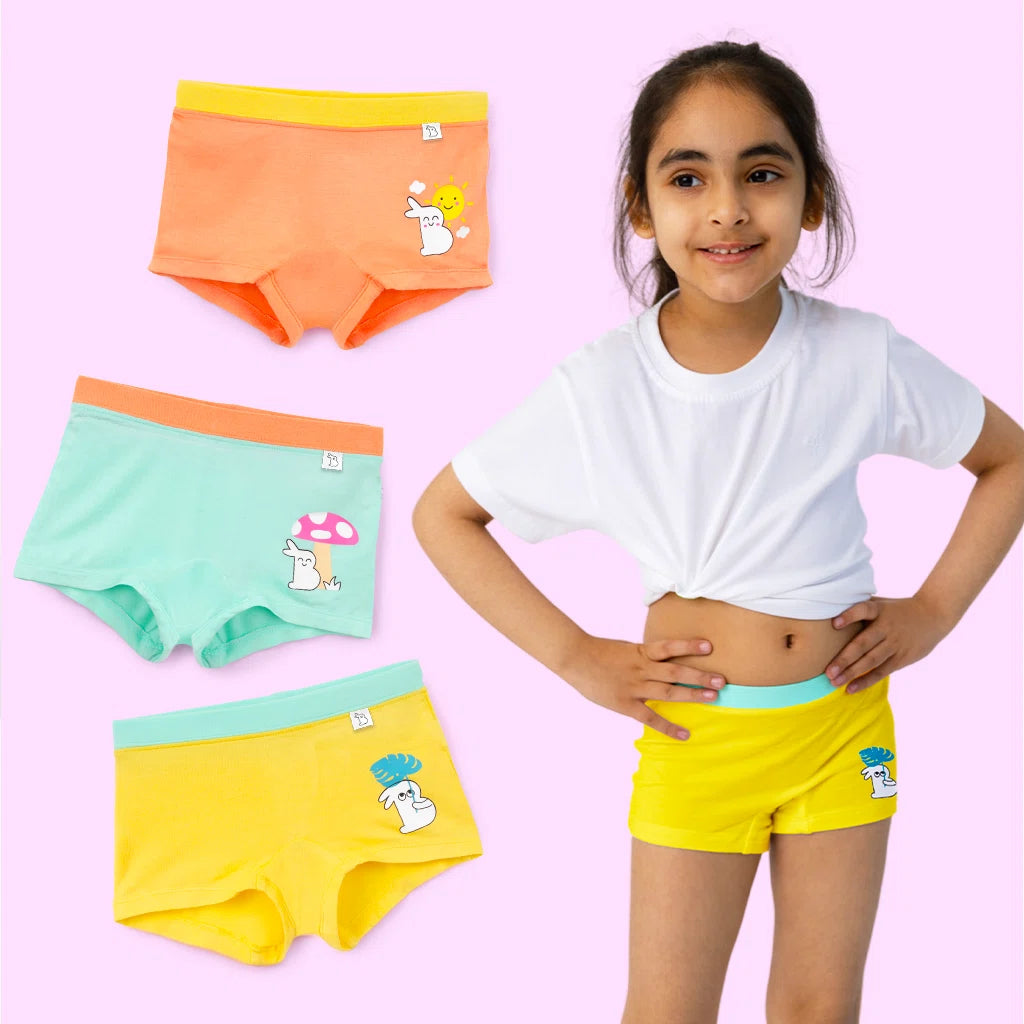
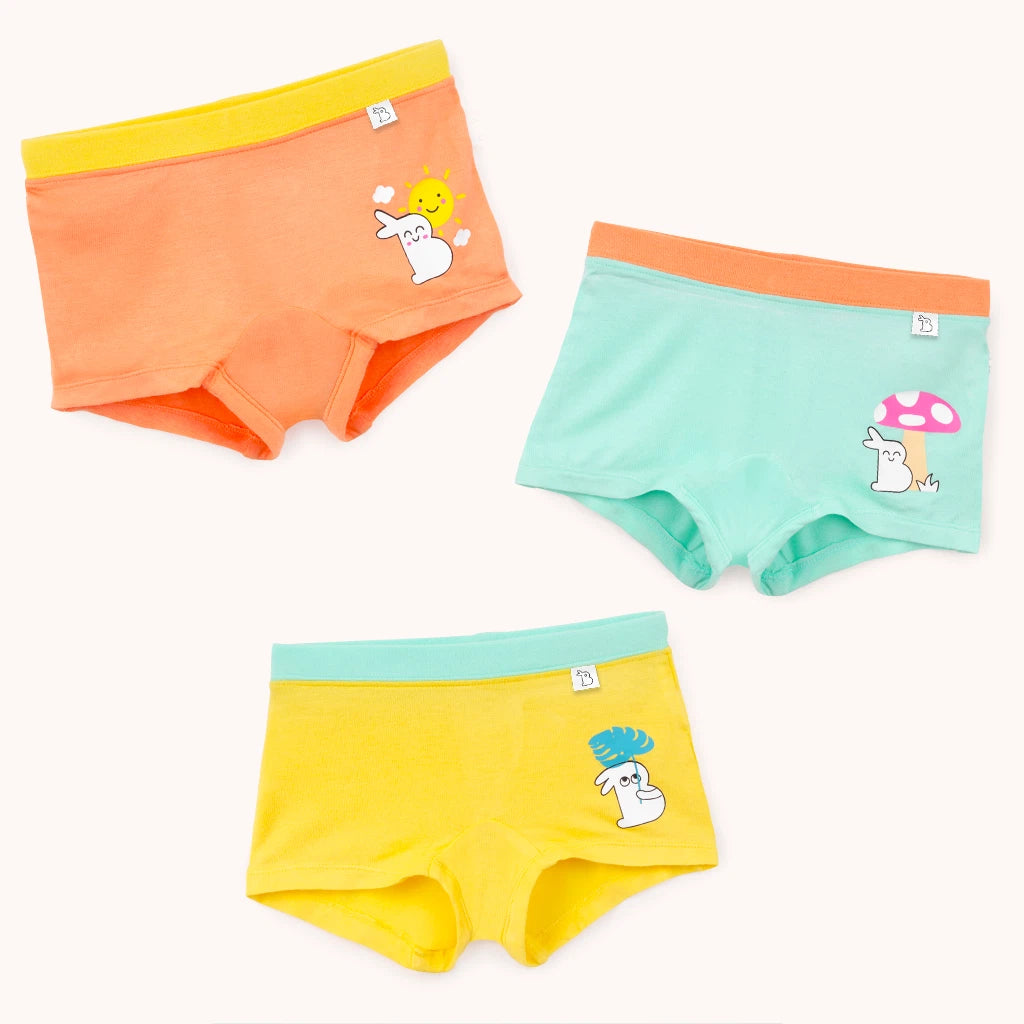
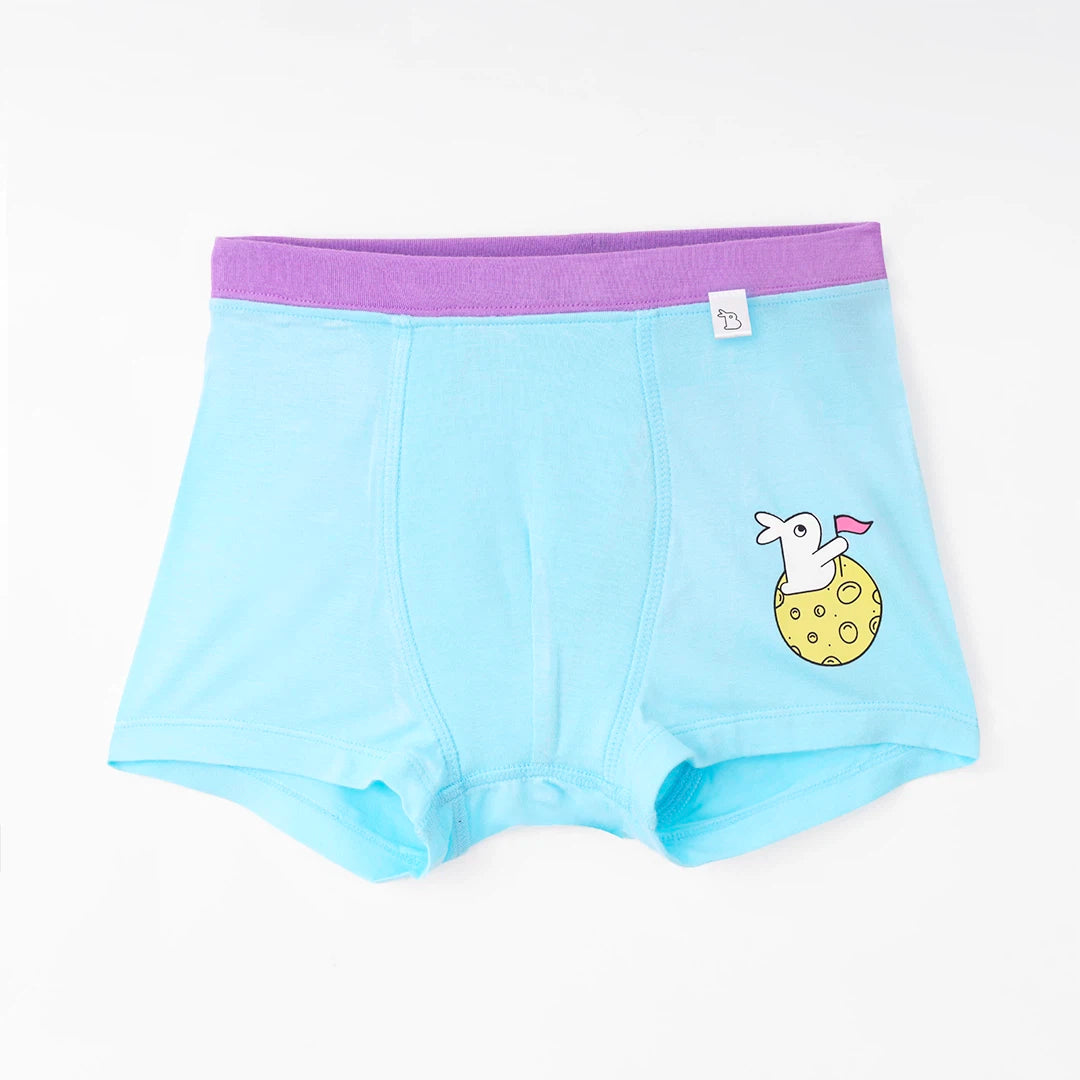
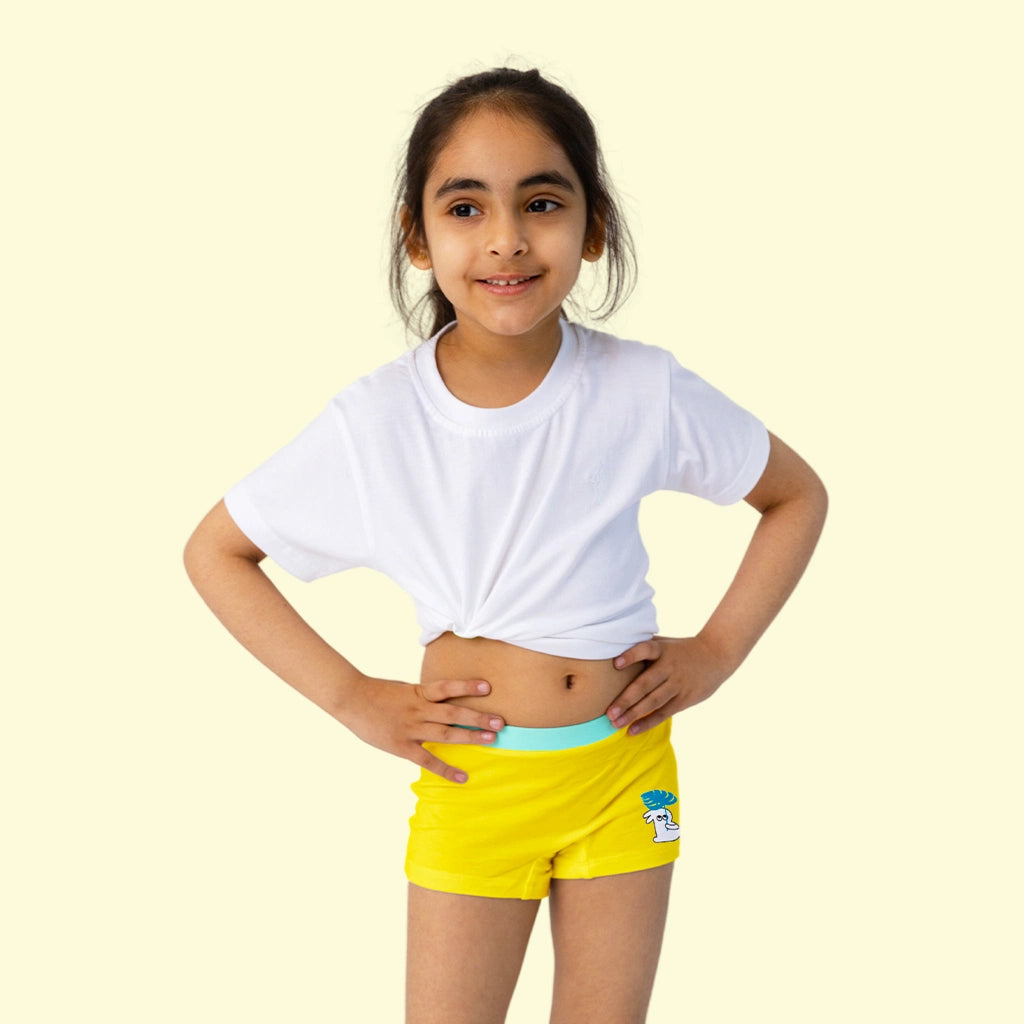
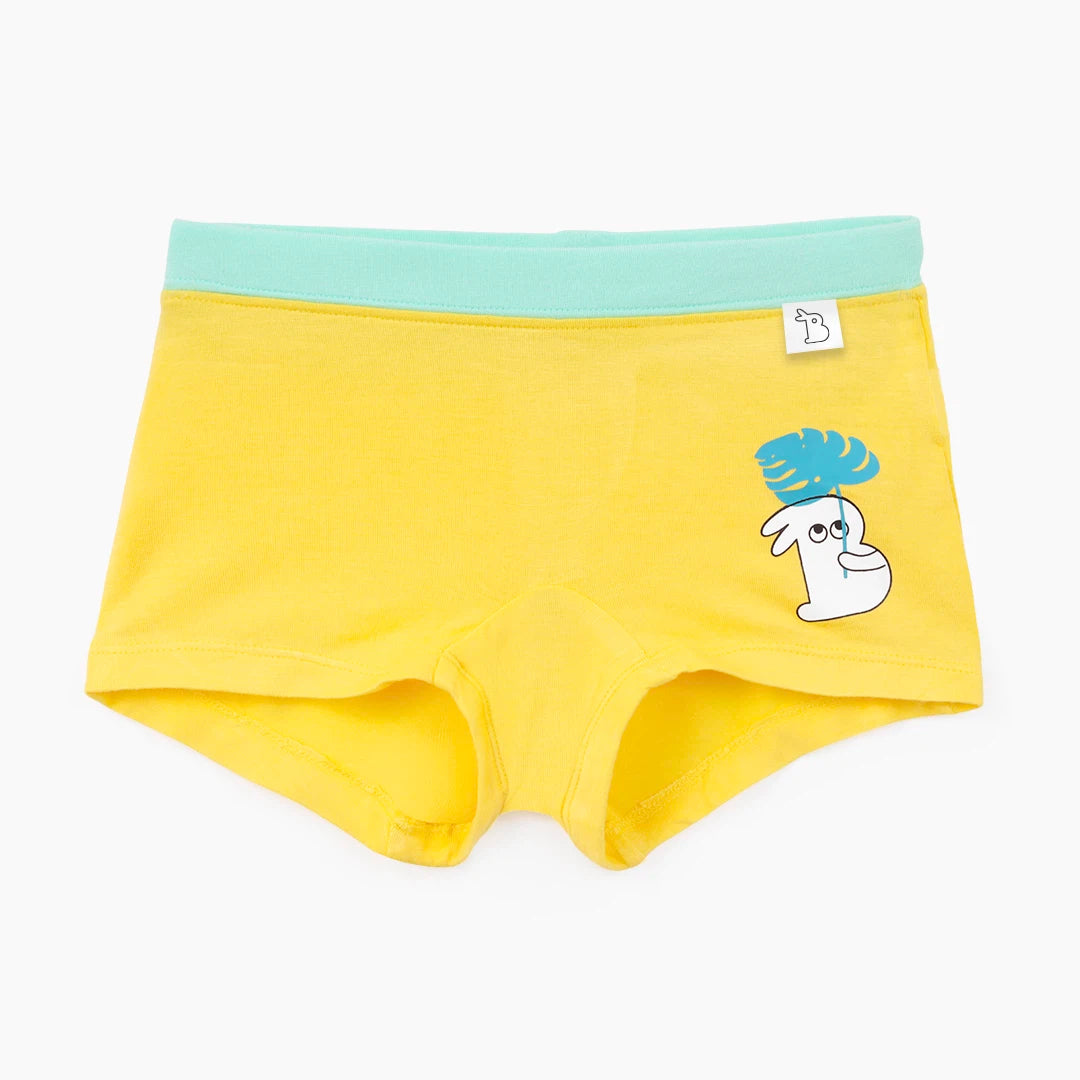
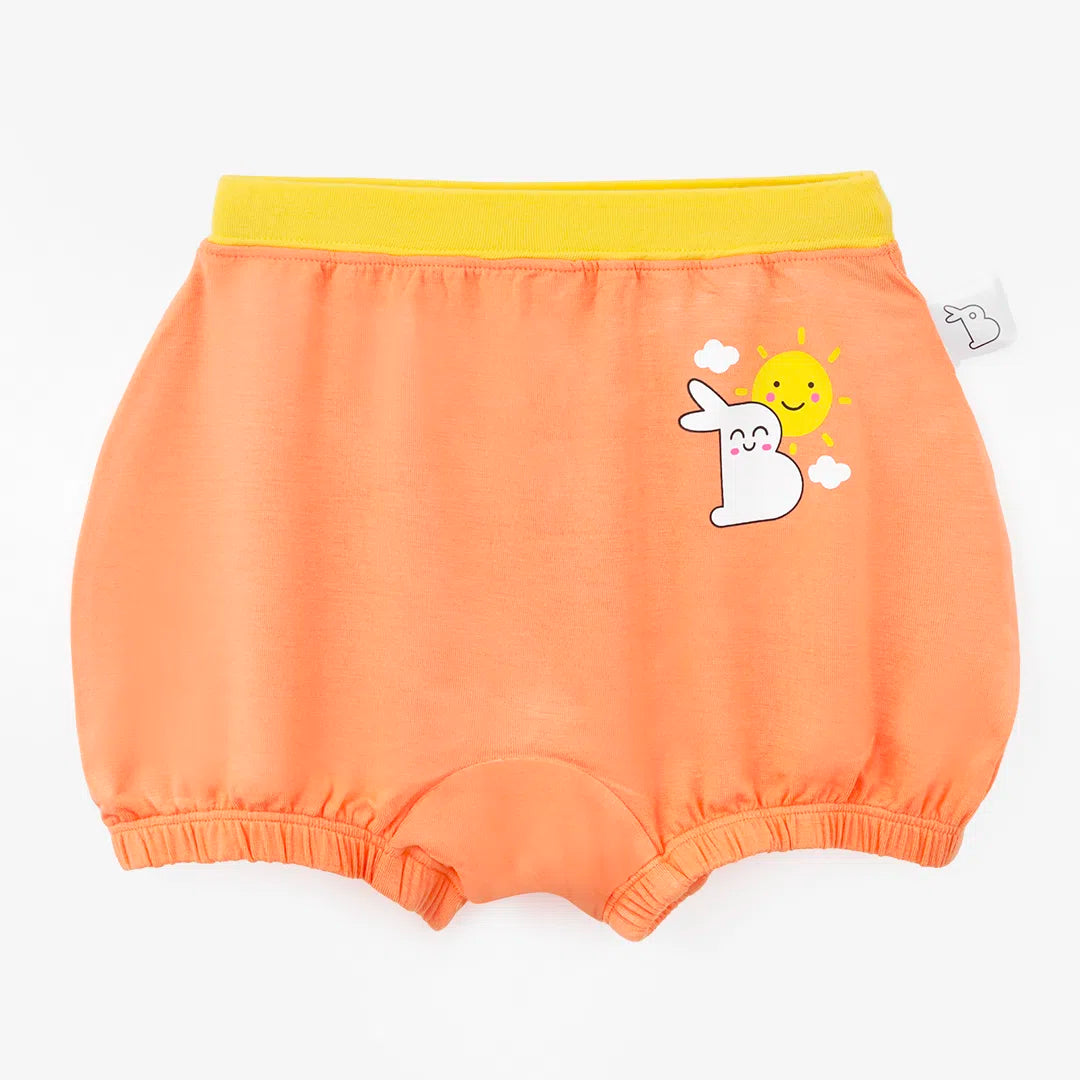
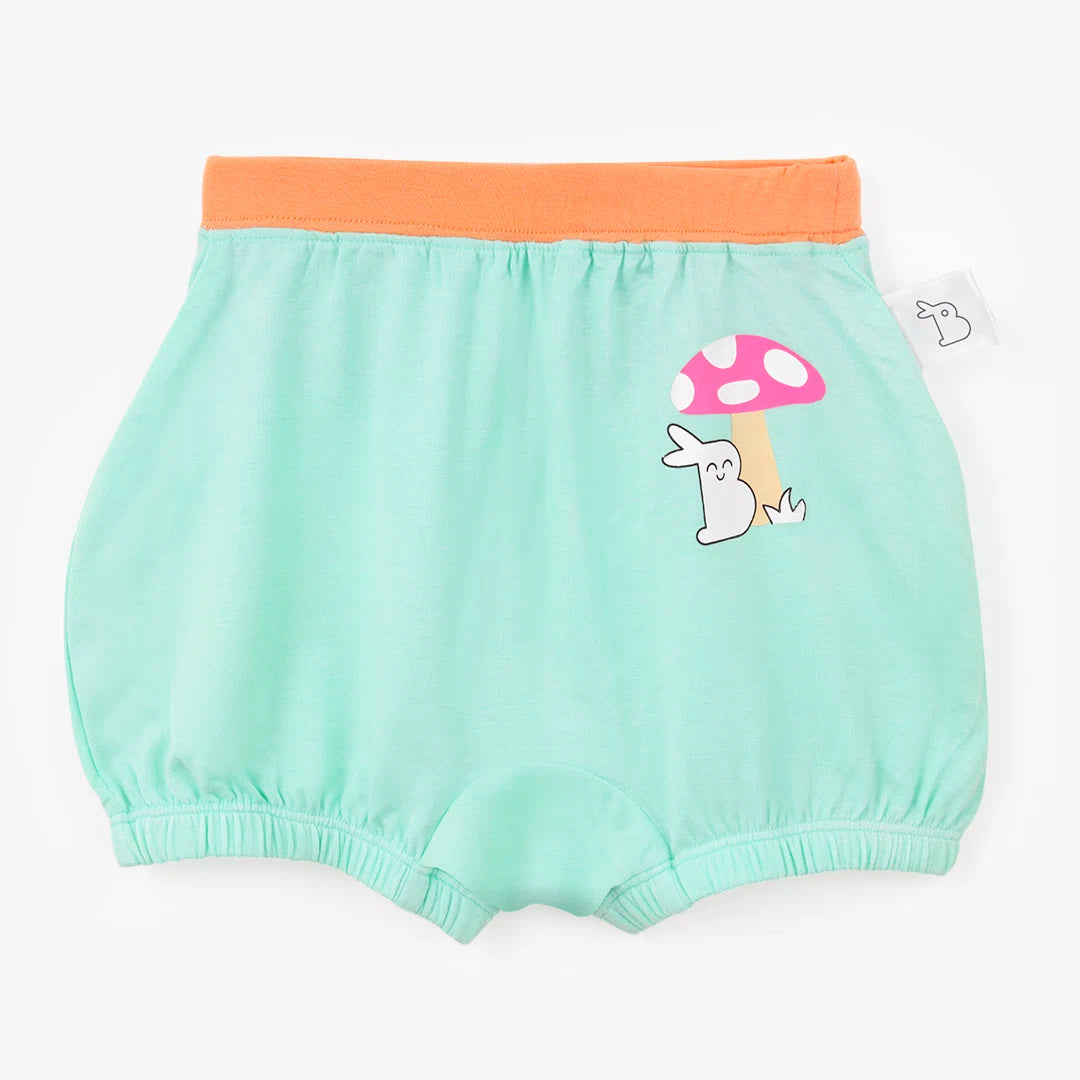
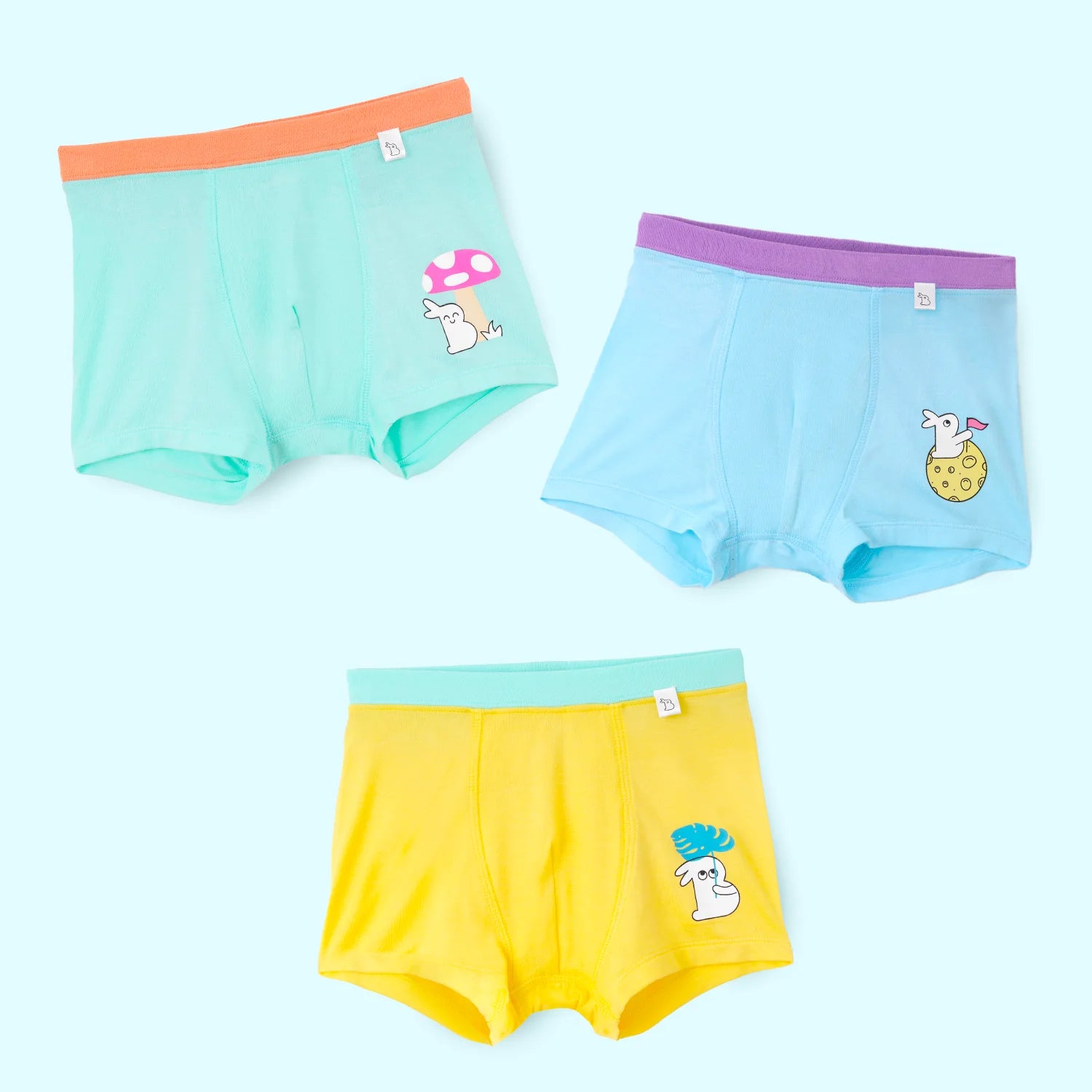
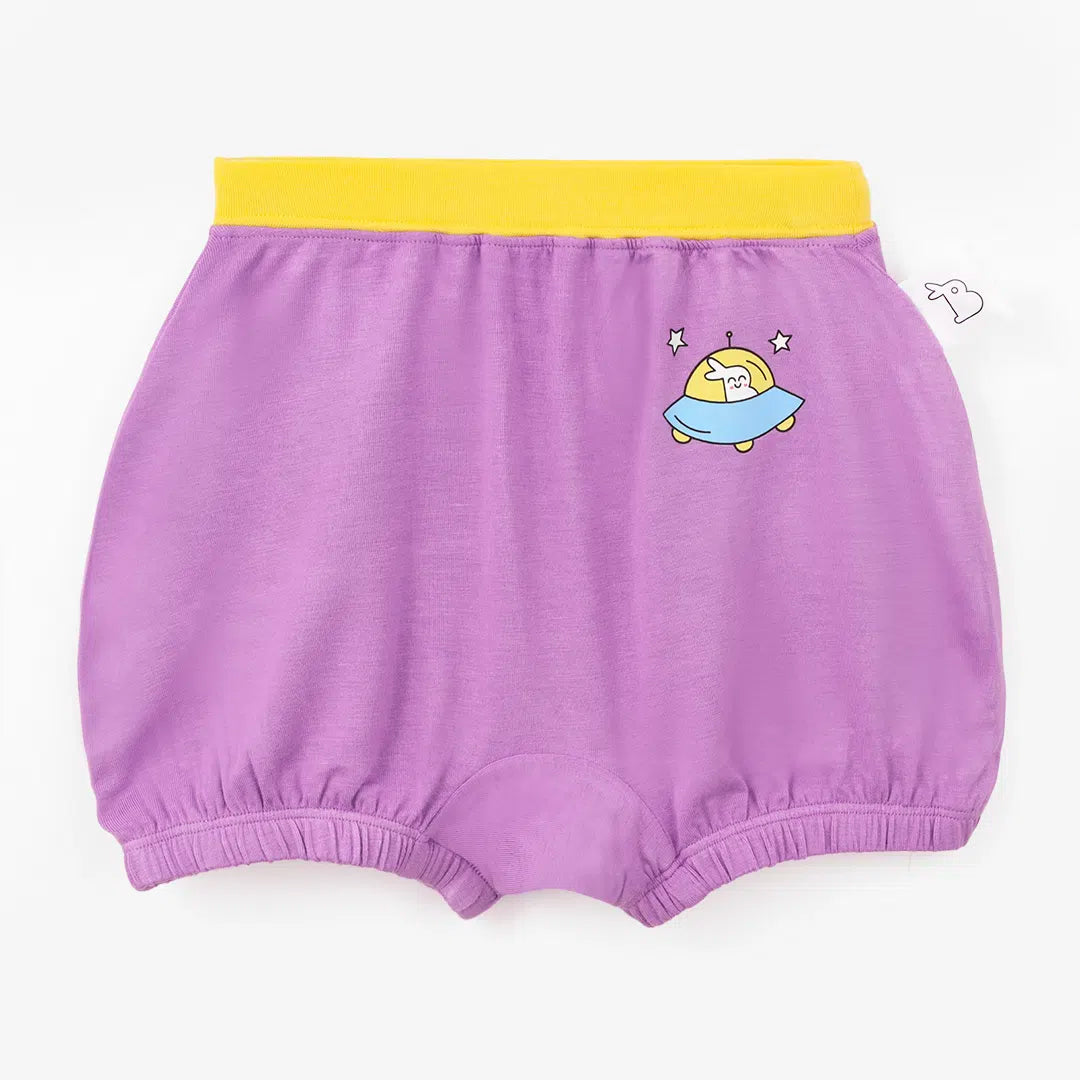
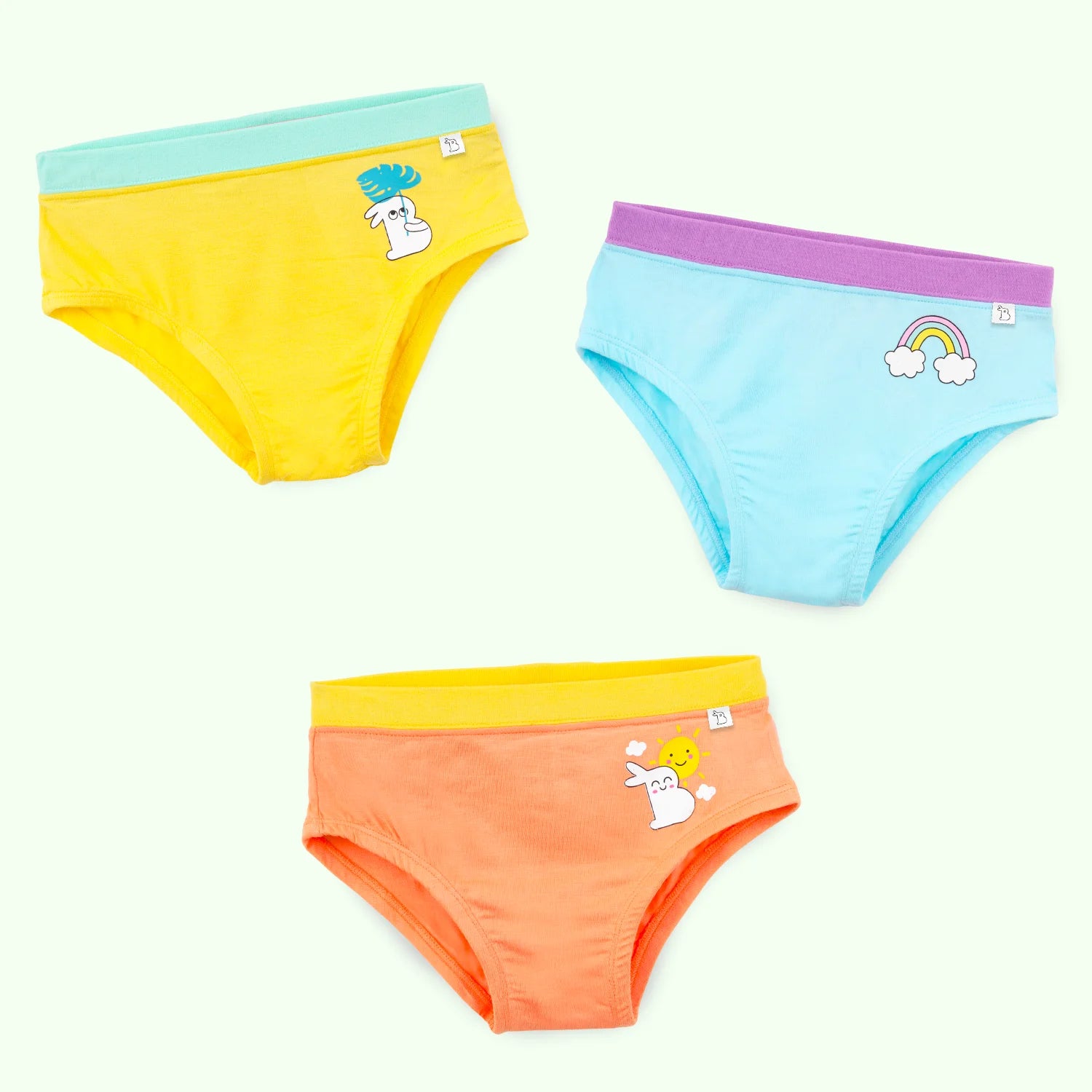
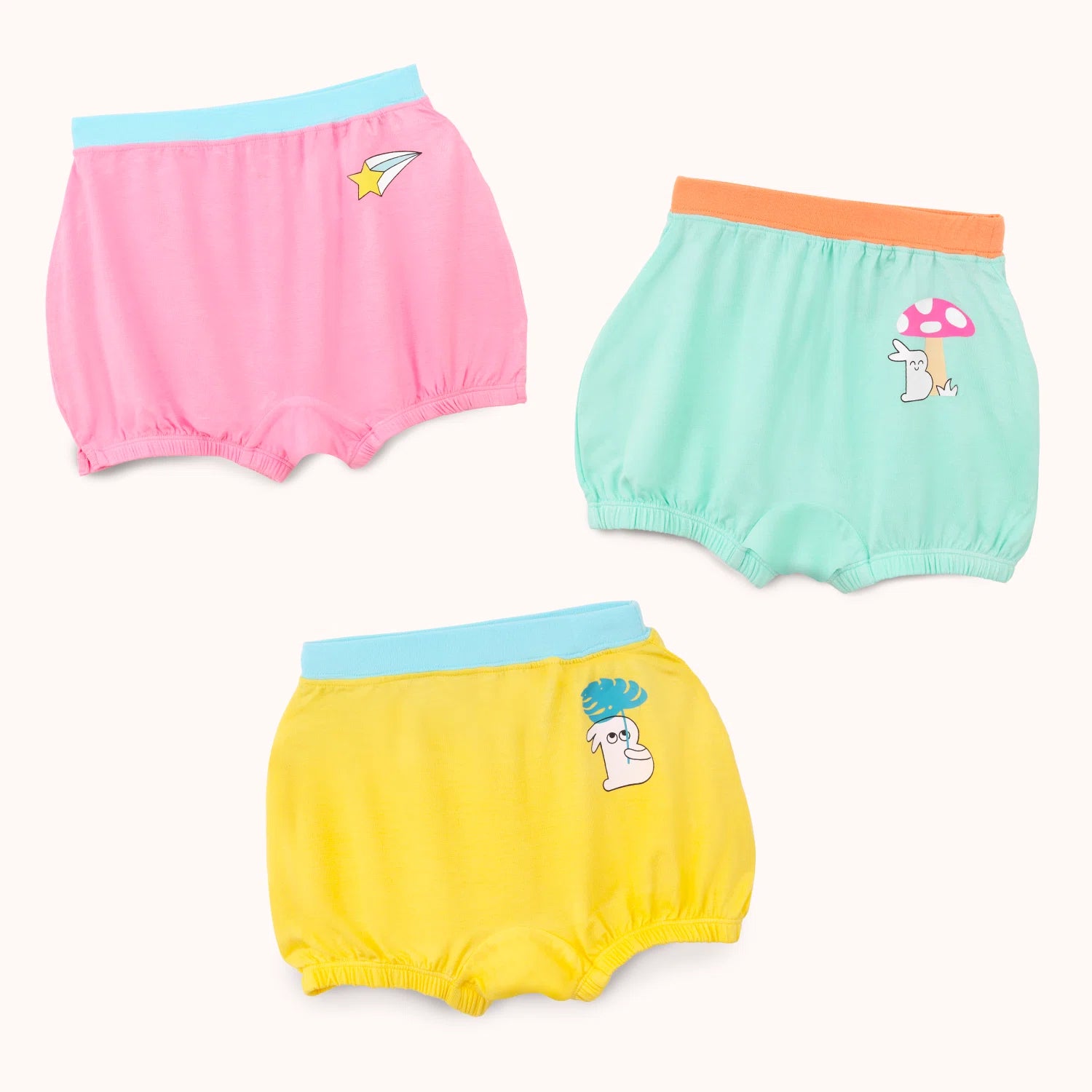
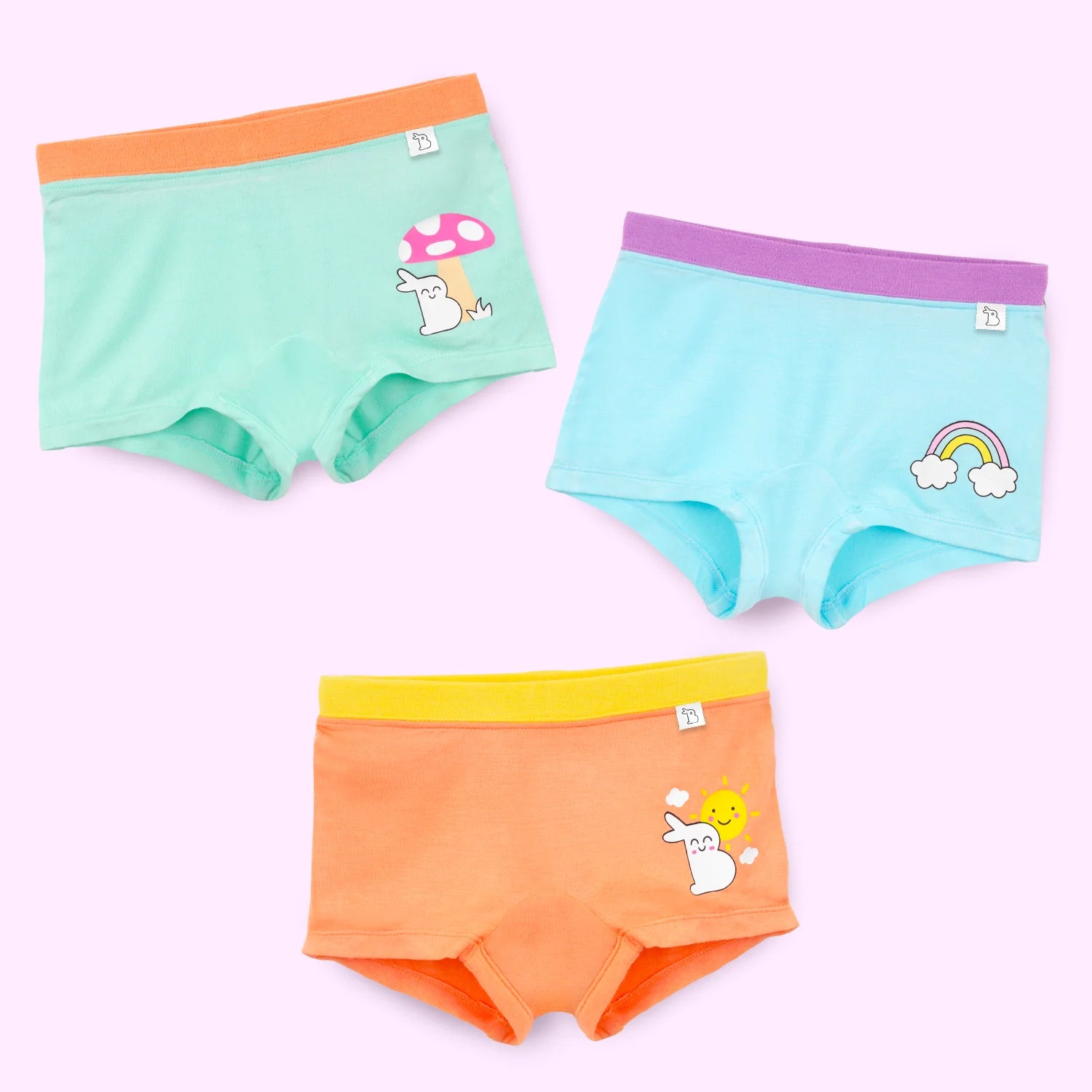
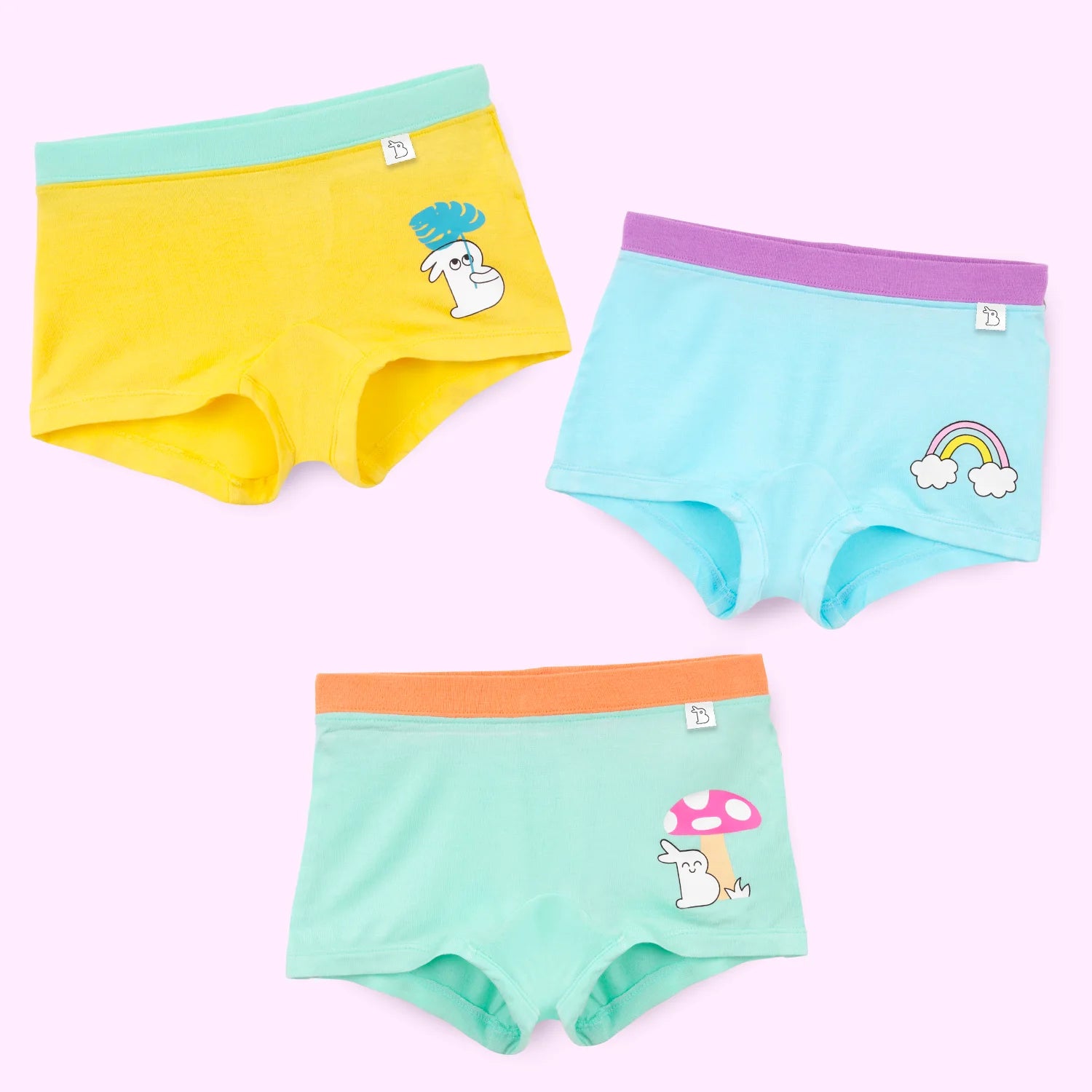
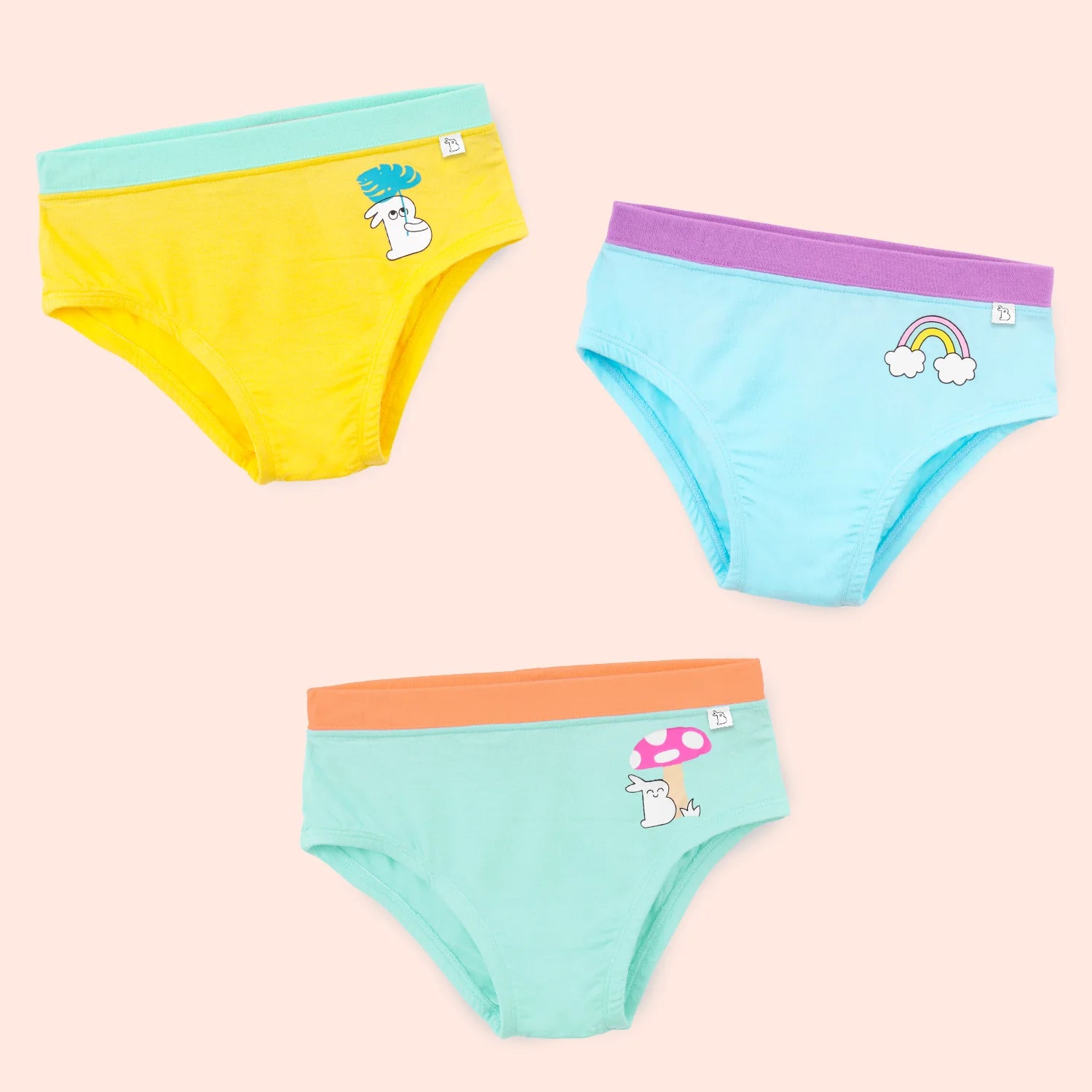
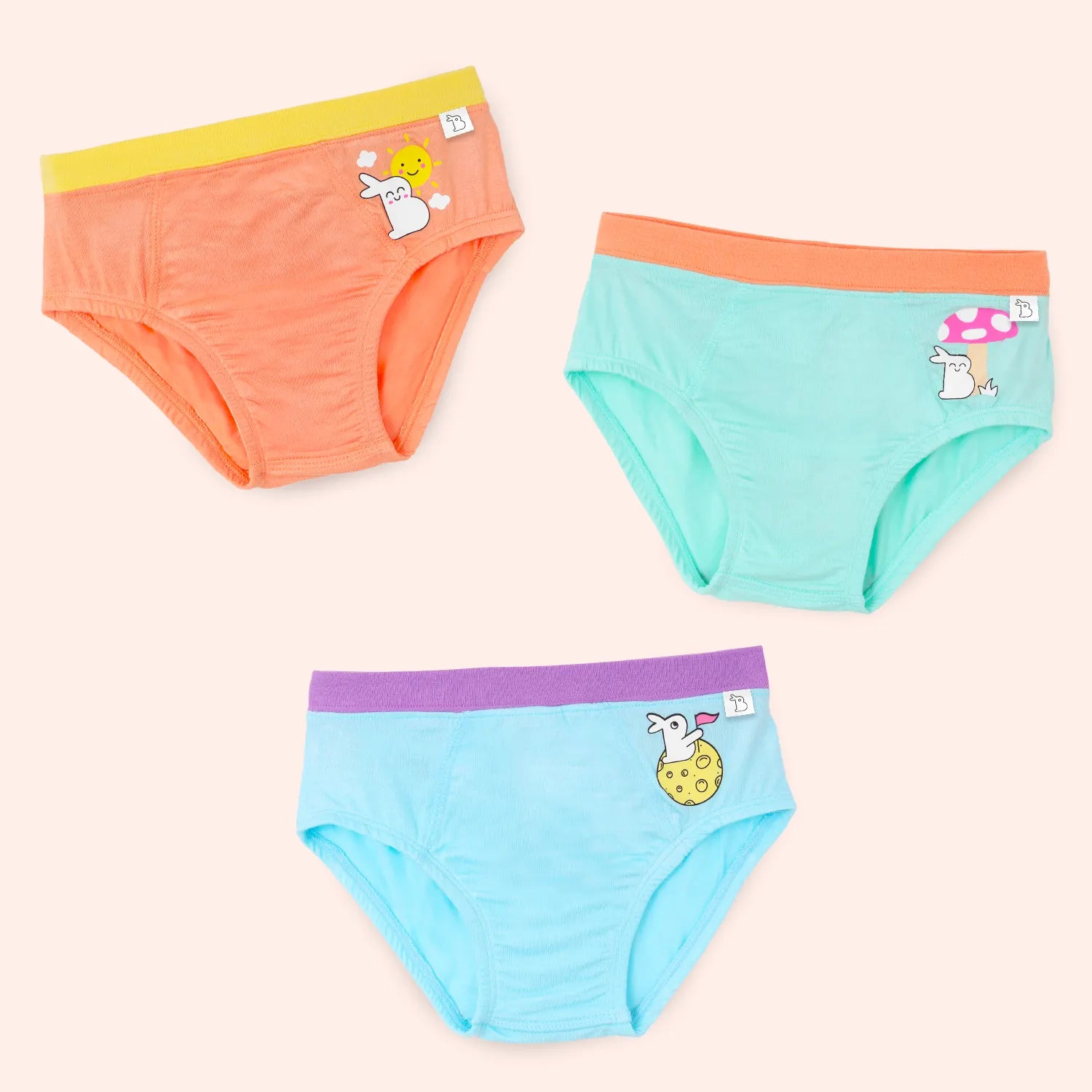
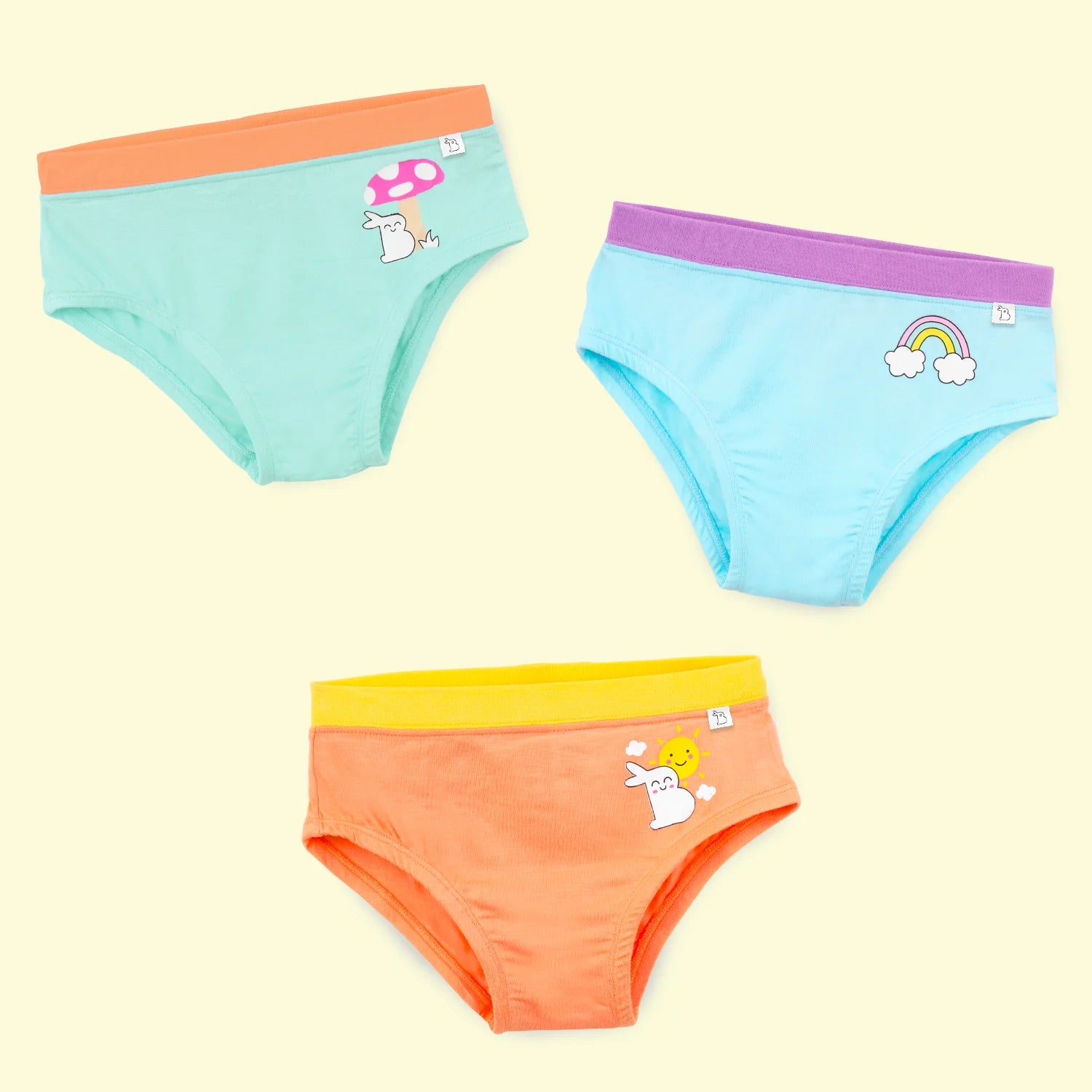
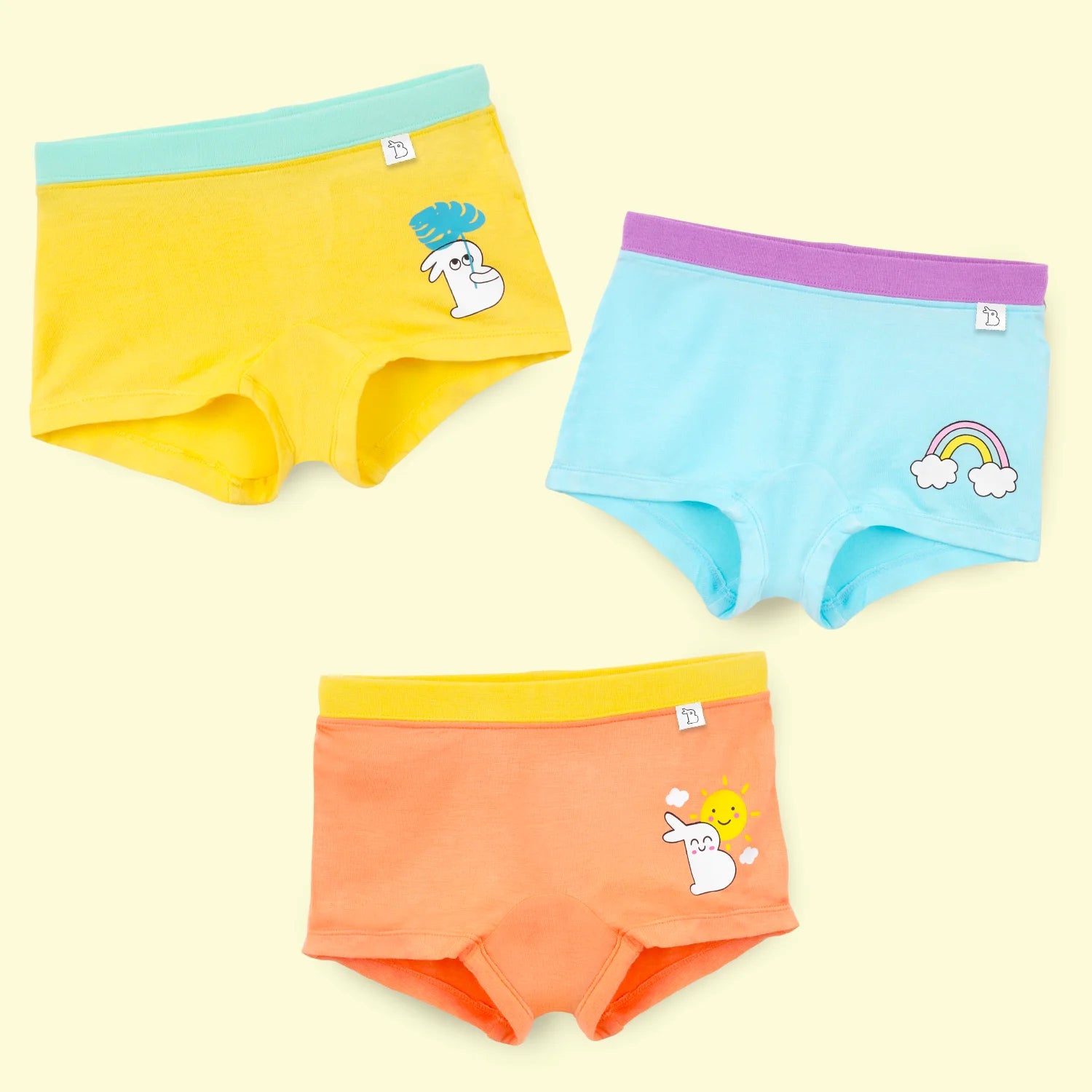
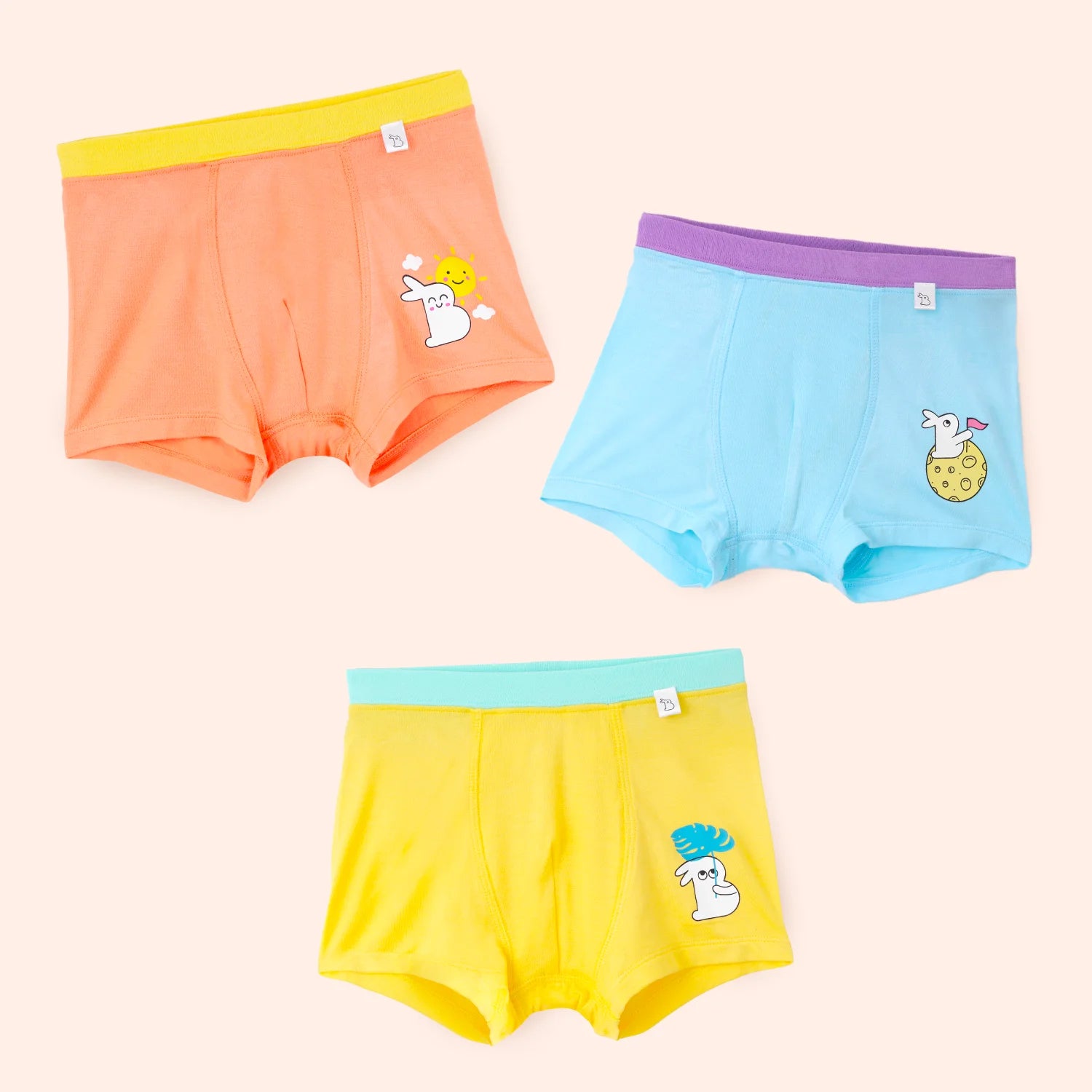
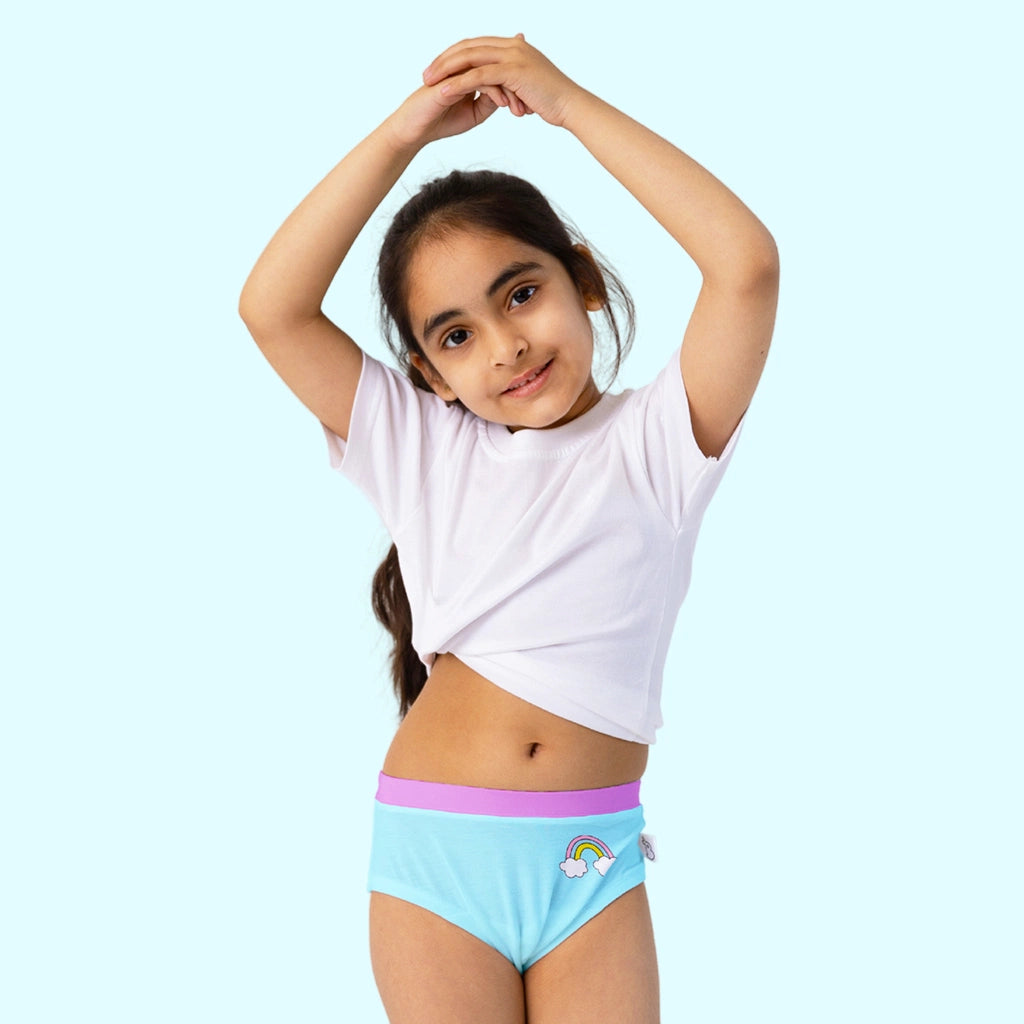
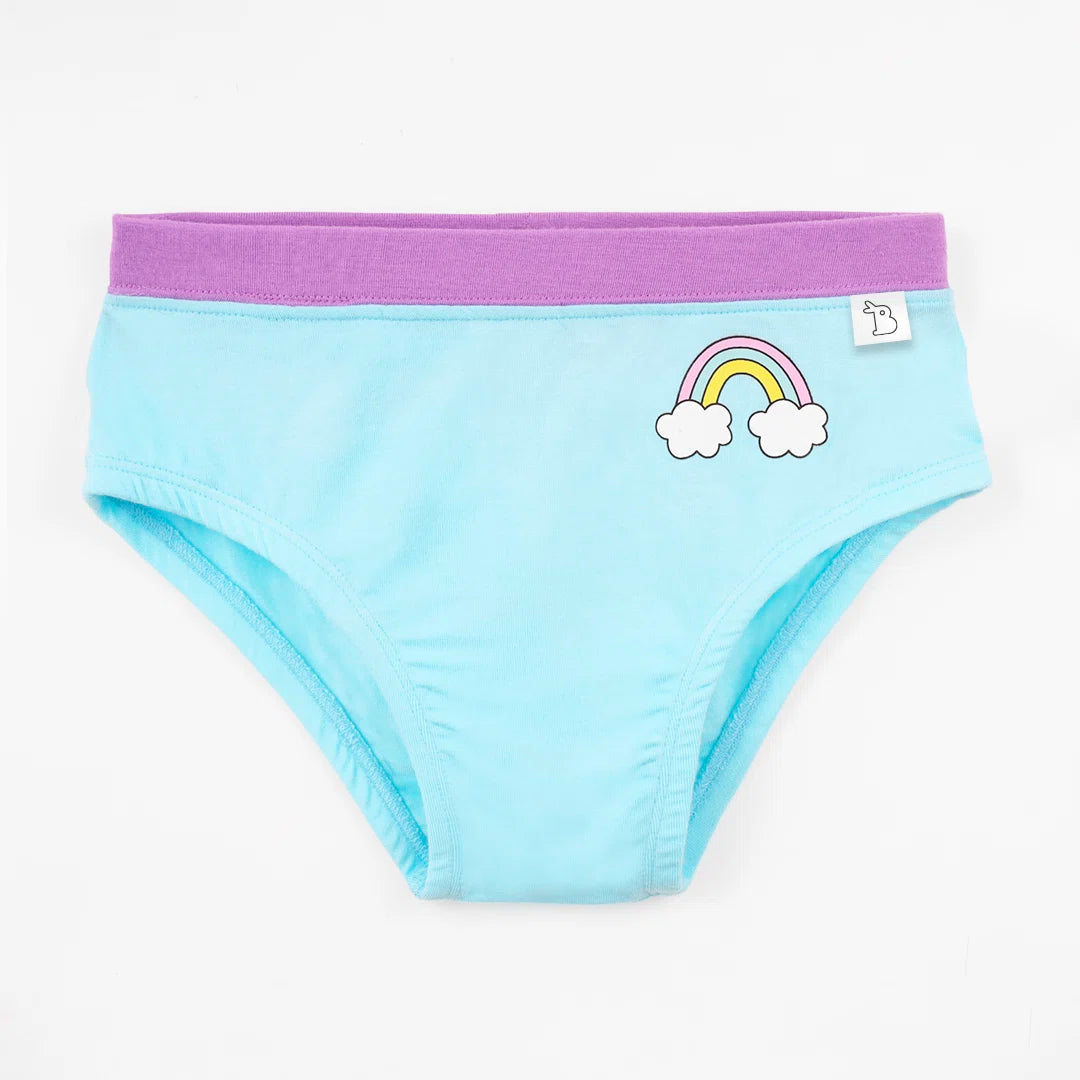
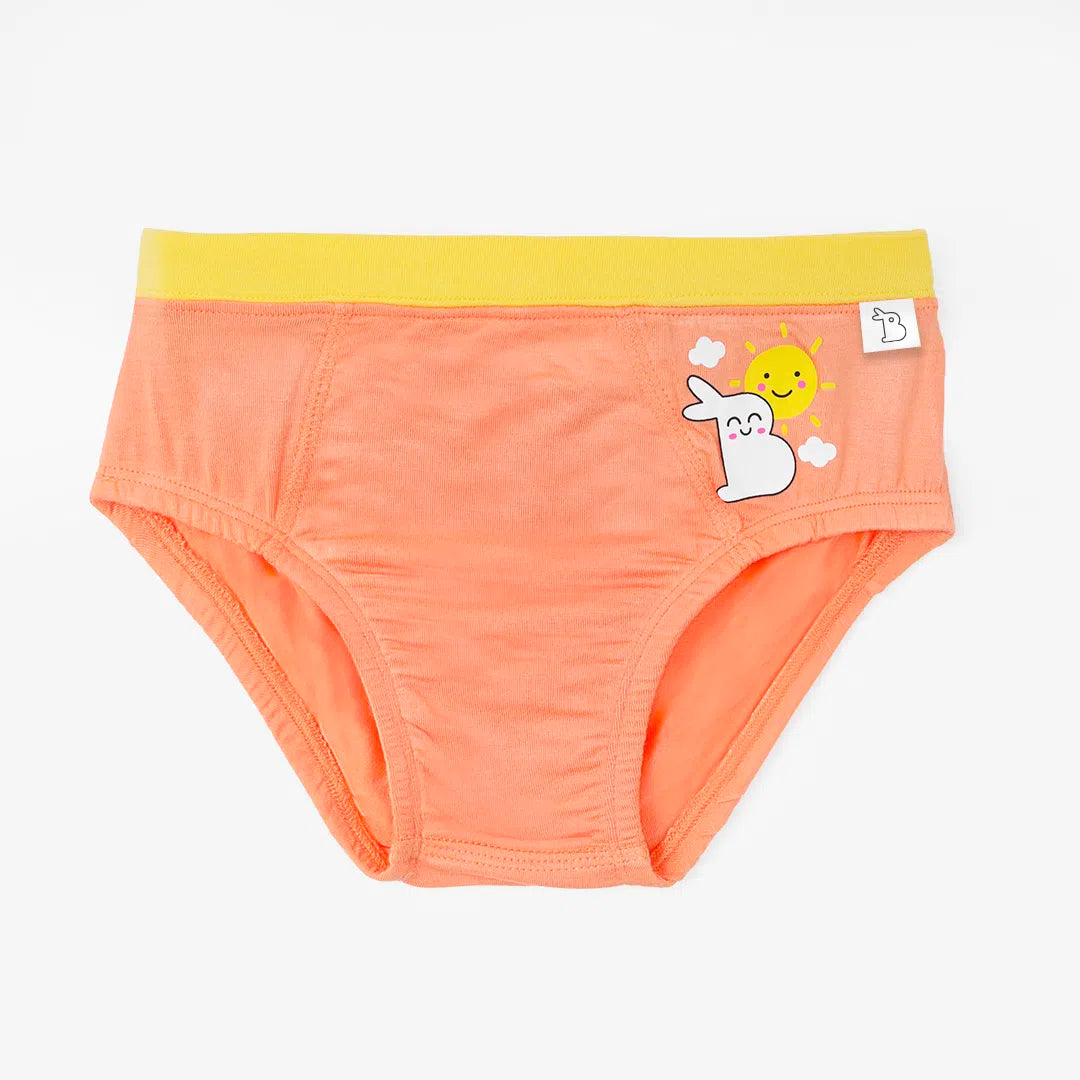
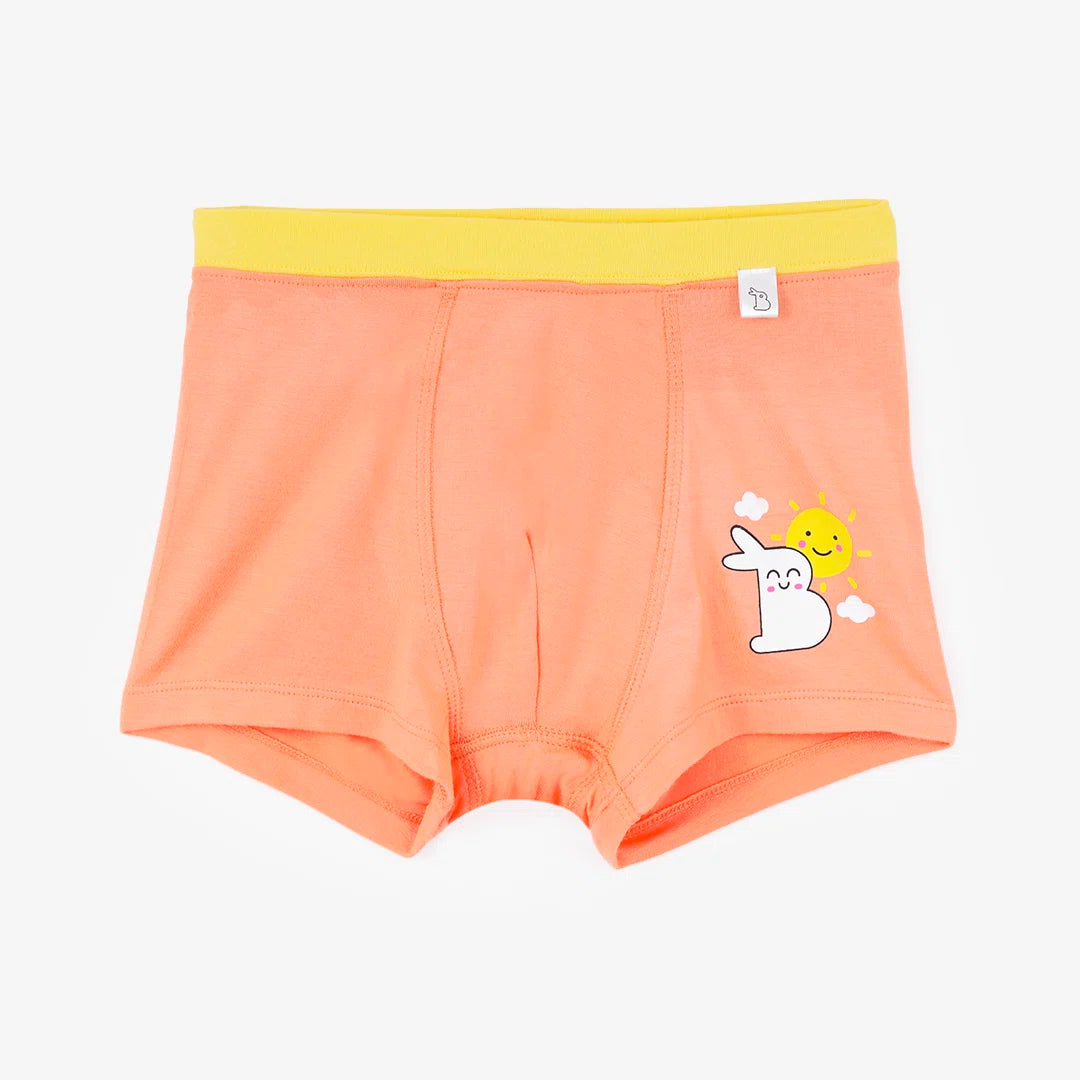
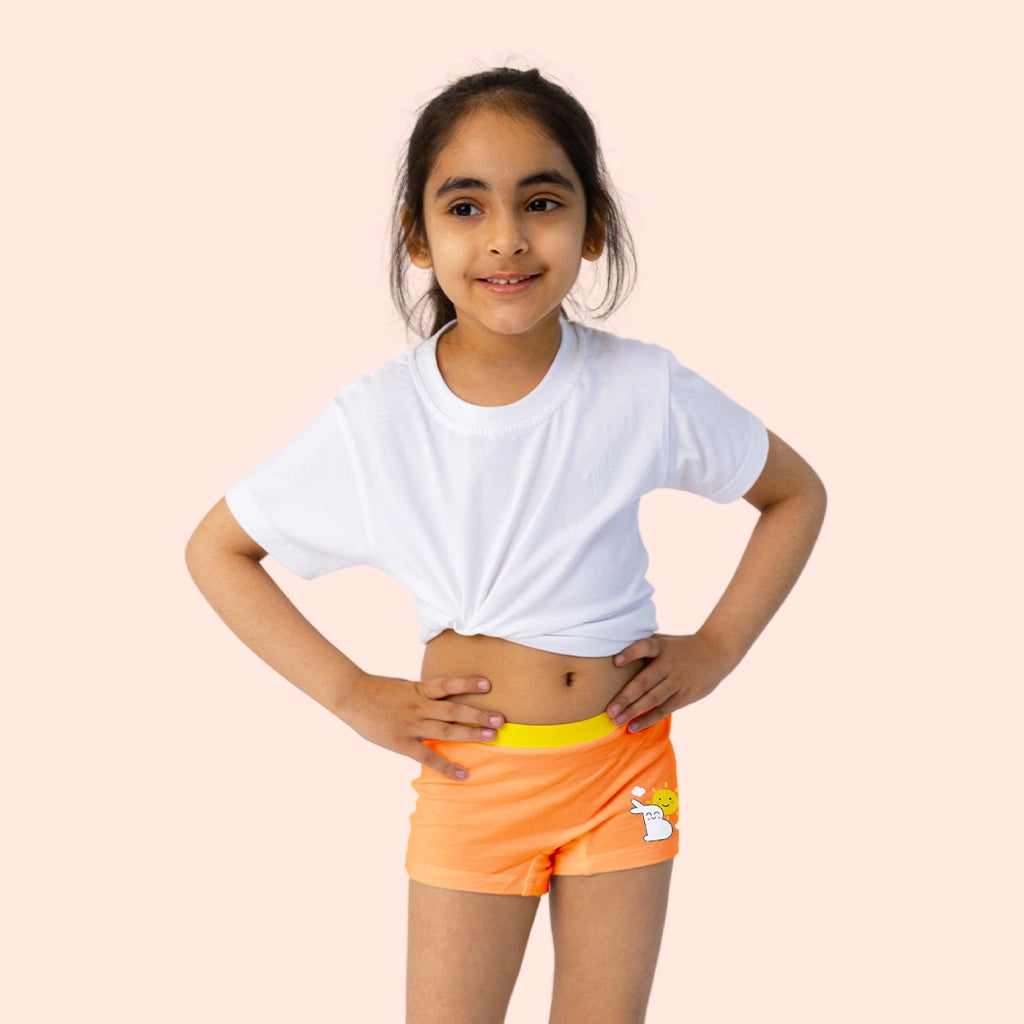
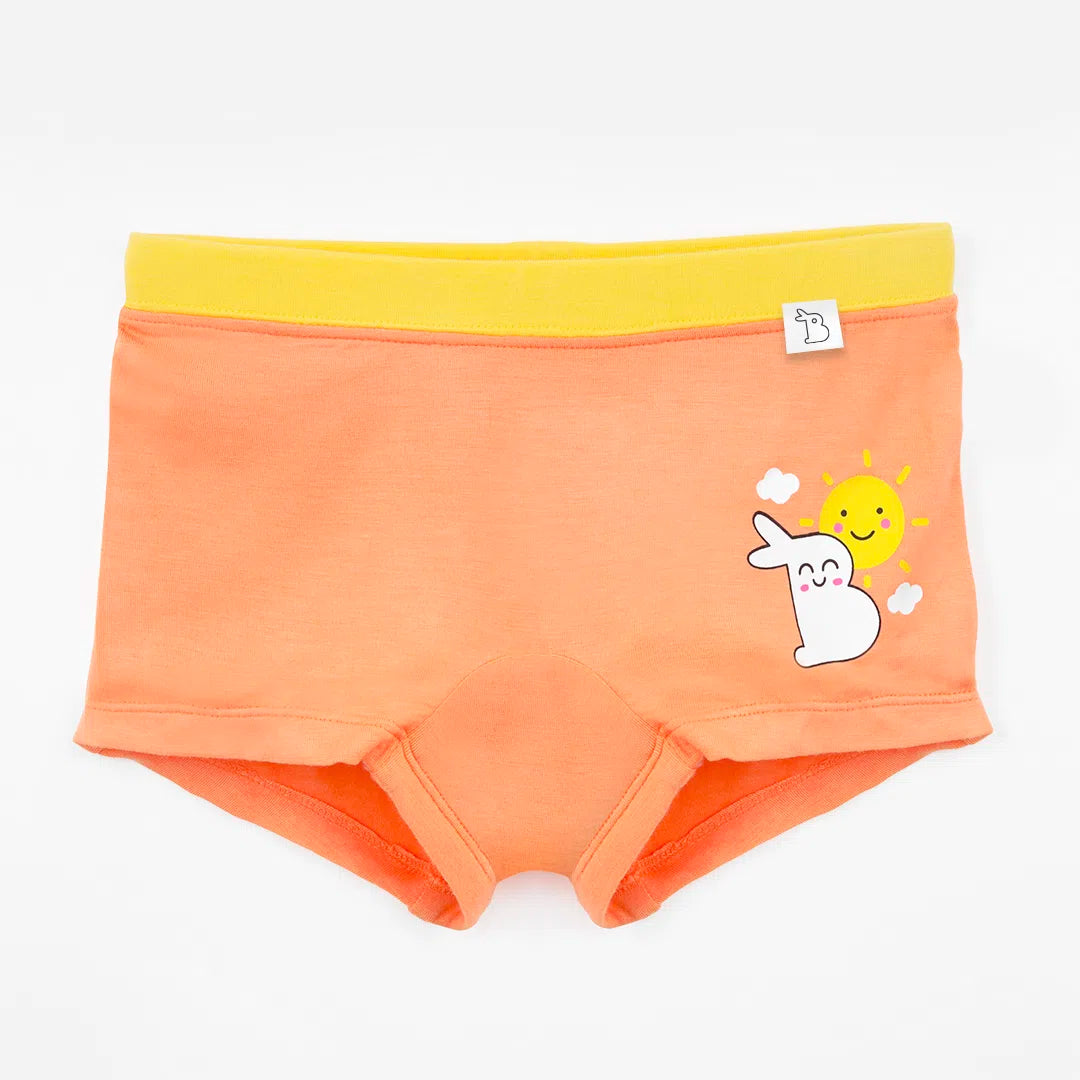
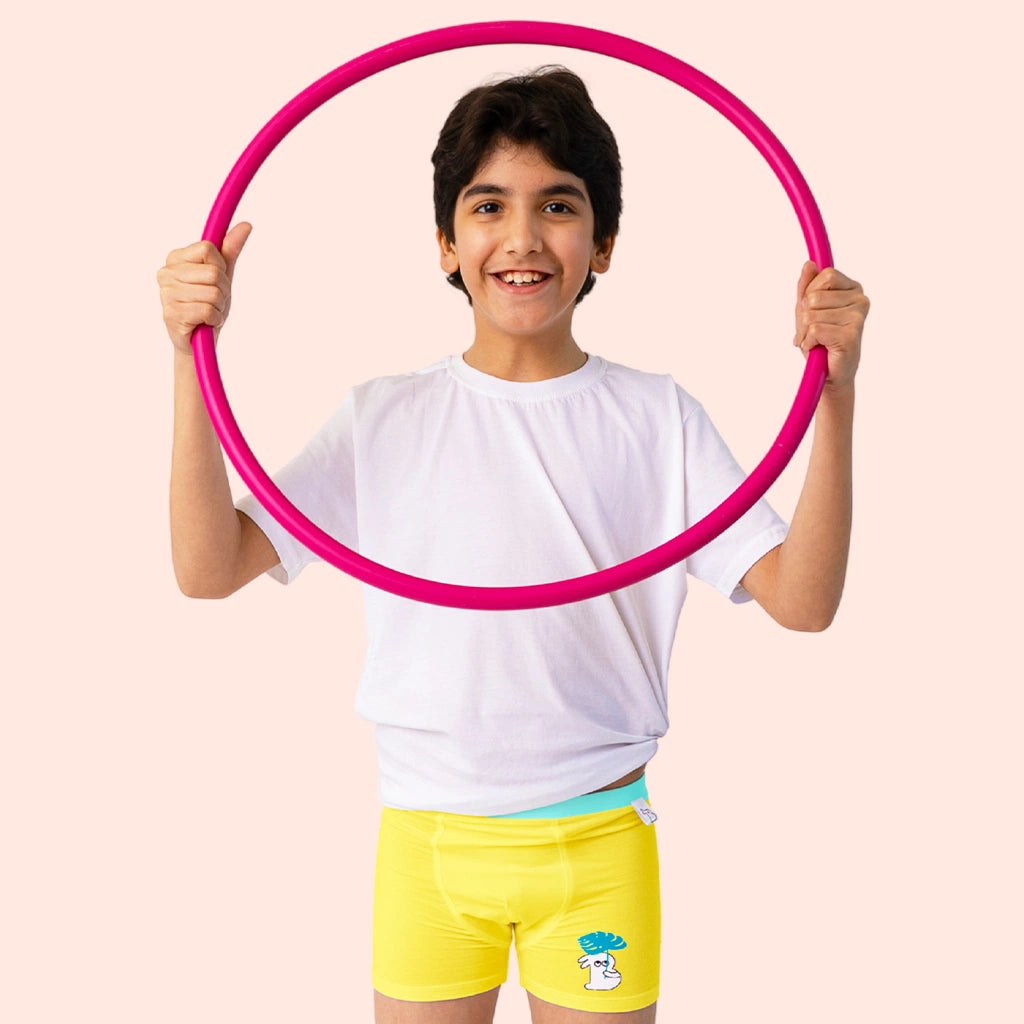
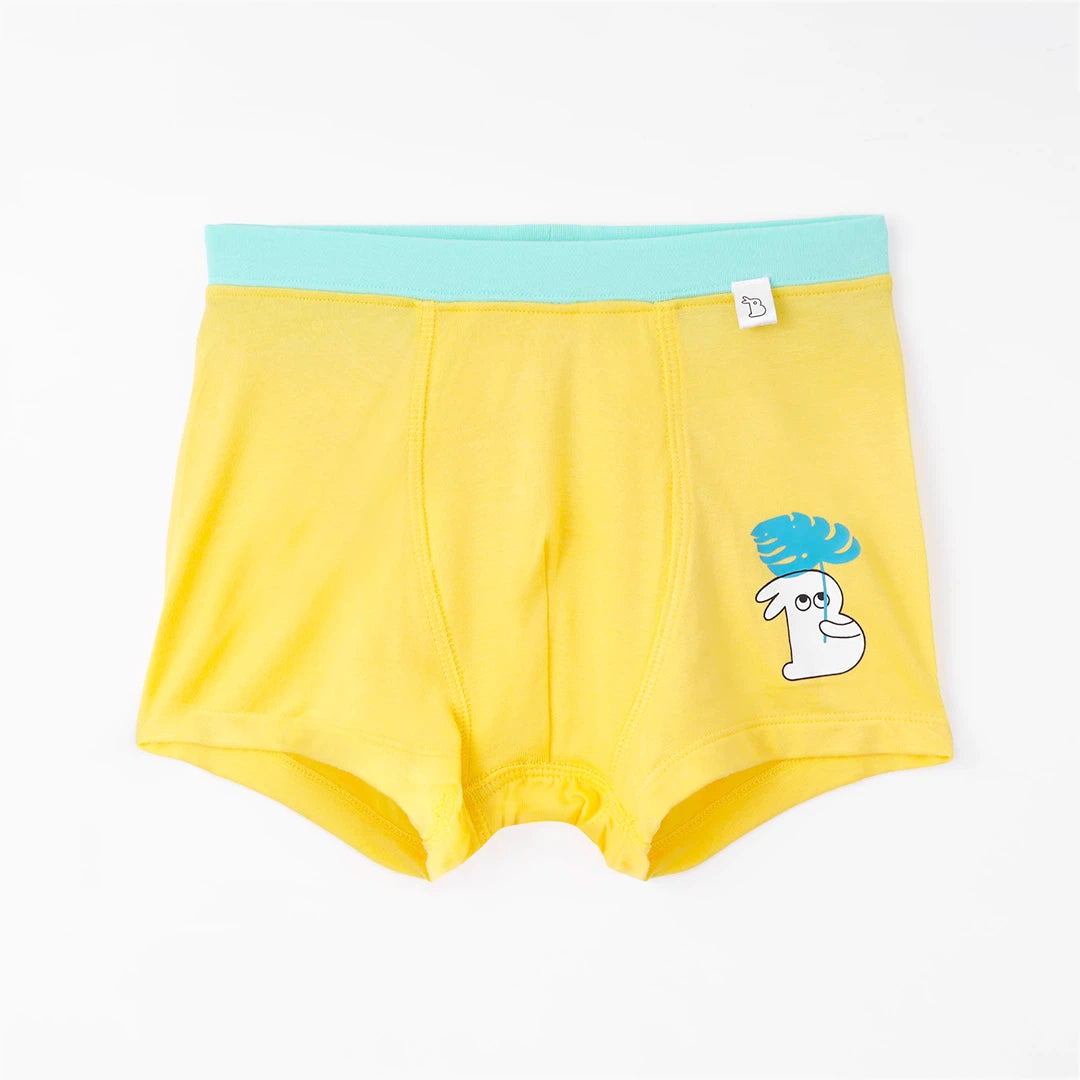
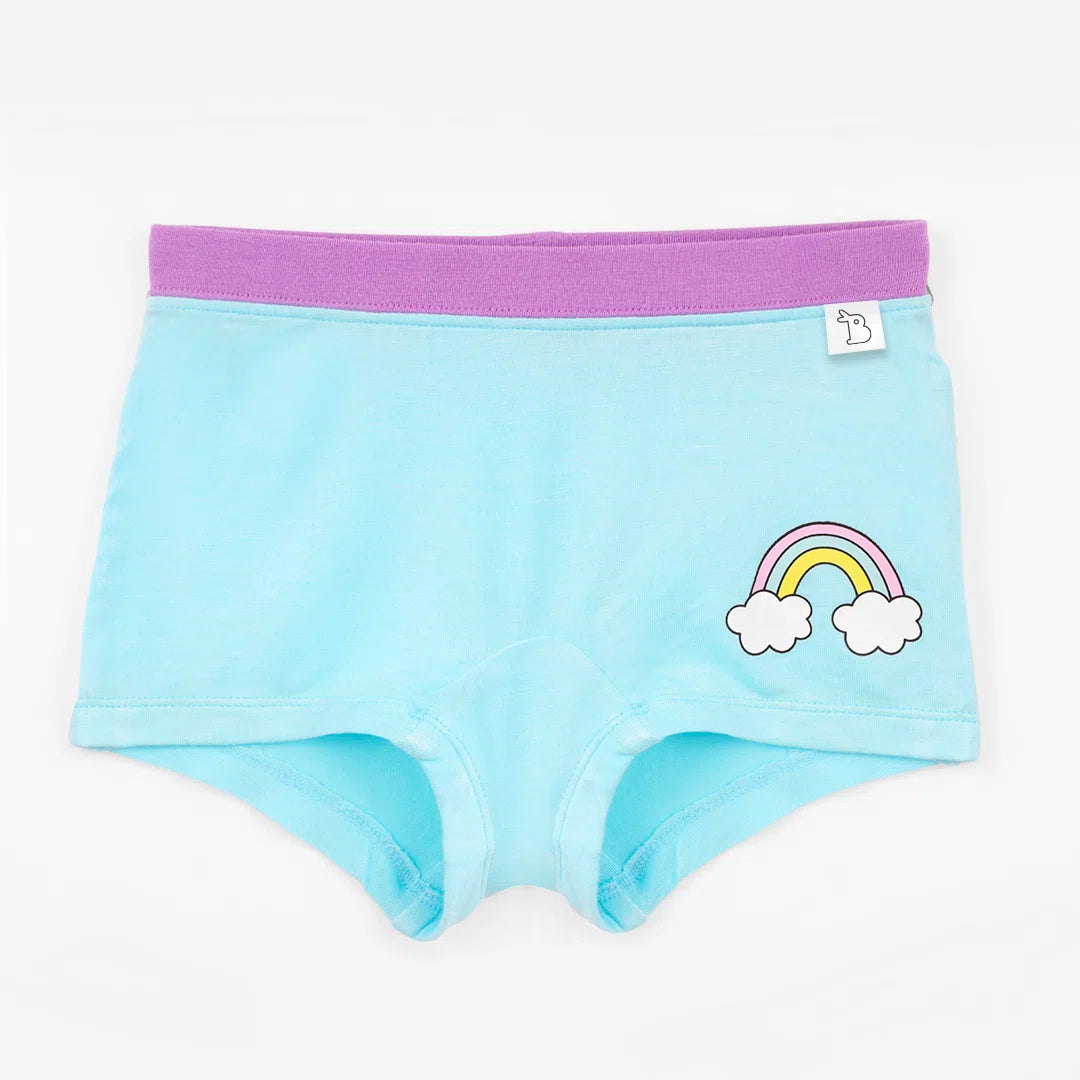
SuperBottoms SuperSoft Underwear is made from a soft bamboo-blend fabric that's breathable, gentle on delicate skin, and comfortable for active little ones during meals, playtime, and everyday adventures.
Explore the range → SuperBottoms SuperSoft Underwear.
Which Products Make Everyday Feeding Easier?
As babies become toddlers, mealtimes become more interactive and messier. Choosing practical essentials can make daily routines much easier.
|
Need |
Regular Clothing |
SuperBottoms SuperSoft Underwear |
|---|---|---|
|
Soft on delicate skin |
Depends on fabric |
✔ Bamboo-blend fabric |
|
Breathability |
Varies |
✔ Designed for everyday comfort |
|
Suitable for daily wear |
✔ |
✔ |
|
Gentle on sensitive skin |
Varies |
✔ Soft, tag-free comfort |
|
Long-term value |
Depends on quality |
✔ Durable and reusable |
The best choice depends on your child's age and needs. Prioritise comfort, skin-friendly materials, and ease of care over trends or appearance.
Together, these resources can help you make informed choices for your baby's everyday care beyond nutrition.
Preparing a homemade multigrain baby recipe is an easy way to give your little one a wholesome start to complementary feeding. Using a mix of grains, millets, and pulses provides nutritional variety while letting you control the quality of every ingredient. Introduce new foods gradually, maintain good hygiene during preparation, and adjust textures as your baby grows.
When mealtimes become more active, choosing soft, reusable, and skin-friendly baby essentials can make everyday routines more comfortable for both babies and parents.
If you're looking for breathable everyday essentials for your growing child, SuperBottoms SuperSoft Underwear offers soft bamboo-blend comfort that's gentle on delicate skin.
👉 Find the right everyday comfort → Shop SuperBottoms SuperSoft Underwear
|
Limited Time Offers + Special Gift Sets! Now or never Super SALE is live on the SuperBottoms website! Take advantage of unbeatable value deals on our UNO Cloth Diapers, Baby Essentials, and more. Looking for the perfect present for a newborn or a toddler? Explore our thoughtfully curated Gift Sets & Combos - safe, skin-friendly, and oh-so-cute! A bundle of love for little ones and a delight for parents. HURRY - Deals and Gift Packs are live only till stocks last. Don’t miss the chance to stock up and share the joy! |
Key Takeaways
- Homemade multigrain recipes provide a nutritious way to introduce a variety of grains and pulses.
- Start complementary feeding only when your baby shows developmental readiness and after consulting your paediatrician if needed.
- Fresh ingredients, proper storage, and comfortable baby essentials contribute to a smoother feeding journey.
Frequently Asked Questions (FAQs)
1. When can I start giving a homemade multigrain baby recipe to my baby?
Most babies can begin complementary foods around 6 months of age, alongside breast milk or formula. Start with single-grain cereals before introducing a multigrain mix.
2. Which grains are best for a homemade multigrain baby recipe?
Rice, ragi, oats, wheat, jowar, bajra, moong dal, and chana dal are commonly used. Introduce each ingredient separately first to watch for any allergies or sensitivities.
3. How long can I store homemade multigrain powder?
If stored in an airtight container in a cool, dry place, it generally stays fresh for about 3–4 weeks. In humid climates, refrigeration can help maintain freshness.
4. Can I add fruits or vegetables to multigrain porridge?
Yes. Once the porridge is cooked, you can add mashed fruits or vegetable purées that your baby has already been introduced to, following your paediatrician's advice.
5. Should I add sugar, salt, or honey?
No. Babies under one year generally do not need added sugar or salt, and honey should be avoided before 12 months due to the risk of infant botulism.
6. What should I look for in everyday baby essentials during mealtimes?
Choose products that are soft, breathable, reusable, easy to wash, and gentle on delicate skin. Comfortable clothing helps babies stay happy during feeding and play.
7. Which SuperBottoms product is suitable for growing toddlers?
For toddlers who are becoming more active during meals and playtime, SuperBottoms SuperSoft Underwear offers breathable bamboo-blend comfort designed for everyday wear.
8. Where can I buy SuperBottoms products online in India?
You can buy SuperBottoms products online in India through the official SuperBottoms website, where you'll find the latest collections, sizes, offers, and product information.
Message from SuperBottoms
Hi there, new parents! SuperBottoms brings you doctor-recommended cloth diapers - the best rash-free diapering solution for your baby’s sensitive and delicate skin. Unlike disposable diapers loaded with chemicals, our newborn cloth diapers, when used and washed properly, can help eliminate the risk of diaper rashes. SuperBottoms offers a wide range of safe, skin-friendly essentials for the whole family - including Reusable Cloth Diapers, Diaper Pants, DryFeel langots for diaper-free time, Padded Underwear for potty training, SuperSoft Underwear for everyday comfort, Joggers for playful days, and Period Underwear for women. Not just for everyday use, SuperBottoms products also make the best gifting choice for babies - thoughtful, eco-friendly, practical, and loved by parents. Now available on Amazon, Myntra, Flipkart, FirstCry, Zepto, Swiggy and Blinkit.