



This article will talk about:
- Build a practical newborn essentials checklist
- Prioritise safe sleep and feeding
- Choose comfortable baby diapering essentials
- Buy gradually as needs change
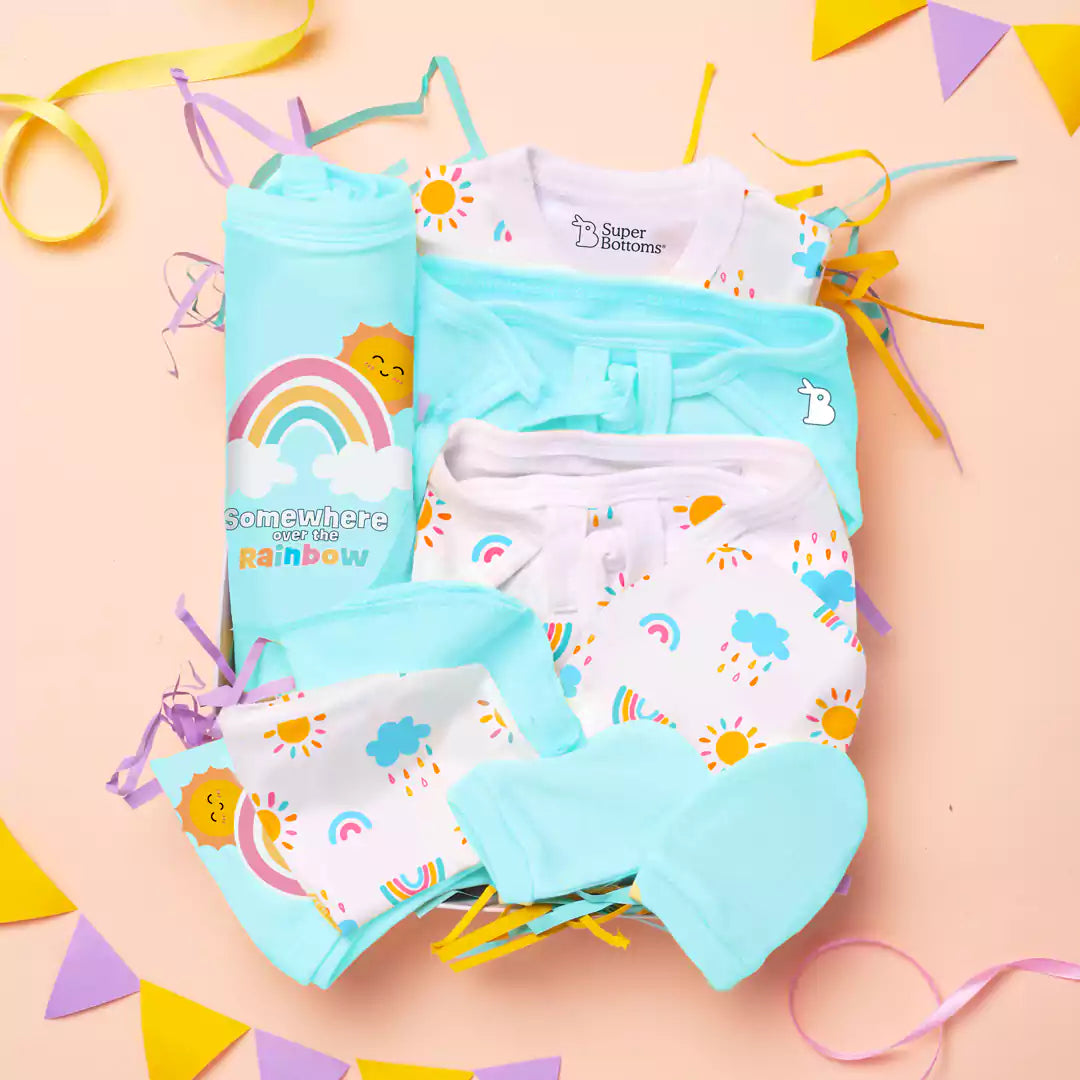
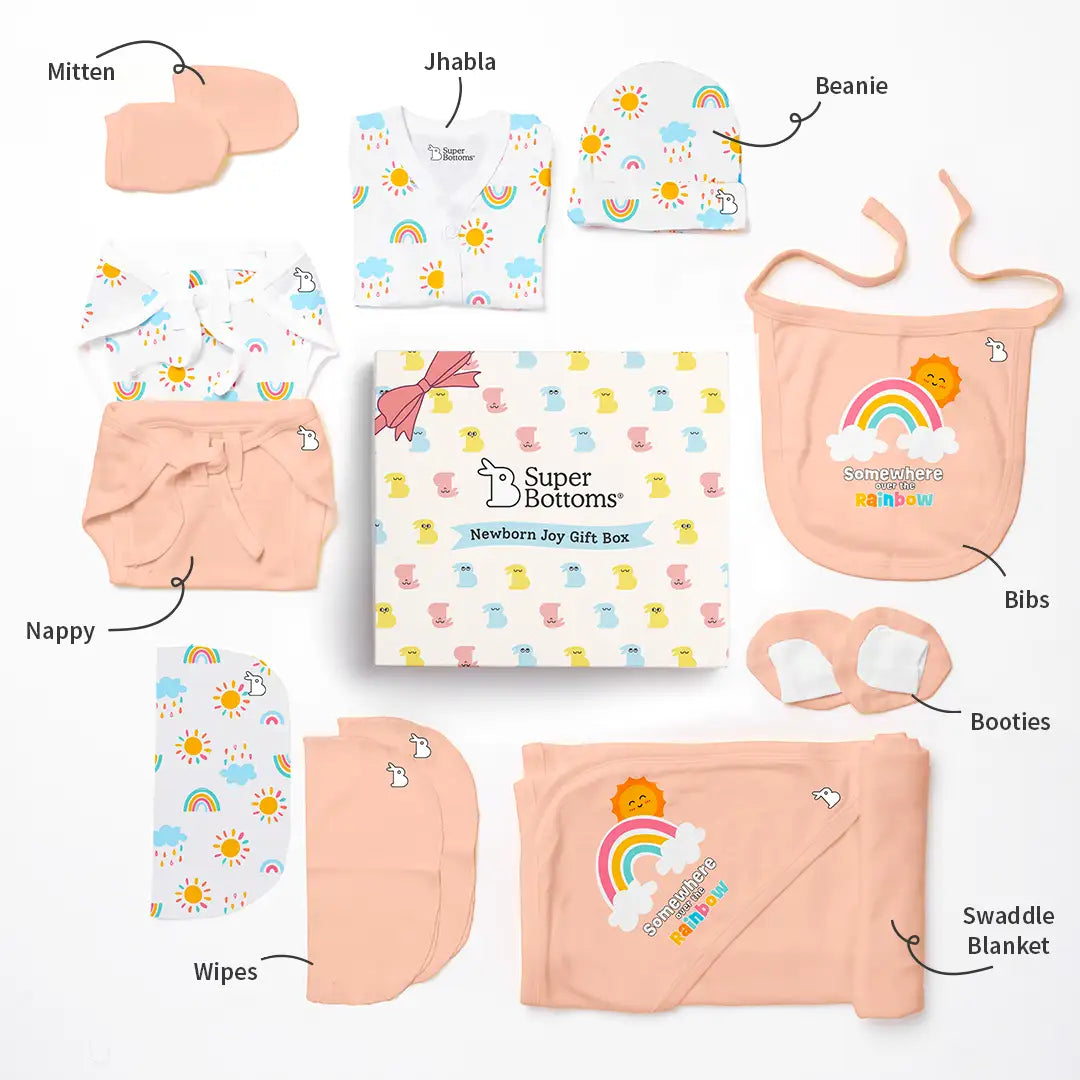
Welcoming a newborn does not mean buying everything labelled “essential.” The most useful newborn baby essentials are the items that support feeding, safe sleep, diapering, clothing, bathing and everyday outings.
A smaller, well-planned setup is often easier to manage and can prevent new parents from spending on products they rarely use.
What Do New Parents Really Need?
The best baby essentials checklist is short and practical. Newborns grow quickly, so avoid overbuying one size. Start with items you will use repeatedly, then add products as your baby's needs become clearer.
What Parents Should Know
Babies need a safe sleep environment, appropriate feeding supplies, frequent diaper changes, comfortable clothing and basic hygiene care. You do not need every nursery gadget or specialised product before bringing your baby home.
1. Feeding essentials
Your feeding setup depends on your feeding method. Useful basics include:
- Burp cloths and soft bibs
- Muslin cloths
- Nursing pillow, if useful for you
- Feeding bottles if needed
- Bottle-cleaning brush and sterilising equipment when bottle feeding
WHO and UNICEF recommend exclusive breastfeeding for the first six months when possible. Families using formula should follow their healthcare provider's preparation and hygiene guidance. (World Health Organization)
2. Safe sleep essentials
A safe sleep space matters more than nursery décor. Start with a cot or bassinet, a fitted sheet and suitable infant sleepwear.
Expert Answer
Place your baby on their back for every sleep, on a firm, flat surface with no pillows, loose blankets, bumpers or soft toys. Keep the baby's sleep space in your room, but separate from your bed. This lowers avoidable sleep risks while keeping your baby close for feeding and monitoring.
3. Diapering essentials
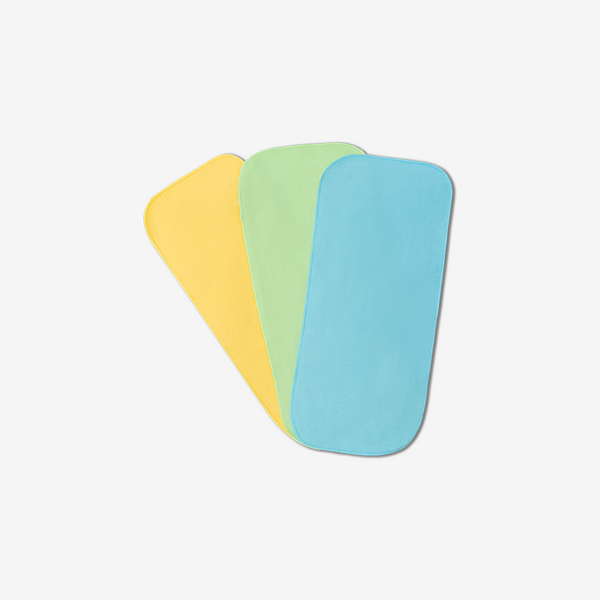
Newborns need frequent changes, so make diapering easy to manage. Keep diapers or cloth nappies, baby wipes, a changing mat, a rash-care product if recommended, spare clothes and a small disposal or wet bag close together.
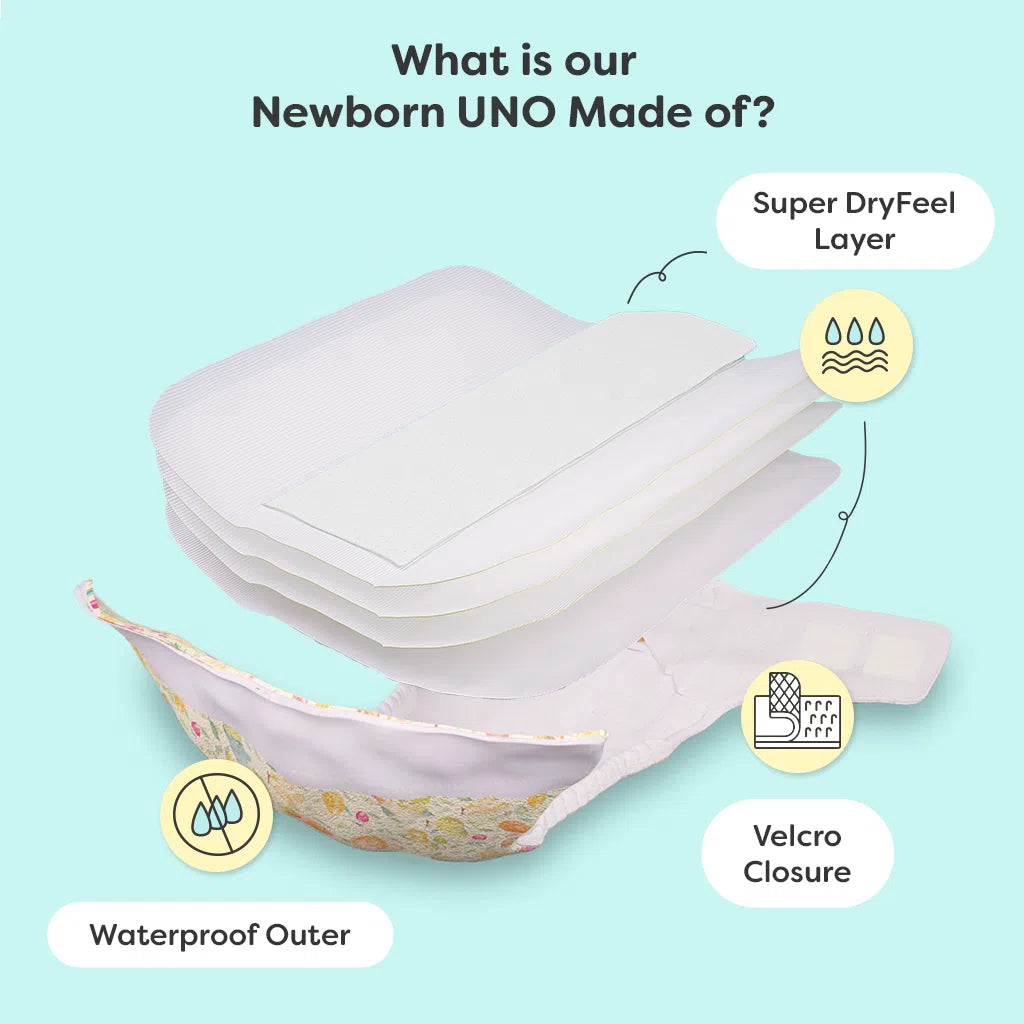
When choosing a diaper, compare fit, skin-contact material, leak protection, absorbency, washing needs and cost per use. Cloth and disposable diapers can both work; the better choice depends on your baby's needs and your family's routine.
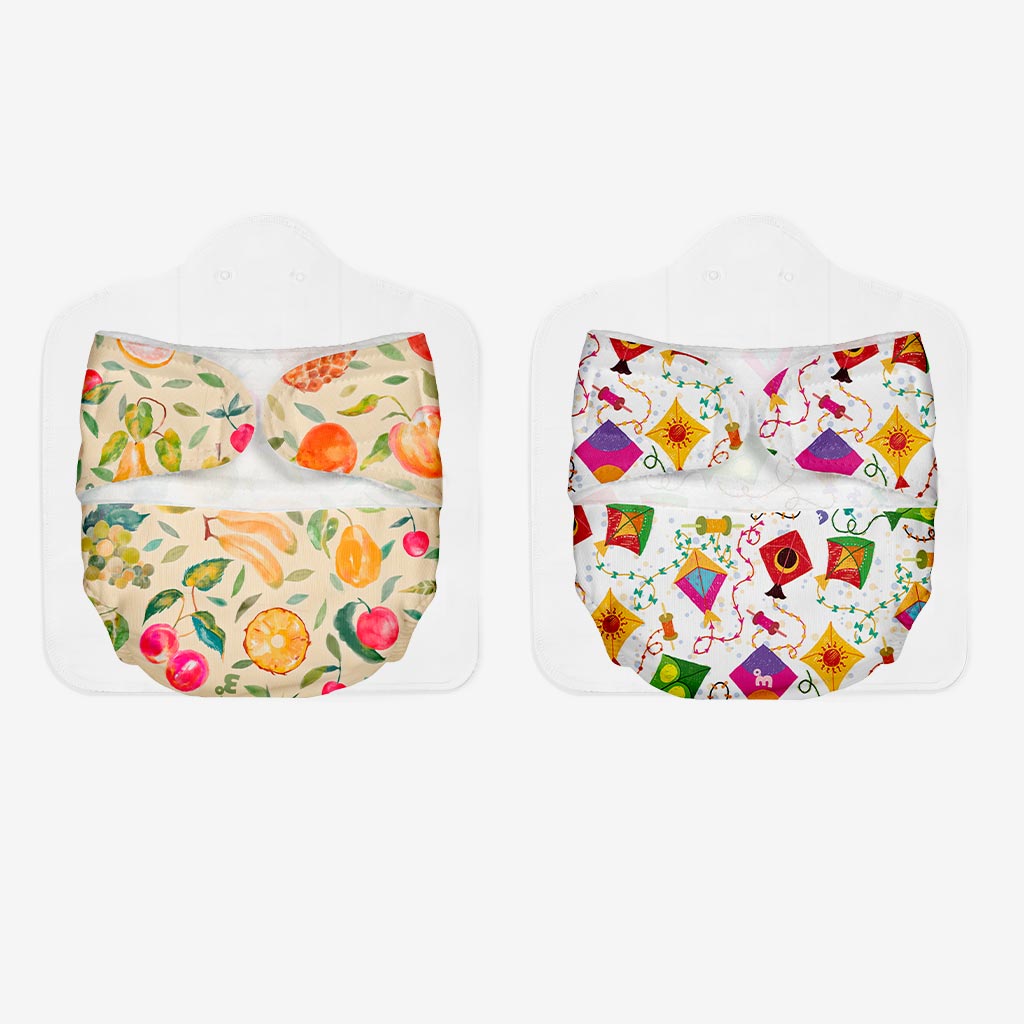
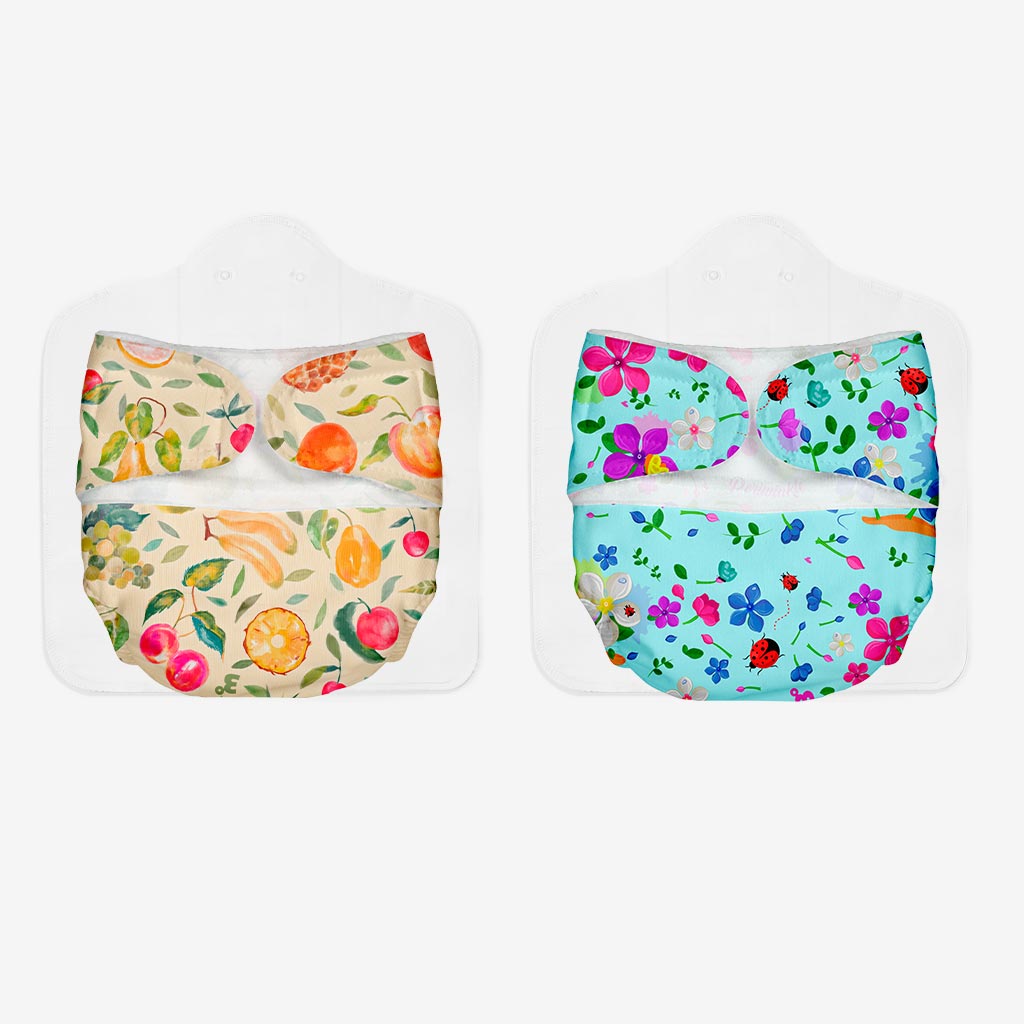
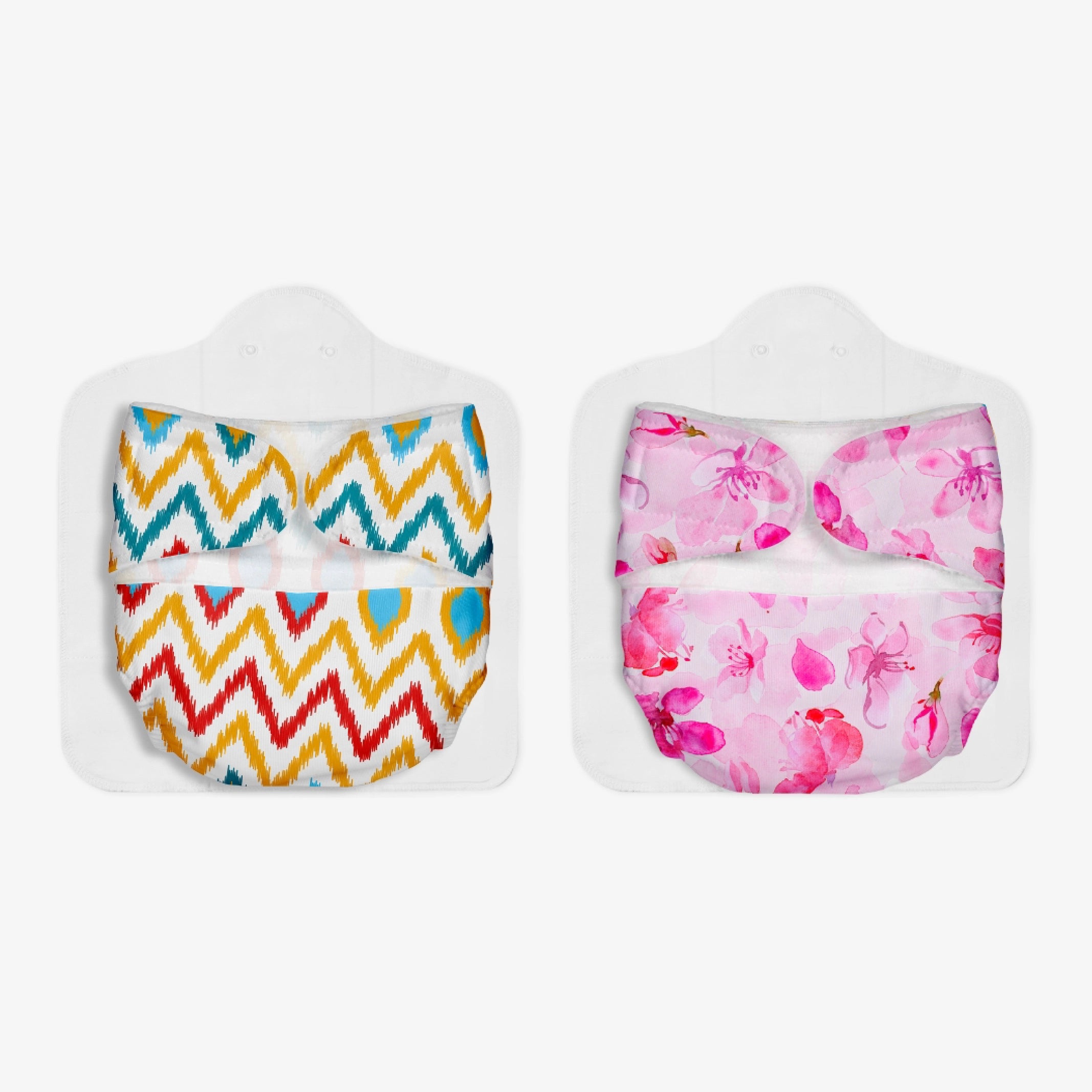
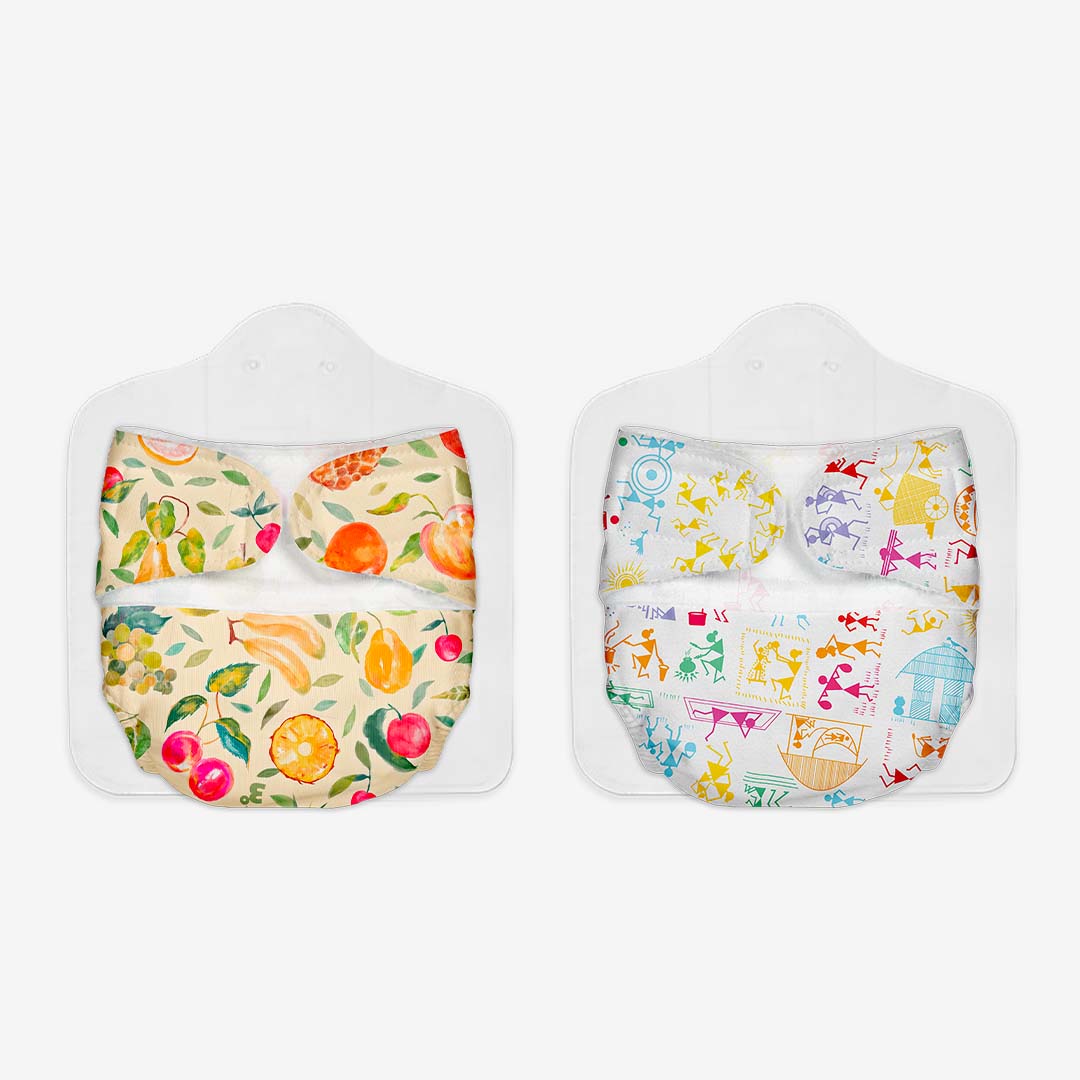
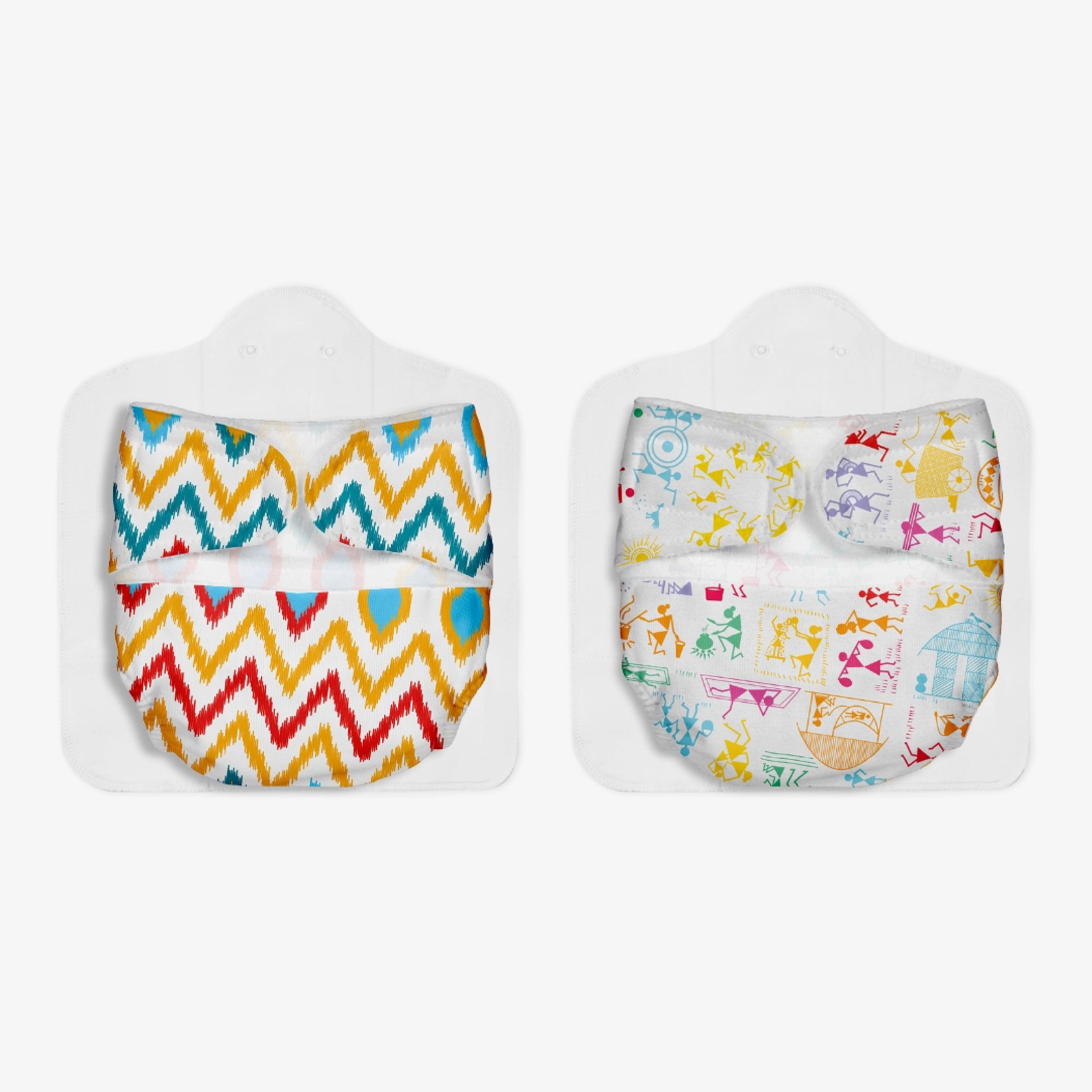
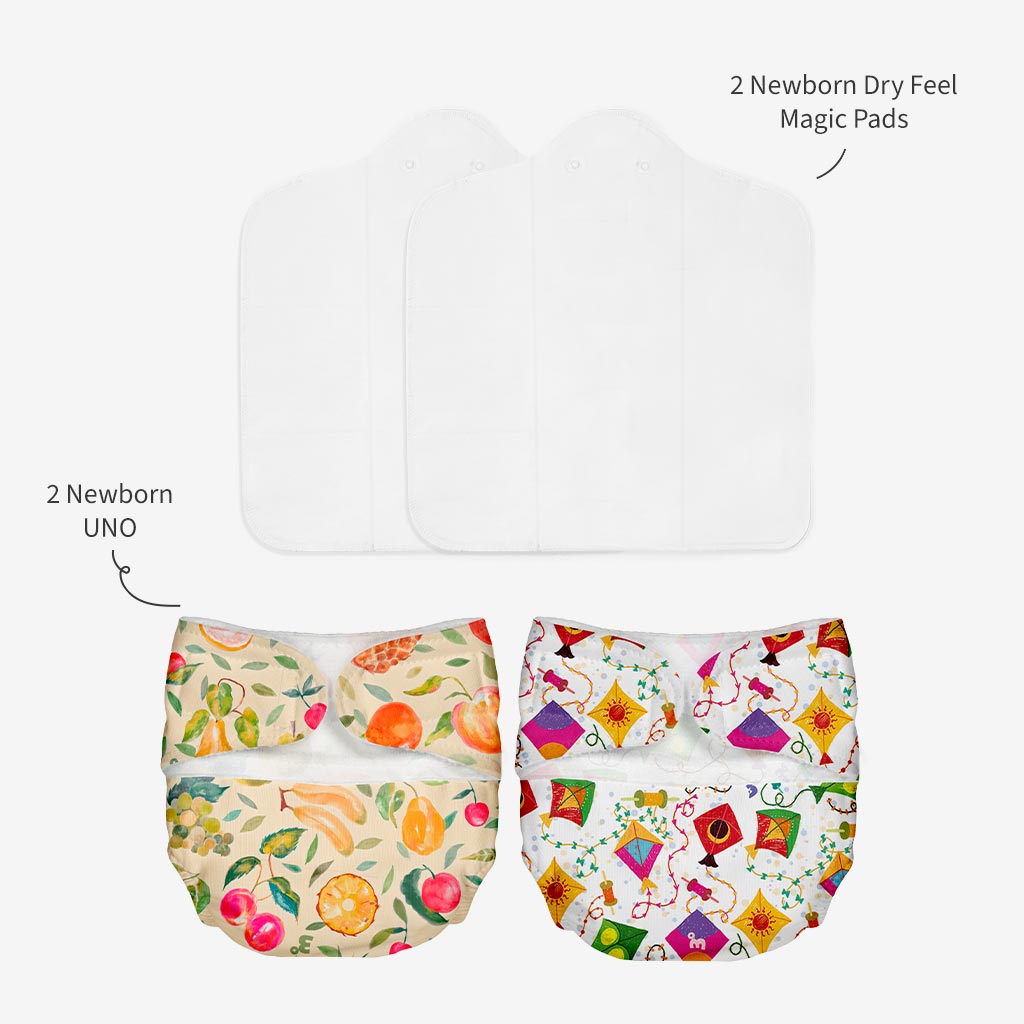
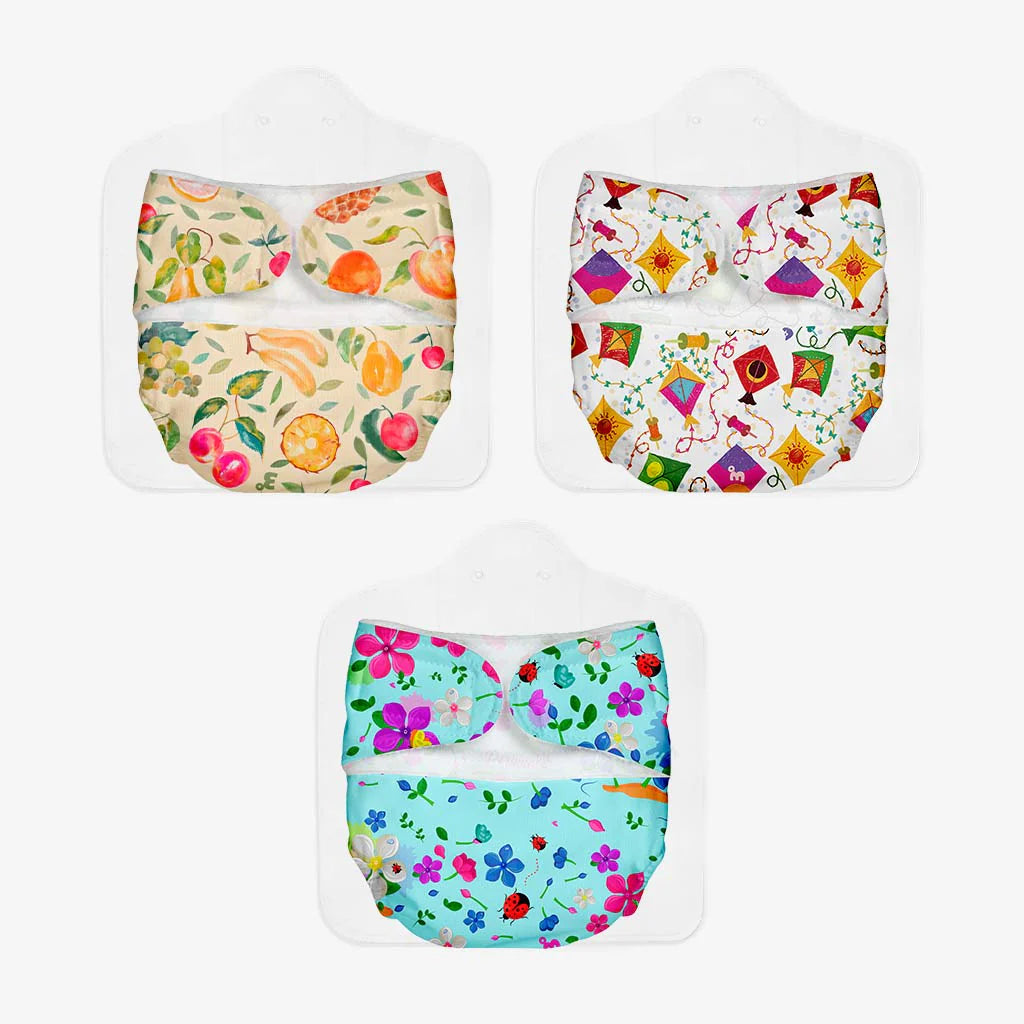
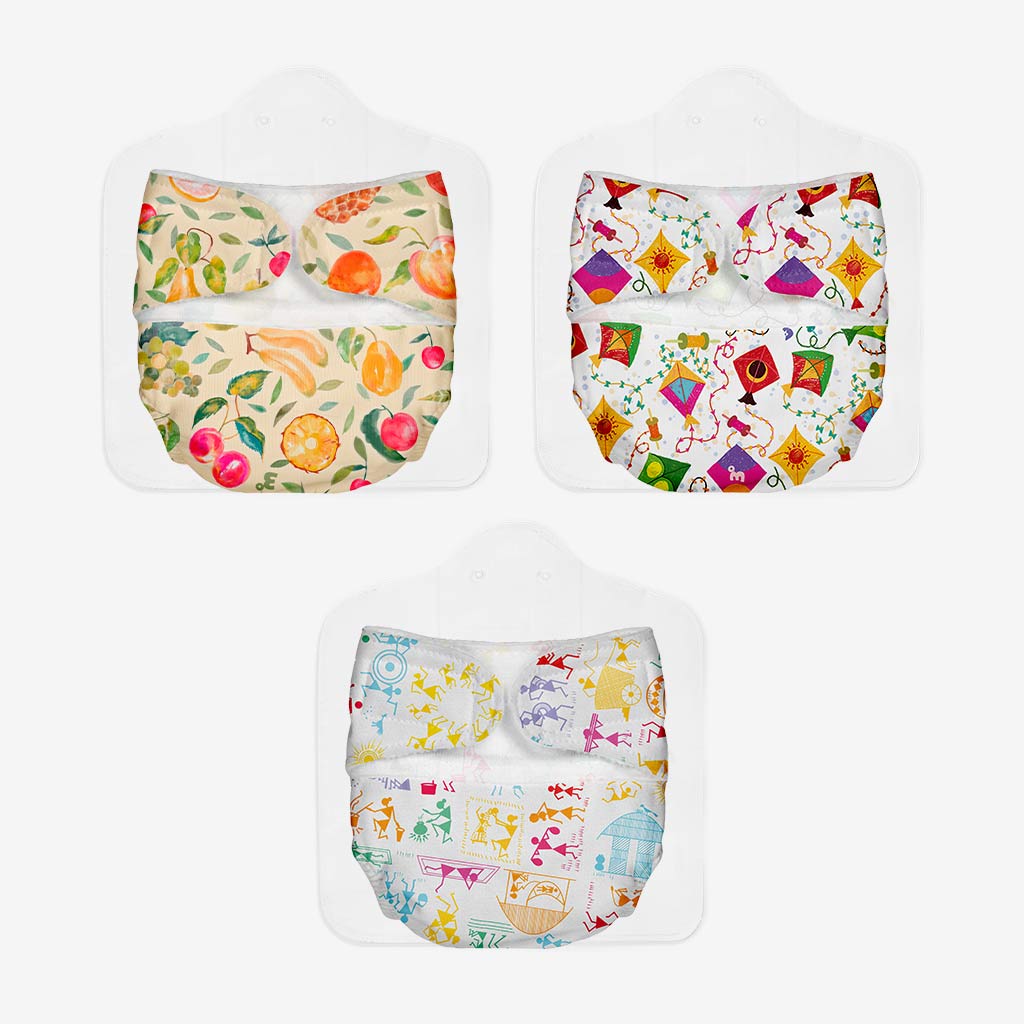
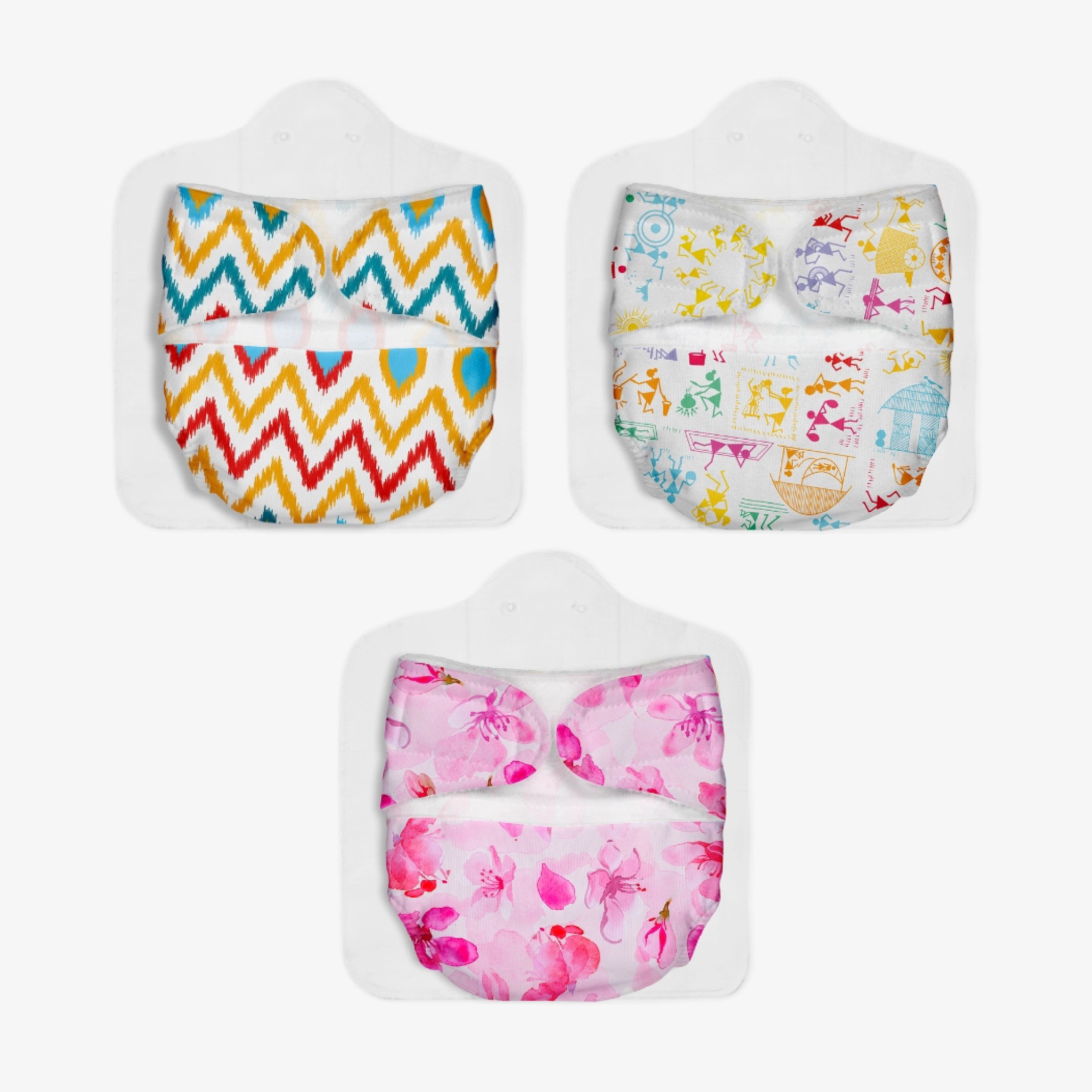
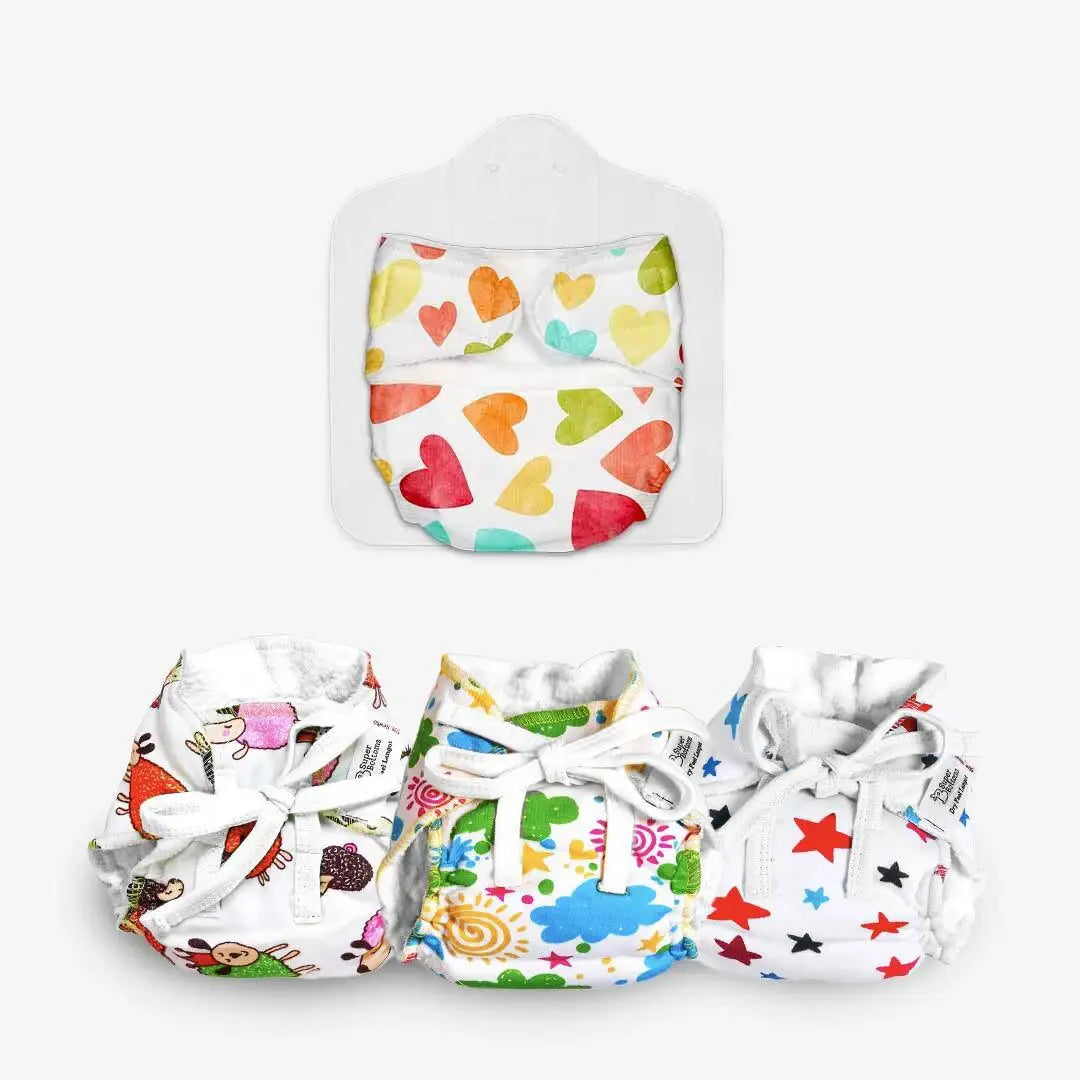
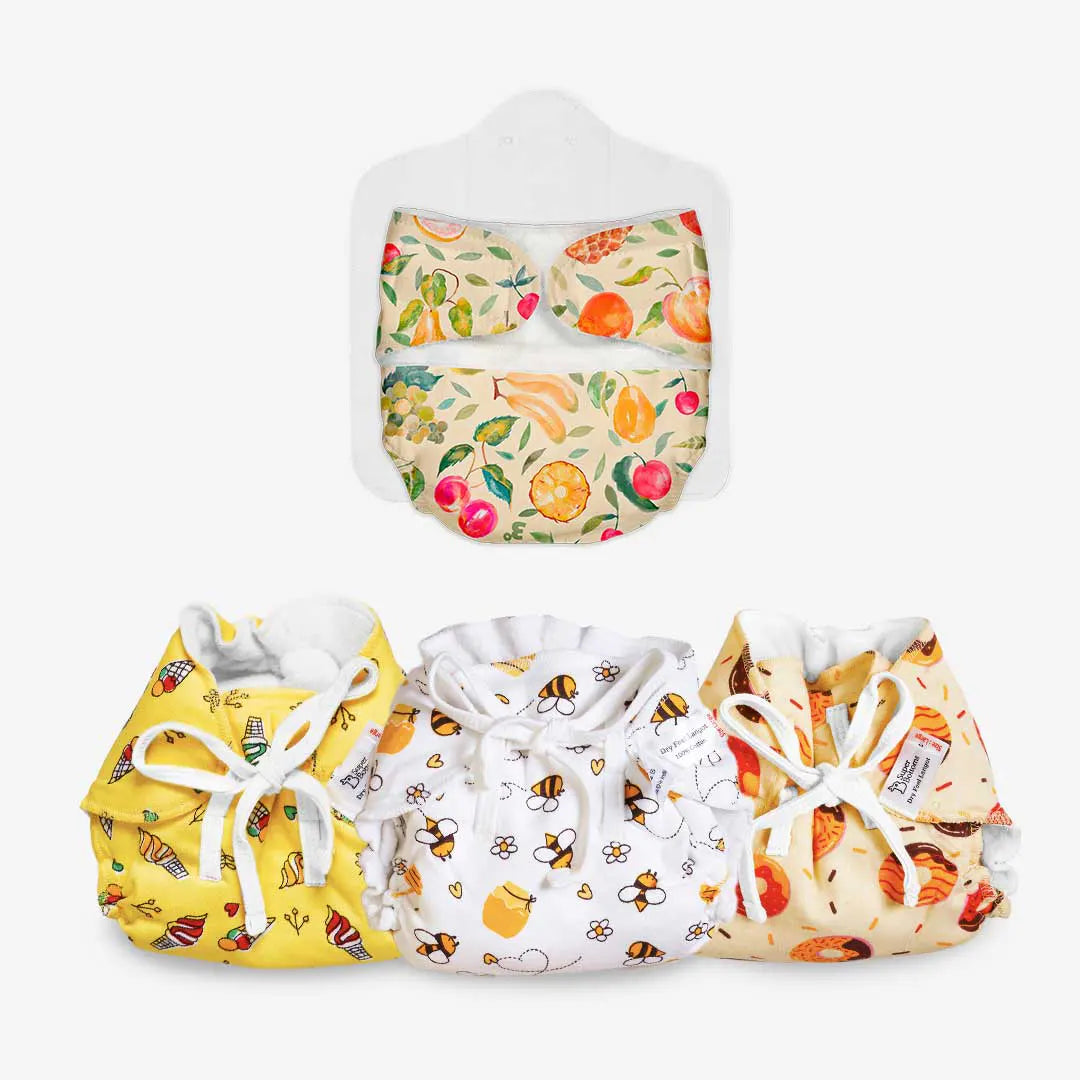
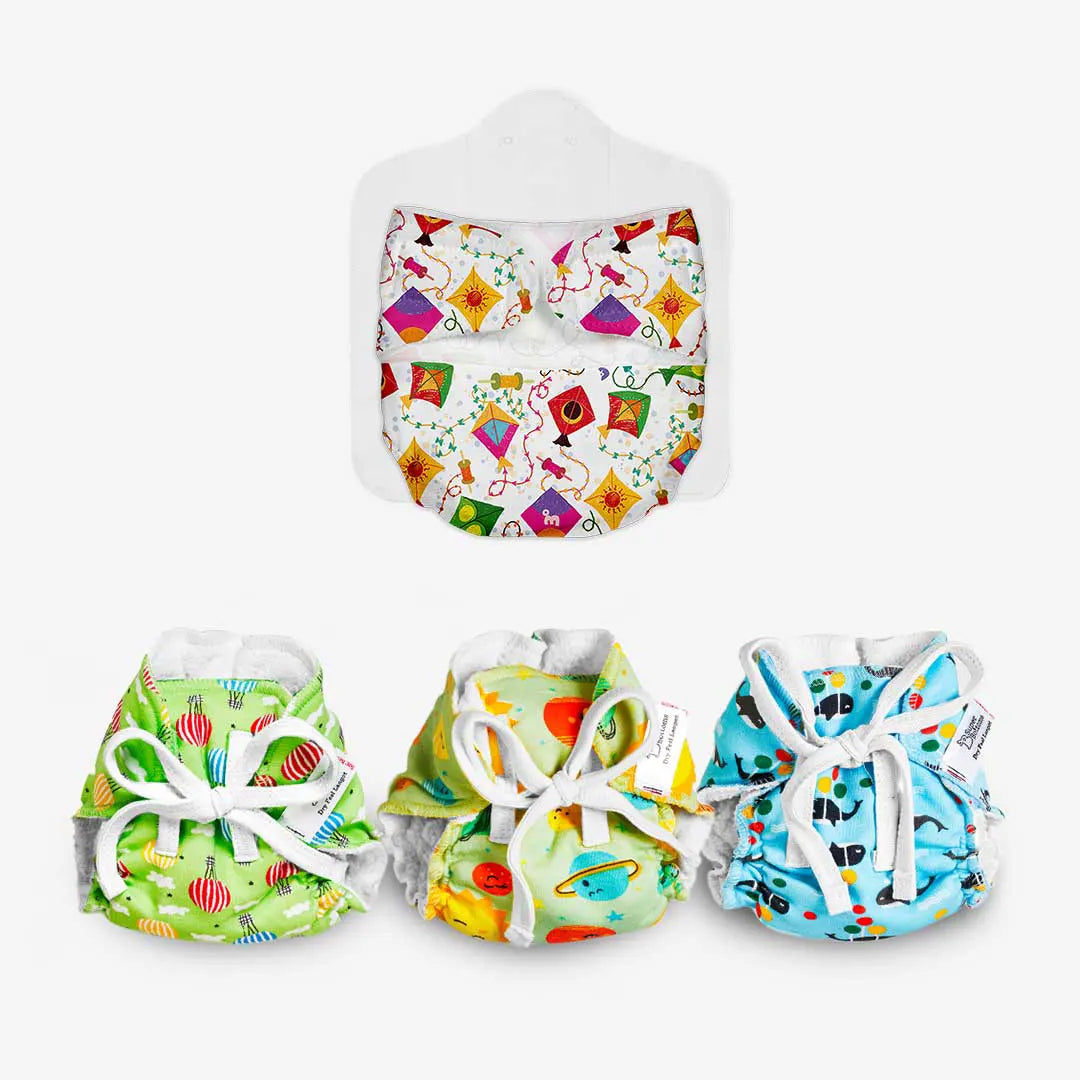
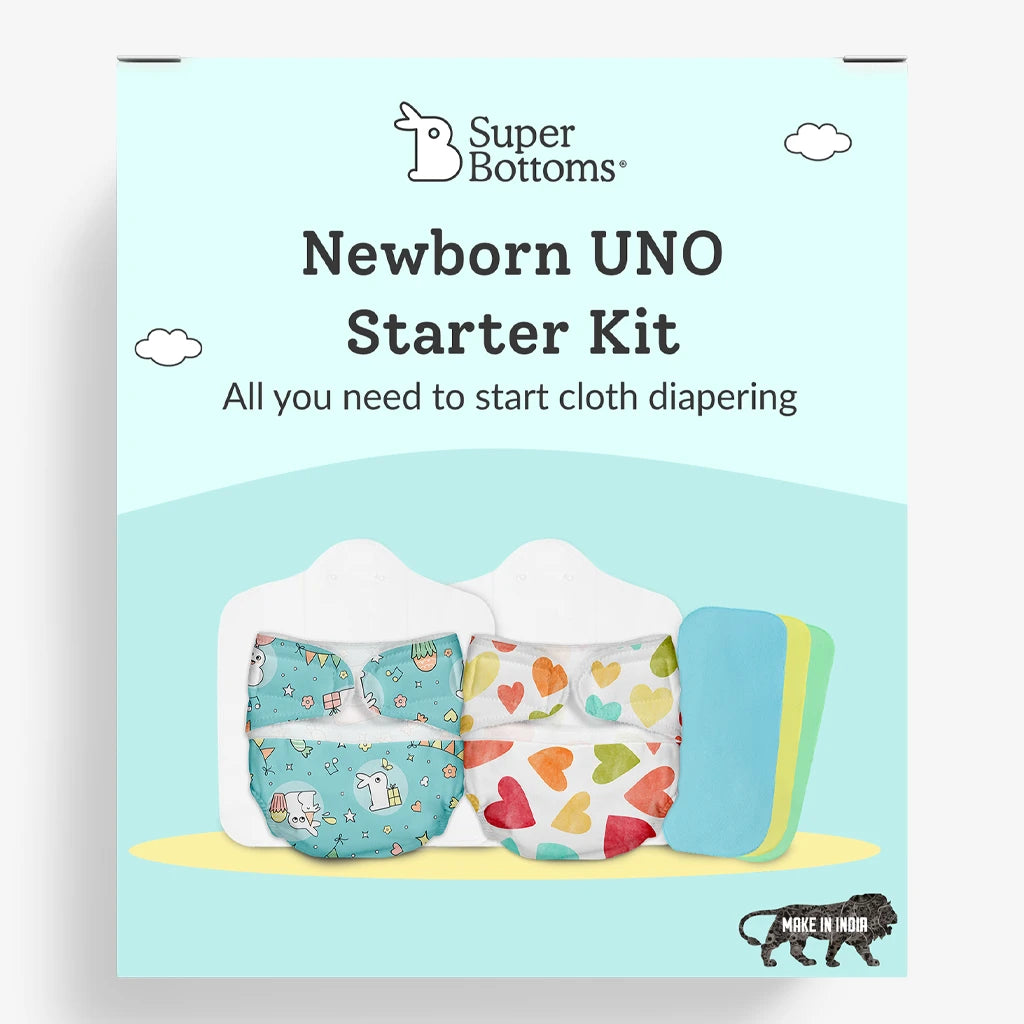
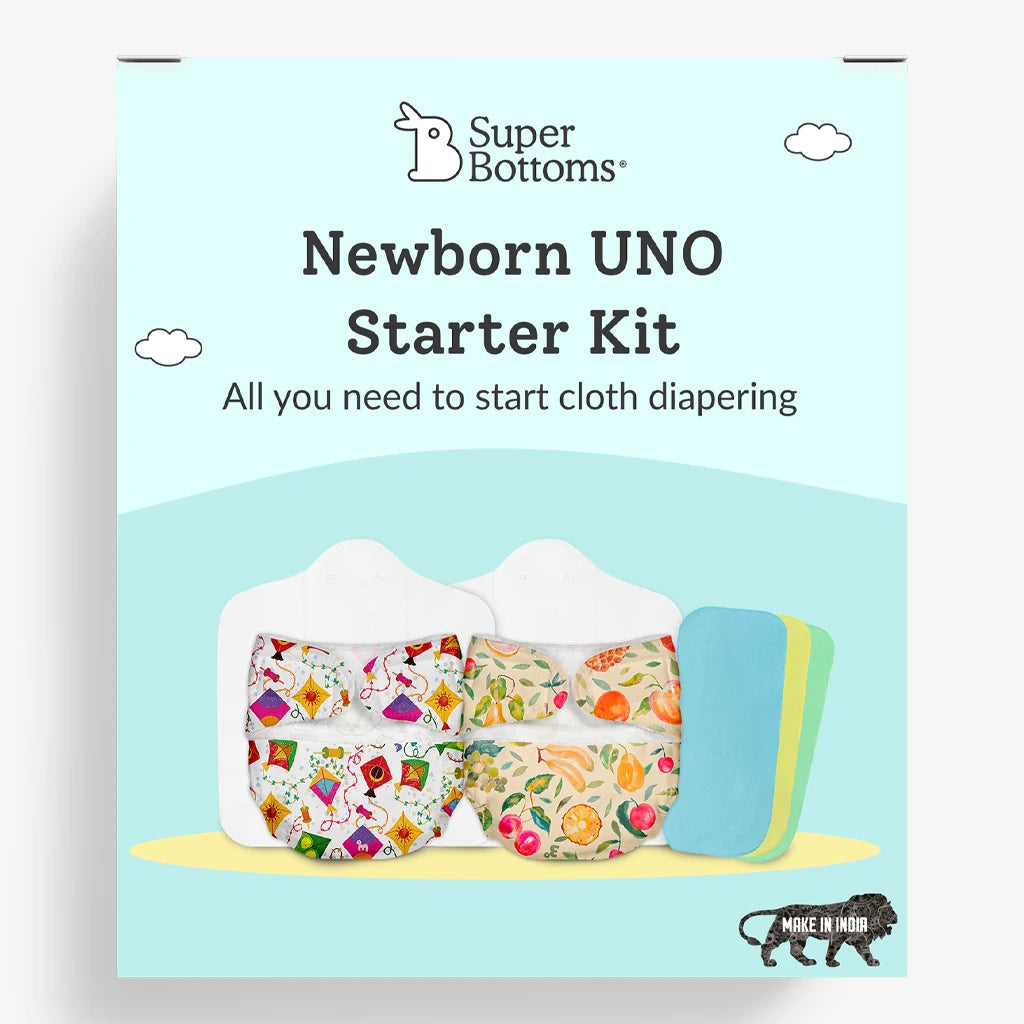
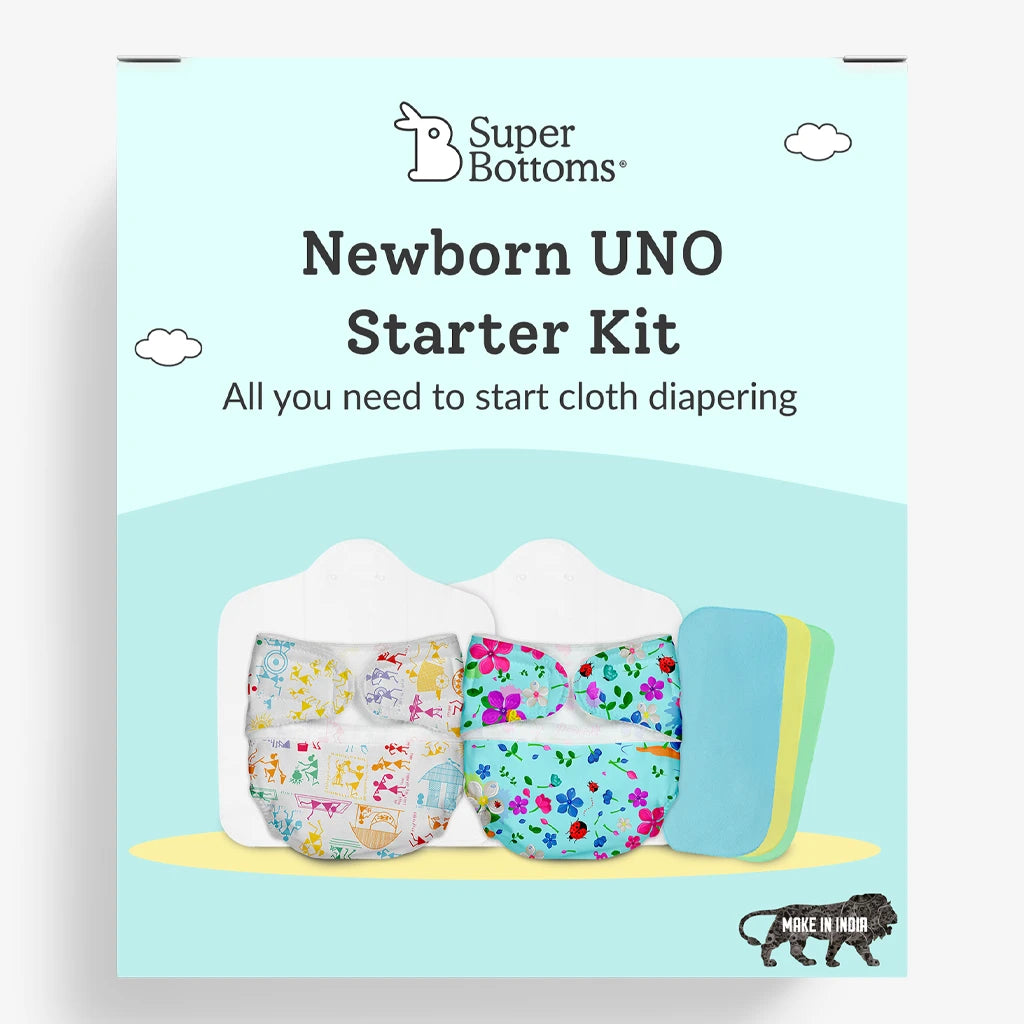
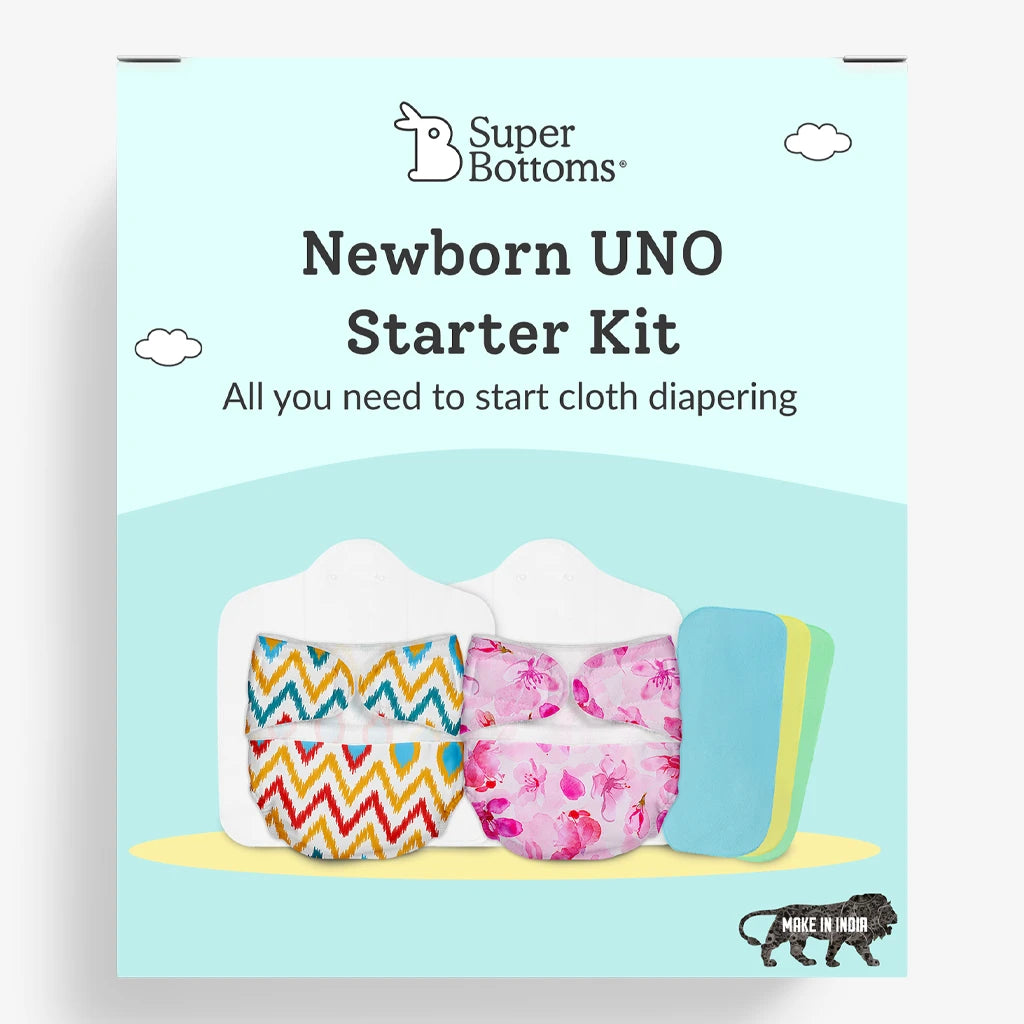
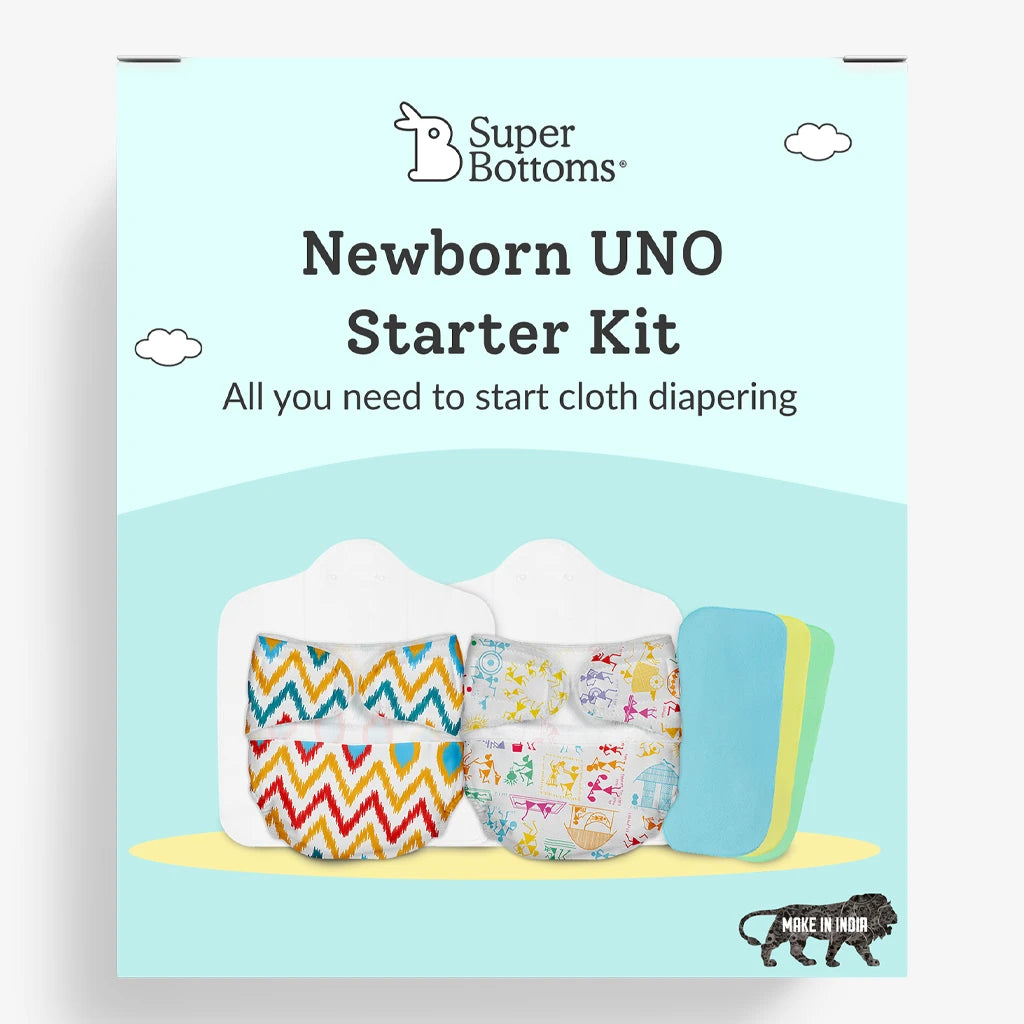
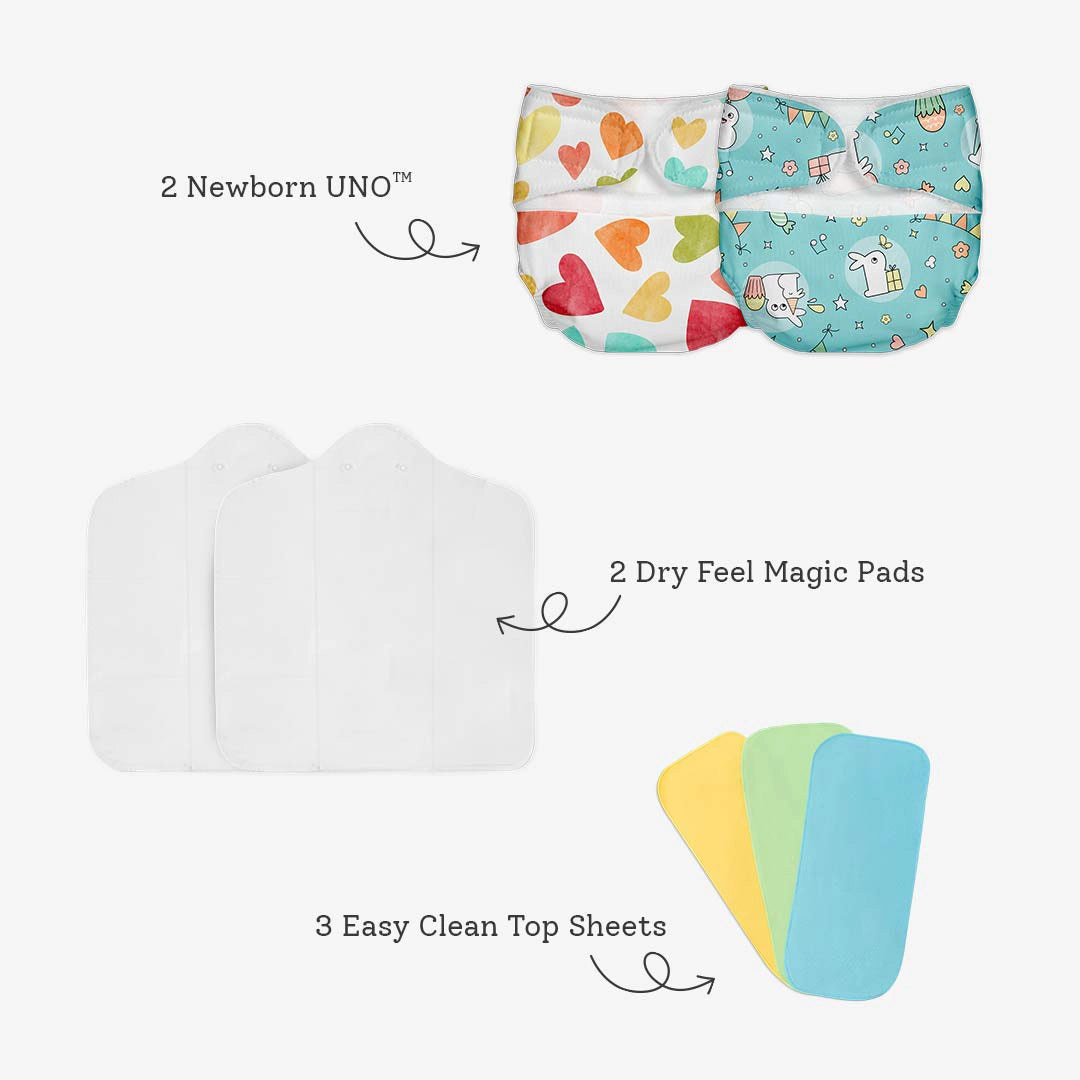
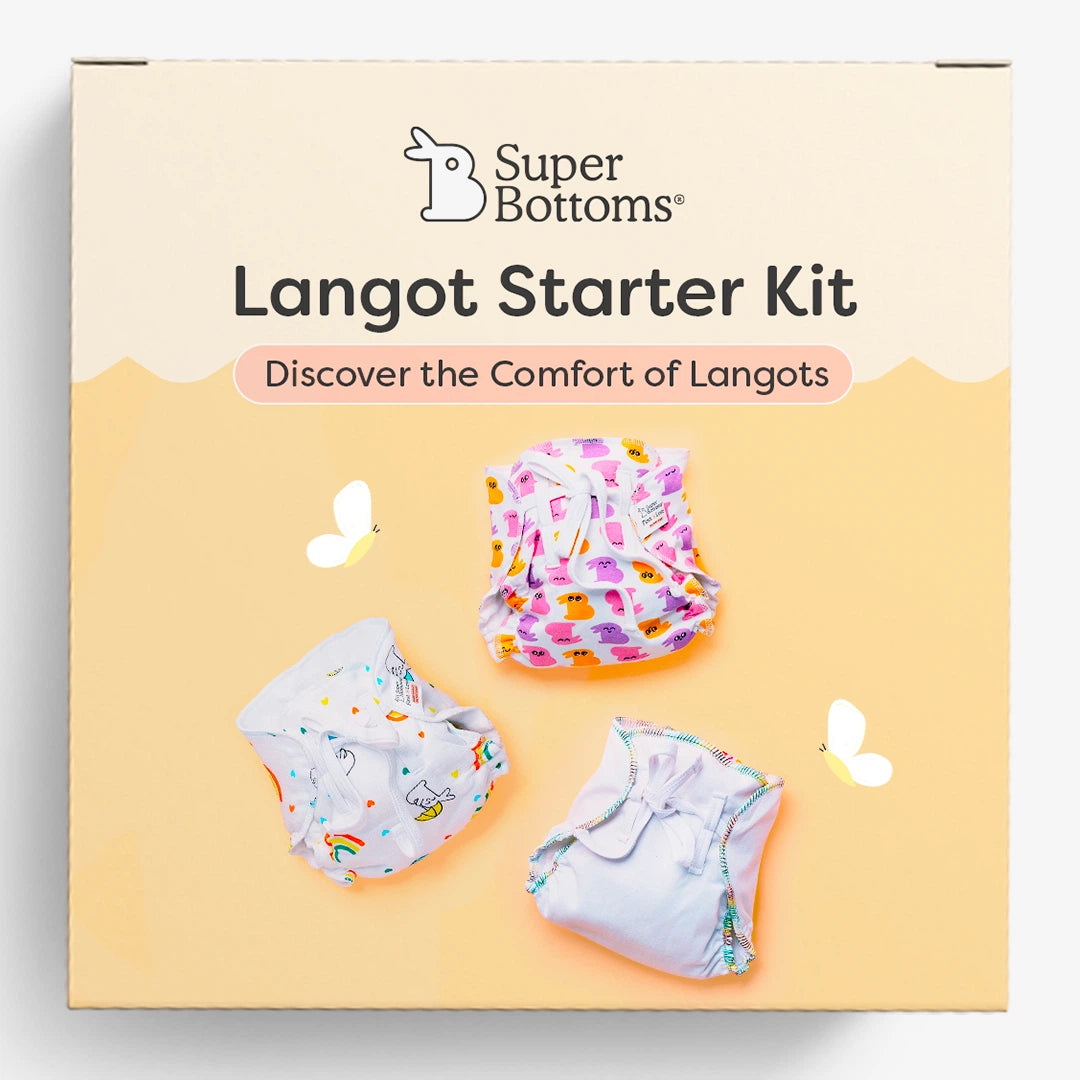
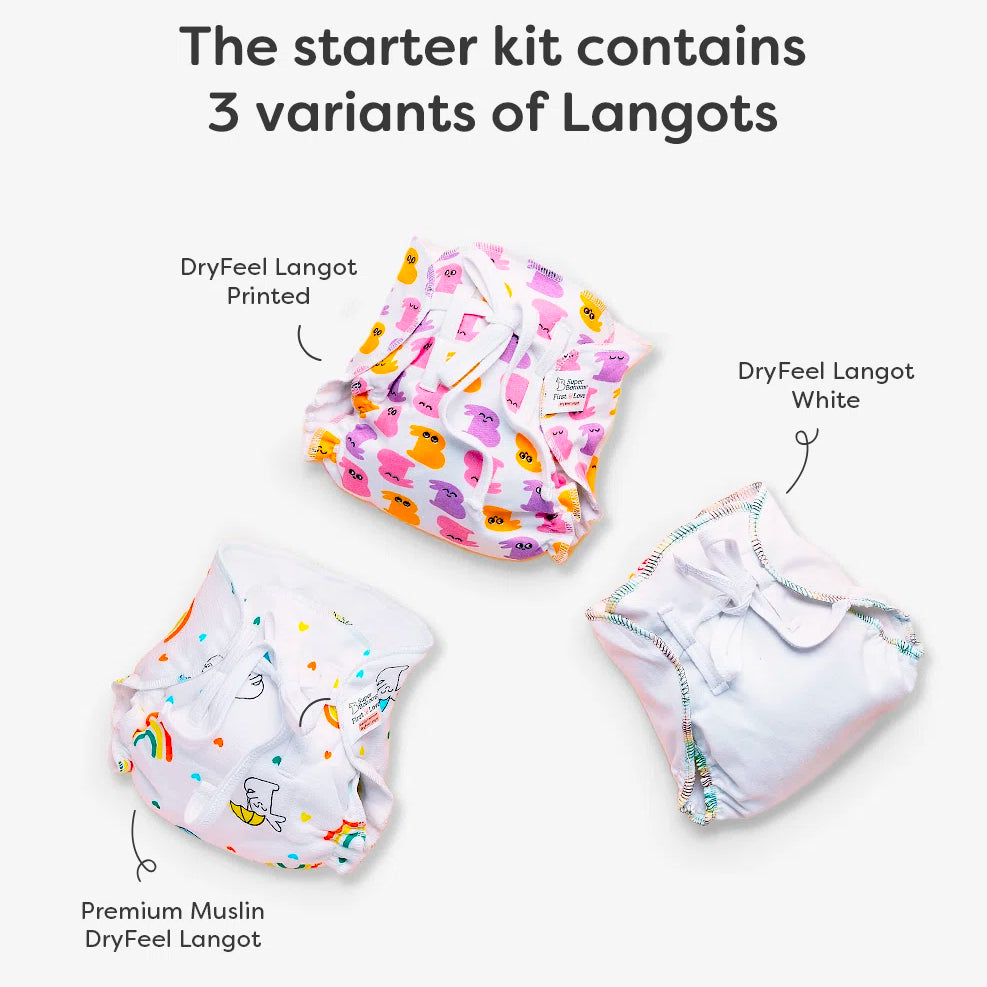
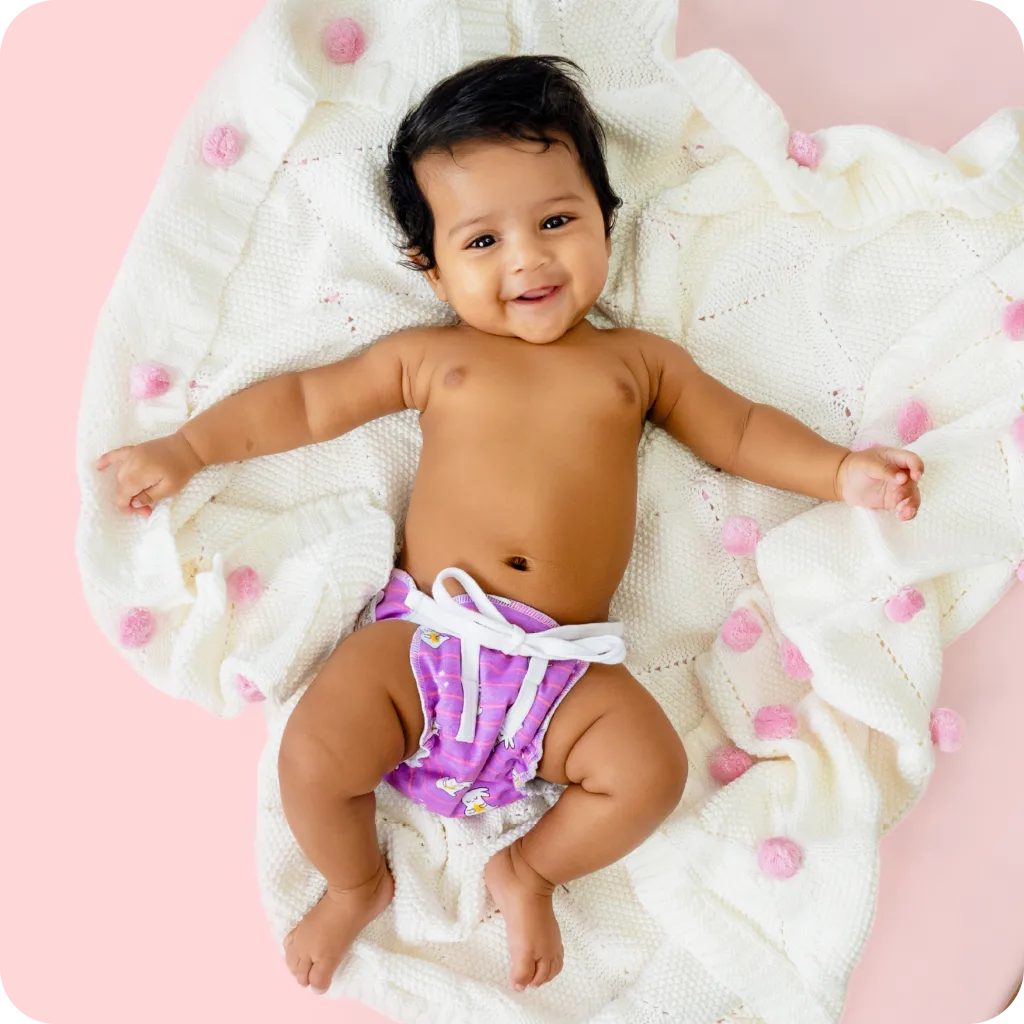
For parents exploring reusable options, SuperBottoms Newborn UNO is designed for the 0–3 month stage. It still requires regular changes and washing.

4. Comfortable newborn clothing
You do not need a large wardrobe. Begin with bodysuits or front-open tops, soft bottoms, sleepwear, socks and weather-appropriate caps.
Choose breathable fabrics, soft seams and easy openings for frequent diaper changes. Avoid loose strings, rough embellishments and tight clothing. Wash new clothes before first use. (HealthyChildren.org)
5. Bath and skin-care basics
Keep bath time simple: a safe bathing area, soft washcloth, towel and a mild, fragrance-free cleanser if needed are usually enough.
Expert Insight
Dr Dipesh Navsaria, MPH, MSLIS, MD, FAAP, advises that newborn bathing should be gentle and brief, with careful attention to warmth and safe handling.
UNICEF also advises keeping a newborn warm during bathing and never leaving a baby unattended in or near water. Until the umbilical area has healed, follow your healthcare provider's guidance on sponge bathing. (UNICEF)
6. Travel and outing essentials
A compact diaper bag is more useful than a heavily packed one. Carry:
- Diapers and wipes
- One or two clothing changes
- Burp cloth and bib
- Changing mat
- Wet bag for soiled items
- Feeding supplies
- Muslin cloth
Which Baby Essentials Should You Buy First?
If your budget is limited, prioritise items by daily use.
|
Category |
Start with |
Can wait |
|---|---|---|
|
Sleep |
Safe sleep space, fitted sheet |
Nursery décor |
|
Feeding |
Burp cloths, chosen feeding supplies |
Large bottle collection |
|
Diapering |
Diapers, wipes, changing surface |
Excess stock |
|
Clothing |
Washable basics, sleepwear |
Many newborn-size outfits |
|
Bathing |
Towel, washcloth, safe bath setup |
Large skincare range |
|
Travel |
Diaper bag, changing mat |
Extra gadgets |
What to Look For
Choose baby products for safety, fit, comfort, washability and actual frequency of use, not because a checklist says you need them.
What Is the Practical Solution?
Problem: New parents often buy too many products before knowing what their baby will actually use.
Solution: Build a small newborn essentials kit around feeding, safe sleep, diapering, clothing, bathing and travel.
Why it helps: A focused setup reduces clutter, repeat spending and last-minute shopping.
For diapering, SuperBottoms' newborn essentials collection includes Newborn UNO, wipes and other newborn-care options. Choose according to your baby's age and your preferred routine.
Parent Checklist
☐ Set up a safe sleep space
☐ Keep feeding supplies ready
☐ Prepare a changing station
☐ Wash newborn clothes before use
☐ Keep bath supplies together
☐ Pack a simple diaper bag
☐ Buy more only after identifying what you use
The smartest baby essentials checklist is not the longest one. Start with safe sleep, feeding, diapering, clothing, bathing and outing basics. Buy gradually and let your baby's routine guide the next purchase.

Key Takeaways
- Start with everyday newborn essentials.
- Prioritise safety, comfort and fit.
- Buy gradually as needs change.
FAQs
What are the most important newborn essentials?
Safe sleep equipment, feeding supplies, diapers, clothing, basic bathing items and a few outing essentials are the practical starting point.
How many newborn clothes should I buy?
Start with a small rotation rather than a large wardrobe. Babies grow quickly, and laundry frequency varies by family.
Are cloth diapers suitable for newborns?
Yes, if they fit correctly, are changed regularly and washed according to the manufacturer's instructions. Newborn-specific sizing can make the fit easier.
What should I avoid buying before the baby arrives?
Avoid excessive newborn-size clothing, large skincare collections and gadgets you may rarely use. Start with items that solve everyday care needs.