






In this article, we will discuss:
- Indian 6-month baby food chart
- Nutritious first foods for babies
- Safe complementary feeding practices
- Sample infant meal schedule
- Healthy Indian baby food recipes
Starting solids is an exciting milestone, but it can also leave parents wondering what to feed their baby, how much to offer and whether the baby is eating enough. A six-month baby food chart can provide structure without making mealtimes stressful.
The key is to introduce varied, nutritious foods gradually while continuing breast milk or infant formula. Your baby is learning how to eat, not just what to eat.
When should you start solids?
Most babies are ready to begin complementary feeding at around six months. Breast milk or infant formula remains essential, but additional foods begin supplying nutrients that a growing baby increasingly needs. The World Health Organization recommends introducing complementary foods at six months while continuing breastfeeding up to two years or beyond.
Look for developmental signs that your baby can manage food safely:
- Sits upright with good head and neck control.
- Coordinates their eyes, hands and mouth to explore objects.
- Swallows food rather than consistently pushing it out with the tongue.
Expert guidance
World Health Organisation (WHO) recommends introducing complementary foods at around six months, alongside continued breastfeeding. Food consistency and variety should progress according to the infant’s developmental abilities. Babies born prematurely or those with feeding or developmental difficulties may need individualised guidance from their paediatrician.
What foods can a 6-month-old eat?
A six-month-old can try soft, well-cooked and mashed versions of familiar Indian foods. Prioritise variety and nutrient-rich meals rather than relying only on fruit purees or thin rice water.
|
Food group |
Suitable first foods |
|
Cereals and grains |
Soft rice, ragi porridge, oats, well-cooked wheat porridge |
|
Pulses and protein |
Mashed moong dal, well-cooked lentils, soft mashed beans |
|
Vegetables |
Pumpkin, carrot, potato, sweet potato |
|
Fruits |
Banana, ripe papaya, steamed apple, pear |
|
Other nutritious foods |
Plain full-fat yoghurt, well-cooked egg, smooth thinned nut butter |
Introduce foods in developmentally appropriate textures, and include iron-rich options such as pulses, iron-fortified infant cereal and well-cooked egg where suitable. Breast milk or formula should continue alongside solids.
What parents should know
There is no single food that every baby must eat first. A varied diet, appropriate textures and responsive feeding matter more than following a rigid sequence of fruits before vegetables.
6-month baby food chart for Indian babies
The following sample 6-month baby food chart offers two to three small meals daily, with breast milk or infant formula continuing according to your baby's needs. Adjust the timing to your household routine; this is a guide, not a compulsory timetable.
|
Approximate time |
Food suggestion |
Preparation |
|
Early morning |
Breast milk or infant formula |
Usual feed |
|
Breakfast |
Mashed banana or soft ragi porridge |
Smooth and spoonable |
|
Mid-morning |
Breast milk or infant formula |
Follow hunger cues |
|
Lunch |
Rice and moong dal khichdi |
Cook until soft; mash well |
|
Afternoon |
Breast milk or infant formula |
Usual feed |
|
Evening, if hungry |
Steamed pumpkin or sweet potato mash |
Soft, lump-free to start |
|
Bedtime |
Breast milk or infant formula |
Usual bedtime routine |
At the beginning, your baby may eat only a few spoonfuls. Gradually increase the quantity according to appetite and ability. Some babies will need time to accept new tastes and textures.
How many meals should a six-month-old eat?
WHO guidance recommends two to three complementary meals daily for babies aged 6–8 months. Begin with small amounts and increase gradually, while continuing breast milk or formula. Follow your baby's hunger and fullness cues rather than trying to finish a fixed portion.

Healthy Indian baby food recipes
These simple recipes use familiar ingredients and can be adapted to your baby's texture and feeding ability.
1. Moong dal khichdi
Cook rice and yellow moong dal with sufficient water until very soft. Mash thoroughly and serve a small portion without added salt or chilli. As your baby develops eating skills, gradually offer a thicker texture.
2. Ragi porridge
Cook ragi flour thoroughly in water, stirring to avoid lumps. Adjust the consistency to make it easy to swallow. Avoid adding sugar or honey; breast milk or prepared formula can be incorporated appropriately if needed.
3. Fruit mash
Mash ripe banana or papaya until soft. For apple or pear, steam until tender before mashing. Serve fresh and avoid adding sugar.
4. Vegetable mash
Steam pumpkin, carrot or sweet potato until completely tender. Mash with a fork, adding a little clean water if needed. Rotate vegetables rather than offering the same one every day.
Feeding tip: As your baby becomes comfortable with eating, gradually progress beyond very smooth purees to thicker mashed textures. Food should match your baby's developmental ability.
Foods to avoid and feeding safety
Not every food suitable for adults is suitable for a six-month-old. Preparation, texture and hygiene are as important as the ingredient itself.
- No honey before 12 months: It can cause infant botulism.
- Avoid added salt and sugar: Let your baby experience the natural flavours of food.
- No choking hazards: Avoid whole nuts, whole grapes, hard raw vegetables, popcorn and hard chunks of food. Nuts should only be offered in a safe form, such as smooth nut butter thinned into food.
- Avoid cow's milk as the main drink before 12 months: Plain yoghurt may be introduced earlier if appropriate.
- Avoid unpasteurised dairy, raw eggs and undercooked meat or fish.
- Practise safe food handling: Wash hands and utensils, cook foods thoroughly and refrigerate leftovers promptly.
These precautions align with guidance from the Centres for Disease Control and Prevention on introducing solid foods and reducing choking and foodborne illness risks.
What about food allergies?
Introduce common allergens in age-appropriate forms, one at a time so you can recognise a reaction. Examples include well-cooked egg and smooth peanut butter mixed into food. Do not offer whole nuts.
If your baby has severe eczema, an existing food allergy or a history suggesting increased allergy risk, ask your paediatrician about introducing peanut and other allergens. Seek emergency care for breathing difficulty, tongue or throat swelling, or collapse after eating.
What should parents look for during feeding?
A good feeding routine focuses on your baby's comfort, nutrition and willingness to explore food.
- Follow hunger cues: Your baby may open their mouth, lean towards food or reach for the spoon.
- Recognise fullness: Turning away, closing the mouth or losing interest can mean your baby has had enough.
- Never force-feed: Offer food patiently and try another day again if it is refused.
- Keep your baby upright: Feed in a stable, upright position and supervise every mouthful.
- Introduce textures gradually: Let your baby's feeding skills develop instead of keeping every meal as a thin puree.
UNICEF India also recommends nutritious home-cooked complementary foods, good hygiene and responsive feeding practices. See its guide to complementary feeding for parents and caregivers.
How can you make feeding less messy?
Starting solids often means food on the high chair, clothes, floor and diaper. A few practical preparations can make cleanup more manageable without distracting you from your baby's feeding cues.
Choose a washable bib, keep a clean cloth handy and use a dedicated bowl and spoon. Dress your baby in comfortable clothes that can be changed easily after meals.
If food spills or dribbles reach your baby's clothes, change them when needed and gently clean the skin. Keep the diaper area clean and dry, especially if food spills or a dirty diaper cause irritation.
💡 SuperBottoms Pick: Waterproof bibsWaterproof bibs from SuperBottoms are worth considering if you want a practical layer to help protect your baby's clothing during meals. Pair them with a washable feeding setup and age-appropriate utensils. A bib helps manage spills; it does not replace supervision or safe feeding practices. |
Parent checklist
Before each meal, check that you have:
- Prepared soft, age-appropriate food.
- Washed your hands and cleaned the feeding utensils.
- Seated your baby upright and securely.
- Checked the food's temperature and texture.
- Allowed your baby to decide how much to eat.
- Stored or discarded leftovers safely.
- Noted any possible reaction to a newly introduced food.
A six-month baby food chart is a starting point, not a rulebook. Offer small, varied portions of nutritious Indian foods, introduce textures gradually, practise safe feeding and continue breast milk or infant formula. If you have concerns about allergies, feeding difficulties or your baby's growth, seek personalised advice from your paediatrician.

Key takeaways
- Start complementary feeding around six months when your baby is developmentally ready.
- Offer varied, nutritious foods in safe textures without force-feeding.
- Follow your baby's cues and continue breast milk or infant formula.
Frequently asked questions
1. Which Indian foods can I give my six-month-old baby first?
You can start with soft rice, moong dal, ragi porridge, mashed banana, steamed apple, pumpkin or sweet potato. Offer small portions in a texture your baby can manage safely.
2. Can a six-month-old baby drink water?
Once complementary feeding begins at around six months, small sips of clean water can be offered with meals. Breast milk or infant formula remains the main source of milk nutrition.
3. Should I give my six-month-old baby food for weight gain?
Focus on nutrient-rich foods, including pulses, iron-fortified cereals, eggs where suitable and energy-rich foods in age-appropriate forms. If your baby is gaining weight poorly, consult your paediatrician instead of trying to increase portions or using special weight-gain foods without guidance.
4. What should I do if my baby refuses solid food?
Stay calm, stop if your baby shows fullness and offer the food again another day. If refusal persists or you notice difficulty swallowing, repeated coughing during meals or concerns about growth, consult your paediatrician.
Message from SuperBottoms
Hi there, new parents! SuperBottoms brings you doctor-recommended cloth diapers, a trusted rash-free diapering solution specially designed for your baby's sensitive, delicate skin.
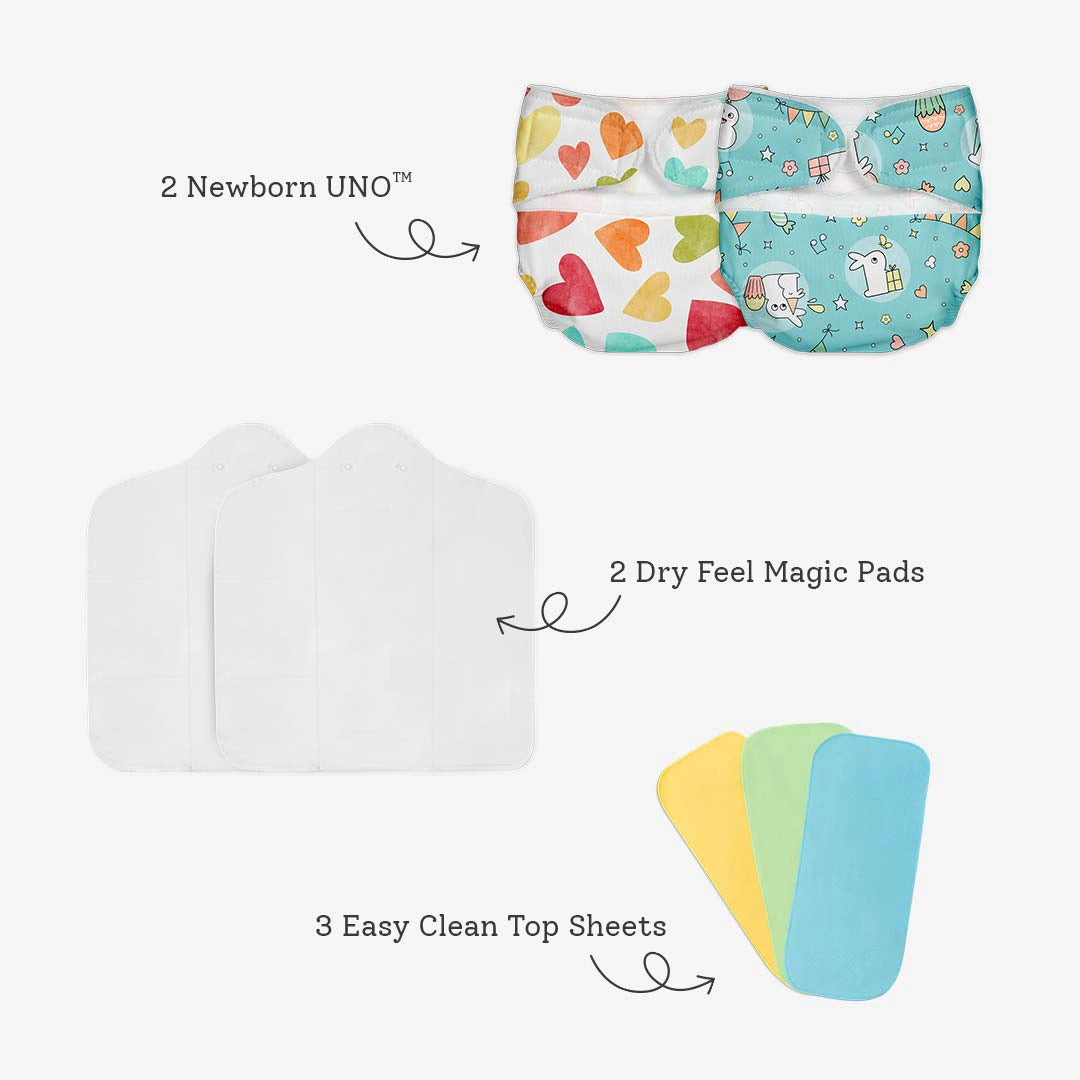
From Newborn UNO and Regular UNO to UNO Luxe, SuperBottoms offers reusable diapering solutions for every stage of your child's growth.
Our range also includes Diaper Pants, DryFeel langots for diaper-free time, Padded Underwear for potty training, as well as SuperSoft Underwear, Cycling Shorts and Joggers for growing kids.
Our collection also includes Period Underwear and bladder-leak solutions for women, along with everyday baby-care essentials.
SuperBottoms products also make thoughtful gifts for babies and new parents - practical, reusable and designed around the real needs of parents.
SuperBottoms products are now available on Amazon, Flipkart, FirstCry, Myntra, Nykaa, Blinkit, and Zepto.