






About Shyamala Sathiaseelan (Author)

Shyamala Sathiaseelan is a Lactation Counsellor and parenting coach who supports clients from pre-pregnancy counselling through informed birthing choices, lactation, parenting, and up to menopause.
Breastfeeding concerns are common in the early months of motherhood, especially when parents worry about low milk production. Understanding how to increase breast milk supply involves frequent feeding, proper hydration, rest, effective latching, and reducing unnecessary stress. Many mothers can improve milk production naturally with small daily changes and the right feeding support. Choosing baby-friendly essentials that reduce leaks, discomfort, and frequent outfit changes can also make breastfeeding easier and more sustainable.
- Why Does Breast Milk Supply Decrease?
- What Are the Signs of Low Milk Supply?
- How Can I Increase Breast Milk Supply Naturally?
- Which Foods Help Increase Breast Milk Supply?
- Does Pumping Help Produce More Milk?
- What Should Parents Know About Cluster Feeding?
- What Should I Look for When Choosing Breastfeeding-Friendly Baby Essentials?
- Comparison Table: Feeding Support Options for New Parents
- Expert Advice for Improving Milk Supply
- Key Takeaways
- FAQs
- Message from SuperBottoms
Why Does Breast Milk Supply Decrease?
Breast milk production works on a supply-and-demand cycle. The more milk removed from the breast, the more milk the body usually produces. Temporary dips in supply are common and can happen because of:
- Infrequent feeding
- Poor latch
- Stress and exhaustion
- Dehydration
- Hormonal changes
- Supplementing excessively with formula
- Returning to work
- Illness or certain medications
In India, many new mothers also face pressure from traditional pregnancy myths and postpartum advice that may unintentionally disrupt feeding routines.
Expert Answer
Low milk supply is often temporary and manageable. In many cases, improving feeding frequency and correcting latch issues helps restore production within a few days.
What Are the Signs of Low Milk Supply?
Many parents assume their milk supply is low when the baby cries frequently, but crying alone is not always a sign of hunger.
Possible indicators include:
- Fewer wet diapers
- Poor weight gain
- Baby seeming sleepy during feeds
- Very short or very long feeding sessions
- Breasts consistently feeling full and uncomfortable
- Reduced pumping output over time
However, pumping less milk does not always mean the body is producing less.
What Parents Should Know
Newborn feeding patterns vary widely. Cluster feeding, growth spurts, and comfort nursing are normal and do not automatically indicate insufficient milk supply.
How Can I Increase Breast Milk Supply Naturally?
The most effective way to increase breast milk supply naturally is to feed or pump more frequently. Consistency matters more than quick fixes.
1. Breastfeed Frequently
Feed your baby every 2–3 hours, including at night if needed. Skin-to-skin contact also encourages milk production hormones.
2. Improve Baby's Latch
A shallow latch can reduce milk transfer and leave breasts insufficiently emptied. If breastfeeding feels painful, consult a lactation expert.
3. Stay Hydrated and Nourished
New mothers need extra fluids and balanced meals rich in protein, healthy fats, iron, and calcium.
4. Prioritise Rest
Lack of sleep and stress may affect milk production hormones. Even short naps and shared caregiving can help.
5. Try Power Pumping
Power pumping mimics cluster feeding and may help stimulate milk production.
Expert Answer
Milk supply usually improves when milk removal improves. Frequent nursing combined with proper breast emptying is considered one of the most evidence-based methods for increasing supply.
Which Foods Help Increase Breast Milk Supply?
No single food guarantees higher milk production, but some foods are traditionally associated with lactation support.
Common foods include:
- Oats
- Fenugreek
- Fennel seeds
- Garlic
- Leafy greens
- Nuts and seeds
- Whole grains
Indian postpartum diets often include gond laddoos, ajwain water, and methi-based meals for recovery and nourishment.
What Parents Should Know
A healthy overall diet matters more than any one "magic" food. Sudden restrictive diets after delivery can affect maternal energy levels and breastfeeding confidence.
Does Pumping Help Produce More Milk?
Yes, pumping can help maintain or increase supply, especially for working mothers or babies with feeding difficulties.
To improve results:
- Pump after feeds
- Use the correct flange size
- Maintain a regular schedule
- Avoid skipping sessions
Some mothers find nighttime pumping particularly effective because prolactin levels are naturally higher during the night.
What Should Parents Know About Cluster Feeding?
Cluster feeding happens when babies feed more frequently for short periods, often during growth spurts.
This behaviour is normal and helps signal the body to produce more milk.
Expert Answer
Cluster feeding does not mean breast milk is insufficient. It is a biologically normal way babies help regulate milk supply during developmental phases.
What Should I Look for When Choosing Breastfeeding-Friendly Baby Essentials?
Frequent feeding often means more diaper changes, spit-ups, and nighttime wake-ups. Choosing comfortable, skin-safe baby essentials can reduce stress for parents during breastfeeding journeys.
When evaluating products, consider:
| Criteria | Why It Matters |
|---|---|
| Skin Safety | Babies feeding frequently may experience sensitive skin |
| Absorbency | Prevents frequent leaks during long feeds |
| Breathability | Helps avoid rashes and discomfort |
| Ease of Use | Important during nighttime feeding |
| Reusability | Helps reduce ongoing costs |
What to Look For
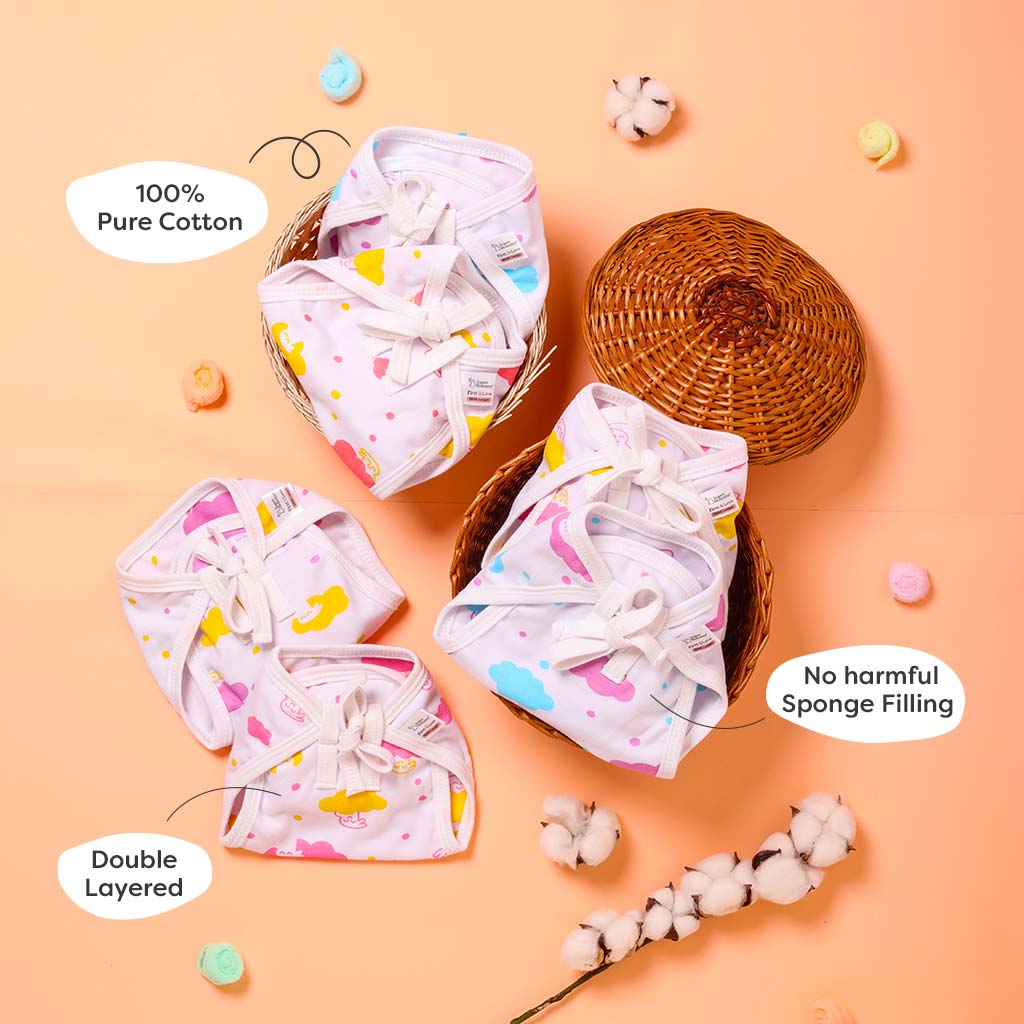
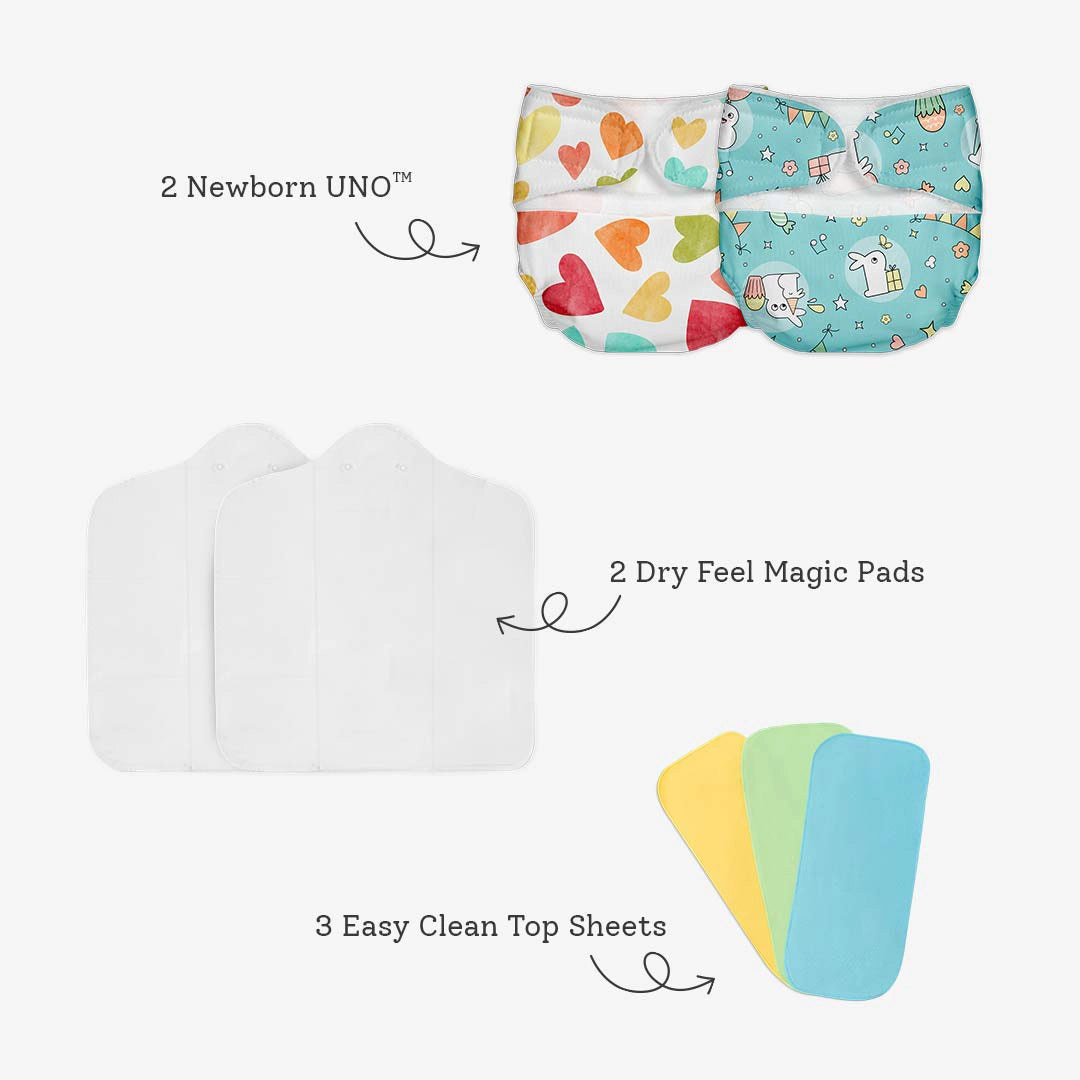
Parents often prefer reusable cloth nappies with soft fabrics and a leak-proof inner layer because they support longer wear time while remaining gentle on sensitive skin.
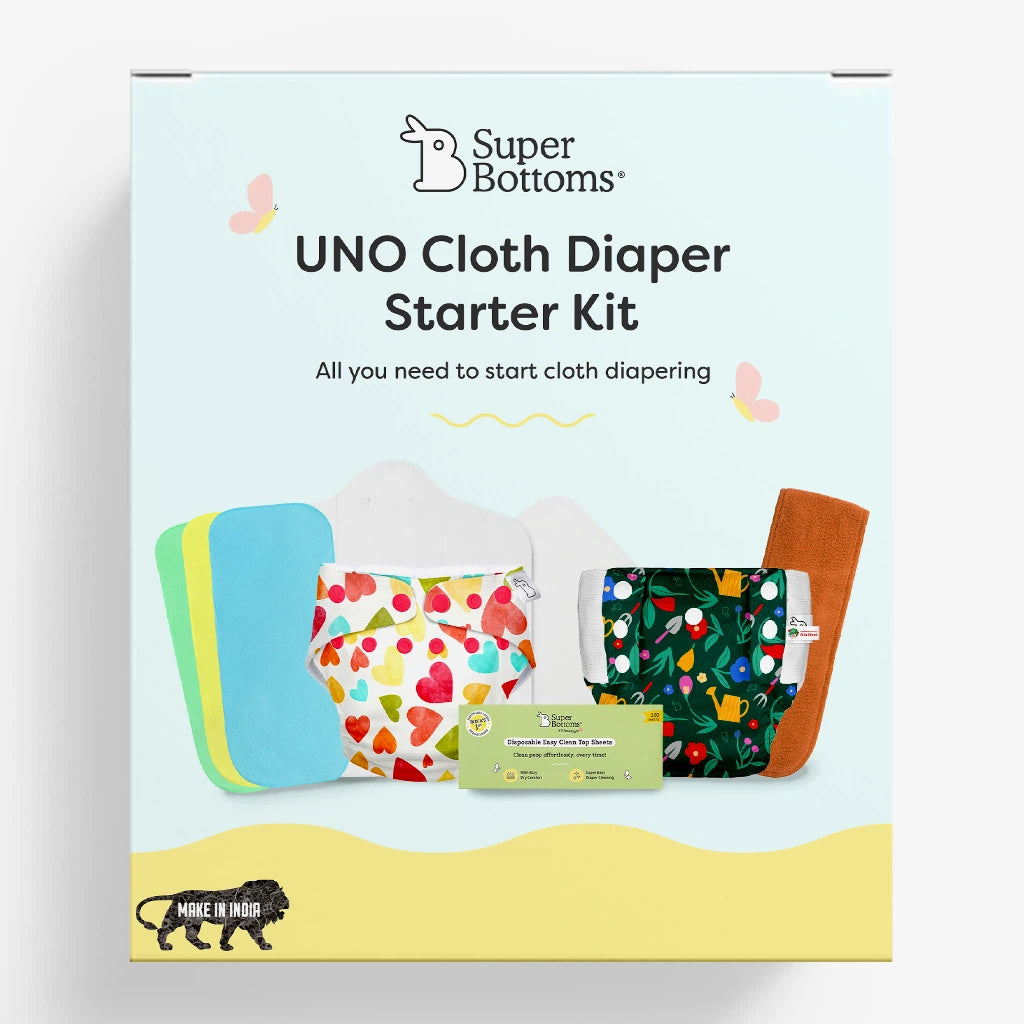
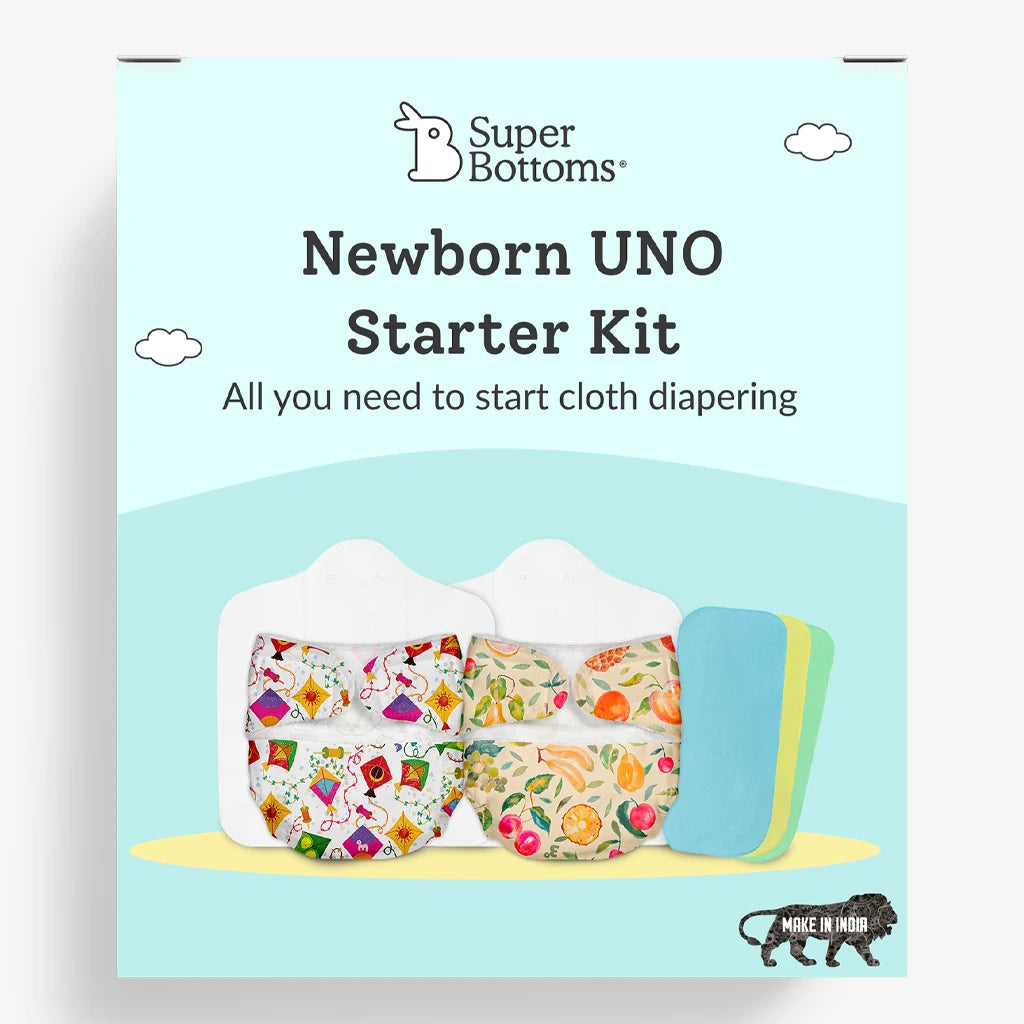
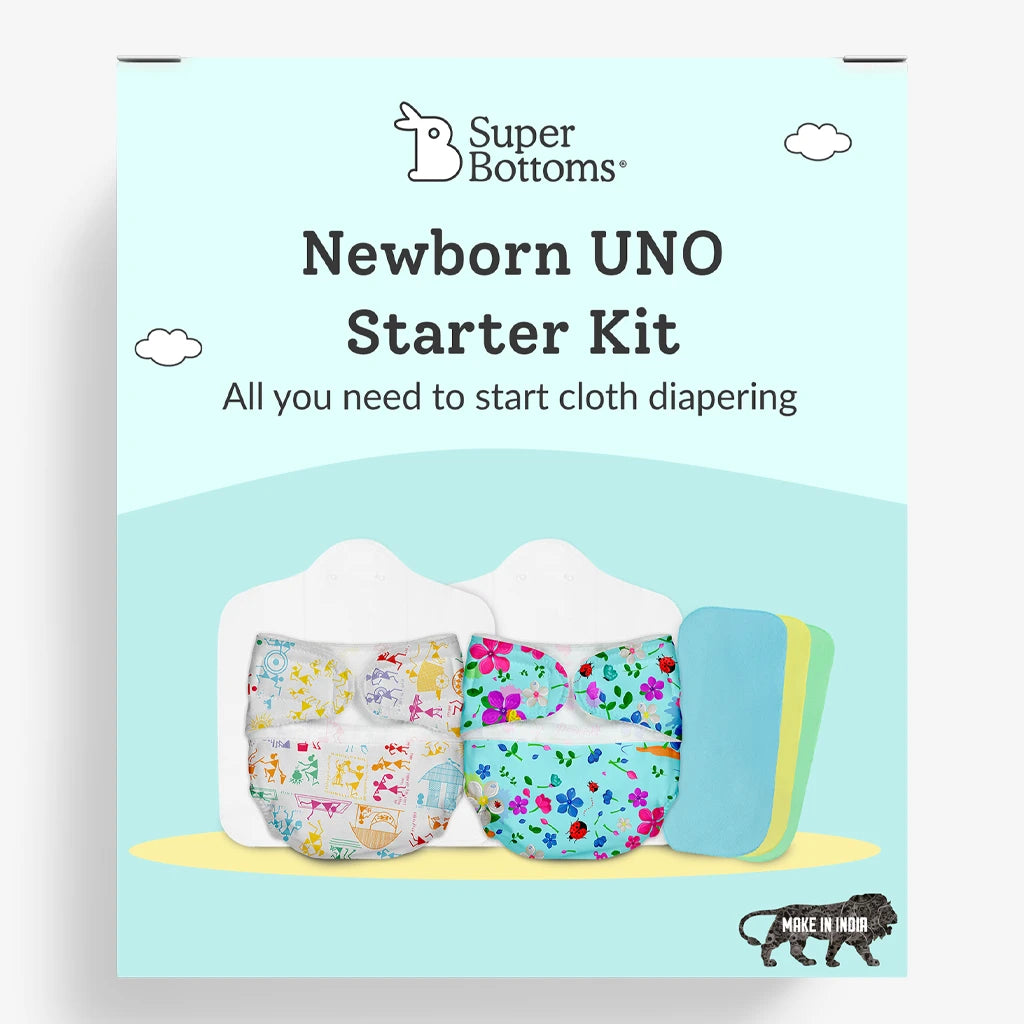
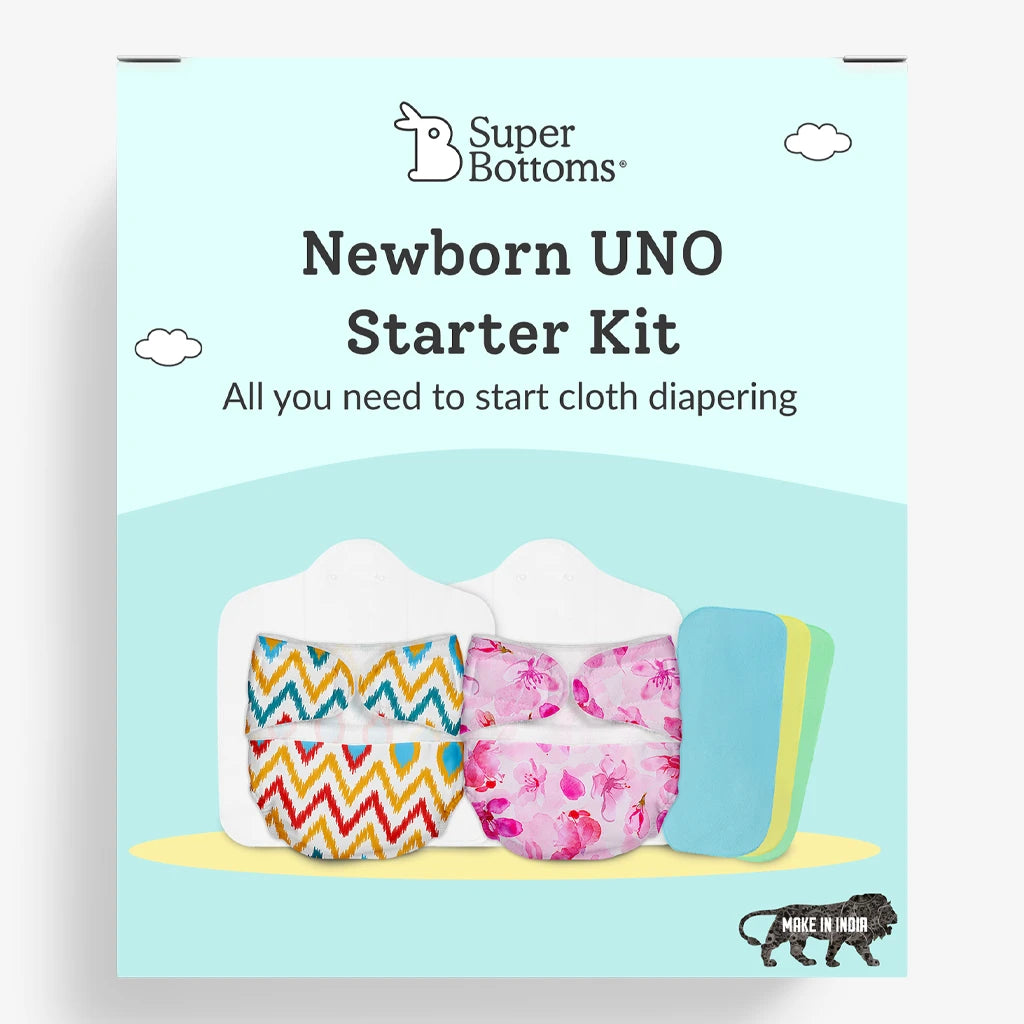
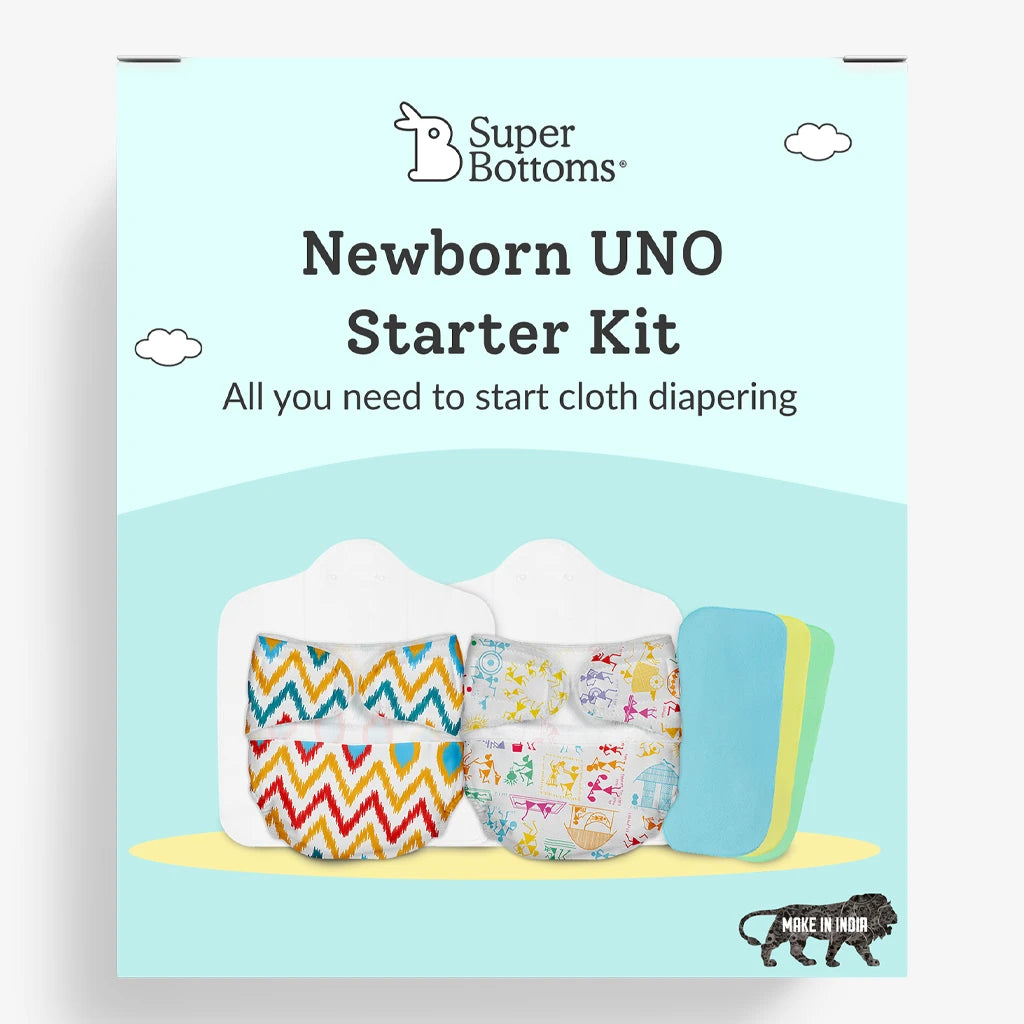
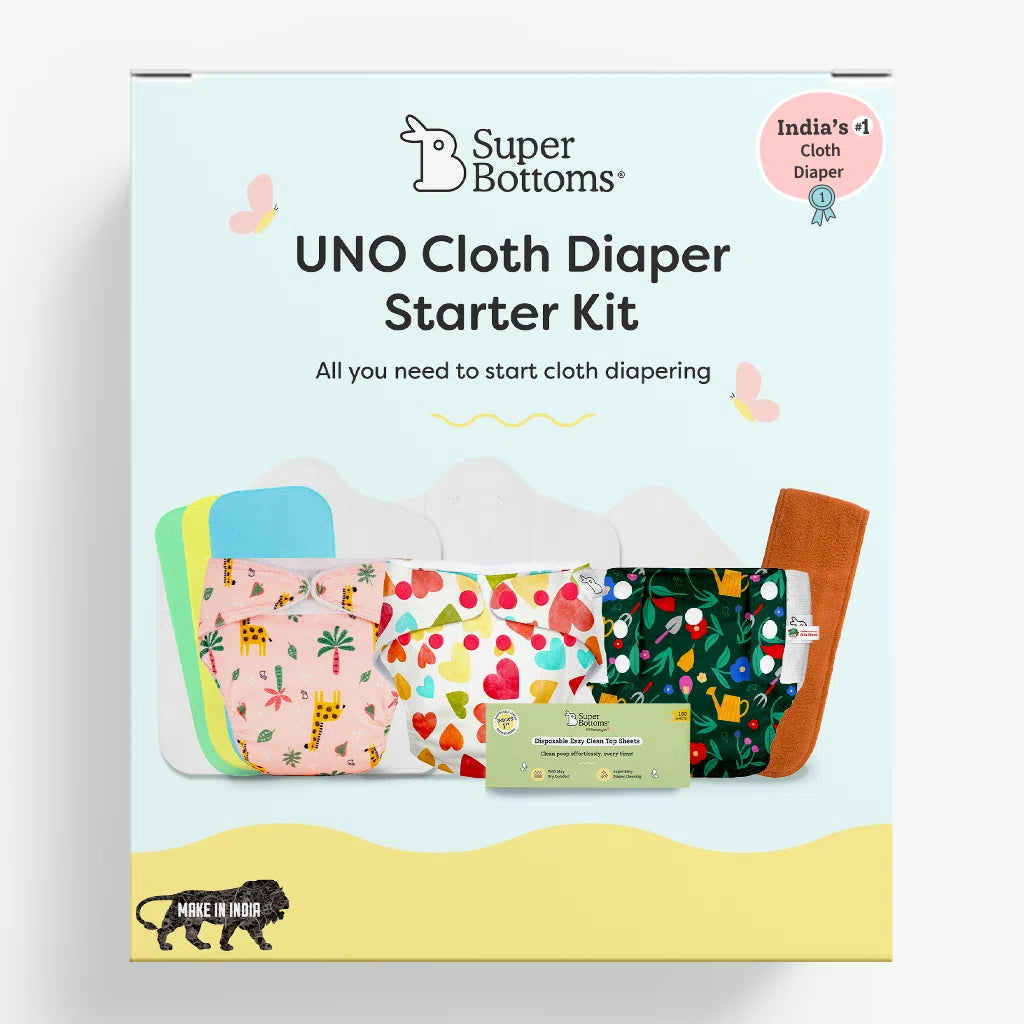
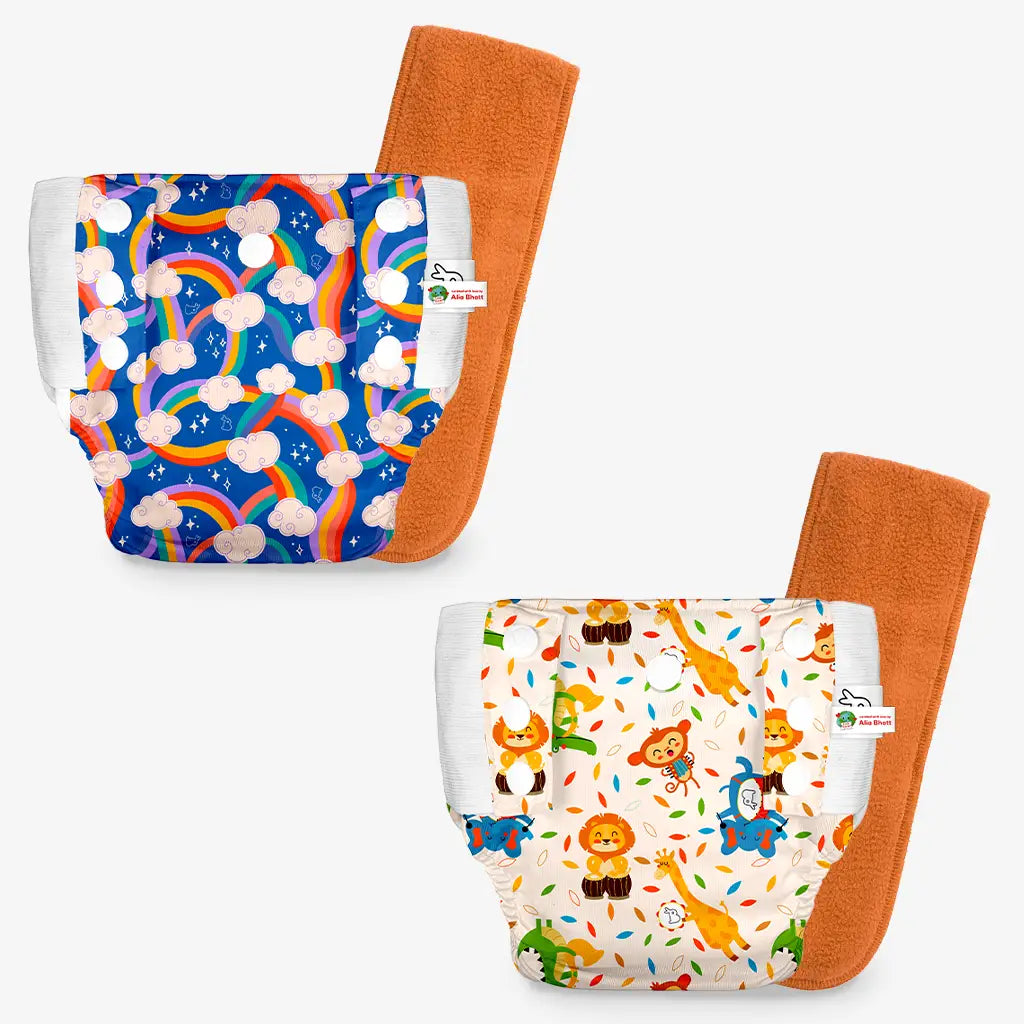
SuperBottoms Pick: SuperBottoms UNO Cloth Diaper
Designed for high absorbency, reusable comfort, and all-night dryness support during frequent feeding phases.
SuperBottoms UNO Cloth Diaper — Explore the range →
For parents building a newborn essentials setup, products that simplify nighttime changes can reduce maternal stress and support smoother feeding routines.
Check product details → SuperBottoms Newborn Essentials Collection
Comparison Table: Feeding Support Options for New Parents
| Feature | Disposable Diapers | Standard Cloth Nappies | SuperBottoms UNO Cloth Diapers |
|---|---|---|---|
| Reusable | No | Yes | Yes |
| Skin-Friendly Materials | Varies | Moderate | High |
| Overnight Absorbency | Moderate | Low–Moderate | High |
| Cost Over Time | Higher recurring cost | Lower | Lower long-term |
| Eco-Friendly | Limited | Better | Better |
| Ease During Night Feeds | Moderate | Moderate | High |
Expert Advice for Improving Milk Supply
According to Dr Jack Newman, "The best way to increase milk production is effective and frequent milk removal."
Many Indian mothers also report that emotional support from family members significantly improves breastfeeding confidence and consistency.
New Parent Insight
"I worried constantly that my baby wasn't getting enough milk. Once I started feeding more often and stopped stressing over pumping output, things improved within a week," shares Neha, a first-time mother from Pune.
Learning how to increase breast milk supply takes patience, consistency, and realistic expectations. Most temporary supply concerns improve with frequent feeding, hydration, rest, and proper latch support.
Breastfeeding becomes easier when parents also reduce unnecessary stress during diaper changes and nighttime care. Choosing soft, absorbent, reusable baby essentials can help simplify daily routines while keeping babies comfortable.
Find the right fit → Shop SuperBottoms UNO Cloth Diapers.
|
Limited Time Offers + Special Gift Sets! Now or never Super SALE is live on the SuperBottoms website! Take advantage of unbeatable value deals on our UNO Cloth Diapers, Baby Essentials, and more. Looking for the perfect present for a newborn or a toddler? Explore our thoughtfully curated Gift Sets & Combos - safe, skin-friendly, and oh-so-cute! A bundle of love for little ones and a delight for parents. HURRY - Deals and Gift Packs are live only till stocks last. Don’t miss the chance to stock up and share the joy! |
Key Takeaways
- Frequent feeding and proper latch are the most effective ways to improve milk supply.
- Stress, dehydration, and infrequent nursing can temporarily reduce breast milk production.
- Comfortable, absorbent baby essentials can support smoother breastfeeding routines and better sleep.
FAQs
1. How long does it take to increase breast milk supply?
Many mothers notice improvement within 2–5 days after increasing feeding or pumping frequency consistently.
2. Which foods help increase breast milk supply naturally?
Oats, fenugreek, fennel, leafy greens, nuts, and whole grains are commonly associated with lactation support.
3. Does drinking more water increase breast milk supply?
Hydration supports overall milk production, but excessive water alone will not dramatically increase supply.
4. Can stress reduce breast milk supply?
Yes. Stress and exhaustion may interfere with milk let-down and feeding consistency.
5. Is cluster feeding a sign of low milk supply?
Not necessarily. Cluster feeding is common during growth spurts and often helps boost milk production naturally.
6. What is the best feeding position for increasing milk transfer?
Positions that support a deep latch, such as cross-cradle or laid-back breastfeeding, often improve milk transfer.
7. Where can I buy reusable cloth diapers in India?
Parents can explore reusable diaper options online through brands like SuperBottoms and other baby care retailers.
8. Are SuperBottoms cloth diapers worth the price?
Many parents consider them cost-effective over time because they are reusable, gentle on sensitive skin, and designed for long-term use.
Message from SuperBottoms
Hi there, new parents! SuperBottoms brings you doctor-recommended cloth diapers, a trusted rash-free diapering solution specially designed for your baby's sensitive, delicate skin.
From Newborn UNO and Regular UNO to UNO Luxe, SuperBottoms offers reusable diapering solutions for every stage of your child's growth.
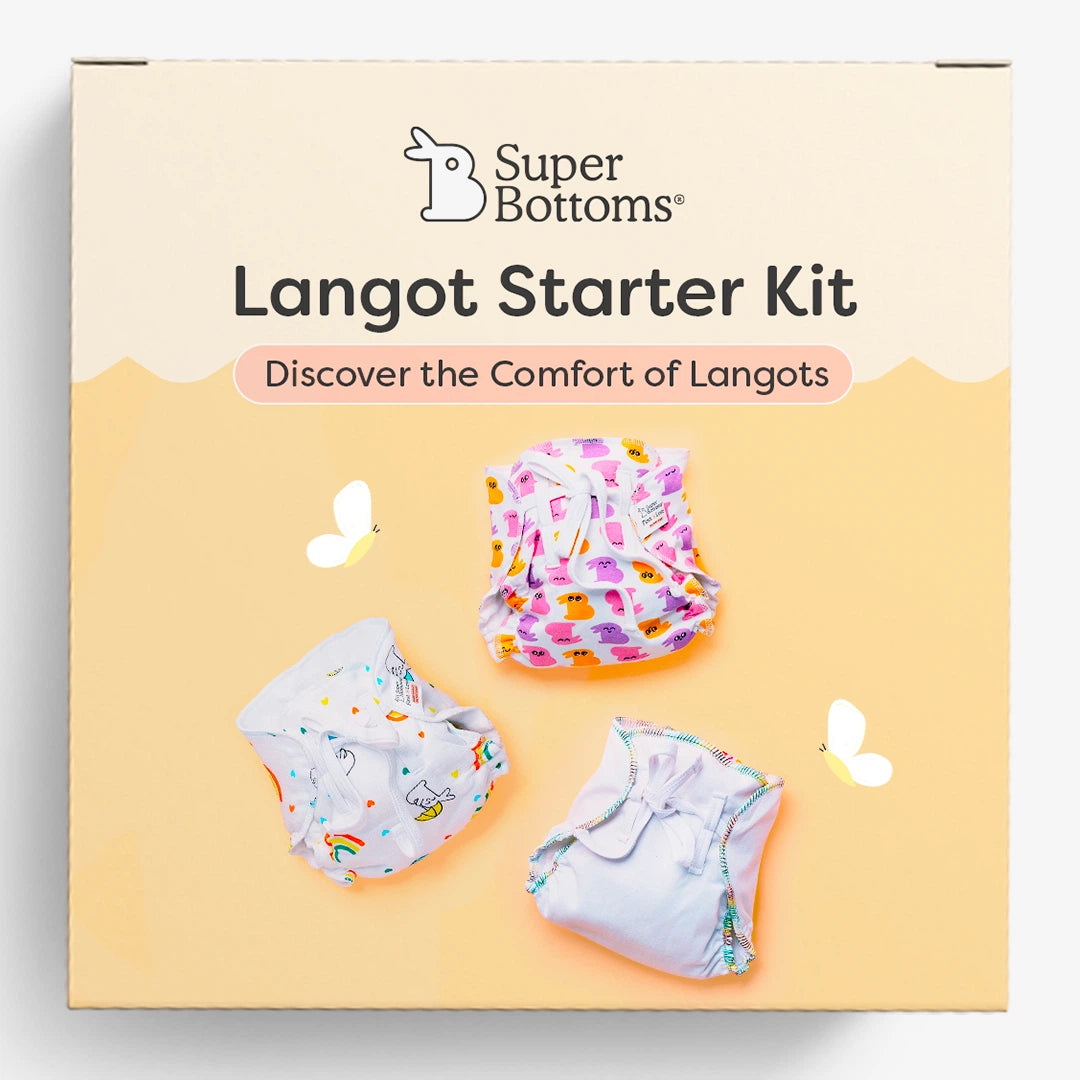
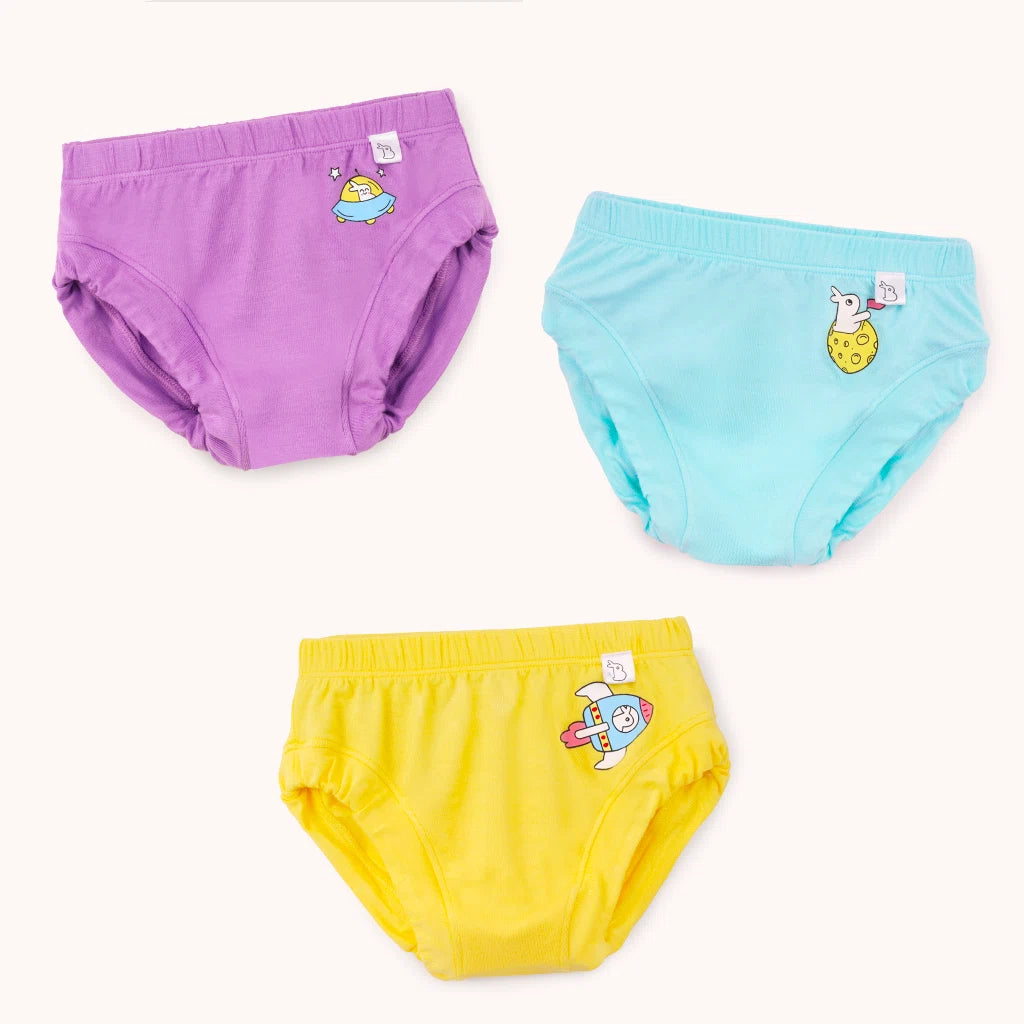
Our range also includes Diaper Pants, DryFeel langots for diaper-free time, Padded Underwear for potty training, as well as SuperSoft Underwear, Cycling Shorts and Joggers for growing kids.
Our collection also includes Period Underwear and bladder-leak solutions for women, along with everyday baby-care essentials.
SuperBottoms products also make thoughtful gifts for babies and new parents - practical, reusable and designed around the real needs of parents.
SuperBottoms products are now available on Amazon, Flipkart, FirstCry, Myntra, Nykaa, Blinkit, and Zepto.