






About Abhilasha Mishra (Author)

Abhilasha Mishra is a Parenting Coach dedicated to helping parents raise emotionally strong, confident, and kind children. She works closely with families across the country, supporting mothers through breastfeeding concerns, including low milk supply and early postpartum challenges. Through her online classes, workshops, and live sessions, she shares practical, evidence-informed guidance to help parents make confident and informed decisions while prioritising both their baby's needs and their own emotional well-being.
Low milk supply is a common breastfeeding concern that can happen due to latch issues, feeding schedules, stress, medical conditions, or recovery after birth. Many parents worry they are not producing enough milk even when their baby is feeding well. Understanding the real signs of low milk supply, when to seek help, and simple ways to improve milk production can help parents breastfeed more confidently and comfortably.
- What Is Low Milk Supply?
- What Causes Low Milk Supply?
- What Are the Signs of Low Milk Supply?
- How Can Moms Increase Breast Milk Supply Naturally?
- What Parents Should Know About Cluster Feeding
- Which Feeding & Diapering Habits Help Track Baby's Health?
- What Should I Look for When Choosing Baby Essentials During Breastfeeding?
- Comparison Table: Disposable vs Reusable Options for Newborn Care
- Expert Advice for Managing Breastfeeding Stress
- Key Takeaways
- FAQs
- Message from SuperBottoms
- References
What Is Low Milk Supply?
Low milk supply happens when a breastfeeding parent does not produce enough breast milk to meet the baby's nutritional needs consistently. In many cases, parents only feel they have low supply because babies feed frequently, cry often, or cluster feed during growth spurts.
During the first few weeks after birth, milk production works on a demand-and-supply system. The more effectively and frequently a baby feeds, the more milk the body usually produces.
What Causes Low Milk Supply?
Several physical, emotional, and lifestyle factors can affect breast milk production.
Common causes of low milk supply include:
- Poor latch or ineffective sucking
- Infrequent breastfeeding sessions
- Delayed breastfeeding after birth
- Stress, anxiety, or sleep deprivation
- Formula supplementation without pumping
- Hormonal conditions like PCOS or thyroid imbalance
- Certain medications
- Premature birth or NICU stays
- Dehydration and poor nutrition
In India, many mothers also receive outdated advice around strict feeding schedules, which may unintentionally reduce milk production.
What Parents Should Know
What Are the Signs of Low Milk Supply?
A baby feeding frequently does not automatically mean low milk supply. The best indicators are weight gain, diaper count, and overall baby health.
Possible signs of low milk supply:
- Poor weight gain
- Fewer than 6 wet diapers daily after the first week
- Dark urine or dehydration signs
- Baby remains hungry after most feeds
- Long feeding sessions with little swallowing
- Reduced breast fullness over time without adequate baby growth
Signs that are usually normal:
- Baby wanting frequent feeds
- Softer breasts after the first few weeks
- Cluster feeding in the evenings
- Short feeding sessions as baby grows
Expert Answer
How Can Moms Increase Breast Milk Supply Naturally?
Most breastfeeding parents can improve milk production with consistent feeding support and small routine adjustments.
Practical ways to improve milk supply:
1. Feed Frequently
Offer feeds on demand rather than following strict schedules.
2. Improve Latch Position
A deep latch helps babies transfer milk more efficiently.
3. Try Skin-to-Skin Contact
Holding the baby close can stimulate milk-producing hormones.
4. Stay Hydrated and Nourished
Balanced meals, fluids, and rest support postpartum recovery.
5. Pump After Feeds if Recommended
This can help stimulate additional milk production.
6. Avoid Stress Over Supply Numbers
Stress itself may interfere with let-down reflexes.
"Breastfeeding success depends more on effective milk removal than rigid schedules." — Dr Neha Sharma, Lactation Consultant & Paediatric Nutrition Specialist.

What Parents Should Know About Cluster Feeding
Cluster feeding happens when babies feed very frequently over short periods, especially during evenings or growth spurts.
This behaviour is normal during:
- 2–3 weeks
- 6 weeks
- 3 months
Parents often assume their milk supply has dropped during these periods, but frequent feeding usually helps increase production naturally.
Parent Insight
Which Feeding & Diapering Habits Help Track Baby's Health?
One of the easiest ways to monitor whether a baby is feeding well is by tracking wet diapers and comfort levels.
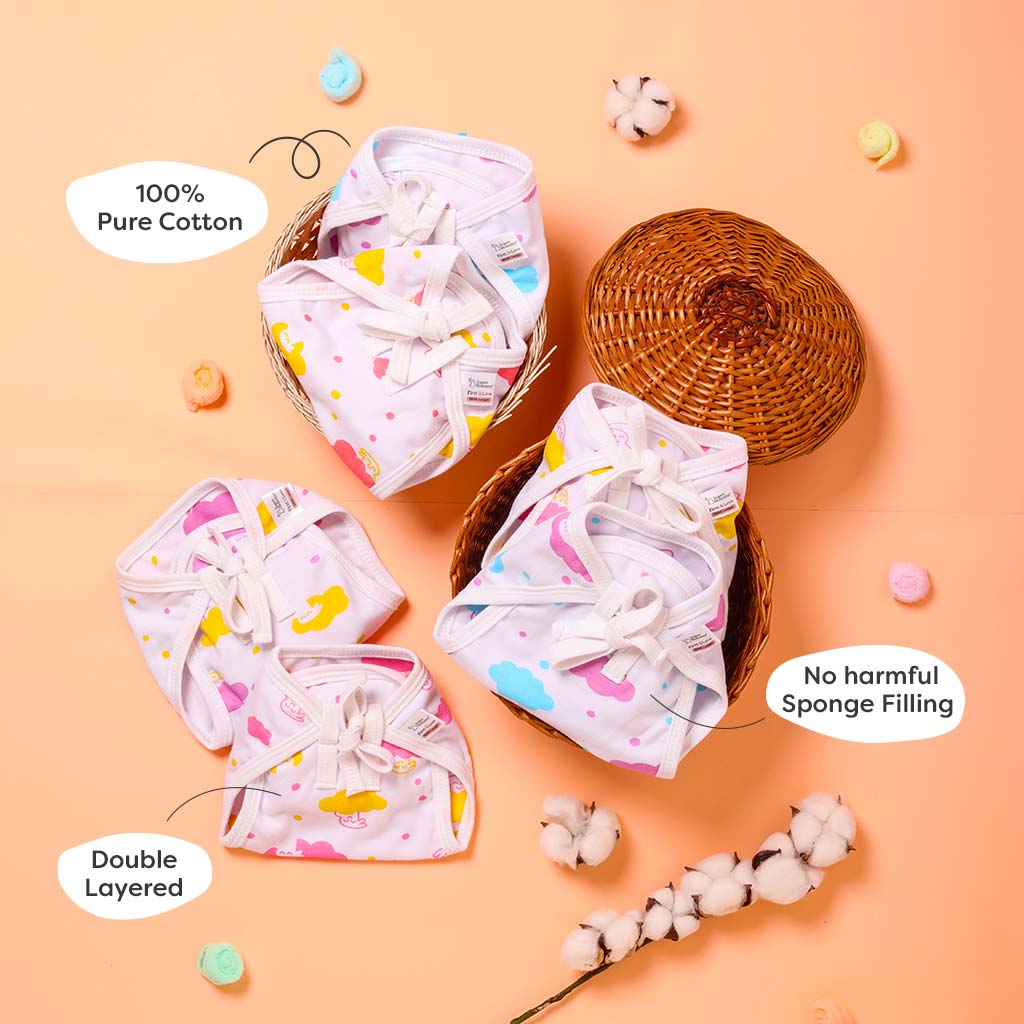
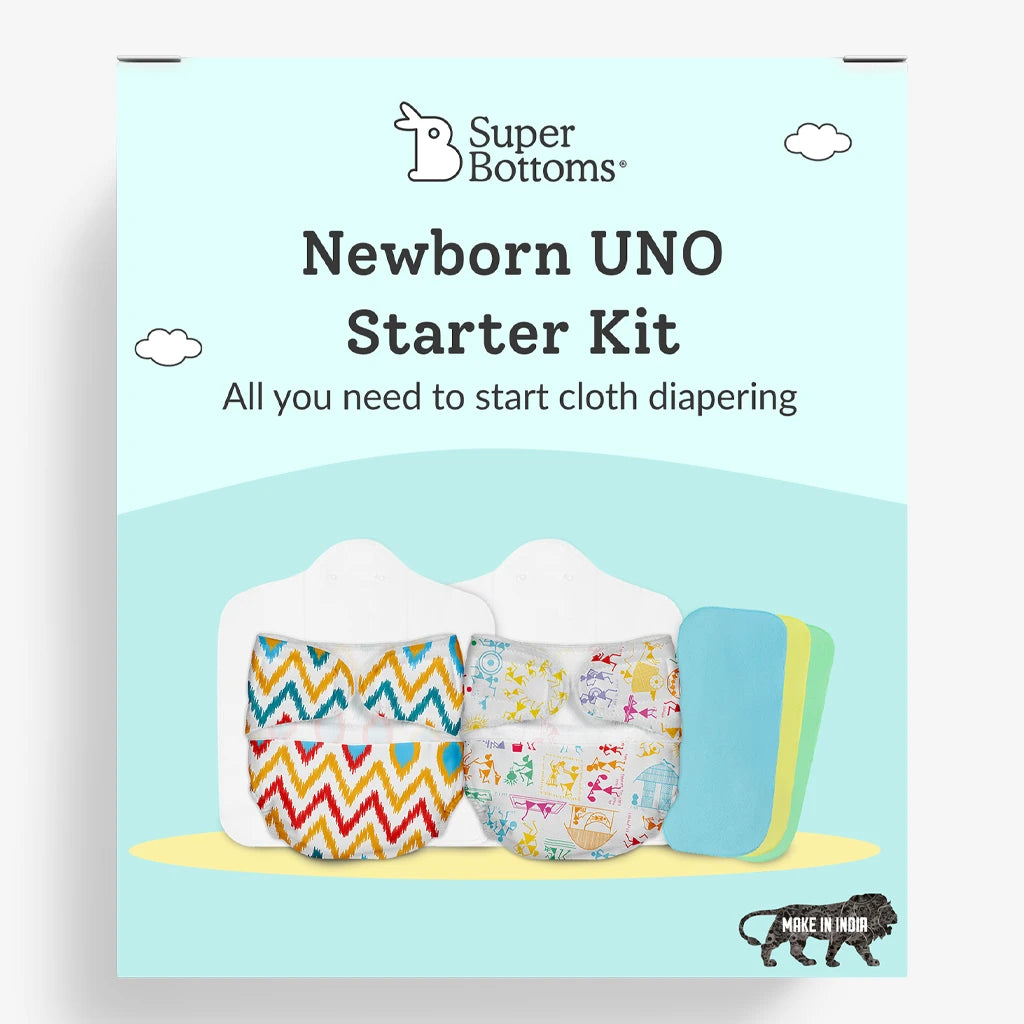
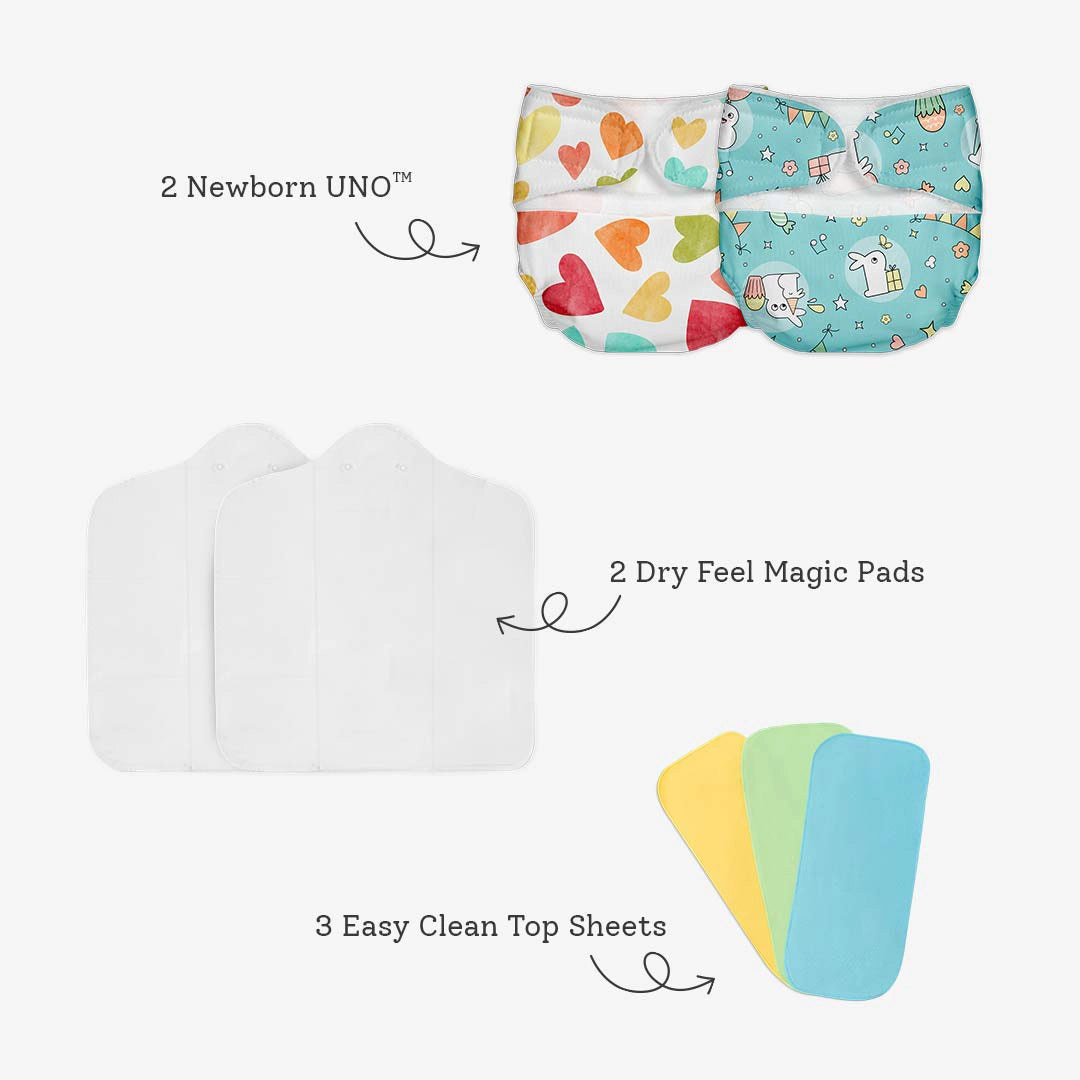
Parents caring for newborns often prefer soft, breathable, and reusable cloth diapers because they make diaper checks easier while reducing skin irritation from prolonged moisture exposure.
If you are managing frequent newborn feeds and diaper changes, it helps to choose products that are:
- Gentle on sensitive skin
- Easy to wash
- Comfortable during long feeding sessions
- Designed with leak-proof inner layers for overnight use
You can also explore the range → of reusable cloth nappies designed for newborn comfort and easy diaper monitoring.
What to Look For
— Skin-safe fabrics
— High absorbency
— Easy changing during night feeds
— Breathability
— Long-term value
What Should I Look for When Choosing Baby Essentials During Breastfeeding?
During the newborn stage, parents handle multiple diaper and clothing changes daily. Choosing comfortable and reusable essentials can reduce stress and simplify routines.
Criteria that matter most:
- Soft fabric for delicate newborn skin
- Adjustable sizing
- Leak protection for longer sleep stretches
- Easy washing and drying
- Cost-effectiveness over time
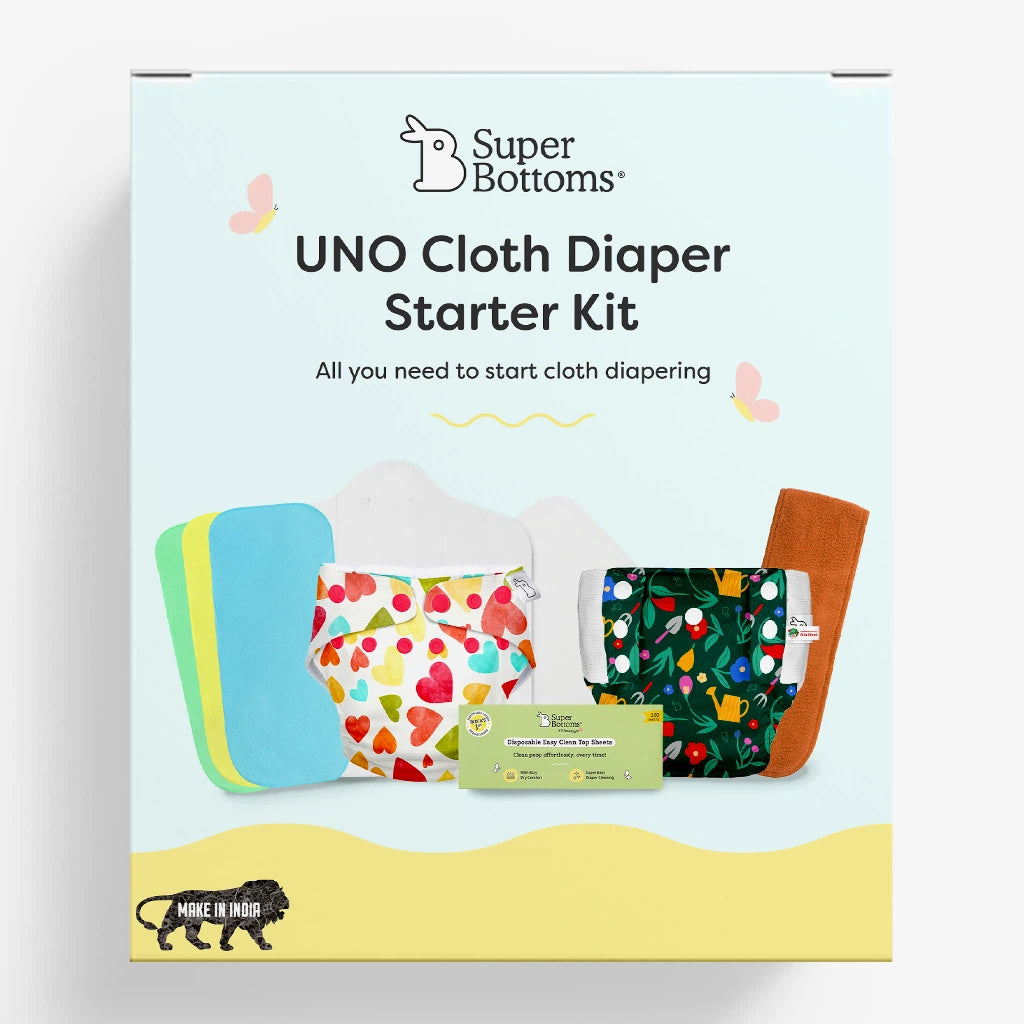
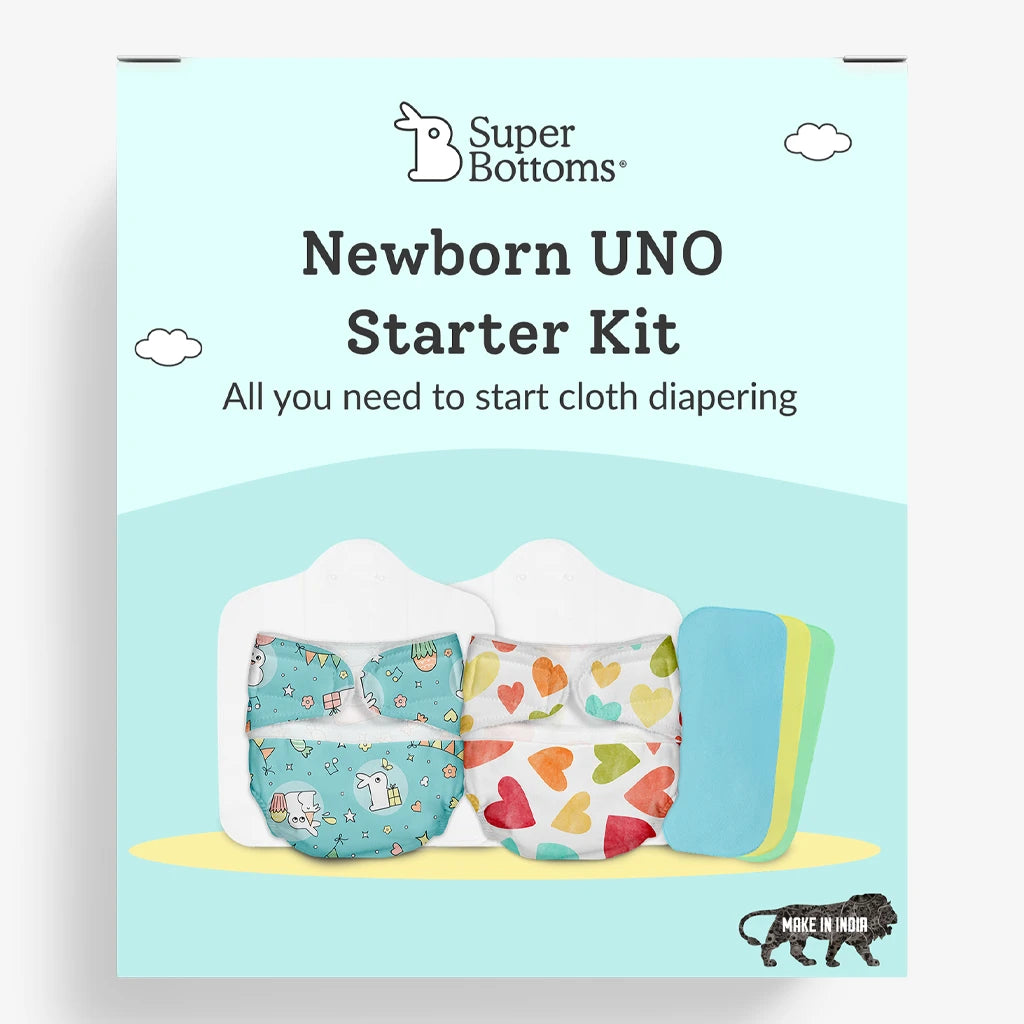
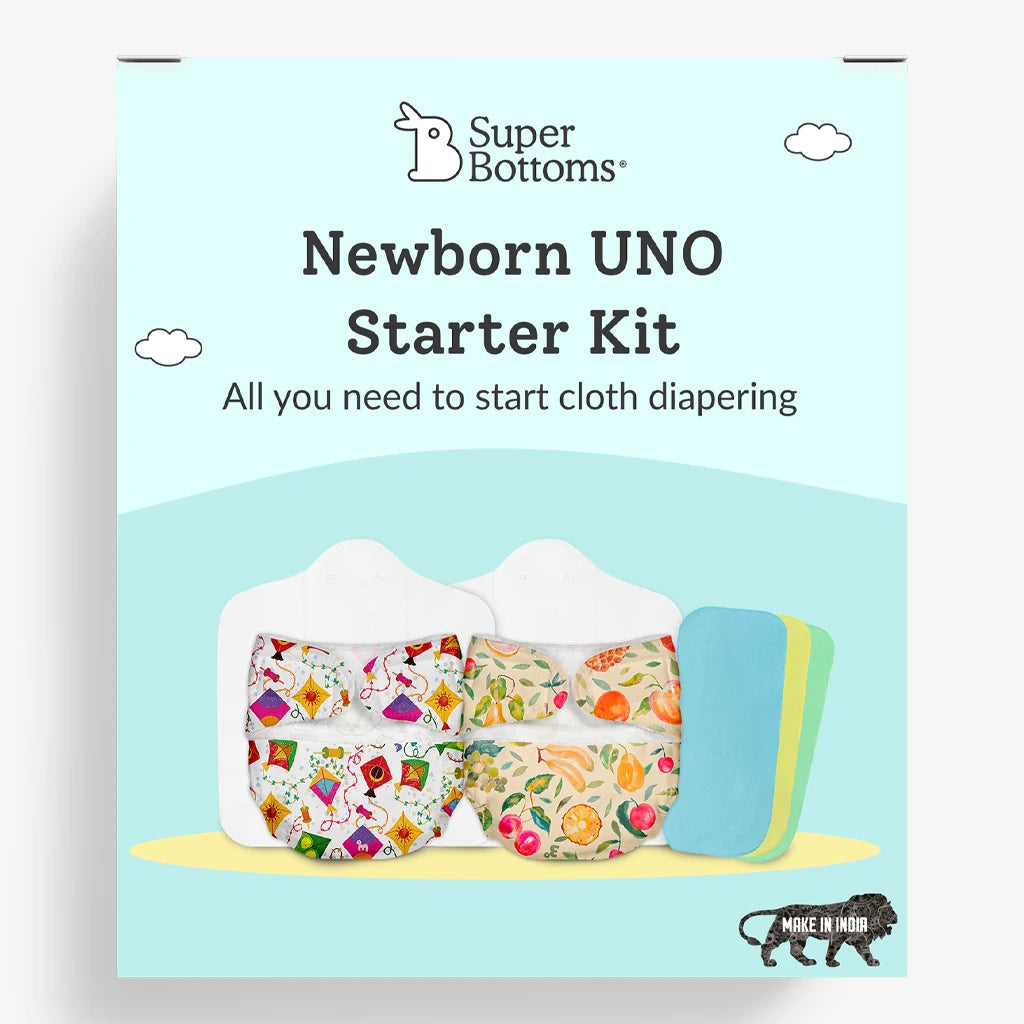
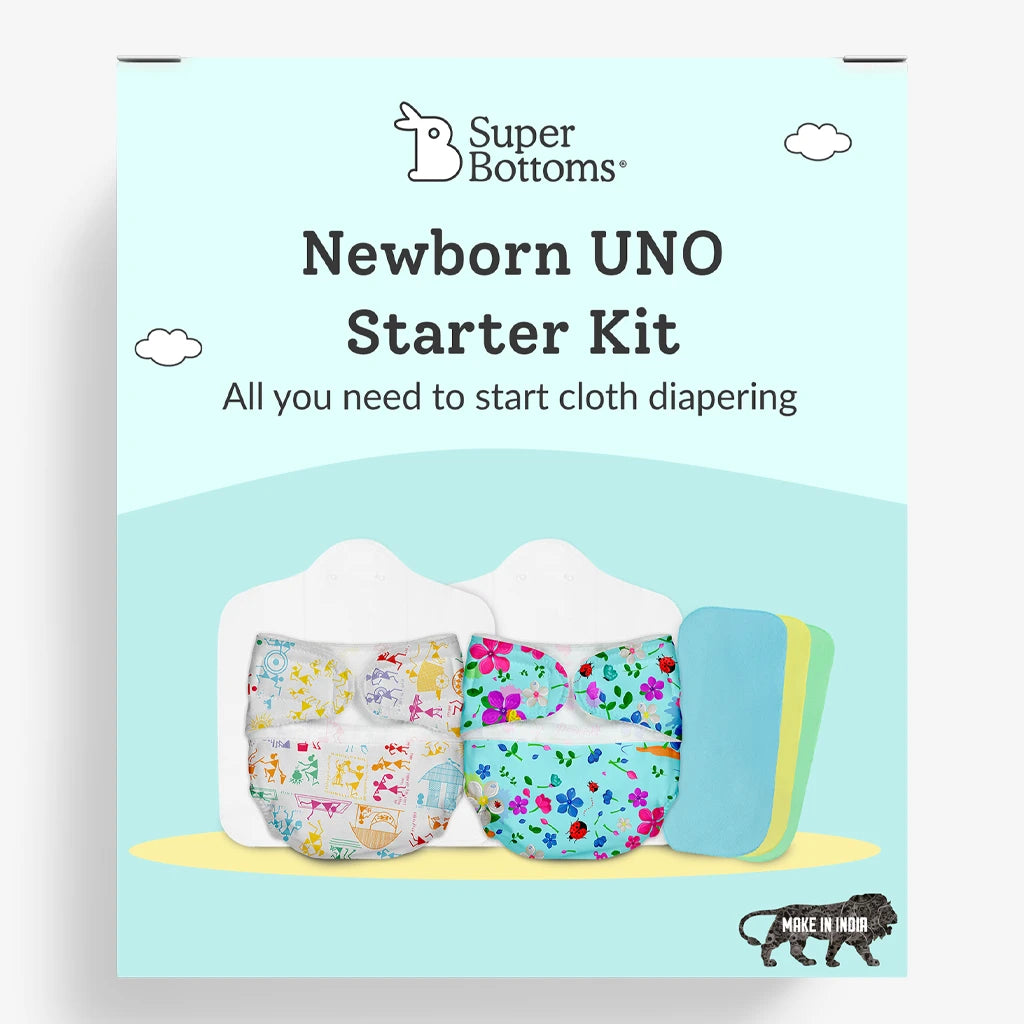
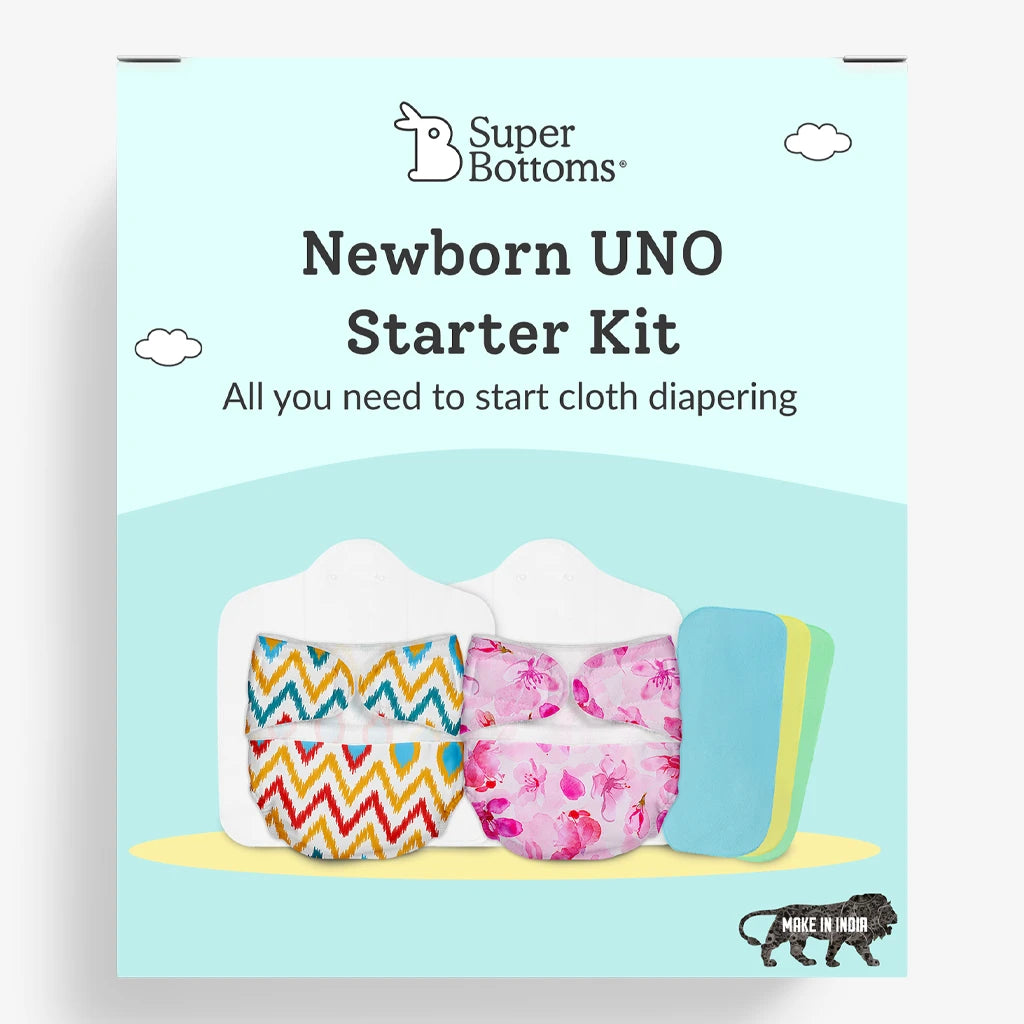
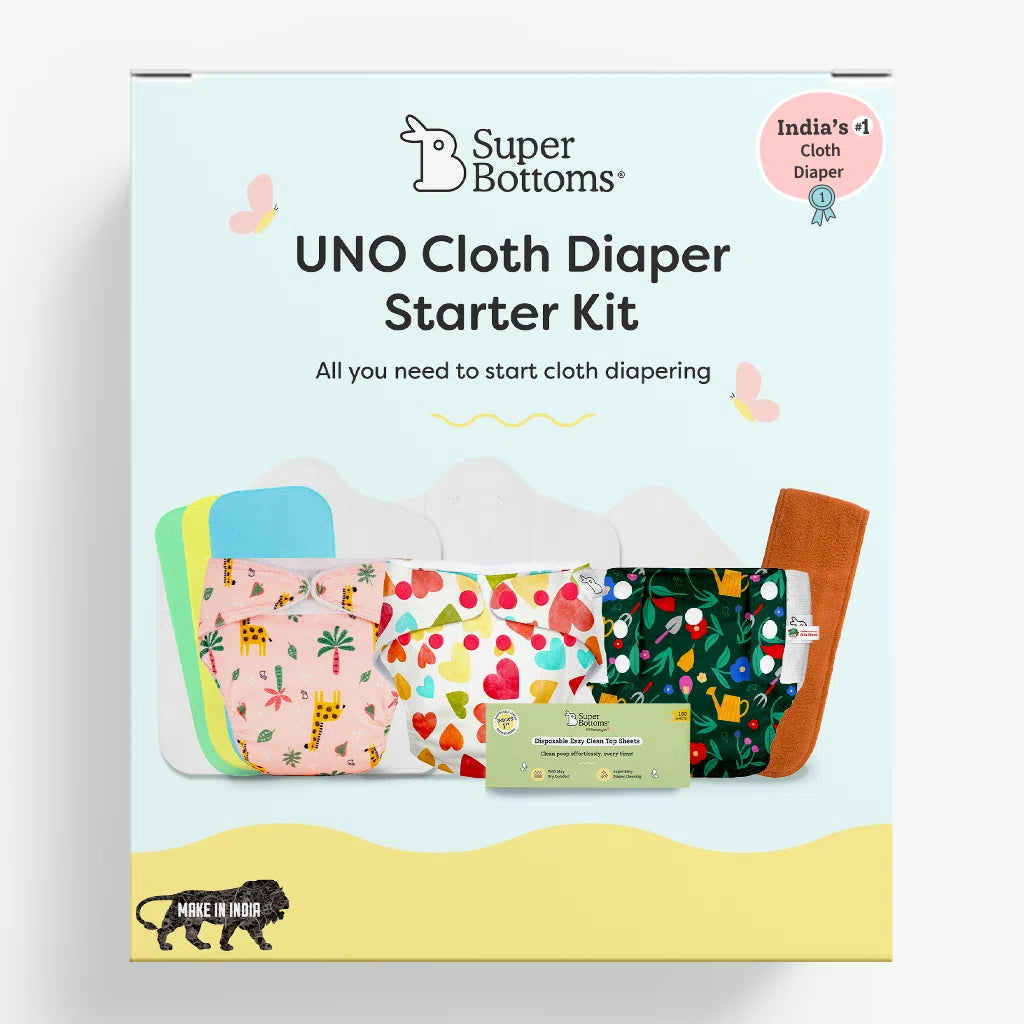
SuperBottoms Pick: UNO Cloth Diaper
Comparison Table: Disposable vs Reusable Options for Newborn Care
| Feature | Disposable Diapers | Traditional Cloth Nappies | SuperBottoms UNO |
|---|---|---|---|
| Skin Breathability | Moderate | High | High |
| Reusability | No | Yes | Yes |
| Leak Protection | Good | Moderate | Good |
| Long-Term Value | Lower | Better | Better |
| Ease During Night Feeds | High | Moderate | High |
| Gentle for Sensitive Skin | Varies | Good | Good |
| Eco-Friendly | Limited | Better | Better |
Is It Worth Switching to Reusable Cloth Diapers?
For many parents, reusable diapering options become more practical after the newborn phase because they reduce ongoing costs and are gentler on baby skin.
Parents especially consider switching when:
- Babies experience diaper rashes
- Daily diaper expenses increase
- Families want sustainable alternatives
- Babies need breathable materials during hot Indian summers
Modern reusable diapers are also easier to use than traditional cloth folding methods, making them more convenient for working parents.
You can explore the range → of reusable options suitable for newborns, heavy wetters, and overnight use.
Expert Advice for Managing Breastfeeding Stress
Breastfeeding concerns can feel overwhelming, especially when combined with postpartum recovery and sleep deprivation.
Expert Answer
Helpful support strategies include:
- Asking family members for practical help
- Taking rest during baby naps
- Staying hydrated nearby during feeds
- Joining breastfeeding support groups
- Avoiding constant online comparison
Low milk supply concerns are common, but many cases improve with frequent feeding, proper latch support, hydration, and reassurance. Tracking baby growth and diaper output is often more reliable than relying on assumptions about supply.
For parents balancing breastfeeding and frequent newborn diaper changes, choosing soft, reusable, and skin-friendly baby essentials can make daily care easier and more comfortable.
|
Limited Time Offers + Special Gift Sets! Now or never Super SALE is live on the SuperBottoms website! Take advantage of unbeatable value deals on our UNO Cloth Diapers, Baby Essentials, and more. Looking for the perfect present for a newborn or a toddler? Explore our thoughtfully curated Gift Sets & Combos - safe, skin-friendly, and oh-so-cute! A bundle of love for little ones and a delight for parents. HURRY - Deals and Gift Packs are live only till stocks last. Don’t miss the chance to stock up and share the joy! |
Key Takeaways
- Frequent feeding and effective latch are the biggest factors influencing milk supply.
- Cluster feeding is normal and does not always indicate low milk production.
- Comfortable, breathable, and reusable baby essentials can simplify newborn care routines.
FAQs
1. What is the most common cause of low milk supply?
Poor latch and infrequent feeding are among the most common causes of reduced milk production.
2. How do I know if my baby is getting enough milk?
Regular weight gain, active behaviour, and at least 6 wet diapers daily after the first week are positive signs.
3. Can stress reduce breast milk supply?
Yes. Stress and exhaustion may interfere with milk let-down and feeding consistency.
4. Does drinking more water automatically increase milk supply?
Hydration supports overall health, but milk production depends mainly on effective and frequent milk removal.
5. What foods help increase breast milk supply?
Balanced meals with protein, healthy fats, and whole grains support postpartum recovery and breastfeeding health.
6. Are reusable cloth nappies safe for newborns?
Yes, high-quality reusable cloth nappies made with soft, breathable fabric are safe and comfortable for newborns.
7. Which diaper option works best for overnight newborn care?
Parents often prefer highly absorbent reusable diapers with leak-proof inner layers for longer overnight comfort.
8. Where can I buy reusable cloth diapers in India?
Parents can buy reusable cloth diapers online from baby care brands and official websites like SuperBottoms.
Message from SuperBottoms
Hi there, new parents! SuperBottoms brings you doctor-recommended cloth diapers, a trusted rash-free diapering solution specially designed for your baby's sensitive, delicate skin.
From Newborn UNO and Regular UNO to UNO Luxe, SuperBottoms offers reusable diapering solutions for every stage of your child's growth.
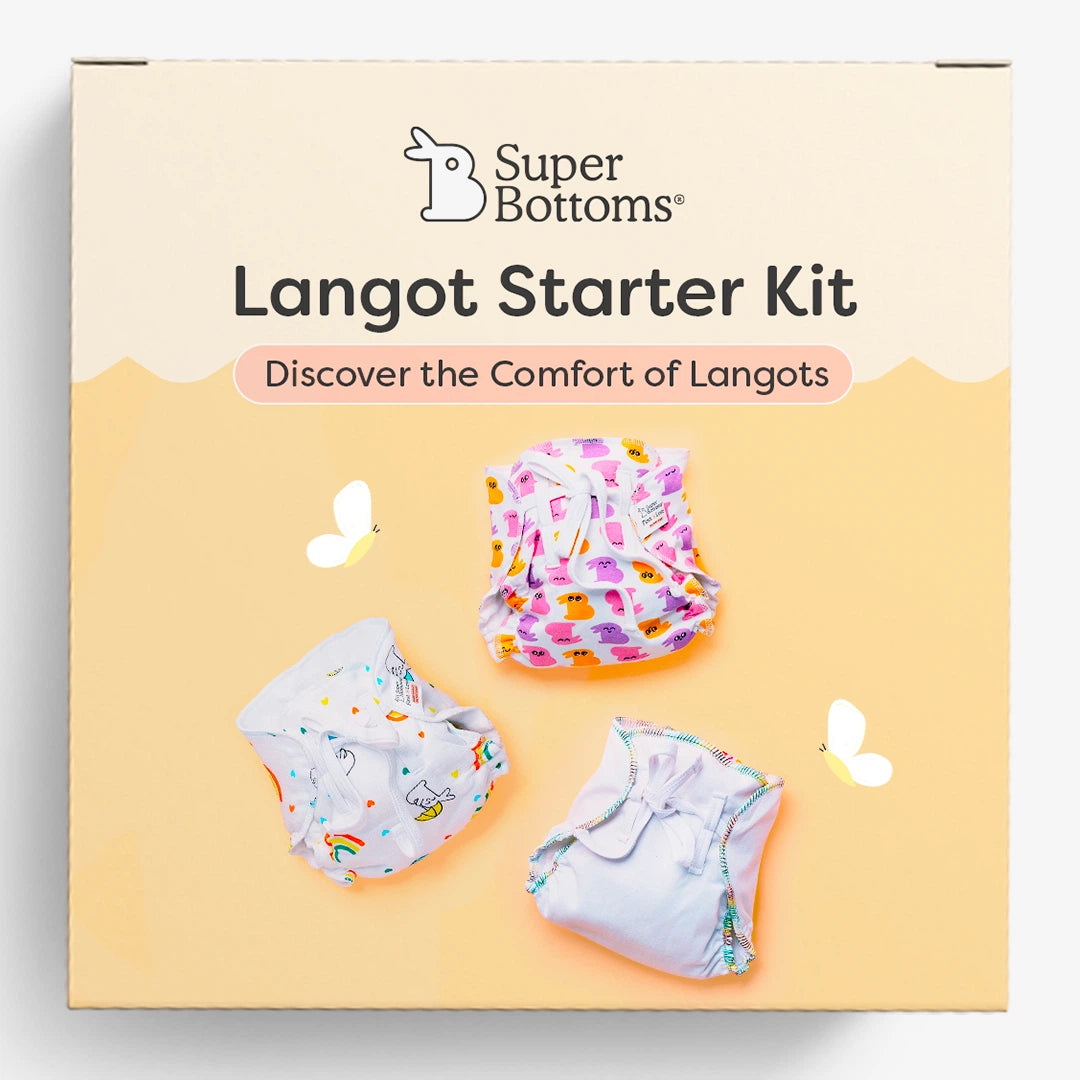
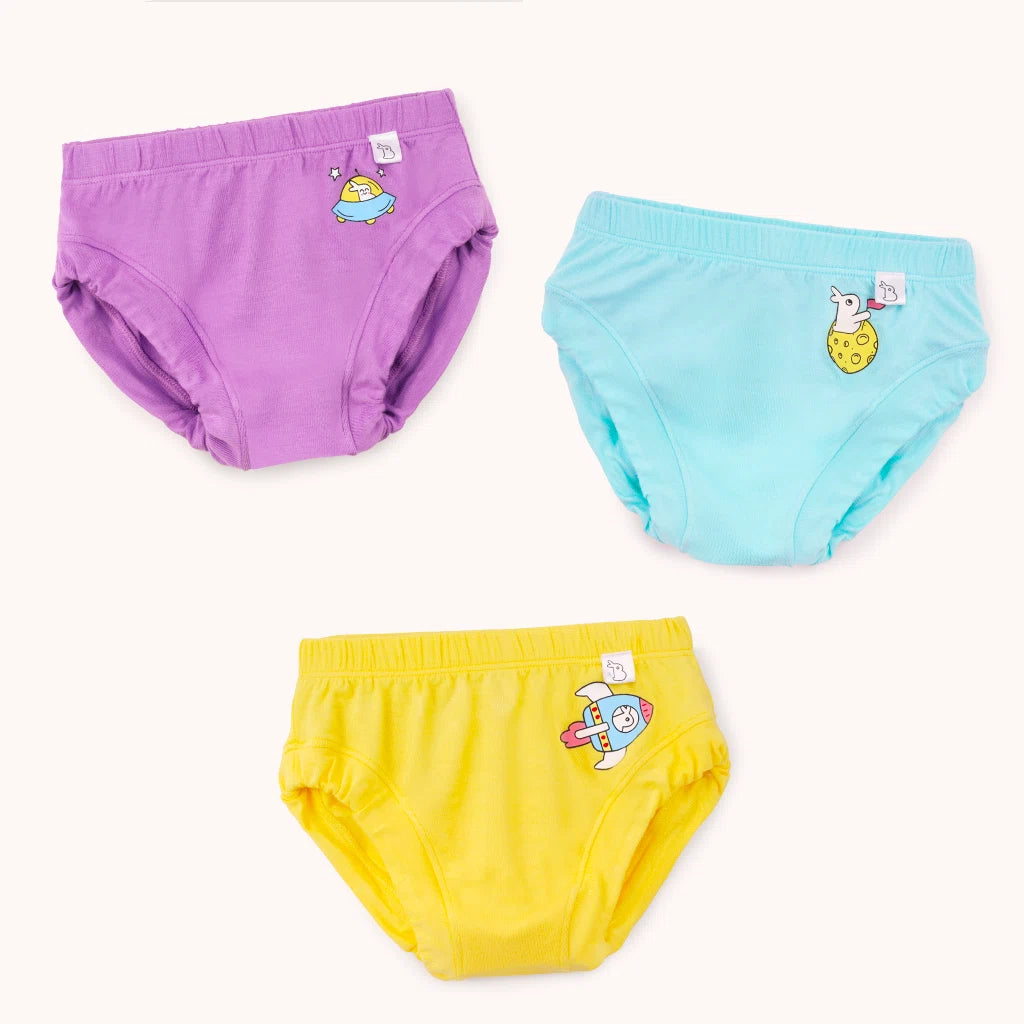
Our range also includes Diaper Pants, DryFeel langots for diaper-free time, Padded Underwear for potty training, as well as SuperSoft Underwear, Cycling Shorts and Joggers for growing kids.
Our collection also includes Period Underwear and bladder-leak solutions for women, along with everyday baby-care essentials.
SuperBottoms products also make thoughtful gifts for babies and new parents - practical, reusable and designed around the real needs of parents.
SuperBottoms products are now available on Amazon, Flipkart, FirstCry, Myntra, Nykaa, Blinkit, and Zepto.