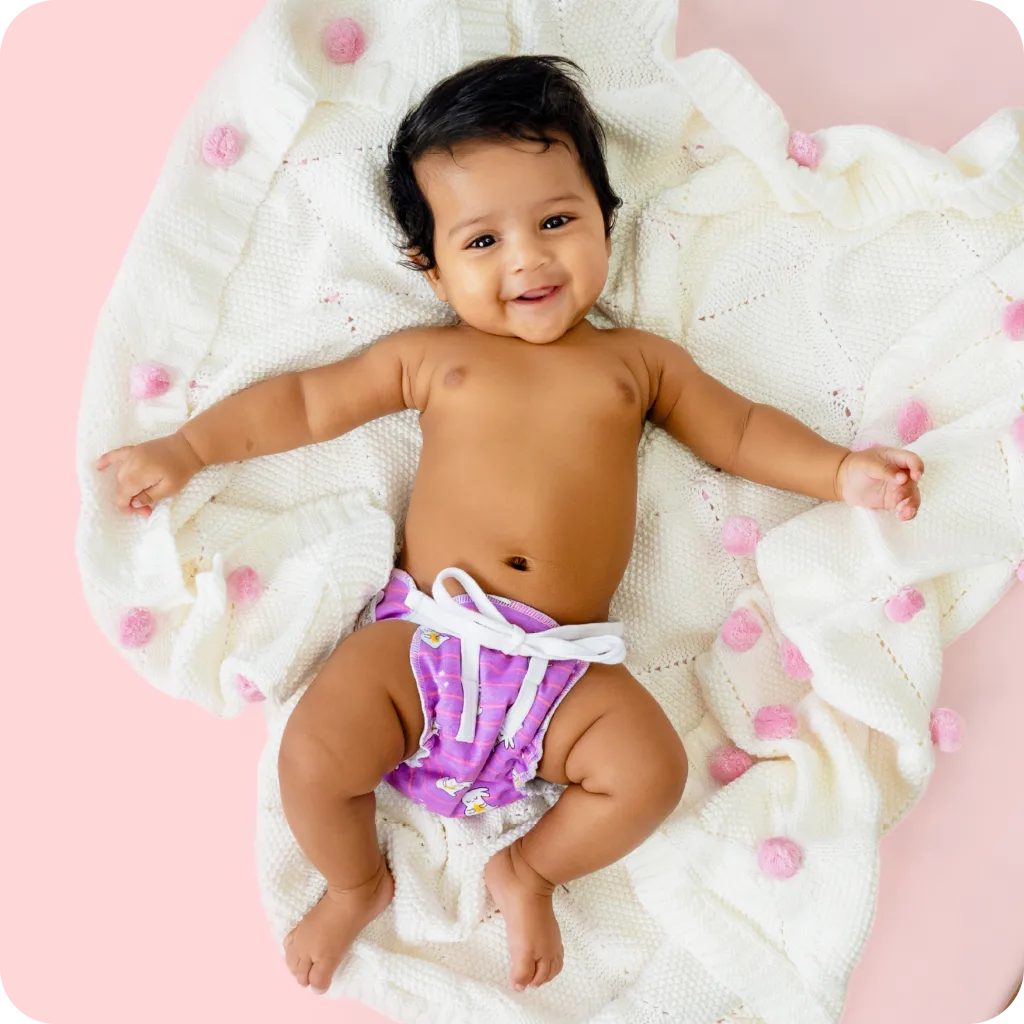







Newborn sleep can feel unpredictable in the early weeks. One day, your baby may sleep for long stretches, and the next they may wake every couple of hours. Understanding newborn sleep patterns can help parents set realistic expectations, recognise what's normal, and create a comfortable sleep routine that supports both baby and family.
The good news is that irregular sleep is usually a normal part of newborn development. With patience, consistent routines, and a sleep-friendly environment, babies gradually begin developing more predictable sleep habits.
- What are normal newborn sleep patterns?
- How much sleep do newborns need?
- What does a newborn sleeping pattern chart look like?
- What is a typical newborn sleep schedule by week?
- How can parents help a newborn sleep better?
- What should I look for when creating a sleep-friendly environment?
- Which sleep essentials work best for newborn comfort?
- Is it possible to change a newborn's sleeping pattern?
- Key Takeaways
- FAQs
- Message from SuperBottoms
What Are Normal Newborn Sleep Patterns?
Newborn sleep patterns are usually irregular during the first few months of life. Babies haven't yet developed a mature circadian rhythm, which means they don't naturally distinguish between day and night.
Most newborns sleep in short stretches and wake frequently for feeding, diaper changes, and comfort.
Common features of newborn baby sleep patterns include:
- Frequent waking
- Short sleep cycles
- Day-night confusion
- Variable nap lengths
- Sleep is influenced by feeding needs
This stage is temporary and gradually improves as babies grow.
How Much Sleep Do Newborns Need?
Most newborns sleep between 14 and 17 hours within a 24-hour period. However, this sleep is spread across multiple naps rather than one long stretch.
Some babies may sleep slightly more or less, and both can be perfectly normal.
General Sleep Needs
| Age | Average Daily Sleep |
|---|---|
| 0–4 weeks | 14–17 hours |
| 1–3 months | 14–16 hours |
| 3–6 months | 12–15 hours |
The focus should be on total sleep across the day rather than nighttime sleep alone.
Expert Answer
What Does a Newborn Sleeping Pattern Chart Look Like?
A newborn sleeping pattern chart helps illustrate how sleep changes during the early weeks.
Newborn Sleep Chart
| Baby Age | Typical Wake Window | Sleep Pattern |
|---|---|---|
| 0–2 weeks | 30–60 minutes | Sleep throughout day and night |
| 2–6 weeks | 45–60 minutes | Frequent naps and feeds |
| 6–12 weeks | 60–90 minutes | Longer sleep stretches begin |
| 3–4 months | 1–2 hours | More predictable naps emerge |
Remember that every baby develops at their own pace.
What Parents Should Know
What Is a Typical Newborn Sleep Schedule by Week?
While every baby is different, understanding a newborn sleep schedule by week can provide realistic expectations.
Weeks 1–2
Most babies:
- Sleep frequently
- Wake every 2–3 hours
- Feed around the clock
Weeks 3–6
Babies may:
- Stay awake slightly longer
- Begin showing sleepy cues
- Have occasional longer sleep stretches
Weeks 6–12
Many babies start:
- Sleeping slightly longer at night
- Developing a more predictable rhythm
- Having more structured naps
Sleep progress is often gradual rather than dramatic.

How Can Parents Help a Newborn Sleep Better?
There is no magic solution for newborn sleep, but simple habits can support healthier sleep routines over time.
If you're wondering how to help newborn sleep, focus on consistency rather than perfection.
Helpful newborn sleep tips include:
Follow Sleep Cues
Watch for:
- Yawning
- Eye rubbing
- Fussiness
- Looking away
Responding early may make settling easier.
Create a Simple Bedtime Routine
Even young babies benefit from predictable cues such as:
- Feeding
- Gentle cuddles
- Soft lighting
- Calm voices
Differentiate Day and Night
During daytime:
- Open curtains
- Engage normally
At night:
- Keep lights dim
- Minimise stimulation
This helps babies gradually develop circadian rhythms.
What to Look For
What Should I Look for When Creating a Sleep-Friendly Environment?
A comfortable sleep environment can help babies settle more easily.
Important considerations include:
| Feature | Why It Matters |
|---|---|
| Comfortable clothing | Prevents overheating |
| Dry diapering | Reduces sleep disruptions |
| Soft fabrics | Supports comfort |
| Safe sleep surface | Promotes safe sleep practices |
| Appropriate room temperature | Helps regulate sleep |
Comfort plays a significant role in helping babies settle and stay asleep between feeds.
Which Sleep Essentials Work Best for Newborn Comfort?
The best sleep essentials are practical, breathable, and designed to support everyday comfort.
Many parents find that nighttime sleep improves when babies remain comfortable between diaper changes and feeds.
Comparison Table
| Essential | Comfort | Ease of Use | Overnight Practicality |
|---|---|---|---|
| Standard diapers | Medium | High | Medium |
| Traditional nappies | High | Medium | Medium |
| Swaddle wraps | High | High | High |
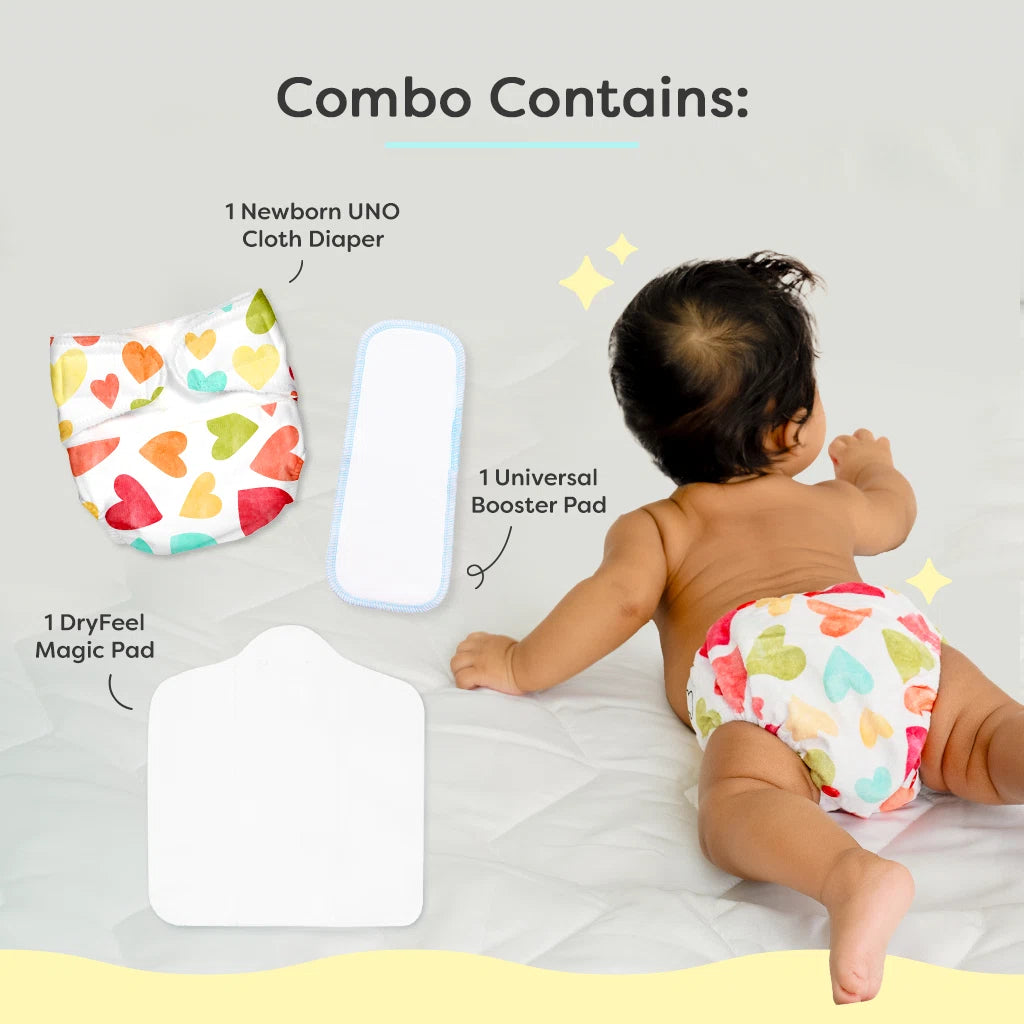
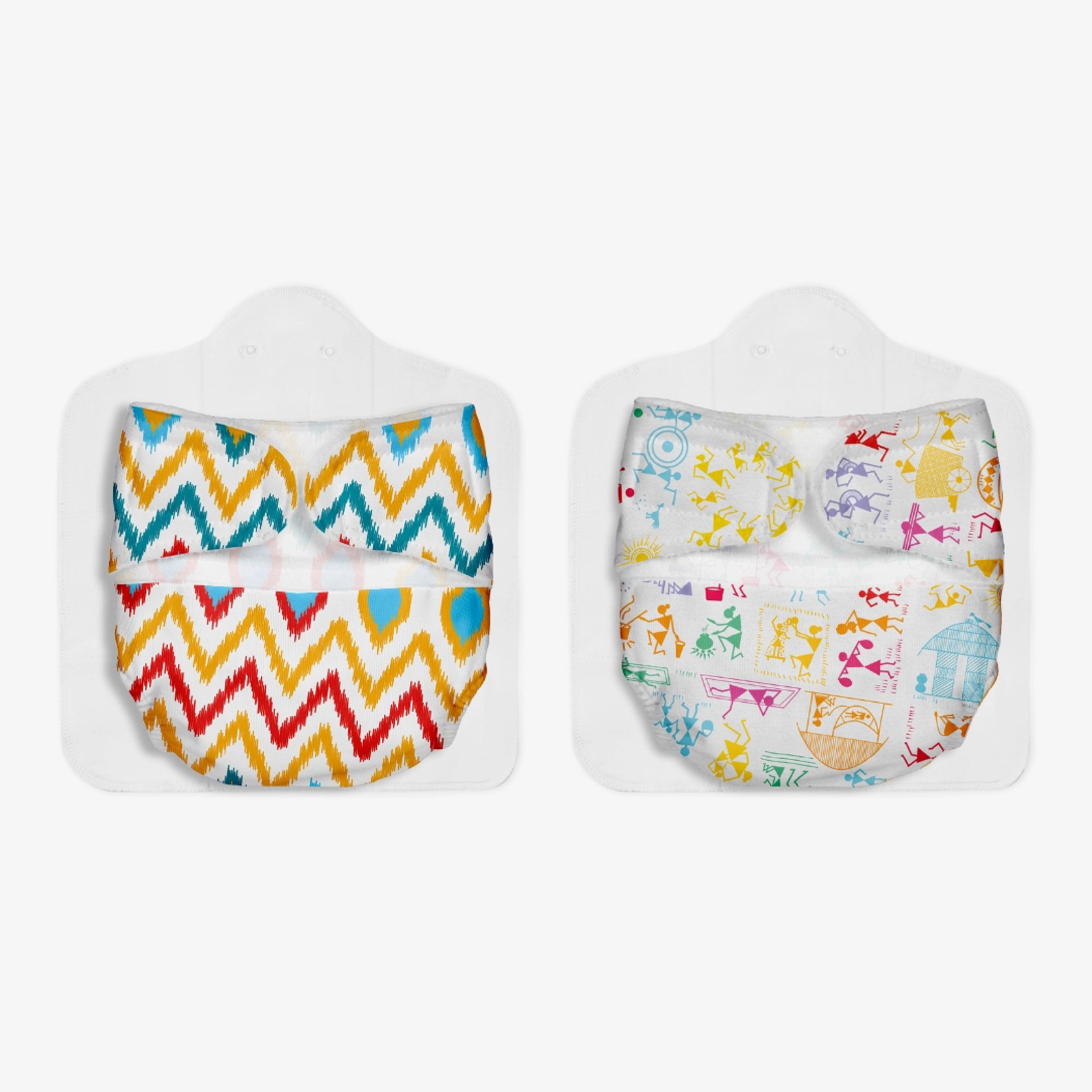
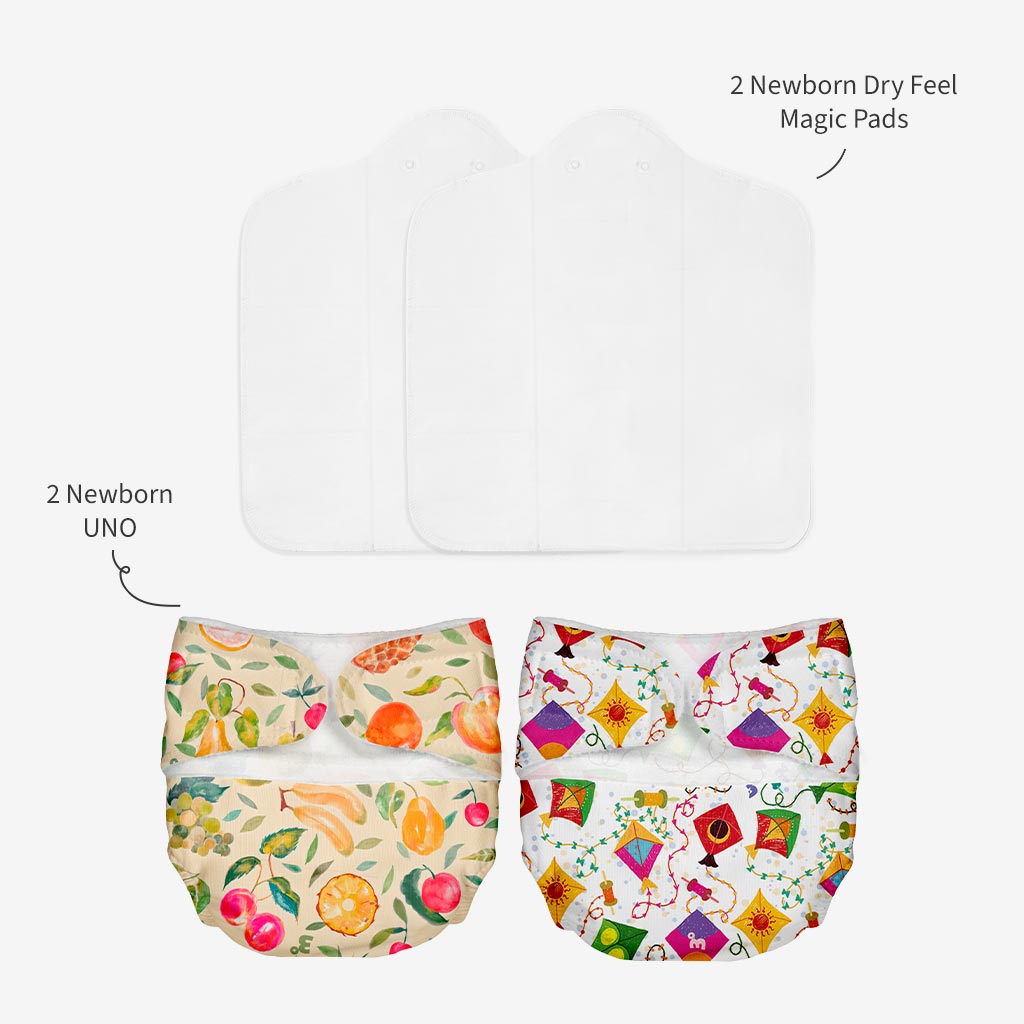
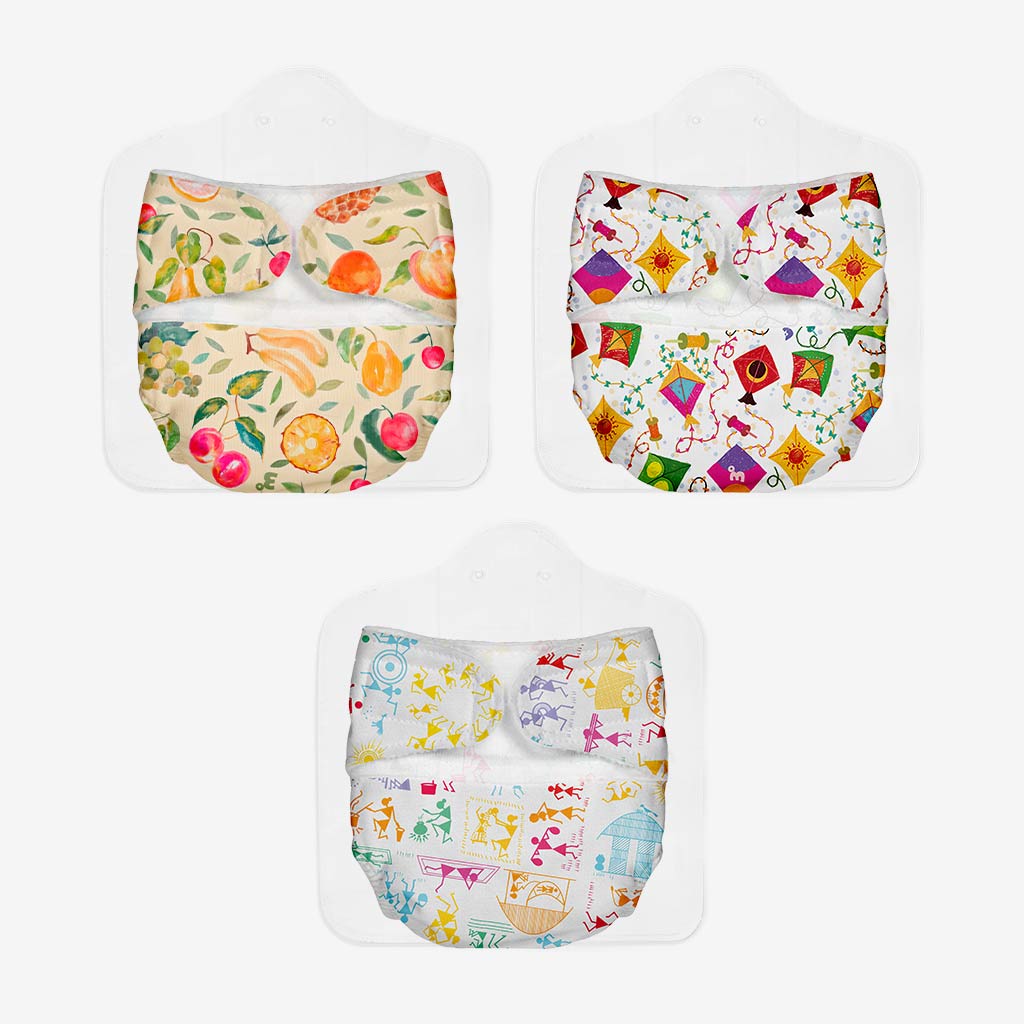
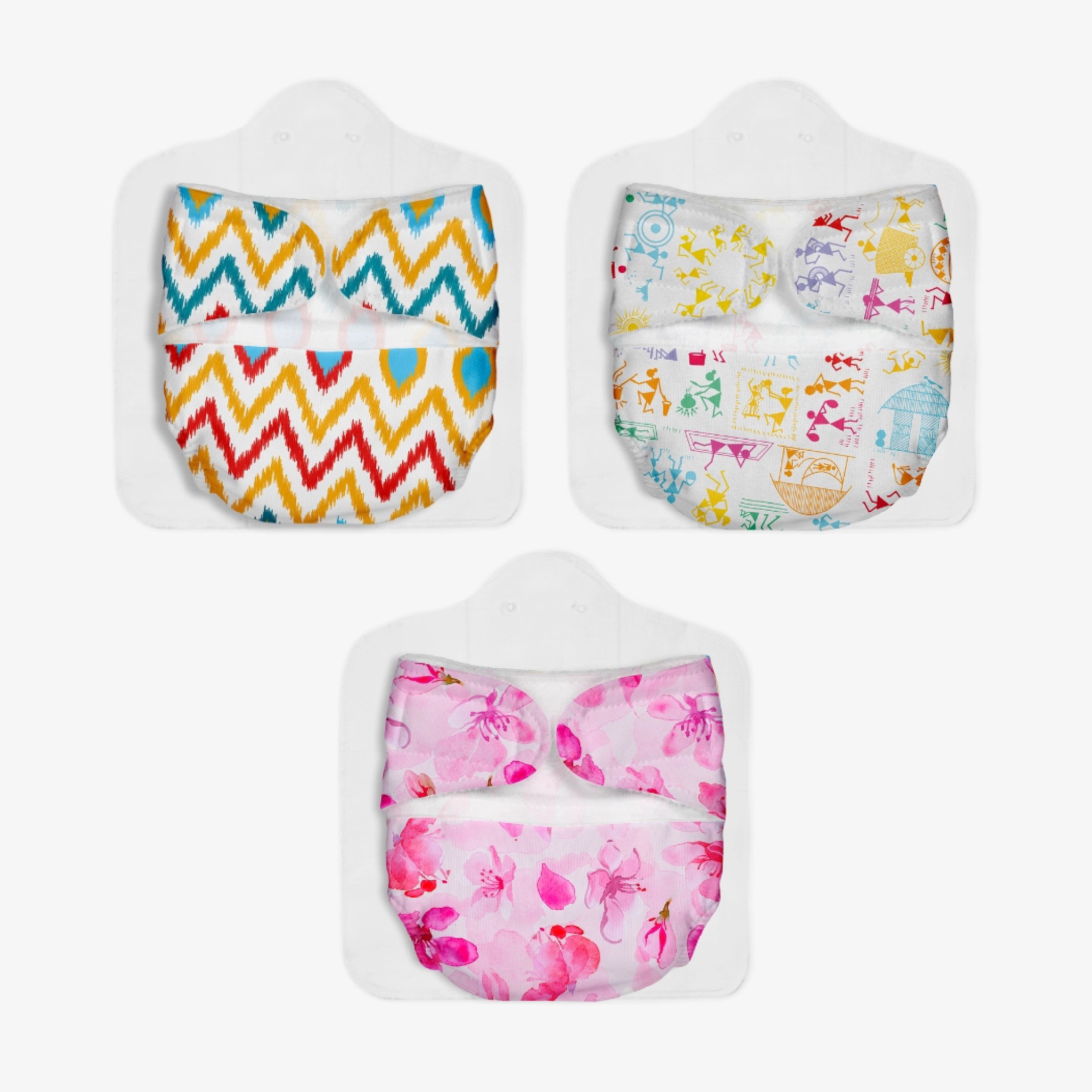
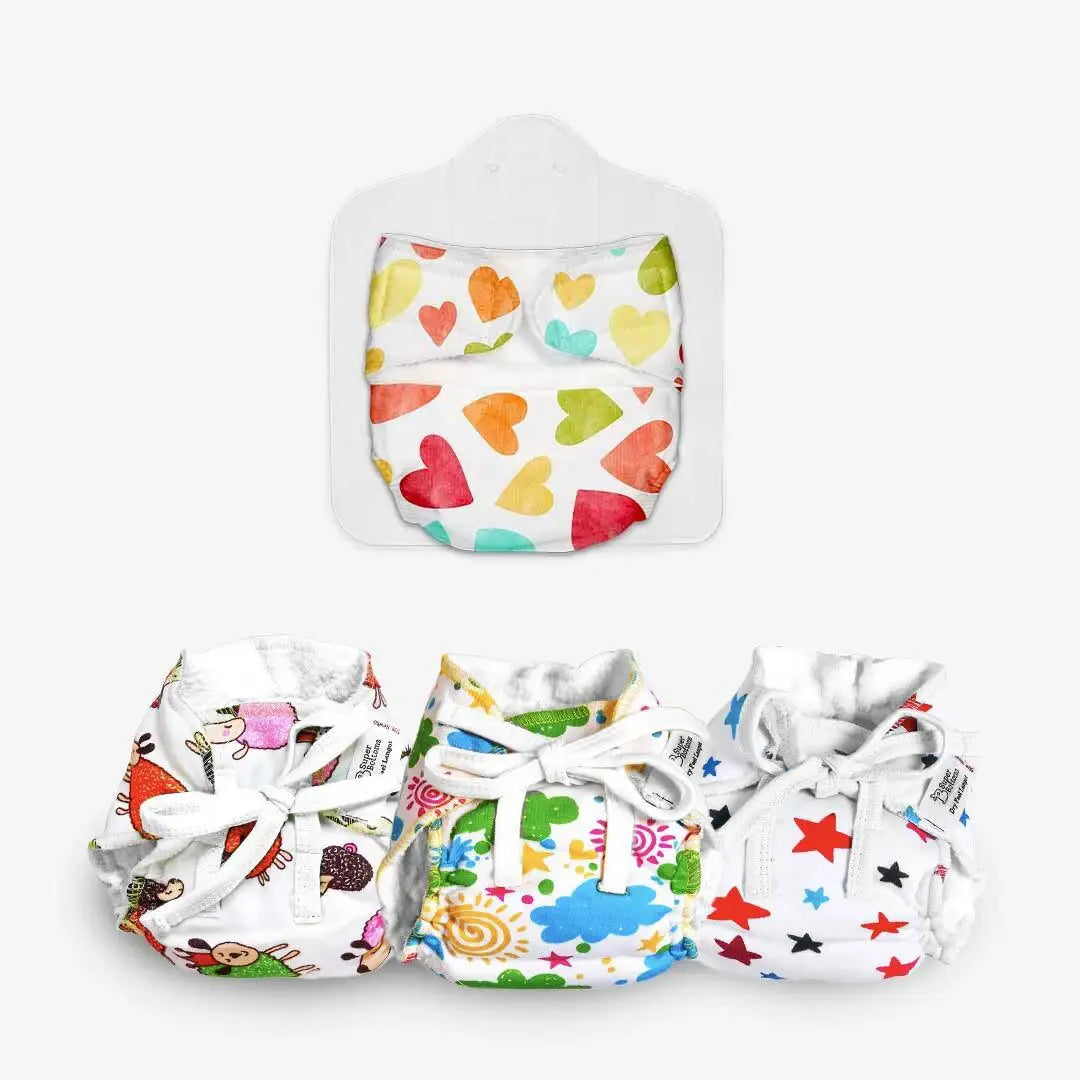
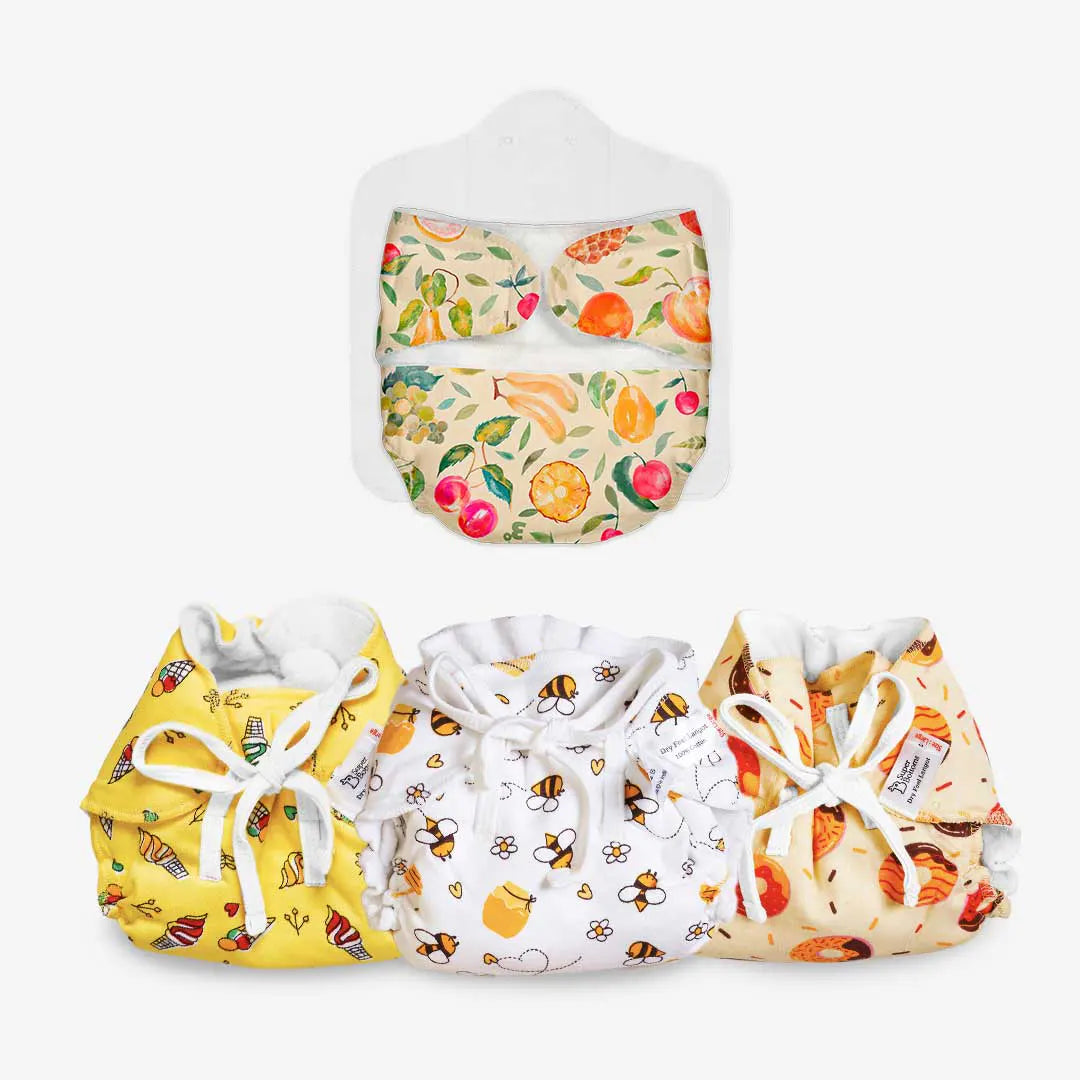
| SuperBottoms DryFeel Langot | High | High | High |
| Cotton sleepwear | High | High | High |
SuperBottoms Pick: Dry Feel Langot
Check product details → SuperBottoms UNO vs DryFeel Langot guide
Is It Possible to Change a Newborn's Sleeping Pattern?
In the early weeks, it's usually better to guide rather than force a schedule.
Parents often search for how to change a newborn's sleeping pattern, but newborns are still developing biologically appropriate sleep rhythms.
Instead of strict scheduling:
- Encourage daytime light exposure
- Maintain consistent routines
- Respond to feeding needs
- Support healthy sleep habits
Over time, babies naturally begin sleeping in longer stretches.
Parent Insight
Newborn sleep patterns can feel unpredictable, but frequent waking and irregular schedules are usually a normal part of early development.
Rather than focusing on perfect sleep, aim to create a safe, comfortable environment and follow your baby's cues. Small routines and realistic expectations often make the biggest difference during the newborn months.
For families looking to support overnight comfort, breathable essentials like SuperBottoms DryFeel Langot can help reduce disruptions and keep babies comfortable through frequent sleep-wake cycles.
Find the right fit → Explore SuperBottoms newborn essentials
|
Limited Time Offers + Special Gift Sets! Now or never Super SALE is live on the SuperBottoms website! Take advantage of unbeatable value deals on our UNO Cloth Diapers, Baby Essentials, and more. Looking for the perfect present for a newborn or a toddler? Explore our thoughtfully curated Gift Sets & Combos - safe, skin-friendly, and oh-so-cute! A bundle of love for little ones and a delight for parents. HURRY - Deals and Gift Packs are live only till stocks last. Don’t miss the chance to stock up and share the joy! |
Key Takeaways
- Newborn sleep patterns are naturally irregular during the first few months.
- Most newborns sleep 14–17 hours daily in short stretches.
- Consistent routines and sleep-friendly environments support better rest.
- Comfort and realistic expectations matter more than strict schedules.
FAQs
What are normal newborn sleep patterns?
Newborns typically sleep in short stretches throughout the day and night while waking frequently for feeding.
How much sleep does a newborn need?
Most newborns sleep between 14 and 17 hours within a 24-hour period.
What does a newborn sleeping pattern chart show?
It shows how wake windows and sleep habits change as babies grow.
What is a newborn sleep schedule by week?
Sleep schedules vary, but babies gradually develop longer sleep stretches during the first three months.
How can I help my newborn sleep better?
Following sleep cues, creating simple routines, and maintaining a comfortable sleep environment can help.
What helps newborns sleep?
Feeding, comfort, predictable routines, appropriate room temperature, and dry diapering often support better sleep.
Is SuperBottoms useful for overnight comfort?
Many parents choose breathable diapering essentials to help support comfort during sleep.
Where can I buy newborn sleep essentials in India?
Parents can explore newborn care and comfort essentials directly through SuperBottoms online.
Hi there, new parents! SuperBottoms brings you doctor-recommended cloth diapers - the best rash-free diapering solution for your baby's sensitive and delicate skin. Unlike disposable diapers loaded with chemicals, our newborn cloth diapers, when used and washed properly, can help eliminate the risk of diaper rashes. SuperBottoms offers a wide range of safe, skin-friendly essentials for the whole family - including Reusable Cloth Diapers, Diaper Pants, DryFeel langots for diaper-free time, Padded Underwear for potty training, SuperSoft Underwear for everyday comfort, Joggers for playful days, and Period Underwear for women. Not just for everyday use, SuperBottoms products also make the best gifting choice for babies - thoughtful, eco-friendly, practical, and loved by parents. Now available on Amazon, Myntra, Flipkart, FirstCry, Zepto, Swiggy and Blinkit.