






About Ridhi Chhajer (Author)

Ridhi Chhajer is a Certified Infant Massage Instructor and Maternal & Child Nutritionist based in Bengaluru. With both professional expertise and personal experience as a mother, she understands the emotional and practical challenges that new parents often face during early parenthood. In an environment where parenting advice can be overwhelming and inconsistent, Ridhi provides science-backed, practical guidance that parents can rely on. Through a combination of infant massage workshops and maternal–child nutrition support, offered both online and in person, she helps parents build stronger bonds with their babies, make informed caregiving decisions, and gain confidence in their parenting journey.
In this article, we will discuss:
- Infant massage for gas relief
- Gentle baby tummy massage techniques
- Understanding colic and constipation
- Safe massage practices for babies
- When to consult a paediatrician
A crying baby does not always need a remedy. Sometimes, they need comfort; sometimes, they need help passing gas; and sometimes, persistent crying signals a problem that massage cannot solve. Understanding the difference helps parents soothe their babies safely and confidently.
Why Do Babies Experience Gas and Colic?
Gas is common in young babies as they learn to feed and their digestive systems mature. Swallowing air during feeding, crying and difficulty coordinating feeding can contribute to discomfort. Colic, however, is not simply another name for gas.
Colic refers to repeated, prolonged episodes of crying or fussiness in an otherwise healthy baby, without an obvious cause. It commonly begins during the first few weeks of life and usually improves by around three to four months. Its exact cause is not fully understood.
Common signs of gas-related discomfort include:
- Pulling the legs towards the tummy.
- Passing gas frequently or appearing uncomfortable while doing so.
- Fussiness during or after feeding.
- A visibly bloated abdomen.
These signs are not proof that gas is causing the crying. Hunger, tiredness, reflux and other medical conditions can produce similar symptoms.
Can Infant Massage Help with Gas?
Gentle infant massage may help babies relax and can be a soothing part of a caregiving routine. Some parents find that gentle abdominal strokes and slow leg movements help their babies pass gas more comfortably. However, evidence that massage specifically treats colic or reliably reduces crying remains limited.
How does tummy massage work?
Gentle touch may relax the abdominal muscles and encourage a baby to settle. Slow, comfortable movements can also help parents recognise their baby's cues and strengthen bonding.
Massage should be viewed as a comfort measure, not a guaranteed treatment for digestive problems.
What parents should know
Baby massage may help soothe discomfort, but it cannot reliably prevent colic, diagnose constipation or treat an underlying medical condition. Stop if your baby cries more, stiffens, appears uncomfortable or resists touch.
How to Massage a Baby for Gas Relief
A gentle tummy massage can be tried when your baby is calm, alert and comfortable. Avoid massaging immediately after feeding.
Step 1: Prepare your baby
- Wash your hands and warm them by rubbing your palms together.
- Choose a comfortably warm room and a safe, flat surface.
- Lay your baby on their back and maintain close supervision.
- Wait at least 30 minutes after feeding, or longer if your baby needs it.
Step 2: Begin with gentle tummy strokes
Place your warm hands lightly on your baby's abdomen. Using a flat palm, make slow, gentle strokes across the tummy. Do not press deeply or massage a swollen or painful abdomen.
Step 3: Try clockwise circles
Using light pressure, move your fingertips in small clockwise circles around the tummy. Keep your movements slow and comfortable. Stop if your baby shows signs of discomfort.
Step 4: Gently move the legs
With your baby lying on their back, slowly bend the knees towards the abdomen and release. You can also try a gentle bicycle-leg movement. Never force the legs or press the knees into the tummy.
Step 5: Finish with comforting touch
End with gentle strokes, cuddling or holding your baby upright if they find that soothing.
How long should a baby massage last? Start with a few minutes and follow your baby's cues. There is no need to complete every technique or follow a fixed number of repetitions.
Which Baby Massage Oil Is Safe?
Baby massage does not require oil. If you choose to use one, prioritise skin compatibility and avoid fragranced or essential-oil products.
|
Option |
What parents should consider |
|
No oil |
Suitable for gentle touch if the skin tolerates it |
|
Plain coconut oil |
Consider a small patch test; stop if irritation develops |
|
Other plant-based oils |
Check ingredients and discuss suitability with your paediatrician if unsure |
|
Fragranced oils and essential oils |
Avoid unless specifically advised by a qualified healthcare professional |
A patch test cannot guarantee that a product will never cause a reaction. Avoid nut-based oils if allergy risk is a concern, and never use oils that irritate your baby's skin. Do not apply oil to broken or inflamed skin without medical advice.
Expert guidance
The American Academy of Paediatrics’ HealthyChildren.org resource, The Benefits of Baby Massage, recommends massaging only when a baby is quiet and alert, and stopping if the baby becomes fussier. It also advises waiting at least 30 minutes after feeding.

Massage vs Other Gas-Relief Methods
Massage is one of several comfort measures parents can try. The most appropriate approach depends on the baby's symptoms and feeding routine.
|
Method |
Best suited for |
Important consideration |
|
Gentle tummy massage |
Comfort and soothing |
Benefits vary; use light pressure |
|
Burping during and after feeds |
Releasing swallowed air |
Burping does not always stop crying |
|
Upright holding after feeding |
Babies who settle when held upright |
Keep the baby's airway clear |
|
Supervised tummy time |
Awake babies who tolerate it |
Never use tummy time for sleep |
|
Paediatric assessment |
Persistent or concerning symptoms |
Essential when warning signs appear |
For every sleep, place your baby on their back on a firm, flat sleep surface. Do not elevate the mattress or use inclined sleeping products to manage gas or reflux.
When Should You Consult a Doctor?
Massage is not a substitute for medical assessment when symptoms are unusual, severe or persistent.
Seek urgent medical care if your baby has:
- Green vomit, bloody vomit or blood in the stool.
- A swollen, hard or tender abdomen.
- Difficulty breathing, unusual limpness or difficulty waking.
- Fever of 38°C or higher in a baby younger than three months.
- Repeated forceful vomiting or signs of dehydration.
Contact your paediatrician if your baby refuses feeds, is not gaining weight, cries persistently or has ongoing difficulty passing stools. In young infants, constipation is better assessed by stool consistency, feeding and other symptoms than by frequency alone.
Avoid giving gripe water, herbal teas, essential oils or other home remedies without medical advice. Persistent crying should not automatically be attributed to gas or colic.
Choosing Baby Essentials for Everyday Comfort
When your baby is uncomfortable, everyday essentials should support comfortable movement and help avoid additional skin irritation.
Look for:
- Soft materials: Choose fabrics that feel gentle against your baby's skin.
- Breathability: Consider clothing and nappies suited to the weather, including India's hot and humid conditions.
- A comfortable fit: Avoid tight waistbands and garments that press against the abdomen.
- Easy changes: Practical, easy-to-change clothing and nappies can simplify caregiving.
- Care instructions: Check washing requirements and follow the manufacturer's guidance.
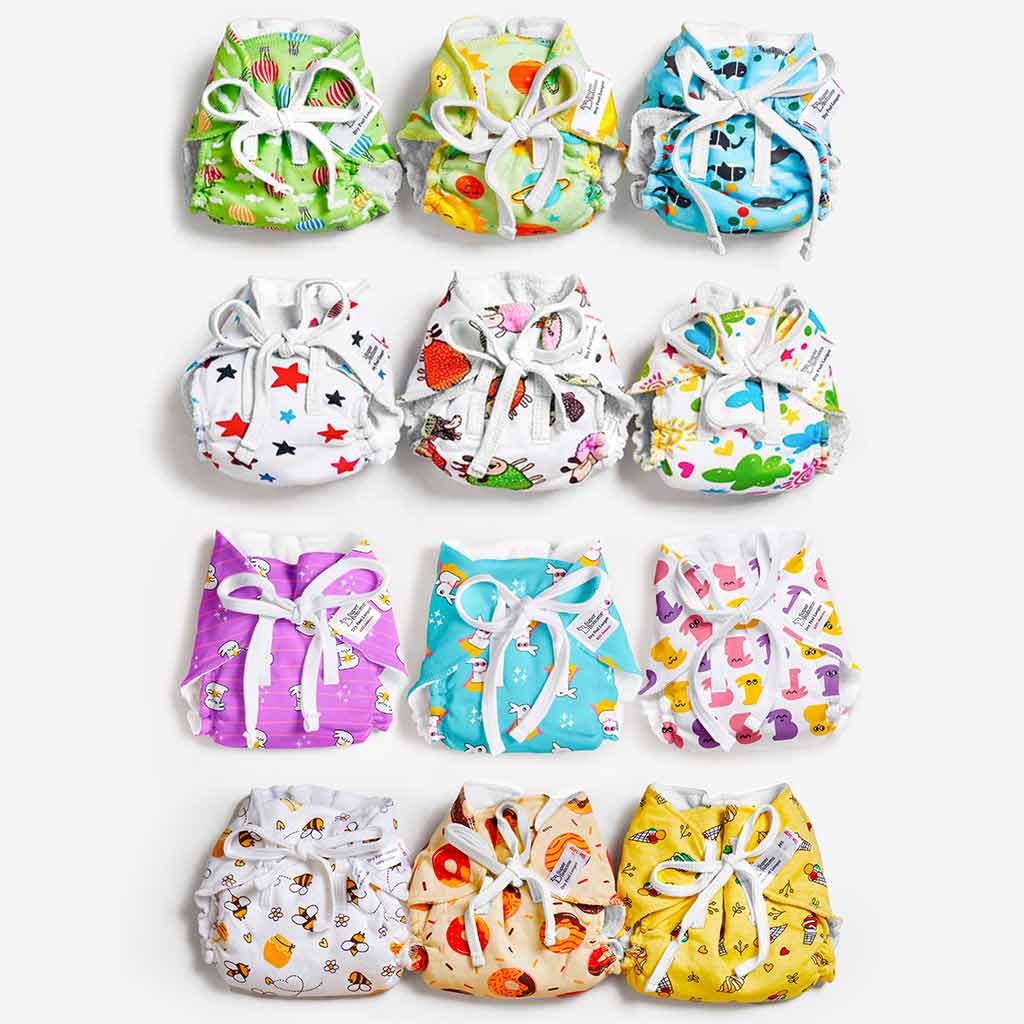
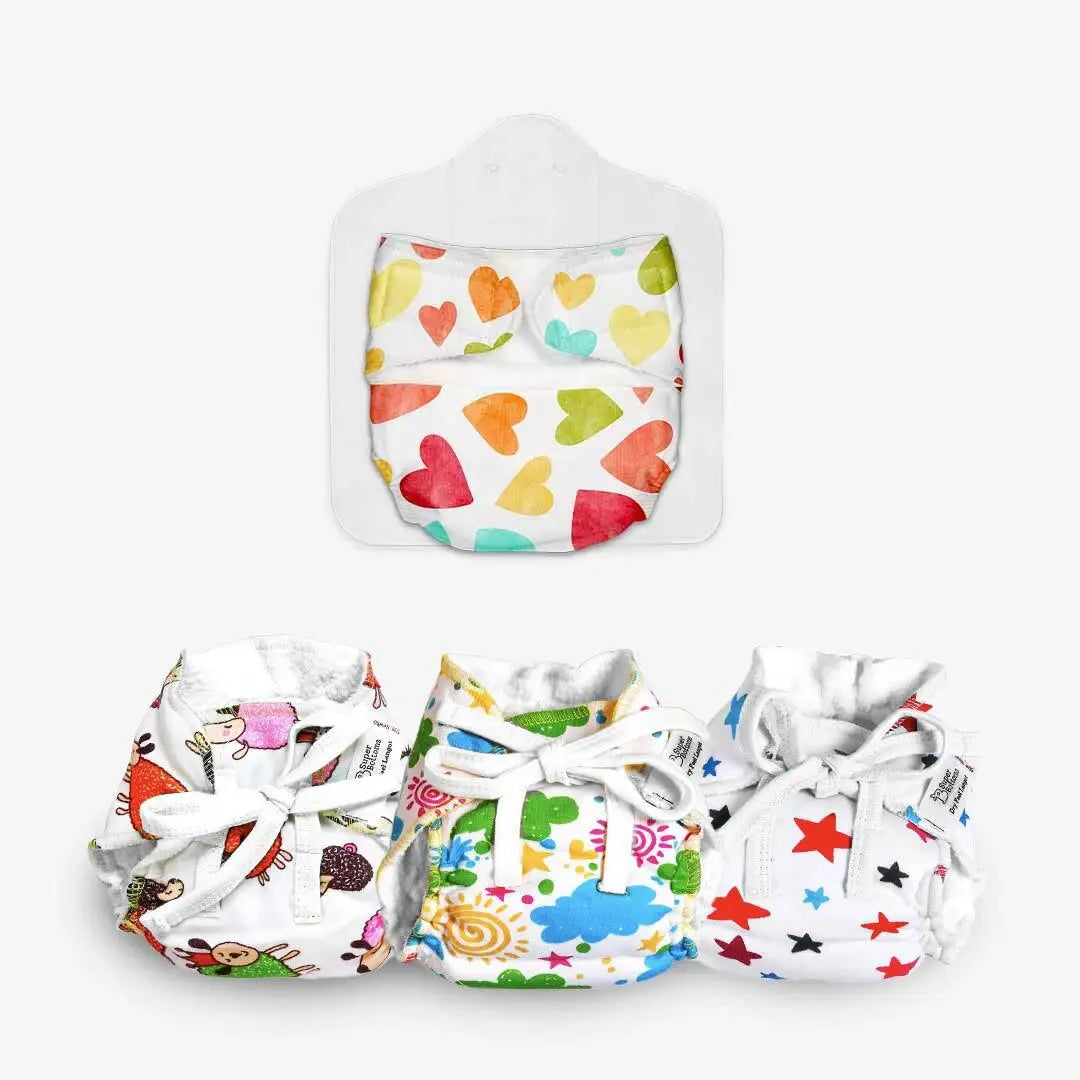
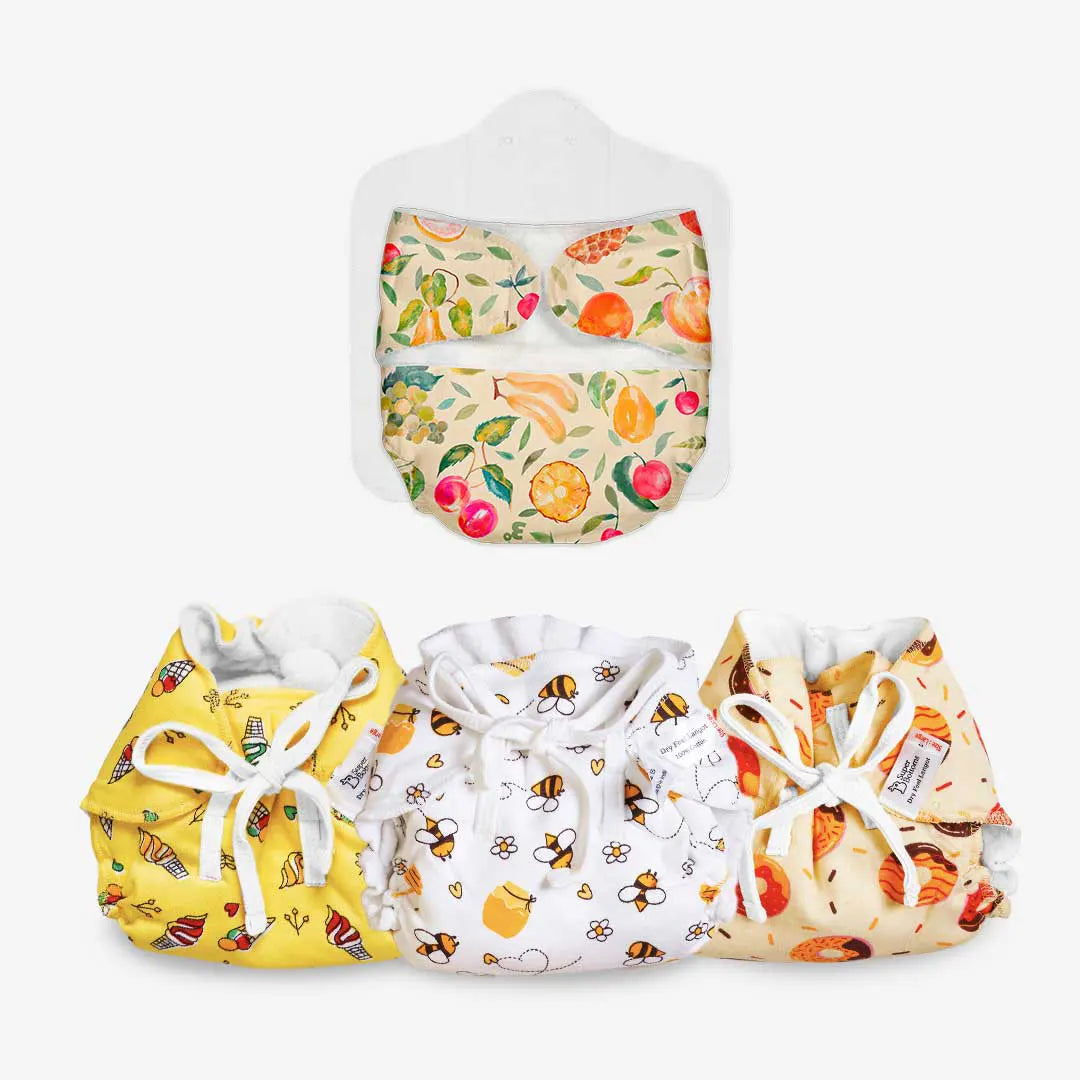
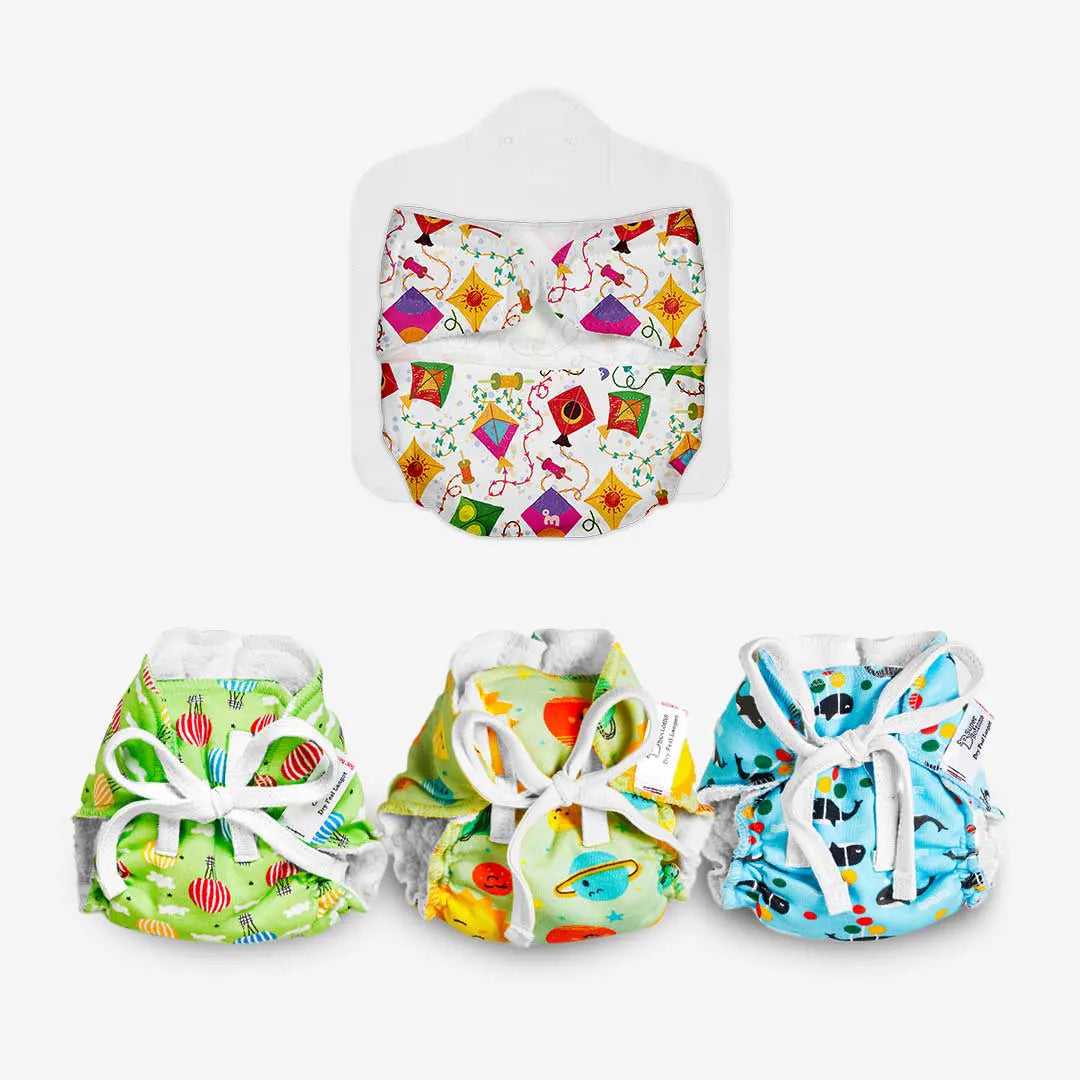
💡 SuperBottoms PickFor parents who want a simple option during awake-time changes or massage, a langot may be worth considering. SuperBottoms' DryFeel Langot is one option to explore for everyday baby care. Check the current product specifications, sizing and care instructions before purchasing. A langot does not treat gas or colic, and its suitability depends on the baby's needs and the product's fit. |
What is the practical solution?
Problem: Your baby seems unsettled and may be experiencing gas.
Solution: Check feeding and burping, try gentle massage or comforting upright holding when appropriate, and monitor your baby's symptoms.
Why it helps: These steps provide opportunities for comfort without assuming that every crying episode is caused by gas.
Product consideration: Choose baby essentials based on fit, skin comfort and ease of use—not on claims that they relieve digestive discomfort.
Parent Checklist
- Choose a calm time, away from feeds.
- Wash your hands and warm them.
- Use gentle touch without deep pressure.
- Stop if your baby becomes uncomfortable.
- Check the skin after using any oil.
- Keep sleep practices safe.
- Seek medical advice for warning signs.
Infant massage can be a gentle way to comfort your baby, encourage connection and establish a calming routine. It may help some babies settle when they experience gas, but it is not a proven cure for colic or a substitute for medical care. Follow your baby's cues, use gentle techniques and consult a paediatrician when symptoms persist or cause concern.

Key Takeaways
- Use gentle massage as a comfort measure, not a cure.
- Choose safe techniques and follow your baby's cues.
- Seek medical advice for persistent symptoms or warning signs.
Frequently Asked Questions
1. How often can I massage my baby for gas?
You can offer gentle massage when your baby is calm and receptive. There is no medically established frequency that guarantees gas or colic relief.
2. Can I massage my newborn's tummy after feeding?
Wait at least 30 minutes after feeding and longer if needed. Avoid tummy massage if your baby appears uncomfortable, is vomiting or has a swollen abdomen.
3. Does baby massage help with colic?
Massage may soothe some babies, but research has not established that it reliably treats colic. Persistent or unusual crying should be discussed with a paediatrician.
4. Which oil is best for baby massage?
No oil is necessary. If you choose one, use a simple, suitable product, avoid fragrances and essential oils, and stop if irritation occurs.
Message from SuperBottoms
Hi there, new parents! SuperBottoms brings you doctor-recommended cloth diapers, a trusted rash-free diapering solution specially designed for your baby's sensitive, delicate skin.
From Newborn UNO and Regular UNO to UNO Luxe, SuperBottoms offers reusable diapering solutions for every stage of your child's growth.
Our range also includes Diaper Pants, DryFeel langots for diaper-free time, Padded Underwear for potty training, as well as SuperSoft Underwear, Cycling Shorts and Joggers for growing kids.
Our collection also includes Period Underwear and bladder-leak solutions for women, along with everyday baby-care essentials.
SuperBottoms products also make thoughtful gifts for babies and new parents - practical, reusable and designed around the real needs of parents.
SuperBottoms products are now available on Amazon, Flipkart, FirstCry, Myntra, Nykaa, Blinkit, and Zepto.