






In this article, we will discuss
- Newborn baby massage basics
- Safe massage oils for babies
- Gentle infant massage techniques
- Baby massage safety tips
- Bonding through everyday touch
Baby massage doesn't need to be a perfect routine or a special skill. A few gentle strokes, a familiar voice and time together can make it a comforting experience for both you and your little one.
The key is knowing when your baby is ready, which techniques to use and when to stop.
This guide covers newborn massage techniques, oil selection, safety precautions and practical tips for Indian parents.
What is newborn baby massage?
Newborn baby massage is the practice of using gentle, rhythmic strokes and soothing touch on a baby's body. Parents and caregivers can use it to encourage bonding, provide comfort and introduce a calming moment into everyday care.
Oil is optional. You can begin with clean, warm hands and gentle touch, paying attention to your baby's response.
What parents should know
Baby massage is not a medical treatment or a developmental requirement. It is one way to connect with your baby, learn their cues and make everyday care more interactive.
What are the benefits of baby massage?
Gentle infant massage may help babies relax and gives parents an opportunity to build familiarity through touch, eye contact and talking. However, the strength of evidence varies across claimed benefits, so massage should not be presented as a guaranteed way to improve sleep, digestion or growth.
Potential benefits include:
- Bonding: Close, responsive contact can help build familiarity and trust between a baby and caregiver.
- Relaxation: Gentle strokes and a soothing voice may help a baby settle when they are calm and receptive.
- Understanding baby cues: Regular interaction can help parents recognise signs of comfort, overstimulation and the need for a break.
- Sensory experience: Touch introduces babies to different sensations in a familiar environment.
- Caregiver confidence: Practising gentle touch can help parents feel more comfortable handling and interacting with their newborn.
The World Health Organization's 2025 postnatal care recommendations state that gentle whole-body massage may be considered for healthy, full-term newborns for possible growth and developmental benefits. However, the evidence remains uncertain, and massage should complement—not replace—routine newborn care.
When can you start massaging a newborn?
Gentle, nurturing touch can begin from birth, provided the baby is medically stable and comfortable. A structured massage routine is different from ordinary cuddling and should be adapted to the baby's age, health and readiness.
For parents in India, traditional oil massage is common, but there is no need to rush into a full-body oil massage during the first days of life.
Consider these guidelines:
- In the first few days: Prioritise feeding, skin-to-skin contact, warmth and gentle handling. Follow your maternity team's guidance on caring for the umbilical cord stump.
- After coming home: Introduce gentle strokes when your baby is calm and alert. Ask your paediatrician about oil use, particularly if the cord area has not healed.
- For premature babies: Seek guidance from your neonatal team before starting a structured massage routine.
- After vaccination or illness: Ask your healthcare professional when it is appropriate to resume massage, especially if your baby has a fever or seems unwell.
Expert guidance
Patti Ideran, OTR/L, CEIM, and Mark Fishbein, MD, FAAP, writing for the American Academy of Paediatrics’ HealthyChildren.org, explain that infant massage can be a soothing way to support bonding. They also emphasise observing the baby's reactions and stopping when touch causes discomfort. Read their guidance on the benefits of baby massage.

How to massage a newborn baby step by step
Start with a short session rather than trying to massage the entire body. A few minutes may be enough, and you can stop whenever your baby has had enough.
1. Prepare a warm, comfortable space
Choose a warm room away from direct air-conditioning or fan drafts. Lay your baby on their back on a firm, safe surface, with one hand close by to prevent rolling.
Wash and dry your hands, remove jewellery that might scratch the skin, and keep a towel, clean clothes and a fresh nappy or langot nearby.
2. Start with the legs and feet
Place your hands gently around one leg and stroke from the thigh towards the ankle. Repeat on the other leg.
You can gently stroke the soles of the feet and each toe. Avoid pulling the toes or pressing firmly on the joints.
3. Move to the arms and hands
Support one arm and use gentle strokes from the upper arm towards the wrist. You can softly stroke the palms and fingers.
Never pull your baby's arms to stretch them or force their hands open.
4. Massage the chest and shoulders
Rest your hands lightly on the chest and make slow, gentle strokes outward. Move to the shoulders and upper arms if your baby seems comfortable.
Avoid pressure on the rib cage or any attempt to manipulate the joints.
5. Try a gentle tummy massage
If your baby is comfortable lying on their back, place your warm hand on their abdomen and use very light, slow circular strokes.
Some parents use tummy massage as part of a soothing routine when their baby seems gassy. However, it is not a guaranteed remedy for colic, constipation or other digestive problems. Never press deeply into the abdomen, particularly if it looks swollen or your baby seems to be in pain.
6. Gently stroke the back
If you want to massage your baby's back, do so while they are awake and continuously supervised.
You may gently stroke the back while holding your baby securely, or during supervised tummy time when they are alert. Never leave a newborn unattended on their tummy, and always place them on their back for sleep.
7. Finish with gentle touch on the face and head
If your baby enjoys it, softly stroke the forehead or cheeks with clean hands. Avoid pressure on the soft spots on the head, the eyes and the neck.
Massage is not a treatment for cradle cap. If scalp flakes persist or the skin becomes inflamed, ask your paediatrician how to manage them.
Remember: There is no compulsory order or fixed duration. Your baby's comfort matters more than completing every step.
Which oil is best for baby massage?
There is no single massage oil that is best for every newborn. Oil is optional, and choosing one requires considering your baby's skin, any history of allergies and the product's ingredients.
|
Oil or product |
What parents should consider |
|
Coconut oil |
Commonly used in India, but suitability depends on the baby's skin and the formulation. |
|
Sunflower oil |
A possible option when recommended by a healthcare professional; choose a suitable, fragrance-free product. |
|
Mustard oil |
Can irritate delicate skin; avoid assuming traditional use makes it suitable for every newborn. |
|
Olive oil |
May not suit every baby's developing skin barrier; ask your paediatrician before using it. |
|
Almond or other nut oils |
Consider allergy risks and avoid if advised by your healthcare professional. |
|
Essential oils or strongly fragranced blends |
Avoid applying these directly to a newborn's skin. |
Before using any oil:
- Check the ingredients and age suitability.
- Avoid fragranced blends and products with essential oils.
- Ask your paediatrician before applying oil to eczema, broken skin or a persistent rash.
- Stop using the product if you notice redness, swelling or irritation.
- Never put oil on your baby's hands if they regularly suck their fingers.
When should you avoid baby massage?
Skip massage when your baby is hungry, crying intensely, asleep, feverish or otherwise unwell. Avoid massaging immediately after a full feed, when the baby may be uncomfortable.
Pause or stop if your baby:
- Turns away repeatedly or becomes increasingly restless.
- Cries, stiffens their body or pulls their limbs away.
- Develops redness or irritation during the session.
- Seems unusually sleepy, weak or uncomfortable.
Do not massage over open wounds, bruises, inflamed skin or a painful area. If your newborn has a medical condition, has recently undergone a procedure or was born prematurely, seek individual advice before starting a structured routine.
Seek medical care for concerning symptoms rather than attempting to relieve them with massage. A fever of 38°C or higher in a baby younger than three months requires urgent medical assessment.
What should parents look for when choosing massage essentials?
If you choose to use oil or keep products nearby during massage, focus on practical suitability rather than buying a large set of specialised items.
- Skin suitability: Look for age-appropriate ingredients and avoid unnecessary fragrance.
- Comfort: Choose a soft towel and comfortable clothing that won't irritate the skin.
- Convenience: Keep clean clothes, a fresh nappy or langot and a towel within reach.
- Hygiene: Use clean hands and freshly laundered fabric.
- Ease of use: Choose products that fit your existing routine rather than adding unnecessary steps.
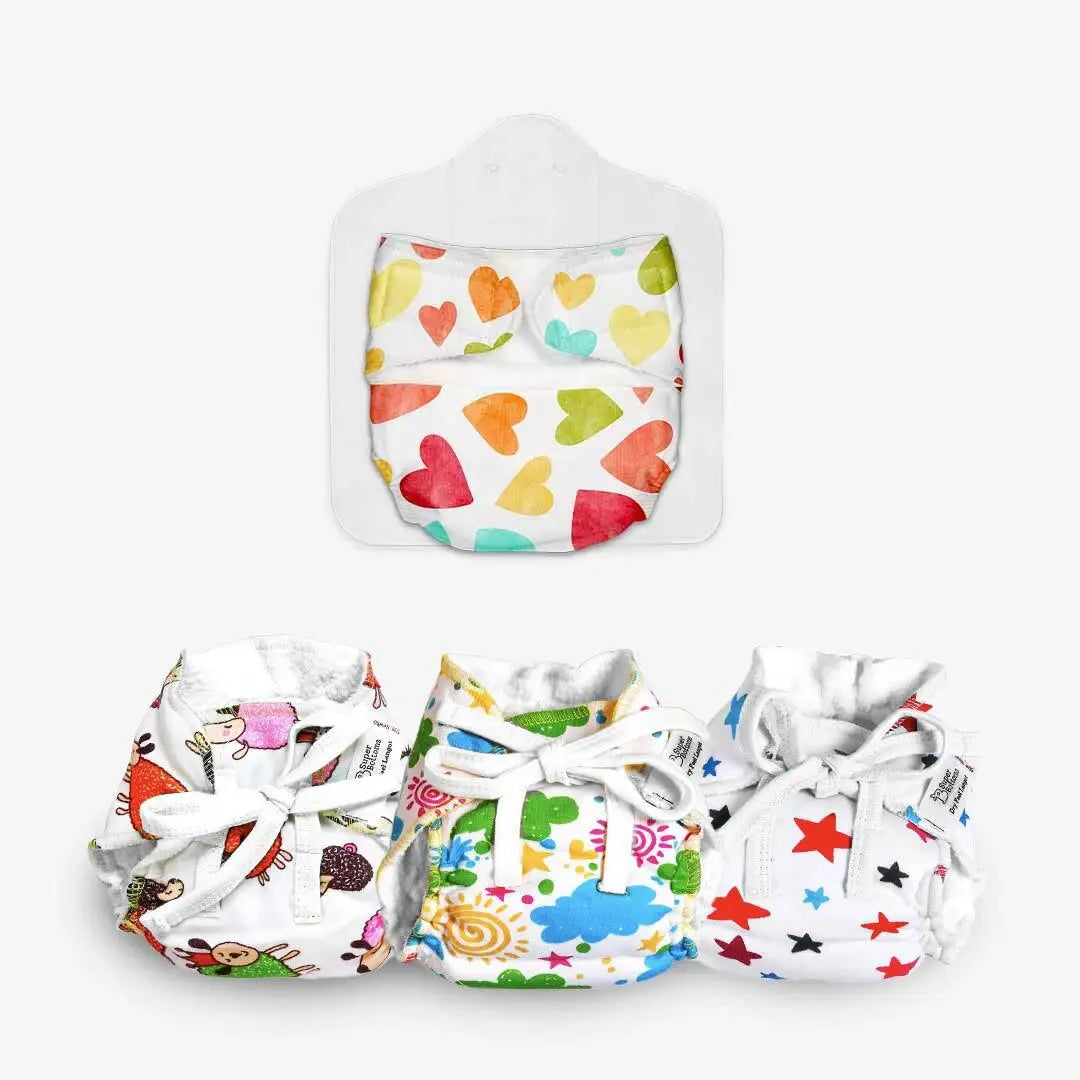
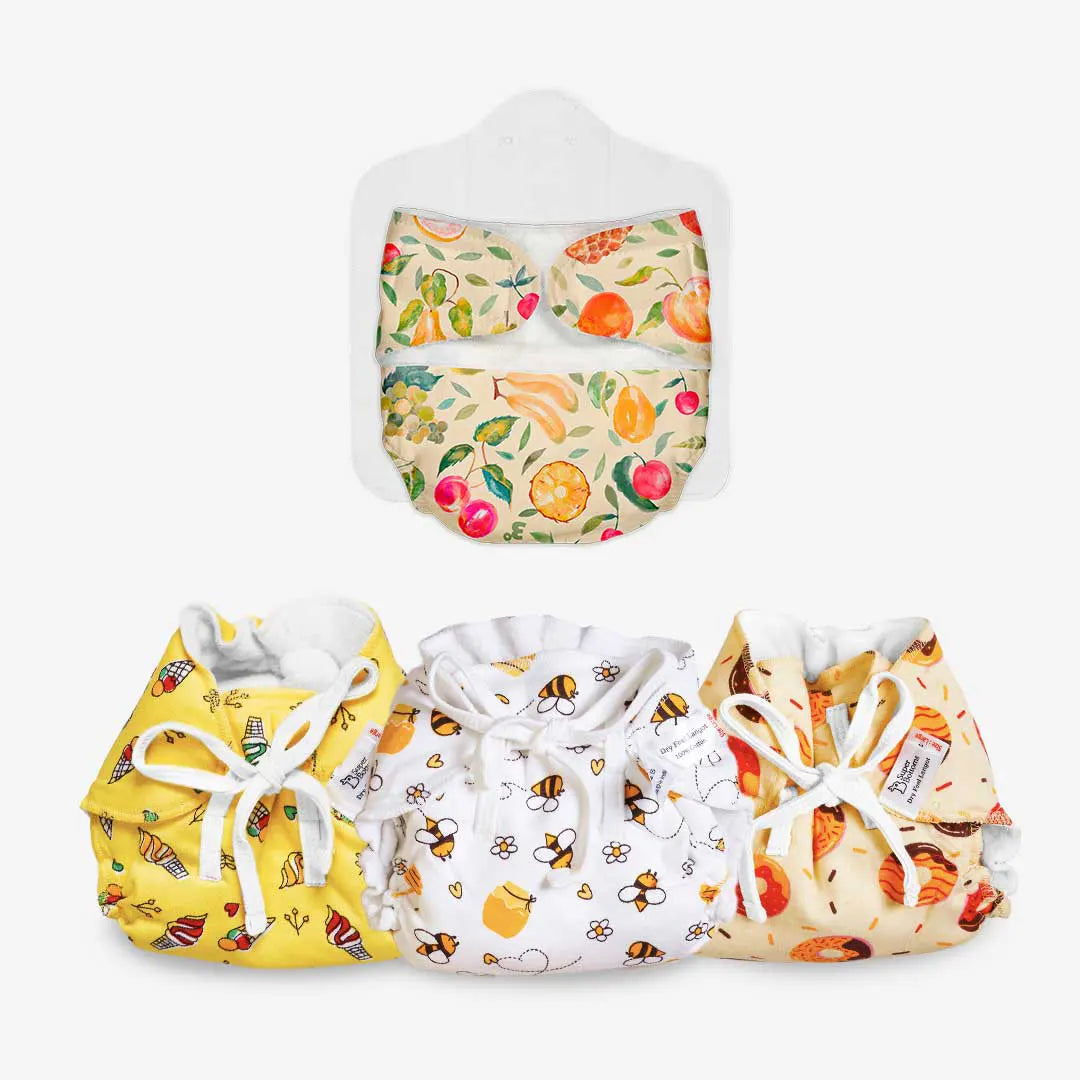
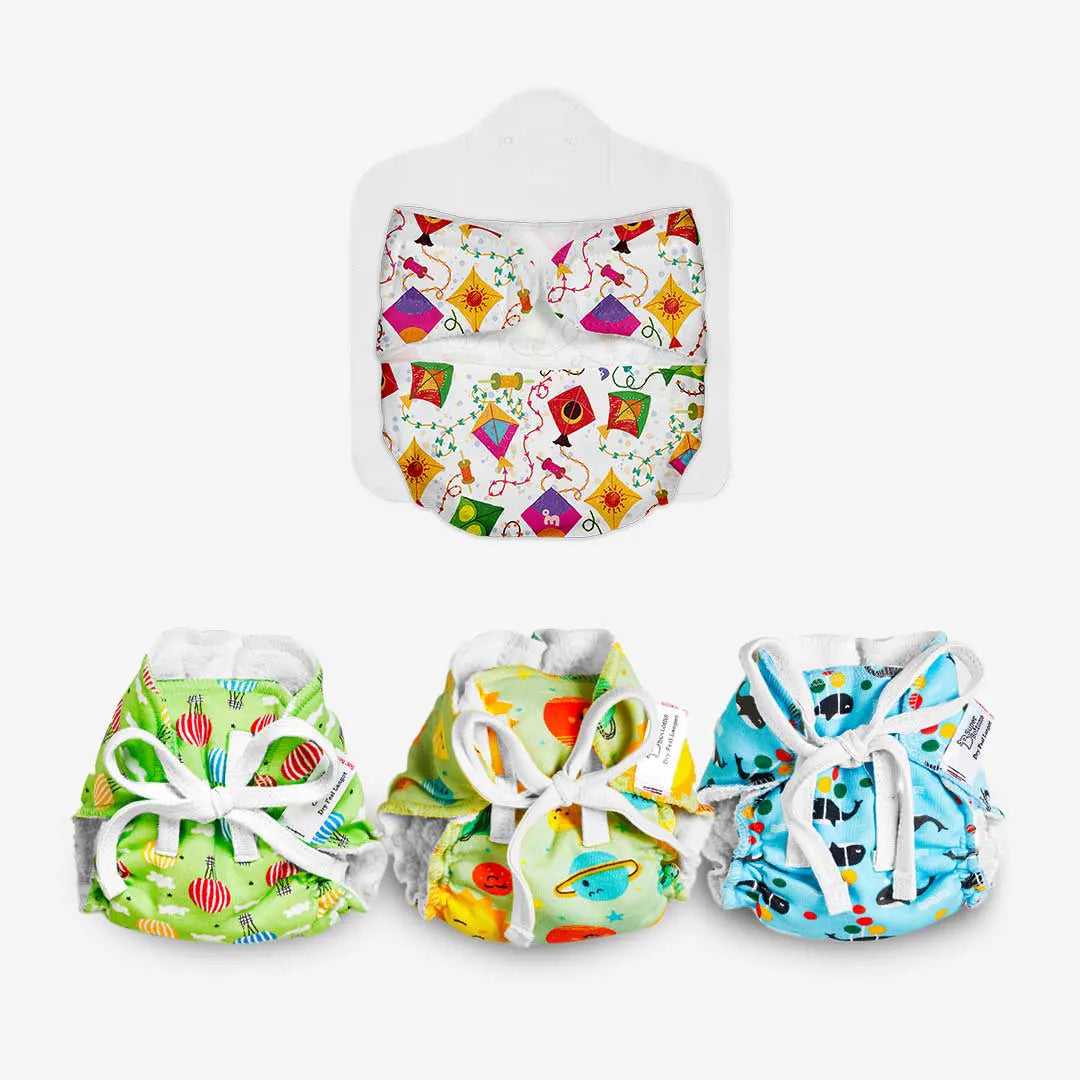
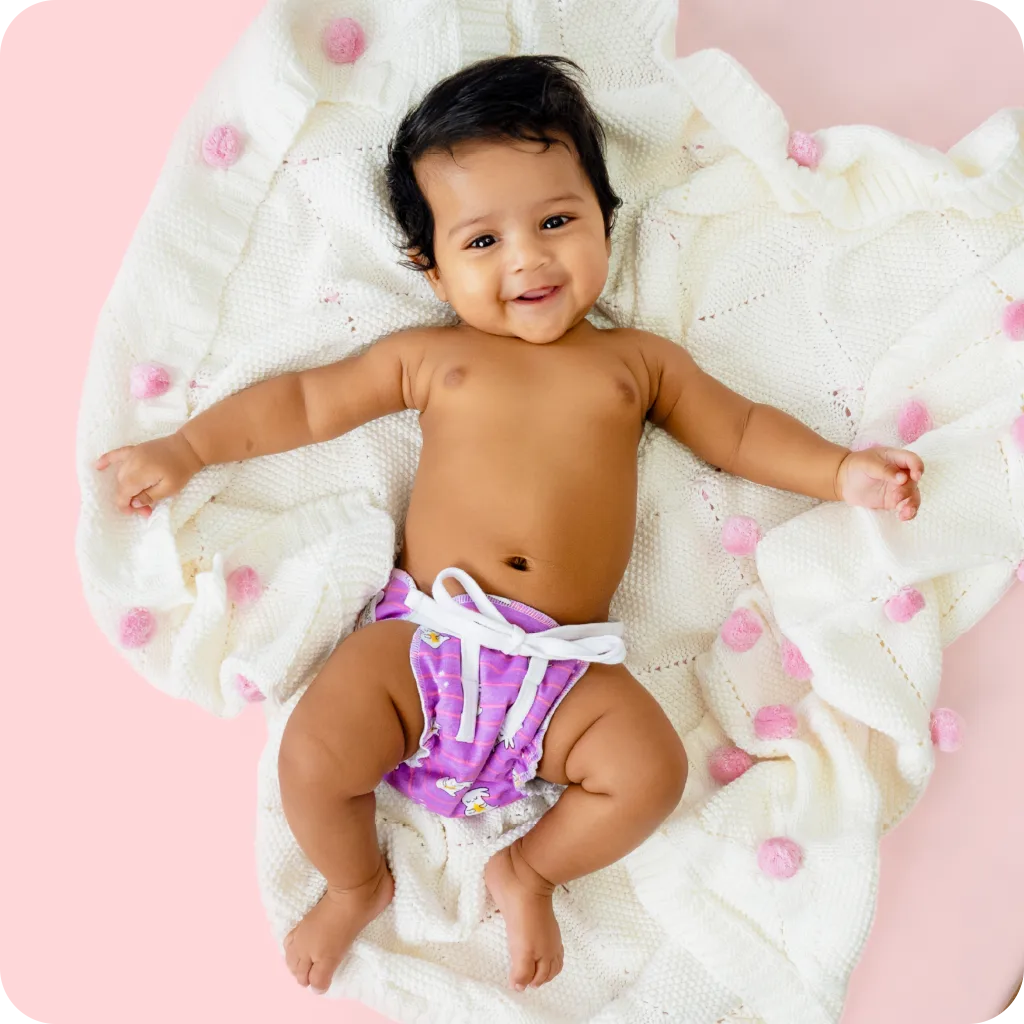
💡 SuperBottoms PickA fresh, comfortable nappy or langot can be useful during changing and after massage. SuperBottoms' First Love Langot range is one option to explore for babies during supervised diaper-free time. Check the current product details and size suitability before purchasing. |
A langot is for managing ordinary diaper-free time, not a substitute for safe handling or supervision during massage.
What is the practical solution?
Problem: New parents may feel unsure about handling a tiny newborn or following traditional massage advice.
Solution: Begin with clean hands, gentle touch and a calm environment. Add oil only if it is suitable for your baby's skin and your healthcare professional has no concerns.
Why it helps: This keeps the focus on comfort and connection rather than a rigid routine or unproven health claims.
Relevant essentials: Keep a clean towel, fresh clothing and a suitable baby nappy or langot ready so you can finish the session comfortably.
Parent checklist
Before starting a newborn massage, check the following:
- My baby is calm, awake and comfortable.
- The room is warm, and the surface is safe.
- My hands are clean, with no sharp jewellery.
- I have checked the suitability of any oil.
- I am using gentle strokes without forcing movement.
- I am watching my baby's cues and will stop if needed.
- I have clean clothing and a fresh nappy ready.
- I will place my baby on their back for sleep.
Newborn baby massage can be a gentle way to bond with your little one, but it does not need to be elaborate or oil-based. Choose a calm moment, use comfortable touch and let your baby's reactions guide you. If you have concerns about skin sensitivity, prematurity or illness, ask your paediatrician before continuing.

Key takeaways
- Follow your baby's cues rather than a fixed massage routine.
- Choose oils carefully; they are not essential for massage.
- Keep massage gentle, supervised and focused on comfort.
FAQs
1. How long should you massage a newborn baby?
Start with a few minutes and stop when your baby loses interest or becomes uncomfortable. There is no fixed duration that every newborn needs.
2. Can I massage my newborn baby every day?
You can offer gentle massage regularly if your baby enjoys it and their healthcare professional has no concerns. Daily massage is optional, not a requirement for healthy development.
3. Is oil necessary for newborn baby massage?
No. Clean hands and gentle strokes are enough. If you choose to use oil, check its ingredients and suitability for your baby's skin.
4. Does baby massage help with gas and colic?
Gentle touch may soothe some babies, but massage is not a proven cure for colic or persistent digestive symptoms. Contact your paediatrician if your baby has severe, persistent or unusual crying, vomiting or abdominal swelling.
Message from SuperBottoms
Hi there, new parents! SuperBottoms brings you doctor-recommended cloth diapers, a trusted rash-free diapering solution specially designed for your baby's sensitive, delicate skin.
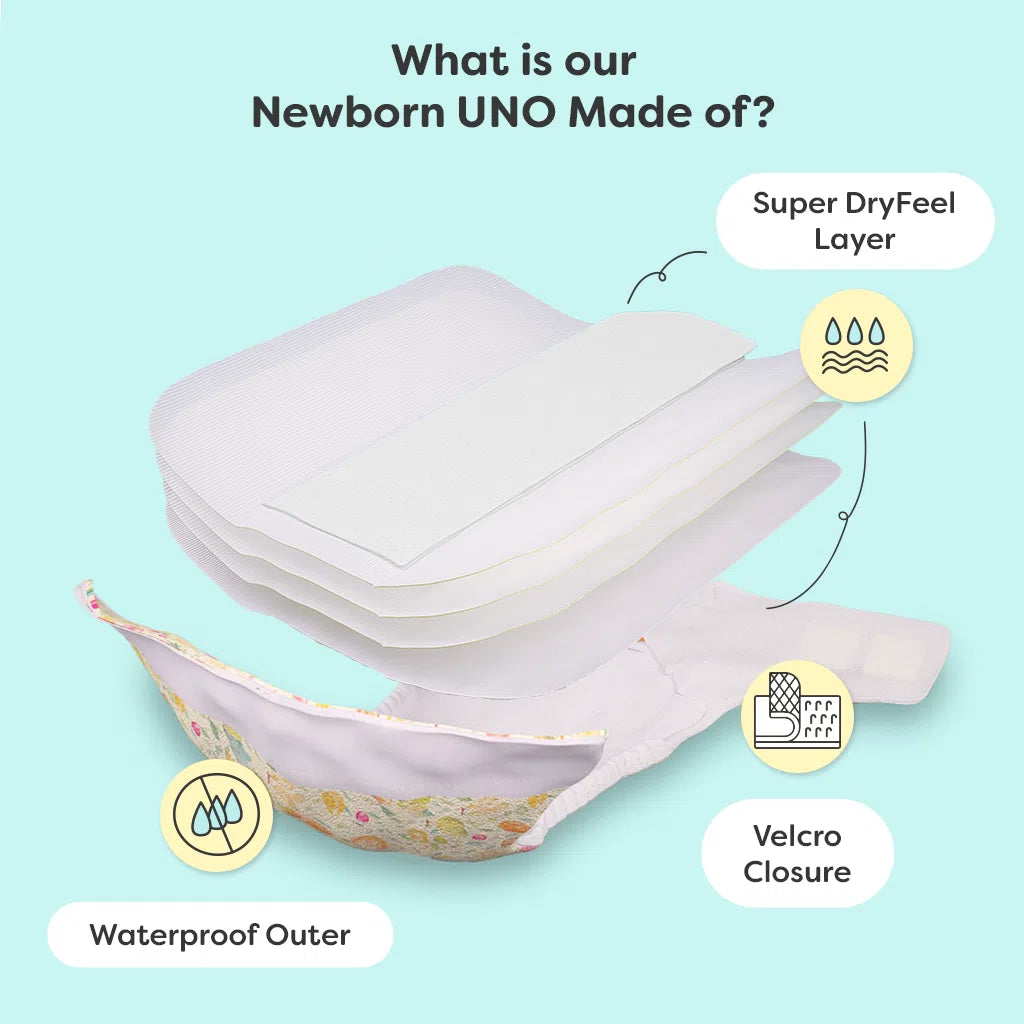
From Newborn UNO and Regular UNO to UNO Luxe, SuperBottoms offers reusable diapering solutions for every stage of your child's growth.
Our range also includes Diaper Pants, DryFeel langots for diaper-free time, Padded Underwear for potty training, as well as SuperSoft Underwear, Cycling Shorts and Joggers for growing kids.
Our collection also includes Period Underwear and bladder-leak solutions for women, along with everyday baby-care essentials.
SuperBottoms products also make thoughtful gifts for babies and new parents - practical, reusable and designed around the real needs of parents.
SuperBottoms products are now available on Amazon, Flipkart, FirstCry, Myntra, Nykaa, Blinkit, and Zepto.