






About Richu Elin Abraham (Author)

Richu Elin Abraham is a counselling psychologist specialising in mental health support for pregnant women and new mothers. She helps women navigate the emotional and psychological challenges of pregnancy and early motherhood, including stress, anxiety, and postpartum adjustments. Through personalised counselling, she creates a safe space for mothers to express their concerns, develop coping strategies, and build resilience. Her goal is to empower and support them as they transition into motherhood with confidence and well-being.
Fatherhood is more than a practical transition—it is an emotional journey marked by excitement, anxiety, identity shifts, and growing responsibility. Many new fathers experience stress, uncertainty, and emotional highs and lows while adjusting to parenthood. Understanding these emotional changes and preparing with the right mindset, support system, and baby essentials can help fathers feel more confident and involved from day one.
- What emotions do fathers experience during pregnancy and after birth?
- Why is fatherhood emotionally challenging?
- How can new fathers prepare emotionally for parenthood?
- What should couples know about navigating parenthood together?
- What should I look for when choosing baby essentials as a new parent?
- Which baby care options work best for modern parents?
- Comparison table: Disposable vs reusable baby care essentials
- Key takeaways
- FAQs
- Message from SuperBottoms
Becoming a father is often described as one of life's most transformative milestones. While much of the conversation around pregnancy and childbirth focuses on mothers, the emotional journey of fatherhood is equally profound. New dads often experience excitement, fear, pride, anxiety, and uncertainty—all sometimes within the same day.
The transition into fatherhood is rarely linear. It involves adjusting to a new identity, new routines, relationship changes, and the growing responsibility of caring for another human being.
What Emotions Do Fathers Experience During Pregnancy and After Birth?
Most fathers experience a mix of positive and challenging emotions.
Common feelings include:
- Excitement about meeting the baby
- Anxiety about finances and responsibility
- Fear of "not being ready"
- Pressure to support their partner
- Concern about work-life balance
- Feeling emotionally disconnected during pregnancy initially
Many dads report that fatherhood feels "real" only after birth or when they begin hands-on caregiving.
"Men often experience major identity changes during the transition to fatherhood, even if they don't openly discuss them."
Why Is Fatherhood Emotionally Challenging?
Fatherhood brings joy, but it also introduces new stressors.
Common emotional challenges include:
1. Identity shift
A man moves from individual priorities to family-centred decision-making.
2. Relationship changes
Couples may temporarily struggle with:
- Less time together
- Sleep deprivation
- New responsibilities
- Reduced spontaneity
3. Fear of making mistakes
Many fathers worry about:
- Handling newborn care correctly
- Supporting breastfeeding or feeding routines
- Managing nighttime care
4. Financial pressure
Expenses increase quickly after birth, creating added stress.
What Parents Should Know
How Can New Fathers Prepare Emotionally for Parenthood?
Preparation reduces anxiety significantly.
New fathers can prepare by:
Build realistic expectations
Babies are unpredictable. Sleep schedules, feeding, and routines evolve slowly.
Learn practical baby care skills
Confidence grows through action:
Hands-on caregiving helps fathers bond faster.
Communicate openly with the partner.
Discuss:
- Division of responsibilities
- Night duties
- Visitors
- Feeding expectations
- Household help
Create support systems
Lean on:
- Family
- Parenting communities
- Paediatricians
- Lactation consultants
Expert Answer

What Should Couples Know About Navigating Parenthood Together?
Parenthood is a team transition, not an individual one.
Couples should expect adjustment periods.
Helpful strategies:
- Avoid scorekeeping responsibilities
- Schedule small check-ins daily
- Express appreciation often
- Accept temporary routine disruption
A real parent insight from a new dad in India:
What Should I Look for When Choosing Baby Essentials as a New Parent?
When new parents shop for baby products, practicality matters more than quantity.
Look for:
| Criteria | Why It Matters |
|---|---|
| Skin safety | Babies have delicate skin prone to irritation |
| Ease of use | New parents are sleep-deprived and need convenience |
| Leak protection | Reduces laundry and nighttime disruptions |
| Value for money | Baby expenses add up quickly |
| Sustainability | Many parents prefer reusable options |
What to Look For
Which Baby Care Options Work Best for Modern Parents?
There is no universal best option. The ideal choice depends on lifestyle, the baby's needs, and comfort level.
For many parents, reusable systems offer long-term value.
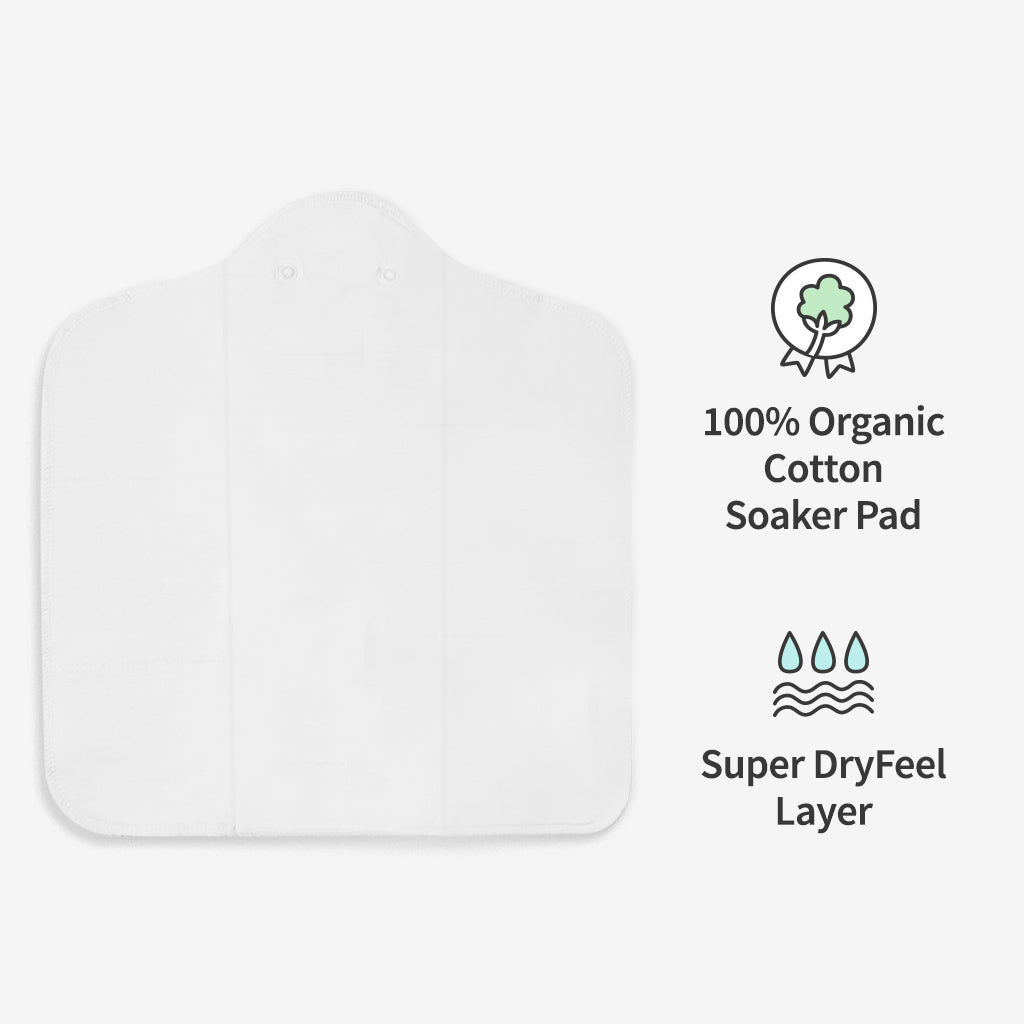
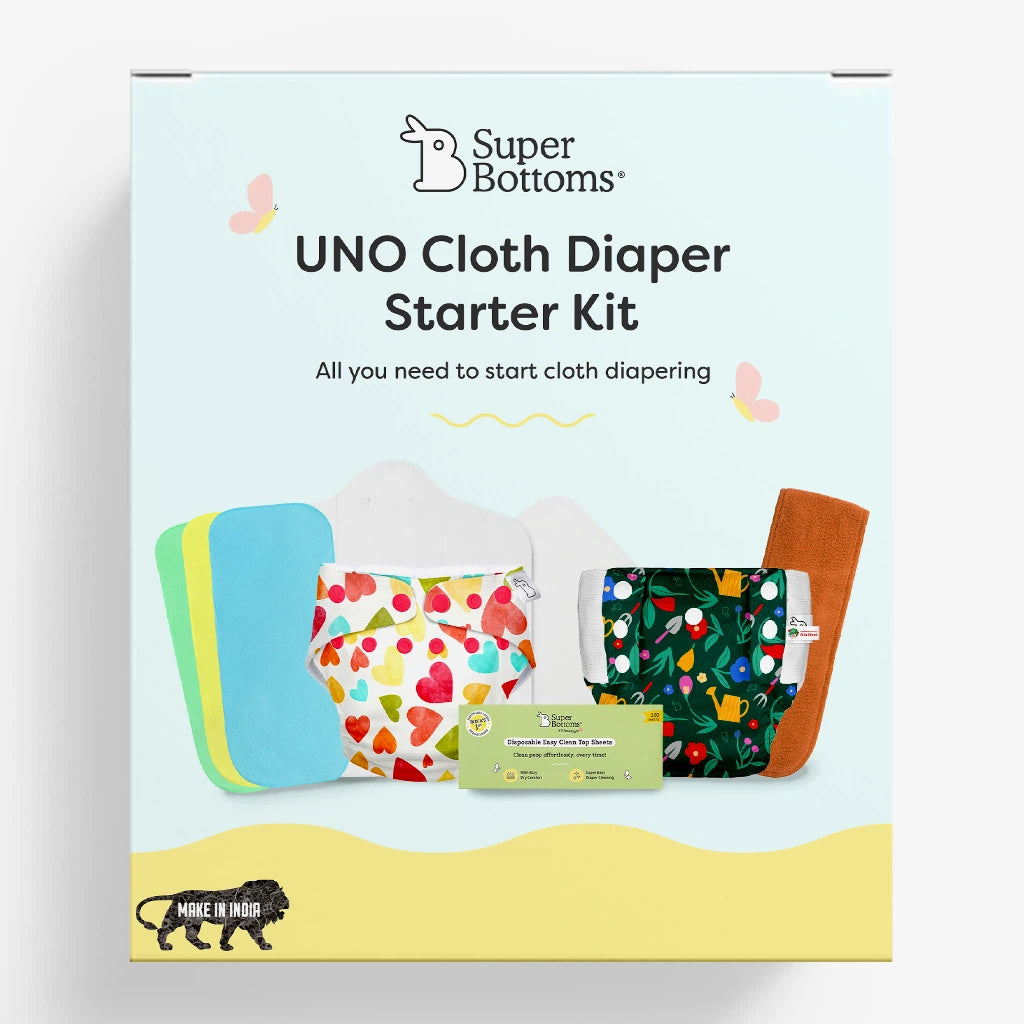
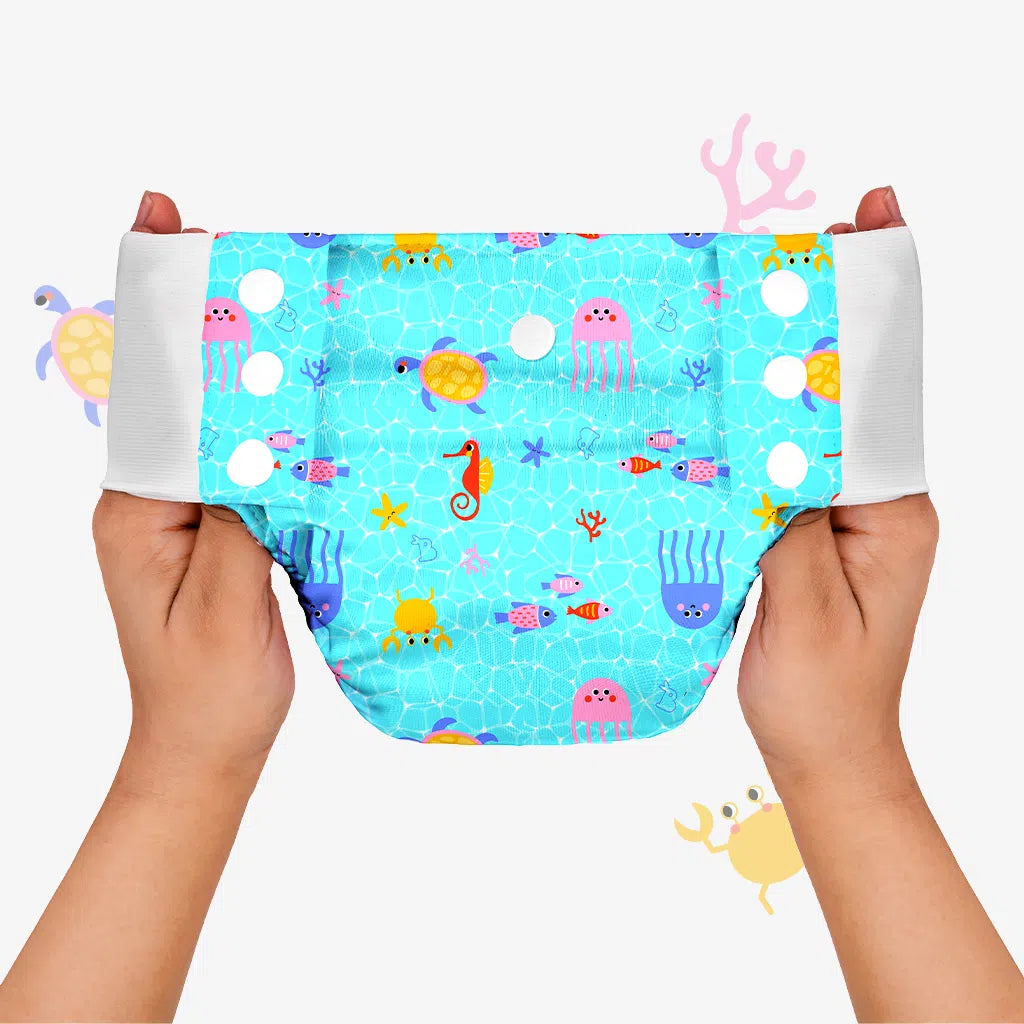
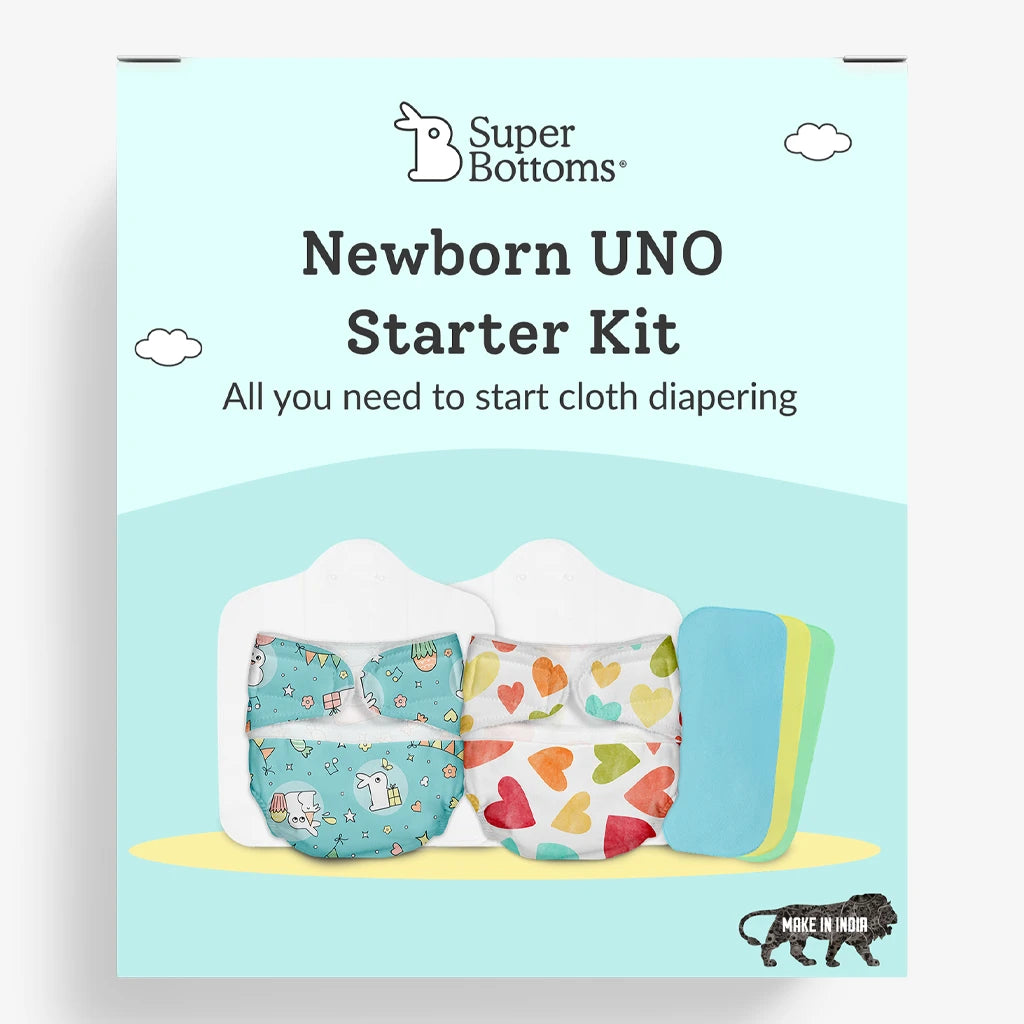
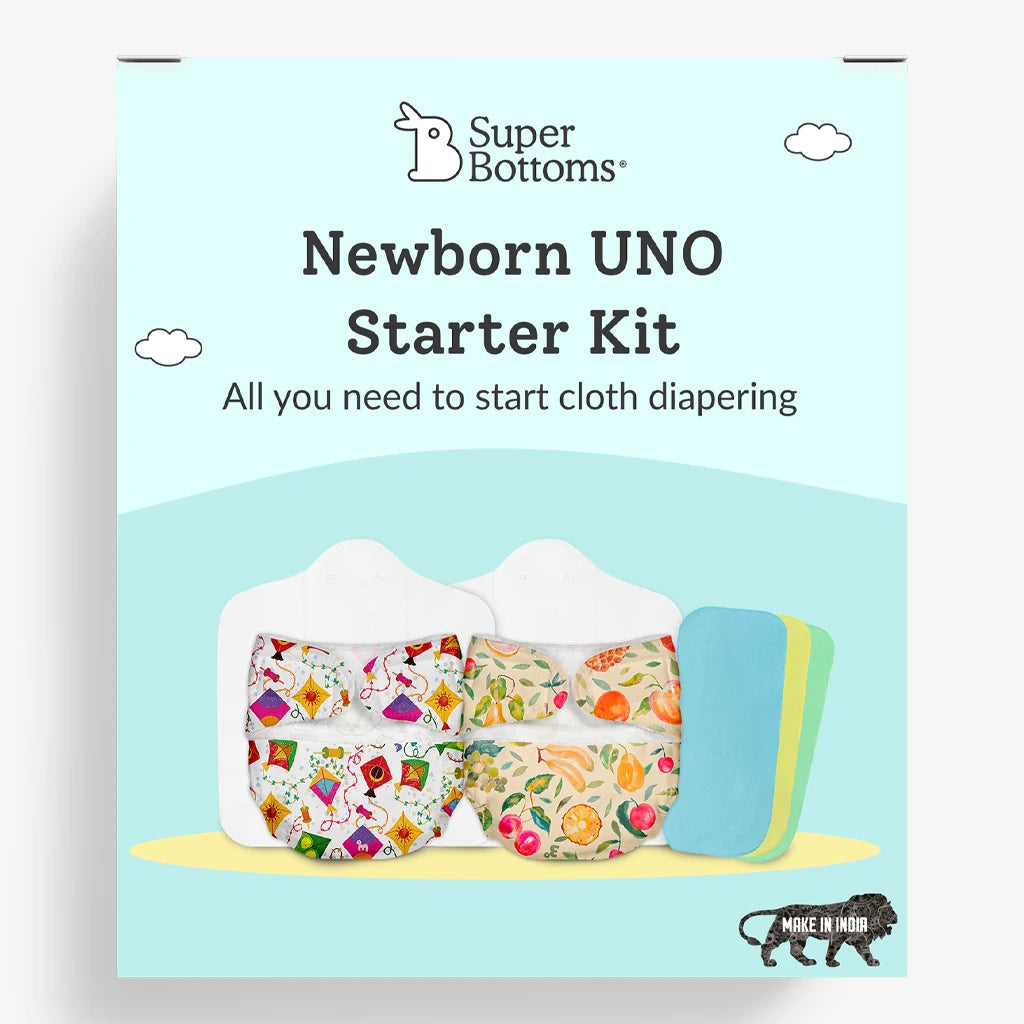
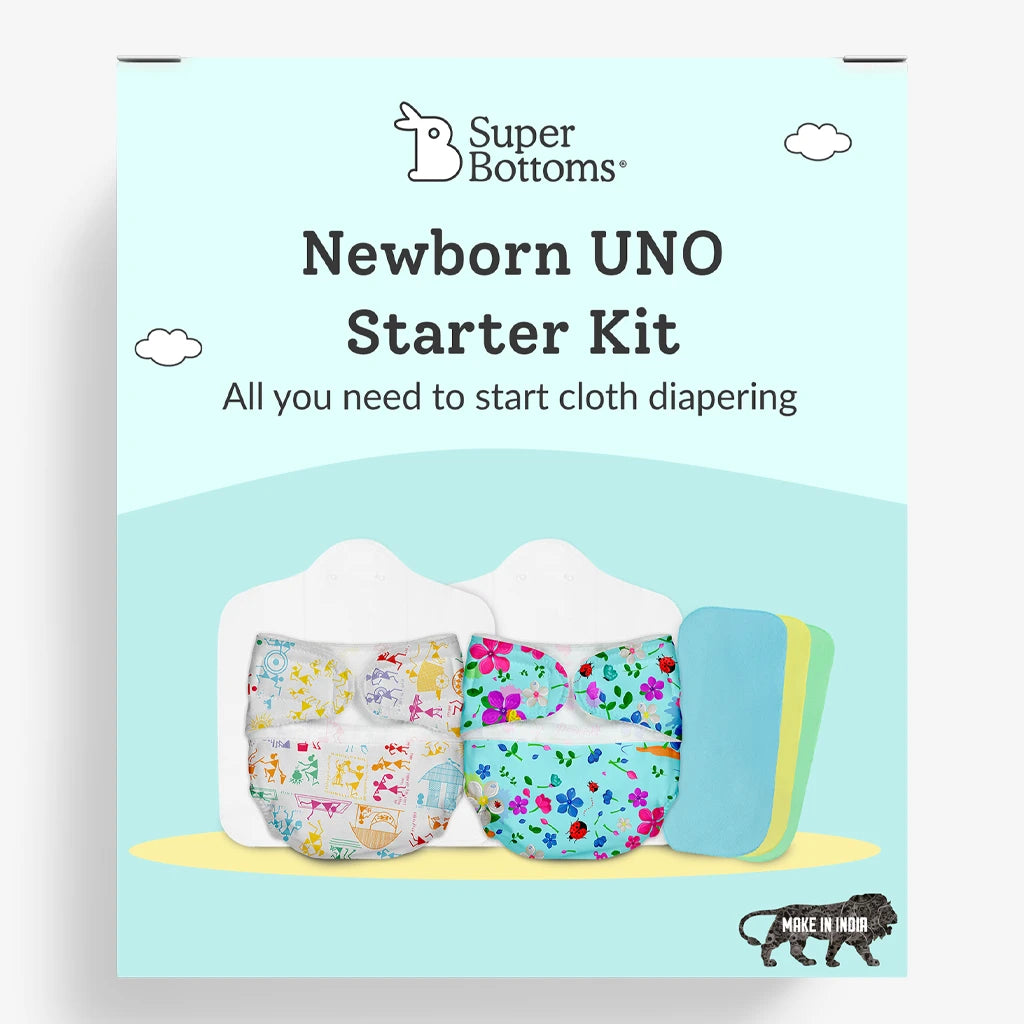
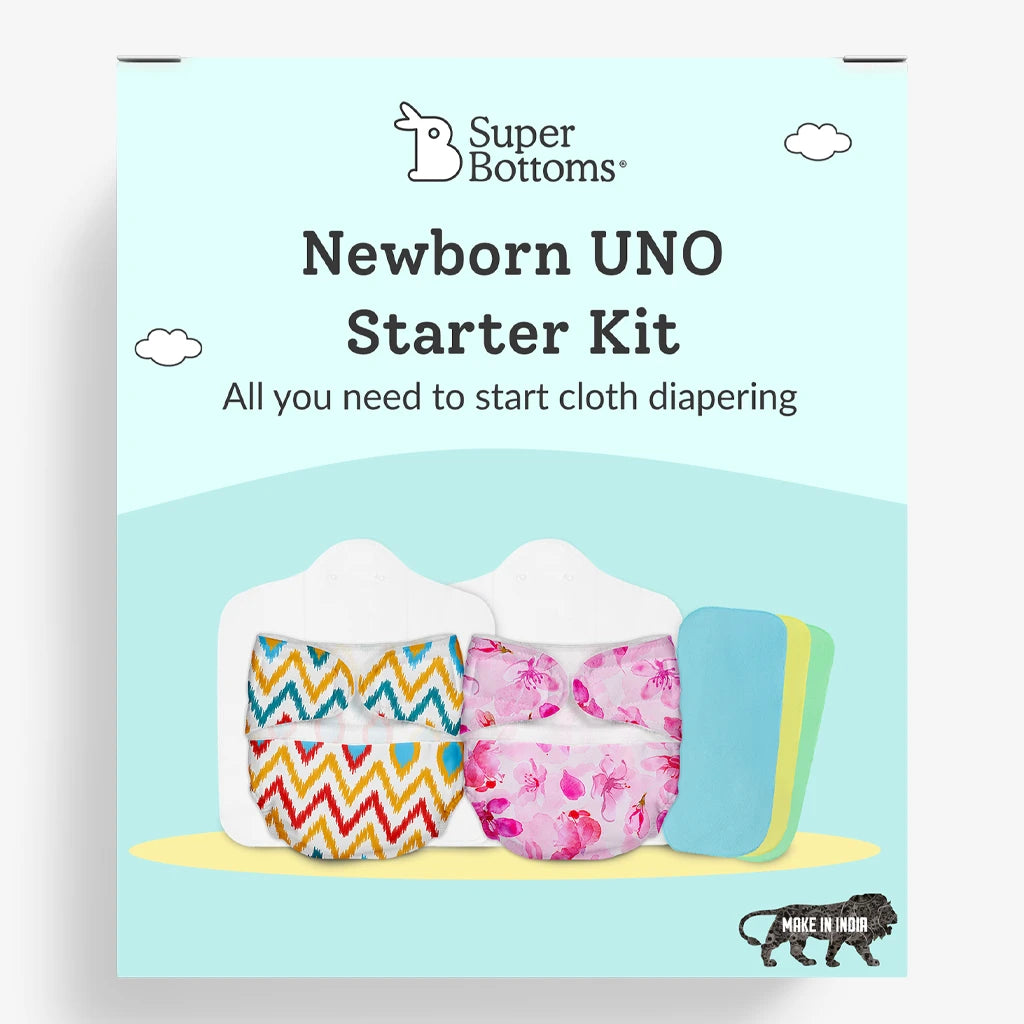
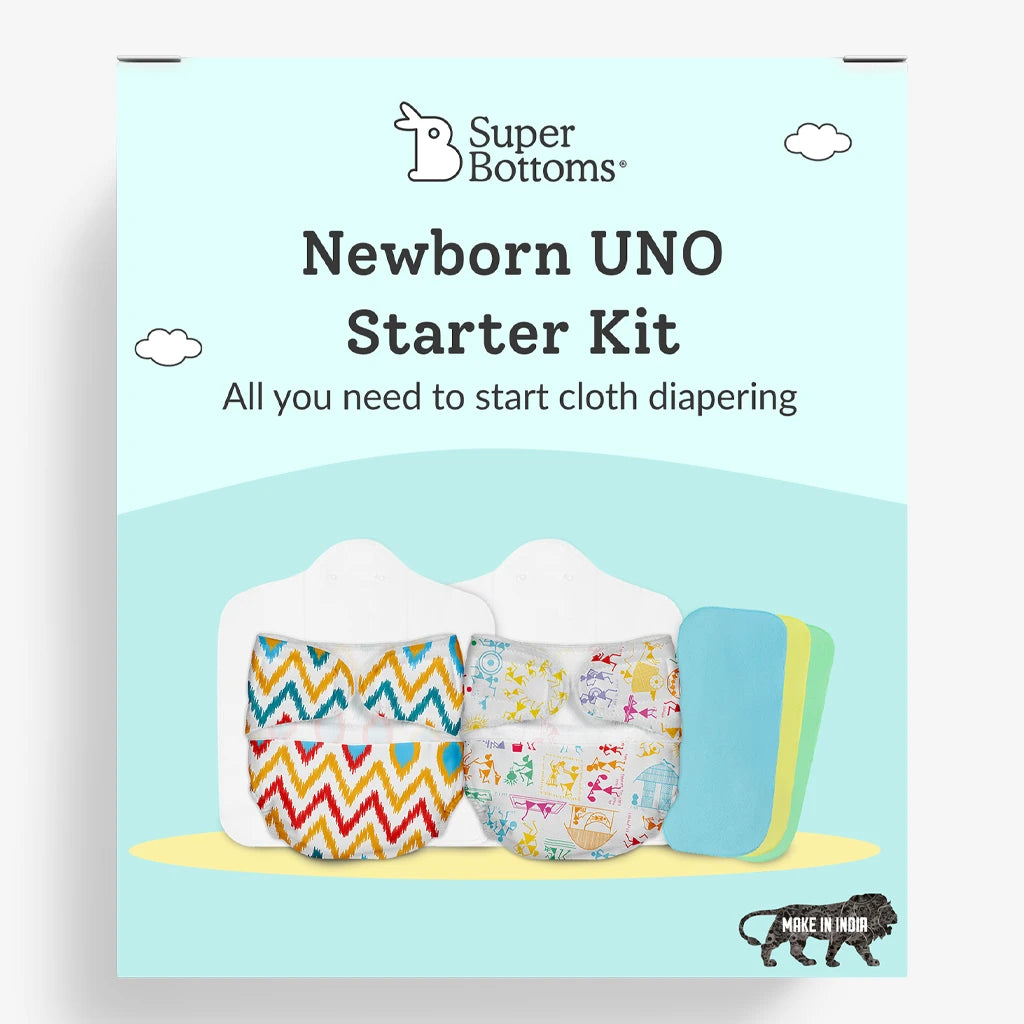
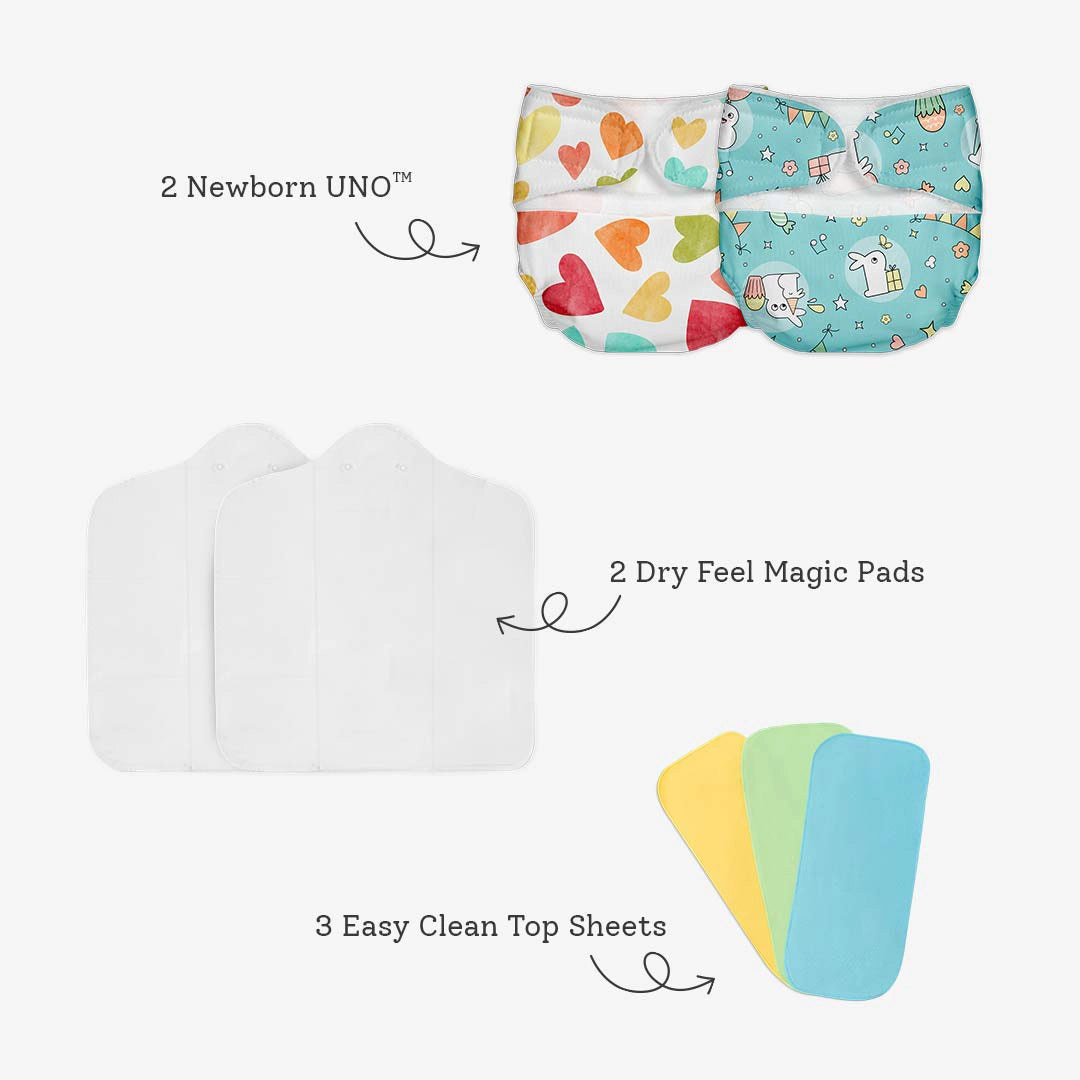
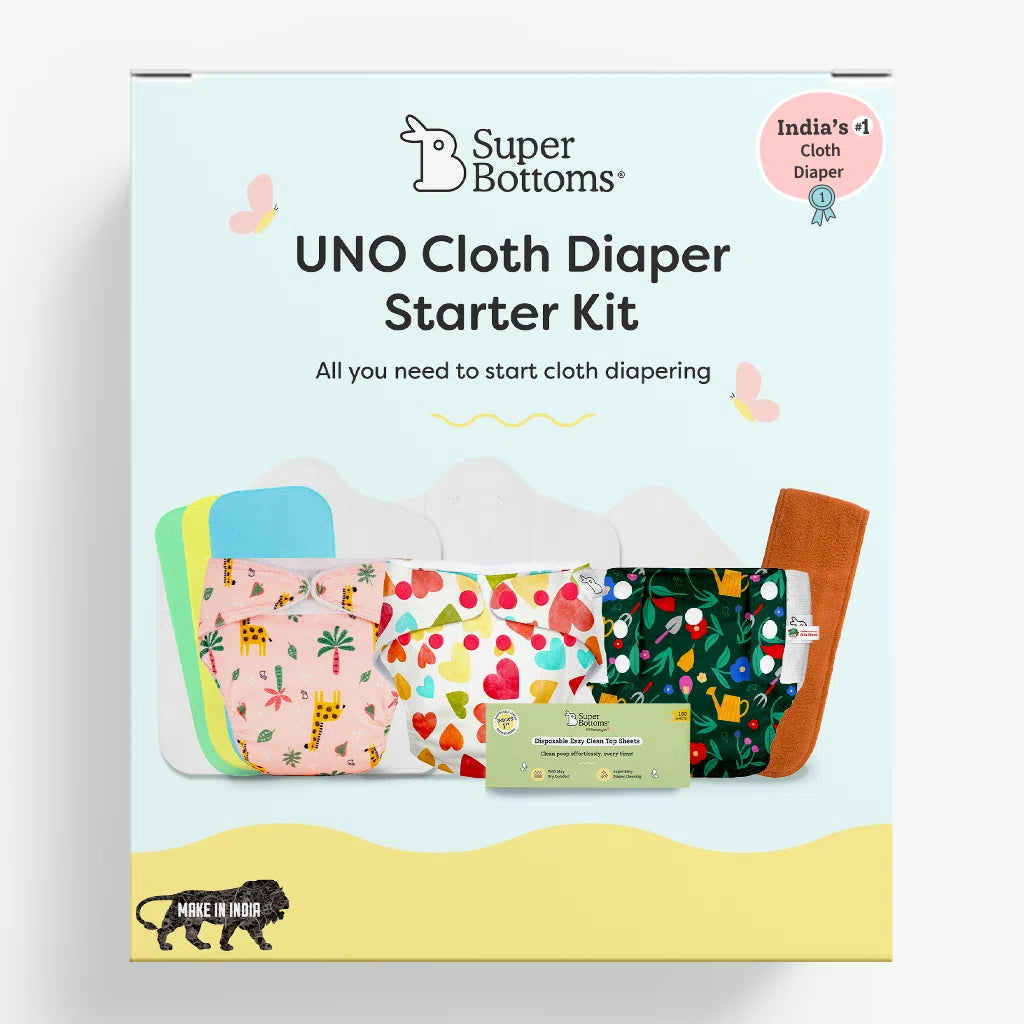
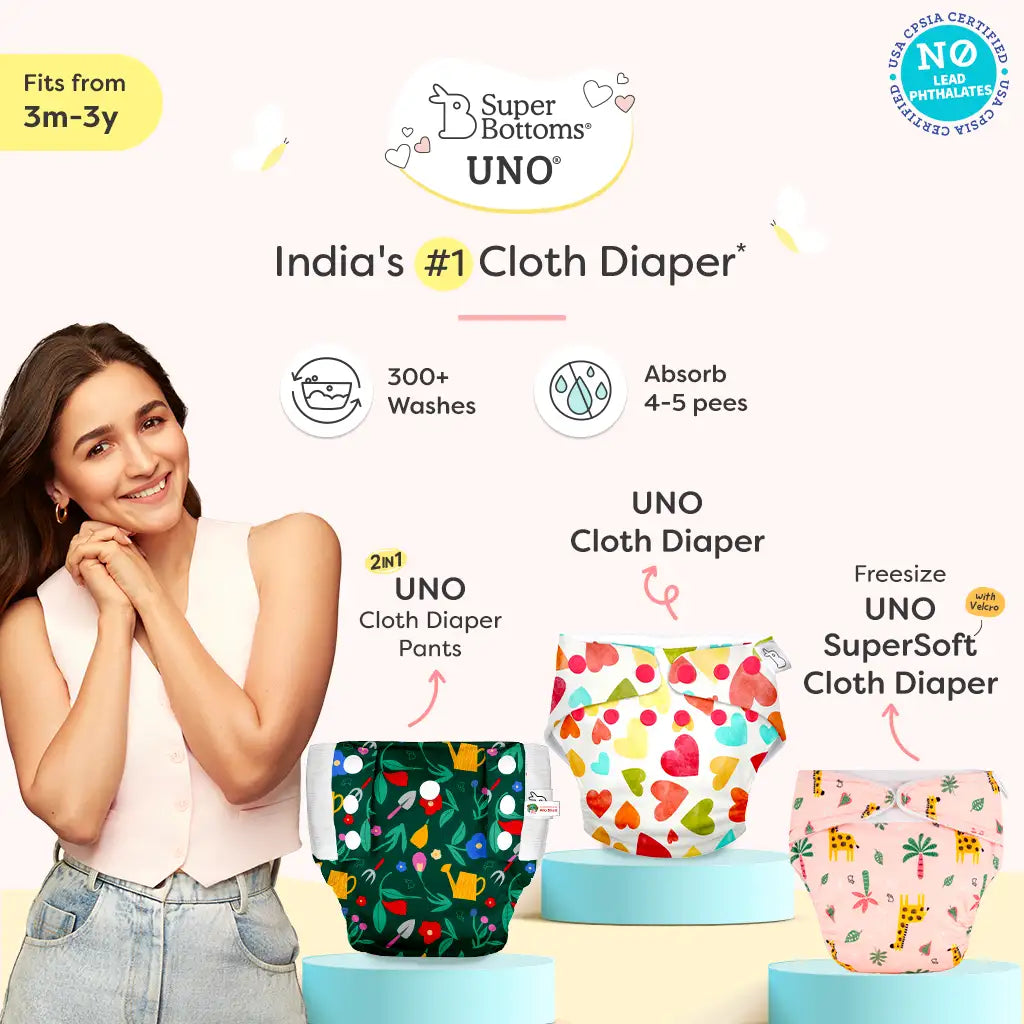
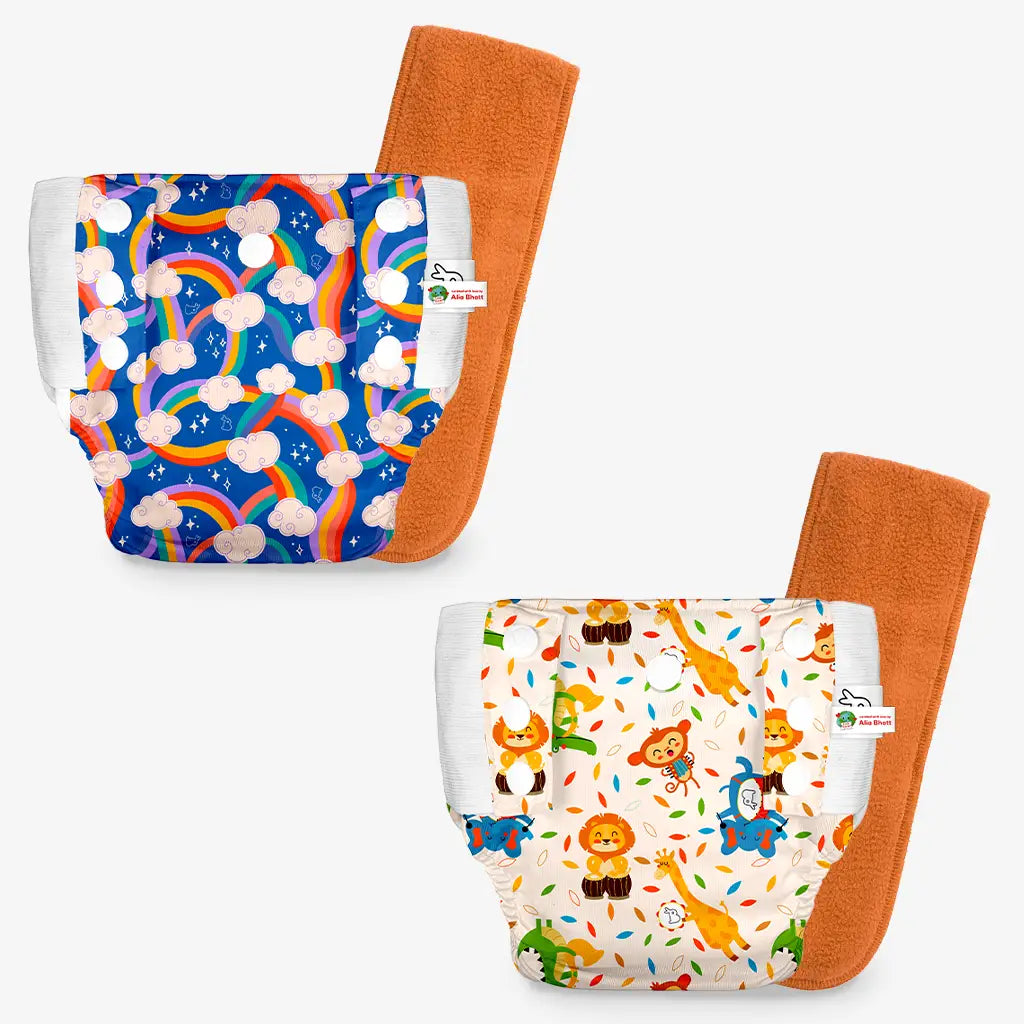
SuperBottoms Pick: UNO Cloth Diaper
SuperBottoms UNO is often considered by parents looking for:
- Reusable cloth diapers
- Leak-proof inner layer
- Rash-friendly diapering alternatives
- Long-term cost savings
Before choosing, assess:
- Wash routine comfort
- Day vs night absorbency needs
- Baby skin sensitivity
Check product details → SuperBottoms cloth diaper guide
Is It Worth Switching to Reusable Diaper Options?
For many families, yes—especially if skin safety and long-term savings matter.
Reusable options may help with:
- Lower recurring expenses
- Less diaper waste
- Better airflow compared to some disposables
However, they require:
- Washing commitment
- Storage planning
What Parents Should Know
Comparison Table: Disposable vs Reusable Options
| Criteria | Disposable Diapers | Basic Cloth Nappies | SuperBottoms UNO |
|---|---|---|---|
| Skin friendliness | Moderate | Good | Excellent |
| Leak protection | Good | Moderate | Very good |
| Reusability | No | Yes | Yes |
| Cost over time | High recurring cost | Low | Moderate upfront, better long-term value |
| Ease for new parents | High | Moderate | High |
| Eco-friendly | Low | High | High |
This comparison shows why some parents evaluate reusable systems once daily routines stabilise.
The emotional journey of fatherhood is deeply personal, often messy, and completely transformative. New fathers may experience excitement, stress, uncertainty, and immense love all at once.
The key is not to eliminate uncertainty, but to build confidence through preparation, communication, and hands-on parenting.
When daily baby care feels easier, parents often feel less overwhelmed, too. Choosing practical, skin-safe baby essentials can reduce decision fatigue and support smoother routines.
Find the right fit → Shop SuperBottoms UNO.
|
Limited Time Offers + Special Gift Sets! Now or never Super SALE is live on the SuperBottoms website! Take advantage of unbeatable value deals on our UNO Cloth Diapers, Baby Essentials, and more. Looking for the perfect present for a newborn or a toddler? Explore our thoughtfully curated Gift Sets & Combos - safe, skin-friendly, and oh-so-cute! A bundle of love for little ones and a delight for parents. HURRY - Deals and Gift Packs are live only till stocks last. Don’t miss the chance to stock up and share the joy! |
Key Takeaways
- Fatherhood includes emotional adjustment, identity shifts, and practical learning.
- New dads build confidence through active caregiving and realistic expectations.
- Choosing practical baby essentials can reduce parenting stress significantly.
FAQs
1. Is it normal for fathers to feel anxious before childbirth?
Yes. Anxiety about responsibility, finances, and parenting readiness is common.
2. Do fathers experience emotional changes after baby is born?
Yes. Many fathers report mood changes, overwhelm, and emotional adjustment periods.
3. How can dads bond with newborns?
Skin-to-skin contact, diapering, soothing, feeding support, and bedtime routines help.
4. Why do some fathers feel disconnected during pregnancy?
Pregnancy is a physical experience for mothers, so emotional connection for fathers may develop gradually.
5. How can couples manage parenting stress together?
Open communication, realistic expectations, and shared responsibilities help significantly.
6. Are reusable cloth nappies practical for working parents?
Yes, many modern reusable systems are designed for convenience and easy maintenance.
7. Is SuperBottoms worth the price?
For parents seeking reusable, skin-friendly diapering with long-term value, many find it cost-effective over time.
8. Where can I buy reusable cloth nappies in India?
Reusable cloth nappies are available through brand websites, baby stores, and online marketplaces in India. SuperBottoms is a trusted option.
Hi there, new parents! SuperBottoms brings you doctor-recommended cloth diapers - the best rash-free diapering solution for your baby's sensitive and delicate skin. Unlike disposable diapers loaded with chemicals, our newborn cloth diapers, when used and washed properly, can help eliminate the risk of diaper rashes. SuperBottoms offers a wide range of safe, skin-friendly essentials for the whole family - including Reusable Cloth Diapers, Diaper Pants, DryFeel langots for diaper-free time, Padded Underwear for potty training, SuperSoft Underwear for everyday comfort, Joggers for playful days, and Period Underwear for women. Not just for everyday use, SuperBottoms products also make the best gifting choice for babies - thoughtful, eco-friendly, practical, and loved by parents. Now available on Amazon, Myntra, Flipkart, FirstCry, Zepto, Swiggy and Blinkit.