






About Ms Sakshi Patil (Author)

Ms Sakshi Patil is the Consultant Child Psychologist at BabySteps Pediatric Development Centre, supporting children and families through behavioural, emotional, developmental, and learning concerns. She follows a child-centred and family-focused approach, helping children build confidence, emotional regulation, and essential life skills through evidence-based interventions.
In this article, we will discuss:
- Build confidence without pressure
- Praise effort, not perfection
- Encourage age-appropriate independence
- Make mistakes part of learning
- Support healthy child motivation
A child who gets good marks, wins competitions or receives constant praise is not automatically a confident child. Real confidence grows when children experience themselves as capable, valued and able to handle mistakes.
The goal isn't to remove every challenge. It is to give children enough support to face challenges without feeling that their worth depends on the outcome.
What does healthy confidence look like?
Healthy child confidence means believing, “I can try, learn and handle setbacks,” rather than “I must succeed every time.” Confidence develops through repeated experiences of trying, solving problems, receiving realistic encouragement and knowing that mistakes do not change a parent's love or respect.
Self-esteem and self-confidence overlap, but they are not identical. Self-esteem relates more broadly to how children value themselves, while confidence often relates to their belief that they can manage a particular task or situation. A child may feel confident drawing but nervous about speaking in class.
What Parents Should Know
Confidence is built through experience, not simply through compliments. Give children opportunities to practise skills, make choices and experience manageable challenges while remaining available to support them.
How can parents build confidence without pressure?
The most useful positive parenting strategies for confidence focus on effort, autonomy, realistic expectations and emotional safety. Research and child-development guidance support giving children opportunities to practise skills, make decisions and learn from setbacks rather than tying their self-worth to achievement.
1. Praise what they did, not who they are
Instead of automatically saying, “You're so smart,” describe the behaviour you noticed:
- “You kept trying when that puzzle was difficult.”
- “You found another way to solve it.”
- “You practised that many times.”
Research highlighted by the American Psychological Association suggests that praise focused on effort and strategies can support persistence, while praise centred too heavily on fixed personal qualities can make failure feel more threatening.
2. Let children solve manageable problems
Resist the urge to fix every small difficulty. Ask:
- “What could you try next?”
- “Which option do you think might work?”
- “Do you want a hint or more time?”
These small moments allow children to experience themselves as problem-solvers.
3. Give meaningful choices
Children are more likely to stay engaged when they have some agency over what they do or how they do it.
Offer two realistic choices: “Do you want to pack your bag before breakfast or after?” or “Would you like to draw or build?”
Expert Answer
Melanie A. Fernandez, PhD, ABPP, a clinical psychologist and Child Mind Institute expert, recommends making praise descriptive and specific—focusing on what the child actually did rather than relying on vague praise. This helps children understand which behaviours and strategies contributed to their progress. (Child Mind Institute)
Which confidence-building activities for kids work well?
The best activities create opportunities for practice, decision-making and visible progress, without turning every activity into a competition.
|
Activity |
Confidence-building opportunity |
|---|---|
|
Household chores |
Responsibility and contribution |
|
Drawing or pretend play |
Creativity and self-expression |
|
Puzzles and building games |
Problem-solving |
|
Gardening or simple cooking |
Practical skills |
|
Outdoor play or swimming |
Movement and persistence |
Play and age-appropriate activities also give children opportunities to practise attention, self-regulation and flexible thinking.
How does independence build confidence?
Everyday self-care can be a powerful confidence-building opportunity. Let your child gradually take responsibility for tasks such as choosing clothes, packing a school bag, putting away toys, serving themselves or managing simple personal routines.
The aim isn't perfect execution. It is participation.
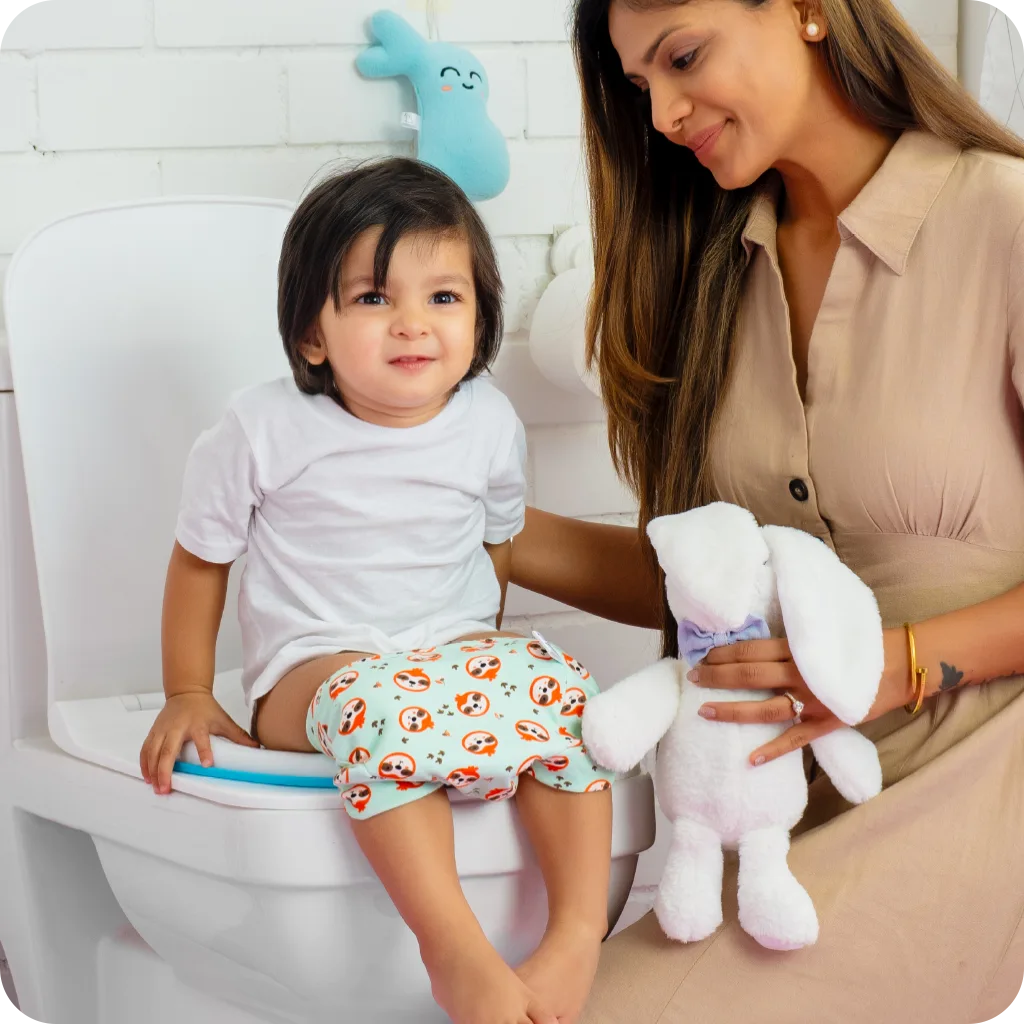
For toddlers learning toilet independence, for example, clothing that is easy to pull up and down can allow them to participate more actively in the routine.
💡 SuperBottoms PickSuperBottoms Padded Underwear is designed for daytime potty training from 9 months to 4 years, with three layers of cotton padding and a pull-up design that children can manage more independently. It is intended for small accidents, not overnight or heavy wetting. |
What should parents look for when building confidence?
Think support, not pressure:
- Age-appropriate challenges: Difficult enough to practise, but not overwhelming.
- Specific feedback: Tell children what they did well.
- Room for mistakes: Avoid shame or comparisons.
- Real responsibility: Give children tasks that genuinely contribute.
- Consistent connection: Make sure affection isn't dependent on performance.
- Child-led interests: Let children explore activities they genuinely enjoy.
If a child repeatedly avoids activities because of intense fear of failure, becomes extremely distressed by mistakes or experiences persistent difficulties across home and school, discussing your concerns with a qualified child-health or mental-health professional can be appropriate.
Parent checklist
☐ Praise effort, strategies and progress
☐ Give age-appropriate choices
☐ Let your child solve small problems
☐ Treat mistakes as opportunities to learn
☐ Avoid comparisons with siblings or peers
☐ Make time for unstructured play
☐ Give children meaningful responsibilities
☐ Keep love and connection separate from achievement

Key takeaways
- Build confidence through experience, not constant praise.
- Let children try, struggle and solve age-appropriate problems.
- Keep expectations realistic so mistakes remain safe learning opportunities.
FAQs
1. How to build self-confidence in a child without pressuring them?
Focus on effort, independence and progress rather than grades, wins or perfection. Give children manageable challenges and respond calmly when things don't work out.
2. What are the best confidence-building activities for kids?
Chores, creative play, puzzles, outdoor activities, cooking, gardening and other age-appropriate responsibilities can help children practise skills and experience genuine progress.
3. How does positive reinforcement help child development?
Specific, genuine feedback helps children understand which effort, behaviour or strategy contributed to progress. It can support persistence and learning better than vague or excessive praise.
4. How can I increase confidence level in child who fears mistakes?
Avoid rushing to reassure or solve the problem. Acknowledge the difficulty, encourage a manageable next step and help your child reflect on what they learned.