






This article will cover the topics:
- Bedwetting can affect confidence
- Shame may worsen emotional stress
- Support matters more than blame
- Protect sleep and dignity
- Seek help when needed
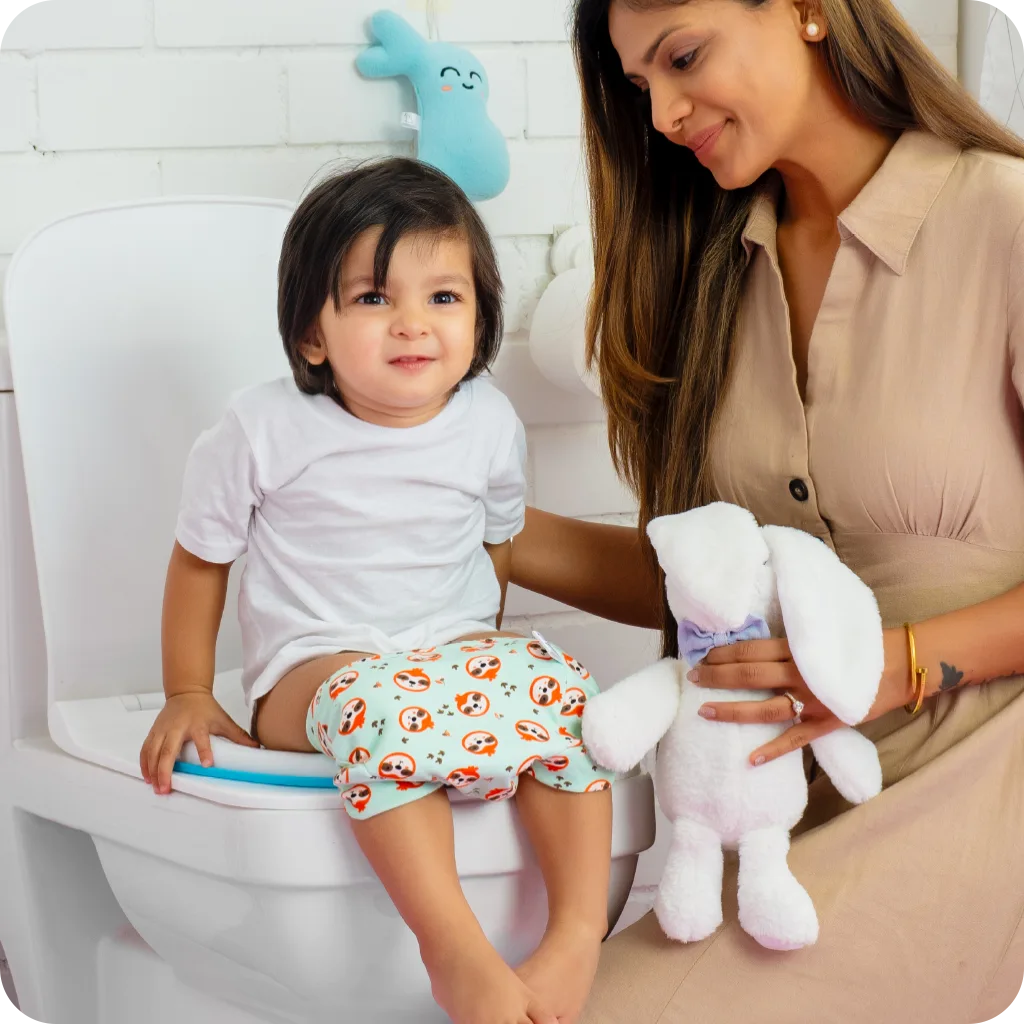
Bedwetting is a physical issue, but its emotional impact can be just as important. A child may worry about sleepovers, hide wet sheets or feel embarrassed—even when they know they did nothing wrong.
How can bedwetting affect a child's self-esteem?
Bedwetting can affect a child's self-esteem because repeated wet nights may lead to embarrassment, anxiety and worries about being different from friends. Some children avoid sleepovers or camps, while others try to hide accidents. A calm, matter-of-fact response helps separate the accident from the child's sense of self-worth.
Bedwetting beyond age 5 is often called nocturnal enuresis. It is common and can be linked to factors such as how the brain and bladder communicate during sleep, urine production at night and family history. Stress can also contribute to bedwetting in some situations.
What Parents Should Know
Bedwetting is not laziness, bad behaviour or something a child does deliberately. Blaming or punishing a child can increase distress and may make the situation harder for the family to manage.
A common mistake is focusing only on dry nights. A child also needs reassurance that they are still capable, loved and able to enjoy normal childhood activities.
How should parents respond after a wet night?
Keep your response calm and predictable. Avoid discussing the accident in front of siblings or visitors, and never use teasing or punishment.
Try this approach:
- Reassure your child: “This isn't your fault.”
- Help them clean up without making it a punishment.
- Praise helpful habits, such as using the toilet before bed.
- Follow a no-teasing rule at home.
- Discuss treatment or management options privately and respectfully.
Expert Guidance
Erin Dahlinghaus, MD, MHS, FAAP, and Vikas Dharnidharka, MD, FAAP, writing for the American Academy of Paediatrics’ HealthyChildren.org, advise families not to shame or punish children for bedwetting because it is not under the child's conscious control. They emphasise support while working with a doctor to understand possible causes and solutions.
What helps a child feel confident despite bedwetting?
Confidence improves when bedwetting stops being treated as a secret or personal failure.
What can help:
- Use neutral words such as “wet night” or “accident.”
- Let your child share concerns about school trips or sleepovers.
- Keep spare sleepwear and bedding ready discreetly.
- Give them age-appropriate choices about how to manage overnight protection.
- Praise effort and routines—not simply whether the bed was dry.
The best way to protect a child's confidence is to make bedwetting manageable without making it their identity. Privacy, reassurance, practical preparation and freedom from blame can reduce the emotional burden while the family works on appropriate treatment or management.
Which overnight options can help manage bedwetting?
The right option depends on the child's age, frequency of wetting and individual needs.
|
Option |
Best For |
Benefits |
Limitations |
|---|---|---|---|
|
Waterproof mattress protection |
Occasional accidents |
Protects the mattress |
Does not manage clothing wetness |
|
Spare bedding routine |
All families |
Makes clean-up easier |
Requires changing after accidents |
|
Bedwetting alarm |
Suitable for children after medical advice |
Can support treatment |
Needs consistency and commitment |
|
Overnight absorbent protection |
Managing wet nights |
Helps keep sleep and clean-up more manageable |
Should fit comfortably and be changed appropriately |
What to Look For
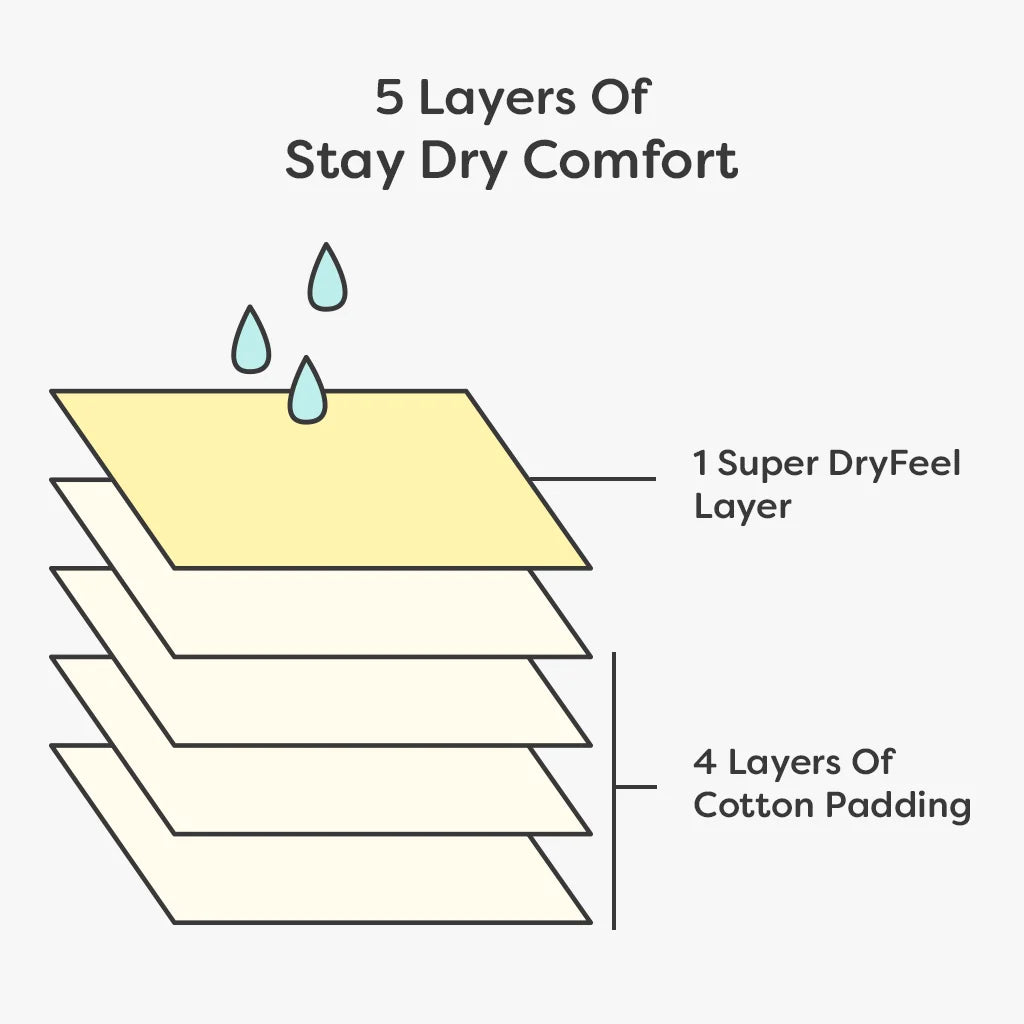
Choose overnight protection based on fit, comfort, skin-friendliness, ease of use and the child's likely level of wetting. It should support a practical routine without making the child feel ashamed or singled out.
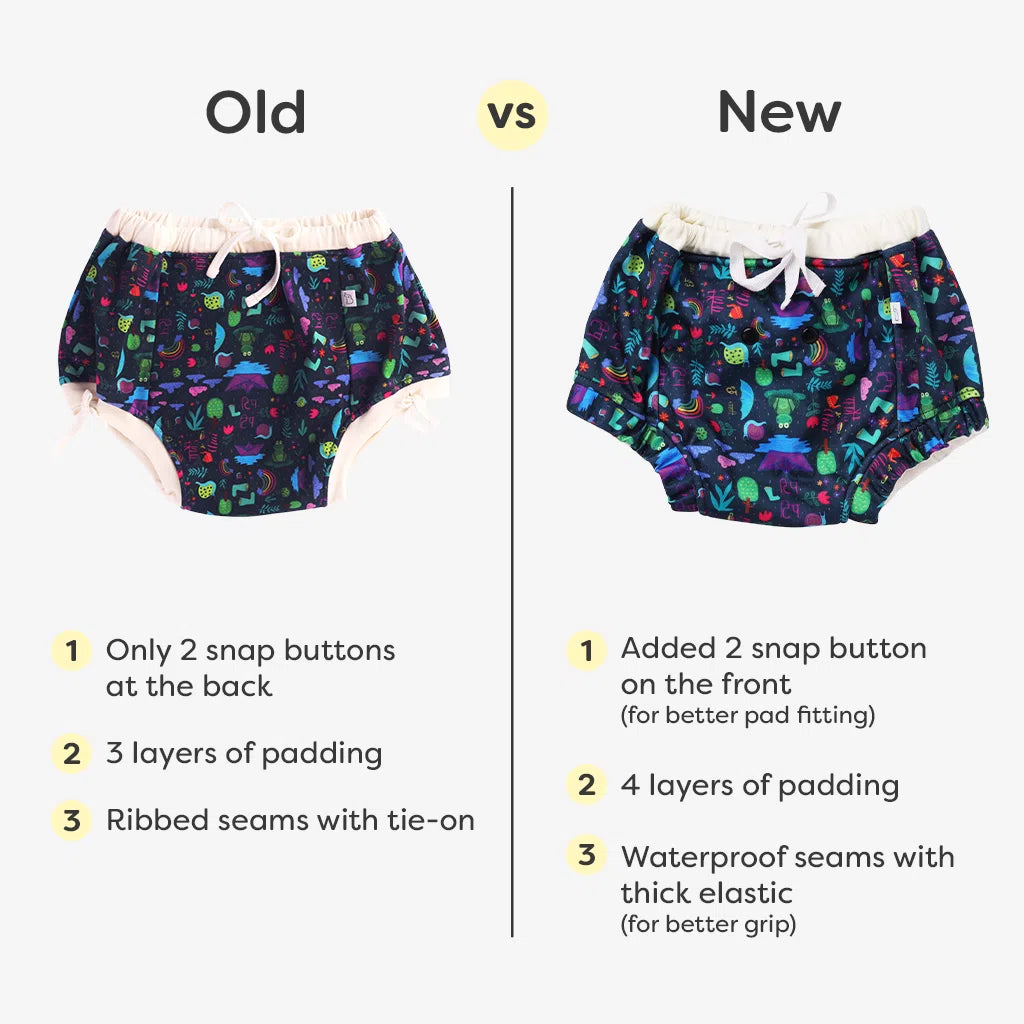
For parents looking to buy bedwetting protection online in India, reusable overnight options may also be worth evaluating for comfort, washing needs and cost per use. SuperBottoms Nighttime Bedwetting Diapers
What should parents look for when choosing bedwetting protection?
Look beyond the label or price. Consider:
- Comfort: Can the child sleep comfortably?
- Fit: Is it secure without feeling restrictive?
- Material: Is it suitable for extended overnight wear?
- Capacity: Does it suit the child's typical wetting pattern?
- Ease of use: Can it fit into a simple bedtime routine?
- Washability: Is care practical for the family?
- Cost per use: Is a reusable or disposable option better for your needs?
This is where a product such as SuperBottoms' reusable nighttime bedwetting solution may be relevant for families who want overnight protection designed for older children. Check the product's size, care instructions and suitability before purchasing. Explore SuperBottoms Bedwetting Solutions
What is the practical solution?
Problem: Bedwetting can create extra laundry, interrupted sleep and anxiety about embarrassment.
Solution: Combine emotional support with a practical overnight routine and appropriate protection.
Why it helps: Reducing the stress around clean-up can help a child feel safer and more confident while parents address the underlying bedwetting pattern.
If your child was dry for more than six months and suddenly starts bedwetting again, or has daytime wetting, pain or other urinary symptoms, speak with a healthcare professional.
Parent Checklist
☐ Remind your child it is not their fault
☐ Never punish or shame wet nights
☐ Keep bedding changes discreet and simple
☐ Praise positive routines and effort
☐ Prevent teasing from siblings
☐ Choose comfortable overnight protection if needed
☐ Seek medical advice when bedwetting changes suddenly
Bedwetting and self-esteem are closely connected because repeated accidents can affect how a child feels about themselves. The most helpful response is not pressure—it is reassurance, privacy and a practical plan. Help your child manage the problem while making sure they know that a wet bed does not define them.

Key Takeaways
- Never shame or punish a child for bedwetting.
- Protect confidence with privacy, reassurance and practical routines.
- Get medical advice when symptoms change or cause concern.
FAQs
Can bedwetting cause low self-esteem in children?
It can contribute to embarrassment, anxiety and lower confidence, particularly when a child worries about sleepovers or being teased. Supportive family responses can reduce this emotional burden.
What should I say to my child after they wet the bed?
Stay calm and say clearly that it is not their fault. Focus on the next practical step rather than showing disappointment or frustration.
Should I punish my child for bedwetting?
No. NHS and American Academy of Paediatrics guidance advises against punishment because bedwetting is not under a child's conscious control.
Where can I buy reusable bedwetting protection in India?
Parents can compare comfort, fit, care requirements and price online before choosing. SuperBottoms Nighttime Bedwetting Diaper is one relevant option for families looking for reusable overnight protection.