






About Husna Mariyam Thathey (Author)

Husna Mariyam Thathey is a Certified Lactation Consultant (ACLP) with a Master’s degree in Psychology. She provides comprehensive support to pregnant and new mothers by combining psychological insight with lactation expertise. With a strong foundation in counseling and communication, she helps mothers overcome challenges, build confidence, and create a nurturing breastfeeding experience for their babies.
Breastfeeding challenges are common in the early weeks, ranging from latching pain to milk supply concerns. Understanding common breastfeeding problems and practical breastfeeding problems and solutions helps mothers feed confidently. This updated 2026 guide explains breastfeeding and pumping techniques, pumping schedules, and how to manage supply effectively. With the right approach, most feeding struggles are manageable — and confidence grows quickly with support.
Table of Contents
- Why Do Breastfeeding Challenges Happen?
- What Are the Most Common Breastfeeding Problems?
- How Do I Fix Latching Difficulties?
- What Helps with Engorgement, Plugged Ducts, or Mastitis?
- Is My Milk Supply Really Low?
- How to Start Pumping While Breastfeeding?
- What Is the Ideal Breastfeeding and Pumping Schedule for Newborns?
- How Long Should I Pump After Breastfeeding?
- Benefits of Breastfeeding vs Pumping
- What Should I Look for When Choosing Feeding Support Products?
- Comparison Table: Feeding & Support Options
- Key Takeaways
- FAQs
- Message from SuperBottoms
Why Do Breastfeeding Challenges Happen?
Breastfeeding challenges usually happen because both mother and baby are learning a new skill together.
Hormonal shifts, positioning issues, sleep deprivation, and anxiety can all contribute to common breastfeeding problems. Most concerns are temporary and improve with small adjustments in technique, routine, and support.
Expert Insight — Husna Mariyam Thathey, M.Sc. Psy., ACLP
“Breastfeeding is both physiological and psychological. When mothers feel supported and confident, feeding outcomes improve significantly.”
What Are the Most Common Breastfeeding Problems?
The most common breastfeeding problems include:
- Latching difficulties
- Sore or cracked nipples
- Engorgement or plugged ducts
- Mastitis
- Perceived low milk supply
- Stress-related let-down delays
Let’s address each with clear breastfeeding problems and solutions.
How Do I Fix Latching Difficulties?
A correct latch should feel comfortable, not painful.
If your baby latches shallowly, milk transfer reduces, and nipple pain increases.
A deep latch means the baby takes in part of the areola, not just the nipple, with lips flanged outward.
What Parents Should Know
Most nipple pain is a latch issue — not a milk quality issue.
Practical Fix:
- Ensure baby’s mouth opens wide.
- Align baby’s head and body.
- Try football or side-lying positions.
- Seek lactation guidance if pain continues beyond a few days.
What Helps with Engorgement, Plugged Ducts or Mastitis?
Engorgement feels like fullness and tightness. A plugged duct feels like a lump. Mastitis includes redness, fever, and flu-like symptoms.
Frequent milk removal is the primary solution. Milk that stays in the breast increases inflammation risk.
Solutions:
- Feed or pump every 2–3 hours.
- Gentle massage before feeding.
- Cold compress post-feeding.
- Seek medical care for a fever.
If leaking becomes frequent during this phase, breathable reusable cloth diapers with a leak-proof inner layer can help manage baby’s output comfortably during cluster feeds — see how it works →
Is My Milk Supply Really Low?
Many mothers assume low supply when the baby feeds frequently.
Milk works on demand and supply.
If the baby is gaining weight and producing wet diapers, the supply is likely adequate.
What Parents Should Know
Cluster feeding is normal — especially in growth spurts.
How to Improve Supply:
- Feed 8–12 times daily.
- Avoid long gaps.
- Stay hydrated.
- Try power pumping.
- Rest adequately.

How to Start Pumping While Breastfeeding?
If breastfeeding is established, pumping can begin around 4–6 weeks postpartum unless medically required earlier.
Simple Steps to Begin Pumping Successfully
- Pump after feeds for 10–15 minutes.
- Maintain consistency.
- Use a double electric pump.
- Check flange fit.
What Is the Ideal Breastfeeding and Pumping Schedule for Newborns?
Newborns feed on demand — typically 8–12 times daily.
Sample Breastfeeding and Pumping Schedule for Newborn:
Morning:
-
Direct feed
Midday (working mothers):
-
Pump every 3 hours
Evening:
-
Direct feed on demand
This pumping and breastfeeding schedule protects supply and flexibility.
How Long Should I Pump After Breastfeeding?
If boosting supply:
Pump 10–15 minutes after feeding or 2–5 minutes after milk stops flowing.
If exclusively pumping:
Pump 15–20 minutes every 3 hours.
Consistency matters more than duration alone.
Benefits of Breastfeeding vs Pumping
Direct Breastfeeding
- Hormonal bonding (oxytocin release)
- Milk customisation via baby’s saliva
- Natural supply regulation
Pumping
- Relieves engorgement
- Builds milk stash
- Allows shared feeding
- Supports working mothers
Both methods provide antibodies and essential nutrients.
What Should I Look for When Choosing Feeding Support Products?
When feeding frequently — especially during cluster feeding or pumping phases — managing baby’s diaper output becomes equally important.
What to Look For:
- High absorbency
- Skin-safe fabrics
- Leak-proof protection
- Ease of washing
- Long-term value
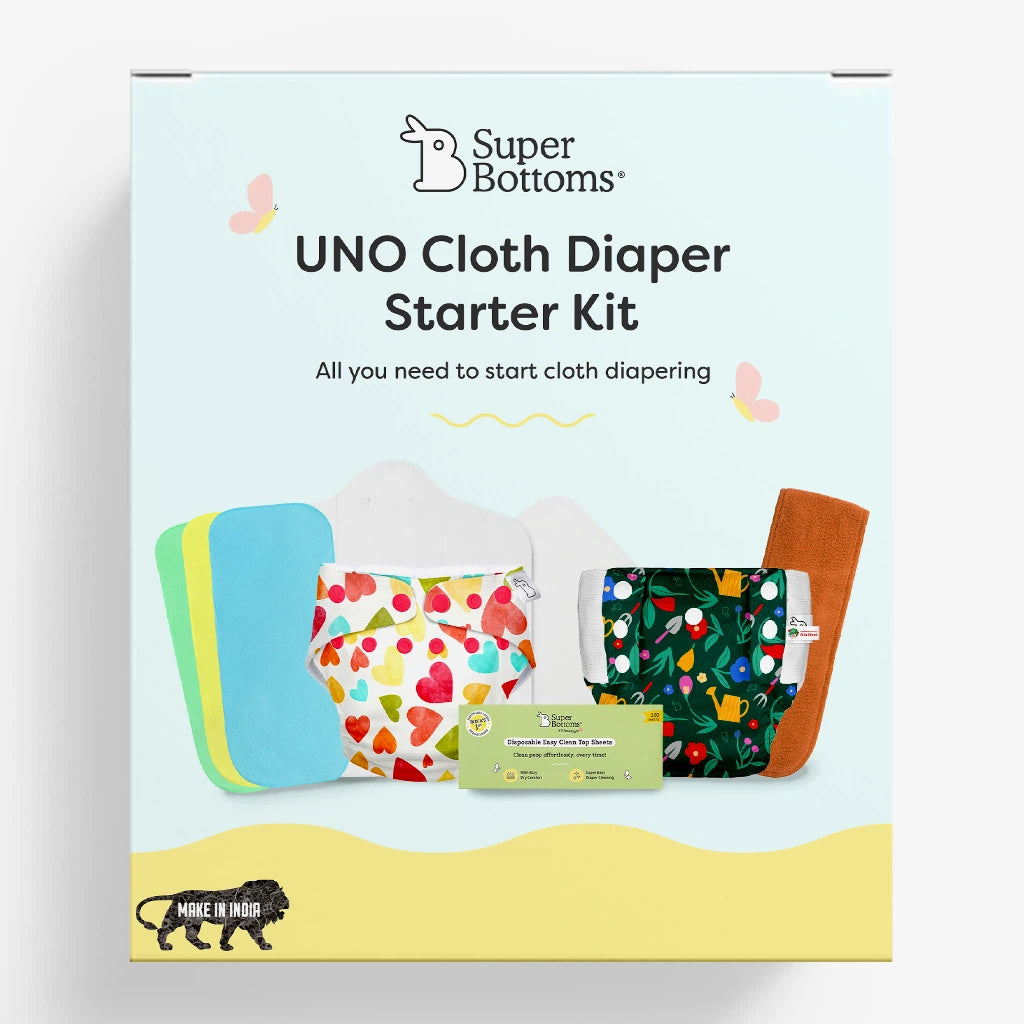
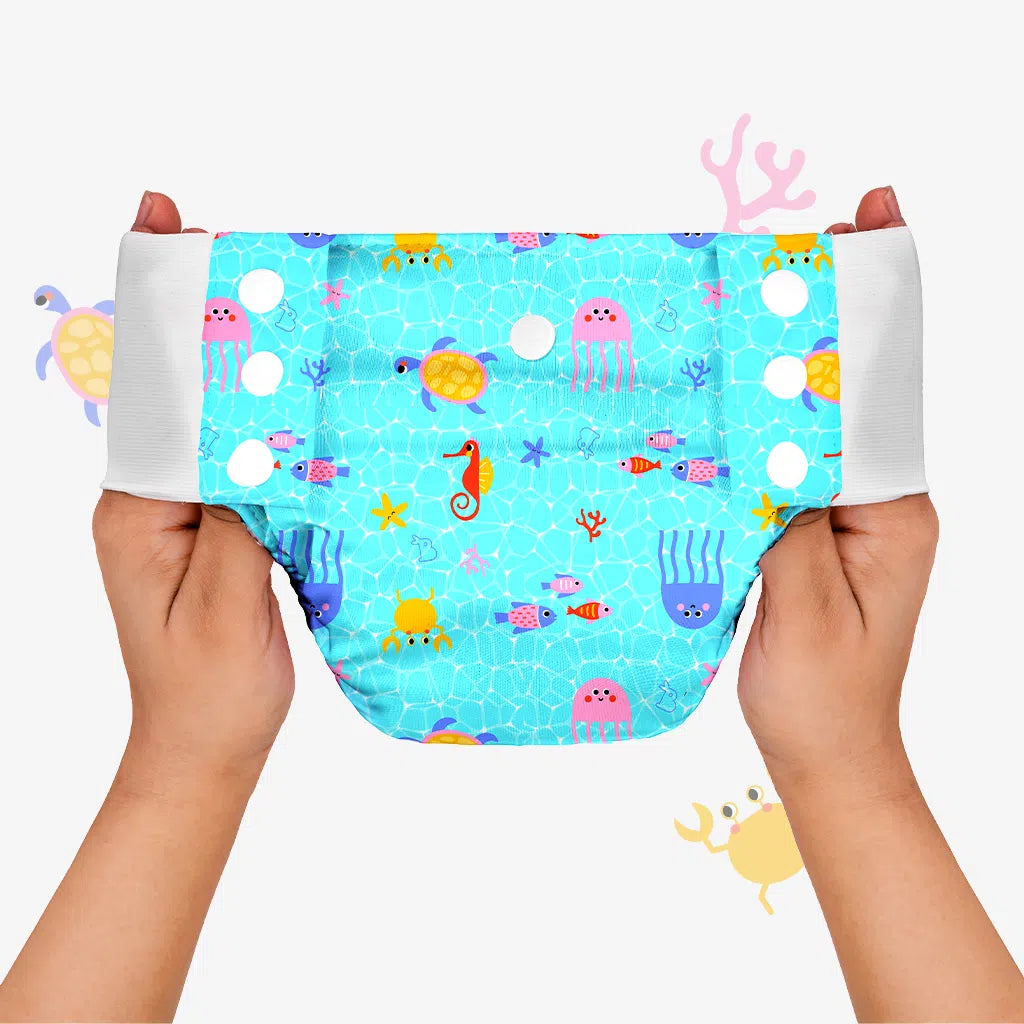
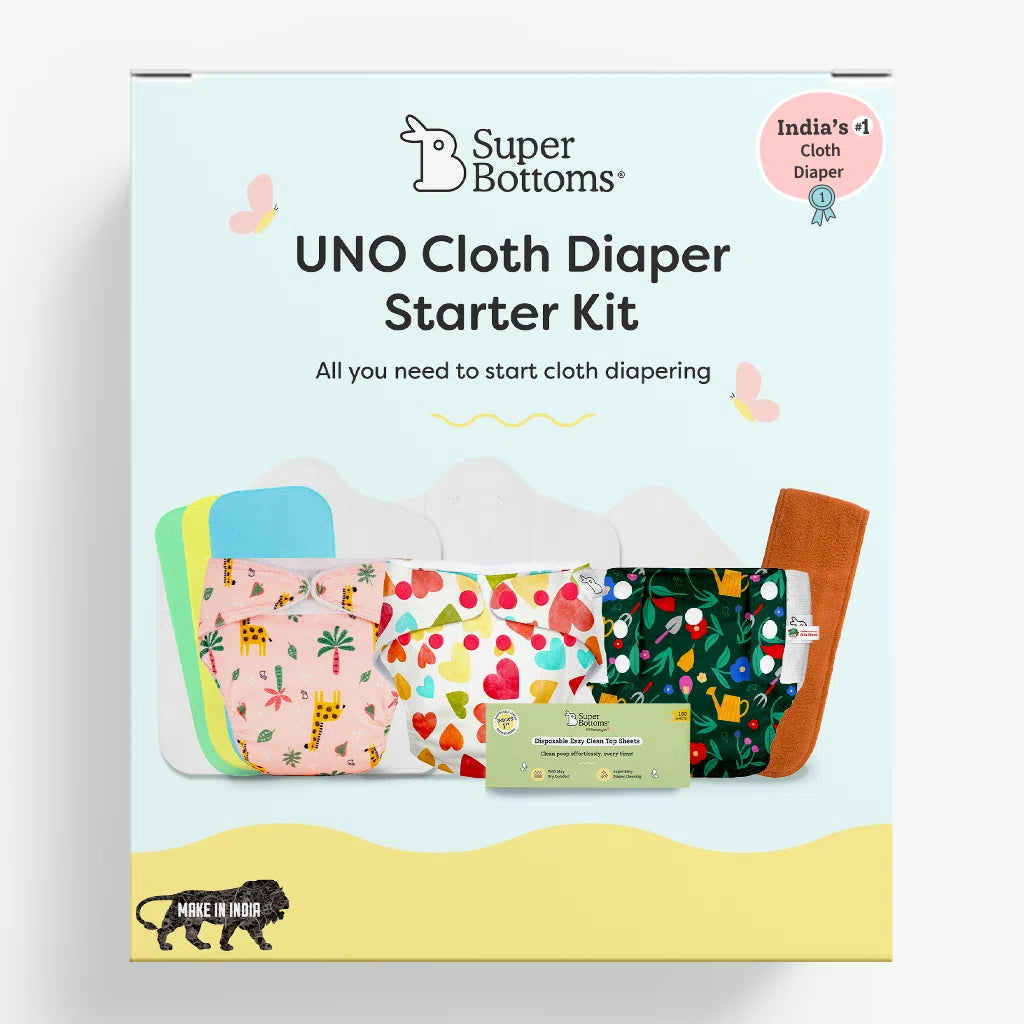
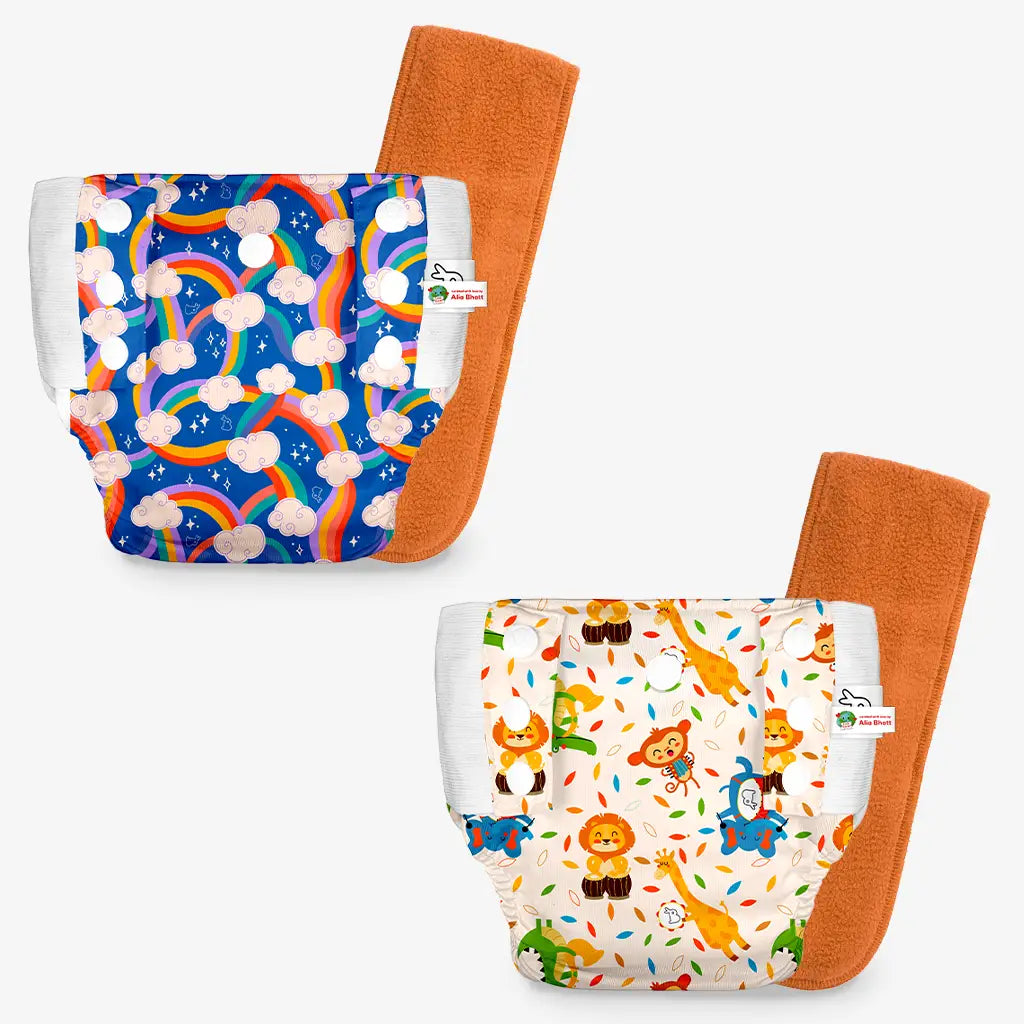
SuperBottoms Pick: SuperBottoms Freesize UNO — reusable cloth diaper designed with a waterproof outer and soft inner lining for comfort during frequent feeds.
Comparison Table: Feeding Support & Diaper Options
|
Criteria |
Disposable Diapers |
Basic Cloth Nappies |
SuperBottoms Freesize UNO |
|---|---|---|---|
|
Skin Safety |
May contain gels/fragrance |
Cotton-based |
Gentle fabric, no harsh chemicals |
|
Leak Protection |
Good |
Moderate |
Leak-proof outer layer |
|
Cost Over Time |
High recurring cost |
Moderate |
High long-term value |
|
Reusability |
No |
Yes |
Yes (washable, reusable) |
|
Night Use |
Available |
Limited |
With booster option |
SuperBottoms performs best in long-term value and skin safety balance.
|
Limited Time Offers + Special Gift Sets! Now or never Super SALE is live on the SuperBottoms website! Take advantage of unbeatable value deals on our UNO Cloth Diapers, Baby Essentials, and more. Looking for the perfect present for a newborn or a toddler? Explore our thoughtfully curated Gift Sets & Combos - safe, skin-friendly, and oh-so-cute! A bundle of love for little ones and a delight for parents. HURRY - Deals and Gift Packs are live only till stocks last. Don’t miss the chance to stock up and share the joy! |
Breastfeeding Parent Insight
“I struggled with cluster feeding and constant diaper changes in the first month. Switching to reusable options saved money and felt gentler on my baby’s skin.” — Mother of 3-month-old, Mumbai.
Breastfeeding challenges can feel overwhelming — but most have simple, evidence-based solutions.
If frequent feeds are leading to constant diaper changes and skin concerns, switching to reusable, skin-safe options can reduce stress during this phase.
Key Takeaways
- Most breastfeeding challenges are temporary and solvable.
- Consistent feeding or pumping protects milk supply.
- Supportive products simplify frequent feeding phases.
FAQs
1. How often should I breastfeed my baby?
8–12 times in 24 hours for newborns.
2. Can stress reduce milk supply?
Yes. Stress affects the let-down reflex.
3. How to start pumping while breastfeeding?
Pump after feeds once the supply is established.
4. What is the best breastfeeding and pumping schedule for newborn?
Every 2–3 hours, aligned with baby’s hunger cues.
5. How long should I pump after breastfeeding?
10–15 minutes post-feed if increasing supply.
6. Are breastfeeding and pumping equally beneficial?
Both provide breast milk benefits. Direct feeding supports bonding.
7. Where can I buy reusable cloth nappies in India?
You can explore certified, skin-safe options online through trusted brands like SuperBottoms.
8. Is SuperBottoms worth the price?
For parents seeking reusable, leak-proof, and long-term cost savings, many find it offers strong value compared to disposables.
Message from SuperBottoms
Hi there, new parents! SuperBottoms brings you doctor-recommended cloth diapers, a trusted rash-free diapering solution specially designed for your baby's sensitive, delicate skin.
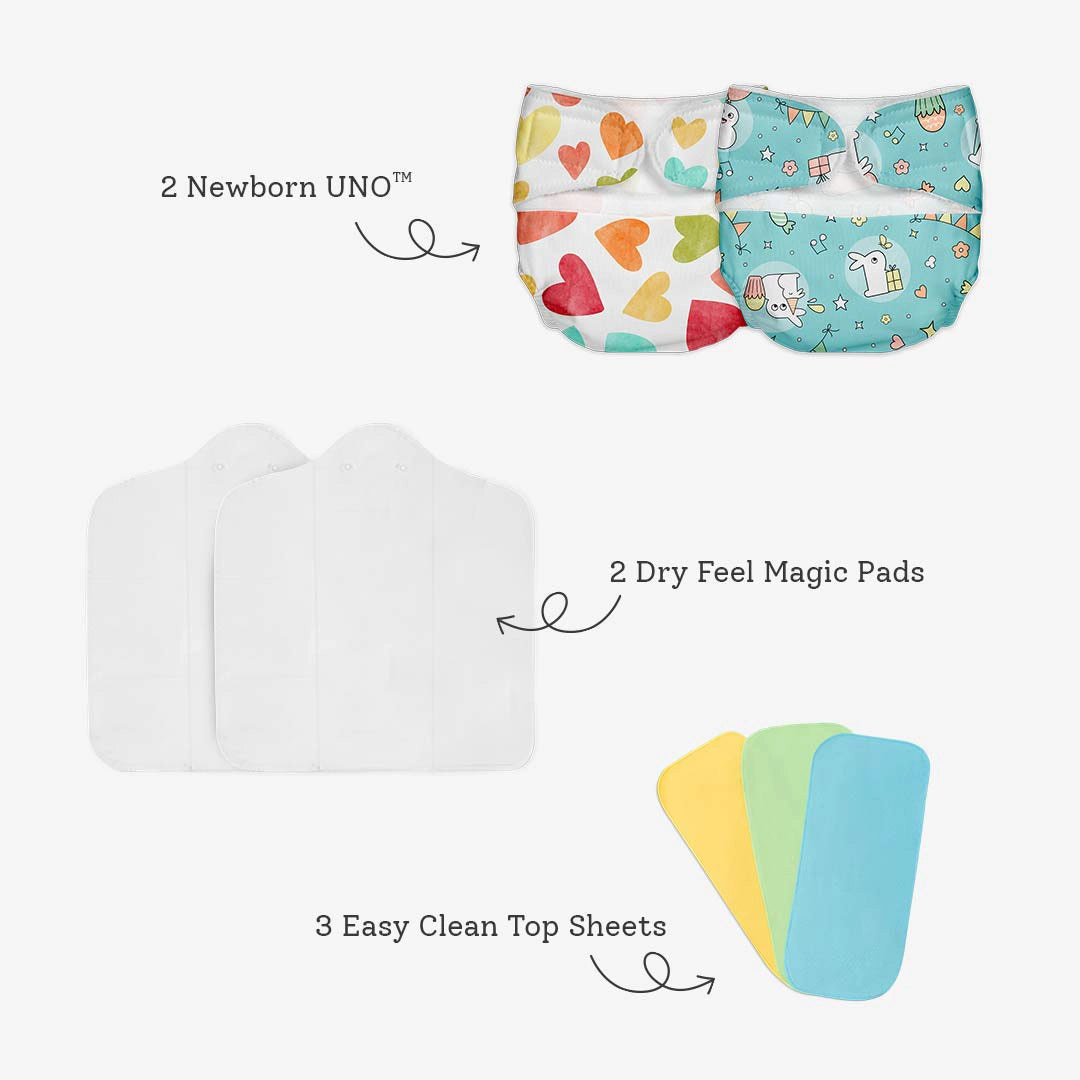
From Newborn UNO and Regular UNO to UNO Luxe, SuperBottoms offers reusable diapering solutions for every stage of your child's growth.
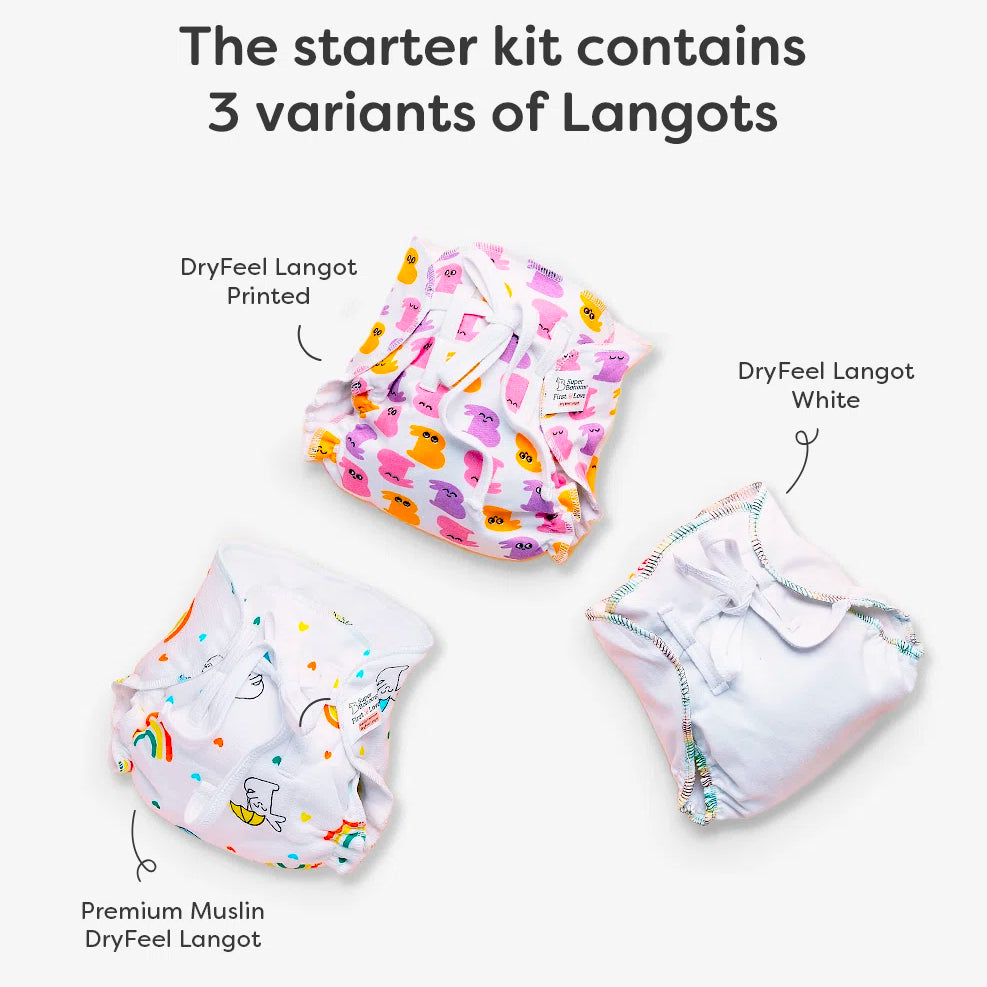
Our range also includes Diaper Pants, DryFeel langots for diaper-free time, Padded Underwear for potty training, as well as SuperSoft Underwear, Cycling Shorts and Joggers for growing kids.
Our collection also includes Period Underwear and bladder-leak solutions for women, along with everyday baby-care essentials.
SuperBottoms products also make thoughtful gifts for babies and new parents - practical, reusable and designed around the real needs of parents.
SuperBottoms products are now available on Amazon, Flipkart, FirstCry, Myntra, Nykaa, Blinkit, and Zepto.