









Silent labor refers to labor that progresses with very mild, irregular, or less noticeable contractions, making it harder to recognise active labor early. Some pregnant women may not experience intense pain or obvious symptoms initially, which can cause confusion or delayed hospital visits. Understanding the early signs of labor, cervical changes, and body signals helps parents prepare better. Knowing what to watch for can reduce anxiety and improve readiness for delivery.
- What is silent labor?
- Why does silent labor happen?
- What are the signs and symptoms of silent labor?
- How can you tell if labor has started without strong contractions?
- When should you go to the hospital during silent labor?
- What parents should know about postpartum recovery essentials
- Which products help after delivery?
- Silent labor vs regular labor: comparison table
- Key takeaways
- FAQs
- Message from SuperBottoms
- References
What Is Silent Labor?
Silent labor happens when labor progresses without the dramatic symptoms many people expect, such as strong, regular contractions or severe lower back pain.
Instead, contractions may feel like mild tightening, menstrual cramps, pelvic pressure, or subtle discomfort that is easy to dismiss. In some cases, labor may advance significantly before a pregnant woman realises active labor has begun.
Silent labor is not necessarily dangerous, but it can delay decision-making if the signs are missed.
Expert Answer
Why Does Silent Labor Happen?
Silent labor can happen for several reasons:
- Higher pain tolerance: Some women naturally feel contractions less intensely.
- Baby's position: A baby positioned differently may reduce back pain or pressure sensations.
- Subtle contraction pattern: Contractions may stay mild while still causing cervical dilation.
- Second or later pregnancies: Experienced bodies sometimes progress faster with fewer dramatic early symptoms.
According to Dr Sarah Buckley, MB ChB, family physician and childbirth educator, "Labor experiences vary widely, and not all progressing labor feels intense from the start."
What Are the Signs and Symptoms of Silent Labor?
Silent labor symptoms are often subtle but noticeable if you know what to monitor.
Common silent labor signs include:
- Mild lower abdominal tightening
- Menstrual-like cramps
- Pelvic heaviness or pressure
- Loose stools before labor
- Lower back ache
- Increased vaginal discharge
- Bloody show (mucus plug with blood streaks)
- Water breaking with little or no contractions
- Increased urge to nest or rest
Some people ask: Can you be in labor and not know it? Yes—especially if contractions are painless or mistaken for Braxton Hicks.
What Parents Should Know
Track timing rather than relying only on pain intensity.
How Can You Tell If Labor Has Started Without Strong Contractions?
Labor is confirmed by cervical changes, not just pain.
Look for:
- Contractions are becoming more regular
- Pressure moving downward
- Difficulty walking or talking comfortably during tightening
- Water leakage or rupture
- Increased pelvic pain over time
Try the 5-1-1 rule:
- Contractions every 5 minutes
- Lasting 1 minute
- Continuing for 1 hour
Even in silent labor, this timing pattern can still help.
Expert Answer
When Should You Go to the Hospital During Silent Labor?
Go to the hospital or contact your doctor if you experience:
- Water breaking
- Decreased baby movement
- Vaginal bleeding
- Regular contractions are increasing in frequency
- Intense pelvic pressure or urge to push
If you live far from your birthing centre or hospital, avoid waiting too long if symptoms feel unusual.
For Indian parents, traffic delays and travel distance can make early planning especially important.

What Parents Should Know About Postpartum Recovery Essentials
Once labor starts—silent or otherwise—postpartum recovery becomes the next big focus.
After delivery, new moms often deal with:
- Heavy bleeding (lochia)
- Breast leaks
- Night sweats
- Recovery discomfort
- Frequent outfit changes
Choosing comfortable postpartum essentials before labor helps reduce last-minute stress.
What to Look For
— Absorbency
— Skin safety
— Ease of changing
— Washability
— Long-term value
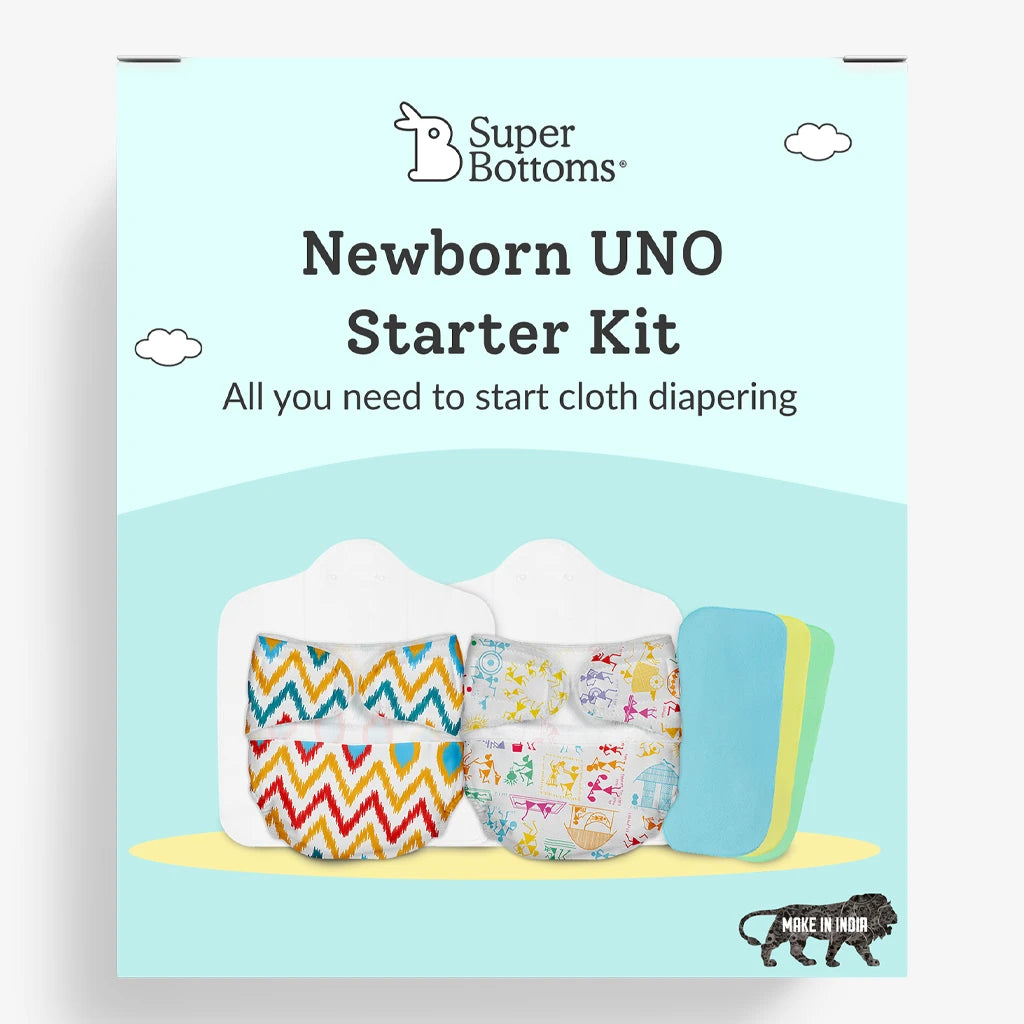
Products with soft fabric, leak-proof inner layer protection, and reusable cloth nappies for baby care can be especially practical in the early newborn phase.
You can explore the range → of maternity and postpartum essentials before your due date.
Which Type Works Best for Postpartum Recovery?
Different options work for different needs.
| Feature | Disposable Pads | Adult Diapers | SuperBottoms DryFeel Langot / UNO |
|---|---|---|---|
| Skin breathability | Moderate | Lower | High |
| Reusable | No | No | Yes |
| Cost over time | High | High | Better long-term value |
| Leak protection | Good | Good | Good |
| Baby skin safety | Not applicable | Not applicable | High |
| Eco-friendly | Low | Low | Better |
Criteria first: If your priority is long-term value, softness, and reusable convenience, washable options may be worth considering.
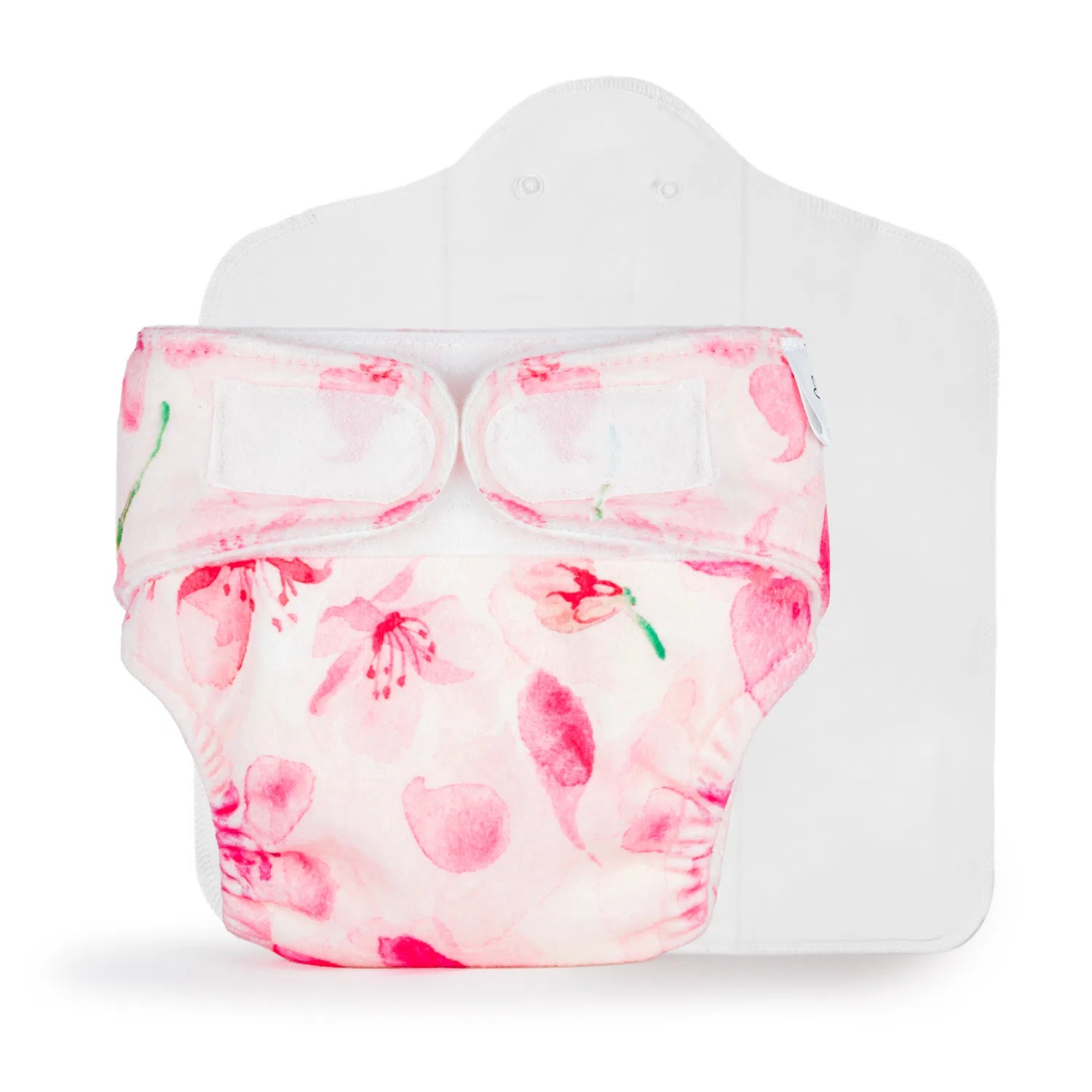
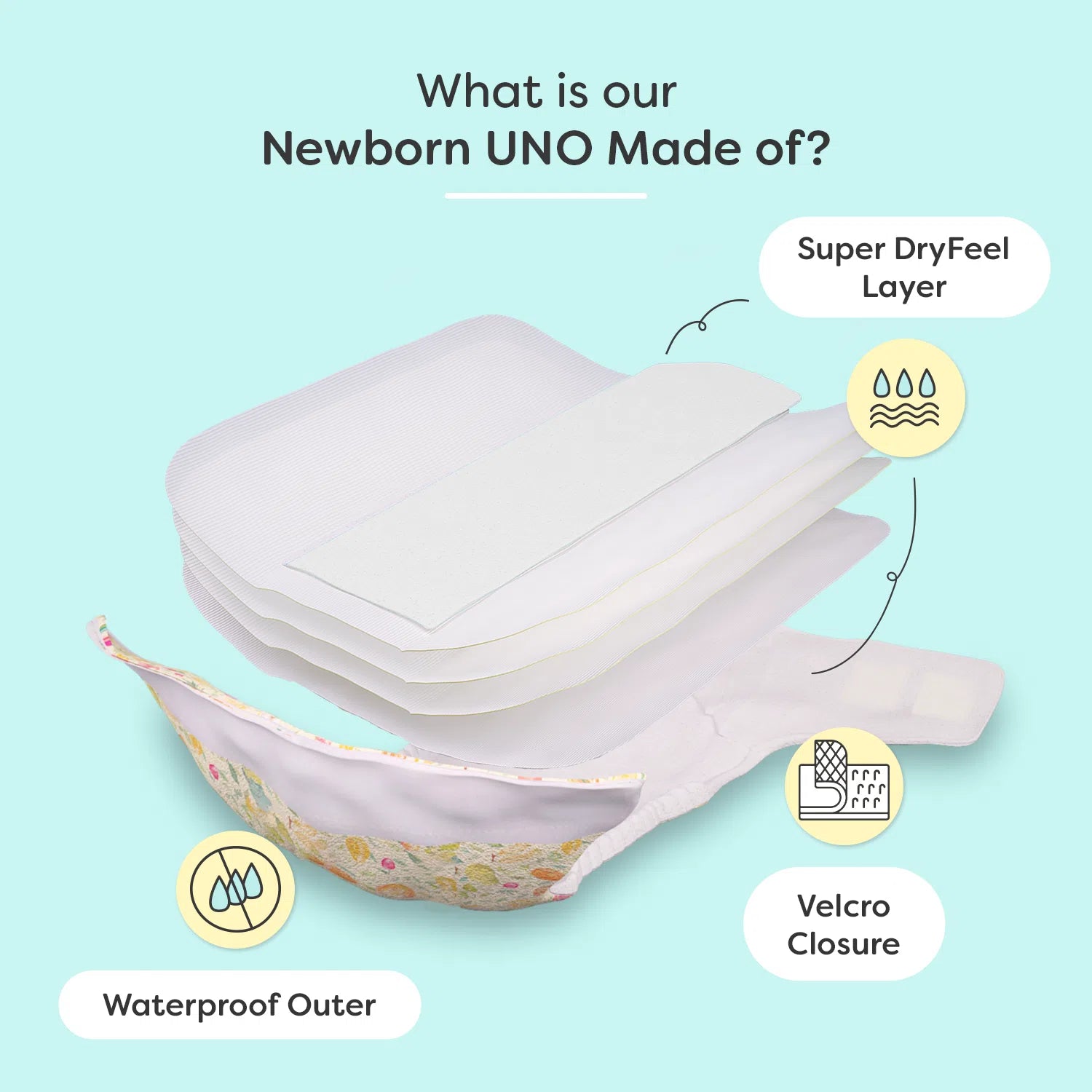
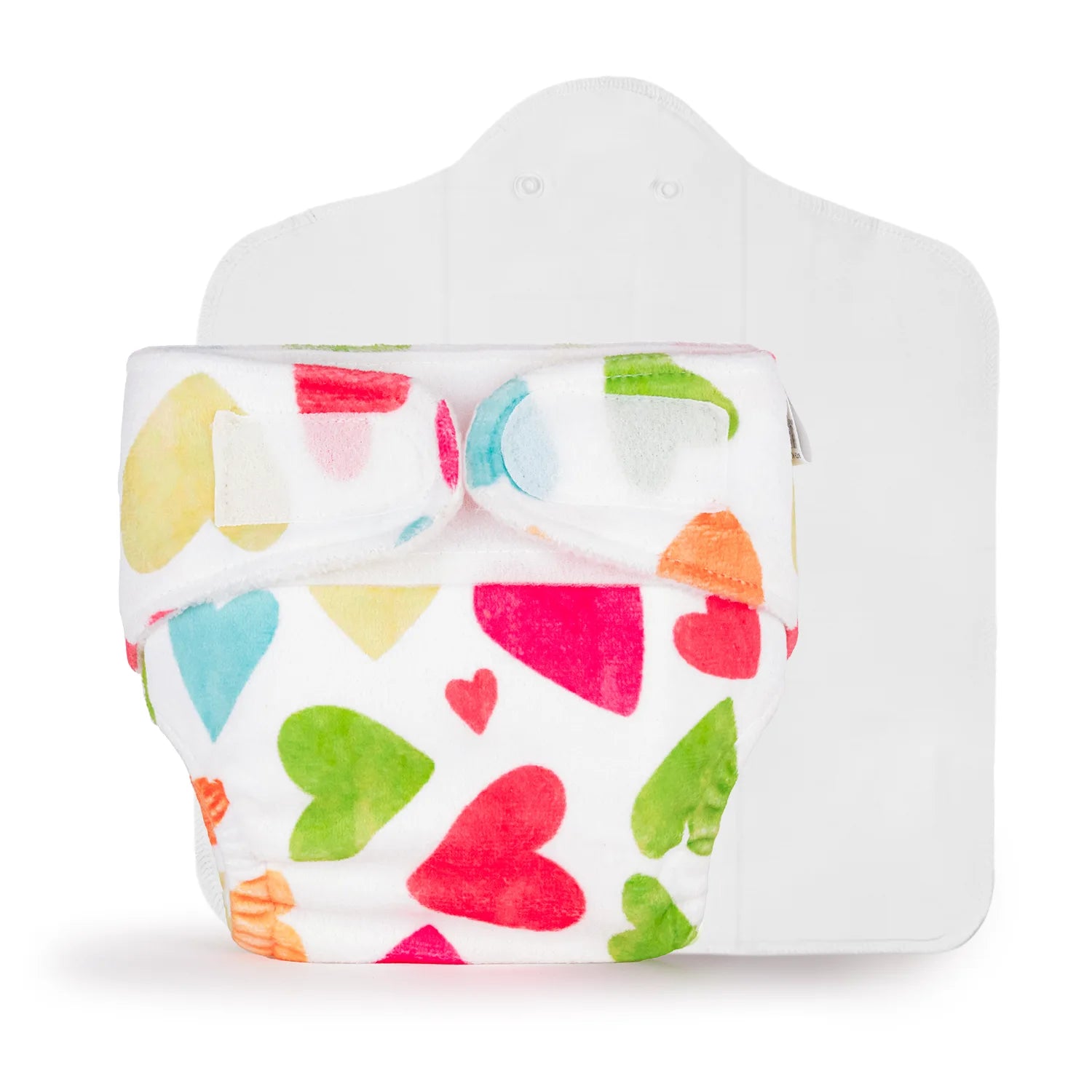
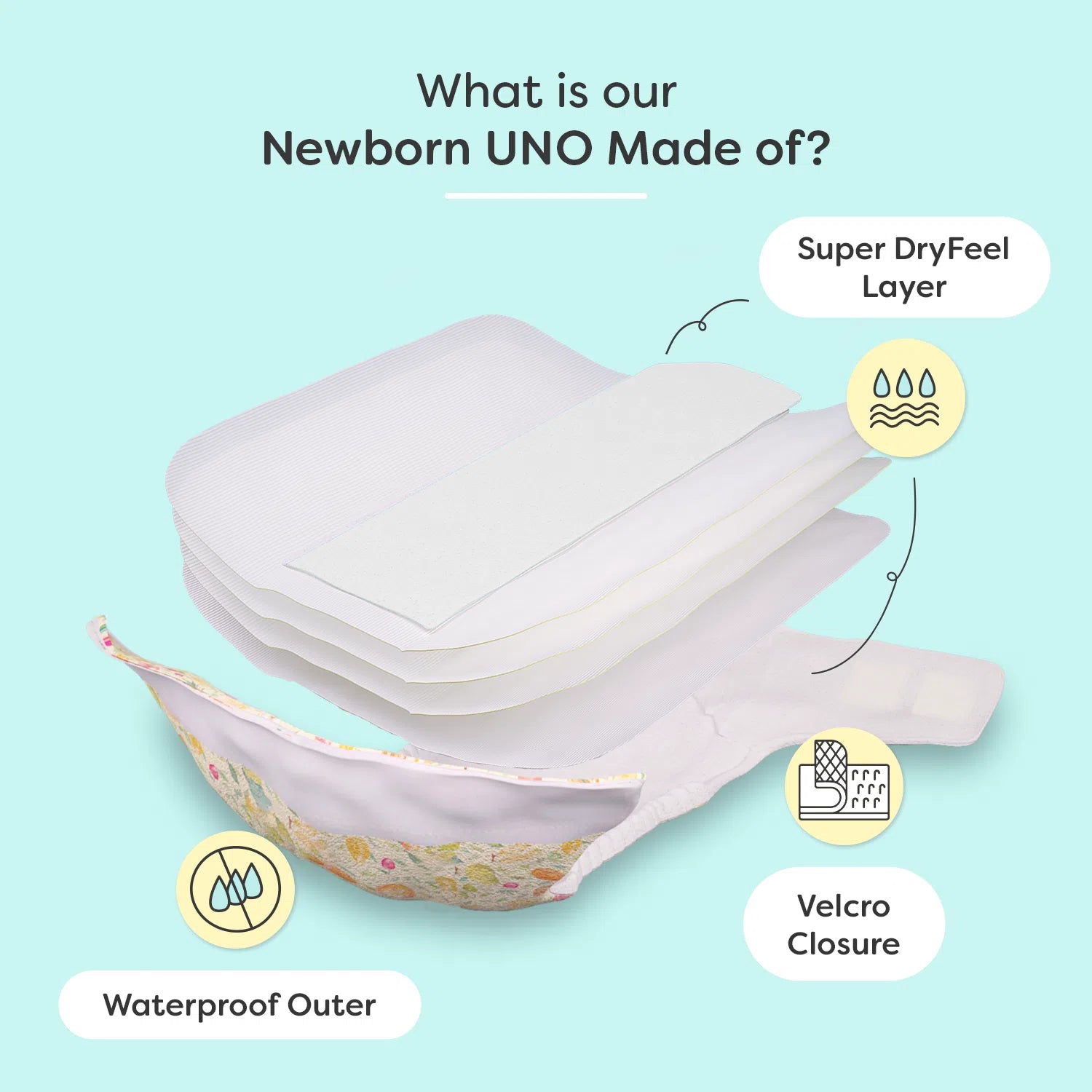
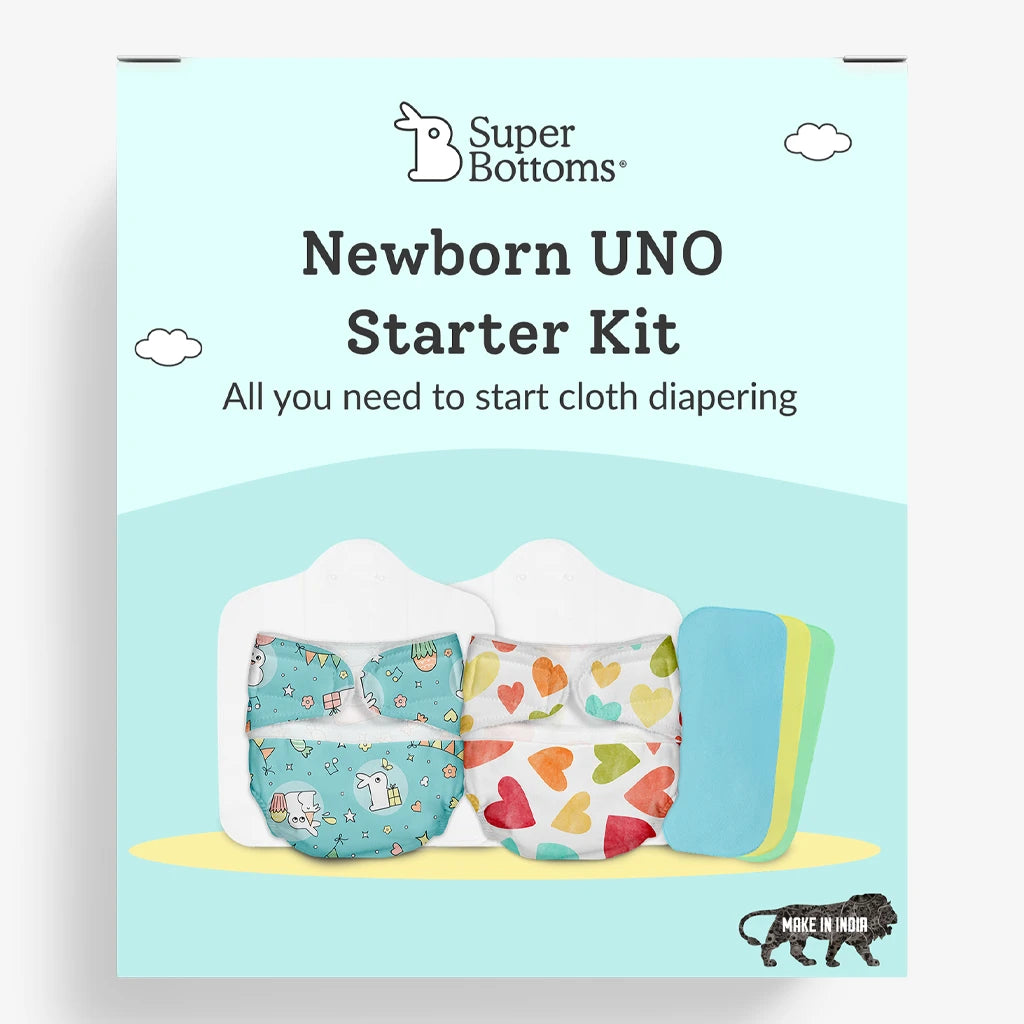
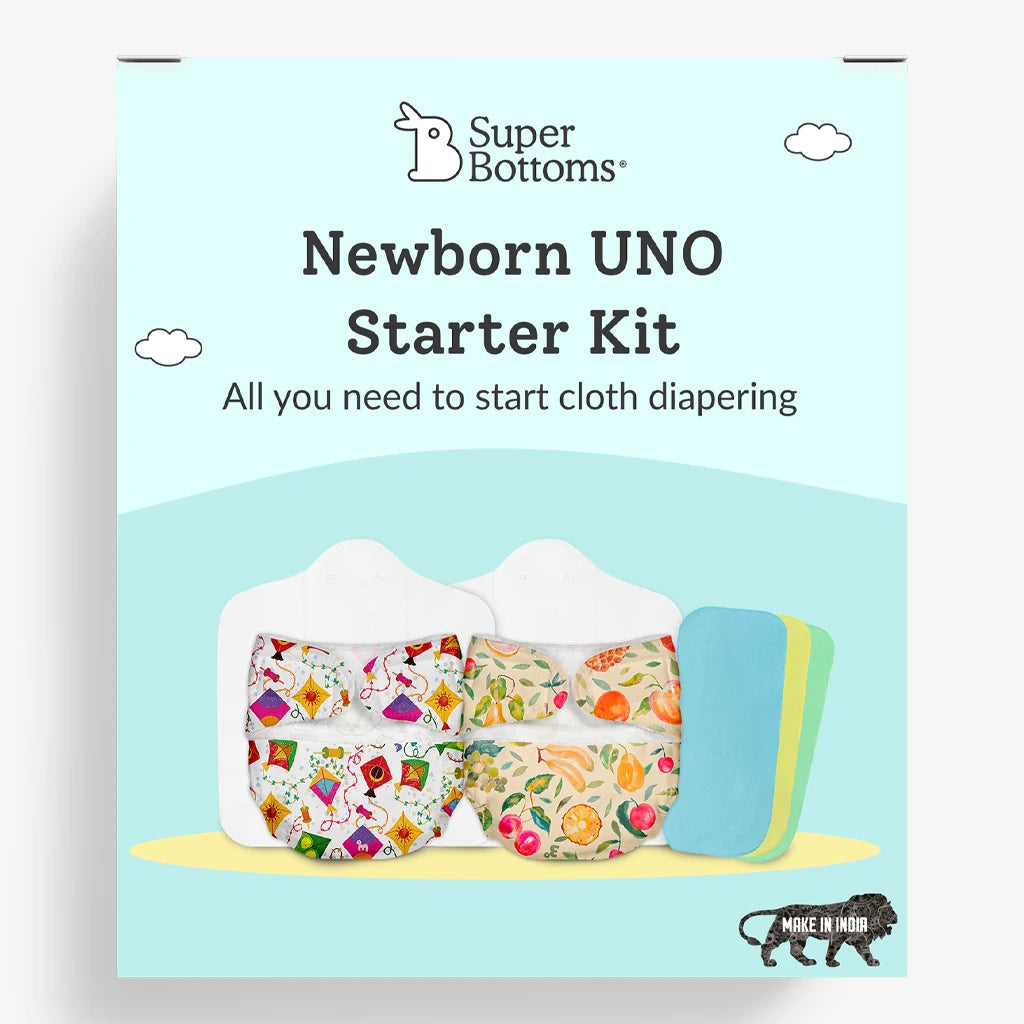
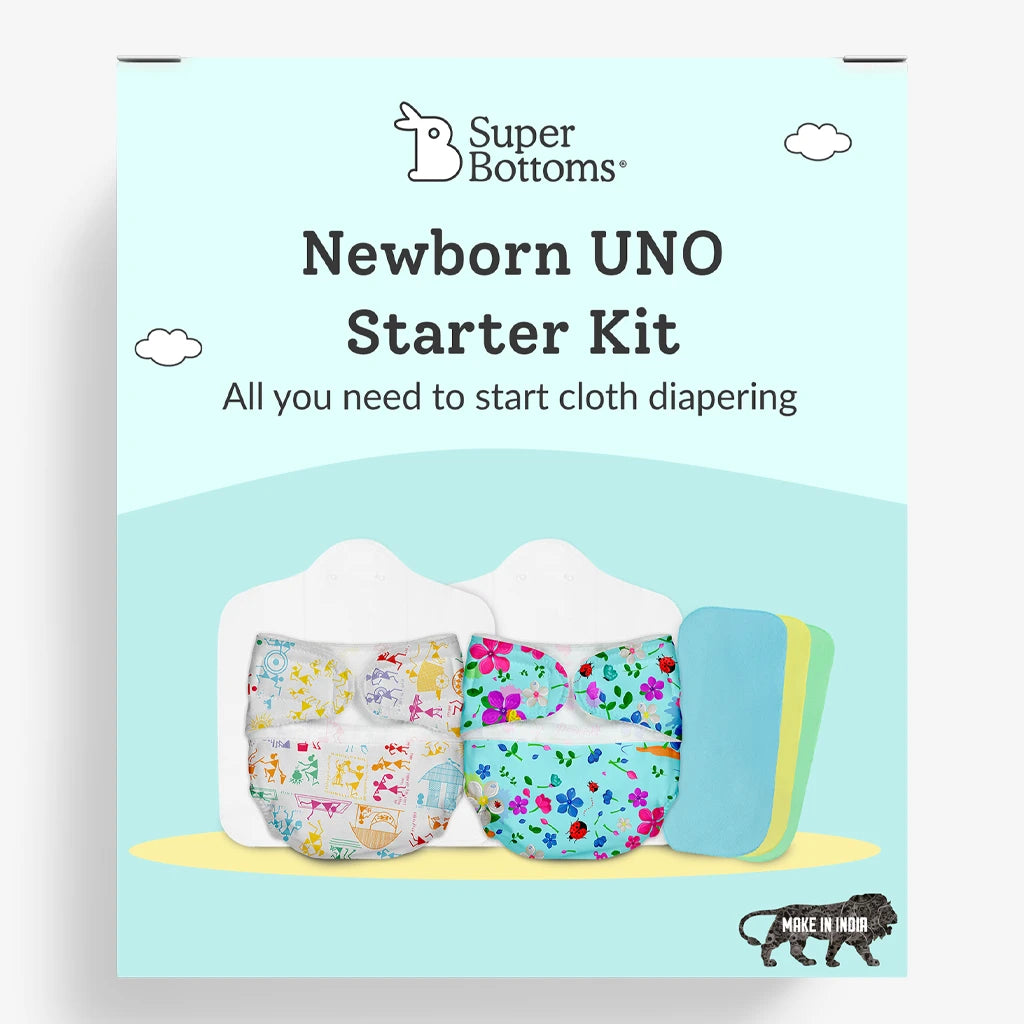
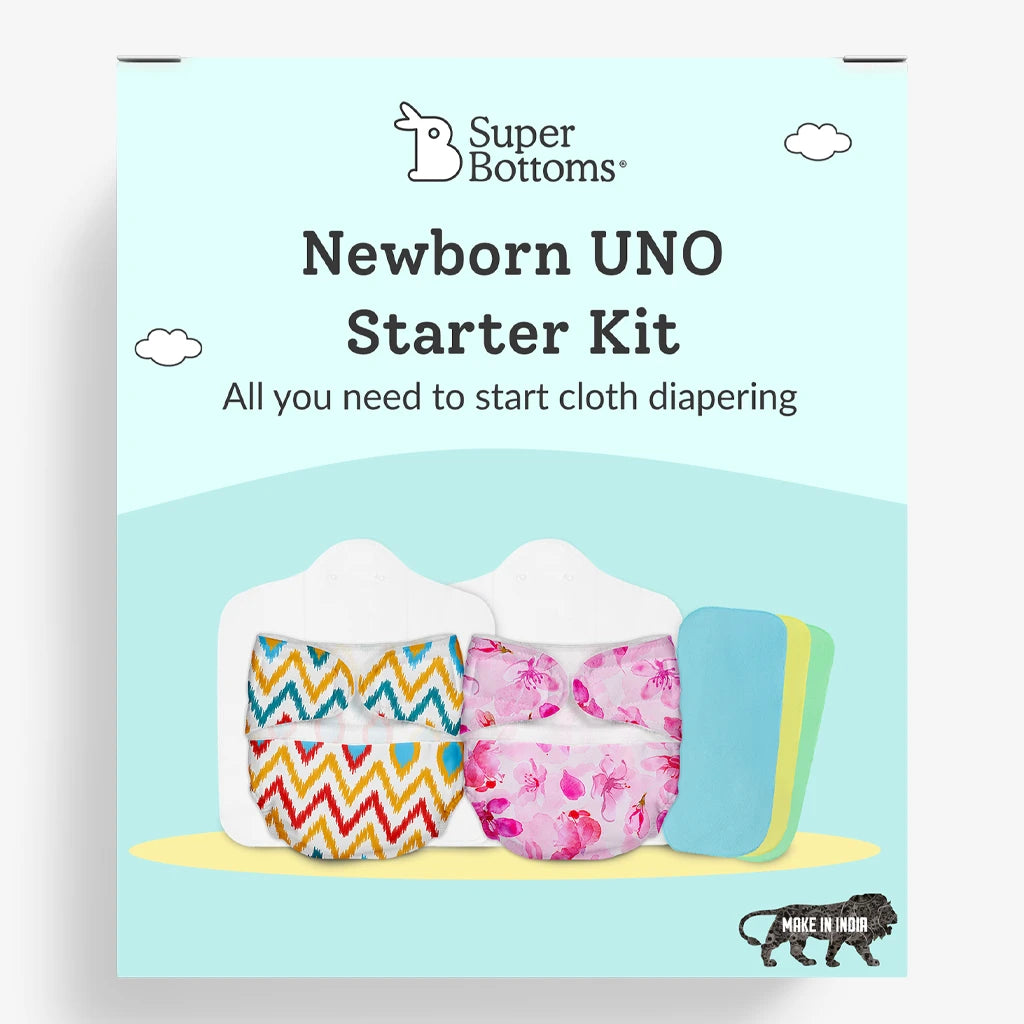
SuperBottoms Pick: Freesize UNO Cloth Diaper
Is It Worth Switching to Reusable Cloth Options After Birth?
For many parents, yes—especially after hospital discharge.
Benefits include:
- Lower diaper costs over months
- Fewer emergency diaper runs
- Softer materials for sensitive newborn skin
- Better sustainability
However, disposables may still be useful during travel or the first few recovery days.
A real parent insight:
Silent Labor vs Regular Labor
| Factor | Silent Labor | Regular Labor |
|---|---|---|
| Contraction intensity | Mild or subtle | More noticeable |
| Recognition difficulty | High | Lower |
| Progress awareness | Often delayed | Easier to monitor |
| Hospital urgency confusion | Common | Less common |
Silent labor can feel confusing because labor may progress without dramatic symptoms. The key is recognising subtle body signals, tracking contraction patterns, and staying prepared.
If you are nearing your due date, preparing postpartum and newborn essentials in advance can make the transition smoother.
Find the right fit → Shop SuperBottoms UNO.
|
Limited Time Offers + Special Gift Sets! Now or never Super SALE is live on the SuperBottoms website! Take advantage of unbeatable value deals on our UNO Cloth Diapers, Baby Essentials, and more. Looking for the perfect present for a newborn or a toddler? Explore our thoughtfully curated Gift Sets & Combos - safe, skin-friendly, and oh-so-cute! A bundle of love for little ones and a delight for parents. HURRY - Deals and Gift Packs are live only till stocks last. Don't miss the chance to stock up and share the joy! |
Key Takeaways
- Silent labor can happen with very mild or barely noticeable contractions.
- Timing contractions and monitoring body changes matter more than pain level alone.
- Preparing hospital bags and postpartum essentials early reduces delivery stress.
FAQs
1. Can labor happen without painful contractions?
Yes, some women experience very mild contractions despite progressing labor.
2. Is silent labor dangerous?
Not usually, but delayed recognition can postpone hospital arrival.
3. How long can silent labor last?
It varies from hours to more than a day, depending on labor stage.
4. Can your water break without contractions?
Yes, labor may start after the membranes rupture.
5. What are early labor symptoms?
Cramping, pelvic pressure, back pain, mucus plug loss, and mild contractions.
6. What should I pack if I think labor is close?
Hospital documents, clothes, nursing essentials, baby clothes, and postpartum products.
7. Where can I buy cloth diapers for newborns in India?
Reusable cloth diapers and baby essentials are available online through baby care brands and marketplaces across India. SuperBottoms is a trusted option.
8. Is SuperBottoms worth the price?
For parents prioritising reusable, skin-friendly diapering and long-term savings, many find the value worthwhile.
Hi there, new parents! SuperBottoms brings you doctor-recommended cloth diapers - the best rash-free diapering solution for your baby's sensitive and delicate skin. Unlike disposable diapers loaded with chemicals, our newborn cloth diapers, when used and washed properly, can help eliminate the risk of diaper rashes. SuperBottoms offers a wide range of safe, skin-friendly essentials for the whole family - including Reusable Cloth Diapers, Diaper Pants, DryFeel langots for diaper-free time, Padded Underwear for potty training, SuperSoft Underwear for everyday comfort, Joggers for playful days, and Period Underwear for women. Not just for everyday use, SuperBottoms products also make the best gifting choice for babies - thoughtful, eco-friendly, practical, and loved by parents. Now available on Amazon, Myntra, Flipkart, FirstCry, Zepto, Swiggy and Blinkit.