






This article will discuss:
- Early prenatal care for a healthy pregnancy.
- Nutrition tips for mom and baby.
- Trimester-wise pregnancy care.
- Supporting emotional wellbeing.
- Preparing for childbirth.
Pregnancy advice can feel overwhelming, especially for first-time moms. The key is to focus on informed care, one step at a time, rather than trying to do everything perfectly.
What is pregnancy care, and why does it matter?
Pregnancy care, also called prenatal or antenatal care, is the healthcare and everyday support a woman receives during pregnancy. It includes check-ups, recommended tests, nutrition guidance, monitoring the baby’s growth and preparing for birth. It helps identify potential concerns early and supports the mother’s physical and emotional wellbeing.
The challenge for many new moms is knowing which advice to follow. Some pregnancy symptoms are common, while others need medical attention. A good pregnancy care routine combines professional guidance with practical daily habits.
What parents should know
Pregnancy care is not only about the baby’s development. It also includes the mother’s nutrition, mental wellbeing, comfort, medical needs and preparation for parenthood. Each pregnancy is different, so advice should be tailored to the individual.
What should you do in the first month of pregnancy?
The first month is a good time to begin prenatal care. If pregnancy is suspected or confirmed, contact a qualified obstetrician or maternity care provider early. Early guidance helps establish the right care plan and identify any health needs.
First month of pregnancy care checklist
- Book a prenatal appointment: Discuss your health, medicines and concerns.
- Ask about folic acid: Consult your doctor about the right dose.
- Review medications: Take medicines only as advised.
- Eat balanced meals: Include fruits, vegetables, whole grains and protein.
- Avoid alcohol and smoking: Seek support if needed.
- Rest when needed: Manage early pregnancy fatigue and nausea.
The NHS recommends 400 micrograms of folic acid daily until at least week 12 for most women. Your doctor may recommend a different dose based on your circumstances.
What changes across the three trimesters?
Pregnancy care tips change as the baby grows. Here is a simple trimester care guide.
|
Trimester |
What to focus on |
|---|---|
|
Early prenatal care, folic acid, managing nausea, reviewing medicines and recommended tests. |
|
|
Regular check-ups, balanced nutrition, appropriate activity and scheduled scans or screening. |
|
|
Monitoring baby’s movements, preparing for childbirth, hospital planning and emotional support. |
Your doctor may recommend additional visits or tests based on your health and pregnancy. WHO recommends regular contact with skilled healthcare providers throughout pregnancy, with the timing adapted to individual needs. (World Health Organization: Recommendations on antenatal care)
How can you look after your health during pregnancy?
1. Prioritise pregnancy nutrition
A balanced diet supports your changing nutritional needs. Include:
- Dal, beans, lentils, eggs and other protein sources.
- Seasonal fruits and vegetables.
- Whole grains, millets and fibre-rich foods.
- Milk, curd or suitable alternatives.
- Nuts and seeds, where appropriate.
Indian meals can be a practical foundation for pregnancy nutrition. Your doctor or dietitian can help adapt meals for nausea, anaemia or other needs.
2. Stay active, as advised
Suitable physical activity can support wellbeing during a healthy pregnancy. Walking, gentle movement and pregnancy-safe exercises may help maintain comfort and fitness. Ask your obstetrician what’s right for you, especially if you have complications or activity restrictions.
3. Look after your emotional wellbeing
Mood changes, worry and tiredness are common during pregnancy. Talk to your partner, family or a healthcare professional if you feel overwhelmed. You don’t have to manage every concern alone.
Expert guidance - WHO’s antenatal care recommendations emphasise person-centred care, including communication, emotional support and health promotion alongside medical monitoring. Pregnancy care should support the mother’s overall wellbeing, not just track the baby’s growth.
4. Know when to seek medical help
Contact your maternity care provider if you have concerns about your symptoms. Seek urgent medical attention for warning signs such as heavy bleeding, severe abdominal pain, severe headache with vision changes, difficulty breathing, chest pain or reduced baby movements later in pregnancy. Do not wait for the next routine appointment when something feels wrong.
How can first-time moms prepare for childbirth?
Preparing for childbirth is easier when broken into small steps. You do not need to have every detail decided early.
Preparing for childbirth checklist
- Ask your doctor about birth options and warning signs.
- Attend recommended antenatal or childbirth classes.
- Discuss who will support you during labour.
- Plan transport to your chosen hospital.
- Keep important medical records and contact numbers accessible.
- Prepare a hospital bag closer to your due date.
- Learn about breastfeeding and newborn care.
What should you look for when buying newborn essentials?
Baby shopping can begin gradually. Instead of buying everything at once, start with items that support everyday care.
For newborn clothing and diapering, consider:
|
What to look for |
Why it matters |
|---|---|
|
Comfortable fit |
Helps avoid unnecessary pressure and discomfort. |
|
Soft, suitable materials |
Supports comfortable contact with delicate skin. |
|
Practical changing system |
Makes frequent diaper changes easier. |
|
Appropriate absorbency |
Helps match the product to the baby’s needs. |
|
Easy washing and care |
Useful when managing many daily changes. |
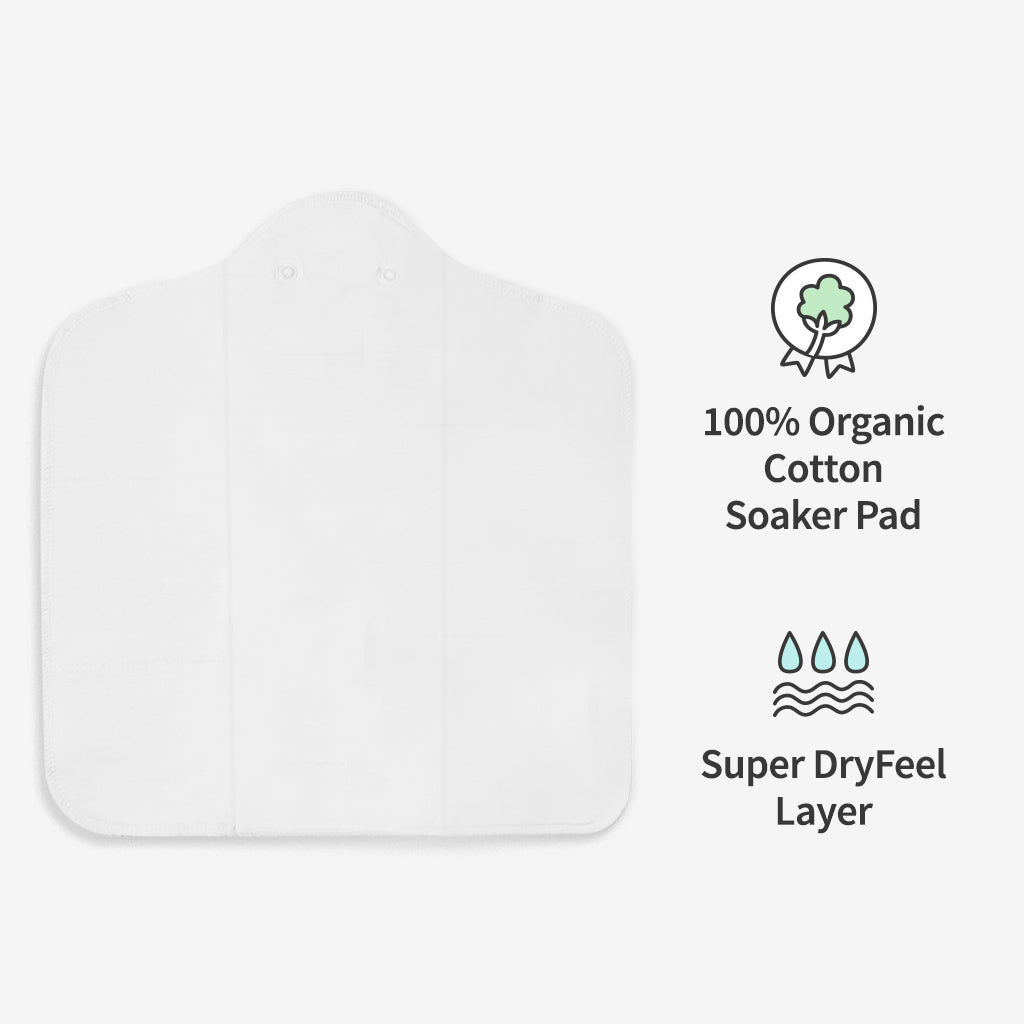
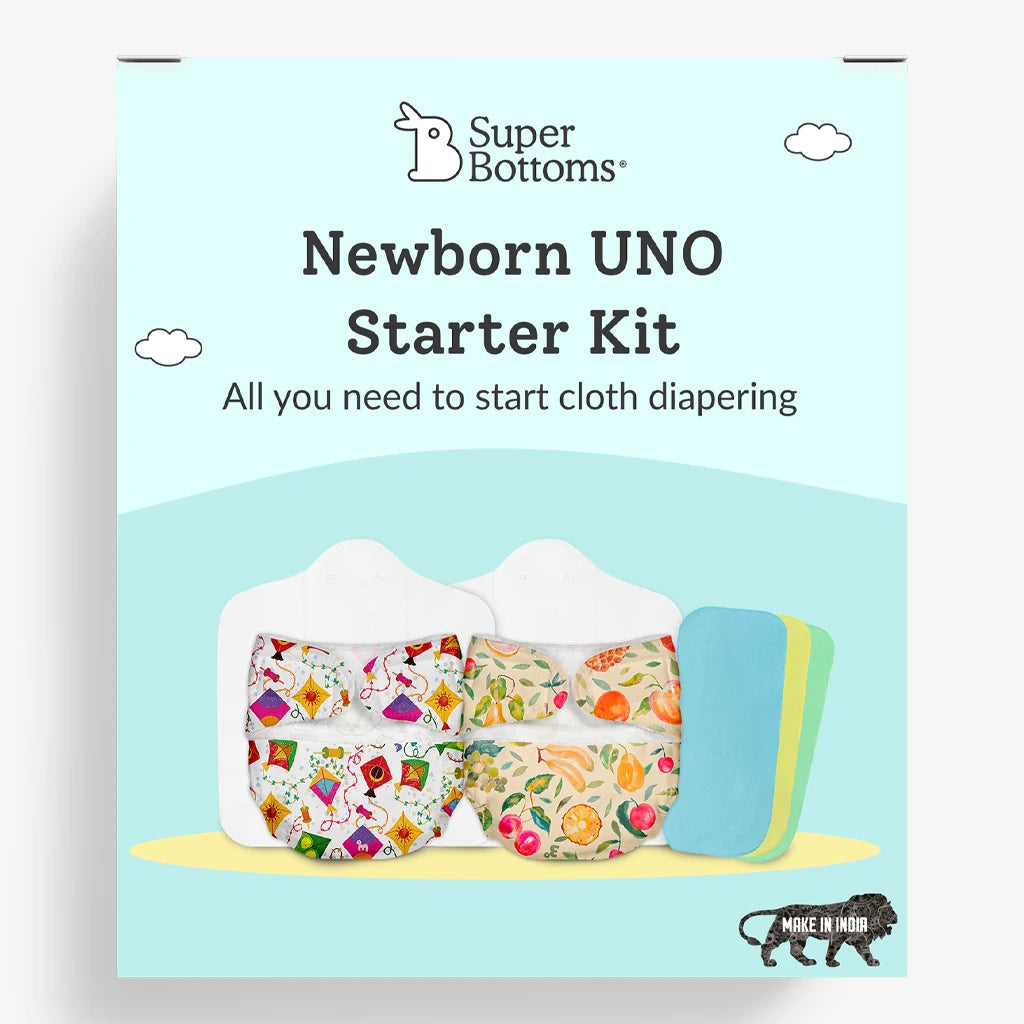
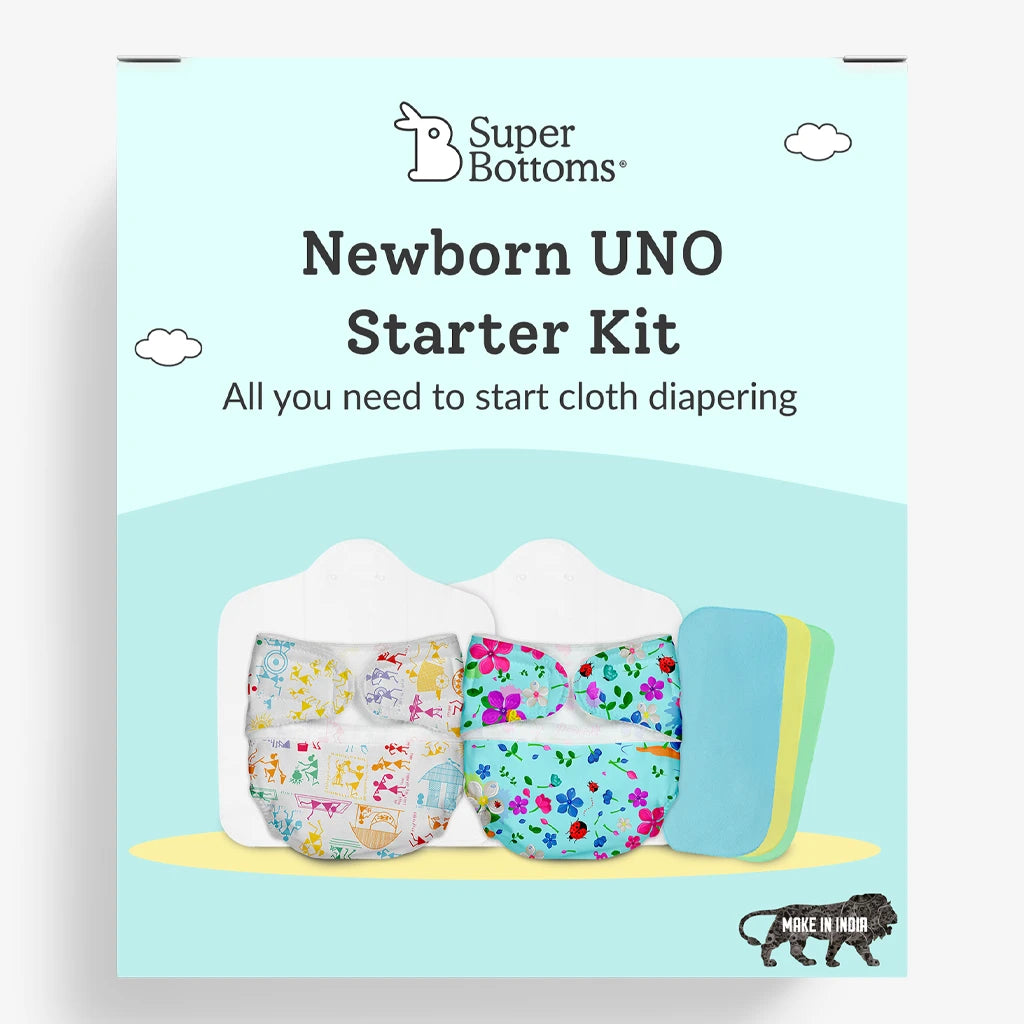
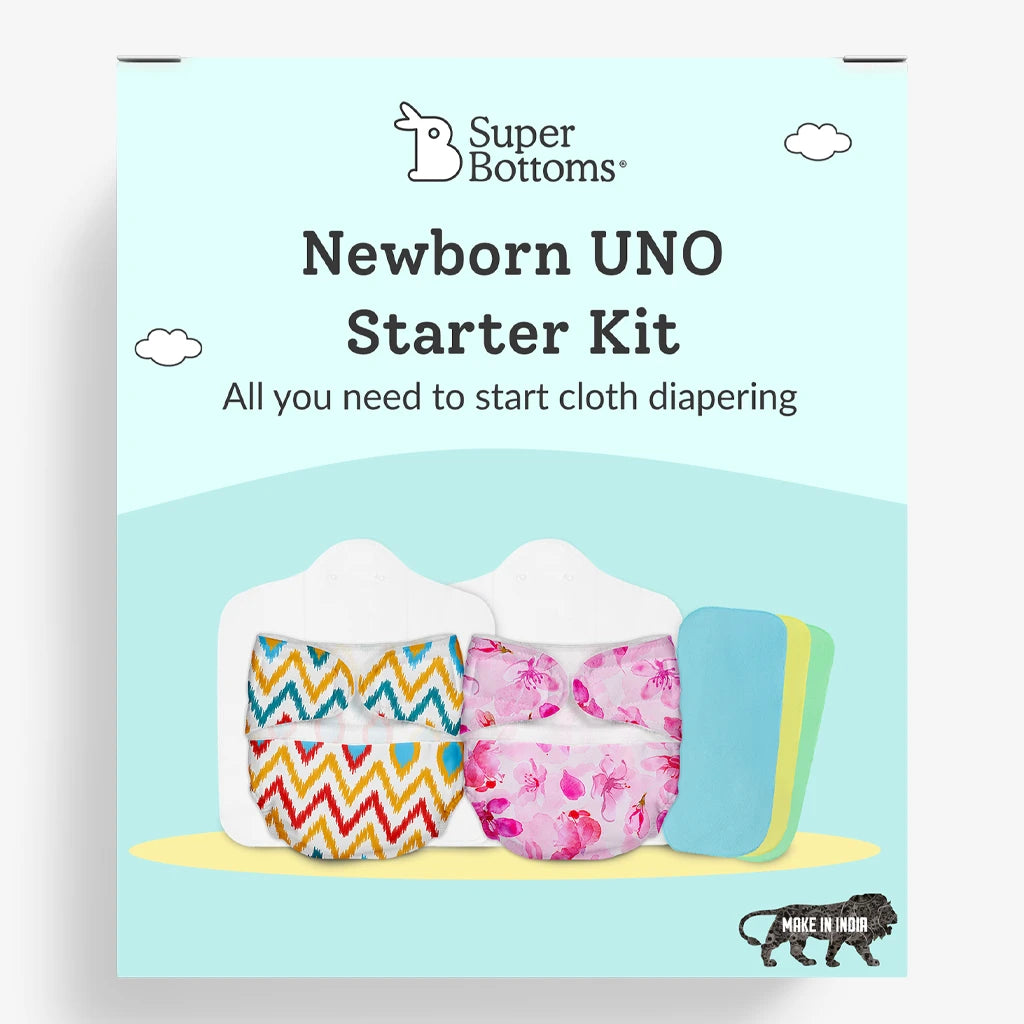
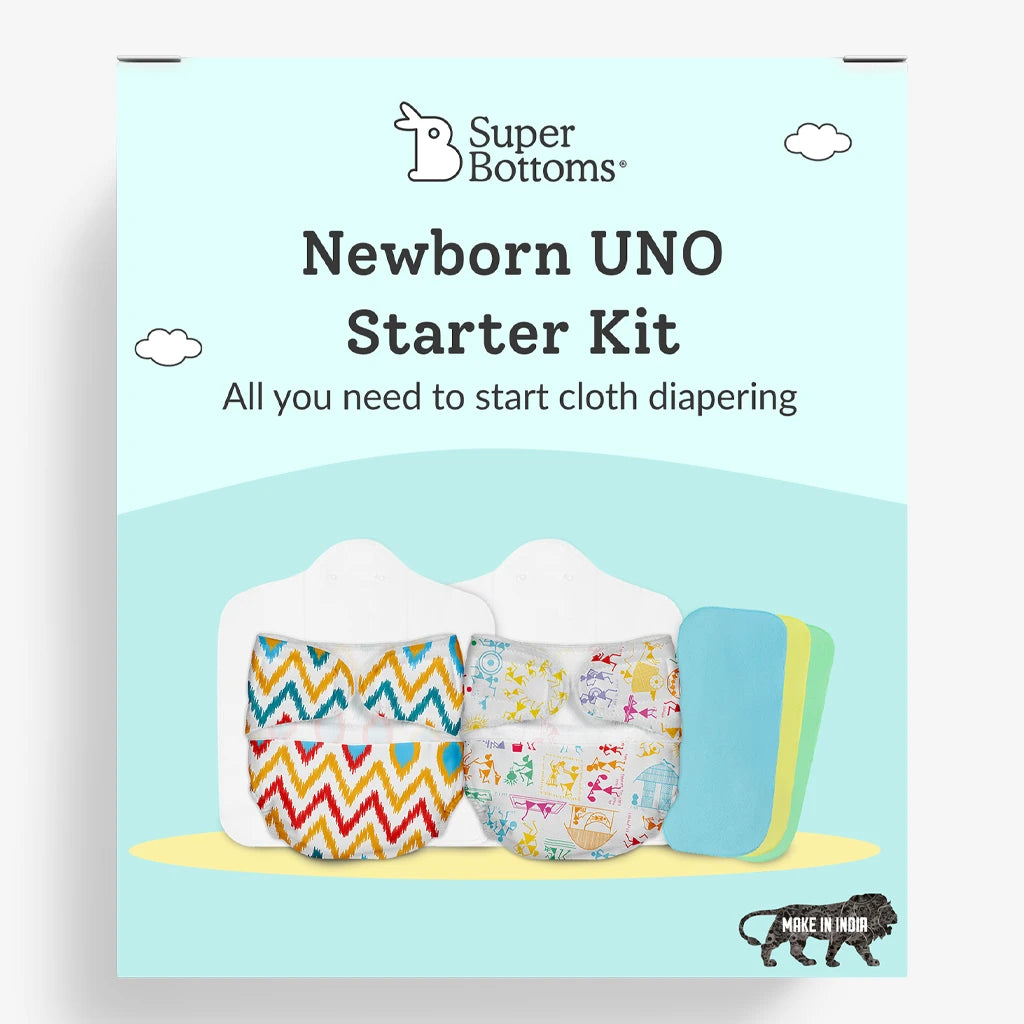
💡 SuperBottoms PickNewborns need frequent changes, so parents can choose between reusable options like SuperBottoms Newborn UNO Diapers, designed for babies 0–3 months (2.5–7 kg), and the SuperBottoms Langot range, suited for daytime or nappy-free time. Choose what works best for your baby’s comfort, needs and routine. |

Key takeaways
- Start prenatal care early and follow your doctor’s advice.
- Support pregnancy health with balanced nutrition, suitable activity and emotional support.
- Prepare for childbirth and newborn care gradually, choosing essentials based on comfort and practical needs.
FAQs
1. What are the most important pregnancy care tips for first-time moms?
Start prenatal care early, eat balanced meals, take prescribed supplements and stay active as advised.
2. What should I do in the first month of pregnancy?
Book a prenatal appointment, ask about folic acid, review medicines and prioritise rest and healthy meals.
3. How does pregnancy care change in each trimester?
The first focuses on early care, the second on monitoring and screening, and the third on birth preparation and baby’s movements.
4. When should I start buying newborn essentials?
Start gradually during pregnancy, prioritising clothing, diapering and other everyday essentials.
Regular prenatal care, self-care and preparation help make pregnancy more manageable. Take it one step at a time.