





About Anisha Siddhu (Author)

This article is contributed by SuperBottoms' Prenatal Expert Anisha Siddhu. The birth of her sons left her utterly fascinated with the intricate beauty of childbirth, and it was then that she discovered her true calling and passion for working as a Birth Doula and Childbirth Educator. She is passionate about being the calming, comforting, and reassuring support for women on their journey through childbirth. With a gentle touch and evidence-based knowledge, she is dedicated to empowering birthing mothers to make informed choices and have positive, fulfilling births. Follow me @reborndoula.anisha to keep in touch and for more information.
Preparing for childbirth helps reduce anxiety, improve confidence, and support smoother labor and postpartum recovery. A well-planned childbirth checklist typically includes hospital essentials, labor education, newborn basics, and recovery support. Expectant parents benefit most when preparation starts early in the third trimester. Small steps such as packing ahead, understanding labor signs, and choosing newborn essentials can make the transition into parenthood easier.
- Why is childbirth preparation important?
- When should you start preparing for childbirth?
- What should be included in a childbirth preparation checklist?
- How do you prepare your home and baby essentials?
- What should you look for when choosing newborn essentials?
- Which diapering option works best for newborns?
- Childbirth preparation checklist table
- Key takeaways
- FAQs
- Message from SuperBottoms
- References
Why Is Childbirth Preparation Important?
Childbirth preparation helps parents feel informed, organised, and emotionally ready before labor begins.
Labor can feel unpredictable, especially for first-time parents. Preparing in advance reduces last-minute stress and helps families focus on recovery and bonding instead of scrambling for essentials.
According to Dr Anita Sharma, MD Obstetrics & Gynaecology, "Birth preparation is not about controlling labor outcomes; it is about improving readiness, reducing anxiety, and ensuring smoother decision-making during delivery and early postpartum recovery."
Benefits of preparing early:
- Reduced labor anxiety
- Better understanding of labor stages
- Faster hospital readiness
- Easier postpartum transition
- Improved newborn care confidence
Expert Answer
Most experts recommend starting childbirth preparation between 28 and 32 weeks of pregnancy. This gives enough time to attend prenatal appointments, plan hospital logistics, prepare essentials, and understand labor signs.
When Should You Start Preparing for Childbirth?
The best time to begin is during the third trimester.
By this stage, most parents begin finalising:
- Hospital selection
- Birth preferences
- Emergency contacts
- Maternity bag packing
- Baby essentials setup
Suggested timeline
28–30 weeks
- Finalise doctor and hospital paperwork
- Begin childbirth education classes
- Research breastfeeding support
30–34 weeks
- Pack a hospital bag
- Buy newborn clothing and essentials
- Prepare the baby sleep space
34–36 weeks
- Install car seat (if applicable)
- Stock postpartum supplies
- Review labor signs
37+ weeks
- Keep the hospital bag accessible
- Stay hydrated and rested
- Monitor contractions and fetal movement
What Should Be Included in a Childbirth Preparation Checklist?
A complete childbirth checklist should cover the mother, the baby, the paperwork, and the postpartum recovery.
For Mom
- Medical reports
- ID and insurance documents
- Comfortable labor clothing
- Nursing bras
- Maternity pads
- Toiletries
- Slippers
- Water bottle
- Phone charger
For Baby
- Newborn clothes
- Mittens and caps
- Swaddle blanket
- Burp cloths
- Baby wipes
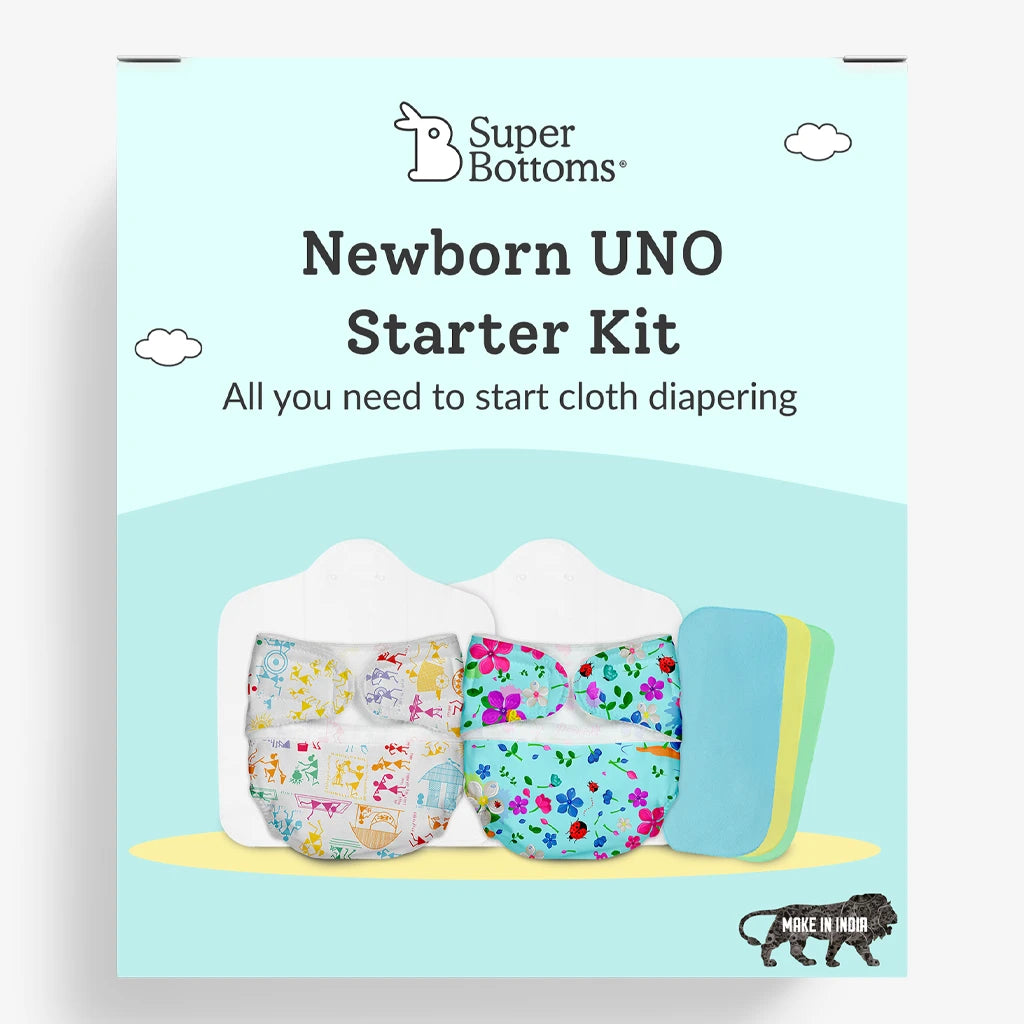
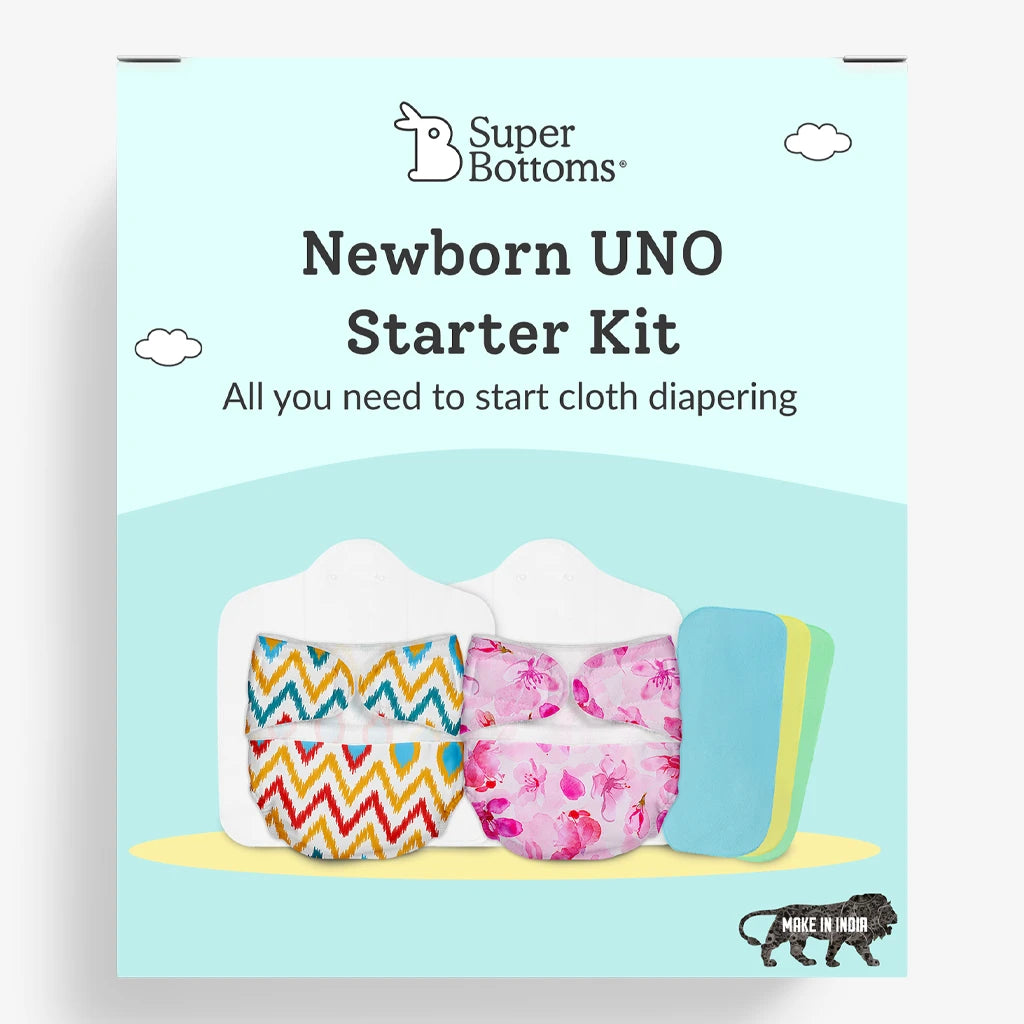
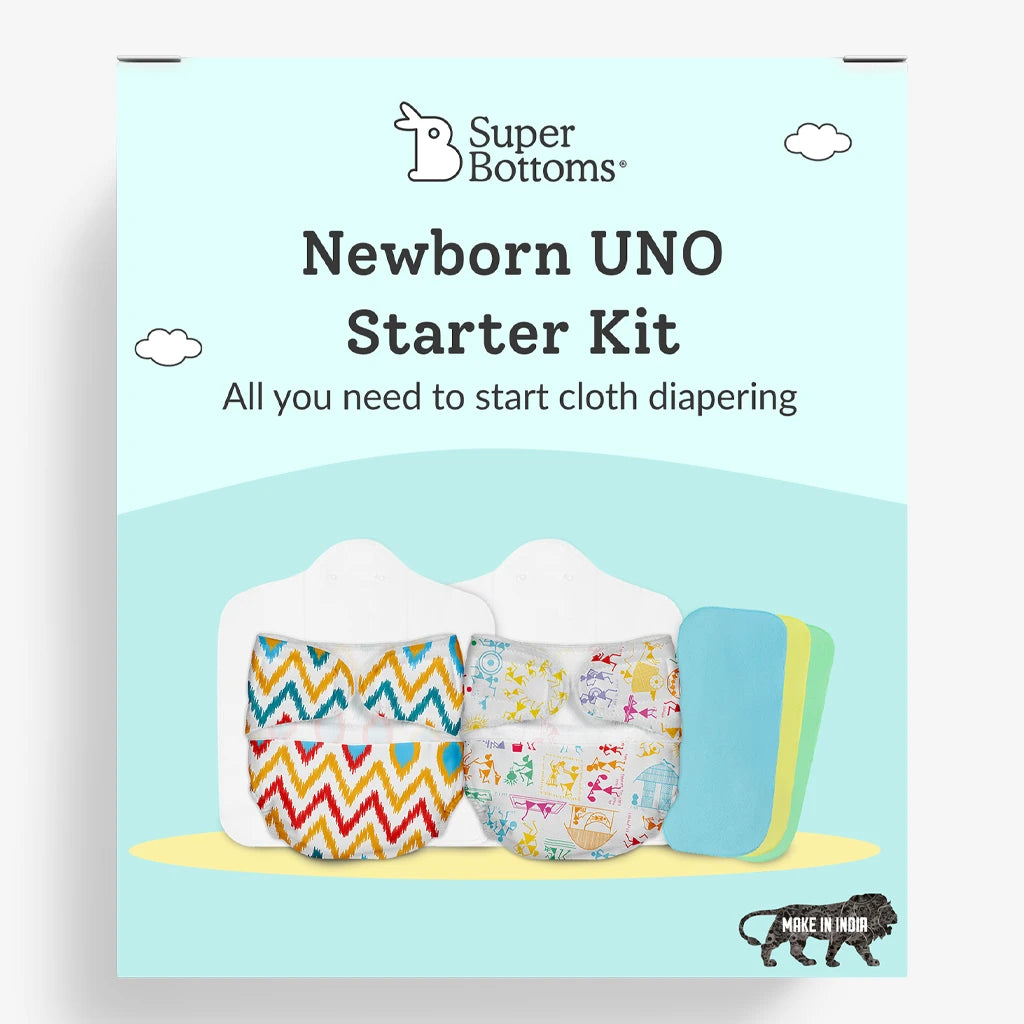
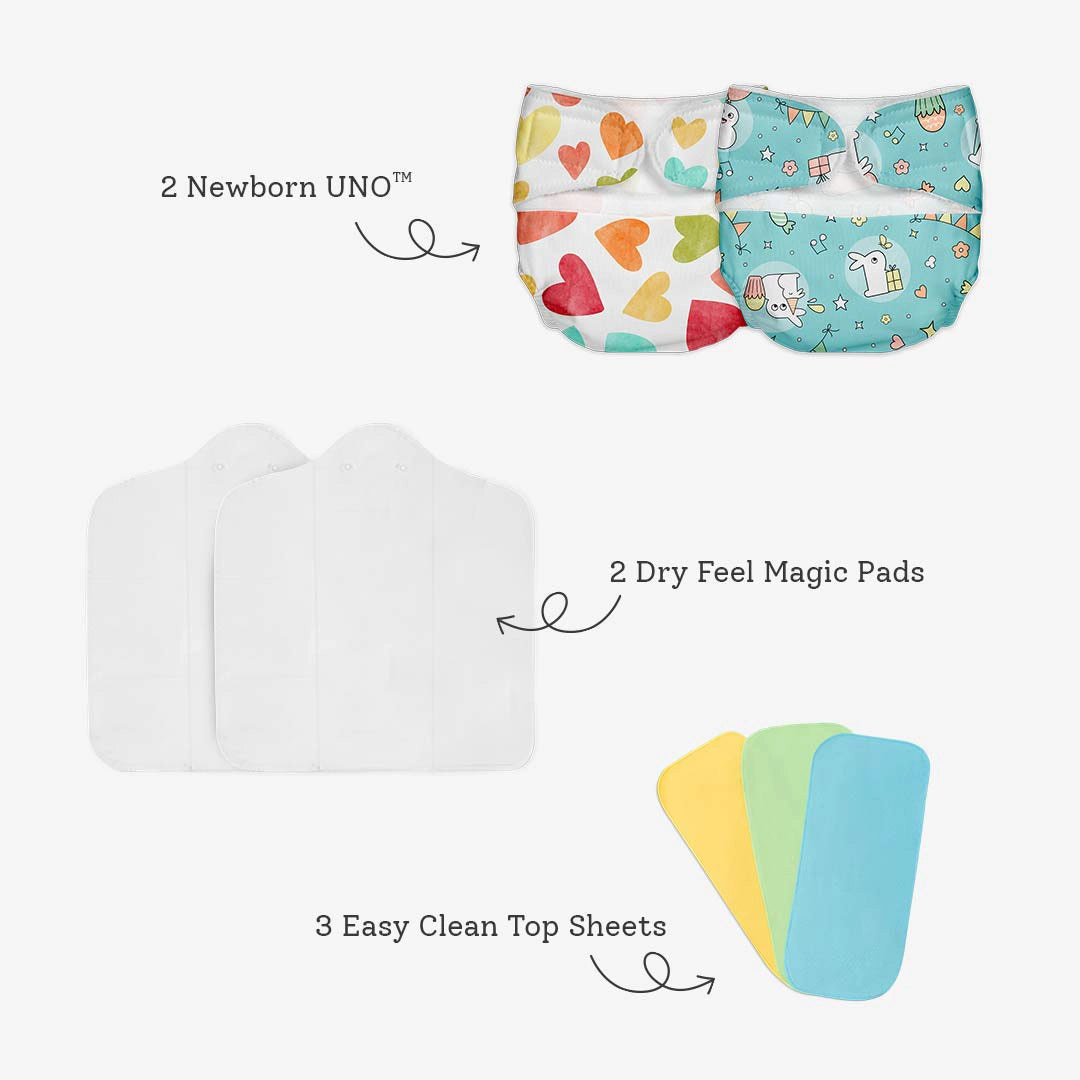
- Newborn diapers or reusable cloth nappies
Important Documents
- Doctor details
- Admission paperwork
- Emergency contacts
- Birth plan preferences
What Parents Should Know

How Do You Prepare Your Home Before Baby Arrives?
Home preparation should focus on comfort, hygiene, and practicality.
Key areas to prepare:
- Sleeping area
- Feeding corner
- Changing station
- Laundry organization
- Storage for baby clothes and diapers
A real parent insight:
"The best decision I made before delivery was organising diapering and feeding stations in advance. Those first few nights are exhausting."
What Should You Look for When Choosing Newborn Essentials?
Parents should prioritise functionality over quantity.
What to Look For
— Ease of cleaning
— Comfort for frequent use
— Long-term value
— Leak protection
— Newborn-friendly sizing
For diapering essentials, consider:
- Breathability
- Soft inner fabric
- Gentle elastics
- Leak-proof inner layer
- Reusability
What to Look For
Absorbency: Can it handle frequent newborn pees?
Skin safety: Is the material rash-friendly and breathable?
Ease: Is it simple for exhausted parents to use?
Value: Can it be reused or adjusted as the baby grows?
Which Type Works Best for Newborns?
The best diapering choice depends on family priorities.
Parents typically compare disposable diapers, traditional cotton nappies, and modern reusable cloth diapers.
| Feature | Disposable Diapers | Traditional Cotton Nappies | SuperBottoms UNO |
|---|---|---|---|
| Skin Breathability | Moderate | High | High |
| Leak Protection | High | Low | High |
| Reusability | No | Yes | Yes |
| Ease of Use | High | Moderate | High |
| Cost Over Time | High recurring | Low | Better long-term value |
| Eco-Friendly | Low | Moderate | High |
Parents looking for a balance of convenience + sustainability often explore reusable cloth nappies with better absorbency and leak protection.
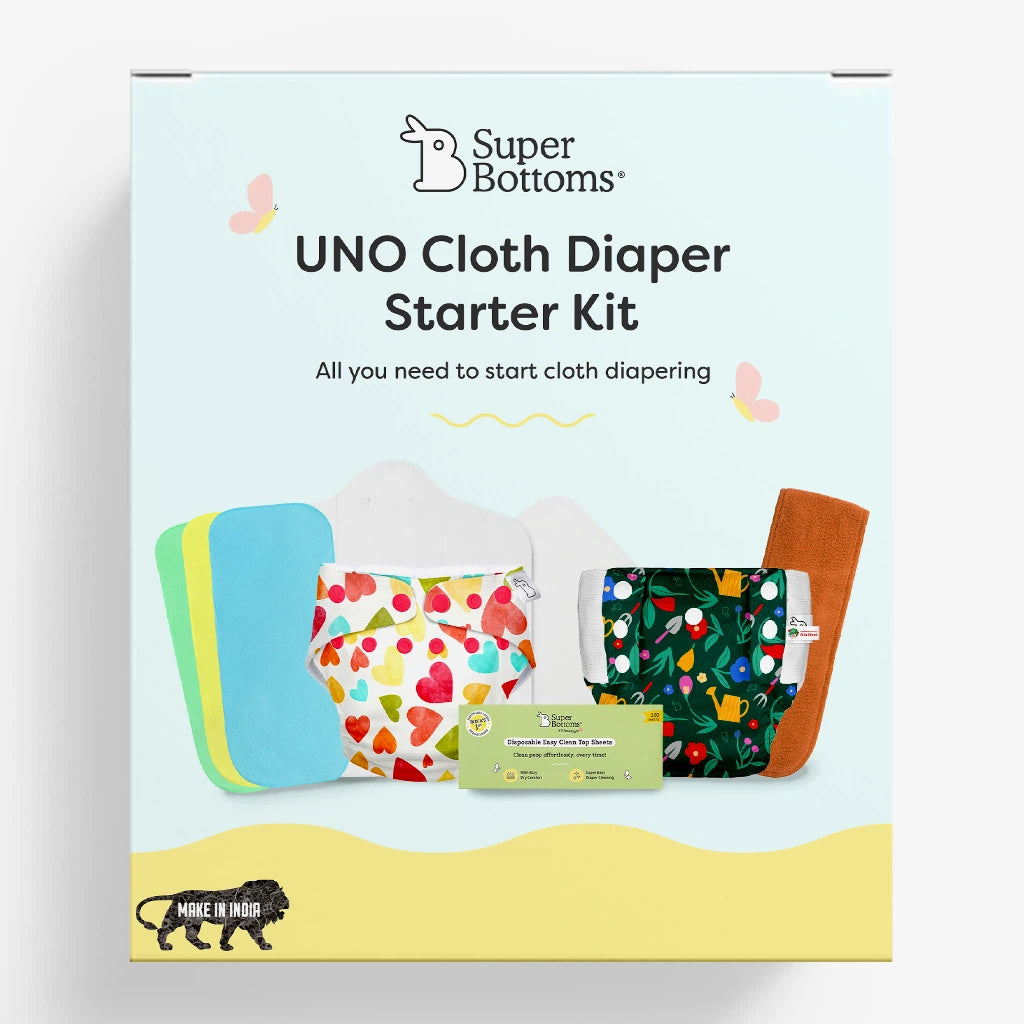
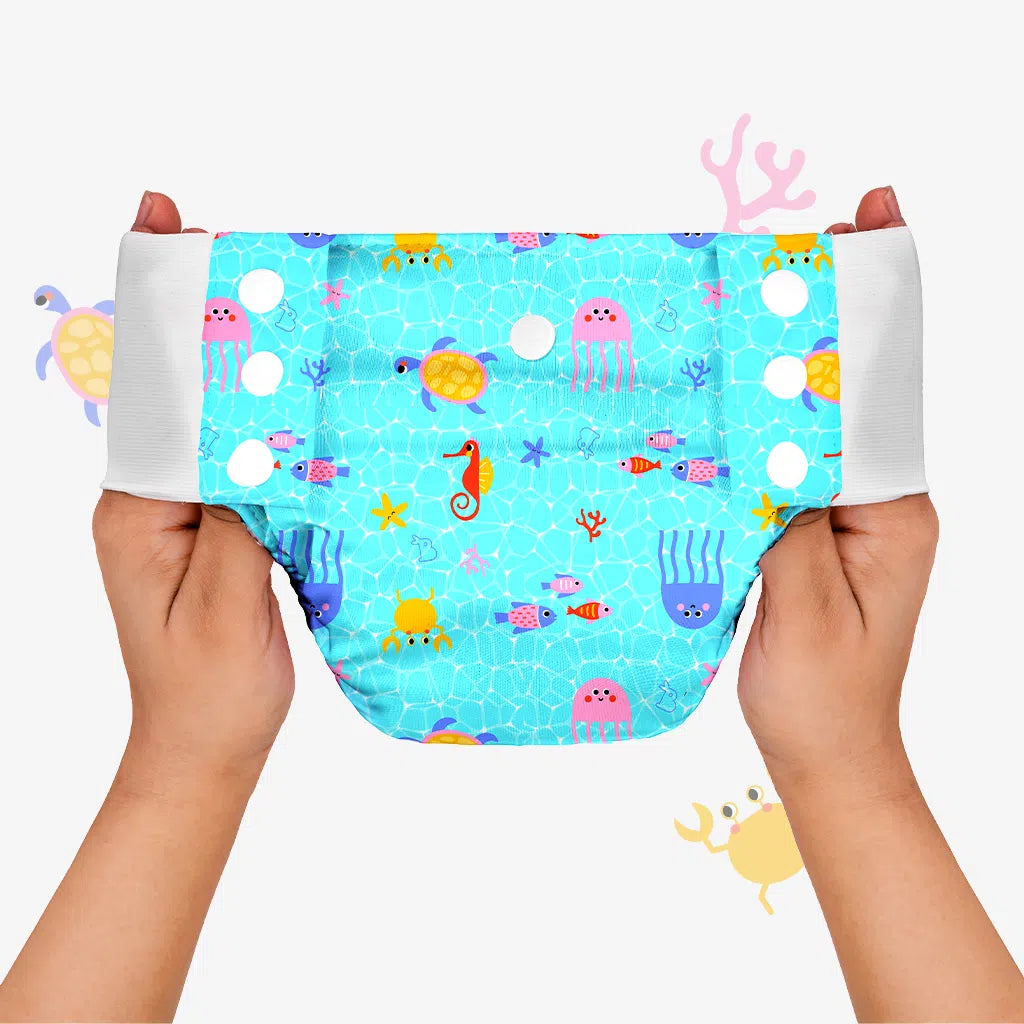
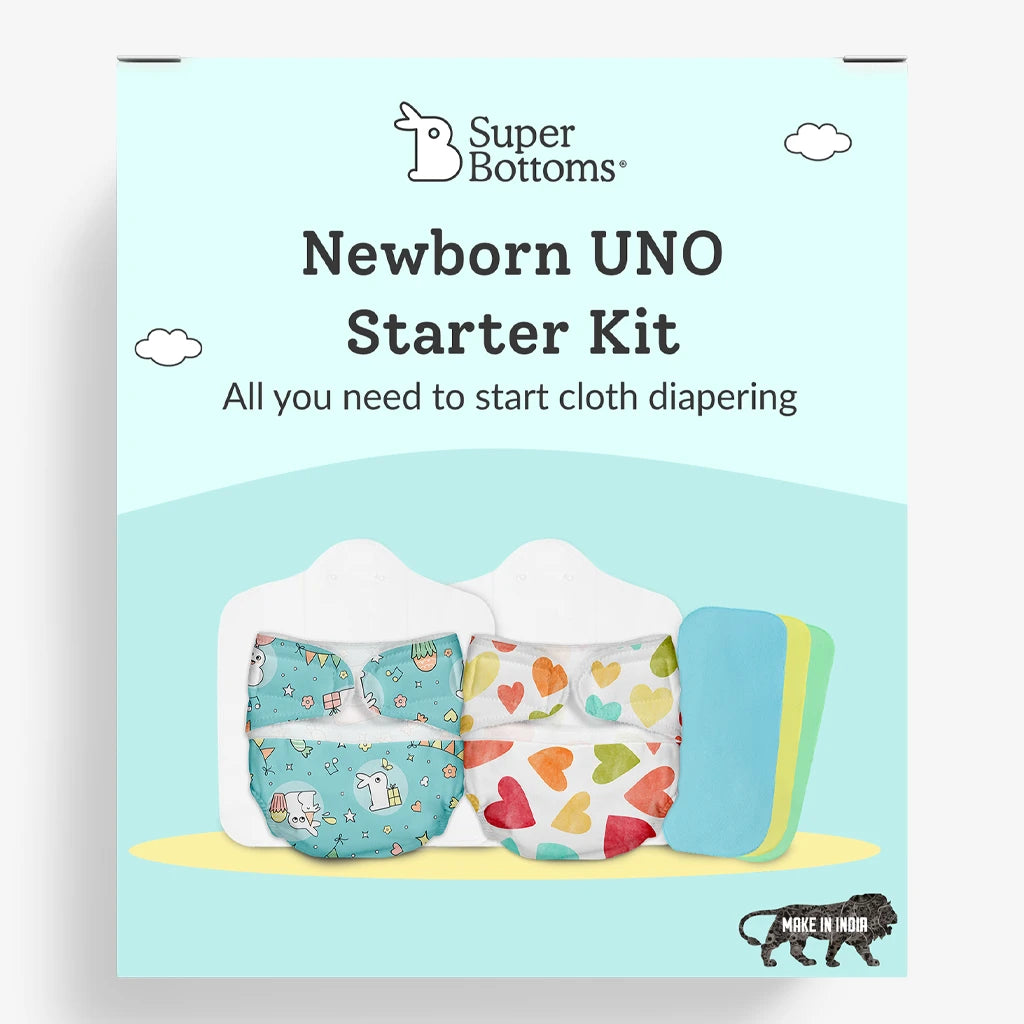
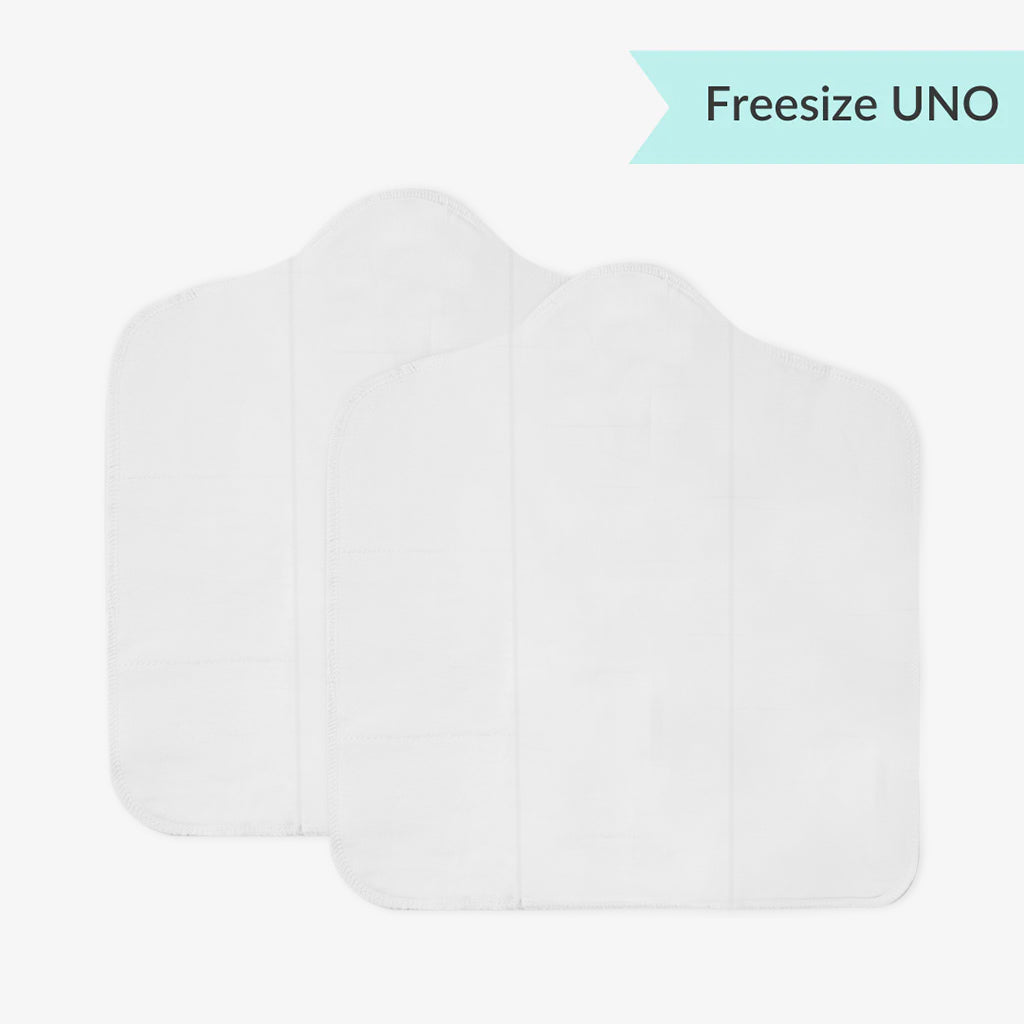
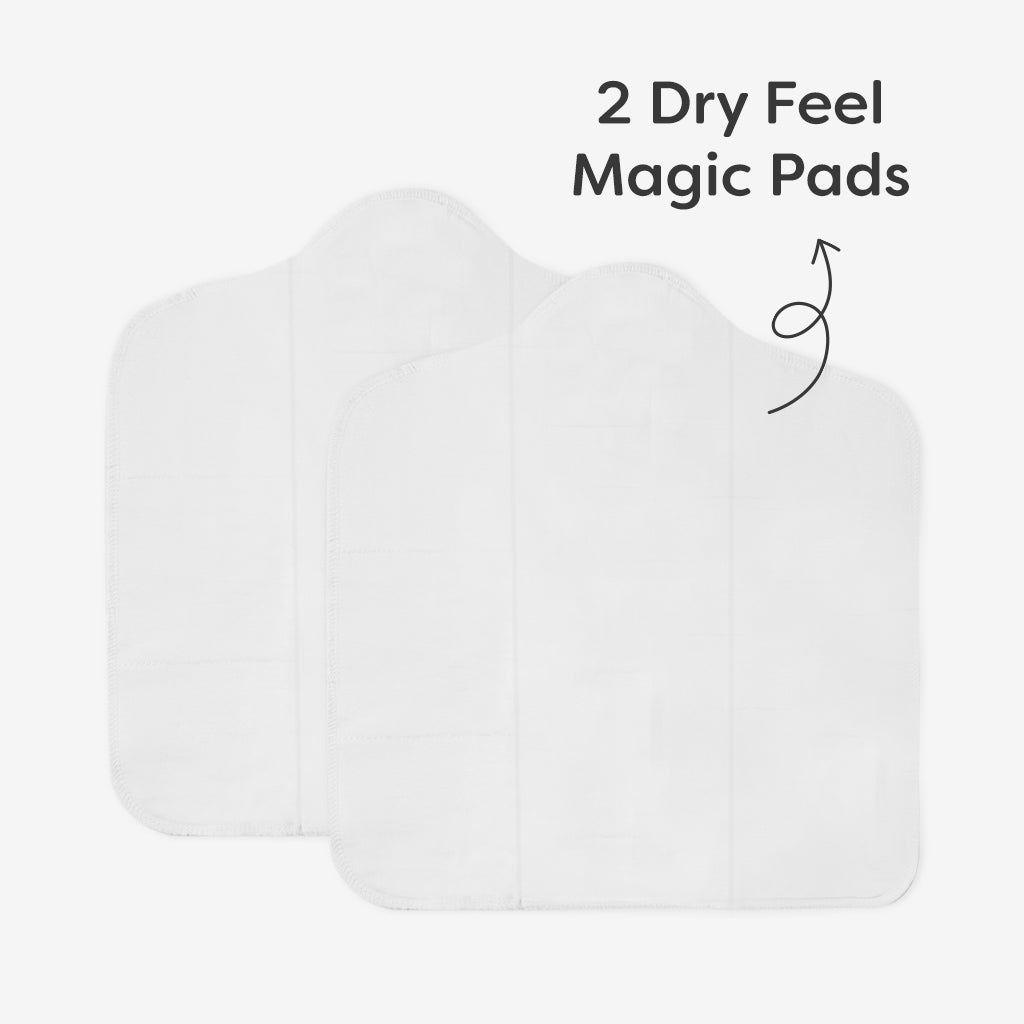
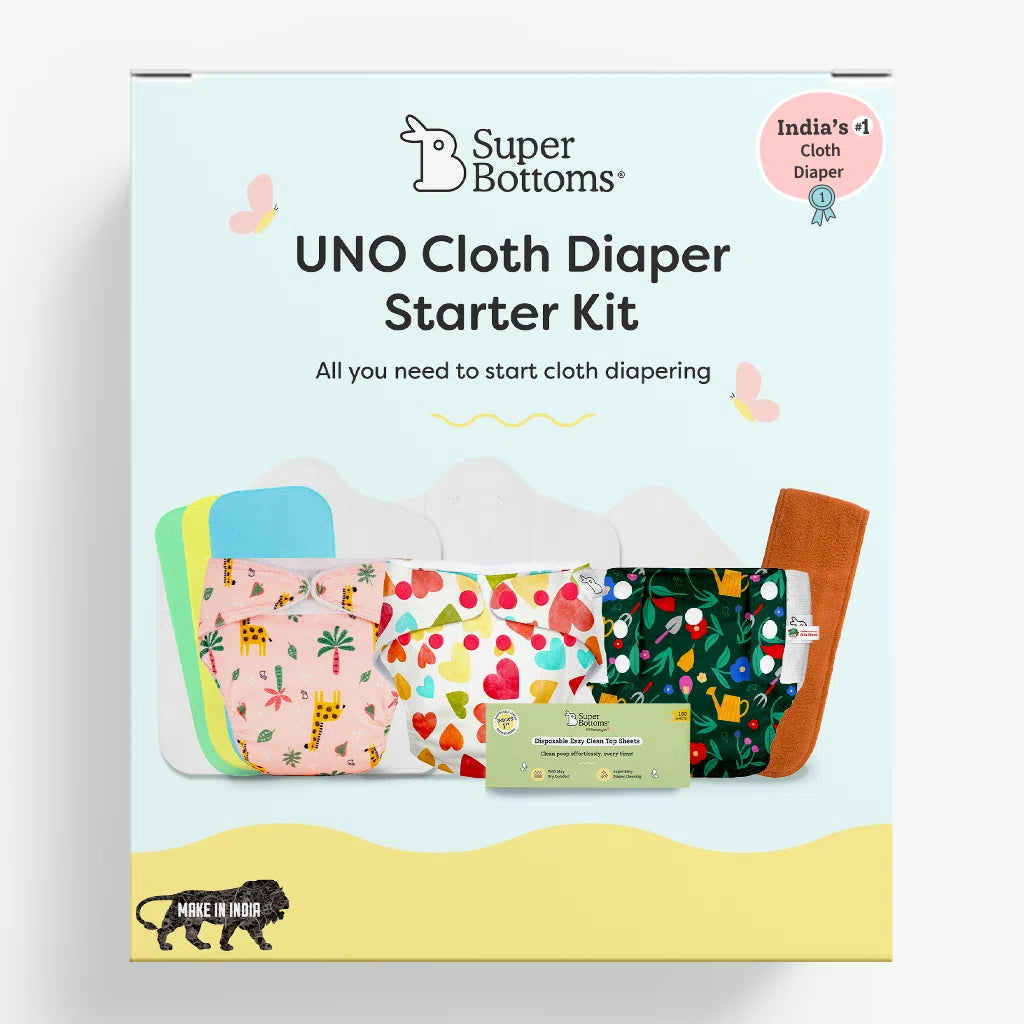
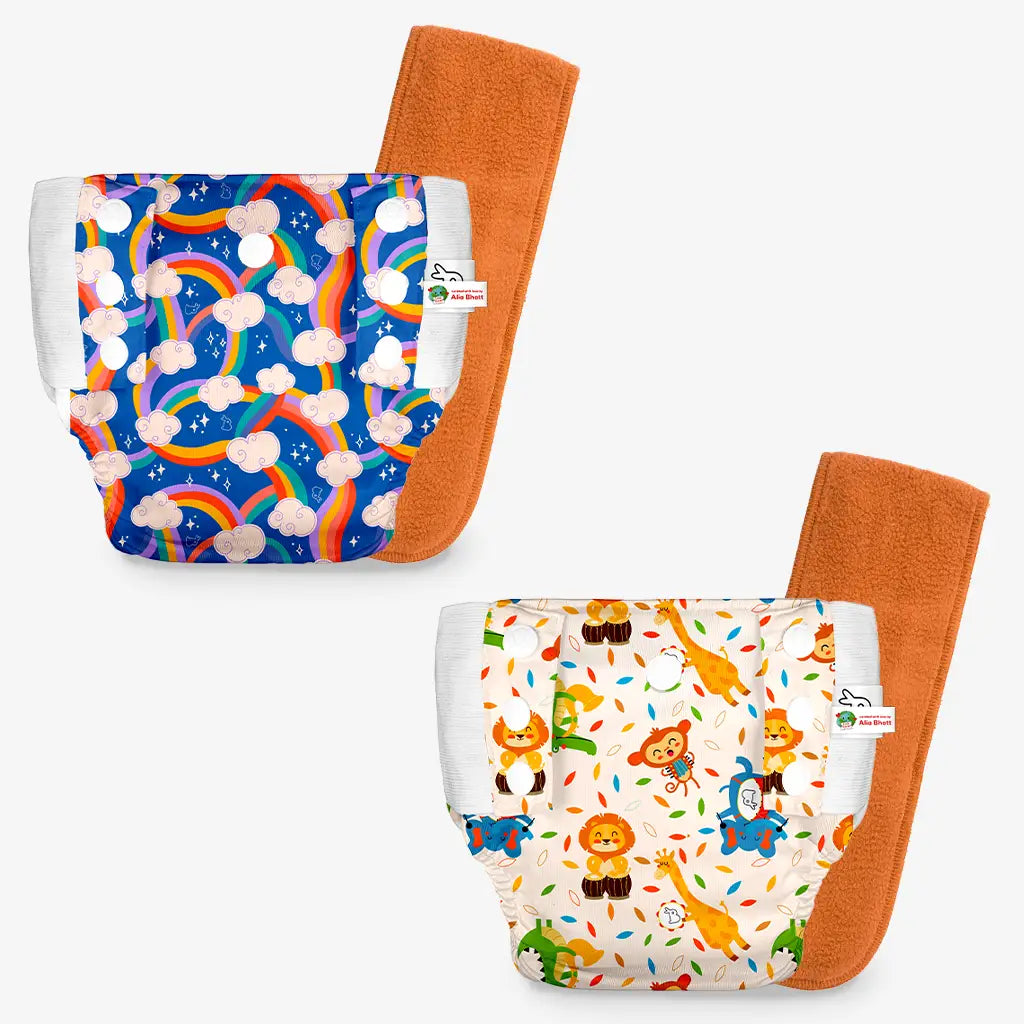
SuperBottoms Pick: Freesize UNO
Is It Worth Switching to Reusable Cloth Diapers?
For many parents, yes, especially during newborn months when diaper changes are frequent.
Reusable options can help with:
- Reduced diaper waste
- Lower long-term cost
- Better breathability
- Reduced exposure to harsh materials
However, they work best when parents choose products with:
- Good absorbency
- Quick-dry layers
- Easy snap/Velcro closures
Check product details → SuperBottoms newborn diaper wash care guide
Childbirth Preparation Checklist Table
| Category | Checklist Items |
|---|---|
| Hospital Bag | Clothes, documents, toiletries, charger |
| Labor Prep | Birth plan, contractions app, doctor contacts |
| Baby Essentials | Clothes, wipes, diapers, blankets |
| Home Prep | Sleep area, feeding chair, laundry setup |
| Postpartum Recovery | Pads, nursing wear, hydration essentials |
Expert Answer
Parents commonly forget postpartum recovery needs and newborn diaper planning. Preparing these beforehand makes the first week significantly easier.
Childbirth preparation is less about perfection and more about readiness.
Packing early, understanding labor, organising newborn essentials, and preparing postpartum support can make delivery and recovery feel far less overwhelming.
If you are preparing for a newborn and want a practical diapering system that balances comfort, skin safety, and long-term value, reusable newborn-friendly options can be worth considering.
|
Limited Time Offers + Special Gift Sets! Now or never Super SALE is live on the SuperBottoms website! Take advantage of unbeatable value deals on our UNO Cloth Diapers, Baby Essentials, and more. Looking for the perfect present for a newborn or a toddler? Explore our thoughtfully curated Gift Sets & Combos - safe, skin-friendly, and oh-so-cute! A bundle of love for little ones and a delight for parents. HURRY - Deals and Gift Packs are live only till stocks last. Don’t miss the chance to stock up and share the joy! |
Key Takeaways
- Start childbirth preparation between 28 and 32 weeks.
- Pack for both labor and postpartum recovery, not just delivery.
- Choose newborn essentials based on safety, comfort, and practicality.
FAQs
1. When should I pack my hospital bag?
Ideally by 32–34 weeks.
2. What should first-time moms prepare before labor?
Hospital bag, birth documents, labor education, newborn essentials, and emergency contacts.
3. What are must-have newborn essentials?
Clothes, swaddles, wipes, diapers, blankets, and feeding support items.
4. How many newborn diapers do I need daily?
Most newborns need 8–12 diaper changes daily.
5. Are reusable cloth nappies good for newborns?
Yes, if they are soft, absorbent, easy to use, and skin-safe.
6. What is the best diaper option for night use?
Look for highly absorbent options with leak protection and breathable fabric.
7. Where can I buy reusable cloth diapers in India?
They are available on brand websites, baby stores, and online marketplaces across India. SuperBottoms is a trusted option for Indian parents.
8. Is SuperBottoms worth the price?
Parents often choose it for reusability, skin safety, adjustable fit, and better long-term value versus recurring disposable purchases.
Message from SuperBottoms
Hi there, new parents! SuperBottoms brings you doctor-recommended cloth diapers, a trusted rash-free diapering solution specially designed for your baby's sensitive, delicate skin.
From Newborn UNO and Regular UNO to UNO Luxe, SuperBottoms offers reusable diapering solutions for every stage of your child's growth.
Our range also includes Diaper Pants, DryFeel langots for diaper-free time, Padded Underwear for potty training, as well as SuperSoft Underwear, Cycling Shorts and Joggers for growing kids.
Our collection also includes Period Underwear and bladder-leak solutions for women, along with everyday baby-care essentials.
SuperBottoms products also make thoughtful gifts for babies and new parents - practical, reusable and designed around the real needs of parents.
SuperBottoms products are now available on Amazon, Flipkart, FirstCry, Myntra, Nykaa, Blinkit, and Zepto.