



In this article, we will discuss:
- Simple menstrual hygiene practices
- Safer period product choices
- Clean, comfortable period care
- Reusable period product guidance
- When to seek medical advice
Periods are a normal biological process, but managing them can sometimes feel confusing, especially with so many product and hygiene recommendations. A good routine does not need to be complicated.
What Is Menstrual Hygiene?
Menstrual hygiene means safely managing menstrual blood with clean products, clean hands, suitable washing and appropriate disposal. WHO and UNICEF emphasise that menstrual health is broader than product use alone.
Expert Answer
Good period care does not mean washing inside the vagina or using strong “intimate” products. Clean the external vulva, change menstrual products regularly, and choose products that suit your flow and comfort.
7 Menstrual Hygiene Tips
1. Change products before they become soaked
There is no single timetable. Pads should be changed every few hours and sooner when wet or full. Tampons should be changed every 4–8 hours and never beyond 8 hours. Period underwear should be changed according to flow, absorbency and product instructions.
2. Wash your hands before and after changing
Use soap and water before handling a product and afterwards. This reduces transfer of germs.
3. Clean the vulva - not the vagina
Bathe or shower normally during your period. Wash the external genital area gently; the vagina is self-cleaning. Avoid douching, scented sprays and strongly fragranced intimate washes, which can irritate sensitive skin and disturb the natural vaginal environment.
What Parents Should Know
Menstrual blood is not “dirty,” and periods do not require special cleansing rituals. Gentle external hygiene is enough for most people.
4. Choose a product that fits your routine
Pads, tampons, cups, discs and period underwear can all be suitable. Choose one you can use correctly and manage comfortably.
|
Product |
Best suited for |
Key consideration |
|---|---|---|
|
Pads |
Beginners, easy changes |
Change regularly |
|
Tampons |
Sports, swimming |
Follow 4–8-hour limit |
|
Cups/discs |
Reusable routine |
Clean and use correctly |
|
Period underwear |
Reusable comfort |
Match absorbency to flow |
Comfort, fit and absorbency matter more than choosing the “most advanced” option.
5. Keep reusable products clean
Reusable period underwear and cloth pads need washing after every use. Follow care instructions and make sure they are completely clean and dry before storing.
What to Look For
Prioritise fit, breathability, absorbency, clear care instructions and suitability for your flow.
6. Dispose of disposable products safely
Wrap used pads and tampons and place them in an appropriate waste bin. Never flush them. India’s National Menstrual Hygiene Policy emphasises safe products, sanitation and responsible disposal.
7. Track your period and notice changes
A calendar or app can help you understand your cycle. Seek medical advice for unusually heavy bleeding, severe pain, bleeding between periods or major changes.
Dr Manjusha Goel, Lead Consultant, Obstetrics & Gynaecology, CK Birla Hospital, Delhi, has said: “The short answer is yes, but not excessively,” when discussing whether people need to shower more during periods. (Hindustan Times)
What Should You Look for in Period Underwear?
If you are considering period underwear in India, compare:
- Absorbency for your actual flow
- Comfortable, secure fit
- Breathable, skin-friendly materials
- Coverage
- Washing and drying requirements
- Day versus overnight suitability
- Number of pairs needed between washes
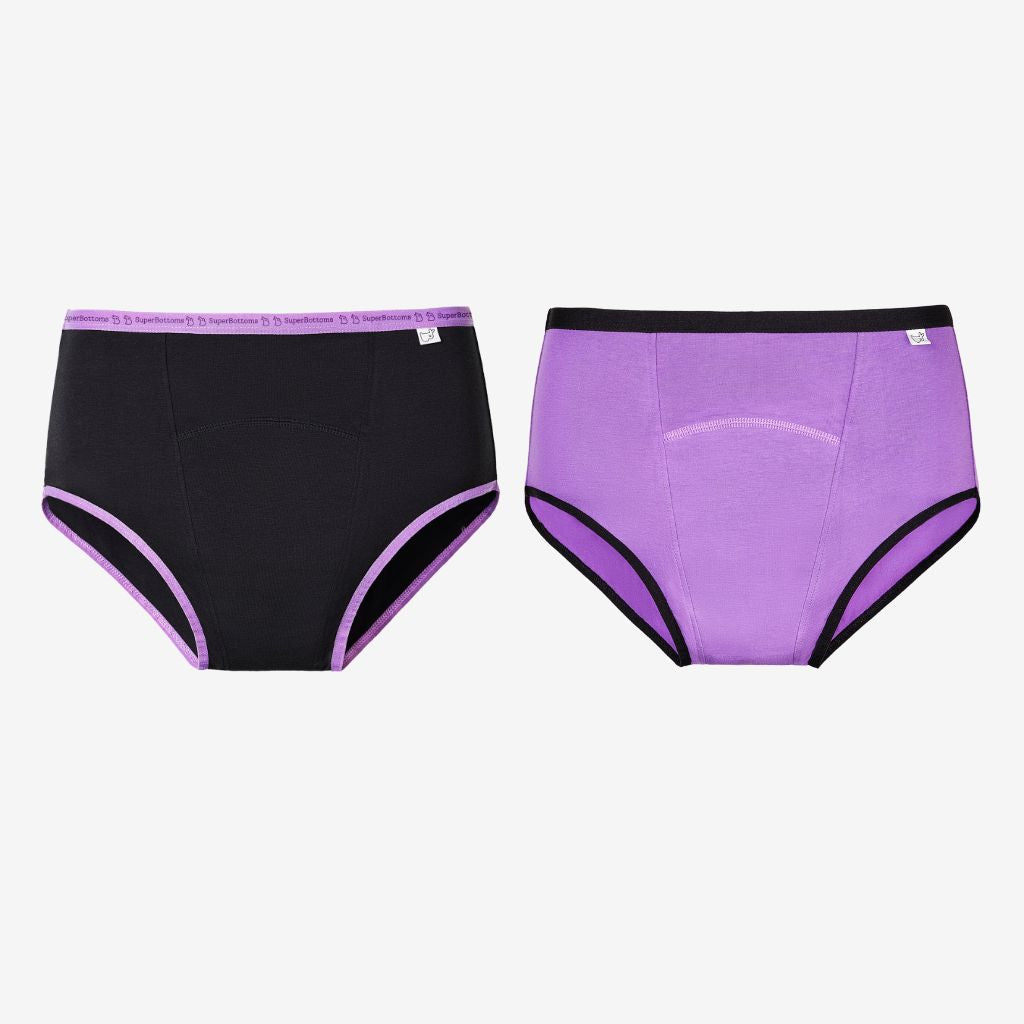
💡 SuperBottoms PickMaxAbsorb™ Period Underwear is a reusable option with a high-waist, full-coverage design, four-layer construction and stated 8-hour absorbency. It is available in XXS–XXXL. Follow care guidance and change according to flow and comfort rather than treating “8 hours” as universal. |
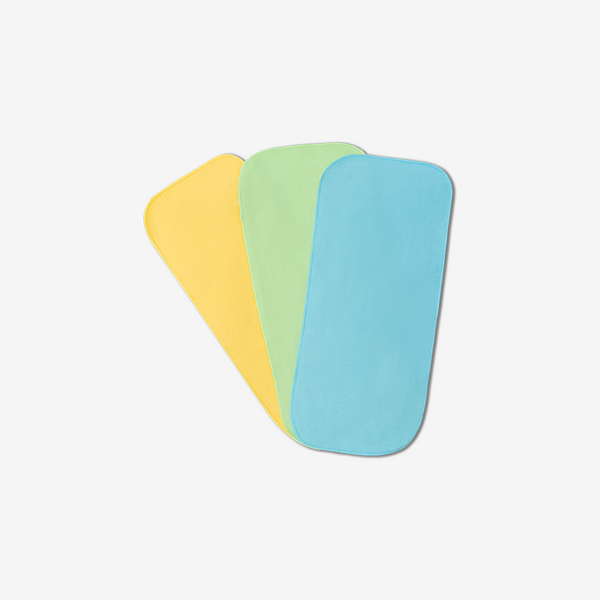
Flow Lock Cloth Pads are another reusable option, available in regular and overnight sizes, with a leak-lock wing design and stated 7–8-hour absorbency depending on flow.
What Is the Practical Solution?
Problem: Leaks, irritation or inconvenient changes can make periods harder to manage.
Solution: Choose a suitable product, carry a spare, change when needed, wash hands, clean the external genital area gently, and keep reusable products clean and dry.
Why it helps: A predictable routine reduces stress while supporting hygiene.
Parent Checklist
☐ Carry a spare menstrual product
☐ Wash hands before and after changes
☐ Change products when wet or full
☐ Avoid scented intimate products
☐ Wash the vulva gently
☐ Clean and dry reusable products fully
☐ Dispose of disposables responsibly
☐ Track unusual cycle changes
Good menstrual hygiene is simple: use a suitable product, change it regularly, keep the external area clean and wash your hands. Pay attention to your body and seek care for unusual changes.

Key Takeaways
- Choose products for your flow and lifestyle.
- Keep hygiene gentle, regular and practical.
- Seek medical advice for unusual changes.
FAQs
How often should I change a pad?
Change it every few hours and sooner if it feels wet or full. Flow varies, so change when needed.
Can I bathe during my period?
Yes. Normal bathing is safe during menstruation; gently clean the external genital area and avoid douching.
Is period underwear hygienic?
Yes, when used according to its instructions, changed according to flow and washed and dried properly after use.
When should I see a doctor about my period?
Seek medical advice for unusually heavy bleeding, severe pain, bleeding between periods or significant changes in your usual cycle.