






In this article, we will discuss:
- Menstruation is a natural process
- Stigma can affect menstrual health
- Open conversations challenge harmful myths
- Parents can normalise period discussions
- Dignified period care builds confidence
A child’s first period should not be a moment of fear, secrecy or embarrassment. Yet when periods are treated as something “dirty” or inappropriate to discuss, children can learn shame before they learn how their bodies work.
The good news? Normalising menstruation starts with everyday conversations at home.
Why does menstrual stigma matter?
Menstrual stigma refers to negative beliefs, shame, restrictions or silence surrounding menstruation. It can make children feel embarrassed about asking questions, managing bleeding or seeking help for pain and other symptoms.
WHO's current guidance describes menstrual health as more than hygiene: it includes accurate information, access to suitable products and facilities, appropriate healthcare and the ability to participate in everyday life without stigma.
What parents should know
A period is a normal biological process, not something that makes a person impure or less capable. The goal is not to make every period experience positive, but to make it informed, supported and free from unnecessary shame.
Stigma can show up in surprisingly ordinary ways:
- Calling period blood “dirty”
- Hiding menstrual products as though they are embarrassing
- Excluding menstruating family members from everyday activities
- Avoiding conversations with boys
- Treating period pain as something that must simply be tolerated
How can parents normalise menstruation?
The simplest way to normalise periods is to talk about them before a child gets their first period, using clear and age-appropriate language. Children who understand what menstruation is are better prepared to recognise it as a normal part of growing up rather than a frightening surprise.
Try these approaches:
- Start early: Explain periods as part of puberty rather than waiting for menarche.
- Use correct words: “Period”, “menstrual blood” and “uterus” are less confusing than euphemisms.
- Answer questions calmly: If you do not know something, say so and find a reliable answer together.
- Include boys: Boys should learn about periods too, so menstruation is not treated as a secret girls must manage alone.
- Model normal behaviour: Buying or carrying menstrual products should be as ordinary as buying any other personal-care item.
UNICEF specifically recommends talking to boys and other family members to correct misconceptions, normalise menstruation and build empathy. (UNICEF)
Expert guidance
UNICEF's India programmes have also shown how family conversations can challenge long-standing myths and restrictions. Menstrual education works best when it extends beyond the individual who menstruates to parents, siblings, schools and communities.
Which period myths should parents challenge?
Not every family follows the same traditions, and cultural practices deserve respectful conversations. However, practices based on the idea that menstruating people are inherently unclean can reinforce shame and exclusion.
|
Common belief |
Better understanding |
|---|---|
|
Periods are impure |
Menstruation is a normal biological process |
|
Boys don't need to know about periods |
Everyone benefits from accurate menstrual education |
|
Periods should always be hidden |
Privacy is a personal choice, not a source of shame |
|
Severe period pain should be tolerated |
Persistent or severe symptoms deserve medical attention |
|
Menstruation should stop normal activities |
Most people can continue everyday activities with suitable support |
When should a parent seek medical advice?
Very painful, unusually heavy, unpredictable or disruptive periods should not simply be dismissed as “normal.” Menstrual symptoms that interfere substantially with daily life can sometimes indicate an underlying health issue.

How can families make periods easier?
Normalisation is not only about conversation. It also means making practical support available.
Keep menstrual products accessible at home without unnecessary secrecy. Make sure there is clean water, soap, privacy and an appropriate way to dispose of or wash reusable products.
For children and teenagers, having a small period kit can also reduce anxiety. It could include:
- Their preferred menstrual product
- An extra pair of underwear
- A small reusable or waterproof pouch
- Tissues or wipes
- A simple period-tracking method
What should you look for in period products?
There is no single “best” menstrual product. The right choice depends on flow, age, comfort, routine, access to washing facilities and personal preference.
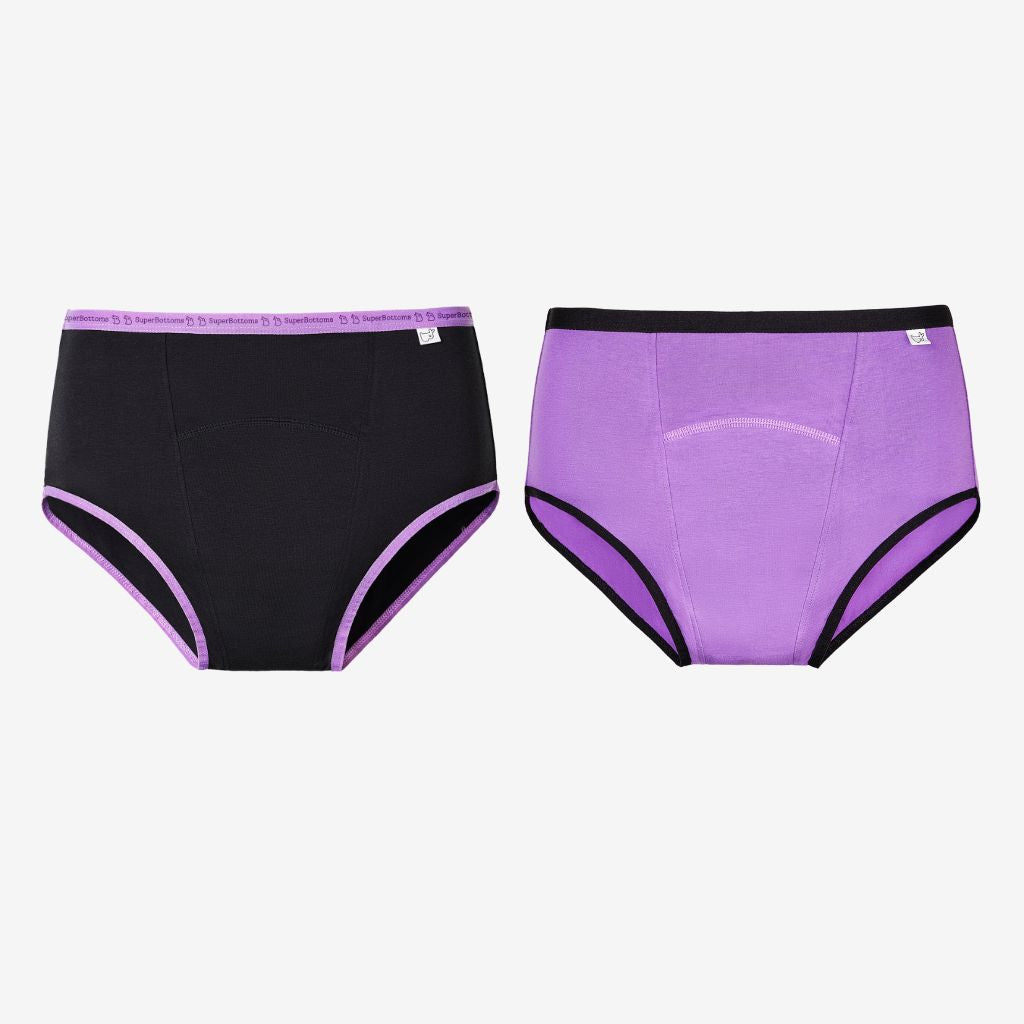
For reusable period underwear, look for a comfortable fit, suitable absorbency, breathable fabric, secure coverage and straightforward washing instructions.
💡 SuperBottoms PickFor those exploring reusable options, SuperBottoms MaxAbsorb Period Underwear offers full coverage, a high-waist design and reusable construction, with sizes from XXS to XXXL. Its current product information lists 50% bamboo, 45% cotton and 5% elastane, and positions it for period protection and other light-flow needs. |
The important point is to choose a product based on the wearer's actual needs, not simply because it is reusable, disposable or marketed as “better”.
Parent checklist
☐ Talk about periods before menarche
☐ Use accurate, matter-of-fact language
☐ Include boys and other family members
☐ Challenge shame-based myths gently
☐ Keep menstrual products accessible
☐ Teach hygienic product use and disposal
☐ Take severe or disruptive symptoms seriously
Breaking menstrual stigma does not require one big conversation. It happens through small, repeated actions: answering questions honestly, treating period products normally, challenging harmful myths and making support available.
When children grow up knowing that menstruation is a normal part of life, they are more likely to approach their periods with knowledge rather than shame.
Key takeaways
- Talk early: Menstrual education should begin before the first period.
- Normalise openly: Include boys, siblings and other family members.
- Support practically: Provide suitable products, privacy and healthcare when needed.
FAQs
How can parents talk about periods without making children uncomfortable?
Keep the conversation simple, factual and age-appropriate. Short everyday conversations are often easier than one serious “period talk”.
Should boys be taught about menstruation?
Yes. Understanding menstruation can reduce misconceptions, teasing and stigma while helping boys become more supportive siblings, classmates and friends.
What is menstrual stigma?
Menstrual stigma includes shame, misinformation, discriminatory restrictions and silence around periods. It can make people less comfortable seeking information, products or healthcare.
How can I help my daughter prepare for her first period?
Explain what menstruation is, what she may experience, which products are available and whom she can approach for help. Keeping a small period kit ready can also make the first experience less stressful.