






In this article, we will discuss:
- Keep babies comfortable while using cloth diapers in winter
- Prevent moisture-related diaper rash and leaks
- Dry reusable diapers faster during colder months
- Choose the right absorbency and winter clothing
- Explore SuperBottoms' picks for winter for babies and kids
Winter brings cosy blankets, warm clothes and a few extra challenges for parents who use cloth diapers. With less sunlight, slower drying times and multiple clothing layers, maintaining a reliable diapering routine can take more planning.
The good news is that you don't have to give up reusable diapers when temperatures drop. The key is to manage moisture, change diapers promptly, dry inserts completely and dress your baby in comfortable layers.
Why does winter make cloth diapering challenging?
Winter affects both your baby's clothing and your daily laundry routine. Lower temperatures, limited sunlight and poor indoor ventilation can slow the drying of absorbent inserts. Meanwhile, thicker clothing can make diaper changes more time-consuming.
Common challenges include:
- Longer drying times: Thick inserts may take longer to dry completely.
- Leaks under clothing: A poor fit or saturated insert can lead to leaks that go unnoticed beneath winter layers.
- Skin irritation: Prolonged moisture and friction can contribute to diaper rash.
- Uncomfortable changes: Babies may become unsettled when undressed in a cold room.
- Laundry backlogs: A smaller supply of dry diapers can disrupt your routine.
These challenges are manageable with suitable absorbency, prompt changes, a comfortable changing space and a dependable drying routine.
Are cloth diapers safe to use in winter?
Yes. Premium cloth diapers can be used throughout winter when they fit properly, are changed regularly and are washed and dried according to the manufacturer's instructions.
One common misconception is that cloth diapers cause colds. Colds are caused by viruses, not by wearing reusable diapers. However, a wet diaper can make your baby uncomfortable, and prolonged contact with urine or stool can irritate delicate skin.
You don't necessarily need a thicker diaper for winter. A comfortable fit, appropriate absorbency and timely changes are more important than adding bulk.
10 practical winter cloth diapering tips
1. Change wet or soiled diapers promptly
Cold weather isn't a reason to delay diaper changes. Check your baby's diaper regularly and change it promptly when wet or soiled, particularly after a bowel movement. Keep clean diapers, wipes and fresh clothing ready before you begin.
2. Choose the right absorbency
Your baby's age, wetting pattern and duration of wear determine how much absorbency is needed. A compatible booster may help during a longer nap or outing, but it cannot compensate for a poor fit or delayed changes.
3. Use a suitable stay-dry layer
Some reusable diapers have a stay-dry surface designed to reduce the sensation of wetness against the skin. Check the material and care instructions, especially if your baby has sensitive skin. A stay-dry layer does not eliminate the need for regular changes.
4. Dress your baby in comfortable layers
Choose winter clothing that keeps your baby warm without compressing the diaper or restricting movement. Tight trousers, bodysuits and bulky layers can affect the diaper's fit and contribute to leaks.
For an additional clothing layer, SuperBottoms SuperWarm Thermals are designed for babies and kids, with a cotton-rich blend, brushed inner layer and flexible knit. They complement your diapering routine by helping you dress your little one for colder days without relying on unnecessarily bulky clothing.
5. Keep the changing area comfortably warm
Choose a warm, draft-free room and gather supplies before undressing your baby. Keep clean diapers at room temperature rather than placing them on a heater. Never leave your baby unattended on an elevated changing surface.
6. Follow a consistent washing routine
Avoid allowing used diapers to accumulate because drying takes longer in winter. Follow the manufacturer's washing instructions and use a suitable detergent. Avoid fabric softeners if the diaper manufacturer advises against them, as they may affect absorbency.
7. Separate inserts and covers while drying
Where the diaper design allows it, remove the absorbent insert from the waterproof cover. Hang each component with enough space for airflow. Inserts often take longer to dry than the outer cover, so check both carefully.
8. Keep enough clean diapers in rotation
Plan your working stash around your baby's daily needs and the time your laundry takes to dry. A few additional diapers or inserts can help during cloudy weather. Never reuse a damp diaper because your clean supply is running low.
9. Allow short diaper-free periods
When practical, let your baby spend a few minutes without a diaper in a comfortably warm room. Gently clean the skin and pat it dry instead of rubbing. This may help reduce moisture and friction, but it does not replace prompt changes.
10. Plan overnight diapering separately
Night-time diapering may require a different absorbency setup because babies can go longer between changes. Follow the manufacturer's guidance, assess your baby's wetting pattern and change soiled diapers promptly. Don't rely on additional inserts to justify prolonged exposure to urine or stool.

How can you prevent diaper rash in winter?
Winter diaper rash isn't caused by cold weather alone. Moisture, friction and prolonged contact with urine or stool can irritate delicate skin. Dry winter conditions may also contribute to general skin discomfort.
The Indian Academy of Paediatrics’ paediatric skin care guidelines emphasise gentle cleansing and careful drying of the skin.
To help prevent diaper rash:
- Change wet or soiled diapers promptly.
- Clean the diaper area with water or suitable fragrance-free, alcohol-free wipes.
- Pat the skin dry gently.
- Avoid tight diapers and excessive clothing pressure.
- Consider a suitable barrier cream if needed, following your paediatrician's advice.
Expert guidance
The Indian Academy of Paediatrics’ skin care guidance supports frequent diaper changes, gentle cleansing and keeping the diaper area clean and dry. These principles apply whether you use cloth or disposable diapers.
If a rash persists, worsens or develops blisters or open sores, consult your paediatrician rather than assuming the diaper material is the only cause.
How can you dry cloth diapers faster in winter?
Drying is often the biggest practical hurdle for Indian families during winter, particularly in homes with limited sunlight or ventilation.
Try these adjustments:
- Improve airflow: Use a well-ventilated drying area.
- Separate removable components: Give thick inserts and covers room to dry independently.
- Space items apart: Avoid overcrowding the drying rack.
- Use a fan safely: Improve air circulation while keeping electrical equipment away from water and out of your baby's reach.
- Make the most of sunlight: Use sunny periods when available and follow product care instructions.
- Plan laundry ahead: Wash before your clean diaper supply becomes critically low.
Avoid storing damp diapers in a closed cupboard or sealed container. Check thicker inserts carefully rather than assuming they are dry because the surface feels dry.
Remember: The outer cover and absorbent insert may dry at different rates. Every component should be completely dry before storage and reuse.
Which diaper works best in winter?
There is no single best winter diaper for every baby. The right choice depends on your baby's wetting pattern, your budget, washing facilities and the convenience you need.
|
Diaper type |
Best suited for |
Main consideration |
|
Traditional cotton nappies |
Families comfortable with frequent changes |
May need a separate cover |
|
Modern reusable cloth diapers |
Families looking for adjustable, reusable options |
Require washing and thorough drying |
|
Disposable diapers |
Travel or difficult laundry days |
Convenient, but require ongoing purchases |
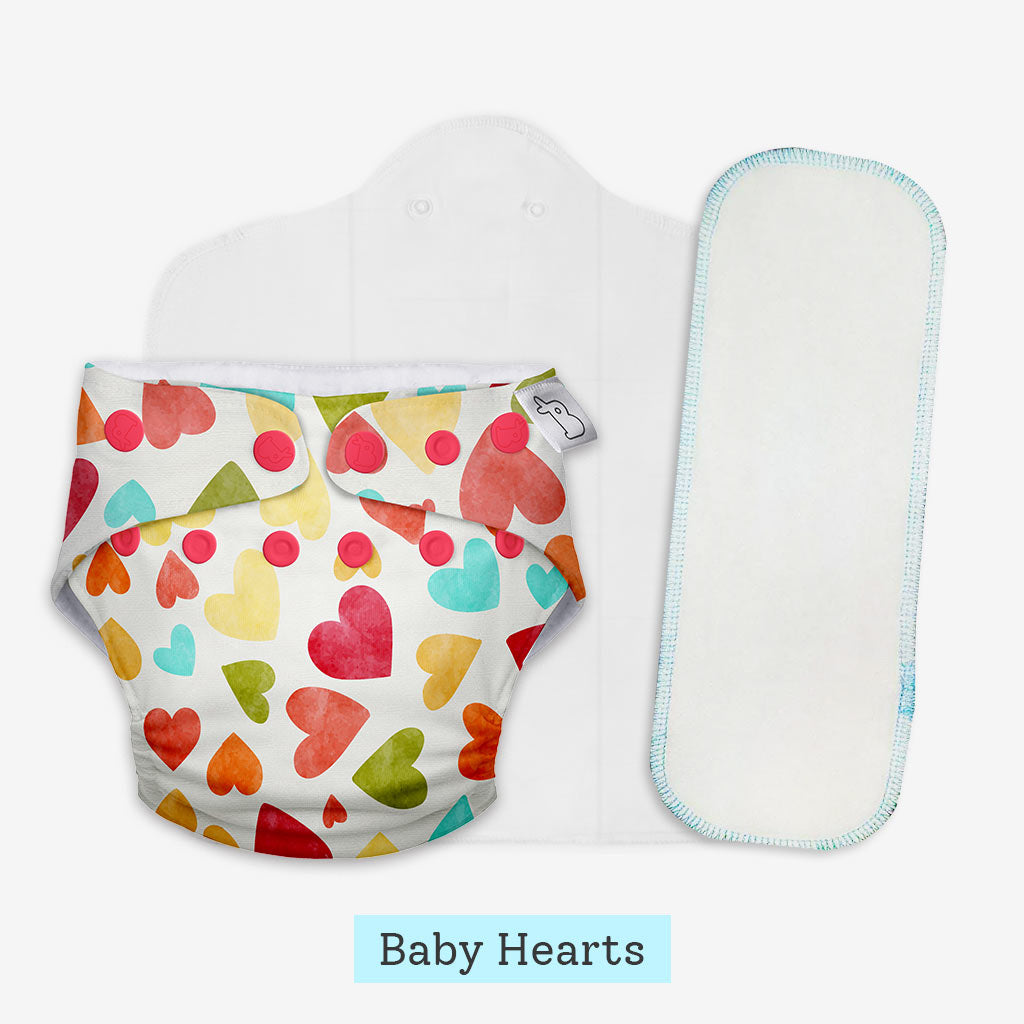
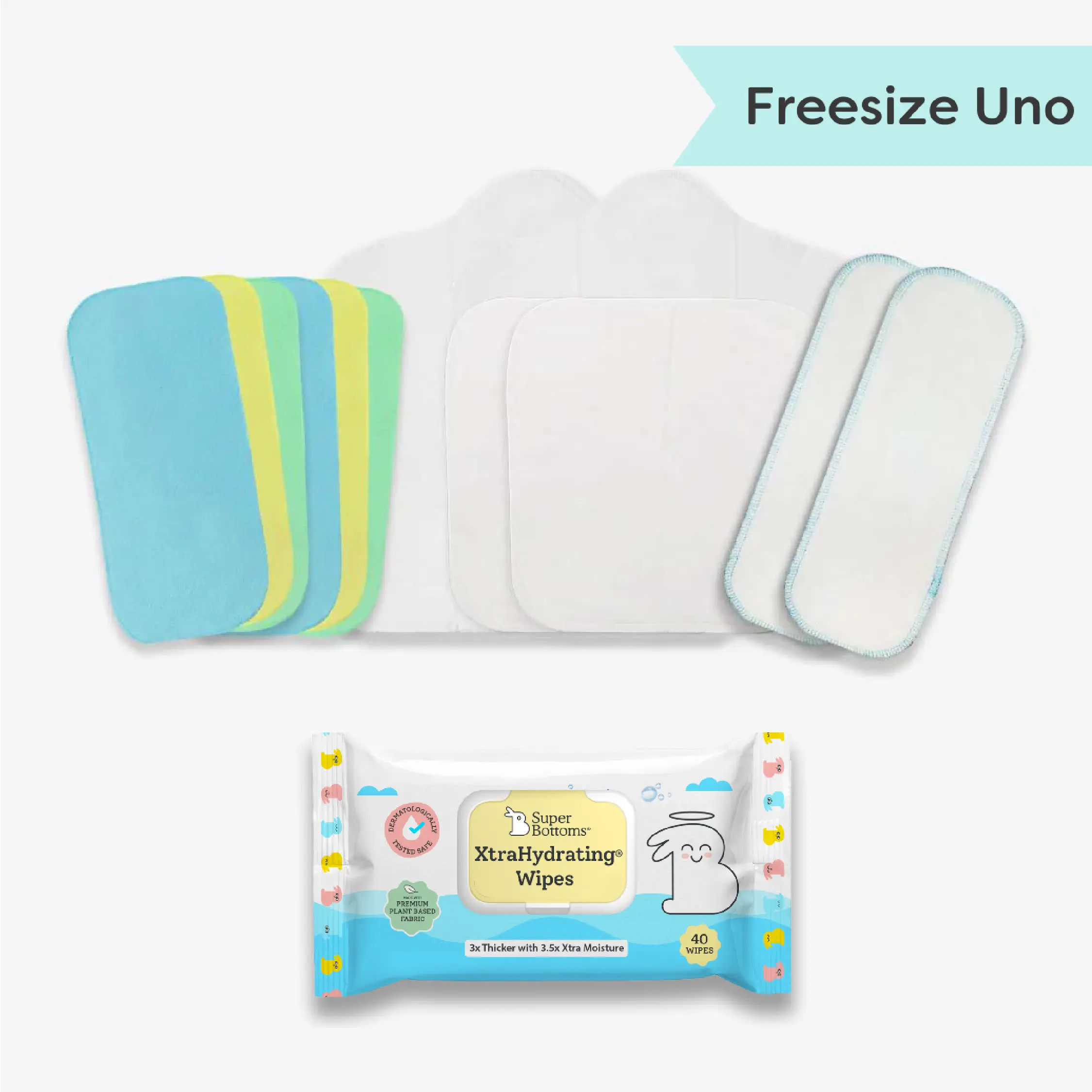
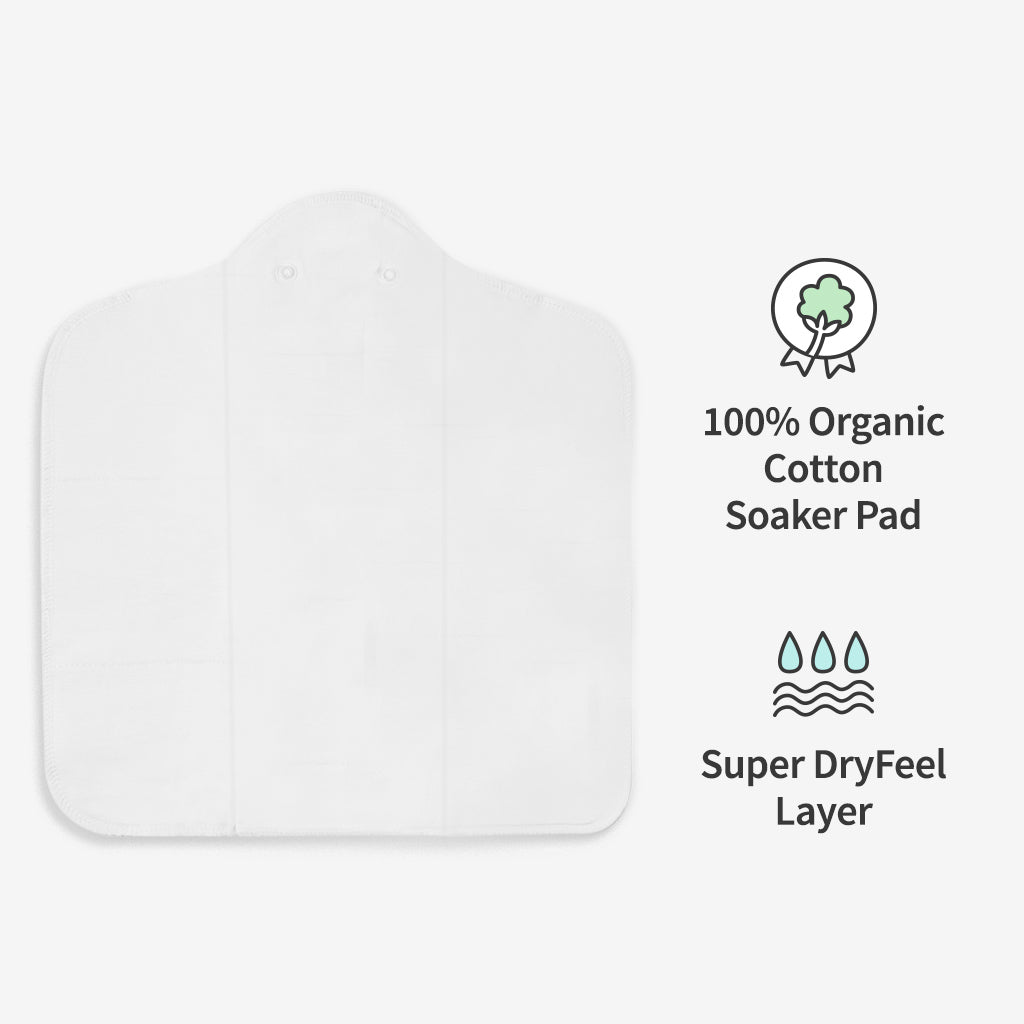
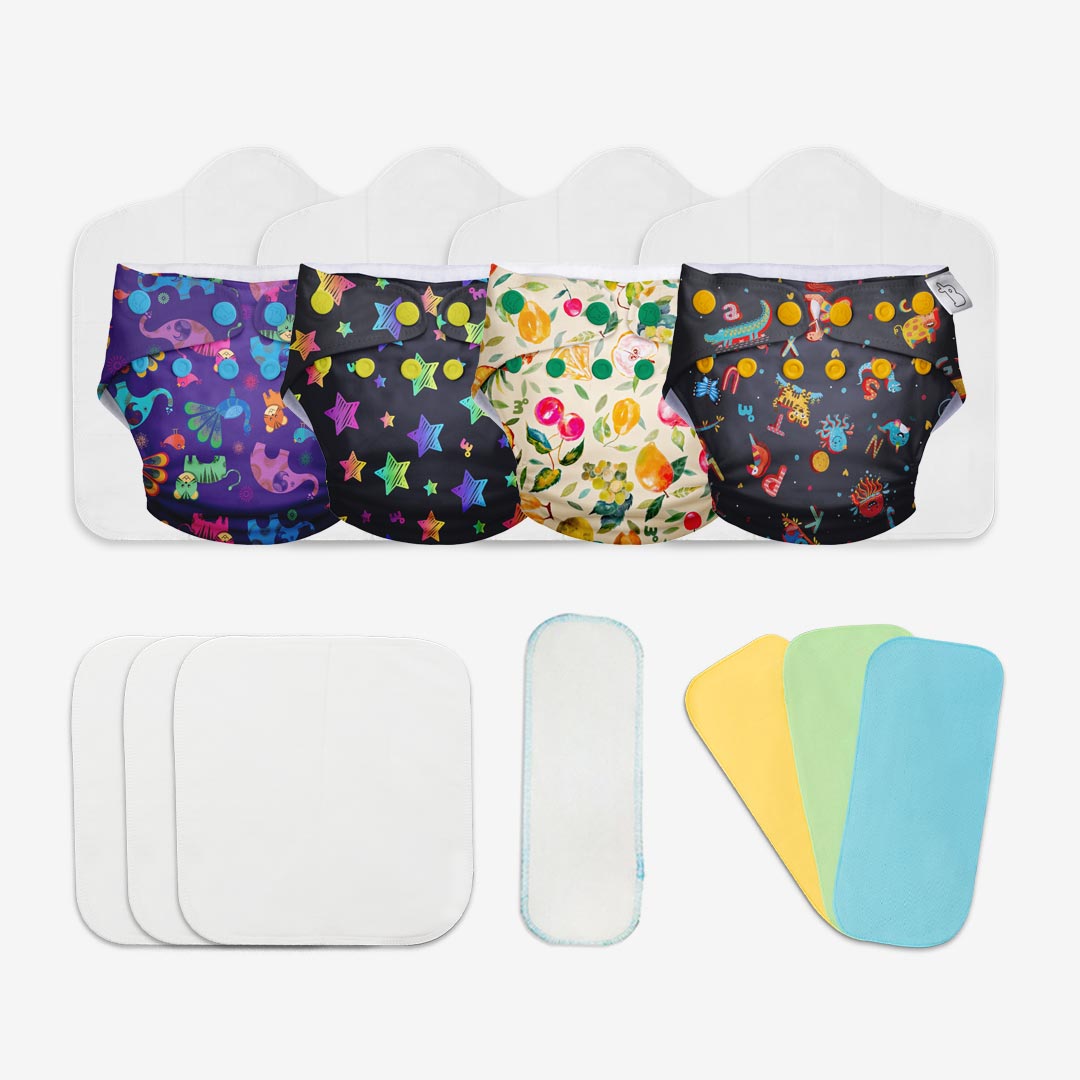
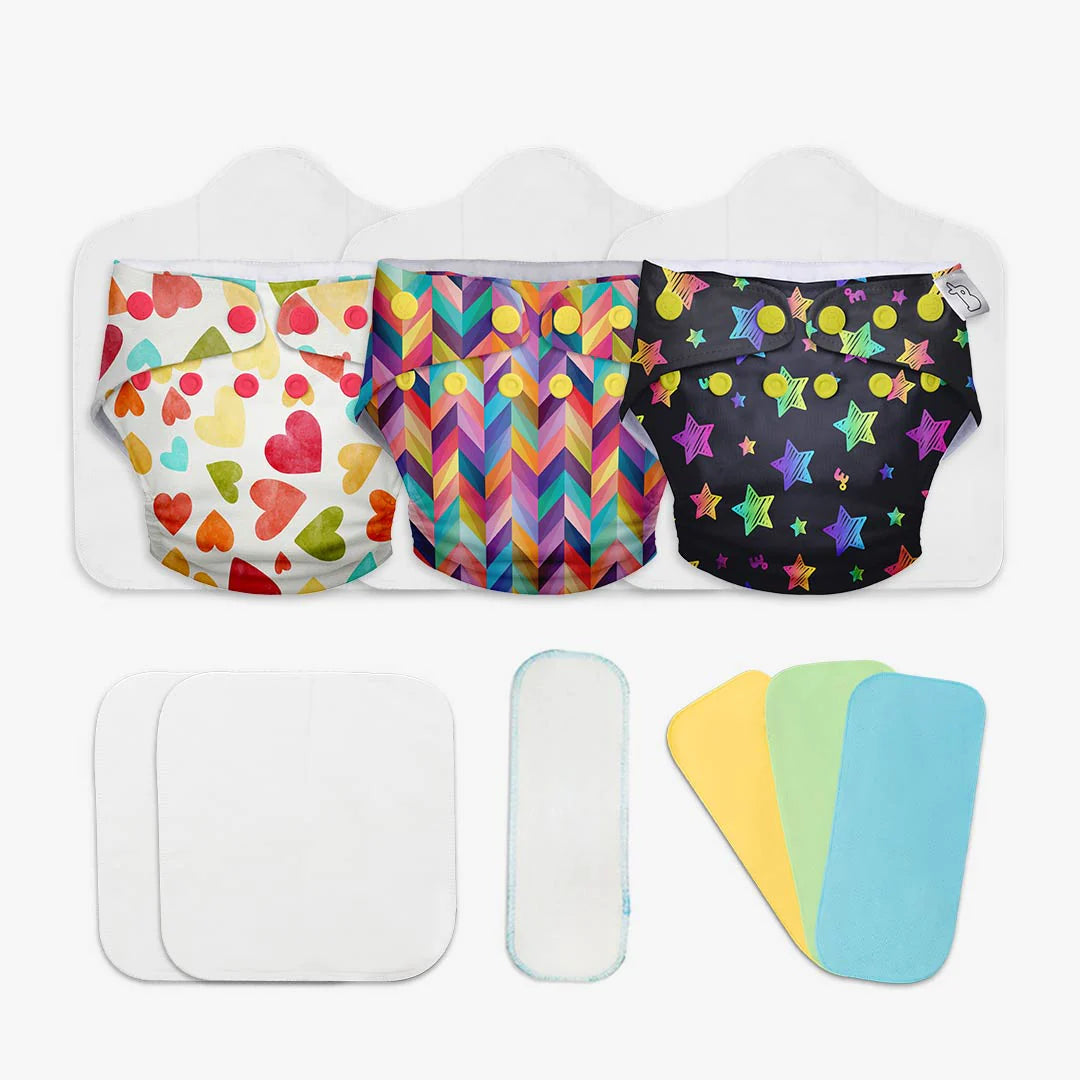
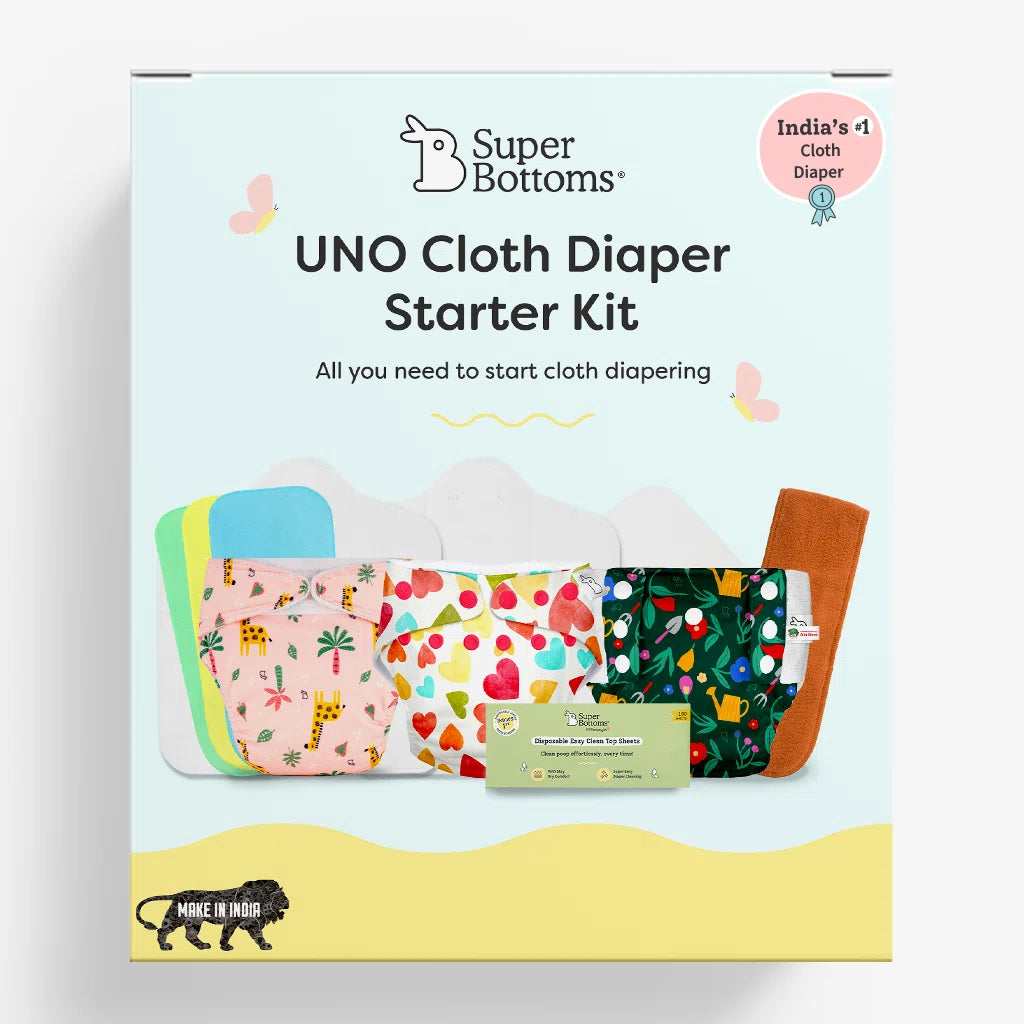
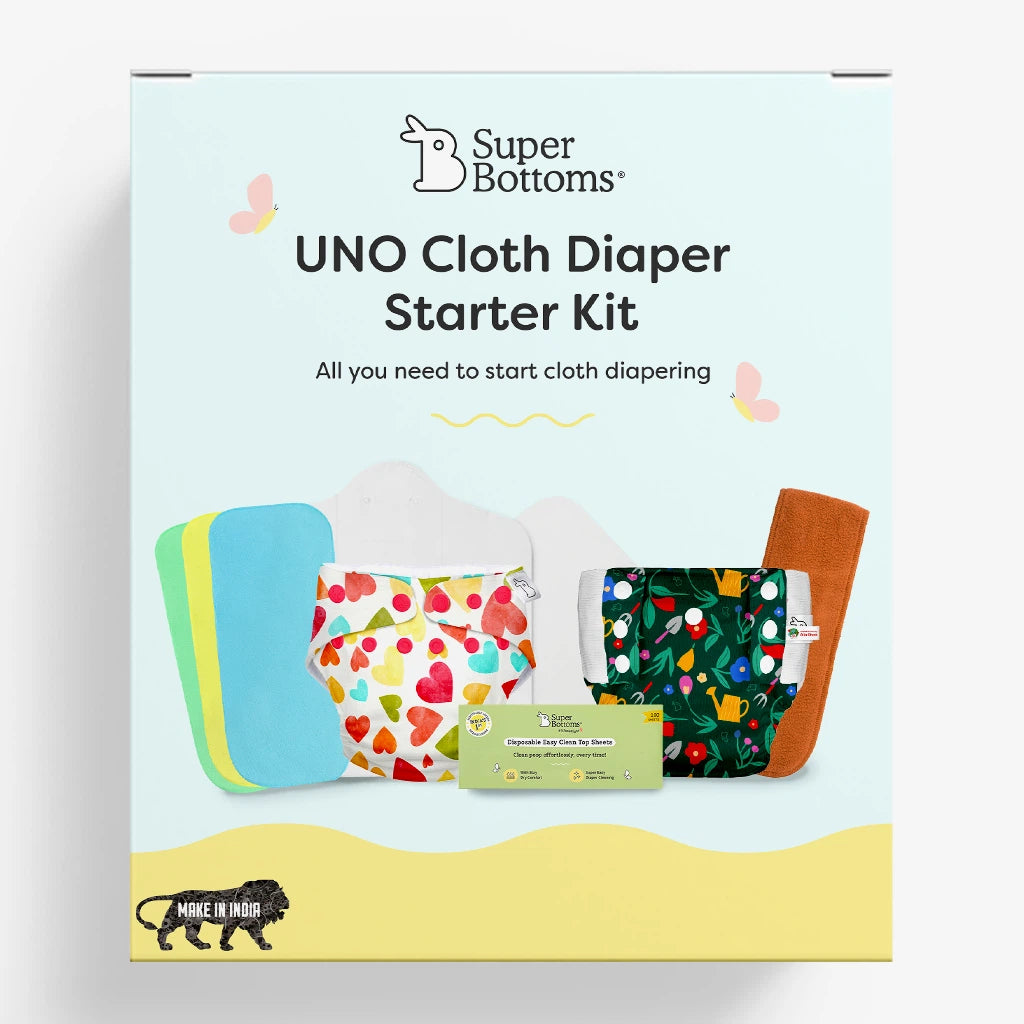
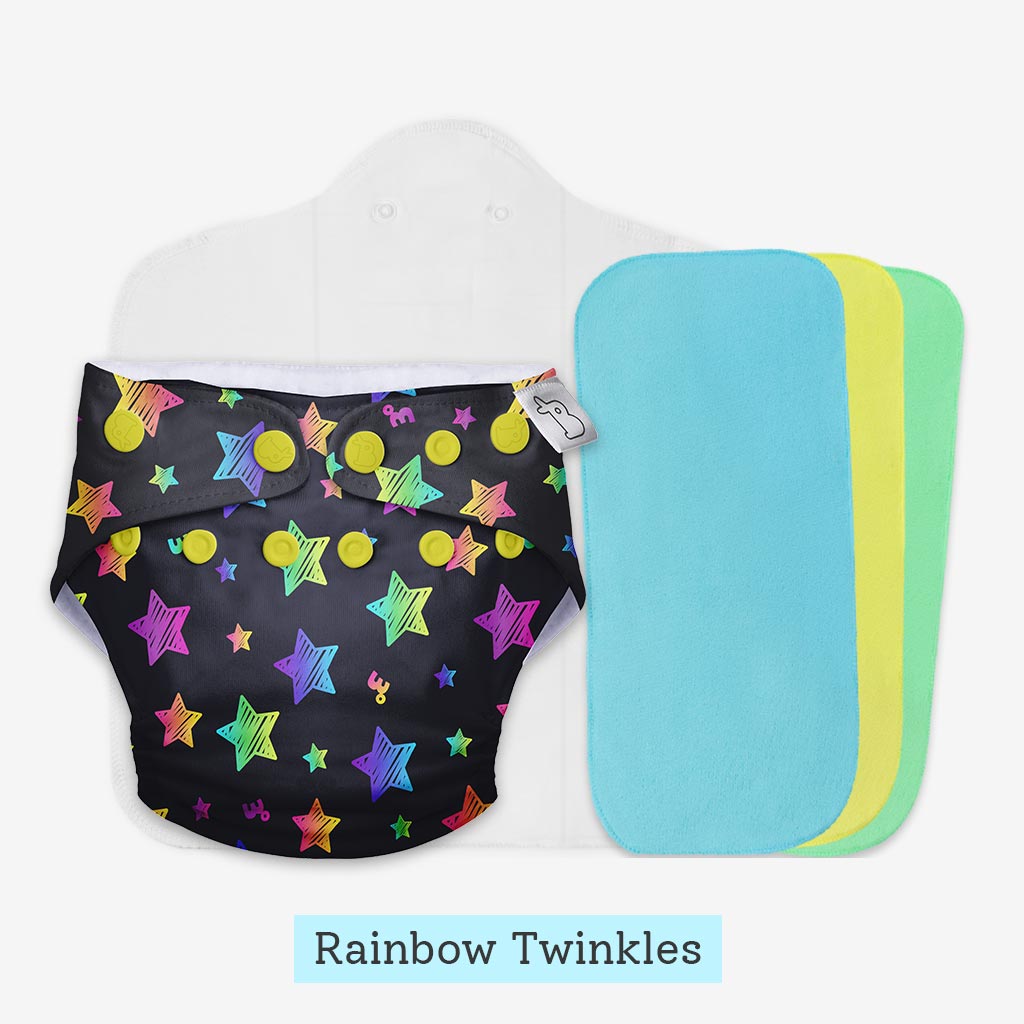
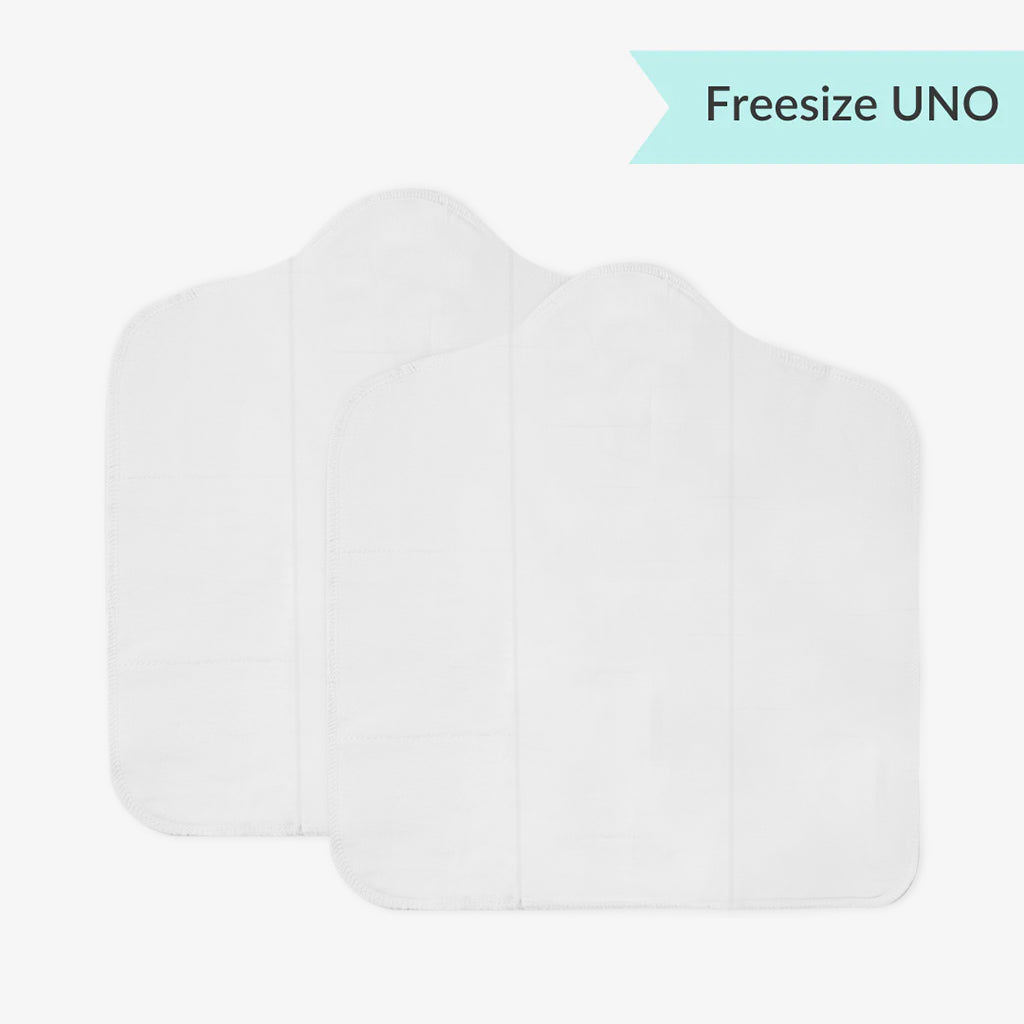
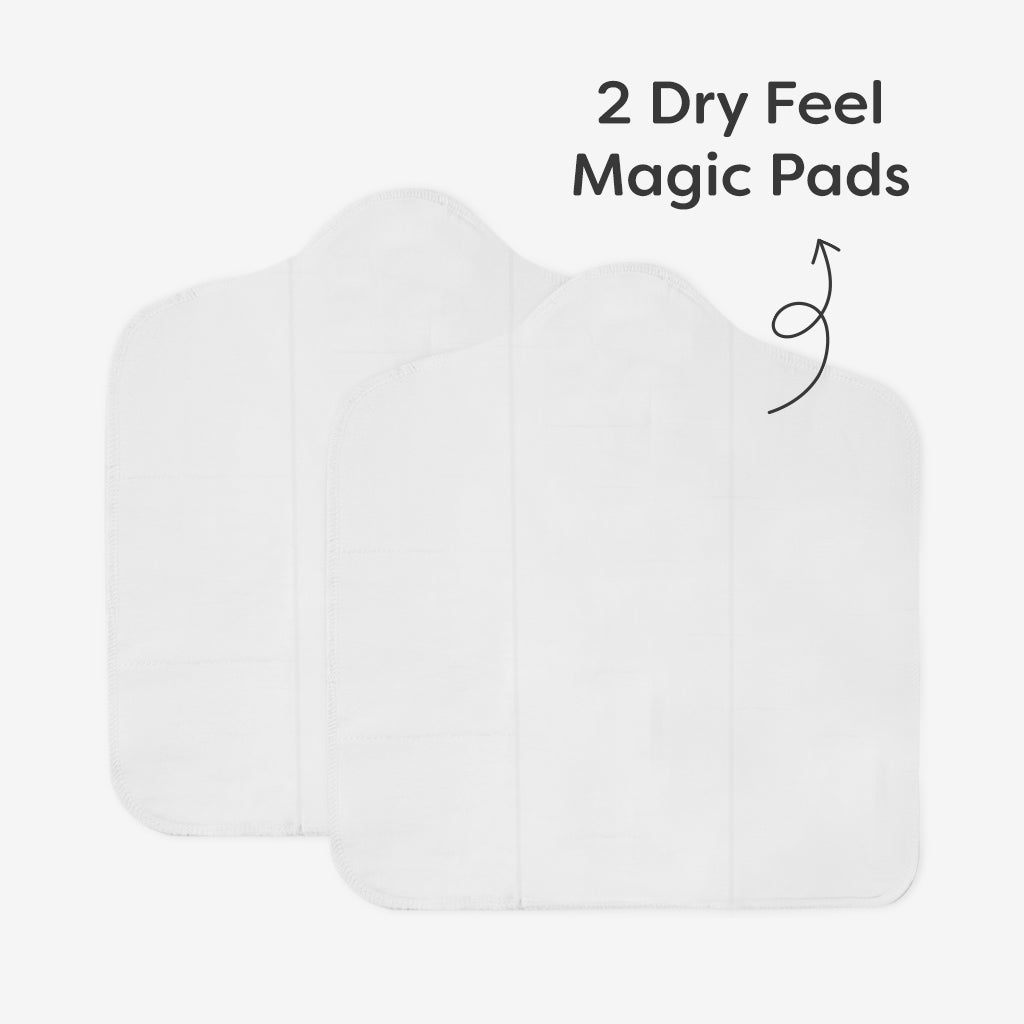
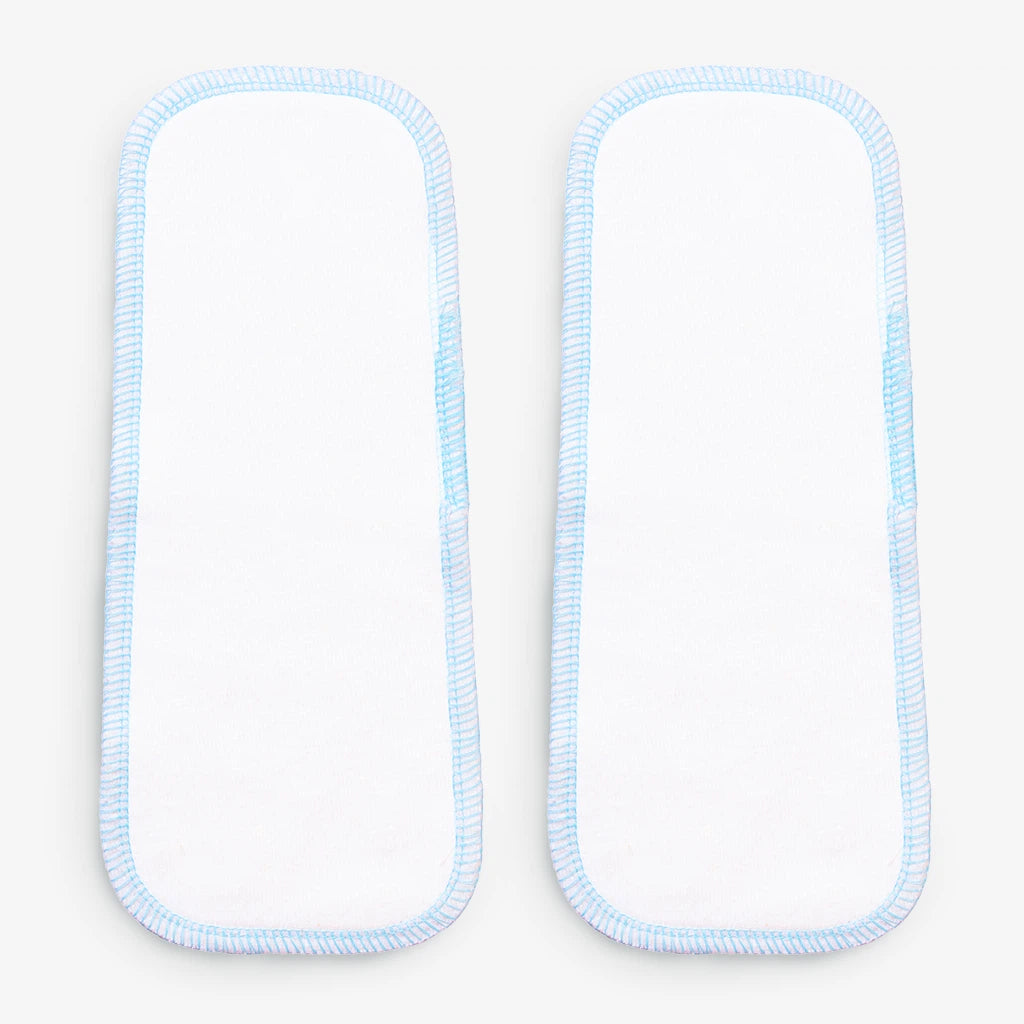
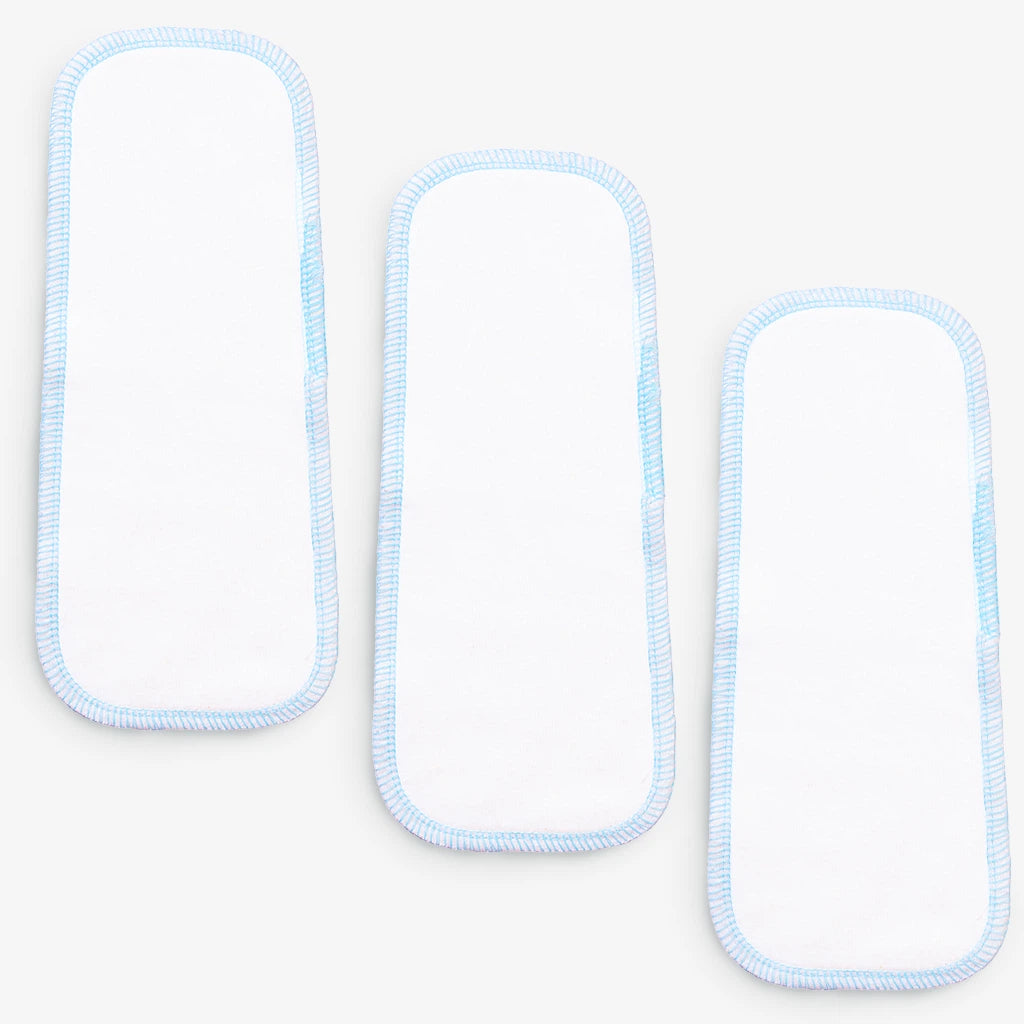
For parents exploring modern reusable options, the SuperBottoms Freesize UNO Cloth Diaper is designed for babies approximately 3 months to 3 years old. It features a waterproof outer and a washable Dry Feel Magic Pad.
It may suit families looking for an adjustable reusable diapering system. Check the recommended size, absorbency and care instructions before purchasing. Performance depends on fit, wetting patterns and how the diaper is used.
SuperBottoms' picks for winter: Diapering and dressing
Winter care involves more than choosing the right diaper. Parents also need comfortable clothing that allows babies and kids to stay warm while moving, playing and going about their day.
SuperWarm Thermals by SuperBottoms
For babies and kids from newborn to 10 years
When temperatures drop, SuperBottoms SuperWarm Thermals offer a winter clothing option designed around warmth, softness and everyday movement.
What makes them worth exploring?
- Premium cotton-rich blend: Designed for comfortable everyday wear.
- Brushed inner layer: Adds a cosy feel against the body.
- Flexible knit: Supports movement during everyday activities.
- Drop-Needle Knit: A distinctive knit construction.
- Heat-Lock Cuffs: Designed to help keep sleeves and hems in place.
- Thoughtful details: Baby bodysuits feature shoulder snaps, while the kids' range includes an internal drawstring and functional pocket.
Baby bodysuits are available in sizes from 0–3 months to 9–12 months. Tops and bottoms cover children aged 1–10 years, with exact size availability depending on the product.
These thermals complement a winter diapering routine by adding a clothing layer without making the diaper itself bulkier. Choose a suitable size, dress according to the weather and follow the garment's care instructions.
SuperBottoms Freesize UNO Cloth Diaper
For families continuing with reusable diapering through winter, Freesize UNO offers an adjustable system with a waterproof outer and washable Dry Feel Magic Pad.
It is worth considering for everyday diapering when the fit and absorbency suit your baby. Pair it with a consistent wash-and-dry routine, and keep enough clean diapers ready for cloudy days.
Together, these products address two different winter needs: Freesize UNO supports your reusable diapering routine, while SuperWarm Thermals provide a clothing option for chilly days. Neither replaces the need for timely diaper changes, appropriate dressing or thorough drying.
What should parents look for when choosing winter cloth diapers?
Before buying cloth diapers online in India, consider the features that will make a difference to your daily routine.
- Fit: Check the recommended weight range and ensure the waist and leg openings fit comfortably.
- Absorbency: Understand what the included insert can manage and whether compatible boosters are available.
- Material: Check fabric composition and care instructions, especially if your baby has sensitive skin.
- Ease of washing: Removable inserts may simplify drying.
- Durability: Review the construction and care requirements for repeated washing.
- Cost per use: Consider the purchase price, number of diapers required, laundry costs and expected reuse.
- Day or night use: Confirm whether the product suits your intended routine.
If your home has limited drying space, drying time may be just as important as the initial purchase price. Choose a system that works with your actual laundry routine.
Parent checklist
Before settling into your winter routine, check that you can:
- Change wet or soiled diapers promptly.
- Maintain a comfortable fit under winter clothing.
- Match absorbency to your baby's needs.
- Wash used diapers consistently.
- Dry every insert and cover completely.
- Keep enough clean diapers available.
- Dress your baby in comfortable, appropriately sized layers.
- Check the diaper area for irritation.
- Consult a paediatrician if a rash persists or worsens.

Key takeaways
- Winter does not mean you need to stop using cloth diapers.
- Prompt changes, suitable absorbency and completely dry inserts help maintain comfort.
- Comfortable winter clothing should allow movement without compressing the diaper.
- SuperBottoms Freesize UNO is a reusable diapering option, while SuperWarm Thermals complement your winter clothing routine.
Frequently asked questions
Are cloth diapers good for winter?
Yes. Reusable cloth diapers can work well in winter when they fit correctly, are changed promptly and are washed and dried thoroughly.
How often should I change cloth diapers in winter?
Check your baby's diaper regularly and change wet or soiled diapers promptly. Many babies need daytime changes every few hours, but the frequency varies with age, feeding and wetting patterns.
Do cloth diapers take longer to dry during winter?
They can. Lower temperatures, limited sunlight and poor airflow may extend drying times. Separating inserts from covers and improving ventilation can help.
Can winter increase diaper rash risk?
Winter itself does not directly cause diaper rash. However, prolonged moisture, friction and dry skin can contribute to irritation. Gentle cleansing, prompt changes and careful drying help protect the diaper area.
Which cloth diaper is suitable for winter nights?
The right option depends on your baby's wetting pattern, the diaper's absorbency and the manufacturer's instructions. A compatible booster may help, but it should not be used to delay necessary changes.
What should babies wear in winter?
Choose comfortable layers suited to the room temperature and outdoor conditions. Avoid excessive bundling and clothing that compresses the diaper. SuperBottoms SuperWarm Thermals are one option for adding a winter clothing layer, with a brushed inner layer and flexible knit.
Are SuperWarm Thermals suitable for newborns and older kids?
The range covers newborns to children aged 10 years. Baby bodysuits are available in sizes from 0–3 months to 9–12 months, while tops and bottoms cover ages 1–10 years. Check the individual product's size chart before purchasing.
Is it worth investing in reusable cloth diapers?
Reusable baby diapers may offer long-term value because they can be washed and reused. The overall cost depends on the number of diapers needed, laundry expenses, product lifespan and how frequently you use them.
Message from SuperBottoms
Hi there, new parents! SuperBottoms brings you doctor-recommended cloth diapers, a trusted rash-free diapering solution specially designed for your baby's sensitive, delicate skin.
From Newborn UNO and Regular UNO to UNO Luxe, SuperBottoms offers reusable diapering solutions for every stage of your child's growth.
Our range also includes Diaper Pants, DryFeel langots for diaper-free time, Padded Underwear for potty training, as well as SuperSoft Underwear, Cycling Shorts and Joggers for growing kids.
Our collection also includes Period Underwear and bladder-leak solutions for women, along with everyday baby-care essentials.
SuperBottoms products also make thoughtful gifts for babies and new parents - practical, reusable and designed around the real needs of parents.
SuperBottoms products are now available on Amazon, Flipkart, FirstCry, Myntra, Nykaa, Blinkit, and Zepto.