







Many parents make avoidable mistakes when buying cloth diapers, leading to leaks, discomfort, and wasted money. This guide explains the most common errors and how to choose the right type, fit, and material for your baby. By understanding key factors like absorbency, sizing, and usability, parents can make smarter decisions and find a reliable, reusable diapering solution that actually works.
Are you a new parent excited to start cloth diapering, only to find yourself dealing with leaks, rashes, or a mountain of laundry? You're not alone. Most cloth diapering problems stem from avoidable early mistakes, not from the concept of reusable cloth diapers itself. With the right information, choosing the best option for your baby becomes much simpler.
- What are the most common mistakes when buying cloth diapers?
- Why does choosing the wrong type cause problems?
- How important is fit and sizing in cloth diapers?
- What should I look for when choosing cloth diapers?
- Are cheap cloth diapers worth it?
- How many cloth diapers do I really need?
- Comparison: Cloth diaper options explained
- Conclusion & recommendation
- Key takeaways
- FAQs
What are the most common mistakes when buying cloth diapers?
The biggest mistakes include choosing the wrong type, ignoring absorbency needs, buying too few diapers, and prioritising price over quality.
Many parents start cloth diapering with excitement but quickly face issues like leaks, rashes, or frequent laundry stress. These problems usually come down to poor initial choices, not the concept of newborn cloth diapers itself.
Most cloth diaper issues arise from poor fit, low absorbency, or choosing the wrong type for your baby's needs.
Why does choosing the wrong type cause problems?
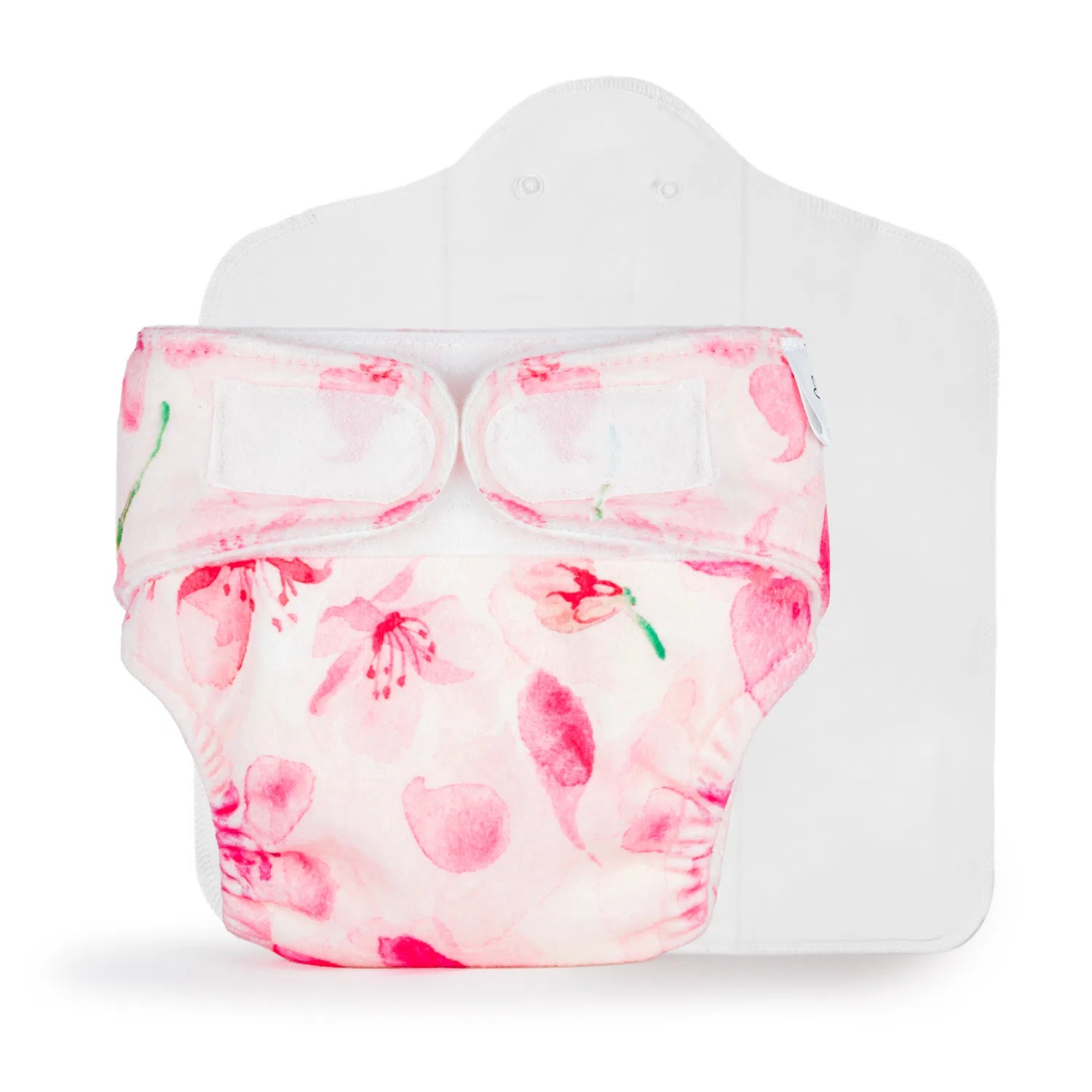
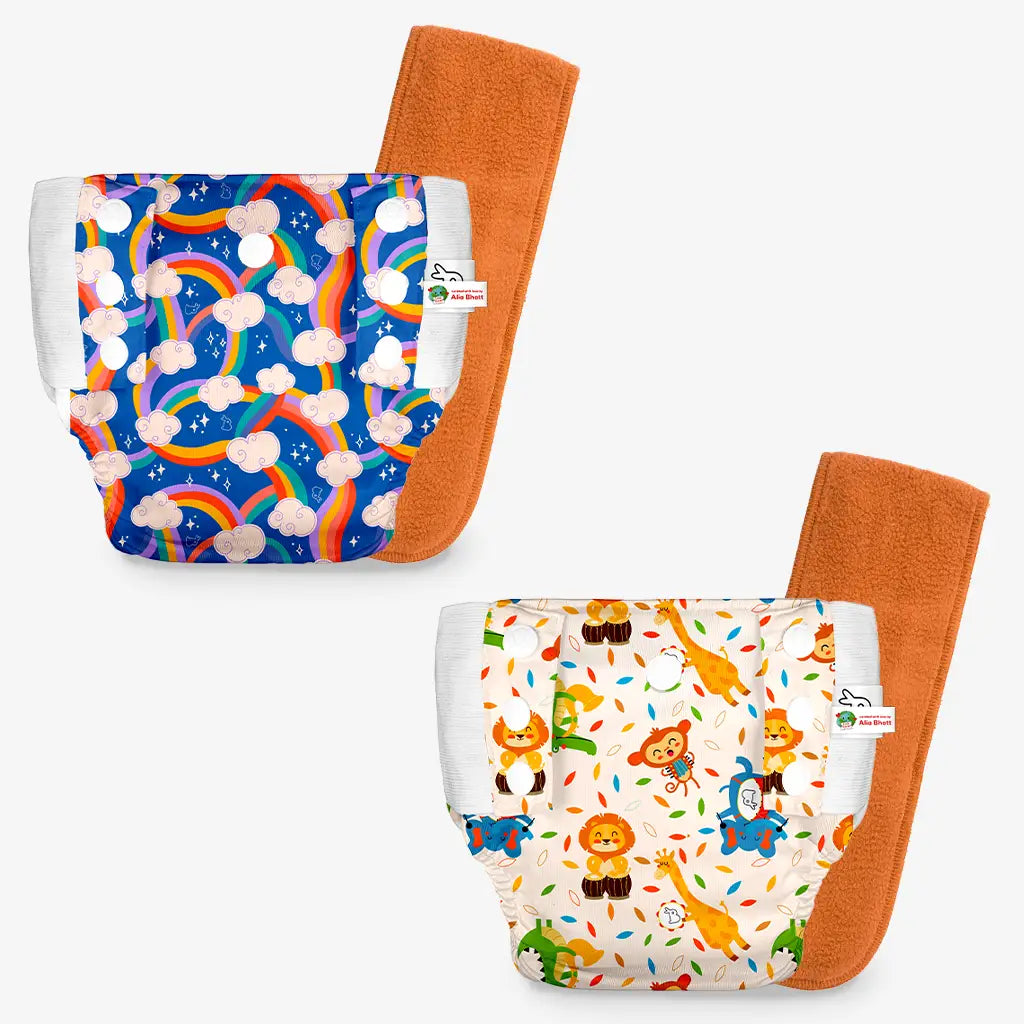
Not all baby cloth diapers function the same way, and picking the wrong type can lead to discomfort or inefficiency.
For example:
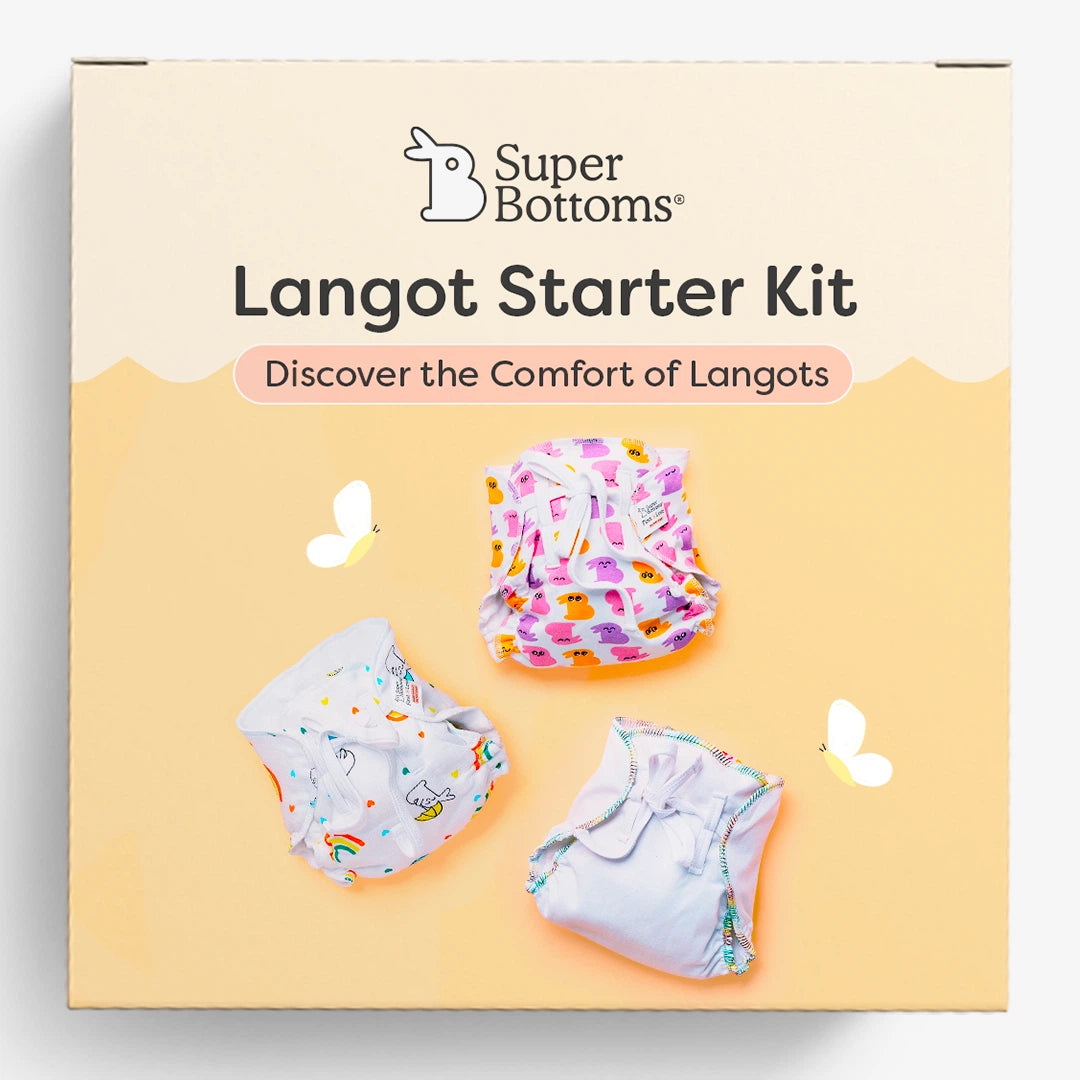
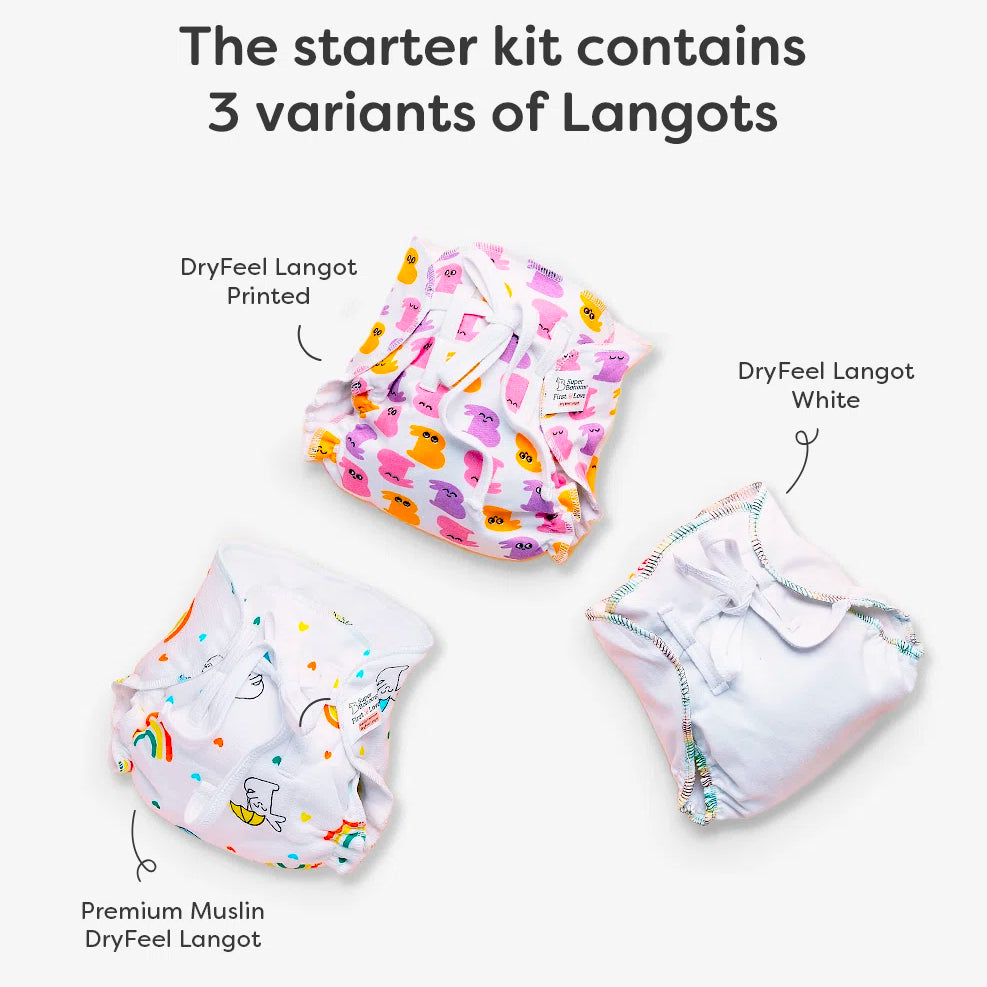
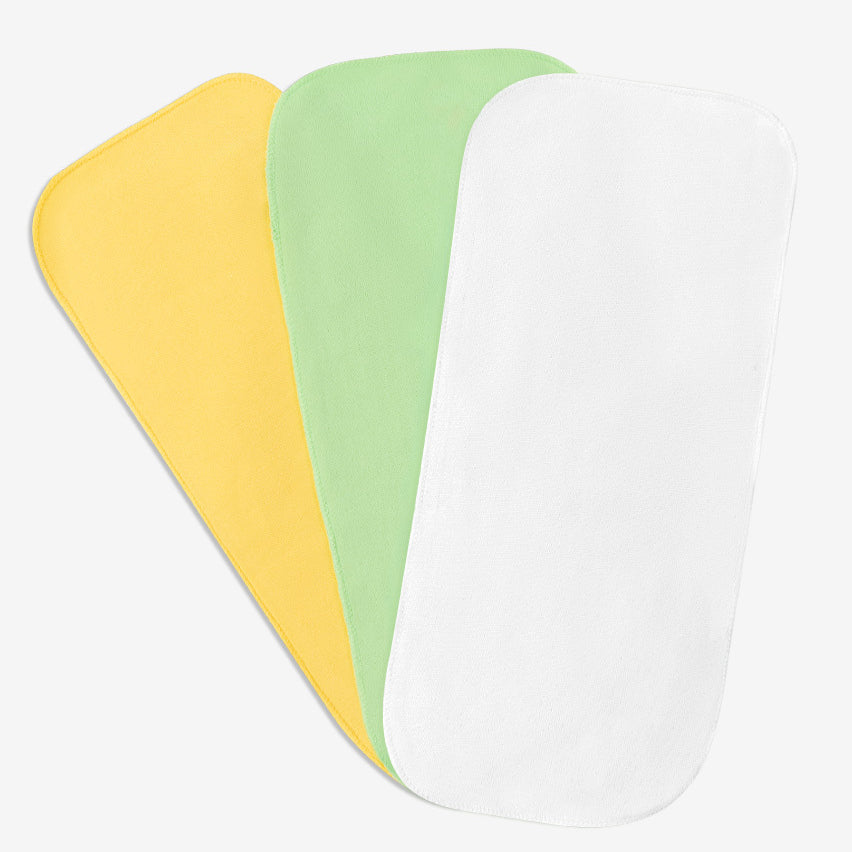
- Basic langots work well for diaper-free time but not for long hours
- Prefolds require skill and frequent changes
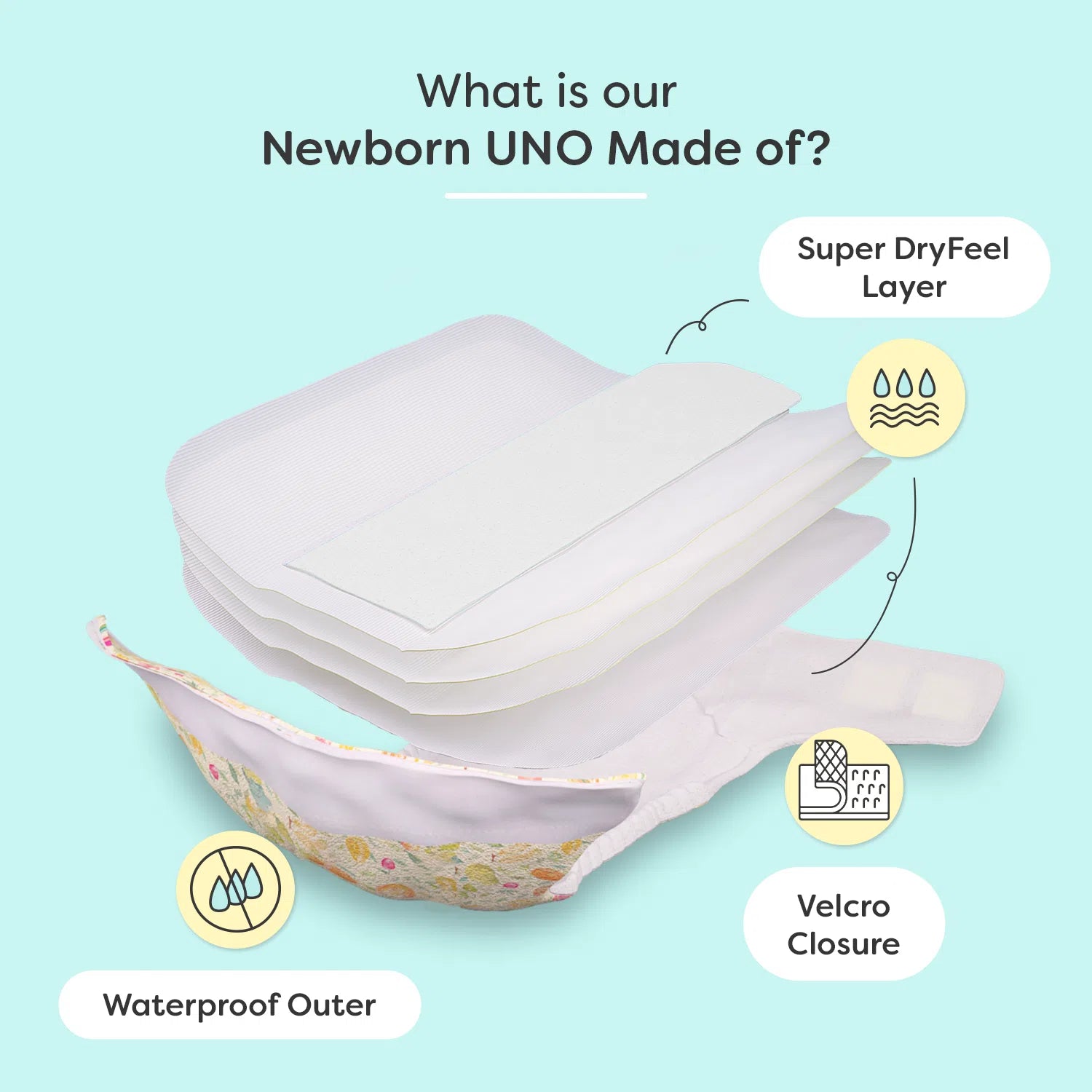
- All-in-one systems are convenient but may lack flexibility
Parents often don't match the diaper type to their lifestyle, which creates frustration.
How important is fit and sizing in cloth diapers?
Fit is everything. Even the best cloth diaper will leak if it doesn't fit properly.
Common fit mistakes include:
- Buying fixed sizes that babies outgrow quickly
- Ignoring adjustable waist and thigh settings
- Not accounting for baby growth phases
A good fit ensures leak protection, comfort, and better performance.
What Parents Should Know
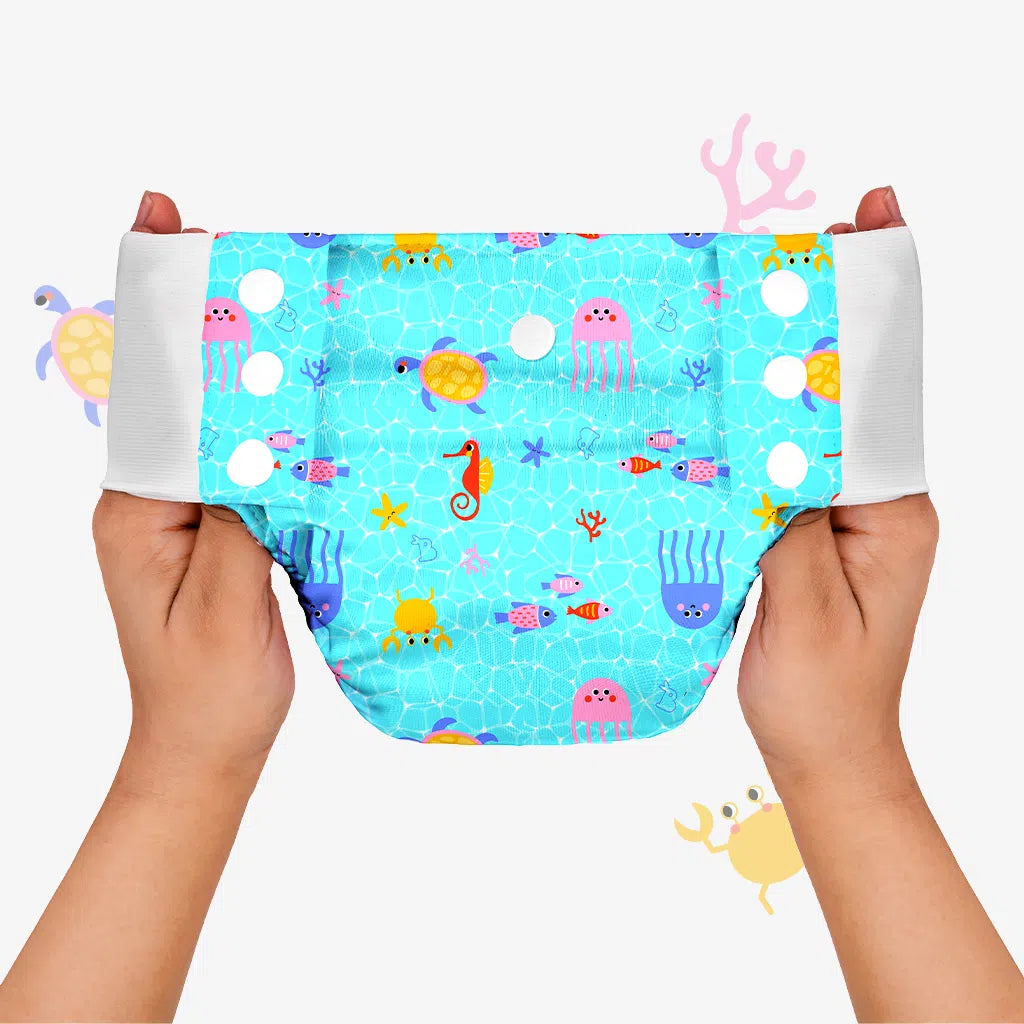
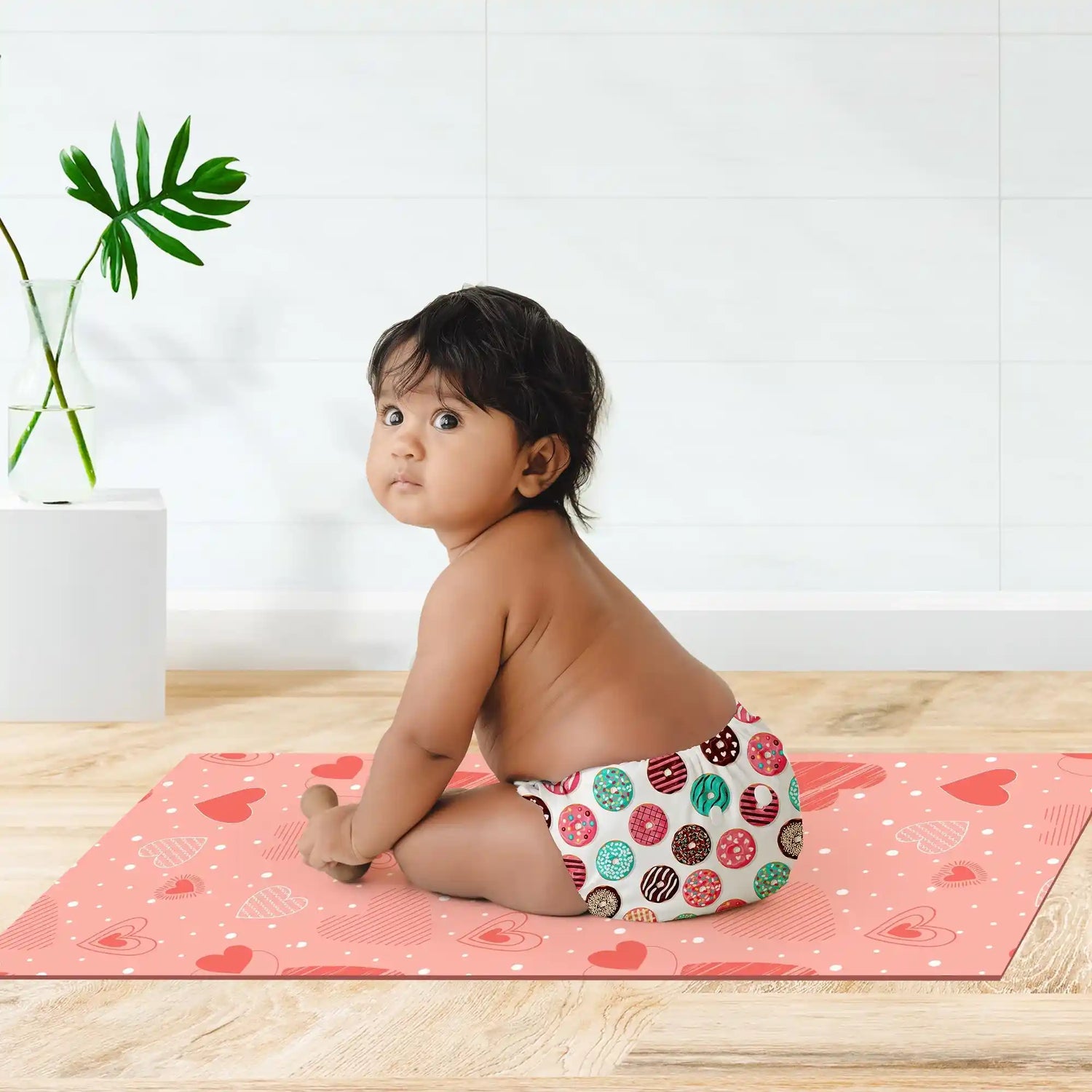
A snug (not tight) fit around the legs and waist prevents leaks while keeping your baby comfortable throughout the day.
What should I look for when choosing cloth diapers?
The right cloth diaper should balance absorbency, safety, ease of use, and long-term value.
What to Look For
- Absorbency: Can it handle your baby's wetting pattern (day/night)?
- Skin Safety: Is it made from soft, breathable, rash-free materials?
- Ease of Use: Is it beginner-friendly and quick to change?
- Adjustability: Can it grow with your baby?
- Value: Is it reusable and cost-effective over time?
Once these criteria are clear, choosing becomes much easier.

Are cheap cloth diapers worth it?
Short answer: usually not.
Low-cost cloth diapers often compromise on:
- Fabric quality
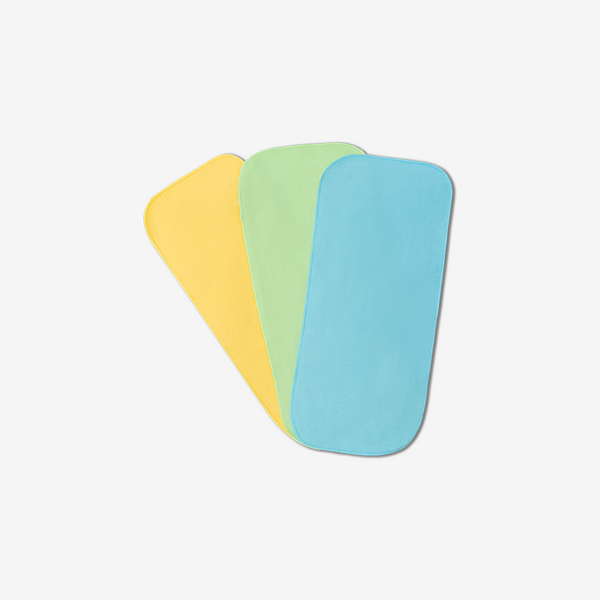
- Absorbency layers
- Stitching durability
This leads to frequent replacements, leaks, and discomfort, making them more expensive in the long run.
Cheap cloth diapers may save money upfront, but often fail in performance and durability.
How many cloth diapers do I really need?
Many parents underestimate this and end up doing excessive laundry or switching back to disposables.
A balanced approach works best:
- Newborn stage: 12–16 diapers
- With a mix of diaper-free time products (like langots): fewer diapers are needed
- Nighttime requires higher absorbency options
A well-planned set reduces stress and ensures consistency.
Comparison: Cloth diaper options explained
| Feature | Basic Langot | Prefolds Diaper | Freesize UNO Style |
|---|---|---|---|
| Ease of Use | Easy | Moderate | Very Easy |
| Absorbency | Low | Medium | High (adjustable) |
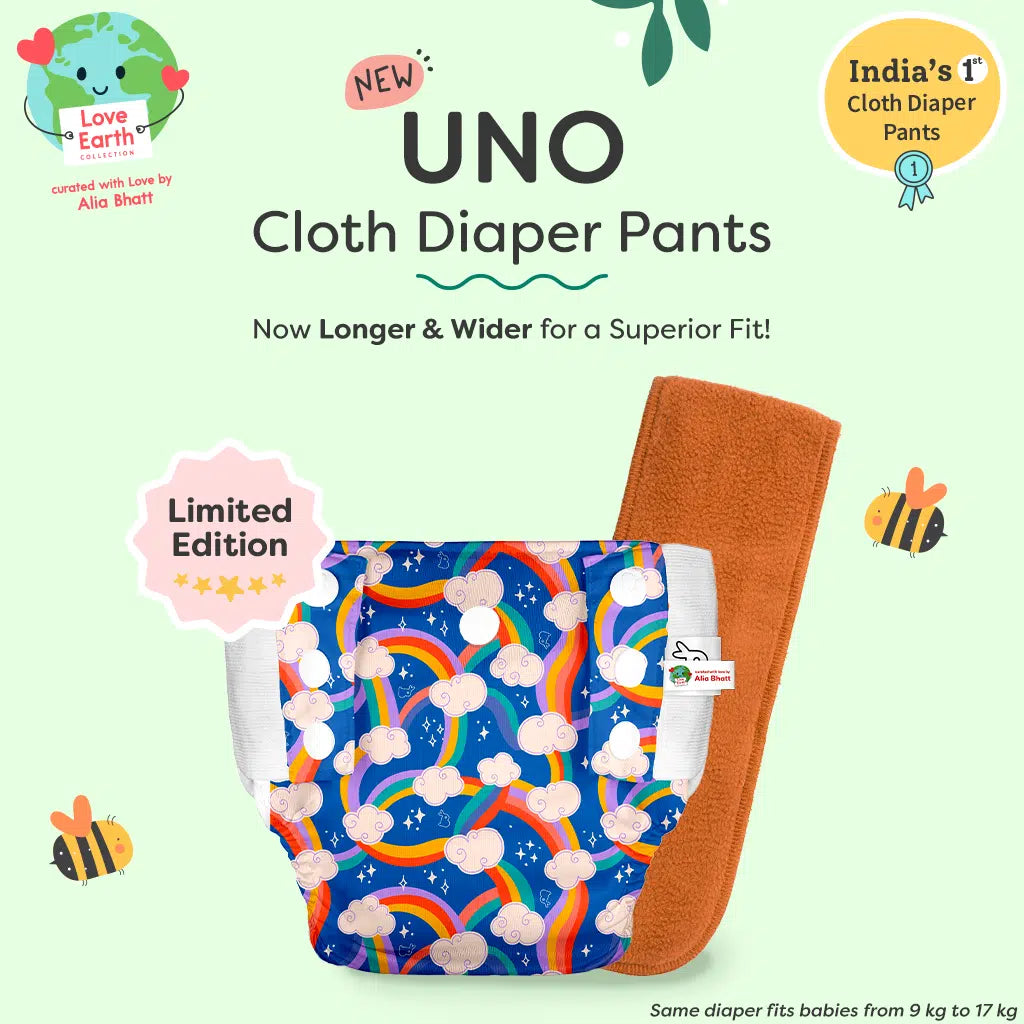
| Fit Adjustability | Limited | Limited | High (0–3 years) |
| Leak Protection | Low | Moderate | High |
| Cost Over Time | Low | Moderate | High value |
| Best Use Case | Diaper-free time | Budget use | Daily + night use |
This comparison shows that while basic options work for short durations, advanced reusable cloth diapers offer better long-term value and convenience.
Is it worth switching to cloth diapers?
Yes, if chosen correctly.
Cloth diapers are not just eco-friendly; they are also gentler on your baby's skin and more economical over time. The key is avoiding beginner mistakes and choosing the right system from the start.
Conclusion: Making the right choice
Buying cloth diapers doesn't have to be confusing. Most problems come from avoidable mistakes like choosing the wrong type, ignoring fit, or compromising on quality.
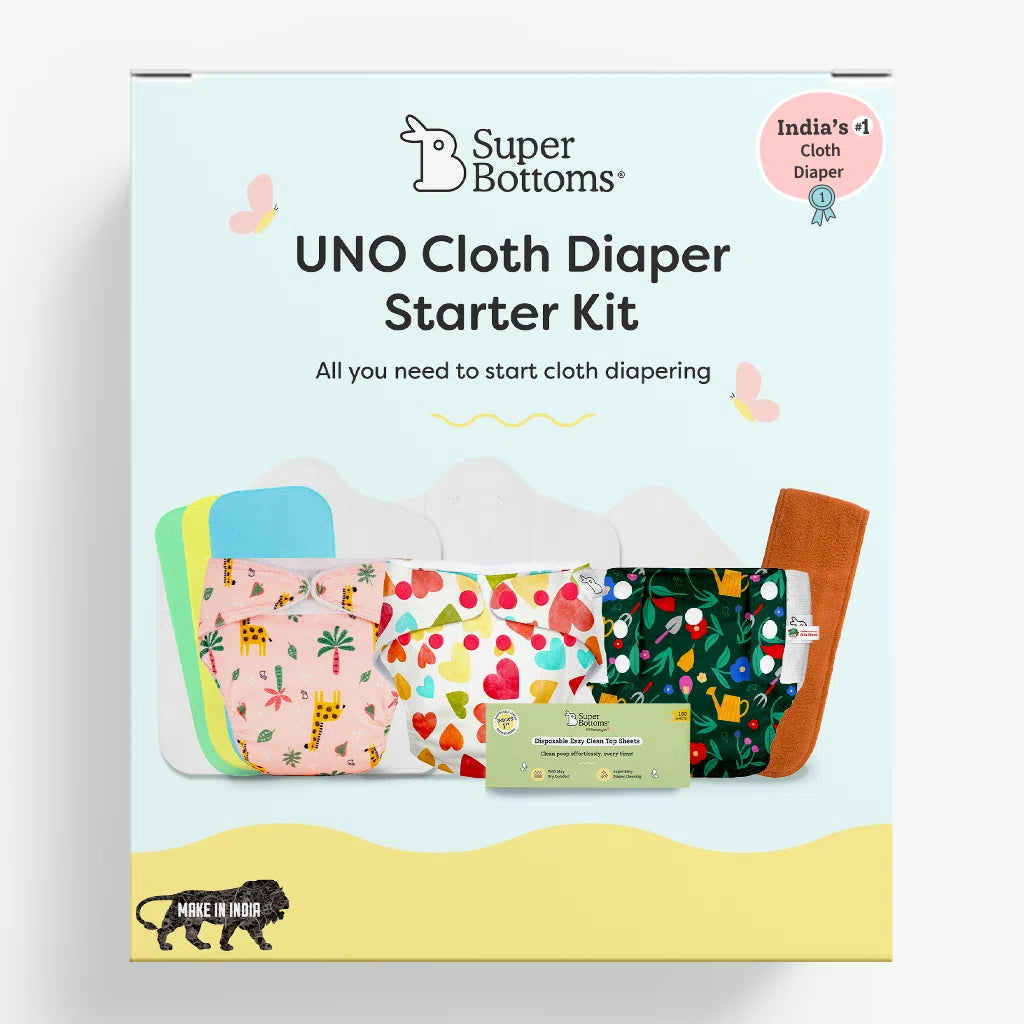
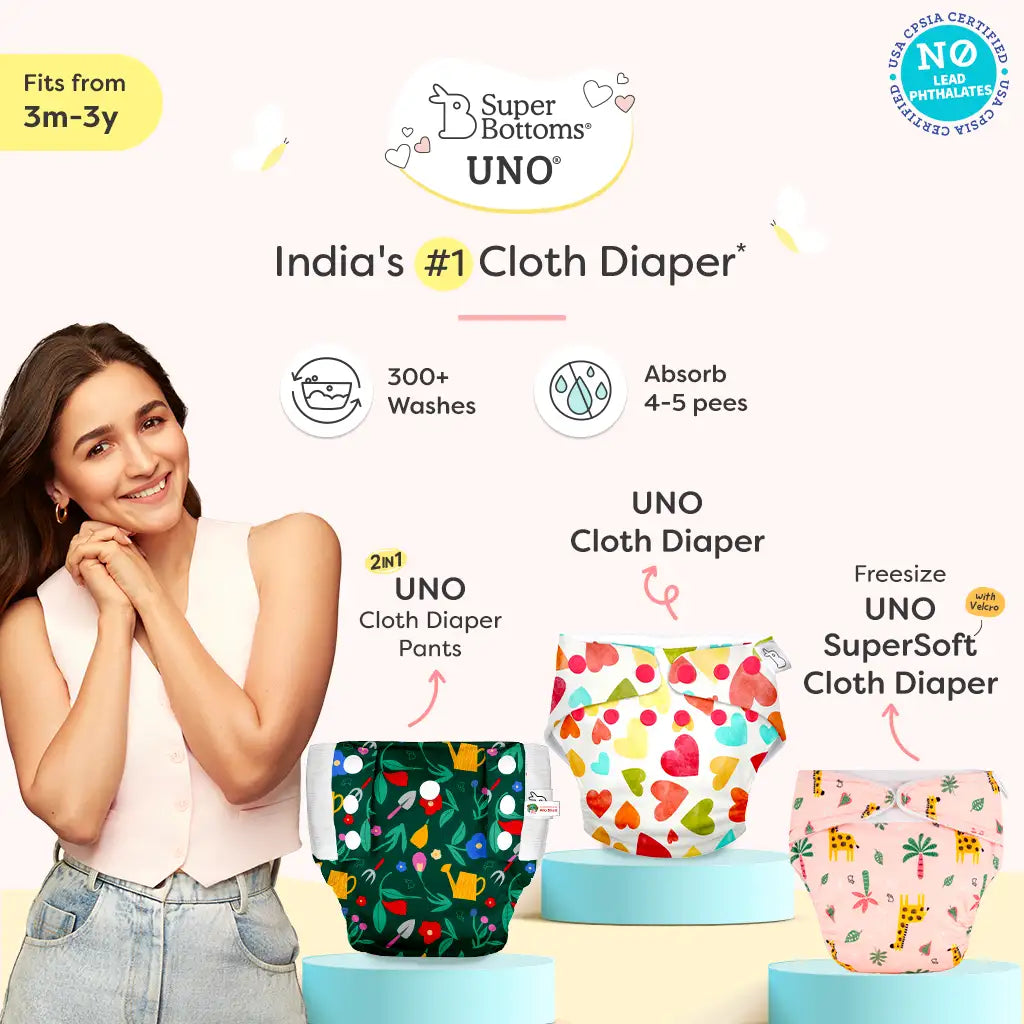
If your goal is fewer leaks, better comfort, and long-term savings, a well-designed reusable diaper system is the way forward. Options that combine adjustability, high absorbency, and ease of use simplify the entire experience.
Find the right fit → Shop SuperBottoms UNO
|
Limited Time Offers + Special Gift Sets! Now or never Super SALE is live on the SuperBottoms website! Take advantage of unbeatable value deals on our UNO Cloth Diapers, Baby Essentials, and more. Looking for the perfect present for a newborn or a toddler? Explore our thoughtfully curated Gift Sets & Combos - safe, skin-friendly, and oh-so-cute! A bundle of love for little ones and a delight for parents. HURRY - Deals and Gift Packs are live only till stocks last. Don't miss the chance to stock up and share the joy! |
Key Takeaways
- Most cloth diaper issues are due to wrong selection, not the product itself.
- Fit, absorbency, and ease of use are the most important factors.
- Investing in a quality reusable diaper saves money and effort long-term.
FAQs
1. Are cloth diapers better than disposable diapers?
Cloth diapers are reusable, eco-friendly, and often gentler on the skin compared to disposables.
2. Do cloth diapers cause leaks?
Leaks usually happen due to poor fit or insufficient absorbency, not because they are cloth.
3. How often should I change cloth diapers?
Typically every 2–4 hours, depending on absorbency and your baby's needs.
4. Are cloth diapers safe for newborns?
Yes, if they are soft, breathable, and properly sized for newborn use.
5. Is it difficult to use cloth diapers daily?
Modern cloth diapers are designed to be user-friendly and easy to maintain.
6. How do I choose the best cloth diaper?
Focus on absorbency, fit, material safety, and ease of use rather than just price.
7. Where can I buy cloth diapers in India?
You can buy reusable cloth diapers online through trusted baby care brands and official websites.
8. Is SuperBottoms worth the price?
Many parents find it cost-effective over time due to durability, reusability, and reduced leakage issues.
Hi there, new parents! SuperBottoms brings you doctor-recommended cloth diapers - the best rash-free diapering solution for your baby's sensitive and delicate skin. Unlike disposable diapers loaded with chemicals, our newborn cloth diapers, when used and washed properly, can help eliminate the risk of diaper rashes. SuperBottoms offers a wide range of safe, skin-friendly essentials for the whole family - including Reusable Cloth Diapers, Diaper Pants, DryFeel langots for diaper-free time, Padded Underwear for potty training, SuperSoft Underwear for everyday comfort, Joggers for playful days, and Period Underwear for women. Not just for everyday use, SuperBottoms products also make the best gifting choice for babies - thoughtful, eco-friendly, practical, and loved by parents. Now available on Amazon, Myntra, Flipkart, FirstCry, Zepto, Swiggy and Blinkit.