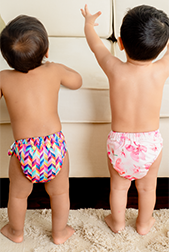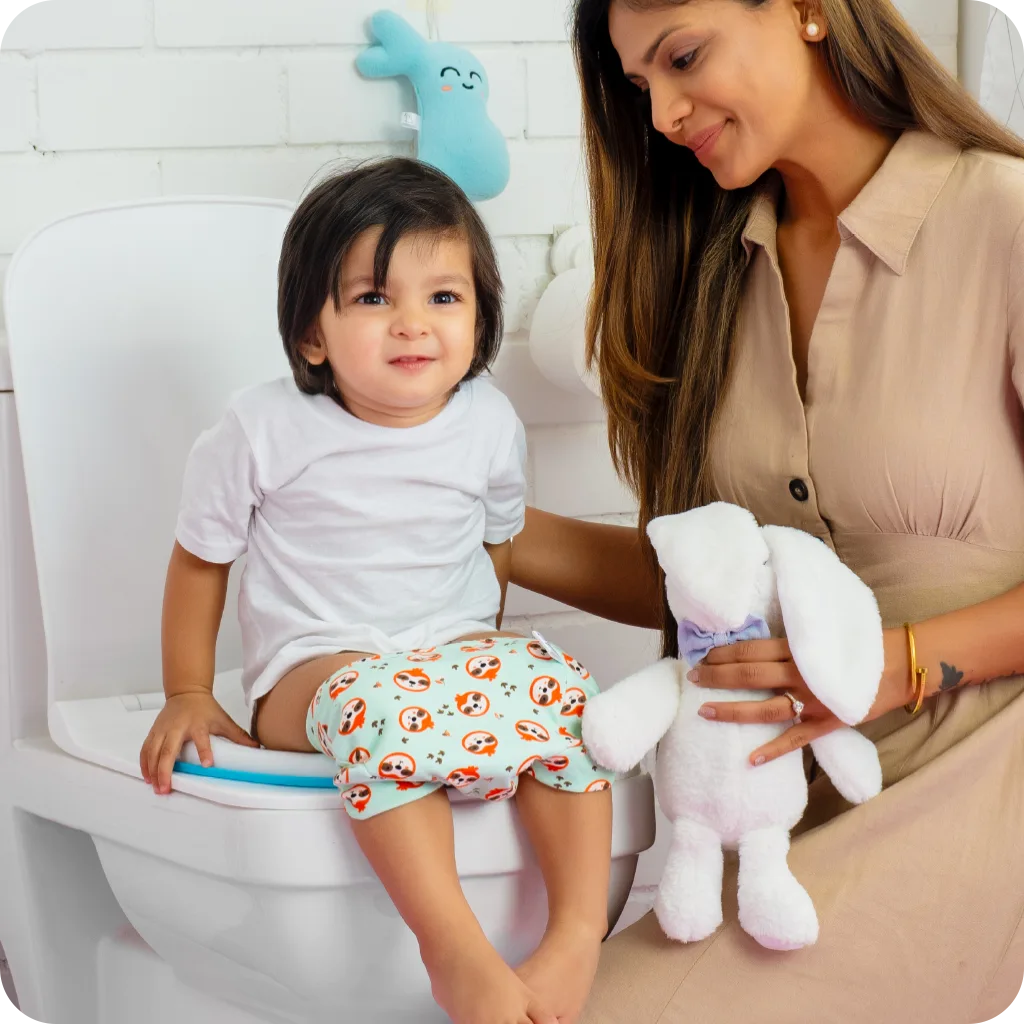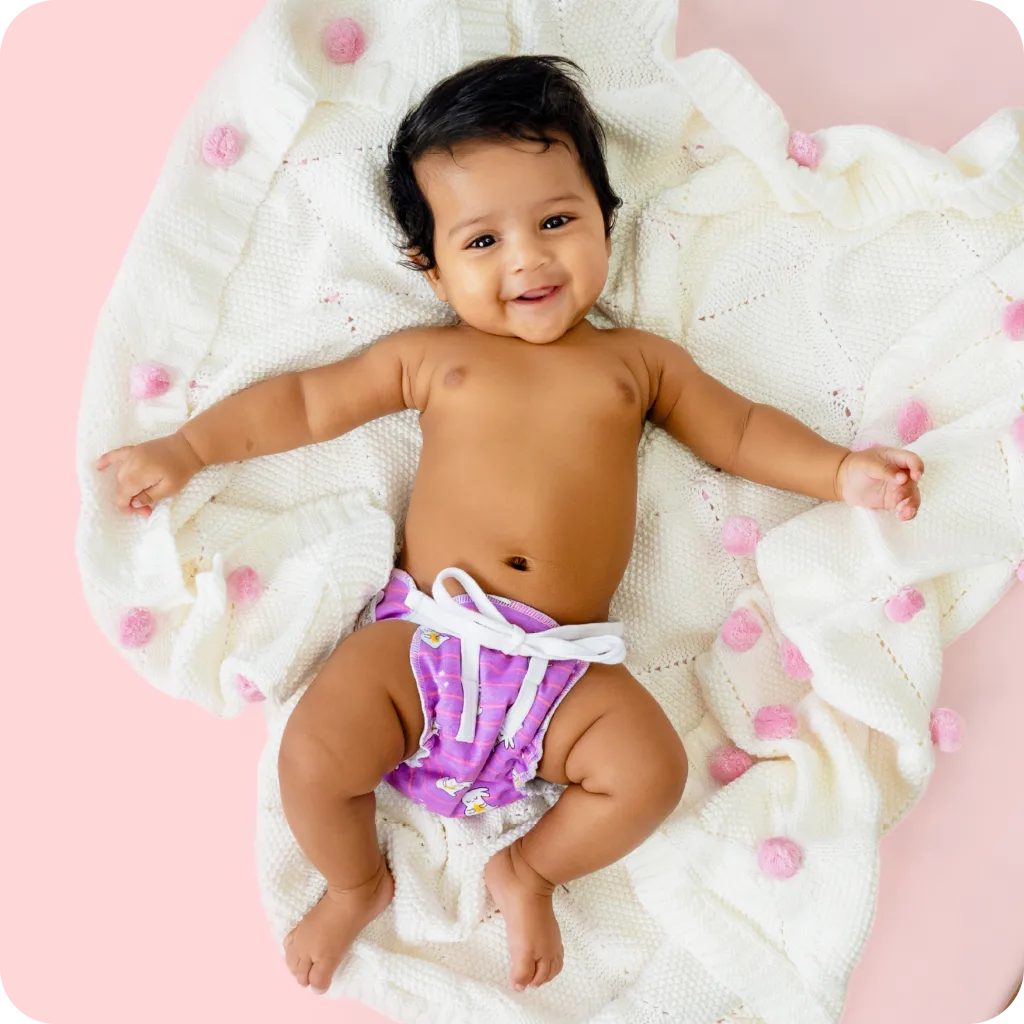






Parents often wonder whether the higher upfront cost of cloth diapers is truly worth it. While disposable diapers seem affordable initially, long-term use can significantly increase household expenses. Modern reusable cloth diapers can reduce diapering costs, minimise waste, and provide a skin-friendly alternative for babies. The key is choosing a durable, easy-to-use system that delivers value over years, not weeks.
- Why are parents reconsidering diaper costs?
- Do cloth diapers really save money?
- What hidden costs do disposable diapers have?
- Is it worth switching to reusable cloth diapers?
- What should I look for when choosing cloth diapers?
- Which type works best for different situations?
- Comparison table: Cloth vs disposable diaper costs
- Key takeaways
- FAQs
- Message from SuperBottoms
When families prepare for a new baby, diapers quickly become one of the largest recurring expenses. The question many parents ask is simple: Do cloth diapers save money?
The simple answer is yes.
Although the upfront investment in reusable cloth diapers is higher than buying a packet of disposables, the overall cloth diapering cost is often significantly lower over the entire diapering journey.
However, cost isn't the only factor. Comfort, convenience, skin safety, sustainability, and lifestyle all influence the decision.
Why Are Parents Reconsidering Diaper Costs?
Parents today are more budget-conscious than ever.
Disposable diapers require continuous repurchasing for approximately two to three years. Even small daily expenses accumulate into substantial household spending.
Meanwhile, reusable cloth nappies involve a one-time investment and can often be reused hundreds of times.
Many parents researching cloth diapers for newborns are not just asking:
- "Are cloth diapers cheaper?"
- "Is cloth diapering cheaper?"
- "How much money do cloth diapers save?"
They're also asking whether the investment fits their lifestyle.
Expert Answer
Dr Anita Sharma, MD (Paediatrics), says: "Reusable cloth diapers may require a higher initial investment, but families who use them consistently often spend considerably less overall. Many parents also appreciate the breathable fabrics that can support skin comfort."
Do Cloth Diapers Really Save Money?
Yes. In most cases, the cost of cloth diapering is lower than relying solely on disposables.
Estimated Disposable Diaper Cost (India)
- ₹10–₹15 per diaper
- 6–8 diaper changes daily
- 2–3 years of use
Estimated total: ₹40,000–₹70,000+
Estimated Cloth Diapering Cost
- 12–15 quality reusable diapers
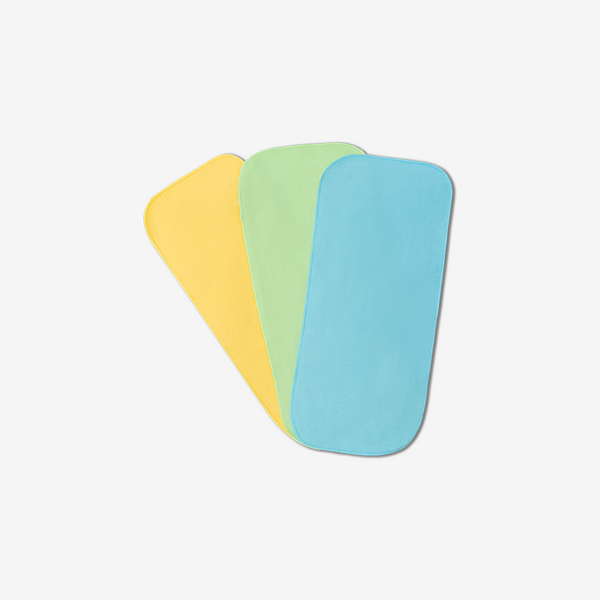
- Occasional replacement inserts
- Home washing
Estimated total: ₹8,000–₹20,000
That difference explains why many parents searching "do cloth diapers save money" eventually decide to switch. Similar findings have been highlighted in long-term diaper cost analyses.
What Parents Should Know
Many families don't switch immediately after birth. Some begin part-time and gradually increase usage.
One Mumbai mother shared: "The initial investment felt intimidating. But within six months, we realised we weren't constantly buying diaper packs anymore. It became part of our routine."
What Hidden Costs Do Disposable Diapers Have?
The convenience of disposables comes with recurring expenses.
These include:
- Frequent purchases
- Emergency late-night runs
- Increasing sizes as babies grow
- Disposal requirements
- Higher cumulative spending
Because they're single-use products, families remain dependent on repeat buying.
In contrast, washable diapers spread their cost across hundreds of uses.

Is It Worth Switching to Reusable Cloth Diapers?
For many families, yes.
The answer depends on balancing:
- Budget
- Laundry access
- Time availability
- Baby's skin sensitivity
- Environmental priorities
Even using cloth diapers part-time can reduce monthly diaper expenses.
💬 What Parents Should Know
Switching doesn't have to be all-or-nothing.
Some families use cloth diapers during the day and disposables overnight or while travelling. Hybrid routines can still generate meaningful savings.
What Should I Look for When Choosing Cloth Diapers?
Parents should evaluate performance before choosing a brand.
Focus on these criteria:
Absorbency
Can it handle naps, outings, or heavier wetters?
Skin Safety
Look for soft, breathable fabrics suitable for delicate skin.
Ease of Use
Modern systems with snaps or Velcro simplify diaper changes.
Fit
Adjustable sizing improves longevity.
Value
Calculate cost per use rather than purchase price alone.
🔍 What to Look For
- Multi-layer absorbency
- Leak-proof inner layer
- Breathable materials
- Adjustable sizing
- Durability through repeated washes
Only after assessing these factors should parents compare products.
Explore the range → SuperBottoms offers reusable cloth diapers designed to grow with babies while supporting long-term value.
💡 SuperBottoms Pick
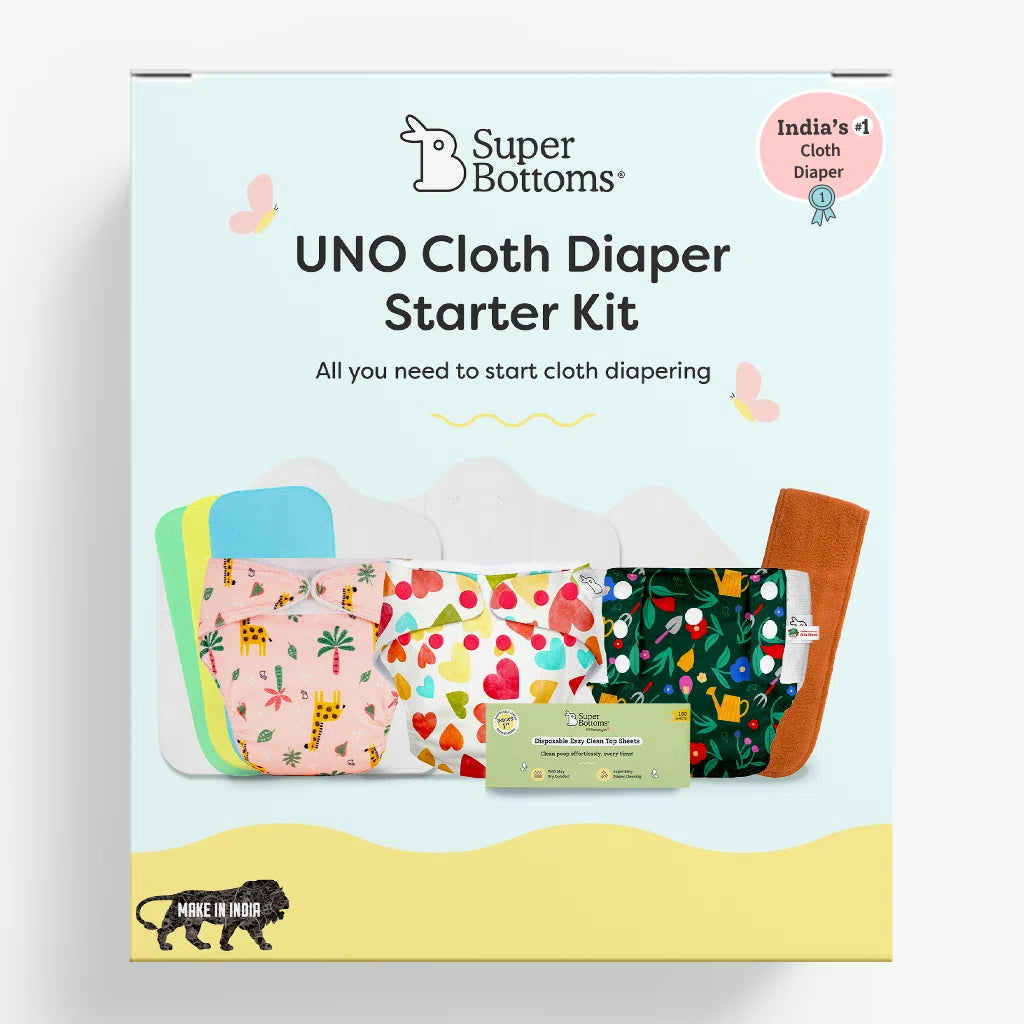
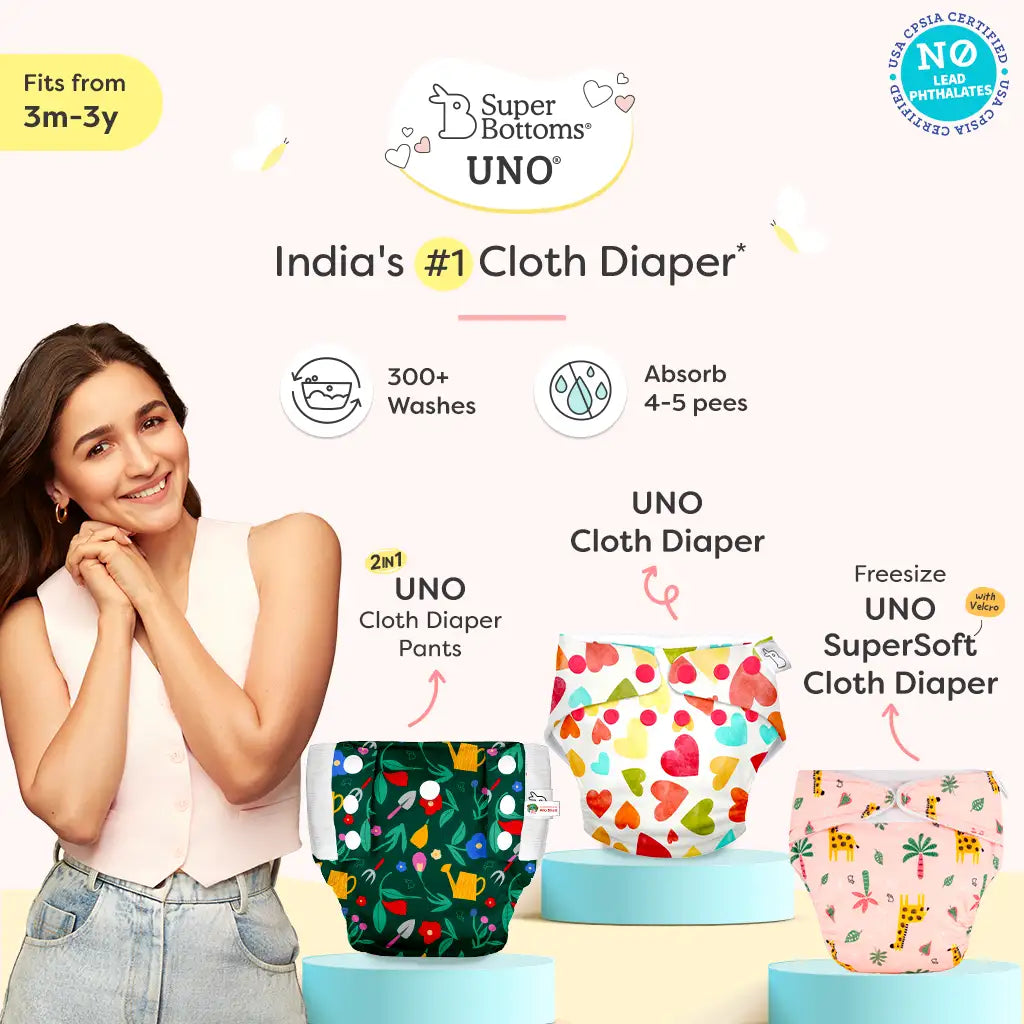
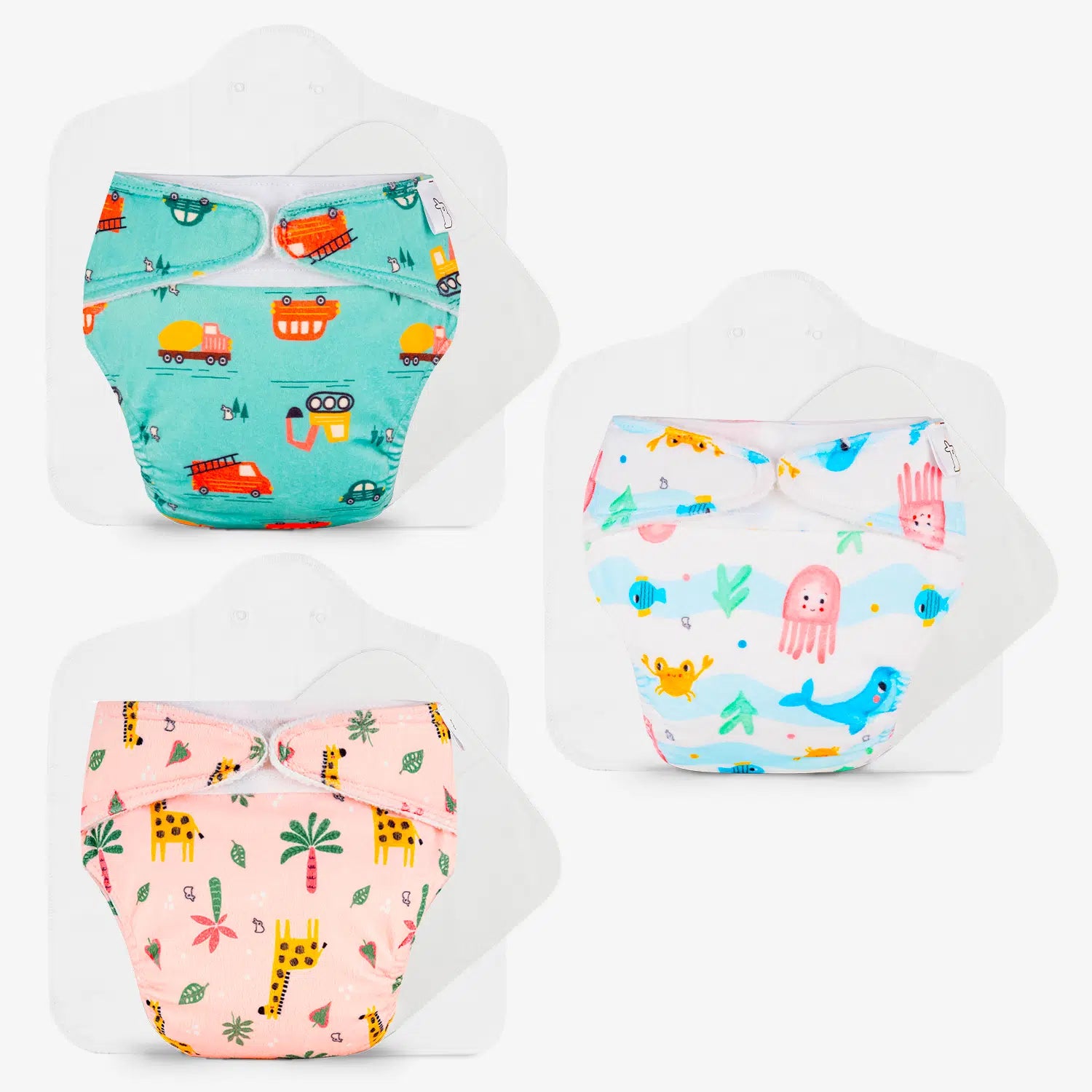
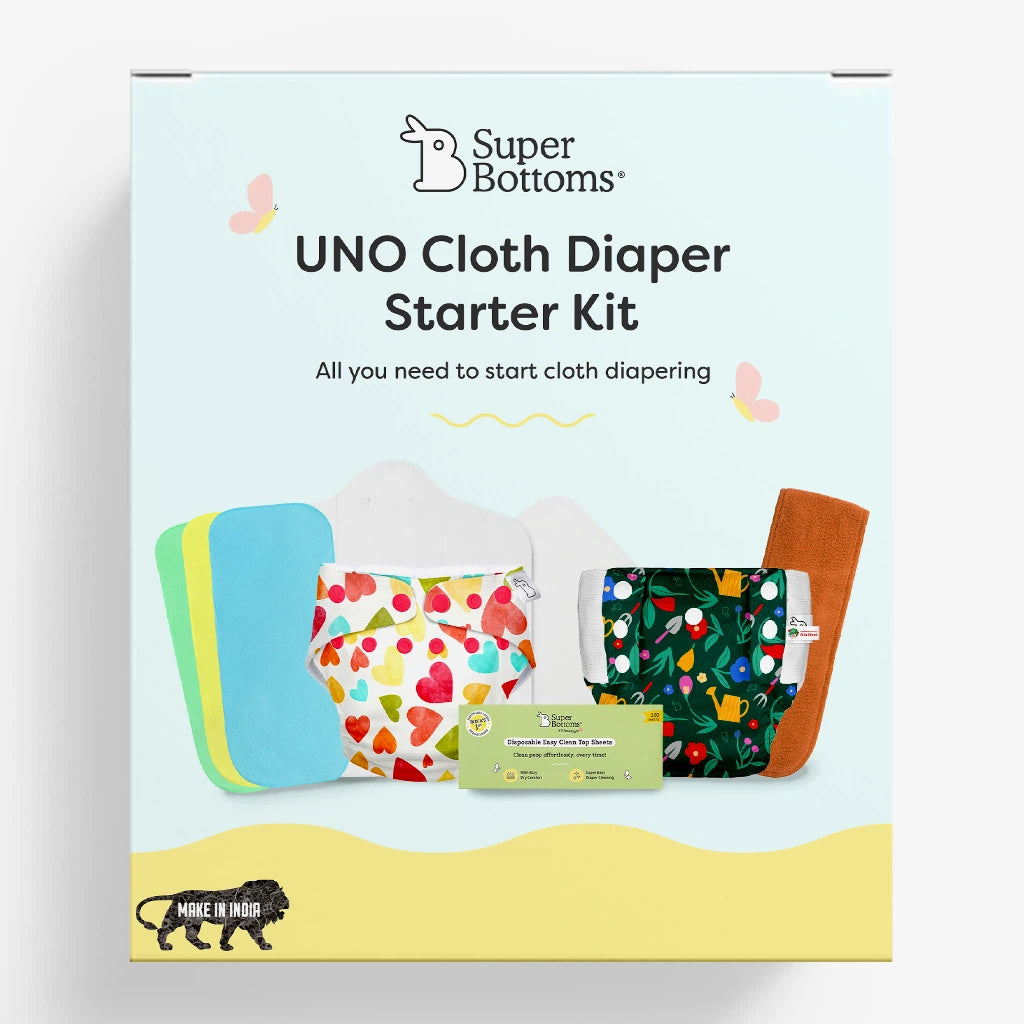
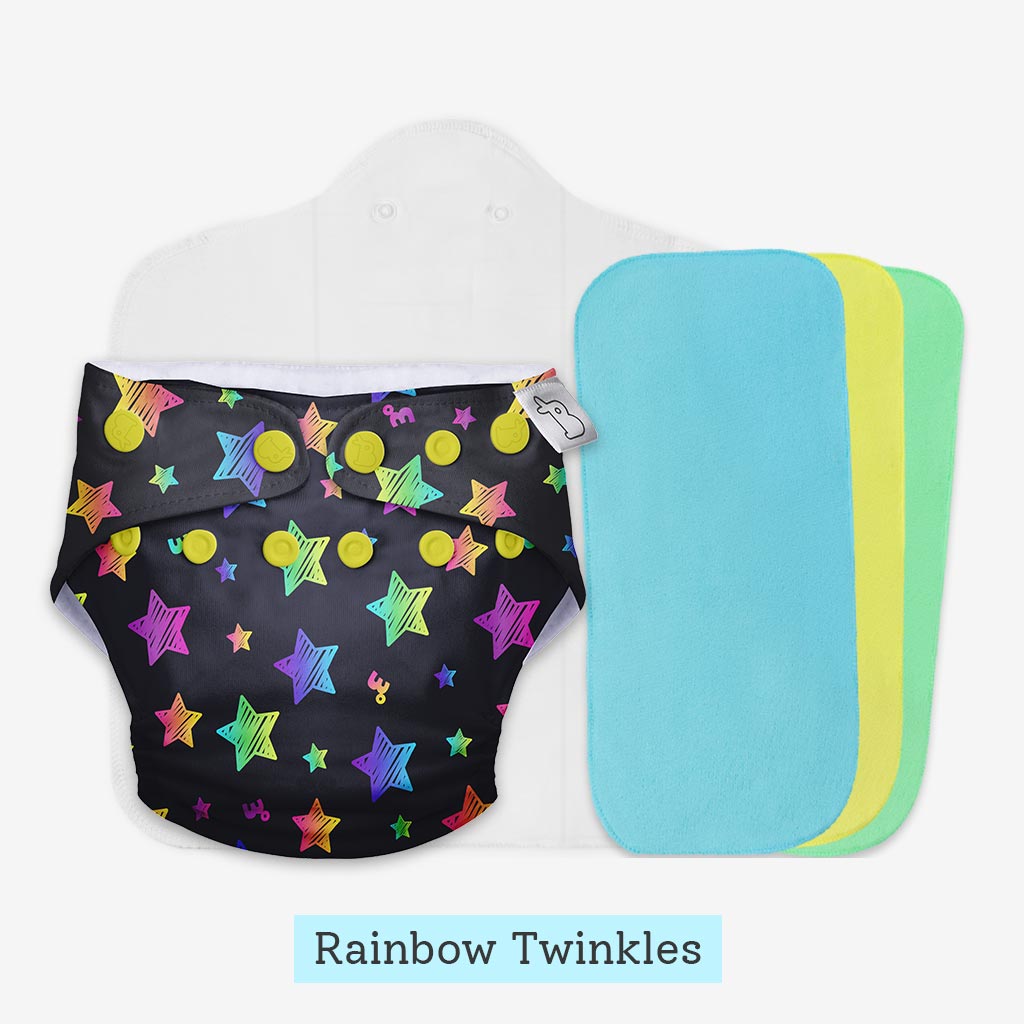
Freesize UNO Cloth Diaper — designed to solve the biggest concerns parents have: adjustable fit, reusable convenience, high absorbency, and long-term affordability.
Which Type Works Best for Different Situations?
Different families have different needs.
| Situation | What Works Best | Why |
|---|---|---|
| Newborn phase | Cloth diapers for newborns or mixed use | Helps parents adjust gradually |
| Daytime use | Reusable cloth diapers | Cost-effective and breathable |
| Heavy wetters | Cloth diapers with boosters | Improved absorbency |
| Travel days | Mixed approach | Added convenience |
| Multiple children | Durable reusable systems | Maximum return on investment |
Cloth vs Disposable Diapers: A Fair Comparison
| Criteria | Disposable Diapers | Basic Cloth Diapers | SuperBottoms UNO |
|---|---|---|---|
| Upfront Cost | Low | Moderate | Moderate |
| Long-Term Cost | High | Low | Low |
| Reusability | No | Yes | Yes |
| Skin-Friendly Materials | Varies | Cotton-based | Organic cotton lining |
| Leak Protection | Good | Depends on quality | Multi-layer absorbency |
| Adjustable Sizing | Limited | Varies | Yes |
| Environmental Impact | High waste | Lower | Lower |
| Value Over 2+ Years | Expensive | Cost-saving | Cost-saving with durability |
This comparison shows why cloth vs disposable diapers cost discussions increasingly favour reusable systems for long-term planning.
Expert Answer
The cheapest diaper isn't always the one with the lowest purchase price.
True value comes from balancing absorbency, comfort, durability, ease of use, and the number of times a product can be reused.
Conclusion: Are Cloth Diapers Worth the Investment?
If your concern is rising diaper expenses, modern cloth diapers offer a practical solution.
They reduce recurring purchases, provide long-term value, and support parents looking for reusable alternatives that work in everyday life.
For families seeking a balance between affordability, convenience, and comfort, choosing a durable reusable system can make diapering more economical over time.
Solution-Oriented Recommendation
If you're looking for a way to lower diapering costs without compromising your baby's comfort, a well-designed reusable cloth diaper system can be worth considering.
Find the right fit → Shop SuperBottoms UNO.
|
Limited Time Offers + Special Gift Sets! Now or never Super SALE is live on the SuperBottoms website! Take advantage of unbeatable value deals on our UNO Cloth Diapers, Baby Essentials, and more. Looking for the perfect present for a newborn or a toddler? Explore our thoughtfully curated Gift Sets & Combos - safe, skin-friendly, and oh-so-cute! A bundle of love for little ones and a delight for parents. HURRY - Deals and Gift Packs are live only till stocks last. Don’t miss the chance to stock up and share the joy! |
Key Takeaways
- Cloth diapering cost is typically lower over a baby's full diapering journey.
- Reusable cloth nappies spread their cost across hundreds of uses.
- Choosing based on absorbency, skin safety, ease, and value leads to better long-term satisfaction.
FAQs
1. Do cloth diapers save money?
Yes. Most families spend less overall when using reusable diapers consistently over two to three years.
2. Is cloth diapering cheaper in India?
Generally, yes. Home washing and repeated reuse significantly reduce diaper expenses.
3. Are cloth diapers suitable for newborns?
Yes. Many cloth diapers for newborns are designed specifically for smaller babies, while others offer adjustable sizing.
4. How many reusable cloth diapers do I need?
Most families use approximately 12–15 diapers for full-time cloth diapering.
5. Are washable diapers difficult to maintain?
Not usually. Once parents establish a washing routine every two to three days, maintenance becomes manageable.
6. Which option is better for heavy wetters?
Reusable diapers paired with booster inserts often improve absorbency for naps and overnight use.
7. Is SuperBottoms worth the price?
Parents looking at long-term value often find that products designed for repeated use and adjustable sizing provide a better cost-per-use than single-use alternatives.
8. Where can I buy reusable cloth diapers in India?
Reusable cloth diapers are available through brand websites, online marketplaces, and selected baby retailers across India.
Hi there, new parents! SuperBottoms brings you doctor-recommended cloth diapers — the best rash-free diapering solution for your baby's sensitive and delicate skin. Unlike disposable diapers loaded with chemicals, our newborn cloth diapers, when used and washed properly, can help eliminate the risk of diaper rashes. SuperBottoms offers a wide range of safe, skin-friendly essentials for the whole family — including Reusable Cloth Diapers, Diaper Pants, DryFeel langots for diaper-free time, Padded Underwear for potty training, SuperSoft Underwear for everyday comfort, Joggers for playful days, and Period Underwear for women. Not just for everyday use, SuperBottoms products also make the best gifting choice for babies — thoughtful, eco-friendly, practical, and loved by parents. Now available on Amazon, Myntra, Flipkart, FirstCry, Zepto, Swiggy and Blinkit.