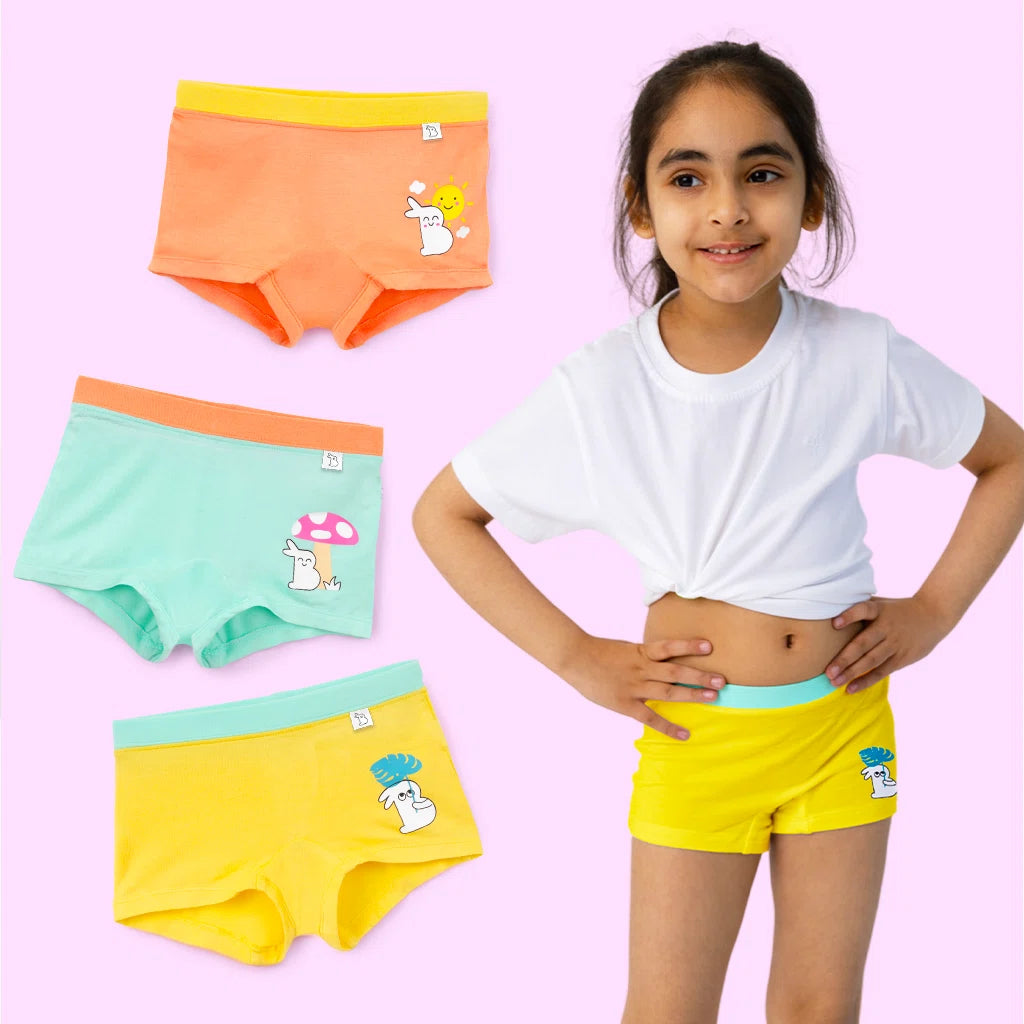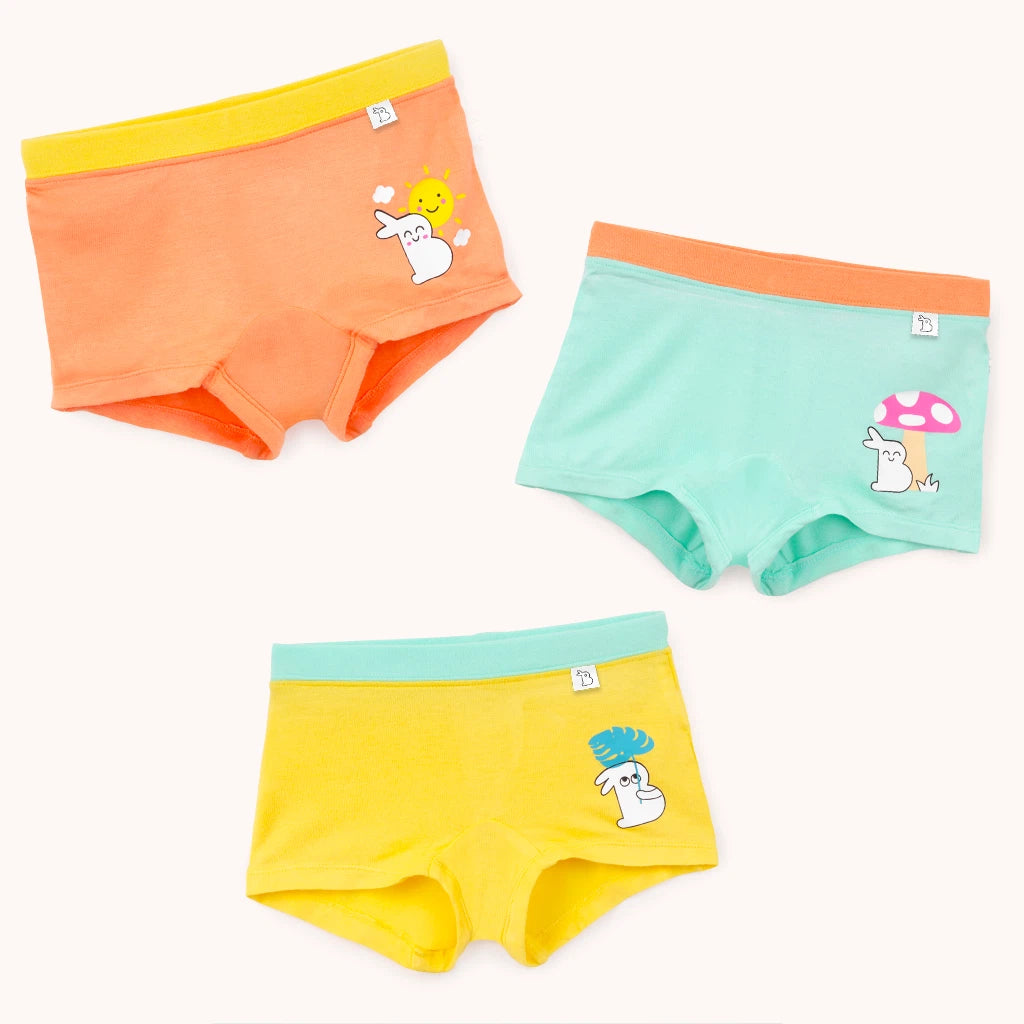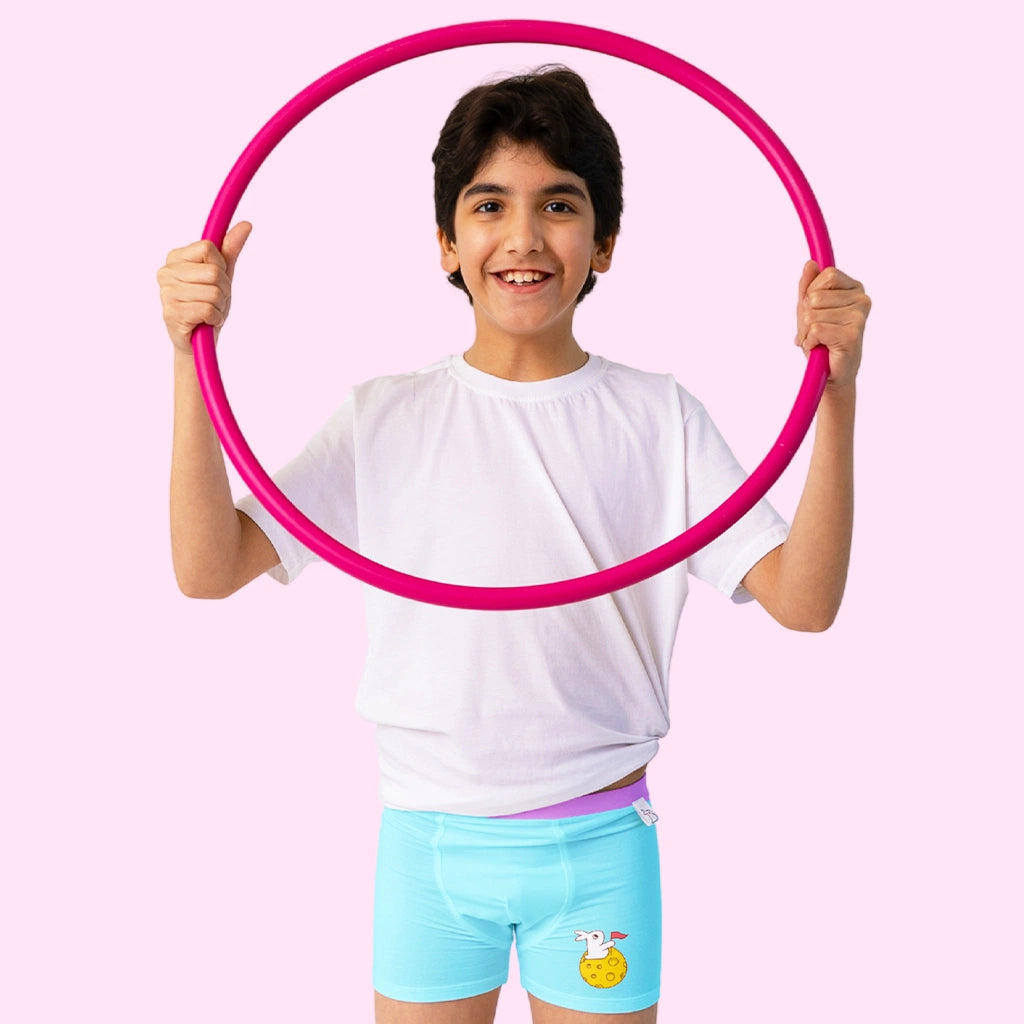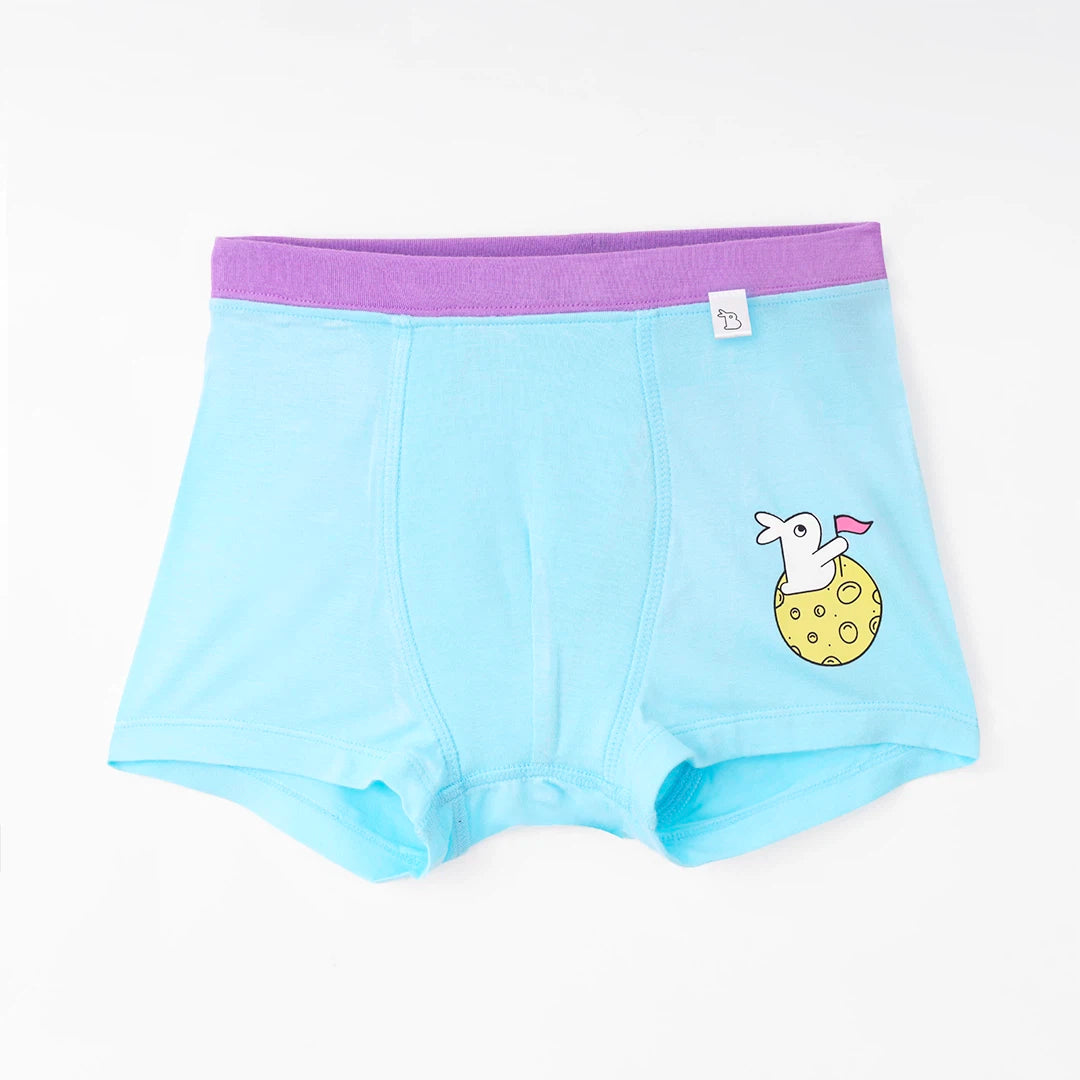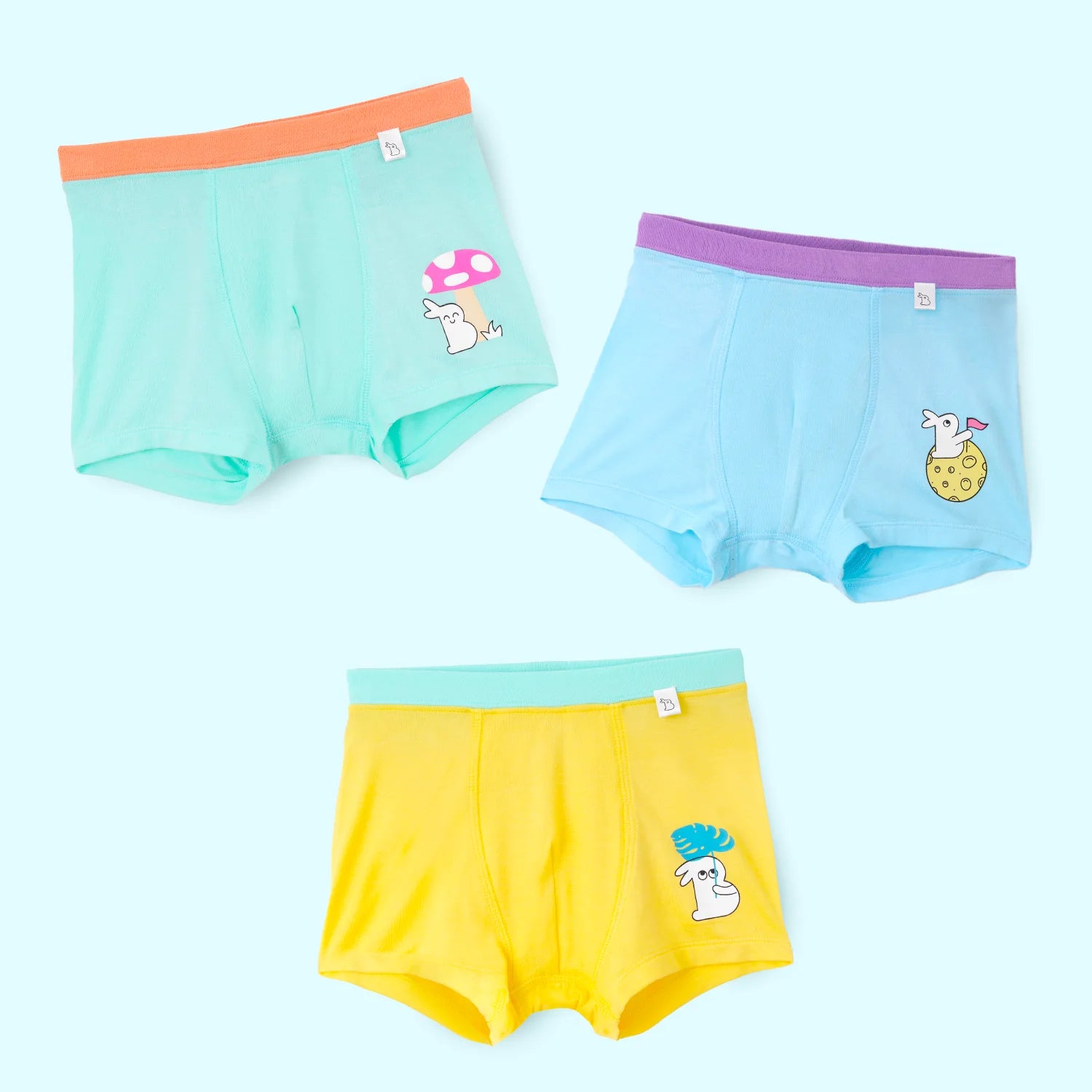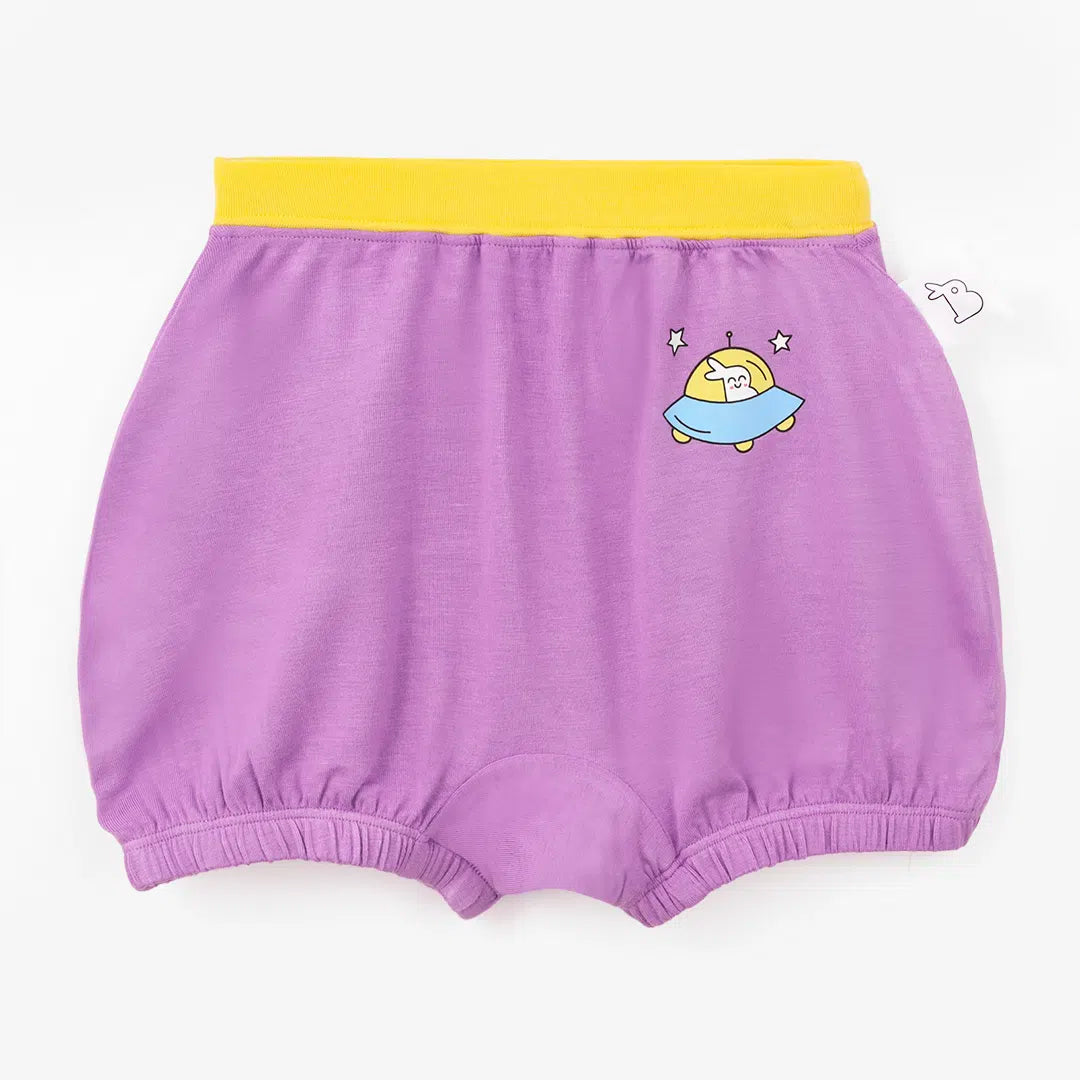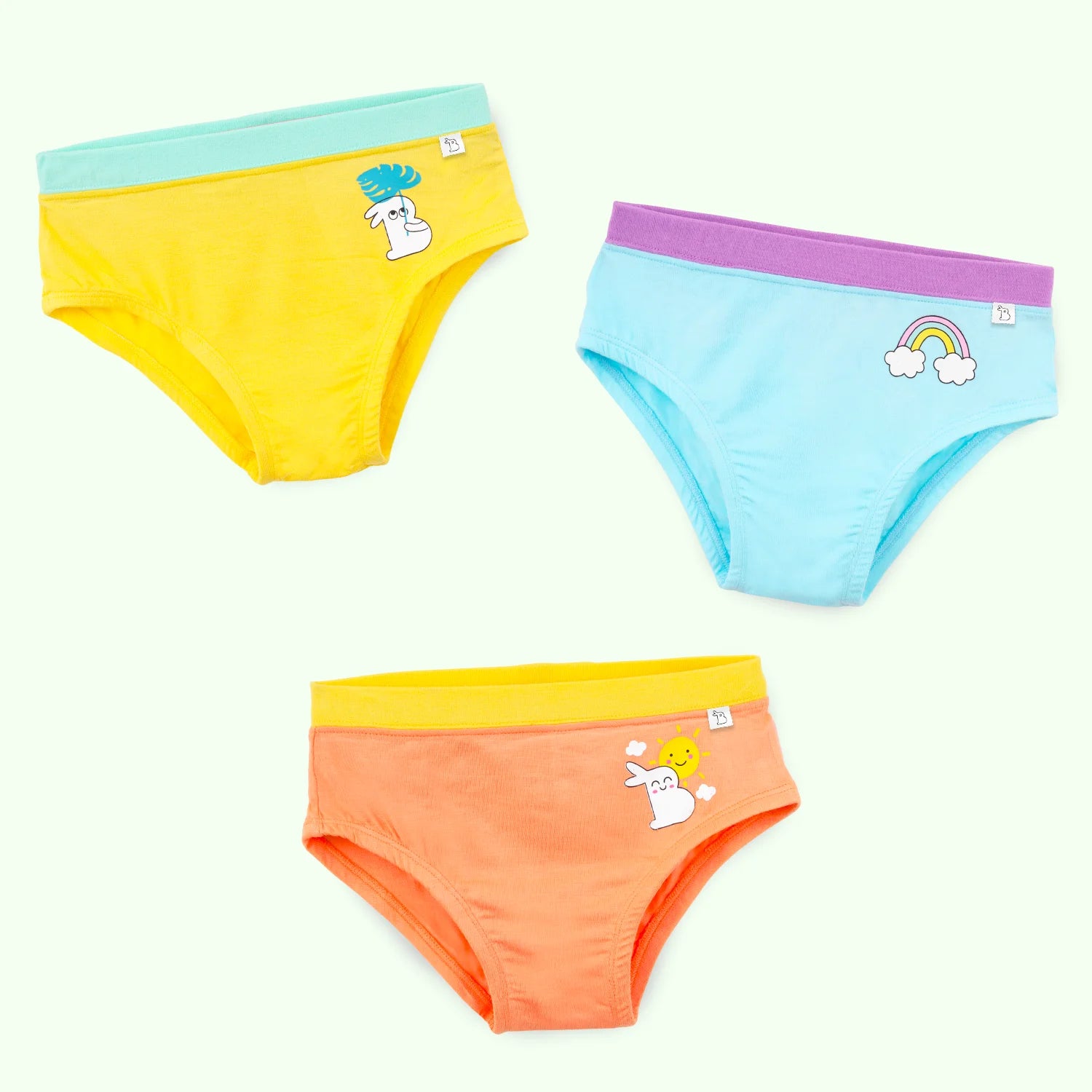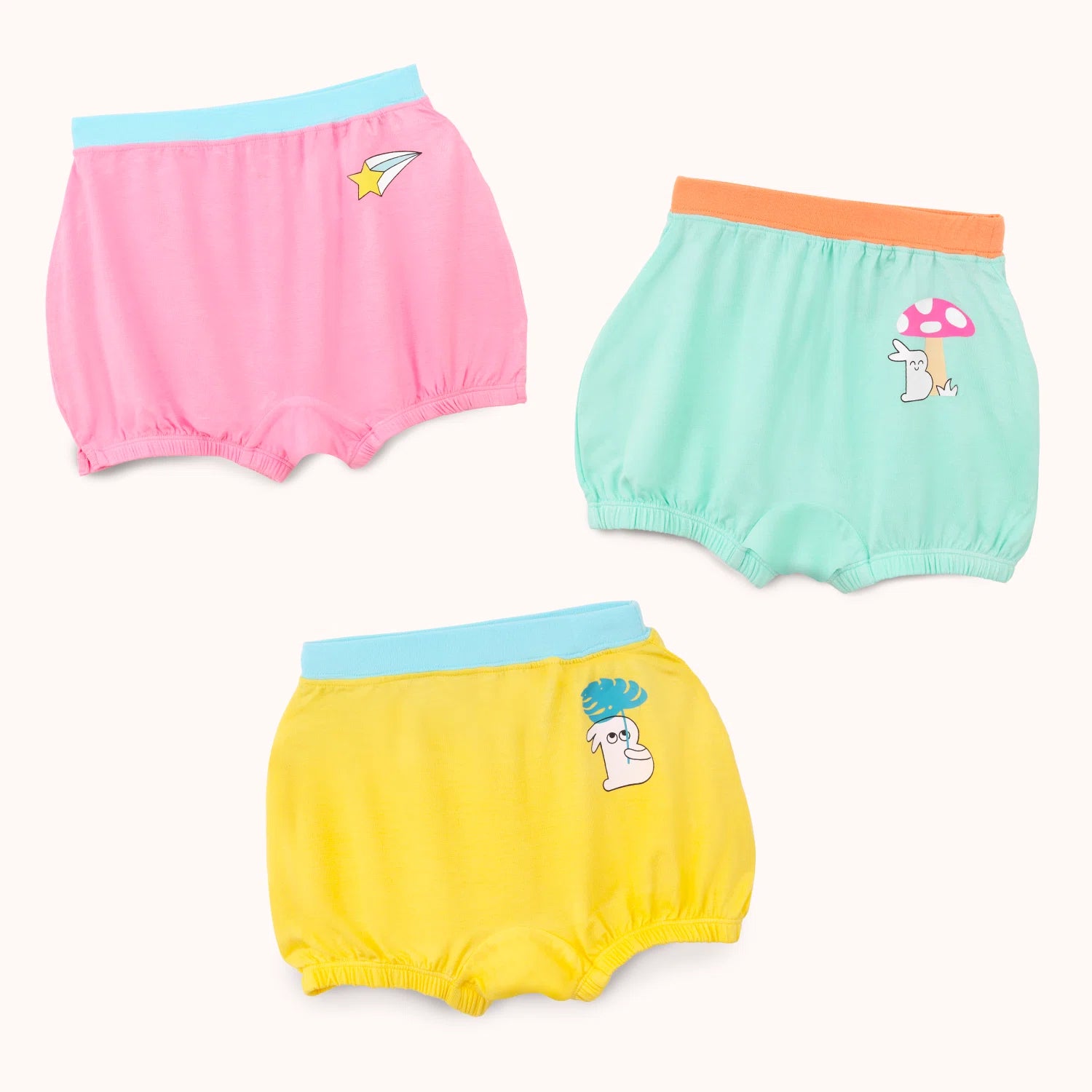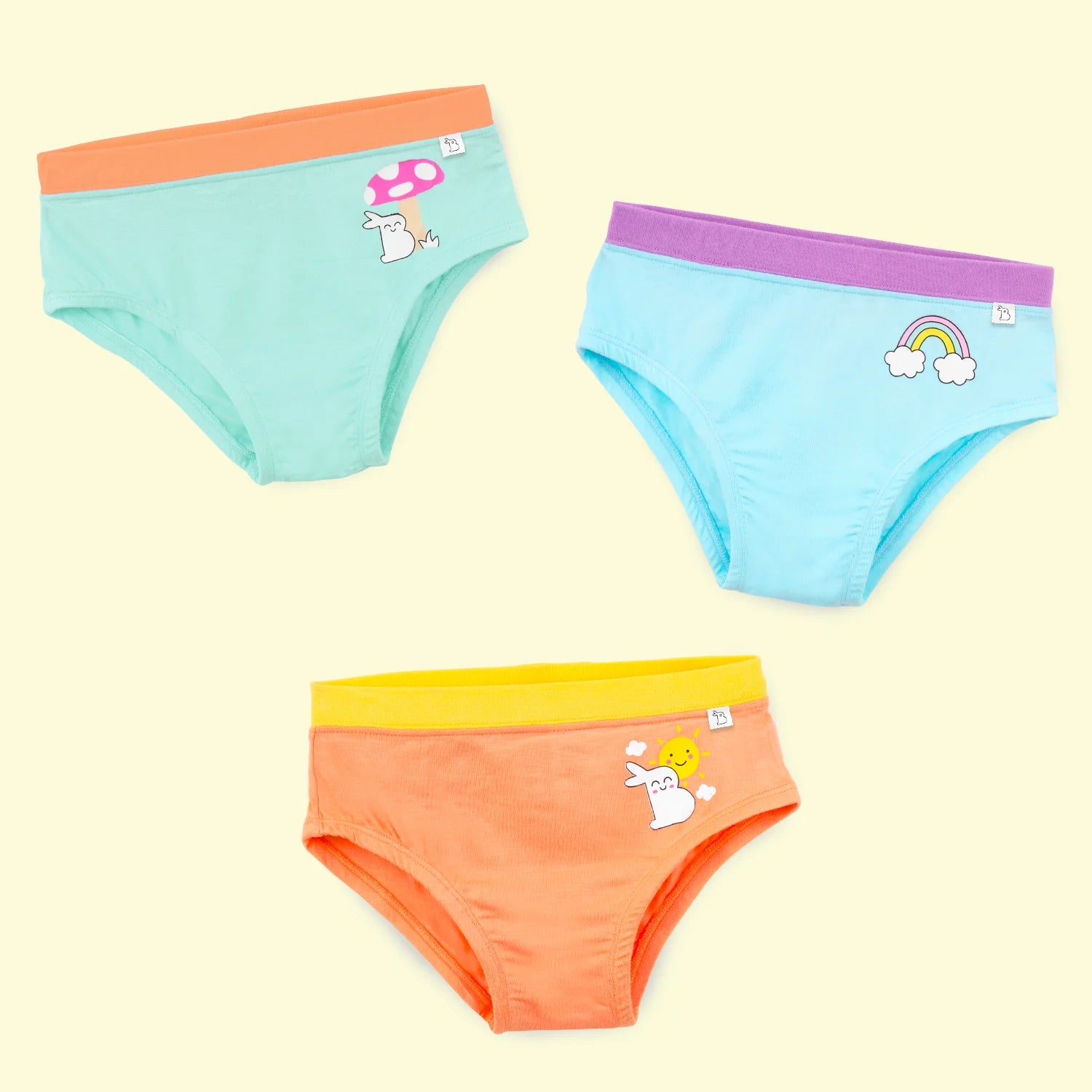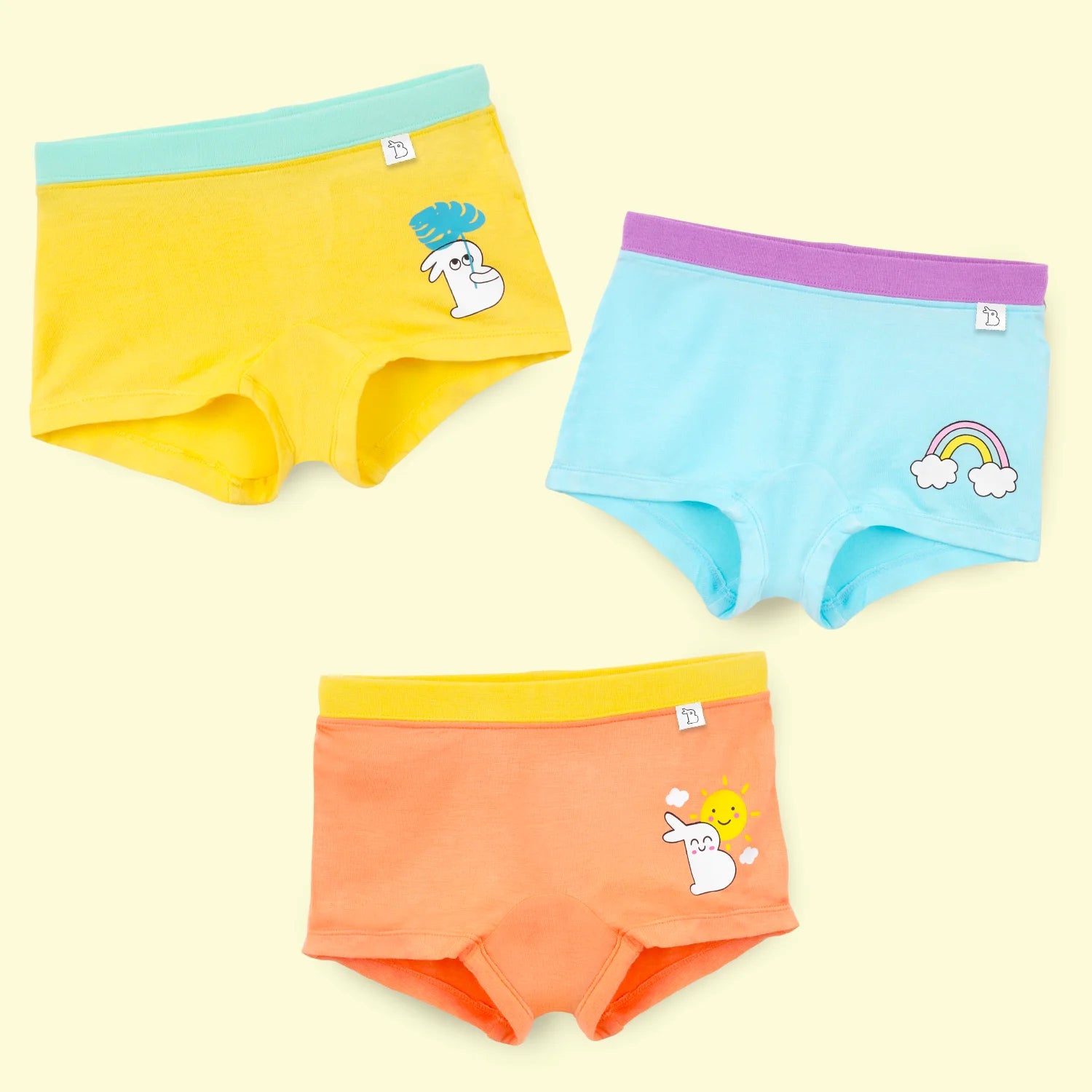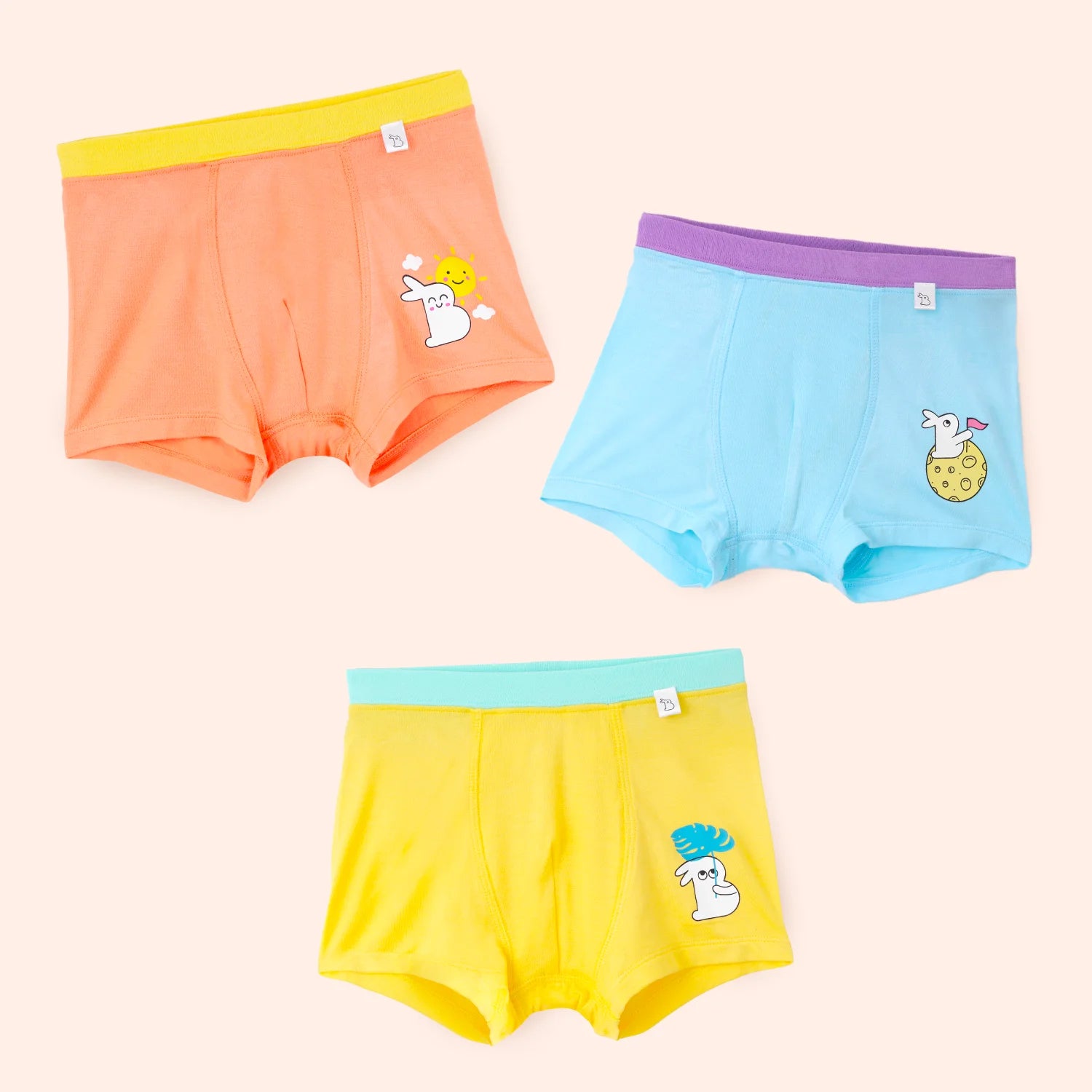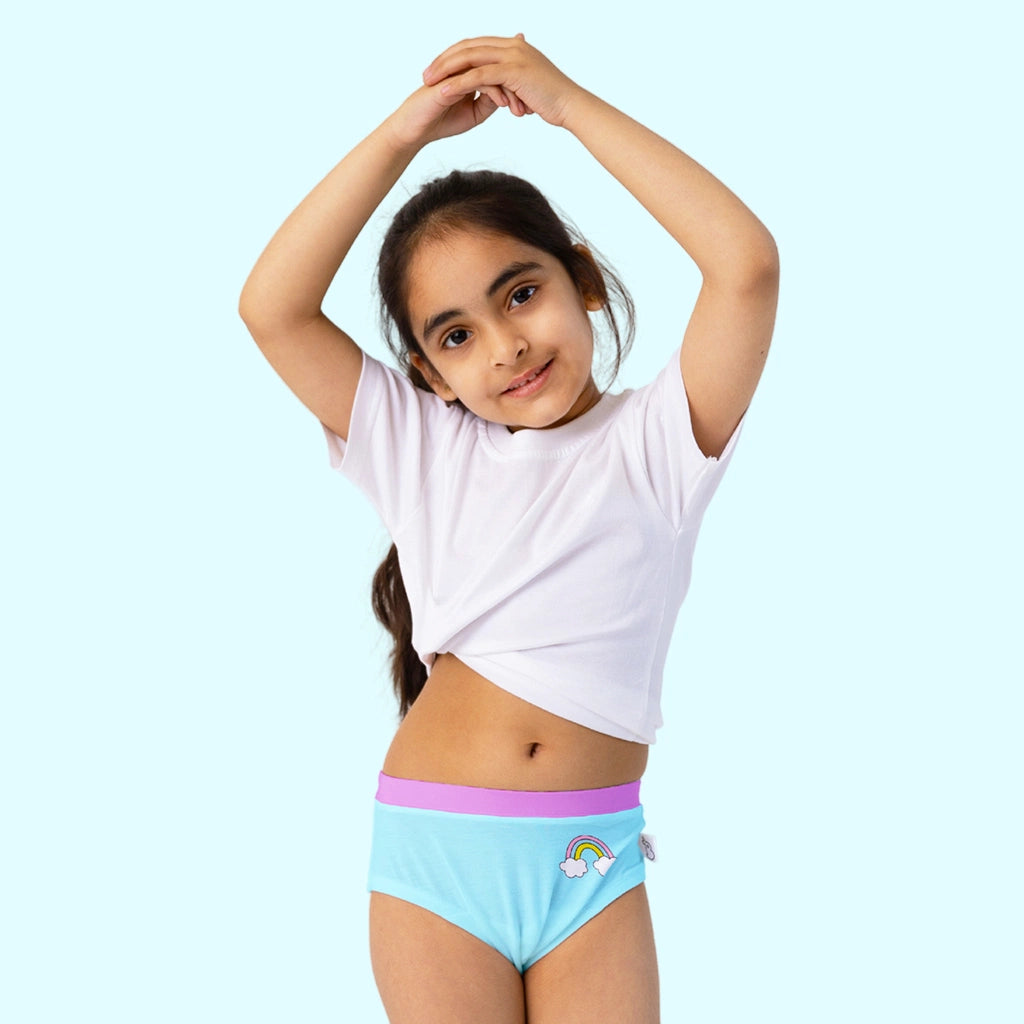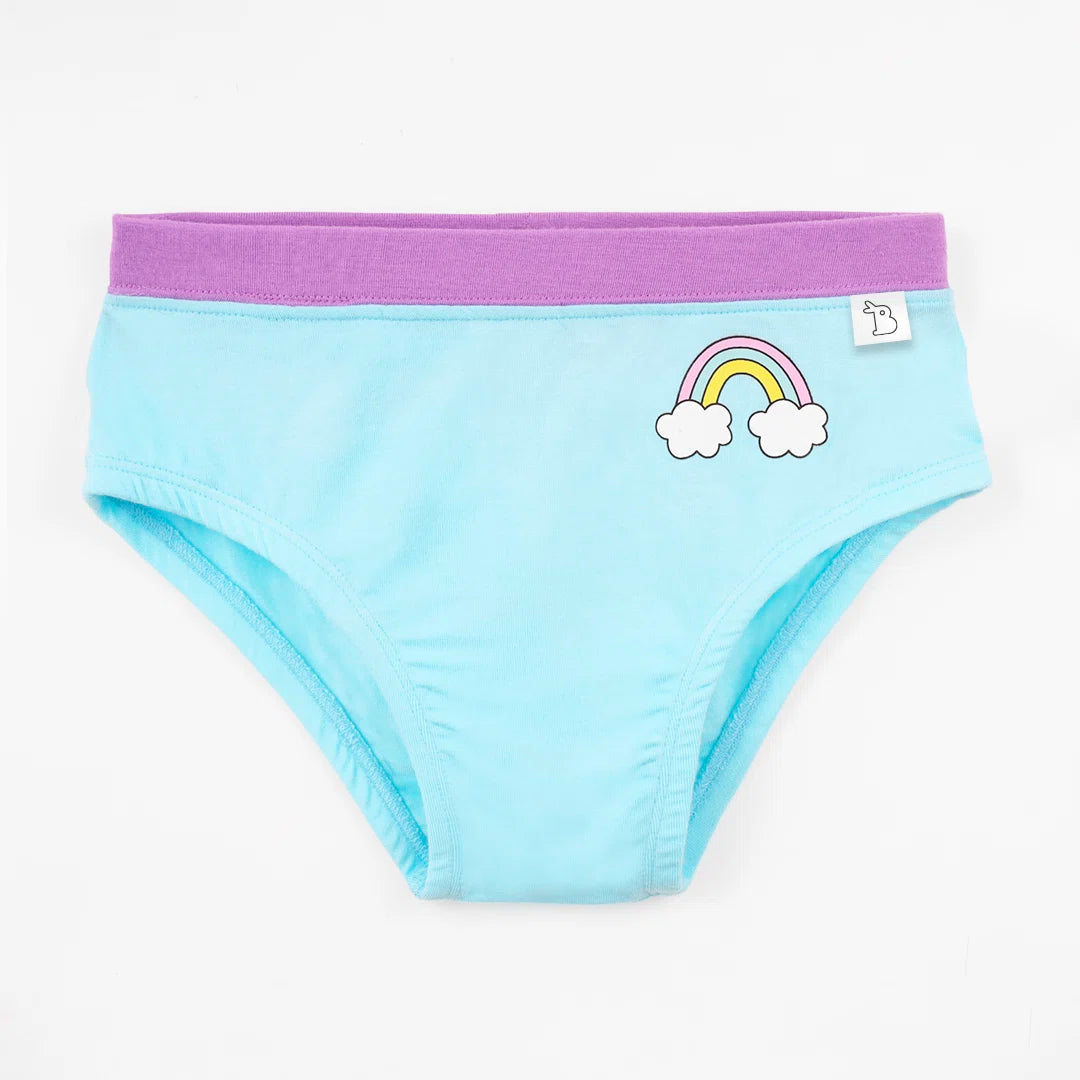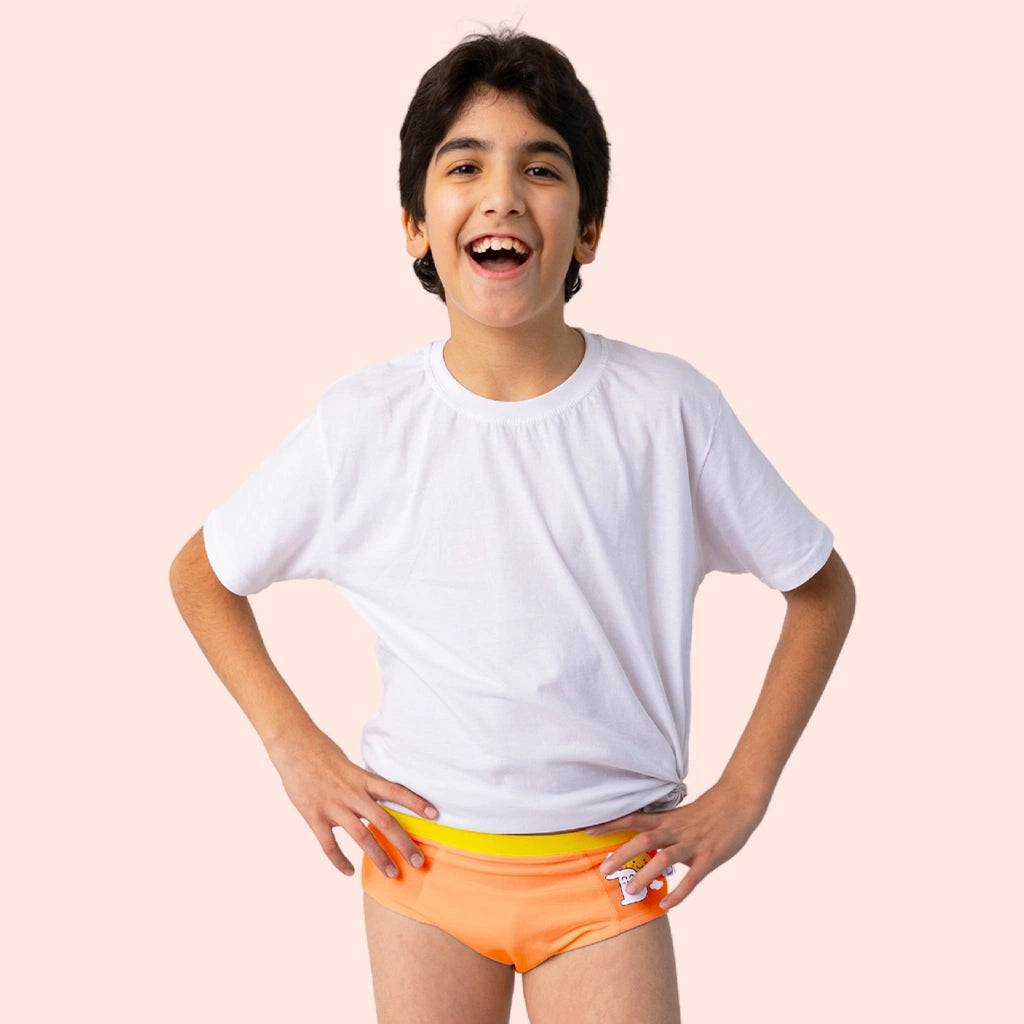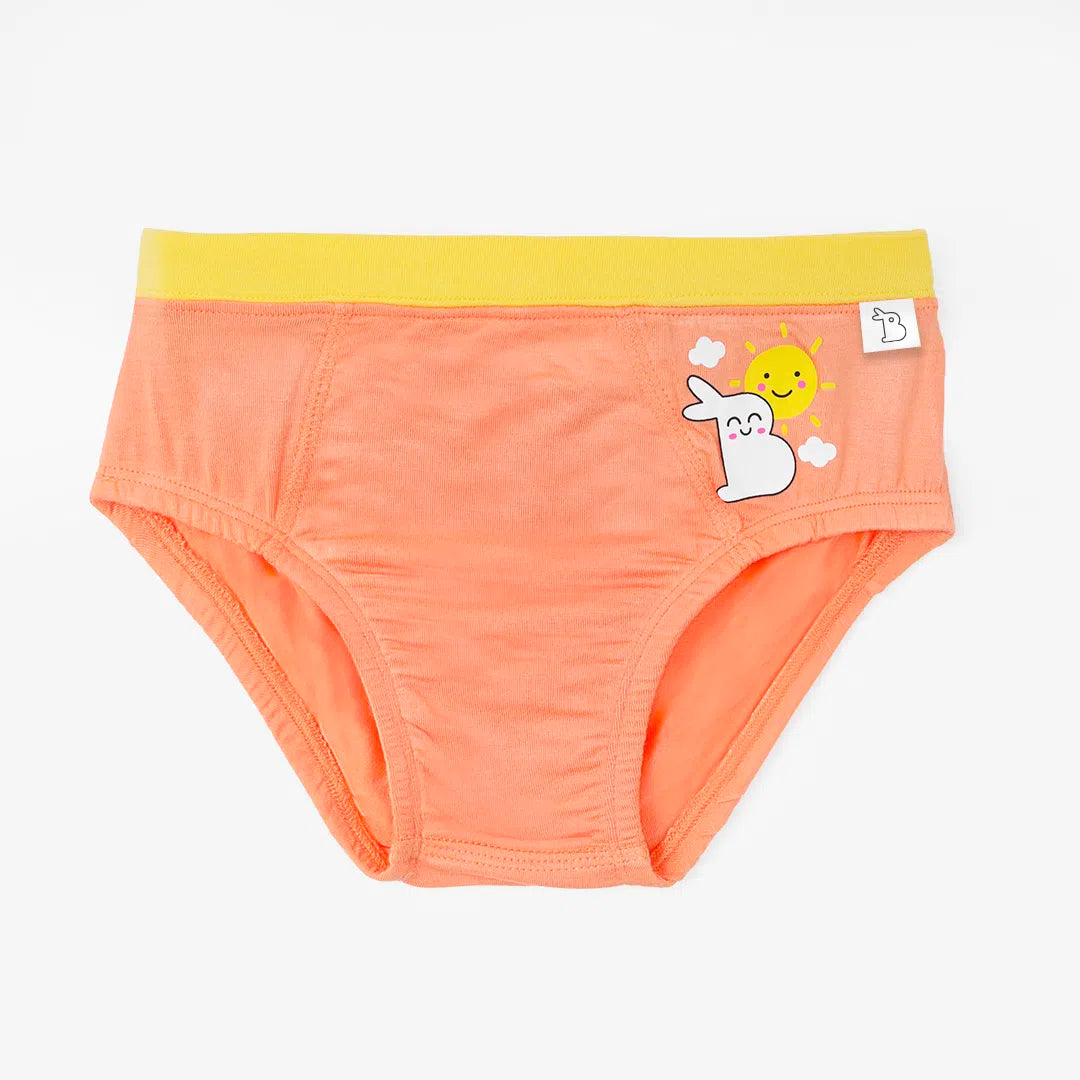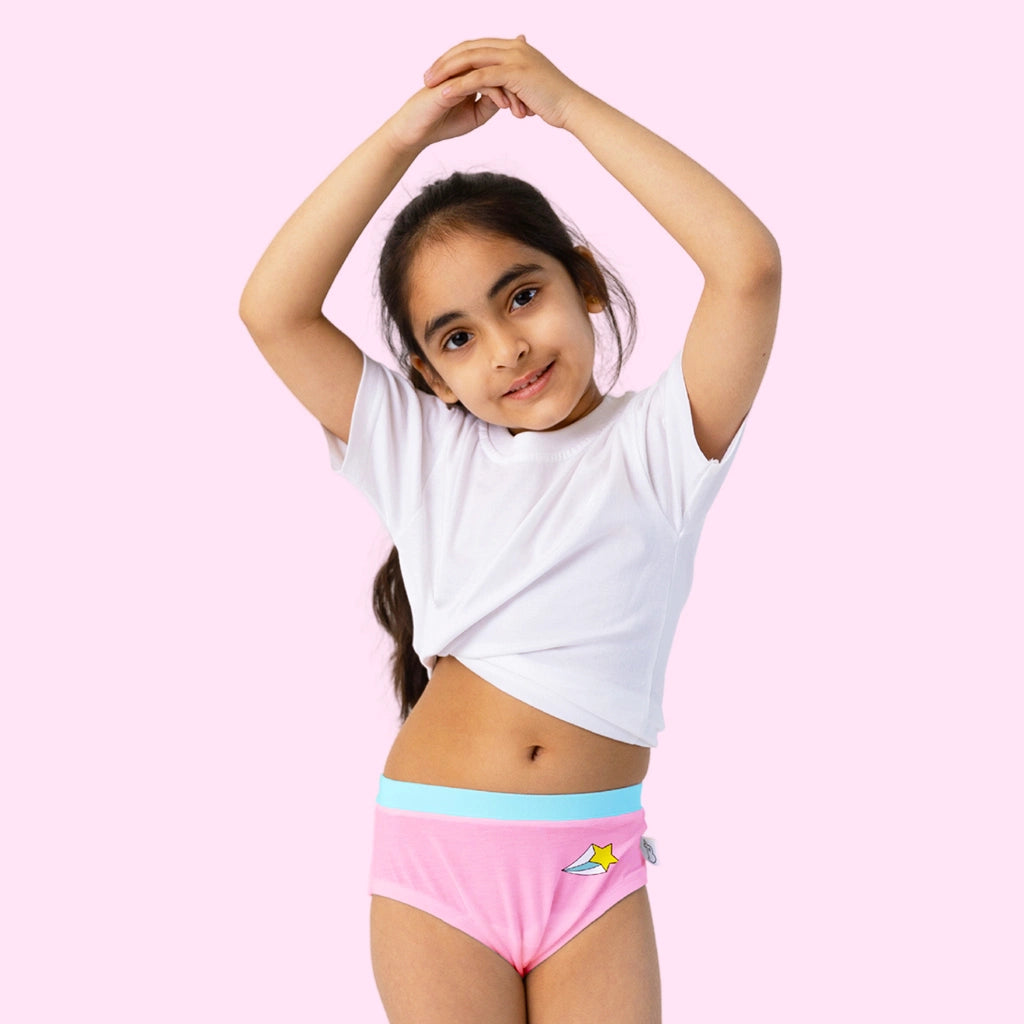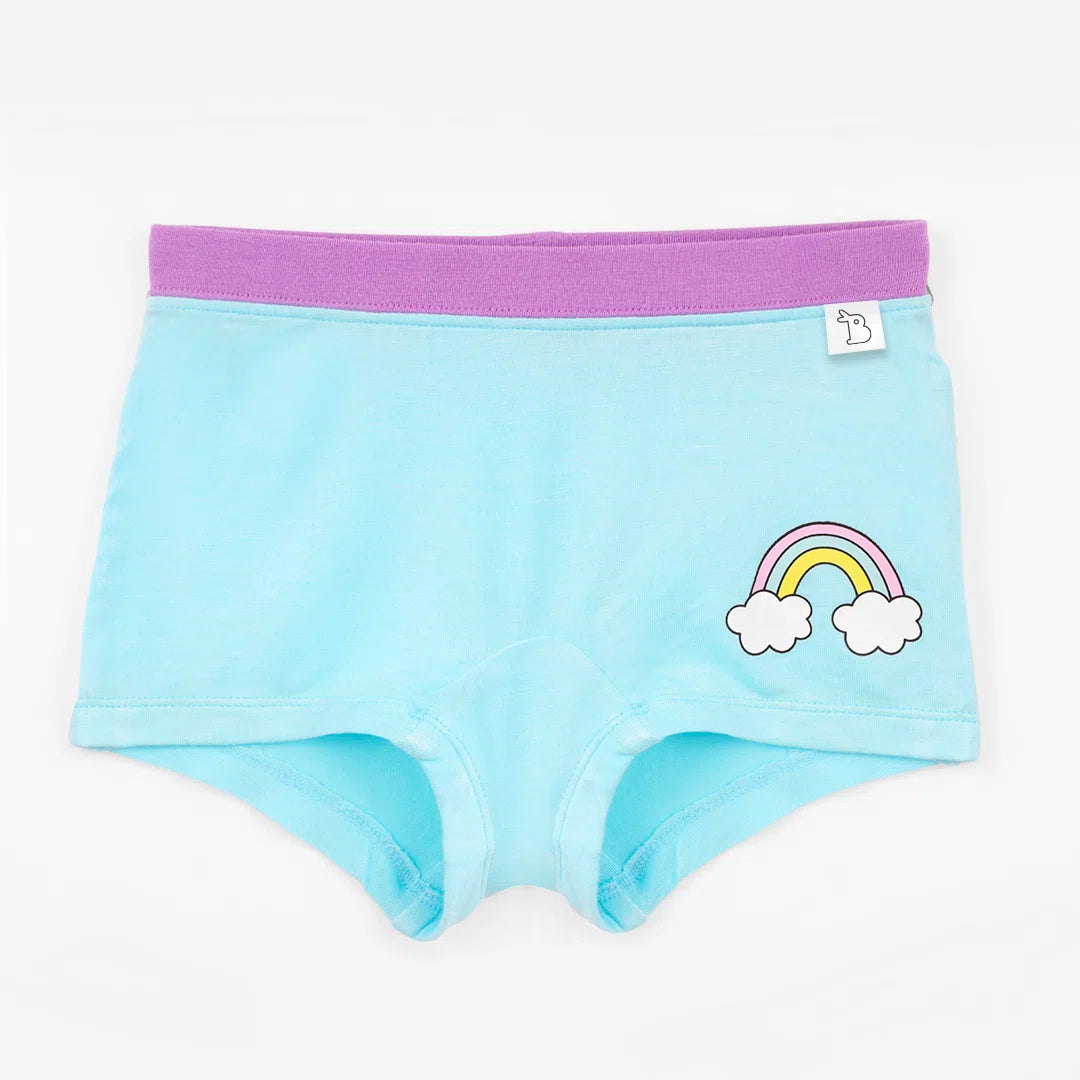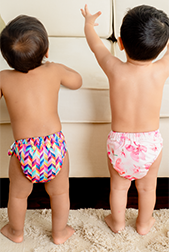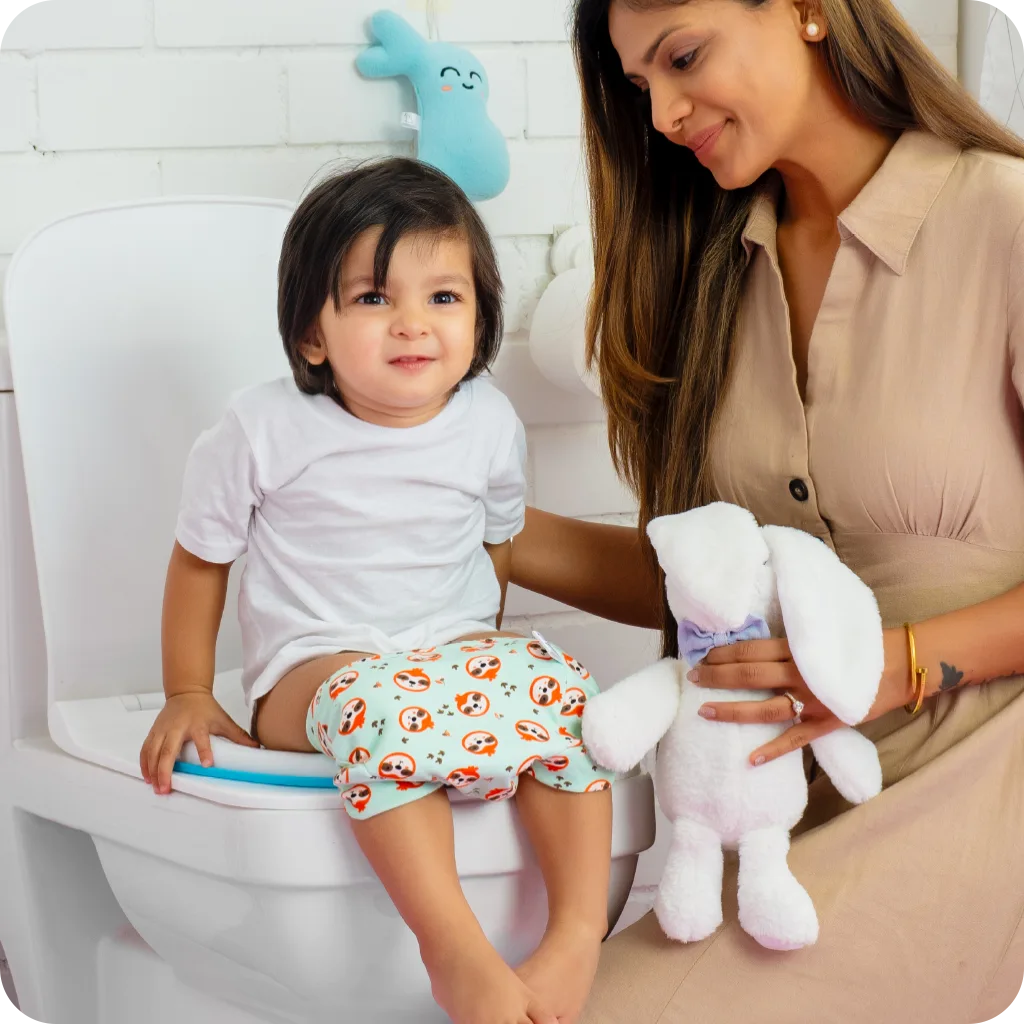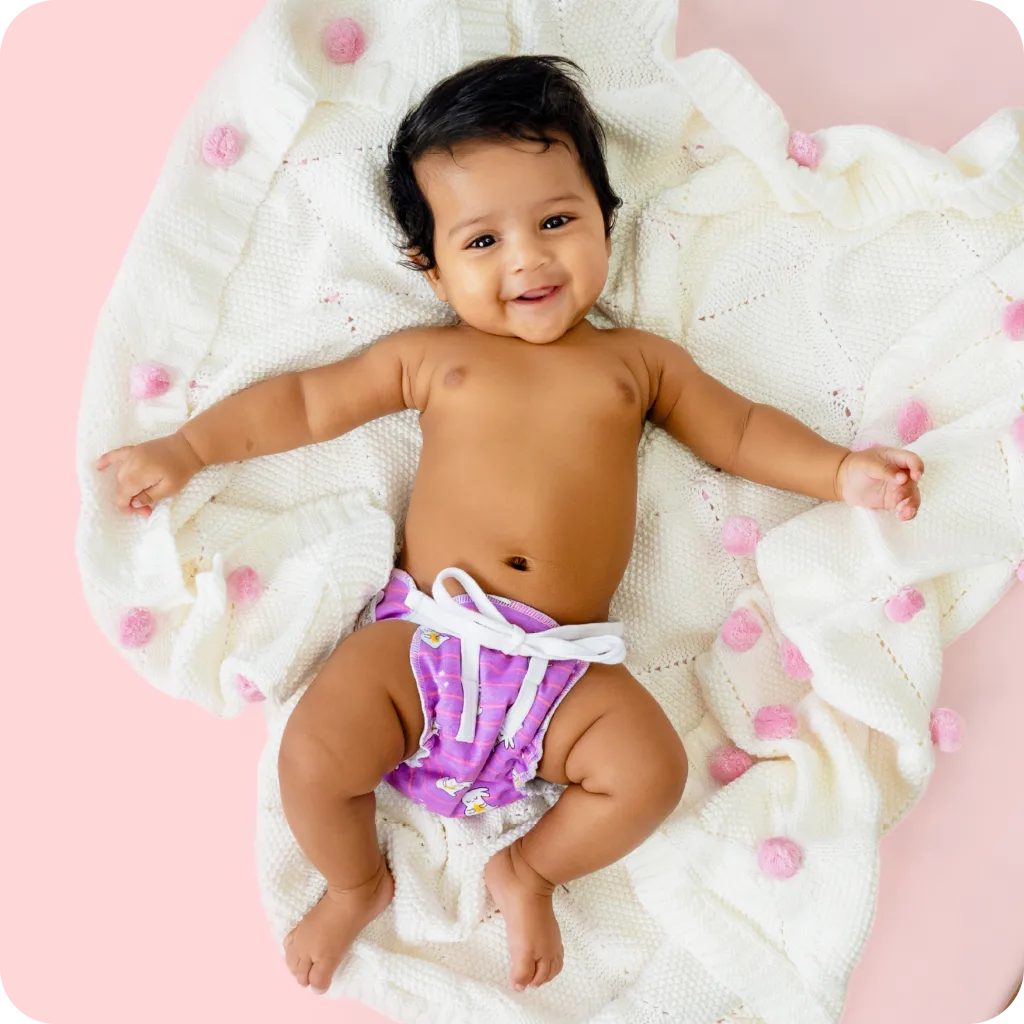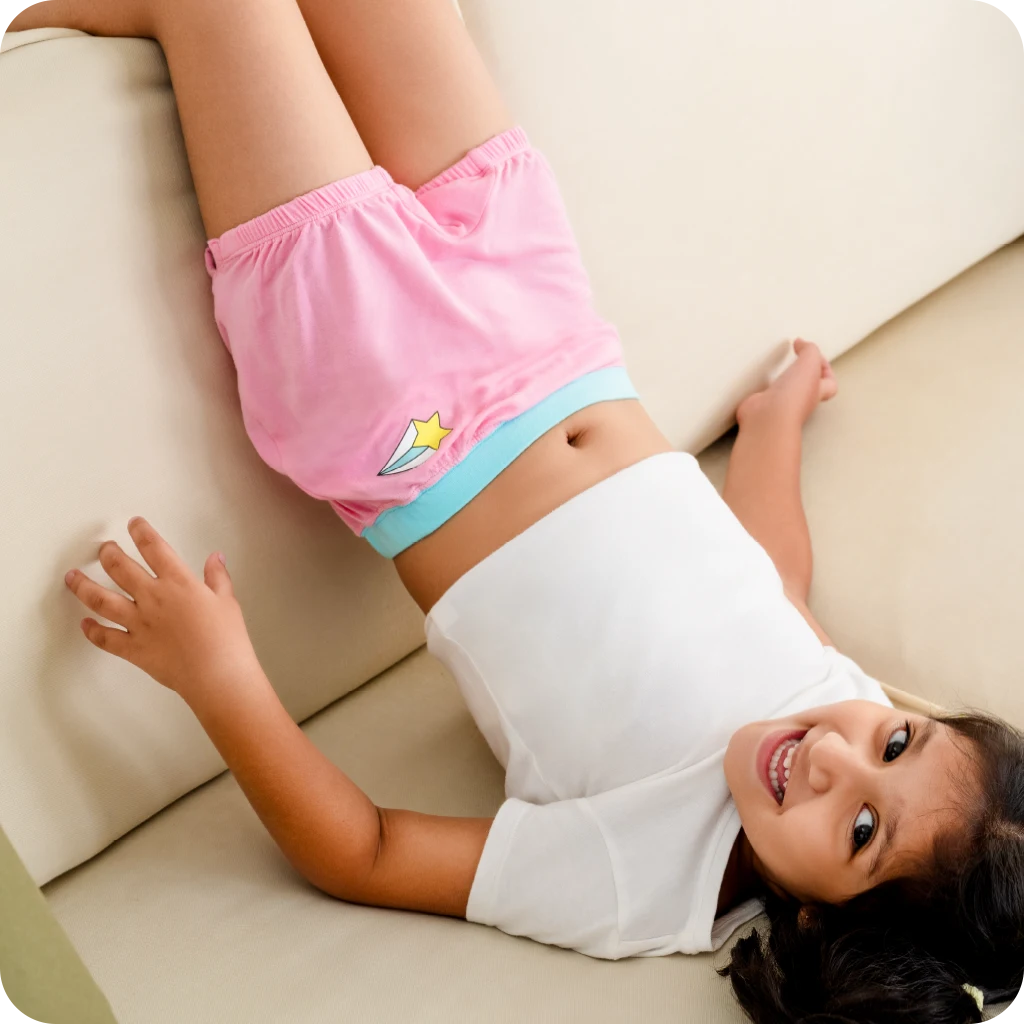







Moving from padded underwear to regular kids underwear can feel like a big milestone for both children and parents. Many families wonder when to stop using padded underwear, whether occasional accidents mean their child is not ready, and how to choose the right next step. The transition becomes easier when parents understand readiness signs, comfort needs, and practical backup options.
- Why Is the Transition from Padded Underwear to Regular Underwear Important?
- How Is Potty Training Underwear Different from Regular Kids Underwear?
- When Is Your Child Ready to Switch to Regular Underwear?
- What Should I Look for When Choosing Kids Underwear?
- Which Type Works Best for Different Situations?
- What Common Mistakes Do Parents Make During This Transition?
- Is It Worth Keeping Padded Underwear as Backup?
- Key Takeaways
- FAQs
- Message from SuperBottoms
Why Is the Transition from Padded Underwear to Regular Underwear Important?
Moving out of potty training underwear is more than just changing clothing—it's a developmental milestone. It signals growing independence, better bladder awareness, and increasing confidence in toilet habits.
That said, the transition should happen based on readiness, not pressure. Switching too early can frustrate children, while waiting too long may delay confidence-building.
Expert Answer
Pediatric experts generally recommend following readiness cues rather than strict age benchmarks. Every child develops toilet independence differently, and transitions work best when children feel emotionally and physically prepared.
How Is Potty Training Underwear Different from Regular Kids Underwear?
Potty training pants and regular baby underwear may look similar, but they serve different purposes. Understanding the difference helps parents make practical choices rather than switching based only on age.
Padded underwear is designed to handle small accidents while helping children notice wetness. Regular underwear offers comfort and independence but no accident protection.
| Feature | Potty Training Underwear | Regular Kids Underwear | SuperBottoms Padded Underwear |
|---|---|---|---|
| Light accident protection | Yes | No | Yes |
| Helps wetness awareness | Yes | Yes | Yes |
| Full diaper replacement | No | No | No |
| Everyday comfort | Good | Excellent | Good |
| Reusable | Yes | Yes | Yes |
| Best for transition stage | Yes | No | Yes |
What Parents Should Know
Training underwear is meant to support learning, not prevent all accidents. If your child still needs heavy absorbency, they may not be ready for a full underwear transition yet.
When Is Your Child Ready to Switch to Regular Underwear?
Children are usually ready when accidents become less frequent and they start recognizing toilet needs independently. The goal is confidence, not perfection.
A few occasional accidents are normal, but repeated accidents throughout the day may suggest your child still benefits from padded underwear.
Signs Your Child May Be Ready
- Staying dry for 2–3 hours regularly
- Communicating the need to use the toilet
- Pulling underwear up and down independently
- Showing discomfort with wetness
- Having fewer daytime accidents
- Showing excitement about "big kid" underwear
Real Parent Insight
Many parents find that the transition works best when children feel involved in the decision. Letting kids choose their new underwear often improves cooperation and confidence.
What Should I Look for When Choosing Kids Underwear?
Once your child is ready, the right underwear can make the transition smoother. Comfort issues can create resistance, even when potty readiness is otherwise strong.
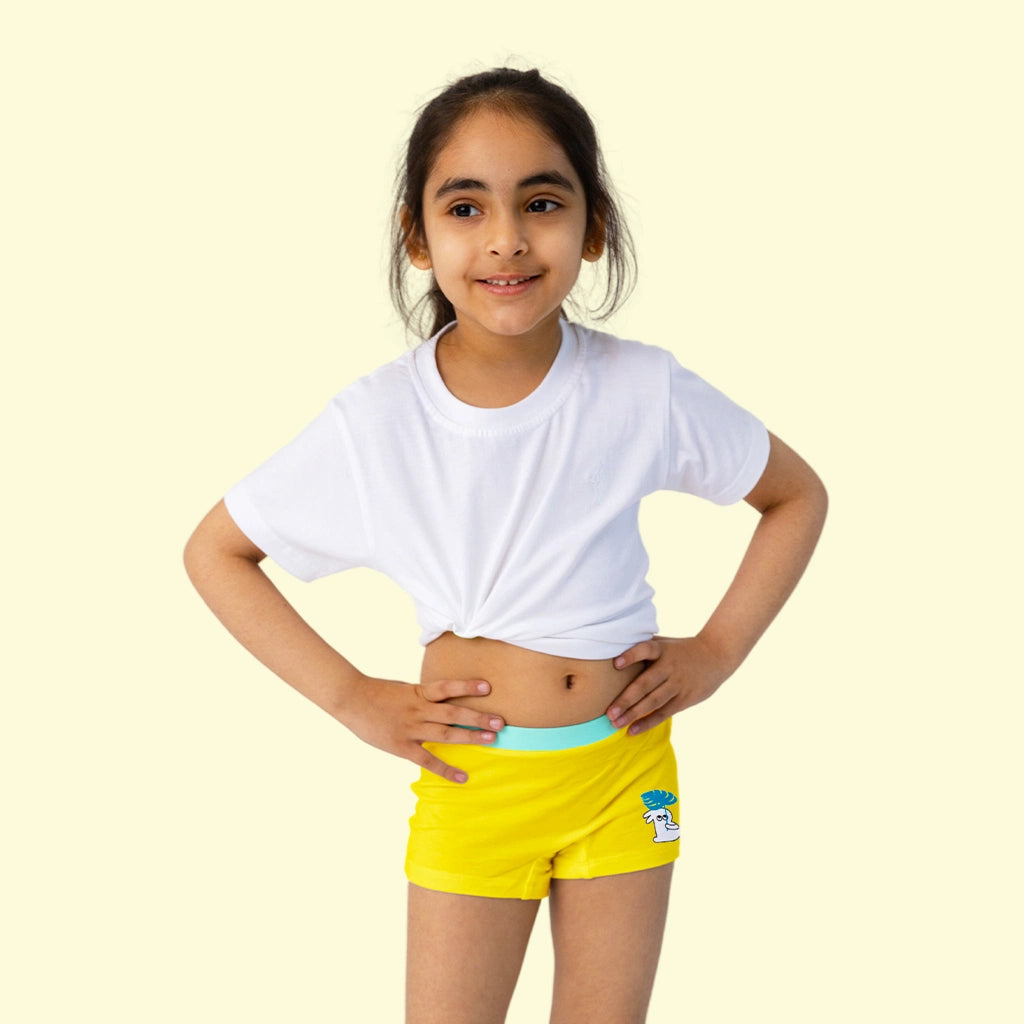
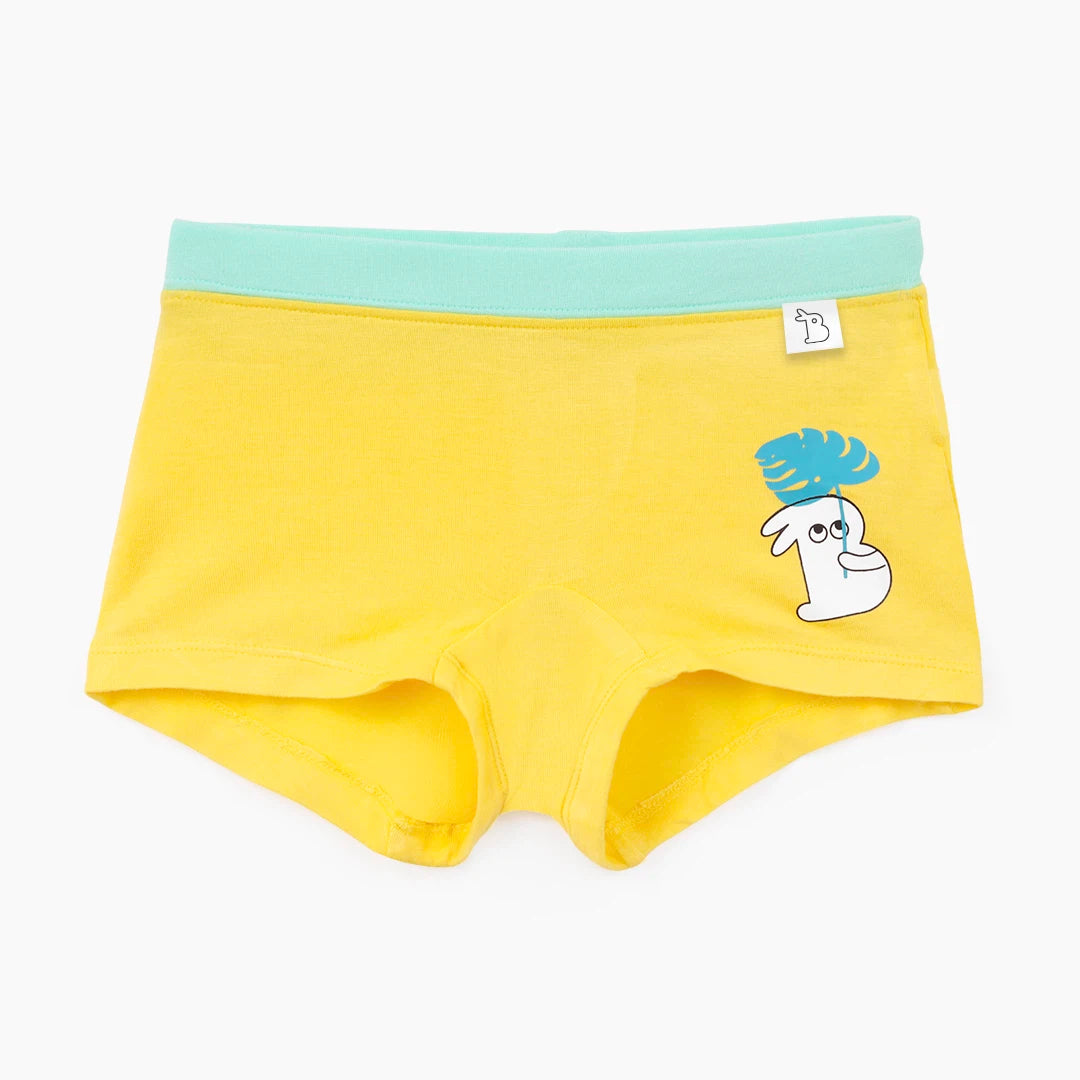
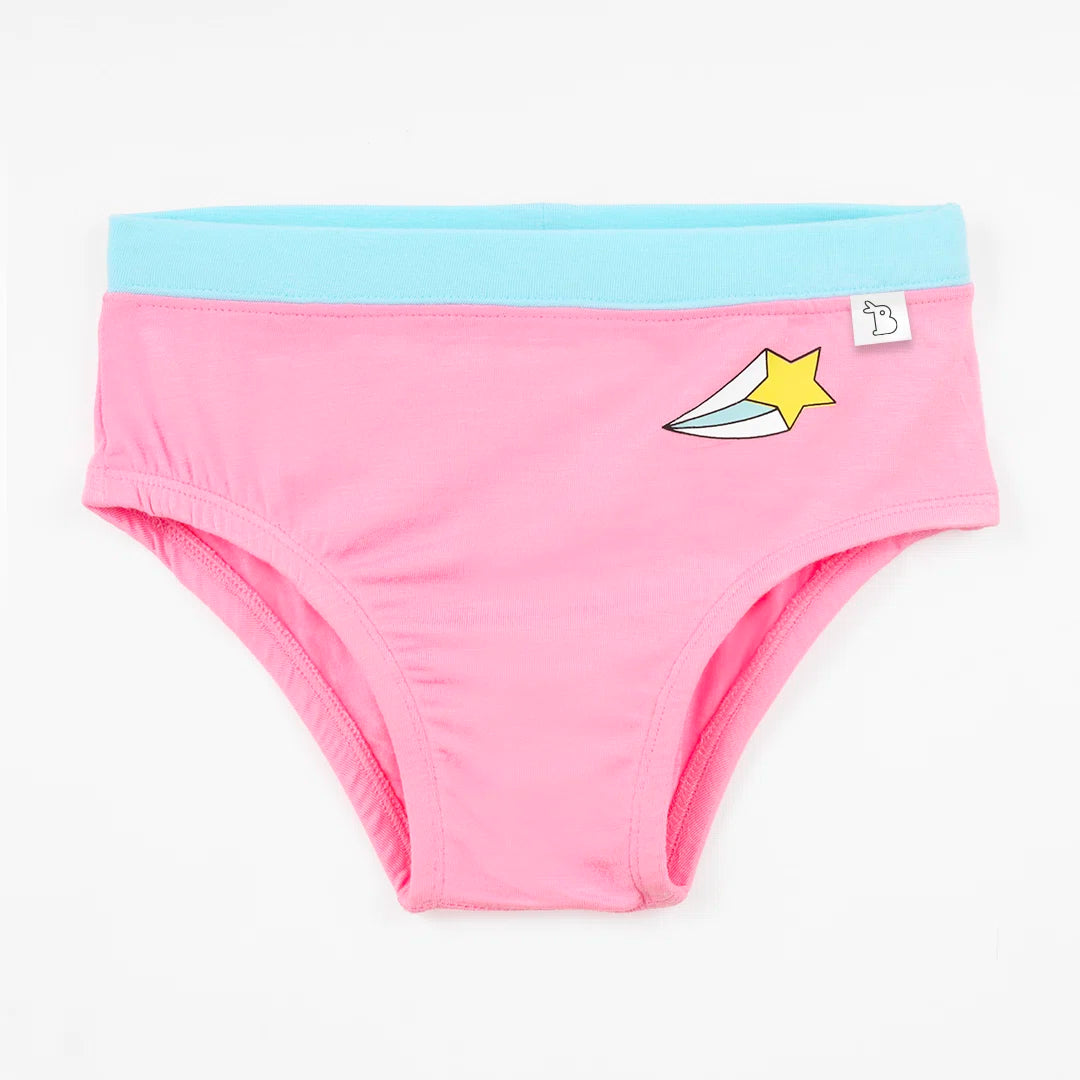
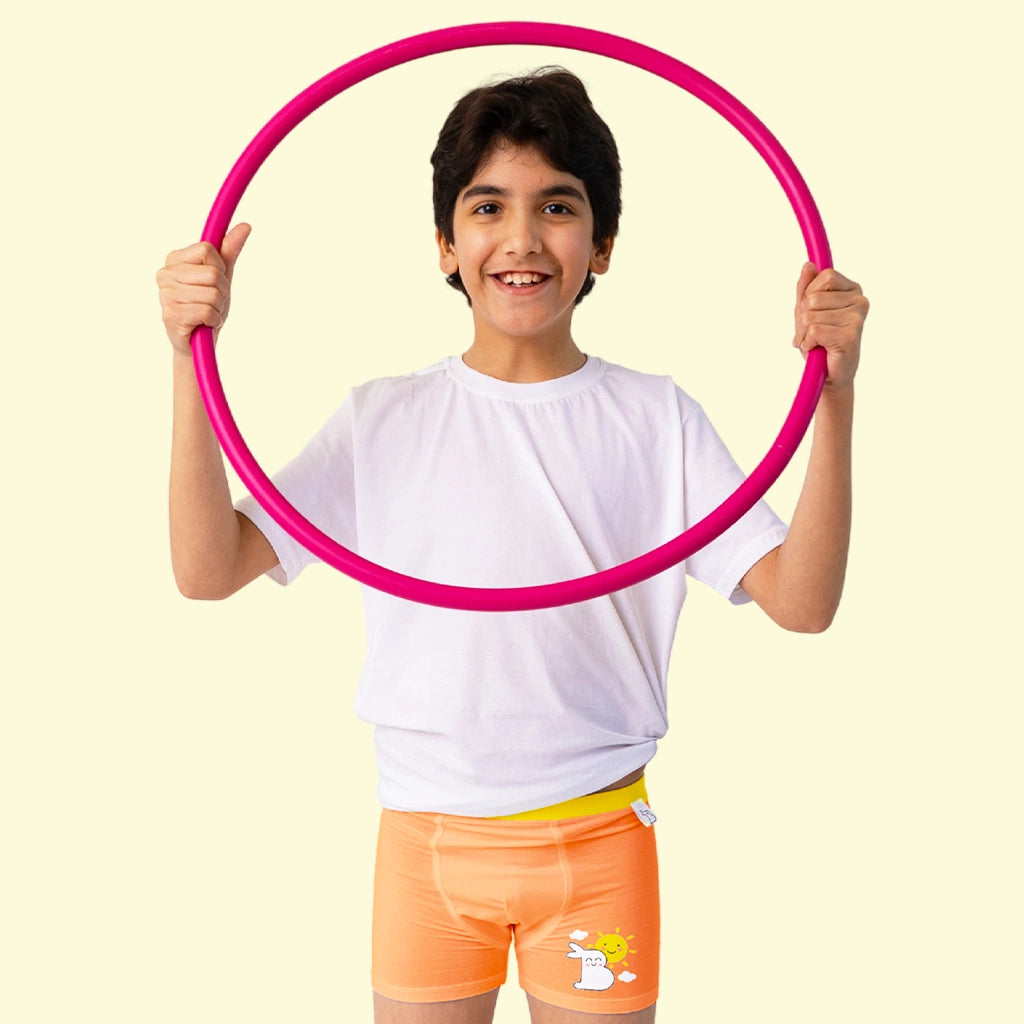
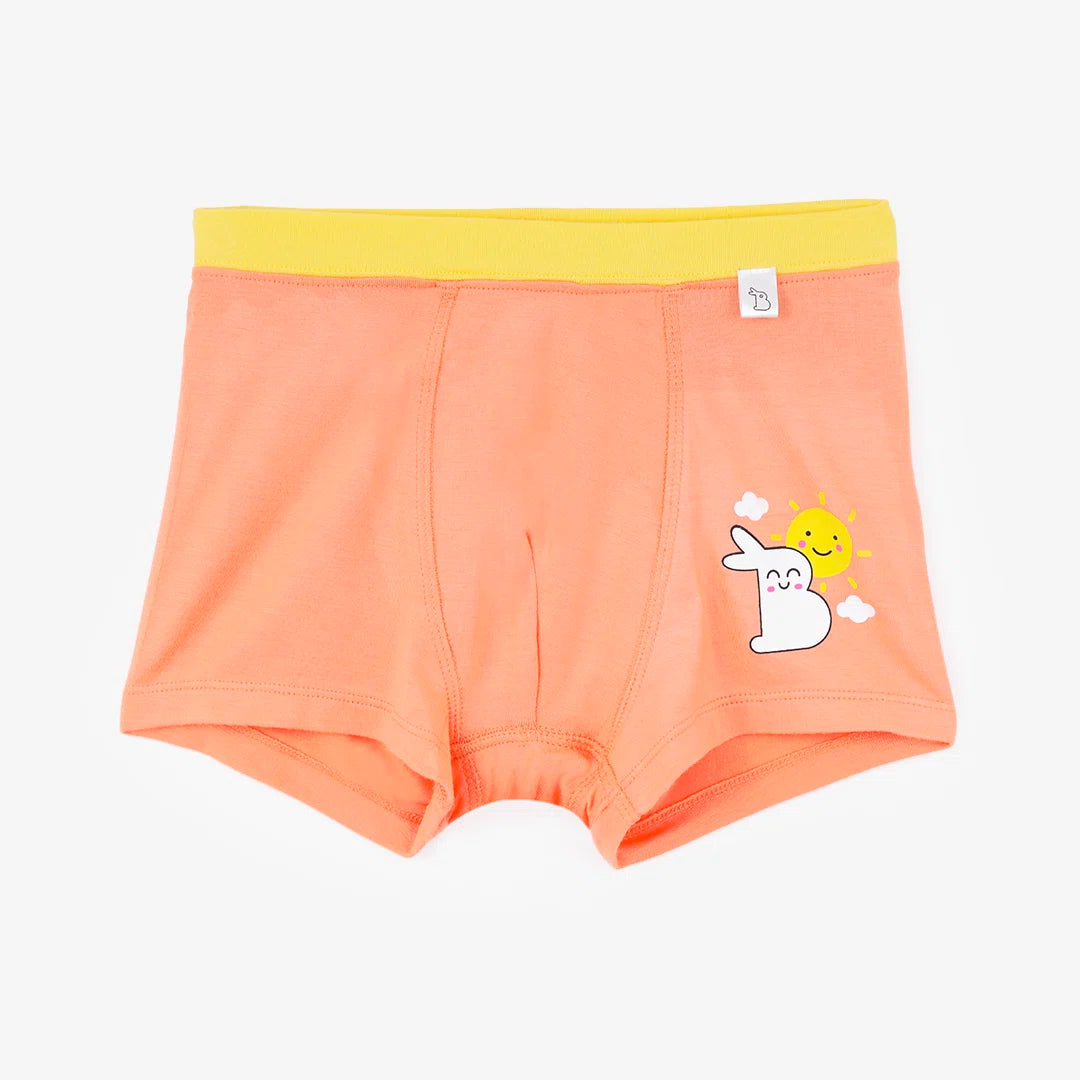
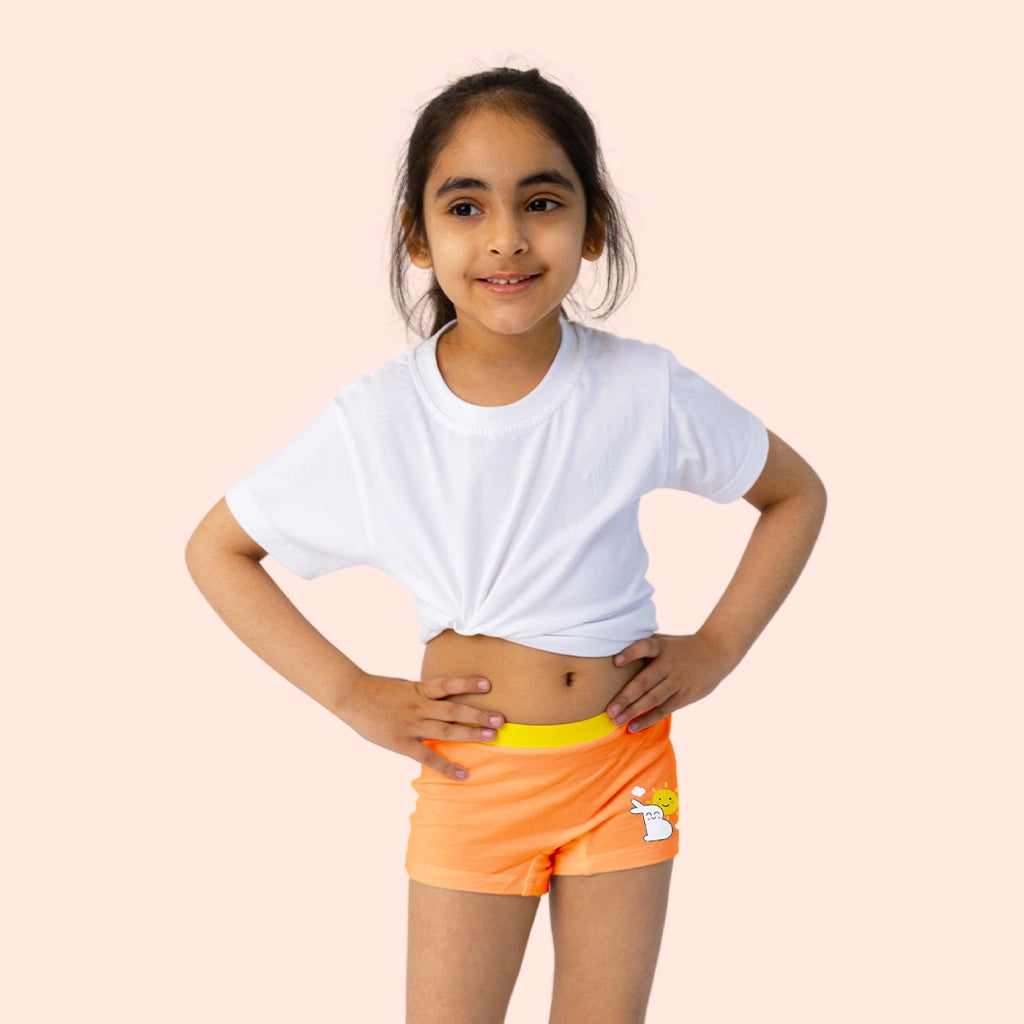
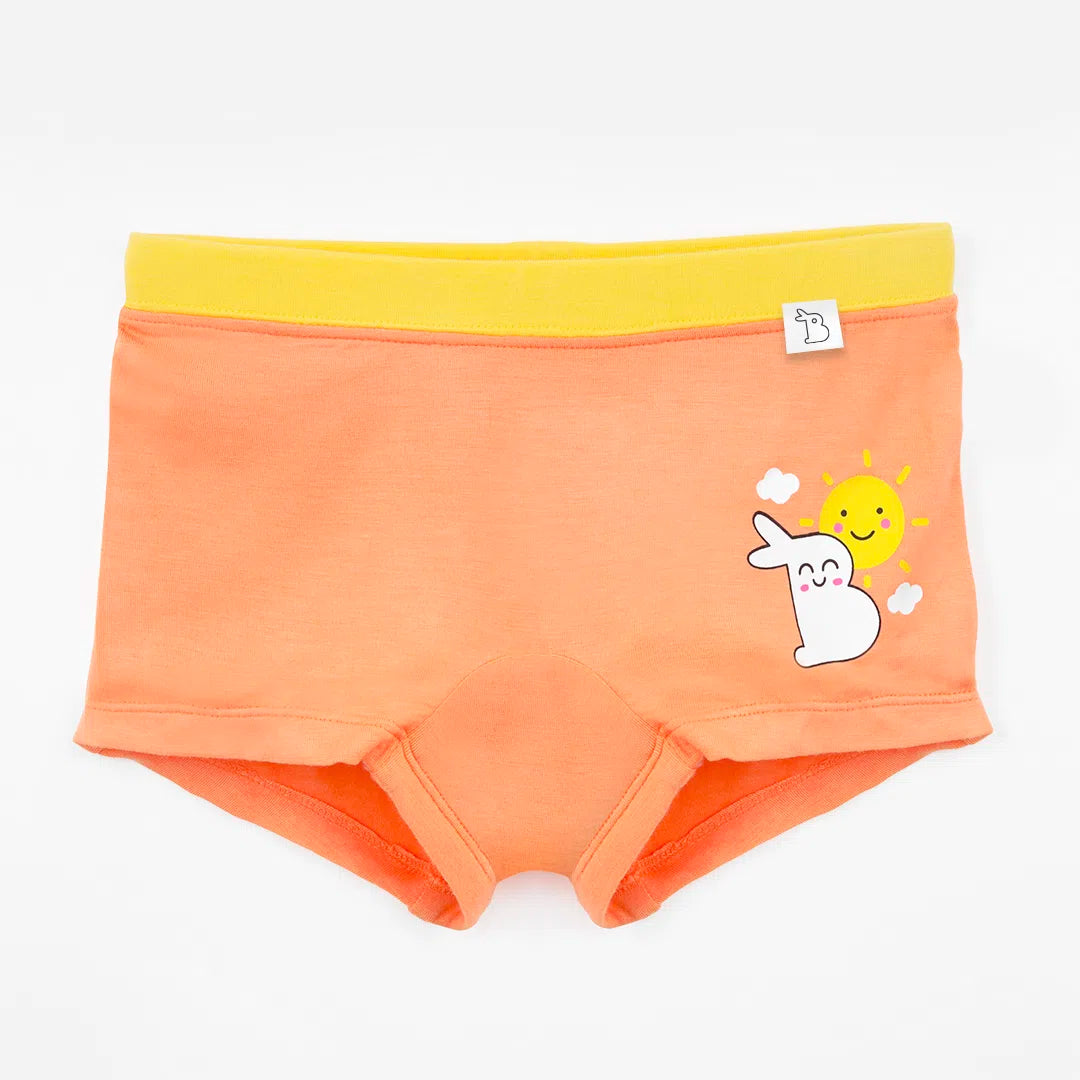
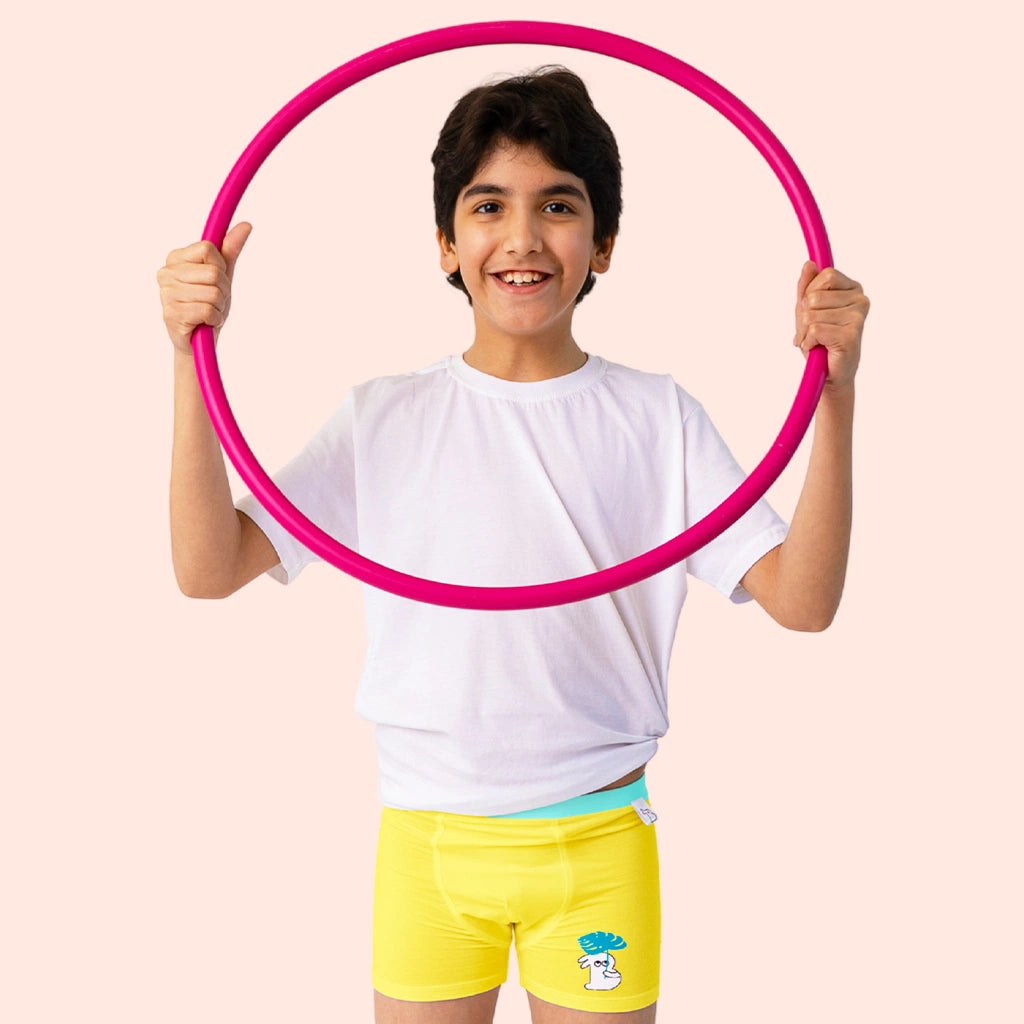
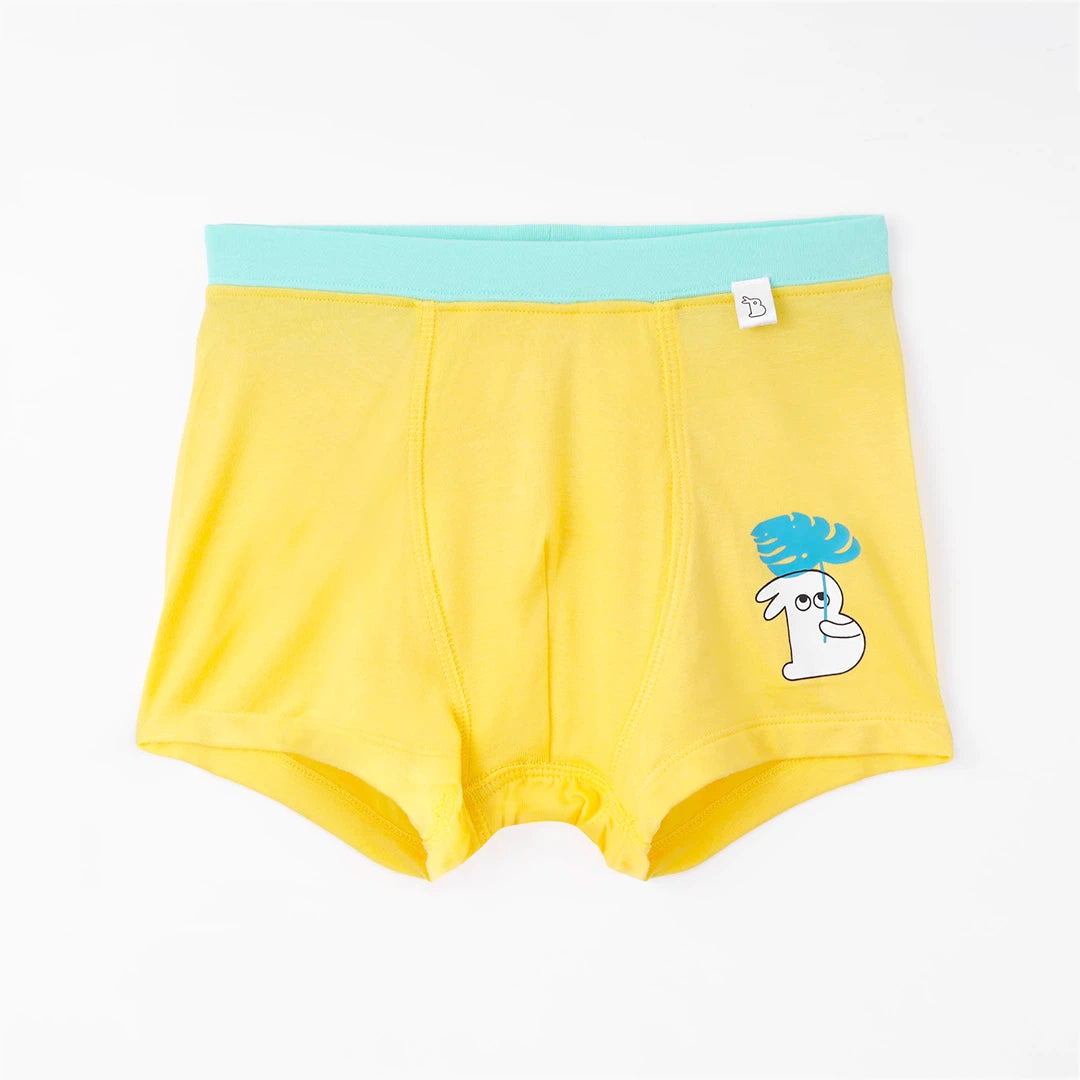
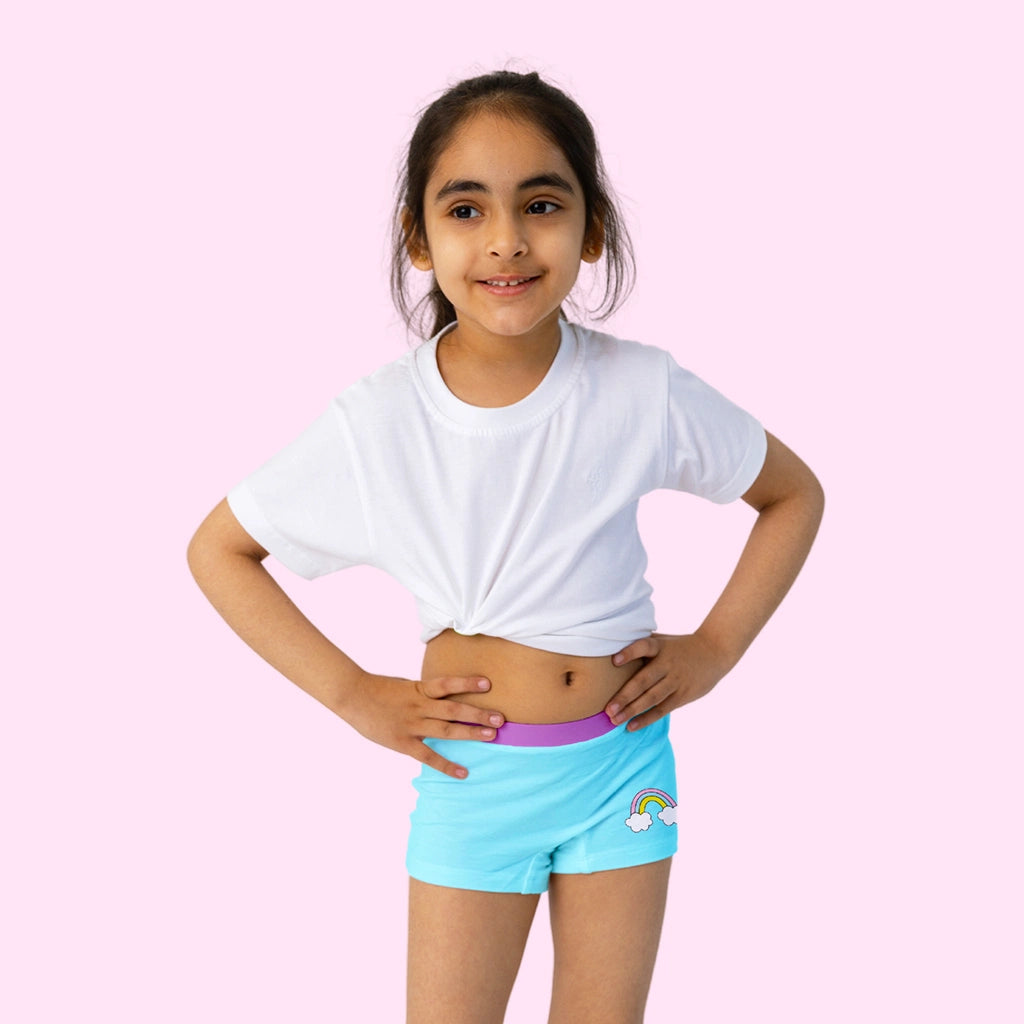
Whether buying underwear for baby girl, underwear for baby boy, or general kids underwear, focus on comfort and independence.
What to Look For
1. Soft Breathable Fabric
Cotton-rich fabrics help reduce sweating, irritation, and discomfort during long wear.
2. Easy Pull-Up Fit
Children should be able to manage underwear independently during toilet routines.
3. Gentle Waistbands
Tight elastics can make children resist wearing them.
4. Proper Sizing
Too-tight underwear causes discomfort; oversized pairs may feel awkward and bunch up.
5. Wash Durability
Kids' underwear gets frequent washing, so durability matters.
Which Type Works Best for Different Situations?
Not every stage of toilet learning needs the same solution. Many families transition gradually instead of making an overnight switch.
A flexible approach often reduces stress and helps children adapt more comfortably.
| Situation | Best Option |
|---|---|
| At home, mostly accident-free | Regular underwear |
| Daycare transition | Potty training underwear |
| Long car rides | Padded underwear backup |
| Sleep time | Separate overnight solution |
| Travel days | Hybrid approach |
| Newly transitioning child | Padded underwear |
What Common Mistakes Do Parents Make During This Transition?
Transition struggles are often caused by timing or unrealistic expectations, not the underwear itself. Knowing common mistakes helps parents avoid unnecessary setbacks.
Small changes in approach can make a big difference.
Common Mistakes to Avoid
Switching too early
If accidents happen frequently, the transition may be premature.
Expecting zero accidents immediately
Accidents are part of learning—not failure.
Using uncomfortable underwear
Scratchy seams or tight waistbands create resistance.
Skipping backup options
Travel, daycare, and outings may still need transition support.
Expert Answer
Toilet training is rarely perfectly linear. Temporary regressions during illness, travel, or routine changes are common and usually not a reason to panic.
Is It Worth Keeping Padded Underwear as Backup?
Yes, for many families, absolutely. Transitioning doesn't always mean abandoning support tools immediately.
Keeping potty training underwear available for specific situations helps children maintain confidence while gradually building independence.
SuperBottoms Pick: Padded Underwear
A practical backup for travel days, daycare transitions, and occasional accidents.
Explore the range → SuperBottoms Padded Underwear
Children often transition more successfully when parents treat padded support as a tool—not a setback.
Moving from potty training underwear to regular kids underwear is a milestone, but timing matters more than speed. The right transition happens when your child shows readiness, confidence, and growing independence.
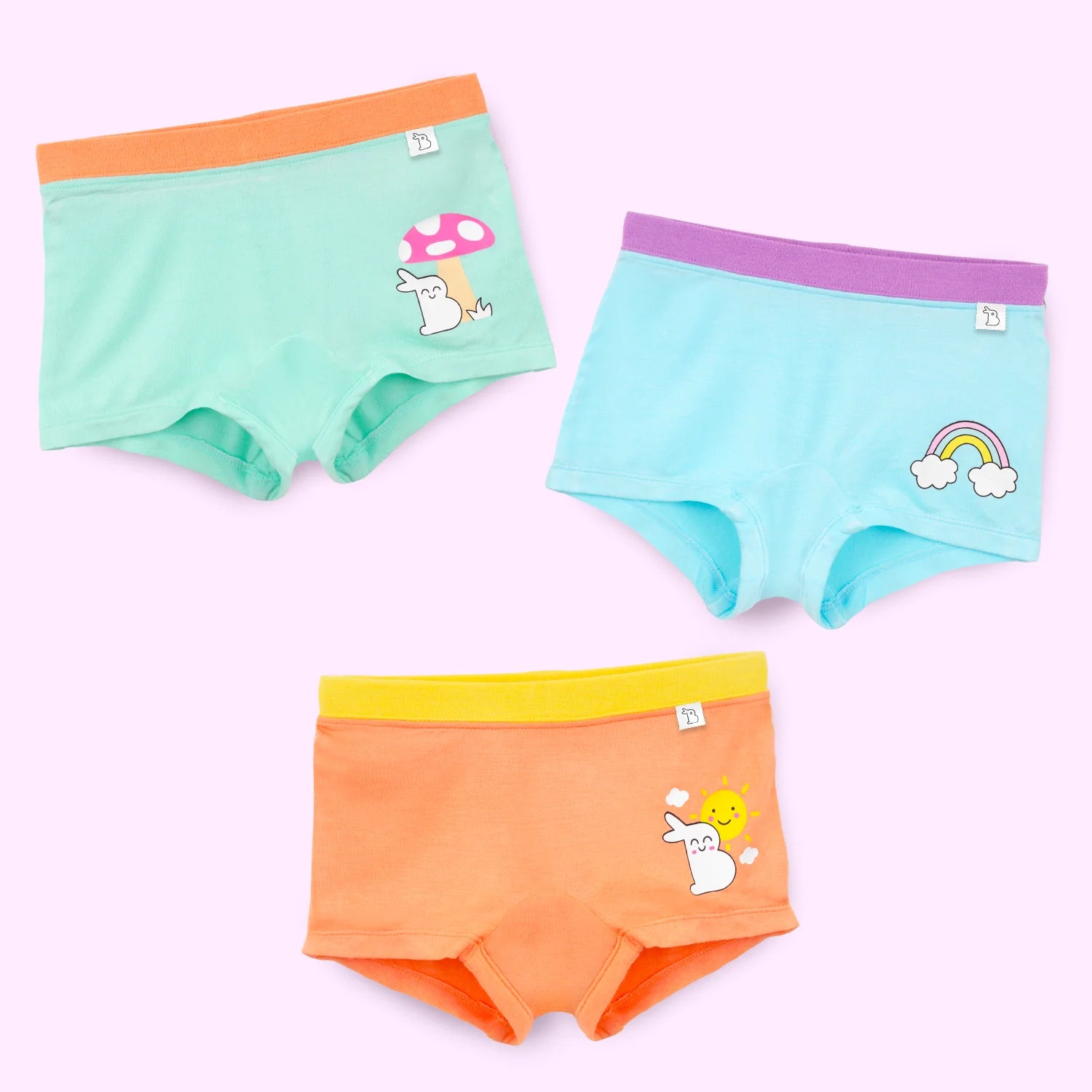
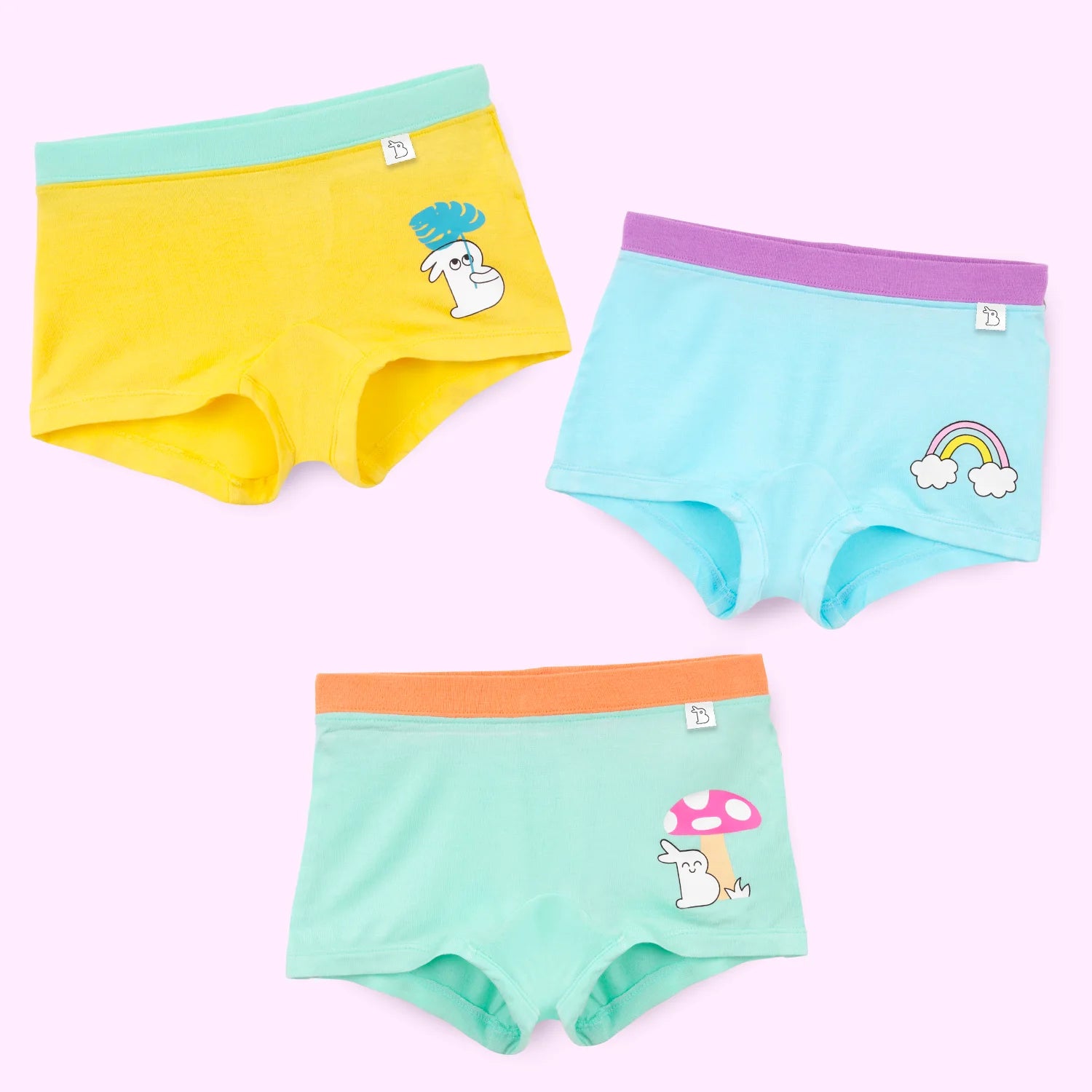
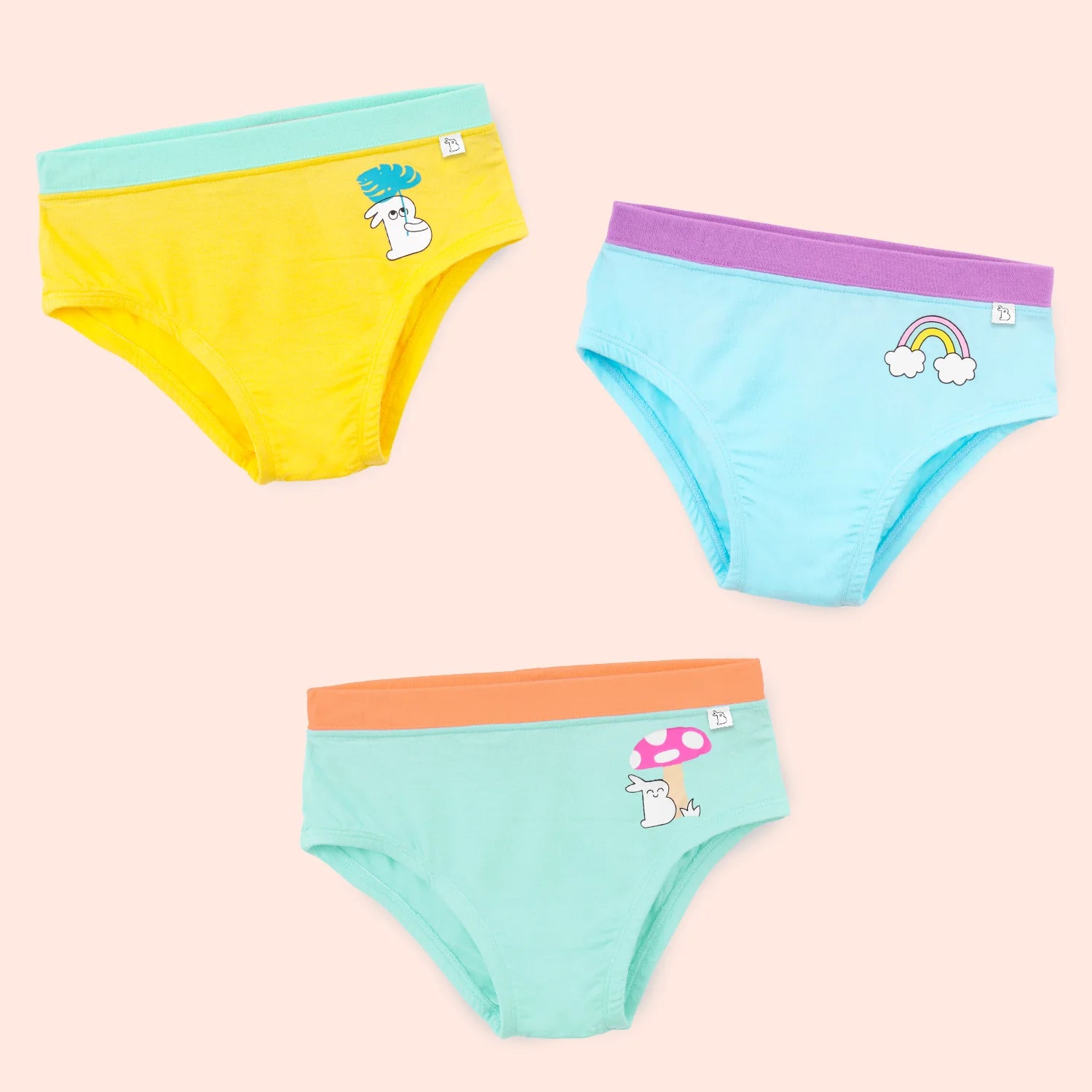
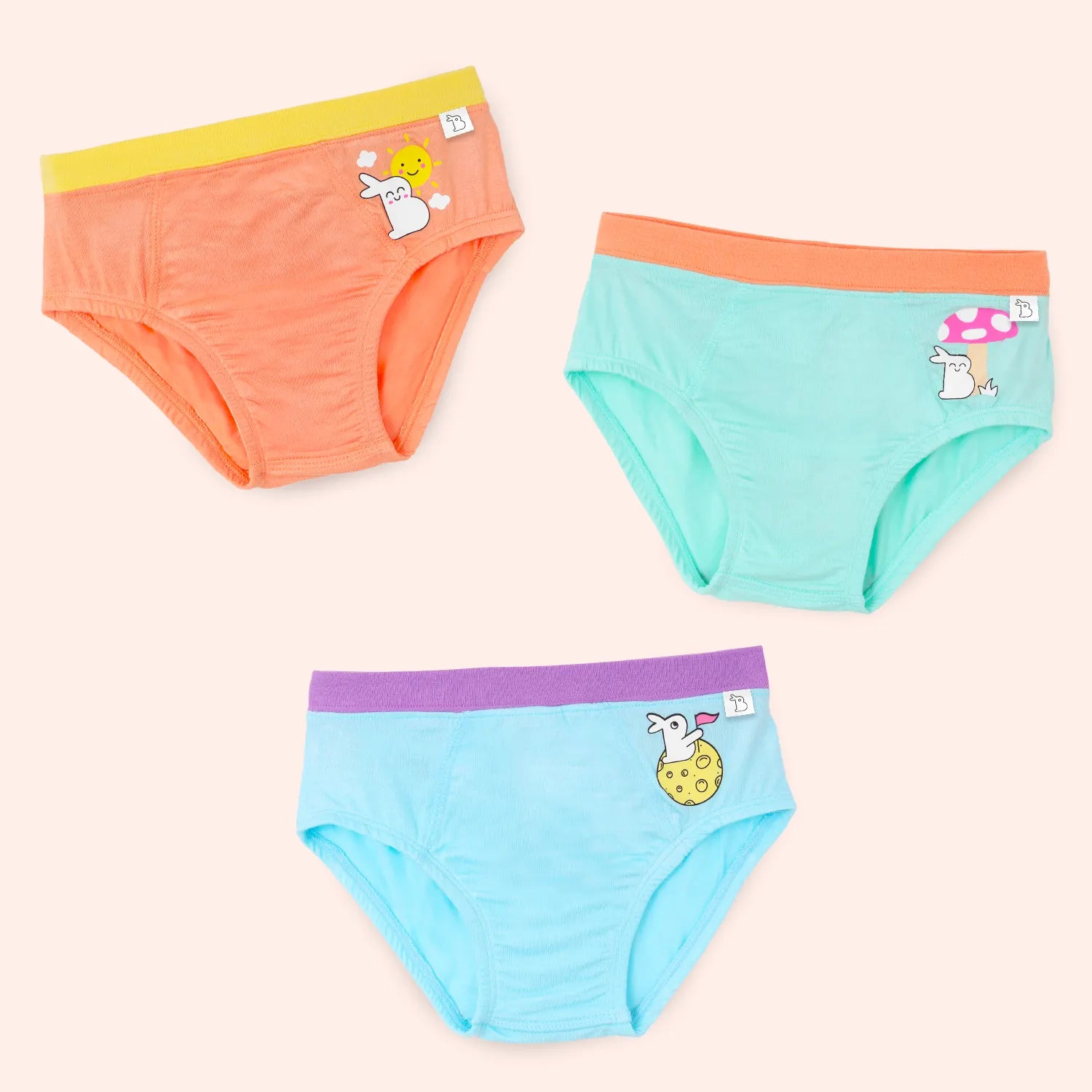
If your child is mostly ready but still needs occasional backup, reusable padded solutions can make the shift smoother without disrupting progress.
Find the right transition support → Explore SuperBottoms SuperSoft Underwear
|
Limited Time Offers + Special Gift Sets! Now or never Super SALE is live on the SuperBottoms website! Take advantage of unbeatable value deals on our UNO Cloth Diapers, Baby Essentials, and more. Looking for the perfect present for a newborn or a toddler? Explore our thoughtfully curated Gift Sets & Combos - safe, skin-friendly, and oh-so-cute! A bundle of love for little ones and a delight for parents. HURRY - Deals and Gift Packs are live only till stocks last. Don’t miss the chance to stock up and share the joy! |
Key Takeaways
- Children should switch when they show readiness, not based on age pressure alone.
- Regular underwear works best when daytime accidents become infrequent.
- Padded underwear can remain a useful transition backup.
FAQs
When should my child stop using potty training underwear?
Most children are ready to transition when they stay dry for longer periods, communicate toilet needs clearly, and manage bathroom routines more independently. Occasional accidents are still completely normal.
When should I switch from padded underwear to regular underwear?
You can switch when your child has fewer daytime accidents and feels confident using the toilet independently. Regular underwear works best when transition support is no longer needed daily.
Is padded underwear the same as a diaper?
No. Padded underwear is designed for light potty-training accidents while helping children feel wetness, whereas diapers are built for heavier absorbency and longer wear.
What is the best regular underwear after potty training?
Soft, breathable regular underwear with a gentle waistband and easy fit works best after potty training. SuperBottoms SuperSoft Underwear can be a comfortable next-step option for everyday wear.
Is SuperSoft Underwear better than padded underwear?
They serve different purposes. Padded underwear helps during potty training transitions, while SuperSoft Underwear is better once your child is mostly accident-free and ready for regular daily innerwear.
What is the best underwear for baby boys during potty training transition?
Comfortable underwear that supports movement and independence works best. During transition, parents may use padded options first, followed by soft regular underwear like SuperSoft Underwear.
What is the best underwear for baby girls during potty training transition?
Breathable, soft, easy-to-manage underwear helps children transition confidently. Once potty habits are more consistent, regular underwear becomes a better everyday option.
Is SuperBottoms worth it for this transition stage?
Yes, because parents may need both transition and post-transition solutions. Padded Underwear can support potty learning, while SuperSoft Underwear works well once the child is ready for regular wear.
Hi there, new parents! SuperBottoms brings you doctor-recommended cloth diapers — the best rash-free diapering solution for your baby's sensitive and delicate skin. Unlike disposable diapers loaded with chemicals, our newborn cloth diapers, when used and washed properly, can help eliminate the risk of diaper rashes. SuperBottoms offers a wide range of safe, skin-friendly essentials for the whole family — including Reusable Cloth Diapers, Diaper Pants, DryFeel langots for diaper-free time, Padded Underwear for potty training, SuperSoft Underwear for everyday comfort, Joggers for playful days, and Period Underwear for women. Not just for everyday use, SuperBottoms products also make the best gifting choice for babies — thoughtful, eco-friendly, practical, and loved by parents. Now available on Amazon, Myntra, Flipkart, FirstCry, Zepto, Swiggy and Blinkit.