






Night time potty training is often the final stage of a child's potty training journey. While daytime success may happen earlier, overnight dryness depends on physical development, bladder maturity, and sleep patterns. Parents wondering when to start night potty training or how to potty train at night can benefit from understanding readiness signs, practical routines, and supportive tools such as potty training pants and potty training underwear for toddlers.
Many parents assume that once a child is potty trained during the day, nighttime diapers can disappear too. Surprisingly, overnight dryness often takes months—or even years—longer to develop. One of the biggest mistakes parents make is trying to rush nighttime potty training before their child's body is ready.
- What Is Night Time Potty Training?
- When Should You Start Night Potty Training?
- Signs Your Child Is Ready for Overnight Dryness
- How to Do Potty Training at Night Successfully
- Best Night Potty Training Tips for Parents
- Potty Training Pants vs Potty Training Underwear
- What Features Should You Look For?
- A Practical Night Potty Training Checklist
- Common Mistakes to Avoid
- When Should You Talk to a Paediatrician?
- Key Takeaways
- FAQs
- Message from SuperBottoms
- References
What Is Night Time Potty Training?
Night time potty training refers to helping a child stay dry throughout the night without relying on diapers. Unlike daytime potty training, nighttime dryness is largely influenced by biological development, including bladder capacity and the brain's ability to recognize a full bladder during sleep.
Many children become daytime potty trained between ages 2 and 3, but nighttime dryness may not consistently happen until ages 5–6. Bedwetting during the preschool years is often considered normal.
When Should You Start Night Potty Training?
Most children are ready for night time potty training only after they have successfully mastered daytime potty training. Readiness varies widely, but many children show signs between ages 3 and 5. The ideal night time potty training age depends more on developmental readiness than age alone.
Signs Your Child Is Ready for Overnight Dryness
Your child may be ready if they:
- Wake up with a dry diaper several mornings in a row
- Stay dry during naps
- Show interest in wearing underwear at night
- Can independently use the toilet
- Recognize when their bladder is full
- Remain dry for longer periods during the day
Experts emphasize that parents should focus on readiness signs rather than comparing their child with others.
Why Do Parents Struggle with Night Potty Training?
Many parents face a common dilemma:
"My child uses the toilet perfectly during the day but still wets the bed at night."
The challenge is that nighttime bladder control cannot be fully taught. Unlike daytime potty use, children are asleep and depend on their body's natural ability to wake them when their bladder is full.
Common mistakes include:
- Removing nighttime protection too early
- Punishing accidents
- Waking children multiple times to pee
- Comparing siblings or peers
- Restricting fluids excessively
These approaches often create stress without improving outcomes.
How to Do Potty Training at Night Successfully
The best way to do potty training at night is to wait for readiness signs, establish a consistent bedtime routine, encourage a toilet visit before sleep, and use supportive products while your child develops natural overnight bladder control.
Step-by-Step Approach
1. Master daytime potty training first
Children who confidently use the toilet during the day are more likely to succeed overnight.
2. Create a bedtime potty routine
Encourage a final toilet visit just before lights out.
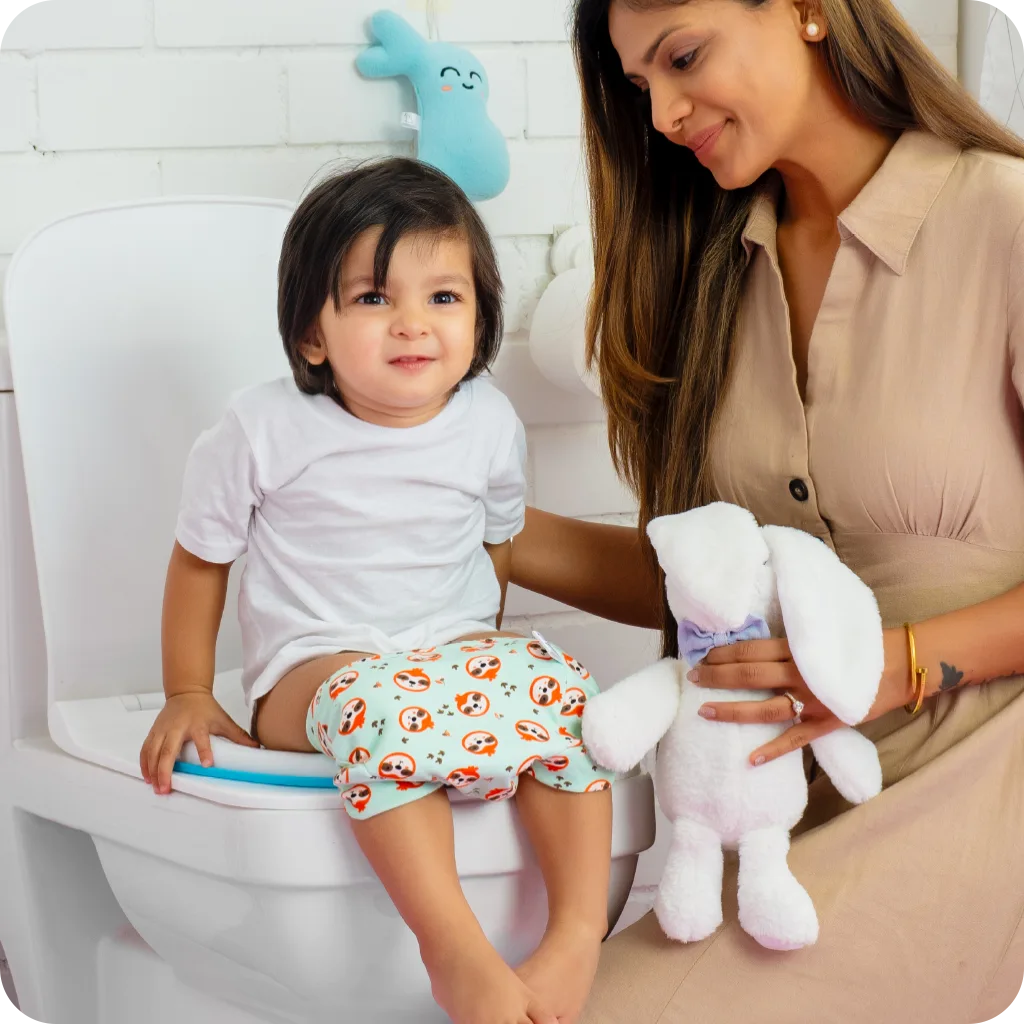
3. Make bathroom access easy
Use:
- Night lights
- Child-friendly toilet seats
- Accessible potty chairs
- Easy-to-remove sleepwear
4. Protect the mattress
Waterproof mattress protectors reduce stress for both parents and children.
5. Celebrate dry nights
Positive reinforcement helps build confidence without pressure.
Night Potty Training Tips That Actually Help
Updated for 2026, these evidence-based night potty training tips can make the transition smoother:
- Encourage regular toilet visits throughout the day
- Avoid large amounts of liquids right before bedtime
- Ensure your child uses the toilet immediately after waking
- Keep the pathway to the bathroom well lit
- Dress your child in easy-to-remove clothing
- Stay calm during accidents
- Focus on consistency, not perfection
Many paediatric experts no longer recommend routinely waking children to pee, as this does not necessarily help them learn independent nighttime bladder control.

Potty Training Pants vs Potty Training Underwear: What's the Difference?
| Feature | Potty Training Pants | Potty Training Underwear |
|---|---|---|
| Absorbency | Moderate | Light to moderate |
| Feels like underwear | Yes | Yes |
| Handles small accidents | Yes | Yes |
| Encourages independence | Yes | Yes |
| Suitable during transition | Excellent | Excellent |
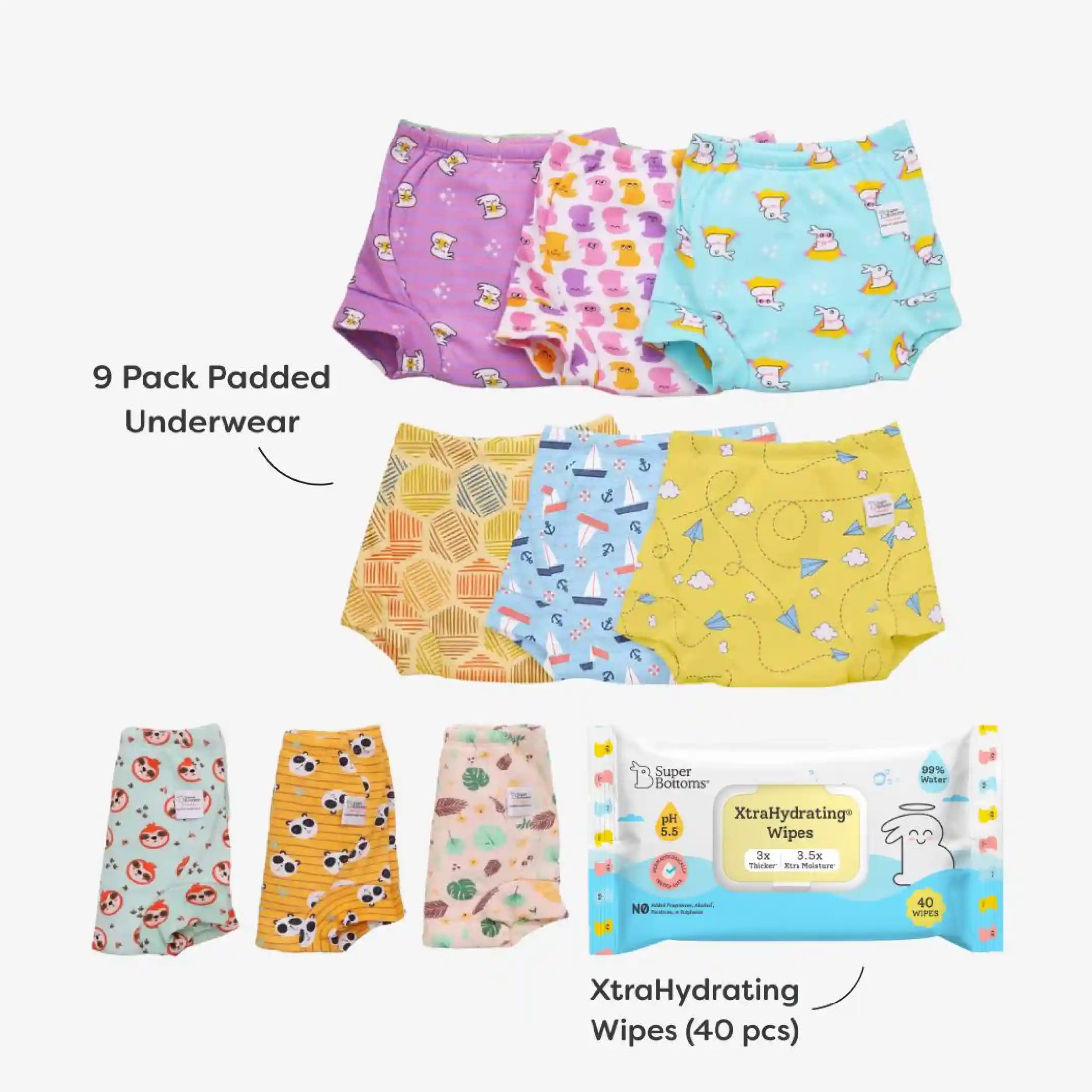
For children beginning overnight training, many parents choose padded underwear for potty training because it offers protection while still helping toddlers recognize wetness.
What Features Should You Look For?
When evaluating potty training underwear for toddlers, look for:
Comfort
Soft, breathable fabrics help prevent irritation during sleep.
Absorbency
Enough protection for small accidents without feeling diaper-like.
Safety
Choose materials that are:
- Skin-friendly
- Free from harmful chemicals
- Gentle on sensitive skin
Easy Pull-Up Design
Promotes independence and confidence.
Sustainability
Reusable options can reduce waste and long-term costs.
A Practical Solution for Parents
Parents often want a middle ground between bulky nighttime diapers and regular underwear.
In such cases, padded underwear for potty training can help toddlers feel more independent while managing minor accidents. Products designed with soft, breathable fabrics and absorbent layers may offer a comfortable transition.
For families exploring reusable options, SuperBottoms Potty Training Pants can be considered as part of a broader potty training routine. They provide a cloth-based alternative that supports independence while helping manage small leaks. This can be a useful bridge between diapers and regular underwear.
Night Potty Training Checklist for Parents
Use this simple checklist before removing nighttime diapers:
Child Readiness
- Dry diaper most mornings
- Daytime potty trained
- Uses the toilet independently
- Can communicate bathroom needs
Bedroom Setup
- Night light installed
- Potty accessible
- Waterproof mattress cover
- Extra bedding available
Parent Mindset
- Expect occasional accidents
- Avoid punishment
- Use positive encouragement
- Focus on progress
Common Mistakes Parents Should Avoid
Starting Too Early
Nighttime dryness is developmental and cannot be rushed.
Using Shame or Punishment
Accidents are usually beyond a child's control.
Comparing Children
Every child's timeline is different.
Expecting Immediate Success
Night potty training is often a gradual process.
What Do Experts Say?
According to Dr Wendy Sue Swanson, MD, Paediatrician, children need easy access to a toilet and an environment that supports independent bathroom use during the potty training process. Developmental readiness remains the most important factor in nighttime success.
When Should You Talk to a Paediatrician?
Consult your paediatrician if:
- Your child is older than 6–7 years and frequently wets the bed
- Bedwetting suddenly starts after months of dryness
- Your child experiences pain while urinating
- There are concerns about constipation, sleep disorders, or urinary issues
Most children eventually achieve nighttime dryness naturally, but professional guidance can help identify underlying causes when needed.
Night time potty training is often the last milestone in a child's potty training journey. While parents naturally want to ditch nighttime diapers quickly, success depends on readiness, patience, and supportive routines. By focusing on developmental signs, creating a positive environment, and choosing appropriate potty training underwear, families can make the transition smoother and less stressful for everyone involved.
Key Takeaways
- Nighttime dryness usually develops later than daytime potty training and depends on physical maturity.
- The best time to start night potty training is when your child consistently shows readiness signs.
- Potty training pants and padded underwear for potty training can support independence during the transition.
FAQs
1. When should I start night potty training?
Most children begin showing readiness between ages 3 and 5, though some may take longer. Focus on readiness signs rather than age alone.
2. What is the typical night time potty training age?
There is no fixed age. Many children achieve consistent nighttime dryness between ages 4 and 6.
3. How do I potty train at night without waking my child?
Use bedtime toilet routines, accessible bathroom setups, and patience. Experts generally recommend allowing natural bladder control to develop.
4. Are potty training pants useful at night?
Yes. They can provide backup protection while encouraging independence during the transition.
5. What is the difference between potty training pants and diapers?
Potty training pants are designed to feel more like underwear and encourage self-management, while diapers are intended for full absorption.
6. Is bedwetting normal after daytime potty training?
Yes. Many children who are fully potty trained during the day still wet the bed occasionally.
7. What are the best features in potty training underwear for toddlers?
Look for breathability, comfort, absorbency, toxin-free materials, and easy pull-up designs.
8. Can reusable potty training underwear help?
Reusable potty training underwear can help toddlers practice independence while offering protection against small accidents and reducing waste.
Hi there, new parents! SuperBottoms brings you doctor-recommended cloth diapers — the best rash-free diapering solution for your baby's sensitive and delicate skin. Unlike disposable diapers loaded with chemicals, our newborn cloth diapers, when used and washed properly, can help eliminate the risk of diaper rashes. SuperBottoms offers a wide range of safe, skin-friendly essentials for the whole family — including Reusable Cloth Diapers, Diaper Pants, DryFeel langots for diaper-free time, Padded Underwear for potty training, SuperSoft Underwear for everyday comfort, Joggers for playful days, and Period Underwear for women. Not just for everyday use, SuperBottoms products also make the best gifting choice for babies — thoughtful, eco-friendly, practical, and loved by parents. Now available on Amazon, Myntra, Flipkart, FirstCry, Zepto, Swiggy and Blinkit.